

Spine Surgery in India for Ethiopian Patients
Five gates every spine case should pass before anyone books a flight — and the reasons a careful adviser will sometimes tell you to stay in Addis Ababa.
Most weeks, someone in Addis Ababa or Hawassa sends me a price for spinal fusion. Attached is a phone photograph of an X ‐ ray, or a CT report, and a message asking whether the number is fair. The number is almost never the problem. The problem is that nobody yet knows what operation the patient needs, or whether they need one at all. In 24 years of arranging surgical care in India for patients across Africa and Asia, I have never seen a spine quotation fail because the hospital charged more than it promised. They fail earlier, where a price was attached to a diagnosis nobody had yet made. So this is not an article about hospitals. It is a route map with five gates. A case that passes all five is ready to travel; a case that fails one is not, and the honest thing is to stop there.
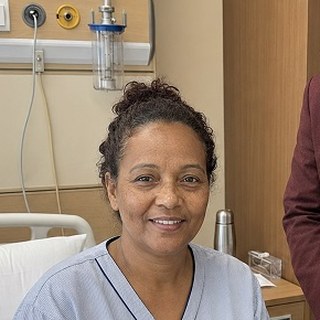
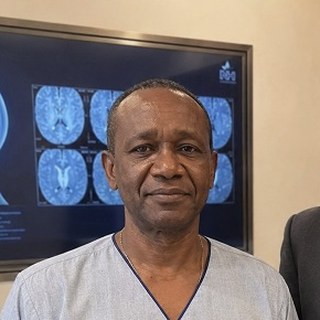
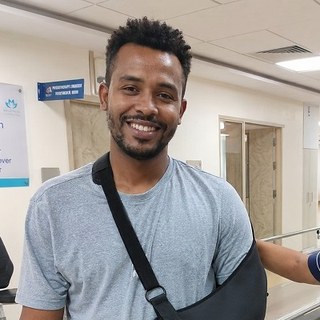
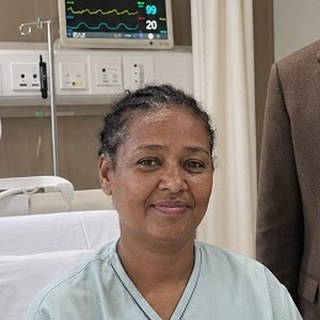
Healing Journeys of Ethiopian Patients

Key Takeaways
- Ethiopian patients should obtain a high-quality MRI scan before requesting a spine surgery quotation, as MRI is essential for diagnosing nerve compression and planning the correct procedure.
- Spine surgery should be recommended only when clinical symptoms match MRI findings. Many patients with back pain do not require surgery.
- Surgery generally provides the greatest benefit for patients with nerve compression causing leg pain, arm pain, numbness or weakness, while isolated back pain often responds less predictably to surgery.
- Tuberculosis of the spine (Pott's disease), pyogenic infection, myeloma and spinal tumours should be excluded before proceeding with spinal instrumentation, particularly in Ethiopia where spinal tuberculosis remains an important consideration.
- Many straightforward spinal procedures can be safely performed in Ethiopia, while complex spinal deformity correction, revision surgery, cervical myelopathy and spinal tumour reconstruction are often better suited to experienced centres in India.
- Patients should compare quotations carefully, ensuring they specify the exact procedure, number of spinal levels, implant details, ICU charges and postoperative investigations.
- Typical spine surgery costs in accredited Indian hospitals range from USD 1,600 to USD 15,600, depending on the procedure and complexity.
- Ethiopian patients generally remain in India for 2–3 weeks after decompression surgery and 3–5 weeks after spinal fusion procedures.
- Successful long-term recovery depends on physiotherapy, follow-up imaging, implant documentation and coordinated postoperative care after returning to Ethiopia.
- Patients should carry their MRI images (DICOM files), operation records, implant card and rehabilitation plan to support future spine care in Ethiopia.
Quick Facts
- Conditions Covered
- Lumbar Disc Herniation, Lumbar Spinal Stenosis, Cervical Myelopathy, Degenerative Spine Disease, Spinal Tuberculosis (Pott's Disease), Failed Spinal Fusion, Spinal Deformity, Spinal Tumours
- Procedures Mentioned
- Microdiscectomy, Lumbar Decompression (Laminectomy), Endoscopic Discectomy, Anterior Cervical Discectomy and Fusion (ACDF), Lumbar Fusion (TLIF), Cervical Disc Replacement, Deformity Correction Surgery
- Target Audience
- Ethiopian patients considering spine surgery in India
- Microdiscectomy
- USD 1,600–3,100
- Lumbar Decompression (Laminectomy)
- USD 1,800–3,650
- ACDF
- USD 2,600–5,200
- Single-Level Lumbar Fusion (TLIF)
- USD 3,650–6,800
- Deformity/Scoliosis Correction
- USD 6,250–15,600
- Typical Stay in India
- Approximately 2–3 Weeks for decompression procedures and 3–5 Weeks for spinal fusion surgery
- Hospital Stay
- Approximately 4–7 Days, depending on the procedure and recovery
- Important Pre-Travel Records
- MRI DICOM files, MRI report, CT scan (if available), neurological examination reports, blood investigations and medication list
- Medical Travel Requirements
- Hospital invitation letter, Indian Medical Visa, Medical Attendant Visa, yellow fever vaccination certificate, oral polio vaccination certificate and changeable return ticket
- Author/Advisor
- Dr. Dheeraj Bojwani
- Experience
- 24+ Years in Medical Travel
In Brief
Choosing spine surgery in India requires Ethiopian patients to establish an accurate diagnosis before comparing treatment costs. MRI findings must correlate with clinical symptoms to determine whether surgery is necessary and which procedure is appropriate. While routine decompression procedures may often be performed successfully in Ethiopia, complex spinal reconstruction, revision surgery, cervical spinal cord compression and tumour-related spine surgery frequently require specialist centres with advanced imaging, neuromonitoring and extensive surgical experience. Patients should request detailed quotations identifying the procedure, number of spinal levels, implant specifications and rehabilitation plan before making travel arrangements.
1 Gate One
Is there a diagnosis, or only a picture?
Spine surgery is planned on MRI — not on an X ‐ ray, which shows bone and says almost nothing about the nerve, and usually not on CT alone. If a surgeon has never seen an MRI of your spine, what they have quoted you for is a guess with a price attached.
This is where Ethiopia's real constraint bites, and it is not a shortage of skill. The neurosurgical workforce has grown extraordinarily fast — from two neurosurgeons in 2006 to around fifty by 2020, among the quickest expansions recorded anywhere on the continent. The scanners did not keep pace. The most recent published national count found thirty ‐ eight CT scanners and eleven MRI units for a hundred and twelve million people, in a dozen urban centres. Private centres in the capital have added machines since, but capacity is still rationed — and a queue for an MRI is a queue in which people are quietly persuaded to settle for a lesser scan.
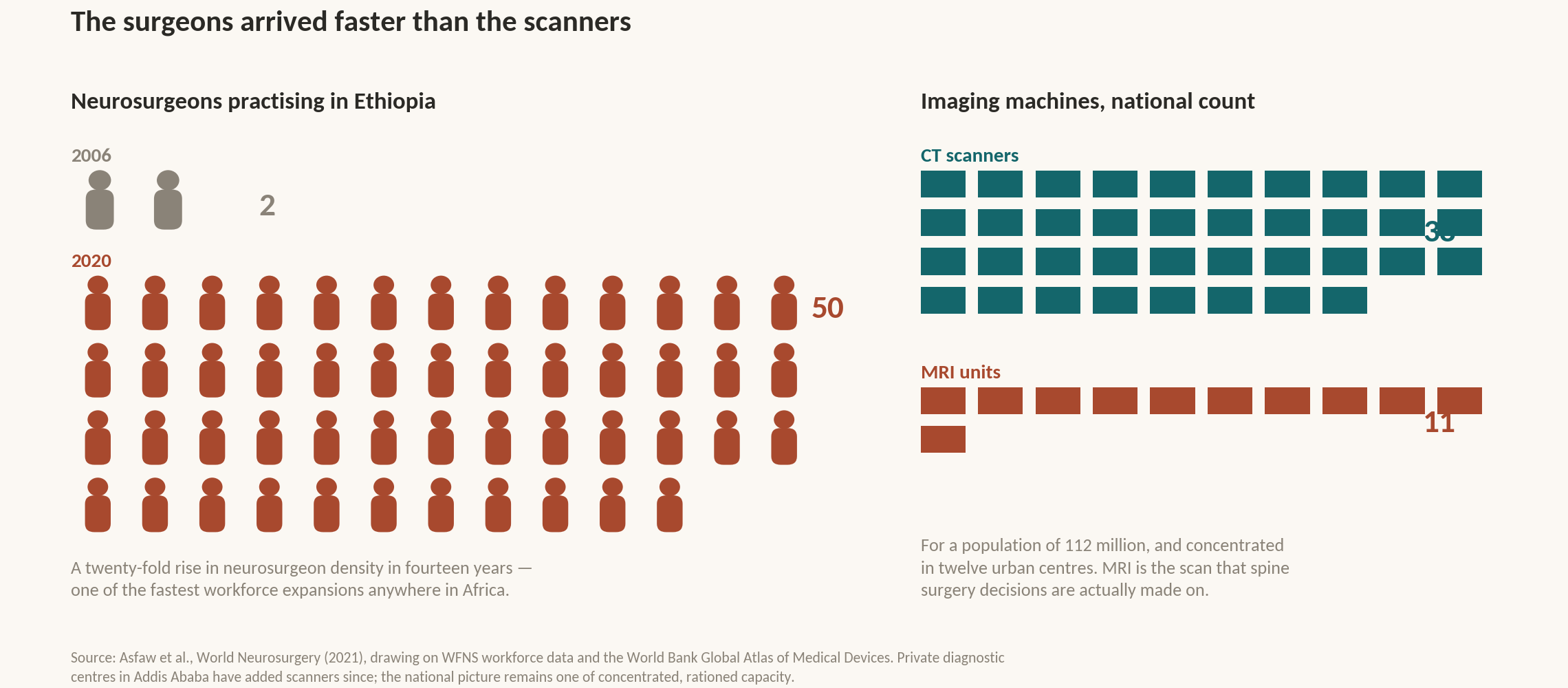
The constraint is diagnostic capacity, not skill.
Two rules follow. Get the MRI before the quotation — a hospital willing to price your surgery without one is telling you something about how it works. And send the study itself, on a disc or as DICOM files, not the typed report and not photographs of a screen. A report is one person's reading; the images let a surgeon see what you are asking about.
2 Gate Two
Does this problem need an operation at all?
Assume the MRI exists and shows something. It does not follow that surgery is the answer. The most useful sentence I can offer a spine patient is this: spine surgery is an operation on a compressed nerve, not an operation on a painful back.
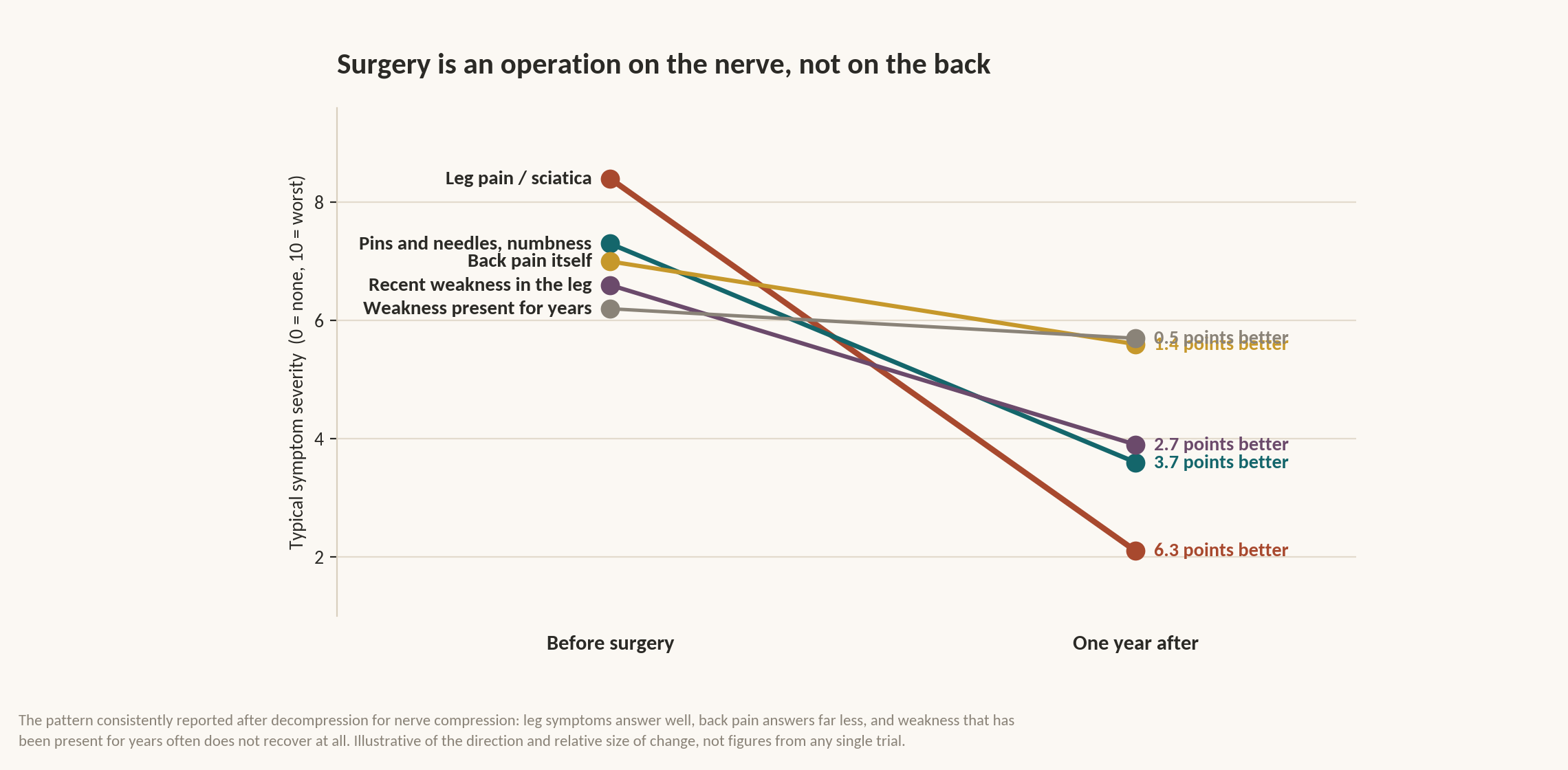
What decompression changes, and what it does not.
Where a nerve is trapped and the pain runs down the leg or arm, decompression works quickly. Where the pain sits in the back itself and the legs are fine, results are far more modest, and a fusion sold as a cure for back pain is the commonest disappointment in this field. Weakness present for years often does not recover whatever is done.
There is also a set of conditions that look like ordinary wear on a scan and are not. Ethiopia is one of the World Health Organization's thirty high ‐ burden countries for tuberculosis, and reports one of the world's highest rates of TB outside the lungs. Tuberculosis of the spine should therefore be actively excluded, not assumed away. The stakes are high: in large published series only about one spinal TB patient in ten needs an operation, the rest being cured with anti ‐ tuberculous drugs. A patient flown abroad and instrumented for what was in fact Pott's disease has been harmed twice — by the surgery, and by the delay to the treatment that would have worked. Pyogenic infection, myeloma and secondary tumour deserve the same suspicion, and the tests that separate them are cheap next to everything that follows.
3 Gate Three
Could this be done in Ethiopia?
I would rather lose a patient to a hospital in Addis Ababa than send one abroad for an operation they could have had at home. For much spine work, home is the right answer.
Tikur Anbessa Specialized Hospital, St Paul's Hospital Millennium Medical College and its AaBET trauma affiliate, the neurosurgical units at Mekelle, Hawassa and Bahir Dar universities, and several private centres in the capital all handle straightforward spinal work competently. A single ‐ level disc herniation with clear sciatica, or a one ‐ or two ‐ level lumbar decompression, is reasonable to have done in Ethiopia — in your own language, with follow ‐ up you can attend.
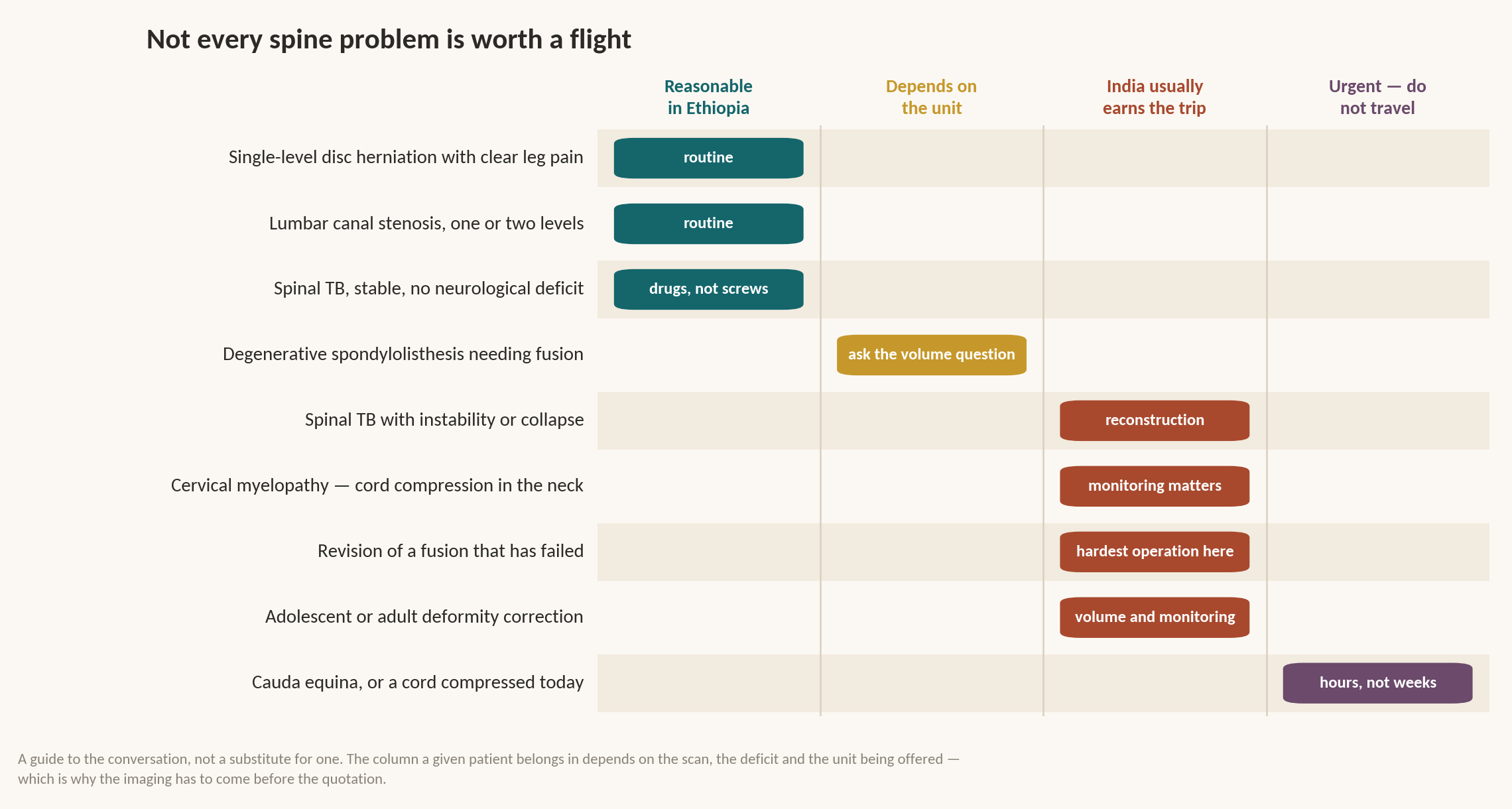
Where the trip is justified, arguable, or wrong.
The case for travelling is about depth, not competence. It applies where the operation is uncommon, technically demanding, or dependent on habits built by doing the same thing every week: revision of a failed fusion, deformity correction, cervical myelopathy where the cord itself is compressed, reconstruction after tuberculous collapse, tumour. Here a surgeon's annual volume in that exact procedure, a dedicated neuromonitoring team, and a shelf holding every implant size genuinely change what happens to you. Ask the Indian unit how many of your operation it does in a year, then ask the same in Addis Ababa. Sometimes the honest comparison sends you home.
One category must not be misread. A cord compressed today, or cauda equina syndrome — loss of bladder control, saddle numbness, both legs failing — is measured in hours. Go to the nearest hospital that can operate. Do not make travel arrangements.
4 Gate Four
Is the money arranged, and does the quotation hold?
Nothing in Ethiopia's public system pays for this. Community ‐ Based Health Insurance covers contracted facilities inside the country; the long ‐ promised social health insurance scheme for formal ‐ sector workers is still not running; neither funds treatment abroad. Ethiopian families pay for this themselves, and I would rather say so plainly than let anyone plan around a subsidy that does not exist.
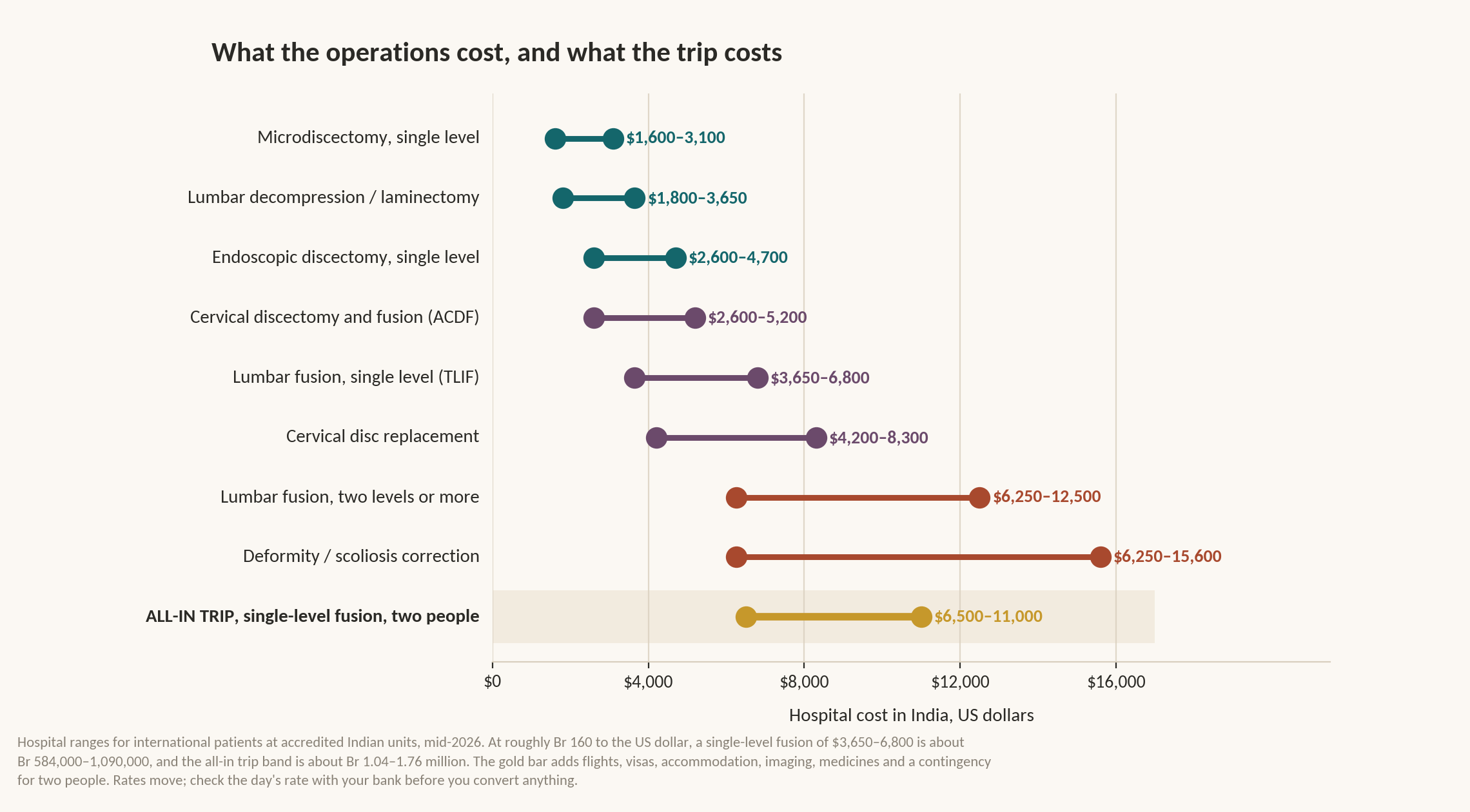
Hospital ranges by operation, and the all ‐ in band for two people.
What has changed recently is how the money moves. Under the National Bank of Ethiopia's revised foreign exchange directive, in force since February 2026, banks may release advance payments of up to twenty thousand US dollars per case for treatment abroad on the strength of a letter from the treating institution, without first demanding a visa or an air ticket. For a spine patient this reverses a miserable old order: you can secure the hospital deposit first and arrange travel afterwards, rather than buying tickets to prove you deserve the currency. Ask your bank for the directive by name, and the hospital for its payment ‐ request letter early.
On the quotation itself: in 24 years I have almost never seen a dispute about the number written on the page. The disputes are about what the number silently left out.
| A quotation, annotatedA composite of the quotes that reach me each month, with the questions I send back. | |
| Spine surgery package — USD 4,200 | Which spine surgery? The procedure and the number of levels, by name. |
| Includes: surgeon, theatre, anaesthesia, 4 days ward | Four days is optimistic for a fusion. What does day five cost? |
| Implants: as required | The two most expensive words here. Manufacturer, model, quantity. |
| ICU: as per requirement | Get the per ‐ day rate in writing before you fly. |
| Not included: investigations | Which ones? The pre ‐ anaesthetic work ‐ up is not optional. |
| Validity: 30 days | Fair — but confirm it still stands the week you travel. |
Pay the deposit into the hospital's own account. Never pay the balance before you arrive, and never to an individual.
5 Gate Five
Who looks after you once you are home?
An operation abroad ends in Ethiopia, not in India, and this is the gate patients think about least. Before discharge you should hold the operation note, the implant card recording the manufacturer, model and size of everything left inside you, the post ‐ operative imaging, a written physiotherapy protocol and a named contact. The implant card matters more than it sounds: if a screw needs attention in five years, the surgeon in Addis Ababa reading your films needs to know exactly what he is looking at.
Agree before you travel who reads the six ‐ week and six ‐ month X ‐ rays, and how the Indian unit will receive them. Arrange physiotherapy in Addis Ababa before you leave, not after you land — recovery from a fusion is months of unglamorous work, and the part most often skipped.
The Ethiopian practicalities
Ethiopian patients hold an advantage most African medical travellers do not. Ethiopian Airlines flies non ‐ stop from Bole to Delhi, Mumbai, Bengaluru, Chennai and Hyderabad, Delhi in under seven hours. After spinal surgery, a single sector home instead of a long Gulf connection is not merely convenient — it is fewer hours immobile, and less risk of a clot. Two vaccination certificates are mandatory for travel from Ethiopia to India, and one has a lead time that catches people out. Yellow fever must be given at least ten days before arrival; oral polio vaccination is required roughly four weeks ahead. Deal with both at the start of the process, or a certificate becomes the thing that delays your surgery.
The medical visa is issued against the Indian hospital's invitation letter through the Embassy of India in Addis Ababa; apply for your companion's medical attendant visa in the same batch, and confirm requirements with the Embassy directly, since they change. Ask the hospital for an Amharic ‐ speaking coordinator, and tell them if you keep the Orthodox fasting calendar — good hospitals plan meals around it, but only if you ask before admission.
A closing word
Send the MRI study itself — the disc or the DICOM files, not the report — with a short note on what your legs and bladder are doing and how long they have been doing it. I will tell you which of the five gates your case is stuck at. Sometimes the answer is that the operation is straightforward and belongs in Addis Ababa, and I will say so.
Frequently Asked Questions by Ethiopians about Spine Surgery in India
Should Ethiopian patients have spine surgery in Ethiopia or India?
Many straightforward spine procedures, such as single-level lumbar decompression for a disc herniation, can often be performed successfully in Ethiopia. However, complex procedures including spinal deformity correction, revision spine surgery, cervical myelopathy, tumour reconstruction and advanced spinal fusion are frequently better suited to experienced specialist centres in India.
Why is an MRI scan essential before planning spine surgery?
MRI is the most important investigation for evaluating nerves, the spinal cord and soft tissues. The guide recommends obtaining the MRI before requesting a quotation and sharing the original DICOM images rather than only the written report so surgeons can accurately assess the condition.
Does every patient with back pain need spine surgery?
No. The guide explains that spine surgery is primarily performed to relieve compressed nerves, not simply to treat back pain. Patients with leg pain, arm pain, numbness or weakness due to nerve compression usually benefit more than those with isolated back pain.
Why should spinal tuberculosis be excluded before surgery?
Because Ethiopia has a significant burden of spinal tuberculosis, conditions such as Pott's disease, spinal infections, myeloma and spinal tumours should be ruled out before spinal instrumentation. Many patients with spinal tuberculosis improve with appropriate medical treatment and may not require surgery.
How much does spine surgery in India cost for Ethiopian patients?
According to the guide, costs vary depending on the procedure. Spine surgery generally ranges from approximately USD 1,600 for microdiscectomy to around USD 15,600 for complex spinal deformity correction.
How long should Ethiopian patients remain in India after spine surgery?
Patients undergoing decompression procedures generally stay 2–3 weeks, while spinal fusion or more complex reconstructive procedures usually require 3–5 weeks, including recovery and fitness-to-fly clearance.
What should patients ask before accepting a spine surgery quotation?
Patients should confirm the exact procedure being recommended, the number of spinal levels involved, implant manufacturer and model, ICU charges, investigations included, expected hospital stay and any possible additional costs that may arise during treatment.
What medical records should Ethiopian patients carry before travelling?
Patients should bring the original MRI DICOM files, MRI report, CT scan if available, neurological examination records, blood investigations, medication list and any previous spine surgery records.
Why is follow-up care important after returning to Ethiopia?
Recovery from spine surgery continues for several months. Patients should arrange physiotherapy before leaving India, undergo scheduled follow-up imaging and maintain communication with both their Indian surgeon and local spine specialist to monitor healing and recovery.
What documents should patients receive before leaving India after spine surgery?
Before returning to Ethiopia, patients should receive their operation note, implant card with manufacturer and implant details, postoperative imaging, medication schedule, written physiotherapy protocol and follow-up instructions for continued care in Ethiopia.
Can I have my MRI done in Ethiopia, or should I wait until I reach India?
Do it in Ethiopia if you can. It is what a serious unit needs to plan your operation and quote accurately before you spend anything on travel. India may repeat it, but it should not be your first scan.
How long will I need to be in India?
Two to three weeks for a decompression, three to five for a fusion, covering assessment, surgery and clearance to fly. Buy a changeable return ticket.
My back pain is severe but my legs are fine. Will surgery help?
Often much less than you hope. Surgery answers nerve compression best. Anyone offering a fusion for back pain alone should put in writing what they expect it to change.
Can my family send money for the hospital deposit from Ethiopia?
Yes, and more easily than before. Since February 2026 banks may advance up to US$20,000 per case for treatment abroad against a letter from the hospital, without a visa or ticket in hand.
What if the Indian surgeon says I do not need an operation?
Then you have had the most valuable consultation of all. A written opinion saying “not yet” costs a fraction of a flight, and has saved patients far more than money.
Page Summary
This guide explains how Ethiopian patients can determine whether spine surgery should be performed in Ethiopia or India by first establishing an accurate diagnosis and confirming whether surgery is truly necessary. It discusses MRI-based diagnosis, nerve compression, spinal tuberculosis, decompression surgery, spinal fusion, treatment costs, rehabilitation, medical travel planning and long-term follow-up. The guide encourages patients to compare hospitals based on surgical expertise, diagnostic accuracy and postoperative care rather than treatment cost alone.
Citation Block
| Topic | Information |
|---|---|
| Topic Information | Details |
| Procedure | Spine Surgery & Spinal Reconstruction |
| Country | India |
| Intended Audience | Ethiopian Patients |
| Conditions Covered | Lumbar Disc Herniation, Lumbar Spinal Stenosis, Cervical Myelopathy, Spinal Tuberculosis, Failed Fusion, Spinal Deformity, Spinal Tumours |
| Procedures | Microdiscectomy, Lumbar Decompression, Endoscopic Discectomy, ACDF, Lumbar Fusion (TLIF), Cervical Disc Replacement, Deformity Correction |
| Typical Stay | Approximately 2–3 Weeks (Decompression) / 3–5 Weeks (Fusion Surgery) |
| Hospital Stay | Approximately 4–7 Days |
| Recovery | Several Weeks to Months with Physiotherapy and Structured Follow-Up |
| Average Spine Surgery Cost | Approximately USD 1,600–15,600 (Depending on Procedure) |
| Key Pre-Travel Records | MRI DICOM Files and Report, CT Scan if Available and Neurological Examination Reports |
| Implant Documentation | Manufacturer, Implant Model, Implant Size, Implant Card and Postoperative Imaging |

Our Mission Statement
Our mission is to place patients at the centre of every healthcare decision by providing trustworthy, evidence-based, and unbiased medical information. We believe that informed patients make better decisions. Backed by personalised guidance from our experienced advisory team, we help patients understand their treatment options, compare them objectively, and confidently choose the path that best suits their medical needs and personal circumstances.
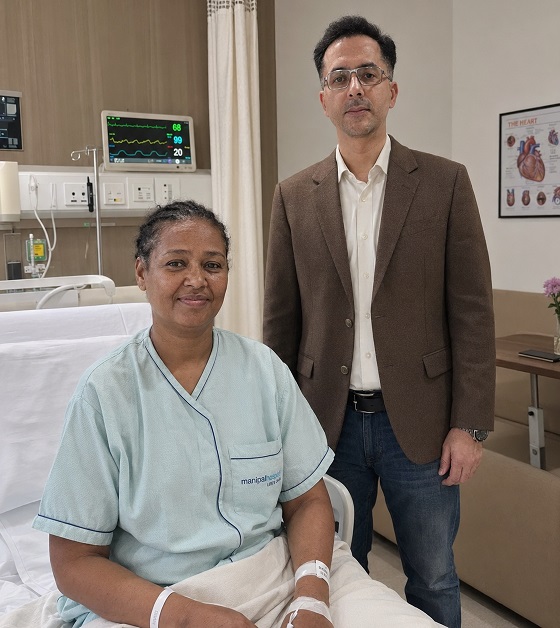
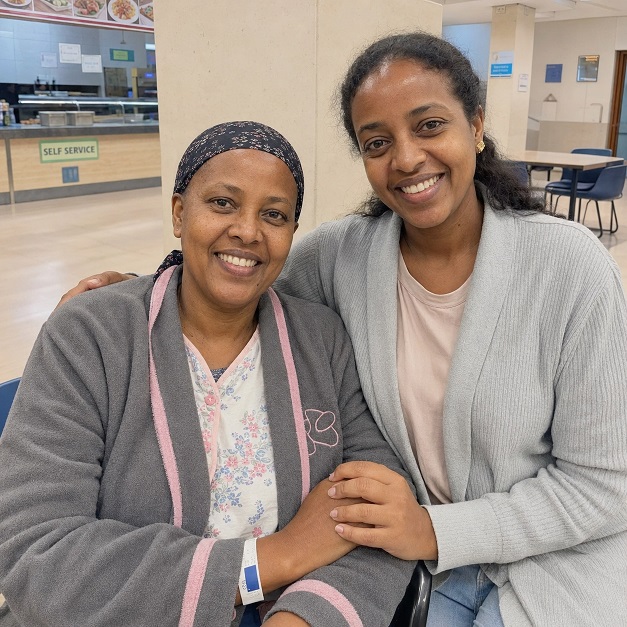
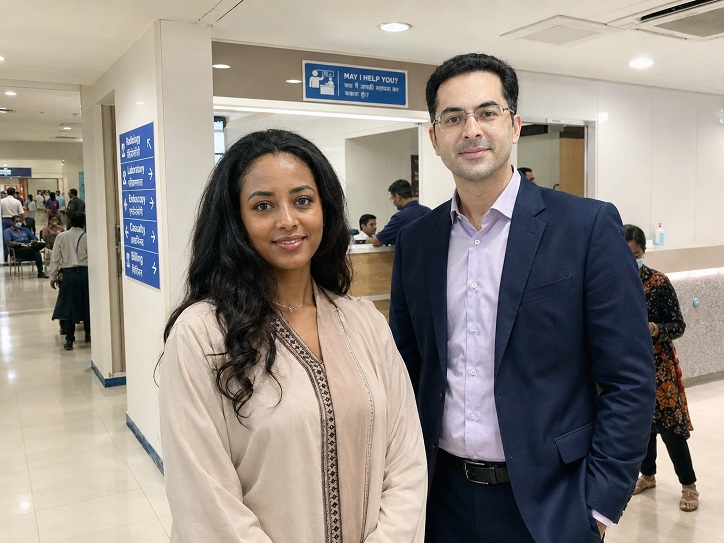
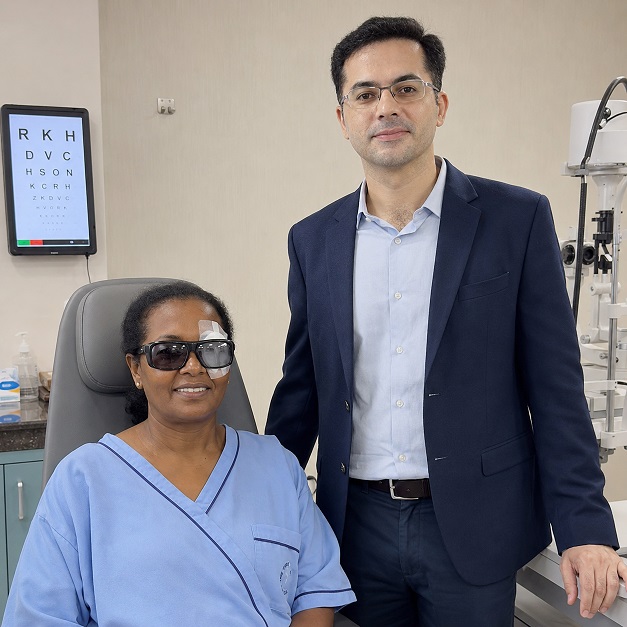
Patient Testimonials from Ethiopia
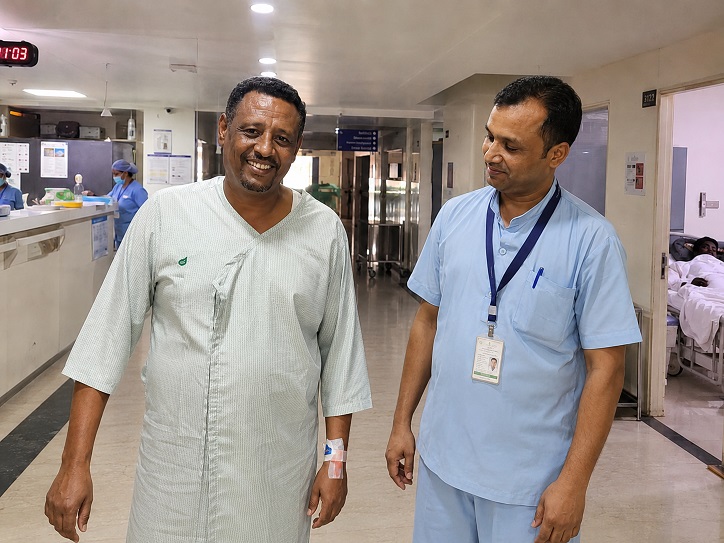
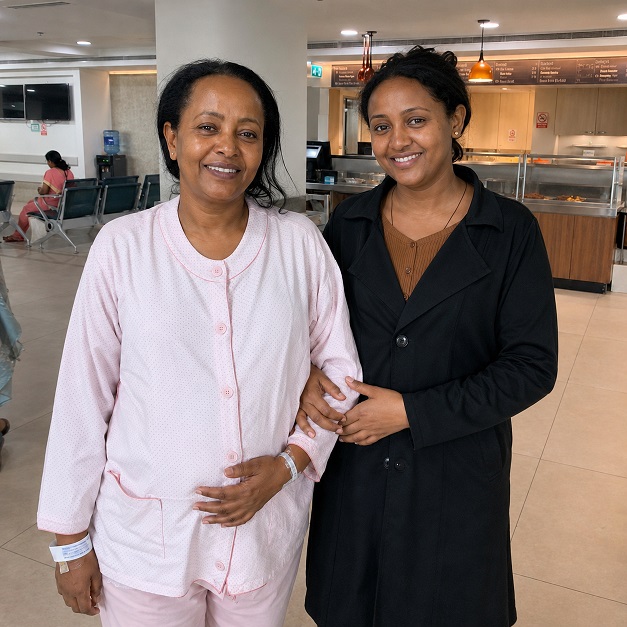
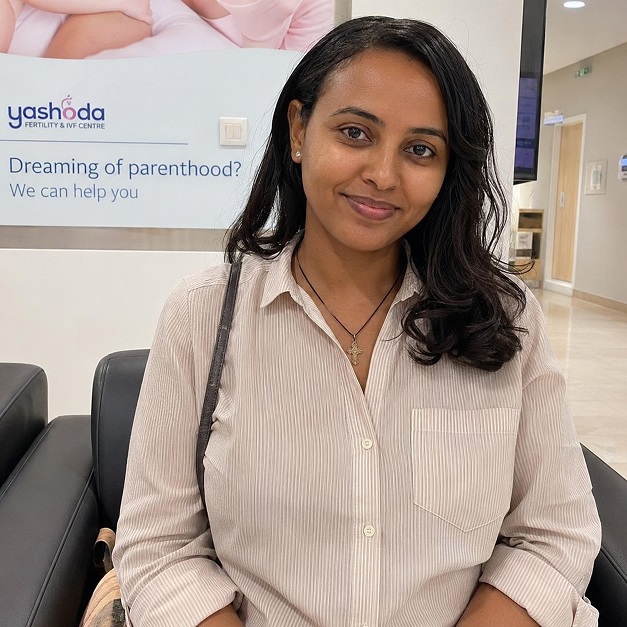
Ready to Take the First Step?
Share your Medical Reports with our Healthcare Managers Today and Get a FREE CONSULTATION, a Personalized Treatment Plan, and Complete Support from Arrival to Recovery.
Get Your Free ConsultationAreas We Serve
This resource has been thoughtfully prepared for patients from Ethiopia who are considering medical treatment in India. We also welcome patients from the wider region in the countries mentioned below-
We assist patients from:
- Eritrea
- Djibouti
- Somalia
- Kenya
- South Sudan
- Sudan
- Burundi
- Comoros
- Ethiopia
- Madagascar
- Malawi
- Mauritius
- Mozambique
- Rwanda
Many of the insights, treatment pathways, hospital recommendations, travel guidance, and patient support services described here are equally relevant and may be used as a reference when planning treatment in India.
From Ethiopia to India: Your Complete Patient Support Guide
- Brain Tumour Surgery in India for Ethiopians
- Cancer Treatment in India for Ethiopians
- Cardiac Surgery in India for Ethiopian Patients
- Cervical and Disc Replacement Surgery in India for Ethiopians
- Cosmetic and Plastic Surgery in India for Ethiopians
- CyberKnife Treatment in India for Ethiopians
- Eye Surgery in India for Ethiopians
- Gamma Knife Treatment in India for Ethiopians
- Heart Valve Replacement Surgery in India for Ethiopians
- Hip Surgery in India for Ethiopian Patients
- Knee Surgery in India for Ethiopian Patients
- Laparoscopic and Robotic Myomectomy Surgery in India for Ethiopians
- Neurosurgery in India for Ethiopians
- Paediatric Cardiac Surgery in India for Ethiopians
- Paediatric Neurosurgery in India for Ethiopians
- Prostate Cancer Treatment and Surgery in India for Ethiopians
- Robotic Cancer Surgery in India for Ethiopians
- Scoliosis Surgery in India for Ethiopians