

Paediatric Cardiac Surgery in India for Ethiopians
Five gates every child's heart case should pass before a family books a flight — and why, for a growing child, the most important word in the whole decision is when.
Aparent who has just been told their child has a hole in the heart wants to know two things: is it serious, and where can it be fixed. Both are the right questions. But there is a third that matters more than either, and it is rarely the one asked first: when does it need to be fixed? In a child, timing is not a scheduling detail. A defect repaired at the right age is often a complete cure — a normal childhood and a normal life. The very same defect, left too long, can become something surgery can no longer put right. The window is real, it is different for every condition, and it does not reopen. In 24 years of arranging surgical care in India for patients across Africa and Asia, the paediatric heart cases that ended well were almost always the ones where the family moved early — not because they panicked, but because someone explained the clock to them. These five gates are built around that clock.
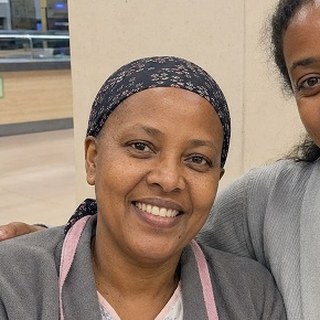
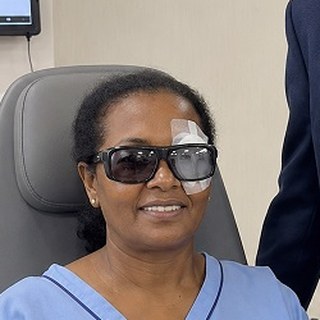
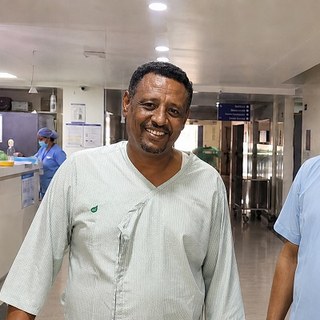
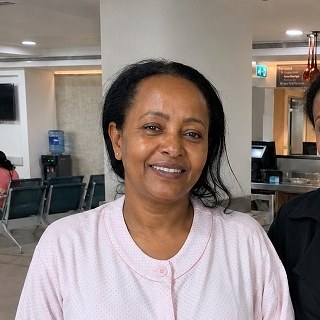
Healing Journeys of Ethiopian Patients

Key Takeaways
- For Ethiopian families considering paediatric cardiac surgery in India, the most important question is often not simply what heart defect the child has, but when it needs to be repaired. Congenital heart defects have different treatment windows, and delaying beyond the appropriate period can sometimes cause irreversible damage.
- The timeline diagram on page 2 shows how different defects follow different schedules. Transposition of the great arteries generally requires correction in the first weeks of life; a large ventricular septal defect (VSD) is usually repaired before about six months; patent ductus arteriosus (PDA) is generally addressed within the first year or two; Tetralogy of Fallot is usually repaired within the first year; and an atrial septal defect (ASD) may often wait until approximately 3–5 years. These are approximate windows rather than individual treatment rules.
- A child who appears healthy can still have a serious heart defect. The guide explains that excessive blood flow through the lungs can gradually cause permanent changes in the pulmonary blood vessels even while the child continues to look well.
- The page 3 diagram illustrates two possible futures for the same treatable defect. Repair at the appropriate age may lead to a one-time cure and normal childhood, while excessive delay can result in irreversible pulmonary vascular disease, including Eisenmenger physiology, after which closing the defect may no longer be appropriate.
- In selected children, a cardiac catheter study may be needed to measure pulmonary pressures directly and determine whether the treatment window remains open.
- Paediatric cardiac surgery should be evaluated as a team service rather than solely by the reputation of one surgeon. The page 4 team diagram identifies the paediatric cardiac surgeon, paediatric cardiac anaesthetist, paediatric intensive-care team, paediatric cardiologist, perfusionist and trained nurses as important parts of the treatment unit.
- The guide particularly stresses the quality of the paediatric intensive-care unit (PICU). Families should ask whether the ICU is specifically staffed for children, how many beds it has and how many similar paediatric cardiac operations the complete team performs each year.
- Ethiopia has developed paediatric cardiac capacity through centres including the Children's Cardiac Center of Ethiopia and Tikur Anbessa. When the appropriate operation is available locally within the child's treatment window, the guide presents local treatment as a reasonable option.
- The largest unpredictable financial variable is often PICU duration. A planned three-day intensive-care stay can become considerably longer if a small child needs additional recovery time. The guide therefore recommends obtaining the additional daily PICU rate in writing before travelling.
- For a straightforward single repair, families should generally plan approximately 3–4 weeks in India. Complex operations and newborn surgery may require longer because the intensive-care and recovery periods cannot be predetermined precisely.
Quick Facts
- Country
- India
- Intended Audience
- Ethiopian families seeking treatment for children with congenital heart disease
- Primary Conditions Covered
- VSD, ASD, PDA, Tetralogy of Fallot, transposition of the great arteries and complex single-ventricle conditions
- Important Qualification
- The page 2 timing chart gives approximate windows for common defects and explicitly states that a paediatric cardiologist determines the individual child's timing.
- PDA Catheter Closure Cost
- Approximately USD 2,000–4,000
- ASD Device Closure Cost
- Approximately USD 3,000–6,000
- Open VSD Repair Cost
- Approximately USD 4,000–8,000
- Tetralogy of Fallot Repair Cost
- Approximately USD 6,000–11,000
- Newborn Arterial Switch Cost
- Approximately USD 8,000–15,000
- Single-Ventricle Surgery Cost
- Approximately USD 7,000–13,000 per stage
- Typical Stay in India
- Approximately 3–4 weeks for a straightforward single repair
- Hospital Stay
- Procedure-dependent; the document does not provide one universal hospital duration.
- Sample Quotation
- The page 5 example shows congenital heart surgery at USD 6,800 with three PICU days included, while additional intensive-care days are separately relevant to budgeting.
- Financial Planning
- The guide states that Ethiopian health financing does not fund overseas treatment and that a bank may release up to USD 20,000 per case against the treating hospital's letter.
In Brief
Paediatric cardiac surgery in India for Ethiopian children should be planned around the treatment window for the child's specific congenital heart defect. Some conditions, such as transposition of the great arteries, may require correction within the first weeks of life, while large VSDs are commonly repaired before approximately six months and ASDs may often wait until 3–5 years. Delaying certain defects can eventually cause irreversible pulmonary vascular damage, making an operation that was previously curative no longer appropriate. Families considering India should evaluate the entire paediatric cardiac team—including the surgeon, cardiologist, anaesthetist, perfusionist and dedicated PICU—while also budgeting carefully for potentially variable intensive-care days.
1 Gate One
What is the defect, and what is its window?
Everything begins with a proper diagnosis, and for a child's heart that means an echocardiogram done and read by someone who works with children's hearts specifically. An adult scan report is not the same thing. Send the images, not only the report.
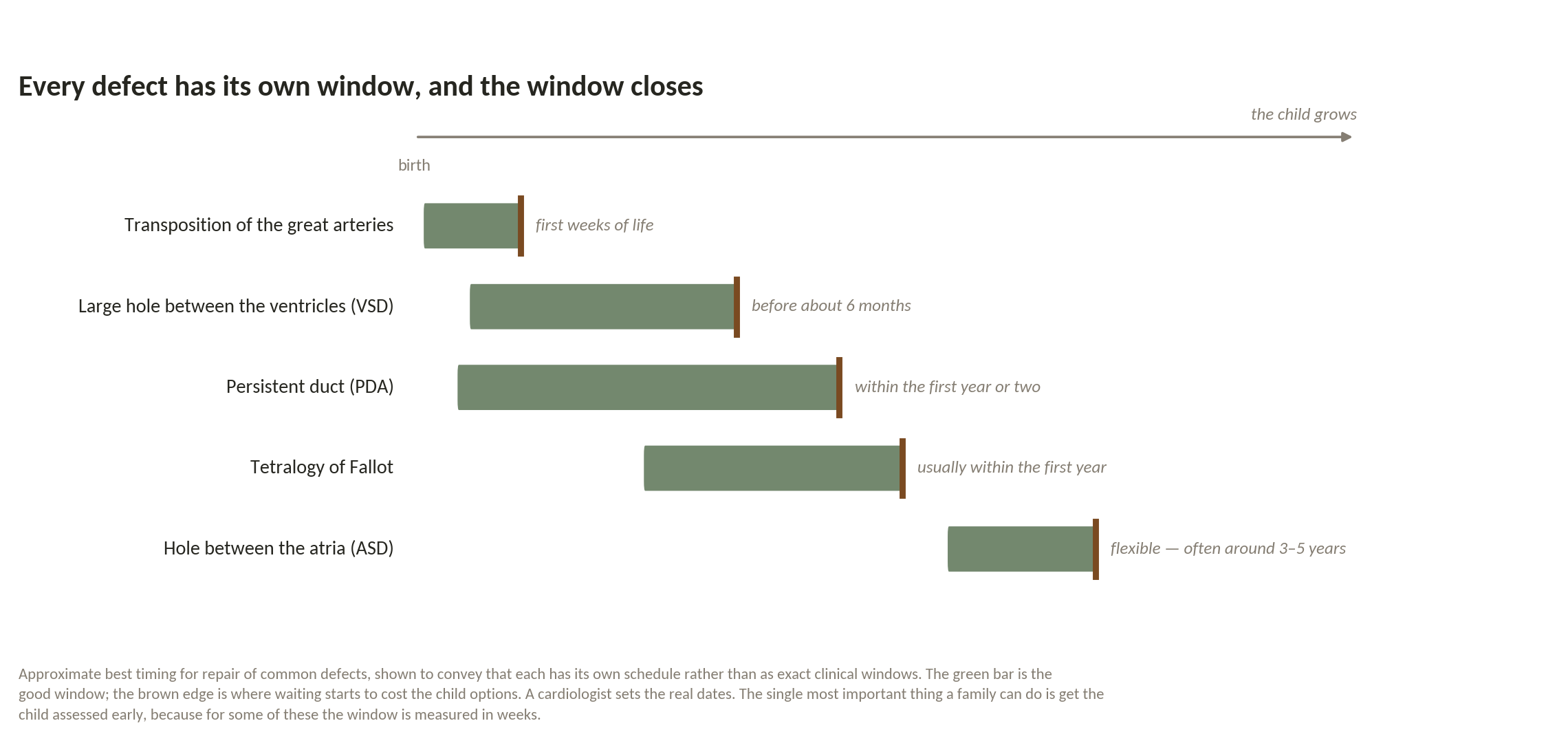
Each defect keeps its own schedule.
The reason the diagnosis matters so urgently is that different defects run on completely different clocks. Transposition of the great arteries must be corrected in the first weeks of life. A large hole between the ventricles is usually best closed before six months, before it can damage the lungs. A hole between the atria, by contrast, can often safely wait until the child is three to five. These are not preferences; they are windows, and a paediatric cardiologist reads the scan to tell you which one your child is in.
So the single most useful thing a family can do is get the child seen early — earlier than feels necessary while the child still looks well. Congenital heart defects are among the most common of all birth conditions, roughly eight to ten in every thousand babies, so this is a well-trodden path, not a rare misfortune. The task is to learn your child's timetable before it runs out.
2 Gate Two
Is the window still open?
This is the gate that makes children different from adults, and it is the reason a paediatric heart referral is urgent even when the child seems perfectly happy.
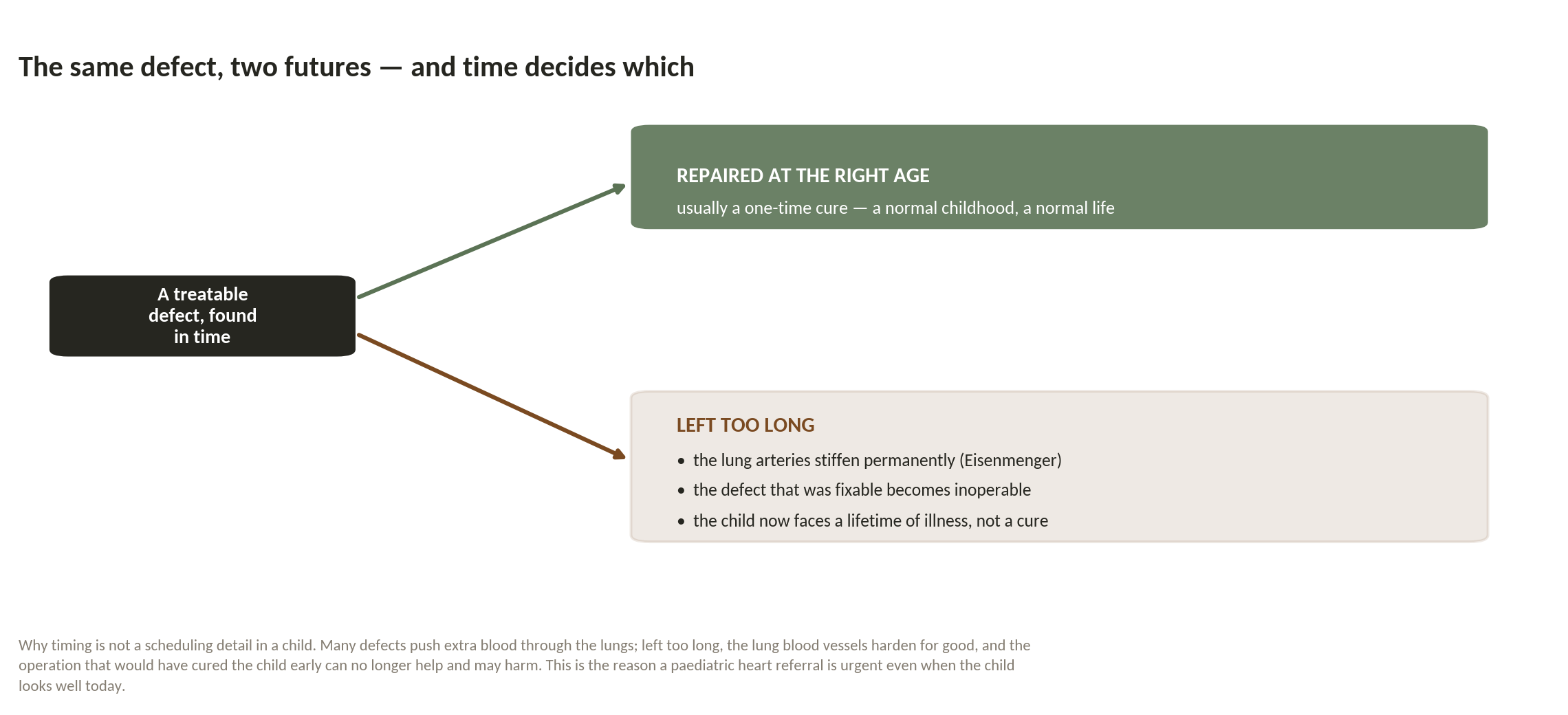
The same defect, and the two futures time chooses between.
Many defects push extra blood through the lungs. For a while the child copes, and often looks well. But that extra flow, sustained for too long, slowly hardens the small blood vessels of the lungs, and past a certain point that damage is permanent. Once it sets in — a condition called Eisenmenger — closing the hole no longer helps and can make matters worse. The operation that would have cured the child at six months becomes an operation no honest surgeon will offer at six years.
This is why looking well is not reassurance. A young heart compensates, and the silent hardening of the lung vessels gives no warning a parent could see. Deciding whether the window is still open sometimes needs a catheter study to measure the lung pressures directly. A surgeon who insists on that measurement before committing is protecting your child, not delaying them.
3 Gate Three
Is it a team, or just a surgeon?
Ethiopia has built real paediatric cardiac capacity — the Children's Cardiac Center of Ethiopia and Tikur Anbessa now perform congenital heart surgery with local teams, a genuine change from the era when everything depended on visiting foreign campaigns. Where a place and the right operation are available at home in time, that is a good option, and I say so.
But capacity is still far smaller than the need, and this is often the reason to travel. When you do, judge the destination on the whole team, not one famous name.
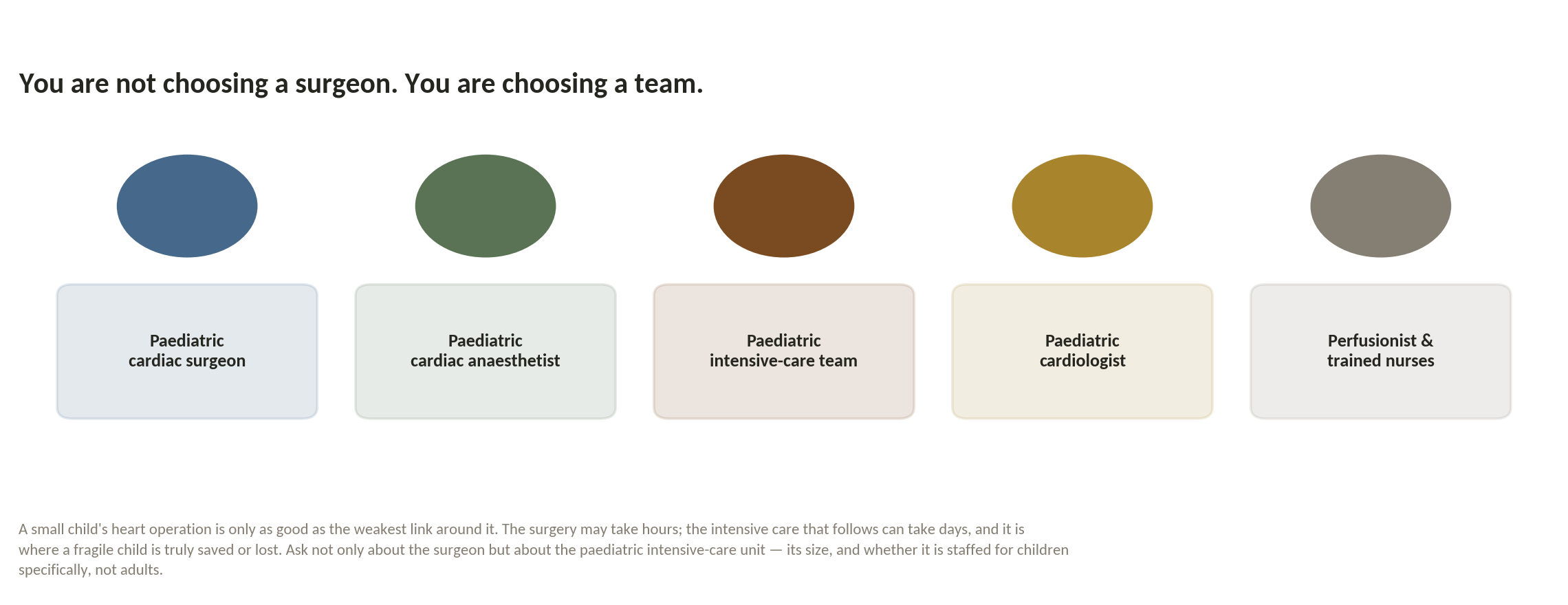
A child's operation is only as strong as the weakest link around it.
A small child's heart is the size of a walnut, and operating on it is only half the task. The surgery may take a few hours; the intensive care that follows can take days, and it is there that a fragile child is truly saved or lost. So ask specifically about the paediatric intensive-care unit — whether it is staffed for children rather than adults, how many beds it has, and how many operations like your child's the team does each year. A high annual volume of paediatric cases is the single most reassuring answer a unit can give.
4 Gate Four
One operation, or several?
Most congenital defects are fixed in a single operation, and the child is then, in the truest sense, cured. But some are not, and knowing which kind your child has changes everything about how you plan and budget.
A few complex conditions — a single functioning pumping chamber is the clearest example — cannot be corrected in one step. They are managed through a planned series of operations staged across the early years of childhood, each building on the last. This is not a complication or a failure; it is the correct treatment for those conditions. But it means a family is committing to a course of care spread over years, sometimes over more than one trip, rather than to a single operation.
The mistake to avoid is discovering this halfway through. Ask, plainly, at the very first consultation: is this a one-time repair, or the first of several? If it is the first of several, ask for the whole plan — how many stages, roughly when, and what each is likely to involve — before you commit to anything. A family that understands the full road can walk it. A family that thought the first operation was the end can be broken by the second.
5 Gate Five
Is the money arranged, and have you counted intensive care?
Ethiopia's health financing does not follow a child abroad. Community ‐ Based Health Insurance covers contracted facilities inside the country, and the formal ‐ sector scheme is still not settling claims. Since February 2026 a bank may release up to twenty thousand US dollars per case against a letter from the treating hospital, without a visa or ticket in hand — which for most single repairs covers the operation.
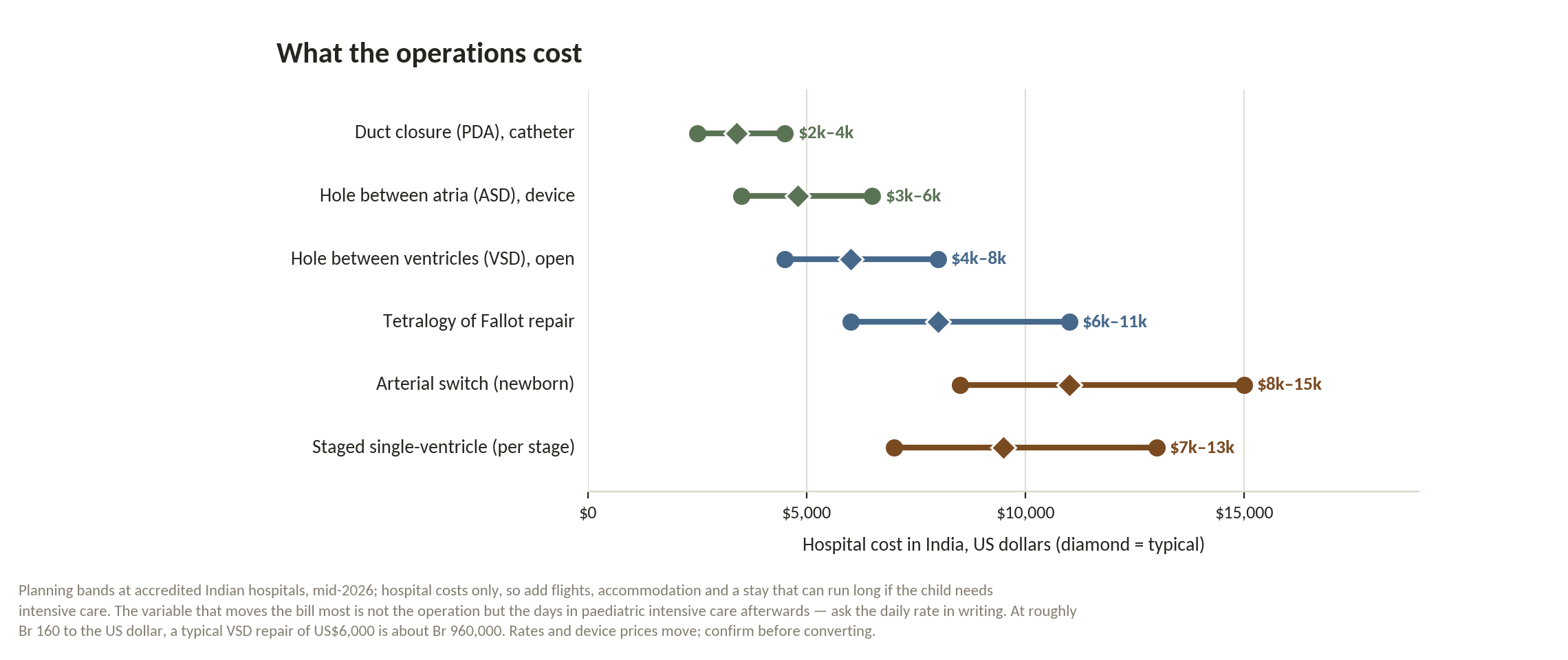
What the operations cost — but the real variable is the intensive-care stay.
The chart shows the operations, but the line that most often surprises families is not on it. In a small child, the single most variable cost is the time spent in paediatric intensive care afterwards. A planned three ‐ day stay that becomes ten — because a small child needed longer to recover — is what turns a manageable budget into a crisis. Ask the daily intensive ‐ care rate in writing before you travel, and hold a genuine contingency against it. For a staged condition, remember you are budgeting for the road, not the first mile.
In 24 years the paediatric heart budgets that broke did so on the days in intensive care that nobody had counted.
| A quotation, annotatedA composite of the paediatric cardiac quotes that reach me, with the questions I send back. | |
| Congenital heart surgery — USD 6,800 | For which defect, and which repair? Ask them to name it. |
| PICU: 3 days included | The item that moves most in a child. Get the daily rate beyond it. |
| Includes: surgeon, theatre, perfusion | Good. Is the paediatric intensive-care team costed in, or extra? |
| Device / patch: as required | For a catheter closure this is much of the bill. Name it. |
| Excludes: pre-operative catheter study | Sometimes essential to know if the window is still open. Price it. |
| Excludes: complications | Every quote does. Ask what a week of extra PICU would cost. |
Pay the hospital and never an individual, and never settle a balance before you arrive.
The Ethiopian practicalities
Ethiopian Airlines flies non ‐ stop from Bole to Delhi, Mumbai, Bengaluru, Chennai and Hyderabad, which for a family travelling with an unwell child means fewer airports, fewer crowds and less exposure to infection than a long Gulf transit. After heart surgery, ask the hospital when it is safe for the child to fly rather than assuming a fixed number of days; for a small child, that clearance is individual.
Yellow fever certification is required at least ten days before arrival and oral polio vaccination roughly four weeks before — but a child's vaccination schedule and heart condition interact, so make this a question for the doctor, not a form-filling exercise, and start it early. The medical visa follows the hospital's invitation letter through the Embassy of India in Addis Ababa; apply for both parents where you can rather than one, since a child in intensive care needs family present. Confirm current rules with the Embassy, since they change, and ask the hospital for an Amharic ‐ speaking coordinator to help through the consent conversations, which for a child's heart surgery are detailed and deserve to be understood fully.
A closing word
Send the echocardiogram — the images and the report, not the report alone — with the child's age, weight and growth history, and a note on colour, breathing and feeding. For a child's heart those everyday details matter as much as the scan. I will tell you which gate you are standing at, and above all whether this is a case that needs to move quickly. Where the honest answer is that a place at home in Addis Ababa would serve your child as well, I will say that too.
Sources
- 🌐 Ejigu & Amare. Paediatric cardiac surgery in Ethiopia: a single-centre experience. Ethiopian Journal of Health Sciences, 2023
- 🌐 Alemseged & Tefera. Haematologic derangements in children with unoperated cyanotic congenital heart disease in Ethiopia
- 🌐 Paediatric cardiac surgical capacity-building in Ethiopia and Côte d'Ivoire. Frontiers in Pediatrics, 2021
- 🌐 How caregivers of children with congenital heart disease navigate care in Ethiopia. BMC Health Services Research, 2021
- 🌐 Indian paediatric cardiac cost ranges, mid-2026, from published international-patient price guides (Medsurge India, Lyfboat
- 🌐 National Bank of Ethiopia Directive FXD/04/2026; Embassy of India, Addis Ababa (visa and vaccination). Confirm directly, as terms change
Frequently Asked Questions by Ethiopians about Paediatric Cardiac Surgery in India
When should an Ethiopian child with a congenital heart defect have surgery?
There is no single age for all congenital heart defects. The timeline on page 2 shows approximate treatment windows: transposition of the great arteries may require correction in the first weeks of life, a large VSD is generally repaired before about 6 months, PDA within the first year or two, Tetralogy of Fallot usually within the first year, while an ASD may often wait until around 3–5 years. The child's individual timing must be determined by a paediatric cardiologist from the echocardiogram.
Why can heart surgery be urgent even when the child looks healthy?
The guide explains that a young child's heart can compensate for a significant defect, so the child may continue playing, feeding and appearing relatively well. However, excessive blood flow through the lungs can gradually damage the pulmonary blood vessels without obvious external warning. This is why looking well does not necessarily mean it is safe to delay treatment.
What happens if a VSD or another treatable heart defect is left too long?
The two-futures diagram on page 3 shows the potential consequences of delayed treatment. A defect repaired within the appropriate window may result in a one-time cure and normal childhood. If left too long, however, the lung arteries may become permanently damaged, potentially progressing to Eisenmenger physiology. At that stage, closing a defect that was previously treatable may no longer be appropriate.
How much does paediatric cardiac surgery in India cost for Ethiopian children?
According to the cost chart on page 5, indicative Indian hospital costs are approximately USD 2,000–4,000 for PDA catheter closure, USD 3,000–6,000 for ASD device closure, USD 4,000–8,000 for open VSD repair, USD 6,000–11,000 for Tetralogy of Fallot repair, USD 8,000–15,000 for a newborn arterial switch, and USD 7,000–13,000 per stage for single-ventricle surgery.
How should Ethiopian parents choose a paediatric cardiac centre in India?
The guide advises parents to evaluate the entire paediatric cardiac team rather than choosing only by a famous surgeon's name. The page 4 diagram identifies the paediatric cardiac surgeon, paediatric cardiac anaesthetist, paediatric cardiologist, dedicated paediatric intensive-care team, perfusionist and trained nurses as important components. Families should also ask how many operations similar to their child's the team performs each year.
Why is the PICU so important after a child's heart operation?
The operation itself may take only a few hours, but recovery in the paediatric intensive-care unit (PICU) can take days. The guide describes this postoperative period as a critical part of treatment, particularly for small or fragile children. Parents should ask whether the ICU is specifically staffed for children, how many paediatric beds are available and whether the intensive-care team routinely manages congenital heart surgery patients.
Will one heart operation completely treat the child's condition?
Often, yes, but not always. The guide states that many congenital defects can be corrected with a single definitive operation. Some complex conditions, particularly those involving a single functioning pumping chamber, require a planned series of operations across early childhood. Parents should therefore ask at the first consultation whether the proposed procedure is a one-time repair or the first stage of several.
Why should Ethiopian families budget for extra intensive-care days?
The document identifies additional PICU days as one of the largest unpredictable costs in paediatric heart surgery. A child expected to spend three days in intensive care may need ten days if recovery takes longer. The annotated quotation on page 5 therefore recommends obtaining the daily PICU rate beyond the included package days in writing and keeping a genuine financial contingency.
How long should an Ethiopian family expect to stay in India after the child's heart surgery?
The guide gives approximately 3–4 weeks for a single straightforward repair. Complex congenital heart surgery or an operation on a newborn may require a longer stay because PICU and postoperative recovery cannot be rushed. The hospital should individually determine when the child is safe to fly rather than the family assuming a fixed return date.
What should Ethiopian parents send before requesting a paediatric cardiac opinion from India?
The guide recommends sending the child's echocardiogram images together with the written report, not the report alone. Parents should also provide the child's age, weight and growth history and describe everyday signs such as colour, breathing and feeding. These details help the paediatric cardiac team determine the diagnosis, whether the treatment window remains open and how urgently the child needs to be treated.
My child looks well. How can this be urgent?
Many children with serious heart defects look well for a while, because a young heart compensates. The danger is silent: the lung blood vessels can be hardening even while the child plays. That is exactly why an early assessment matters, well before symptoms force the issue.
How do we know the right age to operate?
Only a paediatric cardiologist can say, from the echocardiogram. Some defects need repair in the first weeks, others in the first months, and a few can safely wait years. The point of getting seen early is to learn which kind your child has.
How long will we be in India?
Around three to four weeks for a single straightforward repair, longer for a complex or newborn operation, because the paediatric intensive-care stay is what varies most and cannot be rushed.
Will one operation fix it?
Often, yes. But some conditions need a planned series of operations across childhood. If your child's is that kind, understand it at the outset, because you are planning a course of care, not a single trip.
Who pays for this in Ethiopia?
You do. Neither community-based insurance nor the pending formal-sector scheme funds treatment abroad, though a bank may now advance up to US$20,000 against the hospital's letter.
Page Summary
This guide takes Ethiopian families through five gates, with timing as the theme throughout. Gate one identifies the defect and its treatment window — transposition needs the first weeks of life, an ASD often waits until three to five years. Gate two shows what happens if that window closes: long delay can damage the lung vessels permanently and make a treatable defect inoperable. Gate three moves attention from the surgeon to the whole programme — anaesthetist, intensive care, cardiologist, perfusionist and trained nurses — and to annual case volume. Gate four asks whether the child needs one operation or a staged series. Gate five runs from USD 2,000–4,000 for PDA closure to USD 8,000–15,000 for a newborn arterial switch, with unexpected PICU days the variable families most need to prepare for.
Citation Block
| Topic | Information |
|---|---|
| Topic Information | Paediatric Cardiac Surgery in India for Ethiopians |
| Specialty | Paediatric Cardiac Surgery |
| Country | India |
| Intended Audience | Ethiopian Children and Their Families |
| Conditions Covered | VSD, ASD, PDA, Tetralogy of Fallot, Transposition of the Great Arteries and Single-Ventricle Conditions |
| Procedures | PDA Catheter Closure, ASD Device Closure, Open VSD Repair, Tetralogy of Fallot Repair, Arterial Switch and Staged Single-Ventricle Surgery |
| Typical Stay | Approximately 3–4 Weeks for a Straightforward Single Repair |
| Hospital Stay | Procedure-Dependent |
| PICU Stay | Variable; Major Factor in Recovery and Final Cost |
| Recovery | Individualised; Complex and Newborn Operations May Require Longer Recovery |
| PDA Closure Cost | Approximately USD 2,000–4,000 |
| Central Decision Factor | Correct Timing of Repair |


Our Mission Statement
Our mission is to place patients at the centre of every healthcare decision by providing trustworthy, evidence-based, and unbiased medical information. We believe that informed patients make better decisions. Backed by personalised guidance from our experienced advisory team, we help patients understand their treatment options, compare them objectively, and confidently choose the path that best suits their medical needs and personal circumstances.
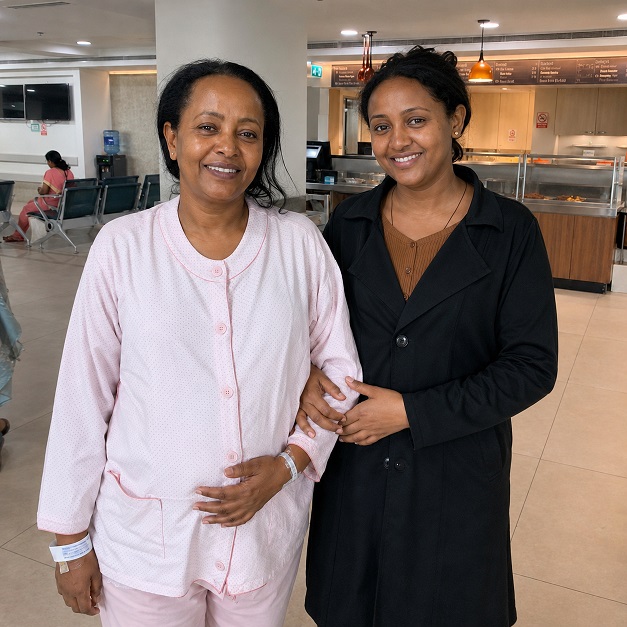
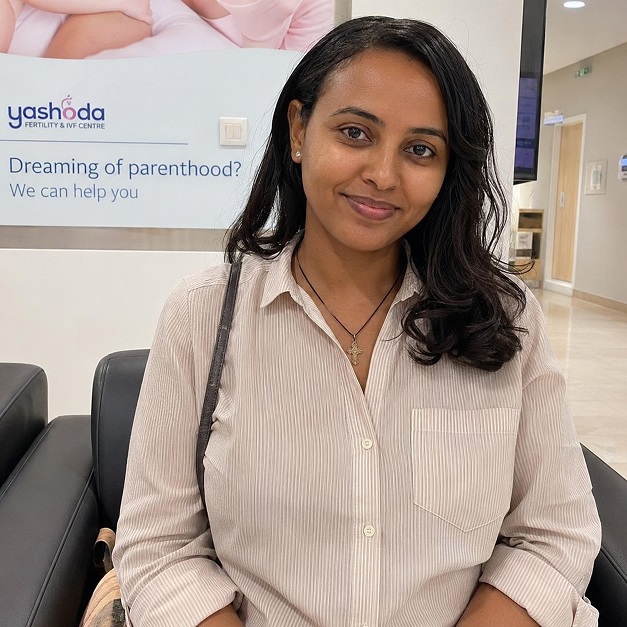
Patient Testimonials from Ethiopia
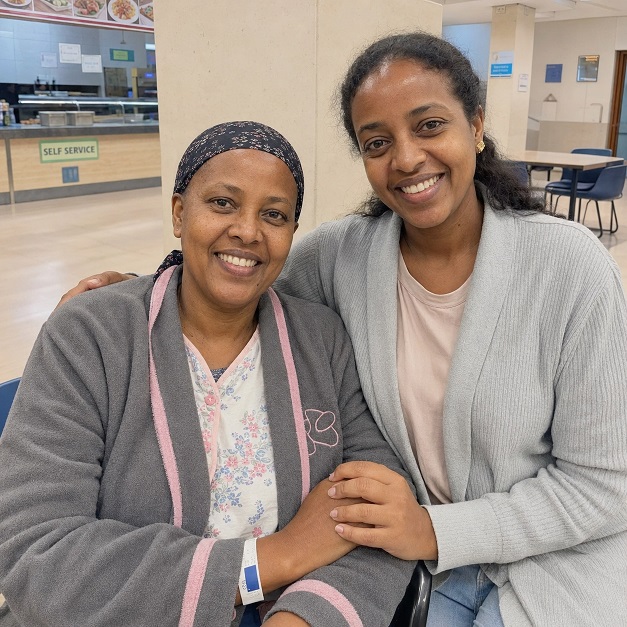
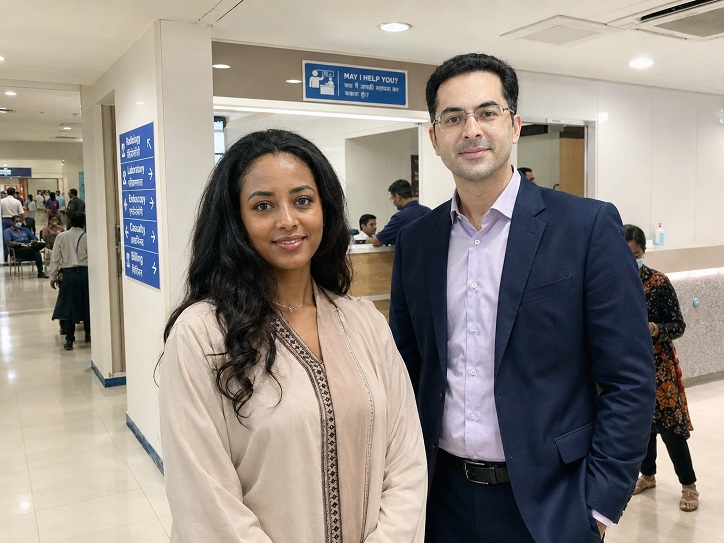
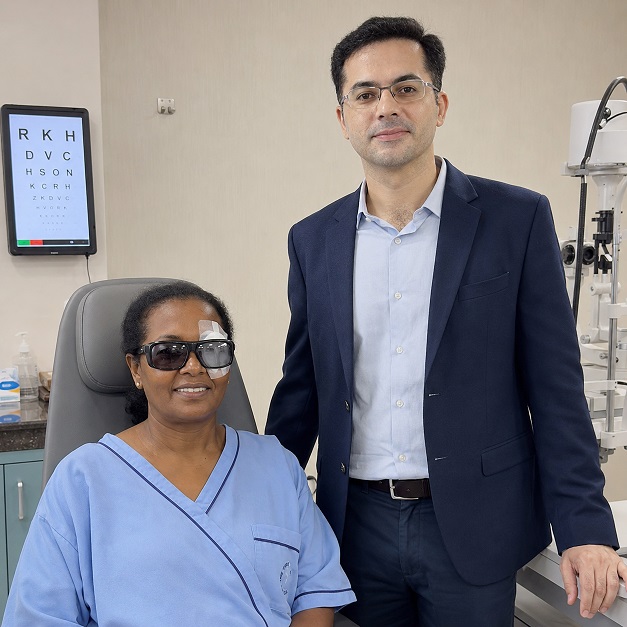
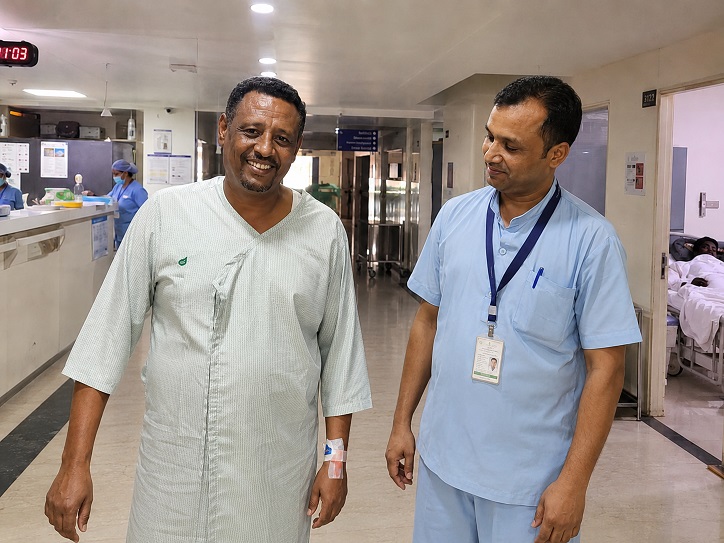
Ready to Take the First Step?
Share your Medical Reports with our Healthcare Managers Today and Get a FREE CONSULTATION, a Personalized Treatment Plan, and Complete Support from Arrival to Recovery.
Get Your Free ConsultationAreas We Serve
This resource has been thoughtfully prepared for patients from Ethiopia who are considering medical treatment in India. We also welcome patients from the wider region in the countries mentioned below-
We assist patients from:
- Eritrea
- Djibouti
- Somalia
- Kenya
- South Sudan
- Sudan
- Burundi
- Comoros
- Ethiopia
- Madagascar
- Malawi
- Mauritius
- Mozambique
- Rwanda
Many of the insights, treatment pathways, hospital recommendations, travel guidance, and patient support services described here are equally relevant and may be used as a reference when planning treatment in India.
From Ethiopia to India: Your Complete Patient Support Guide
- Brain Tumour Surgery in India for Ethiopians
- Cancer Treatment in India for Ethiopians
- Cardiac Surgery in India for Ethiopian Patients
- Cervical and Disc Replacement Surgery in India for Ethiopians
- Cosmetic and Plastic Surgery in India for Ethiopians
- CyberKnife Treatment in India for Ethiopians
- Eye Surgery in India for Ethiopians
- Gamma Knife Treatment in India for Ethiopians
- Heart Valve Replacement Surgery in India for Ethiopians
- Hip Surgery in India for Ethiopian Patients
- Knee Surgery in India for Ethiopian Patients
- Laparoscopic and Robotic Myomectomy Surgery in India for Ethiopians
- Neurosurgery in India for Ethiopians
- Paediatric Cardiac Surgery in India for Ethiopians
- Paediatric Neurosurgery in India for Ethiopians
- Prostate Cancer Treatment and Surgery in India for Ethiopians
- Robotic Cancer Surgery in India for Ethiopians
- Scoliosis Surgery in India for Ethiopians