

Cancer Treatment in India for Ethiopians
Five gates every cancer case should pass before anyone books a flight — beginning with the fact that the quotation in your hand almost certainly covers one part of the treatment rather than the treatment.
There is a sentence I write more often than any other, and it is this: the price you have been sent is not the price of your treatment. It is the price of one component of it. Cancer is the only field in this series where the word treatment describes a course rather than an operation. A breast cancer may involve surgery, six cycles of chemotherapy, five weeks of daily radiotherapy, five years of tablets and a decade of surveillance. A hospital quoting for the operation has quoted honestly for the operation. It has not told you what the year will cost, because nobody has yet worked out what the year contains. In 24 years of arranging treatment in India for patients from across Africa and Asia, cancer is where families have been most poorly served by partial information — rarely through dishonesty, usually through answering the question that was asked instead of the one that mattered. The five gates below are ordered so that the expensive decisions come last. The first three cost very little and change almost everything.
Healing Journeys of Ethiopian Patients

Key Takeaways
- Ethiopian patients should confirm the cancer diagnosis before making travel plans, as pathology reports alone may not provide all the information needed to select the correct treatment.
- The original paraffin block or unstained pathology slides are often more valuable than scans because Indian cancer centres routinely review them to confirm the diagnosis and tumour subtype before treatment begins.
- Cancer staging determines whether the goal of treatment is cure or disease control, and no accurate treatment plan or quotation should be prepared until staging has been completed.
- Cancer treatment is usually a course of care rather than a single operation, often involving surgery, chemotherapy, radiotherapy, targeted therapy, hormone therapy and long-term surveillance.
- Many Ethiopian patients benefit from a shared-care approach, where diagnosis, multidisciplinary planning and complex surgery are performed in India, while chemotherapy or long-term treatment may continue safely in Ethiopia under a local oncologist.
- Patients should ensure that chemotherapy drugs recommended in India are available in Ethiopia before returning home.
- Typical chemotherapy costs at accredited Indian hospitals range from USD 420–1,200 per cycle, while complete treatment costs vary according to cancer type, stage and the use of targeted therapies.
- Patients receiving radiotherapy should usually plan for a stay of 6–8 weeks, as treatment commonly requires daily weekday sessions over five to six weeks.
- Targeted medicines such as trastuzumab can significantly increase the overall treatment cost and should be discussed before budgeting.
- Long-term success depends on structured follow-up, surveillance imaging, pathology records, chemotherapy protocols and coordinated oncology care after returning to Ethiopia.
Quick Facts
- Conditions Covered
- Breast Cancer, Cervical Cancer, Colorectal Cancer, Head and Neck Cancer, Lymphoma and Other Solid Tumours
- Procedures Mentioned
- Cancer Surgery, Chemotherapy, Radiotherapy, Targeted Therapy, Hormone Therapy, PET-CT, Tumour Board Review, Pathology Review
- Target Audience
- Ethiopian patients considering cancer treatment in India
- Chemotherapy
- USD 420–1,200 per cycle
- Breast Cancer Surgery
- USD 1,600–4,200
- Bowel Cancer Surgery
- USD 3,100–6,300
- Complete Breast Cancer Treatment Course
- USD 3,100–10,400
- Surgery Only
- Approximately 2–4 Weeks
- Radiotherapy Included
- Approximately 6–8 Weeks
- Hospital Stay
- Depends on the type of surgery and treatment plan
- Important Pathology Details
- Paraffin block, unstained pathology slides, tumour subtype, receptor status and pathology review
- Important Pre-Travel Records
- Pathology report, paraffin block or unstained slides, CT scans, PET-CT (if available), biopsy reports, blood investigations and previous treatment records
- Author/Advisor
- Dr. Dheeraj Bojwani
- Experience
- 24+ Years in Medical Travel
In Brief
Choosing cancer treatment in India requires Ethiopian patients to understand that a hospital quotation usually covers only one part of the overall treatment journey. Successful cancer care begins with confirming the diagnosis through pathology review, determining the cancer stage and establishing whether treatment aims for cure or long-term disease control. A multidisciplinary tumour board should develop the treatment plan before surgery, chemotherapy or radiotherapy begins. Many patients benefit from completing complex diagnostic work, surgery and treatment planning in India while continuing chemotherapy or long-term follow-up in Ethiopia under an agreed shared-care protocol.
1 Gate One
Is the diagnosis certain?
Everything downstream rests on the pathology, and pathology is the part of the Ethiopian cancer pathway under the heaviest strain. Registry work from Ethiopia attributes late diagnosis partly to restricted access to pathology and imaging, and that constraint follows patients into every later decision.
So the first question is not where to go. It is whether what you are holding is a diagnosis or a description.
A report saying invasive ductal carcinoma is a description. A diagnosis, for treatment purposes, includes the subtype and receptor status — in breast cancer, whether the tumour is driven by oestrogen, progesterone or HER2. Those results decide whether a patient needs hormone tablets, targeted therapy, chemotherapy, or some combination. A patient can be given the wrong treatment for a year on the strength of a report that was not wrong, only incomplete.
This is why the most valuable object you can send ahead is not a scan. It is the paraffin block — the small wax cassette holding the tissue taken at biopsy — or failing that, the unstained slides. Indian cancer centres routinely re-review outside material before accepting a case, and not as a courtesy. Re-review changes the subtype often enough to matter.
Ask the hospital where the biopsy was done to release the block, take a receipt, and hand-carry it rather than posting it. It is the cheapest thing you will do and the most likely to change the plan.
2 Gate Two
What is the stage, and is the aim cure or control?
Stage is the difference between a treatment plan and a wish.
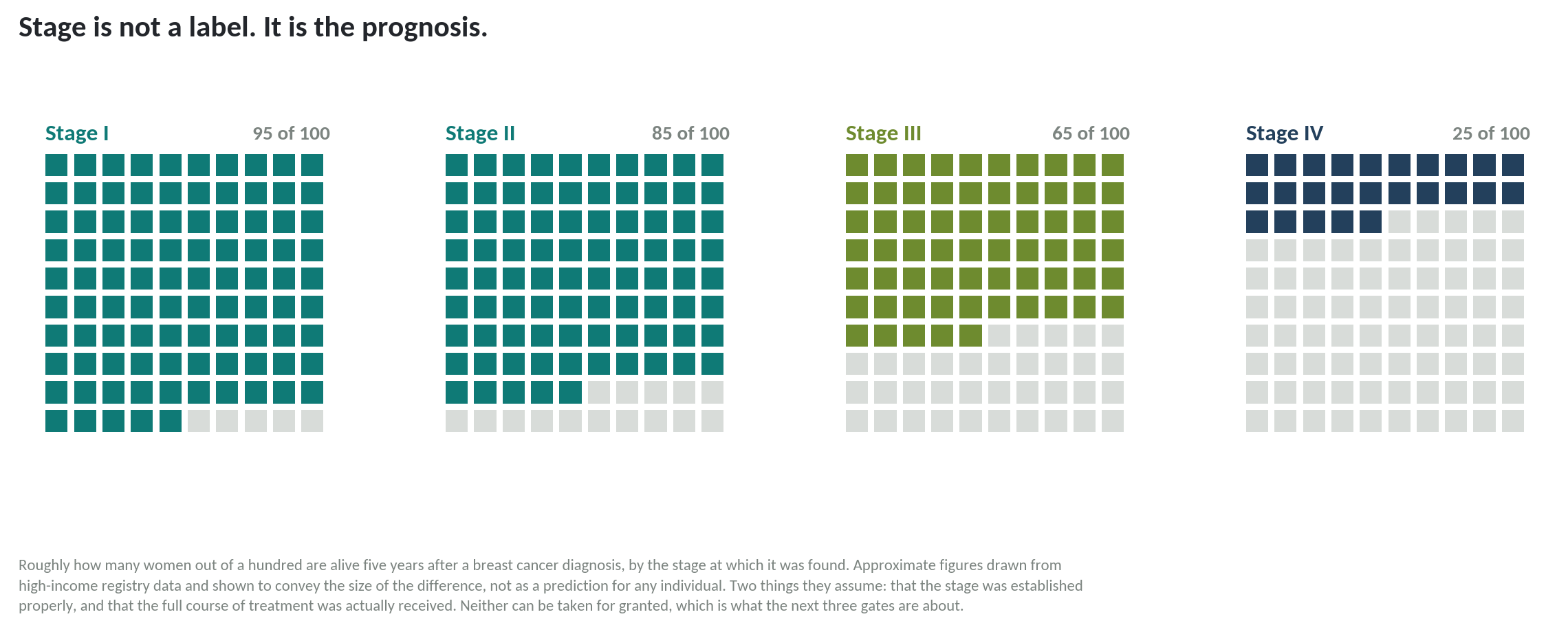
The same disease, found at four different moments.
Staging tells the team whether the intention is cure or control, and no serious plan — and no honest quotation — can be written before it exists. It usually needs a CT of chest, abdomen and pelvis at minimum, sometimes a PET-CT or a bone scan, and for some cancers a sample of bone marrow.
Most Ethiopian cancer patients present late. This is well documented and it is not the patients' doing. It does mean the honest conversation belongs at this gate rather than after arrival, and it divides three ways.
Where the disease is early and the intention is cure, travelling can be transformative, and speed matters more than price. Where it is locally advanced, treatment is often still curative in intent, but the course is long and its order matters — precisely the situation in which a good multidisciplinary team earns what it costs.
And where the disease is widespread , the aim becomes control and comfort. That is not nothing: good palliative treatment adds time and removes pain. But much of it can be delivered closer to home, and a family that spends everything on airfares for a stage IV cancer has usually bought a worse last year rather than a better one. I would far rather say that here than let anyone discover it in a corridor in Delhi.
3 Gate Three
What does the treatment actually consist of?
Now the quotation becomes readable, because now you can see what it does and does not cover.
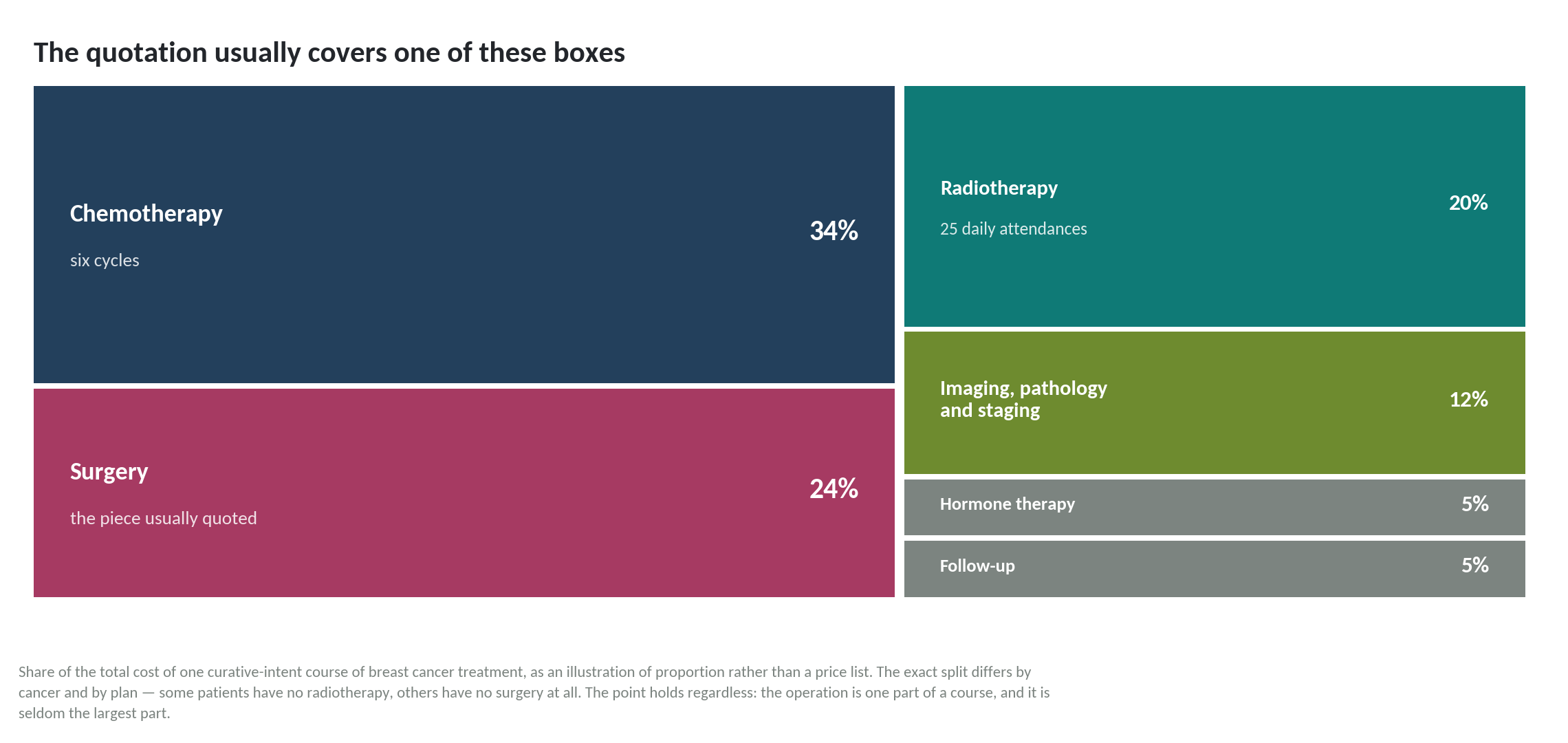
Surgery is one box. It is seldom the largest.
A typical curative-intent plan has four or five moving parts. Surgery, which is the piece most often quoted. Chemotherapy, usually four to eight cycles three weeks apart in a day-care unit, which means the patient is not admitted but is also not free to leave the country between cycles unless it has been planned. Radiotherapy, which for many cancers means attending every weekday for five or six weeks. Then hormone or targeted therapy, which may run for years. Then surveillance.
Two consequences follow, and both are practical rather than medical.
The first is time. Radiotherapy is not a procedure but a residency: twenty-five to thirty daily attendances. If your plan includes it, you are arranging a stay of six to eight weeks rather than a fortnight, and accommodation stops being a rounding error in the budget.
The second is sequence. Whether chemotherapy comes before or after surgery is not an administrative detail; for several common cancers it changes which operation becomes possible at all. That decision belongs to a tumour board — a surgeon, a medical oncologist, a radiation oncologist, a radiologist and a pathologist considering your case together. Ask in writing whether your case will go before one, and for the outcome in writing afterwards. A single surgeon's opinion, however eminent, is not a cancer plan.
4 Gate Four
Which parts of this belong in Ethiopia?
This gate has changed considerably in a few years, and the honest answer is more encouraging than the marketing usually allows.
For most of two decades Ethiopia had a single functioning teletherapy machine serving a population above a hundred million, at Tikur Anbessa in Addis Ababa, treating well over a thousand radiotherapy patients a year. The national cancer plan named the shortfall and committed to linear accelerators at regional teaching hospitals; seven tertiary centres have since been equipped. Capacity is expanding, and any statement about it, this one included, should be rechecked rather than trusted.
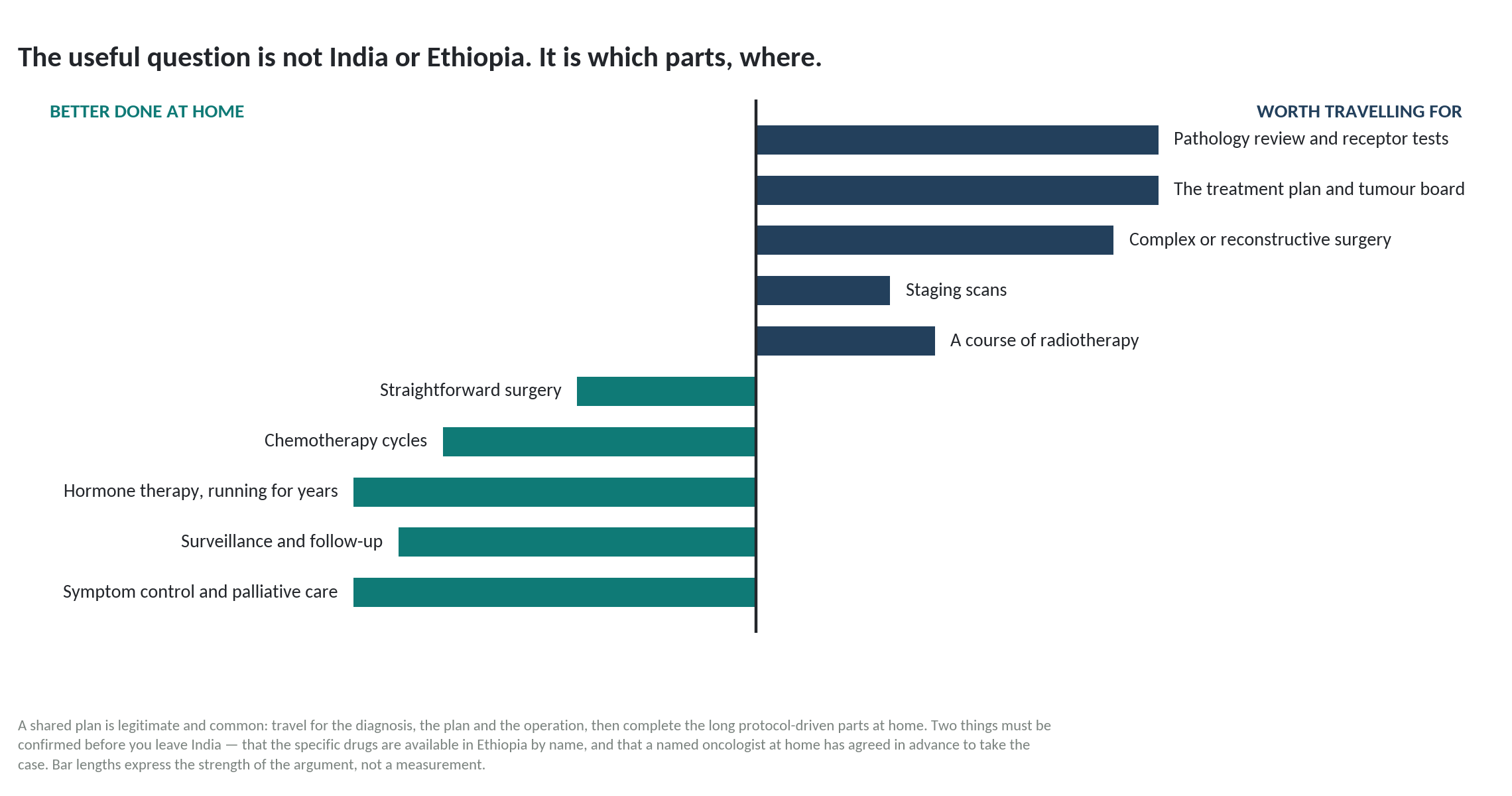
A shared plan is usually better than an all-or-nothing one.
What has not improved as quickly is waiting time, which is why the useful question is not India or Ethiopia but which parts, where.
The parts that most justify travelling are those where an error is unrecoverable: the pathology review, the staging, the plan itself, and complex surgery. The parts that travel worst are long, repetitive and protocol- driven — which describes most of chemotherapy.
So a shared plan is entirely legitimate, and I arrange them often. Travel for the diagnosis, the tumour board and the operation. Come home holding a written protocol naming the exact drugs, doses and intervals. Complete the remaining cycles in Ethiopia under an oncologist who has it in front of them. The saving is substantial and the treatment is not compromised — provided two things are settled before you leave India. That the specific drugs are genuinely available in Ethiopia, by name. And that a named doctor at home has agreed in advance to take the case.
5 Gate Five
Is the money arranged for the whole course?
Ethiopia's health financing does not follow a patient abroad. Community ‐ Based Health Insurance buys care at contracted facilities inside the country, and the formal ‐ sector scheme is still not settling claims. Since February 2026 a bank may release up to twenty thousand US dollars per case against a letter from the treating hospital, without a visa or ticket in hand. Because cancer spending is spread across months rather than one admission, ask your bank early how a second release would be handled.
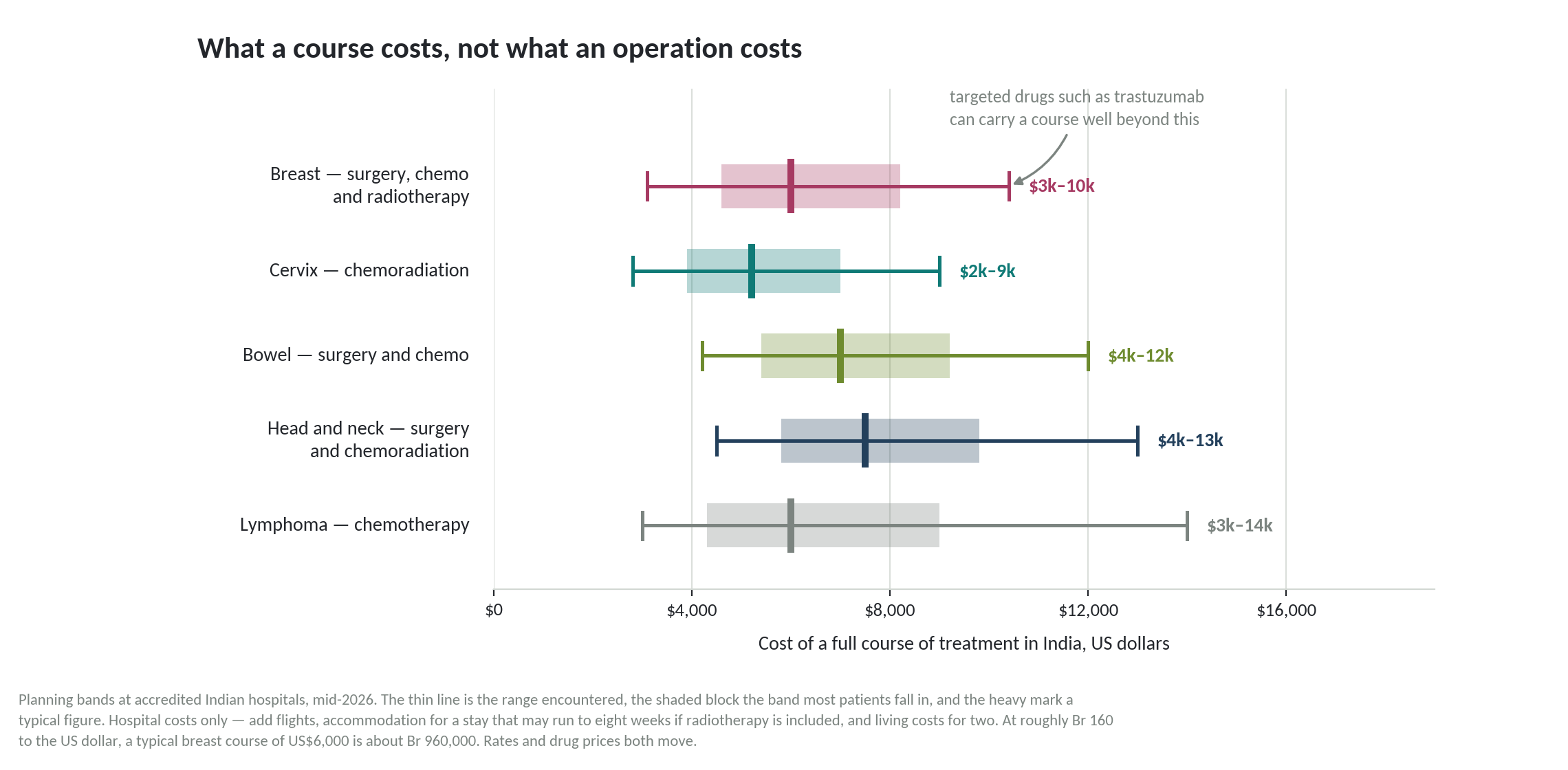
Budget for the course, and remember the chart covers hospital costs only.
As planning figures in mid ‐ 2026 at accredited Indian hospitals: chemotherapy commonly runs US$420 to US$1,200 per cycle at good private centres, with four to eight cycles typical; breast cancer surgery US$1,600 to US$4,200; a bowel resection US$3,100 to US$6,300. A full breast course combining surgery, chemotherapy and radiotherapy commonly lands between US$3,100 and US$10,400. Where a targeted drug such as trastuzumab enters the plan, that can double or more. The drug is where cost swings hardest, so the drug is what to ask about by name.
In 24 years the cancer budgets that have collapsed have nearly all collapsed the same way. The family costed the operation, and the operation was the cheapest part.
One administrative point is worth knowing: the Indian e ‐ medical visa is issued for sixty days with triple entry and can generally be extended, which suits a long course far better than a single visit. Ask the hospital to word the invitation letter with the whole course in mind.
| A quotation, annotatedA composite of the cancer quotes that reach me, with the questions I send back. | |
| Cancer surgery package — USD 3,900 | For which operation, at which stage? And what follows it? |
| Chemotherapy: 6 cycles | Which drugs, at what dose? The names are what set the price. |
| Radiotherapy: as advised | Twenty-five daily attendances or five? This decides your stay. |
| Targeted therapy: if indicated | Indicated by which test? Ask before you budget, not after. |
| Includes: 5 days admission | Most chemotherapy is day-care now. Confirm what is inpatient. |
| Excludes: outside pathology review | The one exclusion you should not accept. Ask them to add it. |
Pay the hospital and never an individual, and never settle a balance ahead of treatment given.
The years afterwards
Cancer treatment ends. Cancer care does not. Before leaving India you should hold the pathology report, the operation note, the chemotherapy protocol with drug names and doses, the radiotherapy record including the dose given and the areas treated, and a written surveillance schedule setting out what should be checked and when.
That last document matters more than families expect. A recurrence is usually picked up by a scheduled scan or blood test rather than by a symptom, and a surveillance plan existing only inside an Indian hospital's system will not happen. Hand the pack to a named doctor in Ethiopia while the case is fresh, and keep your own copy, because you will outlast the filing systems.
The Ethiopian practicalities
Ethiopian Airlines flies non ‐ stop from Bole to Delhi, Mumbai, Bengaluru, Chennai and Hyderabad, which matters differently here than elsewhere in this series. A patient midway through chemotherapy is often immunosuppressed, and fewer airports means fewer crowds and less exposure. Ask the oncologist which days of the cycle are safe for flying; the answer is usually not the week after a dose.
Yellow fever certification is required at least ten days before arrival and oral polio vaccination roughly four weeks before. Start the polio requirement immediately. Note too that live vaccines and chemotherapy interact, so if treatment has already begun this becomes a question for the oncologist rather than a form-filling exercise.
The medical visa follows the hospital's invitation letter through the Embassy of India in Addis Ababa, and the attendant visa should be lodged in the same batch, because a patient on chemotherapy should not travel alone. Confirm current rules with the Embassy, since they change. Ask for an Amharic ‐ speaking coordinator, and raise the fasting calendar early: appetite and weight are clinical measurements during cancer treatment, and a dietitian told in advance can work with a fasting pattern instead of against it.
A closing word
Send three things: the pathology report, the scans themselves rather than reports of them, and a note saying when symptoms began and what has been done so far. If the paraffin block can travel, say so — that alone often changes the answer. I will tell you which gate you are standing at. Where treatment should begin in weeks rather than months, I will say so plainly. And where the honest answer is that most of this belongs in Addis Ababa with only a short, specific piece of it in India, I will say that too, because it is frequently the right answer.
Frequently Asked Questions by Ethiopians about Cancer Treatment in India
Should Ethiopian patients travel to India immediately after a cancer diagnosis?
Not always. The guide recommends confirming the diagnosis first through a complete pathology review, including tumour subtype and receptor status where applicable. Treatment decisions should be based on a confirmed diagnosis rather than an initial biopsy report alone.
Why should patients carry the paraffin block or unstained pathology slides?
The original paraffin block or unstained slides allow Indian cancer specialists to review the tissue and confirm the diagnosis before treatment begins. This review may identify tumour characteristics that significantly influence the treatment plan.
Why is cancer staging so important before treatment?
Cancer staging determines whether treatment aims to cure the disease or control it. It also guides decisions about surgery, chemotherapy, radiotherapy and targeted therapy, making it an essential step before planning treatment or estimating costs.
Does a cancer surgery quotation include the complete treatment cost?
No. The guide explains that surgery is usually only one part of cancer treatment. Patients may also require chemotherapy, radiotherapy, targeted therapy, hormone therapy and long-term follow-up, all of which contribute to the overall treatment cost.
Can chemotherapy be continued in Ethiopia after treatment begins in India?
Yes, in many cases. Patients can often complete diagnosis, treatment planning and surgery in India, then continue chemotherapy in Ethiopia if the required medicines are available and a local oncologist agrees to supervise the remaining treatment according to the written protocol.
How long should Ethiopian patients stay in India for cancer treatment?
Patients undergoing surgery alone usually remain in India for approximately 2–4 weeks. If radiotherapy is required, they should generally plan for a 6–8 week stay because treatment is commonly delivered on weekdays over five to six weeks.
Why is a multidisciplinary tumour board important?
A multidisciplinary tumour board brings together surgeons, medical oncologists, radiation oncologists, radiologists and pathologists to develop the most appropriate treatment plan. This collaborative approach helps determine the correct sequence of surgery, chemotherapy and radiotherapy.
What medical records should Ethiopian patients carry before travelling?
Patients should bring their pathology report, paraffin block or unstained pathology slides, CT or PET-CT scans (if available), biopsy reports, blood test results, previous treatment records and a summary of current medications.
What documents should patients receive before returning to Ethiopia?
Before leaving India, patients should receive their pathology report, operation note, chemotherapy protocol with drug names and doses, radiotherapy treatment summary, medication schedule and a written surveillance plan for long-term follow-up in Ethiopia.
What should families budget for before starting cancer treatment?
Families should budget for the entire course of treatment, including surgery, chemotherapy, radiotherapy, targeted medicines (if required), investigations, accommodation, travel and follow-up care, rather than planning only for the initial operation.
We already have a biopsy report. Why send the block as well?
Because the report may not carry the subtype and receptor results that decide the treatment, and because re-review changes the diagnosis often enough to be worth the trouble. It is the cheapest step in the whole process and the one most likely to change the plan.
How long will we need to be in India?
Two to four weeks for surgery and assessment alone. If radiotherapy is in the plan, six to eight weeks, because it is given every weekday for five or six of them.
Can the chemotherapy be given at home in Ethiopia?
Often, yes, and it is worth asking for. You need a written protocol naming the drugs, doses and intervals, confirmation that those drugs are available in Ethiopia, and a named oncologist at home who has agreed to continue the course.
The cancer is advanced. Is it still worth travelling?
Sometimes, and sometimes not. Where the aim has become control rather than cure, a good deal of what helps can be delivered closer to family. Ask anyone advising travel to tell you plainly what they expect it to change.
Who pays for this in Ethiopia?
You do. Neither community-based insurance nor the pending formal-sector scheme funds treatment abroad, though a bank may now advance up to US$20,000 against the hospital's letter.
Page Summary
This guide explains how Ethiopian patients can plan cancer treatment in India by following five important decision stages: confirming the diagnosis, determining the cancer stage, understanding the complete treatment course, deciding which parts of treatment should be performed in India or Ethiopia, and budgeting for the entire treatment journey rather than surgery alone. It highlights the importance of pathology review, multidisciplinary tumour boards, shared-care planning, chemotherapy, radiotherapy, treatment costs and long-term oncology follow-up to help patients make informed decisions.
Citation Block
| Topic | Information |
|---|---|
| Topic Information | Details |
| Procedure | Cancer Treatment & Oncology Care |
| Country | India |
| Intended Audience | Ethiopian Patients |
| Conditions Covered | Breast Cancer, Cervical Cancer, Colorectal Cancer, Head & Neck Cancer, Lymphoma and Other Solid Tumours |
| Procedures | Cancer Surgery, Chemotherapy, Radiotherapy, Targeted Therapy, Hormone Therapy, Pathology Review, PET-CT |
| Typical Stay | Approximately 2–4 Weeks (Surgery) / 6–8 Weeks (If Radiotherapy is Included) |
| Hospital Stay | Depends on the Procedure and Treatment Plan |
| Recovery | Varies According to Cancer Type, Stage and Treatment Course |
| Average Treatment Cost | Chemotherapy USD 420–1,200 per Cycle; Complete Breast Cancer Course USD 3,100–10,400 (Targeted Therapy Additional) |
| Pathology Requirement | Paraffin Block or Unstained Slides for Review, With Tumour Subtype and Receptor Status |
| Key Pre-Travel Records | Pathology Report, Paraffin Block or Unstained Slides, CT Scans and PET-CT Where Available |


Our Mission Statement
Our mission is to place patients at the centre of every healthcare decision by providing trustworthy, evidence-based, and unbiased medical information. We believe that informed patients make better decisions. Backed by personalised guidance from our experienced advisory team, we help patients understand their treatment options, compare them objectively, and confidently choose the path that best suits their medical needs and personal circumstances.
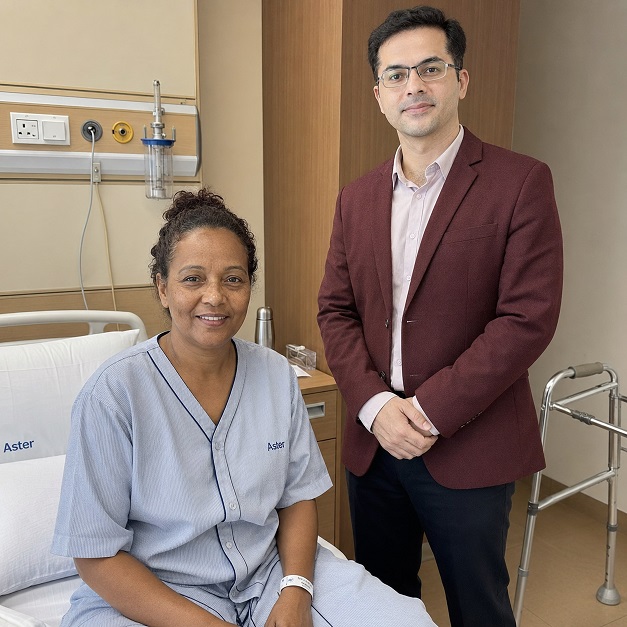
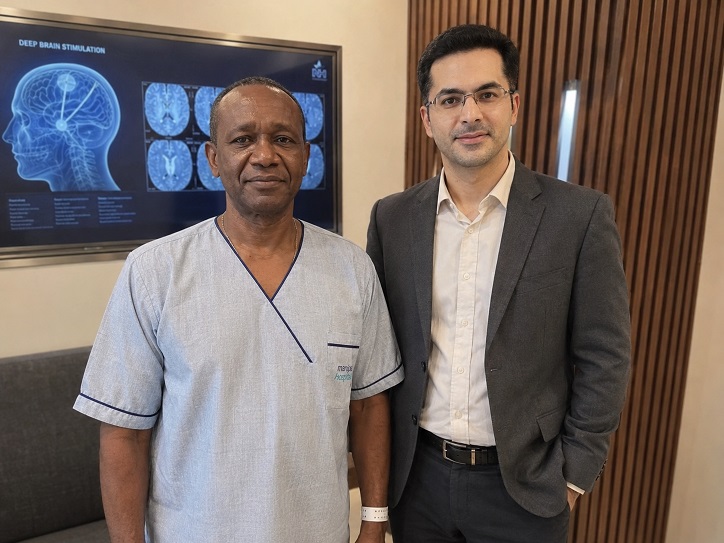
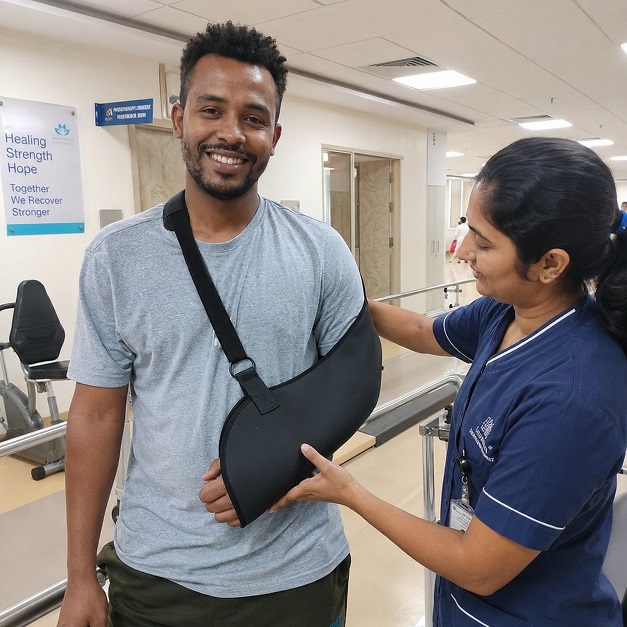
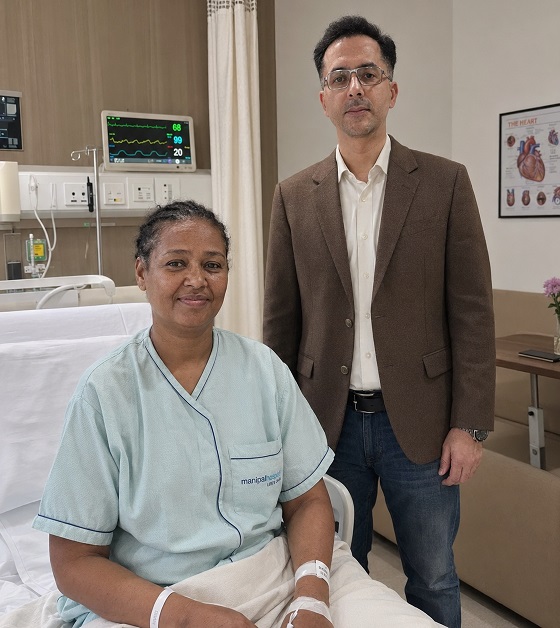
Patient Testimonials from Ethiopia
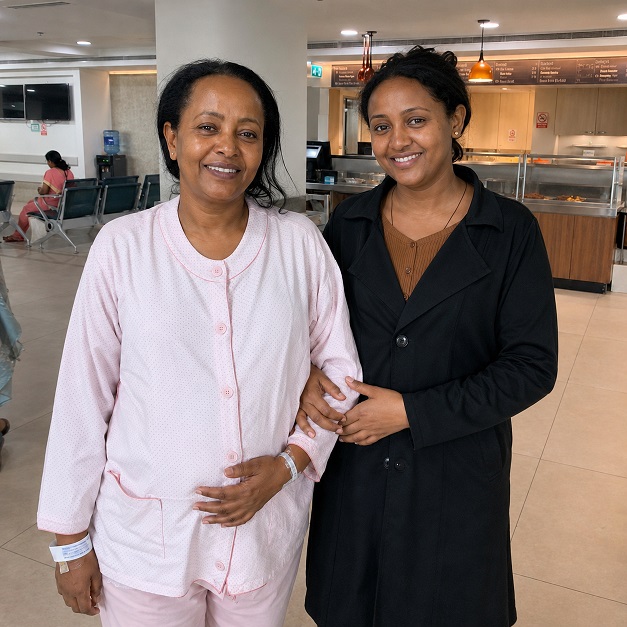
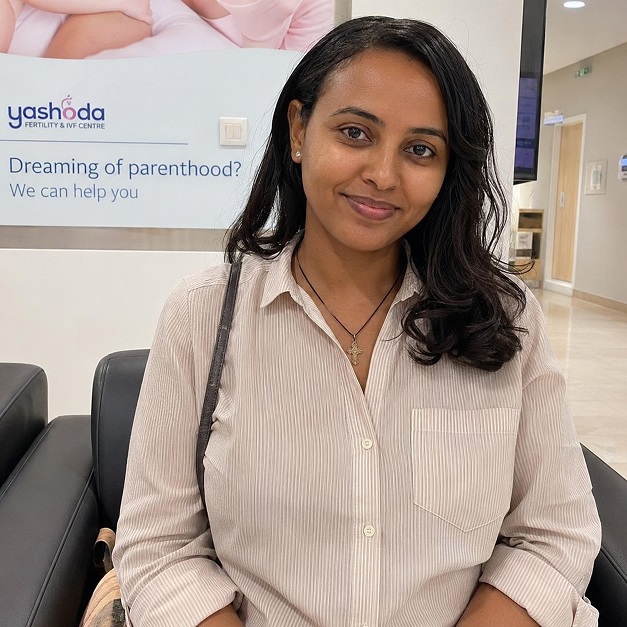
Ready to Take the First Step?
Share your Medical Reports with our Healthcare Managers Today and Get a FREE CONSULTATION, a Personalized Treatment Plan, and Complete Support from Arrival to Recovery.
Get Your Free ConsultationAreas We Serve
This resource has been thoughtfully prepared for patients from Ethiopia who are considering medical treatment in India. We also welcome patients from the wider region in the countries mentioned below-
We assist patients from:
- Eritrea
- Djibouti
- Somalia
- Kenya
- South Sudan
- Sudan
- Burundi
- Comoros
- Ethiopia
- Madagascar
- Malawi
- Mauritius
- Mozambique
- Rwanda
Many of the insights, treatment pathways, hospital recommendations, travel guidance, and patient support services described here are equally relevant and may be used as a reference when planning treatment in India.
From Ethiopia to India: Your Complete Patient Support Guide
- Brain Tumour Surgery in India for Ethiopians
- Cancer Treatment in India for Ethiopians
- Cardiac Surgery in India for Ethiopian Patients
- Cervical and Disc Replacement Surgery in India for Ethiopians
- Cosmetic and Plastic Surgery in India for Ethiopians
- CyberKnife Treatment in India for Ethiopians
- Eye Surgery in India for Ethiopians
- Gamma Knife Treatment in India for Ethiopians
- Heart Valve Replacement Surgery in India for Ethiopians
- Hip Surgery in India for Ethiopian Patients
- Knee Surgery in India for Ethiopian Patients
- Laparoscopic and Robotic Myomectomy Surgery in India for Ethiopians
- Neurosurgery in India for Ethiopians
- Paediatric Cardiac Surgery in India for Ethiopians
- Paediatric Neurosurgery in India for Ethiopians
- Prostate Cancer Treatment and Surgery in India for Ethiopians
- Robotic Cancer Surgery in India for Ethiopians
- Scoliosis Surgery in India for Ethiopians