

Laparoscopic and Robotic Myomectomy Surgery in India for Ethiopians
Five gates every fibroid case should pass before booking a flight — starting with the one question that decides whether myomectomy is even the right operation for you.
Uterine fibroids are not a rare misfortune. Most women will develop at least one during their reproductive years, and the evidence is consistent on one point that matters here: women of African ancestry tend to develop fibroids ten to fifteen years earlier than women of European ancestry, and more often have larger, more numerous, and more heavily symptomatic disease by the time it is found. That earlier, heavier burden means many Ethiopian women reach the surgery conversation already carrying several fibroids, sometimes large ones, at an age when preserving the uterus still matters a great deal. It is exactly this group of patients for whom the choice of operation, the choice of approach, and above all the choice of surgeon deserve real scrutiny. In 24 years of arranging surgical care in India for patients across Africa and Asia, myomectomy is a field where the marketing around laparoscopic and robotic technique often crowds out the one detail that actually protects a future pregnancy. These five gates put that detail back where it belongs.
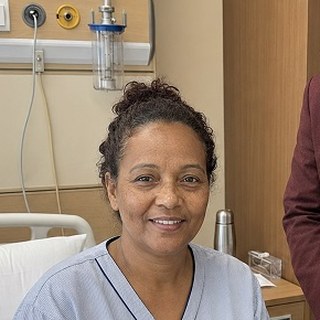
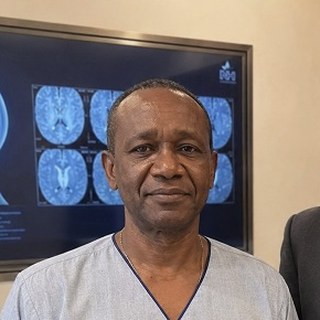
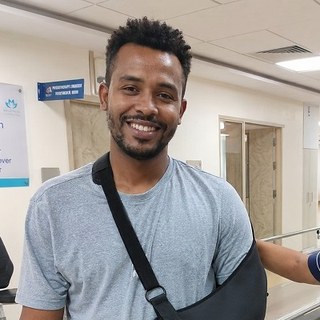
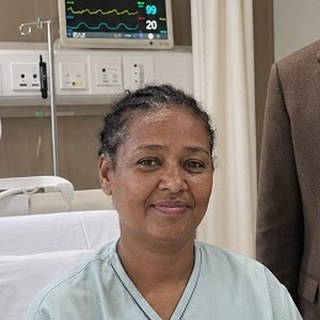
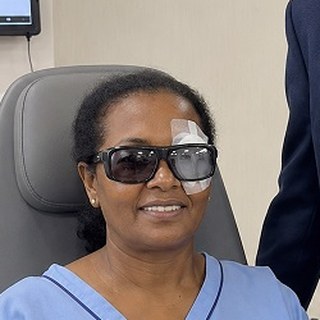
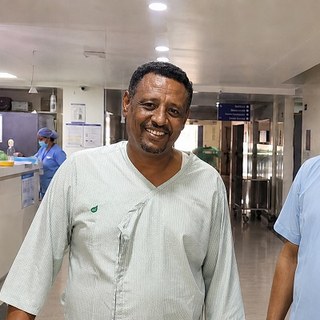
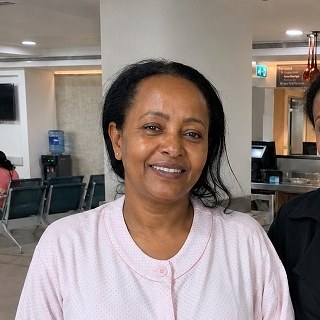
Healing Journeys of Ethiopian Patients


Key Takeaways
- Myomectomy is primarily a uterus-preserving operation. It removes fibroids while rebuilding the uterine wall, keeping the possibility of future pregnancy open. Hysterectomy removes the uterus and permanently prevents fibroid recurrence, but also ends the possibility of pregnancy.
- For Ethiopian women, the guide highlights an important context: women of African ancestry tend to develop fibroids earlier and with a heavier disease burden, meaning some patients reach surgery with multiple or large fibroids while fertility preservation still matters.
- The comparison on page 2 makes the first decision clear: if future pregnancy matters, myomectomy is designed to preserve that possibility. If future pregnancy and uterine preservation are not priorities, hysterectomy may sometimes be the simpler and more definitive operation.
- Not every fibroid can or should be removed laparoscopically or robotically. The decision depends on the number, size, depth and position of the fibroids, rather than which technology a hospital prefers to market.
- The decision diagram on page 3 indicates that a small number of moderate fibroids—approximately fewer than four, each around 8–10 cm or less and not deeply embedded—may often suit laparoscopic or robotic surgery. Many fibroids, very large fibroids or deeply placed fibroids may still require open abdominal surgery. The document notes that this is an approximate guide, not an individual rule.
- A pelvic MRI or detailed ultrasound should therefore be reviewed before choosing the surgical approach. Patients should ask the surgeon to describe the number, size and position of their specific fibroids.
- For women hoping for pregnancy later, the guide considers uterine closure one of the most important parts of the operation. Removing the fibroid is only half the procedure; the uterine muscle must then be reconstructed strongly enough to withstand a future pregnancy.
- The page 4 illustration contrasts single-layer with multi-layer closure. The guide favours meticulous multi-layer reconstruction and recommends asking the surgeon directly how many layers will be used and how electrocautery near the repair will be limited.
- According to the cost chart on page 5, indicative Indian hospital costs are approximately USD 1,200–2,200 for hysteroscopic myomectomy, USD 1,800–3,500 for laparoscopic myomectomy, USD 2,800–5,000 for robotic myomectomy and USD 1,500–2,800 for open abdominal myomectomy.
- Patients should also understand that myomectomy does not guarantee fibroids will never return. It removes the fibroids present at surgery but does not eliminate the underlying tendency to develop new ones, so some women may require another procedure years later.
Quick Facts
- Condition Covered
- Uterine fibroids
- Procedure
- Myomectomy
- Target Audience
- Ethiopian women considering fibroid surgery in India
- Alternative Procedure
- Hysterectomy removes the uterus, eliminates the possibility of fibroid recurrence and ends the possibility of future pregnancy.
- Hysteroscopic Myomectomy Cost
- Approximately USD 1,200–2,200
- Laparoscopic Myomectomy Cost
- Approximately USD 1,800–3,500
- Robotic Myomectomy Cost
- Approximately USD 2,800–5,000
- Open Abdominal Myomectomy Cost
- Approximately USD 1,500–2,800
- Minimally Invasive Hysterectomy Cost
- Approximately USD 1,800–3,600
- Hospital Stay
- The sample quotation on page 6 includes 2 days of admission for laparoscopic myomectomy.
- Typical Stay in India
- No universal duration is specified in the document; recovery and fit-to-fly timing depend on whether surgery is laparoscopic, robotic or open.
- Recovery
- Open myomectomy generally requires longer recovery than laparoscopic or robotic surgery.
- Financial Planning
- The guide states that Ethiopian health financing does not fund treatment abroad and that, since February 2026, a bank may release up to USD 20,000 per case against a treating hospital's letter.
- Author/Advisor
- Dr. Dheeraj Bojwani, Independent Medical Travel Advisor, 24 years arranging surgical care in India for patients across Africa and Asia
In Brief
Laparoscopic and robotic myomectomy in India can help Ethiopian women remove uterine fibroids while preserving the uterus and the possibility of future pregnancy. The appropriate surgical approach depends on the number, size, depth and position of the fibroids rather than a preference for robotic or laparoscopic technology. The guide places particular importance on how the uterine wall is reconstructed after fibroid removal, recommending that patients ask about multi-layer closure and the use of electrocautery when future pregnancy matters. Indicative Indian hospital costs range from approximately USD 1,200–2,200 for hysteroscopic myomectomy to USD 2,800–5,000 for robotic myomectomy.
1 Gate One
Why do you want to keep the uterus?
This is not a rhetorical question. It should be the first thing your gynaecologist asks, and the honest answer changes everything that follows.
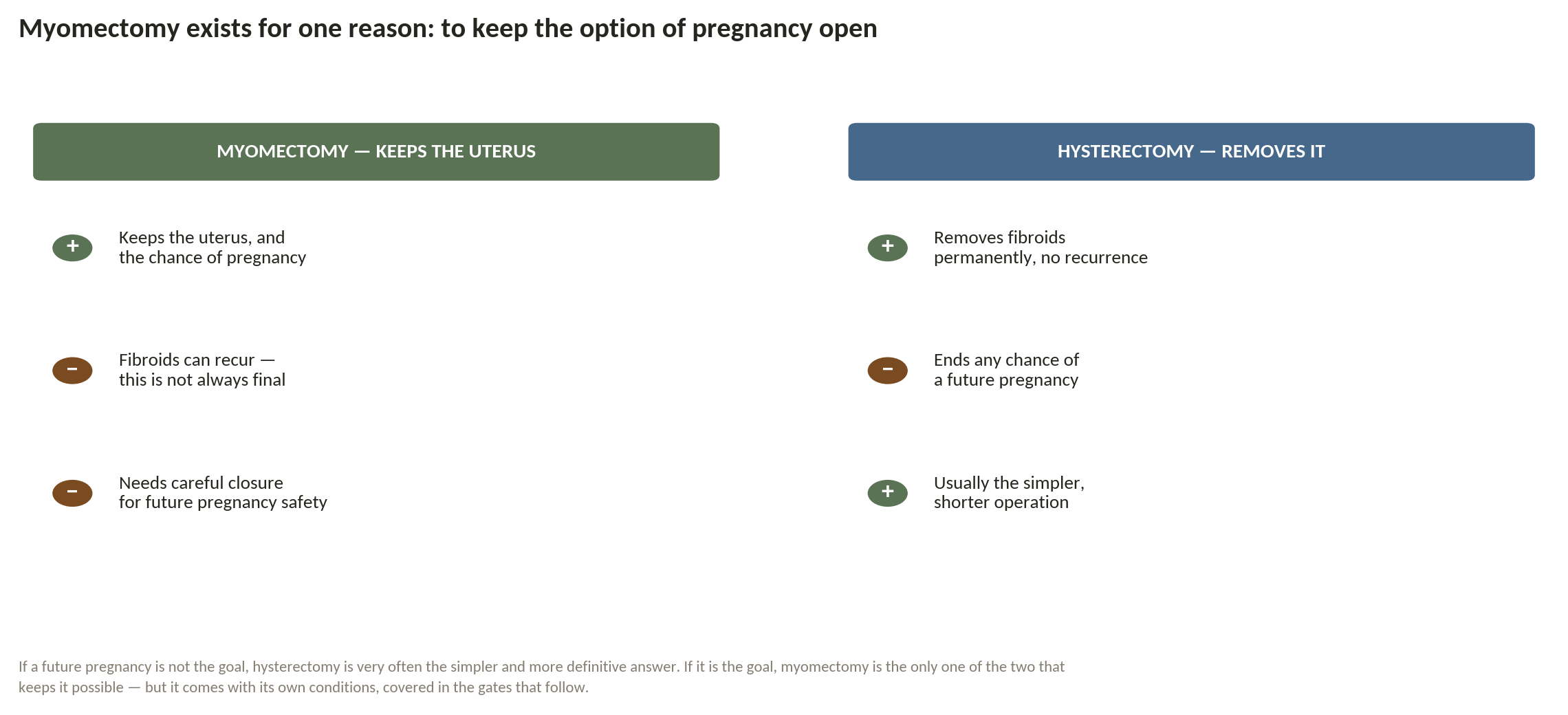
Myomectomy has one job that hysterectomy does not need to do.
Myomectomy removes the fibroids and rebuilds the uterine wall, keeping the possibility of a future pregnancy open. Hysterectomy removes the uterus entirely, taking the fibroids with it permanently and ending any chance of pregnancy. If a future pregnancy genuinely matters to you, myomectomy is the operation built for that purpose. If it does not, hysterectomy is very often simpler, shorter, and removes any possibility of the fibroids returning — a real consideration, since myomectomy does not guarantee they will not.
Say this plainly at the first consultation. A surgeon who recommends myomectomy without asking about your fertility plans, or who recommends hysterectomy without asking either, has skipped the question that should have come first.
There is also a middle case worth naming: a woman who has finished childbearing but still wants to keep her uterus for reasons of her own, whether personal, cultural, or simply a preference not to remove an organ that is not causing danger. That is a legitimate choice too, and it belongs in the same conversation rather than being quietly overridden because it complicates the surgical plan.
2 Gate Two
Does the anatomy allow keyhole surgery?
Laparoscopic and robotic myomectomy are genuinely gentler operations where they are appropriate. They are not appropriate for every fibroid, and this is decided by anatomy, not preference.
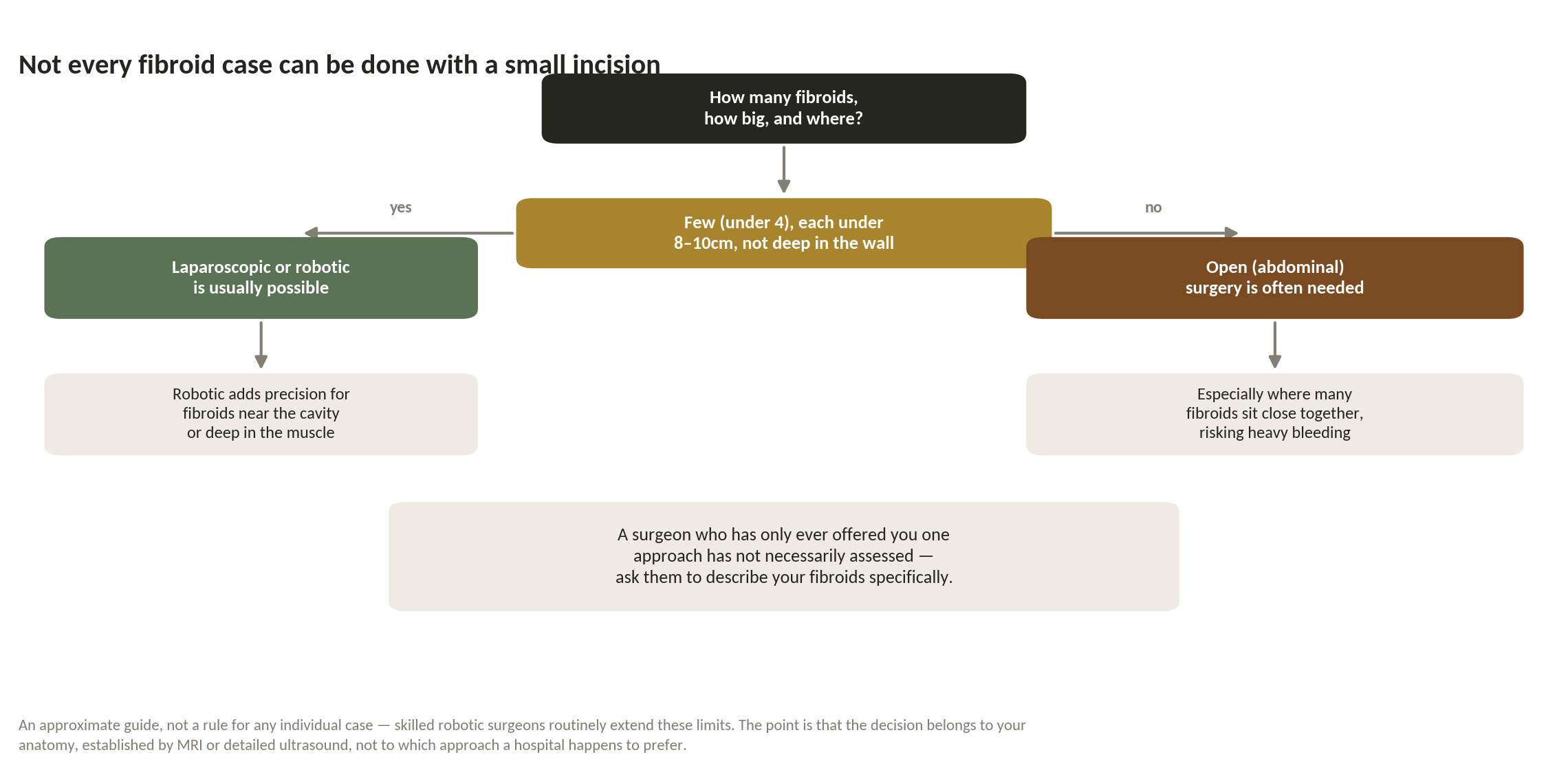
The decision belongs to the fibroids, not to a hospital's marketing.
The number of fibroids, their size, and how deep into the uterine muscle they sit all determine whether a keyhole approach is realistic. A small number of moderate fibroids sitting close to the surface are usually excellent candidates. Many fibroids, very large ones, or fibroids buried deep in the muscle wall often still need an open incision to remove and repair safely. Robotic technique extends what is possible with keyhole surgery in skilled hands, particularly for fibroids in difficult positions, but it does not remove the anatomical limits entirely.
Insist on a proper pelvic MRI or detailed ultrasound before the approach is decided, and ask the surgeon to describe your specific fibroids — number, size, and position — rather than simply naming the technique they plan to use.
3 Gate Three
Does the closure protect a future pregnancy?
This is the gate almost nobody explains, and it matters more than which instrument removed the fibroid.
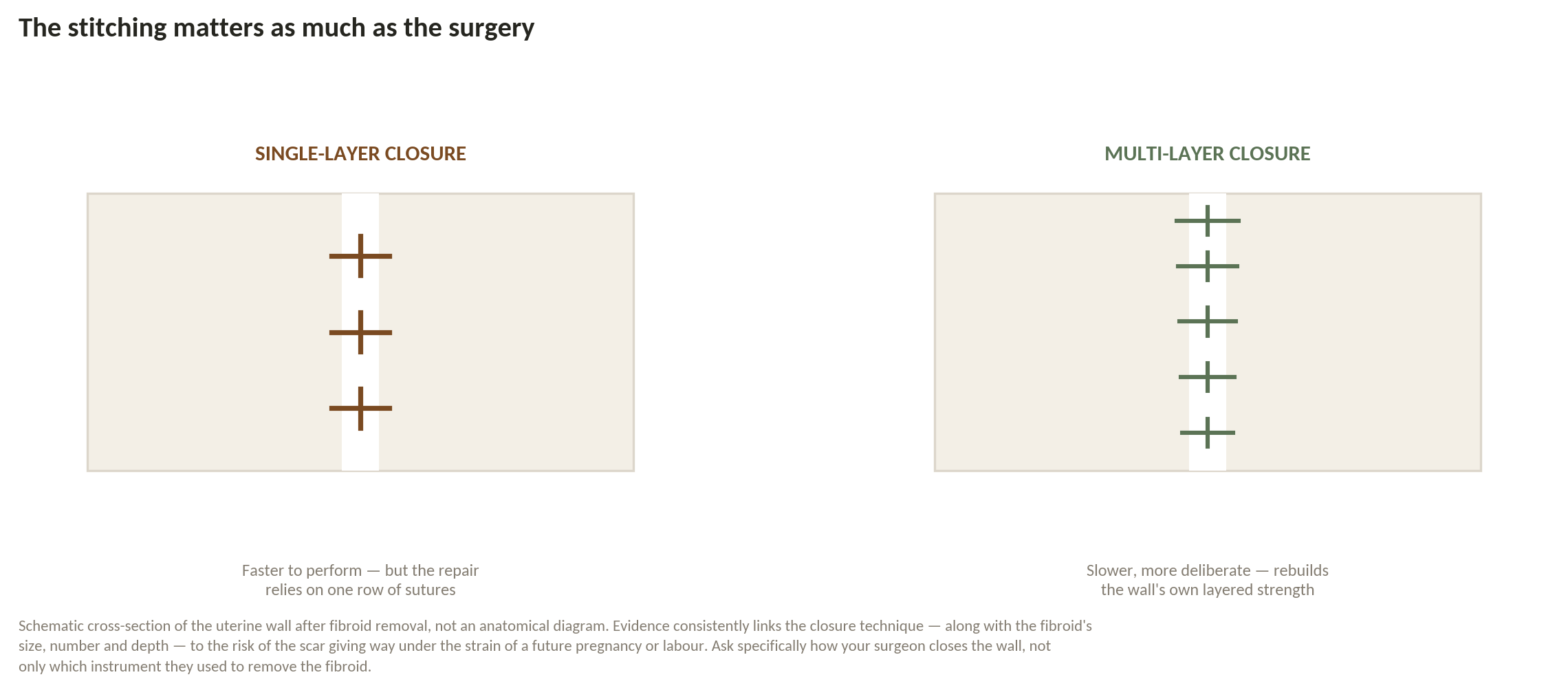
The stitching is the part that has to hold under the strain of a future pregnancy.
Removing a fibroid is only half the operation. What happens next — how carefully the uterine wall is closed — determines whether that wall can safely stretch and bear the strain of a pregnancy and labour years later. Evidence consistently links the closure technique, together with the fibroid's size, number and depth, to the risk of the scar giving way during a later pregnancy, an event called uterine rupture. A meticulous, multi- layer closure rebuilds the wall's own layered strength; a rushed single-layer closure leaves a thinner repair behind.
Ask this question directly, before surgery. How do you close the uterine wall, and how many layers? A surgeon who answers precisely, and who limits the use of electrocautery near the repair — since excessive use can weaken the tissue further — is treating your future pregnancy as part of today's operation, not an afterthought for later.
4 Gate Four
Could this be done in Ethiopia?
Laparoscopic gynaecological surgery is available in Addis Ababa, and for a straightforward case — a small number of accessible fibroids, an experienced local surgeon — it is a reasonable place to be treated. I say so when it genuinely applies.
The case for travelling strengthens for the harder cases identified at gate two: multiple large fibroids, fibroids deep in the muscle wall, or cases where robotic precision meaningfully changes the quality of the closure discussed at gate three. Robotic myomectomy specifically remains limited in Ethiopia, and it is in exactly the complex cases where its precision matters most for protecting future fertility. Ask both sides plainly how many myomectomies like yours the surgeon performs each year, and whether robotic assistance is genuinely available should your case need it.
This is also a case where a second opinion costs little and can change the plan considerably. If a local assessment recommends open surgery for fibroids that a detailed scan suggests might suit a keyhole approach, it is worth asking why, and worth seeking a second view before accepting a larger incision than may be necessary.
5 Gate Five
Is the money arranged, and have you planned for recurrence?
Ethiopia's health financing does not follow a patient abroad. Community ‐ Based Health Insurance covers contracted facilities inside the country, and the formal ‐ sector scheme is still not settling claims. Since February 2026 a bank may release up to twenty thousand US dollars per case against a letter from the treating hospital, without a visa or ticket in hand.
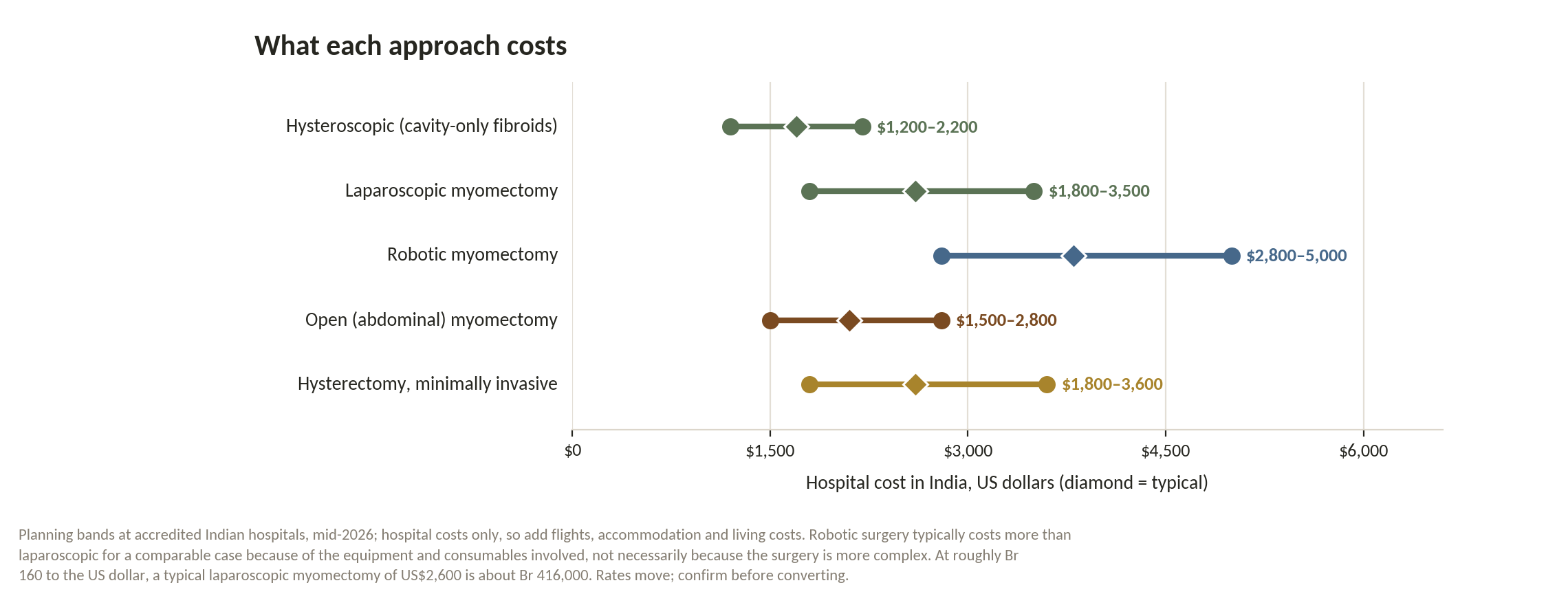
Robotic surgery costs more, chiefly because of the equipment involved.
The conversation families most often skip is recurrence. Myomectomy removes the fibroids present on the day of surgery; it does not remove the underlying tendency to grow new ones, particularly in women whose fibroids appeared at a younger age — a pattern well documented in exactly the population this article is written for. This is not a mark against the operation. It is a reason to plan realistically: some women need a second procedure years later, and that is a normal part of living with fibroid disease rather than a sign anything went wrong the first time.
In 24 years the myomectomy patients most satisfied with their outcome were the ones who understood, before surgery, that keeping the uterus was a choice with conditions attached — not a guarantee that fibroids were gone for good.
| A quotation, annotatedA composite of the myomectomy quotes that reach me, with the questions I send back. | |
| Laparoscopic myomectomy — USD 2,600 | For how many fibroids, and what size? A quote should say. |
| Approach: laparoscopic or robotic as suitable | Suitable per which assessment? Ask to see the imaging report. |
| Includes: 2 days admission | Reasonable. Ask what a longer stay would add if bleeding occurs. |
| Closure technique: standard | Ask directly: single-layer or multi-layer? This is not a detail. |
| Excludes: conversion to open surgery | Ask the added cost if keyhole surgery has to be converted mid-operation. |
| Fertility clearance: not included | For future pregnancy, ask when and how this will be confirmed. |
Pay the hospital and never an individual, and never settle a balance before you arrive.
The Ethiopian practicalities
Ethiopian Airlines flies non ‐ stop from Bole to Delhi, Mumbai, Bengaluru, Chennai and Hyderabad. Ask for written clearance to fly rather than assuming a fixed number of days; recovery from an open myomectomy is longer than from a laparoscopic or robotic one, and that difference should shape your travel dates, not the other way round.
Yellow fever certification is required at least ten days before arrival and oral polio vaccination roughly four weeks before. The medical visa follows the hospital's invitation letter through the Embassy of India in Addis Ababa, and an attendant is worth arranging for the days immediately after surgery. Confirm current rules with the Embassy, since they change, and ask for an Amharic ‐ speaking coordinator to walk through the closure details and any fertility timeline before you fly home — this is precisely the information from gate three that needs to travel with you.
A closing word
Send your pelvic MRI or ultrasound, your age, whether you have had children, and whether future pregnancy matters to you. That last detail decides more of this conversation than any scan does. I will tell you which gate you are standing at, whether your fibroids look like keyhole candidates or not, and where the honest answer is that Ethiopia can treat you well, I will say so.
Sources
- 🌐 Munro MG, et al. The epidemiology and pathogenesis of uterine fibroids
- 🌐 Stewart EA, et al. The burden of uterine fibroids for African-American women: results of a national survey
- 🌐 Fu L, et al. Risk factors for pregnancy-related uterine rupture following laparoscopic myomectomy: a systematic review and meta- analysis
- 🌐 National Medical Commission of India — Indian Medical Register, for verifying a treating surgeon's qualification and registration
- 🌐 National Accreditation Board for Hospitals & Healthcare Providers (NABH), Quality Council of India
- 🌐 National Bank of Ethiopia Directive FXD/04/2026 (foreign exchange, advance payments for treatment abroad); Embassy of India, Addis Ababa
Frequently Asked Questions by Ethiopians about Laparoscopic and Robotic Myomectomy Surgery in India
Why should Ethiopian women choose myomectomy instead of hysterectomy for uterine fibroids?
The guide explains that myomectomy removes fibroids while preserving the uterus, keeping the possibility of future pregnancy open. Hysterectomy removes the uterus entirely, prevents fibroids from recurring and permanently ends the possibility of pregnancy. The decision should therefore begin with the patient's fertility plans and personal preference about keeping her uterus.
Can all fibroids be removed laparoscopically or robotically?
No. The appropriate approach depends on the number, size, depth and location of the fibroids. The diagram on page 3 gives an approximate guide showing that fewer than four fibroids, around 8–10 cm or smaller and not deeply embedded, may often suit laparoscopic or robotic surgery. Many, very large or deeply positioned fibroids may still require open abdominal surgery.
How much does myomectomy surgery in India cost for Ethiopian patients?
According to the cost chart on page 5, indicative Indian hospital costs are approximately USD 1,200–2,200 for hysteroscopic myomectomy, USD 1,800–3,500 for laparoscopic myomectomy, USD 2,800–5,000 for robotic myomectomy and USD 1,500–2,800 for open abdominal myomectomy. The guide notes that robotic surgery generally costs more because of the equipment involved.
Is robotic myomectomy better than laparoscopic myomectomy for Ethiopian women?
Not automatically. The guide states that robotic surgery can extend what is possible with minimally invasive treatment, particularly for fibroids in difficult positions or deep within the uterine muscle. However, it does not remove anatomical limitations. The decision should be based on pelvic MRI or detailed ultrasound findings rather than a hospital's preference for a particular technology.
Why is uterine closure important for women planning pregnancy after myomectomy?
Removing the fibroid is only part of the operation. The uterine wall must then be reconstructed strongly enough to withstand the stretching and strain of a future pregnancy. The illustration on page 4 contrasts single-layer and multi-layer closure, with the guide emphasising meticulous multi-layer reconstruction. Patients are advised to ask their surgeon directly how the uterine wall will be closed and in how many layers.
Can Ethiopian women have laparoscopic myomectomy without travelling to India?
Yes, in selected cases. The guide states that laparoscopic gynaecological surgery is available in Addis Ababa, and straightforward cases involving a small number of accessible fibroids may reasonably be treated there by an experienced surgeon. Travelling becomes more relevant for complex cases involving multiple large or deeply placed fibroids or where robotic precision may meaningfully affect uterine reconstruction.
How soon can an Ethiopian patient try to become pregnant after myomectomy?
The document does not give one fixed waiting period. It states that the timing should be determined by the surgeon according to how deeply the fibroids were situated and how the uterine wall was reconstructed. The guide describes the interval as typically a matter of months rather than weeks and recommends obtaining the fertility timeline in writing before leaving India.
Can uterine fibroids return after myomectomy?
Yes. Myomectomy removes the fibroids present at the time of surgery, but it does not eliminate the underlying tendency to develop new ones. The guide notes that recurrence is particularly relevant to women whose fibroids developed at a younger age. Some patients may therefore need another procedure years later, which should be discussed before choosing uterus-preserving surgery.
What should Ethiopian patients check in a myomectomy quotation from India?
The annotated quotation on page 6 recommends confirming how many fibroids the quotation covers and their sizes, how the laparoscopic or robotic approach was selected, how many admission days are included and whether the uterine closure will be single- or multi-layer. Patients should also ask about additional costs if surgery must be converted to an open procedure and how future-pregnancy clearance will be provided.
What should Ethiopian women send before requesting a myomectomy opinion from India?
The guide recommends sending a pelvic MRI or detailed ultrasound, along with the patient's age, whether she has already had children and whether future pregnancy matters. These details help determine whether myomectomy is appropriate, whether a laparoscopic or robotic approach is realistic and how strongly fertility preservation should influence the surgical plan.
I'm not planning any more pregnancies. Should I still choose myomectomy?
Not necessarily. If keeping the uterus is not important to you, hysterectomy is often simpler, shorter, and removes any chance of the fibroids returning. Myomectomy exists specifically to preserve fertility — if that is not your goal, say so plainly and let your gynaecologist present both options fairly.
Can all fibroids be removed laparoscopically or robotically?
No. A small number of large or deeply placed fibroids often suit a minimally invasive approach well; many fibroids, very large ones, or fibroids deep in the muscle wall often still need open surgery. This should be assessed from your imaging, not assumed.
How soon can I try to become pregnant after myomectomy?
This is decided by your surgeon based on how the uterine wall was closed and how deep the fibroids were, typically a matter of months rather than weeks. Get this in writing before you leave India.
Will the fibroids come back?
They can. Myomectomy removes the fibroids present at the time of surgery, but the underlying tendency to form them remains, particularly in women who develop fibroids at a younger age. This is normal and worth planning for rather than being surprised by.
Who pays for this in Ethiopia?
You do. Neither community-based insurance nor the pending formal-sector scheme funds treatment abroad, though a bank may now advance up to US$20,000 against the hospital's letter.
Page Summary
This guide takes Ethiopian women through five gates, starting not with technology but with whether the uterus needs preserving: myomectomy keeps it and accepts that fibroids may return, while hysterectomy ends both the fibroids and the possibility of pregnancy. Gate two lets the imaging — fibroid number, size and depth — decide whether keyhole surgery is feasible, rather than hospital marketing. Gate three is about fertility after the fibroid is out, and asks specifically how many layers the uterine wall will be closed in. Gate four notes that straightforward laparoscopic myomectomy is available in Addis Ababa; complex, multiple or deeply placed fibroids are the stronger reason to travel. Gate five prices it: USD 1,200–2,200 hysteroscopic, USD 1,800–3,500 laparoscopic, USD 2,800–5,000 robotic and USD 1,500–2,800 open.
Citation Block
| Topic | Information |
|---|---|
| Topic Information | Laparoscopic and Robotic Myomectomy Surgery in India for Ethiopians |
| Procedure | Uterine Fibroid Removal / Myomectomy |
| Country | India |
| Intended Audience | Ethiopian Women Considering Fibroid Surgery |
| Condition Covered | Uterine Fibroids |
| Procedures | Hysteroscopic, Laparoscopic, Robotic and Open Abdominal Myomectomy |
| Typical Stay | Procedure-Dependent; No Fixed Overall Stay Specified |
| Hospital Stay | Sample Laparoscopic Quotation Includes 2 Days Admission |
| Recovery | Procedure-Dependent; Open Surgery Takes Longer Than Laparoscopic or Robotic Surgery |
| Future Pregnancy | Timing Determined by Fibroid Depth and Uterine Closure; Typically Months Rather Than Weeks |
| Hysteroscopic Myomectomy Cost | Approximately USD 1,200–2,200 |
| Recurrence | Fibroids Can Recur After Myomectomy |

Our Mission Statement
Our mission is to place patients at the centre of every healthcare decision by providing trustworthy, evidence-based, and unbiased medical information. We believe that informed patients make better decisions. Backed by personalised guidance from our experienced advisory team, we help patients understand their treatment options, compare them objectively, and confidently choose the path that best suits their medical needs and personal circumstances.
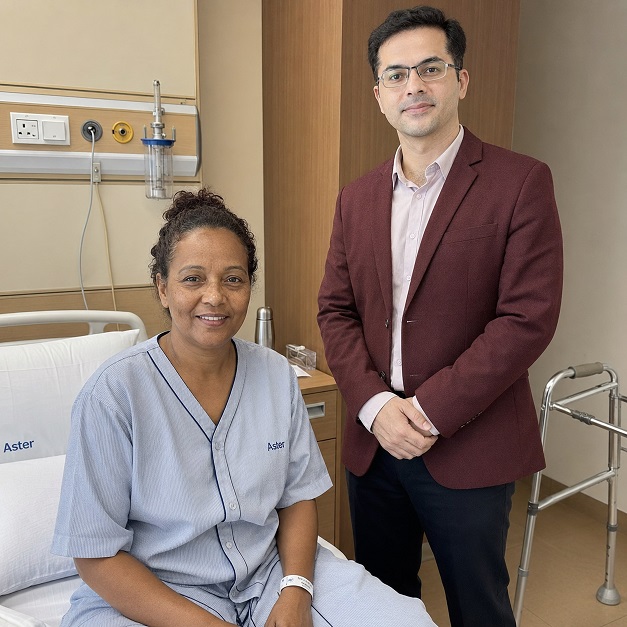
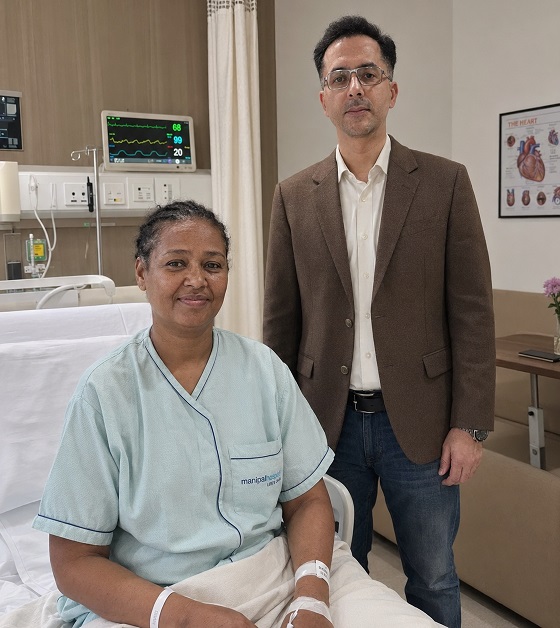
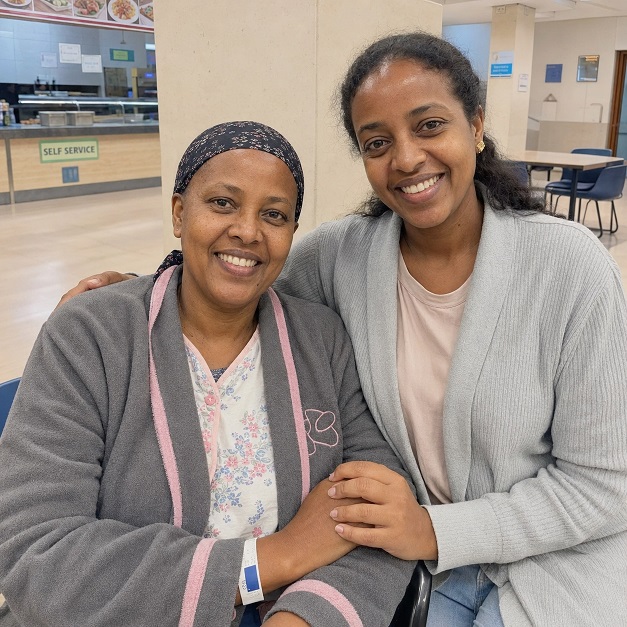
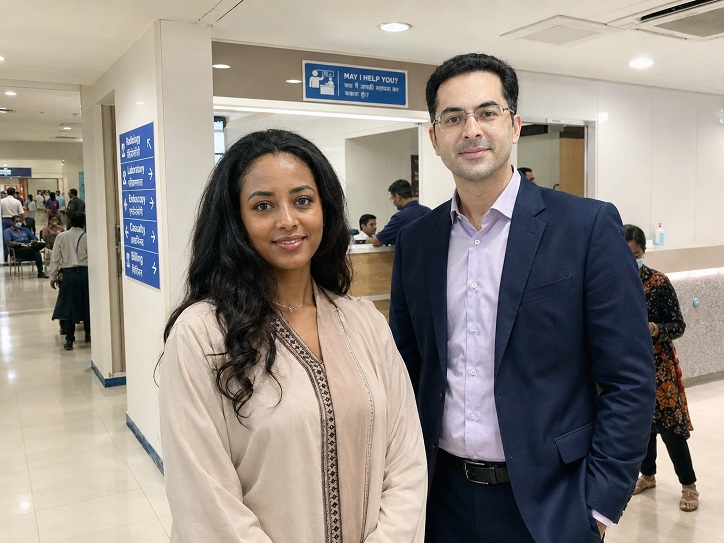
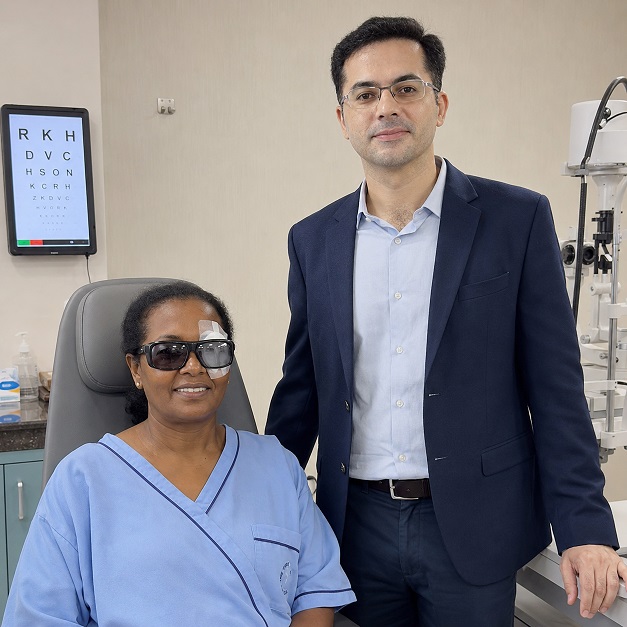
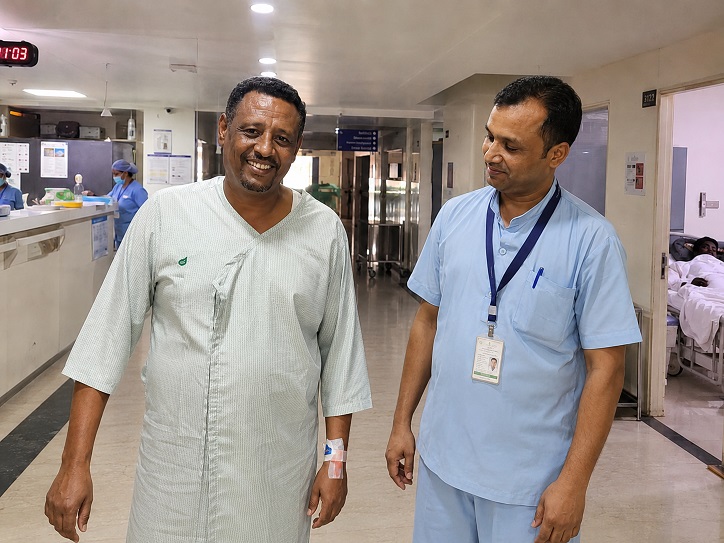
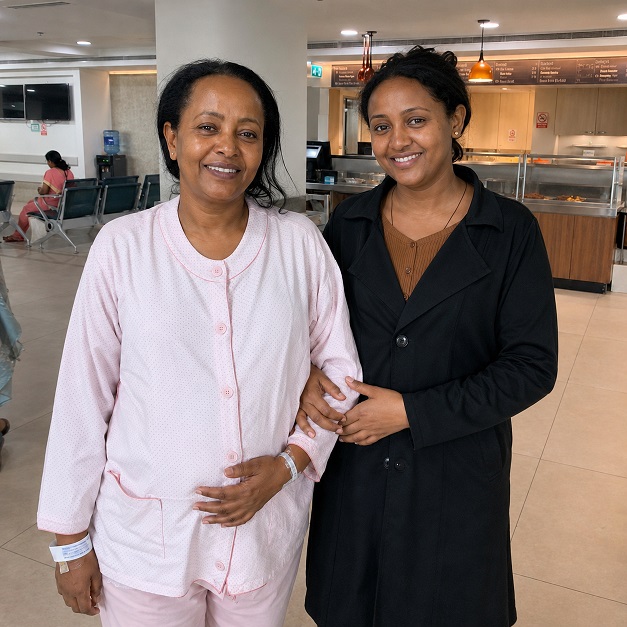
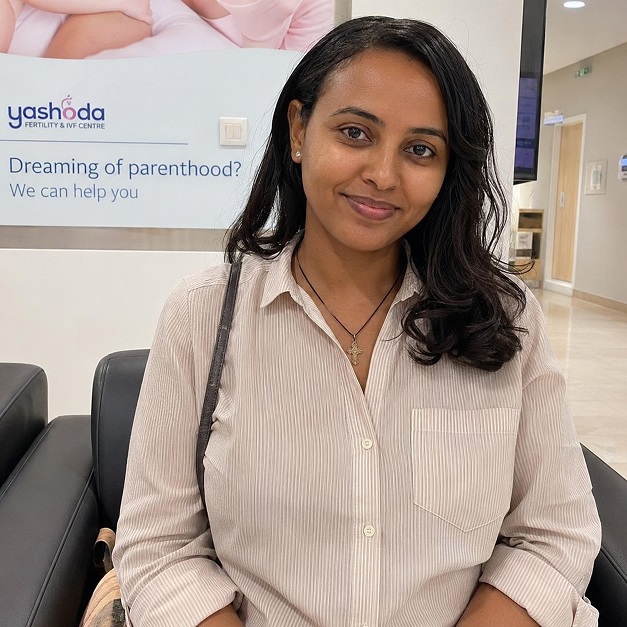
Patient Testimonials from Ethiopia
Ready to Take the First Step?
Share your Medical Reports with our Healthcare Managers Today and Get a FREE CONSULTATION, a Personalized Treatment Plan, and Complete Support from Arrival to Recovery.
Get Your Free ConsultationAreas We Serve
This resource has been thoughtfully prepared for patients from Ethiopia who are considering medical treatment in India. We also welcome patients from the wider region in the countries mentioned below-
We assist patients from:
- Eritrea
- Djibouti
- Somalia
- Kenya
- South Sudan
- Sudan
- Burundi
- Comoros
- Ethiopia
- Madagascar
- Malawi
- Mauritius
- Mozambique
- Rwanda
Many of the insights, treatment pathways, hospital recommendations, travel guidance, and patient support services described here are equally relevant and may be used as a reference when planning treatment in India.
From Ethiopia to India: Your Complete Patient Support Guide
- Brain Tumour Surgery in India for Ethiopians
- Cancer Treatment in India for Ethiopians
- Cardiac Surgery in India for Ethiopian Patients
- Cervical and Disc Replacement Surgery in India for Ethiopians
- Cosmetic and Plastic Surgery in India for Ethiopians
- CyberKnife Treatment in India for Ethiopians
- Eye Surgery in India for Ethiopians
- Gamma Knife Treatment in India for Ethiopians
- Heart Valve Replacement Surgery in India for Ethiopians
- Hip Surgery in India for Ethiopian Patients
- Knee Surgery in India for Ethiopian Patients
- Laparoscopic and Robotic Myomectomy Surgery in India for Ethiopians
- Neurosurgery in India for Ethiopians
- Paediatric Cardiac Surgery in India for Ethiopians
- Paediatric Neurosurgery in India for Ethiopians
- Prostate Cancer Treatment and Surgery in India for Ethiopians
- Robotic Cancer Surgery in India for Ethiopians
- Scoliosis Surgery in India for Ethiopians