

Hip Surgery in India for Ethiopian Patients
Five gates every hip should pass before anyone books a flight — beginning with whether yours is the straightforward hip the quotation quietly assumes.
Hip replacement is the most reliable operation in orthopaedics. Performed on the right hip it is close to miraculous: a patient who arrived on two sticks walks in six weeks later without them. That reputation is why hip quotations get written so casually. Total hip replacement, one figure, a week in hospital. It is a fair description of the operation as done on a seventy ‐ year ‐ old European with worn cartilage and ordinary anatomy. It is frequently a poor description of the hips I am sent from Ethiopia. In 24 years of arranging surgical care in India for patients across Africa and Asia, I have learned to ask one question of an Ethiopian hip before any other: what happened to it, and when? The answer usually explains why the operation being priced is not the operation required. Five gates follow: the first two concern the hip itself, the rest decide whether the operation is worth having.
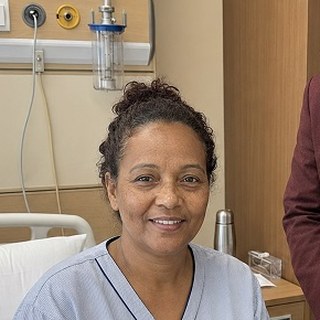
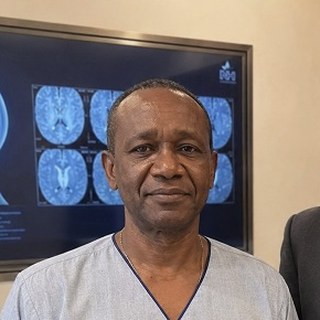
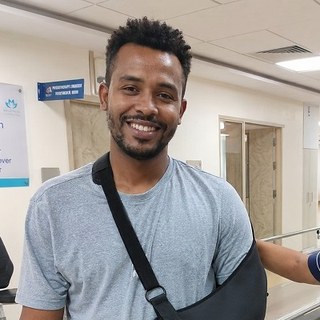
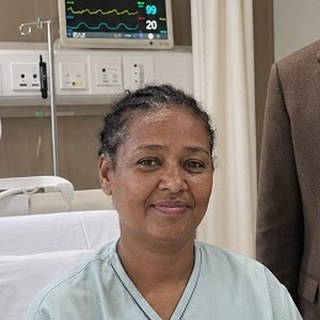
Healing Journeys of Ethiopian Patients


Key Takeaways
- Ethiopian patients should first determine whether their hip condition is a routine replacement or a complex reconstruction before comparing quotations.
- Common complex hip conditions include neglected femoral neck fractures, childhood tuberculosis or septic arthritis, untreated developmental dysplasia of the hip, and malunited acetabular fractures.
- If the hip was previously infected, surgeons should confirm the infection has completely resolved before implanting a prosthetic joint, sometimes requiring aspiration, biopsy or a staged reconstruction.
- Routine hip replacement may be available within Ethiopia, while complex reconstructive hip surgery is often better suited to high-volume specialist centres in India.
- Patients should assess the total treatment cost, including bone grafts, blood transfusions, additional hospital days, physiotherapy and rehabilitation, rather than relying only on the quoted surgical package.
- Anaemia is common among Ethiopian patients and should be corrected before surgery whenever possible, as low haemoglobin increases the likelihood of blood transfusion and delayed recovery.
- Most straightforward hip replacements at accredited Indian hospitals generally cost around USD 5,000–7,500, while complex reconstructive procedures may cost considerably more depending on surgical complexity.
- Ethiopian patients should usually remain in India for 2–3 weeks after routine hip replacement and 3–5 weeks for complex primary or previously infected hips.
- Long-term success depends on supervised rehabilitation, understanding movement restrictions, preserving implant documentation and maintaining regular orthopaedic follow-up after returning to Ethiopia.
- Lifestyle factors such as floor sitting, squatting and prayer positions should be discussed with the surgeon before surgery because implant selection and surgical approach may influence postoperative movement restrictions.
Quick Facts
- Conditions Covered
- Neglected Femoral Neck Fracture, Developmental Hip Dysplasia, Childhood Tuberculous Hip, Septic Arthritis, Malunited Acetabular Fracture, Hip Fusion, Complex Primary Hip Disease
- Procedures Mentioned
- Total Hip Replacement, Complex Primary Hip Replacement, Revision Planning, Two-Stage Hip Reconstruction, Bone Grafting, Joint Aspiration, Hip Reconstruction for Dysplasia
- Target Audience
- Ethiopian patients considering hip surgery or total hip replacement in India
- Routine Total Hip Replacement
- Approximately USD 5,000–7,500
- Complex Primary Hip Replacement
- Approximately USD 6,400–11,500
- Previously Infected Hip Reconstruction
- May reach USD 18,500 depending on staged reconstruction and complexity
- Routine Hip Replacement
- Approximately 2–3 Weeks
- Complex Hip Reconstruction
- Approximately 3–5 Weeks
- Hospital Stay
- Usually 6–7 Days for uncomplicated cases; longer for complex reconstructions
- Important Implant Details
- Implant type, femoral head size, fixation method, dual-mobility consideration, implant card and operative records
- Important Pre-Travel Records
- Pelvic X-rays, CT scan (if advised), previous operative records, MRI (if available), blood investigations and haemoglobin report
- Medical Travel Requirements
- Hospital invitation letter, Indian Medical Visa, Medical Attendant Visa, yellow fever certificate, oral polio vaccination certificate and changeable return ticket
- Author/Advisor
- Dr. Dheeraj Bojwani
- Experience
- 24+ Years in Medical Travel
In Brief
Choosing hip surgery in India requires Ethiopian patients to understand the exact nature of their hip condition before accepting a treatment quotation. While routine hip replacement may be performed successfully within Ethiopia, patients with neglected fractures, childhood hip infections, developmental dysplasia or complex reconstructive needs often benefit from surgeons who routinely perform these specialised procedures. Equally important is confirming that any previous infection has been completely eradicated before implanting a prosthetic hip. Patients should request an itemised quotation covering implants, bone grafts, blood transfusions, rehabilitation, hospital stay and possible additional costs, while also discussing postoperative movement restrictions that may affect everyday activities such as floor sitting and prayer.
1 Gate One
What kind of hip is this?
Most hips replaced in Europe and North America have simply worn out. A great many hips replaced in Ethiopia were damaged, and the damage came first.
Four patterns account for most of what reaches me. A fracture of the femoral neck that was never fixed, or fixed late, and has gone on to nonunion or collapse of the head — common wherever distance and cost delay treatment by weeks rather than hours. A hip infected in childhood, by tuberculosis or by ordinary bacteria, leaving a joint that is stiff, shortened, or fused solid. A hip that was dysplastic from birth and never detected, so the socket is shallow and the head rides high and outside it. And a hip whose socket itself was broken and healed out of shape.
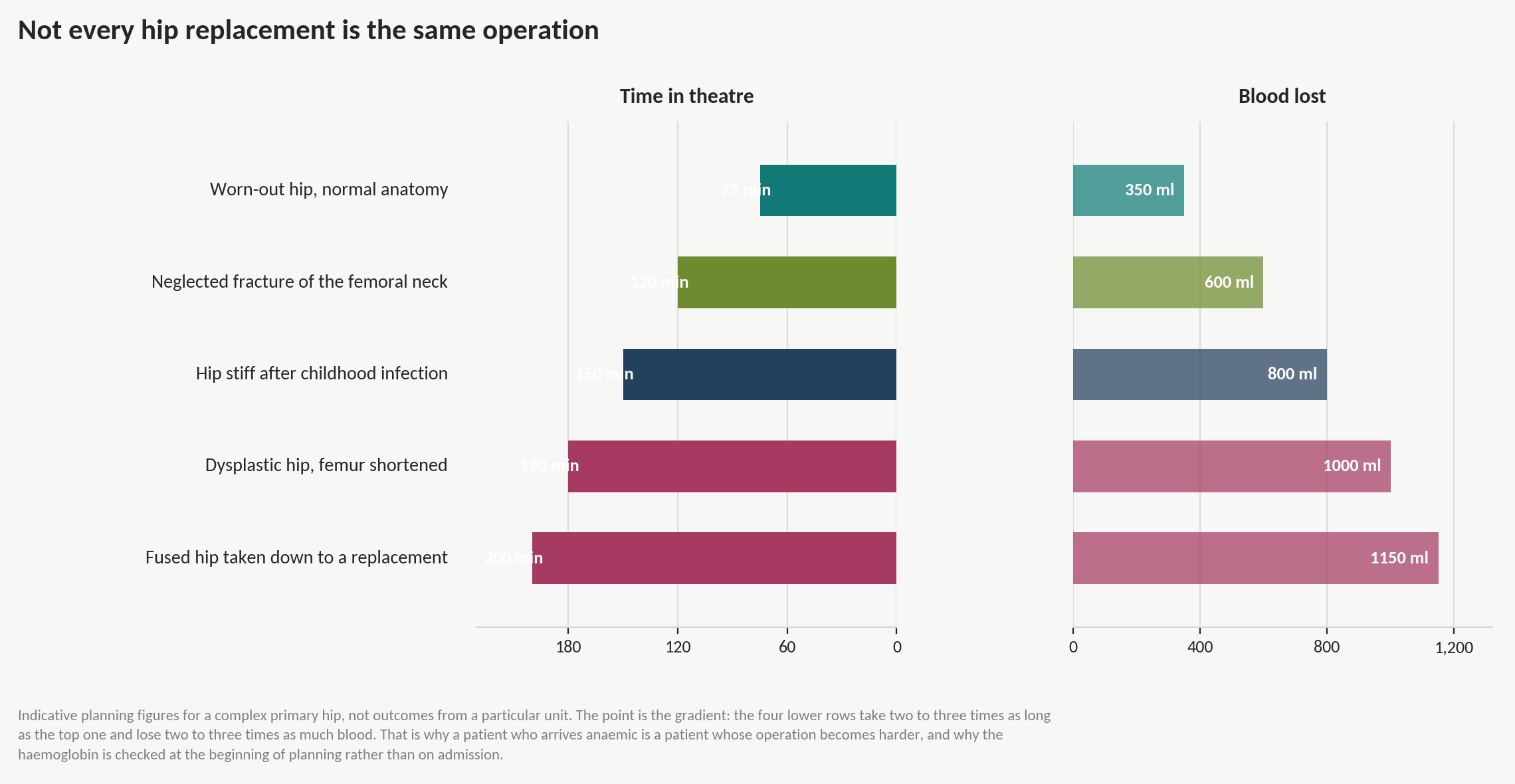
The same words on a quotation, five quite different operations.
Each is a complex primary replacement rather than a routine one. They take longer, bleed more, and several need the socket rebuilt or the thigh bone shortened before the components will sit where they belong. None of it can be planned from a single pelvis X ‐ ray. Ask whether a CT scan is needed, and ask the surgeon to state in writing which of these your hip is. A unit willing to quote before classifying your hip has not yet looked at it properly.
2 Gate Two
If this hip was ever infected, is the infection finished?
This gate exists because getting it wrong produces the worst outcome in orthopaedics, and because Ethiopia has more patients standing at it than most countries do.
Ethiopia is one of the World Health Organization's thirty high ‐ burden countries for tuberculosis and reports unusually high rates of disease outside the lungs. Add childhood septic arthritis to that, and a substantial share of Ethiopian hips needing replacement were destroyed by infection rather than by wear.
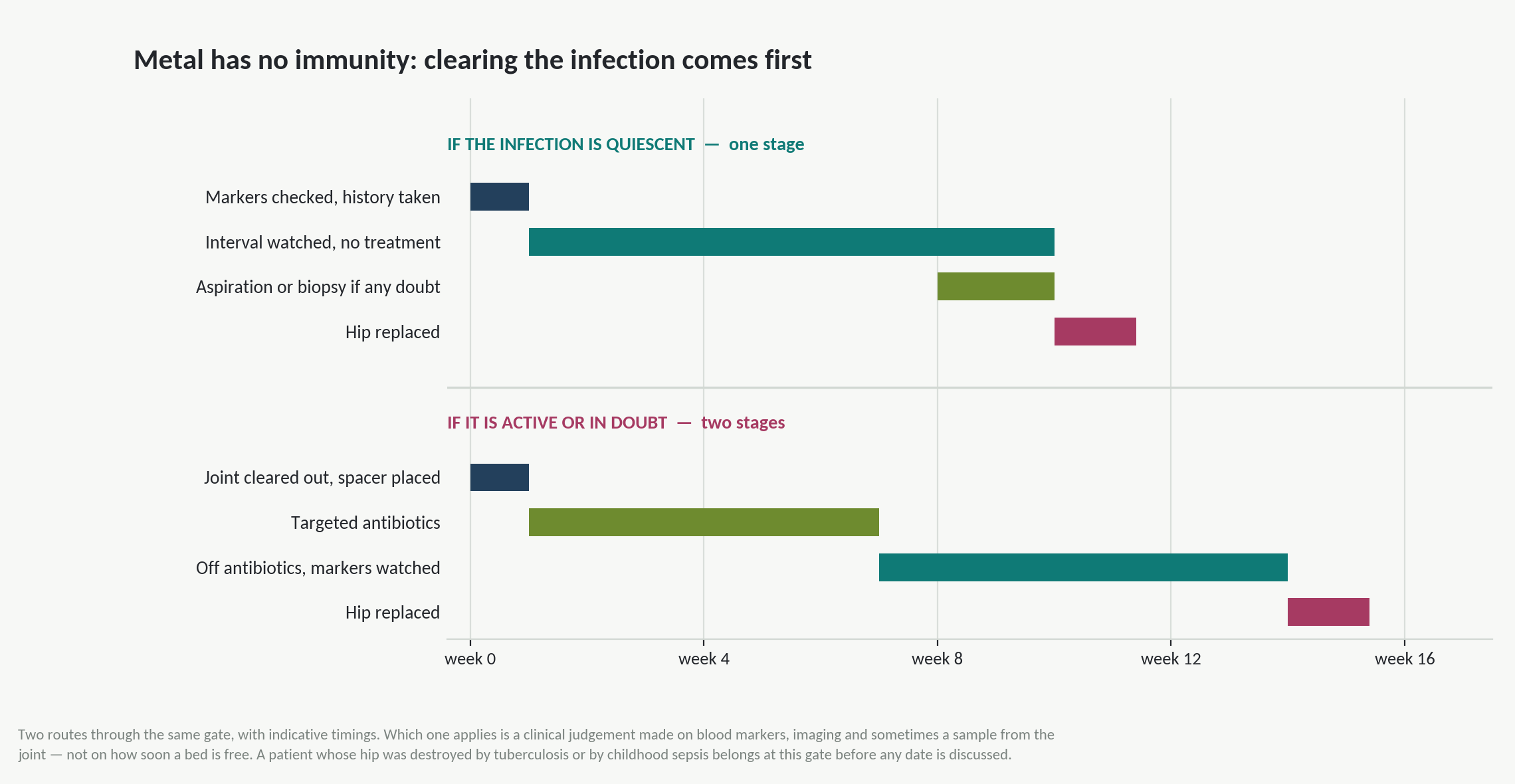
Two routes through the same gate, and the weeks each one costs.
Metal and cement have no blood supply and no immunity. Implanted into a joint where bacteria remain, they produce a chronically infected replacement — repeated operations, long courses of antibiotics, sometimes a hip that has to be taken out and left out. Preventing that is not complicated, but it must be deliberate: markers checked and rechecked, a clear interval since the last flare, sometimes a sample from the joint before anything is implanted, and occasionally a two ‐ stage plan with a spacer.
The question to ask. How will you satisfy yourself the infection is quiet before you implant, and what is your plan if it is not? An answer that treats this as an obstacle to the booking, rather than as ordinary practice, has told you what you needed to know.
3 Gate Three
Could this be done in Ethiopia?
Hip replacement has been performed in Addis Ababa for some years now. CURE Ethiopia published the country's first substantial series of total hip replacements; hips are done at Tikur Anbessa, St Paul's and the AaBET trauma hospital, and in private units including Landmark, MCM and Kadisco, some with visiting Indian orthopaedic teams — which means the surgeon you were preparing to fly to meet may already be coming to you.
For a worn ‐ out hip with ordinary anatomy that is an entirely reasonable place to have it done, and I tell patients so regularly.
The argument for travelling is narrower, and stronger, than the marketing suggests. It applies to the hips in gate one: the fused hip that has to be taken apart, the high ‐ riding dysplastic hip needing the femur shortened, the neglected fracture with a deformed upper thigh bone, the previously infected joint. These want a surgeon who does that reconstruction often, an inventory running to small cups, dysplasia components and modular stems, and a hospital that can manage a deep infection if one appears.
So ask both sides how many hips like yours they did last year. Not how many hips.
4 Gate Four
Is the money arranged — and is your blood?
Two things need arranging here, and only one of them is ever mentioned.
Ethiopia's health financing does not reach this operation. Community ‐ Based Health Insurance pays for care at contracted facilities within the country, and the formal ‐ sector scheme announced years ago has still not begun settling claims. This is family money. Since February 2026, though, the National Bank's revised foreign exchange rules let a bank release up to twenty thousand US dollars per case against a letter from the treating hospital, with no visa or ticket needed first — which for most hip patients covers the deposit and a good deal more.
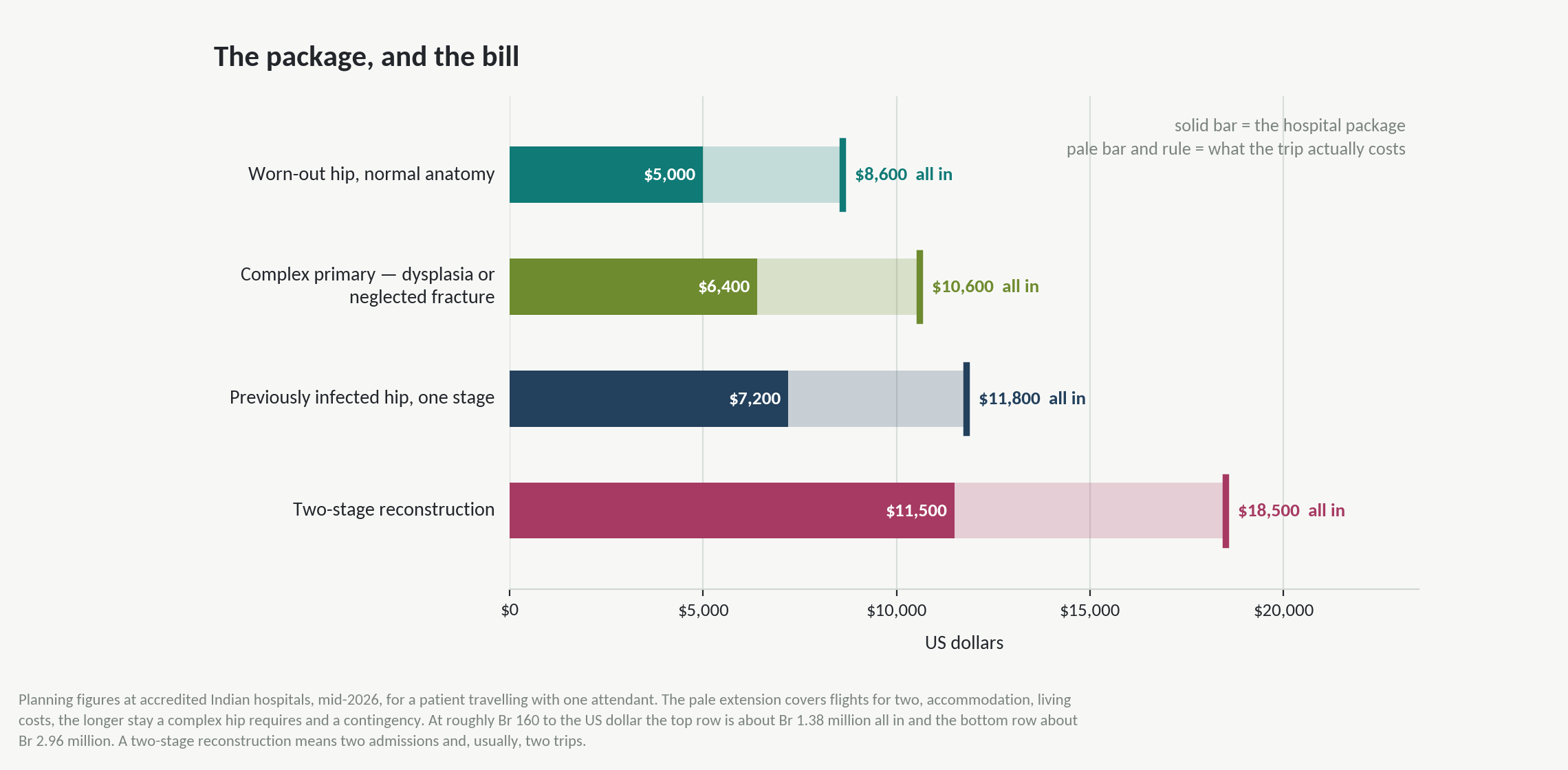
The solid bar is what you were quoted. The rule is what the trip costs.
The second thing is your haemoglobin, and it is the item nobody puts on a checklist. A complex primary hip loses two to three times the blood of a routine one. A patient who arrives anaemic gets transfused, stays longer, and recovers more slowly. Anaemia is common in Ethiopia and it is usually correctable — but not in the week before surgery. Have your haemoglobin and iron studies done at the start of planning rather than on admission, and send the results with your films.
In 24 years the arguments I have had to settle over hip bills have rarely concerned the headline figure. They have concerned the bone graft, the extra days, and the blood.
| A quotation, annotatedA composite of the hip quotes that reach me, with the questions I send back. | |
| Total hip replacement — USD 5,200 | Written for which hip? Ask them to name the diagnosis first. |
| Implant: imported ceramic-on-poly | Good. Now ask the head size, and whether dual mobility was considered. |
| Bone graft: if required | For a dysplastic socket it will be required. Price it now, not later. |
| Includes: 6 days hospital | A complex primary often needs longer. What does day seven cost? |
| Blood: 1 unit included | The lower rows of the chart above need more than one. Confirm the rate. |
| Physiotherapy: as per protocol | Ask for the written protocol. You will be doing it in Addis Ababa. |
Pay the deposit to the hospital and never to an individual, and never settle the balance before you arrive.
5 Gate Five
What will you be able to do afterwards?
A replaced hip is a stable joint within a range of movement and an unstable one outside it. The commonest early disaster is not infection but dislocation, and dislocation happens in positions rather than in activities.
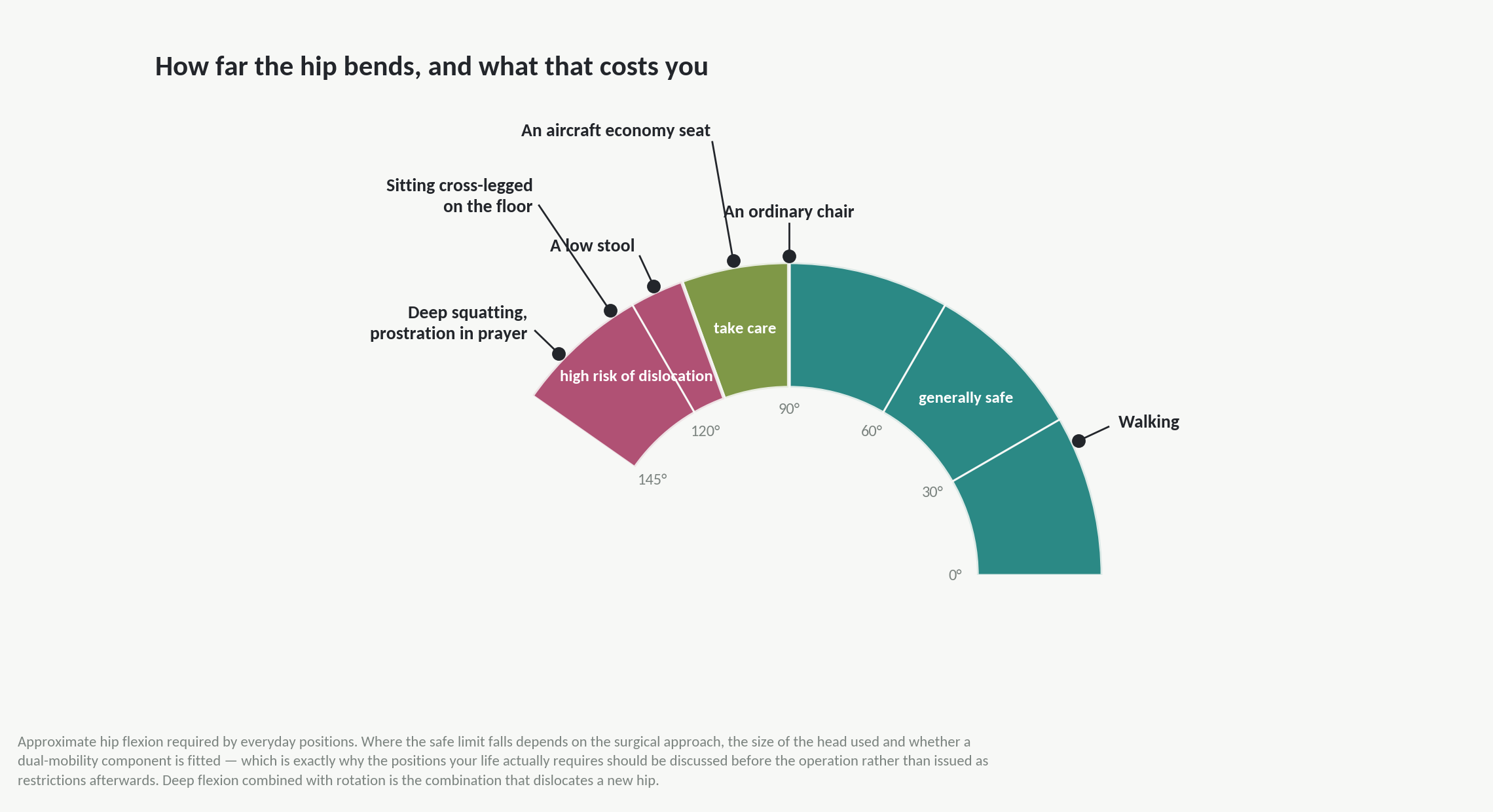
Where the everyday positions of Ethiopian life fall on the arc.
The positions that matter are precisely the ones ordinary life here is built around. Sitting on the floor. Rising from a low stool. Deep squatting. Sitting cross ‐ legged. Prolonged kneeling and prostration in worship. Each combines deep flexion with rotation, and that combination is what levers a new hip out of its socket.
This is not an argument against the operation. It is an argument for having the conversation before it rather than after. The surgical approach, the size of head used and whether a dual ‐ mobility component is appropriate all change what you will be able to do afterwards. So tell your surgeon plainly how you pray, how you eat and what your house is like. Told those things beforehand, a surgeon can plan around them. Told afterwards, all he can do is issue restrictions.
Leave hospital holding the operation note, the implant card and the discharge X ‐ ray, and make sure you know which positions are out permanently and which are out only for three months.
The Ethiopian practicalities
The non ‐ stop Ethiopian Airlines services from Bole to Delhi, Mumbai, Bengaluru, Chennai and Hyderabad matter to a hip patient in a specific way: the seat. An economy seat holds the hip at roughly the angle you have just been warned about, and the flight home is its first long test. Ask the hospital to specify seating in your fitness ‐ to ‐ fly letter, and book accordingly.
Two vaccination certificates are compulsory: yellow fever, at least ten days before arrival, and oral polio, roughly four weeks before. Begin the polio one immediately. It is the single requirement most likely to push your surgery date backwards.
The medical visa is issued against the hospital's invitation letter through the Embassy of India in Addis Ababa, and the attendant visa belongs in the same application — for the first fortnight you will need that person for things you cannot yet bend to reach. Confirm current rules with the Embassy, since they change. Ask for an Amharic ‐ speaking coordinator, and raise the fasting calendar before admission rather than after: the weeks after a hip replacement are the wrong weeks to be short of protein or iron.
A closing word
Send the pelvis X ‐ ray — both hips on one film — with a short history: what happened to the hip, when, and what was done at the time. That history counts for more here than in any other joint. I will tell you which gate you are standing at, and whether the honest answer is India, Addis Ababa, or more information before either.
Frequently Asked Questions by Ethiopians about Hip Surgery in India
Should Ethiopian patients have hip replacement surgery in Ethiopia or India?
The answer depends on the complexity of the hip condition. Routine hip replacement for a worn-out hip with normal anatomy may be performed successfully in Ethiopia, while complex cases such as neglected fractures, developmental dysplasia, previous hip infections or severe deformities may benefit from treatment at specialist centres in India.
Which hip conditions usually require complex reconstruction?
The guide identifies neglected femoral neck fractures, childhood tuberculosis or septic arthritis of the hip, untreated developmental dysplasia, malunited acetabular fractures and fused hips as conditions that often require complex reconstructive surgery rather than routine hip replacement.
Why is previous hip infection important before hip replacement?
If bacteria remain in the joint, a new hip implant can become chronically infected. Surgeons may recommend blood tests, imaging, joint aspiration or biopsy, and in some patients a staged reconstruction to ensure the infection has been completely eradicated before implanting a prosthesis.
How much does hip replacement surgery in India cost for Ethiopian patients?
According to the guide, routine total hip replacement generally costs around USD 5,000–7,500, while more complex reconstructions involving previous infection, bone grafting or staged surgery may cost significantly more depending on the procedure.
How long should Ethiopian patients plan to stay in India?
Patients undergoing routine hip replacement usually stay 2–3 weeks, whereas those requiring complex reconstruction or surgery for previously infected hips may need 3–5 weeks to complete assessment, surgery, rehabilitation and fitness-to-fly clearance.
What medical records should patients bring before travelling?
Patients should carry pelvic X-rays showing both hips, CT scans if advised, previous surgical records, blood investigations, haemoglobin reports, medication lists and any records related to previous infections or tuberculosis.
Why should Ethiopian patients discuss floor sitting and prayer habits before surgery?
Activities such as floor sitting, deep squatting, kneeling and certain prayer positions place the hip in deep flexion and rotation. Discussing these lifestyle habits before surgery helps the surgeon choose the most appropriate surgical approach and implant configuration.
Why is haemoglobin checked before hip replacement?
Anaemia increases the likelihood of blood transfusion, longer hospital stays and delayed recovery. The guide recommends checking haemoglobin and iron levels early in the treatment planning process so that any deficiencies can be corrected before surgery.
What should patients ask when reviewing a hip replacement quotation?
Patients should ask whether the quotation specifies the diagnosis, implant type, femoral head size, bone graft requirements, expected hospital stay, blood transfusion costs, physiotherapy programme and any additional charges that may arise during treatment.
What documents should patients receive before leaving India after surgery?
Before returning to Ethiopia, patients should receive their operation note, implant card, discharge X-rays, physiotherapy instructions, medication schedule and written guidance explaining temporary and permanent movement precautions along with the recommended follow-up plan.
How long will I need to be in India for a hip replacement?
Two to three weeks for a straightforward hip, and three to five for a complex primary or a previously infected one, covering assessment, surgery and fitness-to-fly clearance.
Can both hips be done on one trip?
Sometimes, and it saves a second set of flights. But complex hips are usually staged, and a patient who is anaemic or frail should be staged regardless of what it costs in airfare.
I had tuberculosis of the hip as a child. Can it still be replaced?
Usually yes, and often with an excellent result. But the infection has to be shown to be quiet first, and that assessment is not a formality to be waived because a date has been booked.
Will I be able to sit on the floor afterwards?
Ask before the surgery, not after. It depends on the approach, the components chosen and your own anatomy, and it is one of the few things a surgeon can plan around if told in advance.
Who pays for this in Ethiopia?
You do. Neither community-based insurance nor the pending formal-sector scheme covers treatment abroad, though a bank may now advance up to US$20,000 against the hospital's letter.
Page Summary
This guide explains how Ethiopian patients can decide whether hip surgery should be performed in Ethiopia or India by evaluating the complexity of the hip condition rather than comparing prices alone. It discusses neglected fractures, developmental dysplasia, previous hip infections, complex reconstruction, infection clearance before implantation, treatment costs, blood management, rehabilitation, medical travel planning and long-term recovery. The guide encourages patients to compare surgeons based on experience with similar complex hip conditions and to understand how lifestyle activities such as squatting and floor sitting may influence surgical planning and postoperative precautions.
Citation Block
| Topic | Information |
|---|---|
| Topic Information | Details |
| Procedure | Hip Surgery & Total Hip Replacement |
| Country | India |
| Intended Audience | Ethiopian Patients |
| Conditions Covered | Neglected Femoral Neck Fracture, Developmental Hip Dysplasia, Childhood Tuberculous Hip, Septic Arthritis, Malunited Acetabular Fracture, Hip Fusion |
| Procedures | Total Hip Replacement, Complex Primary Hip Replacement, Bone Grafting, Two-Stage Hip Reconstruction, Joint Aspiration |
| Typical Stay | Approximately 2–3 Weeks (Routine) / 3–5 Weeks (Complex Cases) |
| Hospital Stay | Approximately 6–7 Days (Longer for Complex Reconstruction) |
| Recovery | Several Weeks to Months Depending on Surgical Complexity and Rehabilitation |
| Average Hip Replacement Cost | Approximately USD 5,000–7,500 (Routine); Complex Cases May Cost More |
| Key Pre-Travel Records | Pelvic X-Rays, CT Scan if Advised, Previous Operative Records and Haemoglobin Level |
| Implant Documentation | Implant Type, Femoral Head Size, Fixation Method and Implant Card |


Our Mission Statement
Our mission is to place patients at the centre of every healthcare decision by providing trustworthy, evidence-based, and unbiased medical information. We believe that informed patients make better decisions. Backed by personalised guidance from our experienced advisory team, we help patients understand their treatment options, compare them objectively, and confidently choose the path that best suits their medical needs and personal circumstances.
Patient Testimonials from Ethiopia
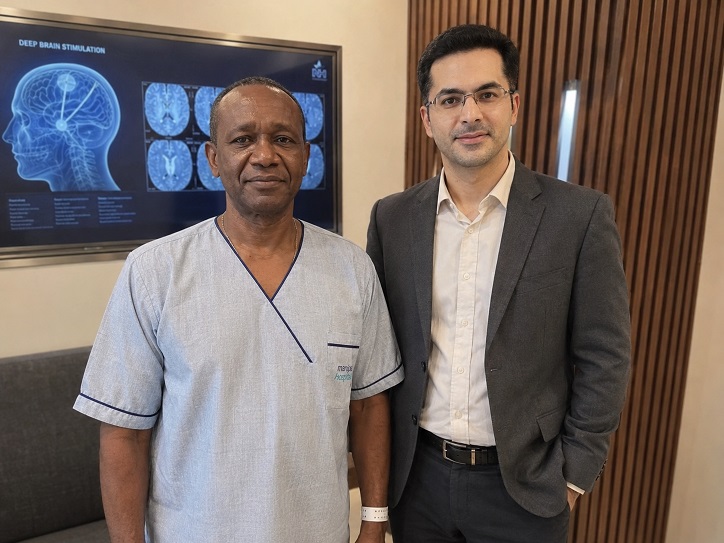
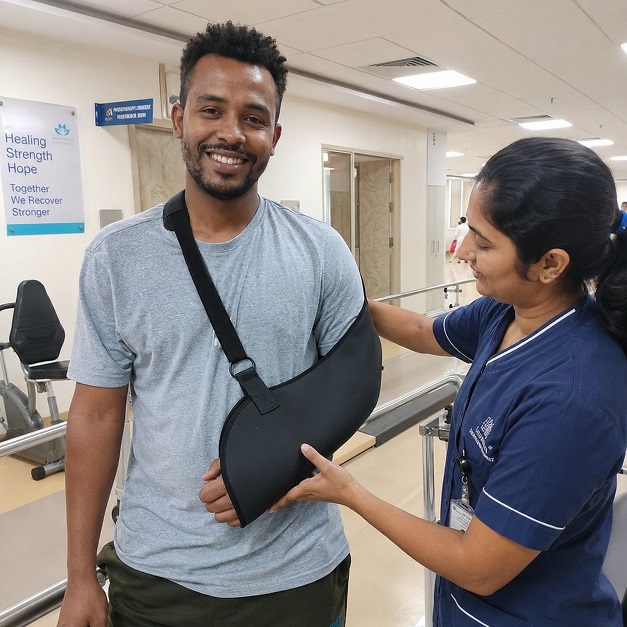
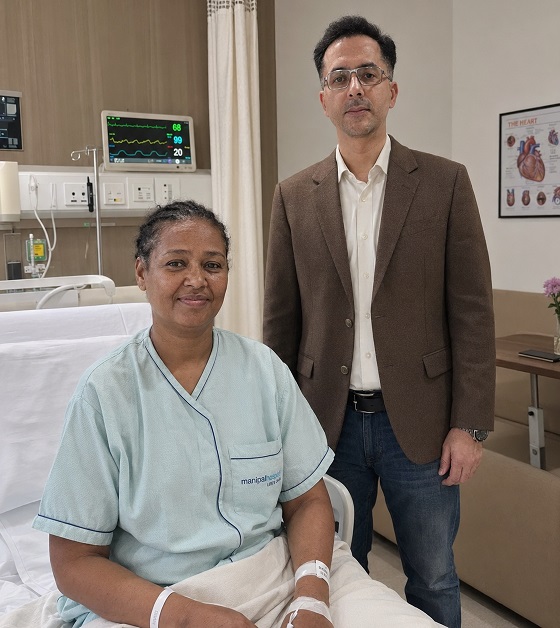
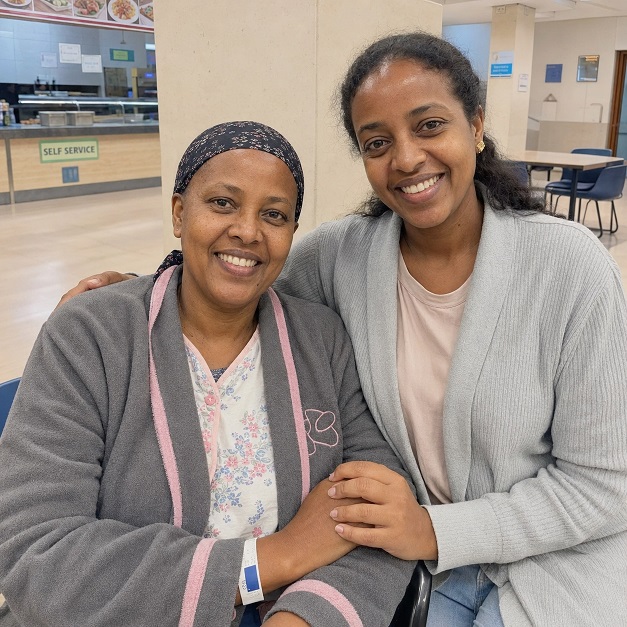

Ready to Take the First Step?
Share your Medical Reports with our Healthcare Managers Today and Get a FREE CONSULTATION, a Personalized Treatment Plan, and Complete Support from Arrival to Recovery.
Get Your Free ConsultationAreas We Serve
This resource has been thoughtfully prepared for patients from Ethiopia who are considering medical treatment in India. We also welcome patients from the wider region in the countries mentioned below-
We assist patients from:
- Eritrea
- Djibouti
- Somalia
- Kenya
- South Sudan
- Sudan
- Burundi
- Comoros
- Ethiopia
- Madagascar
- Malawi
- Mauritius
- Mozambique
- Rwanda
Many of the insights, treatment pathways, hospital recommendations, travel guidance, and patient support services described here are equally relevant and may be used as a reference when planning treatment in India.
From Ethiopia to India: Your Complete Patient Support Guide
- Brain Tumour Surgery in India for Ethiopians
- Cancer Treatment in India for Ethiopians
- Cardiac Surgery in India for Ethiopian Patients
- Cervical and Disc Replacement Surgery in India for Ethiopians
- Cosmetic and Plastic Surgery in India for Ethiopians
- CyberKnife Treatment in India for Ethiopians
- Eye Surgery in India for Ethiopians
- Gamma Knife Treatment in India for Ethiopians
- Heart Valve Replacement Surgery in India for Ethiopians
- Hip Surgery in India for Ethiopian Patients
- Knee Surgery in India for Ethiopian Patients
- Laparoscopic and Robotic Myomectomy Surgery in India for Ethiopians
- Neurosurgery in India for Ethiopians
- Paediatric Cardiac Surgery in India for Ethiopians
- Paediatric Neurosurgery in India for Ethiopians
- Prostate Cancer Treatment and Surgery in India for Ethiopians
- Robotic Cancer Surgery in India for Ethiopians
- Scoliosis Surgery in India for Ethiopians