

Cardiac Surgery in India for Ethiopian Patients
Five gates every heart should pass before anyone books a flight — and why, in this specialty alone, the cost of waiting is measured in what can no longer be repaired.
In every other specialty I write about, the risk of delay is more pain and a harder operation. The heart is different. A knee left for two years is a worse knee. A heart left for two years may no longer be a heart that surgery can help. That fact should govern how an Ethiopian family approaches this, and usually it does not. Families spend months gathering opinions and comparing prices while the thing being priced changes underneath them. In 24 years of arranging surgical care in India for patients across Africa and Asia, cardiac referrals are where delay has cost the most. So the gates below are ordered by urgency rather than convenience. The first two decide whether an operation is still worth doing. Until they are answered, no quotation means anything.
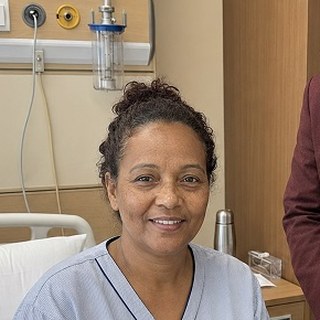
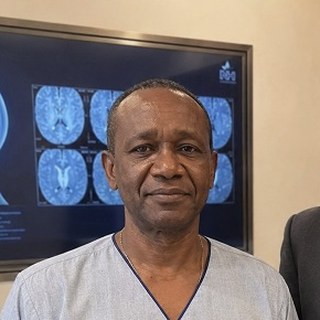
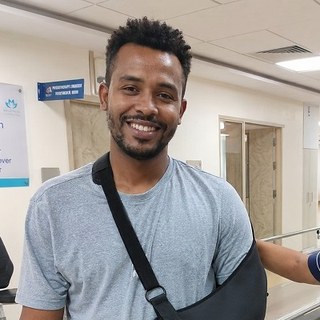
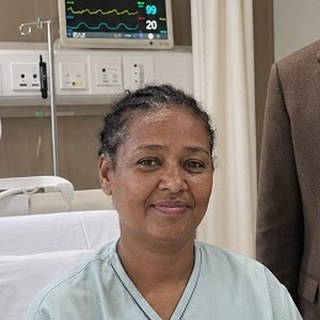
Healing Journeys of Ethiopian Patients


Key Takeaways
- Ethiopian patients should begin cardiac surgery planning with a high-quality echocardiogram that includes both the written report and the original scan images.
- The urgency of treatment depends on the specific heart condition. Rheumatic heart disease, congenital heart defects and coronary artery disease progress at different rates and require different treatment timelines.
- Delaying cardiac surgery may permanently reduce the chances of successful treatment, particularly when heart muscle damage or pulmonary hypertension becomes irreversible.
- India offers experienced cardiac surgeons, internationally accredited hospitals, advanced cardiac intensive care units and significantly shorter waiting times for Ethiopian patients requiring timely heart surgery.
- Common cardiac procedures include heart valve replacement, coronary artery bypass grafting (CABG), congenital heart defect repair and catheter-based closure of selected heart defects.
- Before accepting a quotation, patients should understand whether pre-operative investigations, implants, blood products, intensive care and possible complications are included.
- Most Ethiopian patients are quoted approximately USD 5,000–13,000 for common open-heart procedures, depending on the diagnosis and surgical complexity.
- Families should also budget for intensive care, medicines, accommodation, flights and post-operative rehabilitation rather than considering only the quoted surgical package.
- Patients should generally remain in India for approximately 3–4 weeks, although complex congenital surgery may require a longer stay.
- Long-term success depends on regular cardiology follow-up, echocardiograms, medication adherence, dental care, preventive treatment for rheumatic heart disease where indicated and coordinated follow-up after returning to Ethiopia.
Quick Facts
- Conditions Covered
- Rheumatic Heart Disease, Coronary Artery Disease, Congenital Heart Defects, Heart Valve Disease, Hole in the Heart (ASD/VSD), Paediatric Congenital Heart Disease
- Procedures Mentioned
- Heart Valve Replacement, Coronary Artery Bypass Grafting (CABG), Congenital Heart Defect Repair, Catheter-Based Heart Defect Closure, Cardiac Catheterisation
- Target Audience
- Ethiopian patients considering cardiac surgery or heart treatment in India
- Hole Closure
- USD 2,500–6,000
- Single Valve Replacement
- USD 6,000–9,500
- Double Valve Replacement
- USD 8,500–13,000
- CABG Surgery
- USD 5,000–8,500
- Complex Congenital Heart Surgery
- USD 6,500–14,000
- Typical Stay in India
- Approximately 3–4 weeks
- Hospital Stay
- Usually 7–10 days, depending on the procedure and recovery
- Important Medical Documents
- Echocardiogram images, echocardiography report, ECG, angiography reports (if available), blood investigations, medication list and previous cardiac records
- Medical Travel Requirements
- Hospital invitation letter, Indian Medical Visa, Medical Attendant Visa, yellow fever vaccination certificate, oral polio vaccination (where applicable) and changeable return ticket
- Author/Advisor
- Dr. Dheeraj Bojwani
- Experience
- 24+ Years in Medical Travel
In Brief
Choosing cardiac surgery in India requires Ethiopian patients to look beyond the package price. The most important considerations include the urgency of the heart condition, the surgeon's experience with the specific diagnosis, the proposed surgical procedure, expected intensive care requirements, implant selection where applicable, long-term follow-up planning and overall treatment coordination. For patients with rheumatic heart disease or congenital heart defects, timely intervention can significantly improve long-term outcomes, while delayed treatment may permanently reduce surgical benefit. A detailed quotation should clearly explain investigations, intensive care charges, implant costs, possible complications and the anticipated recovery timeline.
1 Gate One
What is it, and which clock is running?
Almost everything that brings an Ethiopian patient to a cardiac surgeon falls into three groups, and they behave quite differently over time.
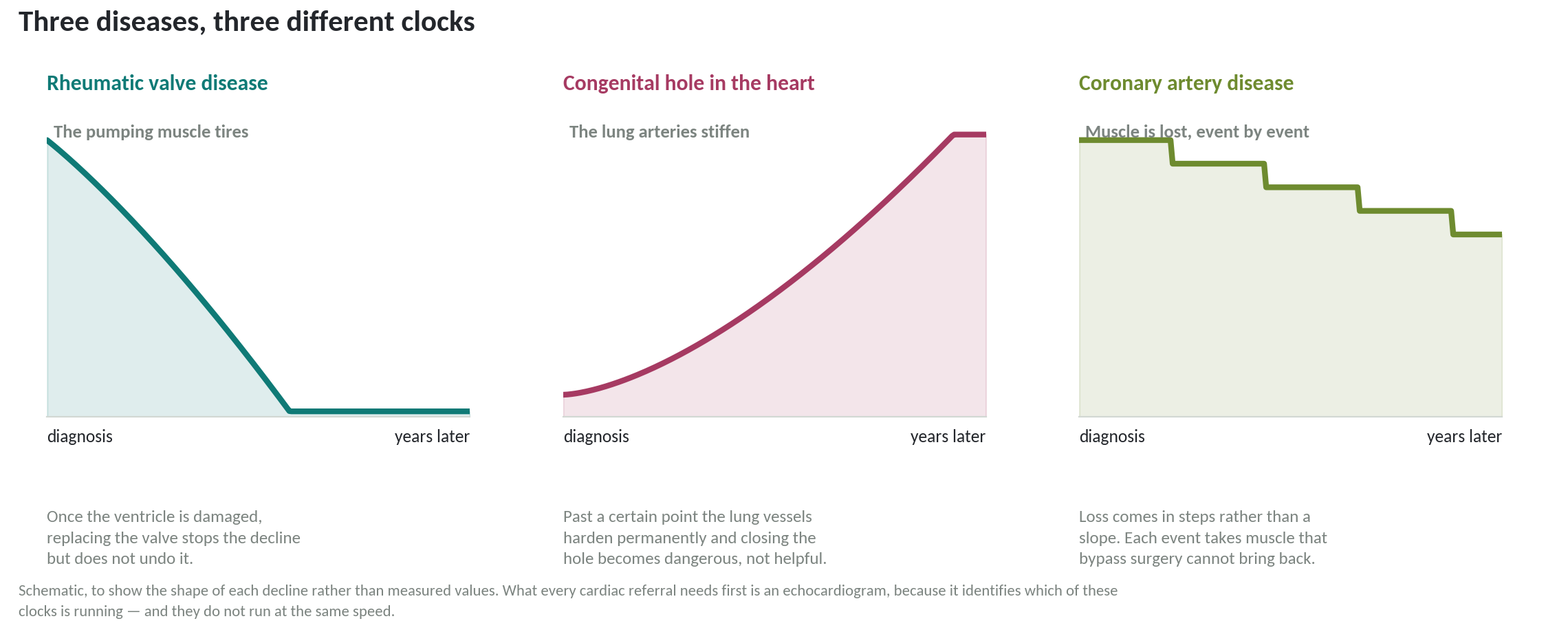
Three diseases, three different rates of loss.
The first and largest is rheumatic heart disease, the late consequence of childhood throat infections. Ethiopia carries one of the world's heaviest burdens, and it is the leading cause of acquired heart disease in Ethiopian children and young adults. It damages valves, and a damaged valve wears out the muscle behind it. The second is congenital — a child born with a hole or a malformation, often not detected in infancy. The third is coronary disease, which behaves like coronary disease everywhere.
All three need the same first step, and it is neither a quotation nor a plane ticket. It is an echocardiogram, reported by someone who does them regularly, with the images kept rather than only the report. That scan establishes which clock is running and how far along it you are. Everything else follows from it.
2 Gate Two
Is the window still open?
This is the gate that makes cardiac surgery different from every other specialty, and the one most likely to produce an answer nobody wants.
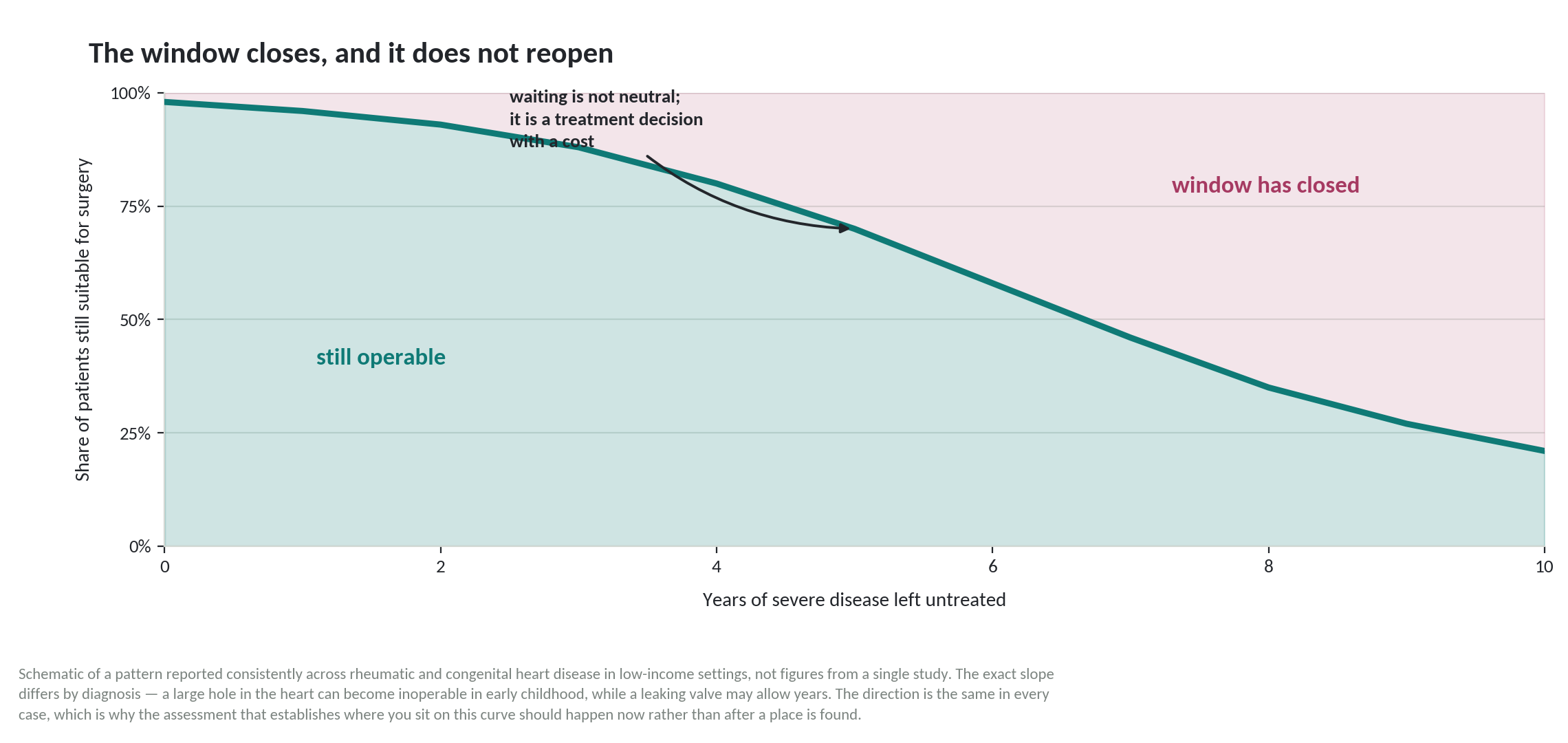
Waiting is not a neutral act. It is a decision with a price.
For a child with a large hole in the heart, the danger is the lung circulation. Too much blood forced through it for too long makes the lung arteries stiffen, and past a certain point that stiffening is permanent. Close the hole then and you may make the child worse. Which side of that line a patient sits on cannot be settled on an echocardiogram alone; it usually needs a catheter study measuring the pressures directly and testing whether they still respond.
For rheumatic valve disease the clock is the pumping muscle. A leaking or narrowed valve makes the ventricle work harder for years, and eventually it tires. Replace the valve before that and the patient does very well. Replace it afterwards and you halt the decline without undoing it.
An honest answer is worth more than a fast one. A surgeon willing to tell you the window has closed, or that a catheter study is needed before he will commit, is a surgeon worth trusting. One who will book a date from a photographed report is not.
3 Gate Three
Could this be done in Ethiopia?
Here I want to be careful, because the honest answer does the local services more credit than the marketing usually allows.
Ethiopia has a real and growing cardiac surgical service. Open-heart surgery is performed in Addis Ababa by an entirely local team, and the largest centre is a charity where surgery is free. Published outcomes are respectable. If you can get a place in time, take it. I have told families exactly that.
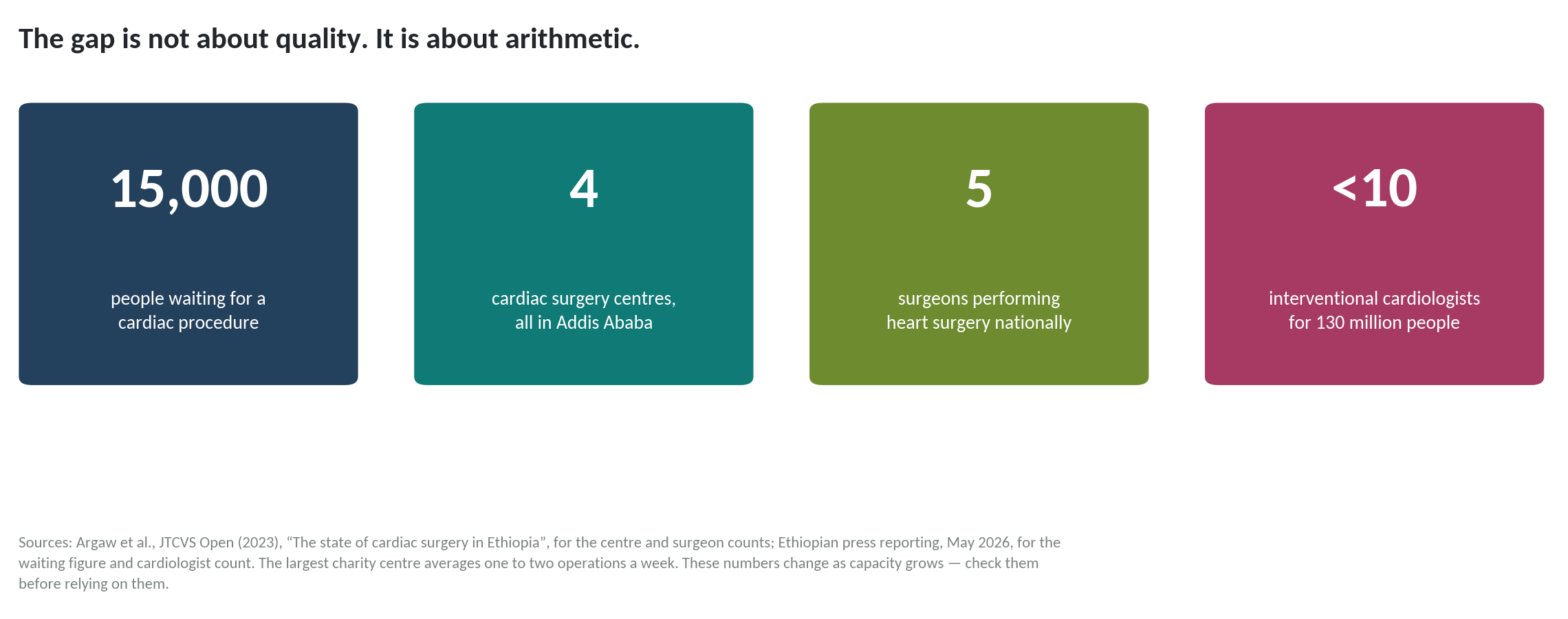
The constraint is capacity, not competence.
The difficulty is arithmetic. Four centres, all in the capital, about five surgeons performing heart surgery in the whole country, and a waiting list running into the thousands. The largest charity centre averages one to two operations a week. Published research from Addis Ababa has compared operated patients with matched patients from the same list who never reached theatre — which tells you what the queue costs.
So the question is not whether Ethiopian surgery is good. It is whether your clock, established at gate two, runs slower than the queue. If it does, stay. If it does not, that is the argument for travelling — and the only one that matters.
4 Gate Four
Is the money arranged, and have you counted the second operation?
Ethiopia's health financing does not extend abroad. Community ‐ Based Health Insurance covers contracted facilities inside the country, and the formal ‐ sector scheme announced years ago is still not settling claims. Since February 2026, however, the National Bank's revised foreign exchange rules let a bank release up to twenty thousand US dollars per case against a letter from the treating hospital, before any visa or ticket exists. For most cardiac families that covers the operation itself.
As planning figures at accredited Indian hospitals in mid ‐ 2026: closing a hole in the heart runs from about US$2,500 to US$6,000, depending on whether it is done by catheter or open surgery; a single valve replacement US$6,000 to US$9,500, two valves US$8,500 to US$13,000; bypass surgery US$5,000 to US$8,500; and complex congenital repair in a small child US$6,500 to US$14,000, where the variable is intensive care rather than the operation.
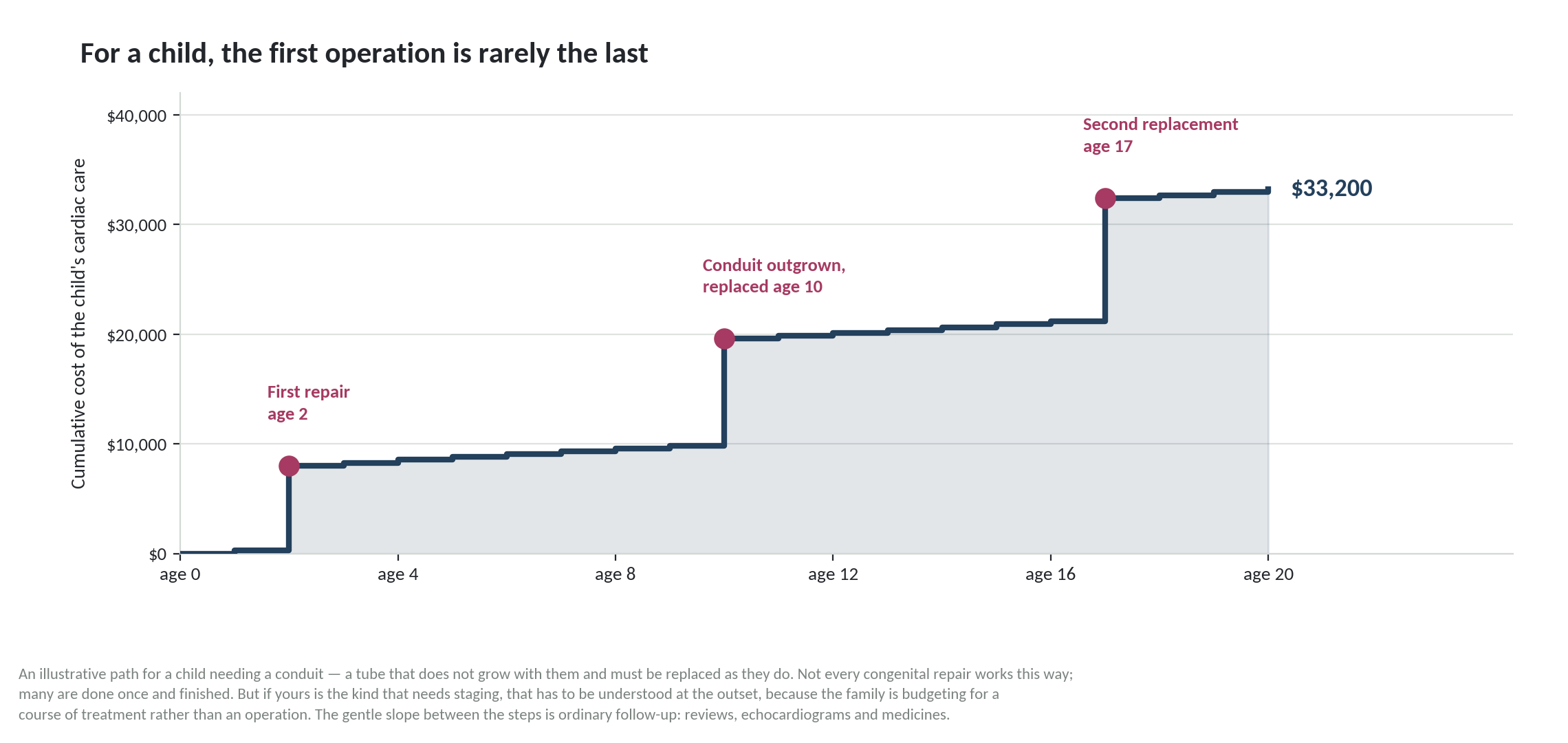
For some children, the first operation is the start of a course of treatment.
The second thing to count applies mainly to children. Some congenital repairs are done once and finished. Others use a conduit that does not grow with the child and must be replaced as they do. If your child's repair is that kind, the family is budgeting for a course of treatment spread over childhood rather than a single trip — better understood at the outset than discovered at eleven.
In 24 years the cardiac bills that have caused distress have almost never been the quoted operation. They have been the intensive care days nobody costed.
| A quotation, annotatedA composite of the cardiac quotes that reach me, with the questions I send back. | |
| Valve replacement — USD 7,400 | One valve or two? The second changes the figure substantially. |
| ICU: 2 days included | The item that moves most. Get the daily rate beyond day two. |
| Valve: mechanical or tissue as decided | Decided by whom, and when? This is a conversation, not a line item. |
| Pre-operative work-up: not included | For a heart, that work-up is the operation's foundation. Price it. |
| Blood products: as required | Ask the per ‐ unit rate, and have your haemoglobin checked now. |
| Excludes: complications | Every quote does. Ask what a week of unplanned ICU would cost. |
Pay the deposit to the hospital and never to an individual, and never settle the balance before you arrive.
5 Gate Five
Who looks after this for the next forty years?
A repaired heart is a treated condition, not a cured one, and the follow-up is where the benefit is either kept or lost.
For rheumatic disease one thing matters more than all the rest, and it is routinely left out of travel plans. The process that destroyed the first valve can destroy the replacement. Preventing that means regular benzathine penicillin injections continued for years, and securing that supply at home is not a footnote to the surgery — it is part of it. Ethiopia's national action points on rheumatic heart disease name penicillin availability explicitly. Arrange it before you fly, and know who will give the injections and where.
Beyond that: an echocardiogram at agreed intervals with someone who can read it; dental care treated seriously, because mouth infections seed heart valves; and, for the many young Ethiopian women who have valve surgery, a conversation about pregnancy that happens before conception rather than after, since the choice of valve and the medicines that go with it bear directly on it.
Leave hospital with the operation note, the details of exactly what was implanted, the discharge echocardiogram and a written follow-up schedule. Send that pack to whoever will look after you in Ethiopia while everyone still remembers the case.
The Ethiopian practicalities
The non ‐ stop Ethiopian Airlines services from Bole to Delhi, Mumbai, Bengaluru, Chennai and Hyderabad are worth more to a cardiac family than to any other. A breathless patient, or a small child after open-heart surgery, should not be spending fifteen hours and a Gulf transit in an airport. Ask the hospital when it is safe to fly home rather than assuming a fixed number of days; for a heart, that clearance is individual.
Two vaccination certificates are compulsory: yellow fever, at least ten days before arrival, and oral polio, roughly four weeks before. Begin the polio one at once. For an urgent cardiac case it is the requirement most likely to cost you weeks you may not have.
The medical visa follows the hospital's invitation letter through the Embassy of India in Addis Ababa. For a child, apply for both parents where you can; for an adult, lodge the attendant visa in the same batch. Confirm current rules with the Embassy, since they change. Ask for an Amharic ‐ speaking coordinator, and mention the fasting calendar before admission — recovery from heart surgery is no time to be short of protein, and a good hospital will plan around a fast if told in advance.
A closing word
Send the echocardiogram — the images and the report, not the report alone — with the patient's age, what they can no longer do, and how long that has been true. For a child, add the growth chart if you have one. I will tell you which gate you are standing at. Where the answer is that this must move quickly, I will say so plainly; where a place in Addis Ababa would serve you better, I will say that too.
Frequently Asked Questions by Ethiopians about Cardiac Surgery in India
When should Ethiopian patients consider cardiac surgery in India?
Cardiac surgery should be considered when a cardiologist determines that medications alone are no longer sufficient or when conditions such as rheumatic heart disease, congenital heart defects, severe valve disease or coronary artery disease require timely surgical intervention.
What types of cardiac surgery are commonly performed in India?
Common procedures include heart valve replacement, coronary artery bypass grafting (CABG), congenital heart defect repair and catheter-based closure of selected heart defects.
Why do Ethiopian patients choose India for heart surgery?
India offers experienced cardiac surgeons, advanced cardiac hospitals, modern intensive care facilities, comprehensive rehabilitation services and shorter waiting times for international patients.
What medical reports should I carry before travelling to India?
Patients should bring their echocardiogram images and report, ECG, angiography reports (if available), blood test results, medication list and all previous cardiac records for specialist review.
How much does cardiac surgery in India typically cost?
Costs vary according to the procedure. The guide indicates approximate ranges from USD 2,500 to USD 14,000, depending on whether the patient requires defect closure, valve replacement, bypass surgery or complex congenital heart surgery.
How long should Ethiopian patients plan to stay in India?
Most patients should plan to remain in India for approximately 3–4 weeks, allowing time for pre-operative evaluation, surgery, recovery and fitness-to-fly assessment.
Is follow-up care necessary after returning to Ethiopia?
Yes. Regular cardiology consultations, follow-up echocardiograms, medication adherence and monitoring for any complications are essential for long-term recovery after cardiac surgery.
Does delaying cardiac surgery increase health risks?
Yes. Delaying treatment may reduce the chances of successful surgery, especially if permanent heart muscle damage or severe pulmonary hypertension develops before the operation.
What additional expenses should patients consider besides the surgery package?
Patients should budget for pre-operative investigations, intensive care, medications, accommodation, flights, local transport and rehabilitation, in addition to the quoted surgical package.
What should patients receive before leaving India after surgery?
Patients should return with their discharge summary, operative notes, implant information (where applicable), latest echocardiogram report, medication schedule and a written follow-up plan for continued care in Ethiopia.
How quickly do we need to move?
That is the whole question, and only an echocardiogram answers it. Some patients can reasonably plan over months; others are already close to the edge of what surgery can fix. Get the echo before you get a quotation.
My child was told the hole is too big to close. Is that final?
Not necessarily, but it must be tested properly rather than assumed either way. Establishing whether the lung circulation still responds usually needs a catheter study, and that study is the difference between an operation that helps and one that harms.
The Cardiac Center in Addis Ababa is free. Why would we pay to travel?
If you can get a place there in time, take it. The difficulty is the queue rather than the quality, and for some patients the wait is longer than the disease allows.
How long will we need to be in India?
Around three to four weeks for a straightforward valve replacement or hole closure, longer for complex congenital surgery in a small child, since the intensive care stay is what varies most.
Who pays for this in Ethiopia?
You do. Neither community-based insurance nor the pending formal-sector scheme covers treatment abroad, though a bank may now advance up to US$20,000 against the hospital's letter.
Page Summary
This guide explains how Ethiopian patients can evaluate whether cardiac surgery in India is appropriate and how urgently treatment should be arranged. It covers rheumatic heart disease, congenital heart defects, coronary artery disease, heart valve replacement, CABG, treatment costs, intensive care planning, medical travel preparation, recovery expectations and long-term cardiac follow-up. It helps patients compare treatment options based on clinical urgency and quality of care rather than selecting hospitals based only on price.
Citation Block
| Topic | Information |
|---|---|
| Topic Information | Details |
| Procedure | Cardiac Surgery & Heart Treatment |
| Country | India |
| Intended Audience | Ethiopian Patients |
| Conditions Covered | Rheumatic Heart Disease, Coronary Artery Disease, Congenital Heart Defects, Heart Valve Disease, Hole in the Heart |
| Procedures | Heart Valve Replacement, CABG, Congenital Heart Defect Repair, Catheter-Based Heart Procedures, Cardiac Catheterisation |
| Typical Stay | Approximately 3–4 Weeks |
| Hospital Stay | Approximately 7–10 Days (depending on procedure) |
| Recovery | Several Weeks to Months, Depending on Diagnosis, Surgery and Rehabilitation |
| Average Treatment Cost | Approximately USD 2,500–14,000 (depending on procedure) |
| Key Investigation | Echocardiogram With Both the Written Report and the Original Scan Images |
| Long-Term Follow-Up | Cardiology Review, Follow-Up Echocardiograms, Medication Adherence and Dental Care |

Our Mission Statement
Our mission is to place patients at the centre of every healthcare decision by providing trustworthy, evidence-based, and unbiased medical information. We believe that informed patients make better decisions. Backed by personalised guidance from our experienced advisory team, we help patients understand their treatment options, compare them objectively, and confidently choose the path that best suits their medical needs and personal circumstances.
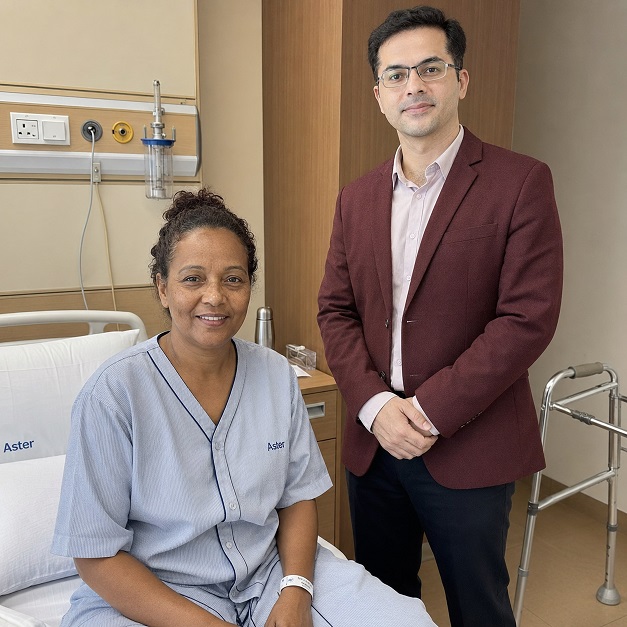
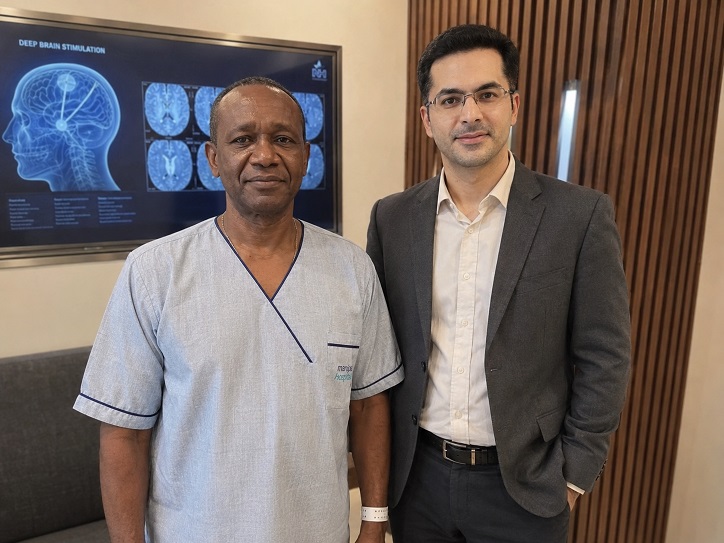
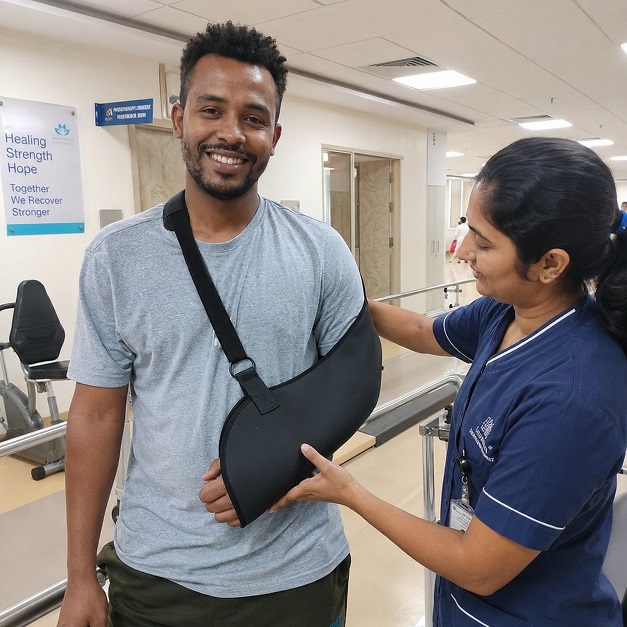
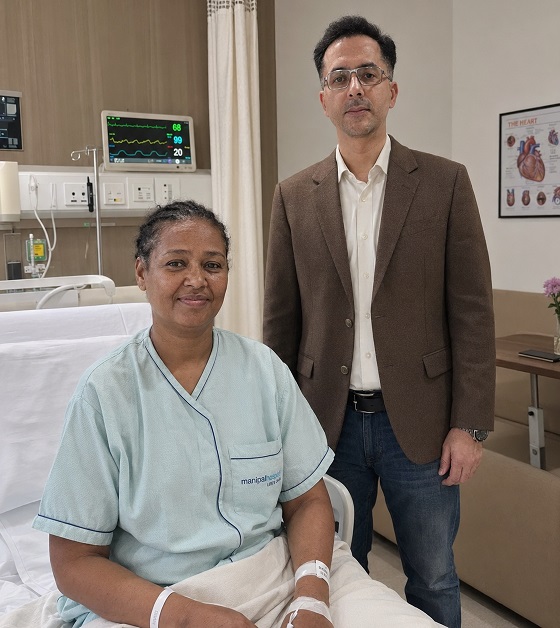
Patient Testimonials from Ethiopia
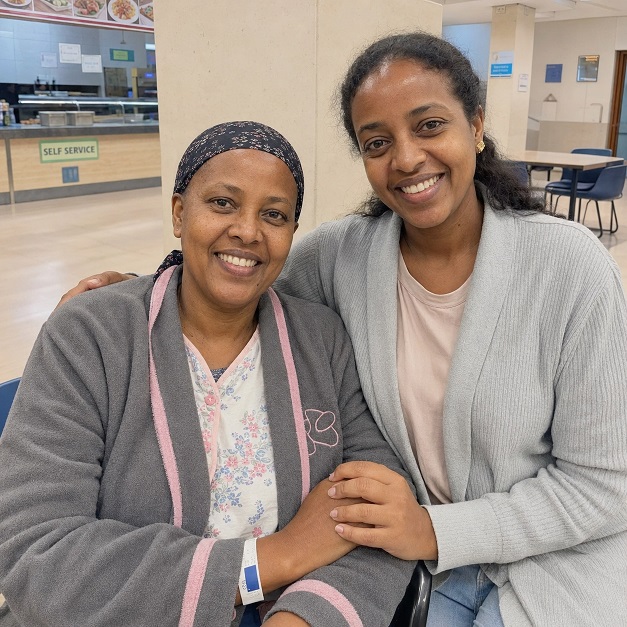
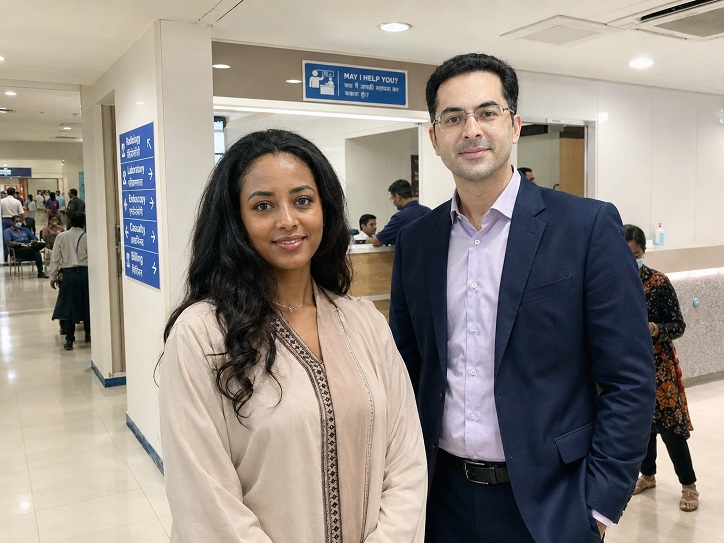
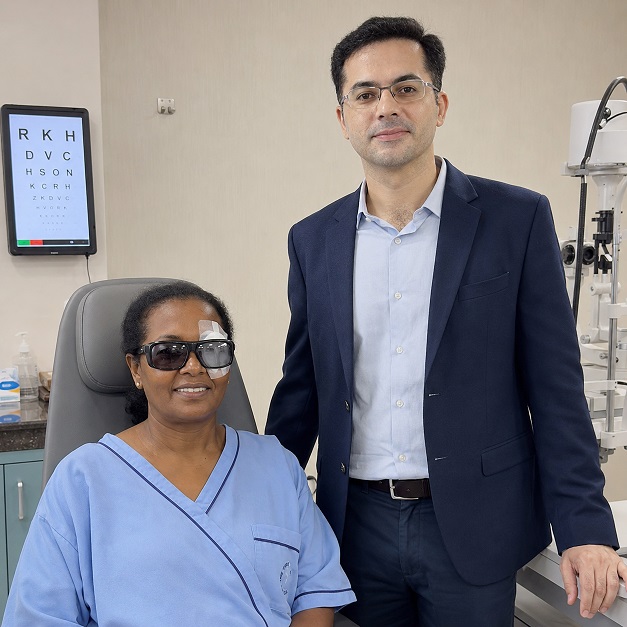
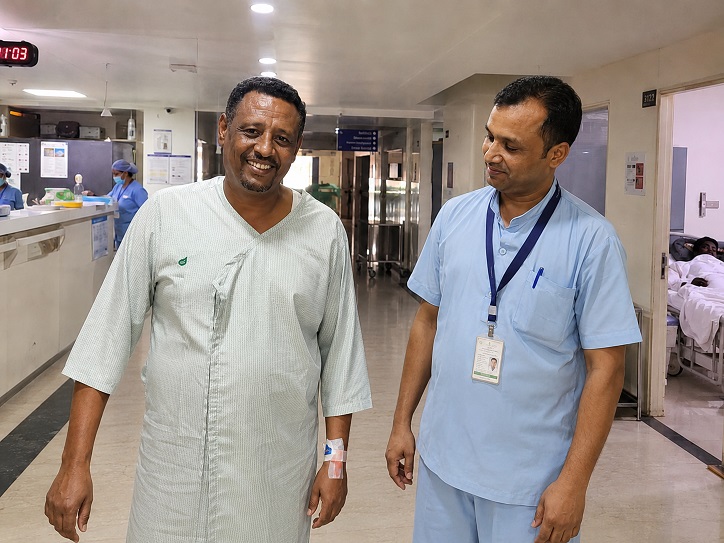
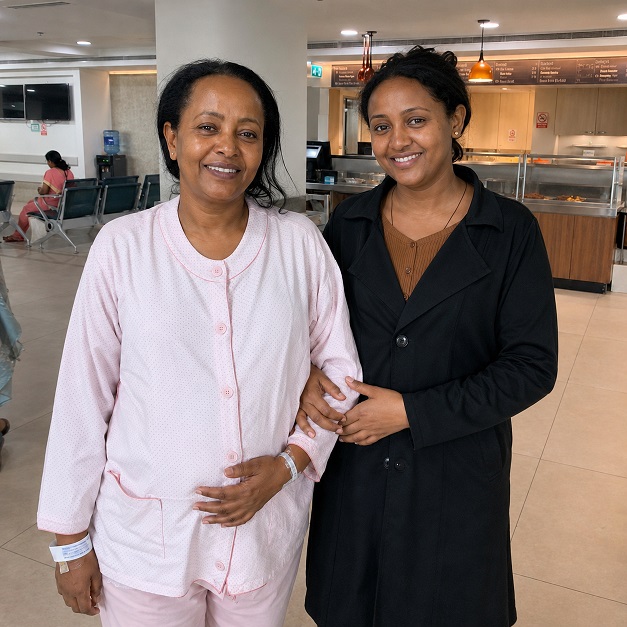

Ready to Take the First Step?
Share your Medical Reports with our Healthcare Managers Today and Get a FREE CONSULTATION, a Personalized Treatment Plan, and Complete Support from Arrival to Recovery.
Get Your Free ConsultationAreas We Serve
This resource has been thoughtfully prepared for patients from Ethiopia who are considering medical treatment in India. We also welcome patients from the wider region in the countries mentioned below-
We assist patients from:
- Eritrea
- Djibouti
- Somalia
- Kenya
- South Sudan
- Sudan
- Burundi
- Comoros
- Ethiopia
- Madagascar
- Malawi
- Mauritius
- Mozambique
- Rwanda
Many of the insights, treatment pathways, hospital recommendations, travel guidance, and patient support services described here are equally relevant and may be used as a reference when planning treatment in India.
From Ethiopia to India: Your Complete Patient Support Guide
- Brain Tumour Surgery in India for Ethiopians
- Cancer Treatment in India for Ethiopians
- Cardiac Surgery in India for Ethiopian Patients
- Cervical and Disc Replacement Surgery in India for Ethiopians
- Cosmetic and Plastic Surgery in India for Ethiopians
- CyberKnife Treatment in India for Ethiopians
- Eye Surgery in India for Ethiopians
- Gamma Knife Treatment in India for Ethiopians
- Heart Valve Replacement Surgery in India for Ethiopians
- Hip Surgery in India for Ethiopian Patients
- Knee Surgery in India for Ethiopian Patients
- Laparoscopic and Robotic Myomectomy Surgery in India for Ethiopians
- Neurosurgery in India for Ethiopians
- Paediatric Cardiac Surgery in India for Ethiopians
- Paediatric Neurosurgery in India for Ethiopians
- Prostate Cancer Treatment and Surgery in India for Ethiopians
- Robotic Cancer Surgery in India for Ethiopians
- Scoliosis Surgery in India for Ethiopians