

Prostate Cancer Treatment and Surgery in India for Ethiopians
Five gates every prostate case should pass before booking a flight — starting with the fact that a raised PSA and a cancer diagnosis are not the same thing.
Prostate cancer ranks among the top cancers affecting Ethiopian men, and the pattern in published Ethiopian data is consistent: awareness of screening remains low, PSA testing is not widely accessible, and men are disproportionately diagnosed at advanced stages, when treatment aims to control the disease rather than cure it. That pattern makes two things unusually important for an Ethiopian patient: knowing precisely where your own case sits before deciding anything, and understanding that the treatment which matters most is not always surgery. In 24 years of arranging surgical care in India for patients across Africa and Asia, prostate cancer is a field where the loudest advertised option and the most useful one are often not the same option. These five gates are built to tell them apart.
Healing Journeys of Ethiopian Patients






Key Takeaways
- A raised PSA does not automatically mean prostate cancer. An enlarged prostate, infection or other factors can raise PSA, so Ethiopian patients should confirm the diagnosis through appropriate testing before considering treatment or travelling to India.
- If PSA remains abnormal, evaluation may include a repeat PSA, examination, prostate MRI and targeted biopsy. Treatment should not be planned solely on the basis of a raised PSA without tissue confirmation of cancer.
- Once cancer is confirmed, staging becomes one of the most important steps. MRI may be combined with a bone scan or CT to determine whether the cancer remains confined to the prostate or has spread elsewhere.
- Treatment depends on the stage and risk of the cancer. For genuinely low-risk disease, active surveillance can be appropriate, while surgery or radiotherapy may be considered for suitable localized disease.
- For advanced or metastatic prostate cancer, hormone therapy such as androgen-deprivation therapy (ADT) can be particularly important. It should not be viewed simply as a fallback when surgery is not possible.
- Diagnosis, PSA testing and standard prostate surgery are available in Addis Ababa, so straightforward early-stage cases may be treated in Ethiopia. India may be more relevant for robotic or nerve-sparing prostatectomy, advanced radiotherapy or complex cases requiring multidisciplinary review.
- Ethiopian patients travelling to India should arrange medical documents, hospital invitation and travel requirements in advance. Ethiopian Airlines operates non-stop flights to several Indian cities, while yellow-fever and polio vaccination requirements and medical visa rules should be confirmed before departure.
Quick Facts
- Treatment
- Prostate Cancer Treatment and Surgery
- Country
- India
- Patients
- Ethiopian Patients
- Primary Condition
- Prostate Cancer
- Initial Test
- PSA Testing
- Important Point
- Raised PSA Does Not Confirm Cancer
- Diagnostic Tests
- PSA, Examination, MRI and Targeted Biopsy
- Staging
- MRI With CT or Bone Scan Where Required
- Main Treatment Options
- Active Surveillance, Surgery, Radiotherapy and Hormone Therapy
- Low-Risk Disease
- Active Surveillance May Be Appropriate
- Localized Disease
- Surgery or Radiotherapy May Be Considered
- Advanced Disease
- Hormone Therapy May Be Central to Treatment
- Surgical Option
- Robotic or Nerve-Sparing Prostatectomy
- Key Selection Factor
- Cancer Grade and Stage
- Second Opinion
- Review MRI, Biopsy and PSA History
- Ethiopia Treatment Option
- Diagnosis and Standard Surgery Available in Addis Ababa
- Why Consider India
- Robotic Surgery, Advanced Radiotherapy and Multidisciplinary Opinions
- Indicative Treatment Quote
- Approximately USD 7,800 for a Composite Robotic Prostatectomy Quote
- Hospital Stay
- Around 3 Days in the Example Quote
- Radiotherapy Stay
- Several Weeks for Daily Treatment
- Surgery Recovery
- Approximately 1–2 Weeks for Surgery and Initial Recovery
- Medical Visa
- Hospital Invitation Letter Required
- Travel
- Ethiopian Airlines Non-Stop to Delhi, Mumbai, Bengaluru, Chennai and Hyderabad
- Vaccination
- Yellow Fever and Oral Polio Requirements Should Be Confirmed
- Payment
- Pay the Hospital Directly and Avoid Paying Individuals
- Follow-Up
- Written Treatment and Follow-Up Plan for Care in Ethiopia
In Brief
Ethiopian patients considering prostate cancer treatment in India should first establish whether cancer is actually present and determine its stage before choosing surgery or another treatment. A raised PSA is not a diagnosis, and appropriate evaluation may include repeat testing, MRI and targeted biopsy. Once cancer is confirmed, the choice between active surveillance, surgery, radiotherapy and hormone therapy depends heavily on the cancer's risk and stage. A second opinion based on the MRI, biopsy report and PSA history can sometimes change the recommended treatment entirely.
1 Gate One
Is this actually cancer?
A raised PSA (prostate-specific antigen) is what usually starts this conversation, and it is worth understanding what that number actually is: a screening signal, not a diagnosis.
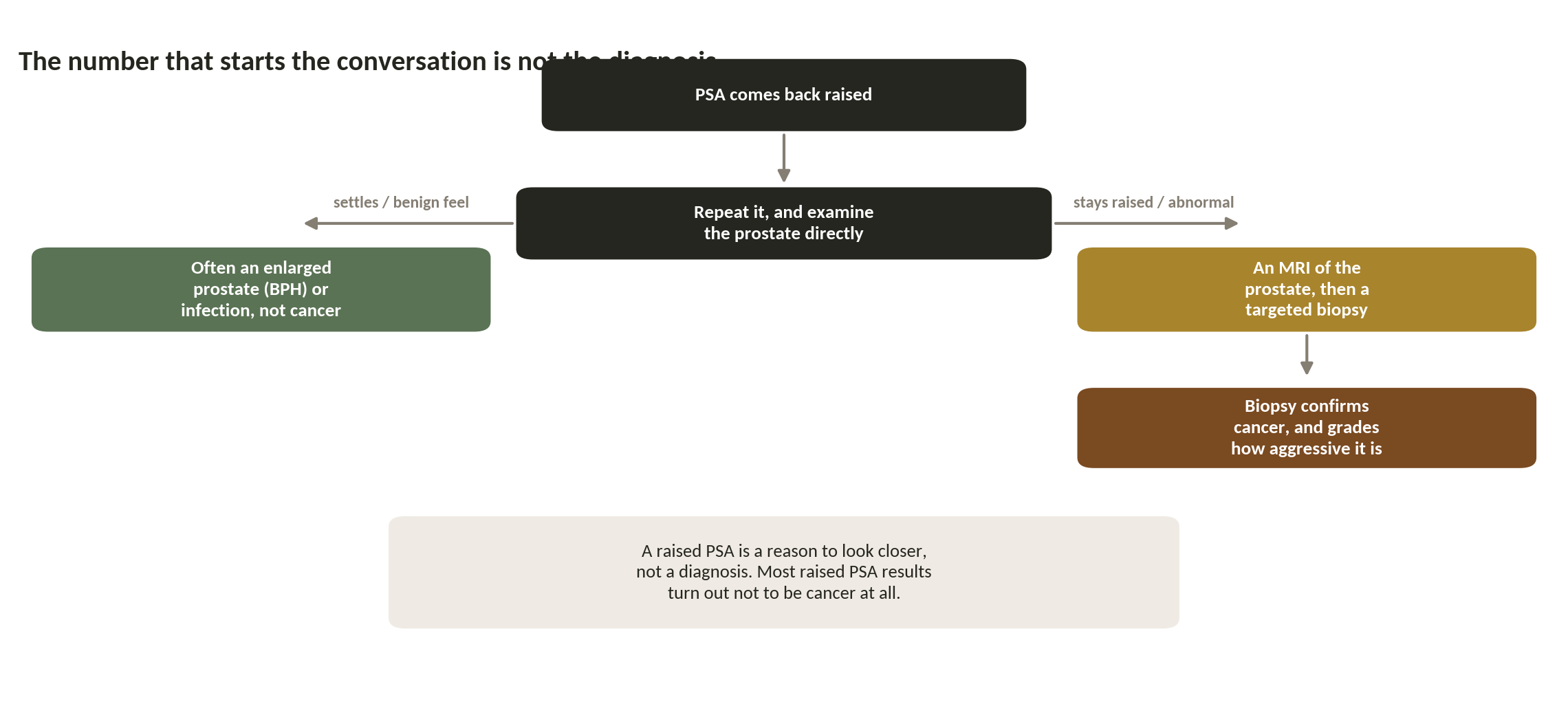
Most raised PSA results do not turn out to be cancer.
An enlarged prostate, a urinary infection, or even recent activity can all raise PSA without any cancer being present. The proper next step is a repeat test, a careful examination, and where the result stays raised or abnormal, an MRI of the prostate followed by a targeted biopsy — not an immediate leap to treatment. Be wary of any clinic offering to treat a raised PSA number without first confirming, on tissue, that cancer is actually there.
Symptoms deserve the same caution. Difficulty urinating, a weak stream, or getting up repeatedly at night are common with age and usually caused by an enlarged prostate, not cancer — and a procedure to relieve those symptoms, such as a TURP, is not the same operation as cancer surgery. If a hospital proposes treatment for urinary symptoms, ask plainly whether cancer has actually been confirmed, or whether this is a separate, more common condition being treated on its own terms.
2 Gate Two
Found early, or found late?
Once a diagnosis is confirmed, the single most important fact is how far the disease has spread, because it decides both the treatment aim and the specific treatment that follows from it.
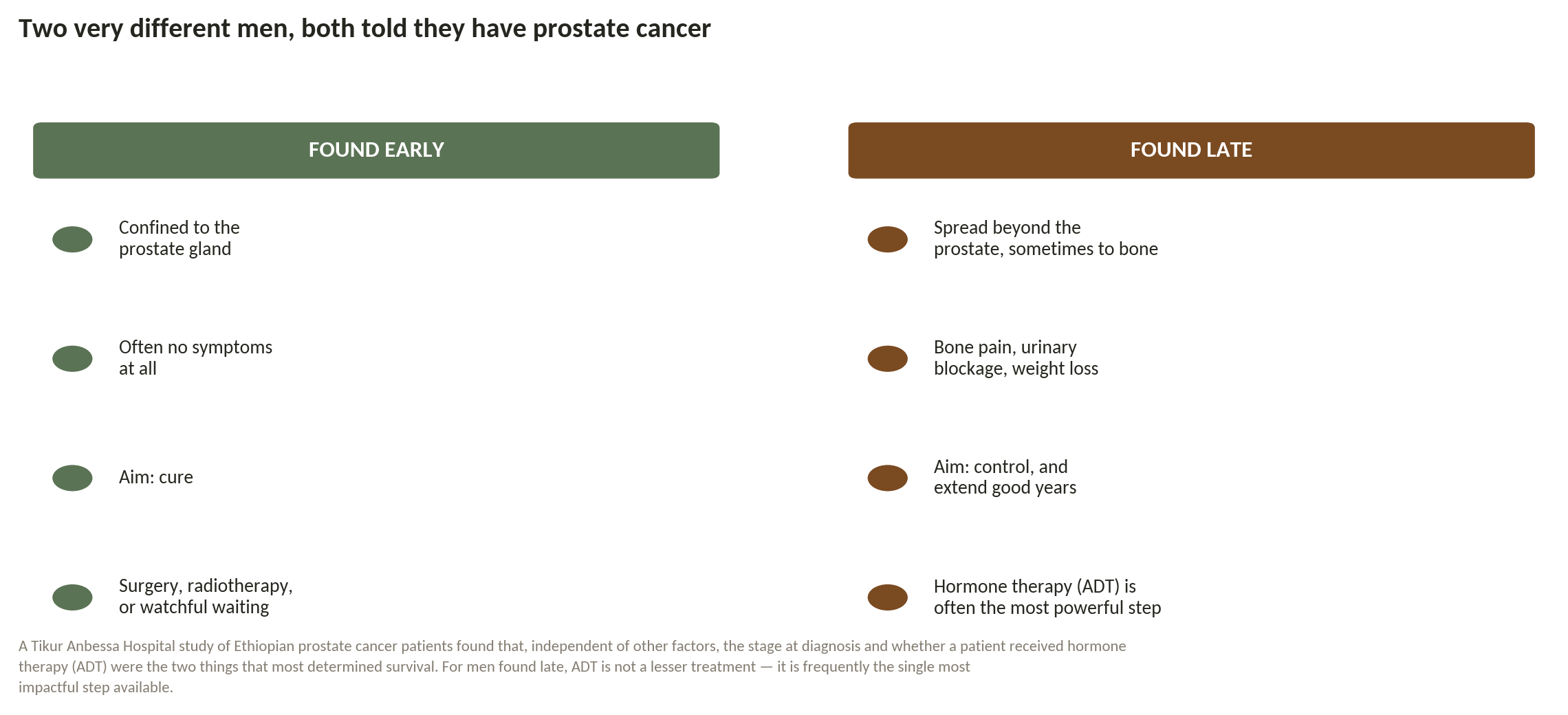
Stage decides the aim. The aim decides the treatment.
A published study from Tikur Anbessa Hospital found that, independent of other factors, cancer stage at diagnosis and whether a patient received hormone therapy (ADT) were the two things that most determined survival. For a man found late, ADT is not a fallback after surgery has been ruled out — it is frequently the single most powerful treatment available, and it deserves to be discussed on its own merits, not as second best.
Staging usually needs a bone scan or CT, alongside the MRI already obtained, to see whether the cancer has spread beyond the prostate. Ask for this explicitly, in writing, before agreeing to any treatment plan or price.
3 Gate Three
Surgery, radiotherapy, or watching?
For early, confined disease, there is genuinely more than one reasonable path, and no single one is right for every man.
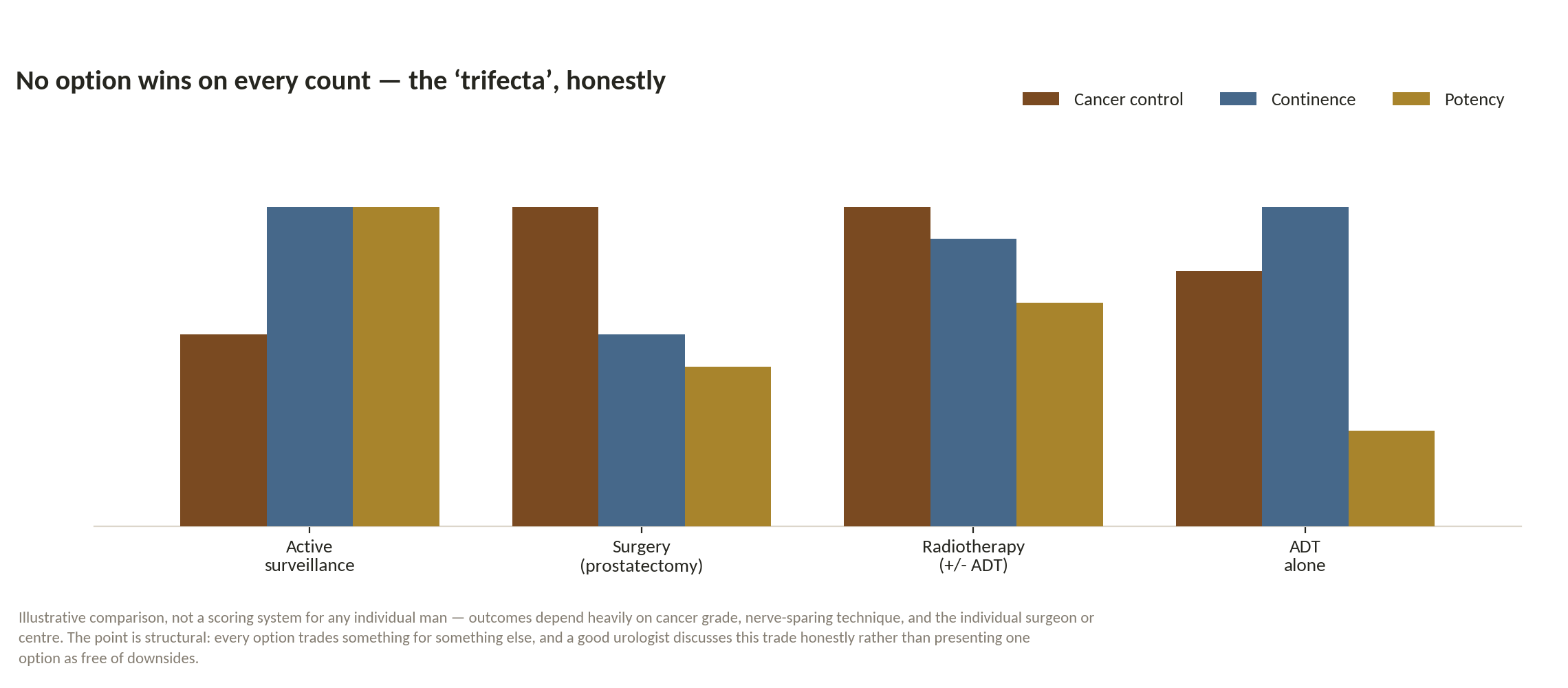
Every option trades something for something else.
Active surveillance — structured monitoring rather than immediate treatment — is a legitimate choice for genuinely low-risk, slow-growing cancer, and it is not the same as doing nothing. It involves regular PSA tests, examinations and repeat imaging, with treatment held in reserve for if and when the cancer shows real signs of becoming more aggressive. Many men on surveillance never need treatment at all, and choosing it does not mean losing the option of surgery or radiotherapy later, should the disease change.
Surgery removes the prostate entirely and gives excellent cancer control, at some cost to continence and potency, which a skilled nerve-sparing technique can reduce but rarely eliminates. Radiotherapy, often combined with a course of hormone therapy, offers comparable cancer control with a different set of trade- offs, delivered over several weeks rather than a single operation. Ask any urologist proposing surgery why that option specifically, for your grade and stage, rather than accepting it as the automatic answer — and ask what a radiation oncologist would say about the same case.
4 Gate Four
Could this be done in Ethiopia?
Diagnosis, PSA testing, and standard surgery are available in Addis Ababa, and for straightforward early- stage disease this can be a reasonable place to be treated. The genuine constraint, documented in Ethiopian research, is screening uptake and diagnostic capacity rather than surgical skill — which is exactly why gates one and two, establishing precisely what you have, matter more than where you eventually have it treated.
The case for travelling strengthens for robotic or nerve-sparing prostatectomy specifically, for advanced radiotherapy techniques, and for cases where a confident multidisciplinary opinion on staging would change the plan. Ask any centre, Ethiopian or Indian, how many prostate cases of your specific grade and stage they manage each year.
This is also a field where a second opinion, obtained before travelling, is genuinely worth the effort. Because the right treatment depends so heavily on precise staging and grading, a review of your MRI, biopsy report and PSA history by an experienced uro-oncologist can occasionally change the plan entirely — sometimes from surgery to surveillance, sometimes the other way. Seek that opinion before committing to any specific operation or price.
5 Gate Five
Is the money arranged?
Ethiopia's health financing does not follow a patient abroad. Community ‐ Based Health Insurance covers contracted facilities inside the country, and the formal ‐ sector scheme is still not settling claims. Since February 2026 a bank may release up to twenty thousand US dollars per case against a letter from the treating hospital, without a visa or ticket in hand.
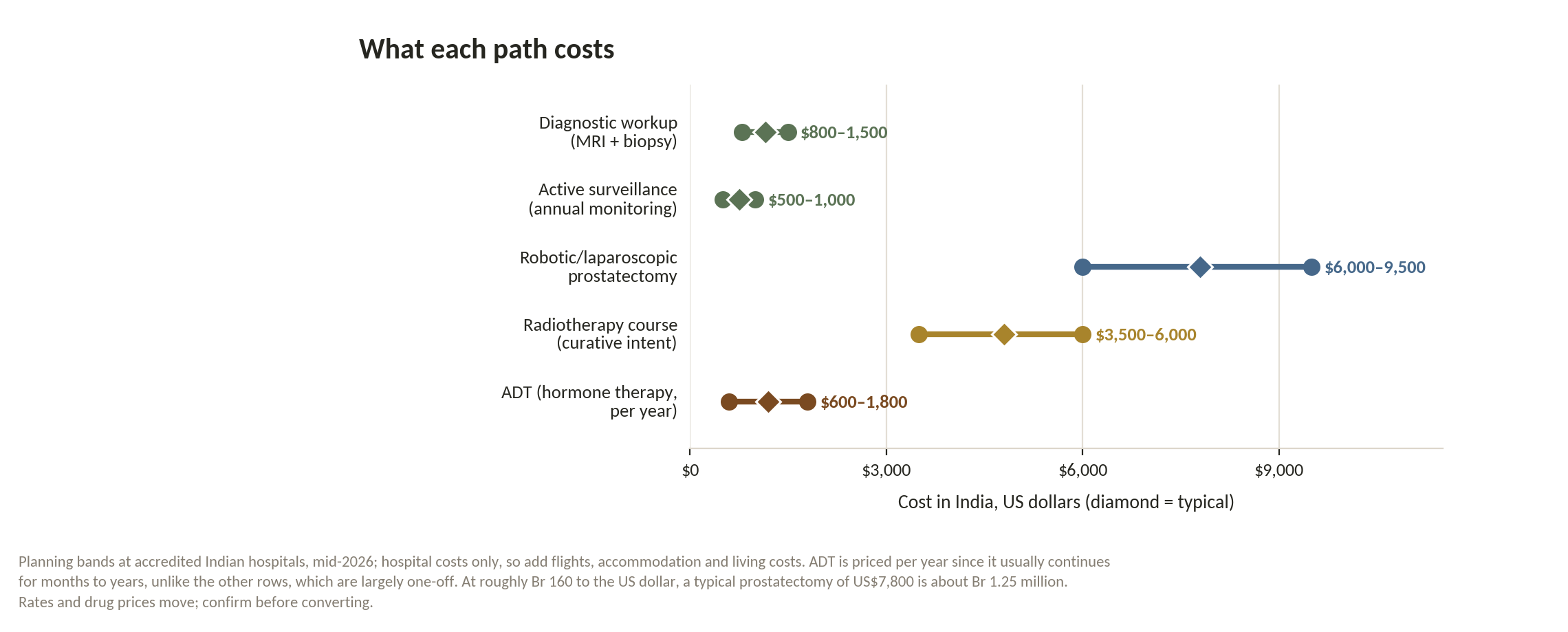
Budget for the path you are actually on, not the most familiar one.
The costs above differ by an order of magnitude depending on the path: active surveillance and ADT are ongoing but comparatively inexpensive; surgery and radiotherapy are larger one-off costs. Confirm which path your diagnosis actually points to before assuming the largest figure applies.
In 24 years the prostate patients most satisfied with their outcome were rarely the ones who chose the most expensive option. They were the ones who understood, precisely, which gate their diagnosis belonged to.
| A quotation, annotatedA composite of the prostate cancer quotes that reach me, with the questions I send back. | |
| Prostate cancer treatment — USD 7,800 | For which treatment? Surgery, radiotherapy and ADT price very differently. |
| Robotic prostatectomy: nerve-sparing where possible | Ask what ‘where possible’ means for your specific cancer, in writing. |
| Includes: 3 days admission | Reasonable. Ask what a longer stay would add if needed. |
| Pathology: standard grading report | Ask whether this includes the Gleason score/grade group explicitly. |
| Excludes: hormone therapy if recommended afterwards | Ask whether your case is likely to need this, and its ongoing cost. |
| Excludes: continence/potency support programme | Ask what pelvic floor therapy or further support costs and involves. |
Pay the hospital and never an individual, and never settle a balance before you arrive.
The Ethiopian practicalities
Ethiopian Airlines flies non ‐ stop from Bole to Delhi, Mumbai, Bengaluru, Chennai and Hyderabad. Ask for written clearance to fly rather than assuming a fixed number of days after surgery. Yellow fever certification is required at least ten days before arrival and oral polio vaccination roughly four weeks before. The medical visa follows the hospital's invitation letter through the Embassy of India in Addis Ababa, and an attendant is worth arranging for the days after surgery. Confirm current rules with the Embassy, since they change, and ask for an Amharic ‐ speaking coordinator to help carry a written treatment and follow-up plan back to a named doctor in Ethiopia.
Straight Answers for Ethiopian Patients about Prostate Cancer Treatment and Surgery in India
My PSA came back high. Do I have cancer?
Not necessarily. A raised PSA is common and often caused by an enlarged prostate or infection rather than cancer. It is a reason to look closer with a repeat test, an examination, and usually an MRI, not a diagnosis on its own.
Is surgery always the right treatment?
No. For early, low-risk disease, active surveillance is a legitimate and often preferred choice. For disease that has spread, hormone therapy usually matters more than any operation. Surgery is one option among several, not automatically the best one.
What is active surveillance, exactly?
Structured monitoring of a slow-growing, low-risk cancer with regular PSA tests, examinations, and scans, with treatment held in reserve for if and when the cancer shows signs of becoming more aggressive. It is not the same as doing nothing.
How long will I be in India?
About one to two weeks for surgery and initial recovery. Radiotherapy needs a longer stay, typically several weeks, since it is given as a daily course.
Who pays for this in Ethiopia?
You do. Neither community-based insurance nor the pending formal-sector scheme funds treatment abroad, though a bank may now advance up to US$20,000 against the hospital's letter.
A closing word
Send the PSA history, any MRI or biopsy results, and a note on symptoms — bone pain, urinary changes, weight loss — and how long they have been present. I will tell you which gate you are standing at, and where the honest answer is that active surveillance or Ethiopian care would serve you as well as travel would, I will say so.
Sources
- 🌐 Survival and prognostic determinants of prostate cancer patients at Tikur Anbessa Specialized Hospital, Addis Ababa, Ethiopia
- 🌐 Prostate cancer screening and associated factors in Ethiopia: a systematic review and meta-analysis
- 🌐 Prostate cancer screening, diagnostic, treatment procedures and costs in sub-Saharan Africa: a situational analysis
- 🌐 National Medical Commission of India — Indian Medical Register, for verifying a treating surgeon's qualification and registration
- 🌐 National Accreditation Board for Hospitals & Healthcare Providers (NABH), Quality Council of India
- 🌐 National Bank of Ethiopia Directive FXD/04/2026 (foreign exchange, advance payments for treatment abroad); Embassy of India, Addis Ababa
Frequently Asked Questions by Ethiopians about Prostate Cancer Treatment and Surgery in India
Does a high PSA mean that an Ethiopian patient has prostate cancer?
No. A raised PSA can also occur because of an enlarged prostate, infection or other factors. Ethiopian patients should undergo appropriate evaluation rather than treating the PSA result as a cancer diagnosis.
What tests should Ethiopian patients have before prostate cancer treatment in India?
Evaluation may include repeat PSA testing, examination, prostate MRI and a targeted biopsy. A biopsy is important when cancer needs to be confirmed before treatment.
How is prostate cancer staged for Ethiopian patients?
Staging determines how far the cancer has spread and may involve MRI along with CT or a bone scan. The stage helps determine both the goal and type of treatment.
Is surgery always necessary for Ethiopian prostate cancer patients?
No. For genuinely low-risk, slow-growing cancer, active surveillance can be an appropriate option. Surgery and radiotherapy are considered for suitable localized disease, while advanced disease may require hormone therapy.
What is active surveillance for Ethiopian prostate cancer patients?
Active surveillance means structured monitoring with regular PSA tests, examinations and imaging while treatment is held in reserve. It is a planned treatment strategy for selected low-risk cancers, not simply doing nothing.
Can Ethiopian patients receive prostate cancer treatment in Ethiopia?
Yes. Diagnosis, PSA testing and standard surgery are available in Addis Ababa. For straightforward early-stage disease, treatment in Ethiopia may be reasonable.
When might Ethiopian patients consider prostate cancer treatment in India?
India may be considered for robotic or nerve-sparing prostatectomy, advanced radiotherapy or cases where a multidisciplinary staging opinion could change the treatment plan.
How much does prostate cancer surgery cost in India for Ethiopian patients?
The PDF includes a composite robotic prostatectomy quotation of approximately USD 7,800, including three days of admission and standard pathology grading. Patients should confirm exactly what is included and whether hormone therapy or additional support costs extra.
How do Ethiopian patients travel to India for prostate cancer treatment?
Ethiopian Airlines operates non-stop flights from Addis Ababa to Delhi, Mumbai, Bengaluru, Chennai and Hyderabad. Patients should also arrange the hospital invitation for the medical visa and confirm current vaccination and travel requirements before departure.
Can Ethiopian patients continue prostate cancer follow-up in Ethiopia after treatment in India?
Yes. Patients should return with a written treatment and follow-up plan for a named doctor in Ethiopia. Long-term care depends on the treatment received and may include PSA monitoring, hormone therapy or additional oncology follow-up.
Page Summary
This guide helps Ethiopian patients understand prostate cancer diagnosis and treatment in India, beginning with the important distinction between a raised PSA and confirmed cancer. It explains the role of MRI, biopsy and staging and outlines active surveillance, surgery, and radiotherapy and hormone therapy as possible treatment paths. The guide also discusses when treatment in Addis Ababa may be reasonable and when India may offer additional options such as robotic surgery or advanced radiotherapy. Costs, hospital quotations, medical visas, flights and follow-up planning are also covered. A specialist second opinion before travelling can help patients choose the treatment that best matches their actual stage and risk.
Citation Block
| Topic | Information |
|---|---|
| Topic Information | Prostate Cancer Treatment and Surgery in India for Ethiopian Patients |
| Treatment | Prostate Cancer Treatment and Long-Term Care |
| Country | India |
| Intended Audience | Ethiopian Patients |
| Primary Condition | Prostate Cancer |
| Initial Evaluation | PSA, Examination, MRI and Targeted Biopsy |
| Important Diagnostic Point | Raised PSA Alone Does Not Confirm Cancer |
| Staging | MRI With CT or Bone Scan Where Required |
| Main Treatment Options | Active Surveillance, Surgery, Radiotherapy and Hormone Therapy |
| Low-Risk Disease | Active Surveillance May Be Appropriate |
| Advanced Disease | ADT May Be a Major Treatment Option |
| Surgical Options | Robotic or Nerve-Sparing Prostatectomy |
| Ethiopia Treatment Option | Diagnosis and Standard Surgery Available in Addis Ababa |
| India Consideration | Robotic Surgery, Advanced Radiotherapy or Complex Cases |
| Second Opinion | Review MRI, Biopsy Report and PSA History |
| Indicative Quote | Approximately USD 7,800 for a Composite Robotic Prostatectomy Quote |
| Hospital Stay | 3 Days in the Example Quote |
| Radiotherapy Duration | Several Weeks of Daily Treatment |
| Travel Routes | Addis Ababa to Delhi, Mumbai, Bengaluru, Chennai and Hyderabad |
| Medical Visa | Hospital Invitation Letter Required |
| Vaccination | Yellow Fever and Oral Polio Requirements Should Be Confirmed |
| Payment Advice | Pay the Hospital Directly |
| Follow-Up | Written Treatment and Follow-Up Plan for Care in Ethiopia |
| Author | Dr. Dheeraj Bojwani |
| Experience | 24 Years' Experience |


Our Mission Statement
Our mission is to place patients at the centre of every healthcare decision by providing trustworthy, evidence-based, and unbiased medical information. We believe that informed patients make better decisions. Backed by personalised guidance from our experienced advisory team, we help patients understand their treatment options, compare them objectively, and confidently choose the path that best suits their medical needs and personal circumstances.
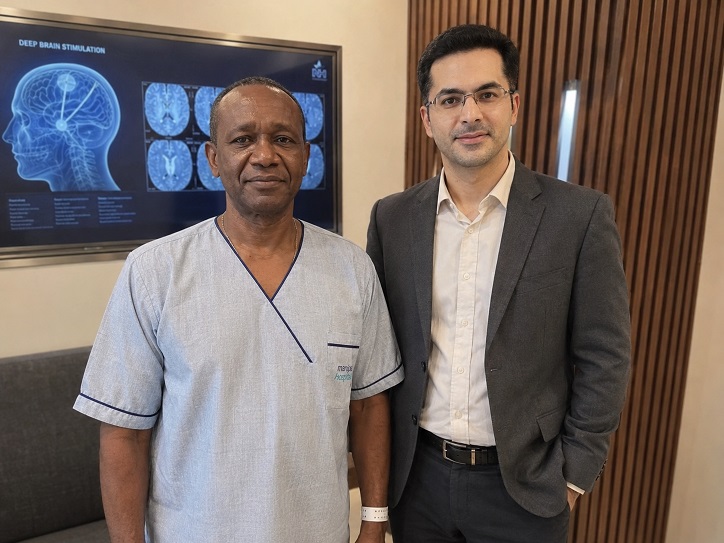
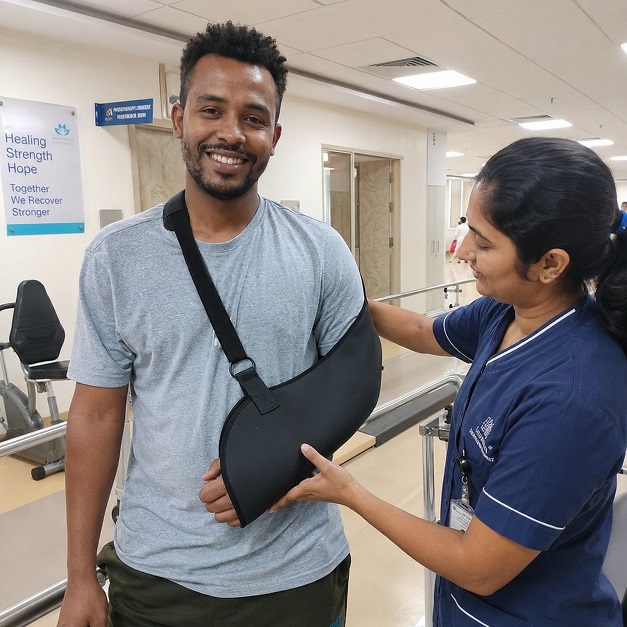
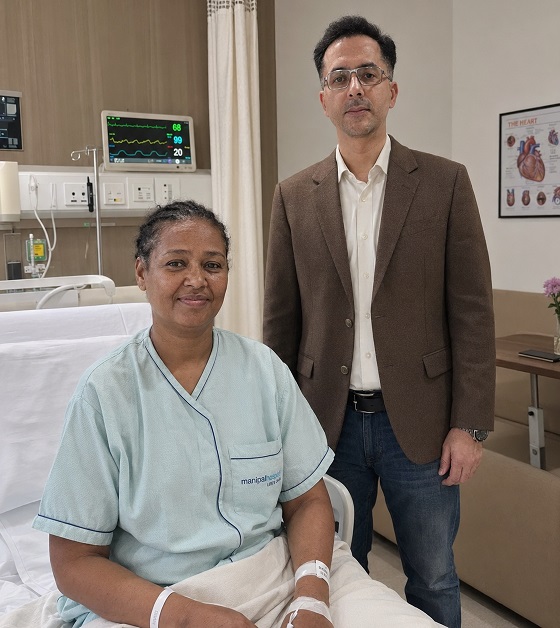
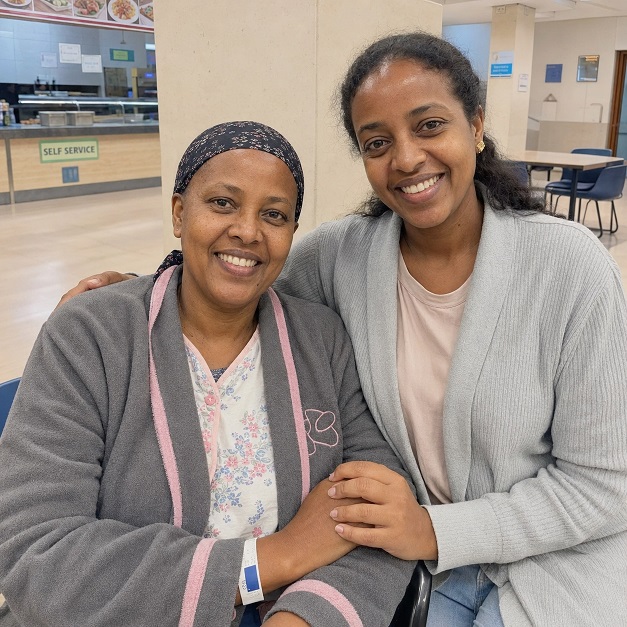
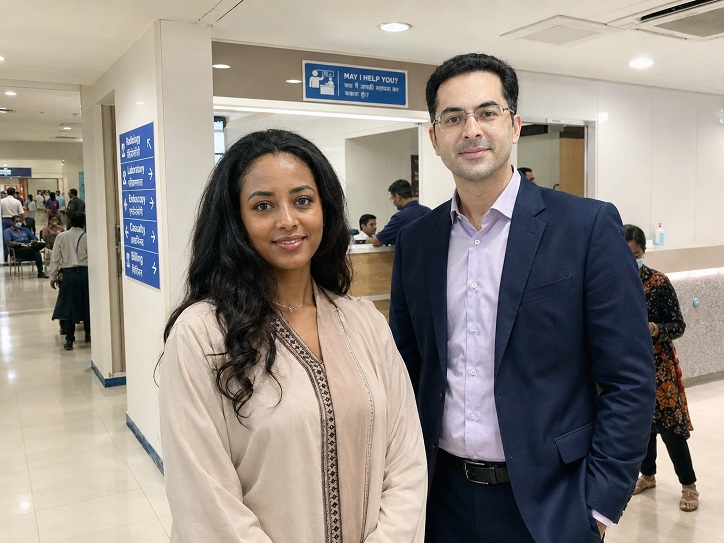
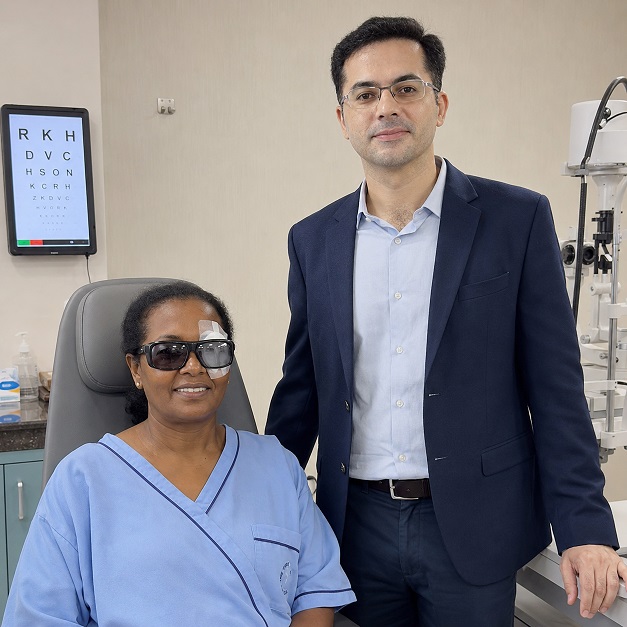
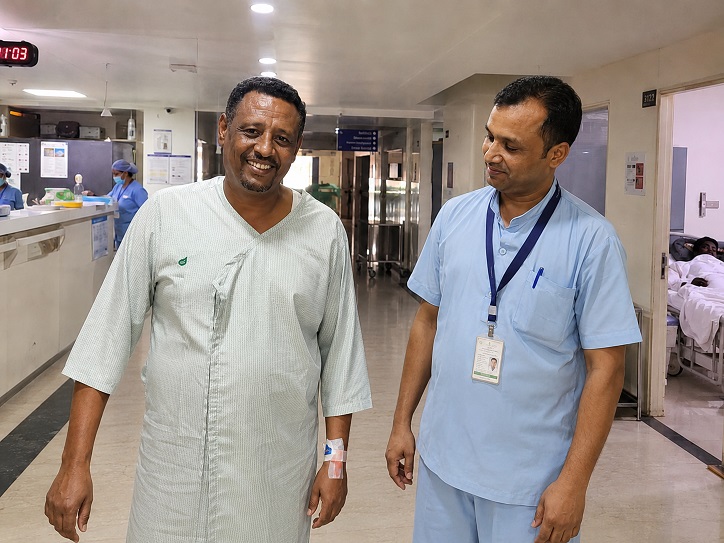
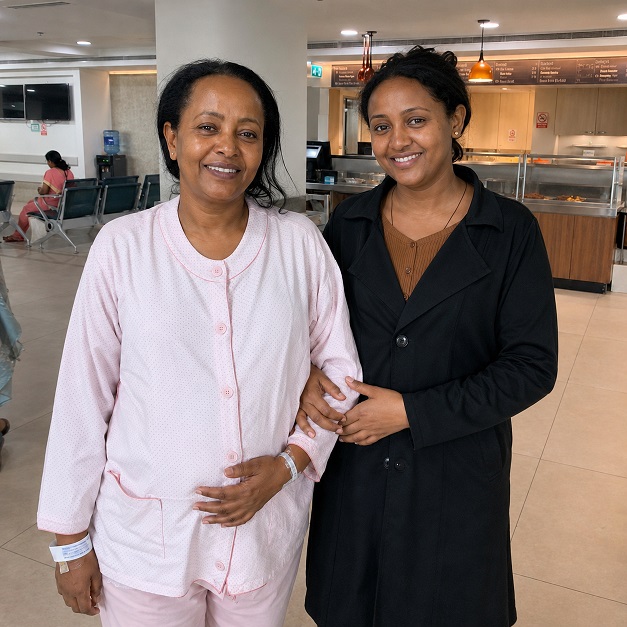
Patient Testimonials from Ethiopia

Ready to Take the First Step?
Share your Medical Reports with our Healthcare Managers Today and Get a FREE CONSULTATION, a Personalized Treatment Plan, and Complete Support from Arrival to Recovery.
Get Your Free ConsultationAreas We Serve
This resource has been thoughtfully prepared for patients from Ethiopia who are considering medical treatment in India. We also welcome patients from the wider region in the countries mentioned below-
We assist patients from:
- Eritrea
- Djibouti
- Somalia
- Kenya
- Sudan
- Burundi
- Comoros
- Ethiopia
- Madagascar
- Malawi
- Mauritius
- Mozambique
- Rwanda
- South Sudan
Many of the insights, treatment pathways, hospital recommendations, travel guidance, and patient support services described here are equally relevant and may be used as a reference when planning treatment in India.
From Ethiopia to India: Your Complete Patient Support Guide
- Brain Tumour Surgery in India for Ethiopians
- Cancer Treatment in India for Ethiopians
- Cardiac Surgery in India for Ethiopian Patients
- Cervical and Disc Replacement Surgery in India for Ethiopians
- Cosmetic and Plastic Surgery in India for Ethiopians
- CyberKnife Treatment in India for Ethiopians
- Eye Surgery in India for Ethiopians
- Gamma Knife Treatment in India for Ethiopians
- Heart Valve Replacement Surgery in India for Ethiopians
- Hip Surgery in India for Ethiopian Patients
- Knee Surgery in India for Ethiopian Patients
- Laparoscopic and Robotic Myomectomy Surgery in India for Ethiopians
- Neurosurgery in India for Ethiopians
- Paediatric Cardiac Surgery in India for Ethiopians
- Paediatric Neurosurgery in India for Ethiopians
- Prostate Cancer Treatment and Surgery in India for Ethiopians
- Robotic Cancer Surgery in India for Ethiopians
- Scoliosis Surgery in India for Ethiopians