

CyberKnife Treatment in India for Ethiopians
Five gates every CyberKnife case should pass before booking a flight — beginning with the honest question of whether your tumour actually needs this technology at all.
CyberKnife is not a bigger or better version of radiotherapy. It is a different tool entirely, built for a narrower job: aiming radiation at a small target with sub-millimetre precision, using a robotic arm guided continuously by imaging, so that tumours sitting close to structures a surgeon could never safely disturb can still be treated. That narrowness is exactly why it is worth explaining carefully rather than selling enthusiastically. It is an outstanding solution for the right tumour and an unnecessary expense for the wrong one. In 24 years of arranging surgical and oncological care in India for patients across Africa and Asia, CyberKnife is the technology I am asked about most eagerly and understood most poorly, usually because the marketing around it rarely mentions who it is not for. These five gates are built to correct that, and to explain the one fact about this technology and this region that changes the whole conversation: there is nowhere nearby to have it done.
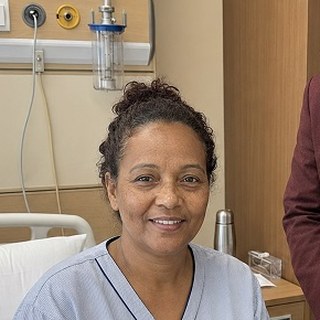
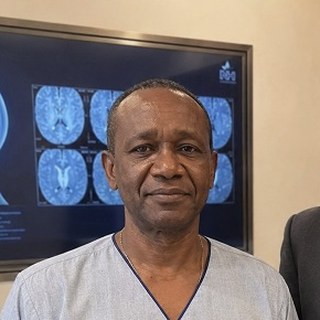
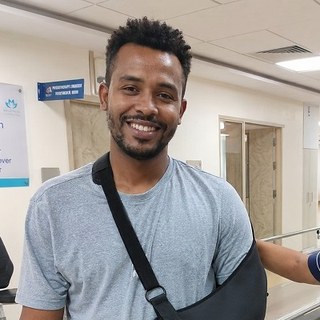
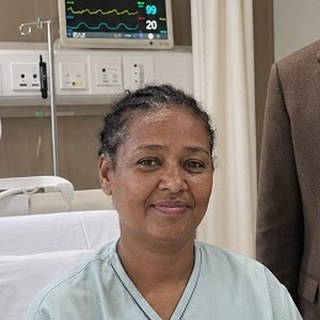
Healing Journeys of Ethiopian Patients


Key Takeaways
- CyberKnife is not a universally better form of radiotherapy. It is a specialised stereotactic radiation technology designed primarily for small, well-defined tumours where very high precision is clinically useful.
- Good candidates often include one or a few small lesions, particularly tumours close to critical structures, lesions that are risky to remove surgically, patients who cannot tolerate an operation, or selected tumours that have recurred after previous radiotherapy.
- Large, poorly defined or widely spread disease is generally not an ideal CyberKnife indication. A tumour that still requires a tissue sample to establish the diagnosis is also not yet a CyberKnife case because the treatment does not physically remove tissue for pathology.
- Unlike surgery, CyberKnife involves no incision and no physical tumour removal. Radiation damages the tumour's ability to repair itself and divide, meaning the treatment effect develops gradually over weeks to months.
- The session comparison on page 3 highlights an important advantage for Ethiopian patients travelling abroad. CyberKnife usually requires approximately 1–5 sessions over 1–2 weeks, compared with conventional radiotherapy, which commonly involves 20–30 daily sessions over 4–6 weeks.
- CyberKnife treatment is planned by a radiation oncologist and medical physicist, not an operating surgeon. The medical physicist translates the prescribed dose into precisely angled radiation beams and performs quality assurance before treatment.
- For moving tumours such as some lung and liver lesions, real-time tracking may be required to follow respiratory movement and adjust radiation delivery. Fixed targets such as brain or spine lesions do not have the same requirement.
- According to the guide, there is no CyberKnife system in Ethiopia. The page 4 infrastructure graphic states that the nearest system is in Kenya, commissioned in 2023, while established Indian centres have operated CyberKnife programmes for considerably longer.
- The cost chart on page 5 gives indicative full-course Indian costs of approximately USD 5,000–8,500 for lung tumours, USD 5,500–9,000 for liver tumours, USD 5,500–9,500 for brain SRS, USD 5,500–9,500 for spine treatment and USD 6,000–9,500 for prostate treatment.
- Because most CyberKnife courses take only 1–2 weeks, Ethiopian patients can often complete treatment during a relatively short trip. However, the guide emphasises that a follow-up scan at approximately three months is important because the tumour response is not immediately visible after treatment.
Quick Facts
- Conditions Covered
- Selected small and well-defined brain, spine, lung, liver and prostate tumours
- Procedure
- CyberKnife stereotactic radiosurgery/stereotactic radiotherapy
- Target Audience
- Ethiopian patients and families considering CyberKnife treatment in India
- Best-Suited Cases
- Small, well-defined tumours; usually one or a few lesions; tumours near structures surgery cannot safely disturb; patients unable to tolerate surgery; and selected recurrence after previous radiotherapy
- Often Unsuitable Cases
- Large, poorly defined or widespread disease; tumours requiring tissue diagnosis; and cases better served by surgery with a clear possibility of cure
- CyberKnife Sessions
- Approximately 1–5 sessions over 1–2 weeks
- Conventional Radiotherapy Comparison
- Approximately 20–30 daily sessions over 4–6 weeks
- CyberKnife Availability in Ethiopia
- The guide states that no CyberKnife system is currently available in Ethiopia.
- Lung CyberKnife Cost
- Approximately USD 5,000–8,500
- Brain SRS Cost
- Approximately USD 5,500–9,500
- Prostate CyberKnife Cost
- Approximately USD 6,000–9,500
- Typical Stay in India
- Approximately 1–2 weeks, depending on the confirmed session schedule
- Follow-Up
- A scan at approximately 3 months is emphasised because treatment response develops gradually.
- Author/Advisor
- Dr. Dheeraj Bojwani, Independent Medical Travel Advisor, 24 years arranging surgical and oncological care in India for international patients
In Brief
CyberKnife treatment in India can be considered by Ethiopian patients with selected small, well-defined tumours where highly precise radiation is clinically appropriate. It is not surgery and does not remove the tumour; instead, a radiation oncologist and medical physicist plan highly focused radiation delivered through a robotic system. Most courses involve approximately 1–5 sessions over 1–2 weeks, compared with 20–30 daily sessions over 4–6 weeks for conventional radiotherapy. Indicative full-course costs in India range from approximately USD 5,000–9,500 depending on the tumour site. The guide stresses that imaging should be reviewed before treatment is recommended and that a follow-up scan at around three months should be planned before the patient returns to Ethiopia.
1 Gate One
Is this actually a CyberKnife case?
CyberKnife suits a specific kind of problem, and it is worth being precise about which one before any conversation about hospitals or cost.
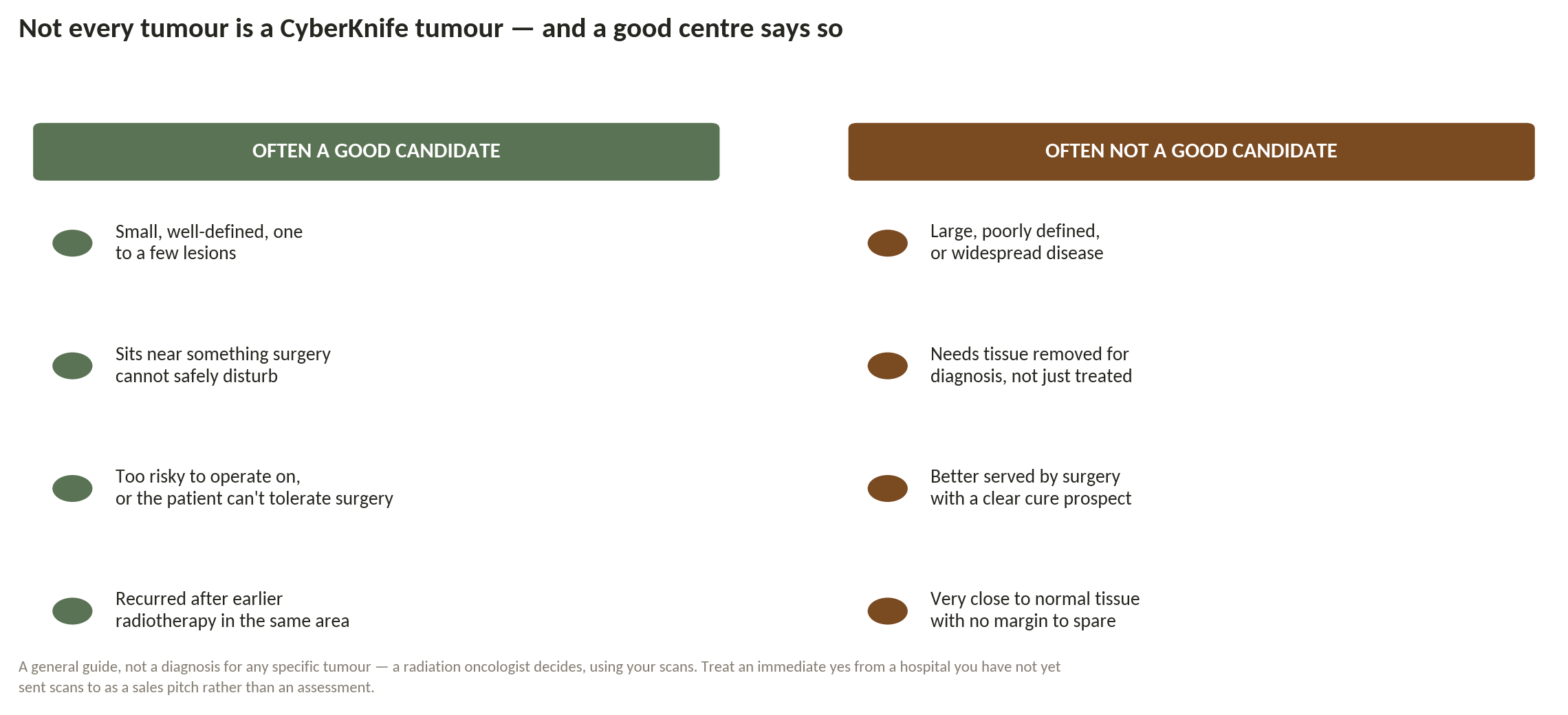
A good centre tells you plainly when the answer is no.
It works best on small, well-defined tumours — often a single lesion or a few — particularly where the location makes conventional surgery risky or impossible: close to the spinal cord, deep in the brain near critical structures, or in a patient too frail for an operation. Large, poorly defined, or widely spread disease is usually better served by other treatment, and a tumour that still needs a tissue sample for diagnosis is not yet a CyberKnife case at all.
It is also worth knowing what CyberKnife shares with other radiation treatment and what it does not. Like any radiotherapy, it works by damaging the tumour's ability to repair itself and divide, and the effect builds over weeks to months rather than appearing immediately. Unlike surgery, nothing is physically removed, which is precisely why the location and diagnosis have to be certain before treatment begins — there is no specimen afterwards to check the diagnosis was correct.
Ask any hospital proposing CyberKnife to explain, specifically, why your particular tumour suits this technology rather than surgery or conventional radiotherapy. A precise answer, grounded in your scans, is what a genuine assessment sounds like. An immediate yes before your images have even been reviewed is not.
2 Gate Two
Sessions, not surgery
For a patient travelling from Ethiopia, this is the detail that changes the entire trip.
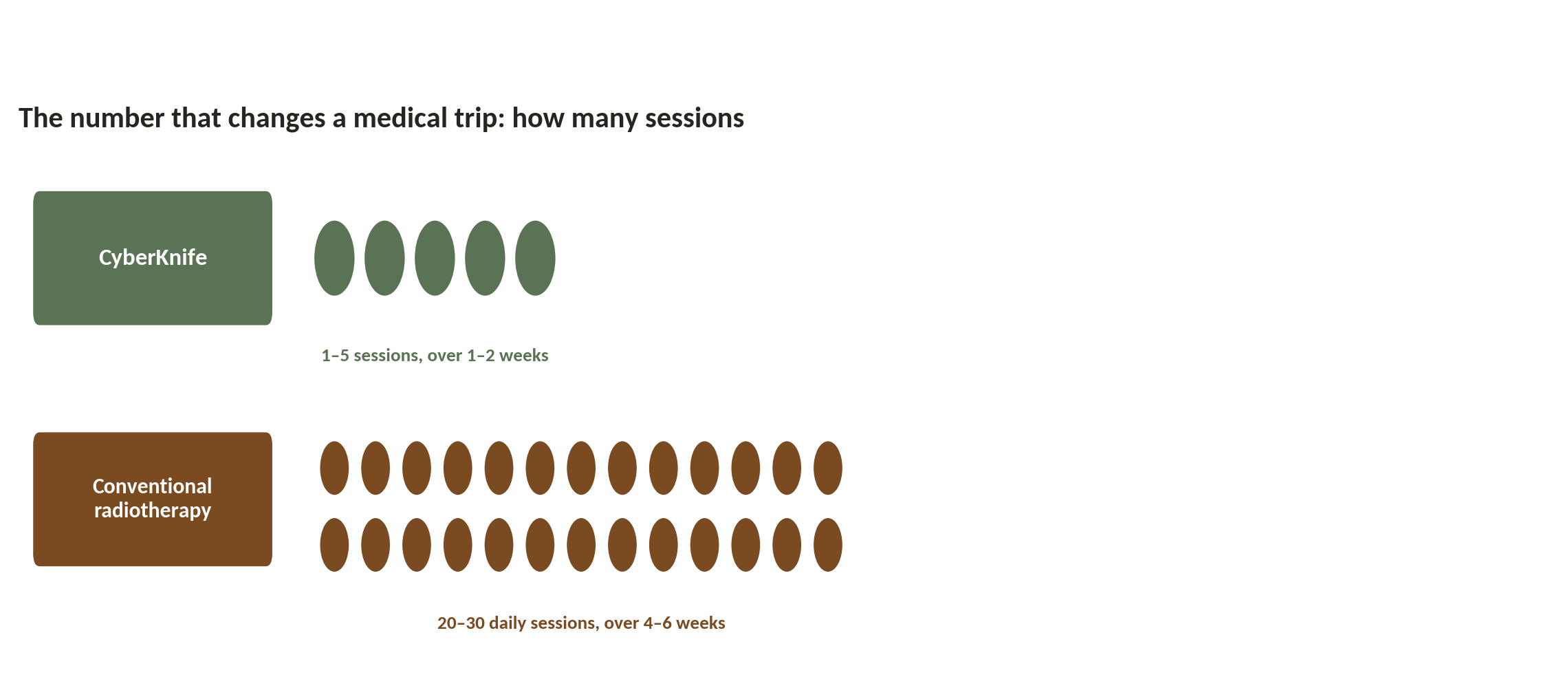
The same goal, radically different lengths of stay.
Conventional radiotherapy works by giving smaller, gentler doses many times, which is why it typically means twenty to thirty daily visits stretched across four to six weeks — a genuinely long stay abroad. CyberKnife's precision allows a much higher dose per visit with far less risk to surrounding tissue, which is why most courses run to just one to five sessions over one to two weeks. For the right tumour, that difference alone can be the deciding factor in whether travelling for treatment is practical at all.
It is not, however, a faster version of the same result. The sessions are fewer because the biology and the physics allow it for this specific kind of target, not because the treatment has been rushed.
3 Gate Three
A team and a physicist, not a surgeon
There is no operating surgeon in CyberKnife treatment, and that changes who you should be asking about.
The plan is built jointly by a radiation oncologist, who decides what dose the tumour needs and what must be spared, and a medical physicist, who translates that plan into hundreds of precisely angled radiation beams and verifies, before every single session, that the machine will deliver exactly what was planned. This verification step, called quality assurance, is not paperwork. It is the safeguard that catches an error before it reaches the patient, and it should happen before every session without exception.
For a moving target — a lung or liver tumour that shifts with each breath — the system also needs real-time tracking technology to follow that movement and adjust the beam accordingly. A fixed target such as a brain or spine lesion does not need this, so ask specifically whether your tumour moves with breathing and, if it does, how the centre tracks it. This is a fair and answerable technical question, not an unreasonable one to raise before treatment.
Ask for the medical physicist by name , not only the doctor's. A centre that cannot answer, or treats the question as unusual, is telling you something about how seriously it takes this part of the process.
4 Gate Four
Nowhere in the region
This is worth stating plainly rather than glossed over: as things stand, there is no CyberKnife system in Ethiopia, and none anywhere in the wider Horn of Africa.
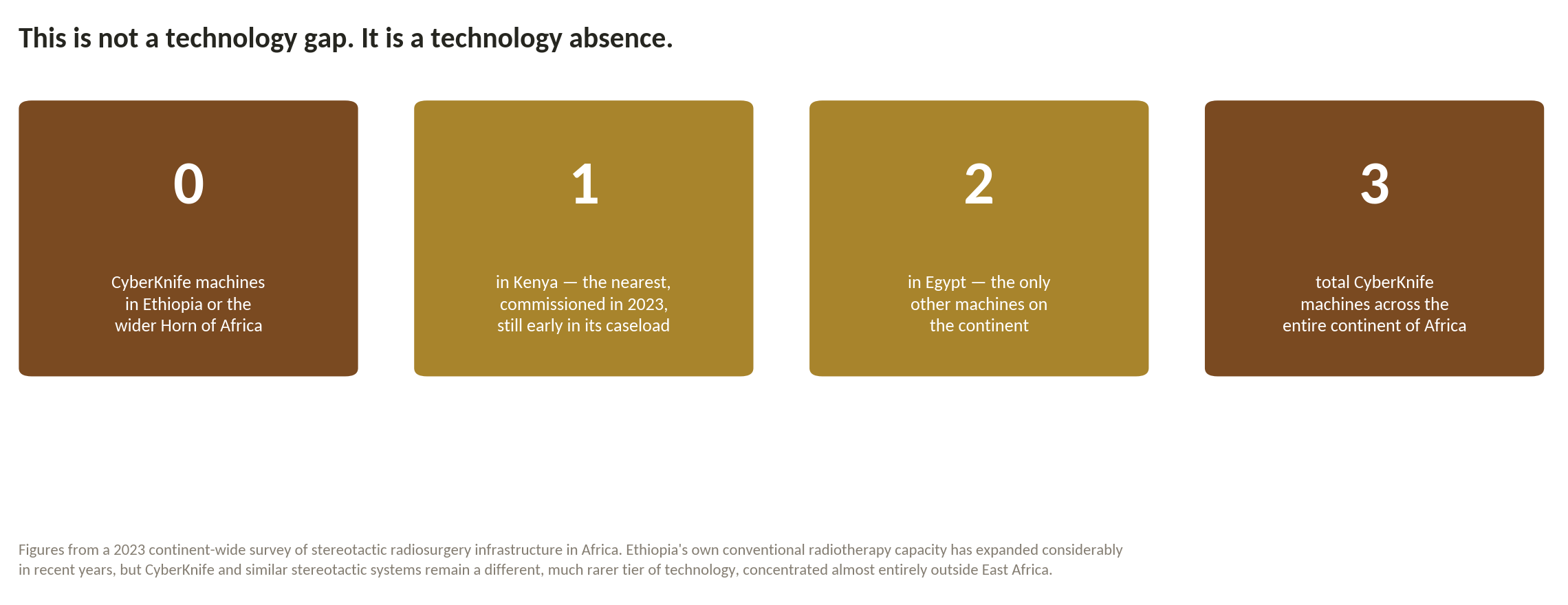
Not a gap in access. An absence.
A continent-wide survey of stereotactic radiosurgery infrastructure found just three CyberKnife systems across the whole of Africa — two in Egypt and one in Kenya, commissioned in 2023 and still early in its caseload. Ethiopia's own conventional radiotherapy capacity has expanded considerably in recent years, which is genuine and welcome progress, but CyberKnife sits in a different, much rarer tier of technology that this expansion has not yet reached.
India's established centres, by contrast, have been running CyberKnife programmes for well over a decade, with far higher patient volumes behind the team's experience. For the narrow group of tumours where this technology is genuinely the right answer, that experience is not a small consideration.
None of this is a criticism of what Ethiopia has built. Expanding conventional radiotherapy access to seven tertiary centres, from a position where one machine once served the whole country, is real progress that has changed outcomes for thousands of patients. Stereotactic radiosurgery is simply a later, more specialised stage of that same journey, one the region has not yet reached, and knowing that honestly is more useful than pretending otherwise.
5 Gate Five
Is the money arranged for a short, precise course?
Ethiopia's health financing does not follow a patient abroad. Community ‐ Based Health Insurance covers contracted facilities inside the country, and the formal ‐ sector scheme is still not settling claims. Since February 2026 a bank may release up to twenty thousand US dollars per case against a letter from the treating hospital, without a visa or ticket in hand — a ceiling that comfortably covers a full CyberKnife course.
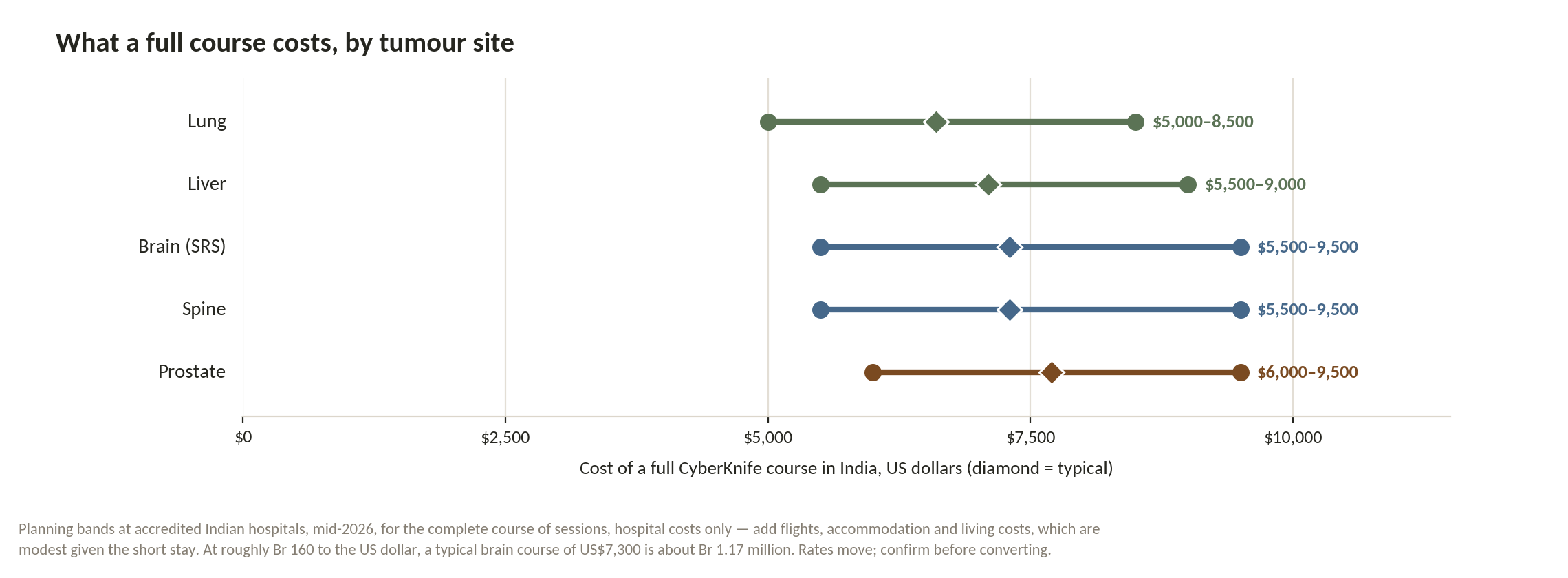
A short stay, and a correspondingly modest total trip cost.
Because the treatment itself takes days rather than weeks, flights and accommodation make up a smaller share of the total trip than in almost any other field in this series — a genuine practical advantage once gate one has confirmed the technology actually fits your case.
One further point worth planning for: CyberKnife's effect on a tumour is not visible on the day of treatment. It builds over weeks to months, which is why a follow-up scan around three months later matters as much as the sessions themselves. Arrange that scan, and who will interpret it, before you leave India rather than after you have already returned to Ethiopia.
In 24 years the CyberKnife patients most let down were never the ones treated by a careful team. They were the ones sold the technology before anyone had properly established whether their tumour needed it.
| A quotation, annotatedA composite of the CyberKnife quotes that reach me, with the questions I send back. | |
| CyberKnife treatment — USD 7,200 | For which tumour, and how many sessions is this priced for? |
| Sessions: as determined by the team | Ask for the number in writing before you travel, not on arrival. |
| Includes: planning scan and physics QA | Good — this is the part that should never be skipped or rushed. |
| Radiation oncologist: named on request | Ask for the medical physicist's name and role too, not just the doctor. |
| Excludes: pre-treatment staging scans | Often essential to confirm candidacy. Ask if you already need these. |
| Follow-up scan: at 3 months, not included | CyberKnife results take months to show. Plan this scan before flying home. |
Pay the hospital and never an individual, and never settle a balance before you arrive.
The Ethiopian practicalities
Ethiopian Airlines flies non ‐ stop from Bole to Delhi, Mumbai, Bengaluru, Chennai and Hyderabad, and the short session count in this field means a single trip can often be planned around one or two weeks rather than a month or more. Confirm your session schedule before booking flights, so the dates are fixed rather than provisional.
Yellow fever certification is required at least ten days before arrival and oral polio vaccination roughly four weeks before. The medical visa follows the hospital's invitation letter through the Embassy of India in Addis Ababa. Confirm current rules with the Embassy, since they change, and ask for an Amharic ‐ speaking coordinator to help arrange the follow-up scan — usually at three months — since CyberKnife's results take time to become visible and that scan should not be missed.
A closing word
Send the scan itself — the images, not only the report — along with a note on where the tumour sits, whether it is single or multiple, and whether surgery has already been discussed and ruled out or not attempted. I will tell you honestly whether this looks like a genuine CyberKnife case, and where the answer is that conventional treatment or surgery would serve you better, I will say so.
Sources
- 🌐 Li J, et al. Assessment of delivery quality assurance for stereotactic radiosurgery with CyberKnife. Frontiers in Oncology, 2021
- 🌐 Radiotherapy infrastructure for brain metastasis treatment in Africa: practical guidelines for a stereotactic radiosurgery programme
- 🌐 Atomic Energy Regulatory Board (AERB), Government of India
- 🌐 National Medical Commission of India — Indian Medical Register, for verifying a treating doctor's registration
- 🌐 National Accreditation Board for Hospitals & Healthcare Providers (NABH), Quality Council of India
- 🌐 National Bank of Ethiopia Directive FXD/04/2026 (foreign exchange, advance payments for treatment abroad); Embassy of India, Addis Ababa
Frequently Asked Questions by Ethiopians about CyberKnife Treatment in India
Is CyberKnife better than conventional radiotherapy for Ethiopian patients?
Not in every case. The guide explains that CyberKnife is particularly suited to small, well-defined tumours where extreme precision is important. Large, poorly defined or widely spread cancers may be better treated with conventional radiotherapy or another approach. A good centre should review the patient's scans before recommending CyberKnife rather than automatically suggesting it.
Which tumours may be suitable for CyberKnife treatment in India?
The candidate guide on page 2 identifies small, well-defined tumours—usually one or a few lesions—as potential candidates. CyberKnife may also be considered when a tumour is close to structures that surgery could damage, when surgery is considered too risky, when the patient cannot tolerate an operation, or in selected cases where disease has recurred after earlier radiotherapy.
How much does CyberKnife treatment in India cost for Ethiopian patients?
The cost chart on page 5 gives indicative full-course costs of approximately USD 5,000–8,500 for lung tumours, USD 5,500–9,000 for liver tumours, USD 5,500–9,500 for brain SRS, USD 5,500–9,500 for spine treatment, and USD 6,000–9,500 for prostate treatment. These are mid-2026 planning ranges and should be confirmed directly before travel.
How many CyberKnife sessions do Ethiopian patients usually need?
According to the session comparison on page 3, most CyberKnife courses involve approximately 1–5 sessions over 1–2 weeks. Conventional radiotherapy, by comparison, commonly requires 20–30 daily sessions over 4–6 weeks. This shorter treatment schedule can significantly reduce the length of an Ethiopian patient's stay abroad.
Is CyberKnife surgery, and does it require a hospital stay?
No. CyberKnife is non-invasive radiation treatment rather than an operation. There are no surgical incisions, and nothing is physically removed from the tumour. The guide states that an individual session usually takes approximately 30–90 minutes and that most patients can return to ordinary activity the same day. It does not specify a routine inpatient hospital stay.
Is CyberKnife treatment available in Ethiopia?
The guide states that there is currently no CyberKnife system in Ethiopia. The infrastructure graphic on page 4 reports one system in Kenya, commissioned in 2023, and two in Egypt based on the cited continent-wide survey. It contrasts this with established Indian centres that have operated CyberKnife programmes for more than a decade.
Why is a medical physicist important during CyberKnife treatment?
CyberKnife treatment is planned jointly by a radiation oncologist and medical physicist. The radiation oncologist determines the required dose and structures that must be protected, while the physicist translates that plan into precisely angled radiation beams and verifies treatment delivery through quality assurance. The guide specifically recommends asking for the medical physicist by name, not only the treating doctor.
What should Ethiopian patients send before requesting a CyberKnife opinion from India?
The guide recommends sending the actual scan images rather than only the radiology report, along with information about where the tumour is located, whether it is single or multiple, and whether surgery has already been considered or ruled out. A treatment centre should review these images before deciding whether CyberKnife is genuinely appropriate.
What should Ethiopian patients check in a CyberKnife treatment quotation?
The annotated quotation on page 5 recommends confirming which tumour is being treated, the exact number of sessions, whether the planning scan and physics quality assurance are included, the names and roles of the radiation oncologist and medical physicist, whether additional staging scans are required, and whether the approximately three-month follow-up scan is included or separately charged.
What follow-up is required after Ethiopian patients return home from CyberKnife treatment?
CyberKnife does not produce an immediately visible tumour response. The guide explains that its effect develops over weeks to months, making follow-up imaging at approximately three months an important part of the treatment pathway. Ethiopian patients should arrange both the scan and the specialist who will interpret it before leaving India rather than trying to organise follow-up only after returning home.
Is CyberKnife better than conventional radiotherapy or surgery?
Not universally. It is better for a specific kind of problem: a small, well-defined tumour where extreme precision genuinely matters. For many cancers, conventional radiotherapy or surgery remain the right choice, and a good centre will tell you plainly when that applies to you.
Does it hurt, and is there recovery time?
No incisions are made and each session is painless, typically thirty to ninety minutes lying still while the robotic arm moves around you. Most patients return to ordinary activity the same day.
Why does the number of sessions matter so much for someone travelling from Ethiopia?
Because it decides how long you need to stay. One to five sessions over one to two weeks is an entirely different trip, in cost and time away from home, than twenty to thirty daily sessions over four to six weeks.
Is this available anywhere in Ethiopia or nearby?
Not in Ethiopia. The only CyberKnife system in the wider region is in Kenya, commissioned in 2023 and still early in its caseload. India's established centres have run these programmes for well over a decade.
Who pays for this in Ethiopia?
You do. Neither community-based insurance nor the pending formal-sector scheme funds treatment abroad, though a bank may now advance up to US$20,000 against the hospital's letter.
Page Summary
This guide takes Ethiopian patients through five gates before booking CyberKnife treatment. Gate one asks whether the tumour actually suits it — small, well-defined lesions near structures surgery cannot safely reach, rather than large or widespread disease, or anything still needing a tissue diagnosis. Gate two contrasts CyberKnife's 1–5 sessions over one to two weeks with the 20–30 daily sessions of conventional radiotherapy. Gate three explains the roles of the radiation oncologist and the medical physicist, including real-time tracking for tumours that move with breathing. Gate four notes that Ethiopia has no CyberKnife system at all. Gate five gives indicative full-course Indian costs of roughly USD 5,000–9,500, and stresses that a follow-up scan at about three months is part of the treatment, not an optional extra.
Citation Block
| Topic | Information |
|---|---|
| Topic Information | CyberKnife Treatment in India for Ethiopian Patients |
| Procedure | CyberKnife Stereotactic Radiosurgery / Stereotactic Radiotherapy |
| Country | India |
| Intended Audience | Ethiopian Patients and Families |
| Conditions Covered | Selected Brain, Spine, Lung, Liver and Prostate Tumours |
| Treatment Sessions | Approximately 1–5 Sessions |
| Typical Treatment Period | Approximately 1–2 Weeks |
| Hospital Stay | No Routine Inpatient Stay Specified; Treatment Is Delivered in Sessions |
| Follow-Up | Imaging at Approximately 3 Months |
| Lung Treatment Cost | Approximately USD 5,000–8,500 |
| Brain SRS Cost | Approximately USD 5,500–9,500 |
| Prostate Treatment Cost | Approximately USD 6,000–9,500 |


Our Mission Statement
Our mission is to place patients at the centre of every healthcare decision by providing trustworthy, evidence-based, and unbiased medical information. We believe that informed patients make better decisions. Backed by personalised guidance from our experienced advisory team, we help patients understand their treatment options, compare them objectively, and confidently choose the path that best suits their medical needs and personal circumstances.
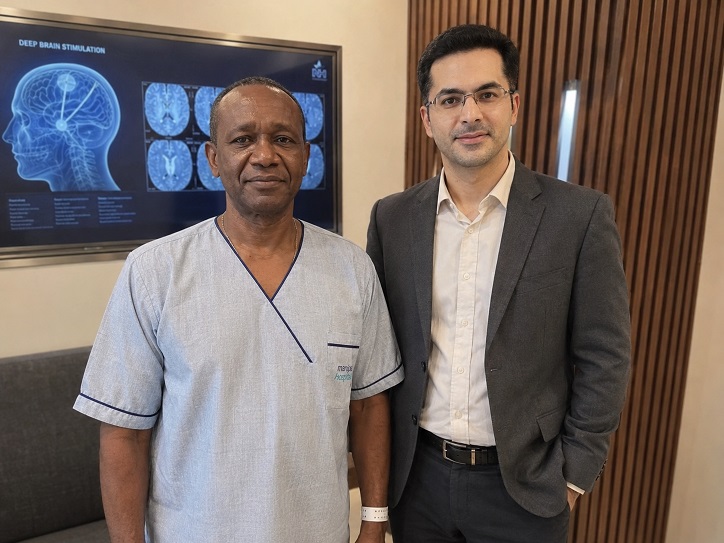
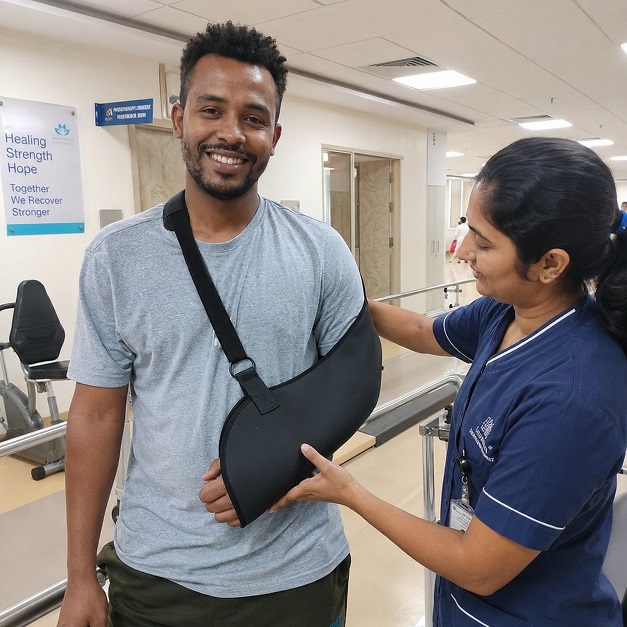
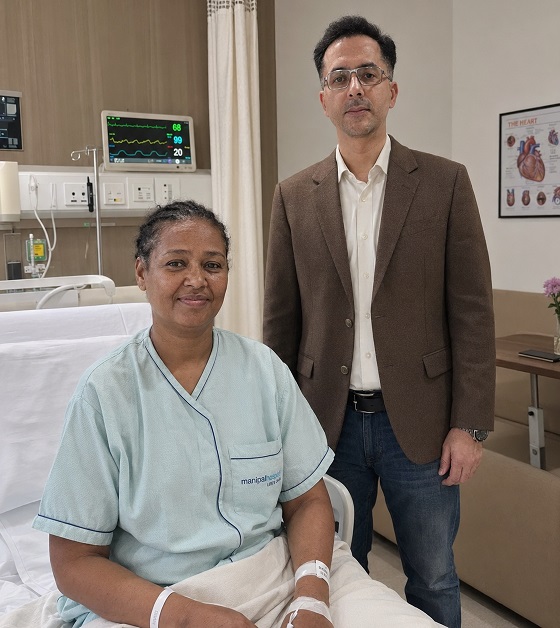
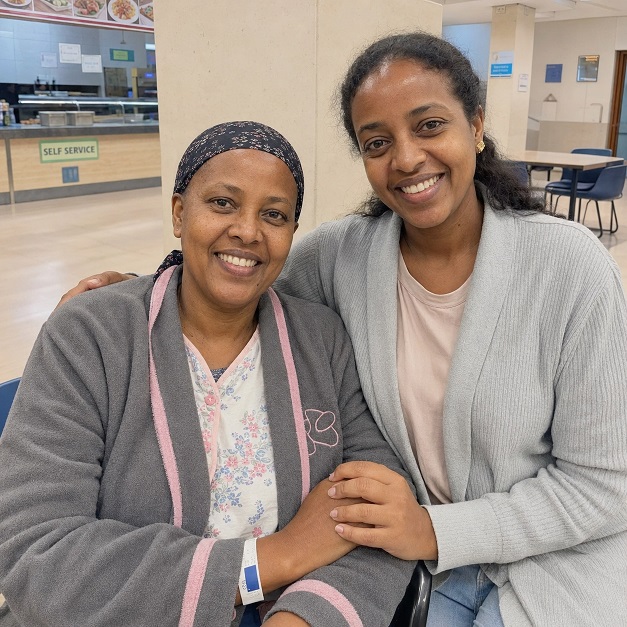
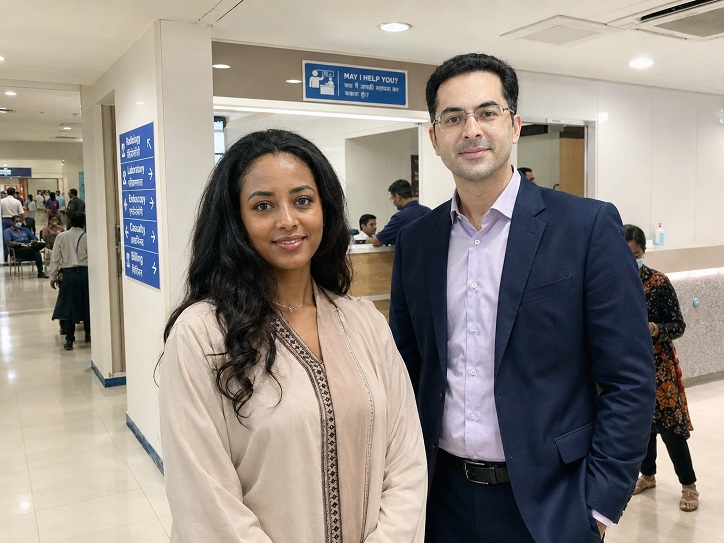
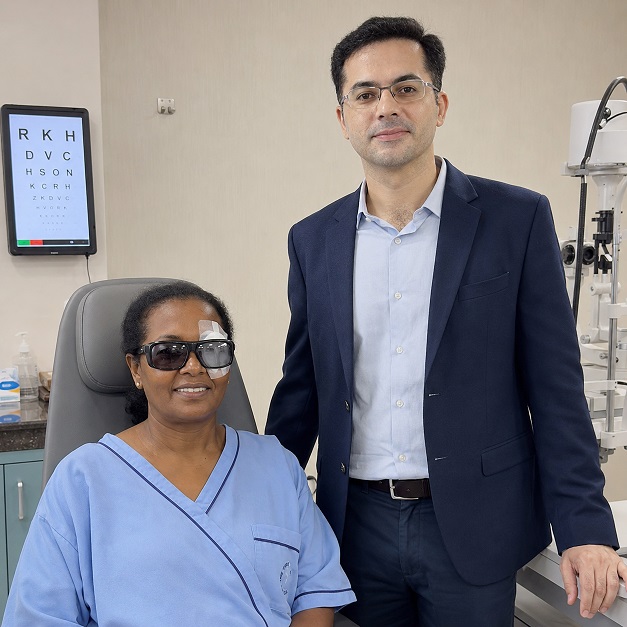
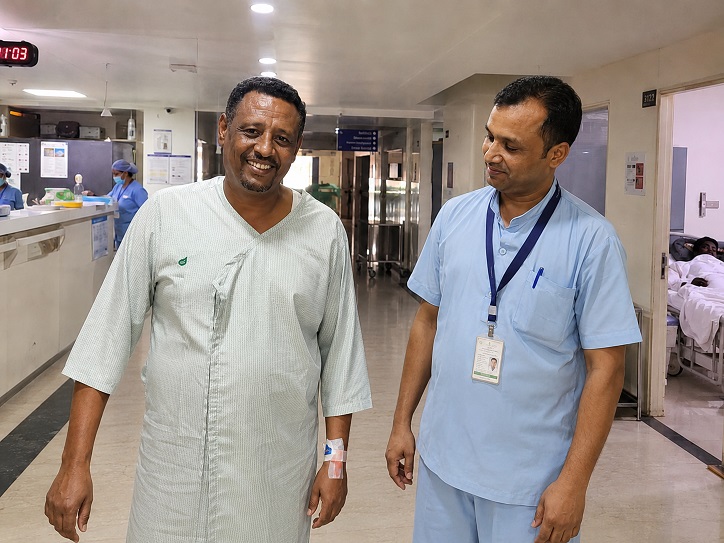
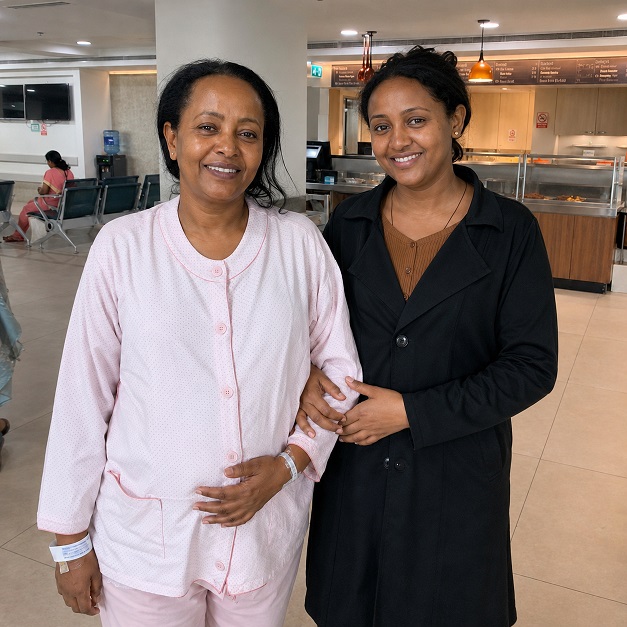
Patient Testimonials from Ethiopia

Ready to Take the First Step?
Share your Medical Reports with our Healthcare Managers Today and Get a FREE CONSULTATION, a Personalized Treatment Plan, and Complete Support from Arrival to Recovery.
Get Your Free ConsultationAreas We Serve
This resource has been thoughtfully prepared for patients from Ethiopia who are considering medical treatment in India. We also welcome patients from the wider region in the countries mentioned below-
We assist patients from:
- Eritrea
- Djibouti
- Somalia
- Kenya
- South Sudan
- Sudan
- Burundi
- Comoros
- Ethiopia
- Madagascar
- Malawi
- Mauritius
- Mozambique
- Rwanda
Many of the insights, treatment pathways, hospital recommendations, travel guidance, and patient support services described here are equally relevant and may be used as a reference when planning treatment in India.
From Ethiopia to India: Your Complete Patient Support Guide
- Brain Tumour Surgery in India for Ethiopians
- Cancer Treatment in India for Ethiopians
- Cardiac Surgery in India for Ethiopian Patients
- Cervical and Disc Replacement Surgery in India for Ethiopians
- Cosmetic and Plastic Surgery in India for Ethiopians
- CyberKnife Treatment in India for Ethiopians
- Eye Surgery in India for Ethiopians
- Gamma Knife Treatment in India for Ethiopians
- Heart Valve Replacement Surgery in India for Ethiopians
- Hip Surgery in India for Ethiopian Patients
- Knee Surgery in India for Ethiopian Patients
- Laparoscopic and Robotic Myomectomy Surgery in India for Ethiopians
- Neurosurgery in India for Ethiopians
- Paediatric Cardiac Surgery in India for Ethiopians
- Paediatric Neurosurgery in India for Ethiopians
- Prostate Cancer Treatment and Surgery in India for Ethiopians
- Robotic Cancer Surgery in India for Ethiopians
- Scoliosis Surgery in India for Ethiopians