

Brain Tumour Surgery in India for Ethiopians
Five gates every brain tumour should pass before anyone books a flight — starting with the fact that a mass on a scan is not yet a diagnosis, and ending with the two very different futures you may be paying for.
Few messages arrive with more fear in them than the ones that begin the scan shows a brain tumour . The family has usually decided to travel before they have finished reading the report, and I understand exactly why. But brain tumour is not a diagnosis. It is a category containing conditions with almost nothing in common: one is cured by an operation and never troubles the patient again, another needs surgery followed by months of further treatment, and a third is not a tumour at all. In my 24 years of arranging surgical care in India for patients across Africa and Asia, no field has produced more decisions taken quickly on too little information than this one. There is a second thing worth saying at the outset. The measure of a good brain operation is not how much came out. It is how much came out without taking away something the patient needed. Almost everything in this route map follows from those two sentences.
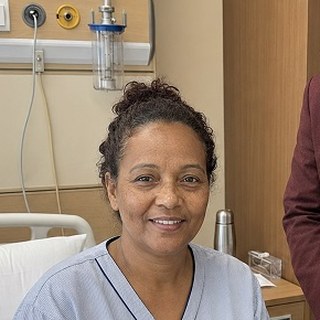
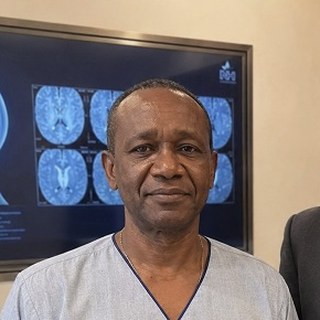
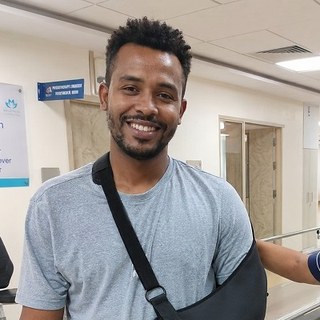
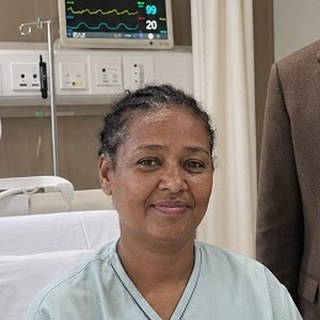
Healing Journeys of Ethiopian Patients
Key Takeaways
- A mass seen on a brain scan is not yet a diagnosis. Ethiopian patients should first establish what the lesion is because a meningioma, glioma, metastatic deposit, pituitary tumour and an infection such as tuberculosis or an abscess can require completely different treatment.
- For treatment planning, the guide recommends an MRI with contrast and, where necessary, additional sequences. Patients should send the actual DICOM images or scan files for review rather than relying only on the written radiology report.
- Urgency depends heavily on symptoms. A patient who becomes drowsy or confused or experiences a first seizure needs immediate medical assessment rather than waiting for visa or travel arrangements. The guide's page 3 urgency chart distinguishes emergencies requiring action today from stable cases that may allow weeks or months for careful planning.
- The aim of modern brain tumour surgery is maximal safe resection—removing as much tumour as possible without unnecessarily damaging neurological functions.
- For Ethiopian patients undergoing awake craniotomy, language planning is particularly important. Speech mapping should assess the patient in the language they actually speak, such as Amharic, Oromo or Tigrinya, rather than assuming English-language testing will adequately protect speech function.
- For gliomas, molecular neuropathology can be crucial after surgery because molecular markers found in tumour tissue may influence prognosis and determine which subsequent treatments are worthwhile.
- The guide notes that straightforward brain tumour surgery is available in Addis Ababa and other Ethiopian centres. The rationale for travelling to India should therefore be based on the specific technology, surgical expertise or molecular testing required by the individual tumour, rather than assuming every brain tumour needs overseas treatment.
- Indicative mid-2026 costs at accredited Indian hospitals are approximately USD 4,800–9,000 for craniotomy, usually USD 5,500–6,500, rising to approximately USD 7,000–9,500 when neuronavigation, awake mapping or a keyhole approach is used. Endoscopic pituitary surgery is approximately USD 6,250–8,300.
- Patients should generally expect around three weeks in India for surgery and recovery, including approximately 4–6 days as an inpatient. If radiotherapy follows, the guide states that approximately six additional weeks may be required.
- Families should budget for both possible futures before travelling: a benign diagnosis where surgery may complete treatment and a malignant diagnosis where surgery is only the first stage before radiotherapy, chemotherapy and surveillance.
Quick Facts
- Conditions Covered
- Meningioma, glioma, metastatic brain tumour, pituitary tumour and tumour-like infections such as tuberculosis or abscess
- Procedures Mentioned
- Craniotomy, neuronavigation-assisted surgery, awake craniotomy, keyhole surgery and endoscopic pituitary surgery
- Target Audience
- Ethiopian patients and families considering brain tumour surgery in India
- Initial Imaging
- MRI with contrast; additional MRI sequences may be required depending on the suspected tumour.
- Surgical Goal
- Maximal safe resection—removing as much tumour as possible while preserving neurological function.
- Craniotomy Cost
- Approximately USD 4,800–9,000, typically USD 5,500–6,500
- Advanced Craniotomy Cost
- Approximately USD 7,000–9,500 where neuronavigation, awake mapping or a keyhole approach is used
- Endoscopic Pituitary Surgery Cost
- Approximately USD 6,250–8,300
- Radiotherapy Cost
- Approximately USD 1,050–2,600 for a full course
- Typical Stay in India
- Approximately 3 weeks for surgery and recovery
- Hospital Stay
- Approximately 4–6 days
- Treatment in Ethiopia
- Straightforward brain tumour surgery is available in Addis Ababa and regional centres; overseas treatment should be considered according to the technology, molecular testing and expertise required.
- Author/Advisor
- Dr. Dheeraj Bojwani, Independent Medical Travel Advisor, 24 years arranging surgical care for international patients
In Brief
Brain tumour surgery in India for Ethiopian patients should begin with establishing exactly what the mass represents rather than treating the words "brain tumour" as a final diagnosis. MRI review can distinguish possibilities such as meningioma, glioma, metastatic disease, pituitary tumour and even infection, while tissue analysis and molecular neuropathology may determine the treatment required after surgery. Modern surgery aims for maximal safe resection using technologies such as neuronavigation, intraoperative monitoring, 5-ALA fluorescence and awake speech mapping when appropriate. Indicative craniotomy costs in India are approximately USD 4,800–9,000, with patients generally planning around three weeks in India and 4–6 days as an inpatient.
1 Gate One
Which tumour is it?
Start with the scan itself. A CT is usually what finds the problem, but it is not what plans the treatment. That needs an MRI with contrast, and for some tumours additional sequences that a radiologist will specify. Send the images themselves — the disc or the DICOM files — rather than the report alone, for the same reason you would show a mechanic the car rather than a description of the noise.
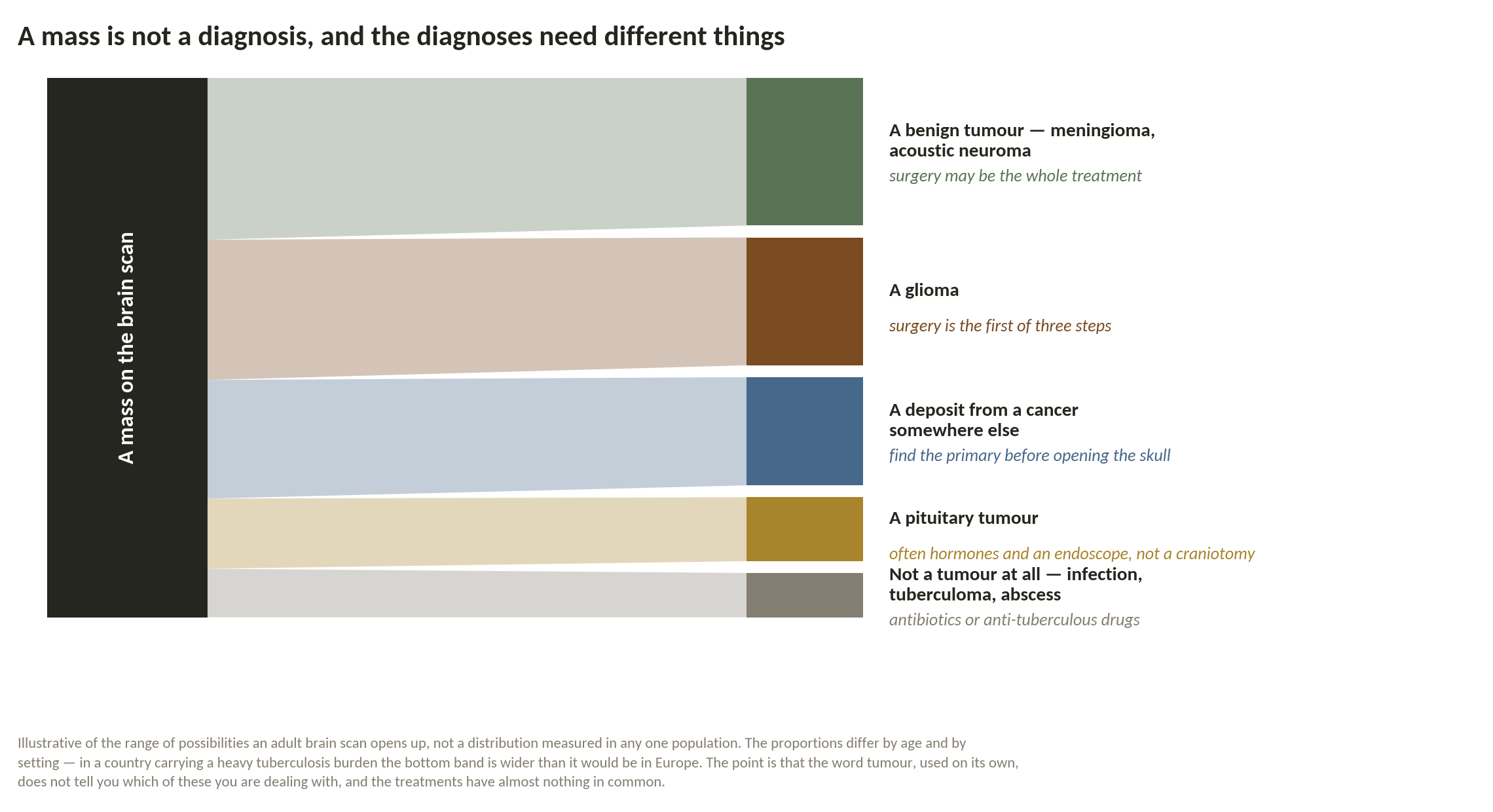
One phrase on a report, five quite different situations.
What the scan suggests changes everything that follows. A meningioma growing on the surface may be cured by a single operation. A glioma will need surgery, then radiotherapy, then chemotherapy. A deposit from a cancer elsewhere means the urgent question is where the primary is, because operating on the head while ignoring the lung helps nobody. A pituitary tumour may be treated through the nose with an endoscope, or with tablets, and may not need a craniotomy at all.
And sometimes it is not a tumour. Infection can produce a mass that looks convincingly like one, and in a country carrying a heavy tuberculosis burden that possibility deserves to be considered rather than dismissed. It is a short conversation with a radiologist, and it occasionally saves someone an operation they never needed.
So the question to put before any hospital is simple: what do you think this is, and what would change your mind? A unit that answers precisely is worth talking to.
2 Gate Two
What should be happening today?
This gate exists because families lose weeks to logistics that should have been spent on treatment, and because some of what a brain tumour patient needs cannot wait for a hospital in another country.
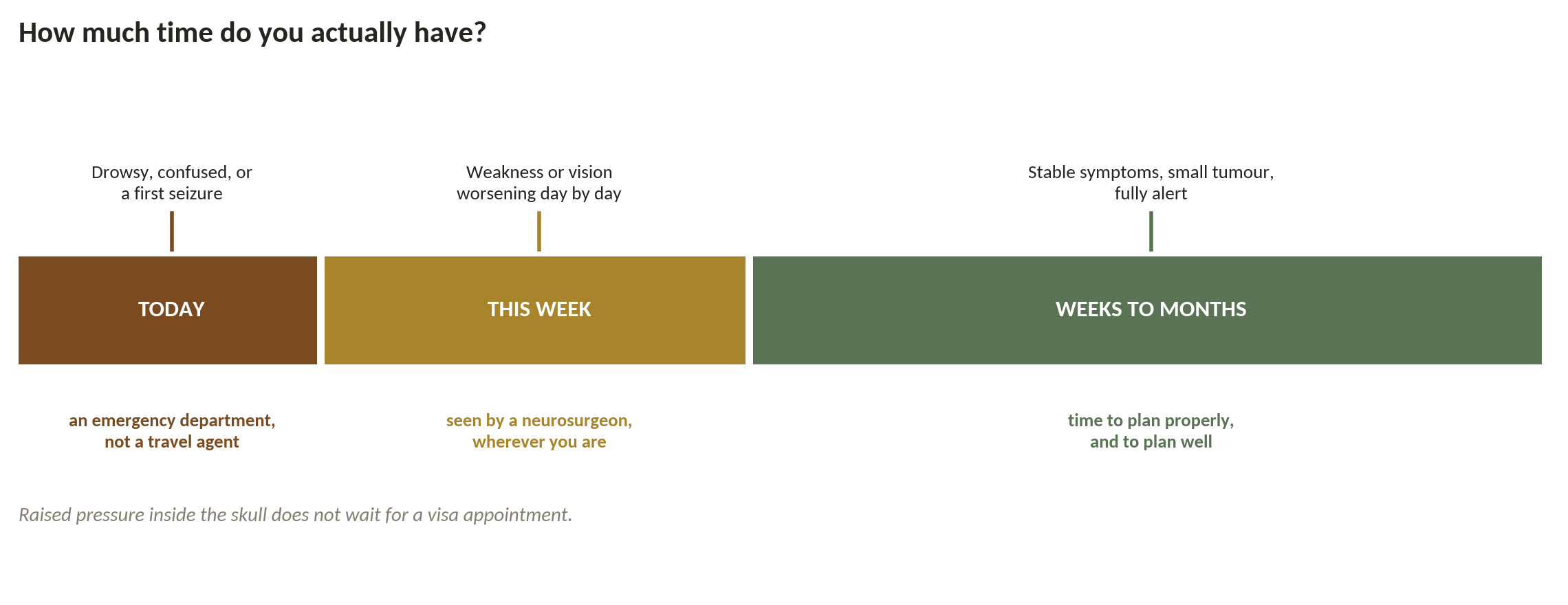
Where your symptoms sit decides how much planning time you have.
The thing that makes a brain tumour dangerous in the short term is usually not the tumour. It is the swelling around it and the pressure that swelling creates inside a skull that cannot expand. Steroids reduce that swelling, often dramatically and within a day or two, and they are available in Ethiopia. A patient becoming drowsy or confused, or who has had a first seizure, needs a doctor now, at the nearest hospital that can assess them.
Do not treat travel as the treatment. If someone is deteriorating, the correct sequence is stabilise first and travel second. I have known families delay steroids for a fortnight while waiting on visa paperwork, and that is a fortnight bought at a price nobody intended to pay.
Where symptoms are stable and the patient is fully alert, the picture is entirely different. Many brain tumours — particularly the slow-growing ones — allow weeks to plan, and weeks spent choosing the right unit are weeks well spent. Ask the doctor who has seen the scan which of these two situations you are in. It is a question they can answer.
3 Gate Three
What would a good operation look like?
Here is where travelling genuinely earns its cost, and it is worth being specific rather than gesturing at quality.
The goal of modern brain tumour surgery is maximal safe resection: take out as much as can be taken without damaging function. Those two aims pull against each other, and the equipment in the theatre is what widens the space between them. Neuronavigation shows the surgeon precisely where the instruments are. Intraoperative monitoring warns when a critical pathway is under strain. Fluorescence makes glioma tissue glow so the edge can be seen. And for tumours beside the speech area, an awake craniotomy allows the patient to talk while the surgeon maps which fragments of brain can safely be removed.
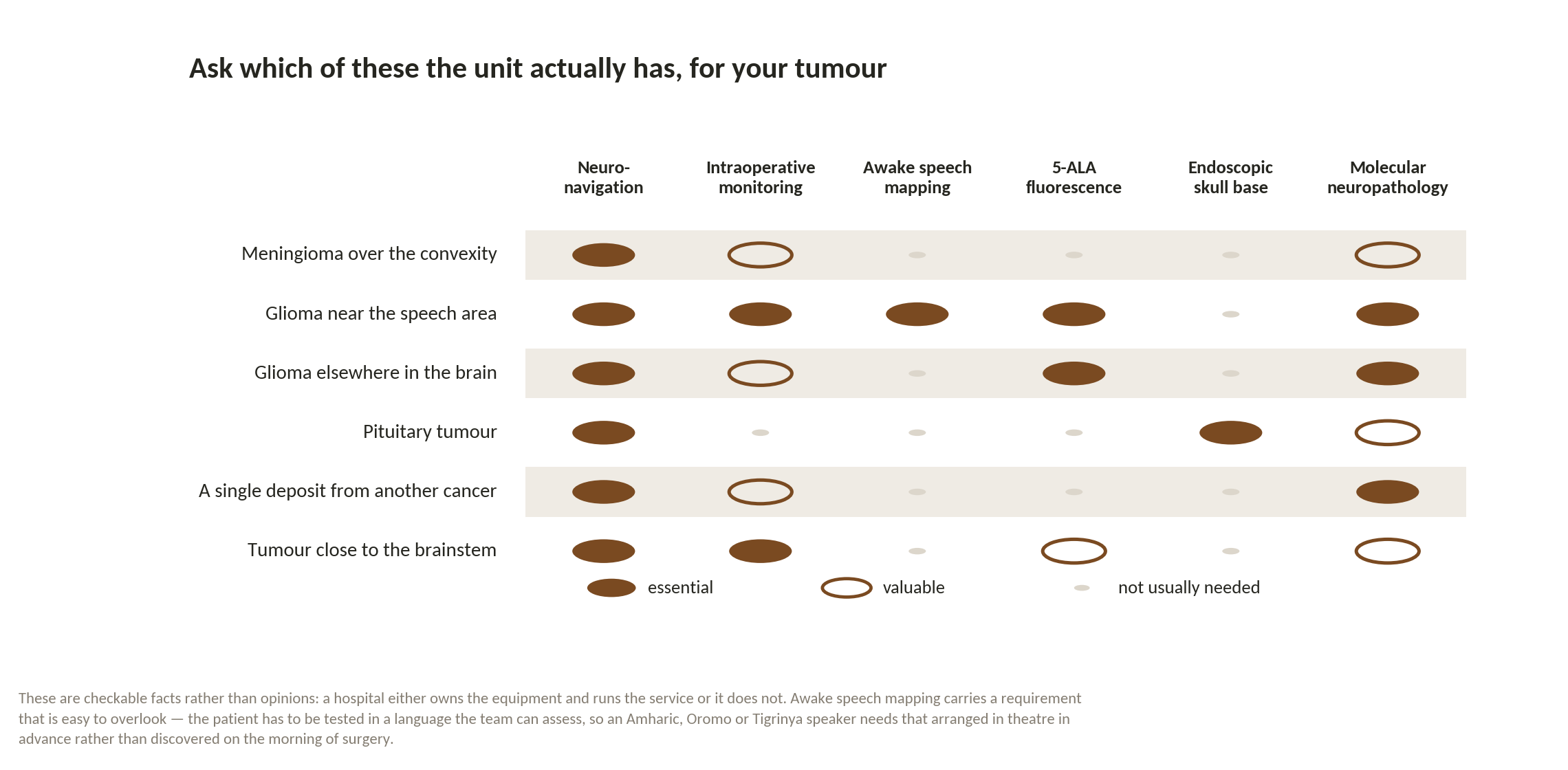
A checkable list, and one you can ask about by name.
Not every tumour needs every item, which is the point of the chart. A convexity meningioma does not require awake mapping; a glioma beside the speech area very much does. Work out which row you are on, then ask the hospital whether it has those specific things and how often it uses them. Equipment in a brochure and equipment in routine use are different claims.
One detail that is almost never mentioned and matters a great deal to Ethiopian patients: awake speech mapping only works if the team can assess you in the language you actually speak. Testing an Amharic, Oromo or Tigrinya speaker in English will not reliably protect their speech. If awake surgery is proposed, ask directly how your language will be handled in theatre, and get the answer before you travel rather than on the morning of the operation.
4 Gate Four
Where does each part belong?
Ethiopia's neurosurgical service has grown remarkably quickly, and straightforward brain tumour surgery is done in Addis Ababa and in a number of regional centres. For some tumours that is a perfectly reasonable place to have the operation, and I say so when it is true.
The case for travelling rests on two things rather than on general standards. The first is the equipment in gate three, which is unevenly available. The second is quieter and often decisive: molecular neuropathology . For gliomas in particular, treatment and prognosis now depend on markers found in the tumour tissue after surgery rather than on how it looks down a microscope. Those tests determine which chemotherapy is worth giving and which is not. An operation can be performed in more places than that testing can be done, so if the tissue is analysed incompletely, the treatment that follows is being chosen half- blind.
What follows the operation, though, often travels home well. Radiotherapy is increasingly available in Ethiopia and chemotherapy for brain tumours is largely tablet-based, which makes it far more portable than most cancer treatment. So the shape I most often recommend is this: have the diagnosis, the operation and the tissue analysis done where they can be done properly, then come home with a written plan naming the drugs, the doses and the scan schedule — and with a named doctor in Ethiopia who has already agreed to take the case on.
5 Gate Five
Is the money arranged for both futures?
Ethiopia's health financing does not follow a patient abroad. Community ‐ Based Health Insurance buys care at contracted facilities inside the country, and the formal ‐ sector scheme is still not settling claims. Since February 2026 a bank may release up to twenty thousand US dollars per case against a letter from the treating hospital, without a visa or ticket in hand.
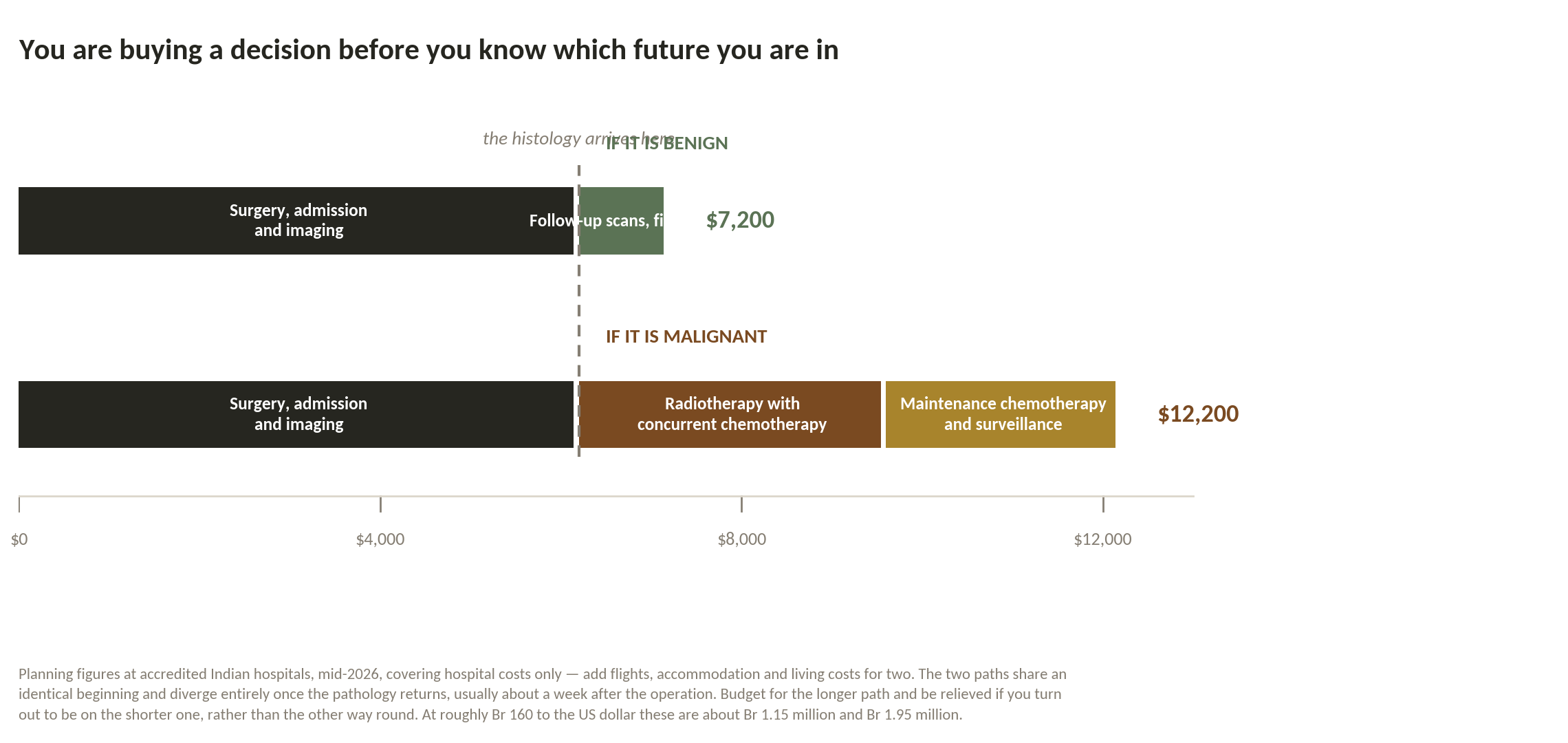
The same beginning, and then two entirely different totals.
The peculiarity of this field is that you commit the money before anyone knows which future you are in. Removing the tumour and analysing it is the same expense either way; the pathology comes back about a week later and decides whether treatment has finished or barely started. So budget for the longer path. A family that plans for the malignant path and turns out to be on the benign one has simply been fortunate. A family that plans the other way round runs out of money at the worst possible moment.
As planning figures at accredited Indian hospitals in mid ‐ 2026: a craniotomy for tumour runs from about US$4,800 to US$9,000, typically US$5,500 to US$6,500, rising to around US$7,000 to US$9,500 where neuronavigation, awake mapping or a keyhole approach is used. Endoscopic pituitary surgery runs roughly US$6,250 to US$8,300. A full course of radiotherapy adds about US$1,050 to US$2,600. Expect around three weeks in India for surgery, of which four to six days are inpatient.
In 24 years the brain tumour budgets that have failed did so for a single reason. The family priced the operation, and the operation turned out to be the opening instalment.
| A quotation, annotatedA composite of the brain tumour quotes that reach me, with the questions I send back. | |
| Brain tumour surgery — USD 5,600 | For which tumour? The word alone does not price anything. |
| Craniotomy with navigation | Good. Now ask whether monitoring and 5-ALA are included or extra. |
| ICU: 1 day included | Reasonable, but ask the daily rate beyond it, in writing. |
| Histopathology: included | Standard histology, or molecular markers too? They are not the same. |
| Excludes: radiotherapy and chemotherapy | Which may be most of your bill. Price both futures before you fly. |
| Excludes: rehabilitation | Ask what speech or physical therapy would cost per week if needed. |
Pay the hospital and never an individual, and never settle a balance ahead of treatment given.
The Ethiopian practicalities
Ethiopian Airlines flies non ‐ stop from Bole to Delhi, Mumbai, Bengaluru, Chennai and Hyderabad. After brain surgery, ask for written clearance to fly rather than assuming a fixed number of days; air travel and raised pressure inside the skull do not mix, and the interval is decided individually. If the patient has had seizures, ask whether the medication needs adjusting before a long flight.
Yellow fever certification is required at least ten days before arrival and oral polio vaccination roughly four weeks before. Start the polio requirement immediately, because for a brain tumour case four weeks is a long time to lose to a certificate.
The medical visa follows the hospital's invitation letter through the Embassy of India in Addis Ababa, and the attendant visa should be lodged in the same batch. That companion is not a convenience here: a patient who has had brain surgery may be confused, unsteady or unable to advocate for themselves for some days afterwards. Confirm current rules with the Embassy, since they change, and ask the hospital for an Amharic ‐ speaking coordinator — separately from, and in addition to, any language arrangements needed in theatre.
A closing word
Send the MRI itself rather than the report, with a short account of what has changed and over what period: headaches, weakness, speech, vision, seizures, alertness. That history often tells a neurosurgeon as much as the scan does. I will tell you which gate you are standing at, whether this is a case that needs attention this week rather than next month, and where the honest answer is that the operation can be done in Addis Ababa with only the tissue analysis sent abroad, I will say so.
Frequently Asked Questions by Ethiopians about Brain Tumour Surgery in India
Why should Ethiopian patients confirm the type of brain tumour before travelling to India?
The guide stresses that a mass on a brain scan is not yet a diagnosis. A meningioma may be treated with surgery alone, a glioma may require surgery followed by radiotherapy and chemotherapy, a metastatic deposit requires investigation of the primary cancer, and a pituitary tumour may sometimes be treated endoscopically or with medicines. Infection, including tuberculosis or an abscess, can also mimic a tumour.
When should an Ethiopian brain tumour patient seek urgent treatment instead of waiting to travel?
The urgency chart on page 3 states that a patient who becomes drowsy or confused or experiences a first seizure needs medical assessment today, rather than waiting for travel arrangements. Weakness or vision that is worsening day by day should be assessed by a neurosurgeon during the same week. Stable symptoms may allow more time for careful planning.
How much does brain tumour surgery in India cost for Ethiopian patients?
The guide gives a mid-2026 planning range of approximately USD 4,800–9,000 for craniotomy, with a typical cost of USD 5,500–6,500. Procedures involving neuronavigation, awake mapping or a keyhole approach may cost approximately USD 7,000–9,500, while endoscopic pituitary surgery is around USD 6,250–8,300.
How long should Ethiopian patients stay in India for brain tumour surgery?
The guide recommends planning approximately three weeks in India for surgery and recovery, including around 4–6 days as an inpatient. If radiotherapy is required after surgery, approximately six additional weeks may be needed because treatment is generally delivered every weekday.
What is an awake craniotomy, and when might an Ethiopian patient need one?
An awake craniotomy is an operation in which the patient is awakened during part of the procedure so the surgical team can map and protect areas responsible for speech. It is relevant mainly for tumours located near these functional regions. The capability matrix on page 4 identifies awake speech mapping as essential for a glioma near the speech area.
Why does language matter during awake brain tumour surgery for Ethiopian patients?
The guide specifically warns that speech mapping should assess patients in the language they actually speak. Testing an Amharic, Oromo or Tigrinya speaker only in English may not reliably protect their speech function. Ethiopian patients offered awake surgery should therefore confirm before travelling exactly how their language will be handled in the operating theatre.
Why is molecular neuropathology important for Ethiopian patients with glioma?
For gliomas, treatment and prognosis increasingly depend on molecular markers identified in the tumour tissue after surgery, rather than only on its appearance under a microscope. The guide explains that these tests can influence which chemotherapy is worth giving. This makes access to appropriate molecular neuropathology an important consideration when deciding where treatment should take place.
Does every Ethiopian patient with a brain tumour need to travel to India?
No. The guide states that straightforward brain tumour surgery is performed in Addis Ababa and regional Ethiopian centres, and for some tumours this can be a reasonable option. The case for travelling should depend on whether the patient needs particular surgical technology, specialised expertise or molecular tissue analysis that is not appropriately available for the individual case.
Why should Ethiopian families budget for more than the brain tumour operation?
The forking cost chart on page 5 illustrates two very different financial pathways after the same initial surgery. If histology is benign, the illustrated pathway totals approximately USD 7,200. If malignant, radiotherapy, concurrent chemotherapy, maintenance chemotherapy and surveillance increase the illustrated pathway to around USD 12,200. The guide therefore advises families to financially plan for the longer malignant pathway before travelling.
What should Ethiopian patients send to an Indian neurosurgeon before travelling?
The guide recommends sending the actual MRI images or DICOM files rather than only the written report, together with a short history describing changes in headaches, weakness, speech, vision, seizures and alertness. This allows the neurosurgeon to assess what the lesion may be, how urgent the situation is and what type of treatment or surgical capability may be required.
The scan says tumour. Why does the type matter so much before we travel?
Because the treatments have almost nothing in common. One diagnosis is cured by an operation, another needs surgery followed by months of radiotherapy and chemotherapy, and another is not a tumour at all and needs drugs.
Should we wait for a second opinion before doing anything?
Get the opinion, but treat the symptoms meanwhile. If there is drowsiness, confusion or a first seizure, that is an emergency now, wherever you are, and steroids may be needed today.
How long will we be in India?
About three weeks for surgery and recovery, of which four to six days are spent as an inpatient. If radiotherapy follows, add six weeks, because it is given every weekday.
What is an awake craniotomy, and would we need one?
It is surgery during which you are woken to speak while the surgeon maps the speech area, so it can be avoided. It applies only to tumours near those areas, and it requires a team able to test you in your own language.
Who pays for this in Ethiopia?
You do. Neither community-based insurance nor the pending formal-sector scheme funds treatment abroad, though a bank may now advance up to US$20,000 against the hospital's letter.
Page Summary
This guide takes Ethiopian families through five gates before any flight is booked. Gate one asks what the mass on the scan actually is — meningioma, glioma, metastasis, pituitary tumour, or an infection such as tuberculosis or an abscess. Gate two sorts the genuine emergencies, where a patient is drowsy or has had a first seizure, from the cases that allow weeks of careful planning. Gates three and four cover what a good operation looks like, which technologies a particular tumour actually needs, and why molecular neuropathology is often the real reason to travel. Gate five asks families to budget for both possible outcomes after pathology: roughly USD 7,200 for a benign pathway, or about USD 12,200 once radiotherapy and chemotherapy follow.
Citation Block
| Topic | Information |
|---|---|
| Topic Information | Brain Tumour Surgery in India for Ethiopian Patients |
| Procedure | Brain Tumour Diagnosis, Surgery & Neuro-Oncology Treatment |
| Country | India |
| Intended Audience | Ethiopian Patients and Families |
| Conditions Covered | Meningioma, Glioma, Metastatic Brain Tumour, Pituitary Tumour, Tuberculosis/Abscess Mimicking a Tumour |
| Procedures | Craniotomy, Awake Craniotomy, Neuronavigation-Assisted Surgery, Keyhole Surgery and Endoscopic Pituitary Surgery |
| Typical Stay | Approximately 3 Weeks in India for Surgery and Recovery |
| Hospital Stay | Approximately 4–6 Days |
| Craniotomy Cost | Approximately USD 4,800–9,000 |
| Advanced Craniotomy Cost | Approximately USD 7,000–9,500 |
| Endoscopic Pituitary Surgery Cost | Approximately USD 6,250–8,300 |
| Radiotherapy Cost | Approximately USD 1,050–2,600 |

Our Mission Statement
Our mission is to place patients at the centre of every healthcare decision by providing trustworthy, evidence-based, and unbiased medical information. We believe that informed patients make better decisions. Backed by personalised guidance from our experienced advisory team, we help patients understand their treatment options, compare them objectively, and confidently choose the path that best suits their medical needs and personal circumstances.
Patient Testimonials from Ethiopia
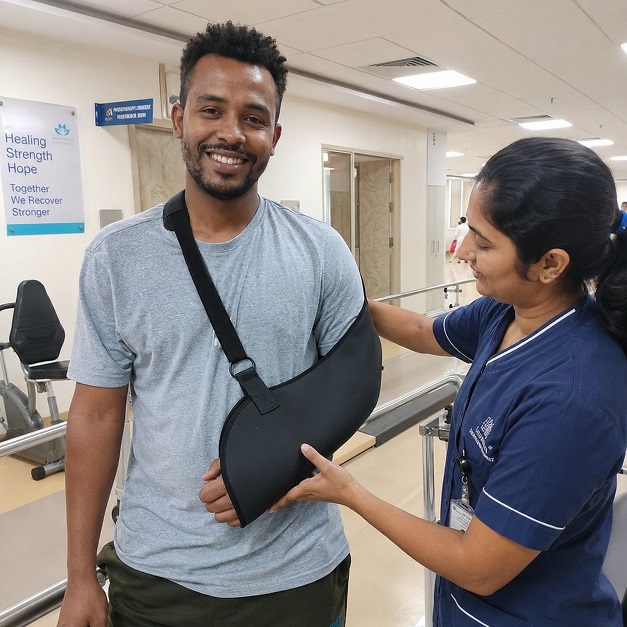
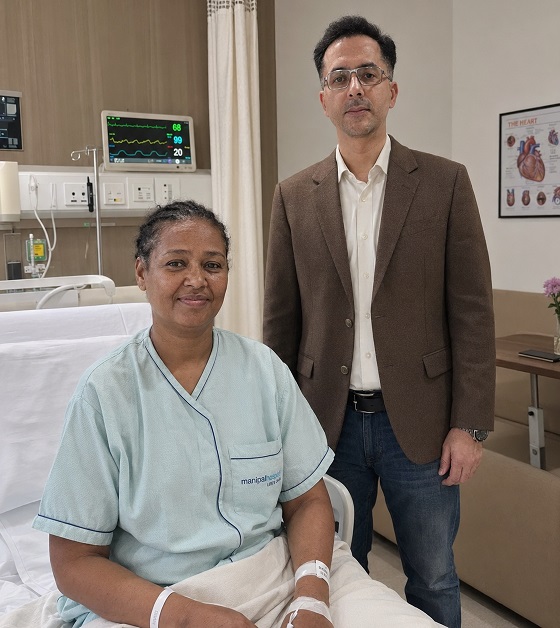
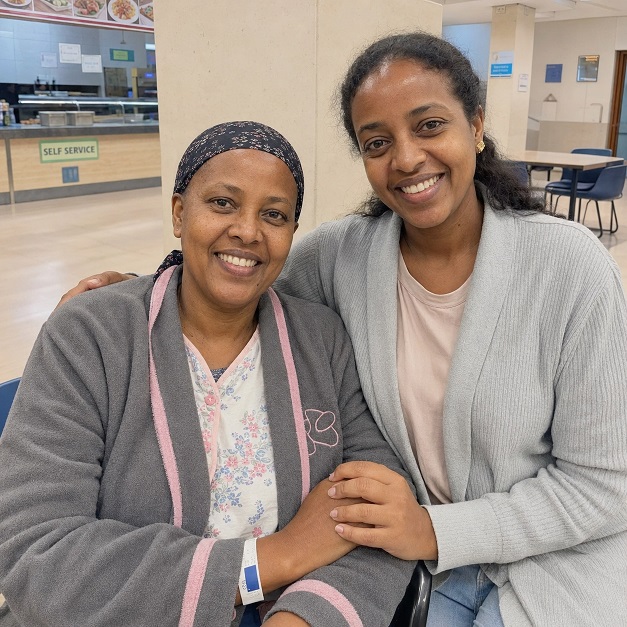
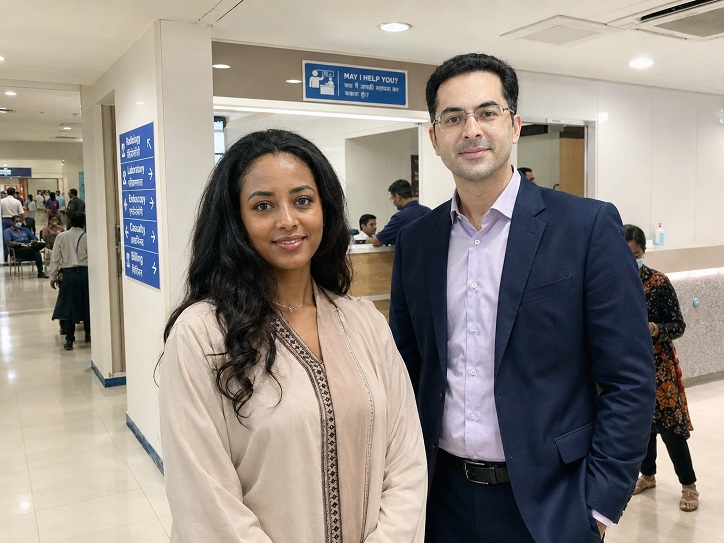
Ready to Take the First Step?
Share your Medical Reports with our Healthcare Managers Today and Get a FREE CONSULTATION, a Personalized Treatment Plan, and Complete Support from Arrival to Recovery.
Get Your Free ConsultationAreas We Serve
This resource has been thoughtfully prepared for patients from Ethiopia who are considering medical treatment in India. We also welcome patients from the wider region in the countries mentioned below-
We assist patients from:
- Eritrea
- Djibouti
- Somalia
- Kenya
- South Sudan
- Sudan
- Burundi
- Comoros
- Ethiopia
- Madagascar
- Malawi
- Mauritius
- Mozambique
- Rwanda
Many of the insights, treatment pathways, hospital recommendations, travel guidance, and patient support services described here are equally relevant and may be used as a reference when planning treatment in India.
From Ethiopia to India: Your Complete Patient Support Guide
- Brain Tumour Surgery in India for Ethiopians
- Cancer Treatment in India for Ethiopians
- Cardiac Surgery in India for Ethiopian Patients
- Cervical and Disc Replacement Surgery in India for Ethiopians
- Cosmetic and Plastic Surgery in India for Ethiopians
- CyberKnife Treatment in India for Ethiopians
- Eye Surgery in India for Ethiopians
- Gamma Knife Treatment in India for Ethiopians
- Heart Valve Replacement Surgery in India for Ethiopians
- Hip Surgery in India for Ethiopian Patients
- Knee Surgery in India for Ethiopian Patients
- Laparoscopic and Robotic Myomectomy Surgery in India for Ethiopians
- Neurosurgery in India for Ethiopians
- Paediatric Cardiac Surgery in India for Ethiopians
- Paediatric Neurosurgery in India for Ethiopians
- Prostate Cancer Treatment and Surgery in India for Ethiopians
- Robotic Cancer Surgery in India for Ethiopians
- Scoliosis Surgery in India for Ethiopians