

Shoulder Surgery in India for Ethiopians
The shoulder is the joint most often over-treated on the strength of a picture alone, and the one whose result depends least on the surgeon and most on what happens for months afterward. This guide starts with both facts before it gets anywhere near a hospital.
Two things make the shoulder different from every other joint in this series, and neither is about which hospital to choose. The first is that a scan of the shoulder very often finds something, whether or not that something is actually the problem. The second is that shoulder surgery, more than almost any operation covered in this series, succeeds or fails in the months afterward rather than on the day itself. In 24 years of arranging surgical care in India for patients across Africa and Asia, more shoulder patients have been let down by these two facts going unexplained than by any surgeon's technique.
| 96% | 3 | 12 mo |
|---|---|---|
| of pain-free shoulders over 40 show a rotator cuff abnormality on MRI | genuinely different shoulder problems, needing three different operations | the true length of recovery most quotations never mention |
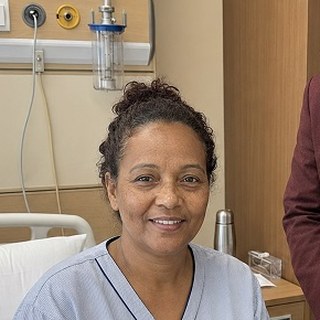
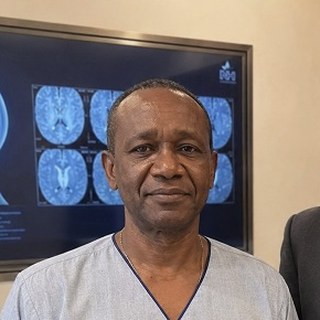
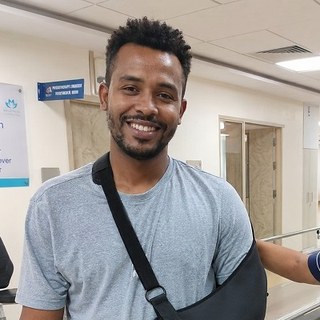
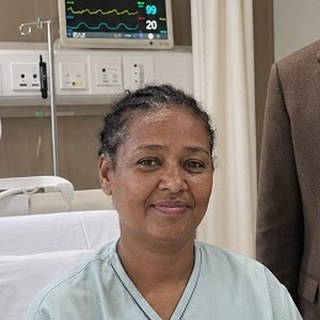
Healing Journeys of Ethiopian Patients


Key Takeaways
- A shoulder MRI should not be treated as the diagnosis by itself. The guide highlights a 2026 study in which 96% of pain-free shoulders in adults over 40 showed a rotator cuff abnormality on MRI. A tear, fraying or other abnormality on a scan therefore does not automatically mean that surgery is necessary.
- Before surgery is recommended, the imaging should be considered alongside how the shoulder behaves, physical examination findings, whether there was an injury, how symptoms developed and whether appropriate physiotherapy has already been attempted.
- The page 2 graphic divides shoulder problems into three broad patterns. Younger, physically active patients more commonly present with instability or recurrent dislocation; middle-aged patients often present with rotator cuff disease; and older patients more commonly develop osteoarthritis that may eventually lead to shoulder replacement.
- These conditions require very different treatments. Shoulder instability may require a stabilising repair to the torn cartilage rim. Rotator cuff disease should usually be approached cautiously because imaging abnormalities are common and physiotherapy is often central. Advanced osteoarthritis may eventually require joint replacement.
- The second chart on page 2 compares five shoulder conditions—rotator cuff tear, instability, frozen shoulder, osteoarthritis and old fracture/trauma—across whether abnormalities are commonly found without symptoms, whether they improve without surgery, whether surgery is often first-line and how important physiotherapy is. The chart reinforces that there is no single pathway called "shoulder surgery."
- Frozen shoulder deserves particular caution. The guide describes it as a condition that genuinely tends to improve with time and physiotherapy, despite potentially severe pain and stiffness, and identifies it as one of the shoulder conditions vulnerable to unnecessary surgery.
- For patients with severe shoulder arthritis requiring replacement, the next question is whether an anatomic or reverse shoulder replacement is appropriate.
- The radar chart on page 3 illustrates the factors influencing this choice, but the guide identifies the rotator cuff as the single most important factor. An anatomic replacement reproduces the shoulder's natural geometry and requires a functioning rotator cuff.
- Shoulder arthroscopy and straightforward rotator cuff repair are increasingly available in Addis Ababa. The guide presents local treatment as reasonable for a well-defined moderate tear, while the argument for travelling becomes stronger for complex or revision surgery, reverse shoulder replacement and instability repairs in high-demand younger patients.
- Indicative Indian hospital costs are approximately USD 2,500–4,500 for shoulder arthroscopy/straightforward repair, USD 3,000–5,500 for more involved rotator cuff repair, USD 2,800–5,000 for instability or labral repair, and USD 6,500–11,000 for anatomic or reverse shoulder replacement. These costs do not include the months of physiotherapy that follow.
Quick Facts
- Specialty
- Shoulder and Orthopaedic Surgery
- Country
- India
- Intended Audience
- Ethiopian patients considering shoulder surgery
- Key Diagnostic Principle
- MRI findings alone should not determine whether surgery is necessary.
- Recovery Message
- The operation takes a few hours; the result may take up to a year.
- Treatment in Ethiopia
- Shoulder arthroscopy and straightforward rotator cuff repair are increasingly available in Addis Ababa.
- Shoulder Arthroscopy/Straightforward Repair Cost
- Approximately USD 2,500–4,500
- More Involved Rotator Cuff Repair Cost
- Approximately USD 3,000–5,500
- Instability/Labral Repair Cost
- Approximately USD 2,800–5,000
- Shoulder Replacement Cost
- Approximately USD 6,500–11,000
- Sample Quotation
- USD 4,200 for unspecified "shoulder surgery"
- Typical Stay in India
- Approximately 1–2 weeks for surgery and initial recovery
- Financial Planning
- The guide states that a bank may release up to USD 20,000 per case against a treating hospital letter under the referenced February 2026 arrangement.
- Pre-Travel Records
- MRI or ultrasound images themselves, description of what the shoulder cannot do, symptom duration and whether symptoms began after an injury.
In Brief
Shoulder surgery in India for Ethiopian patients should not be recommended from an MRI finding alone because rotator cuff abnormalities are extremely common even in pain-free adults over 40. Treatment depends on the actual clinical problem—such as instability, symptomatic rotator cuff disease or osteoarthritis—and on examination, symptoms, injury history and response to physiotherapy. For shoulder replacement, the condition of the rotator cuff is central to choosing between anatomic and reverse designs. The guide also emphasises that shoulder recovery can extend for approximately one year, with structured strengthening and physiotherapy playing a major role in the final result.
The Picture, and the Problem
Why the scan is not the diagnosis
A landmark study published in 2026 scanned the shoulders of over six hundred adults aged forty-one to seventy-six, none of whom had been selected for shoulder pain. Ninety-nine percent had at least one rotator cuff abnormality on MRI. Among shoulders with no symptoms at all, ninety-six percent showed an abnormality — fraying, thickening, partial tears, and even some full-thickness tears, all in people who felt entirely fine. The researchers' own conclusion was blunt: routine imaging should not be used on its own to decide whether an atraumatic, ordinary shoulder pain needs treating as a structural problem.
This matters enormously for a patient deciding whether to travel for surgery. A tear on your MRI report is common, expected with age, and often not the actual source of your pain. What decides whether an operation will help is not the image but the whole picture: how the shoulder examines, how it has behaved over time, whether there was an injury, and whether a proper course of physiotherapy has already been tried. Ask any surgeon proposing an operation to explain their reasoning in those terms, not only in terms of what the scan shows.
Three Shoulders, not One
Which of three different problems do you actually have?
Shoulder surgery is not one specialty with one decision tree. It splits into three genuinely different conditions, and knowing which one applies changes the whole conversation.
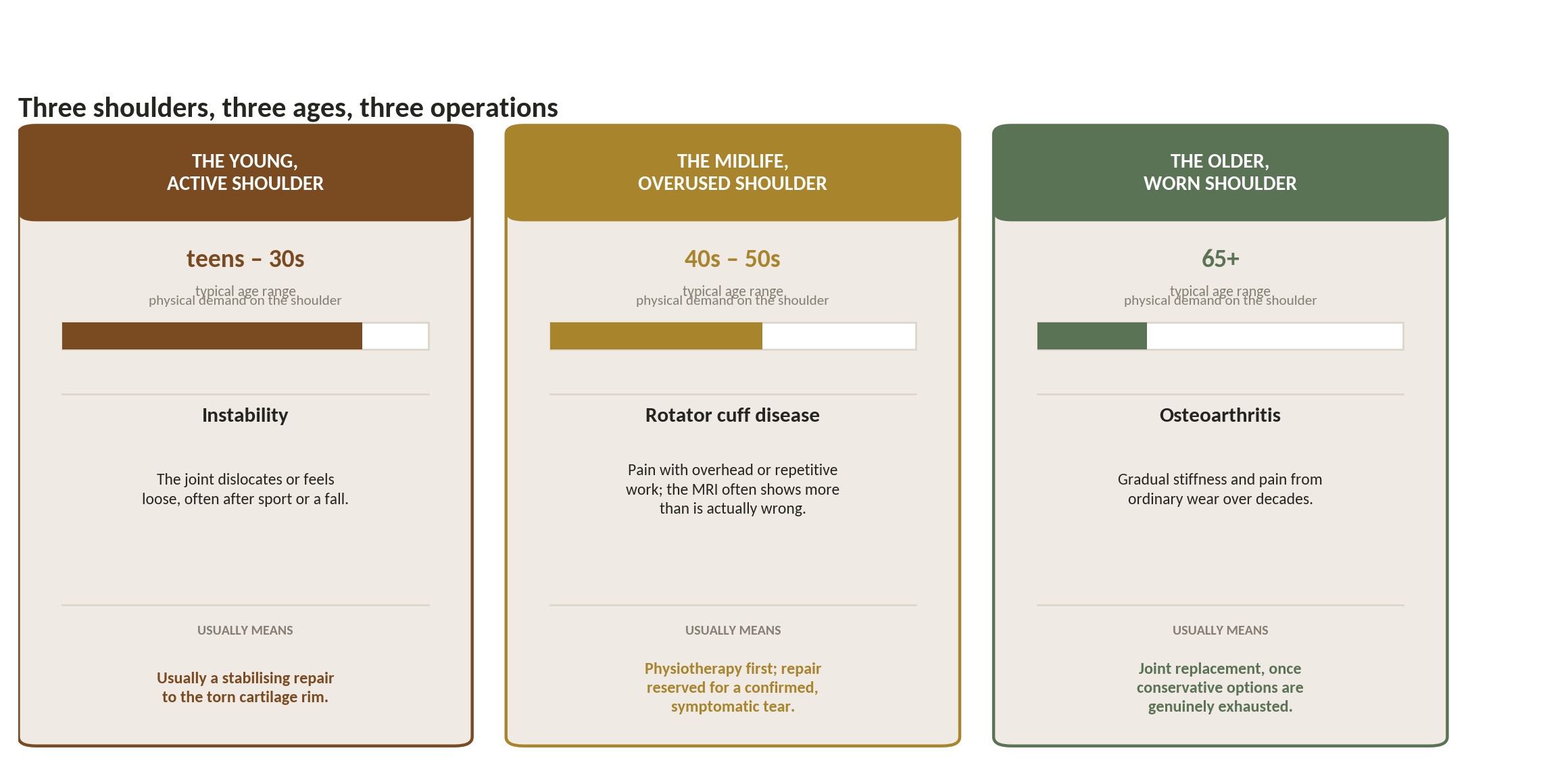
Three ages, three presentations, three different operations — a general pattern, always confirmed by examination.
Younger, more physically active shoulders more often present with instability — a joint that dislocates or feels loose, usually needing a stabilising repair to the torn cartilage rim rather than anything to do with the rotator cuff at all. Midlife shoulders, particularly in people doing repetitive overhead or manual work, more often present with rotator cuff disease, where the caution about imaging above applies most directly. Older shoulders more often present with straightforward wear-and-tear arthritis, where a joint replacement becomes the eventual conversation.
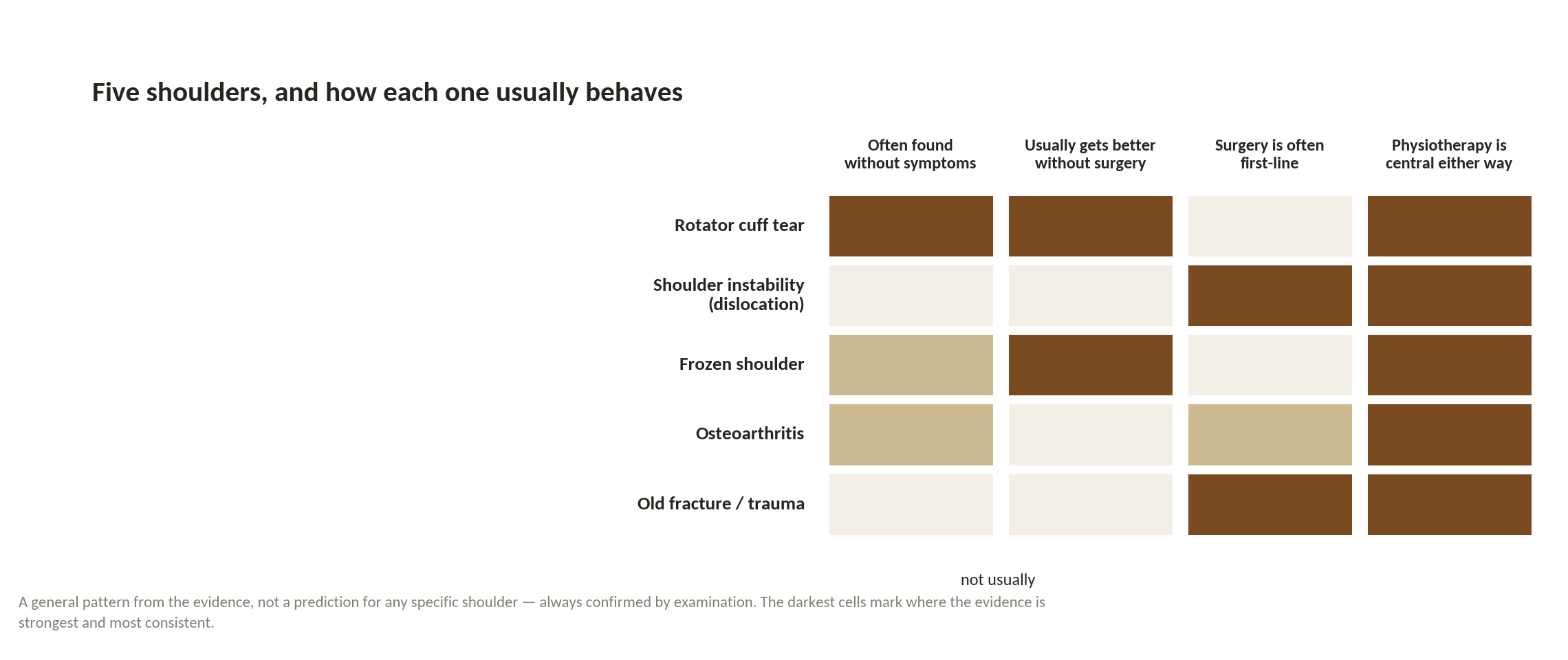
Five shoulders, and how each one usually behaves.
Frozen shoulder deserves its own mention, because it is the one condition in this chart that genuinely tends to improve on its own, given time and physiotherapy, even though the pain and stiffness can be severe in the meantime. It is also one of the most over-operated conditions in this field, precisely because the stiffness looks alarming on the day a patient is examined.
The Replacement Question
Anatomic, or reverse — and why the rotator cuff decides
For the arthritic shoulders in the chart above, a further choice follows, and it turns on one structure more than any other.
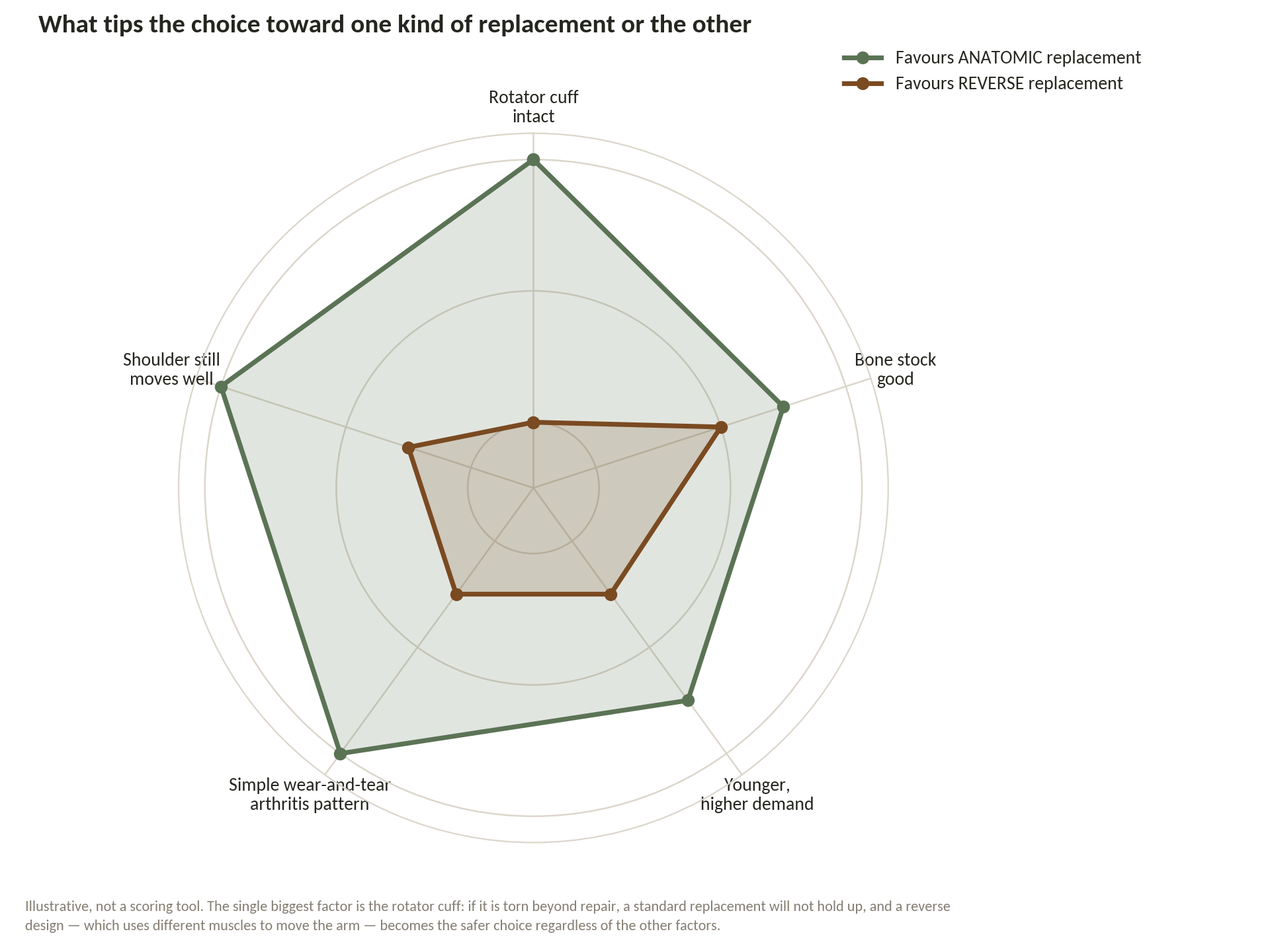
The rotator cuff is the deciding factor more than any other.
An anatomic replacement mimics the shoulder's natural design and relies on the rotator cuff to function normally afterward. It works extremely well where that cuff is intact. A reverse replacement changes the geometry of the joint entirely, so that a different, usually stronger muscle — the deltoid — does the work the rotator cuff can no longer do. It exists specifically for shoulders where the rotator cuff is too damaged for a standard replacement to hold up, and in that situation it is not a lesser option; it is the correct one.
Ask directly which design is planned for you and why, in terms of the state of your own rotator cuff rather than your age alone. Age influences the decision, but the cuff decides it.
The Part After the Operating Theatre
The operation is a few hours. The result takes a year.
This is the single most important idea in this entire guide, and the one most quotations leave out entirely.
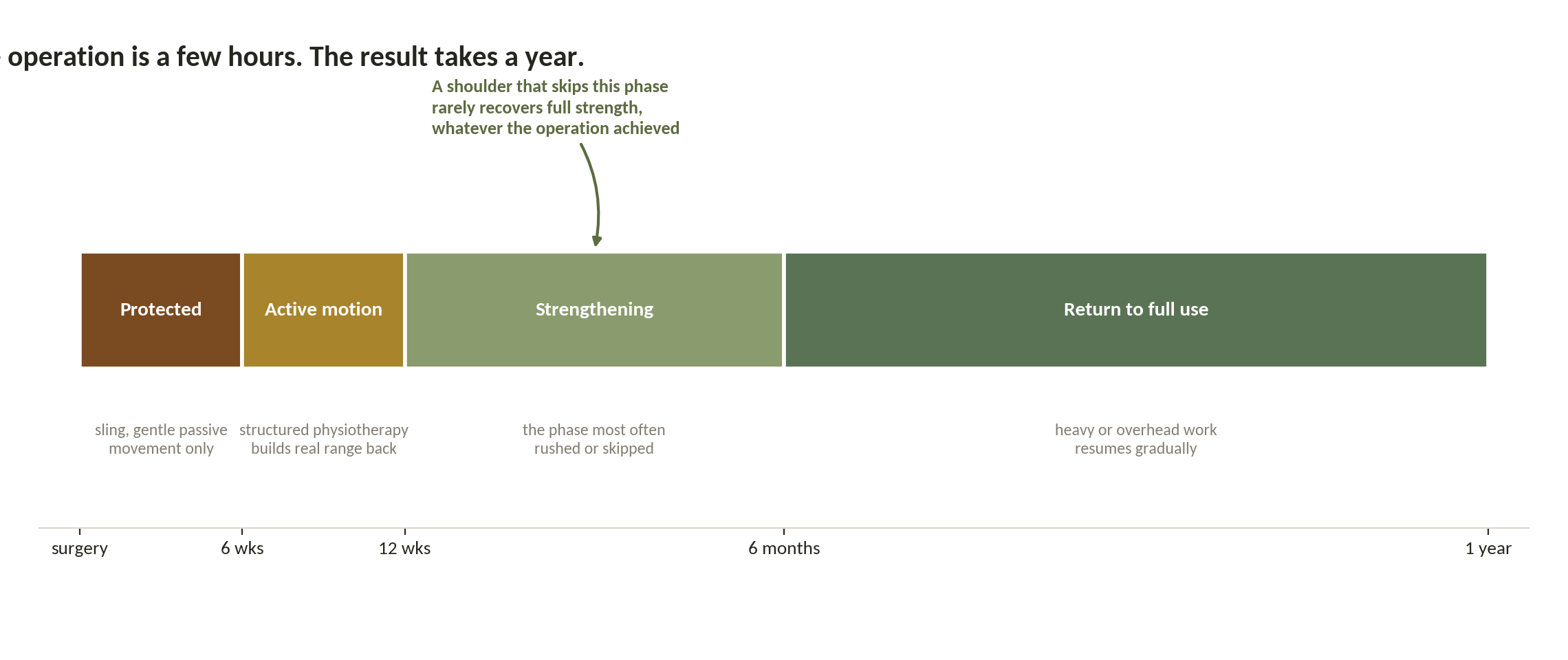
Four phases, and the one most often abandoned too early.
The strengthening phase is where outcomes are actually won or lost. A technically excellent repair, in the hands of an excellent surgeon, can still end in a stiff, weak shoulder if the months of structured strengthening that follow are rushed, interrupted, or abandoned once the pain has settled. Before you travel, arrange who will supervise this phase in Ethiopia, and get a written protocol from the Indian surgical team so that physiotherapist has something specific to follow rather than a general idea.
Ethiopian occupational health research on manual workers — tailors, in one Gondar study, reporting shoulder pain from repetitive overhead work — is a reminder that many patients in this situation will be returning to the very activity that stressed the shoulder in the first place. Planning that return deliberately, in stages, matters as much as the surgery that came before it.
Where, and What it Costs
Ethiopia, India, and the money in between
Shoulder arthroscopy and straightforward rotator cuff repair are increasingly available in Addis Ababa, and for a well- defined, moderate tear this is a reasonable place to be treated. The case for travelling strengthens for complex or revision cases, reverse shoulder replacement specifically, and instability repairs in high-demand younger patients where the surgical technique and rehabilitation protocol both need to be exact.
Ethiopia's health financing does not follow a patient abroad. Community ‐ Based Health Insurance covers contracted facilities inside the country, and the formal ‐ sector scheme is still not settling claims. Since February 2026 a bank may release up to twenty thousand US dollars per case against a letter from the treating hospital, without a visa or ticket in hand.
As planning figures at accredited Indian hospitals in mid ‐ 2026: shoulder arthroscopy and straightforward repair run from about US$2,500 to US$4,500; a more involved rotator cuff repair from about US$3,000 to US$5,500; instability or labral repair from about US$2,800 to US$5,000; and shoulder replacement, anatomic or reverse, from about US$6,500 to US$11,000, reverse generally at the higher end because of the implant. None of these figures include the months of physiotherapy that follow, which should be budgeted and arranged before you fly, not discovered afterward.
In 24 years the shoulder patients most disappointed with their result were rarely the ones with a poor operation. They were the ones who budgeted for a procedure and never budgeted for the year that came after it.
| A quotation, annotatedA composite of the shoulder quotes that reach me, with the questions I send back. | |
| Shoulder surgery — USD 4,200 | For which operation? Arthroscopy, repair and replacement price very differently. |
| Implant: standard system | Anatomic or reverse? Ask which, and why, before the number means anything. |
| Includes: 2 days admission | Reasonable. Ask what a longer stay would add if complications arise. |
| Physiotherapy: 3 sessions included | Three sessions is a start, not the course. Ask what the full plan costs. |
| Excludes: revision if repair fails | Ask this figure now, especially for a large or long-standing tear. |
| Excludes: written rehabilitation protocol | Ask for one anyway — it is what your Ethiopian physiotherapist will need. |
Pay the hospital and never an individual, and never settle a balance before you arrive.
Getting There and Back
The Ethiopian practicalities
Ethiopian Airlines flies non ‐ stop from Bole to Delhi, Mumbai, Bengaluru, Chennai and Hyderabad. A sling and limited arm use make a long flight manageable for most shoulder patients, but confirm with your surgeon when travel is safe, particularly after a replacement, and ask for an aisle seat to make moving and dressing easier during the flight.
Yellow fever certification is required at least ten days before arrival and oral polio vaccination roughly four weeks before. The medical visa follows the hospital's invitation letter through the Embassy of India in Addis Ababa. Confirm current rules with the Embassy, since they change, and ask for an Amharic ‐ speaking coordinator to help translate the rehabilitation protocol into a plan your physiotherapist in Ethiopia can actually follow — this is the single most useful thing a coordinator can do in this particular field.
A closing word
Send the MRI or ultrasound images themselves, not only the report, along with a description of what the shoulder actually cannot do, when that started, and whether there was an injury. I will tell you which of the three shoulders this looks like, whether the imaging findings match the story you are telling me, and where the honest answer is a course of physiotherapy rather than an operation, I will say so.
Sources
- 🌐 Ibounig T, et al. Incidental rotator cuff abnormalities on magnetic resonance imaging. JAMA Internal Medicine, 2026
- 🌐 Physical environmental and occupational factors inducing work-related neck and shoulder pain among self-employed tailors in Ethiopia
- 🌐 The prevalence of occupational injury and its associated factors in Ethiopia: a systematic review and meta-analysis
- 🌐 National Medical Commission of India — Indian Medical Register, for verifying a treating surgeon's qualification and registration
- 🌐 National Accreditation Board for Hospitals & Healthcare Providers (NABH), Quality Council of India
- 🌐 National Bank of Ethiopia Directive FXD/04/2026 (foreign exchange, advance payments for treatment abroad); Embassy of India, Addis Ababa
Frequently Asked Questions by Ethiopians about Shoulder Surgery in India
My MRI shows a rotator cuff tear. Does that mean I definitely need shoulder surgery?
No. The guide specifically warns against making the decision from an MRI alone. It cites a 2026 study in which 96% of pain-free shoulders in adults over 40 showed a rotator cuff abnormality on MRI. Whether surgery is appropriate depends on the patient's symptoms, physical examination, injury history, shoulder function and response to a proper course of physiotherapy—not simply the wording of the scan report.
What types of shoulder problems commonly require different surgical approaches?
The page 2 graphic separates shoulder problems into three broad patterns. Younger, physically active patients more commonly experience instability or recurrent dislocation, which may require stabilising repair. Middle-aged patients more often develop rotator cuff disease, where physiotherapy is generally considered first and repair is reserved for confirmed symptomatic tears. Older patients more commonly develop osteoarthritis, where shoulder replacement may eventually be considered after conservative options are exhausted.
Does frozen shoulder usually require surgery?
The guide says that frozen shoulder genuinely tends to improve with time and physiotherapy, even though the pain and stiffness can be severe. It also describes frozen shoulder as one of the most over-operated conditions because the degree of stiffness can look alarming when the patient is examined. The source therefore does not present surgery as the routine first-line approach for frozen shoulder.
What is the difference between anatomic and reverse shoulder replacement?
An anatomic shoulder replacement mimics the shoulder's natural design and depends on an intact rotator cuff to function properly. A reverse shoulder replacement changes the geometry of the joint so that the deltoid muscle can perform work that a severely damaged rotator cuff can no longer do. The page 3 chart emphasises that rotator cuff integrity is the most important factor influencing this choice.
How much does shoulder surgery in India cost for Ethiopian patients?
The guide gives indicative mid-2026 Indian hospital planning ranges of approximately USD 2,500–4,500 for shoulder arthroscopy and straightforward repair, USD 3,000–5,500 for a more involved rotator cuff repair, USD 2,800–5,000 for instability or labral repair, and USD 6,500–11,000 for anatomic or reverse shoulder replacement. Reverse replacement is generally toward the higher end because of the implant.
How long does recovery take after shoulder surgery?
The guide's key message is: "The operation is a few hours. The result takes a year." The page 4 recovery timeline moves through protected recovery, active motion, strengthening and eventual return to full use. Active rehabilitation builds through the early months, while heavy or overhead activity returns gradually. The overall recovery pathway can extend toward 12 months.
Why is physiotherapy so important after shoulder surgery?
According to the guide, shoulder outcomes depend heavily on the months of structured rehabilitation after the operation. The page 4 timeline identifies strengthening as the phase most often rushed or abandoned too early. Even a technically excellent repair can leave a patient with a stiff and weak shoulder if rehabilitation is interrupted. Ethiopian patients should therefore arrange ongoing physiotherapy at home and obtain a written rehabilitation protocol before leaving India.
Can shoulder surgery be performed in Ethiopia instead of travelling to India?
Yes, for selected cases. The guide states that shoulder arthroscopy and straightforward rotator cuff repair are increasingly available in Addis Ababa, and a well-defined moderate tear may reasonably be treated there. It presents the case for travelling as stronger for complex or revision surgery, reverse shoulder replacement and instability repairs in high-demand younger patients where both surgical technique and rehabilitation need to be carefully coordinated.
How long should an Ethiopian patient stay in India after shoulder surgery?
The document suggests approximately 1–2 weeks in India for the operation and initial recovery. However, this should not be confused with complete recovery. Physiotherapy continues for months after returning home, and the full rehabilitation pathway can extend toward a year. The surgeon should also confirm when flying is safe, particularly after shoulder replacement.
What should Ethiopian patients send before requesting a shoulder surgery opinion from India?
The guide recommends sending the actual MRI or ultrasound images rather than only the written report. Patients should also explain what the shoulder cannot currently do, when the problem started, whether there was a specific injury and what treatment or physiotherapy has already been attempted. This helps determine whether the imaging abnormality actually matches the patient's symptoms and whether surgery is genuinely appropriate.
My MRI shows a rotator cuff tear. Do I definitely need surgery?
Not necessarily. A large recent study found abnormalities on the MRI of the great majority of pain-free shoulders in people over 40 — many tears are simply age-related changes, not the cause of your symptoms. How the shoulder actually behaves matters more than the picture alone.
What's the difference between anatomic and reverse shoulder replacement?
Anatomic replacement mimics the shoulder's normal design and needs an intact rotator cuff to work well. Reverse replacement changes the geometry so different muscles move the arm, which is why it is chosen when the rotator cuff is too damaged for a standard replacement to hold up.
Why does physiotherapy matter so much after shoulder surgery?
More than almost any other joint, a shoulder's outcome is decided by the months of structured rehabilitation afterwards, not only the operation itself. A technically excellent repair can still end in a stiff, weak shoulder if the strengthening phase is rushed or skipped.
How long will I need to be in India?
Around one to two weeks for the surgery and initial recovery. The physiotherapy that follows, though, runs for months and should be arranged to continue in Ethiopia before you leave India.
Who pays for this in Ethiopia?
You do. Neither community-based insurance nor the pending formal-sector scheme funds treatment abroad, though a bank may now advance up to US$20,000 against the hospital's letter.
Page Summary
This guide opens by challenging two assumptions: that an abnormal scan justifies surgery, and that the operation is the treatment. Rotator cuff abnormalities appear in 96% of pain-free shoulders over 40, so examination, symptoms, injury history and response to physiotherapy matter more than the MRI alone. Shoulder problems divide into instability in younger patients, cuff disease in middle age and arthritis in older shoulders, with physiotherapy central across most of it. Where replacement is needed, rotator cuff integrity decides between an anatomic and a reverse implant. The recovery timeline is the real message — about a year from protected recovery through strengthening, the phase where results are won or lost. Straightforward arthroscopy and cuff repair suit Addis Ababa; complex revisions and reverse replacements are the reason to travel, at USD 2,500–5,500 rising to USD 6,500–11,000.
Citation Block
| Topic | Information |
|---|---|
| Topic Information | Shoulder Surgery in India for Ethiopians |
| Specialty | Orthopaedic Shoulder Surgery |
| Country | India |
| Intended Audience | Ethiopian Patients with Shoulder Conditions |
| Conditions Covered | Rotator Cuff Disease, Shoulder Instability, Frozen Shoulder, Osteoarthritis and Old Fracture/Trauma |
| Procedures | Shoulder Arthroscopy, Rotator Cuff Repair, Instability/Labral Repair, Anatomic Shoulder Replacement and Reverse Shoulder Replacement |
| Typical Stay in India | Approximately 1–2 Weeks for Surgery and Initial Recovery |
| Hospital Stay | Sample Quotation Includes 2 Days |
| Recovery | Structured Rehabilitation for Months; Full Recovery May Extend Toward 12 Months |
| Shoulder Arthroscopy/Repair Cost | Approximately USD 2,500–4,500 |
| Rotator Cuff Repair Cost | Approximately USD 3,000–5,500 |
| Follow-Up | Rehabilitation Should Be Arranged in Ethiopia Before Travelling |


Our Mission Statement
Our mission is to place patients at the centre of every healthcare decision by providing trustworthy, evidence-based, and unbiased medical information. We believe that informed patients make better decisions. Backed by personalised guidance from our experienced advisory team, we help patients understand their treatment options, compare them objectively, and confidently choose the path that best suits their medical needs and personal circumstances.
Patient Testimonials from Ethiopia

Ready to Take the First Step?
Share your Medical Reports with our Healthcare Managers Today and Get a FREE CONSULTATION, a Personalized Treatment Plan, and Complete Support from Arrival to Recovery.
Get Your Free ConsultationAreas We Serve
This resource has been thoughtfully prepared for patients from Ethiopia who are considering medical treatment in India. We also welcome patients from the wider region in the countries mentioned below-
We assist patients from:
- Eritrea
- Djibouti
- Somalia
- Kenya
- South Sudan
- Sudan
- Burundi
- Comoros
- Ethiopia
- Madagascar
- Malawi
- Mauritius
- Mozambique
- Rwanda
Many of the insights, treatment pathways, hospital recommendations, travel guidance, and patient support services described here are equally relevant and may be used as a reference when planning treatment in India.
From Ethiopia to India: Your Complete Patient Support Guide
- Brain Tumour Surgery in India for Ethiopians
- Cancer Treatment in India for Ethiopians
- Cardiac Surgery in India for Ethiopian Patients
- Cervical and Disc Replacement Surgery in India for Ethiopians
- Cosmetic and Plastic Surgery in India for Ethiopians
- CyberKnife Treatment in India for Ethiopians
- Eye Surgery in India for Ethiopians
- Gamma Knife Treatment in India for Ethiopians
- Heart Valve Replacement Surgery in India for Ethiopians
- Hip Surgery in India for Ethiopian Patients
- Knee Surgery in India for Ethiopian Patients
- Laparoscopic and Robotic Myomectomy Surgery in India for Ethiopians
- Neurosurgery in India for Ethiopians
- Paediatric Cardiac Surgery in India for Ethiopians
- Paediatric Neurosurgery in India for Ethiopians
- Prostate Cancer Treatment and Surgery in India for Ethiopians
- Robotic Cancer Surgery in India for Ethiopians
- Scoliosis Surgery in India for Ethiopians