

Weight Loss and Bariatric Surgery in India for Zambian Patients
Across much of Zambia, carrying extra weight has long been read as a sign of health and prosperity — which means the first, hardest step toward treatment is often not access or cost, but recognising that a health risk exists at all.
Obesity is a medical condition with real, measurable health consequences — but it is one of the few conditions in this guide series where the biggest barrier to treatment is not always distance or money, but whether the person carrying the extra weight, and the people around them, recognise it as something to treat at all. In 24 years of guiding patients through weight-loss treatment abroad, I have found that the families who do best are the ones who have already had an honest conversation about this before they ever contact a hospital. This guide sets out why that conversation matters here in particular, and what the treatment landscape — surgical and medical — actually looks like today.
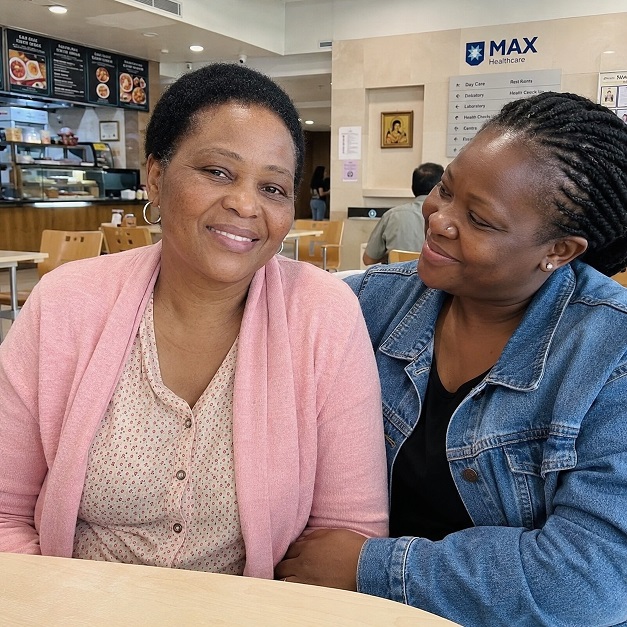
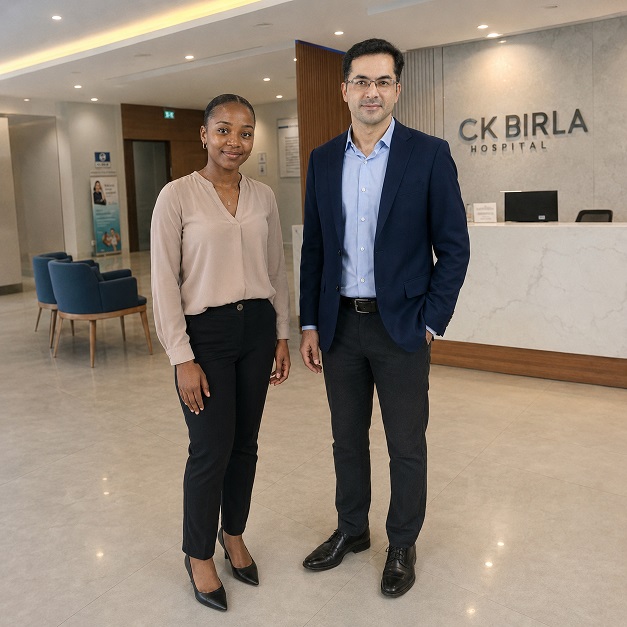
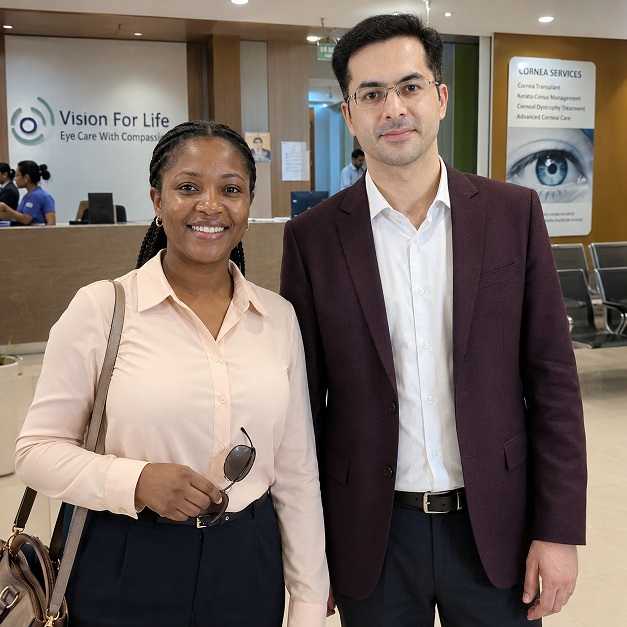
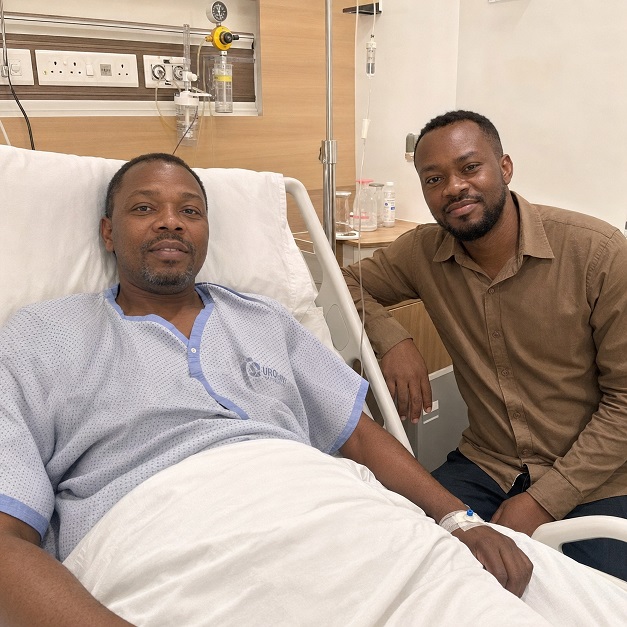
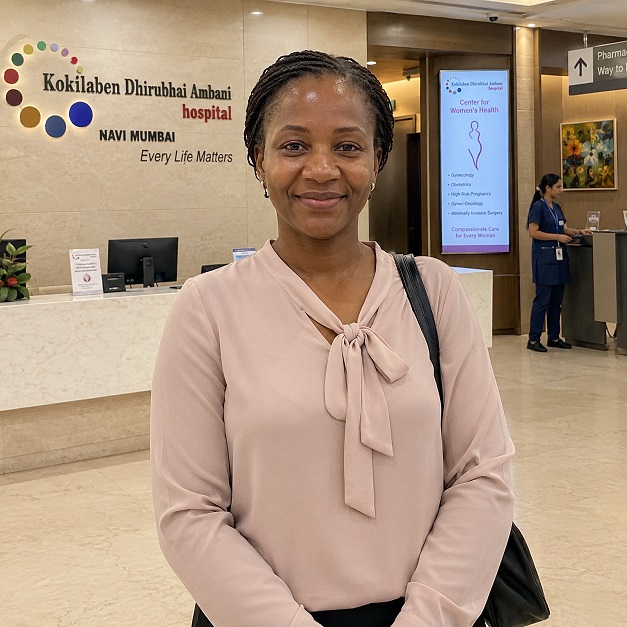
Healing Journeys of Zambian Patients
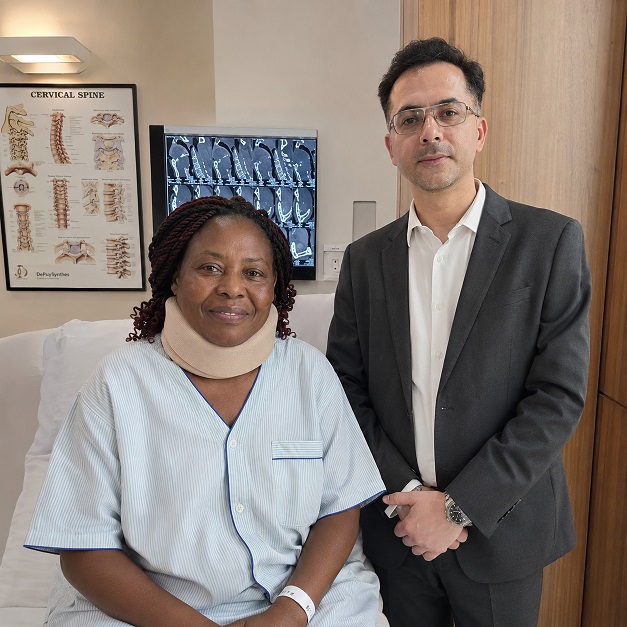
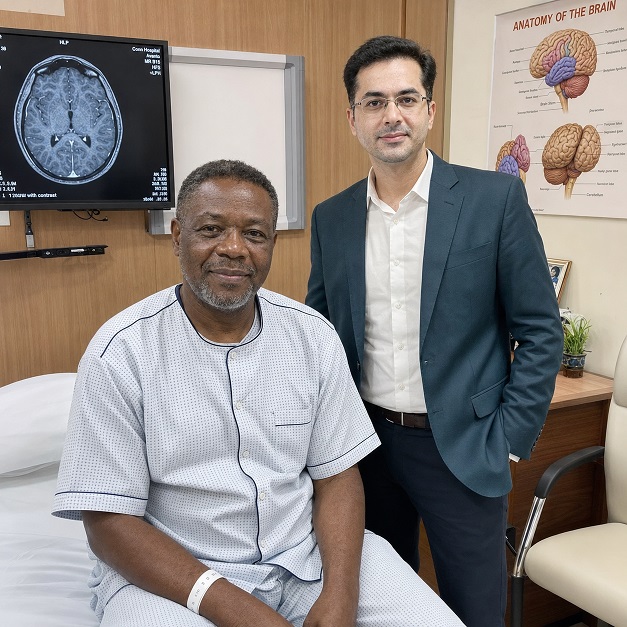
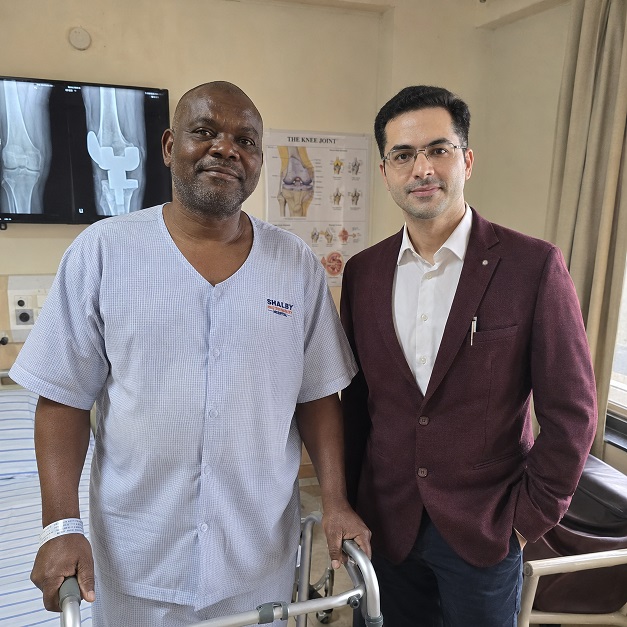
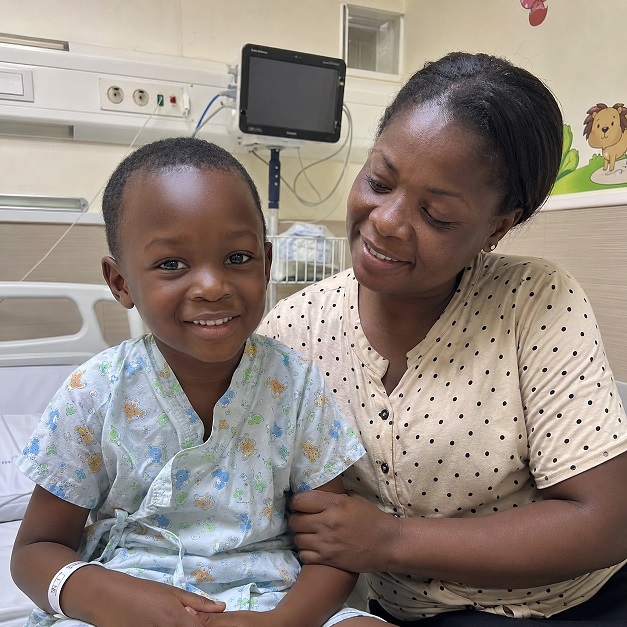
None of this is about judgement. Obesity develops through a combination of genetics, environment, and circumstance largely outside any one person's control, and the goal of this guide is simply to make sure that whatever decision a patient and family make, it is made with accurate information rather than either dismissal or unnecessary shame.
Key Takeaways
- The guide explains that obesity is a genuine medical condition with links to type 2 diabetes, high blood pressure, heart disease, joint problems and certain cancers. It also highlights a major challenge in Zambia: many adults who are medically overweight or obese do not perceive themselves as being overweight.
- The page 1 chart shows that among adults with a BMI of 25 or above in the cited rural Zambian study, only 27.6% correctly perceived themselves as overweight, while 58.2% considered themselves normal weight and 14.2% considered themselves underweight. This highlights why an honest, health-focused conversation can be an important first step before considering treatment.
- The treatment landscape has changed with weekly GLP-1 medications such as semaglutide and tirzepatide. The guide recognises medication as an appropriate option for some patients but explains that bariatric surgery generally produces greater and more durable weight loss, while stopping medication can result in significant weight regain.
- The page 2 comparison chart gives illustrative average total body-weight loss of approximately 15% with semaglutide, 21% with tirzepatide, 25% with gastric sleeve and 29% with gastric bypass. The guide stresses that medication requires continuous access, whereas surgery is a one-time procedure followed by lifelong monitoring.
- The guide presents BMI ≥40, or ≥35 with a significant obesity-related condition, as a situation where bariatric surgery is well supported. It also describes a staged approach for patients who prefer to try medication first and notes that surgery may be more realistic when reliable long-term access to GLP-1 medication in Zambia cannot be guaranteed.
- A major message is that bariatric surgery is a programme, not simply an operation. Good programmes should involve a surgeon, dietitian and ideally a psychologist, with structured pre-operative assessment and post-operative nutritional support. Patients should also understand that deficiencies in B12, iron, folate and vitamin D can require lifelong monitoring and supplementation.
- The page 4 cost chart gives representative bariatric-surgery costs of approximately US$5,000 in India, compared with US$16,000 in the UK and US$24,000 in the US. The guide emphasises that patients should compare the complete programme—including surgery, hospital stay, nutritional support, follow-up and long-term monitoring—rather than comparing the operation's price alone.
Quick Facts
- Author
- Dr. Dheeraj Bojwani
- Experience
- 24+ Years of Experience
- Treatment
- Weight Loss & Bariatric Surgery
- Patients
- Zambian Patients with Obesity
- Key Specialist
- Bariatric Surgeon / Obesity Treatment Team
- Main Options
- Bariatric surgery, GLP-1 medication or a staged approach
- Surgery Indication
- BMI ≥40, or ≥35 with a significant obesity-related condition
- Common Procedures
- Gastric sleeve and gastric bypass
- Illustrative Weight Loss
- ~25% sleeve and ~29% bypass
- Medication Options
- Semaglutide and tirzepatide
- Medication Consideration
- Requires reliable long-term supply
- Key Programme
- Surgeon, dietitian and ideally psychologist
- Monitoring
- Lifelong nutritional and vitamin monitoring after surgery
- Key Nutrients
- B12, iron, folate and vitamin D
- Hospital Check
- NABH accreditation, ideally JCI
- India Cost
- Approximately US$5,000
- Pre-Travel Records
- Recent blood tests, medical history and obesity-related conditions
- Follow-Up
- Long-term monitoring with a Zambian doctor
- Key Decision
- Compare surgery and medication based on medical suitability, long-term access and total cost.
In Brief
For Zambian patients, the guide's central message is that weight-loss treatment should be approached as long-term medical care rather than a cosmetic procedure. Medication can be appropriate for some patients, but bariatric surgery may provide greater and more durable weight loss for suitable patients, particularly when long-term access to GLP-1 medication is uncertain. The guide gives a representative bariatric-surgery cost of US$5,000 in India.
Why this is different here
Zambia, like much of the region, faces what researchers call a double burden of malnutrition: undernutrition remains a serious problem, particularly among rural children, while overweight and obesity have risen sharply, especially in urban areas, driven by a shift toward processed, energy-dense food and less physically active daily life. Roughly a quarter of Zambian adults are now classified as overweight. But the cultural meaning attached to body size has not always kept pace with this shift. In several African settings, including Zambia, being visibly larger has historically signalled that a person is well- fed, prosperous and healthy — and some studies have even found weight loss associated, however unfairly, with the stigma of illness. This is not a criticism of anyone's beliefs; it is simply a real barrier that a purely medical conversation about BMI and surgery tends to miss.
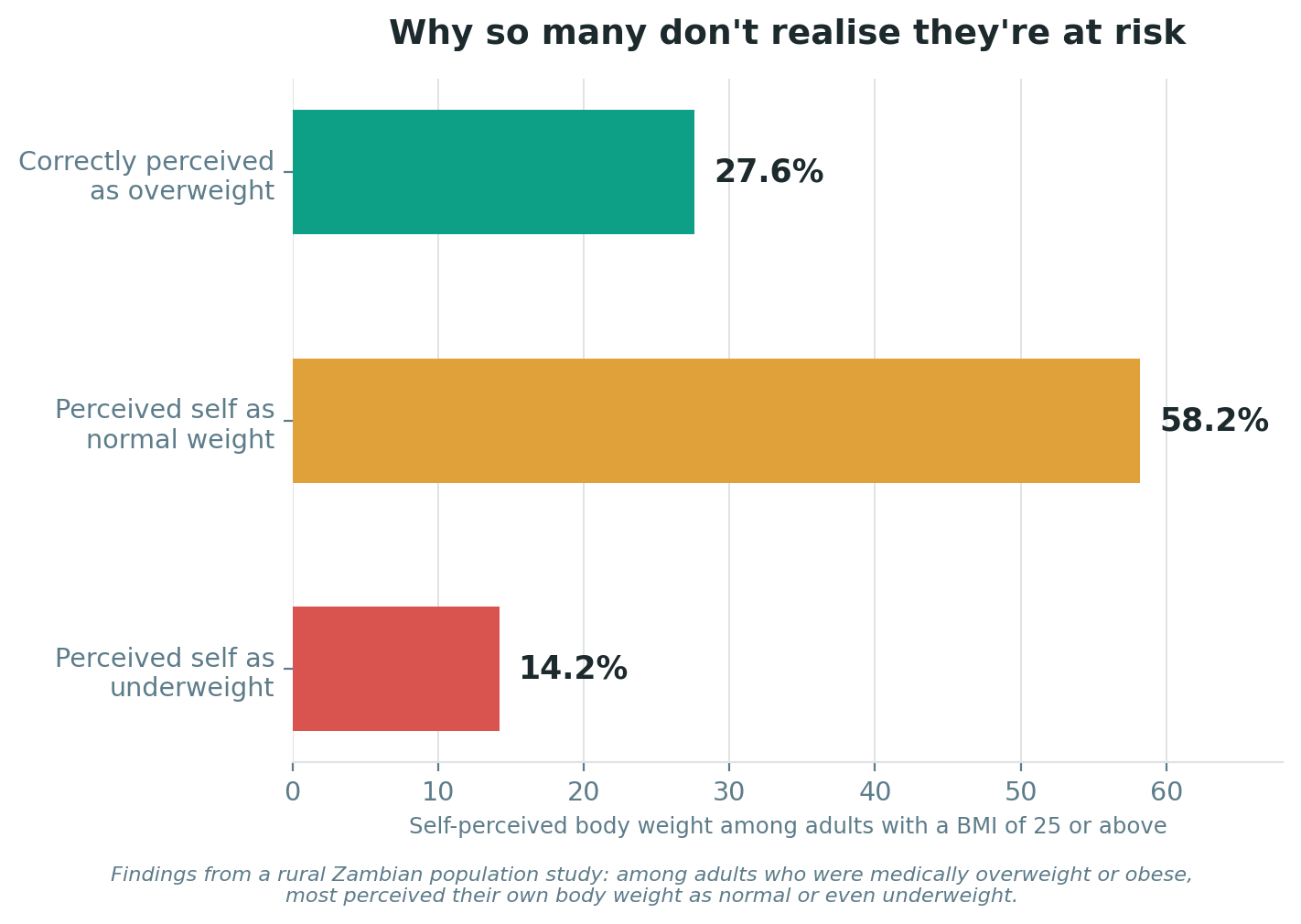
A striking finding: most Zambian adults who were medically overweight did not perceive themselves that way.
This matters practically because obesity is not a cosmetic issue — it is a major, well-established driver of type 2 diabetes, high blood pressure, heart disease, joint problems and certain cancers, and its health consequences do not depend on whether they are recognised. Across Africa, the number of adults living with diabetes, closely tied to rising obesity, is projected to rise faster than in any other region in the world over the coming decades.
It is also worth being clear that this is not a simple story of "too much food." The same rapid dietary shift driving rising obesity in urban Zambia — toward refined, processed food higher in sugar, salt and fat, and lower in the fruit and vegetables most Zambians already fall short of — is occurring alongside continued undernutrition in rural areas, sometimes within the same extended family. Understanding obesity as part of this broader nutritional transition, rather than a purely individual failing, helps explain why it is rising so quickly and why blame is rarely a useful starting point for treatment.
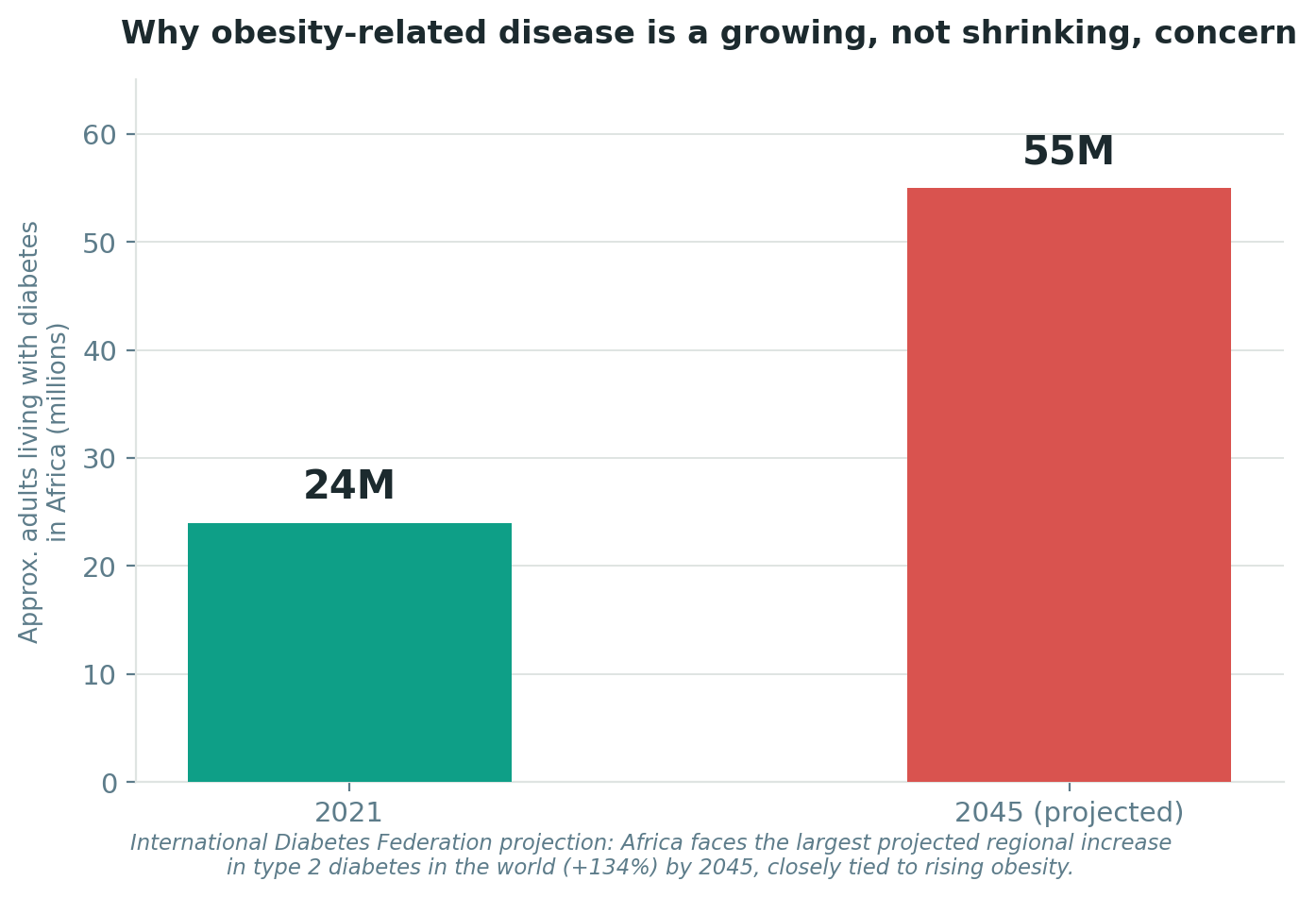
This is a growing health burden, not a passing trend — which is exactly why early, honest recognition matters.
Surgery, medication, or both? The landscape has changed
For many years, the choice for someone with severe obesity was between lifestyle change alone and bariatric surgery. That landscape has shifted with the arrival of a new generation of weekly injectable medications — semaglutide and tirzepatide among them — that can produce substantial weight loss without an operation. These medications are a genuine, welcome addition to obesity treatment, and for some patients they are the right choice. But the evidence so far is consistent: bariatric surgery still produces greater, more durable weight loss than medication alone, and stopping the medication typically leads to significant weight regain, since it does not change the anatomy the way surgery does.
It is worth understanding why the two approaches differ so much in durability. Surgery physically changes the size of the stomach or the path food takes through the digestive system, producing effects that persist even if a patient later becomes less strict about diet. Medication, by contrast, works by acting on appetite and digestion for as long as it is taken; once it stops, those effects stop too, and most of the biological drive to regain weight returns. This is not a flaw in the medication — it is simply how it works — but it is essential to understand before choosing it as a long-term plan.
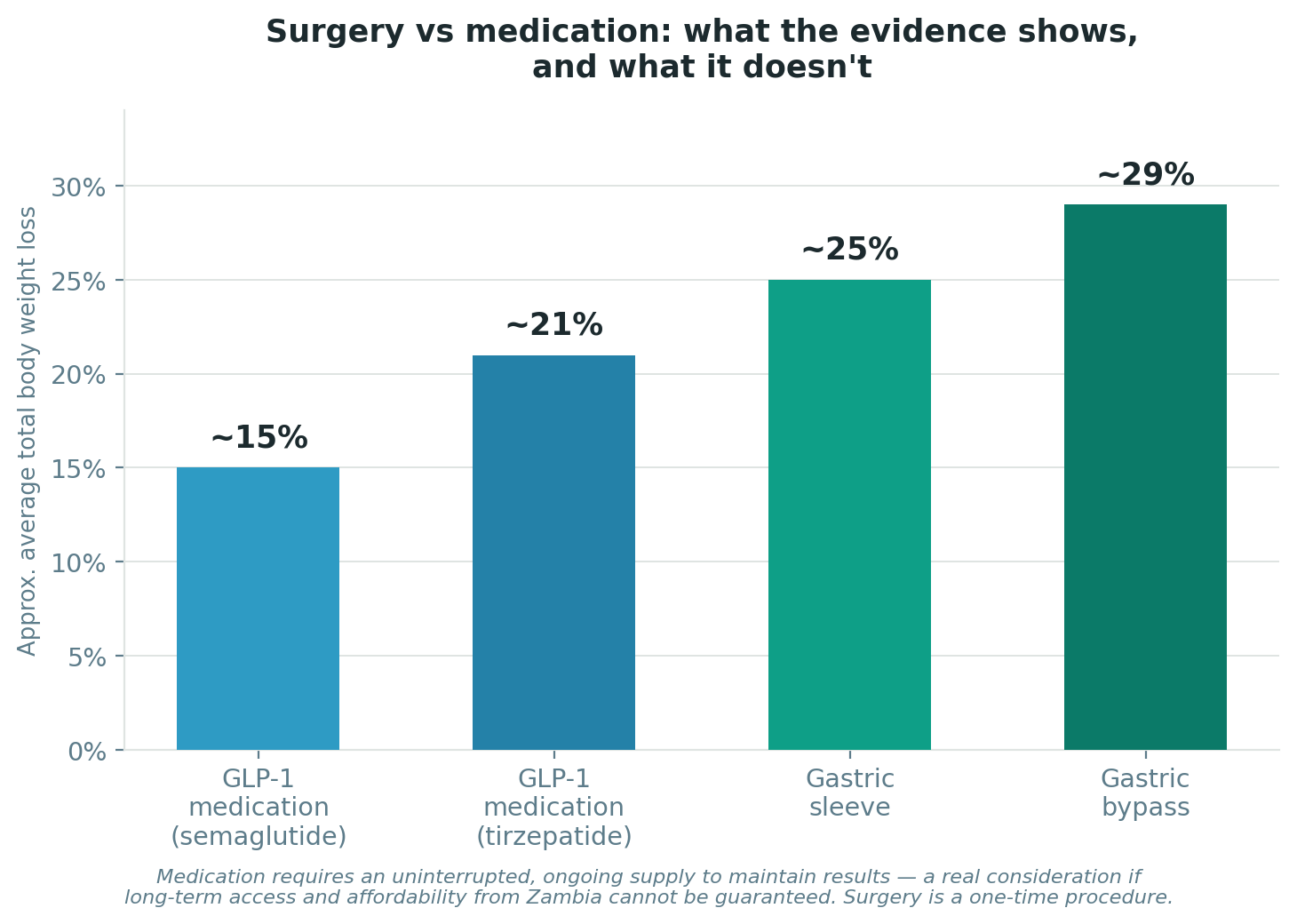
Medication needs to be taken indefinitely to keep working — a genuine consideration when long-term supply is not guaranteed.
| Your situation | Typical approach | What it involves |
|---|---|---|
| BMI 30-35, no major comorbidities, wants a non-surgical option | GLP-1 medication may be appropriate | Weekly injection, ongoing for as long as weight loss needs to be maintained; requires reliable, continuous supply |
| BMI ≥40, or ≥35 with a significant obesity-related condition | Bariatric surgery is well-supported | Sleeve gastrectomy or gastric bypass, chosen based on individual assessment; a one-time procedure with lifelong follow-up needs |
| Prefers to try medication before considering surgery | A staged approach is reasonable for many | Some patients use medication first, and move to surgery later if needed, or use both together in some cases |
| Cannot guarantee reliable long-term access to medication | Surgery may be the more realistic long-term option | A single procedure does not depend on an uninterrupted supply chain reaching Zambia indefinitely |
| Significant vitamin or mineral deficiency risk after surgery | Lifelong monitoring and supplementation required | Regular blood tests and vitamin supplementation, arranged with a local doctor before you travel |
The single most important thing: this is a programme, not an operation
Bariatric surgery is not a stand-alone procedure. Good programmes involve a surgeon, a dietitian, and ideally a psychologist, working together before and after the operation, because lasting success depends as much on the changes a patient makes to eating habits and activity as on the surgery itself. A centre that offers to schedule surgery after a single consultation, without this kind of structured assessment, is not giving you the whole picture. Ask specifically what pre-operative preparation and post-operative support, including nutritional counselling, are included in your plan.
Choosing the surgeon and the hospital
Ask how the centre assesses candidates before agreeing to operate, and whether they are willing to recommend against surgery, or toward medication instead, if that is genuinely the better choice for you. Confirm accreditation (NABH, ideally JCI), and ask specifically about their programme for managing the lifelong vitamin and mineral deficiencies that can follow bariatric surgery, particularly of B12, iron, folate and vitamin D, since these require ongoing monitoring for the rest of your life, not just in the months after surgery.
If you are considering GLP-1 medication instead of or alongside surgery, ask how ongoing prescriptions and monitoring would work once you are back in Zambia, since these medications are not yet widely available or affordable in the country, and a treatment plan that assumes uninterrupted access may not be realistic.
It is also worth asking directly what proportion of the centre's patients are travelling internationally, and how they support the practical realities of long- distance follow-up specifically, since this differs meaningfully from supporting a domestic Indian patient who can attend in-person appointments easily. A centre experienced with international patients will have clear systems for remote follow-up already in place.
Cost and value: how to weigh the money honestly
Bariatric surgery in a good Indian hospital costs a small fraction of the equivalent procedure in the West, and India has extensive experience treating international patients. The saving is real, but the true cost of treating obesity well includes the years of follow-up, monitoring and, if relevant, medication that come after the initial procedure or prescription.
It is also worth thinking about the cost of GLP-1 medication over time, not just the surgery it is sometimes compared against. Even where these medications are available, their ongoing weekly cost over years can add up to considerably more than a one-time surgical procedure, which is worth factoring into an honest comparison rather than looking only at the upfront price of each option.
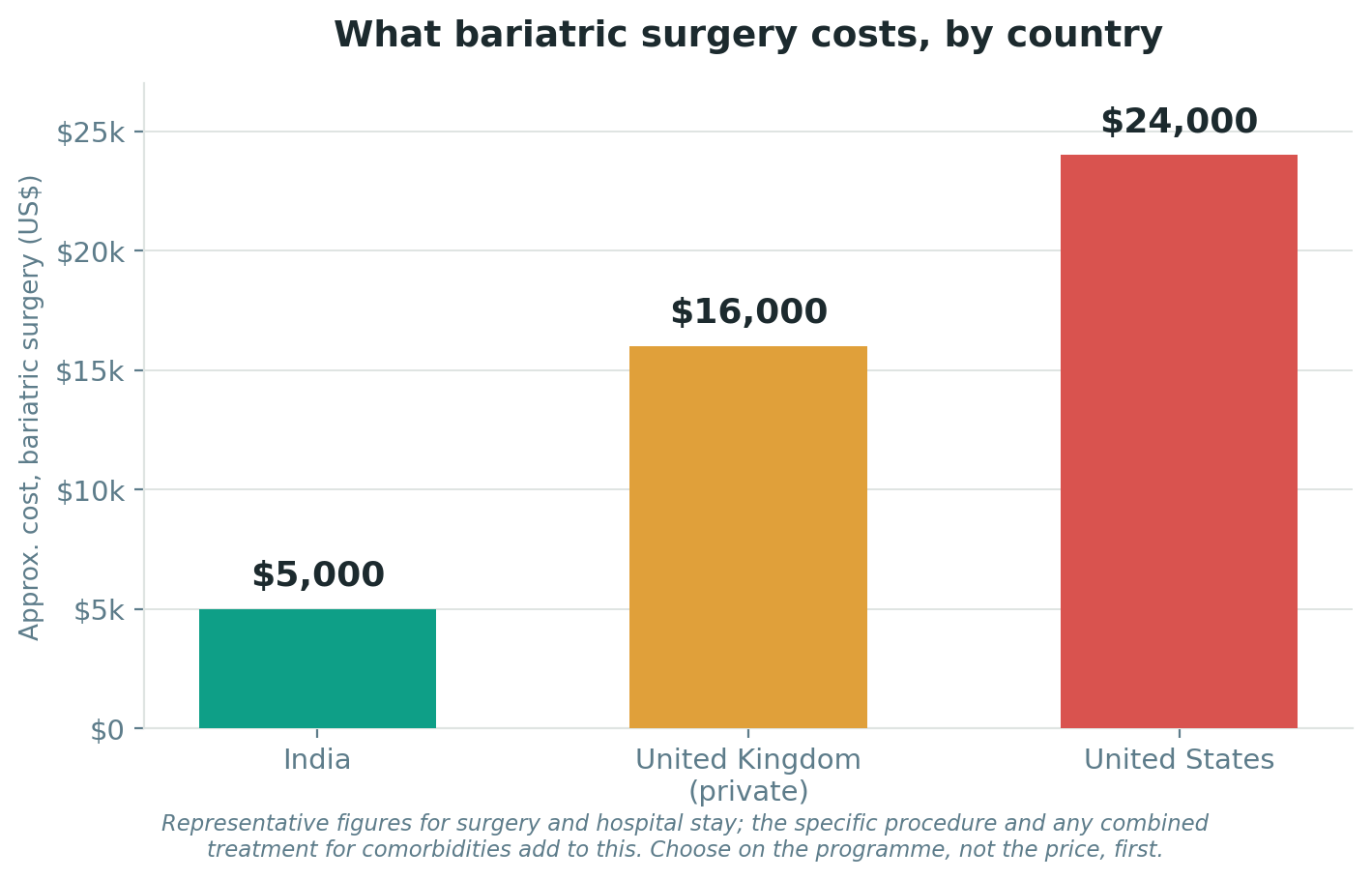
India's affordability is genuine — but the programme around the surgery matters as much as the price.
In 24 years of arranging these journeys, I have found that patients who go in with a clear, honest understanding of obesity as a lifelong condition requiring ongoing management, rather than a single fix, tend to have both better weight-loss outcomes and fewer regrets. Ask for a written, itemised quote covering the surgery, hospital stay, and the structure of your post-operative nutritional support.
What a Zambian patient should weigh in particular
Beyond the treatment decision itself, several practical matters deserve attention. First, payment: NHIMA funds care at accredited facilities inside Zambia, not treatment abroad, so this comes from your own resources — another reason to be confident the treatment plan, surgical or medical, is realistic for your circumstances. Second, if you are choosing between surgery and medication, weigh honestly whether you can sustain years of reliable, affordable access to a weekly medication from Zambia, since interrupted treatment generally means the weight returns. Third, aftercare: arrange with a Zambian doctor to take over your long-term monitoring, including regular blood tests for vitamin and mineral levels if you have surgery, and insist the Indian team provides a complete written plan before you leave.
Fourth, if diabetes, high blood pressure, or another obesity-related condition is already part of your health picture, bring your complete medical records and current medications with you, since these conditions often improve significantly after successful weight loss, whether surgical or medical, and your treatment for them may need to be adjusted as you lose weight — something best planned for in advance with both your Zambian and Indian doctors aware of each other's involvement.
The practical journey from Zambia
India requires a yellow fever vaccination certificate from travellers arriving from Zambia, valid only from ten days after the injection. Your medical visa is issued by the High Commission of India on Pandit Nehru Road in Lusaka against the hospital's invitation letter. There is no direct flight from Zambia to India; you will connect through Addis Ababa on Ethiopian Airlines, or through Dubai, Doha or Nairobi. Send your recent blood tests and a note on any obesity-related conditions, such as diabetes or high blood pressure, for remote review before you travel, since these affect both which treatment is appropriate and how your surgery, if needed, should be planned.
Straight answers for Zambian Patients about Weight Loss and Bariatric Surgery in India
Is carrying extra weight really a health problem, or is this overstated?
It is a genuine, well-documented driver of diabetes, high blood pressure, heart disease and other serious conditions, regardless of how it is culturally perceived. Recognising this is often the first and most important step toward getting help, for yourself or someone you care about.
Should I try the new weight-loss injections before considering surgery?
For some patients, yes — it is a reasonable option to discuss with a doctor. But be realistic about whether you can maintain reliable, affordable access to the medication indefinitely, since stopping it typically leads to significant weight regain.
Will I need to take vitamins for the rest of my life after bariatric surgery?
For most patients, yes, particularly after gastric bypass. This is a normal, expected part of life after surgery, not a complication, and it requires ongoing blood tests and supplementation arranged with a doctor at home.
My family doesn't think my weight is a problem. How do I approach this?
This is a common and understandable situation given how body size is often perceived here. Sharing specific, factual information about the health risks, and framing the conversation around a specific condition like diabetes risk rather than appearance, tends to be more effective than a general conversation about weight.
Sources
- 🌐 Medical visa, Lusaka — High Commission of India, requirements & process: hcizambia.gov.in/page/medical-visa
- 🌐 Hospital accreditation (India) — Verify a hospital's NABH accreditation: nabh.co
- 🌐 National Health Insurance (Zambia) — NHIMA cover, treatment abroad is not covered: nhima.co.zm
- 🌐 Ministry of Health Zambia — National health services & guidance: moh.gov.zm
- 🌐 National Medical Commission (verify a surgeon) — Confirm a surgeon's registration in India: nmc.org.in
- 🌐 WHO yellow fever — Vaccination requirements before travel: who.int/health-topics/yellow-fever
A Closing Word
Of everything I help families with, this is the one where the most important conversation often happens before any scan or blood test — the honest recognition that carrying significant extra weight carries real health risk, whatever it may signal culturally. If you send me a note on your health history and what has brought you to consider treatment, I will help you think through honestly whether surgery, medication, or a combination is right for you, and which centres in India have the genuine programme, not just the operating theatre, to support you well.
Frequently Asked Questions by Zambian Patients about Weight Loss and Bariatric Surgery in India
Is obesity considered a medical condition?
Yes. The guide describes obesity as a health condition associated with diabetes, high blood pressure, heart disease, joint problems and certain cancers.
When is bariatric surgery well supported?
The guide identifies BMI ≥40, or ≥35 with a significant obesity-related condition, as a situation where bariatric surgery is well supported.
What are the main bariatric procedures discussed?
The guide focuses on gastric sleeve and gastric bypass, with the final choice based on individual medical assessment.
Can I try weight-loss medication instead of surgery?
Yes. GLP-1 medications such as semaglutide and tirzepatide may be appropriate for some patients, particularly those who prefer a non-surgical approach.
Why is long-term medication access important for Zambian patients?
The guide notes that GLP-1 treatment requires continuous supply and ongoing treatment. If access becomes unreliable or unaffordable, maintaining the weight loss may become difficult.
Will I need vitamins after bariatric surgery?
For most patients, yes. Particularly after gastric bypass, lifelong supplementation and blood monitoring are expected parts of care.
Which nutrients need monitoring?
The guide specifically highlights vitamin B12, iron, folate and vitamin D as nutrients requiring ongoing monitoring and supplementation.
How much does bariatric surgery cost in India?
The guide gives a representative cost of approximately US$5,000, compared with US$16,000 in the UK and US$24,000 in the US.
What should I check before choosing a bariatric centre?
Confirm that the centre provides a structured multidisciplinary programme, has appropriate accreditation and offers long-term nutritional and remote follow-up for international patients.
What should I send before travelling to India?
Send recent blood tests, your medical history, current medications and details of conditions such as diabetes or high blood pressure so the Indian team can assess the appropriate treatment before travel.
Page Summary
This five-page Zambia-to-India medical travel guide compares bariatric surgery and modern weight-loss medications, while addressing cultural perceptions of obesity and the importance of long-term follow-up. The page 1 chart shows that only 27.6% of medically overweight adults in the cited Zambian study correctly perceived themselves as overweight. The page 2 chart compares illustrative average total body-weight loss of 15% with semaglutide, 21% with tirzepatide, 25% with gastric sleeve and 29% with gastric bypass. The page 3 treatment table outlines when medication, surgery or a staged approach may be appropriate, while the page 4 cost chart gives representative costs of US$5,000 in India, US$16,000 in the UK and US$24,000 in the US.
Citation Block
| Topic | Information |
|---|---|
| Topic | Weight Loss & Bariatric Surgery in India for Zambian Patients |
| Treatment | Bariatric Surgery / Weight-Loss Treatment |
| Patients | Zambian Patients |
| Specialist | Bariatric Surgeon / Multidisciplinary Team |
| Main Options | Surgery, GLP-1 medication or staged treatment |
| Surgery Indication | BMI ≥40 or ≥35 with significant obesity-related condition |
| Procedures | Gastric sleeve and gastric bypass |
| Illustrative Weight Loss | ~25% sleeve; ~29% bypass |
| Medication | Semaglutide and tirzepatide |
| Medication Limitation | Requires reliable ongoing supply |
| Programme Requirement | Surgeon, dietitian and ideally psychologist |
| Key Monitoring | B12, iron, folate and vitamin D |
| Hospital Check | NABH, ideally JCI |
| India Cost | Approximately US$5,000 |
| UK Cost | Approximately US$16,000 |
| US Cost | Approximately US$24,000 |
| Pre-Travel Records | Blood tests, medical history and current medications |
| Follow-Up | Long-term monitoring in Zambia |
| Key Warning | Treating bariatric surgery as a one-time operation without lifelong follow-up |
| Patient Pathway | Assessment → treatment selection → surgery/medication → nutritional management → long-term follow-up |
| Decision Principle | Choose the treatment that is medically appropriate and realistically sustainable long term |


Our Mission Statement
Our mission is to place patients at the centre of every healthcare decision by providing trustworthy, evidence-based, and unbiased medical information. We believe that informed patients make better decisions. Backed by personalised guidance from our experienced advisory team, we help patients understand their treatment options, compare them objectively, and confidently choose the path that best suits their medical needs and personal circumstances.
Patient Testimonials from Zambia
Ready to Take the First Step?
Share your Medical Reports with our Healthcare Managers Today and Get a FREE CONSULTATION, a Personalized Treatment Plan, and Complete Support from Arrival to Recovery.
Get Your Free ConsultationAreas We Serve
This resource has been thoughtfully prepared for patients from Zambia who are considering medical treatment in India. We also welcome patients from the wider region in the countries mentioned below-
We assist patients from:
- Zambia
- Angola
- Malawi
- Zimbabwe
- Botswana
- Namibia
- South Africa
- Eswatini
- Lesotho
- Gabon
- Chad
- Equatorial Guinea
- São Tomé and Príncipe
- Republic of the Congo
- Democratic Republic of the Congo
Many of the insights, treatment pathways, hospital recommendations, travel guidance, and patient support services described here are equally relevant and may be used as a reference when planning treatment in India.
From Zambia to India: Your Complete Patient Support Guide
- Best Weight-Loss (Bariatric) Surgeons & Hospitals in India for Zambian Patients
- Best Brain-Tumour Surgeons & Hospitals in India for Zambian Patients
- Best Cancer Doctors & Hospitals in India for Zambian Patients
- Best Cardiac Surgeons & Hospitals in India for Zambian Patients
- Best Cosmetic Surgeons & Facilities in India for Zambian Patients
- Best CyberKnife Treatment Teams & Centres in India for Zambian Patients
- Best Dentists & Dental Clinics in India for Zambian Patients
- Best Heart Valve Replacement Surgeons & Hospitals in India for Zambian Patients
- Best Hip Surgeons & Hospitals in India for Zambian Patients
- Best Knee Surgeons & Hospitals in India for Zambian Patients
- Best Neurosurgeons & Hospitals in India for Zambian Patients
- Best Paediatric Cardiac Surgeons & Hospitals in India for Zambian Patients
- Best Paediatric Neurosurgeons & Hospitals in India for Zambian Patients
- Best Prostate Surgeons & Hospitals in India for Zambian Patients
- Best Scoliosis Surgeons & Hospitals in India for Zambian Patients
- Best Spine Surgeons & Hospitals in India for Zambian Patients
- Best Bone Marrow Transplant Teams & Hospitals in India for Zambian Patients
- Best Kidney Transplant Surgeons & Hospitals in India for Zambian Patients