

Selecting the Best CyberKnife Treatment Teams & Centres in India — a Zambian Patient’s Guide
CyberKnife is not a surgeon’s tool but a precision machine guided by a team — and the team behind the console matters as much as the doctor prescribing the plan.
CyberKnife treatment is unlike almost every other decision in this series, because there is no single surgeon holding a scalpel — there is a robotic machine, precisely guided by a team of specialists who plan, verify and deliver a dose of radiation with sub-millimetre accuracy. For 24 years I have helped patients understand this distinction, and the lesson worth repeating is this: choosing CyberKnife well means choosing a whole team — a radiation oncologist, a medical physicist, and the quality-assurance process behind them — not simply finding a hospital that owns the machine. Owning the equipment is not the same as using it expertly.
Healing Journeys of Zambian Patients

For readers meeting this technology for the first time: despite its name, CyberKnife involves no blade and no incision. It is a form of highly precise external radiotherapy, delivered by a robotic arm that moves around the patient, firing many beams of radiation from different angles so they overlap exactly at the tumour, sparing the tissue around it far more than conventional radiotherapy can. Treatment is given on an outpatient basis, typically over one to five sessions, with no cutting and no general anaesthetic required. It is a genuinely different kind of treatment from surgery, and choosing it well means choosing differently too.
Key Takeaways
- CyberKnife should not be chosen in the same way as conventional surgery. The guide explains that there is no operating surgeon holding a scalpel; the treatment depends on a radiation oncologist, a medical physicist and a rigorous quality-assurance process working together.
- Despite its name, CyberKnife involves no blade and no incision. It is a highly precise external radiation treatment delivered by a robotic arm from many different angles.
- Treatment is generally outpatient-based, requires no general anaesthetic and is typically completed in approximately 1–5 sessions.
- The first question should not be which centre owns CyberKnife, but whether CyberKnife is genuinely appropriate for the patient's tumour. A multidisciplinary tumour board should compare it with surgery, conventional radiotherapy and other cancer treatments.
- The guide specifically states that CyberKnife and similarly advanced radiosurgery are not currently available in Zambia, although conventional radiotherapy is available through the Cancer Diseases Hospital in Lusaka.
- The page 2 graphic assigns 48% weighting to the radiation oncologist and 52% to the physics and quality-assurance team. This makes CyberKnife unusual within the series because the technical planning and verification side carries slightly more weight than the prescribing doctor.
- The radiation oncologist determines the treatment goal and prescribes the radiation dose, while the medical physicist designs and verifies the precise beam arrangement.
- Patient-specific quality assurance should take place before treatment is delivered, confirming that the machine will deliver the planned dose accurately.
- Owning the CyberKnife machine is therefore not enough. The document warns that a centre can have advanced equipment but still provide mediocre treatment if the physics and quality-assurance team lacks experience.
Quick Facts
- Treatment
- CyberKnife Robotic Radiosurgery
- Country
- India
- Intended Audience
- Zambian Patients
- Treatment Type
- Highly Precise External Stereotactic Radiation
- Surgery Required
- No
- Incision
- No
- General Anaesthesia
- Usually Not Required
- Treatment Setting
- Usually Outpatient
- Typical Sessions
- Approximately 1–5
- Main Treatment Decision
- Confirm CyberKnife Is Genuinely Appropriate
- Treatment Planning
- Multidisciplinary Tumour Board Preferred
- Radiation Oncologist Weighting
- 48%
- Physics & Quality-Assurance Team Weighting
- 52%
- Pre-Travel Requirement
- Original Scans and Pathology Report
In Brief
Choosing a CyberKnife centre in India for Zambian patients is primarily a treatment-team decision rather than a surgeon decision. The radiation oncologist determines candidacy and prescribes treatment, while the medical physicist designs and verifies the beam plan. The guide's page 2 graphic gives 48% weighting to the radiation oncologist and 52% to the physics and quality-assurance team, underlining how important precise planning is. For moving tumours such as lung, liver or pancreatic lesions, patients should also confirm genuine real-time motion-tracking expertise.
First, should you travel at all?
CyberKnife and similarly advanced radiosurgery are not currently available in Zambia; the Cancer Diseases Hospital in Lusaka provides conventional radiotherapy, with high demand and long waits, but not this specific technology. For a patient whose tumour board recommends CyberKnife specifically, travel is therefore usually the only route, and India, with several established centres, is a leading destination. As always, the essential first step is confirming that CyberKnife is genuinely the right tool for your particular case — a decision that should be made by a tumour board weighing all your options, not assumed from the outset.
Knowledge that must come first: this is a team choice, not a surgeon choice
CyberKnife delivers highly focused beams of radiation from many angles, guided by continuous imaging, so that a tumour receives a high dose while the surrounding healthy tissue is spared. Getting this right depends on several specialists working together: a radiation oncologist , who decides the treatment goal and prescribes the dose; a medical physicist , who designs and verifies the precise plan of beams; and a quality-assurance process , which checks that the machine will deliver exactly what was planned before you are ever treated. A hospital can own the machine and still deliver a mediocre result if this team, and the checking behind it, is not genuinely expert. When you assess a centre, ask to understand the whole team, not only the doctor whose name is on the door.
Two decisions, not one — recast for this technology
Rather than surgeon and hospital, here you are weighing the radiation oncologist against the physics and quality- assurance team behind the machine. Because the accuracy of delivery depends so heavily on planning and verification, the physics and QA side carries slightly more weight here than in most guides in this series.
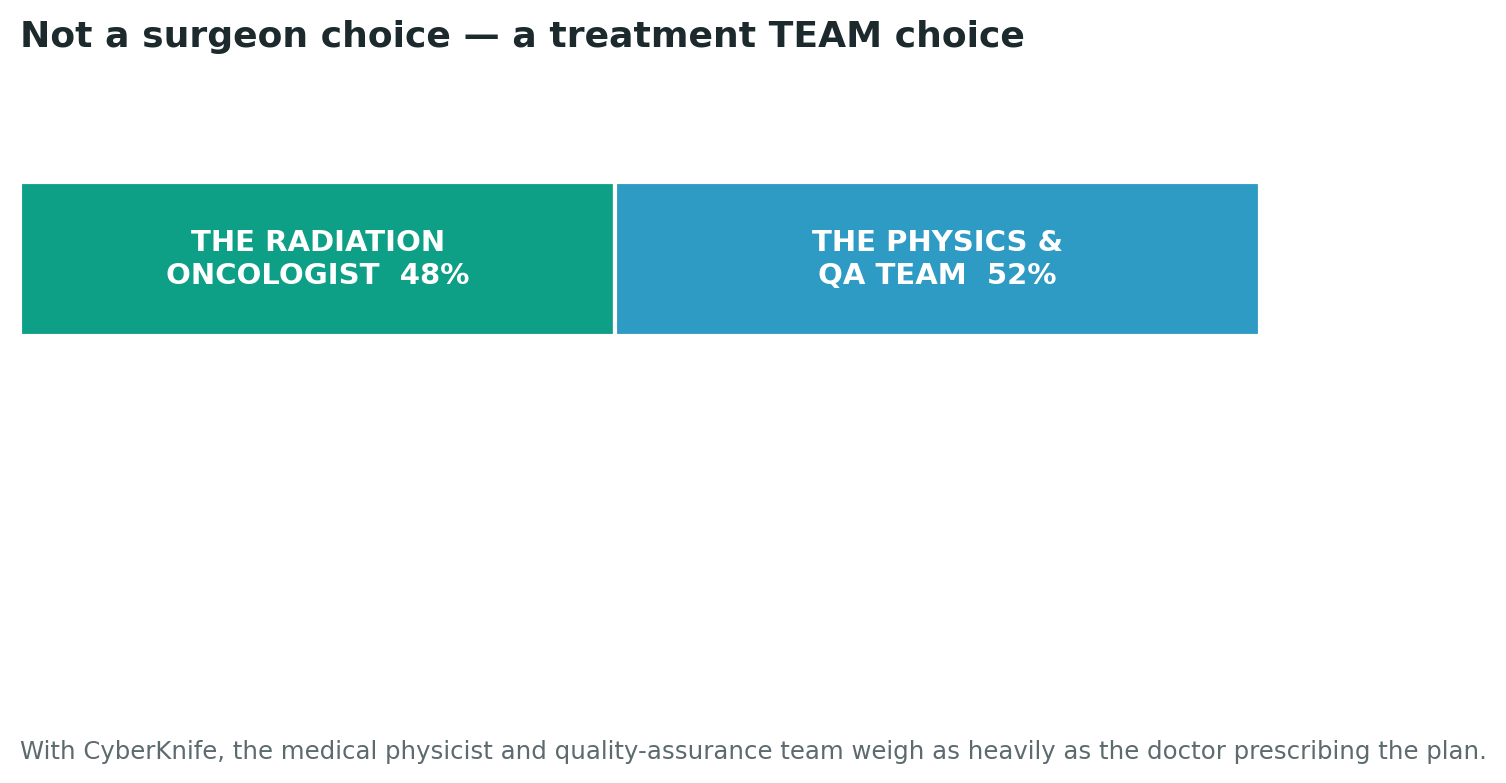
With CyberKnife, the medical physicist and quality-assurance team weigh as heavily as the doctor prescribing the plan.
Why the treatment site changes what to ask
A further distinction matters greatly. Tumours in the brain or spine stay essentially still, which makes precise targeting more straightforward. Tumours in the lung, liver or pancreas move with every breath, which demands additional technology — often small implanted markers called fiducials, tracked in real time, so the beam follows the tumour as it moves. A centre skilled with brain tumours is not automatically equally experienced tracking a moving lung or liver tumour. Ask specifically about the team’s experience with your exact treatment site, not CyberKnife in general.
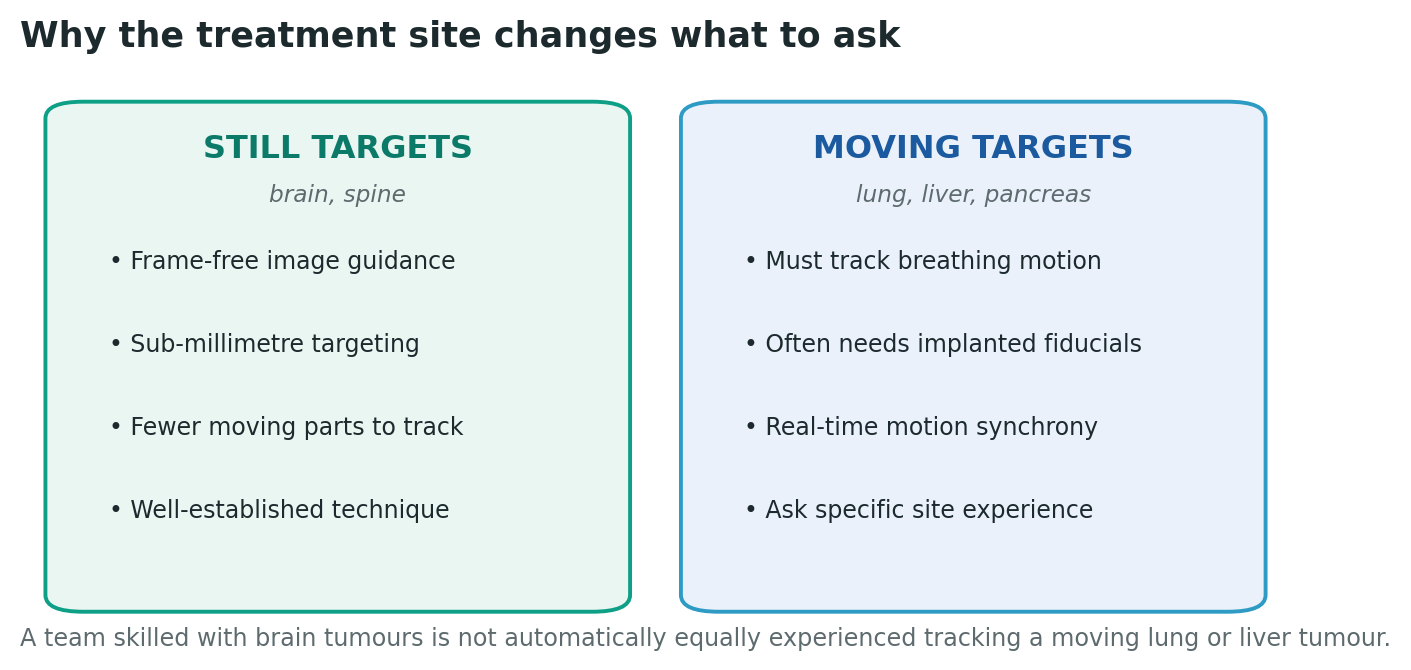
A team skilled with brain tumours is not automatically equally experienced tracking a moving lung or liver tumour. Ask about your specific site.
Part One: choosing the radiation oncologist
1. Choose a radiation oncologist experienced with your specific treatment site. Ask how many cases like yours — the same organ, the same type of tumour — the doctor has personally overseen, not simply how many CyberKnife cases in total.
2. Confirm CyberKnife was chosen by a tumour board, not by default. A trustworthy oncologist explains why this particular treatment, rather than surgery, conventional radiotherapy, or another approach, is the right one for your case, ideally following discussion with a wider team.
3. Expect an honest explanation of the realistic goal. CyberKnife can shrink or control many tumours, and occasionally eliminate them, but the honest goal — cure, control, or symptom relief — differs by case. A good doctor states this plainly rather than promising more than the treatment can reliably deliver.
4. Ask how many sessions you will need, and why. Treatment is usually delivered over one to five sessions; ask for the specific number planned for your case and the reasoning behind it.
5. Ask about outcomes and side effects. A confident oncologist shares local tumour-control rates and honest information about possible side effects for cases like yours. Vague reassurance is not the same as a clear answer.
6. Confirm who personally oversees your plan. Ask, and get it in writing, which named doctor is responsible for your treatment plan and its delivery.
7. Test communication before you travel. The best teams review your scans remotely, explain the plan clearly, and set realistic expectations about timing and follow-up before you ever book a flight.
How to read an Indian radiation oncologist’s qualifications
| Stage | Qualification | What it tells you |
|---|---|---|
| Basic medical degree | MBBS | A qualified doctor — the starting point, not a specialist. |
| Radiation oncology specialist | MD or DM (Radiation Oncology) | A fully trained specialist in radiation-based cancer treatment. |
| Stereotactic radiosurgery expertise | Specific training and case experience with CyberKnife / stereotactic techniques | Focused, hands-on experience with this exact technology — what you want. |
You can confirm that a doctor is properly registered on the National Medical Commission register of India (nmc.org.in). A genuine specialist will be glad to have you check.
Part Two: choosing the physics team and centre
1. Ask specifically about the medical physicist. Confirm a qualified medical physicist is involved in planning and verifying every case, not only the doctor. This role is central to accuracy, though patients rarely think to ask about it.
2. Ask about patient-specific quality assurance. Before your treatment is delivered, a rigorous centre verifies, through specific measurements, that the planned dose will land exactly where intended. Ask whether this quality-assurance step is performed for every patient as standard, and expect a clear yes.
3. Confirm the right tracking technology for your site. For a moving tumour in the lung, liver, or similar site, ask specifically whether the centre uses real-time motion-tracking technology, and how experienced the team is with it — not simply whether the machine is capable of it in principle.
4. Insist on accreditation. The hospital should be accredited by India’s NABH, and ideally by JCI.
5. Ask about the follow-up imaging schedule. Unlike surgery, the effect of CyberKnife treatment unfolds over weeks and months, not days. Confirm the centre provides a clear schedule of follow-up scans to check the tumour’s response, and how this will be coordinated once you are home.
6. Weigh international support and transparent pricing. A good centre helps with the visa invitation and gives a written, itemised, fixed quote covering planning, all sessions, and the equipment used.
7. Ask how it will support you after you fly home. A good centre offers teleconsultation, sends your follow-up scans to a doctor in Zambia for interpretation where useful, and gives a full written record of the treatment delivered.
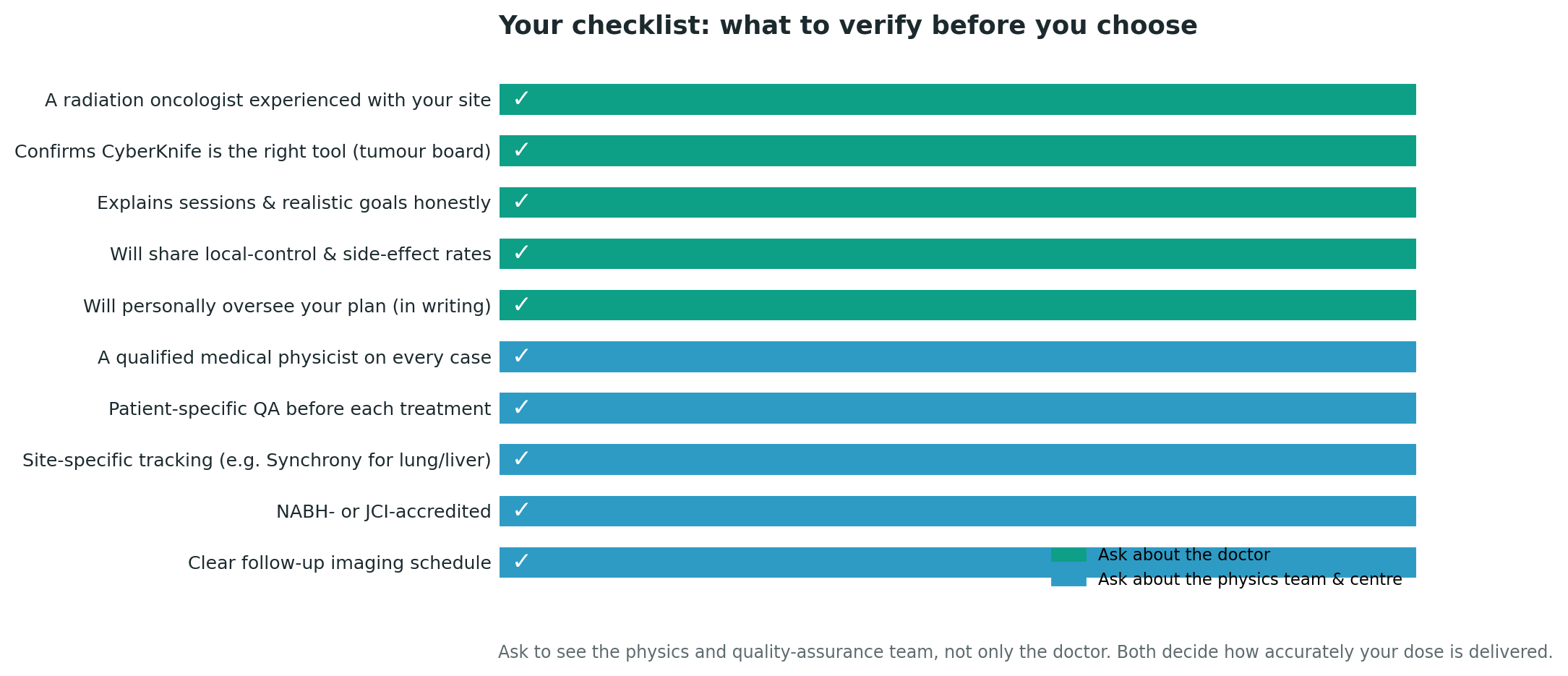
Ask to see the physics and quality-assurance team, not only the doctor. Both decide how accurately your dose is delivered.
Cost and value: how to weigh the money honestly
CyberKnife treatment in a good Indian centre costs a fraction of Western private pricing, which is why many patients travel. At roughly ZK19 to the US dollar in mid-2026, the saving is large in kwacha; confirm the rate before travel, as it moves. But value here rests almost entirely on the accuracy of delivery — a lower price from a centre without a rigorous physics and quality-assurance process is no saving at all if the dose does not land precisely where intended.
In 24 years of arranging these journeys, I have learned that the disputes that arise almost never concern the headline price — they concern patients who chose a centre for owning the machine without asking who, precisely, plans and checks its use. Insist on understanding the whole team and its quality-assurance process before you commit a single kwacha.
What a Zambian patient should weigh in particular
Beyond the doctor and the physics team, several things matter specifically for a patient travelling from Zambia. First, confirm CyberKnife is genuinely the right tool for your case through a proper tumour board discussion, since it suits some tumours and not others. Second, plan for the follow-up period : because results take weeks or months to become clear, arrange with a doctor in Zambia, before you travel, how your follow-up scans will be obtained and reviewed, and whether copies of your original imaging and treatment plan can be shared with them for continuity of care. Third, how you will pay : the National Health Insurance scheme funds care inside Zambia, not treatment abroad, so this comes from your own resources.
The practical journey from Zambia
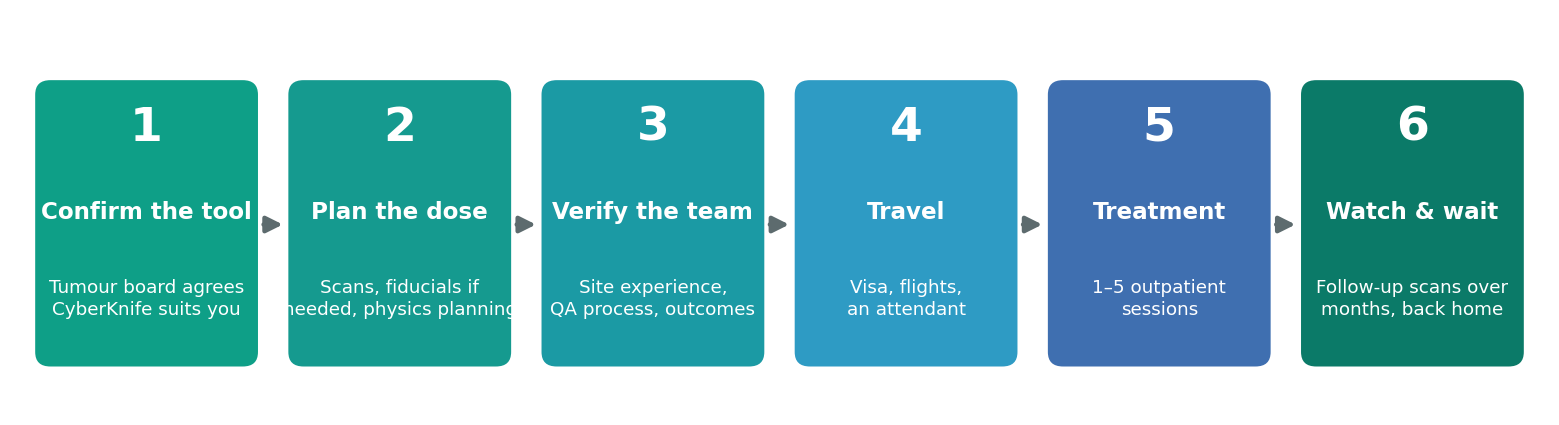
India requires a yellow fever vaccination certificate from travellers arriving from Zambia, valid only ten days after the injection. Your medical visa is issued by the High Commission of India on Pandit Nehru Road in Lusaka against the centre’s invitation letter; apply for a medical-attendant visa in the same batch. There is no direct flight — you will connect through Addis Ababa on Ethiopian Airlines, or through Dubai, Doha or Nairobi. Send your original scans and pathology report, not just a summary, for review before you travel, and settle the centre by traceable bank transfer rather than cash.
Four signals that should make you pause
- No genuine tumour board — a centre recommending CyberKnife without weighing whether it is the right tool for your case.
- No clear quality-assurance answer — about who the medical physicist is, or whether patient-specific quality assurance is performed before treatment.
- No motion-tracking for a moving tumour — such as lung or liver, with no mention of real-time technology or specific experience with it.
- A single price with no follow-up plan — no imaging schedule and no plan for reviewing your results once you are back in Zambia.
Straight Answers for Zambians about CyberKnife Treatment Teams & Centres in India
Is CyberKnife the right treatment for me?
That depends on your specific tumour, its location, size and type, and should be decided by a multidisciplinary tumour board weighing all your options — surgery, conventional radiotherapy, CyberKnife, or a combination — not assumed from the outset. Ask specifically why this treatment, rather than another, is being recommended for you.
Why does the medical physicist matter if I'm seeing a doctor?
The doctor prescribes the treatment goal, but a medical physicist designs and verifies the precise plan of radiation beams that delivers it, and a quality-assurance process checks the accuracy before you are treated. A hospital can own the machine and still fall short here, so ask about this team directly.
Does it matter whether my tumour is in my brain or my lung?
Yes, considerably. Still targets like the brain and spine are more straightforward to track precisely; moving targets like the lung, liver or pancreas need additional technology, often implanted markers and real-time tracking. Ask specifically about the team's experience with your exact treatment site.
When will I know if the treatment worked?
Not immediately. Unlike surgery, CyberKnife's effect unfolds over weeks to months, confirmed by follow-up scans rather than an instant result. Arrange in advance how these follow-up scans will be obtained and reviewed once you are back in Zambia.
Sources & Useful Links
- 🌐 Verify a doctor (India) — National Medical Commission register of doctors: nmc.org.in
- 🌐 Hospital accreditation (India) — verify a hospital’s NABH accreditation: nabh.co
- 🌐 Medical visa (India), Lusaka — High Commission of India, requirements & process: hcizambia.gov.in/page/medical-visa
- 🌐 National Health Insurance (Zambia) — NHIMA cover (treatment abroad is not covered): nhima.co.zm
- 🌐 Cancer services (Zambia) — Ministry of Health; Cancer Diseases Hospital & national services: moh.gov.zm
- 🌐 Yellow fever & travel health — WHO vaccination guidance: who.int/health-topics/yellow-fever
A closing word
If you send me your scans and pathology report, I will help you with the questions that matter most: whether a genuine tumour board has confirmed CyberKnife is the right tool for your case; which teams have real, verifiable experience with your specific treatment site, moving or still; whether a qualified medical physicist and a proper quality-assurance process stand behind the machine, not just its ownership; and how your follow-up scans will be arranged once you are home. Choosing this treatment well means looking past the name of the machine to the team and the checking behind it. That, for all these years, has been my work.
Frequently Asked Questions by Zambians about CyberKnife Treatment Teams & Centres in India
How should Zambian patients choose a CyberKnife centre in India?
They should evaluate the radiation oncologist, medical physicist and quality-assurance process, rather than choosing simply because a hospital owns the CyberKnife machine.
Is CyberKnife actually surgery?
No. CyberKnife is a form of highly precise external radiation delivered robotically. There is no blade, incision or conventional operation, and general anaesthesia is usually unnecessary.
Why does a medical physicist matter in CyberKnife treatment?
The radiation oncologist prescribes the treatment goal and dose, while the medical physicist designs and verifies the beam plan. Without strong physics and QA, the treatment may not achieve the precision expected.
Should CyberKnife be chosen before a tumour-board review?
No. The guide recommends that a multidisciplinary team compare CyberKnife, surgery, conventional radiotherapy and other treatments before confirming that CyberKnife is the right option.
Does the tumour location affect which CyberKnife centre Zambian patients should choose?
Yes. Brain and spine tumours are relatively still, while lung, liver and pancreatic tumours move with breathing. Moving targets require specific tracking technology and site-specific experience.
What should Zambian patients ask about motion tracking?
For lung, liver or other moving tumours, they should ask whether the centre uses real-time motion tracking or fiducial-based tracking and how many similar cases the team has treated.
How many CyberKnife sessions are usually required?
The guide states that treatment is generally delivered in approximately one to five sessions, but the exact number should be explained specifically for the patient's tumour.
When will Zambian patients know whether CyberKnife worked?
Not immediately. The treatment effect develops over weeks to months, so scheduled follow-up scans are used to assess the tumour response.
What should Zambian patients send before travelling to India?
They should send their original scans and pathology report, rather than only a written summary, so the team can assess candidacy and prepare the treatment plan before travel.
What are the main red flags when choosing a CyberKnife centre in India?
The guide highlights four concerns: CyberKnife recommended without a genuine tumour board, no clear answer about the medical physicist or patient-specific quality assurance, no motion-tracking discussion for a moving tumour, and a single quotation without a follow-up imaging schedule or Zambia review plan.
Page Summary
This guide explains how Zambian patients should choose CyberKnife treatment teams and centres in India, with one major distinction from conventional surgery: the machine is only one part of the treatment. CyberKnife delivers highly focused external radiation using a robotic arm, with no incision and usually no general anaesthetic. Treatment generally consists of approximately one to five outpatient sessions.
Citation Block
| Topic | Information |
|---|---|
| Topic Information | Details |
| Procedure | CyberKnife Robotic Radiosurgery |
| Country | India |
| Intended Audience | Zambian Patients |
| Treatment Type | Stereotactic / Precision External Radiation |
| Primary Specialist | Radiation Oncologist |
| Key Technical Specialist | Medical Physicist |
| Treatment Planning | Multidisciplinary Tumour Board |
| Treatment Sessions | Approximately 1–5 |
| Anaesthesia | Usually Not Required |
| Hospitalisation | Generally Outpatient |
| Still Targets | Brain and Spine |
| Moving Targets | Lung, Liver and Pancreas |
| Motion Management | Fiducials / Real-Time Tracking Where Required |


Our Mission Statement
Our mission is to place patients at the centre of every healthcare decision by providing trustworthy, evidence-based, and unbiased medical information. We believe that informed patients make better decisions. Backed by personalised guidance from our experienced advisory team, we help patients understand their treatment options, compare them objectively, and confidently choose the path that best suits their medical needs and personal circumstances.
Patient Testimonials from Zambia
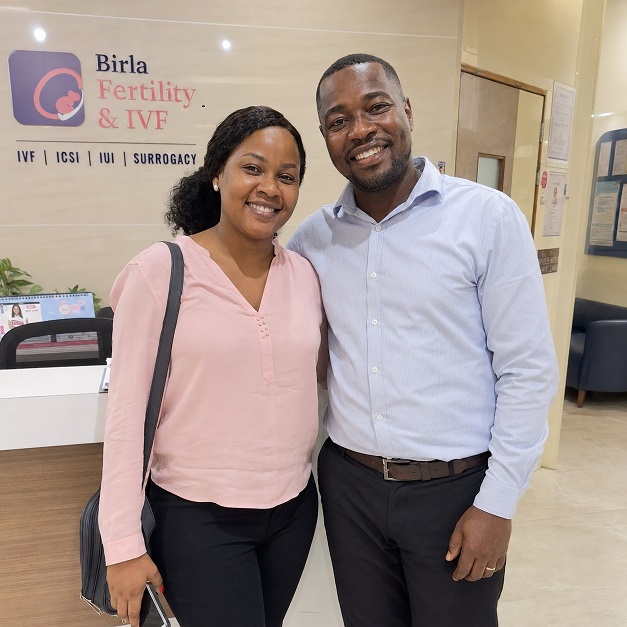
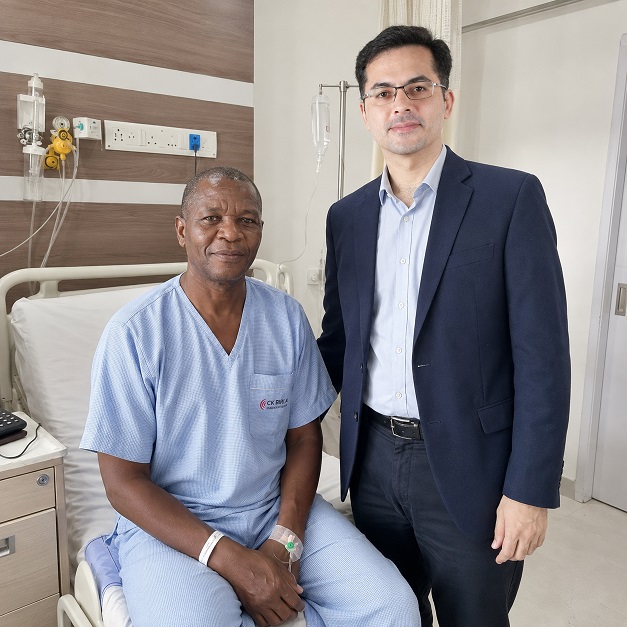

Ready to Take the First Step?
Share your Medical Reports with our Healthcare Managers Today and Get a FREE CONSULTATION, a Personalized Treatment Plan, and Complete Support from Arrival to Recovery.
Get Your Free ConsultationAreas We Serve
This resource has been thoughtfully prepared for patients from Zambia who are considering medical treatment in India. We also welcome patients from the wider region in the countries mentioned below-
We assist patients from:
- Zambia
- Angola
- Malawi
- Zimbabwe
- Botswana
- Namibia
- South Africa
- Eswatini
- Lesotho
- Gabon
- Chad
- Equatorial Guinea
- São Tomé and Príncipe
- Republic of the Congo
- Democratic Republic of the Congo
Many of the insights, treatment pathways, hospital recommendations, travel guidance, and patient support services described here are equally relevant and may be used as a reference when planning treatment in India.
From Zambia to India: Your Complete Patient Support Guide
- Best Weight-Loss (Bariatric) Surgeons & Hospitals in India for Zambian Patients
- Best Brain-Tumour Surgeons & Hospitals in India for Zambian Patients
- Best Cancer Doctors & Hospitals in India for Zambian Patients
- Best Cardiac Surgeons & Hospitals in India for Zambian Patients
- Best Cosmetic Surgeons & Facilities in India for Zambian Patients
- Best CyberKnife Treatment Teams & Centres in India for Zambian Patients
- Best Dentists & Dental Clinics in India for Zambian Patients
- Best Heart Valve Replacement Surgeons & Hospitals in India for Zambian Patients
- Best Hip Surgeons & Hospitals in India for Zambian Patients
- Best Knee Surgeons & Hospitals in India for Zambian Patients
- Best Neurosurgeons & Hospitals in India for Zambian Patients
- Best Paediatric Cardiac Surgeons & Hospitals in India for Zambian Patients
- Best Paediatric Neurosurgeons & Hospitals in India for Zambian Patients
- Best Prostate Surgeons & Hospitals in India for Zambian Patients
- Best Scoliosis Surgeons & Hospitals in India for Zambian Patients
- Best Spine Surgeons & Hospitals in India for Zambian Patients
- Best Bone Marrow Transplant Teams & Hospitals in India for Zambian Patients
- Best Kidney Transplant Surgeons & Hospitals in India for Zambian Patients