

Selecting the Best Brain-Tumour Surgeons & Hospitals in India — a Zambian Patient’s Guide
Few words frighten like “brain tumour.” But two things should shape your choice before any surgeon does: making sure it truly is a tumour, and making sure your plan comes from a team, not one person.
A shadow on a brain scan is one of the most frightening things a person can be shown, and fear makes us want to act at once. But in no field is a calm, correct first step more important than this one. For 24 years I have helped African patients navigate a brain-tumour diagnosis, and I have learned that two questions must be answered before you ever choose a surgeon: is it truly a tumour at all, and, if it is, what does a whole team — not a single doctor — believe is the right treatment? Get those two right, and the choice of surgeon and hospital follows sensibly. Get them wrong, and the finest surgeon in the world cannot save a plan that should never have been made.
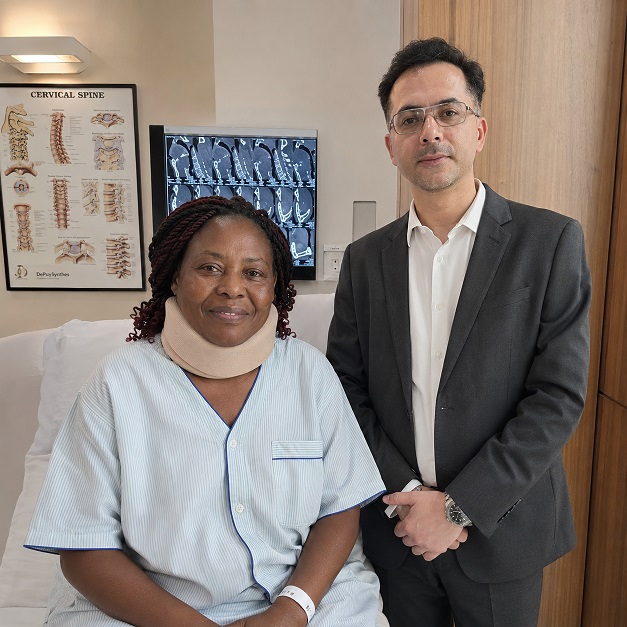
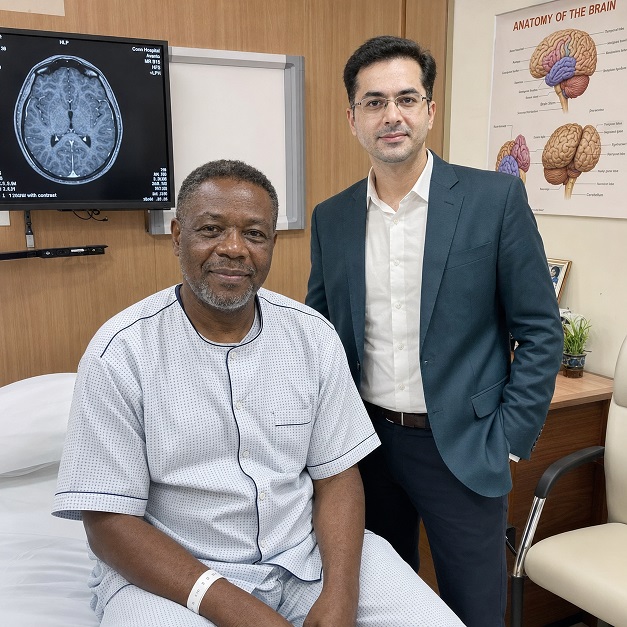
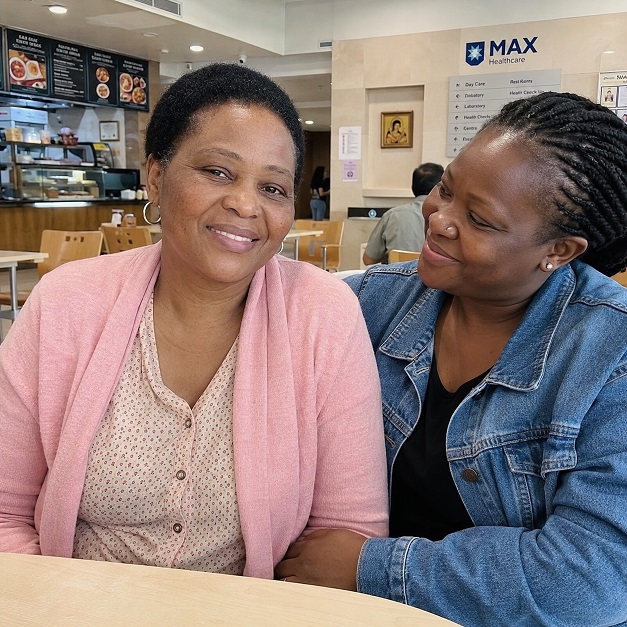
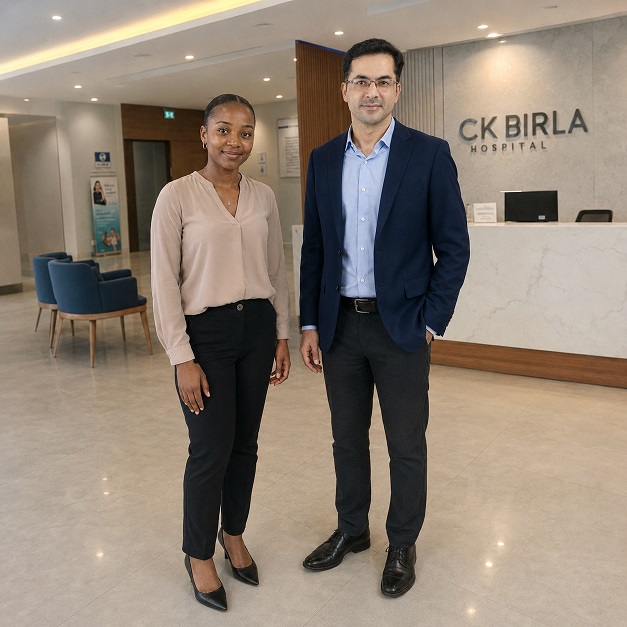
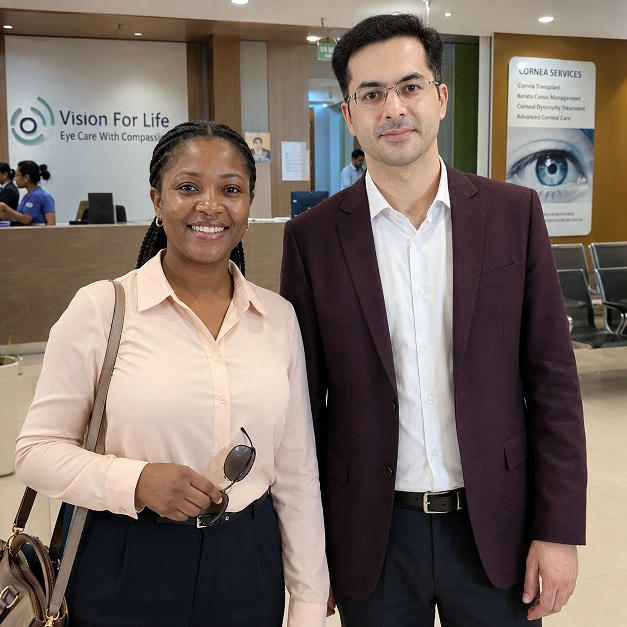
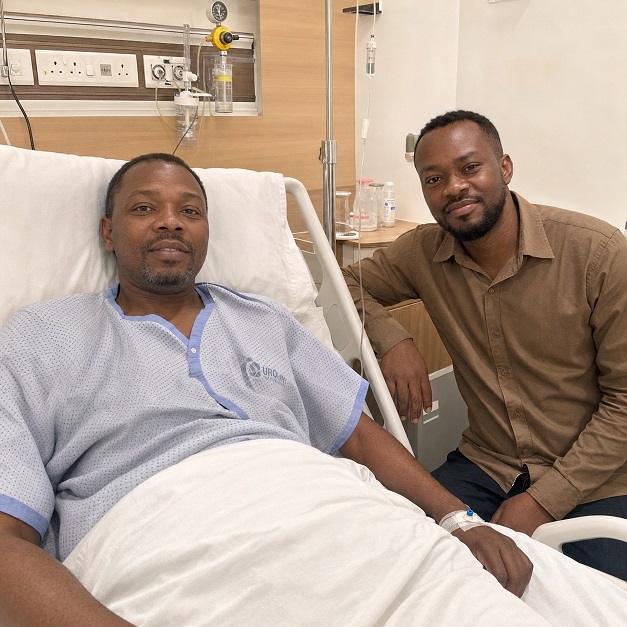
Healing Journeys of Zambian Patients
Key Takeaways
- The guide begins with a crucial principle: a mass seen on a brain scan is not automatically a brain tumour. Before choosing a surgeon, Zambian patients should first establish what the lesion actually is.
- Treatable infections can sometimes mimic a brain tumour. The document specifically highlights brain tuberculoma, toxoplasmosis—particularly in people living with HIV—and cysticercosis.
- These conditions may require medicines rather than tumour surgery, so specialised imaging and, when necessary, biopsy should be used to establish the diagnosis before an operation is planned.
- Once a genuine tumour has been confirmed, the guide treats surgeon selection and hospital selection as two separate but closely linked decisions.
- The page 2 graphic gives 55% weighting to the surgeon and 45% to the hospital and team, indicating that surgical expertise carries slightly more weight but cannot be separated from the institution around it.
- The single most important hospital-selection factor is a genuine multidisciplinary neuro-oncology tumour board.
- The tumour board described in the guide includes a neurosurgeon, neuro-oncologist, radiation oncologist, neuroradiologist and pathologist who collectively decide whether surgery, radiotherapy, chemotherapy, observation or a combination is appropriate.
- Some benign or slow-growing brain tumours may not require immediate surgery and can sometimes be followed with regular scans.
- When selecting a surgeon, patients should seek a neurosurgeon sub-specialised in brain tumours or neuro-oncology, rather than a general neurosurgeon who treats tumours only occasionally.
- Tumour-specific experience matters. Patients should ask how many cases similar to their own—such as glioma, meningioma, pituitary tumour or brain metastasis—the surgeon treats every year.
Quick Facts
- Treatment
- Brain Tumour Surgery & Neuro-Oncology Care
- Country
- India
- Intended Audience
- Zambian Patients and Families
- First Priority
- Confirm the Brain Mass Is Truly a Tumour
- Important Tumour Mimics
- Tuberculoma, Toxoplasmosis and Cysticercosis
- Additional Diagnostic Step
- Biopsy Where Required
- Important History
- HIV Status May Affect the Likely Diagnosis
- Surgeon vs Hospital Weighting
- 55% Surgeon + 45% Hospital & Team
- Primary Specialist
- Brain-Tumour / Neuro-Oncology Neurosurgeon
- Tumour Types Mentioned
- Glioma, Meningioma, Pituitary Tumour and Metastasis
- Basic Medical Qualification
- MBBS
- Exchange Rate Used in Guide
- Approximately ZK19 per US$1 in Mid-2026
- Pre-Travel Requirement
- Actual MRI and CT Files
- Treatment Planning
- Full Written and Itemised Plan
In Brief
Choosing a brain tumour surgeon and hospital in India for a Zambian patient should begin with confirming that the brain mass is truly a tumour. Tuberculoma, toxoplasmosis and cysticercosis can mimic tumours and may require medical rather than surgical treatment. Once the diagnosis is settled, the guide recommends a tumour-focused neurosurgeon working within a multidisciplinary neuro-oncology tumour board and a hospital equipped with neuronavigation, intra-operative monitoring, neuro-intensive care, radiotherapy and neuropathology. The page 4 chart gives a representative brain-tumour surgery cost of approximately US$8,000 in India.
First, should you travel at all?
Zambia’s neurosurgical capacity is limited — there are very few neurosurgeons in the country, and advanced brain-tumour surgery, along with the radiotherapy that often follows, is in short supply, with the Cancer Diseases Hospital in Lusaka the main radiotherapy centre and demand outstripping it. So for complex brain tumours, travelling to a high-volume centre is often the right course, and India is a leading destination. But travelling is not the first decision. The first is to be certain of what you are dealing with — because, as the next section explains, not every mass on a brain scan is a tumour.
Knowledge that must come first: a mass is not always a tumour
This is the most important thing a Zambian patient can understand. A spot or mass on a brain scan can look alarmingly like a tumour and yet be something quite different — and in this region, treatable infections are common causes. Tuberculosis of the brain (a tuberculoma), toxoplasmosis (especially in people living with HIV), and cysticercosis from a parasite can all mimic a tumour on a scan, and all are treated with medicines , not surgery. To operate on one of these believing it a tumour would be a grave mistake. So before any talk of surgery, insist that the diagnosis is properly established — often with specialised scans, sometimes a biopsy — and disclose your full history, including HIV status, which changes what a mass is most likely to be. Getting the diagnosis right is the first act of choosing well.
Two decisions, not one
Once a tumour is confirmed, you are making two choices: the surgeon and the hospital and its team . Both must be right. In brain-tumour care, more than almost anywhere, the surgeon does not act alone — the best outcomes come from a whole team, and from a hospital equipped with the technology that makes delicate surgery safe. The surgeon’s skill carries the most weight, but the team and hospital around him decide whether that skill is safely delivered.
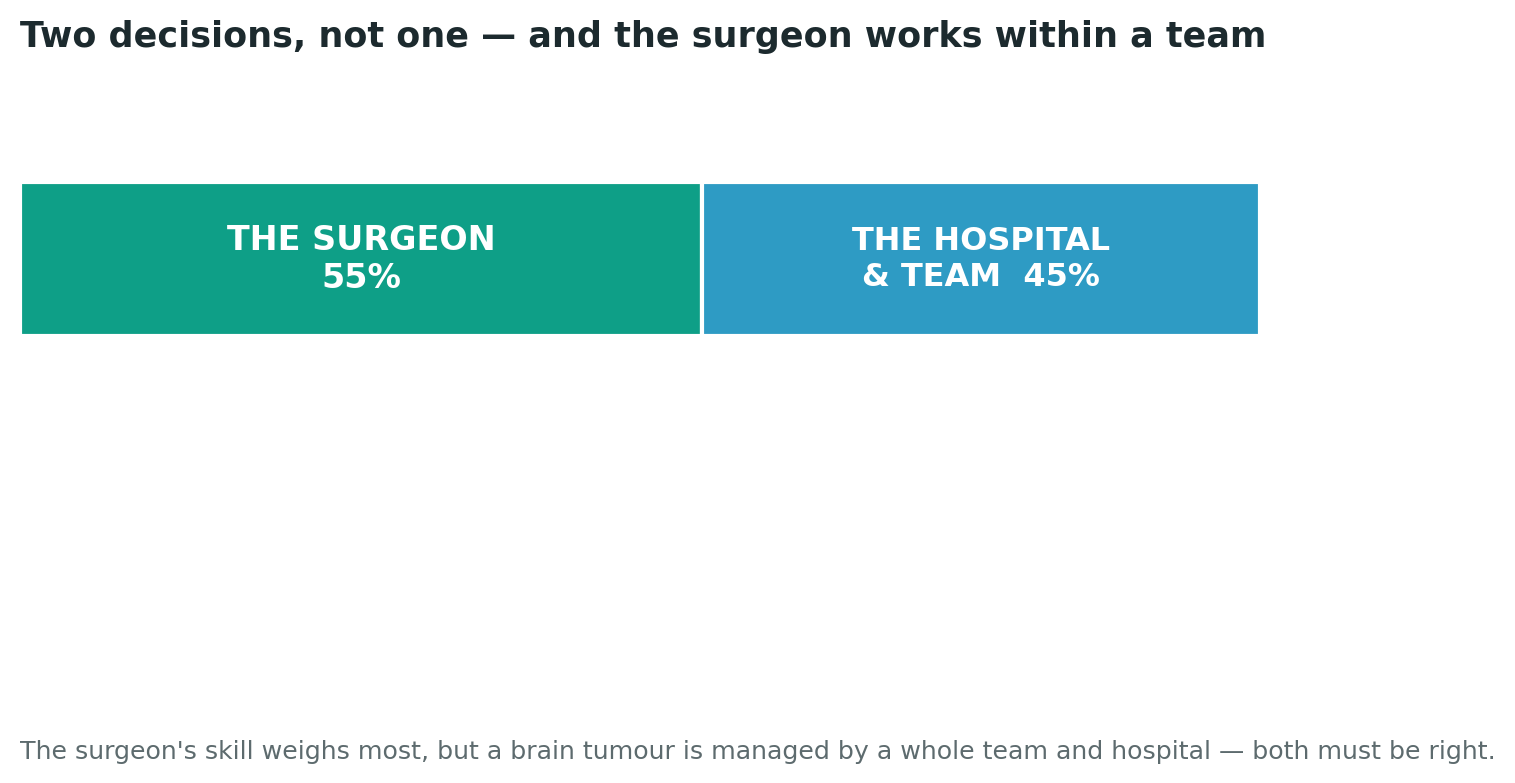
The surgeon weighs most, but a brain tumour is managed by a whole team within a well-equipped hospital — both must be right.
The single most important thing: your plan should come from a tumour board
Here is the quality mark that matters more than any other. In good brain-tumour care, no single doctor decides your treatment alone. Instead, your case is discussed by a neuro-oncology tumour board — a multidisciplinary team bringing together a neurosurgeon, a neuro-oncologist, a radiation oncologist, a neuroradiologist and a pathologist — who together weigh whether surgery, radiotherapy, chemotherapy, or a combination, is right for your particular tumour. This protects you from the natural temptation of a lone surgeon to reach for the operation he performs. When you assess a centre, the first thing to confirm is that a genuine tumour board will decide your plan. It is the strongest single sign of a place that will treat you well.
The board matters for another reason too: not every brain tumour is aggressive or demands immediate surgery. Some are benign and slow-growing, and for these the wisest course is sometimes careful watching with regular scans rather than an operation at all — a judgement a balanced team is far better placed to make than a lone surgeon.
Part One: choosing the surgeon
1. Choose a neurosurgeon sub-specialised in tumours. Neurosurgery is broad; you want a surgeon whose practice centres on brain tumours (neuro-oncology), not one who treats them occasionally. Ask how much of his work is tumour surgery.
2. Confirm he uses modern techniques. For tumours near areas that control speech or movement, the gold standard is awake craniotomy with intraoperative neuromonitoring — techniques that let the surgeon remove more of the tumour while protecting vital functions. Ask whether these are available and used where appropriate.
3. Ask about his volume with your type of tumour. Brain tumours differ enormously, and experience with your kind — a glioma, a meningioma, a pituitary tumour, a metastasis — matters more than general experience. Ask how many like yours he treats each year.
4. Expect honesty about the goal. Not every tumour can or should be removed completely; sometimes safe partial removal, protecting function, is wiser than total removal that risks disability. A good surgeon explains the realistic goal plainly, rather than promising a complete cure.
5. Ask about his outcomes. A confident, honest surgeon will share his complication rates and his results for tumours like yours. Vague reassurance is not the same as a candid answer.
6. Confirm he will operate on you personally. Ask, and get it in writing, that the named surgeon you chose will perform your operation, not delegate it to a trainee.
7. Test his communication before you travel. The best surgeons review your scans and history remotely, answer your questions clearly, and discuss the risks as readily as the hopes. How he communicates from a distance tells you much about the care to come.
How to read an Indian neurosurgeon’s qualifications
| Stage | Qualification | What it tells you |
|---|---|---|
| Basic medical degree | MBBS | A qualified doctor — the starting point, not a specialist. |
| Neurosurgical specialist | MCh (Neurosurgery) or DNB (Neurosurgery) | A fully trained brain and spine surgeon — the essential qualification. |
| Tumour expertise | Fellowship in neuro-oncology / skull-base surgery | Sub-specialist focus on brain tumours — what you want. |
You can confirm that a surgeon is properly registered on the National Medical Commission register of India (nmc.org.in). A genuine specialist will be glad to have you check.
Part Two: choosing the hospital and its team
1. Confirm a genuine tumour board. As above, this is the single most important thing. Ask directly whether a multidisciplinary neuro-oncology team will discuss and decide your plan — and be reassured only by a clear yes.
2. Check the surgical technology. A serious brain-tumour centre has neuronavigation, intra-operative monitoring, and ideally intra-operative imaging and fluorescence guidance — the tools that make maximal, safe tumour removal possible. Ask what the hospital has.
3. Insist on a neuro intensive-care unit. Recovery from brain surgery needs specialised neuro-intensive care with staff experienced in watching the brain closely in the hours and days afterward. Confirm it is on site.
4. Confirm on-site radiotherapy and neuropathology. Because the diagnosis often depends on a pathologist examining the tumour, and because radiotherapy or chemotherapy frequently follows surgery, choose a centre where these are on site — so your whole care happens in one coordinated place.
5. Check accreditation, infection control and rehabilitation. The hospital should be accredited by India’s NABH, and ideally by JCI; it should track its infection rates; and it should provide the physiotherapy and rehabilitation that recovery from brain surgery often needs.
6. Weigh international support and transparent pricing. A good centre helps with the visa invitation, accommodation and a coordinator, and gives a written, itemised, fixed quote that states what is included — surgery, intensive care, and any radiotherapy or chemotherapy — and what happens if there is a complication.
7. Ask how it will support you after you fly home. A good hospital offers teleconsultation for follow-up, provides a full written record of the diagnosis and treatment, and will liaise with your doctor in Zambia as your care continues.
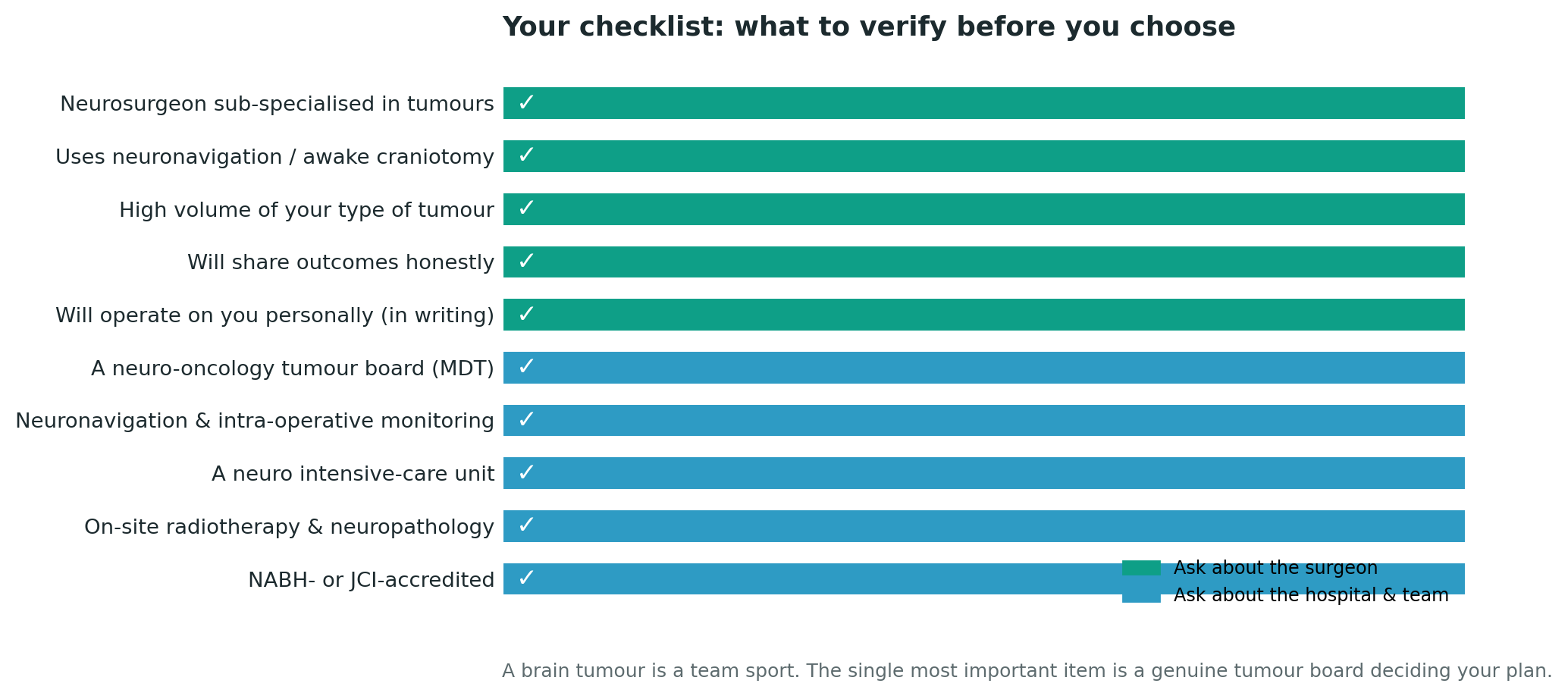
Keep this checklist beside you. A brain tumour is a team sport — the single most important item is a genuine tumour board deciding your plan.
Cost and value: how to weigh the money honestly
Brain-tumour surgery in a good Indian hospital costs a fraction of Western private pricing, which is why many patients travel. At roughly ZK19 to the US dollar in mid-2026, the saving is large in kwacha; confirm the rate before travel, as it moves. But remember that surgery is often only part of the treatment — radiotherapy or chemotherapy may follow — so weigh the cost of the whole plan, not the operation alone, and never let price override the quality of the team.
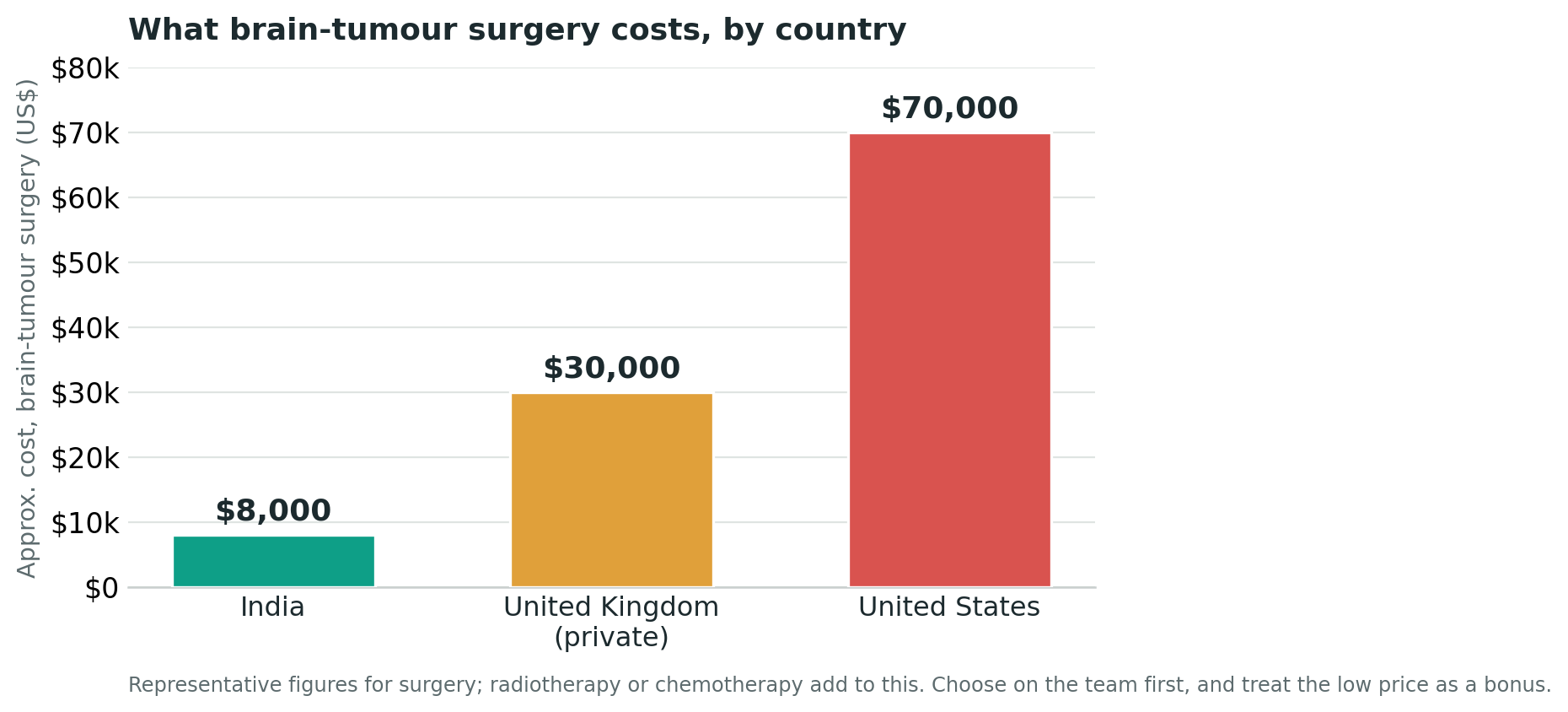
Representative figures for surgery; radiotherapy or chemotherapy add to this. India’s affordability is genuine — but choose on the team first.
In 24 years of arranging these journeys, I have learned that the disputes that arise almost never concern the headline price — they concern what the plan left out. Insist on the full, itemised picture of the entire treatment before you commit a single kwacha.
What a Zambian patient should weigh in particular
Beyond the surgeon and the hospital, several things matter specifically for a patient travelling from Zambia. First, the diagnosis : as explained, insist it is settled before surgery is planned, because a treatable infection can mimic a tumour, and disclose your HIV status, which changes the likely cause. Second, how you will pay : the National Health Insurance scheme funds care at accredited facilities inside Zambia, not treatment abroad, so this comes from your own resources — another reason to be sure the plan is right. Third, your aftercare at home : brain-tumour care continues long after surgery, so arrange a Zambian doctor to take over your follow-up before you travel, and insist the Indian team provides a clear written handover and a plan for any continuing radiotherapy, chemotherapy or monitoring.
The practical journey from Zambia
India requires a yellow fever vaccination certificate from travellers arriving from Zambia, valid only ten days after the injection. Your medical visa is issued by the High Commission of India on Pandit Nehru Road in Lusaka against the hospital’s invitation letter; apply for a medical-attendant visa in the same batch, as you will want someone with you. There is no direct flight — you will connect through Addis Ababa on Ethiopian Airlines, or through Dubai, Doha or Nairobi. Send your actual MRI and CT files, not only the reports, for review before you travel, allow for a stay that may include follow-on treatment, and settle the hospital by traceable bank transfer rather than cash.
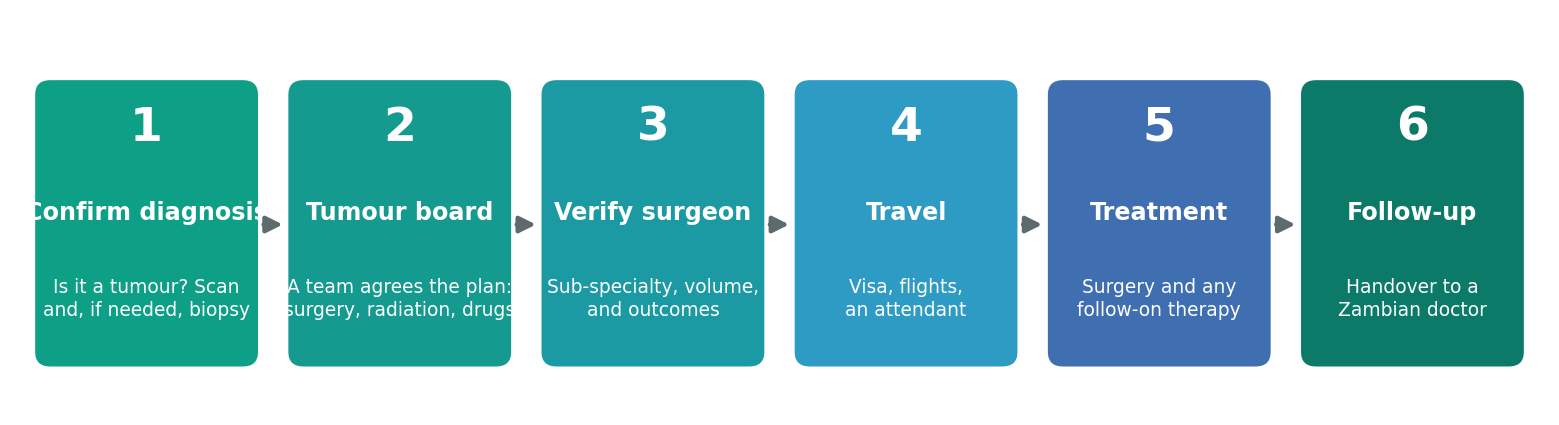
Four signals that should make you pause
- Operating before the diagnosis is settled — especially where a treatable infection has not been ruled out.
- No genuine tumour board — a single surgeon deciding your entire treatment alone.
- No neuronavigation or neuro-ICU — a hospital without on-site radiotherapy and neuropathology.
- A promise of certain cure — or a single price with no itemised plan for the whole treatment and no aftercare for Zambia.
Straight Answers for Zambians about Brain-Tumour Surgeons & Hospitals in India
The scan shows a mass. Does that mean I have a brain tumour?
Not necessarily. In Zambia, treatable infections such as tuberculosis, toxoplasmosis (especially with HIV) and cysticercosis can mimic a tumour on a scan and are treated with medicines, not surgery. Insist the diagnosis is properly established — sometimes with a biopsy — before any operation is planned.
Why does a “tumour board” matter so much?
Because the best treatment — surgery, radiotherapy, chemotherapy, or a combination — is a decision no single doctor should make alone. A multidisciplinary tumour board weighs the options together for your particular tumour, protecting you from a lone surgeon’s bias toward operating. Confirm one will decide your plan.
Should my surgeon remove the whole tumour?
Not always. Sometimes safe partial removal that protects speech and movement is wiser than complete removal that risks disability. A good surgeon explains the realistic goal for your tumour honestly, using techniques like awake craniotomy to remove as much as is safe.
What matters most in the hospital I choose?
A genuine tumour board, modern surgical technology (neuronavigation and monitoring), a neuro intensive-care unit, and on-site radiotherapy and neuropathology — so your whole diagnosis and treatment happen in one coordinated, accredited place.
Sources & Useful Links
- 🌐 Verify a surgeon (India) — National Medical Commission register of doctors: nmc.org.in
- 🌐 Hospital accreditation (India) — verify a hospital’s NABH accreditation: nabh.co
- 🌐 Medical visa (India), Lusaka — High Commission of India, requirements & process: hcizambia.gov.in/page/medical-visa
- 🌐 National Health Insurance (Zambia) — NHIMA cover (treatment abroad is not covered): nhima.co.zm
- 🌐 Cancer & radiotherapy (Zambia) — Ministry of Health; national cancer services: moh.gov.zm
- 🌐 Yellow fever & travel health — WHO vaccination guidance: who.int/health-topics/yellow-fever
A closing word
If you send me your scans and a note on your history, I will help you with the questions that matter most: first, whether the diagnosis is truly settled and it is a tumour at all; then, whether a genuine tumour board will decide your plan, which surgeons are sub-specialised in tumours like yours, and which hospitals have the team and technology to treat you safely. A brain tumour is frightening, but it is not a moment for haste. The calm, correct first steps — the right diagnosis, the right team — matter more here than in any surgery I know, and they are where I can help you most. That, for all these years, has been my work.
Frequently Asked Questions by Zambians about Brain-Tumour Surgeons & Hospitals in India
How should Zambian patients choose a brain tumour surgeon in India?
They should choose a neurosurgeon whose practice is specifically focused on brain tumours or neuro-oncology, and ask about experience with their exact tumour type, annual case volume, outcomes and use of modern surgical techniques.
Does a brain mass always mean a Zambian patient has a tumour?
No. The guide specifically warns that tuberculoma, toxoplasmosis and cysticercosis can mimic a brain tumour on imaging. Proper diagnosis should therefore come before surgery.
Why is a tumour board important for Zambian brain tumour patients?
A genuine neuro-oncology tumour board brings together a neurosurgeon, neuro-oncologist, radiation oncologist, neuroradiologist and pathologist to decide whether surgery, radiotherapy, chemotherapy or another approach is appropriate.
How much does brain tumour surgery in India cost for Zambian patients?
The page 4 chart gives a representative surgery cost of approximately US$8,000 in India. Radiotherapy or chemotherapy may add to the total if they are required.
What technology should Zambian patients look for in an Indian brain tumour hospital?
The guide recommends neuronavigation, intra-operative monitoring and, ideally, intra-operative imaging and fluorescence guidance, along with a dedicated neuro-ICU.
What is awake craniotomy and when may it be used?
Awake craniotomy allows the surgical team to test speech or movement during surgery while removing a tumour near important functional brain areas. The guide highlights it as an important technique in selected cases.
Should the surgeon always remove the entire brain tumour?
No. The document explicitly states that safe partial removal may sometimes be better than complete removal if aggressive surgery risks damaging speech, movement or other important functions.
What should Zambian patients send before travelling to India?
They should send their actual MRI and CT files rather than only the written scan reports, together with relevant medical history, so the diagnosis and treatment plan can be reviewed before travel.
What hospital services should be available for brain tumour treatment?
The guide recommends a genuine tumour board, neuronavigation, intra-operative monitoring, a dedicated neuro intensive-care unit, on-site radiotherapy and neuropathology, plus rehabilitation and accredited hospital systems.
What are the main red flags when choosing brain tumour treatment in India?
The guide identifies four concerns: an operation offered before the diagnosis is settled, no genuine multidisciplinary tumour board, a hospital without essential neuro-oncology technology or support services, and promises of certain cure or a single price that does not cover the complete treatment and follow-up plan for Zambia.
Page Summary
This guide explains how Zambian patients should choose brain tumour surgeons and hospitals in India, beginning with the most important question of all: whether the lesion seen on imaging is truly a tumour. Treatable infections including brain tuberculosis, toxoplasmosis and cysticercosis can resemble tumours on imaging. The guide therefore recommends specialised scan review and, where necessary, biopsy before surgery is considered.
Citation Block
| Topic | Information |
|---|---|
| Topic Information | Details |
| Procedure | Brain Tumour Surgery & Neuro-Oncology Treatment |
| Country | India |
| Intended Audience | Zambian Patients and Families |
| Primary Condition | Confirmed Brain Tumour |
| Important Tumour Mimics | Tuberculoma, Toxoplasmosis and Cysticercosis |
| Diagnostic Requirements | MRI/CT Review and Biopsy Where Necessary |
| Tumour Types Mentioned | Glioma, Meningioma, Pituitary Tumour and Metastasis |
| Primary Specialist | Neuro-Oncology / Brain-Tumour Neurosurgeon |
| Specialist Qualification | MCh or DNB Neurosurgery + Neuro-Oncology/Skull-Base Fellowship |
| Treatment Planning | Multidisciplinary Neuro-Oncology Tumour Board |
| Treatment Options | Surgery, Radiotherapy, Chemotherapy, Observation or Combination Therapy |
| Modern Surgical Techniques | Awake Craniotomy, Brain Mapping and Neuronavigation |
| Safety Technology | Intra-Operative Monitoring |

Our Mission Statement
Our mission is to place patients at the centre of every healthcare decision by providing trustworthy, evidence-based, and unbiased medical information. We believe that informed patients make better decisions. Backed by personalised guidance from our experienced advisory team, we help patients understand their treatment options, compare them objectively, and confidently choose the path that best suits their medical needs and personal circumstances.
Patient Testimonials from Zambia
Ready to Take the First Step?
Share your Medical Reports with our Healthcare Managers Today and Get a FREE CONSULTATION, a Personalized Treatment Plan, and Complete Support from Arrival to Recovery.
Get Your Free ConsultationAreas We Serve
This resource has been thoughtfully prepared for patients from Zambia who are considering medical treatment in India. We also welcome patients from the wider region in the countries mentioned below-
We assist patients from:
- Zambia
- Angola
- Malawi
- Zimbabwe
- Botswana
- Namibia
- South Africa
- Eswatini
- Lesotho
- Gabon
- Chad
- Equatorial Guinea
- São Tomé and Príncipe
- Republic of the Congo
- Democratic Republic of the Congo
Many of the insights, treatment pathways, hospital recommendations, travel guidance, and patient support services described here are equally relevant and may be used as a reference when planning treatment in India.
From Zambia to India: Your Complete Patient Support Guide
- Best Weight-Loss (Bariatric) Surgeons & Hospitals in India for Zambian Patients
- Best Brain-Tumour Surgeons & Hospitals in India for Zambian Patients
- Best Cancer Doctors & Hospitals in India for Zambian Patients
- Best Cardiac Surgeons & Hospitals in India for Zambian Patients
- Best Cosmetic Surgeons & Facilities in India for Zambian Patients
- Best CyberKnife Treatment Teams & Centres in India for Zambian Patients
- Best Dentists & Dental Clinics in India for Zambian Patients
- Best Heart Valve Replacement Surgeons & Hospitals in India for Zambian Patients
- Best Hip Surgeons & Hospitals in India for Zambian Patients
- Best Knee Surgeons & Hospitals in India for Zambian Patients
- Best Neurosurgeons & Hospitals in India for Zambian Patients
- Best Paediatric Cardiac Surgeons & Hospitals in India for Zambian Patients
- Best Paediatric Neurosurgeons & Hospitals in India for Zambian Patients
- Best Prostate Surgeons & Hospitals in India for Zambian Patients
- Best Scoliosis Surgeons & Hospitals in India for Zambian Patients
- Best Spine Surgeons & Hospitals in India for Zambian Patients
- Best Bone Marrow Transplant Teams & Hospitals in India for Zambian Patients
- Best Kidney Transplant Surgeons & Hospitals in India for Zambian Patients