

Selecting the Best Paediatric Cardiac Surgeons & Hospitals in India — a Zambian Parent’s Guide
A child’s heart is not a small adult heart, and for some defects, timing matters as much as the surgeon’s skill. This guide sets out how a Zambian parent should choose.
Few things test a parent like being told their child’s heart was not formed quite as it should be. The instinct is to want the very best surgeon, found as quickly as possible — and that instinct is right, but incomplete. For 24 years I have helped African families through this exact moment, and the lesson that matters most is this: for many congenital heart defects, when the operation happens matters just as much as who performs it, because some defects that are entirely fixable in infancy become far harder, or impossible, to fix well if repair is delayed too long. Understanding this changes how you should approach the whole search — not slower, but with urgency directed at the right questions.
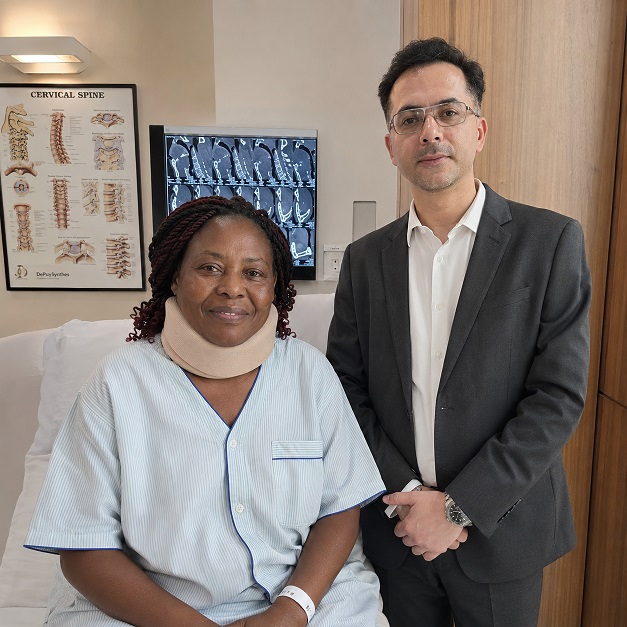
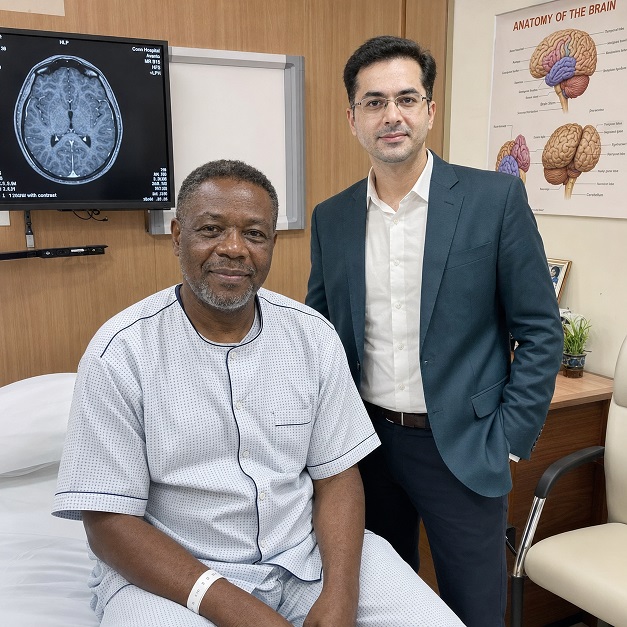
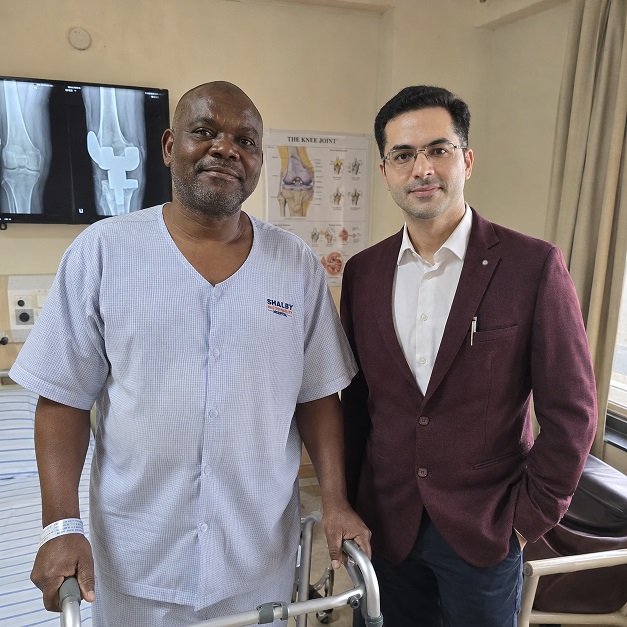
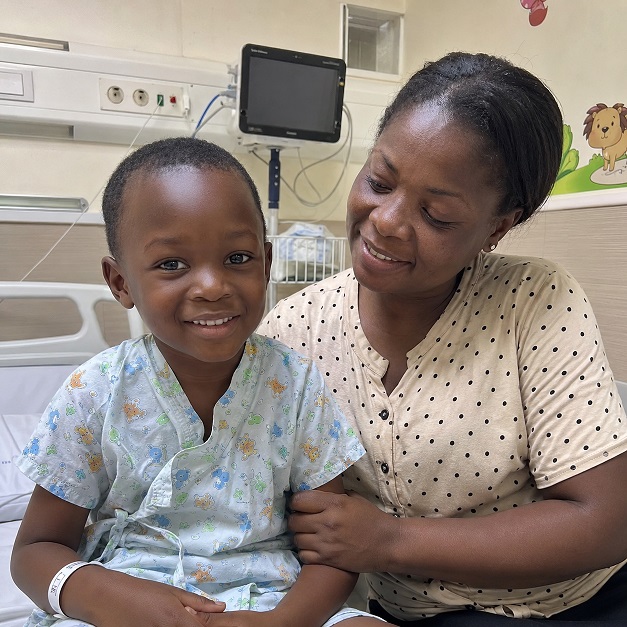
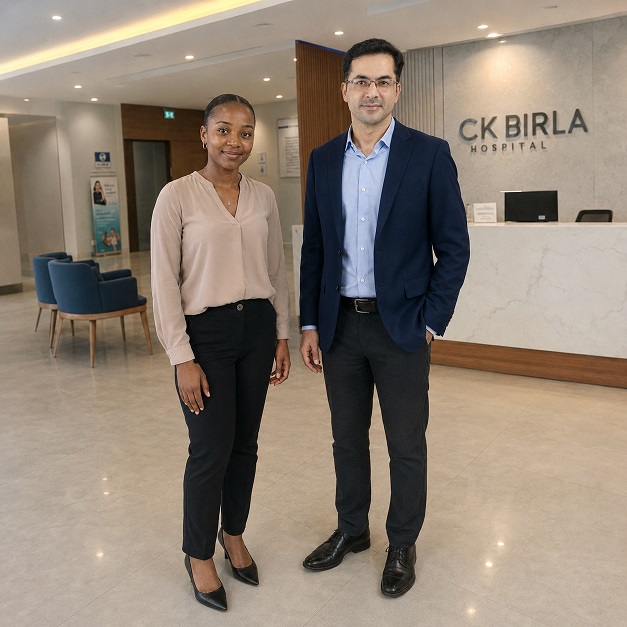
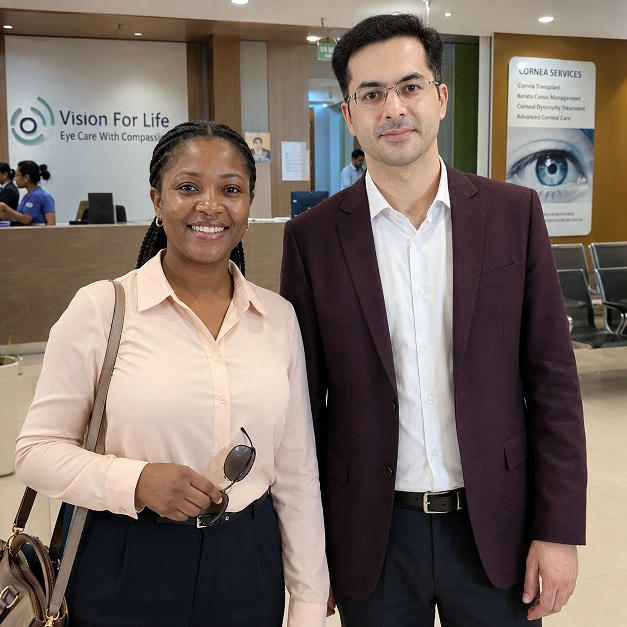
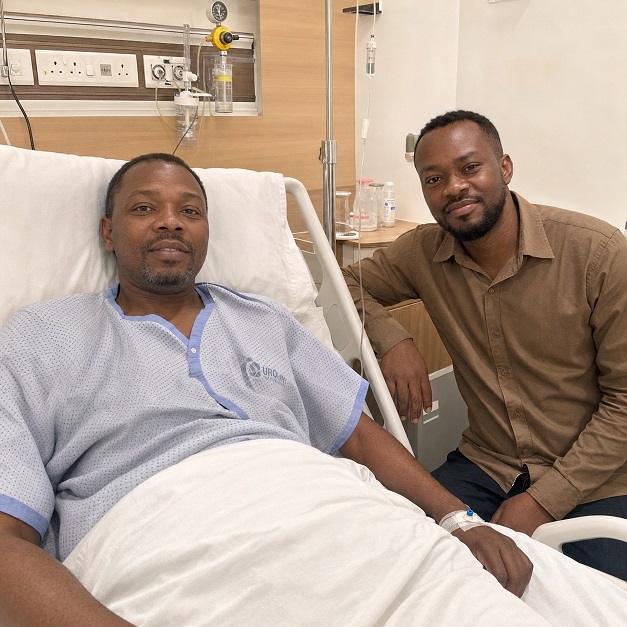
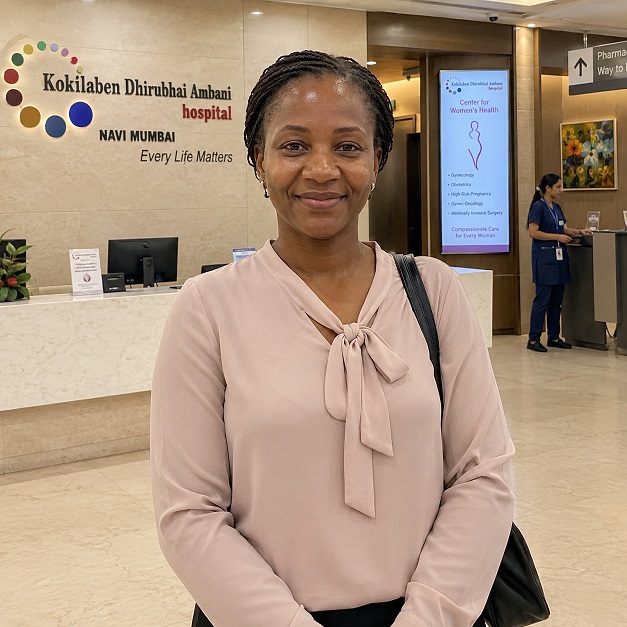
Healing Journeys of Zambian Patients

Key Takeaways
- Choosing a paediatric cardiac surgeon should involve reviewing experience with the child's specific congenital heart condition.
- Families should assess the complete cardiac team, not the surgeon alone. Paediatric cardiology, cardiac anaesthesia, perfusion, intensive care and nursing support are important parts of treatment.
- A hospital should have dedicated facilities for children, including a paediatric cardiac ICU and appropriate postoperative monitoring.
- Experience with neonatal, infant and complex congenital heart procedures can be particularly important for children requiring major cardiac surgery.
- Families travelling from Zambia should also evaluate pre-operative assessment, international-patient coordination, travel support and follow-up arrangements.
- Parents should ask whether the surgeon has treated children with the same or similar congenital heart defect rather than relying only on the hospital's overall reputation.
- Hospital accreditation, infection-control standards and emergency support should also be considered when comparing facilities.
Quick Facts
- Treatment
- Paediatric and congenital cardiac surgery
- Patients
- Children from Zambia requiring specialised cardiac care
- Conditions
- Congenital heart defects and selected acquired heart conditions
- Surgeon Selection
- Experience in paediatric and congenital cardiac surgery
- Hospital Selection
- Dedicated paediatric cardiac services and intensive-care facilities
- Key Support
- Paediatric cardiology, cardiac anaesthesia, perfusion and intensive care
- Important Records
- Echocardiography, cardiac imaging, previous medical reports and treatment history
- Travel Planning
- Medical evaluation, treatment scheduling, accommodation and postoperative follow-up
In Brief
Paediatric cardiac surgery requires specialised expertise because children's hearts, especially those of newborns and infants, require different surgical, anaesthesia and intensive-care approaches from adult cardiac surgery. When selecting treatment in India, Zambian families should look for a surgeon experienced in congenital heart disease and a hospital with a dedicated paediatric cardiac programme. The hospital should be able to provide diagnostic evaluation, surgery, paediatric cardiac intensive care and postoperative follow-up within an integrated team. The decision should be based on the child's specific diagnosis, age, overall health and complexity of the heart condition rather than on cost or hospital reputation alone.
First, should you travel at all?
Paediatric cardiac surgery capacity in Zambia is limited, and only a small share of children born with significant heart defects currently receive the surgery they need within the country. For many families, travelling to a high-volume paediatric cardiac centre is therefore not a luxury but the realistic route to treatment, and India, with dedicated children’s heart programmes, is a leading destination. But before travel, the essential step is a proper diagnosis and an honest assessment of how urgent your child’s particular defect is — because that assessment shapes everything that follows.
Knowledge that must come first: some defects have a closing window
This is the single most important thing for a parent to understand. Many congenital heart defects cause extra blood to flow toward the lungs. Left uncorrected for too long, this abnormal flow can gradually and permanently damage the small blood vessels in the lungs — a process that, once far enough advanced, cannot be undone by surgery, and can leave an operation unsafe or the child incurable of the underlying problem. This is why some defects that would be straightforward to repair in infancy become far more dangerous, or inoperable, if repair is delayed by months or years. Not every defect carries this urgency — some are safely watched, some can wait, some resolve on their own — but the ones that do must not be delayed by a long search for the “perfect” surgeon. Ask your child’s doctors plainly: is this a defect where timing is critical, and if so, how much time do we genuinely have?
It helps to know the range involved. Some defects, such as a small hole between the heart’s chambers, are straightforward and sometimes close on their own without any operation at all. Others, such as larger holes, a narrowed valve, or an abnormal connection between the major blood vessels, usually need surgical correction, often with excellent long-term results when performed at the right time. A smaller number of children are born with more complex arrangements, such as a single functioning pumping chamber, where the path to a stable life involves several planned operations over the first years of childhood rather than one. None of these should be assumed from a description alone — what matters is your own child’s specific diagnosis, confirmed by proper imaging, and the timing that diagnosis implies.
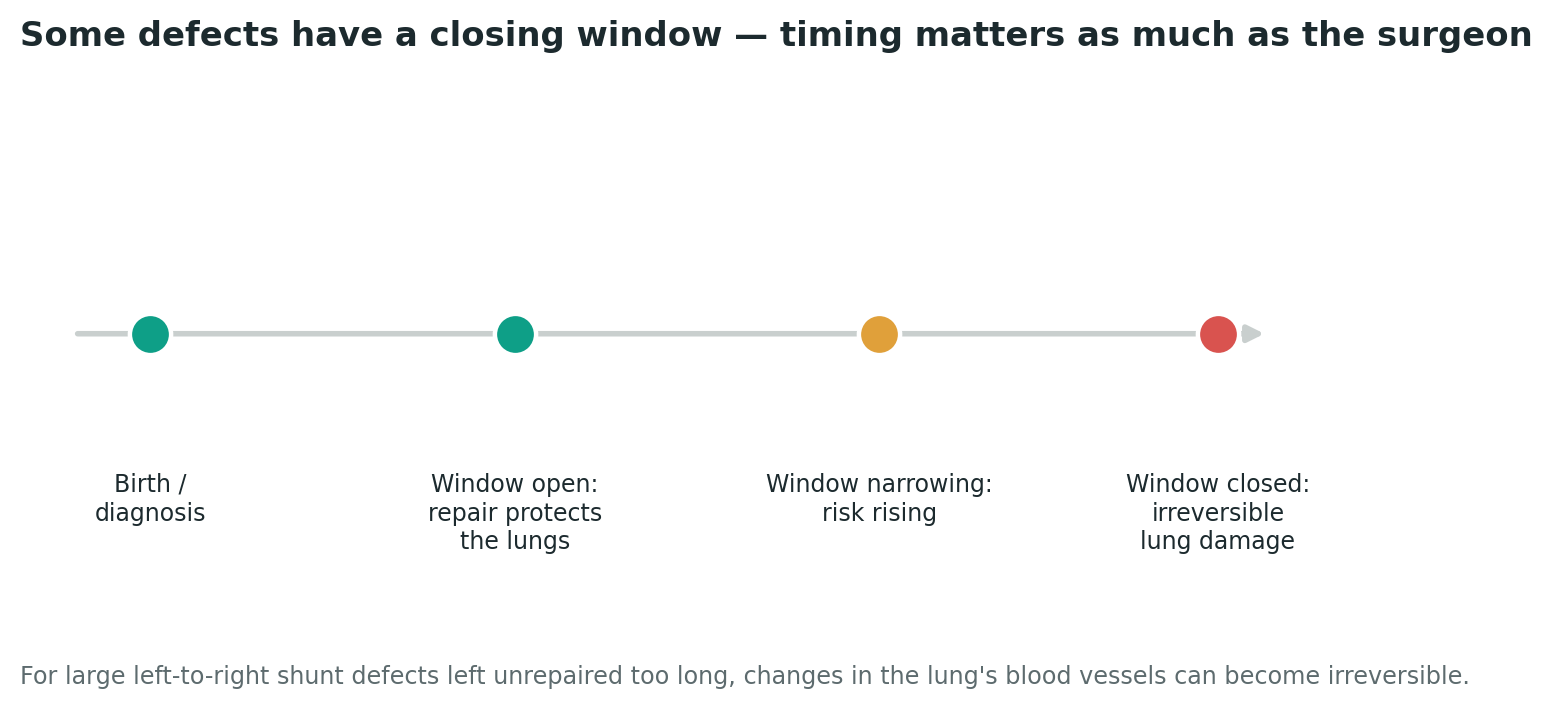
Not every defect is this urgent — but where it applies, timing becomes as important a decision as the choice of surgeon.
Two decisions, not one
You are choosing the surgeon and the paediatric team and hospital around them. Both must be right. A children’s heart operation depends unusually heavily on a whole paediatric-specific team — anaesthesia, intensive care, cardiology — built for small bodies and specific defects, not adapted from adult cardiac care.
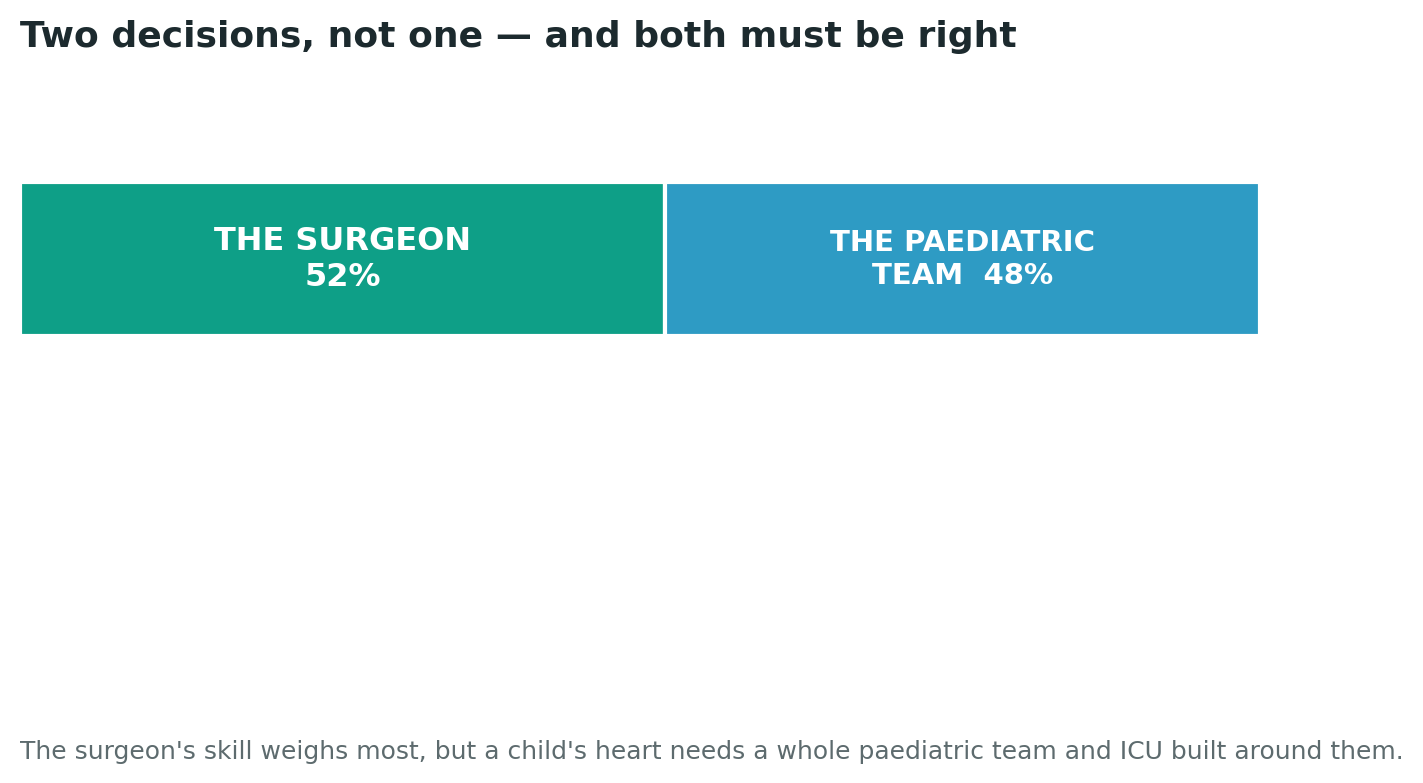
The surgeon’s skill weighs most, but a child’s heart needs a whole paediatric team and intensive-care unit built around them.
Part One: choosing the surgeon
1. Choose a genuine paediatric cardiac surgeon. This is not the same specialty as adult cardiac surgery. Seek a surgeon who trained specifically in congenital and paediatric heart surgery, and treats children as his main practice, not an adult cardiac surgeon occasionally operating on a child.
2. Ask his volume with your child’s exact defect. Congenital heart defects vary enormously in complexity, from a straightforward hole in the heart to complex single-ventricle conditions needing several staged operations over years. Ask how often the surgeon treats your child’s specific defect.
3. Expect an honest answer on timing. A good paediatric cardiac surgeon tells you plainly whether your child’s defect is urgent, and explains why, rather than leaving you to guess how much time you have to decide and travel.
4. Ask about staged repairs, if relevant. Some complex defects are treated not by one operation but a planned sequence over several years as the child grows. If this applies, ask for the whole roadmap now, not just the first step.
5. Ask about outcomes. A confident surgeon shares his survival and complication rates for your child’s specific defect. Vague reassurance is not the same as a candid number.
6. Confirm he will operate on your child personally. Ask, and get it in writing, that the named surgeon you chose will perform the operation, not delegate it to a trainee.
7. Test his communication before you travel. The best paediatric cardiac surgeons review the echocardiogram and any catheterisation results remotely, explain the plan in terms a worried parent can follow, and answer every question honestly.
How to read an Indian paediatric cardiac surgeon’s qualifications
| Stage | Qualification | What it tells you |
|---|---|---|
| Basic medical degree | MBBS | A qualified doctor — the starting point, not a specialist. |
| Cardiothoracic specialist | MCh (Cardiothoracic Surgery) or DNB (CTVS) | A fully trained heart surgeon — a general qualification, not yet paediatric-specific. |
| Paediatric & congenital expertise | Fellowship in paediatric / congenital cardiac surgery | Focused training specifically in children’s heart surgery — what you want. |
You can confirm that a surgeon is properly registered on the National Medical Commission register of India (nmc.org.in). A genuine specialist will be glad to have you check.
Part Two: choosing the paediatric team and hospital
1. Insist on a paediatric, not adult, cardiac intensive-care unit. This is the single most important hospital-level safeguard. Children’s hearts, lungs and circulation respond very differently to surgery than adults’ do, and recovery needs staff and equipment specifically built for children. Confirm this is genuinely separate from adult cardiac ICU care.
2. Confirm paediatric cardiac anaesthesia expertise. Anaesthetising a small child with a heart defect is a specialised skill in itself. Ask whether the anaesthesia team focuses on paediatric cardiac cases specifically.
3. Confirm a paediatric cardiologist is part of the team. Diagnosis, timing decisions, and long-term follow-up should involve a paediatric cardiologist working alongside the surgeon, not the surgeon alone.
4. Ask about long-term, growing-up planning. For defects needing staged repair, or where a repaired heart may need attention again as your child grows, ask how the hospital plans this multi-year journey, and how it will coordinate with a Zambian doctor between trips if more than one is needed.
5. Check accreditation and infection control. The hospital should be accredited by India’s NABH, and ideally by JCI, with infection rates tracked and controlled — especially important for small children.
6. Weigh international support and transparent pricing. A good centre helps with the visa invitation for both child and accompanying parent, and gives a written, itemised, fixed quote covering the whole treatment plan.
7. Ask how it will support you after you fly home. A good hospital offers teleconsultation, a full written record of the defect and repair, and clear guidance for a Zambian doctor to continue monitoring your child’s growth and heart.
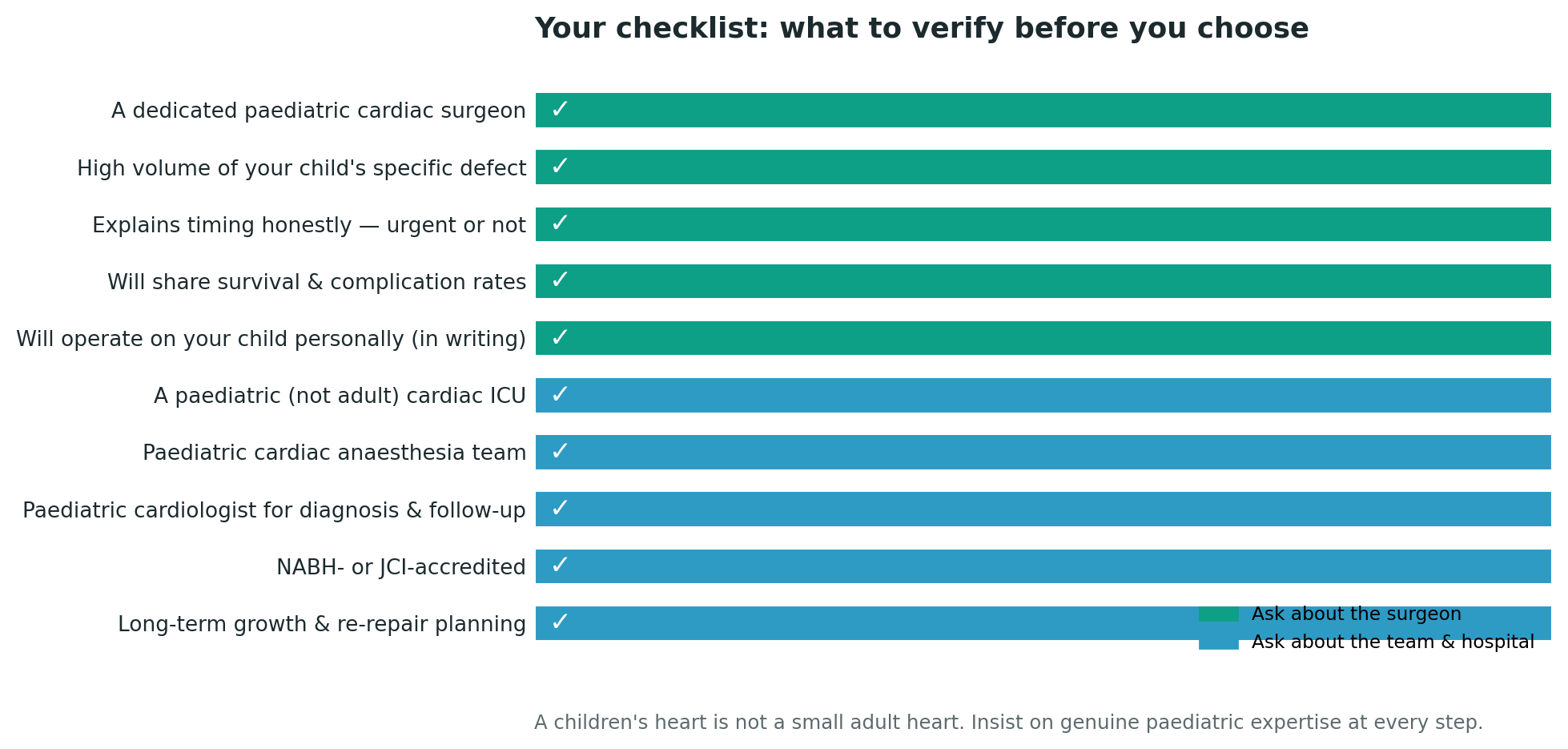
Keep this checklist beside you. A children’s heart is not a small adult heart — insist on genuine paediatric expertise at every step.
Cost and value: how to weigh the money honestly
Paediatric cardiac surgery in a good Indian hospital costs a fraction of Western private pricing, which is why many families travel. At roughly ZK19 to the US dollar in mid-2026, the saving is large in kwacha; confirm the rate before travel, as it moves. But value here is inseparable from timing and genuine paediatric expertise — a slightly dearer quote from a true paediatric cardiac team, arranged without delay for an urgent defect, is worth incomparably more than a cheaper one that costs precious months.
In 24 years of arranging these journeys, I have learned that the disputes that arise almost never concern the price — they concern time lost while a family searched for reassurance that should have come, plainly and quickly, from the first honest doctor they saw. Insist on clarity about timing and the full itemised picture together, and do not let the search for the cheapest quote cost weeks that matter.
What a Zambian family should weigh in particular
Beyond the surgeon and the team, several things matter specifically for a family travelling from Zambia. First, get your child assessed promptly if a heart murmur, breathlessness, poor weight gain, unusual tiredness during feeding or play, or bluish lips or skin are noticed, since early diagnosis is what keeps a closing window open, and a clinic visit for a murmur heard at a routine check is worth pursuing rather than postponing. Second, how you will pay : the National Health Insurance scheme funds care inside Zambia, not treatment abroad, so this comes from your own resources, and complex cases may need planning for more than one trip over several years. Third, your child’s ongoing care at home : arrange a Zambian paediatrician or cardiologist to continue monitoring growth and heart health, with a clear written handover from the Indian team.
The practical journey from Zambia
India requires a yellow fever vaccination certificate from travellers arriving from Zambia, valid only ten days after the injection; discuss timing of routine childhood vaccinations with your doctors around the date of surgery. The medical visa is issued by the High Commission of India on Pandit Nehru Road in Lusaka against the hospital’s invitation letter, with an attendant visa for the accompanying parent in the same batch. There is no direct flight — you will connect through Addis Ababa on Ethiopian Airlines, or through Dubai, Doha or Nairobi. Send your child’s echocardiogram and any catheterisation results, not just a summary, for review before you travel, and settle the hospital by traceable bank transfer rather than cash.
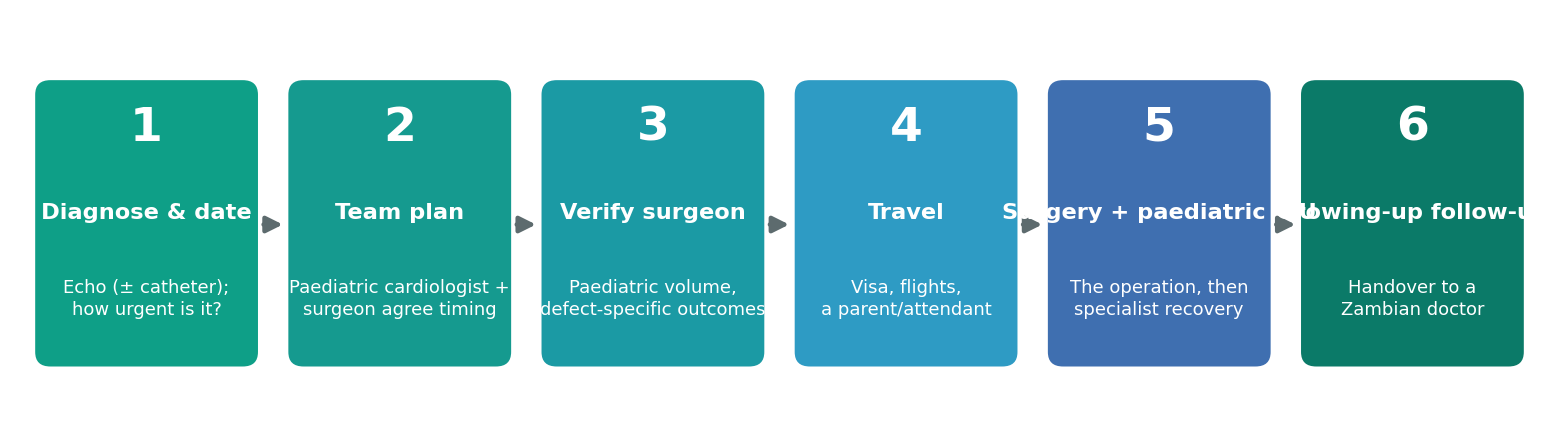
Four signals that should make you pause
- No honest answer on urgency — vague reassurance instead of a specific explanation of whether your child’s defect is time-sensitive.
- An adult surgeon treating children occasionally — a surgeon whose main practice is adult cardiac surgery.
- No separate paediatric cardiac ICU — or no dedicated paediatric cardiac anaesthesia team.
- A single price with no staged-care plan — no plan for multi-year care, and no aftercare arrangement for Zambia.
Straight Answers for Zambians about Paediatric Cardiac Surgeons & Hospitals in India
How urgently does my child need surgery?
It depends entirely on the specific defect. Some can safely wait or resolve on their own; others must be repaired within a defined window before changes in the lungs become irreversible. Ask your child’s doctors plainly which applies, and how much time you genuinely have — do not assume, and do not let a long search for reassurance delay an urgent case.
Why does it matter that the surgeon is a paediatric specialist, not just a cardiac surgeon?
Because children’s hearts, and their response to surgery and anaesthesia, differ substantially from adults’. A surgeon whose main practice is adult hearts, treating children occasionally, does not have the same depth of experience as one dedicated to congenital and paediatric heart surgery.
Will my child need more than one operation?
For some complex defects, yes — a planned sequence of staged operations over several years is normal and expected, not a sign anything went wrong. Ask for the whole roadmap from the start, so you can plan travel and finances for the full journey, not just the first step.
What matters most in the hospital I choose?
A genuinely separate paediatric cardiac intensive-care unit, a paediatric cardiac anaesthesia team, and a paediatric cardiologist working alongside the surgeon — plus clear support for your child’s long-term follow-up once you are back in Zambia.
Sources & Useful Links
- 🌐 Verify a surgeon (India) — National Medical Commission register of doctors: nmc.org.in
- 🌐 Hospital accreditation (India) — verify a hospital’s NABH accreditation: nabh.co
- 🌐 Medical visa (India), Lusaka — High Commission of India, requirements & process: hcizambia.gov.in/page/medical-visa
- 🌐 National Health Insurance (Zambia) — NHIMA cover (treatment abroad is not covered): nhima.co.zm
- 🌐 Ministry of Health, Zambia — referrals and national paediatric services: moh.gov.zm
- 🌐 Yellow fever & travel health — WHO vaccination guidance: who.int/health-topics/yellow-fever
A closing word
If you send me your child’s echocardiogram and a note on their symptoms, I will help you with the questions that matter most: how urgent your child’s specific defect truly is; which surgeons are genuine paediatric cardiac specialists, not adult surgeons treating children occasionally; which hospitals have the paediatric intensive care, anaesthesia and cardiology team a child’s heart needs; and how to plan for staged care if your child’s defect requires it. A parent facing this news deserves both urgency and clarity, in the right measure — not haste born of fear, but no delay where a window is truly closing. That, for all these years, has been my work.
Frequently Asked Questions by Zambians about Paediatric Cardiac Surgeons & Hospitals in India
How can Zambian parents choose a paediatric cardiac surgeon in India?
Parents should look for a surgeon with dedicated experience in paediatric and congenital heart surgery. Experience with the child's specific heart defect is more useful than relying only on general years of cardiac-surgery experience.
Which hospitals should Zambian children consider for heart surgery in India?
Families should shortlist hospitals with dedicated paediatric cardiac programmes, experienced congenital-heart teams and paediatric cardiac intensive-care facilities. The final choice should depend on the child's diagnosis and surgical requirements.
What qualifications should a paediatric cardiac surgeon have?
Parents should verify recognised medical qualifications and specialised training in cardiothoracic and paediatric or congenital cardiac surgery. Additional focused experience in the child's particular condition can also be valuable.
Why is a paediatric cardiac ICU important?
Children can require close monitoring after heart surgery because their recovery needs differ from adults. A dedicated paediatric cardiac ICU provides specialised postoperative monitoring and support.
Can Zambian children receive complex congenital heart surgery in India?
Yes, specialised Indian centres treat a broad range of congenital heart conditions, including complex defects. The appropriate hospital depends on the child's diagnosis, age, weight and surgical complexity.
What medical records should a Zambian family send before travelling?
Families should generally provide echocardiography reports, cardiac imaging, previous treatment records, blood-test results, prescriptions and operative reports where available. The treating team can then determine what additional investigations are required.
Should parents compare hospitals or surgeons first?
Both should be evaluated together. An experienced surgeon needs an appropriate hospital environment with paediatric cardiac anaesthesia, intensive care, diagnostic services and a multidisciplinary support team.
How long might a child from Zambia need to stay in India?
The duration depends on the child's diagnosis, procedure, recovery and postoperative monitoring. Families should obtain an individual estimate from the treating hospital rather than relying on a fixed number of days.
How can families plan follow-up after returning to Zambia?
Before leaving India, parents should request a discharge summary, operative details, medication plan and follow-up recommendations. Coordination with the child's cardiologist in Zambia can help maintain continuity of care.
What is the most important factor when selecting treatment in India?
The most important consideration is whether the surgeon and hospital have the appropriate expertise and infrastructure for the child's specific heart condition. Cost and travel convenience should not replace clinical suitability when making the final decision.
Page Summary
Selecting the right paediatric cardiac surgeon and hospital is an important decision for Zambian families travelling to India for treatment. The choice should be based on the child's diagnosis, complexity of the heart defect, surgeon's relevant experience, hospital infrastructure and availability of a complete paediatric cardiac team. Families should first understand the child's diagnosis and recommended procedure. They can then compare surgeons according to their experience with similar congenital heart conditions rather than relying only on general cardiac-surgery experience.
Citation Block
| Topic | Information |
|---|---|
| Treatment | Paediatric and Congenital Cardiac Surgery |
| Country | India |
| Target Patients | Zambian Children and Families |
| Primary Specialist | Paediatric Cardiac / Congenital Heart Surgeon |
| Key Diagnostic Test | Echocardiography |
| Important Hospital Facility | Dedicated Paediatric Cardiac ICU |
| Important Support | Paediatric Cardiology, Paediatric Cardiac Anaesthesia and Intensive Care |
| Selection Criteria | Surgeon Experience, Hospital Infrastructure, Paediatric Cardiac Team and Postoperative Follow-Up |
| International Patient Factors | Medical Records, Travel Planning, Treatment Estimate and Follow-Up Coordination |
| Author | Dr. Dheeraj Bojwani |
| Experience | 24+ Years of Experience |


Our Mission Statement
Our mission is to place patients at the centre of every healthcare decision by providing trustworthy, evidence-based, and unbiased medical information. We believe that informed patients make better decisions. Backed by personalised guidance from our experienced advisory team, we help patients understand their treatment options, compare them objectively, and confidently choose the path that best suits their medical needs and personal circumstances.
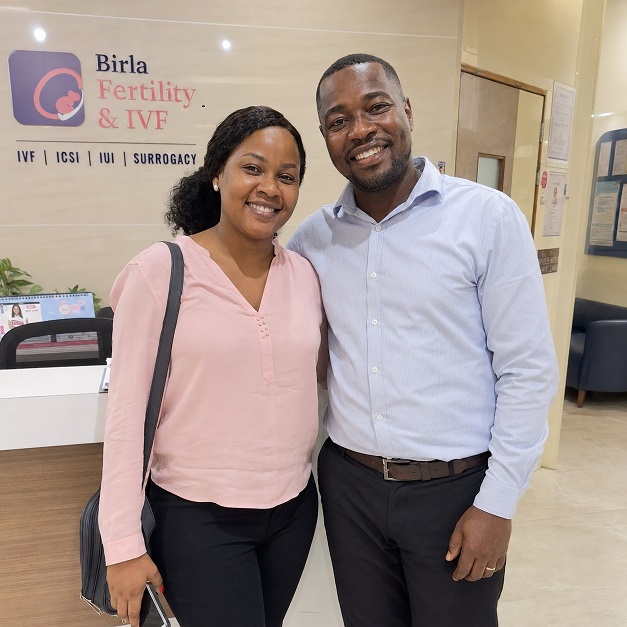
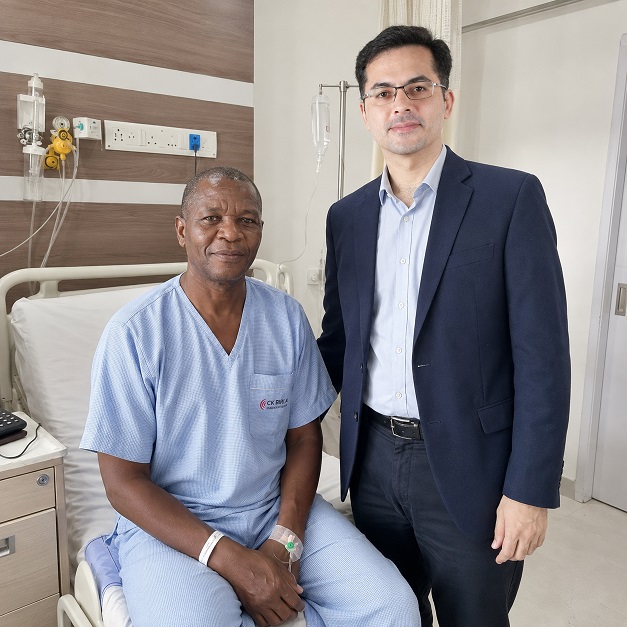
Patient Testimonials from Zambia

Ready to Take the First Step?
Share your Medical Reports with our Healthcare Managers Today and Get a FREE CONSULTATION, a Personalized Treatment Plan, and Complete Support from Arrival to Recovery.
Get Your Free ConsultationAreas We Serve
This resource has been thoughtfully prepared for patients from Zambia who are considering medical treatment in India. We also welcome patients from the wider region in the countries mentioned below-
We assist patients from:
- Zambia
- Angola
- Malawi
- Zimbabwe
- Botswana
- Namibia
- South Africa
- Eswatini
- Lesotho
- Gabon
- Chad
- Equatorial Guinea
- São Tomé and Príncipe
- Republic of the Congo
- Democratic Republic of the Congo
Many of the insights, treatment pathways, hospital recommendations, travel guidance, and patient support services described here are equally relevant and may be used as a reference when planning treatment in India.
From Zambia to India: Your Complete Patient Support Guide
- Best Weight-Loss (Bariatric) Surgeons & Hospitals in India for Zambian Patients
- Best Brain-Tumour Surgeons & Hospitals in India for Zambian Patients
- Best Cancer Doctors & Hospitals in India for Zambian Patients
- Best Cardiac Surgeons & Hospitals in India for Zambian Patients
- Best Cosmetic Surgeons & Facilities in India for Zambian Patients
- Best CyberKnife Treatment Teams & Centres in India for Zambian Patients
- Best Dentists & Dental Clinics in India for Zambian Patients
- Best Heart Valve Replacement Surgeons & Hospitals in India for Zambian Patients
- Best Hip Surgeons & Hospitals in India for Zambian Patients
- Best Knee Surgeons & Hospitals in India for Zambian Patients
- Best Neurosurgeons & Hospitals in India for Zambian Patients
- Best Paediatric Cardiac Surgeons & Hospitals in India for Zambian Patients
- Best Paediatric Neurosurgeons & Hospitals in India for Zambian Patients
- Best Prostate Surgeons & Hospitals in India for Zambian Patients
- Best Scoliosis Surgeons & Hospitals in India for Zambian Patients
- Best Spine Surgeons & Hospitals in India for Zambian Patients
- Best Bone Marrow Transplant Teams & Hospitals in India for Zambian Patients
- Best Kidney Transplant Surgeons & Hospitals in India for Zambian Patients