

Selecting the Best Cancer Doctors & Hospitals in India — a Zambian Patient’s Guide
Cancer is treated by a team over months, not by one doctor in an afternoon. Two things come before any choice of surgeon: is the diagnosis correct, and has a full team weighed every option?
A cancer diagnosis changes how a person hears everything that follows, and the instinct is to move quickly — to find a surgeon, book a date, begin. But cancer care is rarely one operation; it is usually a sequence of decisions, made by several specialists together, over months or years. For 24 years I have guided African families through this, and the single most valuable lesson I can offer is this: before you choose anyone to treat you, make sure of two things — that the diagnosis itself is correct, down to the precise type and stage, and that a genuine team, not one enthusiastic specialist, has weighed every reasonable option. This guide applies across cancer types; where your particular cancer has special considerations, treat this as the foundation and build on it with your doctors.
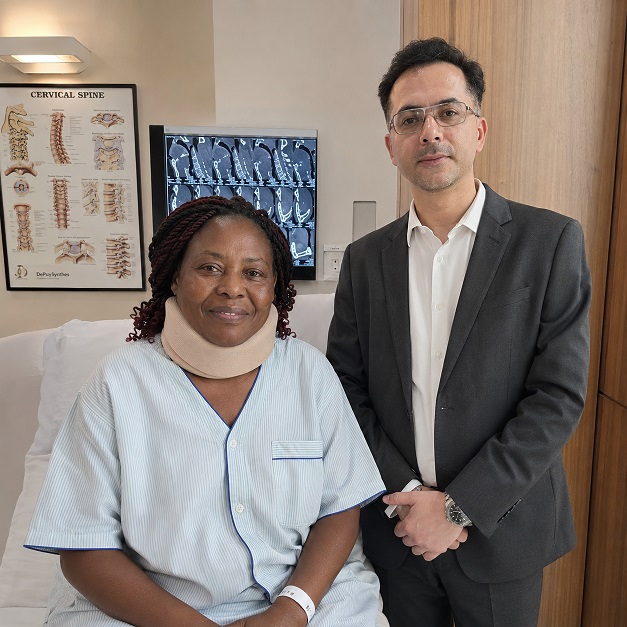
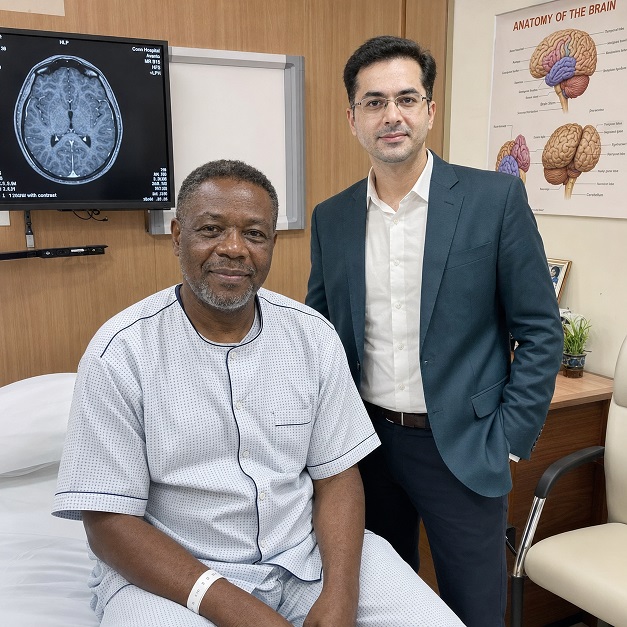
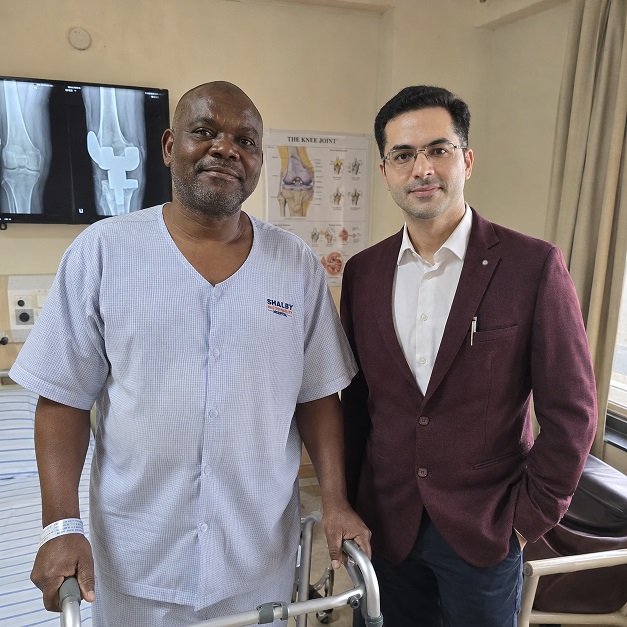
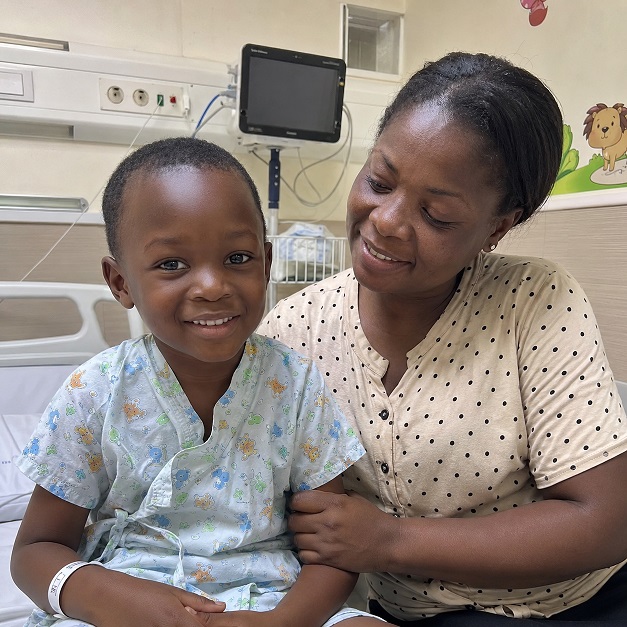
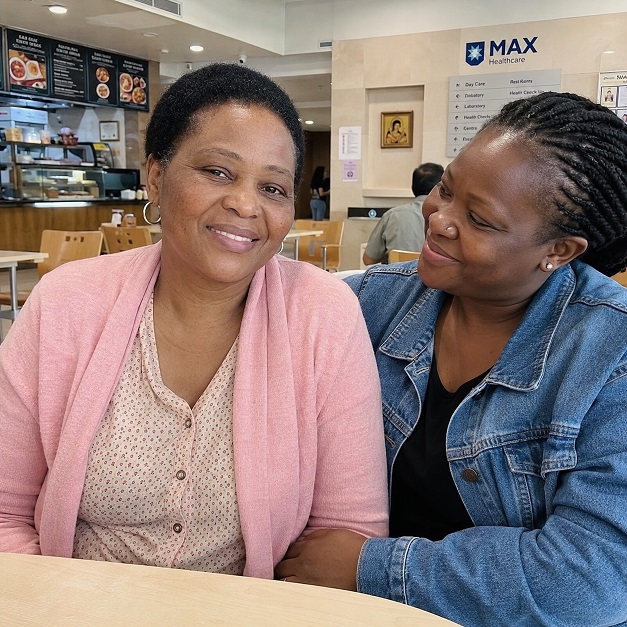
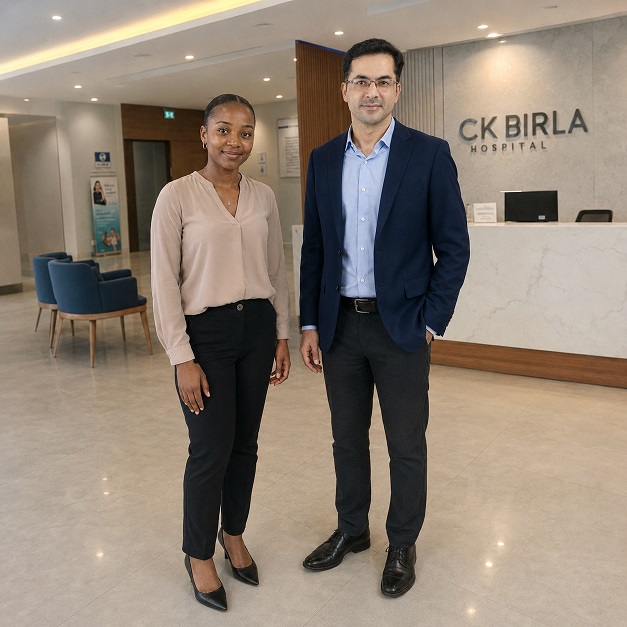
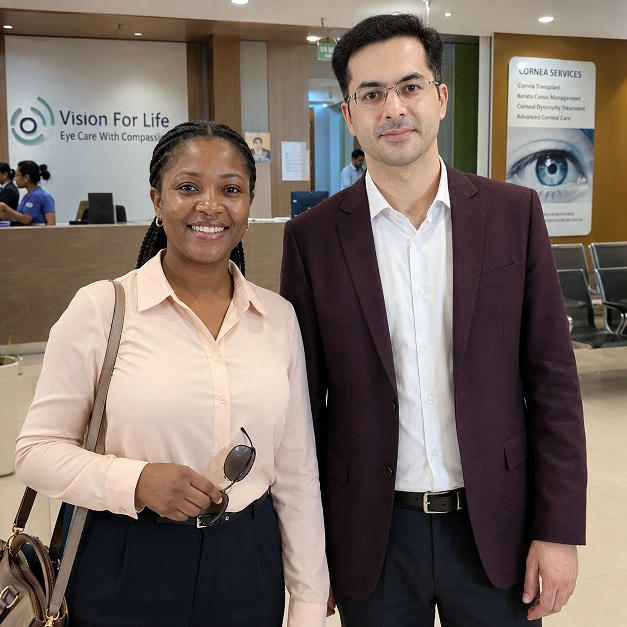
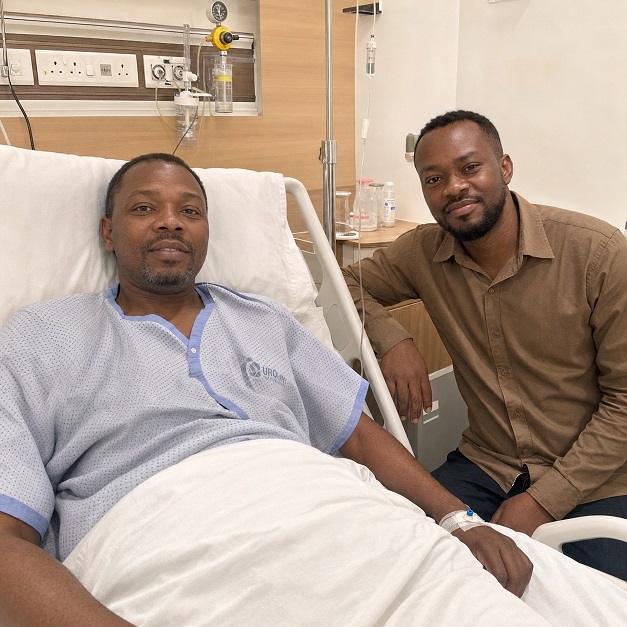
Healing Journeys of Zambian Patients
One further truth is worth stating plainly. Across the region, cancer is often diagnosed at a later stage than in countries with well-established screening programmes, sometimes because symptoms were mistaken for something else, sometimes because access to investigation was delayed. This is not a matter of blame, but it does mean that if you or a family member notice a persistent lump, unexplained weight loss, unusual bleeding, or a symptom that will not resolve, it is worth pursuing proper investigation without delay. Cancer caught at an earlier stage is, in almost every case, both easier to treat successfully and less costly to treat — so promptness itself is one of the most valuable decisions you can make, well before the choice of any surgeon or hospital.
Key Takeaways
- The guide's central message is that cancer care should begin with confirming the diagnosis and stage before selecting treatment or a hospital. Cancer treatment may continue for months or years and usually involves several specialists rather than one doctor working alone.
- Zambia has established cancer services, with the Cancer Diseases Hospital in Lusaka serving as the country's main radiotherapy centre. The guide explains that treatment in Zambia may be appropriate for some patients, while complex surgery, specific radiotherapy techniques, specialised chemotherapy or long waits may make India a reasonable option.
- One of the most important safeguards is an independent pathology review. Cancer diagnosis depends on a pathologist interpreting biopsy tissue, and the guide explains that an expert second review may sometimes change the tumour type, grade, stage or treatment plan.
- The page 2 chart illustrates how frequently diagnoses may change after expert pathology review in published studies: approximately 10% for breast cancer, 18% for thyroid cancer, 22% for head-and-neck cancer and 30% for rare or unusual tumour types. These are presented as illustrative figures rather than universal rates.
- Zambian patients should therefore take or send their original pathology slides or tissue blocks, not only the typed pathology report, for review before major treatment begins.
- The guide treats the lead oncologist and the hospital/team as equally important, because cancer care often involves surgical oncology, medical oncology, radiation oncology, pathology and radiology working in sequence.
- A genuine multidisciplinary tumour board is identified as one of the strongest signs of a high-quality cancer programme.
- The tumour board should include a surgeon, medical oncologist, radiation oncologist, radiologist and pathologist, who together determine whether surgery, radiotherapy, chemotherapy, targeted therapy or a combination is most appropriate.
Quick Facts
- Treatment
- Comprehensive Cancer Diagnosis & Treatment
- Country
- India
- Intended Audience
- Zambian Patients and Families
- First Priority
- Confirm the Cancer Diagnosis
- Second Priority
- Confirm the Cancer Stage
- Primary Diagnostic Material
- Original Biopsy Slides / Tissue Blocks
- Pathology Second Opinion
- Recommended Before Major Treatment Where Possible
- Illustrative Pathology Change – Breast Cancer
- Approximately 10%
- Illustrative Pathology Change – Thyroid Cancer
- Approximately 18%
- Illustrative Pathology Change – Head & Neck Cancer
- Approximately 22%
- Illustrative Pathology Change – Rare / Unusual Tumours
- Approximately 30%
- Lead Doctor vs Team Weighting
- Equal Importance
- Primary Specialist
- Cancer-Specific Oncologist
- Core Oncology Disciplines
- Surgical Oncology, Medical Oncology and Radiation Oncology
In Brief
Choosing cancer doctors and hospitals in India for Zambian patients should begin with expert confirmation of the original pathology and multidisciplinary tumour-board review. The guide's page 2 chart illustrates that expert pathology review can change the diagnosis in a meaningful proportion of cases, particularly for rare or unusual tumours. A strong oncology centre should combine cancer-specific specialists with on-site surgery, chemotherapy, radiotherapy, pathology and biomarker testing, while providing a complete written treatment plan and long-term follow-up arrangements for Zambia.
First, should you travel at all?
Zambia’s cancer care is centred on the Cancer Diseases Hospital in Lusaka, the country’s main radiotherapy centre, where demand is heavy and waiting times can be long; some cancer surgery and chemotherapy are also available through other referral hospitals. For some patients, treatment at home is right and can begin sooner. But for complex surgery, specific radiotherapy techniques, certain chemotherapy regimens, or simply to avoid a long wait for radiotherapy, travelling to a high-volume centre is often the wiser course, and India is a leading destination. As with every guide in this series, travelling is the second decision; the diagnosis and the plan come first.
Knowledge that must come first: is the diagnosis itself correct?
This is the fact most patients never think to question, and it may be the single most valuable thing in this guide. A cancer diagnosis rests on a pathologist examining tissue from a biopsy under a microscope — and pathology is a skilled, sometimes difficult judgement, not a simple readout. Published research consistently shows that when a second, expert pathologist reviews the original slides, a meaningful share of cases are reclassified — sometimes the grade or stage changes, sometimes the cancer type itself is revised, and in a real minority of cases the treatment plan changes as a result. This is not a criticism of any particular laboratory; it reflects how genuinely difficult some diagnoses are. Before committing to major surgery, radiotherapy or chemotherapy, ask whether your original biopsy slides can be sent for independent review by the treating hospital’s own pathologist. It is a small step that can prevent a large mistake.
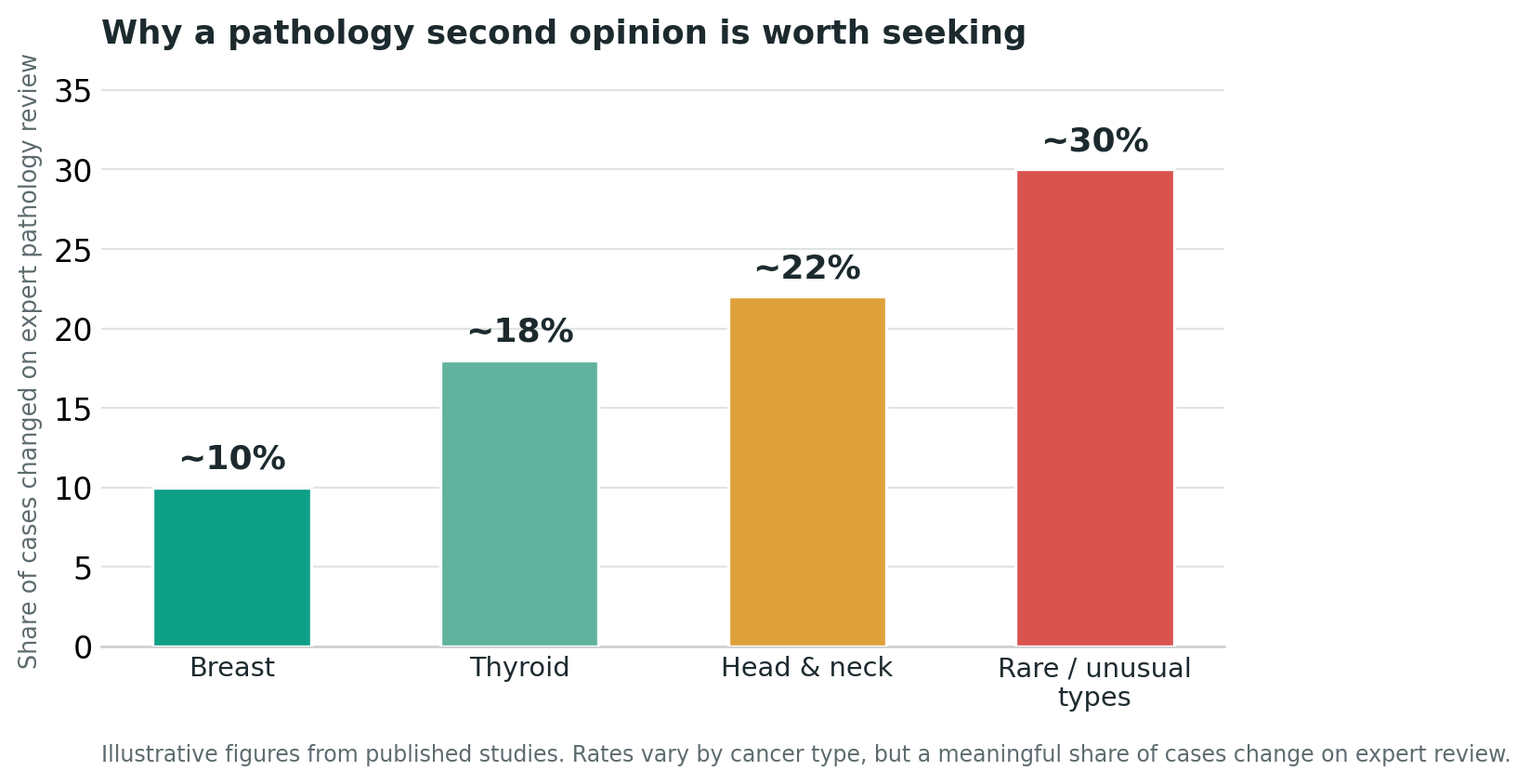
Illustrative figures from published studies. Rates vary by cancer type, but a meaningful share of cases change on expert review — reason enough to ask.
Two decisions, not one — and here they carry equal weight
You are choosing the lead oncologist and the team and hospital around them. In cancer care more than almost anywhere in this series, the two are equally important, because your treatment will likely involve several specialists in sequence — surgeon, medical oncologist, radiation oncologist — and the quality of their coordination matters as much as any one of their individual skills.
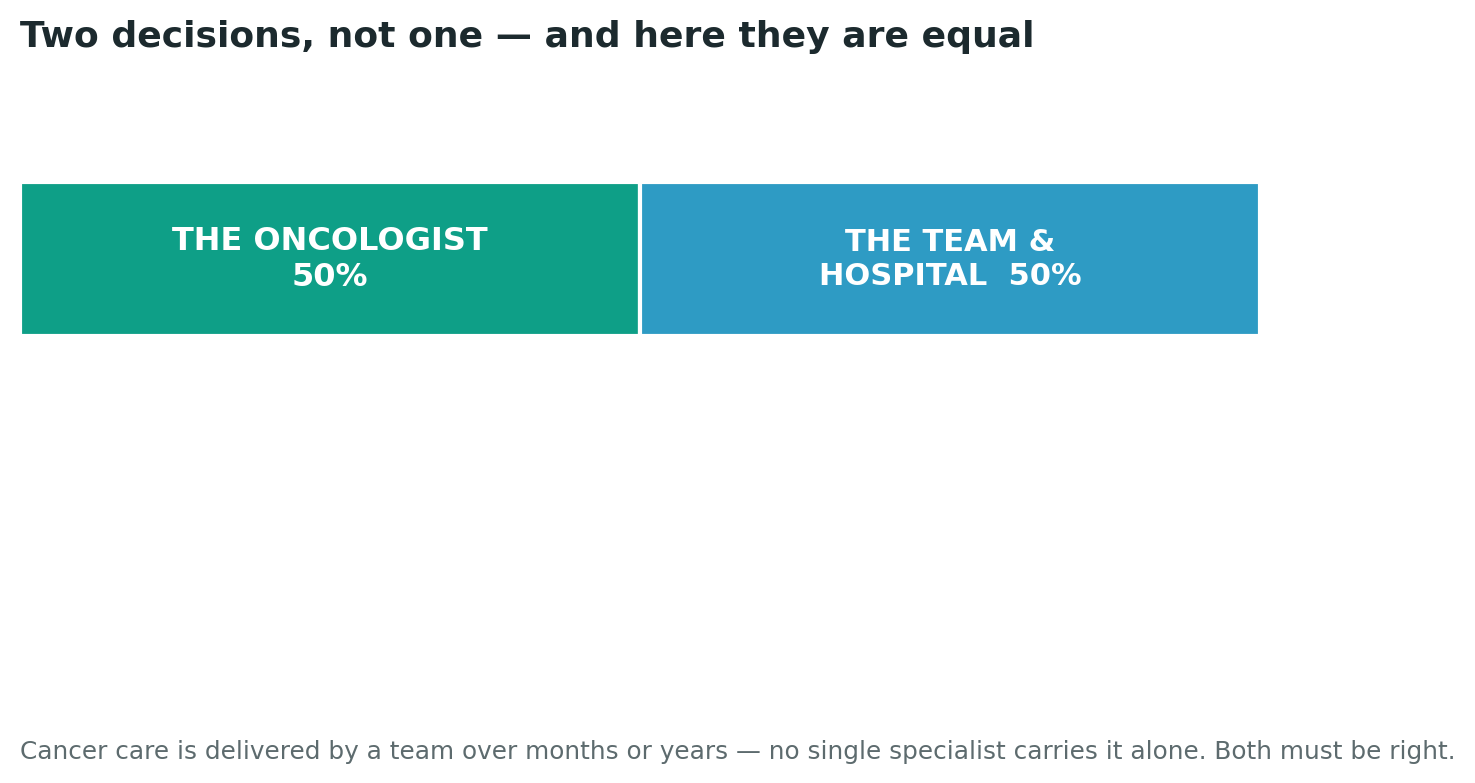
Cancer care is delivered by a team over months or years — no single specialist carries it alone. Both must be right.
The second most important thing: a genuine multidisciplinary tumour board
In good cancer care, no single doctor decides your treatment alone. Your case should be discussed by a multidisciplinary tumour board — bringing together a surgeon, a medical oncologist, a radiation oncologist, a radiologist and a pathologist — who together weigh whether surgery, radiotherapy, chemotherapy, targeted therapy, or some combination and order of these, best suits your particular cancer. This protects you from the natural pull of any one specialist toward the treatment he personally performs. When you assess a hospital, the first thing to confirm is that a genuine tumour board, not an individual doctor, will agree your plan.
Part One: choosing the lead oncologist
1. Choose a sub-specialist in your particular cancer. Oncology divides by cancer type and by discipline — surgical, medical, and radiation oncology. Seek a doctor whose practice centres on your specific cancer, not one treating it occasionally among many other types.
2. Ask about volume with your cancer type. Experience with your particular cancer, not oncology in general, predicts better results. Ask how many cases like yours the doctor and hospital treat each year.
3. Expect all options explained, not surgery pushed by default. A trustworthy oncologist explains where surgery, radiotherapy, chemotherapy and newer options such as targeted or biomarker-based therapy each fit for your case, and does not steer you toward whichever treatment he personally delivers.
4. Ask about biomarker and molecular testing. For many cancers, testing the tumour’s specific biological features can identify treatments more likely to work for you, or rule out ones that will not. Ask whether such testing is available and recommended for your cancer.
5. Ask about outcomes. A confident oncologist shares survival and complication data honestly for patients like you. Vague reassurance is not the same as a candid number.
6. Confirm who leads your care personally. Ask, and get it in writing, who your named lead doctor is throughout treatment, so you are not passed between unfamiliar staff at each stage.
7. Test communication before you travel. The best oncologists review your pathology, imaging and history remotely, answer questions plainly, and welcome your wish for a pathology second opinion rather than resisting it.
How to read an Indian oncologist’s qualifications
| Stage | Qualification | What it tells you |
|---|---|---|
| Basic medical degree | MBBS | A qualified doctor — the starting point, not a specialist. |
| Oncology specialist | MD/DM (Medical Oncology), MCh (Surgical Oncology), or DM (Radiation Oncology) | A fully trained cancer specialist in one of the three core disciplines. |
| Cancer-specific expertise | Fellowship in a specific cancer type (e.g. breast, GI, haemato-oncology) | Sub-specialist focus on your particular cancer — what you want. |
You can confirm that a doctor is properly registered on the National Medical Commission register of India (nmc.org.in). A genuine specialist will be glad to have you check.
Part Two: choosing the team and hospital
1. Confirm a genuine tumour board. As above, this is the single most important thing. Ask directly whether a multidisciplinary team, not one doctor, will discuss and decide your plan.
2. Ask whether your pathology slides will be reviewed. Confirm the hospital’s own pathologist will independently examine your original biopsy material before treatment begins, not simply accept the referring report.
3. Confirm on-site radiotherapy and chemotherapy. Choose a centre where surgery, radiotherapy and chemotherapy are all available under one roof, so your whole care is coordinated rather than scattered across separate providers.
4. Check biomarker and molecular testing capability. A modern cancer centre can test tumour tissue for the specific markers that guide targeted treatment choices for your cancer type.
5. Insist on accreditation and infection control. The hospital should be accredited by India’s NABH, and ideally by JCI, with tracked and controlled infection rates, particularly important for patients whose immunity is affected by chemotherapy.
6. Weigh international support and transparent pricing. A good centre helps with the visa invitation, accommodation and a coordinator, and gives a written, itemised plan and quote covering the whole treatment course, not just its first stage.
7. Ask how it will support you after you fly home. Cancer follow-up continues for years. A good hospital offers teleconsultation, a full written treatment record, and will liaise with your doctor in Zambia for ongoing monitoring.
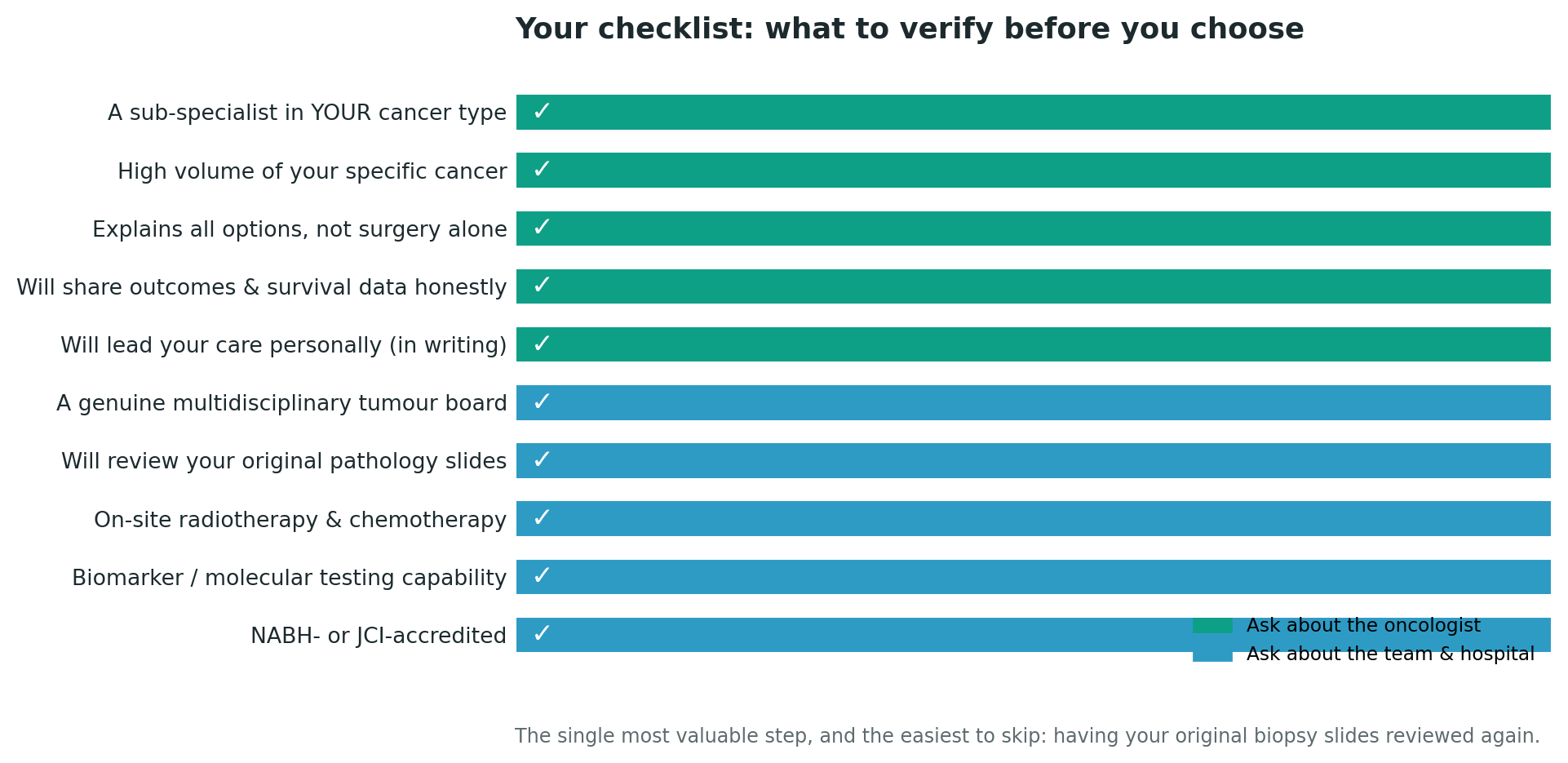
Keep this checklist beside you. The single most valuable step, and the easiest to skip: having your original biopsy slides reviewed again.
Cost and value: how to weigh the money honestly
Cancer treatment in a good Indian hospital costs a fraction of Western private pricing, which is why many patients travel. At roughly ZK19 to the US dollar in mid-2026, the saving is large in kwacha; confirm the rate before travel, as it moves. But cancer treatment is rarely a single price — surgery, radiotherapy and chemotherapy each add to the total, and the course may extend over many months. Weigh the full, staged cost of the whole plan, not the cost of the first step alone, and never let price shortcut the diagnosis or the tumour board’s deliberation.
In 24 years of arranging these journeys, I have learned that the disputes that arise almost never concern the headline price — they concern treatment begun on a diagnosis that was never properly confirmed, or a plan decided by one doctor rather than a team. Insist on the pathology review, the tumour board, and the full itemised picture of the whole course before you commit a single kwacha.
What a Zambian patient should weigh in particular
Beyond the oncologist and the hospital, several things matter specifically for a patient travelling from Zambia. First, bring everything : your original pathology slides or blocks, not just the written report, along with all imaging, so nothing needs to be repeated unnecessarily and nothing is missed. Second, how you will pay : the National Health Insurance scheme funds care inside Zambia, not treatment abroad, so this comes from your own resources, and a staged treatment course may mean planning for more than one trip. Third, your ongoing care at home : arrange a Zambian doctor to continue your monitoring and any long-term follow-up, with a clear written handover from the Indian team covering exactly what was done and what to watch for.
The practical journey from Zambia
India requires a yellow fever vaccination certificate from travellers arriving from Zambia, valid only ten days after the injection. Your medical visa is issued by the High Commission of India on Pandit Nehru Road in Lusaka against the hospital’s invitation letter; apply for a medical-attendant visa in the same batch, as you will want someone with you, particularly through chemotherapy or radiotherapy. There is no direct flight — you will connect through Addis Ababa on Ethiopian Airlines, or through Dubai, Doha or Nairobi. Send your original pathology report, and where possible the physical slides or blocks, along with all imaging, for review before you travel, and settle the hospital by traceable bank transfer rather than cash.
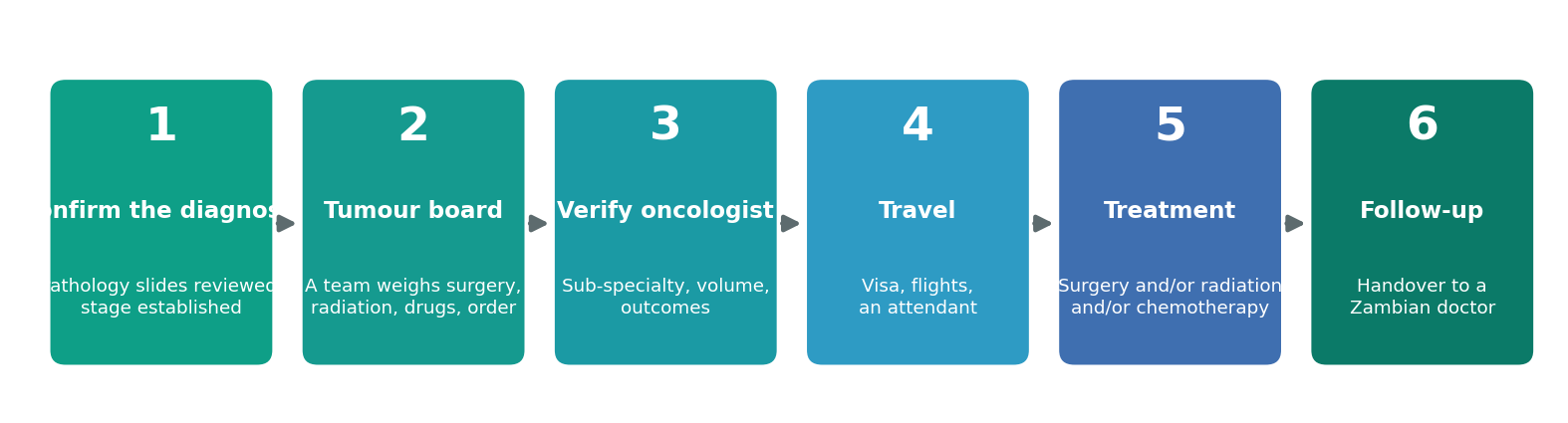
Four signals that should make you pause
- No pathology slide review — a hospital willing to begin major treatment without reviewing your original slides.
- No genuine tumour board — a single doctor deciding your entire treatment alone.
- No on-site radiotherapy or chemotherapy — a centre lacking biomarker testing, requiring you to travel repeatedly between providers.
- A single price for only the first stage — with no plan for the full, staged cost and no aftercare arrangement for Zambia.
Straight Answers for Zambians about Cancer Doctors & Hospitals in India
Should I get my pathology slides reviewed again before starting treatment?
Yes, wherever possible. Published studies show a meaningful share of cancer diagnoses change, in grade, stage, or even type, when reviewed independently by a second expert pathologist, sometimes altering the recommended treatment. It is a simple step that can prevent the wrong treatment being given.
Why does a “tumour board” matter so much?
Because the best treatment for your cancer — surgery, radiotherapy, chemotherapy, or some combination and order of these — is a decision no single doctor should make alone. A multidisciplinary tumour board weighs the options together, protecting you from any one specialist’s natural bias toward the treatment he personally delivers.
What should I bring with me to India?
Your original pathology report and, where possible, the physical slides or tissue blocks — not just a summary — along with all imaging. This lets the treating team review your actual diagnosis rather than relying solely on someone else’s reading of it.
What matters most in the hospital I choose?
A genuine multidisciplinary tumour board, willingness to review your original pathology, on-site surgery, radiotherapy and chemotherapy under one roof, and clear support for your long-term follow-up once you are back in Zambia.
Sources & Useful Links
- 🌐 Verify a doctor (India) — National Medical Commission register of doctors: nmc.org.in
- 🌐 Hospital accreditation (India) — verify a hospital’s NABH accreditation: nabh.co
- 🌐 Medical visa (India), Lusaka — High Commission of India, requirements & process: hcizambia.gov.in/page/medical-visa
- 🌐 National Health Insurance (Zambia) — NHIMA cover (treatment abroad is not covered): nhima.co.zm
- 🌐 Cancer services (Zambia) — Ministry of Health; Cancer Diseases Hospital & national services: moh.gov.zm
- 🌐 Yellow fever & travel health — WHO vaccination guidance: who.int/health-topics/yellow-fever
A closing word
If you send me your pathology report and imaging, I will help you with the questions that matter most in cancer care: whether the original diagnosis has been properly confirmed; whether a genuine multidisciplinary tumour board, rather than a single doctor, will weigh your options; which oncologists are genuine sub-specialists in your particular cancer; and which hospitals have the full team, technology and honesty to treat you well from diagnosis through years of follow-up. A cancer diagnosis asks for courage, but the wisest first move is not haste — it is making certain the diagnosis and the plan are right before anyone lifts a scalpel or begins a course of treatment. That, for all these years, has been my work.
Frequently Asked Questions by Zambians about Cancer Doctors & Hospitals in India
How should Zambian patients choose a cancer doctor in India?
They should look for an oncologist whose practice focuses on their specific cancer type and ask how many similar cases the doctor treats each year, rather than relying only on general oncology experience.
Should Zambian patients have their pathology reviewed again before cancer treatment in India?
Yes, wherever possible. The guide recommends sending the original biopsy slides or tissue blocks for independent review because the diagnosis, grade or even cancer type may sometimes change after expert reassessment.
Why is a tumour board important for Zambian cancer patients?
Cancer treatment may involve surgery, chemotherapy, radiotherapy or targeted therapy in different sequences. A multidisciplinary tumour board allows several specialists to agree on the plan rather than one doctor making the entire decision.
Which specialists should be part of a cancer tumour board in India?
The guide identifies a surgeon, medical oncologist, radiation oncologist, radiologist and pathologist as core members of multidisciplinary treatment planning.
What should Zambian patients bring to India for cancer treatment?
Patients should take their original pathology report and, where possible, the actual biopsy slides or tissue blocks, together with all imaging and medical records.
What cancer services should an Indian hospital provide under one roof?
The guide recommends choosing a centre with on-site surgery, chemotherapy, radiotherapy, pathology review and biomarker/molecular testing, so care is coordinated rather than fragmented.
Why is biomarker testing important in cancer treatment?
Some cancers have specific biological or molecular features that can help doctors select treatments more likely to work or avoid treatments unlikely to help. The guide recommends asking whether appropriate biomarker testing is available.
How much does cancer treatment in India cost for Zambian patients?
The document does not provide one universal cancer-treatment cost because costs vary substantially by cancer type, stage and treatment sequence. It recommends obtaining a complete written quotation covering all planned stages.
How should Zambian patients arrange follow-up after cancer treatment in India?
Before returning home, patients should obtain their full pathology and treatment records and confirm that the Indian centre offers teleconsultation and coordination with a doctor or oncologist in Zambia.
What are the main red flags when choosing a cancer hospital in India?
The guide identifies four warning signs: major treatment started without reviewing original pathology slides, no genuine multidisciplinary tumour board, important cancer services split across different providers, and a quotation covering only the first stage with no complete treatment-cost or Zambia aftercare plan.
Page Summary
This guide explains how Zambian patients should select cancer doctors and hospitals in India, with particular emphasis on confirming the diagnosis before treatment and ensuring that a multidisciplinary team plans the entire cancer pathway. The first important safeguard is pathology review. Cancer diagnosis depends on examination of biopsy tissue, and the guide recommends having the original pathology slides or tissue blocks independently reviewed by the treating hospital's pathologist before major surgery, radiotherapy or chemotherapy.
Citation Block
| Topic | Information |
|---|---|
| Topic Information | Details |
| Procedure | Comprehensive Cancer Diagnosis & Treatment |
| Country | India |
| Intended Audience | Zambian Patients and Families |
| Primary Requirement | Confirm Diagnosis and Stage |
| Diagnostic Material | Original Pathology Slides / Tissue Blocks and Imaging |
| Pathology Review | Independent Expert Review Recommended |
| Treatment Planning | Multidisciplinary Tumour Board |
| Core Specialists | Surgical Oncologist, Medical Oncologist, Radiation Oncologist, Radiologist and Pathologist |
| Treatment Options | Surgery, Radiotherapy, Chemotherapy and Targeted/Biomarker-Based Treatment |
| Molecular Testing | Biomarker Testing Where Appropriate |
| Hospital Services | On-Site Surgery, Radiotherapy, Chemotherapy and Pathology |
| Hospital Accreditation | NABH and Ideally JCI |
| Cost Variables | Surgery, Radiotherapy, Chemotherapy, Scans, Pathology, Biomarker Testing and Follow-Up |


Our Mission Statement
Our mission is to place patients at the centre of every healthcare decision by providing trustworthy, evidence-based, and unbiased medical information. We believe that informed patients make better decisions. Backed by personalised guidance from our experienced advisory team, we help patients understand their treatment options, compare them objectively, and confidently choose the path that best suits their medical needs and personal circumstances.
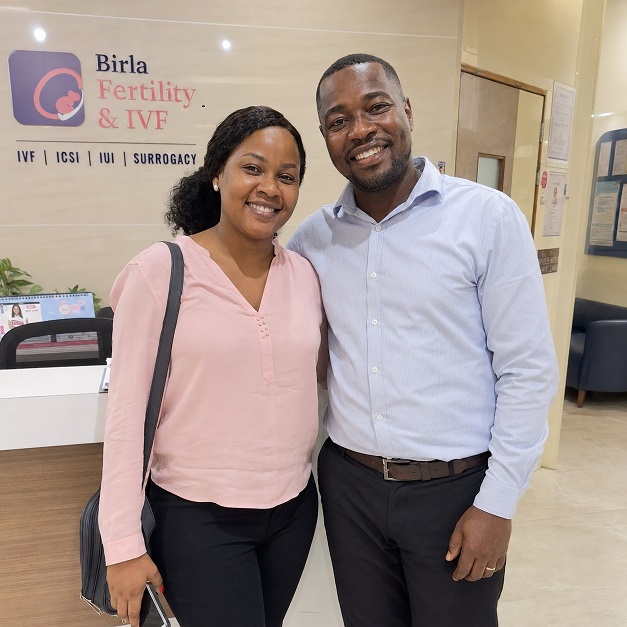
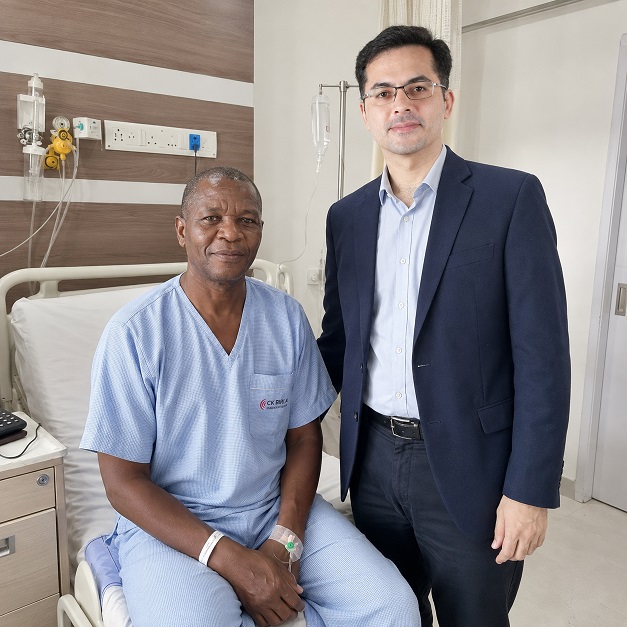
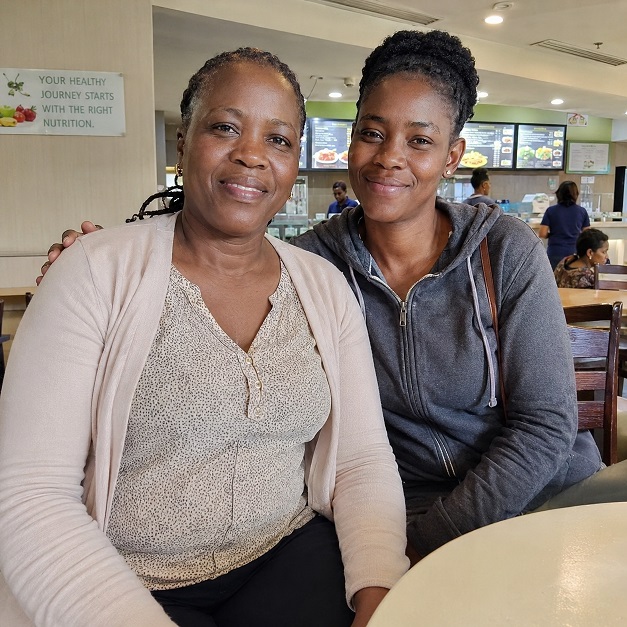
Patient Testimonials from Zambia
Ready to Take the First Step?
Share your Medical Reports with our Healthcare Managers Today and Get a FREE CONSULTATION, a Personalized Treatment Plan, and Complete Support from Arrival to Recovery.
Get Your Free ConsultationAreas We Serve
This resource has been thoughtfully prepared for patients from Zambia who are considering medical treatment in India. We also welcome patients from the wider region in the countries mentioned below-
We assist patients from:
- Zambia
- Angola
- Malawi
- Zimbabwe
- Botswana
- Namibia
- South Africa
- Eswatini
- Lesotho
- Gabon
- Chad
- Equatorial Guinea
- São Tomé and Príncipe
- Republic of the Congo
- Democratic Republic of the Congo
Many of the insights, treatment pathways, hospital recommendations, travel guidance, and patient support services described here are equally relevant and may be used as a reference when planning treatment in India.
From Zambia to India: Your Complete Patient Support Guide
- Best Weight-Loss (Bariatric) Surgeons & Hospitals in India for Zambian Patients
- Best Brain-Tumour Surgeons & Hospitals in India for Zambian Patients
- Best Cancer Doctors & Hospitals in India for Zambian Patients
- Best Cardiac Surgeons & Hospitals in India for Zambian Patients
- Best Cosmetic Surgeons & Facilities in India for Zambian Patients
- Best CyberKnife Treatment Teams & Centres in India for Zambian Patients
- Best Dentists & Dental Clinics in India for Zambian Patients
- Best Heart Valve Replacement Surgeons & Hospitals in India for Zambian Patients
- Best Hip Surgeons & Hospitals in India for Zambian Patients
- Best Knee Surgeons & Hospitals in India for Zambian Patients
- Best Neurosurgeons & Hospitals in India for Zambian Patients
- Best Paediatric Cardiac Surgeons & Hospitals in India for Zambian Patients
- Best Paediatric Neurosurgeons & Hospitals in India for Zambian Patients
- Best Prostate Surgeons & Hospitals in India for Zambian Patients
- Best Scoliosis Surgeons & Hospitals in India for Zambian Patients
- Best Spine Surgeons & Hospitals in India for Zambian Patients
- Best Bone Marrow Transplant Teams & Hospitals in India for Zambian Patients
- Best Kidney Transplant Surgeons & Hospitals in India for Zambian Patients