

Urosurgery and Reconstructive Urology in India for Zambian Patients
Two conditions in this guide share the same lesson: the quick, simple procedure that treats the symptom rarely lasts, while the more definitive reconstructive operation, done right the first time, usually does.
Reconstructive urology repairs damage to the urinary tract from infection, injury or childbirth — restoring normal function rather than simply managing symptoms. Two conditions dominate this need here: urethral stricture, a narrowing of the urethra usually from past infection or injury, and obstetric fistula, a devastating but genuinely repairable injury following prolonged, obstructed labour. In 24 years of guiding patients through urological care abroad, I have found both conditions share a single lesson worth understanding before any treatment decision: getting the right, definitive repair the first time matters more than almost anything else.
Healing Journeys of Zambian Patients
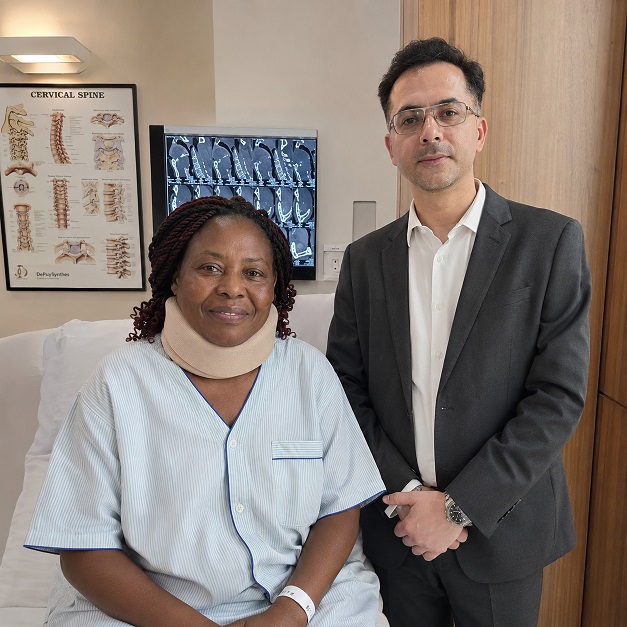
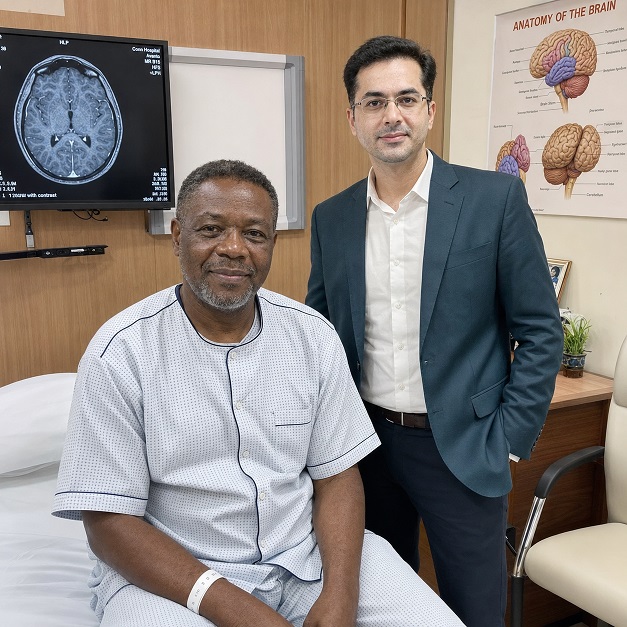
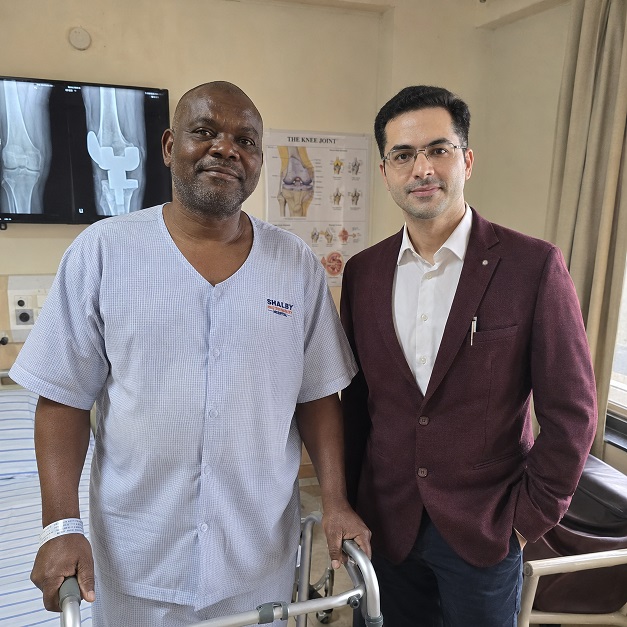
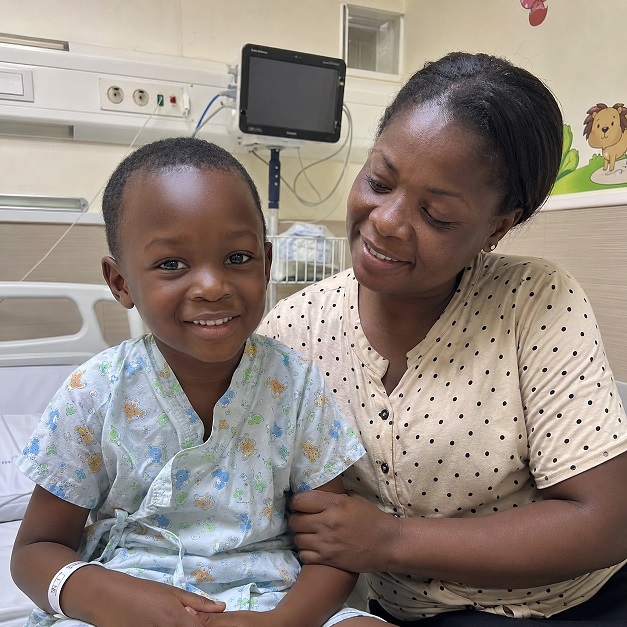



Key Takeaways
- The guide focuses on urethral stricture and obstetric fistula, two conditions where choosing a definitive reconstructive procedure can be more valuable than repeatedly treating symptoms. It explains that urethral strictures may result from infection, injury or catheterisation, while vesicovaginal fistula commonly follows prolonged obstructed labour.
- For urethral stricture, repeated dilation or internal urethrotomy may provide temporary relief but frequently does not produce a durable result. The page 1 chart shows an illustrative long-term success rate of approximately 32% for repeat dilation/internal urethrotomy versus 92% for urethroplasty, supporting urethroplasty as the definitive reconstructive option in appropriate cases.
- The guide stresses that patients with recurrent strictures after previous dilation or urethrotomy should discuss urethroplasty directly with a reconstructive urologist. Repeated procedures can add to scarring and complexity, while urethroplasty reconstructs the narrowed segment using techniques such as tissue grafts or local flaps when required.
- For obstetric fistula, the guide makes an important distinction between straightforward cases that may be appropriately treated within Zambia and complex or previously unsuccessful repairs that may benefit from highly specialised reconstructive expertise. A 2017–2023 study of 1,439 women treated through the Zambia Fistula Foundation Treatment Network reported an overall surgical success rate of 88.1%, demonstrating meaningful local treatment capacity.
- The guide recommends assessing a surgeon's specific reconstructive experience rather than relying on general urology volume. For urethroplasty, patients should ask how many procedures the surgeon performs annually and why urethroplasty is preferred over another dilation. For complex fistula, patients should ask about experience with recurrent or previously failed repairs. NABH accreditation, ideally JCI, should also be verified.
- Both procedures require careful postoperative management, including a period of urinary catheterisation while the reconstruction heals. The guide advises patients to confirm exactly when and how the catheter will be removed and assessed and to arrange structured follow-up with a Zambian specialist before travelling.
- The page 4 cost chart gives an indicative cost of approximately US$3,000 for a single-stage urethroplasty in India, compared with US$15,000 in the UK and US$25,000 in the US. Complex or multi-stage reconstruction may cost more. The guide emphasises that a durable definitive repair can offer better overall value than repeatedly paying for temporary procedures.
Quick Facts
- Author
- Dr. Dheeraj Bojwani
- Experience
- 24+ Years of Experience
- Treatment
- Urosurgery & Reconstructive Urology
- Patients
- Zambian Patients
- Key Specialist
- Reconstructive Urologist / Fistula Surgeon
- Main Conditions
- Urethral stricture and vesicovaginal fistula
- Key Treatment
- Urethroplasty for suitable urethral strictures
- Urethroplasty Success
- Approximately 92% long-term success in the cited comparison
- Repeat Dilation Success
- Approximately 32% long-term success in the cited comparison
- Fistula Local Capacity
- 88.1% overall surgical success in the cited Zambia network study
- Complex Cases
- Recurrent or previously failed repairs may require specialised expertise
- Surgeon Check
- Procedure-specific reconstructive experience
- Hospital Check
- NABH accreditation, ideally JCI
- India Cost
- Approximately US$3,000 for single-stage urethroplasty
- Pre-Travel Records
- Complete treatment history and previous procedure outcomes
- Aftercare
- Catheter management and structured urological follow-up
- Follow-Up
- Zambian specialist
- Key Decision
- Determine whether the proposed treatment is a definitive repair or a temporary measure.
In Brief
For Zambian patients, the guide's central message is to ask whether the proposed treatment is a definitive repair or another temporary procedure. Recurrent urethral strictures may be better addressed with urethroplasty, while straightforward fistula cases can often be assessed through Zambia's existing treatment network. Complex or previously failed fistula repairs may require more specialised reconstructive expertise. The guide gives an indicative single-stage urethroplasty cost of US$3,000 in India.
Urethral stricture: why the quick fix keeps needing repeating
A urethral stricture is a narrowing of the tube that carries urine out of the body, most often caused in this region by scarring from a past infection, though injury and complications of catheterisation also contribute. It causes a slow, weak urine stream, difficulty emptying the bladder fully, and if untreated, can lead to urinary retention, infection and kidney damage over time.
The simplest treatments — stretching the narrowed area with a dilator, or cutting the scar tissue internally with a small telescope (internal urethrotomy) — are quick, widely available, and tempting as a first step. But published research is consistent: these approaches have a disappointing long-term success rate, and most strictures treated this way return, often within the first year.
This matters especially here because published African urology literature describes patients presenting with unusually advanced, extensive scarring by the time they reach a specialist, often after years of symptoms and repeated attempts at simpler treatments. The stigma associated with genital and urinary symptoms contributes to this delay, and the longer and more repeated the prior treatment history, the more complex the eventual reconstructive surgery tends to be.
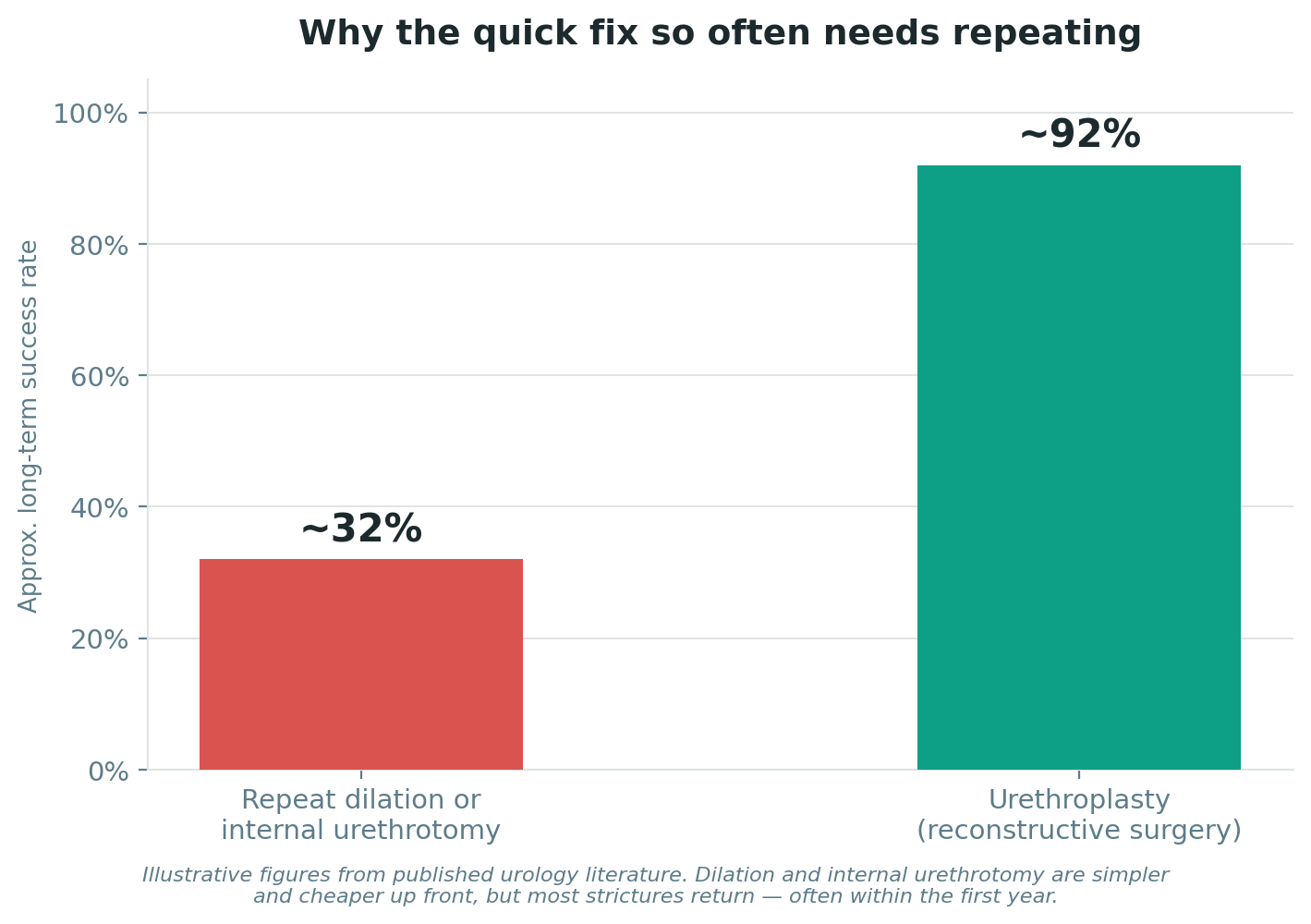
Urethroplasty — surgically reconstructing the narrowed segment — is considered the gold standard for a reason.
| Your situation | Typical approach | What it involves |
|---|---|---|
| First-diagnosed urethral stricture | Discuss urethroplasty as the definitive option | Surgical removal or reconstruction of the narrowed segment, using tissue grafts or local flaps as needed |
| Recurrent stricture after prior dilation or urethrotomy | Urethroplasty strongly indicated | Further dilation is unlikely to hold; reconstructive surgery offers a genuinely durable result |
| Vesicovaginal fistula, straightforward, recent, single prior labour | Assessment through Zambia's fistula repair network | Genuine local surgical capacity exists for many cases, discussed further below |
| Complex, recurrent, or previously unsuccessfully repaired fistula | Specialised reconstructive centre | Higher surgical difficulty and past repair failure both reduce success rates, making specific expertise more important |
Obstetric fistula: a devastating injury that is genuinely repairable
A vesicovaginal fistula is an abnormal opening that forms between the bladder and the vagina, most often following prolonged, obstructed labour without timely access to a caesarean section. The result is continuous, uncontrollable leakage of urine, and the social consequences — stigma, isolation, and in many cases abandonment by partners and communities — can be as devastating as the physical injury itself. This condition is rare where emergency obstetric care is reliably available, and its persistence here reflects gaps in access to that care during childbirth, not anything a woman did wrong.
It is worth being direct about this, because the shame and isolation many women experience with this condition is entirely disproportionate to what actually happened to them. A fistula results from a genuine medical emergency during childbirth, not from any failing on the mother's part, and the resulting stillbirths that often accompany prolonged obstructed labour add profound grief to an already devastating experience. Women living with this condition deserve compassionate, competent surgical care, not isolation.
Genuine hope, and genuine local capacity
Fistula repair is a well-established, highly successful surgical field, and — unlike most conditions in this guide series — meaningful treatment capacity already exists within Zambia. A study of 1,439 women treated through the Zambia Fistula Foundation Treatment Network between 2017 and 2023 found an overall surgical success rate of 88.1%. This is genuinely important for any woman living with this condition to know: it is not a life sentence, and effective treatment may not require travelling abroad at all for straightforward cases.
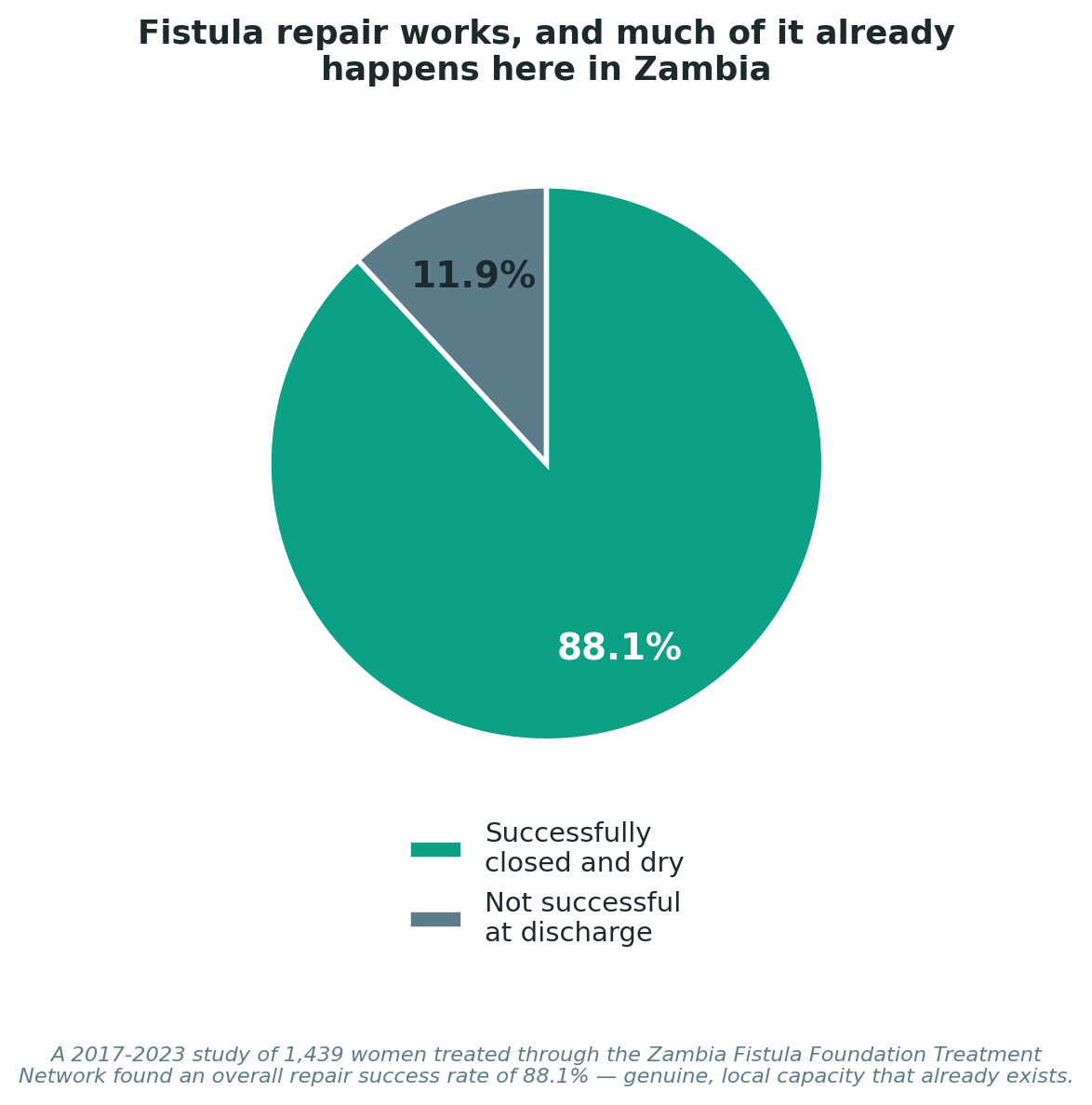
This is real, documented local capacity — a genuine starting point for many women, not only a reason to travel.
That said, the same Zambian study found success rates were meaningfully lower for women who had already undergone a previous, unsuccessful repair, and for cases rated as surgically complex. This is precisely why the first repair attempt matters so much, and why complex or previously failed cases in particular may benefit from a centre with deep, specific reconstructive fistula experience — in Zambia or, where appropriate, abroad.
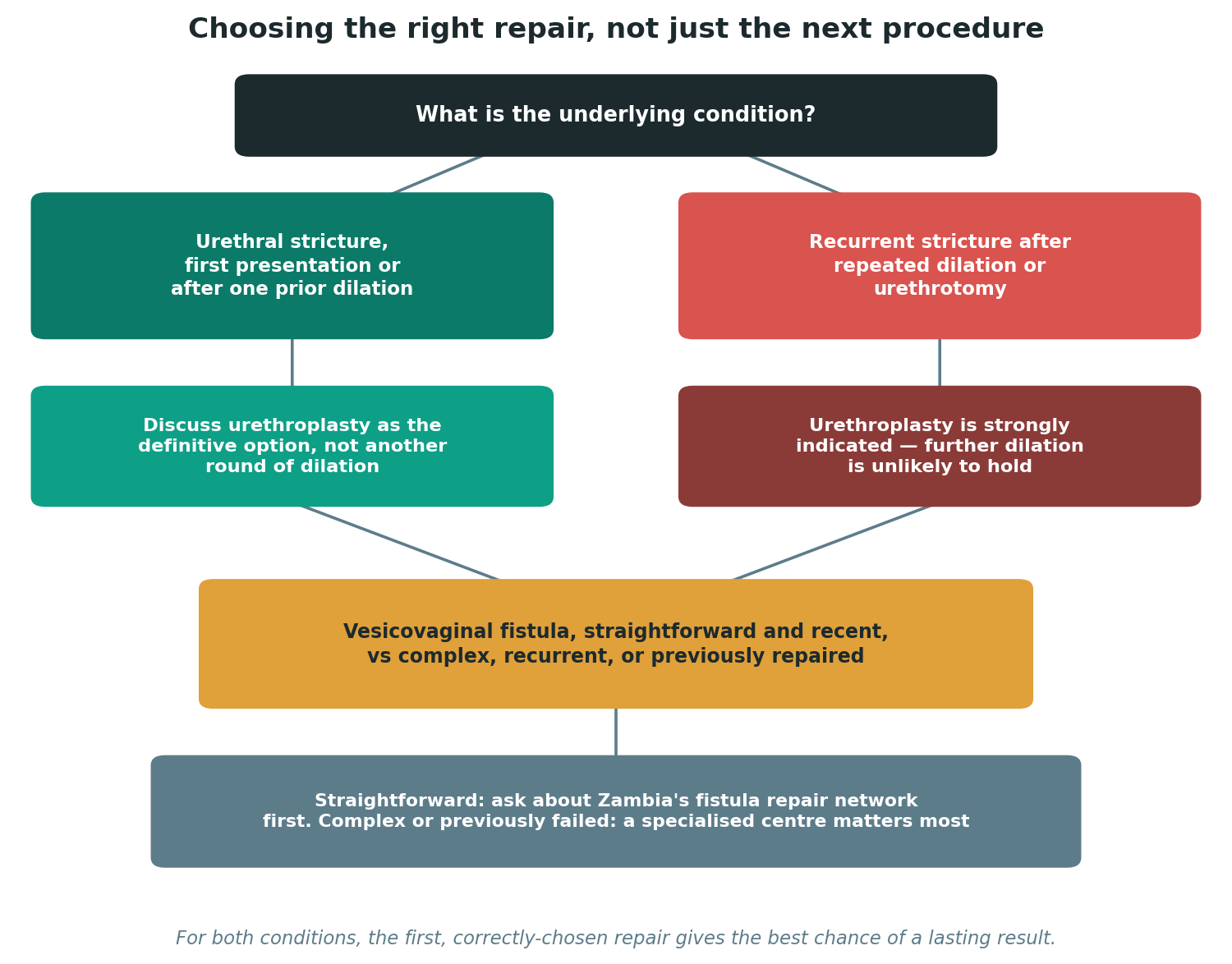
For both conditions covered in this guide, the first, correctly-chosen repair gives the best chance of a lasting result.
Choosing the surgeon and the hospital
For urethral stricture, ask directly how many urethroplasties the surgeon performs each year, since this is a technically demanding reconstructive procedure with meaningfully better outcomes in experienced hands, and ask specifically why urethroplasty is or is not being recommended over repeat dilation for your case. For fistula, if a Zambian assessment has already identified your case as complex or a previous repair has failed, ask an Indian centre directly about their specific experience with difficult and recurrent fistula repairs, not general urology volume.
Check accreditation (NABH, ideally JCI), and for either condition, ask for a clear explanation of why the recommended procedure is the right one for your specific anatomy and history, not simply the next available option.
It is also worth asking, for either procedure, what the post-operative catheterisation and follow-up plan looks like, since both urethroplasty and fistula repair typically require a period with a urinary catheter in place while the reconstruction heals, and a clear, specific plan for this period, including when and how the catheter will be removed and assessed, is a sign of a genuinely experienced team.
Cost and value: how to weigh the money honestly
Definitive reconstructive surgery in a good Indian hospital costs a small fraction of the equivalent procedure in the West, and India has substantial experience in both urethral reconstruction and complex fistula repair. The saving is real, but repeated rounds of a cheaper, temporary fix ultimately cost more — in money, time, and quality of life — than a single, well-chosen definitive procedure.
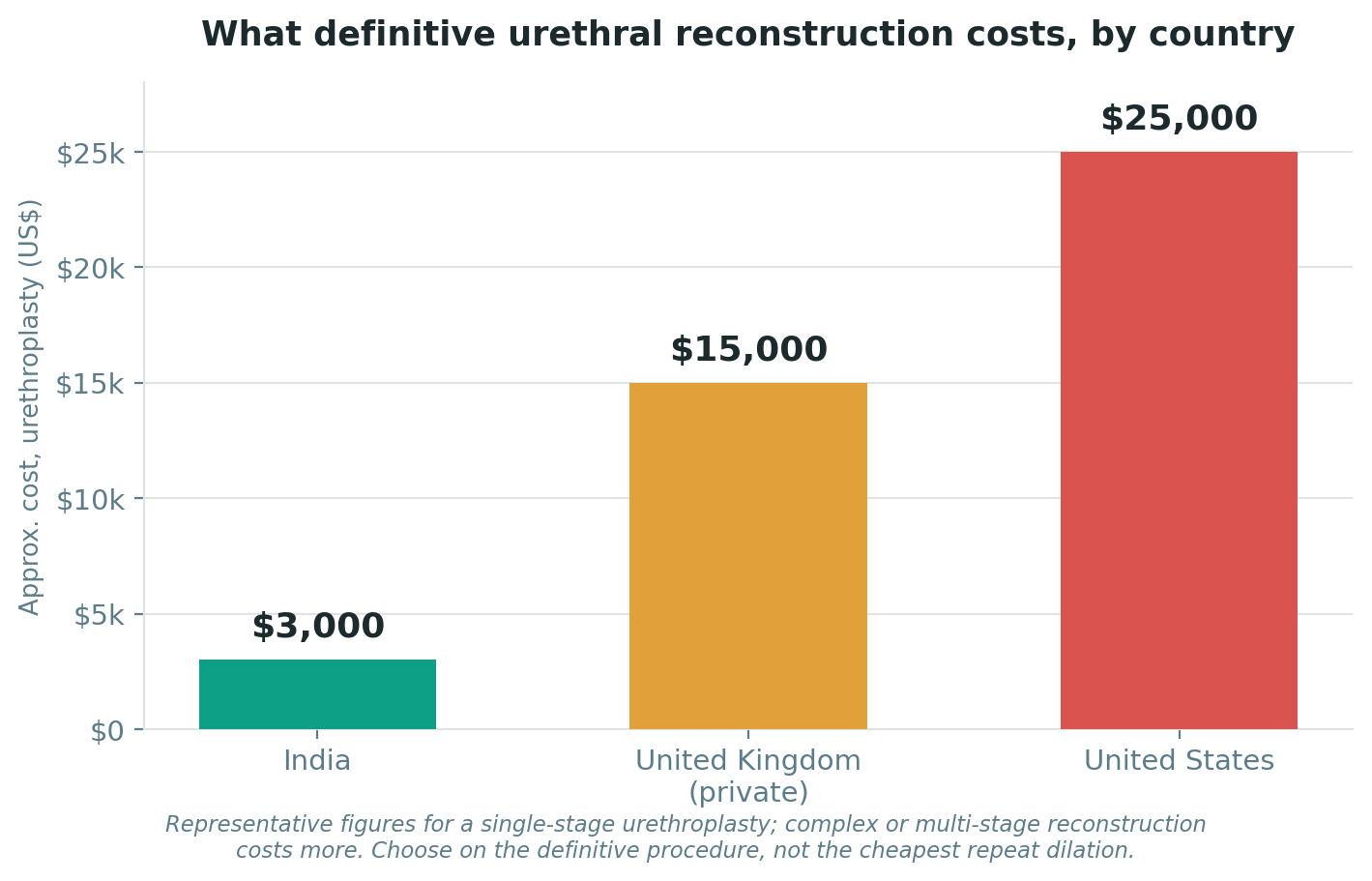
India's affordability is genuine — and a single durable repair is better value than several temporary ones.
In 24 years of arranging these journeys, I have found that patients who ask directly whether a proposed treatment is the definitive fix or a temporary measure make far better-informed decisions than those who accept the first option offered. Ask for a written, itemised quote covering the complete, definitive procedure appropriate to your specific diagnosis.
What a Zambian patient should weigh in particular
Beyond the treatment decision itself, several practical matters deserve attention. First, payment: NHIMA funds care at accredited facilities inside Zambia, not treatment abroad, so any travel comes from your own resources — another reason to first establish, with an honest local assessment, whether Zambia's existing capacity is genuinely sufficient for your specific case. Second, if fistula is your situation, know that Zambia has an active treatment network, and a local assessment is a reasonable, often appropriate first step before considering travel. Third, aftercare: both conditions benefit from structured follow-up, so arrange this with a Zambian specialist before you travel, whichever country provides your surgery.
Fourth, be honest with your medical team about your complete treatment history for either condition, including any traditional or informal treatment previously tried, without embarrassment. This information genuinely changes what a surgeon needs to plan for, and withholding it out of discomfort can lead to an incomplete or less effective treatment plan.
The practical journey from Zambia
India requires a yellow fever vaccination certificate from travellers arriving from Zambia, valid only from ten days after the injection. Your medical visa is issued by the High Commission of India on Pandit Nehru Road in Lusaka against the hospital's invitation letter. There is no direct flight from Zambia to India; you will connect through Addis Ababa on Ethiopian Airlines, or through Dubai, Doha or Nairobi. Send your complete medical history, including details of any prior procedures and their outcomes, for remote review before you travel, since this history directly shapes what treatment is genuinely appropriate now.
Straight answers for Zambian Patients about Urosurgery and Reconstructive Urology in India
I've had dilation for a urethral stricture twice already. Should I try it again?
The evidence suggests this is unlikely to give a lasting result. This is a reasonable point to discuss urethroplasty directly with a urologist, since recurrent strictures after repeated dilation respond poorly to further attempts at the same approach.
I have a fistula. Do I need to travel abroad for treatment?
Not necessarily. Zambia has a genuine, active fistula repair network with good documented outcomes for many cases. A local assessment is a reasonable first step, and travel becomes more relevant for complex or previously unsuccessful repairs.
My previous fistula repair wasn't successful. What now?
This is a genuine setback, but not the end of the road — repair is still possible, though success rates are somewhat lower for repeat procedures, making the choice of surgeon and centre particularly important this time. Seek an assessment from a centre with specific experience in complex, recurrent fistula repair.
Is urethroplasty a bigger operation than dilation?
Yes, it is more involved, with a longer recovery than a simple dilation or urethrotomy. But it offers a genuinely durable result in the great majority of cases, avoiding the cycle of repeated procedures that dilation alone often leads to.
Sources
- 🌐 Medical visa, Lusaka — High Commission of India, requirements & process: hcizambia.gov.in/page/medical-visa
- 🌐 Hospital accreditation (India) — Verify a hospital's NABH accreditation: nabh.co
- 🌐 National Health Insurance (Zambia) — NHIMA cover, treatment abroad is not covered: nhima.co.zm
- 🌐 Ministry of Health Zambia — National health services & guidance: moh.gov.zm
- 🌐 National Medical Commission (verify a doctor) — Confirm a doctor's registration in India: nmc.org.in
- 🌐 WHO yellow fever — Vaccination requirements before travel: who.int/health-topics/yellow-fever
A Closing Word
Of everything I help patients with, this is where the most useful question is simple: is this the definitive fix, or will I be back for another procedure? If you send me your medical history, including any prior treatment and its outcome, I will help you understand honestly whether Zambia's existing capacity is right for your situation, or which centres in India have the genuine reconstructive expertise to give you a lasting result.
Frequently Asked Questions by Zambian Patients about Urosurgery and Reconstructive Urology in India
What is urethral stricture?
It is a narrowing of the urethra caused by scar tissue, which can lead to a weak urine stream, difficulty emptying the bladder, urinary retention and infection.
Is urethroplasty better than repeated dilation?
For suitable strictures, the guide presents urethroplasty as the definitive reconstructive option, with a substantially higher long-term success rate than repeated dilation or internal urethrotomy.
I have already had dilation twice. What should I do?
The guide recommends discussing urethroplasty directly with a reconstructive urologist, because further dilation may be unlikely to provide a lasting result.
What is a vesicovaginal fistula?
It is an abnormal opening between the bladder and vagina, commonly caused by prolonged obstructed labour, resulting in continuous urinary leakage.
Do women with fistula always need to travel to India?
No. Zambia has an active fistula repair network, and many straightforward cases can be treated locally. Travel may be more relevant for complex or previously unsuccessful repairs.
How successful is fistula repair in Zambia?
The cited 2017–2023 study of 1,439 women reported an overall 88.1% surgical success rate, demonstrating genuine local treatment capacity.
How much does urethroplasty cost in India?
The guide gives an indicative cost of approximately US$3,000 for a single-stage urethroplasty. Complex or multi-stage reconstruction may cost more.
What should I ask the surgeon?
Ask about their annual urethroplasty volume, experience with complex reconstruction, and why the proposed operation is more appropriate than another temporary procedure.
Is catheterisation required after reconstruction?
Typically, a urinary catheter remains in place while the reconstruction heals. Patients should confirm when and how the catheter will be removed and assessed before travelling.
What should I send before travelling to India?
Send your complete medical history, previous procedure details and treatment outcomes for remote review. Previous failed procedures can significantly affect the reconstructive plan.
Page Summary
This five-page Zambia-to-India medical travel guide covers urethral stricture and obstetric fistula, emphasising the importance of definitive reconstructive treatment rather than repeated temporary procedures. The page 1 chart compares approximately 32% long-term success for repeat dilation/internal urethrotomy with 92% for urethroplasty. The page 2 chart shows 88.1% successful fistula closure among 1,439 women treated through the Zambia Fistula Foundation Treatment Network between 2017 and 2023. The page 3 decision pathway distinguishes first/recurrent urethral strictures and straightforward versus complex fistula, while the page 4 cost chart gives an indicative single-stage urethroplasty cost of US$3,000 in India, compared with US$15,000 in the UK and US$25,000 in the US.
Citation Block
| Topic | Information |
|---|---|
| Topic | Urosurgery & Reconstructive Urology in India for Zambian Patients |
| Treatment | Urethroplasty / Fistula Repair |
| Patients | Zambian Patients |
| Specialist | Reconstructive Urologist / Fistula Surgeon |
| Main Conditions | Urethral stricture, vesicovaginal fistula |
| Definitive Treatment | Urethroplasty for suitable strictures |
| Long-Term Success | ~92% urethroplasty vs ~32% repeat dilation/internal urethrotomy |
| Fistula Success | 88.1% in cited Zambia network study |
| Complex Cases | Recurrent or previously failed repairs |
| Surgeon Check | Annual procedure-specific experience |
| Hospital Check | NABH, ideally JCI |
| Catheter Care | Confirm removal and assessment plan |
| India Cost | Approximately US$3,000 |
| UK Cost | Approximately US$15,000 |
| US Cost | Approximately US$25,000 |
| Pre-Travel Records | Complete treatment history and prior outcomes |
| Follow-Up | Zambian urology specialist |
| Local Option | Zambia has an active fistula repair network |
| Key Warning | Repeating temporary treatment without discussing definitive reconstruction |
| Patient Pathway | Diagnosis → review previous treatment → reconstructive assessment → definitive repair → catheter care → follow-up |
| Decision Principle | Choose the appropriate definitive repair rather than simply the next available procedure |


Our Mission Statement
Our mission is to place patients at the centre of every healthcare decision by providing trustworthy, evidence-based, and unbiased medical information. We believe that informed patients make better decisions. Backed by personalised guidance from our experienced advisory team, we help patients understand their treatment options, compare them objectively, and confidently choose the path that best suits their medical needs and personal circumstances.
Patient Testimonials from Zambia

Ready to Take the First Step?
Share your Medical Reports with our Healthcare Managers Today and Get a FREE CONSULTATION, a Personalized Treatment Plan, and Complete Support from Arrival to Recovery.
Get Your Free ConsultationAreas We Serve
This resource has been thoughtfully prepared for patients from Zambia who are considering medical treatment in India. We also welcome patients from the wider region in the countries mentioned below-
We assist patients from:
- Zambia
- Angola
- Malawi
- Zimbabwe
- Botswana
- Namibia
- South Africa
- Eswatini
- Lesotho
- Gabon
- Chad
- Equatorial Guinea
- São Tomé and Príncipe
- Republic of the Congo
- Democratic Republic of the Congo
Many of the insights, treatment pathways, hospital recommendations, travel guidance, and patient support services described here are equally relevant and may be used as a reference when planning treatment in India.
From Zambia to India: Your Complete Patient Support Guide
- Best Weight-Loss (Bariatric) Surgeons & Hospitals in India for Zambian Patients
- Best Brain-Tumour Surgeons & Hospitals in India for Zambian Patients
- Best Cancer Doctors & Hospitals in India for Zambian Patients
- Best Cardiac Surgeons & Hospitals in India for Zambian Patients
- Best Cosmetic Surgeons & Facilities in India for Zambian Patients
- Best CyberKnife Treatment Teams & Centres in India for Zambian Patients
- Best Dentists & Dental Clinics in India for Zambian Patients
- Best Heart Valve Replacement Surgeons & Hospitals in India for Zambian Patients
- Best Hip Surgeons & Hospitals in India for Zambian Patients
- Best Knee Surgeons & Hospitals in India for Zambian Patients
- Best Neurosurgeons & Hospitals in India for Zambian Patients
- Best Paediatric Cardiac Surgeons & Hospitals in India for Zambian Patients
- Best Paediatric Neurosurgeons & Hospitals in India for Zambian Patients
- Best Prostate Surgeons & Hospitals in India for Zambian Patients
- Best Scoliosis Surgeons & Hospitals in India for Zambian Patients
- Best Spine Surgeons & Hospitals in India for Zambian Patients
- Best Bone Marrow Transplant Teams & Hospitals in India for Zambian Patients
- Best Kidney Transplant Surgeons & Hospitals in India for Zambian Patients