

15 Frequently Asked Questions : Spine Surgery in India for Zambian Patients
Spine surgery is used to treat selected conditions affecting the vertebrae, discs, spinal nerves and spinal cord when symptoms cannot be adequately managed with non-surgical treatment or when there is significant neurological compression, instability, deformity or structural damage. Depending on the diagnosis, treatment may include minimally invasive spine surgery, microdiscectomy, decompression, laminectomy, spinal fusion, disc replacement, deformity correction, spinal tumour surgery or revision surgery. Indian spine centres provide a broad range of procedures, including minimally invasive surgery, disc replacement, spinal fusion and complex spinal reconstruction.
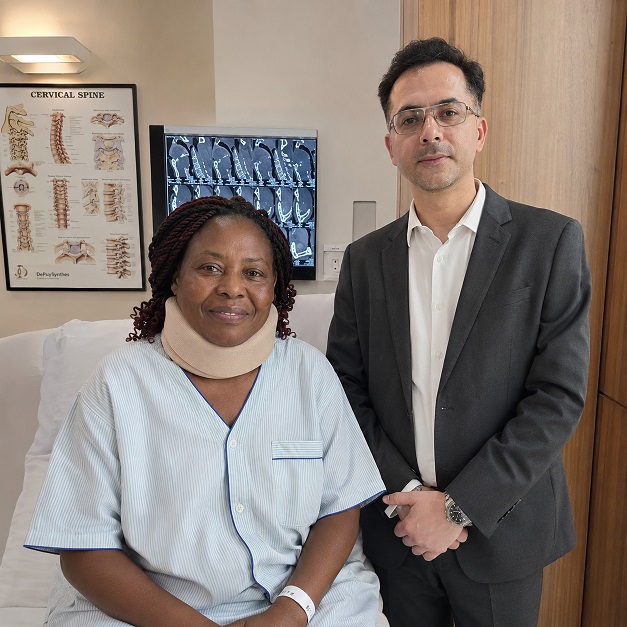
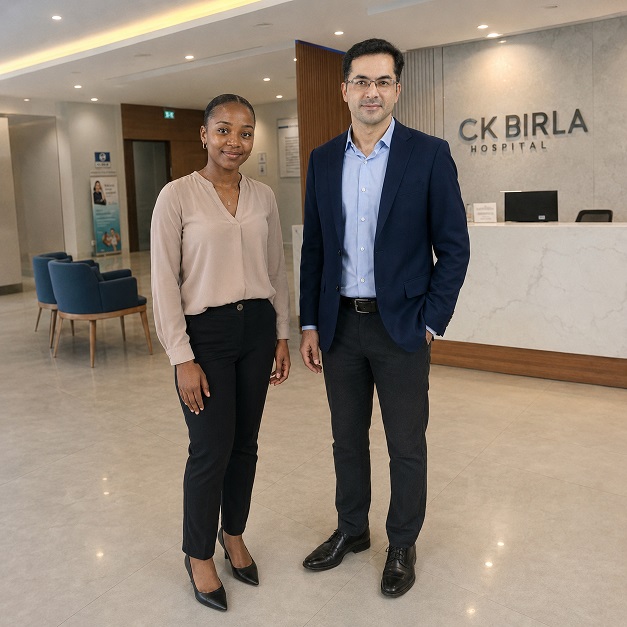
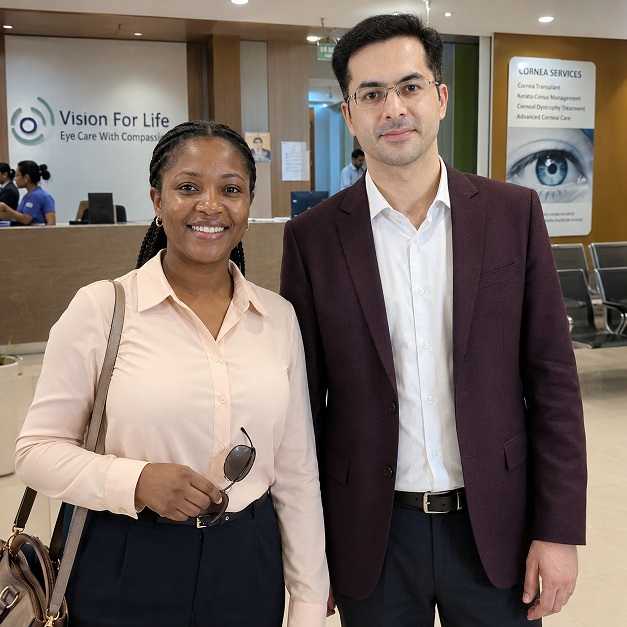
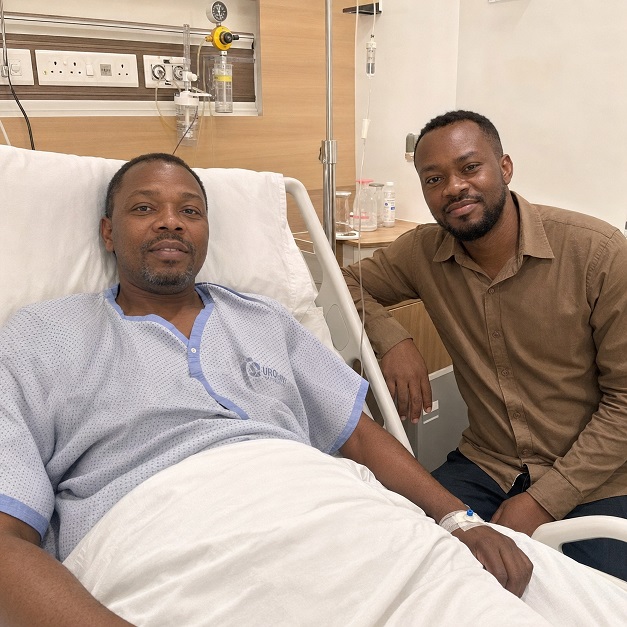
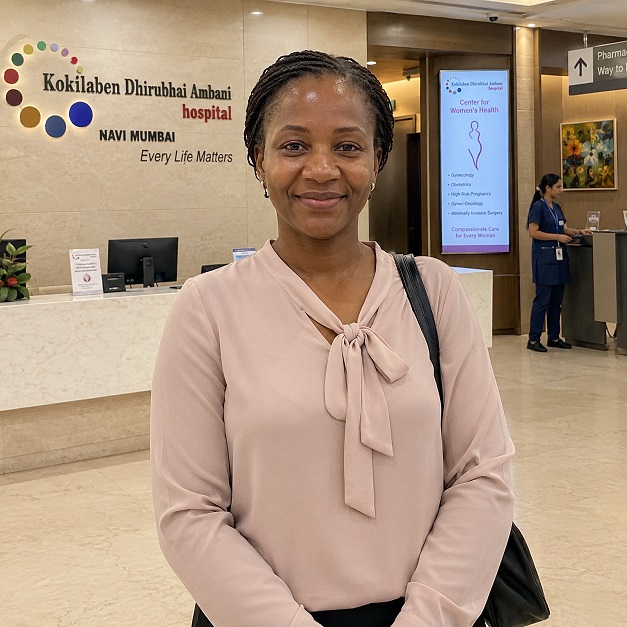
Healing Journeys of Zambian Patients

Important: Not every patient with back or neck pain requires surgery. Treatment should be based on the exact diagnosis, clinical examination, MRI/CT findings and response to appropriate non-surgical treatment. In Zambian patients, spinal tuberculosis and other infections should also be considered when clinically appropriate, because some spinal infections are primarily treated with medication and only selected cases require surgery. The costs in this guide are indicative planning estimates only, not fixed hospital quotations. The final treatment and quotation should be confirmed after evaluation by an experienced spine surgeon.
Q1 · Why do Zambian patients consider Spine Surgery in India?
Zambian patients may consider India when they require specialist evaluation or complex spine treatment.
Potential reasons include:
- Specialist spine surgery evaluation
- Treatment of slipped/herniated discs
- Microdiscectomy
- Spinal decompression
- Treatment of spinal stenosis
- Cervical spine surgery
- Lumbar spine surgery
- Spinal fusion
- Disc replacement
- Minimally invasive spine surgery
- Complex spinal deformity correction
- Scoliosis surgery
- Spinal fracture treatment
- Spinal tumour surgery
- Revision spine surgery
Indian spine centres offer procedures ranging from minimally invasive surgery to complex spinal reconstruction and deformity correction.
Q2 · How much does Spine Surgery cost in India for Zambian patients?
The cost depends on the type of surgery, number of spinal levels involved, implants, hospital, surgeon, surgical approach, length of hospitalisation and complexity of the condition.
Planning exchange rates: US$1 ≈ ZMW 19.5 US$1 ≈ INR 96
Current Indian hospital-published figures show considerable variation by procedure. For example, one Indian hospital currently lists approximate costs of around INR 240,000–280,000 for microdiscectomy, INR 255,000–400,000 for spinal fusion and INR 350,000–450,000 for artificial disc replacement.
| Spine Procedure | Zambia Indicative Cost | India Indicative Cost | Potential Savings |
|---|---|---|---|
| Microdiscectomy | ZMW 180,000–280,000 / US$9,230–14,360 | INR 250,000–400,000 / US$2,605–4,165 | 30–55% |
| Endoscopic disc surgery | ZMW 220,000–350,000 / US$11,285–17,950 | INR 250,000–450,000 / US$2,605–4,690 | 25–50% |
| Cervical decompression | ZMW 250,000–400,000 / US$12,820–20,515 | INR 300,000–500,000 / US$3,125–5,210 | 25–50% |
| Lumbar decompression/laminectomy | ZMW 250,000–400,000 / US$12,820–20,515 | INR 300,000–500,000 / US$3,125–5,210 | 25–50% |
| Spinal fusion | ZMW 300,000–500,000 / US$15,385–25,640 | INR 400,000–650,000 / US$4,165–6,770 | 25–50% |
| Cervical fusion | ZMW 300,000–500,000 / US$15,385–25,640 | INR 400,000–650,000 / US$4,165–6,770 | 25–50% |
| Lumbar TLIF/PLIF | ZMW 350,000–600,000 / US$17,950–30,770 | INR 450,000–750,000 / US$4,690–7,815 | 25–50% |
| Artificial disc replacement | ZMW 400,000–650,000 / US$20,515–33,335 | INR 450,000–750,000 / US$4,690–7,815 | 20–45% |
| Complex spinal deformity correction | ZMW 500,000–850,000 / US$25,640–43,590 | INR 600,000–1,000,000 / US$6,250–10,420 | 20–45% |
| Complex/revision spine surgery | ZMW 550,000–950,000 / US$28,205–48,720 | INR 650,000–1,100,000 / US$6,770–11,460 | 20–45% |
Important: These are planning estimates and should not be treated as fixed packages. Implant selection, number of levels, navigation, robotic assistance, ICU care, bone grafts, blood products and complications can change the final cost.
Travel, accommodation, visa, food and local transportation are generally additional expenses.
Q3 · Which Indian cities can Zambian patients consider?
| Indian City | Major Spine Treatment Areas |
|---|---|
| Delhi NCR | Microdiscectomy, decompression, fusion, deformity correction, disc replacement and complex spine surgery |
| Mumbai | Minimally invasive spine surgery, fusion, disc surgery, trauma and deformity correction |
| Chennai | Minimally invasive, endoscopic, robotic and complex spine surgery |
| Bengaluru | Spine surgery, deformity correction, fusion and minimally invasive procedures |
| Hyderabad | Endoscopic spine surgery, decompression, fusion and complex spinal procedures |
| Gurugram | Spine surgery, fusion, disc replacement and complex reconstruction |
| Noida | Spine and neurosurgical procedures |
| Kolkata | Spine surgery, decompression, fusion and trauma |
| Pune | Spine surgery, minimally invasive procedures and rehabilitation |
| Ahmedabad | Spine surgery, fusion, disc replacement and deformity correction |
| Kochi | Spine surgery and minimally invasive procedures |
| Thiruvananthapuram | Spine and neurosurgical services |
| Goa | Selected spine and orthopaedic services |
| Nagpur | Spine surgery, neurosurgery and rehabilitation |
Indian centres currently offer minimally invasive, endoscopic, robotic and navigation-assisted spine procedures for appropriately selected patients.
Q4 · Which hospitals in India can Zambian patients consider?
The following hospitals can be considered for specialist evaluation.
Important: Not every hospital listed necessarily provides every spine procedure, robotic system or advanced technology. The exact procedure and technology should be confirmed before travel.
Delhi Hospitals
- Fortis Escorts Heart Institute, New Delhi
- BLK-Max Super Speciality Hospital, New Delhi
- Max Super Speciality Hospital, Saket
- Indraprastha Apollo Hospitals, New Delhi
- Sir Ganga Ram Hospital
- Max Super Speciality Hospital, Patparganj
- Manipal Hospital, Dwarka
- Fortis Hospital, Vasant Kunj
- Institute of Brain and Spine Hospital (IBS Hospital)
- Dharamshila Narayana Hospital
- Indian Spinal Injuries Centre
- AIIMS New Delhi
AIIMS New Delhi describes spine surgery services including minimally invasive spine surgery, robotic-assisted procedures, navigation and complex deformity surgery.
Chennai Hospitals
- MGM Healthcare
- MIOT International
- Apollo Hospitals, Greams Road
- Sri Ramachandra Medical Centre
- SIMS Hospital
- Kauvery Hospital
- Gleneagles HealthCity Chennai
- Vijaya Hospital
- Apollo Speciality Hospitals
- Rela Hospital
Apollo Chennai has documented minimally invasive spine surgery and robotic navigation for precise spinal implant placement.
Mumbai Hospitals
- Bombay Hospital & Medical Research Centre
- Lilavati Hospital & Research Centre
- Jaslok Hospital & Research Centre
- Gleneagles Hospital, Mumbai
- Nanavati Max Super Speciality Hospital
- Kokilaben Dhirubhai Ambani Hospital
- P. D. Hinduja Hospital & Medical Research Centre
- Sir H. N. Reliance Foundation Hospital
- Wockhardt Hospitals, Mumbai
- Apollo Hospitals, Mumbai
Bengaluru Hospitals
- Manipal Hospital, Old Airport Road
- Manipal Hospital, Whitefield
- Manipal Hospital, Yeshwanthpur
- Apollo Hospitals, Bengaluru
- Fortis Hospital, Bannerghatta Road
- Aster CMI Hospital
- Sakra World Hospital
- Narayana Health City
- Sagar Hospitals
- Kauvery Hospital, Bengaluru
Hyderabad Hospitals
- KIMS Hospitals
- Yashoda Hospitals
- Apollo Health City
- CARE Hospitals
- Continental Hospitals
- Gleneagles Hospitals, Hyderabad
- Sunshine Hospitals
- Star Hospitals
Yashoda Hospitals describes minimally invasive and full-endoscopic procedures for conditions including disc prolapse, lumbar disc disease and spinal stenosis.
Gurugram Hospitals
- Fortis Memorial Research Institute (FMRI)
- Medanta – The Medicity
- Artemis Hospital
- Max Hospital, Gurugram
- CK Birla Hospital, Gurugram
- Manipal Hospital, Gurugram
- Paras Health
- Narayana Superspeciality Hospital
Noida Hospitals
- Fortis Hospital, Noida
- Jaypee Hospital
- Max Super Speciality Hospital, Noida
- Yatharth Hospital
- Kailash Hospital
- Metro Hospital & Heart Institute
- Metro Center for Neurosciences
Kolkata Hospitals
- Apollo Multispeciality Hospitals
- AMRI Hospitals
- Fortis Hospital, Anandapur
- Manipal Hospitals, Salt Lake
- Medica Superspecialty Hospital
- Narayana Superspeciality Hospital
- Ruby General Hospital
Narayana Health lists spinal fusion, laminectomy, foraminotomy, discectomy and disc replacement among its spine procedures.
Pune Hospitals
- Ruby Hall Clinic
- Jehangir Hospital
- Deenanath Mangeshkar Hospital
- Sahyadri Super Speciality Hospital
- Aditya Birla Memorial Hospital
- Manipal Hospital, Kharadi
- Medicover Hospital, Pune
Ahmedabad Hospitals
- Apollo Hospitals, Ahmedabad
- Zydus Hospitals
- Sterling Hospitals
- Shalby Hospitals
- HCG Hospitals
- SAL Hospital
- CIMS Hospital
Kochi Hospitals
- Aster Medcity
- Amrita Hospital
- VPS Lakeshore Hospital
- Rajagiri Hospital
- Aster MIMS
- Lisie Hospital
- Renai Medicity
Thiruvananthapuram Hospitals
- KIMSHEALTH Hospital
- Ananthapuri Hospitals and Research Institute
- SUT Hospital
- SP Medifort Hospital
- PRS Hospital
- GG Hospital
Goa Hospitals
- Manipal Hospital, Goa
- Healthway Hospital
- Manipal Hospitals, Dona Paula
- Goa Medical College and Hospital
- Apollo Victor Hospital
Nagpur Hospitals
- Wockhardt Hospitals, Nagpur
- MAX Multispeciality Hospital
- CARE Hospitals, Nagpur
- Kingsway Hospitals
- Lata Mangeshkar Hospital
Q5 · What is Spine Surgery and what types are available?
Spine surgery covers several procedures, depending on the underlying condition.
Microdiscectomy
A small portion of a herniated disc pressing on a nerve is removed to relieve nerve compression.
Endoscopic Spine Surgery
A camera and specialised instruments are introduced through a small access channel. Selected patients with disc disease or stenosis may be candidates for this approach.
Decompression / Laminectomy
Bone, ligament or other structures causing pressure on the spinal nerves or spinal cord may be removed.
Spinal Fusion
Two or more vertebrae are stabilised using implants and bone graft material.
Disc Replacement
A damaged disc is removed and replaced with an artificial disc in appropriately selected patients.
Cervical Spine Surgery
Procedures may be used for:
- Cervical disc herniation
- Cervical spinal stenosis
- Cervical myelopathy
- Nerve compression
- Degenerative cervical disease
Complex Spine Surgery
This may include:
- Scoliosis correction
- Kyphosis correction
- Spinal deformity reconstruction
- Spinal fractures
- Spinal tumours
- Revision surgery
- Complex instability
Indian spine centres currently describe all of these approaches, including microdiscectomy, fusion, decompression, disc replacement and complex reconstruction.
Q6 · What are the potential benefits of Spine Surgery?
For appropriately selected patients, spine surgery may provide:
- Relief of nerve compression
- Reduction in radiating arm or leg pain
- Improvement in neurological symptoms
- Stabilisation of an unstable spine
- Correction of selected spinal deformities
- Treatment of spinal fractures
- Treatment of selected spinal tumours
- Improvement in walking or function when nerve compression is responsible
- Preservation of spinal movement in selected disc-replacement cases
- Smaller incisions with selected minimally invasive approaches
Minimally invasive approaches may reduce tissue disruption and can allow earlier mobilisation in selected patients. Endoscopic and minimally invasive spine techniques are increasingly used in Indian centres.
However, the expected benefit depends on the underlying diagnosis. Surgery is not a guaranteed solution for every type of back pain.
Q7 · Who may be suitable for Spine Surgery?
A patient may be considered for spine surgery when there is:
- Persistent nerve pain from disc compression
- Significant spinal stenosis
- Progressive neurological weakness
- Spinal cord compression
- Cervical myelopathy
- Spinal instability
- Vertebral fracture
- Significant deformity
- Scoliosis requiring correction
- Selected spinal tumour
- Persistent symptoms despite appropriate non-surgical treatment
- Recurrent spinal disease requiring revision surgery
Urgent evaluation may be required when there is:
- Progressive weakness
- Loss of bladder or bowel control
- Severe spinal cord compression
- Major neurological deterioration
- Significant spinal trauma
Not every patient with back pain requires surgery. The MRI findings must be correlated with the patient's symptoms and examination.
Q8 · What medical documents should Zambian patients send before travelling?
Patients should ideally provide:
- Recent MRI of the spine
- CT scan where applicable
- X-rays
- Standing full-spine X-rays for deformity cases
- Previous radiology reports
- Neurology reports
- Neurosurgical/orthopaedic reports
- Previous operation reports
- Previous physiotherapy records
- Medication list
- Blood-test reports
- EMG/NCS where relevant
- Biopsy/pathology reports for suspected tumours
- Infection investigations where relevant
- Previous treatment records
For suspected spinal infection or tuberculosis, additional investigations may be required before surgery.
Patients should provide the actual MRI/CT images, not only the written radiology report.
Q9 · How does Spine Surgery work in India?
Step 1 — Diagnosis Review
The spine surgeon reviews the patient's symptoms, physical examination and imaging.
Step 2 — Determine Whether Surgery Is Required
Non-surgical treatment may be recommended if surgery is not clearly indicated.
Step 3 — Surgical Planning
If surgery is appropriate, the team determines:
- Surgical level
- Surgical approach
- Implant requirements
- Need for decompression
- Need for fusion
- Need for navigation or robotic assistance
- Expected hospital stay
Step 4 — Preoperative Assessment
The patient may undergo:
- Blood tests
- ECG
- Anaesthesia evaluation
- Additional imaging
- Cardiac or medical evaluation when required
Step 5 — Surgery
Depending on the condition, surgery may involve:
- Microdiscectomy
- Endoscopic surgery
- Laminectomy
- Decompression
- Fusion
- Disc replacement
- Deformity correction
- Tumour surgery
- Fracture stabilisation
Step 6 — Postoperative Monitoring
The patient is monitored for pain, neurological status, mobility and wound condition.
Step 7 — Rehabilitation
Physiotherapy and gradual mobilisation may begin soon after surgery depending on the procedure.
Step 8 — Discharge and Follow-up
The patient receives medication, activity restrictions and follow-up instructions before returning to Zambia.
Q10 · What are the alternatives to Spine Surgery?
Depending on the diagnosis, alternatives may include:
- Physiotherapy
- Exercise programmes
- Weight management
- Pain-management treatment
- Anti-inflammatory medication where appropriate
- Nerve-pain medication
- Epidural or targeted injections in selected cases
- Activity modification
- Observation
- Rehabilitation
For some disc problems, symptoms can improve without surgery.
Surgery becomes more relevant when there is persistent nerve compression, neurological deterioration, significant instability, severe stenosis, deformity or another structural condition requiring correction.
For suspected spinal tuberculosis, medical treatment is particularly important and surgery is reserved for selected situations such as neurological compression, significant deformity or instability.
Q11 · What should Zambian patients ask before accepting a Spine Surgery quotation?
Before travelling to India, patients should ask:
- What is my exact spinal diagnosis?
- Is surgery definitely required?
- Which spinal level requires treatment?
- Which procedure is recommended?
- Is minimally invasive or endoscopic surgery possible?
- Is fusion required?
- What implants will be used?
- Are implants included in the quotation?
- Is navigation or robotic assistance required?
- How many days will I stay in hospital?
- Is ICU care included if required?
- Is physiotherapy included?
- What are the possible complications?
- What costs are excluded?
- How long should I remain in India?
Patients should request a written, itemised quotation before confirming travel.
Q12 · How long should Zambian patients stay in India?
The duration depends on the complexity of the operation.
| Spine Procedure | Approximate Hospital Stay | Possible Total India Stay |
|---|---|---|
| Microdiscectomy | 2–4 days | 2–3 weeks |
| Endoscopic spine surgery | 1–4 days | 2–3 weeks |
| Cervical decompression | 3–6 days | 2–3 weeks |
| Lumbar decompression | 3–6 days | 2–3 weeks |
| Spinal fusion | 4–8 days | 2–4 weeks |
| Cervical fusion | 4–8 days | 2–4 weeks |
| Disc replacement | 3–7 days | 2–3 weeks |
| Complex deformity correction | 7–14+ days | 3–6 weeks |
| Complex/revision spine surgery | 7–14+ days | 3–6 weeks |
| Spinal tumour surgery | 7–14+ days | 3–6 weeks |
These are planning estimates only.
International patients should allow additional time for specialist consultations, imaging, surgery, postoperative review and rehabilitation.
Q13 · What is recovery like after Spine Surgery?
Recovery depends on the procedure and the patient's underlying condition.
After surgery, patients may require:
- Pain management
- Wound care
- Gradual mobilisation
- Physiotherapy
- Walking exercises
- Posture training
- Core-strengthening exercises
- Neurological monitoring
- Activity restrictions
- Follow-up imaging where required
Recovery after minimally invasive surgery may be shorter for selected patients, while complex fusion or deformity surgery can require several months of rehabilitation.
Patients should avoid lifting, bending, twisting or strenuous activities until cleared by the treating surgeon.
The exact rehabilitation plan should be individualised.
Q14 · How can Zambian patients manage follow-up after returning home?
Before returning to Zambia, patients should obtain:
- Final diagnosis
- Operation report
- Discharge summary
- Implant details
- Implant manufacturer/model where applicable
- Latest imaging
- Postoperative X-rays where relevant
- Medication list
- Wound-care instructions
- Activity restrictions
- Physiotherapy programme
- Follow-up schedule
- Warning signs requiring urgent medical attention
Follow-up may involve:
- Spine surgeon
- Neurosurgeon
- Orthopaedic spine specialist
- Physiotherapist
- Pain-management specialist
- Neurologist where required
Patients with spinal fusion or implants may require follow-up imaging to assess alignment and fusion progress.
Patients treated for spinal infection or tuberculosis may require continued medical treatment and specialist monitoring after returning to Zambia.
Q15 · Should a Zambian patient travel to India for Spine Surgery?
India can be considered by Zambian patients seeking specialist evaluation for disc disease, spinal stenosis, nerve compression, spinal instability, deformity, fractures, tumours and other complex spinal conditions.
Indian spine centres offer conventional, minimally invasive, endoscopic, navigation-assisted and selected robotic procedures.
However, international travel for spine surgery should be considered only after confirming the diagnosis and determining that surgery is actually required.
Before travelling, patients should compare:
- Exact diagnosis
- MRI findings
- Severity of nerve or spinal cord compression
- Recommended procedure
- Surgical alternatives
- Surgeon experience
- Implant type
- Expected hospital stay
- Rehabilitation requirements
- Total treatment cost
- Follow-up arrangements in Zambia
For an international patient, obtaining a specialist spine-surgery opinion based on complete medical records and actual MRI/CT images before travelling can help determine the appropriate treatment pathway.
Final Zambian Patient Pre-Travel Checklist
Before travelling to India for spine surgery, confirm the following:
Medical Preparation
- Recent MRI spine
- CT scan where applicable
- X-rays
- Full-spine imaging for deformity cases
- Actual imaging files
- Previous radiology reports
- Neurology/neurosurgery reports
- Orthopaedic reports
- Previous operation reports
- Physiotherapy records
- EMG/NCS where applicable
- Blood-test reports
- Biopsy/pathology reports where applicable
- Infection/TB investigations where relevant
- Current medication list
Treatment Planning
- Exact diagnosis confirmed
- Surgery indication explained
- Recommended procedure confirmed
- Surgical level confirmed
- Minimally invasive option discussed
- Endoscopic option discussed where appropriate
- Fusion requirement confirmed
- Implant details confirmed
- Implant cost confirmed
- Navigation/robotic assistance confirmed if required
- Written cost estimate received
- Included and excluded costs clarified
- Hospital stay confirmed
- Rehabilitation plan discussed
Travel Planning
- Passport and travel documents
- Medical visa arrangements where applicable
- Flights arranged
- Accommodation arranged
- Hospital transportation arranged
- Regular medicines packed
- Medical records available digitally and in print
- Financial arrangements completed
- Attendant/companion arrangements made if required
Before Returning to Zambia
- Final diagnosis received
- Operation report collected
- Discharge summary collected
- Implant details documented
- Latest imaging collected
- Medication instructions understood
- Wound-care instructions understood
- Activity restrictions understood
- Physiotherapy programme received
- Follow-up schedule confirmed
- Follow-up specialist identified in Zambia
- Warning signs explained
- Treatment documentation collected
Final Note
Spine Surgery in India for Zambian Patients provides information for patients seeking specialist evaluation and surgical treatment for a wide range of spinal conditions. Treatment may include microdiscectomy, endoscopic spine surgery, decompression, spinal fusion, artificial disc replacement, deformity correction, fracture stabilisation, spinal tumour surgery and revision spine surgery, depending on the patient's diagnosis. The most important first step is to establish the exact diagnosis using clinical assessment and appropriate imaging and determine whether surgery is actually required. For suspected spinal infection or tuberculosis, appropriate investigation is particularly important before deciding on a surgical procedure. For Zambian patients considering treatment in India, a specialist review of complete medical records and actual MRI/CT images before travel can help establish the appropriate surgical approach, expected recovery period and overall treatment plan.
Sources
- Government of India, Indian e-Visa — indianvisaonline.gov.in
- High Commission of India, Lusaka – Medical Visa — hcizambia.gov.in
- National Accreditation Board for Hospitals & Healthcare Providers — nabh.co
- National Medical Commission — nmc.org.in
- Ministry of Health, Zambia — moh.gov.zm
Page Summary
This guide answers 15 frequently asked questions about Spine Surgery in India for Zambian patients: Why do Zambian patients consider Spine Surgery in India; How much does Spine Surgery cost in India for Zambian patients; Which Indian cities can Zambian patients consider; Which hospitals in India can Zambian patients consider; What is Spine Surgery and what types are available; What are the potential benefits of Spine Surgery; Who may be suitable for Spine Surgery; What medical documents should Zambian patients send before travelling; How does Spine Surgery work in India; What are the alternatives to Spine Surgery; What should Zambian patients ask before accepting a Spine Surgery quotation; How long should Zambian patients stay in India; What is recovery like after Spine Surgery; How can Zambian patients manage follow-up after returning home; Should a Zambian patient travel to India for Spine Surgery. A pre-travel checklist and final note close the guide.


Our Mission Statement
Our mission is to place patients at the centre of every healthcare decision by providing trustworthy, evidence-based, and unbiased medical information. We believe that informed patients make better decisions. Backed by personalised guidance from our experienced advisory team, we help patients understand their treatment options, compare them objectively, and confidently choose the path that best suits their medical needs and personal circumstances.
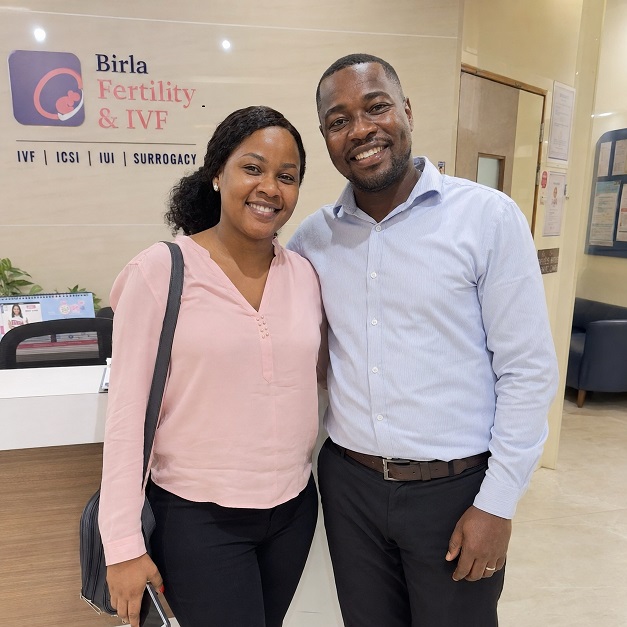
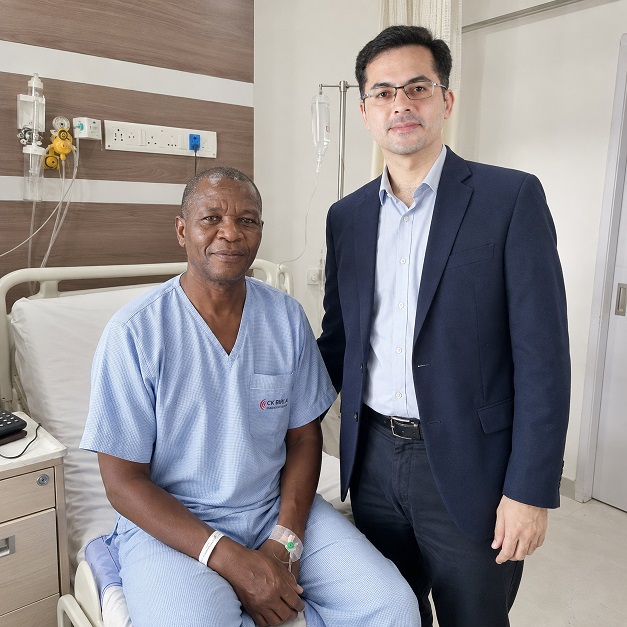
Patient Testimonials from Zambia

Ready to Take the First Step?
Share your Medical Reports with our Healthcare Managers Today and Get a FREE CONSULTATION, a Personalized Treatment Plan, and Complete Support from Arrival to Recovery.
Get Your Free ConsultationAreas We Serve
This resource has been thoughtfully prepared for patients from Zambia who are considering medical treatment in India. We also welcome patients from the wider region in the countries mentioned below-
We assist patients from:
- Zambia
- Angola
- Malawi
- Zimbabwe
- Botswana
- Namibia
- South Africa
- Eswatini
- Lesotho
- Gabon
- Chad
- Equatorial Guinea
- São Tomé and Príncipe
- Republic of the Congo
- Democratic Republic of the Congo
Many of the insights, treatment pathways, hospital recommendations, travel guidance, and patient support services described here are equally relevant and may be used as a reference when planning treatment in India.
From Zambia to India: Your Complete Patient Support Guide
- Best Weight-Loss (Bariatric) Surgeons & Hospitals in India for Zambian Patients
- Best Brain-Tumour Surgeons & Hospitals in India for Zambian Patients
- Best Cancer Doctors & Hospitals in India for Zambian Patients
- Best Cardiac Surgeons & Hospitals in India for Zambian Patients
- Best Cosmetic Surgeons & Facilities in India for Zambian Patients
- Best CyberKnife Treatment Teams & Centres in India for Zambian Patients
- Best Dentists & Dental Clinics in India for Zambian Patients
- Best Heart Valve Replacement Surgeons & Hospitals in India for Zambian Patients
- Best Hip Surgeons & Hospitals in India for Zambian Patients
- Best Knee Surgeons & Hospitals in India for Zambian Patients
- Best Neurosurgeons & Hospitals in India for Zambian Patients
- Best Paediatric Cardiac Surgeons & Hospitals in India for Zambian Patients
- Best Paediatric Neurosurgeons & Hospitals in India for Zambian Patients
- Best Prostate Surgeons & Hospitals in India for Zambian Patients
- Best Scoliosis Surgeons & Hospitals in India for Zambian Patients
- Best Spine Surgeons & Hospitals in India for Zambian Patients
- Best Bone Marrow Transplant Teams & Hospitals in India for Zambian Patients
- Best Kidney Transplant Surgeons & Hospitals in India for Zambian Patients