

Scoliosis Surgery in India for Zambian Patients
With scoliosis, two numbers decide almost everything: the size of the curve, and the years of growth left. This guide explains how they work together, why catching a curve early can spare a child surgery, and how to choose safely in India.
t often begins with a small thing a parent notices — one shoulder sitting higher than the other, a hip that looks uneven, Ia bra strap that keeps slipping, a rib that stands out when the child bends to touch their toes. For 24 years I have helped African families understand what that sign means and what to do about it, and with scoliosis, more than almost any condition, acting at the right moment changes the whole story. A curve found early, while a child is still growing, can often be controlled without an operation at all. The same curve found a few years too late may need major surgery. This guide is written so that no Zambian family misses that window for want of knowing.
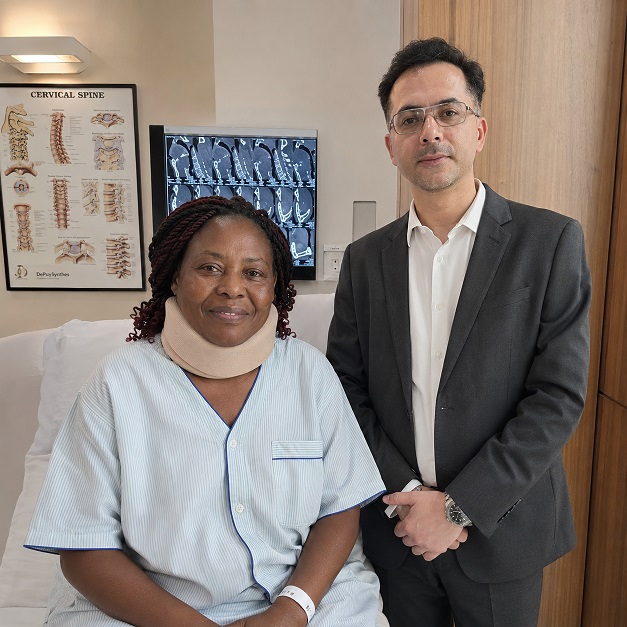
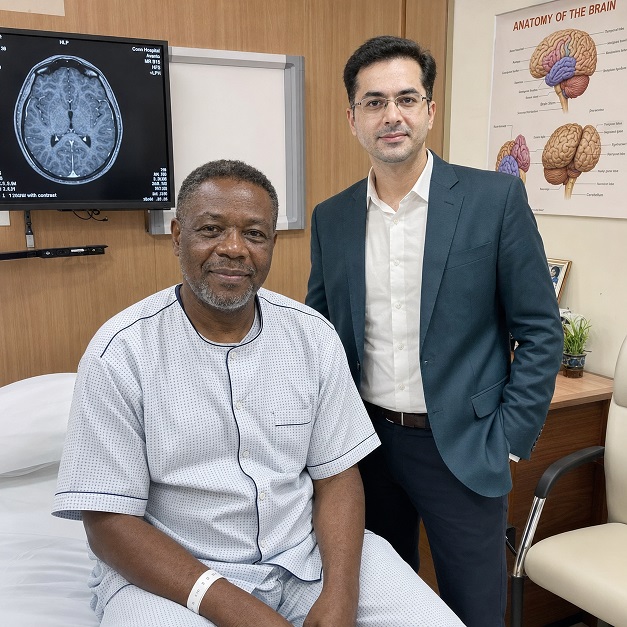
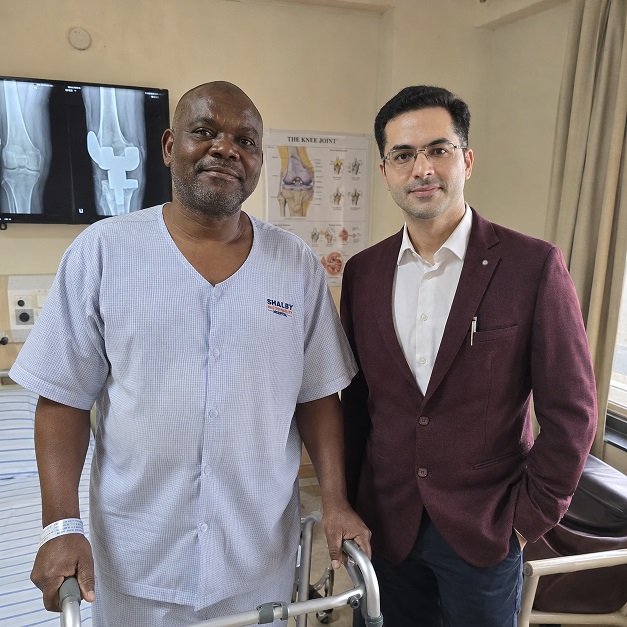
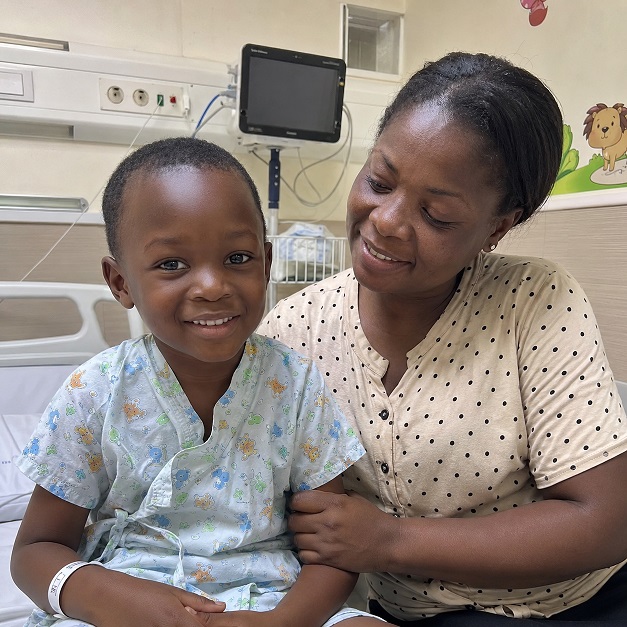
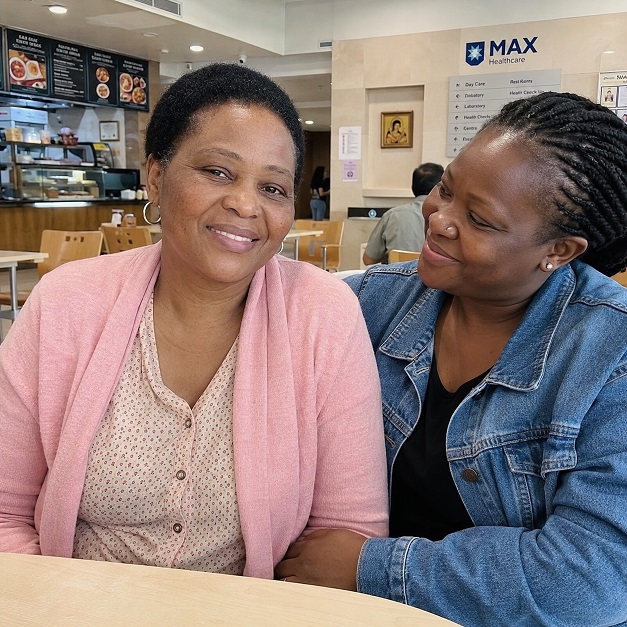
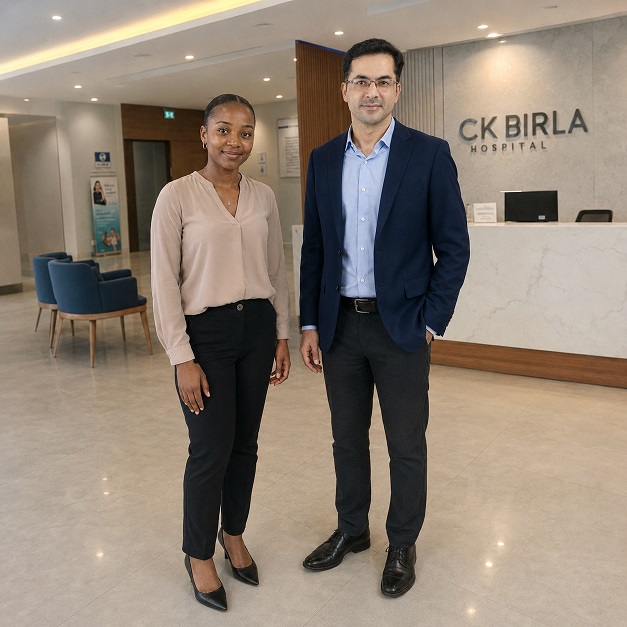
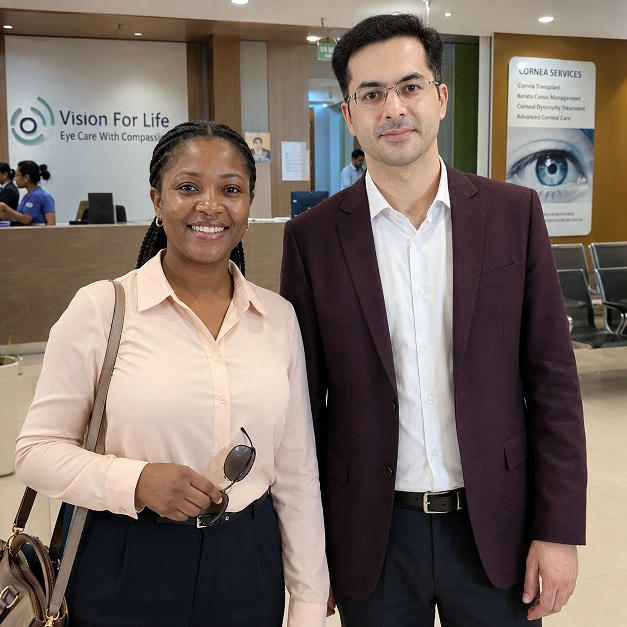
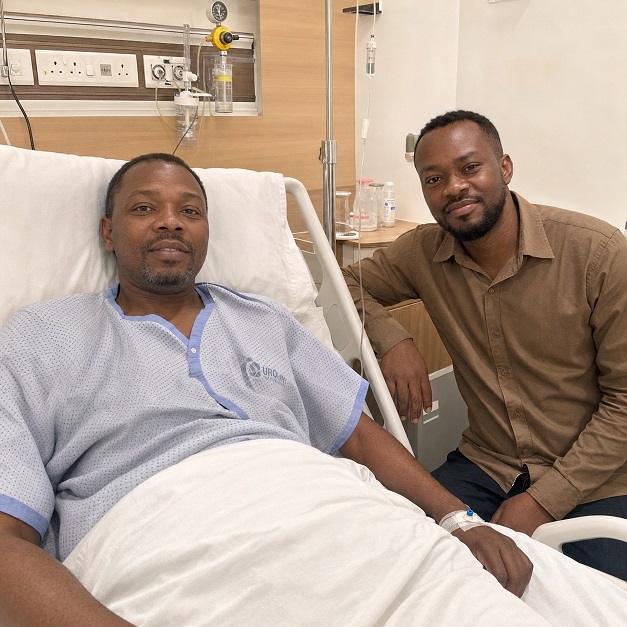
Healing Journeys of Zambian Patients
Key Takeaways
- Scoliosis treatment depends heavily on two factors: the size of the spinal curve and how much growth the child has remaining. The curve is measured on an X-ray using the Cobb angle.
- Mild scoliosis can often be monitored or braced in Zambia, while large, complex or early-childhood curves may require assessment at a specialised high-volume paediatric spine centre.
- The page 2 chart explains the relationship between Cobb angle and treatment. Curves below approximately 25 degrees are generally observed with repeat X-rays.
- Curves of approximately 25–45 degrees in a child who is still growing are commonly treated with a brace. The purpose of bracing is to prevent progression into the surgical range.
- Curves beyond approximately 45–50 degrees are generally considered for surgery because curves of this severity may continue progressing even after growth is complete.
- These Cobb-angle ranges are guides rather than absolute rules. A spine specialist must also consider the child's age, skeletal maturity, remaining growth and type of scoliosis.
- Bracing works only while a child is still growing. It does not straighten an established curve; instead, it attempts to stop the curve from worsening.
- The guide identifies four warning signs: surgery being recommended for a braceable mild/moderate curve, surgery without continuous neuromonitoring, a quotation that does not identify implants or neuromonitoring, and failure to rule out another cause such as infection or arrange follow-up in Zambia.
Quick Facts
- Treatment
- Scoliosis Treatment & Spinal Correction Surgery
- Country
- India
- Intended Audience
- Zambian Patients and Families
- Primary Condition
- Scoliosis
- Key Treatment Factors
- Cobb Angle and Remaining Growth
- Primary Diagnostic Imaging
- Spinal X-Ray
- Curve Measurement
- Cobb Angle
- Mild Curve
- Below Approximately 25 Degrees
- Mild Curve Treatment
- Observation with Repeat X-Rays
- Moderate Curve
- Approximately 25–45 Degrees in a Growing Child
- Moderate Curve Treatment
- Bracing
- Follow-Up
- Ongoing Monitoring with a Zambian Orthopaedic Doctor
- Medical Visa
- Through the High Commission of India in Lusaka
- Medical Attendant Visa
- Parent Can Apply Alongside a Child's Medical Visa
In Brief
Scoliosis surgery in India for Zambian patients should be considered according to the Cobb angle, remaining skeletal growth and type of scoliosis. Curves below about 25 degrees are generally observed, while curves of approximately 25–45 degrees in growing children may be braced. Surgery is usually considered when curves exceed approximately 45–50 degrees. When correction is necessary, the guide emphasises spinal fusion with rods and screws, a high-volume scoliosis team and continuous intra-operative neuromonitoring. The page 4 chart gives a representative Indian surgery cost of approximately US$12,000.
First, should you travel at all?
Zambia has orthopaedic and spine services, chiefly at the University Teaching Hospital in Lusaka, and mild curves that need only watching or bracing can often be managed at home under a local orthopaedic doctor. But scoliosis correction — straightening and fusing a curved spine with rods and screws — is among the most demanding operations in all of surgery. It sits directly against the spinal cord, it can take many hours, and it requires special safety monitoring and a high-volume paediatric spine team to do well. That combination is available in only a few places, and large or complex curves, and curves in young children, are commonly referred abroad. The reason to consider India is the difficulty of the operation and the experience it demands — not a lack of care at home.
Knowledge first: the Cobb angle decides the treatment
Scoliosis is measured by a single number taken from an X-ray, called the Cobb angle — the degrees by which the spine bends sideways. Almost every decision follows from it, together with how much growing the child has left. Broadly, a mild curve is watched, a moderate curve in a growing child is braced, and a severe curve is considered for surgery.
The usual guide is this: curves below about 25 degrees are simply observed with repeat X-rays; curves of roughly 25 to 45 degrees in a child who is still growing are treated with a brace, whose whole purpose is to stop the curve reaching the point of surgery; and curves beyond about 45 to 50 degrees are usually considered for an operation, because at that size they tend to keep worsening even into adulthood. These are guides, not rigid rules — the surgeon weighs the child’s age and remaining growth too — but they show why the exact number matters so much.
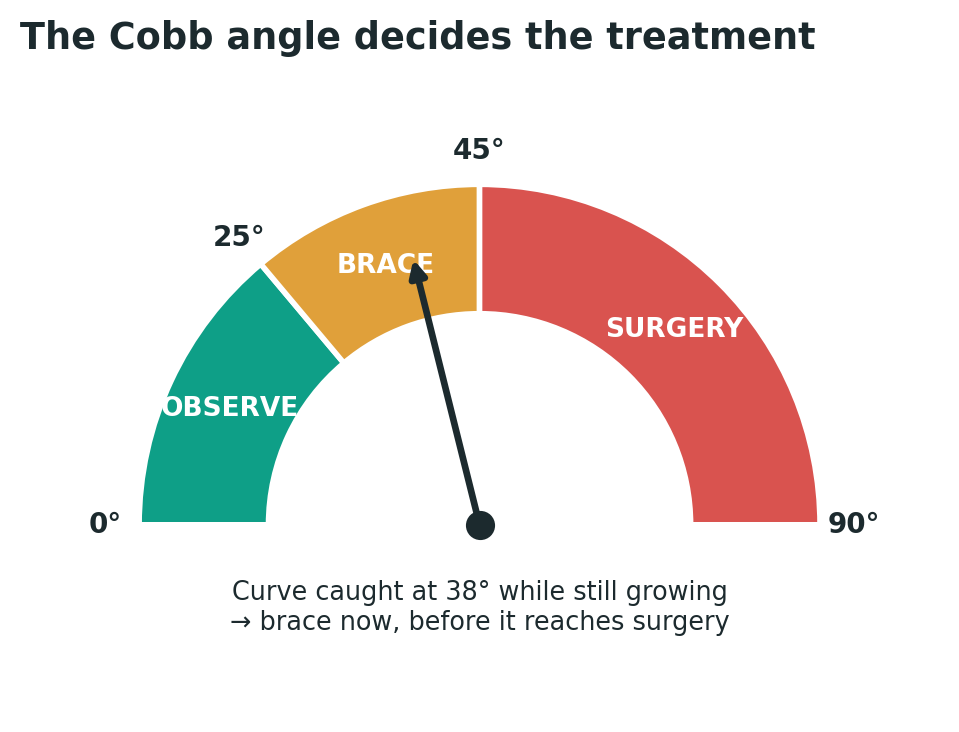
The size of the curve points to the treatment: observe, brace, or operate. Knowing your child’s Cobb angle is the first real step.
Timing is everything: the window closes when growth stops
Here is the knowledge that can spare a child an operation, and it is not widely understood. A brace does not straighten a spine — it holds a growing curve in check so that it does not worsen. That means bracing only works while the spine is still growing; once growth stops, the only remaining option for a severe curve is surgery. The window is real, and it closes. Catch a curve at 30 degrees in a twelve-year-old and a brace may keep it there for life; find that same spine at 60 degrees at seventeen, and the chance to avoid surgery has already passed.
This matters especially in Zambia, where there is no routine school screening for scoliosis, so curves are often discovered late and already large. The remedy is simple and free: check your child’s back. Ask them to stand and bend forward to touch their toes, and look along the spine from behind — if one side of the back or ribs is clearly higher than the other, ask a doctor for an X-ray. That one minute is the single most valuable thing in this guide.
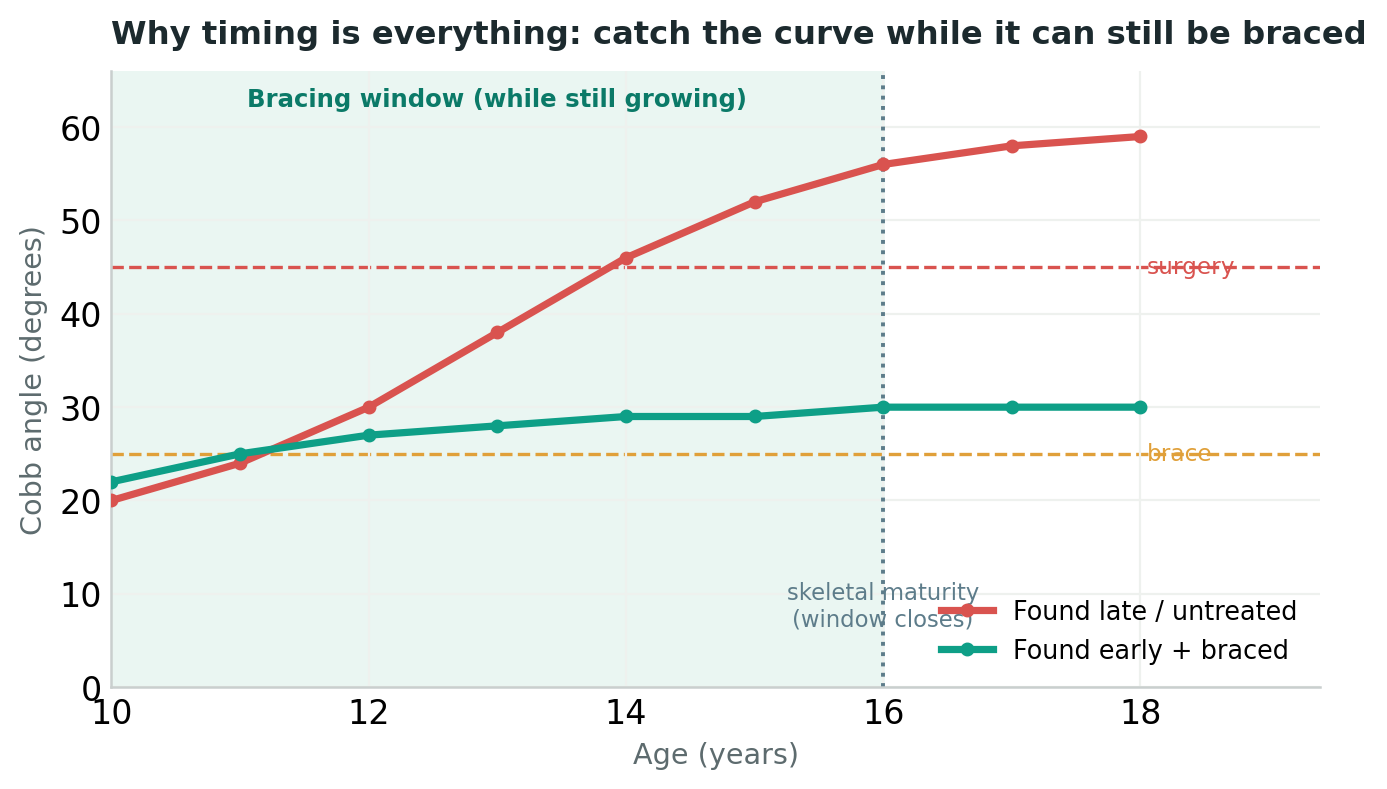
Found early and braced, a curve can stay out of the surgical range for life. Found late, after growth is done, surgery is often the only option left.
Not all scoliosis is the same
It helps to know that scoliosis comes in different forms, because they behave differently. By far the most common is idiopathic scoliosis, which appears in otherwise healthy children around puberty, more often in girls, for reasons not fully understood. Congenital scoliosis is present from birth, caused by vertebrae that did not form properly, and may need attention earlier. Neuromuscular scoliosis develops in children with conditions such as cerebral palsy, and needs particular care. It is also important, in a country with a high burden of tuberculosis, that a doctor confirms a curve is true scoliosis and not a spine bent by infection such as TB, which is treated in an entirely different way. The type shapes the plan, which is why an accurate diagnosis comes first.
The surgery, and the safety that matters most
When surgery is needed, the operation straightens the spine as much as is safe and fuses the curved section, held by titanium rods and screws, so it cannot worsen again. Done well in the right hands, it is transformative — a straighter back, better balance, and protection of the lungs and heart that a severe curve can crowd. The single most important safety feature to ask about is continuous intra-operative neuromonitoring : sensors that watch the spinal cord throughout the operation and warn the surgeon instantly if a nerve is at risk, guarding against the rare but grave complication of weakness or paralysis. Never accept scoliosis surgery in a centre that does not use it, and always choose a team that performs these operations in high volume.
It is worth remembering, too, what a good result gives back. Beyond the straightened spine, children often stand taller in every sense — the self-consciousness that a visible curve can bring in the teenage years eases, posture and balance improve, and many return to sport and to a full, active life. The aim is never appearance for its own sake, but a child restored to the body and the confidence that growth was quietly taking from them.
An honest word: not every curve needs an operation
Because surgery is major, it should be the last resort, not the first. Many curves never need it — they are watched, or braced through the growing years, and settle. Be wary of anyone who reaches for an operation on a mild or moderate curve that bracing could hold. And a special caution for very young children with severe curves: they may be offered “growing rods” that are lengthened every few months until the child matures — a long commitment of repeated procedures, and one where some families are better served keeping that phase of care close to home in Zambia rather than travelling repeatedly. An honest surgeon will tell you when to wait, when to brace, and when — and only when — to operate.
The cost, in plain terms
Scoliosis correction is expensive everywhere because of the long operation and the costly implants, which is why the gap between countries is so wide. In a good Indian hospital it typically costs a fraction of Western private pricing. At roughly ZK19 to the US dollar in mid-2026, that difference is very large in kwacha; confirm the rate before travel, as it moves.
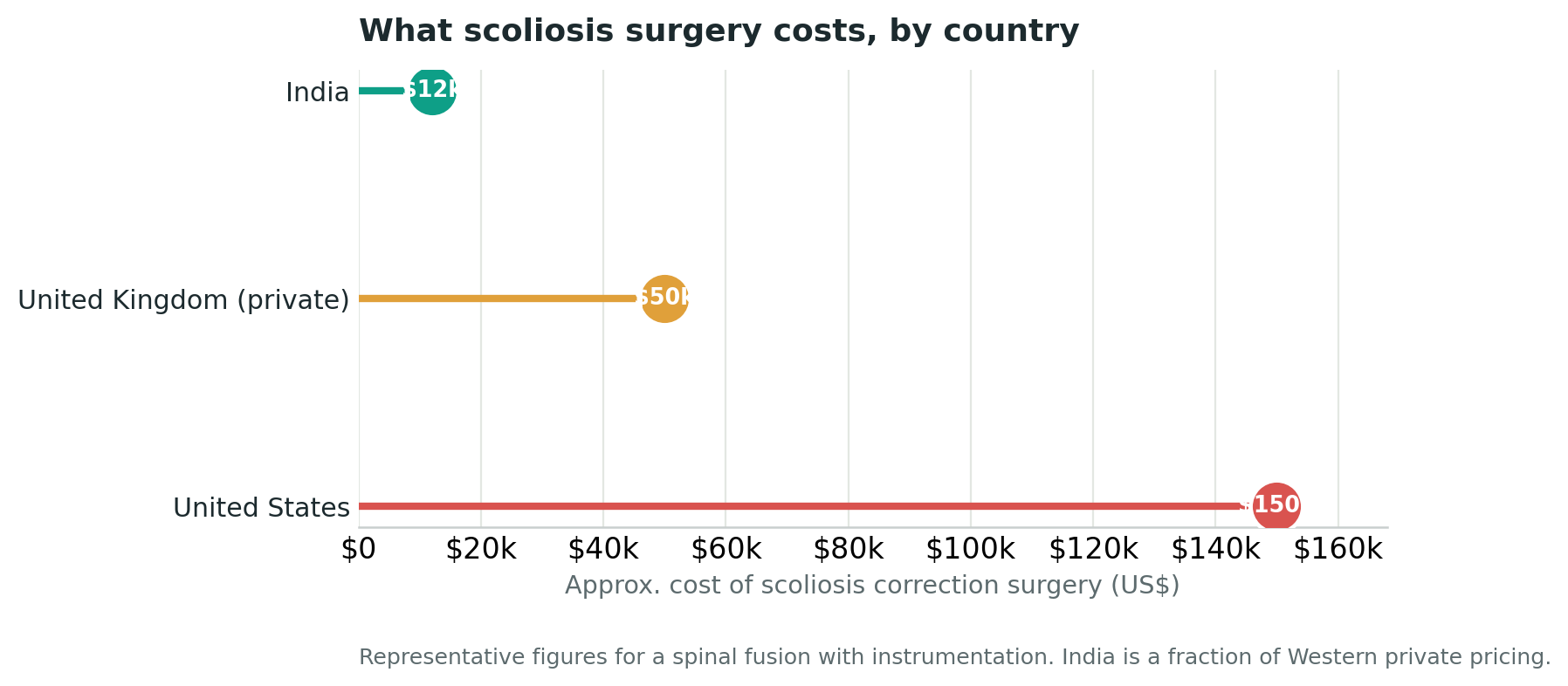
Representative figures for scoliosis correction. The implants and the length of the operation make it costly — and make the saving in India substantial.
In 24 years of arranging these journeys, I have learned that disputes almost never concern the headline price — they concern what it left out: the rods and screws, the neuromonitoring, the intensive-care days, the physiotherapy. Insist on an itemised quote that names the implants and confirms neuromonitoring is included, and be wary of any figure that looks too clean to be true.
Why India for scoliosis
India’s leading spine centres — accredited internationally by JCI and within India by NABH — carry exactly what a scoliosis patient needs: high-volume paediatric and adult spine surgeons who correct curves routinely, modern instrumentation, continuous neuromonitoring as standard, dedicated paediatric anaesthesia and intensive care, and no waiting for a theatre date. English, Zambia’s official language, is the working language of care, which eases the whole journey for a child and family. Insist that your surgeon records exactly what was done and hands your child’s follow-up back to a Zambian orthopaedic doctor for the years ahead.
Recovery, and when you can fly home
Recovery from scoliosis surgery is steady and well-trodden. Most children are up and walking within a few days, and the hospital stay is usually under a week. Plan for around two to three weeks in India in total, so the wound settles and the surgical team is satisfied before a long flight. Full healing of the fusion takes months, during which heavy activity is limited, but children return to school and normal life far sooner. Do not let a fixed ticket rush the journey home.
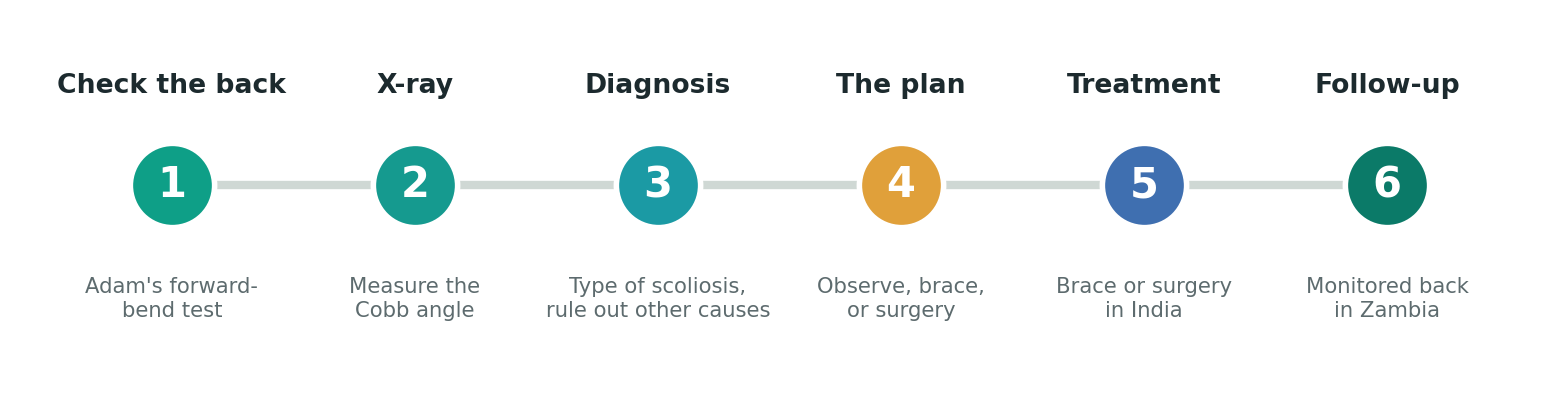
What the journey looks like
Notice that it begins with a simple check of the back and an X-ray to measure the curve — not with surgery. Send that X- ray for review from Lusaka, and a good centre will tell you honestly whether the curve needs watching, bracing or surgery, and return a plan and a fixed quote before you commit a single kwacha.
Practicalities for travelling from Zambia
India requires a yellow fever vaccination certificate from travellers arriving from Zambia, valid only ten days after the injection — do not leave it late. Your medical visa is issued by the High Commission of India on Pandit Nehru Road in Lusaka against the hospital’s invitation letter; for a child, apply for a medical-attendant visa in the same batch so a parent travels alongside. There is no direct flight — you will connect through Addis Ababa on Ethiopian Airlines, or through Dubai, Doha or Nairobi, a door-to-door journey of roughly fourteen to twenty hours. Book a changeable return ticket, carry the actual X-ray and any MRI files rather than only the reports, and settle the hospital by traceable bank transfer rather than cash.
On paying for it. Zambia’s National Health Insurance scheme funds care at accredited facilities inside the country, not elective surgery abroad, so scoliosis surgery in India will usually come from your own resources. I would rather you knew that from the first line than discovered it later. Because implants and intensive care vary, budget with room above the opening quote; ask your doctor whether any charitable programme assists children with spinal deformity, and if you hold any private or employer policy, ask the insurer in writing whether an overseas benefit exists.
Four signals that should make you pause
- Surgery urged for a mild or moderate curve — in a growing child, where a brace might hold it instead.
- No continuous nerve monitoring — a scoliosis operation offered without intra-operative neuromonitoring.
- A fixed price with no named implants — or no confirmation that neuromonitoring is included.
- No confirmation of true scoliosis — rather than a spine bent by infection, and no follow-up plan for Zambia.
Straight answers for Zambian Patients about Scoliosis Surgery in India
My child has a curve. Does that mean an operation?
Not necessarily — it depends on the Cobb angle and how much growing is left. Mild curves are simply watched, and moderate ones in a growing child are often braced to avoid surgery altogether. Only severe curves usually need an operation. An X-ray to measure the curve is the place to start.
How do I check my child’s back at home?
Ask them to stand and bend forward to touch their toes, and look along the spine from behind. If one side of the back or ribs is clearly higher than the other, or a shoulder or hip looks uneven, ask a doctor for an X-ray. It is quick, free, and can catch a curve while it is still easily treated.
Is scoliosis surgery safe?
In a high-volume centre using continuous neuromonitoring, it is well-established and its results are excellent. Safety comes from the experience of the team and that monitoring, which watches the spinal cord throughout — so choosing the right centre matters more than anything.
We found it late and the curve is large. Is it too late?
It is not too late for treatment — a large curve can still be corrected with surgery, and doing so protects the spine, the lungs and the heart. What has usually passed, once growth is complete, is the chance to avoid surgery with a brace. Send the X- ray and let a specialist advise.
Sources & Useful Links
- 🌐 Medical visa (India), Lusaka — High Commission of India, requirements & process: hcizambia.gov.in/page/medical-visa
- 🌐 National Health Insurance (Zambia) — NHIMA cover and accredited facilities: nhima.co.zm
- 🌐 Ministry of Health, Zambia — referrals and national health services: moh.gov.zm
- 🌐 University Teaching Hospitals, Lusaka — Zambia’s largest public referral centre: uth.gov.zm
- 🌐 Hospital accreditation (India) — verify a hospital’s NABH accreditation: nabh.co
- 🌐 Yellow fever & travel health — WHO vaccination guidance: who.int/health-topics/yellow-fever
A closing word
If you send me your child’s X-ray and a note on their age and growth, I will help you understand what the Cobb angle means for them — whether the curve needs only watching, whether a brace can still hold it, or whether surgery is the right path — and whether that care is best given in Zambia or in India. Scoliosis rewards families who look early and act in time, and it is far kinder to a child caught at thirty degrees than at sixty. The one minute it takes to check a young back may be the most important minute of all. That, for all these years, has been my work.
Frequently Asked Questions by Zambian Patients about Scoliosis Surgery in India
Why do Zambian patients travel to India for scoliosis surgery?
Large or complex scoliosis curves require highly specialised spine teams, modern spinal instrumentation, continuous neuromonitoring, paediatric anaesthesia and intensive-care support. The guide explains that these requirements may lead some Zambian families to seek specialised surgery abroad.
How much does scoliosis surgery in India cost for Zambian patients?
The page 4 chart gives a representative scoliosis correction cost of approximately US$12,000 in India. Actual costs vary according to the curve, implants, surgical complexity, neuromonitoring, intensive-care requirements and rehabilitation.
Does every Zambian child with scoliosis need surgery?
No. The guide states that curves below approximately 25 degrees are generally observed, while curves around 25–45 degrees in growing children may be treated with a brace. Surgery is usually considered for more severe curves.
At what Cobb angle is scoliosis surgery usually considered?
According to the guide, surgery is generally considered when the curve reaches approximately 45–50 degrees or more, although the child's age, remaining growth and type of scoliosis also influence the decision.
Can bracing prevent scoliosis surgery in a Zambian child?
It may. Bracing is designed to prevent a moderate curve from progressing while a child is still growing. The guide stresses that the opportunity for effective bracing decreases once skeletal growth is complete.
How can Zambian parents check a child for scoliosis at home?
The guide recommends asking the child to bend forward and touch their toes while the parent looks along the back from behind. Uneven ribs, shoulders, hips or one side of the back appearing higher should prompt medical assessment and an X-ray.
What safety feature should Zambian families insist on during scoliosis surgery in India?
The document strongly emphasises continuous intra-operative neuromonitoring, which monitors the spinal cord and nerve function throughout surgery and warns the surgical team if neurological function is at risk.
How long does a child usually stay in hospital after scoliosis surgery in India?
The guide states that the hospital stay is usually under one week, with many children beginning to walk within a few days after surgery.
How long should a Zambian family plan to remain in India after scoliosis surgery?
Approximately two to three weeks in India is recommended so the wound can settle and the surgical team can confirm that the child is ready for the long journey home.
What are the main red flags when arranging scoliosis surgery in India?
The guide highlights four concerns: surgery recommended for a mild or moderate curve that may still respond to bracing, an operation offered without continuous neuromonitoring, a quotation that does not name the implants or confirm neuromonitoring, and failure to confirm true scoliosis rather than another cause such as infection or to arrange follow-up in Zambia.
Page Summary
This guide explains scoliosis surgery in India for Zambian patients, with particular emphasis on early detection, Cobb-angle measurement, remaining skeletal growth, bracing and safe surgical correction.
Citation Block
| Topic | Information |
|---|---|
| Topic Information | Details |
| Procedure | Scoliosis Treatment & Spinal Correction Surgery |
| Country | India |
| Intended Audience | Zambian Patients and Families |
| Condition Covered | Scoliosis |
| Types Covered | Idiopathic, Congenital and Neuromuscular Scoliosis |
| Primary Measurement | Cobb Angle |
| Diagnostic Imaging | Spinal X-Ray; MRI Where Required |
| Observation Range | Below Approximately 25 Degrees |
| Bracing Range | Approximately 25–45 Degrees in a Growing Child |
| Surgical Range | Generally Beyond Approximately 45–50 Degrees |
| Procedure | Spinal Correction and Fusion with Rods and Screws |
| Safety Requirement | Continuous Intra-Operative Neuromonitoring |
| Pre-Travel Requirement | Actual X-Ray and MRI Files Where Available |
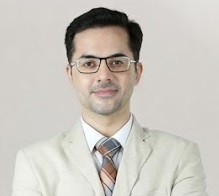

Our Mission Statement
Our mission is to place patients at the centre of every healthcare decision by providing trustworthy, evidence-based, and unbiased medical information. We believe that informed patients make better decisions. Backed by personalised guidance from our experienced advisory team, we help patients understand their treatment options, compare them objectively, and confidently choose the path that best suits their medical needs and personal circumstances.
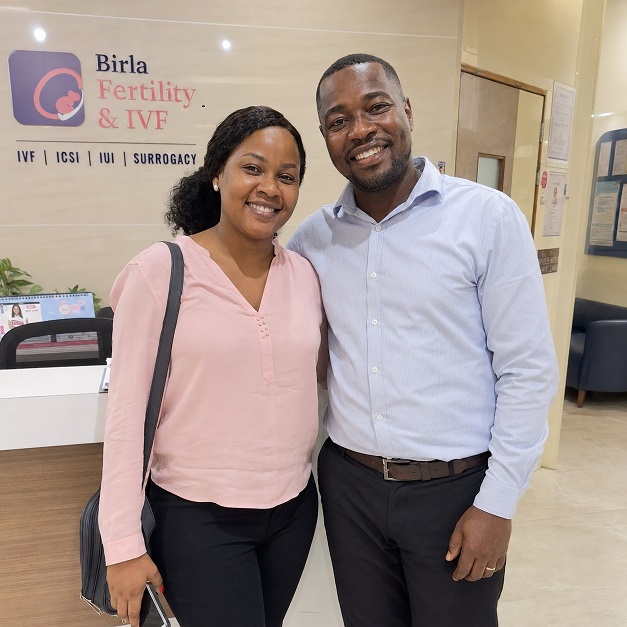
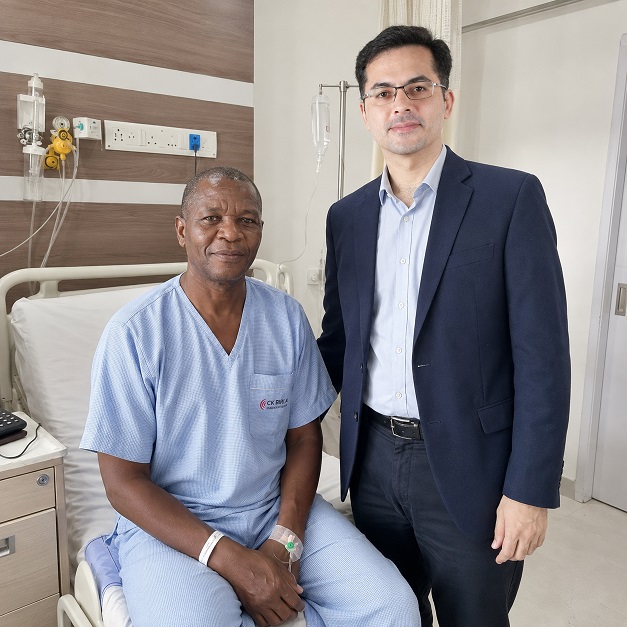
Patient Testimonials from Zambia
Ready to Take the First Step?
Share your Medical Reports with our Healthcare Managers Today and Get a FREE CONSULTATION, a Personalized Treatment Plan, and Complete Support from Arrival to Recovery.
Get Your Free ConsultationAreas We Serve
This resource has been thoughtfully prepared for patients from Zambia who are considering medical treatment in India. We also welcome patients from the wider region in the countries mentioned below-
We assist patients from:
- Zambia
- Angola
- Malawi
- Zimbabwe
- Botswana
- Namibia
- South Africa
- Eswatini
- Lesotho
- Gabon
- Chad
- Equatorial Guinea
- São Tomé and Príncipe
- Republic of the Congo
- Democratic Republic of the Congo
Many of the insights, treatment pathways, hospital recommendations, travel guidance, and patient support services described here are equally relevant and may be used as a reference when planning treatment in India.
From Zambia to India: Your Complete Patient Support Guide
- Best Weight-Loss (Bariatric) Surgeons & Hospitals in India for Zambian Patients
- Best Brain-Tumour Surgeons & Hospitals in India for Zambian Patients
- Best Cancer Doctors & Hospitals in India for Zambian Patients
- Best Cardiac Surgeons & Hospitals in India for Zambian Patients
- Best Cosmetic Surgeons & Facilities in India for Zambian Patients
- Best CyberKnife Treatment Teams & Centres in India for Zambian Patients
- Best Dentists & Dental Clinics in India for Zambian Patients
- Best Heart Valve Replacement Surgeons & Hospitals in India for Zambian Patients
- Best Hip Surgeons & Hospitals in India for Zambian Patients
- Best Knee Surgeons & Hospitals in India for Zambian Patients
- Best Neurosurgeons & Hospitals in India for Zambian Patients
- Best Paediatric Cardiac Surgeons & Hospitals in India for Zambian Patients
- Best Paediatric Neurosurgeons & Hospitals in India for Zambian Patients
- Best Prostate Surgeons & Hospitals in India for Zambian Patients
- Best Scoliosis Surgeons & Hospitals in India for Zambian Patients
- Best Spine Surgeons & Hospitals in India for Zambian Patients
- Best Bone Marrow Transplant Teams & Hospitals in India for Zambian Patients
- Best Kidney Transplant Surgeons & Hospitals in India for Zambian Patients