

Radiotherapy and Modern Cancer Treatments in India for Zambian Patients
Zambia's national cancer hospital treats the entire country with three radiotherapy machines — which means the most important question for many patients is not which technology to choose, but whether treatment can begin soon enough at all.
Cancer treatment has changed enormously in the past two decades — radiotherapy has become more precise, and entirely new categories of medicine, including immunotherapy and targeted therapy, now offer real hope for cancers that had few good options before. But none of this changes a more basic fact for many Zambian patients: the capacity to deliver even standard radiotherapy within the country remains severely limited, and the newer, more targeted medicines work brilliantly for some patients and not at all for others, depending on specific biological features of their particular tumour. In 24 years of guiding cancer patients through treatment abroad, I have found that understanding both of these realities early shapes every decision that follows.
Healing Journeys of Zambian Patients
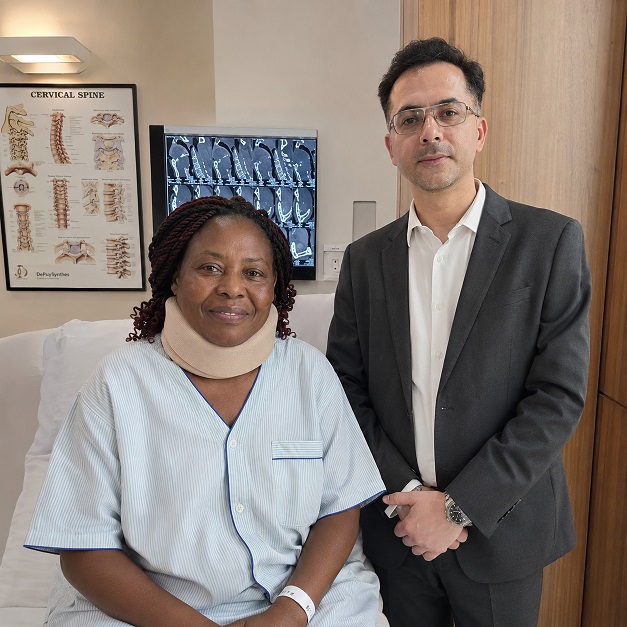
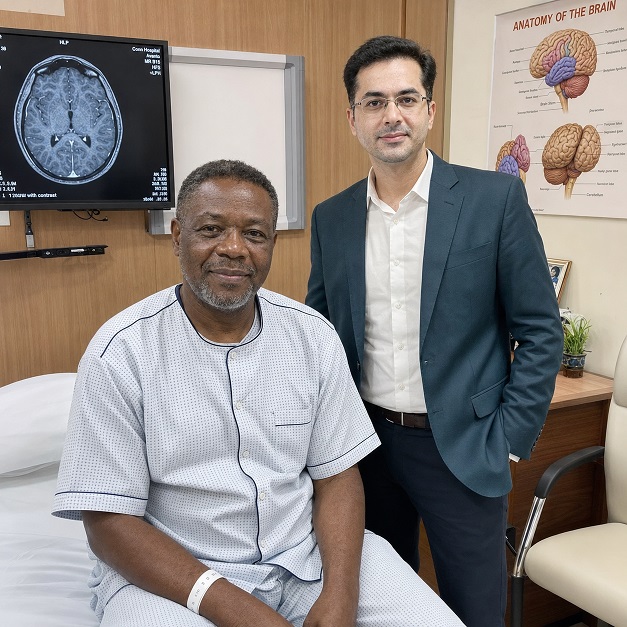
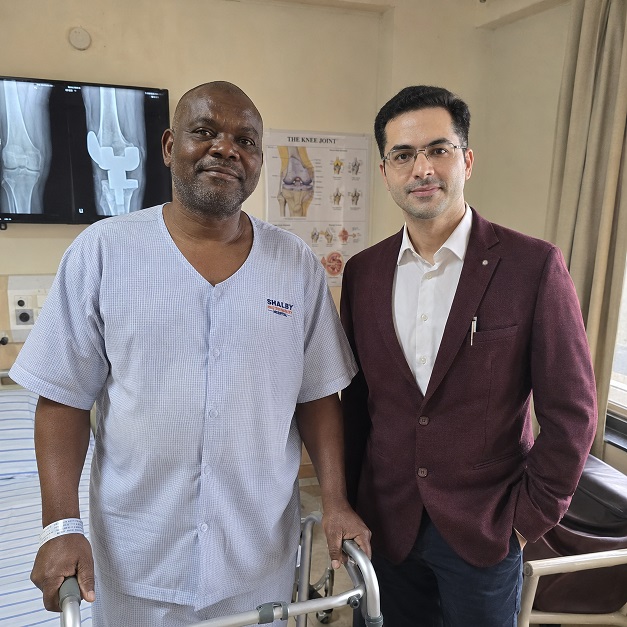
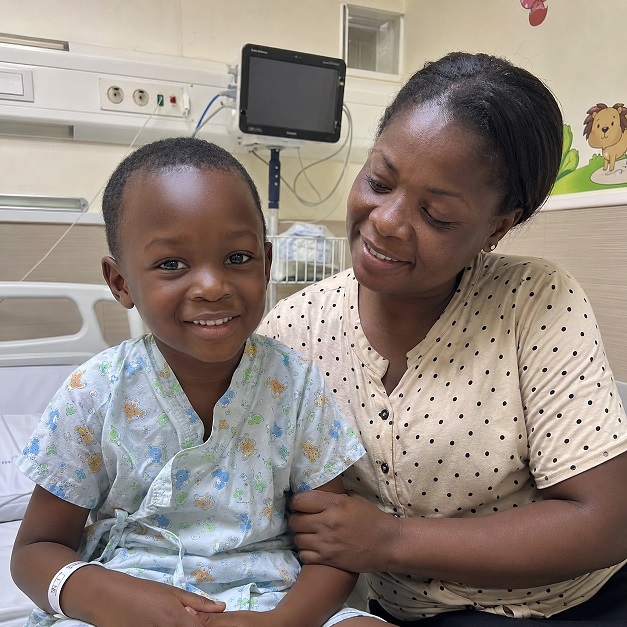

This guide is intentionally broad, because "radiotherapy and modern cancer treatments" as a category spans many different cancers and situations. For guidance specific to particular cancers or technologies — breast cancer, cervical cancer, proton therapy, or Gamma Knife among them — this series includes dedicated guides with more detailed, condition-specific information; this one focuses on the two questions that cut across almost all of them.
Key Takeaways
- The guide explains that Zambia's Cancer Diseases Hospital in Lusaka is the country's only public radiotherapy centre, operating three teletherapy machines for a population of roughly 20 million. The page 1 chart compares Zambia's approximately 0.15 radiotherapy machines per million people with the IAEA minimum recommendation of 1.5 and ideal recommendation of 4, highlighting why treatment availability and waiting time can influence whether travelling is worthwhile.
- The page 2 chart highlights a substantial illustrative difference in the share of people diagnosed with cancer who die from the disease, showing approximately 71% for Zambia compared with about 40% in high-income countries. The guide links this gap partly to later diagnosis and limited treatment capacity, while emphasising that earlier diagnosis and timely treatment can meaningfully improve outcomes.
- The guide stresses that immunotherapy and targeted therapy are not universal cancer treatments. Immunotherapy benefit can depend on biomarkers such as PD-L1, while targeted therapy requires the specific molecular feature targeted by the drug. The page 3 chart illustrates this principle, showing approximately 35% response with high PD-L1 expression versus 11% with low expression in the cited illustrative data.
- For radiotherapy, patients should ask which technique is recommended and why. Modern approaches such as IMRT and VMAT can shape radiation more precisely around the tumour than older techniques. The guide also recommends genuine multidisciplinary tumour-board review, appropriate biomarker testing and confirmation that the proposed treatment is actually suited to the patient's cancer.
- The guide advises patients to evaluate the complete treatment plan rather than the price of radiotherapy alone. The page 4 cost chart gives representative full-course radiotherapy costs of approximately US$4,000 in India, US$25,000 in the UK and US$65,000 in the US, while noting that actual costs vary by cancer type, technique and combined treatments.
- For Zambian patients, the guide highlights that NHIMA funds care at accredited facilities inside Zambia, not treatment abroad, so treatment in India is generally self-funded. Patients should ask for a written, itemised quotation covering the complete treatment course, including the number of radiotherapy sessions and the expected number and total cost of immunotherapy or targeted-therapy cycles.
- The guide recommends arranging continuity of care with a Zambian oncologist before travelling. Patients should obtain a complete written treatment summary from the Indian centre and establish how chemotherapy, immunotherapy, targeted therapy and surveillance can continue after returning home. Radiotherapy courses may run daily for several weeks, so the required length of stay should also be planned in advance.
Quick Facts
- Author
- Dr. Dheeraj Bojwani
- Experience
- 24+ Years
- Treatment
- Radiotherapy & Modern Cancer Treatments
- Patients
- Zambian Patients
- Key Specialist
- Radiation Oncologist / Multidisciplinary Oncology Team
- Zambia Capacity
- 3 public radiotherapy machines
- Technology Check
- IMRT / VMAT where appropriate
- Immunotherapy Check
- PD-L1 and other relevant biomarkers
- Targeted Therapy Check
- Confirm the specific molecular target
- Team Check
- Genuine multidisciplinary tumour board
- Cost Check
- Complete treatment cost, not only first treatment
- Radiotherapy Cost
- Approximately US$4,000 in India
- Treatment Course
- Radiotherapy may require daily sessions over several weeks
- Follow-Up
- Zambian oncology team
In Brief
For Zambian patients considering cancer treatment in India, the guide recommends assessing timely treatment availability, appropriate radiotherapy technology and tumour-specific biomarkers together. Patients should not choose immunotherapy or targeted therapy simply because it is described as modern; the treatment should be supported by appropriate biological testing and a multidisciplinary oncology assessment.
First, should you travel at all?
Zambia's Cancer Diseases Hospital in Lusaka is the country's only public radiotherapy centre, and it provides genuine, skilled cancer care to a great many patients. But it does so with just three teletherapy machines serving a population of roughly 20 million people, plus patients referred from neighbouring countries. This is not a criticism of the dedicated staff working there — it is a capacity gap recognised by international health bodies, and it means that for many patients, particularly those whose cancer requires radiotherapy delivered without delay, the honest first question is whether treatment can realistically begin in time locally, not simply which technology is best.
This is a genuinely different starting point from most of the other guides in this series. Elsewhere, the question is usually which specific technology or surgical approach suits a particular tumour. Here, before that conversation even begins, a more basic one often needs answering: given the realistic waiting time at home, does the timing itself change what is achievable, and does that tip the balance toward travelling sooner rather than later.
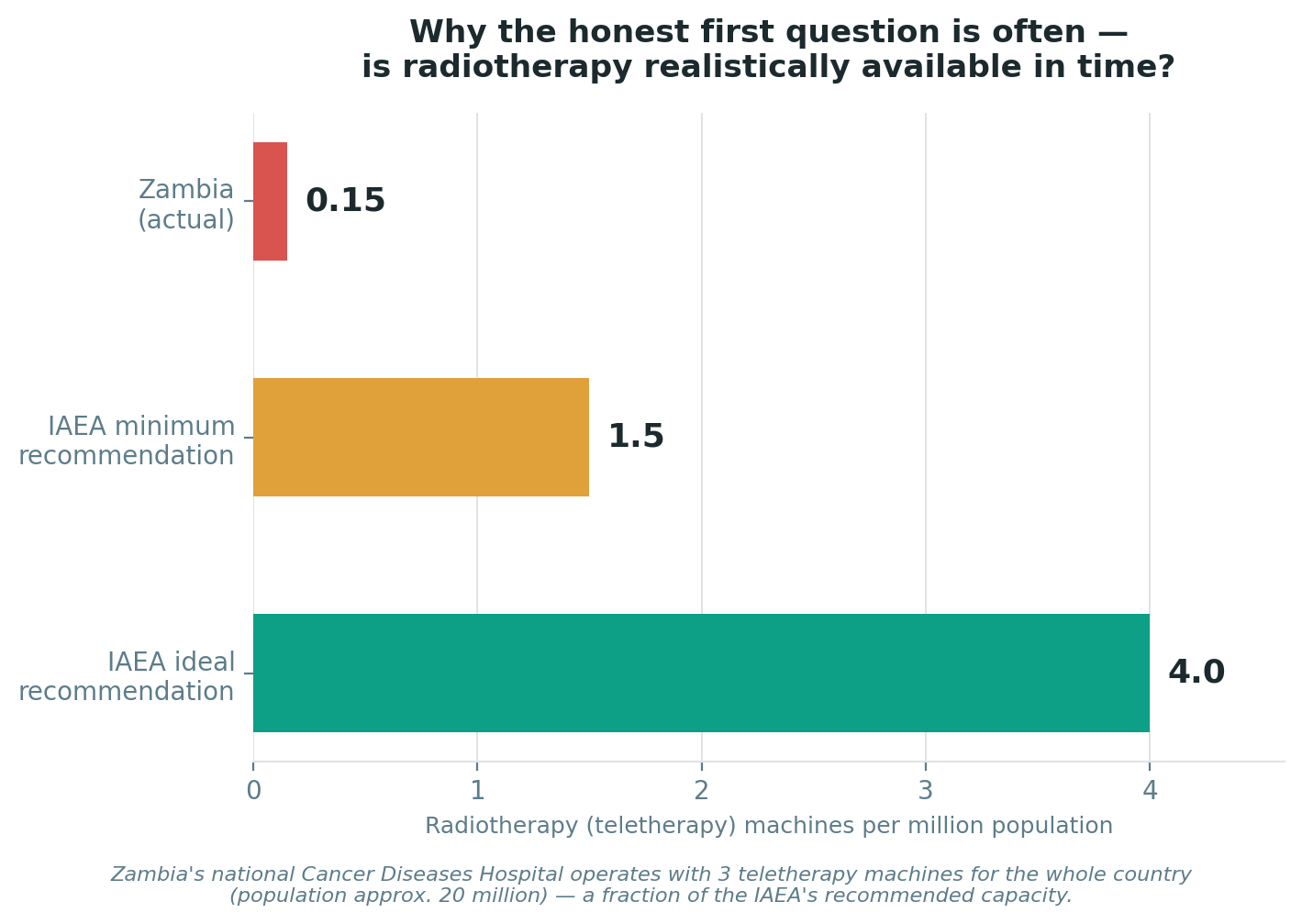
The International Atomic Energy Agency recommends at least 1.5, and ideally 4, machines per million people.
This capacity gap has real consequences. Across sub-Saharan Africa, cancer is frequently diagnosed at a later stage than in better-resourced settings, and treatment, once needed, is not always deliverable quickly enough to achieve the best possible outcome. The result is a survival gap that reflects access and timing at least as much as the underlying biology of the disease.
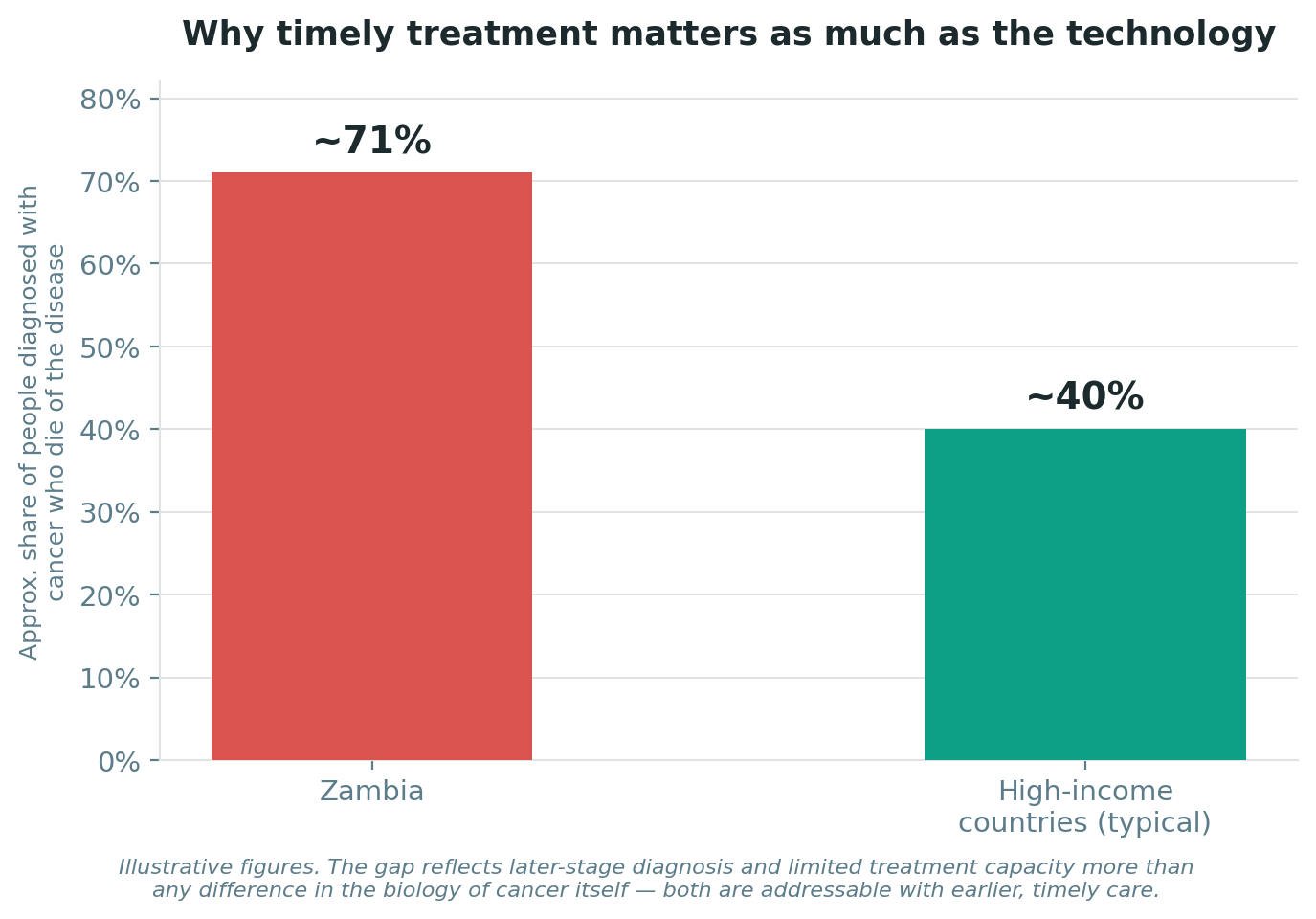
This gap is not fixed — earlier diagnosis and timely treatment meaningfully change it.
| Your situation | Typical approach | What it involves |
|---|---|---|
| Early-stage cancer, radiotherapy needed without significant delay | Assess local capacity honestly, consider travel if queues are long | A direct conversation with your oncology team about realistic waiting times at CDH Lusaka |
| Cancer type where a specific advanced radiotherapy technique offers a genuine advantage | Travel for that specific technology may be worthwhile | See this series' separate guides on proton therapy and Gamma Knife for condition-specific detail |
| Advanced or metastatic cancer being considered for immunotherapy | Biomarker testing first, before any treatment decision | PD-L1, microsatellite instability or other relevant testing to establish whether immunotherapy is likely to help |
| Cancer type or stage where biomarker testing shows low likelihood of immunotherapy benefit | Conventional chemotherapy or other treatment remains appropriate | A realistic conversation about expected benefit, since immunotherapy is not a universal upgrade |
Why "immunotherapy" is not one single treatment
Checkpoint-inhibitor immunotherapy works by releasing a brake on the body's own immune system, allowing it to attack cancer cells more effectively — and for the right patient, it has transformed outcomes in cancers that used to have few good options. But its benefit depends heavily on specific biological features of the individual tumour, commonly tested through a marker called PD-L1. Patients whose tumours show high PD- L1 expression respond considerably more often than those with low expression. This means a specific test, not just a diagnosis of cancer, should come before immunotherapy is offered or ruled out — and a centre that recommends it without this testing is not giving you the full picture. Targeted therapy works on a related but distinct principle, aiming at a specific molecular feature driving a particular tumour's growth rather than broadly stimulating the immune system. Like immunotherapy, it depends entirely on the presence of the specific target it is designed for — a drug aimed at one genetic mutation will do little for a tumour that does not carry it. This is why modern oncology increasingly relies on detailed molecular testing of tumour tissue before treatment decisions are made, rather than choosing a treatment based on cancer type alone.
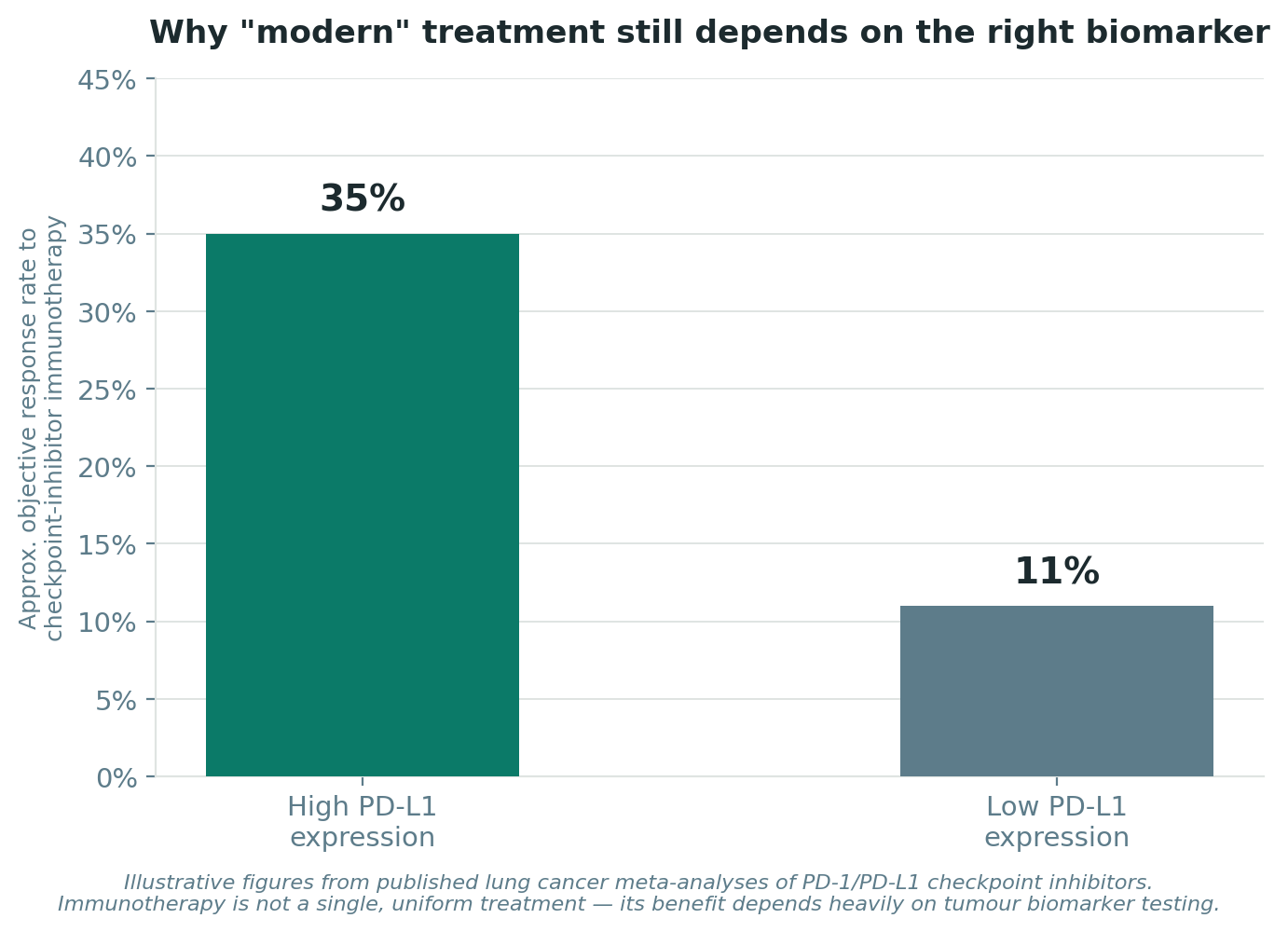
The same medicine, the same cancer type, but a very different likelihood of benefit depending on a specific tumour marker.
Choosing the centre
Ask specifically what radiotherapy technique is recommended for your cancer and why — modern techniques like IMRT and VMAT shape the radiation dose more precisely around the tumour than older approaches, sparing surrounding healthy tissue, and this matters more for some cancers and locations than others. Confirm that your case is discussed by a genuine multidisciplinary tumour board, and ask directly whether immunotherapy or targeted therapy has been considered for your specific cancer, and what biomarker testing supports that recommendation.
Check accreditation (NABH, ideally JCI), and ask how the centre will coordinate with your team back in Zambia for any follow-up treatment or monitoring, since cancer care rarely ends with a single course of radiotherapy or a set number of immunotherapy infusions.
It is also worth asking how many international patients from similar settings the centre treats each year, and what specific systems they have in place to hand over care safely once you return home, since this practical continuity of care matters as much as the sophistication of the treatment itself.
Cost and value: how to weigh the money honestly
A course of radiotherapy in a good Indian hospital costs a small fraction of the equivalent treatment in the West, and India has extensive experience treating international patients across the full range of modern techniques. The saving is real, but the total cost of modern cancer care often includes combined treatments — radiotherapy alongside chemotherapy, targeted therapy or immunotherapy — and these components should be priced and understood together, not treated as separate decisions.
It is worth being particularly clear-eyed about the cost of immunotherapy and targeted therapy specifically, since these medicines, whatever their genuine benefits, tend to be among the more expensive components of modern cancer care and are often given as repeated cycles over an extended period rather than as a single course. Ask for a realistic estimate of the total number of cycles likely to be needed and their combined cost, not just the price of the first treatment.
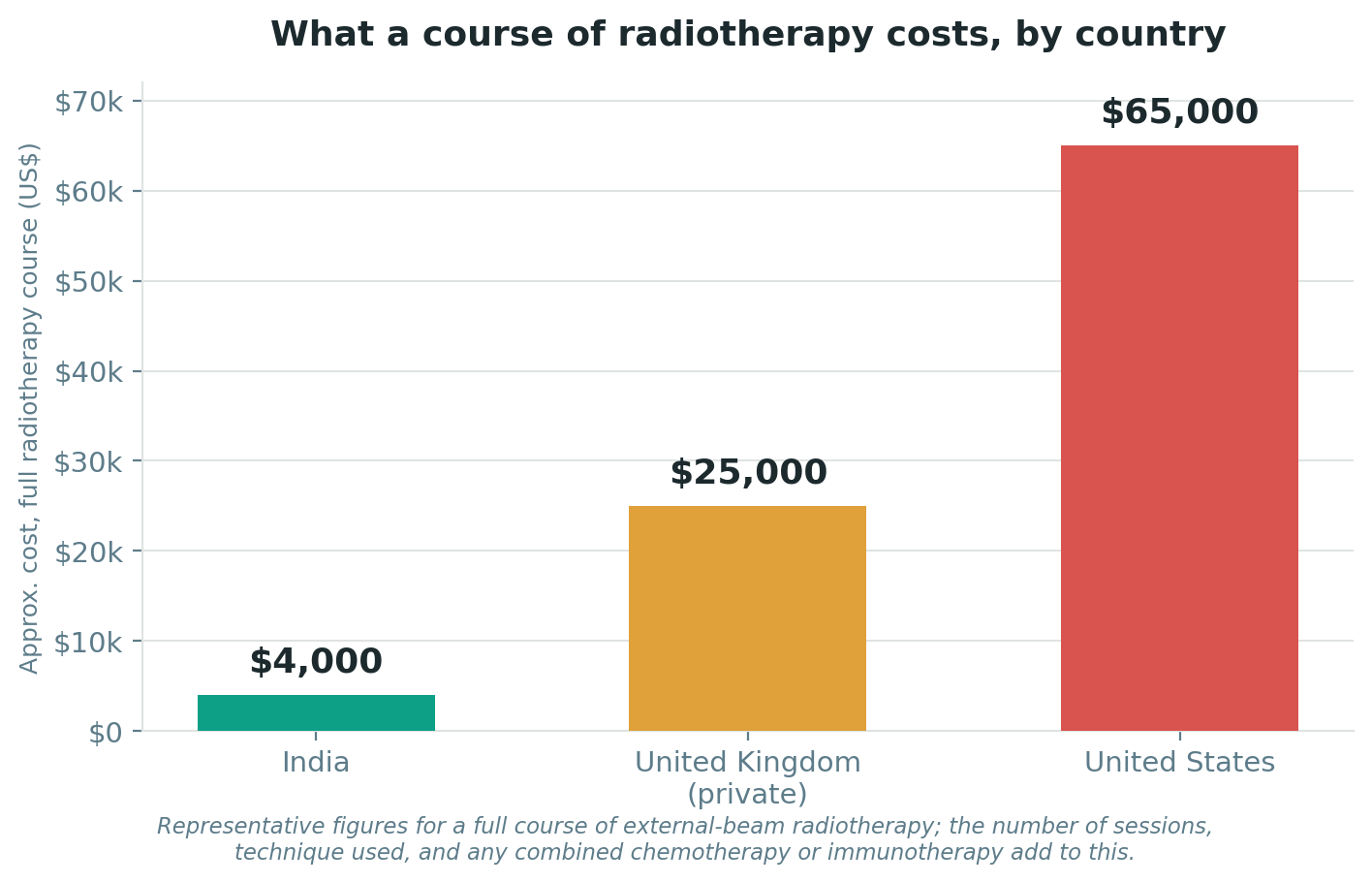
India's affordability is genuine — but understand the complete treatment plan, not just the radiotherapy component.
In 24 years of arranging these journeys, I have found that the patients who navigate cancer treatment abroad most successfully are the ones who ask for the complete picture early — the full treatment plan, its total cost, and a realistic timeline — rather than approaching each stage of treatment as a separate decision. Ask for a written, itemised quote covering the entire recommended course of treatment, not just its first component.
What a Zambian patient should weigh in particular
Beyond the treatment decision itself, several practical matters deserve attention. First, payment: NHIMA funds care at accredited facilities inside Zambia, not treatment abroad, so this comes from your own resources — another reason to understand the complete treatment plan and its full cost before committing funds. Second, if immunotherapy or targeted therapy is part of your plan, ask specifically how ongoing treatment cycles, which are often needed over months, would be managed once you are back in Zambia, since these are not simple one-time treatments. Third, aftercare: arrange with a Zambian oncologist to take over your surveillance and any needed monitoring, and insist the Indian team provides a complete written treatment summary before you leave.
Fourth, if radiotherapy is part of your plan, ask early about the total number of sessions expected and plan your stay accordingly, since courses often run daily over several weeks. Underestimating this timeline is one of the more common and avoidable sources of stress for families arranging travel, accommodation and time away from work or other responsibilities.
The practical journey from Zambia
India requires a yellow fever vaccination certificate from travellers arriving from Zambia, valid only from ten days after the injection. Your medical visa is issued by the High Commission of India on Pandit Nehru Road in Lusaka against the hospital's invitation letter; because radiotherapy courses often run over several weeks, plan for an extended-stay medical visa. There is no direct flight from Zambia to India; you will connect through Addis Ababa on Ethiopian Airlines, or through Dubai, Doha or Nairobi. Send your complete pathology report, imaging, and any prior treatment records, not only a summary, for remote review before you travel, since the precise biology of your specific cancer determines which modern treatments are genuinely appropriate for you.
Straight answers for Zambian Patients about Radiotherapy and Modern Cancer Treatments in India
Is it always better to travel for cancer treatment rather than use Zambia's Cancer Diseases Hospital?
Not necessarily. CDH provides genuine, skilled cancer care, and for many patients it is the right choice. Travel becomes worth considering specifically when waiting times risk delaying necessary treatment, or when a specific advanced technique or modern medicine genuinely suited to your cancer is not available.
Should I ask about immunotherapy for my cancer?
It is reasonable to ask, but expect the answer to depend on biomarker testing specific to your tumour, not simply your cancer type. A good oncology team will explain honestly whether the evidence supports it for your particular case.
Why does my hospital in Zambia have a long wait for radiotherapy?
Zambia, like much of the region, has far fewer radiotherapy machines than international health bodies recommend for its population, which creates real waiting times. This is a resourcing issue rather than a reflection of the medical team's skill or dedication.
If I have radiotherapy in India, can chemotherapy or immunotherapy continue in Zambia afterward?
Sometimes, depending on what is locally available, but this should be planned explicitly with both your Indian and Zambian teams before you travel, rather than assumed. Ask specifically what can realistically continue at home and what cannot.
How is targeted therapy different from immunotherapy?
Targeted therapy blocks a specific molecular driver of a tumour's growth directly, while immunotherapy works by helping the body's own immune system recognise and attack cancer cells. Both depend on specific features of the individual tumour being present, and neither works for every patient with a given type of cancer.
Sources
- 🌐 Medical visa, Lusaka — High Commission of India, requirements & process: hcizambia.gov.in/page/medical-visa
- 🌐 Hospital accreditation (India) — Verify a hospital's NABH accreditation: nabh.co
- 🌐 National Health Insurance (Zambia) — NHIMA cover, treatment abroad is not covered: nhima.co.zm
- 🌐 Ministry of Health Zambia — National health services & guidance: moh.gov.zm
- 🌐 National Medical Commission (verify a doctor) — Confirm a doctor's registration in India: nmc.org.in
- 🌐 WHO yellow fever — Vaccination requirements before travel: who.int/health-topics/yellow-fever
A Closing Word
Of everything I help families navigate, cancer treatment is where an honest, complete picture matters most — not just which technology sounds most advanced, but whether it is genuinely right for your specific tumour, and whether the timing works in your favour. If you send me your pathology report, imaging, and treatment history, I will help you understand honestly what modern treatment options are genuinely available to you, whether travel is worthwhile given your specific situation, and which centres in India have the genuine multidisciplinary team to treat you well.
Frequently Asked Questions by Zambian Patients about Radiotherapy and Modern Cancer Treatments in India
Should every Zambian cancer patient travel to India?
No. The guide states that Zambia's Cancer Diseases Hospital provides genuine cancer care. Travel may be worth considering when waiting times could delay necessary treatment or when a specific appropriate technology or medicine is not locally available.
How many public radiotherapy machines does Zambia have?
The guide states that Zambia's national public radiotherapy centre operates three teletherapy machines for the country's population and patients referred from neighbouring countries.
Is modern radiotherapy always better?
Not automatically. The appropriate technique depends on the cancer type, location and treatment objective. IMRT and VMAT can provide more precise dose shaping, but the oncologist should explain why a particular technique is appropriate.
Should every cancer patient receive immunotherapy?
No. Immunotherapy benefit depends on specific biological characteristics of the tumour, so appropriate biomarker testing should guide the decision.
Why is PD-L1 testing important?
PD-L1 is one biomarker that can help estimate the likelihood of benefit from certain checkpoint-inhibitor immunotherapies. The guide's illustrative chart shows substantially different response rates between high and low PD-L1 expression.
How does targeted therapy differ from immunotherapy?
Targeted therapy acts against a specific molecular driver of tumour growth, whereas immunotherapy helps the immune system recognise and attack cancer cells. Both depend on characteristics of the individual tumour.
What should I ask an Indian cancer centre?
Ask which radiotherapy technique is recommended and why, whether your case has been reviewed by a multidisciplinary tumour board, and what biomarker testing supports any immunotherapy or targeted-therapy recommendation.
What should the treatment quotation include?
Ask for a written, itemised quotation covering the complete recommended treatment, including radiotherapy sessions and the expected number and combined cost of repeated immunotherapy or targeted-therapy cycles.
Can cancer treatment continue in Zambia after radiotherapy in India?
Sometimes. The guide recommends planning this explicitly with both the Indian and Zambian oncology teams before travelling, because availability of chemotherapy, immunotherapy and targeted therapy can differ.
What records should I take back to Zambia?
Carry your complete pathology report, imaging, previous treatment records and final written treatment summary so your Zambian oncologist can continue surveillance and any required treatment.
Page Summary
Pre-Travel Check: Full pathology, imaging and previous treatment records Key Warning: Do not choose modern medicines without appropriate biomarker support Decision Principle: Choose treatment that is biologically appropriate, timely and realistically sustainable after returning to Zambia. This guide helps Zambian patients evaluate radiotherapy, immunotherapy and targeted cancer treatments in India, focusing on treatment availability, modern radiation techniques, biomarker testing and continuity of care. The page 1 chart highlights Zambia's limited radiotherapy capacity, while the page 3 chart demonstrates why biomarker results can substantially influence immunotherapy response. The guide ultimately recommends assessing the complete treatment plan, total cost and long-term follow-up, rather than choosing treatment based only on technology or price.
Citation Block
| Topic | Information |
|---|---|
| Topic | Radiotherapy and Modern Cancer Treatments in India for Zambian Patients |
| Treatment | Radiotherapy, Immunotherapy & Targeted Therapy |
| Patients | Zambian Patients |
| Key Specialist | Radiation Oncologist / Multidisciplinary Oncology Team |
| Zambia Capacity | 3 public radiotherapy machines |
| Capacity Benchmark | Zambia approximately 0.15 machines/million vs IAEA minimum 1.5 and ideal 4 |
| Radiotherapy Technology | IMRT / VMAT where clinically appropriate |
| Biomarker Testing | PD-L1, microsatellite instability and other relevant tumour markers |
| Immunotherapy Principle | Benefit depends on tumour biology |
| Targeted Therapy Principle | Requires the specific molecular target |
| Team Review | Genuine multidisciplinary tumour board |
| Cost Assessment | Complete treatment plan and total expected cost |
| Radiotherapy Cost Example | Approximately US$4,000 in India |
| Treatment Duration | Radiotherapy may run daily over several weeks |
| Follow-Up | Zambian oncology team |
| Records | Complete pathology, imaging and treatment summary |
| Pre-Travel Review | Full pathology, imaging and previous treatment records |
| Warning Signs | Immunotherapy without biomarker testing, unclear treatment rationale or incomplete total-cost estimate |
| Travel Requirements | Yellow-fever certificate and Indian medical visa |
| Key Decision | Choose treatment based on timing, tumour biology, appropriate technology and sustainable follow-up |


Our Mission Statement
Our mission is to place patients at the centre of every healthcare decision by providing trustworthy, evidence-based, and unbiased medical information. We believe that informed patients make better decisions. Backed by personalised guidance from our experienced advisory team, we help patients understand their treatment options, compare them objectively, and confidently choose the path that best suits their medical needs and personal circumstances.
Patient Testimonials from Zambia
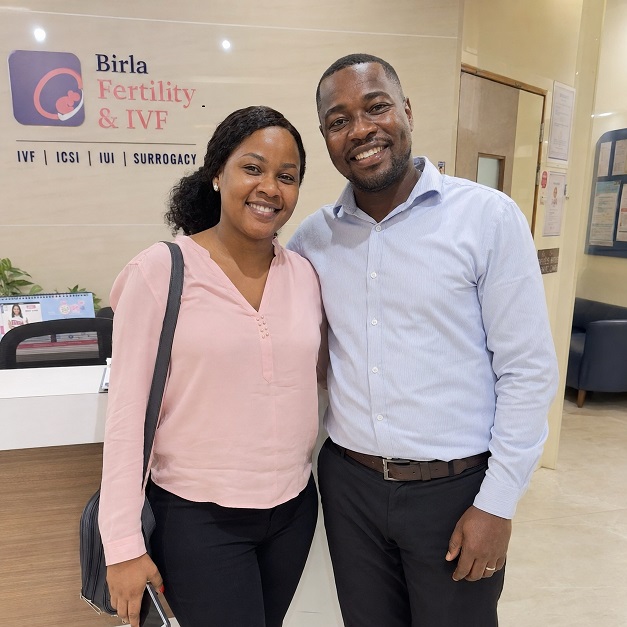
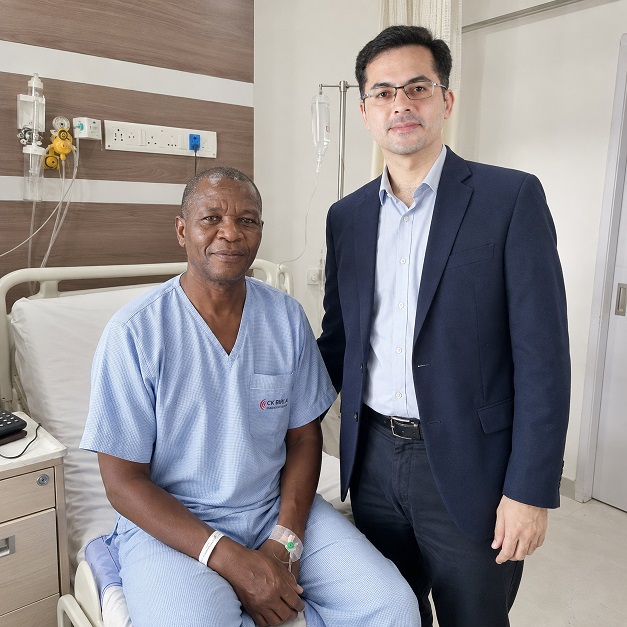

Ready to Take the First Step?
Share your Medical Reports with our Healthcare Managers Today and Get a FREE CONSULTATION, a Personalized Treatment Plan, and Complete Support from Arrival to Recovery.
Get Your Free ConsultationAreas We Serve
This resource has been thoughtfully prepared for patients from Zambia who are considering medical treatment in India. We also welcome patients from the wider region in the countries mentioned below-
We assist patients from:
- Zambia
- Angola
- Malawi
- Zimbabwe
- Botswana
- Namibia
- South Africa
- Eswatini
- Lesotho
- Gabon
- Chad
- Equatorial Guinea
- São Tomé and Príncipe
- Republic of the Congo
- Democratic Republic of the Congo
Many of the insights, treatment pathways, hospital recommendations, travel guidance, and patient support services described here are equally relevant and may be used as a reference when planning treatment in India.
From Zambia to India: Your Complete Patient Support Guide
- Best Weight-Loss (Bariatric) Surgeons & Hospitals in India for Zambian Patients
- Best Brain-Tumour Surgeons & Hospitals in India for Zambian Patients
- Best Cancer Doctors & Hospitals in India for Zambian Patients
- Best Cardiac Surgeons & Hospitals in India for Zambian Patients
- Best Cosmetic Surgeons & Facilities in India for Zambian Patients
- Best CyberKnife Treatment Teams & Centres in India for Zambian Patients
- Best Dentists & Dental Clinics in India for Zambian Patients
- Best Heart Valve Replacement Surgeons & Hospitals in India for Zambian Patients
- Best Hip Surgeons & Hospitals in India for Zambian Patients
- Best Knee Surgeons & Hospitals in India for Zambian Patients
- Best Neurosurgeons & Hospitals in India for Zambian Patients
- Best Paediatric Cardiac Surgeons & Hospitals in India for Zambian Patients
- Best Paediatric Neurosurgeons & Hospitals in India for Zambian Patients
- Best Prostate Surgeons & Hospitals in India for Zambian Patients
- Best Scoliosis Surgeons & Hospitals in India for Zambian Patients
- Best Spine Surgeons & Hospitals in India for Zambian Patients
- Best Bone Marrow Transplant Teams & Hospitals in India for Zambian Patients
- Best Kidney Transplant Surgeons & Hospitals in India for Zambian Patients