

Proton Therapy in India for Zambian Patients
Proton therapy is one of the few treatments in this guide where the most important question is not which hospital, but whether you need it at all — because for many cancers, it costs a great deal more than conventional radiotherapy without treating the tumour any better.
Proton therapy is a genuine advance in radiotherapy, and for the right tumour it can make a real difference — sparing a child's growing brain, protecting the optic nerve behind an eye tumour, or making a second course of radiation possible where it would otherwise be too dangerous. But it is not a universally better version of radiotherapy, and it is not automatically the right choice simply because it is newer or more expensive. In 24 years of guiding patients through cancer treatment abroad, I have seen families spend far more than they needed to on proton therapy for a tumour that conventional radiotherapy would have treated just as well — and I have seen others turned away from it who genuinely needed it. This guide explains how to tell the difference.
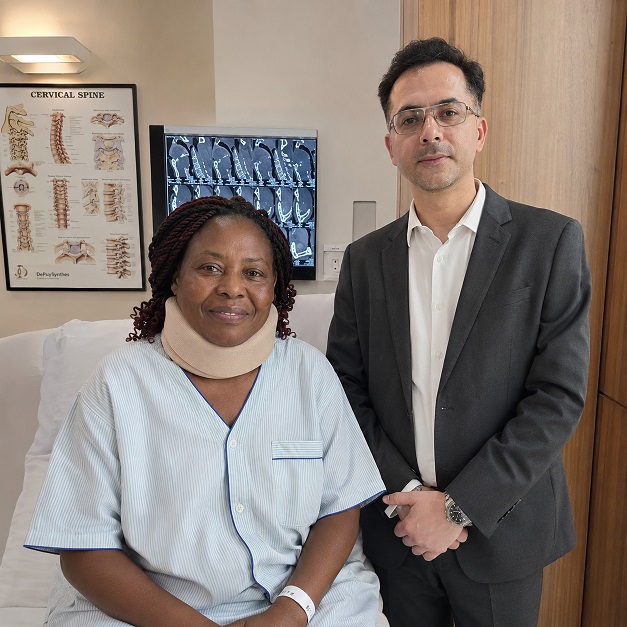
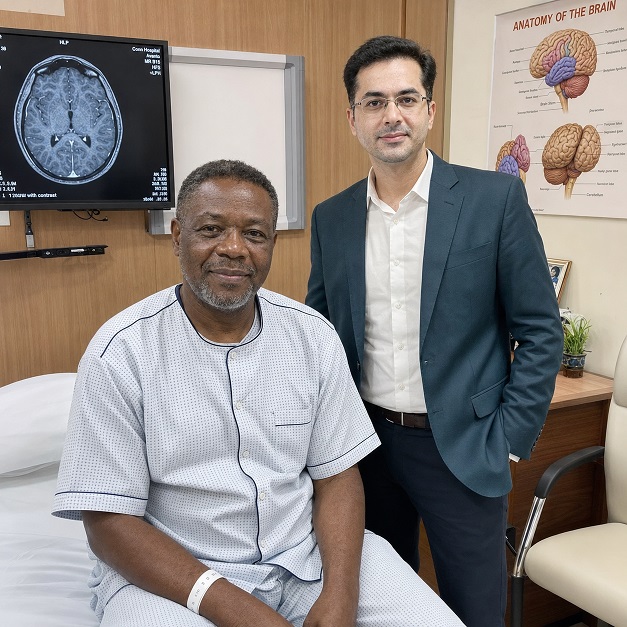
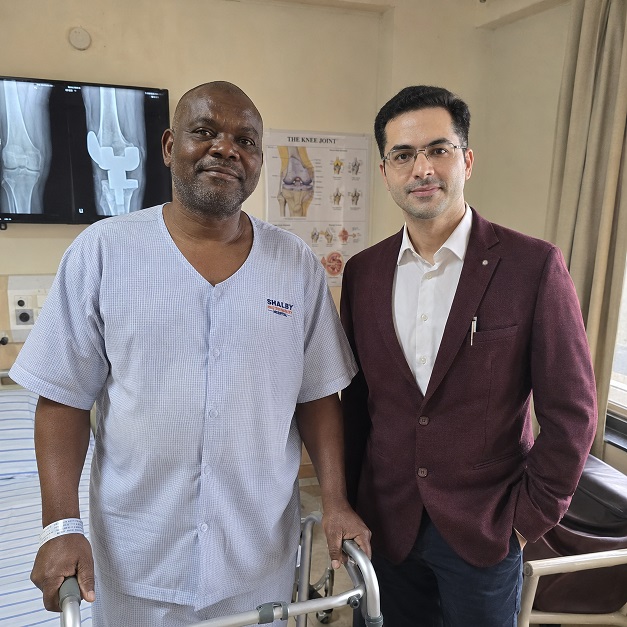
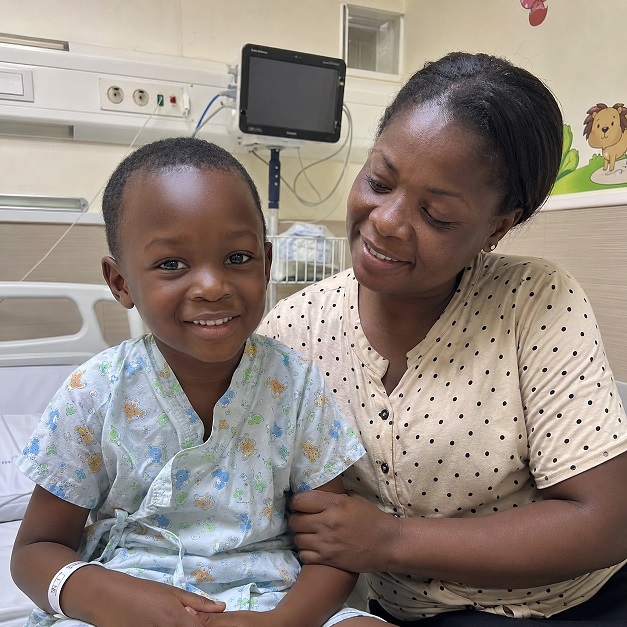
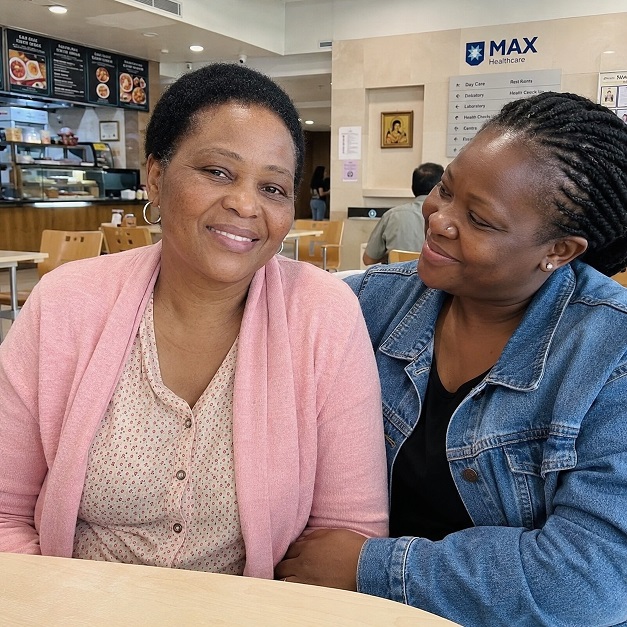
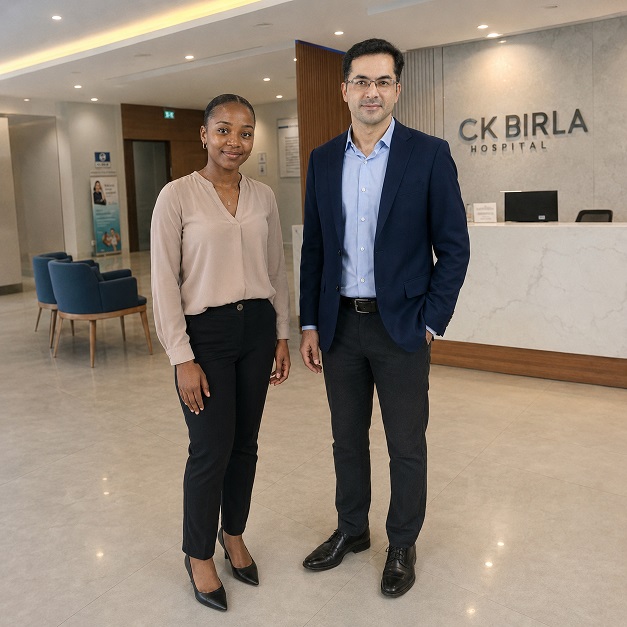
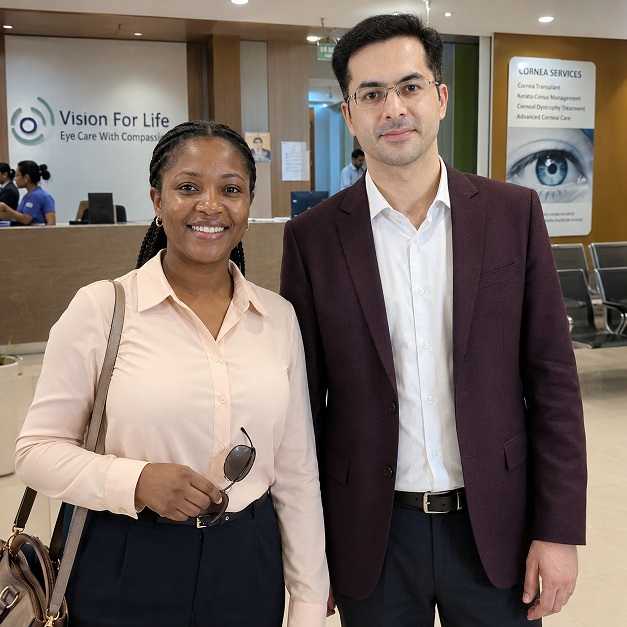
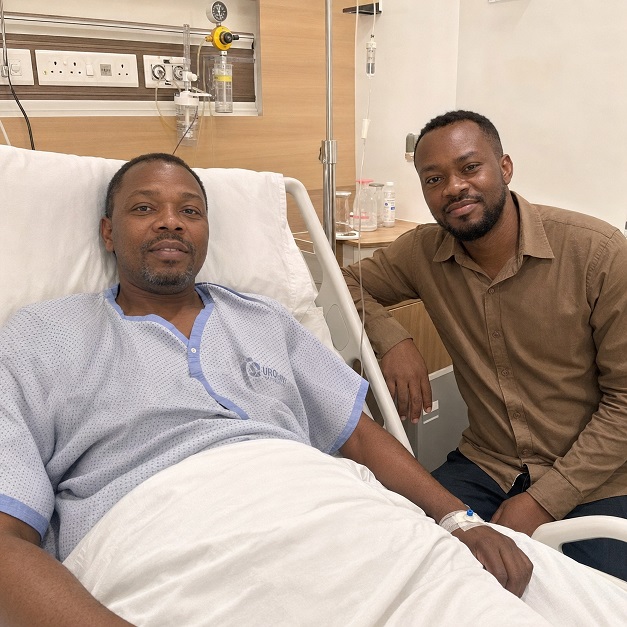
Healing Journeys of Zambian Patients
Key Takeaways
- The guide stresses that proton therapy is not automatically better than conventional radiotherapy. Its main advantage is the ability to reduce radiation exposure to healthy tissues beyond the tumour, making it particularly valuable when a tumour is close to sensitive structures or involves a growing child.
- The strongest situations identified include childhood and young-adult cancers, eye tumours, skull-base tumours, spinal tumours near the spinal cord, selected liver tumours and cases requiring re-irradiation. For common adult cancers without a critical structure immediately adjacent to the tumour, conventional IMRT/VMAT may provide an equally effective treatment.
- The guide explains that the most important question before travelling is what specific structure proton therapy will protect in the patient's individual case. A sound recommendation should identify structures such as the brainstem, spinal cord, pituitary gland, developing organs or remaining healthy liver tissue, rather than simply describing proton therapy as newer or more advanced technology.
- The guide highlights that Africa currently has no operational proton therapy centre, making India one of the nearest realistic options for Zambian patients who genuinely require proton treatment. The page 3 regional chart shows approximately 45 operational centres in Asia, 38 in Europe, 34 in North America and 0 in Africa.
- When selecting an Indian centre, families should assess the specific proton team's experience with their tumour type and location, whether the case will be reviewed by a multidisciplinary tumour board and whether the radiation oncologist has specific proton-planning experience. NABH accreditation, ideally JCI, should be checked, along with the proton delivery technology and whether pencil-beam scanning is available.
- The page 4 cost chart gives a representative full-course proton therapy cost of approximately US$20,000 in India, compared with US$100,000 in the UK and US$175,000 in the US. The guide cautions that this may not include surgery, chemotherapy, imaging, accommodation or other components of cancer treatment, so families should obtain a complete itemised treatment plan before travelling.
Quick Facts
- Author
- Dr. Dheeraj Bojwani
- Experience
- 24+ Years of Experience
- Treatment
- Proton Therapy
- Patients
- Zambian Cancer Patients
- Key Specialist
- Radiation Oncologist / Proton Therapy Specialist
- Main Assessment
- Tumour type, location and nearby organs at risk
- Key Advantage
- Reduced radiation exposure to healthy tissue beyond the tumour
- Strongest Indications
- Childhood cancers, eye tumours, skull-base tumours and selected spinal tumours
- Other Indications
- Re-irradiation and certain liver tumours
- Africa Availability
- No operational proton therapy centre currently identified in the guide
- India Cost
- Approximately US$20,000 for a full course
- Centre Check
- Proton-specific tumour experience and multidisciplinary review
- Technology Check
- Pencil-beam scanning
- Accreditation
- NABH, ideally JCI
- Pre-Travel Records
- Actual scans, pathology reports and previous radiotherapy records
- Treatment Duration
- Daily sessions over several weeks for many treatment courses
- Follow-Up
- Zambian oncologist with complete radiation treatment records
- Key Warning
- Avoid proton therapy recommendations that cannot explain the specific clinical advantage
- Decision Principle
- Confirm that proton therapy provides a genuine benefit over conventional radiotherapy before committing to travel.
In Brief
For Zambian patients, the guide's central message is that the decision should be based on the tumour's location and the healthy structure that proton therapy can protect—not simply on the fact that it is newer technology. It may be particularly valuable for children, eye, skull-base and spinal tumours and selected re-irradiation cases. The guide gives a representative full-course cost of US$20,000 in India.
First, should you travel at all?
Zambia's radiotherapy capacity is limited, centred on the Cancer Diseases Hospital in Lusaka, and for many patients the right and sufficient treatment is conventional radiotherapy — delivered by X-ray beams rather than protons — which remains the standard, effective treatment for the great majority of cancers worldwide. If your local oncologist has recommended radiotherapy and access within Zambia or the region is realistic, that may be entirely appropriate, and travelling abroad specifically for proton therapy may add cost and delay without adding benefit.
Where travel becomes worth considering is when your specific tumour falls into the smaller group where proton therapy's precision genuinely changes the outcome — because there, the case for it is strong, and because there is, at present, no proton therapy centre anywhere on the African continent. For those patients, India's proton programme, now treating both domestic and international patients, is one of the more realistic options within reach.
This is worth being specific about, because the group of patients for whom this matters most includes a disproportionate number of children. Childhood cancer is a substantial and often under-recognised burden across sub-Saharan Africa, and tumours such as retinoblastoma — a cancer of the eye that mainly affects young children — and other paediatric brain and spinal tumours are exactly the situations where proton therapy's ability to spare a growing brain, an eye, or developing bone and hormone-producing tissue matters most over a lifetime. If your child has been diagnosed with one of these conditions, this is a conversation worth having early and directly with a paediatric oncology team, rather than assuming conventional radiotherapy is the only realistic option.
What proton therapy actually does differently
Conventional radiotherapy uses X-ray beams that deposit energy along their entire path through the body, continuing to release radiation on the far side of the tumour. Proton beams behave differently: they release most of their energy at a specific, controllable depth — the so-called Bragg peak — and very little beyond it. In practice, this means a proton beam can often be shaped to match a tumour closely while sparing the healthy tissue beyond it almost entirely. For a tumour sitting deep inside a growing child's brain, or wrapped around the spinal cord, or behind the eye, that difference in physics can translate into a meaningfully different outcome. For a tumour with plenty of healthy tissue around it and no delicate structure immediately behind it, conventional radiotherapy can often shape a very similar dose to the tumour itself, and the physical advantage of protons matters far less.
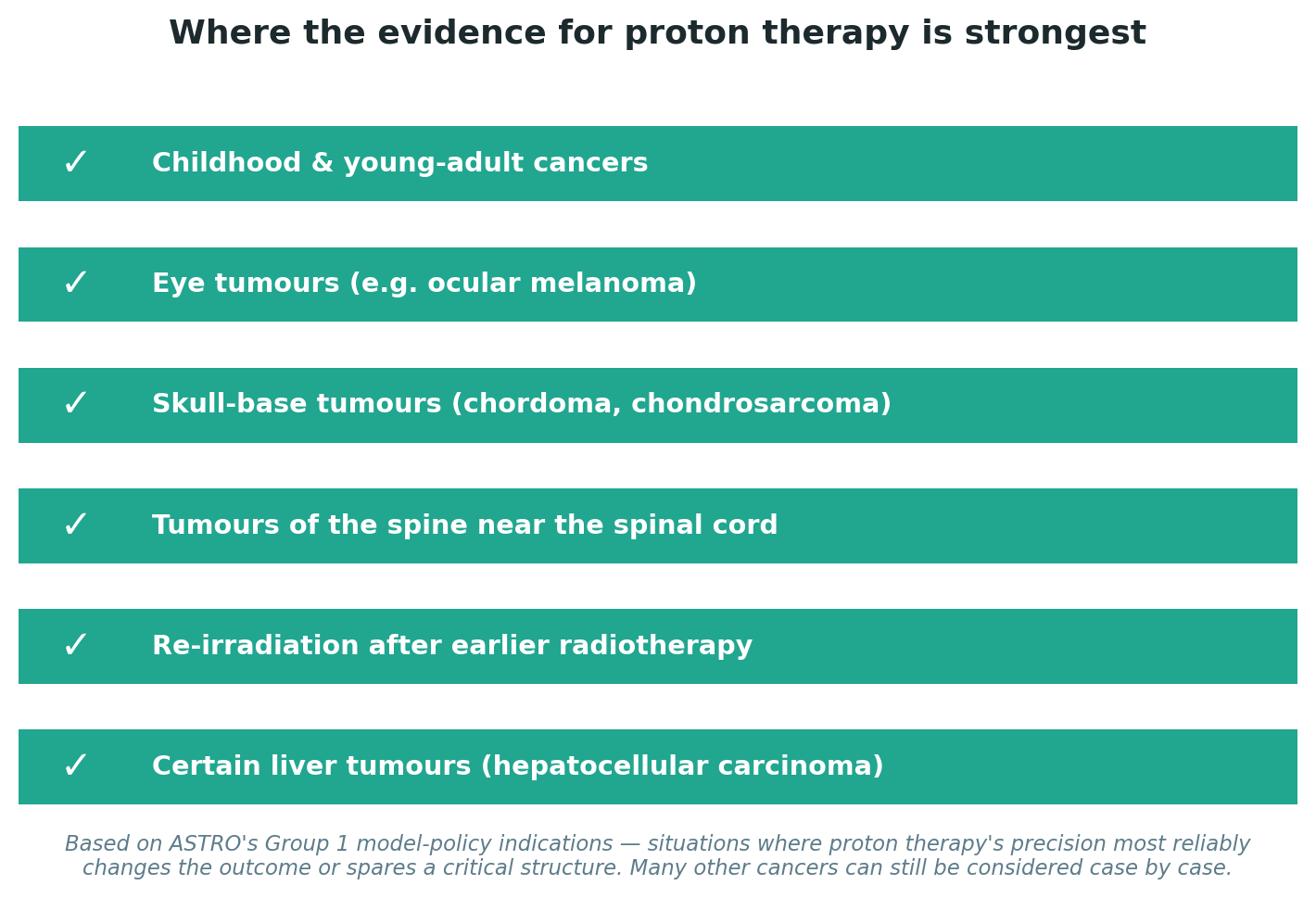
This list represents the situations where the case for proton therapy is best established — not an exhaustive list of who may benefit.
Is proton therapy right for your tumour?
The most useful thing any patient or family can do before committing to proton therapy is to ask, plainly, what specific advantage it offers for their particular tumour and its location — and to expect a specific answer, not a general one. A radiation oncologist recommending proton therapy for a good reason will be able to name the structure it protects: the pituitary gland, the brainstem, the developing bones and organs of a child, the remaining healthy liver, the spinal cord. If the honest answer is closer to "it's the more advanced technology," that is worth pausing on, since advanced does not automatically mean better for every tumour.
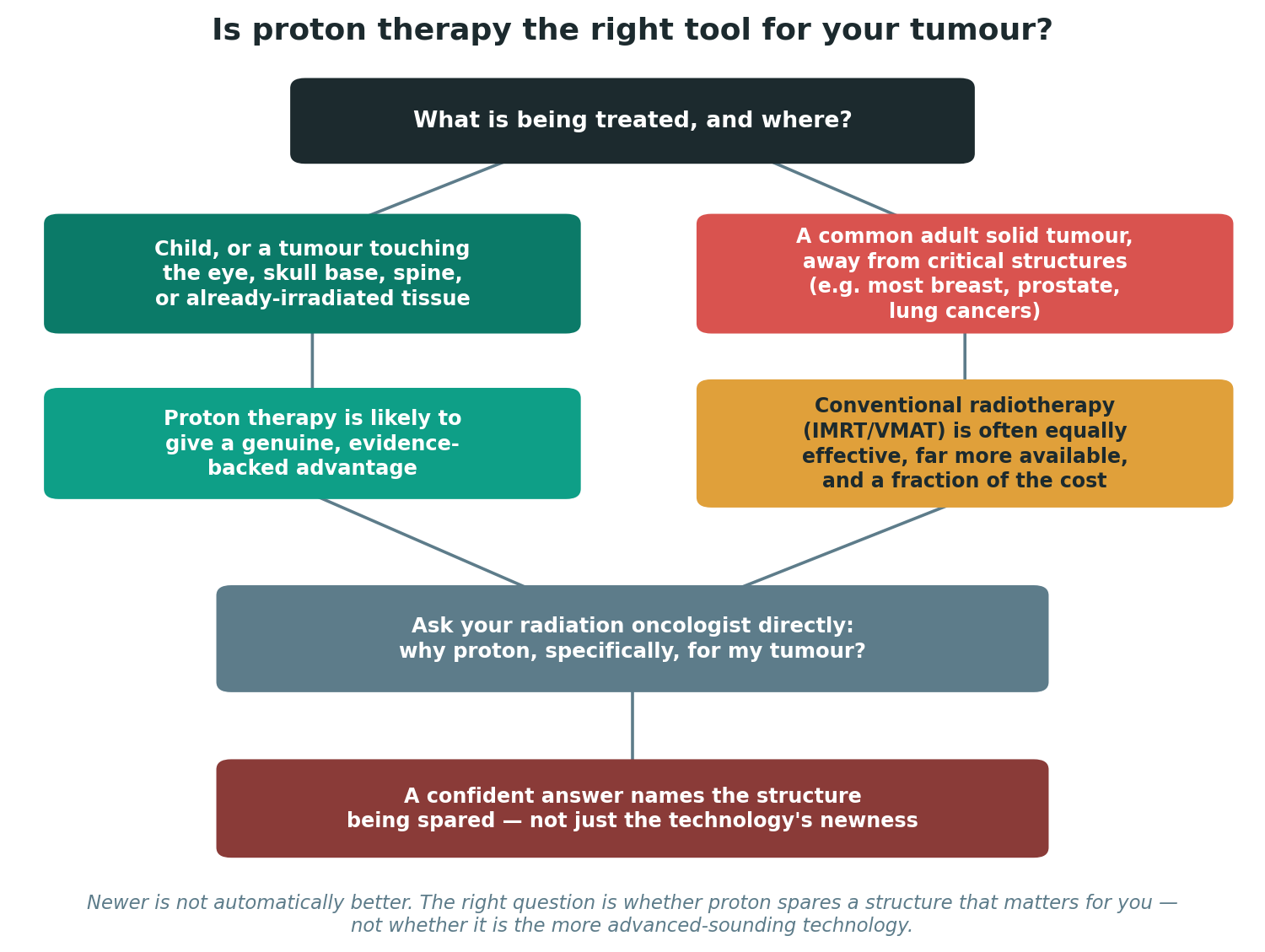
A confident, specific answer about what is being spared is the strongest sign the recommendation is sound.
| Your situation | Typical approach | What it involves |
|---|---|---|
| Child or young person with a cancer of the brain, spine, or other solid organ | Proton therapy strongly preferred where available | Reduces radiation dose to the developing brain, bones and organs, lowering the risk of long-term effects on growth, hormones and learning |
| Tumour of the eye, such as ocular melanoma | Proton therapy is a leading option | Can often destroy the tumour while preserving vision, where conventional radiotherapy or removal of the eye might otherwise be needed |
| Tumour at the skull base or along the spine, near the brainstem or spinal cord | Proton therapy strongly favoured | Allows a high enough dose to control the tumour while staying below the threshold that would injure the brainstem or spinal cord |
| Need for a second course of radiotherapy to an area treated before | Proton therapy often the safest option | Limits additional dose to tissue that has already reached its safe lifetime radiation limit |
| Common adult solid tumour with no critical structure immediately adjacent | Conventional radiotherapy (IMRT/VMAT) usually equally effective | Widely available in India and, for many tumour types, within the region; ask specifically why proton is being suggested if it is |
| Advanced or unresectable cancer where the tumour itself is very close to the heart, lungs, or other organs at risk | Case-by-case discussion with a radiation oncologist | Evidence is still developing for many of these situations; a genuine multidisciplinary opinion matters more than the marketing around any one technology |
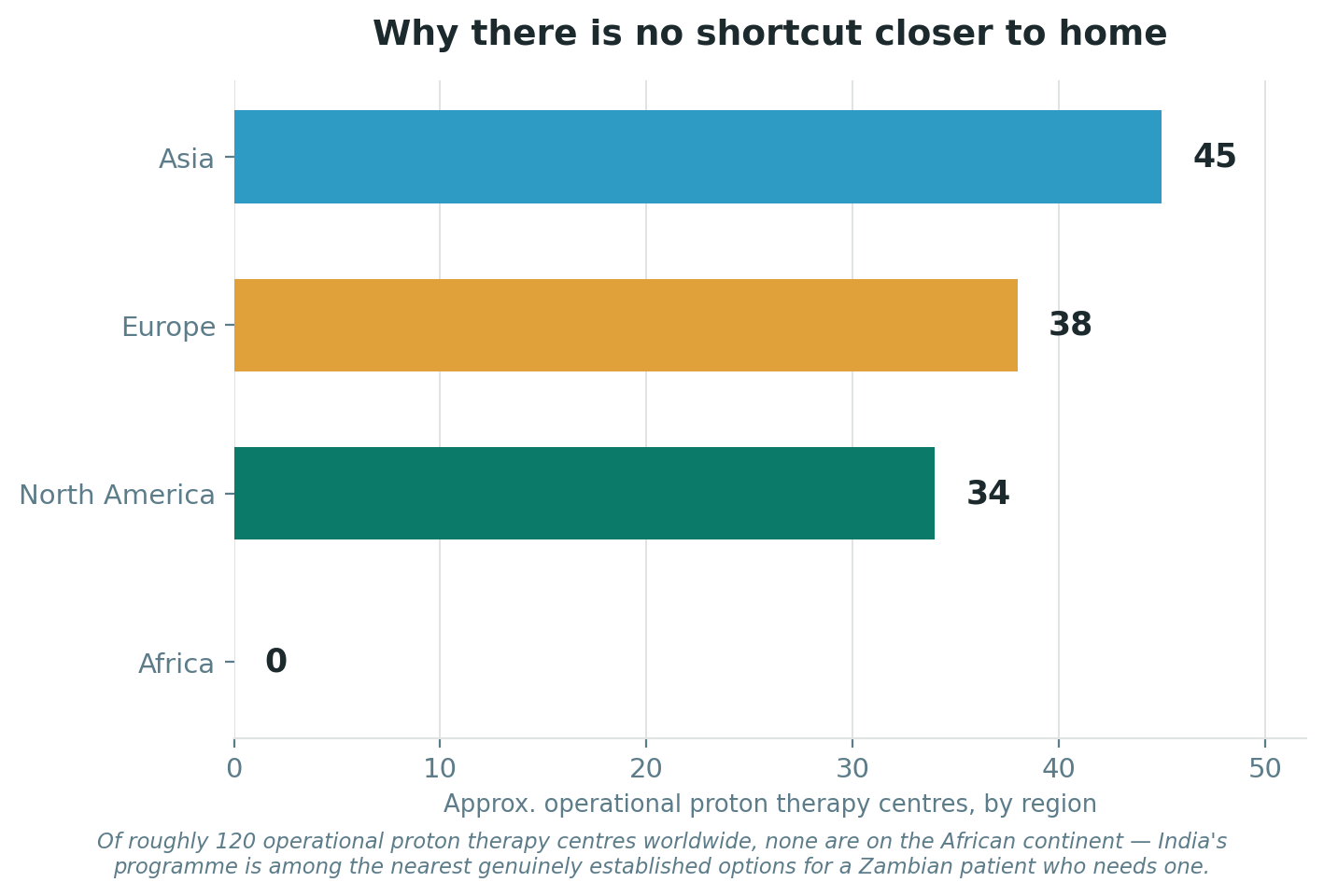
Africa currently has no operational proton therapy centre — India is among the nearest realistic options.
Choosing the centre
India's proton therapy programme is still young and concentrated in a small number of centres, led by Apollo's proton centre in Chennai, the first in South Asia, with newer facilities coming online elsewhere in the country. Because the technology is so specialised, the questions worth asking are less about the number of years a hospital has existed and more about the specific team: how many patients with your type and location of tumour has this centre treated with proton therapy, and what were the results? Ask whether your case will be reviewed by a genuine multidisciplinary tumour board — including a radiation oncologist experienced specifically in proton planning, not only conventional radiotherapy — before a recommendation is made, since this is the best protection against being offered proton therapy when it is not the added benefit for you.
Confirm accreditation (NABH, ideally JCI), ask about the specific proton delivery technology in use — pencil-beam scanning is now the more precise, modern standard compared with older passive-scattering systems — and request a written, itemised quote that separates the cost of proton therapy itself from imaging, planning, any combined chemotherapy, and accommodation for the weeks of daily treatment a course typically requires.
It is also worth asking directly about side effects, since this is often where the real-world case for proton therapy is strongest even outside the clearest indications. Because proton beams deposit less unwanted radiation in healthy tissue beyond the tumour, patients sometimes experience less fatigue, less damage to nearby organs, and a lower risk of certain long-term effects than with conventional radiotherapy covering a similar area — though the size of that benefit varies considerably by tumour type and location, and a good radiation oncologist will be able to discuss what is realistically expected for your specific case rather than speaking in generalities.
Cost and value: how to weigh the money honestly
Proton therapy is expensive everywhere, including in India, but the gap between India and Western pricing is dramatic, and for patients whose tumour genuinely falls into the group where proton offers a real advantage, that gap can be the difference between an accessible treatment and an impossible one.
The honest conversation about value, though, has two parts: the country you have the treatment in, and whether you need proton at all rather than conventional radiotherapy, which can cost a small fraction of even the Indian proton price for many tumour types.
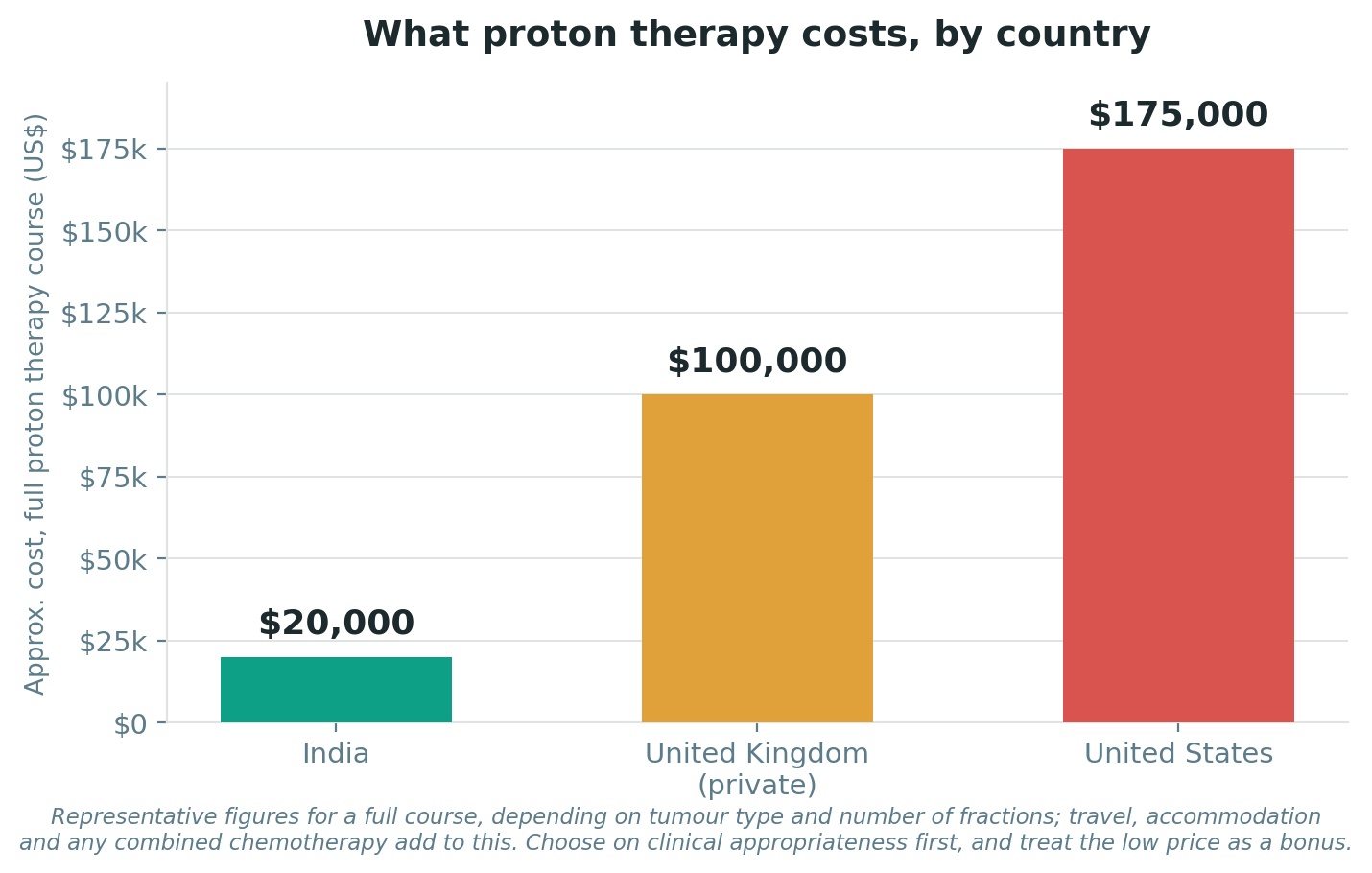
India's affordability is real — but confirm the clinical case for proton over conventional radiotherapy first.
In 24 years of arranging these journeys, I have seen the costliest mistakes happen not from being overcharged, but from paying for a technology that was never going to add benefit for that particular tumour. Ask for a written explanation of why proton therapy specifically is recommended for your case, get a second opinion if that explanation is vague, and only then weigh the price against conventional radiotherapy delivered closer to home.
It is also worth remembering that proton therapy is rarely the only cost in a cancer treatment plan. Surgery, chemotherapy, immunotherapy or hormone therapy may be needed alongside it depending on your diagnosis, and a hospital's proton therapy quote will not necessarily include these. Ask for the complete treatment plan and its full cost from the multidisciplinary team, not just the radiotherapy component, so you are comparing the true total cost of care in India against what would be involved at home or elsewhere.
What a Zambian patient should weigh in particular
Beyond the clinical question, several practical matters deserve attention. First, payment: NHIMA funds care at accredited facilities inside Zambia, not treatment abroad, so proton therapy in India comes from your own resources — another reason to be certain the case for it, specifically, is sound before committing funds. Second, treatment length: a proton therapy course typically runs daily over several weeks, meaning a much longer stay in India than for a single surgery, with accommodation and living costs that add meaningfully to the total. Third, aftercare: arrange with a Zambian oncologist to take over your follow-up scans and monitoring before you travel, and insist the Indian team provides a complete written treatment summary, since your local doctor will need the precise radiation fields and doses used for any future care decisions.
The practical journey from Zambia
India requires a yellow fever vaccination certificate from travellers arriving from Zambia, valid only from ten days after the injection. Your medical visa is issued by the High Commission of India on Pandit Nehru Road in Lusaka against the hospital's invitation letter; because a proton therapy course runs over several weeks, plan for an extended-stay medical visa and apply for a medical-attendant visa for anyone travelling with you. There is no direct flight from Zambia to India; you will connect through Addis Ababa on Ethiopian Airlines, or through Dubai, Doha or Nairobi. Send the patient's actual scans, pathology reports and any prior radiotherapy records, not only summaries, for remote review before you travel, since prior radiation history in particular can change what is technically possible.
Signals that should make you pause
1. A recommendation for proton therapy that cannot be explained in terms of a specific structure being protected for your tumour and its location.
2. No offer of a genuine multidisciplinary opinion, or reluctance to discuss conventional radiotherapy as an alternative at all.
3. A single all-in price with no itemised breakdown of imaging, planning, the treatment course itself, and accommodation for its full duration.
4. Any suggestion that proton therapy offers a "cure rate" advantage over conventional radiotherapy for a common adult cancer where the evidence does not currently support that claim.
Straight answers for Zambian Patients about Proton Therapy in India
Is proton therapy simply a better version of radiotherapy?
Not universally. It is a different physical way of delivering radiation that offers a clear advantage in specific situations — particularly where a tumour sits close to a structure that must be protected — but for many common cancers, conventional radiotherapy shapes a very similar dose to the tumour and works just as well.
My oncologist suggested conventional radiotherapy, but I've read proton therapy is more advanced. Should I ask for it anyway?
It is always reasonable to ask why one option was chosen over the other, and a good oncologist will welcome that question. But "more advanced" is not the same as "more effective for my tumour," and pursuing proton therapy without a specific clinical reason usually means paying a great deal more for a similar result.
Why is there no proton therapy centre anywhere in Africa?
The equipment and infrastructure required are extremely expensive and specialised — a single treatment room can cost tens of millions of dollars to build — and the global rollout of these centres has so far concentrated in North America, Europe and parts of Asia. This is expected to change over time, but for now it means a Zambian patient who genuinely needs proton therapy must travel.
How long does a proton therapy course take?
It varies by tumour type, but many courses involve daily treatment sessions over several weeks, which is longer than the stay required for most surgeries in this guide series. Plan your visa, accommodation and family support around a multi-week stay rather than a short trip.
Is proton therapy safe for children specifically?
Yes, and it is in children that some of the clearest long-term benefits have been shown, since a growing brain and developing organs are especially sensitive to radiation received outside the tumour itself. If your child has been diagnosed with a brain, spinal or eye tumour, raising proton therapy directly with the treating team, and asking whether a referral for it is appropriate, is a reasonable and important question to ask early.
Can proton therapy be combined with surgery or chemotherapy?
Often, yes. Many cancers where proton therapy is used are also treated with surgery, chemotherapy or both, and a genuine multidisciplinary tumour board will plan these together rather than treating radiotherapy as a separate decision. Ask how your case will be coordinated across specialities before you travel.
Sources
- 🌐 Medical visa, Lusaka — High Commission of India, requirements & process: hcizambia.gov.in/page/medical-visa
- 🌐 Hospital accreditation (India) — Verify a hospital's NABH accreditation: nabh.co
- 🌐 National Health Insurance (Zambia) — NHIMA cover, treatment abroad is not covered: nhima.co.zm
- 🌐 Ministry of Health Zambia — National health services & guidance: moh.gov.zm
- 🌐 National Medical Commission (verify a doctor) — Confirm a doctor's registration in India: nmc.org.in
- 🌐 WHO yellow fever — Vaccination requirements before travel: who.int/health-topics/yellow-fever
A Closing Word
Of everything I help families weigh, proton therapy is the treatment where the most valuable thing I can offer is not access, but a second, independent opinion on whether it is genuinely the right tool for your particular tumour. If you send me your scans, your pathology report, and the treatment plan you have been given, I will help you understand honestly whether proton therapy offers a real advantage for your case, or whether conventional radiotherapy — more available, and far less costly — would very likely serve you just as well. Either way, you deserve a specific, well-reasoned answer before you commit to the journey.
Frequently Asked Questions by Zambian Patients about Proton Therapy in India
Is proton therapy better than conventional radiotherapy?
Not for every cancer. The guide explains that proton therapy has its strongest advantage when the tumour is close to sensitive organs or developing tissues that need protection.
Which cancers may benefit most from proton therapy?
The guide highlights childhood cancers, eye tumours, skull-base tumours, spinal tumours near the spinal cord, selected liver tumours and re-irradiation cases.
Why can proton therapy be valuable for children?
Children have developing brains, bones, organs and hormone-producing tissues that can be more sensitive to unnecessary radiation. Proton therapy can reduce radiation exposure to healthy tissue outside the tumour.
Can proton therapy be used after previous radiotherapy?
Yes, in selected cases. The guide identifies re-irradiation as one situation where proton therapy may help limit additional radiation exposure to tissues that have already received significant doses.
Why should I ask what structure proton therapy will protect?
Because the recommendation should have a specific clinical reason. The guide suggests asking whether the treatment will protect structures such as the brainstem, spinal cord, pituitary gland or developing organs.
How much does proton therapy cost in India?
The guide gives a representative full-course cost of approximately US$20,000. The final cost varies according to tumour type, number of fractions and treatment complexity.
Are other cancer treatments included in the proton therapy cost?
Not necessarily. Surgery, chemotherapy, immunotherapy, imaging, accommodation and other treatment expenses may be separate. Families should request a complete itemised treatment plan.
How long does proton therapy take?
Many courses involve daily treatment sessions over several weeks, so Zambian patients should plan for an extended stay rather than a short medical trip.
What should I send before travelling to India?
Send the patient's actual scans, pathology reports and previous radiotherapy records for remote review. Previous radiation exposure can significantly affect whether proton therapy is technically appropriate.
What are the warning signs when considering proton therapy?
Be cautious if the provider cannot explain the specific structure being protected, does not offer multidisciplinary review, gives only an unexplained all-inclusive price, or claims that proton therapy automatically provides a higher cure rate for common adult cancers.
Page Summary
This five-page Zambia-to-India medical travel guide explains when proton therapy may provide a meaningful advantage over conventional radiotherapy, with particular attention to children and tumours close to sensitive structures. The page 2 chart identifies childhood cancers, eye tumours, skull-base tumours, spinal tumours, re-irradiation and selected liver tumours as situations where the evidence for proton therapy is strongest. The page 3 chart shows 0 operational proton therapy centres in Africa, compared with approximately 45 in Asia, 38 in Europe and 34 in North America. The page 4 cost chart gives representative full-course costs of US$20,000 in India, US$100,000 in the UK and US$175,000 in the US.
Citation Block
| Topic | Information |
|---|---|
| Topic | Proton Therapy in India for Zambian Patients |
| Treatment | Proton Therapy |
| Patients | Zambian Cancer Patients |
| Specialist | Radiation Oncologist / Proton Specialist |
| Main Assessment | Tumour type, location and organs at risk |
| Key Advantage | Reduced radiation dose to healthy tissue beyond tumour |
| Strongest Indications | Childhood, eye, skull-base and spinal tumours |
| Other Indications | Re-irradiation and selected liver tumours |
| Common Adult Tumours | Conventional IMRT/VMAT may be equally effective in many cases |
| Centre Requirement | Proton-specific experience with the tumour type |
| Team Requirement | Multidisciplinary tumour board |
| Technology Check | Pencil-beam scanning |
| Accreditation | NABH, ideally JCI |
| India Cost | Approximately US$20,000 |
| UK Cost | Approximately US$100,000 |
| US Cost | Approximately US$175,000 |
| Africa Centres | 0 operational centres shown in the guide |
| Pre-Travel Records | Scans, pathology and previous radiation records |
| Treatment Duration | Often daily treatment over several weeks |
| Follow-Up | Zambian oncology team |
| Key Warning Sign | No specific explanation of what structure proton therapy will protect |
| Cost Check | Separate proton therapy, imaging, planning, chemotherapy and accommodation costs |
| Patient Pathway | Diagnosis → proton suitability review → multidisciplinary planning → treatment → follow-up |
| Decision Principle | Establish clinical need for proton therapy before comparing cost or travelling |


Our Mission Statement
Our mission is to place patients at the centre of every healthcare decision by providing trustworthy, evidence-based, and unbiased medical information. We believe that informed patients make better decisions. Backed by personalised guidance from our experienced advisory team, we help patients understand their treatment options, compare them objectively, and confidently choose the path that best suits their medical needs and personal circumstances.
Patient Testimonials from Zambia
Ready to Take the First Step?
Share your Medical Reports with our Healthcare Managers Today and Get a FREE CONSULTATION, a Personalized Treatment Plan, and Complete Support from Arrival to Recovery.
Get Your Free ConsultationAreas We Serve
This resource has been thoughtfully prepared for patients from Zambia who are considering medical treatment in India. We also welcome patients from the wider region in the countries mentioned below-
We assist patients from:
- Zambia
- Angola
- Malawi
- Zimbabwe
- Botswana
- Namibia
- South Africa
- Eswatini
- Lesotho
- Gabon
- Chad
- Equatorial Guinea
- São Tomé and Príncipe
- Republic of the Congo
- Democratic Republic of the Congo
Many of the insights, treatment pathways, hospital recommendations, travel guidance, and patient support services described here are equally relevant and may be used as a reference when planning treatment in India.
From Zambia to India: Your Complete Patient Support Guide
- Best Weight-Loss (Bariatric) Surgeons & Hospitals in India for Zambian Patients
- Best Brain-Tumour Surgeons & Hospitals in India for Zambian Patients
- Best Cancer Doctors & Hospitals in India for Zambian Patients
- Best Cardiac Surgeons & Hospitals in India for Zambian Patients
- Best Cosmetic Surgeons & Facilities in India for Zambian Patients
- Best CyberKnife Treatment Teams & Centres in India for Zambian Patients
- Best Dentists & Dental Clinics in India for Zambian Patients
- Best Heart Valve Replacement Surgeons & Hospitals in India for Zambian Patients
- Best Hip Surgeons & Hospitals in India for Zambian Patients
- Best Knee Surgeons & Hospitals in India for Zambian Patients
- Best Neurosurgeons & Hospitals in India for Zambian Patients
- Best Paediatric Cardiac Surgeons & Hospitals in India for Zambian Patients
- Best Paediatric Neurosurgeons & Hospitals in India for Zambian Patients
- Best Prostate Surgeons & Hospitals in India for Zambian Patients
- Best Scoliosis Surgeons & Hospitals in India for Zambian Patients
- Best Spine Surgeons & Hospitals in India for Zambian Patients
- Best Bone Marrow Transplant Teams & Hospitals in India for Zambian Patients
- Best Kidney Transplant Surgeons & Hospitals in India for Zambian Patients