

Prostate Cancer Treatment in India for Zambian Patients
“Prostate trouble” is really two different problems, and telling them apart is everything. This guide explains the difference, why African men must test early, and how to choose treatment in India that fits the cancer you actually have.
Every man’s prostate grows as he ages, and with it comes worry — about the slow stream, the broken nights, and the fear of the word “cancer.” For 24 years I have guided African men and their families through that worry, and I have learned that the fear and the facts rarely line up. Many men who fear cancer have a harmless enlargement; some who feel perfectly well are carrying a cancer they cannot feel. Getting this right — separating what is dangerous from what is merely a nuisance — is the whole task, and it is one Zambian men have particular reason to take seriously. So let me give you the knowledge to face it clearly.
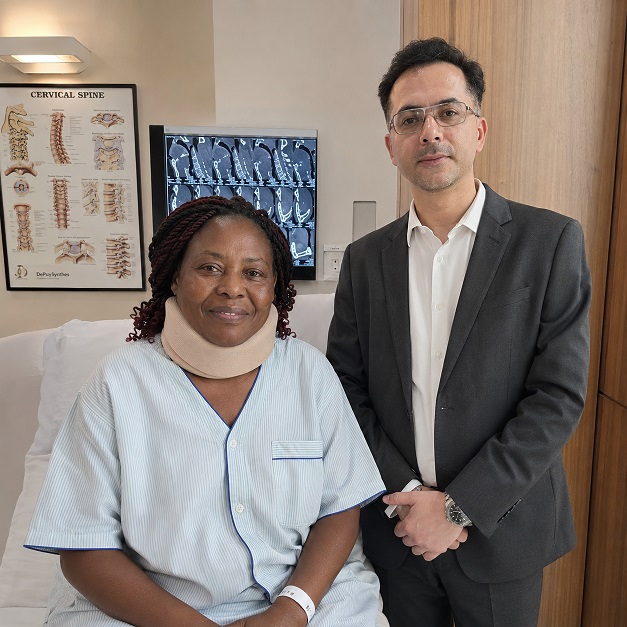
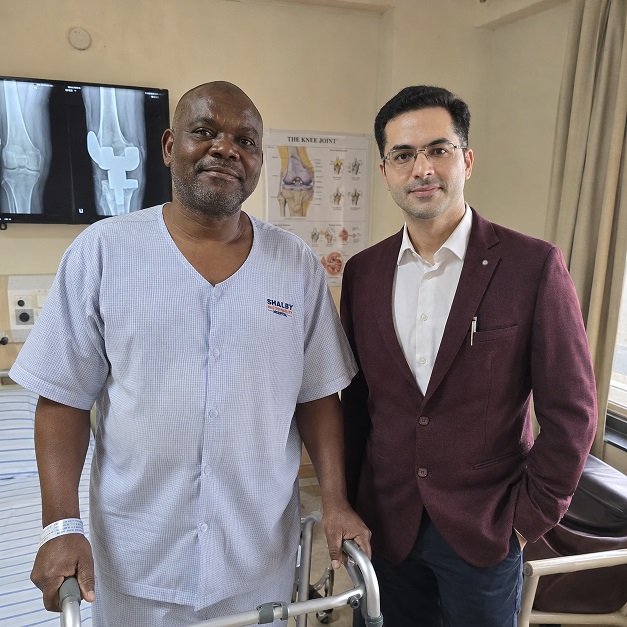
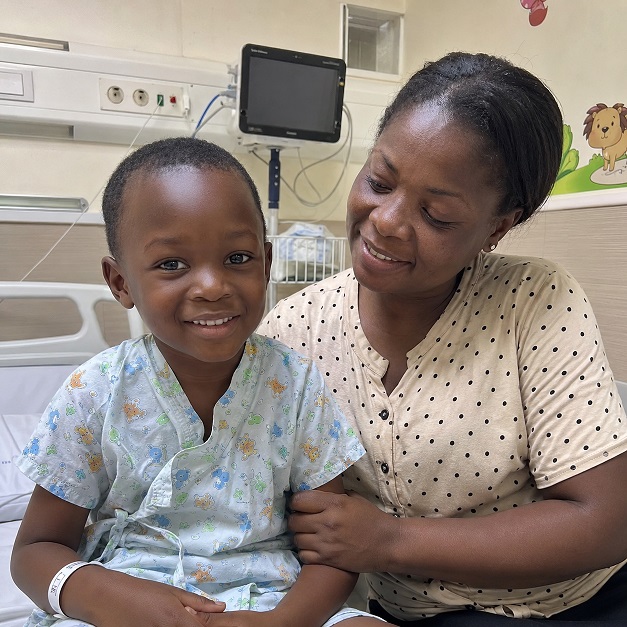
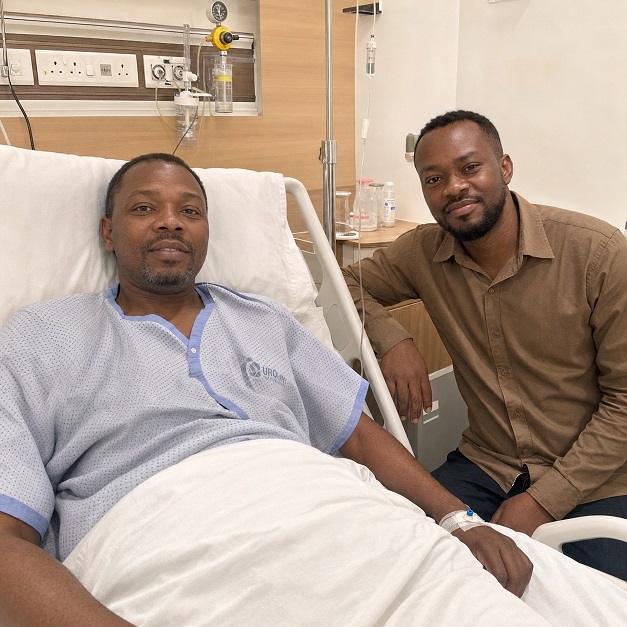
Healing Journeys of Zambian Patients





Key Takeaways
- The guide makes an important distinction between benign prostatic enlargement and prostate cancer. Benign enlargement commonly causes urinary symptoms such as weak flow, straining, dribbling and frequent night-time urination, while early prostate cancer usually causes no symptoms.
- Because early prostate cancer can be silent, Zambian men should not wait for urinary symptoms before considering appropriate screening.
- The document recommends that men of African descent consider PSA testing from around age 40–45, rather than waiting until 50, with earlier assessment where a father or brother has had prostate cancer.
- PSA is described as a signal rather than a cancer diagnosis. Benign enlargement, urinary infection and even recent cycling can raise PSA, so an abnormal result requires further investigation rather than immediate assumptions about cancer.
- The guide emphasises the importance of the PSA trend over time, rather than relying entirely on one measurement.
- When PSA is raised or rising, the document describes MRI of the prostate before biopsy as the modern diagnostic pathway. MRI may help avoid unnecessary biopsies and guide tissue sampling when biopsy is required.
- The page 2 chart illustrates approximately 99% five-year survival when prostate cancer is caught before it spreads, compared with approximately 35% after metastatic spread. These are presented in the document as illustrative figures.
- A TURP operation used to relieve urinary obstruction from benign prostate enlargement is not a treatment for prostate cancer. The guide warns that symptom relief should never substitute for appropriate cancer investigation.
- If cancer is diagnosed, two factors determine the treatment pathway: how aggressive the cancer is and how far it has spread.
Quick Facts
- Treatment
- Prostate Cancer Diagnosis & Treatment
- Country
- India
- Intended Audience
- Zambian Patients
- Primary Cancer
- Prostate Cancer
- Important Differential Diagnosis
- Benign Prostatic Enlargement
- Benign Enlargement Symptoms
- Weak Stream, Straining, Dribbling and Night-Time Urination
- Early Prostate Cancer
- Usually Causes No Symptoms
- Screening Test
- PSA Blood Test
- Suggested PSA Testing Age for African Men in the Guide
- Around 40–45 Years
- Higher-Risk Family History
- Father or Brother with Prostate Cancer
- PSA Interpretation
- Raised PSA Is a Signal for Investigation, Not a Cancer Diagnosis
- Important PSA Factor
- Trend Over Time
- Next Investigation After Raised/Rising PSA
- Prostate MRI
- Medical Visa
- Through the High Commission of India in Lusaka
In Brief
Prostate cancer treatment in India for Zambian patients should begin with accurate diagnosis and staging rather than immediate treatment. Early prostate cancer may cause no symptoms, making PSA testing particularly important. When PSA is abnormal, the guide describes MRI before biopsy, followed where necessary by Gleason grading and staging. Treatment may include active surveillance, radical prostatectomy, radiotherapy or hormone therapy depending on the cancer's risk and stage. The page 4 chart gives a representative prostate cancer surgery cost of approximately US$7,000 in India.
Knowledge first: the prostate causes two very different problems
The single most useful thing to understand is that an ageing prostate can cause two entirely separate conditions, and men constantly confuse them.
The first is benign prostatic enlargement — the prostate simply grows and squeezes the tube it surrounds, giving the familiar symptoms: a weak stream, straining, dribbling, waking at night to pass water. This is extremely common, it is not cancer, and it is treated with tablets or, when severe, with a minor operation. The second is prostate cancer , a malignant growth that is dangerous precisely because, in its early and curable stage, it usually causes no symptoms at all . Here is the trap that catches so many men: they assume that because they have urinary symptoms they must have cancer, or — far more dangerously — that because they feel fine, they are safe. Both assumptions can be wrong. Symptoms usually mean simple enlargement; early cancer is silent. The only way to know what you truly have is to test.
Why Zambian men must not wait for symptoms
This matters more for men of African descent than for almost any other group. Prostate cancer is the leading cancer among African men, and the evidence is consistent and sobering: in men of African ancestry it tends to appear earlier, behave more aggressively, and be discovered later than in other populations. Across southern Africa, death rates run well above the global average, driven above all by late diagnosis — men arriving only once the cancer has spread and the chance of cure has narrowed. The medical advice that follows is simple and firm: African men should begin PSA testing earlier, from around the age of forty to forty-five rather than fifty, and earlier still if a father or brother has had the disease. A simple blood test and a brief examination, repeated over the years, are what catch this cancer while it is still curable. And because the risk runs in families, a man who is diagnosed should urge his brothers and sons to begin testing early too — a single diagnosis is a warning for a whole family.
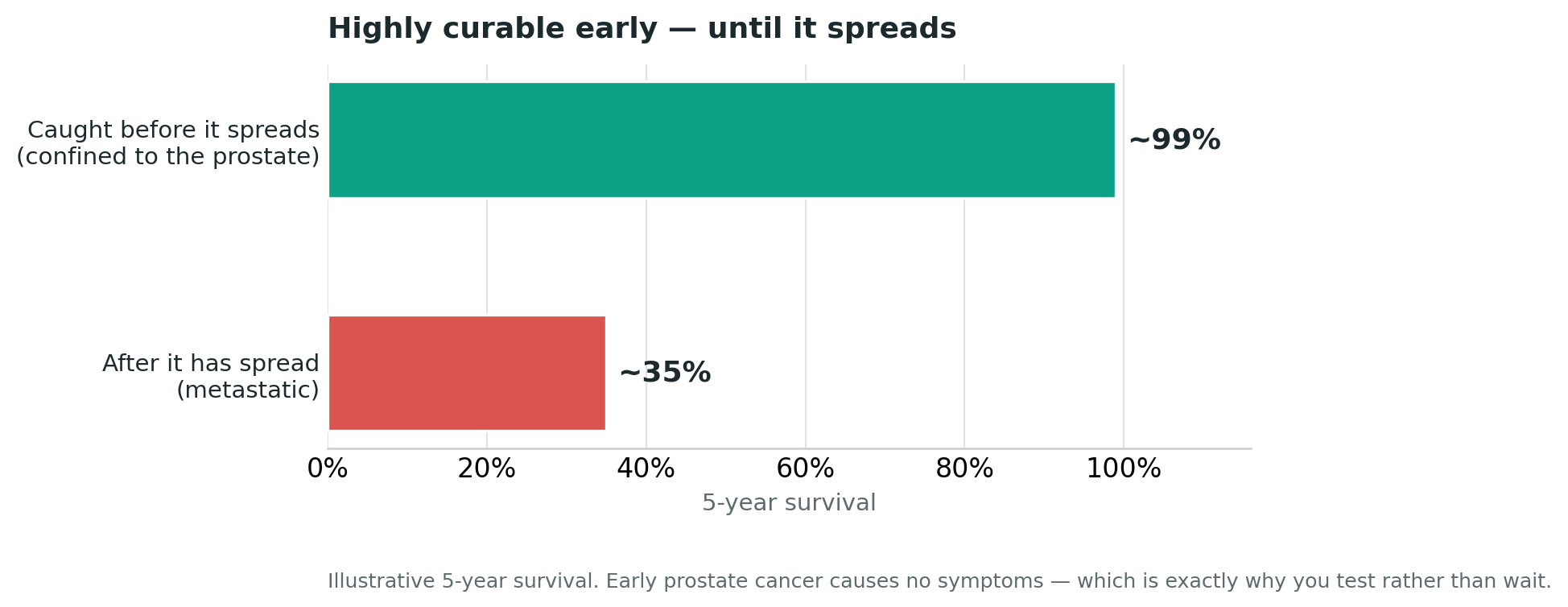
Prostate cancer is among the most curable of all cancers when caught early — and among the most punishing when caught late. The gap is testing.
Understanding your PSA: a number, not a verdict
Because so much rests on it, understand what the PSA test is — and what it is not. PSA is a protein made by the prostate, and a raised level is a signal to look further, not a diagnosis of cancer by itself. Benign enlargement, a urine infection, even recent cycling can lift it; so a single high reading calls for calm investigation, not panic. Modern practice is to follow a raised or rising PSA with an MRI scan of the prostate before any biopsy, which spares many men an unnecessary biopsy and aims the needle accurately when one is needed. Equally, a normal PSA is reassuring but not a guarantee, which is why the trend over years matters more than any single figure. Know your baseline, track it, and let a specialist interpret it — that is how the number does its job.
The trap to avoid: an operation for symptoms is not cancer treatment
There is a specific and costly mistake I want every Zambian man to know about. The common operation for a badly enlarged prostate — a TURP, which cores out the overgrown tissue to restore the flow of urine — is an excellent treatment for benign enlargement. But it is not a treatment for prostate cancer. A man can have both an enlarged prostate and a cancer at the same time, and it is possible to have the symptoms relieved by a TURP while the cancer sitting elsewhere in the gland goes unstaged and untreated. Never let a urinary operation stand in for a cancer check. Before or around any prostate operation for symptoms, insist that your PSA has been measured and that cancer has been properly looked for. Relief of symptoms is not the same as safety.
If it is cancer: the diagnosis and the stage decide everything
Should tests point to cancer, two questions then govern your entire path. The first is how aggressive it is, judged from a biopsy and given a grade — the Gleason score — that tells you whether this is a slow, lazy cancer or a fast, dangerous one. The second is how far it has spread , the stage, established with an MRI and, where needed, a bone or specialised PSMA scan. Together, grade and stage decide whether the right answer is to cure it, to control it, or simply to watch it. As with every cancer, this plan should be set by a tumour board — a team of a urologist, an oncologist, a radiation oncologist and a pathologist — not by a single doctor with a single preference. Send your biopsy tissue and scans for expert review; the diagnosis, read correctly, decides everything that follows.
The main treatment paths, compared
One of the hardest truths about prostate cancer is that more treatment is not always better. For a low-risk, slow cancer — especially in an older man — the wisest course can be active surveillance : monitoring it closely and treating only if it changes, sparing you the side effects of surgery you may never have needed. For a cancer that is dangerous but still confined, the curative options are surgery to remove the prostate or radiotherapy to destroy it, each with its own balance of risks. For a cancer that has already spread, hormone therapy and newer drugs can control it for years, though they do not cure. The right path depends entirely on your grade, stage, age and health — which is why an honest centre fits the treatment to the man, not the man to the treatment.
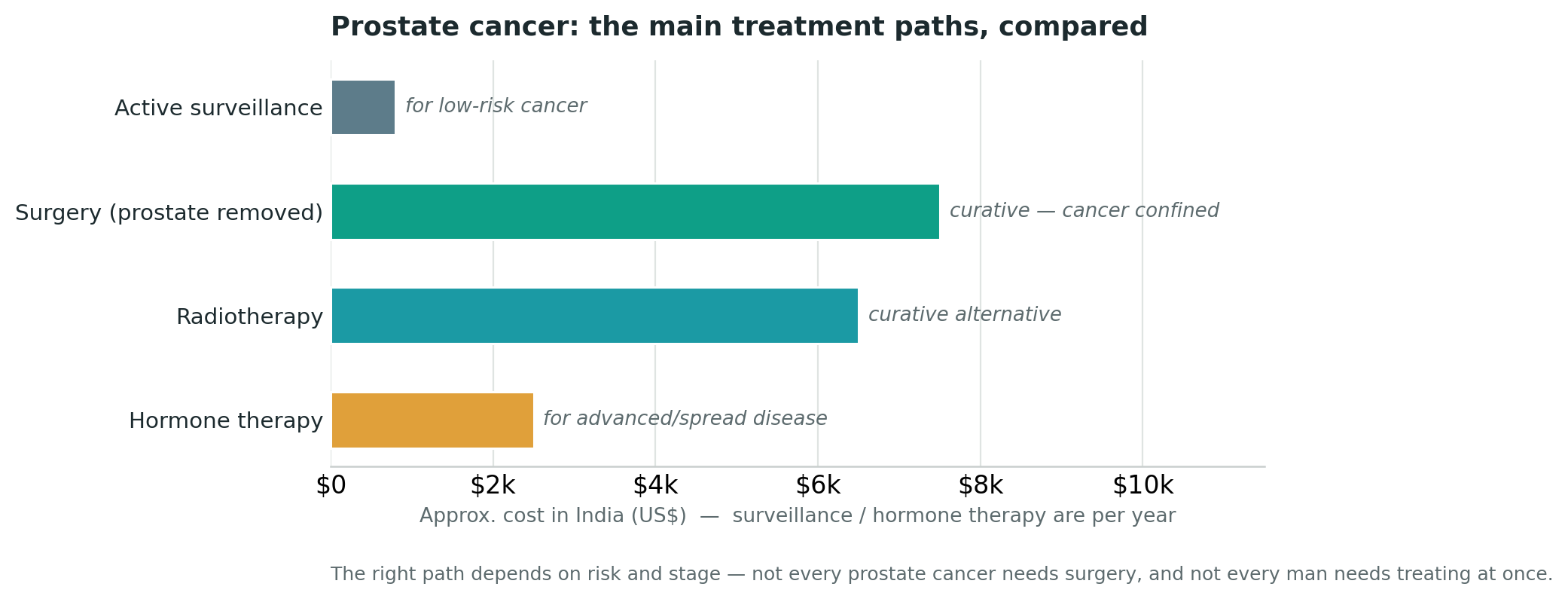
Not every prostate cancer needs surgery, and not every man needs treating at once. Matching the path to the risk is the art of good care.
Be wary, too, of anyone who glosses over the trade-offs. Surgery and radiotherapy can both affect urinary control and sexual function, and a good surgeon discusses this frankly before you decide, rather than after. Ask directly what the side effects are, how likely they are in his hands, and what can be done to reduce them. A doctor who answers those questions plainly is one you can trust.
The cost, in plain terms
Prostate cancer surgery in a good Indian hospital — including modern robotic surgery, which can aid a more precise operation — typically costs a fraction of Western private pricing. At roughly ZK19 to the US dollar in mid-2026, that difference is large in kwacha; confirm the rate before travel, as it moves, and remember that the total depends heavily on which path you take.
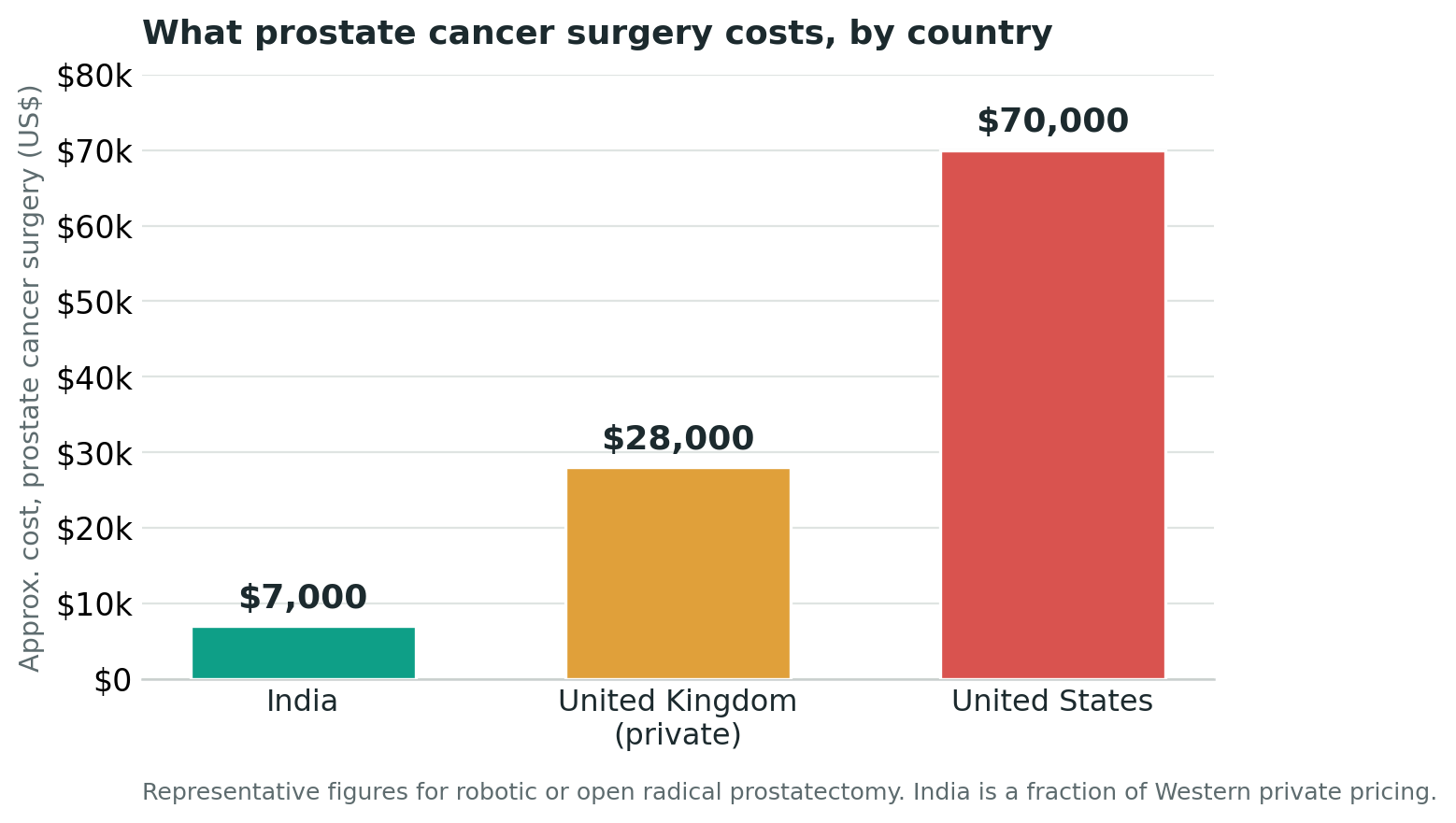
Representative figures for radical prostatectomy. Radiotherapy, surveillance and hormone therapy carry their own, different costs.
In 24 years of arranging these journeys, I have learned that disputes almost never concern the headline price — they concern what it left out: the scans, the pathology, the follow-up PSA tests, the medicines. Insist on an itemised plan, and ask what the ongoing costs will be, because prostate cancer is often managed over years, not weeks.
Why India for the prostate
India’s major cancer and urology hospitals — accredited internationally by JCI and within India by NABH — offer the full range a prostate patient needs on one campus: experienced robotic and open surgery, modern radiotherapy such as IMRT and brachytherapy, the current hormone and targeted drugs, and the high-volume tumour boards that decide between them. There are no waiting lists for scans, biopsy or a theatre date — a real advantage where local radiotherapy queues are long — and English, Zambia’s official language, is the working language of care. Insist that your surgeon records exactly what was done and hands your ongoing PSA follow-up back to a Zambian urologist or oncologist.
Recovery, and when you can fly home
Recovery depends on the path. After surgery to remove the prostate, most men are out of hospital within a few days and can plan to fly home after around two weeks, once the catheter is out and the wound has settled. Radiotherapy is usually given over several weeks, so it may mean a longer stay or a planned course, which your team will map out in advance. Do not rush the flight home after surgery; give your body the time it needs.
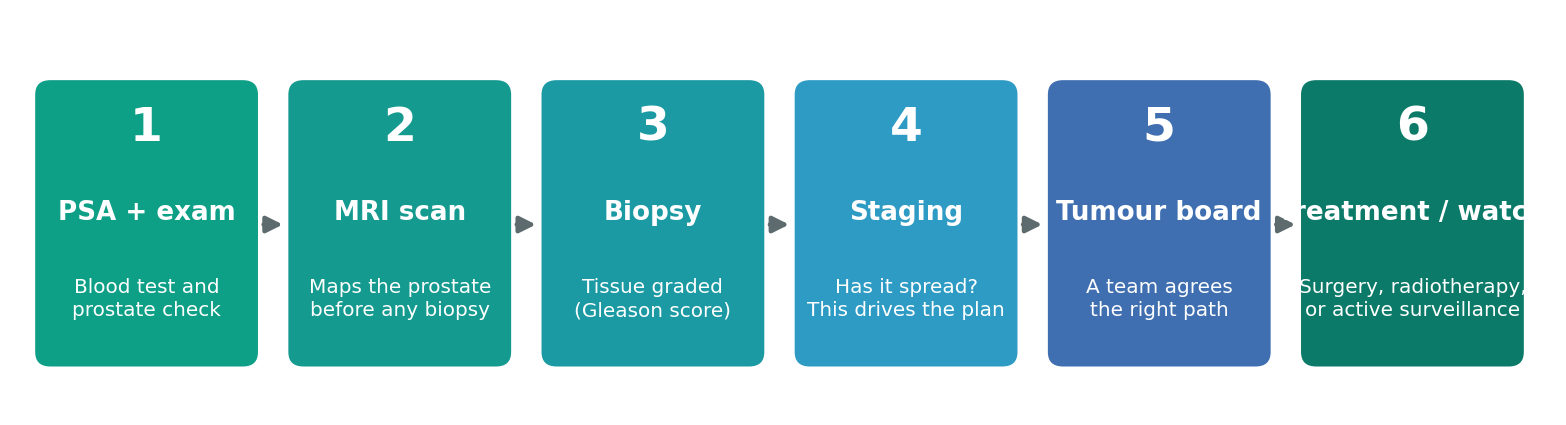
What the journey looks like
Notice that treatment is the last step, not the first — and that a scan comes before the biopsy. Send your PSA results, scans and any biopsy material for review from Lusaka, and a good centre will return a clear plan and a fixed quote before you commit a single kwacha.
Practicalities for travelling from Zambia
India requires a yellow fever vaccination certificate from travellers arriving from Zambia, valid only ten days after the injection — do not leave it late. Your medical visa is issued by the High Commission of India on Pandit Nehru Road in Lusaka against the hospital’s invitation letter; apply for a medical-attendant visa in the same batch so a family member can travel with you. There is no direct flight — you will connect through Addis Ababa on Ethiopian Airlines, or through Dubai, Doha or Nairobi, a door-to-door journey of roughly fourteen to twenty hours. Book a changeable return ticket, carry your PSA history and any biopsy blocks and slides rather than only the reports, and settle the hospital by traceable bank transfer rather than cash.
On paying for it. Zambia’s National Health Insurance scheme funds care at accredited facilities inside the country, not elective treatment abroad, so prostate cancer care in India will usually come from your own resources. I would rather you knew that from the first line than discovered it later. Prostate cancer is often managed over years, so budget for follow-up and possible ongoing medication, not only the first procedure; and if you hold a private or employer policy, ask the insurer in writing whether an overseas benefit exists.
Four signals that should make you pause
- No PSA check before surgery — an operation for urinary symptoms proposed without checking for cancer.
- A fixed price before biopsy grading — offered before a Gleason score and staging scans are complete.
- A single doctor pushing one treatment — with no mention of a tumour board, alternatives, or side effects.
- Surgery urged for low-risk cancer — in an older man, where active surveillance might serve better, and no follow-up plan for Zambia.
Straight answers for Zambian Patients about Prostate Cancer Treatment in India
I have trouble passing urine. Does that mean I have cancer?
Usually not — those symptoms most often come from benign enlargement, which is not cancer. But the only way to be sure is a PSA test and an examination, because early cancer causes no symptoms at all. Get checked rather than guessing either way.
I feel completely well. Do I still need a PSA test?
Yes, especially as an African man. Early prostate cancer is silent, and men of African descent are at higher risk and tend to present later. Testing from around forty to forty-five, and earlier if it runs in your family, is what catches it while it is curable.
Does every prostate cancer need surgery?
No. A low-risk, slow cancer may be best watched rather than treated, sparing you needless side effects, while a dangerous one needs prompt curative treatment. Grade and stage decide — which is why an accurate diagnosis matters so much.
Will treatment affect my sexual function or bladder control?
It can, and any honest surgeon will discuss this with you before you decide. The risks vary by treatment and by the skill of the team, and much can be done to reduce them. Ask the question directly and expect a straight answer.
Sources & Useful Links
- 🌐 Medical visa (India), Lusaka — High Commission of India, requirements & process: hcizambia.gov.in/page/medical-visa
- 🌐 National Health Insurance (Zambia) — NHIMA cover and accredited facilities: nhima.co.zm
- 🌐 Ministry of Health, Zambia — referrals and national health services: moh.gov.zm
- 🌐 University Teaching Hospitals, Lusaka — Zambia’s largest public referral centre: uth.gov.zm
- 🌐 Hospital accreditation (India) — verify a hospital’s NABH accreditation: nabh.co
- 🌐 Yellow fever & travel health — WHO vaccination guidance: who.int/health-topics/yellow-fever
A closing word
If you send me your PSA results, scans and any biopsy details, I will help you get to the questions that matter: whether this is simple enlargement or cancer, and if cancer, how aggressive it is, whether it has spread, and whether it is best cured, controlled or simply watched. Prostate cancer is one of the most curable of all cancers when it is caught in time — and one of the most unforgiving when it is not. The most powerful thing any Zambian man can do is test early and act on clear information, not fear. That, for all these years, has been my work.
Frequently Asked Questions by Zambian Patients about Prostate Cancer Treatment in India
Why should Zambian men consider early PSA testing for prostate cancer?
The guide explains that early prostate cancer usually causes no symptoms, while men of African descent may face higher risk and later diagnosis. It recommends considering PSA testing from around 40–45 years of age, with earlier assessment for men with a strong family history.
How much does prostate cancer surgery in India cost for Zambian patients?
The page 4 chart gives a representative cost of approximately US$7,000 for robotic or open radical prostatectomy in India. Actual costs depend on treatment, investigations, pathology, medicines and follow-up requirements.
Does difficulty passing urine mean a Zambian man has prostate cancer?
Usually not. Weak urinary flow, straining, dribbling and frequent night-time urination are commonly associated with benign prostate enlargement, but appropriate PSA testing and assessment are needed because early prostate cancer may be symptomless.
What happens if a Zambian patient's PSA level is high?
A raised PSA does not automatically mean cancer. The guide recommends further investigation and describes prostate MRI before biopsy as the modern diagnostic pathway.
What tests determine prostate cancer treatment in India?
Biopsy provides the Gleason score, while MRI and, where necessary, bone imaging or a PSMA scan help establish the cancer stage. Grade and stage then guide treatment.
Does every Zambian patient with prostate cancer need surgery?
No. Selected men with low-risk, slow-growing disease may be managed with active surveillance. Surgery or radiotherapy may be used for confined cancer requiring curative treatment, while advanced disease may require hormone therapy and other medicines.
Is robotic prostate cancer surgery available in India for Zambian patients?
Yes. The document identifies robotic radical prostatectomy alongside open surgery as an option available at major Indian urology and cancer centres.
How long should a Zambian patient stay in India after prostate cancer surgery?
The guide states that most men leave hospital within a few days and may be able to fly home after approximately two weeks, once the catheter is removed and the wound has settled.
Can prostate cancer treatment affect bladder control or sexual function?
Yes. Both surgery and radiotherapy can affect urinary control and sexual function. The guide recommends discussing these risks, their likelihood and possible ways to reduce them before choosing treatment.
What are the main red flags when arranging prostate cancer treatment in India?
The guide identifies four concerns: urinary surgery without appropriate cancer investigation, treatment or a fixed price before Gleason grading and staging are complete, a single doctor pushing one treatment without tumour-board review or discussion of alternatives and side effects, and unnecessary surgery for low-risk cancer without considering active surveillance or arranging follow-up in Zambia.
Page Summary
This guide explains prostate cancer treatment in India for Zambian patients, beginning with the important distinction between benign prostate enlargement and prostate cancer. Urinary symptoms frequently arise from benign enlargement, while early prostate cancer is often silent. The document encourages earlier PSA testing for African men, suggesting screening from approximately 40–45 years of age, and earlier where there is a strong family history.
Citation Block
| Topic | Information |
|---|---|
| Topic Information | Details |
| Procedure | Prostate Cancer Diagnosis & Treatment |
| Country | India |
| Intended Audience | Zambian Patients |
| Condition Covered | Prostate Cancer |
| Important Differential | Benign Prostatic Enlargement |
| Diagnostic Tests | PSA, Prostate MRI and Biopsy |
| Cancer Grading | Gleason Score |
| Staging | MRI, Bone Imaging and PSMA Scan Where Required |
| Typical Stay Before Flying Home | Approximately 2 Weeks After Surgery |
| Radiotherapy Duration | Usually Several Weeks |
| Recovery | Depends on Treatment Path and Individual Progress |
| Representative India Surgery Cost | Approximately US$7,000 |
| Possible Side Effects | Urinary Control and Sexual Function Changes |


Our Mission Statement
Our mission is to place patients at the centre of every healthcare decision by providing trustworthy, evidence-based, and unbiased medical information. We believe that informed patients make better decisions. Backed by personalised guidance from our experienced advisory team, we help patients understand their treatment options, compare them objectively, and confidently choose the path that best suits their medical needs and personal circumstances.
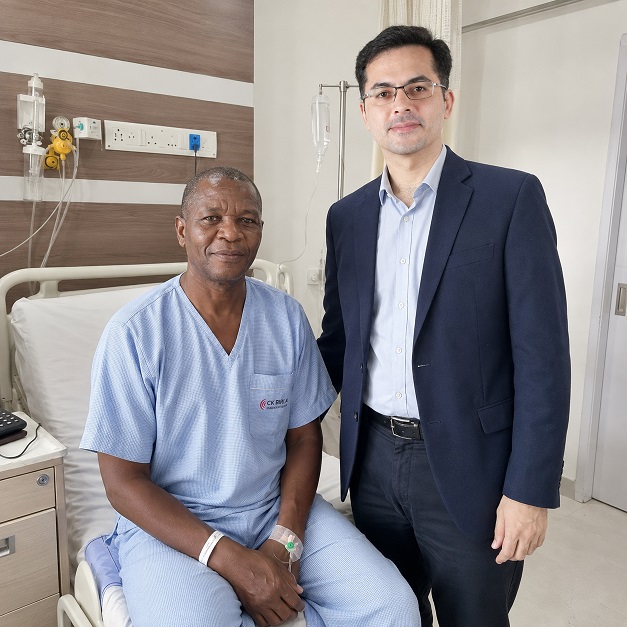
Patient Testimonials from Zambia


Ready to Take the First Step?
Share your Medical Reports with our Healthcare Managers Today and Get a FREE CONSULTATION, a Personalized Treatment Plan, and Complete Support from Arrival to Recovery.
Get Your Free ConsultationAreas We Serve
This resource has been thoughtfully prepared for patients from Zambia who are considering medical treatment in India. We also welcome patients from the wider region in the countries mentioned below-
We assist patients from:
- Zambia
- Angola
- Malawi
- Zimbabwe
- Botswana
- Namibia
- South Africa
- Eswatini
- Lesotho
- Gabon
- Chad
- Equatorial Guinea
- São Tomé and Príncipe
- Republic of the Congo
- Democratic Republic of the Congo
Many of the insights, treatment pathways, hospital recommendations, travel guidance, and patient support services described here are equally relevant and may be used as a reference when planning treatment in India.
From Zambia to India: Your Complete Patient Support Guide
- Best Weight-Loss (Bariatric) Surgeons & Hospitals in India for Zambian Patients
- Best Brain-Tumour Surgeons & Hospitals in India for Zambian Patients
- Best Cancer Doctors & Hospitals in India for Zambian Patients
- Best Cardiac Surgeons & Hospitals in India for Zambian Patients
- Best Cosmetic Surgeons & Facilities in India for Zambian Patients
- Best CyberKnife Treatment Teams & Centres in India for Zambian Patients
- Best Dentists & Dental Clinics in India for Zambian Patients
- Best Heart Valve Replacement Surgeons & Hospitals in India for Zambian Patients
- Best Hip Surgeons & Hospitals in India for Zambian Patients
- Best Knee Surgeons & Hospitals in India for Zambian Patients
- Best Neurosurgeons & Hospitals in India for Zambian Patients
- Best Paediatric Cardiac Surgeons & Hospitals in India for Zambian Patients
- Best Paediatric Neurosurgeons & Hospitals in India for Zambian Patients
- Best Prostate Surgeons & Hospitals in India for Zambian Patients
- Best Scoliosis Surgeons & Hospitals in India for Zambian Patients
- Best Spine Surgeons & Hospitals in India for Zambian Patients
- Best Bone Marrow Transplant Teams & Hospitals in India for Zambian Patients
- Best Kidney Transplant Surgeons & Hospitals in India for Zambian Patients