

15 Frequently Asked Questions : Prostate Cancer Treatment and Surgery in India for Zambian Patients
Prostate cancer is one of the most common cancers affecting men. Treatment depends on the stage and grade of the cancer, PSA level, Gleason score/Grade Group, tumour location, lymph-node involvement, presence of metastasis, age, general health and previous treatment. Depending on the individual case, treatment may include active surveillance, surgery, radiation therapy, hormone therapy, chemotherapy, targeted therapy, immunotherapy and radiopharmaceutical treatment. For patients whose cancer is confined to the prostate or selected surrounding tissues, radical prostatectomy may be considered. This can be performed through open, laparoscopic or robot-assisted surgery. Radiation therapy, including external-beam radiation and brachytherapy, is another important treatment option. For advanced or metastatic prostate cancer, systemic treatments such as hormone therapy, chemotherapy, targeted treatment and selected radiopharmaceutical therapies may be used. For Zambian patients travelling to India, a complete review of PSA reports, biopsy, Gleason score, MRI/PSMA PET-CT and previous treatment records is important before treatment planning.
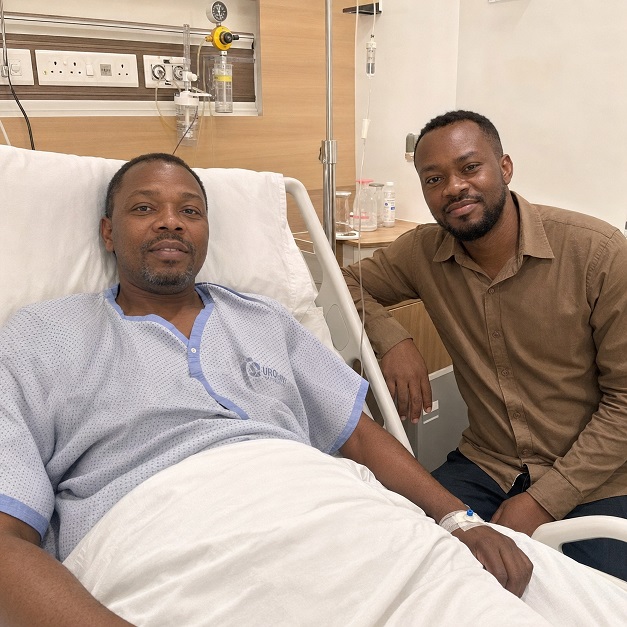
Healing Journeys of Zambian Patients




Important: Prostate cancer treatment must be individualized according to the patient's cancer stage, Grade Group/Gleason score, PSA level, imaging, tumour characteristics, age, general health and personal treatment preferences. The costs and timelines in this guide are indicative planning estimates and are not fixed hospital quotations. Actual costs may vary according to the procedure, hospital, surgeon, robotic technology, radiation technique, medicines, treatment duration and complications. Patients experiencing acute urinary retention, severe pain, heavy bleeding, fever or another medical emergency should receive urgent medical care locally rather than delaying emergency treatment for international travel.
Q1 · What Prostate Cancer Treatments Are Available in India?
Treatment options depend on whether the cancer is localized, locally advanced, recurrent or metastatic.
Surgical Treatment
- Radical prostatectomy
- Robot-assisted radical prostatectomy
- Laparoscopic radical prostatectomy
- Open radical prostatectomy
- Pelvic lymph-node dissection
- Selected salvage prostatectomy
Radiation Treatment
- External-beam radiotherapy
- IMRT
- IGRT
- VMAT
- Stereotactic radiation in selected situations
- Brachytherapy
- Selected radiopharmaceutical treatments
Systemic Treatment
- Hormone therapy / androgen deprivation therapy
- Androgen-receptor pathway inhibitors
- Chemotherapy
- Targeted therapy for selected molecular findings
- Immunotherapy for selected patients
- Bone-directed treatment
- Radiopharmaceutical therapy for selected metastatic disease
Other Approaches
- Active surveillance
- Watchful waiting
- Focal therapies in selected cases
- Treatment of urinary obstruction
- Palliative treatment for advanced disease
The appropriate combination depends on the cancer stage and risk group. Current clinical guidance recognizes active surveillance, surgery, radiation, hormone therapy, chemotherapy, targeted therapy, immunotherapy and selected radiopharmaceutical approaches among prostate cancer treatment options.
Q2 · What Is the Cost of Prostate Cancer Treatment in Zambia Compared with India?
For planning purposes, the following exchange rates are used:
- US$1 ≈ ZMW 19.5
- US$1 ≈ INR 96
Indicative Cost Comparison
| Prostate Cancer Treatment | Zambia Private Healthcare Cost | India Medical Tourism Cost | Potential Cost Saving |
|---|---|---|---|
| Prostate cancer evaluation & staging | ZMW 70,000–140,000 / US$3,590–7,180 | INR 50,000–100,000 / US$520–1,040 | 20–45% |
| Prostate biopsy & advanced diagnosis | ZMW 100,000–180,000 / US$5,130–9,230 | INR 70,000–140,000 / US$730–1,460 | 20–45% |
| Radical prostatectomy | ZMW 500,000–800,000 / US$25,640–41,025 | INR 300,000–500,000 / US$3,125–5,210 | 25–50% |
| Laparoscopic prostatectomy | ZMW 550,000–850,000 / US$28,205–43,590 | INR 350,000–550,000 / US$3,645–5,730 | 25–50% |
| Robotic radical prostatectomy | ZMW 650,000–1,000,000 / US$33,335–51,280 | INR 450,000–650,000 / US$4,690–6,770 | 20–45% |
| Prostatectomy + lymph-node dissection | ZMW 600,000–900,000 / US$30,770–46,155 | INR 400,000–600,000 / US$4,165–6,250 | 20–45% |
| External-beam radiotherapy | ZMW 350,000–650,000 / US$17,950–33,335 | INR 200,000–450,000 / US$2,085–4,690 | 20–45% |
| Brachytherapy | ZMW 350,000–600,000 / US$17,950–30,770 | INR 200,000–400,000 / US$2,085–4,165 | 20–45% |
| Hormone therapy programme | ZMW 150,000–450,000 / US$7,690–23,075 | INR 100,000–350,000 / US$1,040–3,645 | 20–45% |
| Advanced/metastatic treatment | ZMW 500,000–1,000,000 / US$25,640–51,280 | INR 350,000–800,000 / US$3,645–8,335 | 15–40% |
Current published Indian 2026 estimates place prostate cancer surgery broadly around INR 1.8–5.5 lakh, with robotic surgery generally costing more than conventional approaches. Actual pricing varies substantially by hospital, surgeon, technology and patient requirements.
Important: These figures are indicative planning estimates rather than fixed hospital tariffs. Medicines for advanced prostate cancer, long-term hormone therapy, chemotherapy and radiopharmaceutical treatment can significantly increase the overall treatment cost.
Q3 · Which Major Indian Cities Can Zambian Patients Consider for Prostate Cancer Treatment?
| City | Prostate Cancer Treatment |
|---|---|
| Delhi | Uro-oncology, robotic/laparoscopic prostate surgery, radiation and medical oncology |
| Gurugram | Robotic prostate surgery and multidisciplinary cancer care |
| Noida | Urology, uro-oncology and cancer treatment |
| Mumbai | Advanced urology, robotic surgery and radiation oncology |
| Chennai | Uro-oncology, prostate surgery and radiation |
| Bengaluru | Robotic prostatectomy and advanced urological oncology |
| Hyderabad | Prostate surgery, radiation and medical oncology |
| Kolkata | Uro-oncology and multidisciplinary prostate cancer care |
| Pune | Urology, prostate surgery and oncology |
| Ahmedabad | Uro-oncology and radiation treatment |
| Kochi | Urological cancer surgery and oncology |
| Thiruvananthapuram | Urology and cancer treatment |
| Goa | Selected urological and oncology services |
| Nagpur | Urology, uro-oncology and cancer treatment |
For complex prostate cancer cases, patients should confirm access to uro-oncology, robotic or laparoscopic surgery where appropriate, radiation oncology, pathology, advanced imaging and medical oncology.
Q4 · Which Hospitals in India Can Zambian Patients Consider?
Delhi Hospitals
- Fortis Escorts Heart Institute, New Delhi
- BLK-Max Super Speciality Hospital, New Delhi
- Max Super Speciality Hospital, Saket
- Indraprastha Apollo Hospitals, New Delhi
- Sir Ganga Ram Hospital
- Max Super Speciality Hospital, Patparganj
- Manipal Hospital, Dwarka
- Fortis Hospital, Vasant Kunj
- Institute of Brain and Spine Hospital (IBS Hospital)
- Dharamshila Narayana Hospital
- Indian Spinal Injuries Centre
- AIIMS New Delhi
Chennai Hospitals
- MGM Healthcare
- MIOT International
- Apollo Hospitals, Greams Road
- Sri Ramachandra Medical Centre
- SIMS Hospital
- Kauvery Hospital
- Gleneagles HealthCity Chennai
- Vijaya Hospital
- Apollo Speciality Hospitals
- Rela Hospital
Mumbai Hospitals
- Bombay Hospital & Medical Research Centre
- Lilavati Hospital & Research Centre
- Jaslok Hospital & Research Centre
- Gleneagles Hospital, Mumbai
- Nanavati Max Super Speciality Hospital
- Kokilaben Dhirubhai Ambani Hospital
- P. D. Hinduja Hospital & Medical Research Centre
- Sir H. N. Reliance Foundation Hospital
- Wockhardt Hospitals, Mumbai
- Apollo Hospitals, Mumbai
Bengaluru Hospitals
- Manipal Hospital, Old Airport Road
- Manipal Hospital, Whitefield
- Manipal Hospital, Yeshwanthpur
- Apollo Hospitals, Bengaluru
- Fortis Hospital, Bannerghatta Road
- Aster CMI Hospital
- Sakra World Hospital
- Narayana Health City
- Sagar Hospitals
- Kauvery Hospital, Bengaluru
Hyderabad Hospitals
- KIMS Hospitals
- Yashoda Hospitals
- Apollo Health City
- CARE Hospitals
- Continental Hospitals
- Gleneagles Hospitals, Hyderabad
- Sunshine Hospitals
- Star Hospitals
Gurugram Hospitals
- Fortis Memorial Research Institute (FMRI)
- Medanta – The Medicity
- Artemis Hospital
- Max Hospital, Gurugram
- CK Birla Hospital, Gurugram
- Manipal Hospital, Gurugram
- Paras Health
- Narayana Superspeciality Hospital
Noida Hospitals
- Fortis Hospital, Noida
- Jaypee Hospital
- Max Super Speciality Hospital, Noida
- Yatharth Hospital
- Kailash Hospital
- Metro Hospital & Heart Institute
- Metro Center for Neurosciences
Kolkata Hospitals
- Apollo Multispeciality Hospitals
- AMRI Hospitals
- Fortis Hospital, Anandapur
- Manipal Hospitals, Salt Lake
- Medica Superspecialty Hospital
- Narayana Superspeciality Hospital
- Ruby General Hospital
Pune Hospitals
- Ruby Hall Clinic
- Jehangir Hospital
- Deenanath Mangeshkar Hospital
- Sahyadri Super Speciality Hospital
- Aditya Birla Memorial Hospital
- Manipal Hospital, Kharadi
- Medicover Hospital, Pune
Ahmedabad Hospitals
- Apollo Hospitals, Ahmedabad
- Zydus Hospitals
- Sterling Hospitals
- Shalby Hospitals
- HCG Hospitals
- SAL Hospital
- CIMS Hospital
Kochi Hospitals
- Aster Medcity
- Amrita Hospital
- VPS Lakeshore Hospital
- Rajagiri Hospital
- Aster MIMS
- Lisie Hospital
- Renai Medicity
Thiruvananthapuram Hospitals
- KIMSHEALTH Hospital
- Ananthapuri Hospitals and Research Institute
- SUT Hospital
- SP Medifort Hospital
- PRS Hospital
- GG Hospital
Goa Hospitals
- Manipal Hospital, Goa
- Healthway Hospital
- Manipal Hospitals, Dona Paula
- Goa Medical College and Hospital
- Apollo Victor Hospital
Nagpur Hospitals
- Wockhardt Hospitals, Nagpur
- MAX Multispeciality Hospital
- CARE Hospitals, Nagpur
- Kingsway Hospitals
- Lata Mangeshkar Hospital
Important: Not every hospital listed necessarily provides every robotic, laparoscopic, radiation or advanced prostate cancer treatment. The patient's exact treatment requirement and specialist availability should be confirmed before travel.
Q5 · What Types of Prostate Cancer Surgery Are Available in India?
Radical Prostatectomy
Radical prostatectomy removes:
- The prostate gland
- Seminal vesicles
- Surrounding tissues as clinically required
Nearby pelvic lymph nodes may also be removed.
Robot-Assisted Radical Prostatectomy
A robotic system is used to assist the surgeon through small abdominal incisions.
Potential objectives include:
- Precise dissection
- Detailed visualization
- Nerve-sparing when appropriate
- Removal of the cancerous prostate
- Reconstruction of the urinary connection
Whether nerve-sparing is appropriate depends on the tumour's location and cancer-control requirements.
Laparoscopic Radical Prostatectomy
The prostate is removed using several small abdominal incisions and specialized instruments.
Open Radical Prostatectomy
The prostate is removed through a conventional surgical incision.
Pelvic Lymph-Node Dissection
Selected patients undergo lymph-node removal during prostatectomy to determine whether cancer has spread to the lymph nodes.
Salvage Prostatectomy
In carefully selected patients whose cancer has returned after previous radiation treatment, surgery may be considered at specialized centres.
Q6 · What Is the Difference Between Robotic, Laparoscopic and Open Prostatectomy?
Robotic Prostatectomy
Uses robotic-assisted instruments controlled by the surgeon.
Potential features include:
- Small incisions
- Magnified three-dimensional visualization
- Precise instrument movement
- Potential nerve-sparing when appropriate
- Shorter hospital recovery in selected patients
Laparoscopic Prostatectomy
Uses small incisions and a camera with specialized instruments.
Open Prostatectomy
Uses a larger surgical incision and traditional surgical instruments.
The choice should not be based only on the technology. Important factors include:
- Cancer stage
- Tumour location
- Surgeon experience
- Patient anatomy
- Previous abdominal/pelvic surgery
- Need for lymph-node dissection
- Overall health
- Expected functional outcomes
Current clinical evidence recognizes robot-assisted prostatectomy as an alternative to open prostatectomy, with experienced surgeons able to achieve comparable short- to mid-term functional outcomes in appropriate patients.
Q7 · Who May Be Suitable for Prostate Cancer Surgery?
Radical prostatectomy may be considered for selected patients whose cancer is:
- Confined to the prostate
- Localized or selected locally advanced disease
- Suitable for complete surgical treatment
- Not associated with prohibitive medical risk
Assessment usually considers:
- PSA level
- Gleason score
- Grade Group
- MRI findings
- Tumour stage
- Lymph-node status
- PSMA PET-CT where appropriate
- Patient age
- General health
- Urinary and sexual function
Radical prostatectomy is generally used with curative intent for appropriately selected patients with localized prostate cancer.
For higher-risk or locally advanced disease, radiation and hormone therapy may be used instead of surgery or in combination with surgery in selected cases.
Q8 · What Medical Reports Should a Zambian Patient Send Before Travelling to India?
A complete prostate cancer record should ideally include:
Diagnosis
- PSA reports
- Free PSA where available
- Prostate biopsy report
- Histopathology
- Gleason score
- Grade Group
- Number of positive biopsy cores
- Percentage of tumour involvement
- Perineural invasion where reported
Imaging
- Multiparametric MRI of the prostate
- PSMA PET-CT where performed
- CT scan
- Bone scan where applicable
- Ultrasound
- Actual imaging files
Previous Treatment
- Previous prostate surgery
- TURP history
- Radiation treatment
- Hormone therapy
- Chemotherapy
- Targeted therapy
- Immunotherapy
- Previous treatment-response reports
General Health
- Complete blood count
- Kidney function
- Liver function
- Blood sugar/HbA1c
- ECG
- Cardiac evaluation where necessary
- Current medication list
Urinary Information
- Urinary symptoms
- Previous urinary obstruction
- Catheter history
- Urodynamic study where performed
- Previous prostate procedures
These records help the Indian urology and oncology team determine the stage and appropriate treatment pathway.
Q9 · What Is the Typical Prostate Cancer Treatment Process in India?
Step 1 – Urology/Uro-Oncology Consultation
The specialist reviews:
- PSA
- Biopsy
- Gleason score
- MRI
- Previous treatment
- General health
Step 2 – Cancer Staging
The team determines whether the cancer is:
- Localized
- Locally advanced
- Lymph-node positive
- Metastatic
- Recurrent
Step 3 – Risk Assessment
The team evaluates:
- PSA
- Grade Group
- Tumour stage
- Number of biopsy cores
- Imaging findings
Step 4 – Treatment Discussion
Depending on the disease, options may include:
- Active surveillance
- Surgery
- Radiation
- Hormone therapy
- Chemotherapy
- Targeted therapy
- Radiopharmaceutical therapy
Step 5 – Surgery Where Appropriate
The patient may undergo:
- Robotic prostatectomy
- Laparoscopic prostatectomy
- Open prostatectomy
- Pelvic lymph-node dissection
Step 6 – Final Histopathology
The removed prostate is examined for:
- Tumour grade
- Surgical margins
- Extraprostatic extension
- Seminal-vesicle involvement
- Lymph-node involvement
Step 7 – Postoperative Follow-up
PSA is monitored after surgery.
If there are high-risk pathological features or a rising/detectable PSA, additional treatment may be considered.
Q10 · Are There Alternatives to Prostate Cancer Surgery?
Yes. Surgery is not required for every prostate cancer patient.
Depending on risk and stage, alternatives may include:
Active Surveillance
Used for selected lower-risk cancers.
The patient undergoes regular:
- PSA testing
- Clinical examinations
- MRI
- Repeat biopsy where appropriate
Treatment begins if there are signs of progression.
Radiation Therapy
May include:
- External-beam radiation
- IMRT
- IGRT
- VMAT
- Brachytherapy
Hormone Therapy
Also called androgen deprivation therapy (ADT).
It reduces or blocks the effect of male hormones that can stimulate prostate cancer growth.
Chemotherapy
Used particularly for selected advanced or metastatic disease.
Targeted Therapy
May be considered for selected patients based on molecular findings.
Radiopharmaceutical Therapy
Selected patients with metastatic disease may be considered for specialized radioactive treatments depending on tumour characteristics and prior therapy.
Other Selected Approaches
- Cryotherapy
- High-intensity focused ultrasound
- Palliative TURP for urinary obstruction
- Bone-directed treatment
The appropriate alternative depends strongly on the cancer stage and biological characteristics.
Q11 · What Should Be Included in the Prostate Cancer Treatment Quotation?
A Zambian patient should request an itemized quotation covering:
Surgical Costs
- Surgeon fee
- Robotic/laparoscopic equipment
- Operating-room charges
- Anaesthesia
- Surgical consumables
- Catheter
- Pathology
- Lymph-node dissection if required
Hospital Costs
- Room charges
- Nursing
- Medicines
- Laboratory tests
- Imaging
- ICU/HDU if required
- Doctor consultations
Robotic Surgery
Ask whether the quotation includes:
- Robotic platform charges
- Consumables
- Lymph-node dissection
- Pathology
- Postoperative monitoring
Radiation Treatment
If radiation is recommended, clarify:
- CT simulation
- Treatment planning
- Number of sessions
- Radiation technique
- Image guidance
- Brachytherapy procedure where applicable
Medical Treatment
Ask separately about:
- Hormone injections
- Oral hormone medicines
- Chemotherapy
- Targeted therapy
- Immunotherapy
- Radiopharmaceutical treatment
International Patient Planning
Confirm:
- Expected hospital stay
- Total India stay
- Follow-up consultations
- PSA monitoring
- Catheter removal
- Additional treatment requirements
Current Indian 2026 estimates show substantial variation in prostate cancer surgery costs depending on surgical technique and hospital, with robotic surgery generally priced higher than conventional prostatectomy.
Q12 · How Long Should a Zambian Patient Stay in India?
The required stay depends on the treatment.
| Treatment | Approx. Hospital Stay | Approx. Total India Stay |
|---|---|---|
| Prostate cancer evaluation | 2–5 days | 1–2 weeks |
| Prostate biopsy | Same day–1 day | 1–2 weeks |
| Open prostatectomy | 3–7 days | 2–3 weeks |
| Laparoscopic prostatectomy | 2–5 days | 2–3 weeks |
| Robotic prostatectomy | 2–5 days | 2–3 weeks |
| Prostatectomy + lymph-node dissection | 3–7 days | 2–3 weeks |
| External-beam radiotherapy | Usually outpatient | 4–8 weeks |
| Brachytherapy | 1–3 days | 1–2 weeks |
| Hormone therapy | Usually outpatient | Depends on treatment schedule |
| Advanced/metastatic treatment | Variable | Several weeks to months |
The patient should allow additional time for:
- Catheter removal
- Wound review
- Pathology
- Postoperative consultation
- PSA planning
- Treatment complications
A return flight should ideally be planned only after the treating team confirms that the patient is medically fit to travel.
Q13 · What Is Recovery Like After Prostate Cancer Surgery?
Recovery depends on the type of surgery and the patient's general health.
Early Recovery
Patients may experience:
- Lower abdominal discomfort
- Fatigue
- Temporary urinary catheter
- Mild blood in urine
- Constipation
- Reduced physical activity
Urinary Recovery
After prostatectomy, urinary control can take time to improve.
Pelvic-floor exercises may be recommended.
Sexual Function
Prostatectomy can affect erectile function.
The likelihood and speed of recovery depend on:
- Age
- Baseline erectile function
- Tumour location
- Nerve-sparing feasibility
- Surgical technique
- Other health conditions
Bowel Function
Most patients gradually return to normal bowel function after surgery.
After Radiation
Patients may experience:
- Urinary frequency
- Urgency
- Bowel irritation
- Fatigue
- Sexual side effects
During Hormone Therapy
Possible effects include:
- Hot flashes
- Reduced sexual desire
- Erectile difficulties
- Weight changes
- Reduced bone density
- Changes in muscle mass
Hormone therapy can also affect metabolic and bone health, so ongoing medical monitoring may be required.
Q14 · What Follow-up Care Is Required After Returning to Zambia?
Before returning home, the patient should collect:
- Final diagnosis
- Operative report
- Final histopathology
- Gleason score
- Grade Group
- Surgical margin status
- Extraprostatic extension status
- Seminal-vesicle status
- Lymph-node results
- Final pathological stage
- Discharge summary
- Medication list
- PSA follow-up schedule
- Radiation summary where applicable
- Hormone-treatment plan
- Chemotherapy plan where applicable
PSA Monitoring
PSA testing is an important part of follow-up after prostatectomy.
The Indian urology/oncology team should provide a clear schedule for PSA testing.
If PSA Rises
A rising PSA after treatment may require:
- Repeat PSA testing
- Imaging
- PSMA PET-CT where appropriate
- Radiation assessment
- Hormone therapy
- Other specialist treatment
After Radiation
Follow-up may include:
- PSA
- Clinical examination
- Assessment of urinary symptoms
- Bowel symptoms
- Sexual function
During Hormone Therapy
Monitoring may include:
- PSA
- Testosterone
- Blood glucose
- Lipid profile
- Bone health
- Cardiovascular risk
The complete treatment summary should be shared with the patient's urologist/oncologist in Zambia.
Q15 · Is India a Suitable Option for Zambian Patients Seeking Prostate Cancer Treatment?
India can be considered by Zambian patients seeking comprehensive prostate cancer evaluation and treatment.
Treatment may include:
- Robotic prostatectomy
- Laparoscopic prostatectomy
- Open prostatectomy
- Pelvic lymph-node dissection
- Advanced radiation therapy
- Brachytherapy
- Hormone therapy
- Chemotherapy
- Targeted therapy
- Immunotherapy for selected cases
- Radiopharmaceutical treatment for selected metastatic disease
However, surgery is not automatically required for every prostate cancer patient.
For selected localized cancers, active surveillance, surgery or radiation therapy may all be considered depending on risk group and patient circumstances. For locally advanced disease, combinations of radiation and hormone therapy or selected surgical approaches may be considered. Advanced or metastatic disease may require systemic treatment.
For Zambian patients, a useful first step is to send the complete PSA history, prostate biopsy, Gleason score/Grade Group, prostate MRI, PSMA PET-CT where available and previous treatment records for specialist review before travelling.
The final treatment plan should be determined by the treating urology and oncology team after detailed evaluation.
Final Zambian Patient Pre-Travel Checklist
Before travelling to India for prostate cancer treatment and surgery, confirm the following:
Medical Records
- Urologist/oncologist report
- PSA history
- Free PSA where available
- Prostate biopsy report
- Histopathology
- Gleason score
- Grade Group
- Number of positive biopsy cores
- Percentage of tumour involvement
- Multiparametric prostate MRI
- PSMA PET-CT where applicable
- CT scan where applicable
- Bone scan where applicable
- Actual imaging files
- Previous prostate surgery records
- TURP records where applicable
- Previous radiation records
- Hormone therapy records
- Chemotherapy records
- Targeted-treatment records
- Immunotherapy records
- Blood-test reports
- Kidney function tests
- Liver function tests
- Blood sugar/HbA1c
- ECG where required
- Current medication list
Treatment Planning
- Indian urology/uro-oncology opinion
- Cancer stage confirmed
- Risk category confirmed
- Gleason score/Grade Group reviewed
- PSA trend reviewed
- MRI findings reviewed
- PSMA PET-CT reviewed where applicable
- Surgery discussed
- Robotic vs laparoscopic vs open surgery discussed
- Nerve-sparing feasibility discussed
- Lymph-node dissection discussed
- Radiation therapy discussed
- Brachytherapy discussed where appropriate
- Active surveillance discussed where appropriate
- Hormone therapy discussed
- Chemotherapy discussed where appropriate
- Targeted therapy discussed where appropriate
- Radiopharmaceutical treatment discussed where appropriate
- Written cost estimate received
- Package inclusions/exclusions clarified
- Expected hospital stay confirmed
- Expected India stay confirmed
- Follow-up plan confirmed
Travel Planning
- Medical visa arranged
- Passport validity checked
- Companion arrangements made
- Accommodation arranged
- Airport transfer planned
- Local transportation arranged
- Financial arrangements made
- Additional stay allowance considered
- Return-flight flexibility arranged
- Postoperative recovery period considered
Before Returning to Zambia
- Final operative report collected
- Final histopathology collected
- Gleason score confirmed
- Grade Group confirmed
- Surgical margin status collected
- Lymph-node report collected
- Final pathological stage collected
- Discharge summary collected
- PSA follow-up schedule received
- Radiation summary collected where applicable
- Hormone therapy plan collected
- Chemotherapy plan collected where applicable
- Targeted-treatment plan collected where applicable
- Medication list collected
- Pelvic-floor exercise instructions received
- Catheter/wound-care instructions understood
- Follow-up schedule received
- Imaging schedule received
- Zambian urology/oncology follow-up arranged
Final Note
Prostate cancer treatment is highly individualized. The most appropriate treatment depends on PSA level, biopsy findings, Gleason score/Grade Group, MRI findings, cancer stage, molecular characteristics, overall health and the patient's treatment goals. For selected localized prostate cancer, treatment may involve active surveillance, radical prostatectomy or radiation therapy. Radical prostatectomy may be performed using open, laparoscopic or robotic techniques. For higher-risk or locally advanced disease, radiation therapy and hormone treatment may be combined, while advanced or metastatic prostate cancer may require hormone therapy together with other systemic treatments such as chemotherapy, targeted medicines or selected radiopharmaceutical therapy. For Zambian patients, India can provide access to urology, uro-oncology, robotic and laparoscopic surgery, advanced radiation therapy, medical oncology and supportive care. The most important step before travelling is to provide the complete PSA history, biopsy and histopathology, Gleason score/Grade Group, prostate MRI, PSMA PET-CT where appropriate and previous treatment records for specialist assessment. All costs and timelines in this guide are indicative planning estimates. Final treatment eligibility, surgical approach, robotic or laparoscopic technique, radiation plan, medicines, hospital stay and quotation must be confirmed by the treating urology/oncology team after detailed evaluation.
Sources
- Government of India, Indian e-Visa — indianvisaonline.gov.in
- High Commission of India, Lusaka – Medical Visa — hcizambia.gov.in
- National Accreditation Board for Hospitals & Healthcare Providers — nabh.co
- National Medical Commission — nmc.org.in
- Ministry of Health, Zambia — moh.gov.zm
Page Summary
This guide answers 15 frequently asked questions about Prostate Cancer Treatment and Surgery in India for Zambian patients: What Prostate Cancer Treatments Are Available in India; What Is the Cost of Prostate Cancer Treatment in Zambia Compared with India; Which Major Indian Cities Can Zambian Patients Consider for Prostate Cancer Treatment; Which Hospitals in India Can Zambian Patients Consider; What Types of Prostate Cancer Surgery Are Available in India; What Is the Difference Between Robotic, Laparoscopic and Open Prostatectomy; Who May Be Suitable for Prostate Cancer Surgery; What Medical Reports Should a Zambian Patient Send Before Travelling to India; What Is the Typical Prostate Cancer Treatment Process in India; Are There Alternatives to Prostate Cancer Surgery; What Should Be Included in the Prostate Cancer Treatment Quotation; How Long Should a Zambian Patient Stay in India; What Is Recovery Like After Prostate Cancer Surgery; What Follow-up Care Is Required After Returning to Zambia; Is India a Suitable Option for Zambian Patients Seeking Prostate Cancer Treatment. A pre-travel checklist and final note close the guide.


Our Mission Statement
Our mission is to place patients at the centre of every healthcare decision by providing trustworthy, evidence-based, and unbiased medical information. We believe that informed patients make better decisions. Backed by personalised guidance from our experienced advisory team, we help patients understand their treatment options, compare them objectively, and confidently choose the path that best suits their medical needs and personal circumstances.
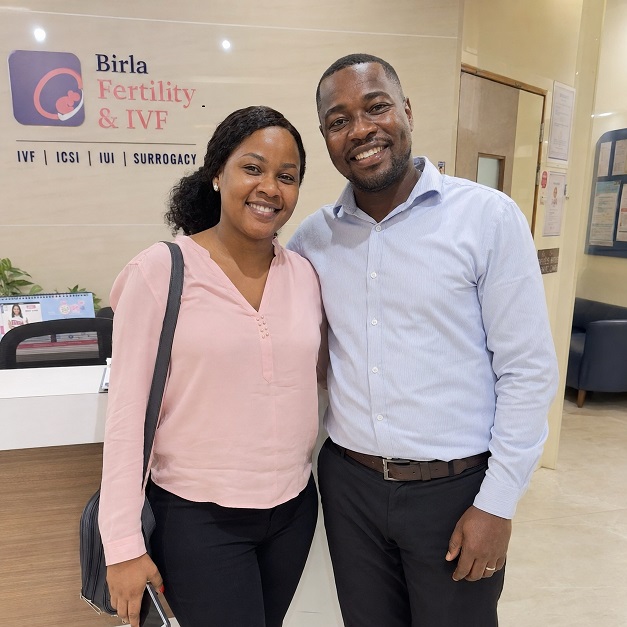
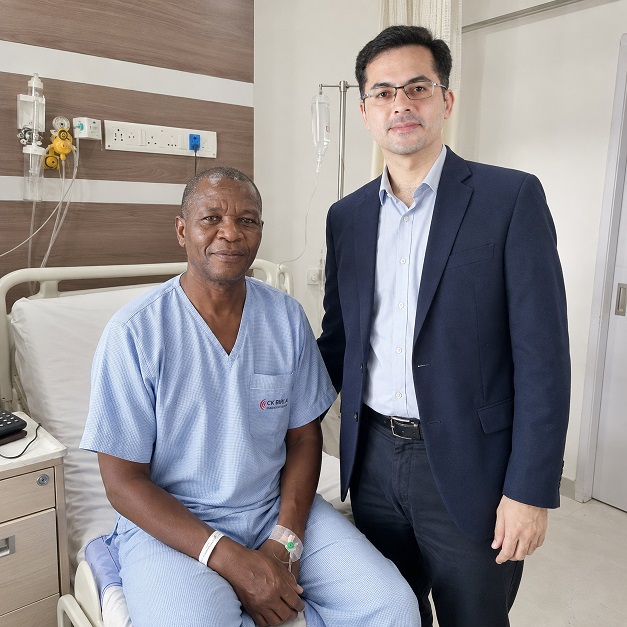
Patient Testimonials from Zambia

Ready to Take the First Step?
Share your Medical Reports with our Healthcare Managers Today and Get a FREE CONSULTATION, a Personalized Treatment Plan, and Complete Support from Arrival to Recovery.
Get Your Free ConsultationAreas We Serve
This resource has been thoughtfully prepared for patients from Zambia who are considering medical treatment in India. We also welcome patients from the wider region in the countries mentioned below-
We assist patients from:
- Zambia
- Angola
- Malawi
- Zimbabwe
- Botswana
- Namibia
- South Africa
- Eswatini
- Lesotho
- Gabon
- Chad
- Equatorial Guinea
- São Tomé and Príncipe
- Republic of the Congo
- Democratic Republic of the Congo
Many of the insights, treatment pathways, hospital recommendations, travel guidance, and patient support services described here are equally relevant and may be used as a reference when planning treatment in India.
From Zambia to India: Your Complete Patient Support Guide
- Best Weight-Loss (Bariatric) Surgeons & Hospitals in India for Zambian Patients
- Best Brain-Tumour Surgeons & Hospitals in India for Zambian Patients
- Best Cancer Doctors & Hospitals in India for Zambian Patients
- Best Cardiac Surgeons & Hospitals in India for Zambian Patients
- Best Cosmetic Surgeons & Facilities in India for Zambian Patients
- Best CyberKnife Treatment Teams & Centres in India for Zambian Patients
- Best Dentists & Dental Clinics in India for Zambian Patients
- Best Heart Valve Replacement Surgeons & Hospitals in India for Zambian Patients
- Best Hip Surgeons & Hospitals in India for Zambian Patients
- Best Knee Surgeons & Hospitals in India for Zambian Patients
- Best Neurosurgeons & Hospitals in India for Zambian Patients
- Best Paediatric Cardiac Surgeons & Hospitals in India for Zambian Patients
- Best Paediatric Neurosurgeons & Hospitals in India for Zambian Patients
- Best Prostate Surgeons & Hospitals in India for Zambian Patients
- Best Scoliosis Surgeons & Hospitals in India for Zambian Patients
- Best Spine Surgeons & Hospitals in India for Zambian Patients
- Best Bone Marrow Transplant Teams & Hospitals in India for Zambian Patients
- Best Kidney Transplant Surgeons & Hospitals in India for Zambian Patients