

Penile Implant Surgery in India for Zambian Patients
Almost no man in a published study of sickle cell-related priapism had been warned it could happen — a preventable gap in a conversation that, had it happened earlier, might have spared some of them the erectile tissue damage that eventually led them to this surgery.
A penile implant is a device placed surgically inside the penis to restore the ability to have an erection, offered when other treatments for erectile dysfunction — oral medication, injections, vacuum devices — have not worked or are not suitable. It is one of the most effective, reliable treatments in urology, with high satisfaction rates among appropriately selected patients. But in this region, the path that brings a man to this operation often looks different from the pattern in Western textbooks, and understanding that difference — particularly the link to sickle cell disease — matters both for prevention and for planning the right treatment. In 24 years of guiding patients through urological care abroad, I have found that this is one of the most under-discussed topics in men's health here, and silence rarely serves anyone well.
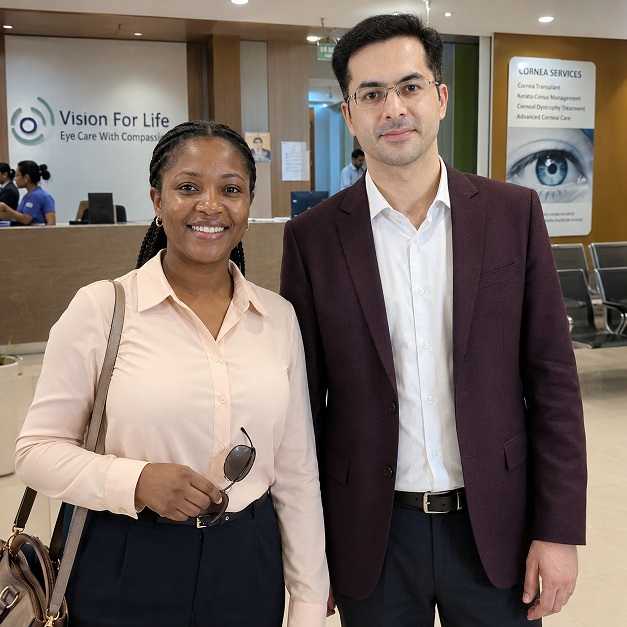
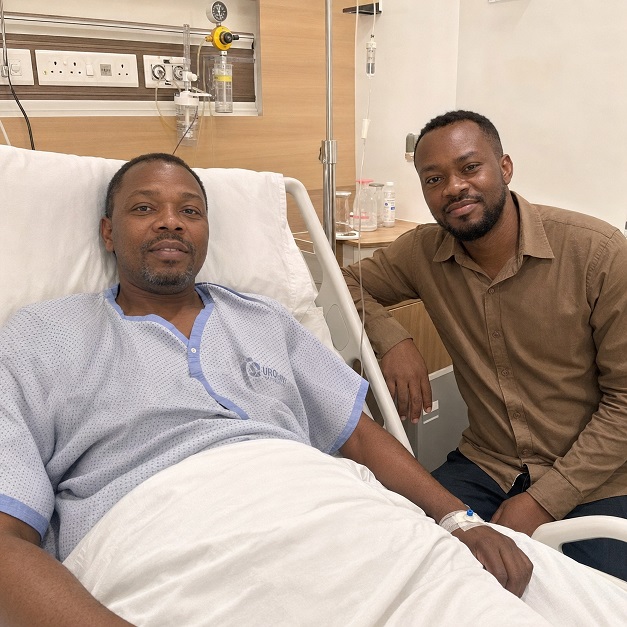
Healing Journeys of Zambian Patients



Key Takeaways
- The guide explains that penile implants are generally considered when oral medicines, injections or vacuum devices have failed or are unsuitable. For Zambian patients, sickle cell disease is an especially important cause because repeated priapism can permanently damage erectile tissue and lead to erectile dysfunction at a younger age.
- The page 1 chart presents an illustrative 32.6% prevalence of priapism among men with sickle cell disease versus 2.0% among men without sickle cell disease in the cited Nigerian cohort. The guide therefore stresses that men with sickle cell disease should be warned about priapism and understand that an erection lasting more than four hours requires emergency treatment.
- The page 2 awareness chart shows that approximately 95% of men in the cited US sickle-cell-related priapism cohort did not know priapism could occur, compared with only 5% who were aware. The accompanying timeline explains why early treatment matters: treatment within 4–6 hours may preserve erectile tissue, while prolonged untreated episodes can result in permanent corporal fibrosis and eventually require implant surgery.
- The guide compares malleable and inflatable implants. Inflatable devices generally provide a more natural experience and higher satisfaction but have more mechanical components and a greater possibility of future repair. Malleable implants are simpler and generally more straightforward, which may be particularly relevant when access to specialist follow-up in Zambia is limited.
- When choosing an Indian urologist and hospital, the guide recommends checking the surgeon's annual penile implant volume, personal infection and revision rates, experience with scarred tissue from previous priapism, and willingness to discuss both device types. NABH accreditation, ideally JCI, should also be verified, along with the hospital's infection-prevention protocols.
- The page 3 cost chart gives an indicative penile implant cost of approximately US$8,000 in India, compared with US$20,000 in the UK and US$25,000 in the US. The guide advises obtaining a written, itemised quotation covering the device, surgery and hospital stay and arranging a Zambian urologist for postoperative follow-up, including documentation of the exact device brand and model.
Quick Facts
- Author
- Dr. Dheeraj Bojwani
- Experience
- 24+ Years of Experience
- Treatment
- Penile Implant Surgery
- Patients
- Zambian Men with Erectile Dysfunction
- Key Specialist
- Urologist / Andrologist
- Main Assessment
- Cause of erectile dysfunction and suitability for penile implant
- Common Cause
- Sickle cell-related priapism
- Key Emergency
- Priapism lasting more than 4 hours requires urgent treatment
- Implant Options
- Malleable and inflatable penile implants
- Malleable Implant
- Simpler device with bendable rods and fewer mechanical components
- Inflatable Implant
- Pump-operated device designed to provide a more natural erection
- Key Selection Factor
- Individual anatomy, preferences and long-term follow-up access
- Surgeon Check
- Annual penile implant experience, infection rates and revision rates
- Hospital Check
- NABH accreditation, ideally JCI
- India Cost
- Approximately US$8,000
- Pre-Travel Records
- Medical history, priapism history and previous erectile-dysfunction treatment
- Device Documentation
- Implant brand and model should be recorded for future care
- Follow-Up
- Long-term urological follow-up should be arranged in Zambia
- Key Safety Point
- Ask how the centre manages patients with corporal scarring caused by previous priapism
In Brief
For Zambian men considering a penile implant, the guide's key message is to address priapism early and select the implant according to anatomy, preferences and realistic follow-up access. Inflatable implants may provide a more natural experience, while malleable devices can offer simpler long-term management. The guide gives an indicative cost of US$8,000 in India.
Why the path here is often different
In much of the West, erectile dysfunction requiring a penile implant is typically linked to older age, diabetes, cardiovascular disease, or surgery for prostate cancer. Here, an additional and distinctly regional cause deserves serious attention: sickle cell disease. Men living with sickle cell disease experience priapism — a prolonged, unwanted erection unrelated to sexual activity — at a dramatically higher rate than men without the condition, and recurrent episodes can permanently scar the erectile tissue, leading to erectile dysfunction at a much younger age than the typical Western patient.
Diabetes also deserves mention here, since its prevalence is rising sharply across the region and it remains a major cause of erectile dysfunction in its own right, often less responsive to standard oral medication than other causes. A man with diabetes experiencing erectile difficulty should have his overall diabetes control reviewed as part of any evaluation, since better blood sugar management can sometimes improve symptoms even before other treatments are considered.
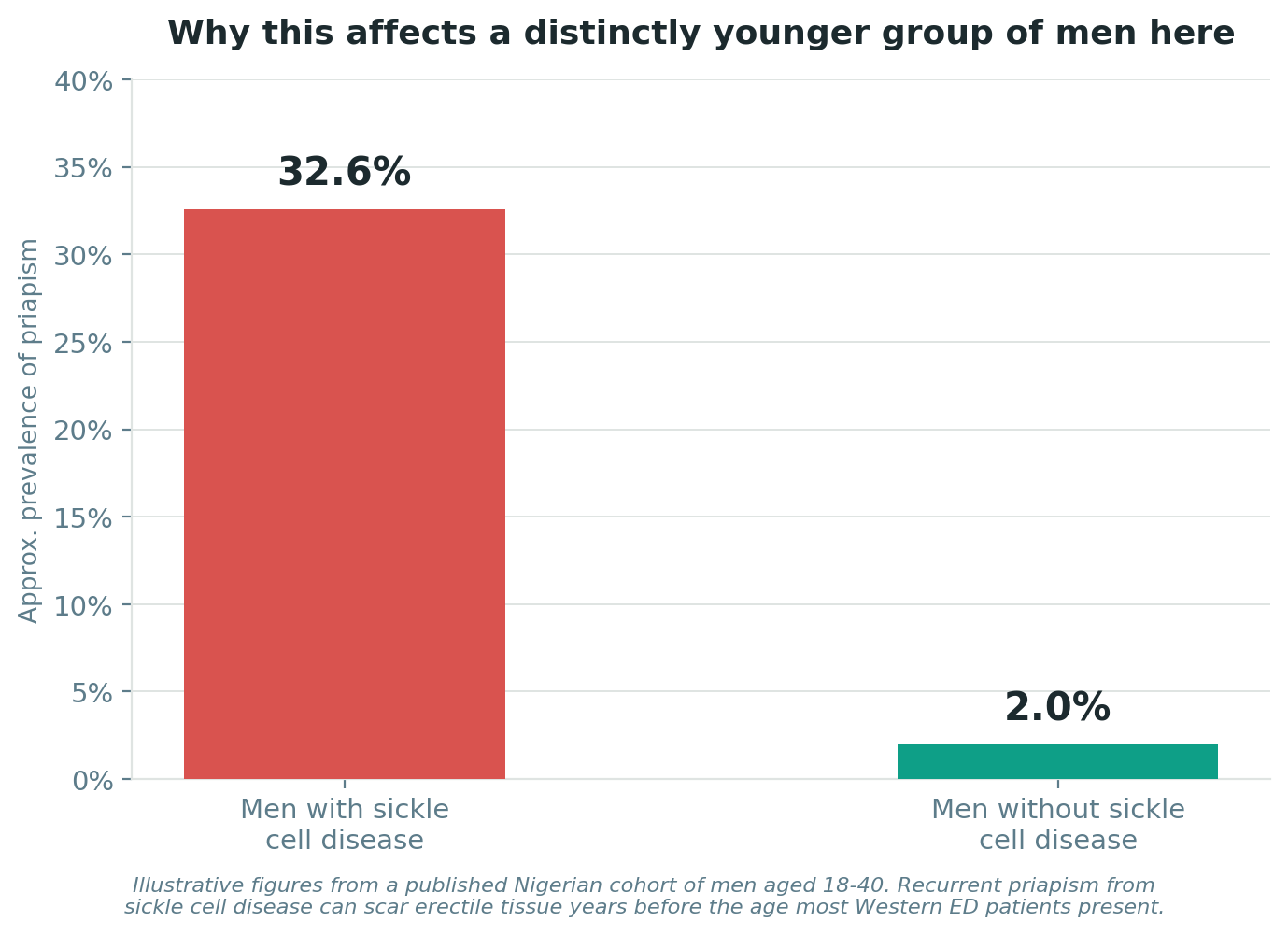
This is why penile implant surgery here often involves considerably younger men than in Western practice.
Priapism is a medical emergency, not something to endure privately
An erection lasting more than four hours, without ongoing sexual stimulation, is a genuine urological emergency. If it is not treated promptly, the blood trapped inside the penis becomes starved of oxygen, and the erectile tissue can scar permanently — this is precisely how repeated episodes eventually lead to the kind of tissue damage that makes a penile implant the only remaining path to a functioning erection. Yet in published research, almost no men with sickle cell disease had ever been told that priapism was a possible complication of their condition before it happened to them.
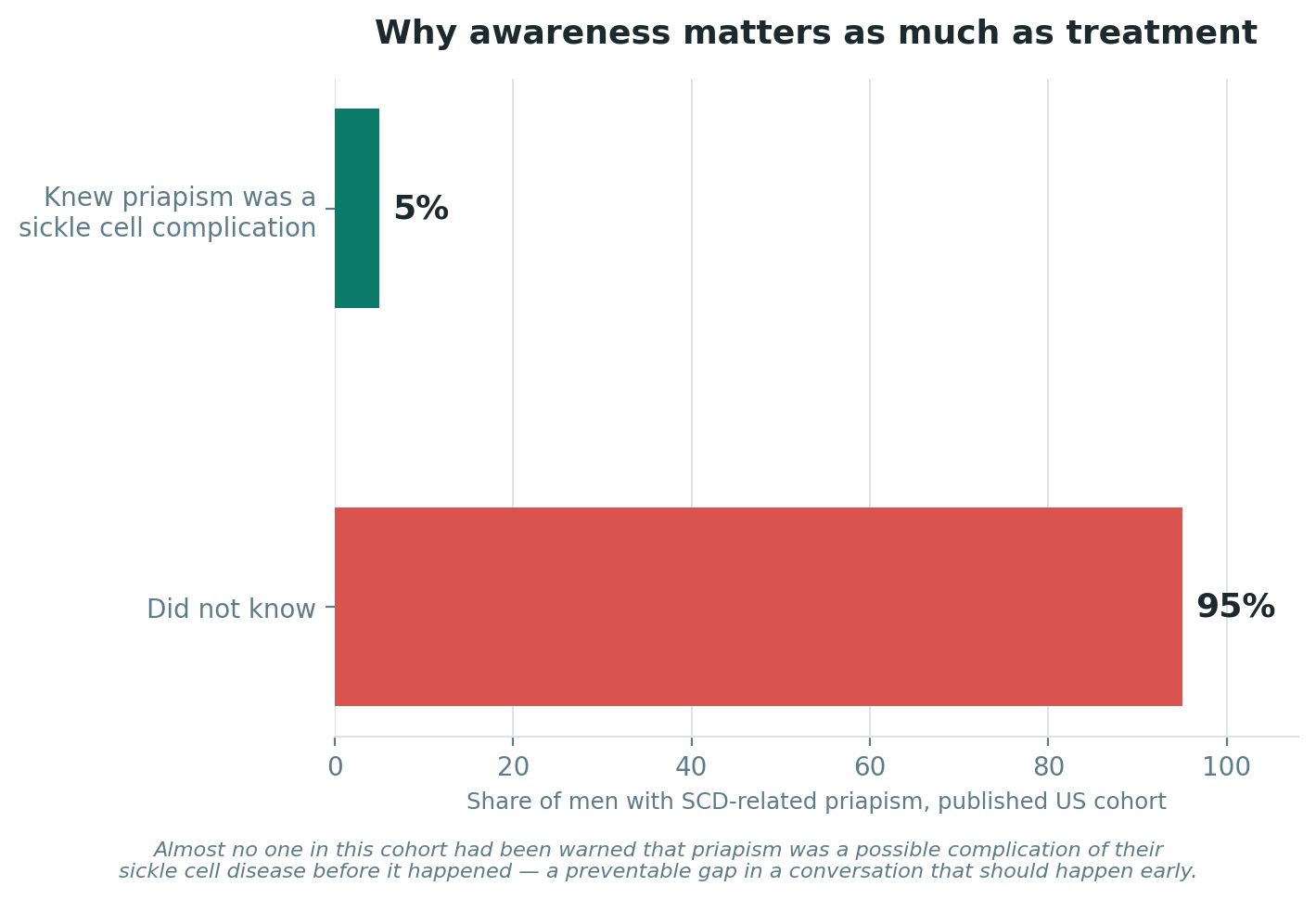
If you or a family member has sickle cell disease, this is a conversation worth having with your doctor before an emergency happens, not after.
The window for effective treatment is narrow, and understanding it can be the difference between a fully preserved erection and permanent damage requiring surgery years later.
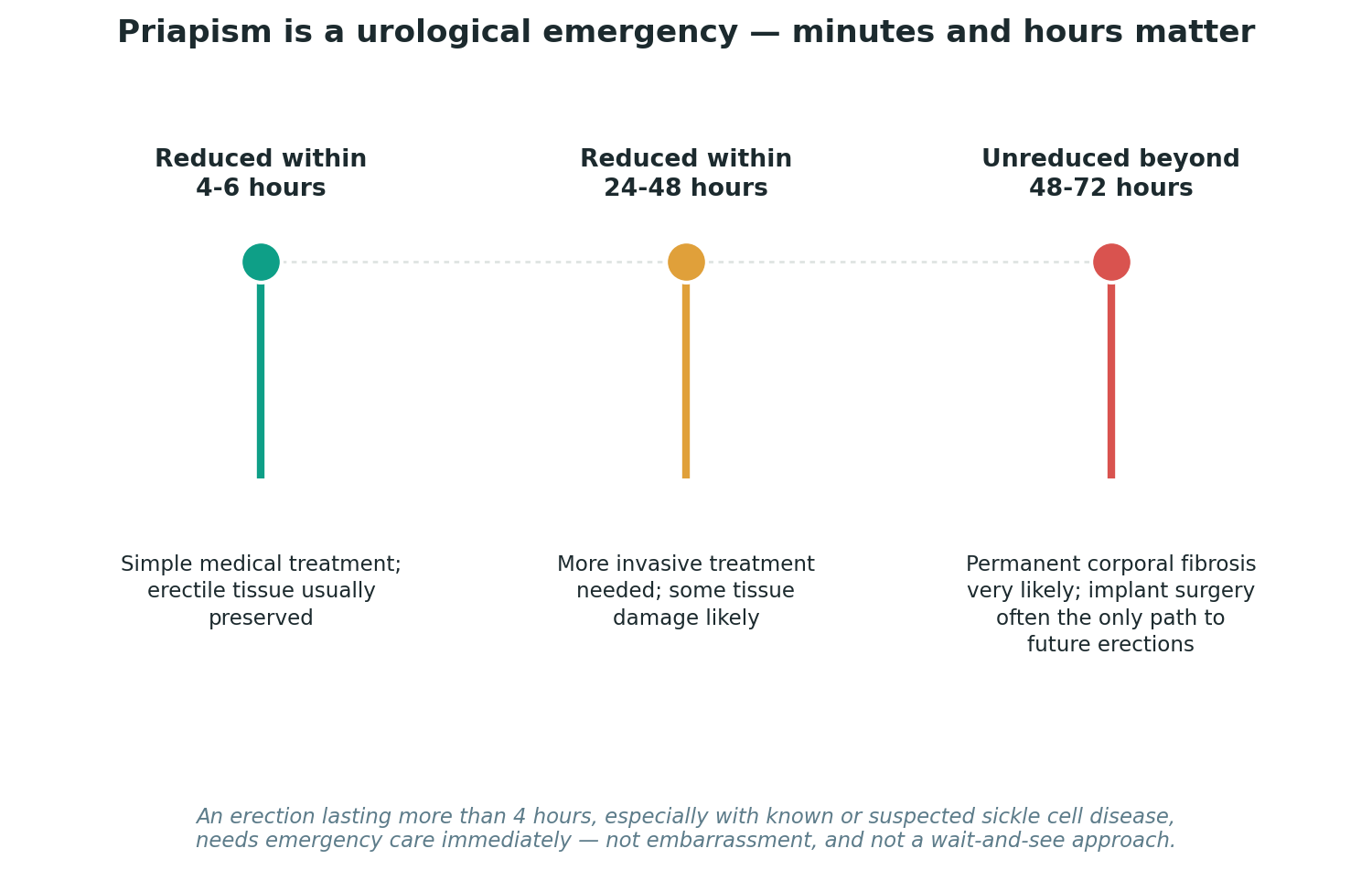
Embarrassment is understandable, but it should never be a reason to delay emergency care.
| Your situation | Typical approach | What it involves |
|---|---|---|
| An erection lasting more than 4 hours, not related to sexual activity | Emergency medical treatment, same day | Prompt treatment can often preserve erectile tissue and avoid the need for future surgery |
| Erectile dysfunction not responding to oral medication | Further evaluation before considering an implant | Injections and vacuum devices are usually tried first, unless there is a specific reason to move to surgery sooner |
| Erectile dysfunction from prior priapism, diabetes, or after prostate surgery, confirmed unresponsive to other treatments | Penile implant surgery | A malleable (bendable rod) or inflatable (pump-operated) device, chosen based on your anatomy and preferences |
| Significant corporal scarring from repeated priapism episodes | More complex implant surgery, by an experienced surgeon | Scarred tissue makes the operation technically more demanding, making surgeon experience particularly important |
Choosing the right type of implant
Malleable implants are simple bendable rods, always firm, positioned up for sexual activity and down otherwise. Inflatable implants use a pump, usually placed in the scrotum, to move fluid into cylinders for an erection that can be released afterward, giving a more natural experience. Published research consistently finds higher patient and partner satisfaction with inflatable devices, but also a meaningfully higher rate of mechanical failure over time, since they have more moving parts. Malleable devices are simpler, generally more reliable long-term, and involve a more straightforward operation, which is worth discussing honestly if your access to specialist follow-up care is likely to be limited.
This choice is worth thinking through carefully rather than defaulting to whichever device sounds more advanced. A malleable implant that works reliably for years may ultimately serve a man better than an inflatable device offering a more natural experience but a higher chance of needing a further operation to repair or replace a mechanical component — particularly if that further operation would mean another trip abroad. Neither option is simply better; the right choice depends on your specific circumstances and priorities.
Choosing the surgeon and the hospital
Ask directly how many penile implant procedures the surgeon performs each year, since this is a subspecialty within urology requiring dedicated experience, particularly for cases involving corporal scarring from prior priapism. Ask about their personal infection and revision rates, and confirm they will discuss both malleable and inflatable options honestly rather than defaulting to whichever device the hospital stocks most of.
Check accreditation (NABH, ideally JCI), and if scarring from previous priapism episodes is part of your history, ask specifically about the surgeon's experience with this more complex scenario, since it can require specialised techniques beyond a standard implant procedure.
It is also worth asking about infection prevention protocols specifically, since infection is one of the more serious potential complications of this surgery and can affect the final outcome. A confident, experienced centre will describe clear, specific measures they take before and during surgery to minimise this risk.
Cost and value: how to weigh the money honestly
Penile implant surgery in a good Indian hospital costs a small fraction of the equivalent procedure in the West, and India has substantial experience with both malleable and inflatable devices. The saving is real, but the choice of device type should be based on your anatomy, health, and realistic access to follow-up care, not on price alone.
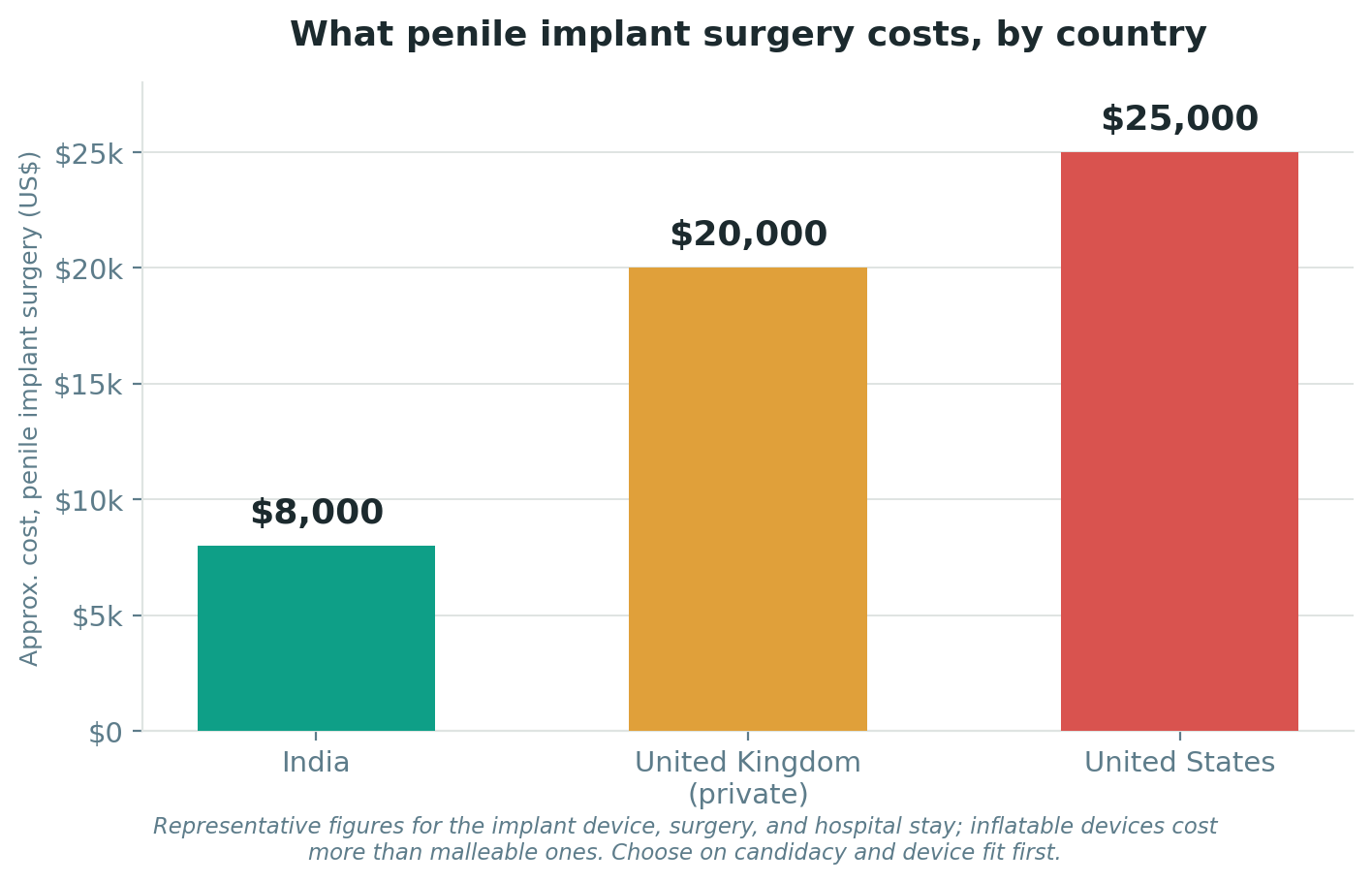
India's affordability is genuine — but the right device for your situation matters more than the lowest price.
In 24 years of arranging these journeys, I have found that patients who ask direct, specific questions about device type, surgeon experience, and realistic long-term maintenance tend to be far more satisfied with their outcome than those who choose based on cost alone. Ask for a written, itemised quote covering the device, surgery, and hospital stay.
What a Zambian patient should weigh in particular
Beyond the surgical decision itself, several practical matters deserve attention. First, payment: NHIMA funds care at accredited facilities inside Zambia, not treatment abroad, so this comes from your own resources. Second, if you or a family member has sickle cell disease, have an open conversation with your Zambian doctor now about recognising and responding to priapism, rather than waiting for a crisis. Third, aftercare: arrange with a Zambian urologist to take over your follow-up before you travel, and insist the Indian team provides a complete written operative report, including the exact device brand and model.
Fourth, give yourself realistic time to heal before resuming sexual activity, following your surgeon's specific guidance, since rushing this can affect both comfort and the durability of the result. Most surgeons recommend a defined waiting period after surgery, and following it carefully is part of giving the implant the best chance of working well for years to come.
The practical journey from Zambia
India requires a yellow fever vaccination certificate from travellers arriving from Zambia, valid only from ten days after the injection. Your medical visa is issued by the High Commission of India on Pandit Nehru Road in Lusaka against the hospital's invitation letter. There is no direct flight from Zambia to India; you will connect through Addis Ababa on Ethiopian Airlines, or through Dubai, Doha or Nairobi. Send your relevant medical history, including any history of priapism, diabetes, or prior pelvic surgery, for remote review before you travel, since this shapes both device choice and surgical complexity.
Straight answers for Zambian Patients about Penile Implant Surgery in India
I have sickle cell disease. What should I do if I have an unwanted erection lasting a long time?
Seek emergency medical care immediately if it lasts more than four hours, regardless of embarrassment. Prompt treatment gives the best chance of preserving erectile tissue and avoiding the need for surgery later.
Is a penile implant a last resort?
For most men, it is offered after other treatments — oral medication, injections, vacuum devices — have been tried and have not worked, or are not suitable. It is a well-established, highly effective option at that stage, not an experimental one.
Should I choose a malleable or inflatable implant?
This depends on your anatomy, preferences, and realistic access to follow-up care. Inflatable devices tend to feel more natural and have higher satisfaction rates, but carry a higher chance of needing a repair procedure over time. Discuss both options honestly with your surgeon.
Can I still have children after a penile implant?
A penile implant does not affect fertility directly, though the underlying cause of your erectile dysfunction, or any prior treatment for it, might. This is worth discussing specifically with your urologist if having children is a priority for you.
Will people be able to tell I have an implant?
No. Both malleable and inflatable implants are placed entirely inside the body and are not visible or noticeable to others in daily life. This is a private medical device, and there is no outward sign of it.
Sources
- 🌐 Medical visa, Lusaka — High Commission of India, requirements & process: hcizambia.gov.in/page/medical-visa
- 🌐 Hospital accreditation (India) — Verify a hospital's NABH accreditation: nabh.co
- 🌐 National Health Insurance (Zambia) — NHIMA cover, treatment abroad is not covered: nhima.co.zm
- 🌐 Ministry of Health Zambia — National health services & guidance: moh.gov.zm
- 🌐 National Medical Commission (verify a surgeon) — Confirm a surgeon's registration in India: nmc.org.in
- 🌐 WHO yellow fever — Vaccination requirements before travel: who.int/health-topics/yellow-fever
A Closing Word
Of everything I help patients with, this is a subject too often carried in silence, when the medical facts deserve a straightforward, unembarrassed conversation. If you send me your medical history, including any relevant history of sickle cell disease or priapism, I will help you understand honestly what has caused your erectile dysfunction, which type of implant genuinely suits your situation, and which centres in India have the specific experience to treat you well.
Frequently Asked Questions by Zambian Patients about Penile Implant Surgery in India
When is a penile implant considered?
It is generally considered when oral medicines, injections or vacuum devices have failed or are unsuitable.
Why is sickle cell disease important in this guide?
Sickle cell disease can cause recurrent priapism, which may permanently damage erectile tissue and eventually lead to erectile dysfunction.
When is priapism an emergency?
An erection lasting more than four hours and unrelated to ongoing sexual activity requires immediate medical attention.
What is the difference between malleable and inflatable implants?
Malleable implants use bendable rods and are mechanically simpler. Inflatable implants use a pump and generally provide a more natural erection but have more mechanical components.
Which implant is better?
Neither is universally better. The choice should consider anatomy, preferences, health, surgeon experience and access to future specialist follow-up.
How much does penile implant surgery cost in India?
The guide gives an indicative cost of approximately US$8,000, compared with US$20,000 in the UK and US$25,000 in the US.
What should I ask the surgeon?
Ask about annual penile implant experience, infection and revision rates, experience with scarred tissue and the surgeon's approach to both malleable and inflatable devices.
Can I still have children after receiving an implant?
The guide states that a penile implant does not directly affect fertility, although the underlying cause of erectile dysfunction may be relevant to fertility.
What should I arrange after returning to Zambia?
Arrange follow-up with a Zambian urologist and obtain a complete operative report documenting the exact device brand and model.
What should I send before travelling to India?
Send your relevant medical history, previous priapism episodes, sickle cell history, diabetes history and prior pelvic surgery or erectile-dysfunction treatment records for review before travel.
Page Summary
This five-page Zambia-to-India medical travel guide explains penile implant surgery, with particular emphasis on sickle cell-related priapism, emergency treatment, implant selection, surgeon experience, costs and postoperative care. The page 1 chart shows 32.6% priapism prevalence among men with sickle cell disease versus 2.0% without sickle cell disease in the cited Nigerian cohort. The page 2 charts highlight limited awareness of priapism and the importance of treating prolonged erections promptly. The page 3 cost chart gives an indicative penile implant cost of US$8,000 in India, compared with US$20,000 in the UK and US$25,000 in the US.
Citation Block
| Topic | Information |
|---|---|
| Topic | Penile Implant Surgery in India for Zambian Patients |
| Treatment | Penile Implant Surgery |
| Patients | Zambian Men with Erectile Dysfunction |
| Specialist | Urologist |
| Main Assessment | Cause of ED and implant suitability |
| Key Cause | Sickle cell-related priapism |
| Emergency Sign | Erection lasting more than 4 hours |
| Implant Options | Malleable or inflatable |
| Surgeon Check | Annual implant volume and revision/infection rates |
| Complex Cases | Experience with corporal scarring |
| Accreditation | NABH, ideally JCI |
| Safety Check | Infection-prevention protocols |
| India Cost | Approximately US$8,000 |
| UK Cost | Approximately US$20,000 |
| US Cost | Approximately US$25,000 |
| Pre-Travel Records | Medical, priapism and treatment history |
| Follow-Up | Zambian urologist |
| Key Statistic | 32.6% vs 2.0% illustrative priapism prevalence |
| Awareness Statistic | 95% vs 5% in cited cohort |
| Device Check | Exact brand and model documented |
| Patient Pathway | ED assessment → previous-treatment review → implant selection → surgery → healing → long-term follow-up |
| Decision Principle | Match implant type and surgical expertise to the patient's circumstances |


Our Mission Statement
Our mission is to place patients at the centre of every healthcare decision by providing trustworthy, evidence-based, and unbiased medical information. We believe that informed patients make better decisions. Backed by personalised guidance from our experienced advisory team, we help patients understand their treatment options, compare them objectively, and confidently choose the path that best suits their medical needs and personal circumstances.
Patient Testimonials from Zambia


Ready to Take the First Step?
Share your Medical Reports with our Healthcare Managers Today and Get a FREE CONSULTATION, a Personalized Treatment Plan, and Complete Support from Arrival to Recovery.
Get Your Free ConsultationAreas We Serve
This resource has been thoughtfully prepared for patients from Zambia who are considering medical treatment in India. We also welcome patients from the wider region in the countries mentioned below-
We assist patients from:
- Zambia
- Angola
- Malawi
- Zimbabwe
- Botswana
- Namibia
- South Africa
- Eswatini
- Lesotho
- Gabon
- Chad
- Equatorial Guinea
- São Tomé and Príncipe
- Republic of the Congo
- Democratic Republic of the Congo
Many of the insights, treatment pathways, hospital recommendations, travel guidance, and patient support services described here are equally relevant and may be used as a reference when planning treatment in India.
From Zambia to India: Your Complete Patient Support Guide
- Best Weight-Loss (Bariatric) Surgeons & Hospitals in India for Zambian Patients
- Best Brain-Tumour Surgeons & Hospitals in India for Zambian Patients
- Best Cancer Doctors & Hospitals in India for Zambian Patients
- Best Cardiac Surgeons & Hospitals in India for Zambian Patients
- Best Cosmetic Surgeons & Facilities in India for Zambian Patients
- Best CyberKnife Treatment Teams & Centres in India for Zambian Patients
- Best Dentists & Dental Clinics in India for Zambian Patients
- Best Heart Valve Replacement Surgeons & Hospitals in India for Zambian Patients
- Best Hip Surgeons & Hospitals in India for Zambian Patients
- Best Knee Surgeons & Hospitals in India for Zambian Patients
- Best Neurosurgeons & Hospitals in India for Zambian Patients
- Best Paediatric Cardiac Surgeons & Hospitals in India for Zambian Patients
- Best Paediatric Neurosurgeons & Hospitals in India for Zambian Patients
- Best Prostate Surgeons & Hospitals in India for Zambian Patients
- Best Scoliosis Surgeons & Hospitals in India for Zambian Patients
- Best Spine Surgeons & Hospitals in India for Zambian Patients
- Best Bone Marrow Transplant Teams & Hospitals in India for Zambian Patients
- Best Kidney Transplant Surgeons & Hospitals in India for Zambian Patients