

Pancreatic Cancer Surgery in India for Zambian Patients
In a region where viral hepatitis is common, new jaundice is often assumed to be hepatitis by default — but painless jaundice, especially with weight loss, is a classic warning sign of something else entirely, and deserves imaging, not just a hepatitis test.
Pancreatic cancer is one of the more technically demanding cancers to treat surgically, and the operation used to remove tumours in the head of the pancreas — the Whipple procedure — is among the most complex in all of general surgery. Two things matter more here than in almost any other guide in this series: recognising the specific pattern of symptoms that should prompt investigation, and understanding that where this surgery is performed matters enormously to survival. In 24 years of guiding cancer patients through treatment abroad, I have found both of these points are too often missed, with real consequences.
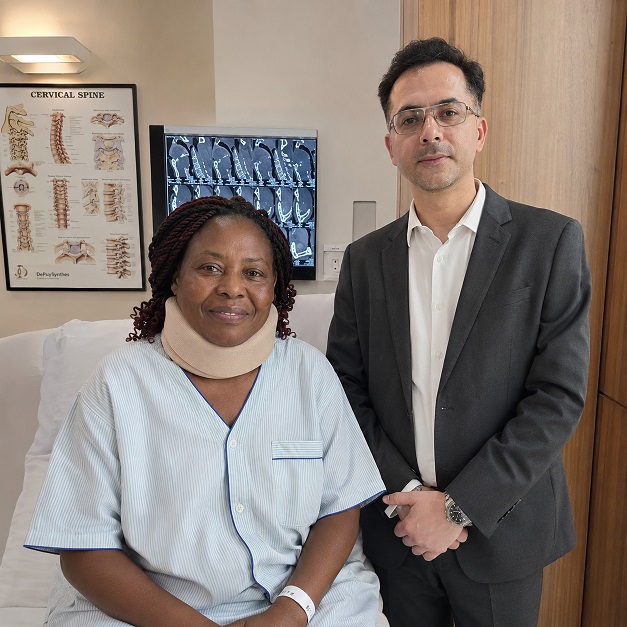
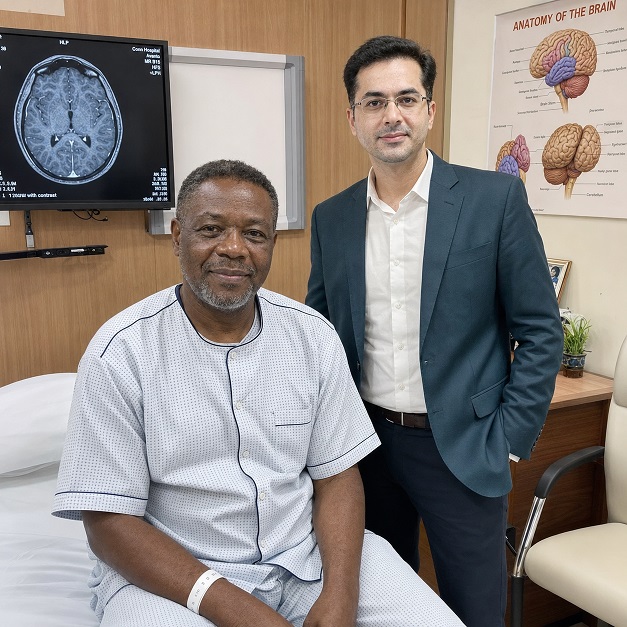
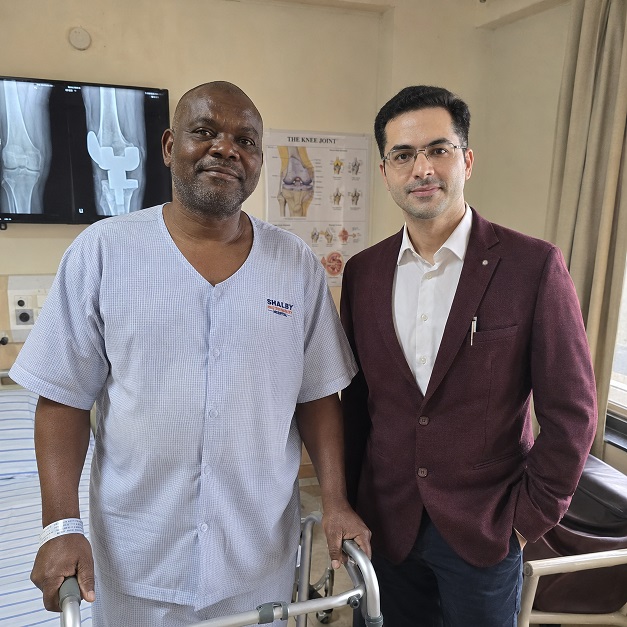
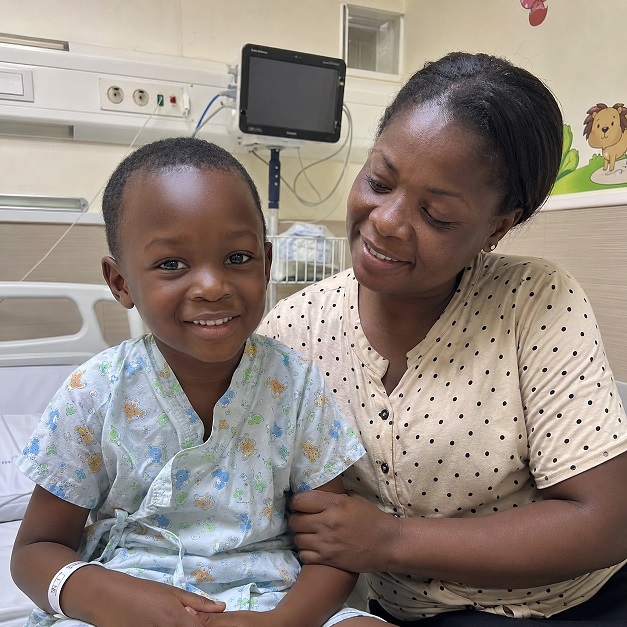
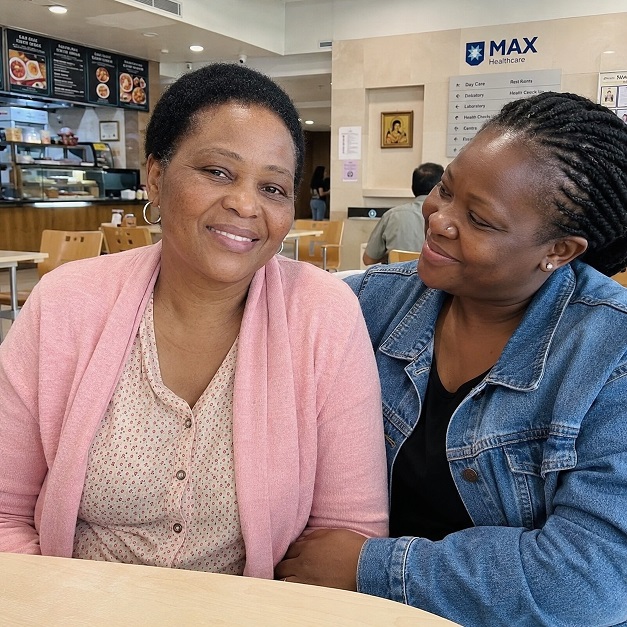
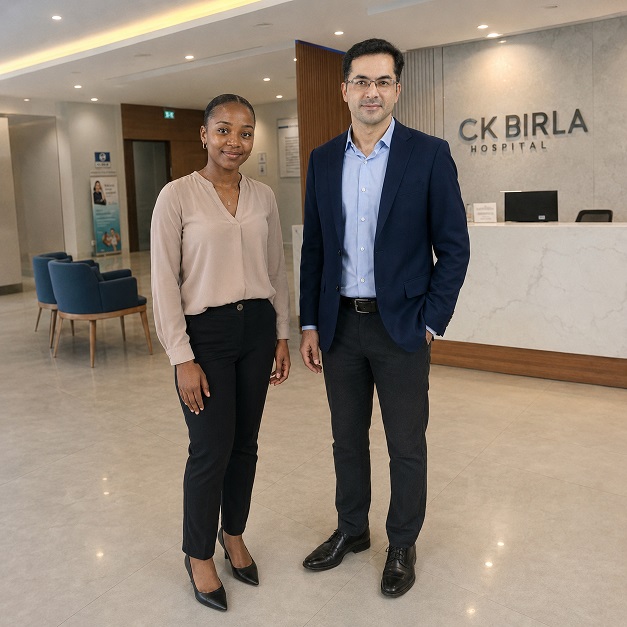
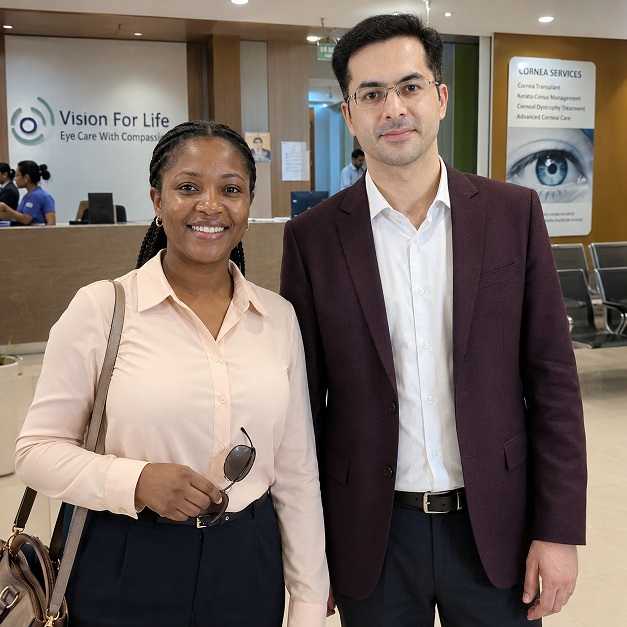
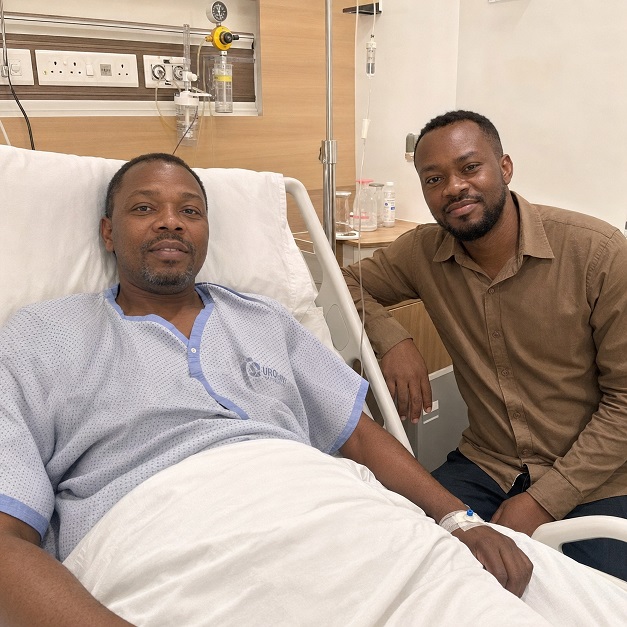
Healing Journeys of Zambian Patients
Key Takeaways
- The guide highlights painless, gradual jaundice, particularly when accompanied by weight loss, pale stools or dark urine, as an important warning pattern that should prompt imaging of the pancreas and bile ducts rather than assuming hepatitis alone. The page 1 diagram explains how the pattern of jaundice can help determine the urgency and direction of investigation.
- For pancreatic tumours close to major blood vessels, an initial diagnosis of “inoperable” is not always final. Borderline-resectable or locally advanced tumours may sometimes respond to neoadjuvant chemotherapy and subsequently become suitable for surgery. The page 2 chart illustrates approximately 35% becoming operable after neoadjuvant chemotherapy in the cited illustrative series.
- The guide places exceptional emphasis on Whipple procedure experience and hospital volume. Published data cited in the guide shows in-hospital mortality of approximately 16.3% at low-volume centres compared with 3.8% at high-volume centres, demonstrating why patients should ask specifically about the number of Whipple procedures performed by both the centre and the individual surgeon.
- When choosing an Indian centre, the guide recommends a genuine multidisciplinary pancreatic cancer team, NABH accreditation and ideally JCI accreditation, strong intensive-care and postoperative support, and clear experience managing complications such as delayed gastric emptying and pancreatic leak. Patients should also ask for the surgeon's personal complication and mortality rates rather than relying only on the hospital's general reputation.
- The page 4 cost chart gives an indicative cost of approximately US$12,000 in India for a Whipple procedure and hospital/ICU stay, compared with US$45,000 in the UK and US$90,000 in the US. The guide recommends obtaining a written, itemised quotation covering the complete treatment plan, including neoadjuvant chemotherapy where required, surgery and the extended hospital stay.
- Recovery from Whipple surgery is substantial, with the guide indicating one to two weeks in hospital followed by several weeks of recovery at home. Removal of part of the pancreas can also affect digestion and blood-sugar control, so patients should arrange follow-up with a Zambian oncology team and receive a complete operative report before returning home.
Quick Facts
- Author
- Dr. Dheeraj Bojwani
- Experience
- 24+ Years of Experience
- Treatment
- Pancreatic Cancer Surgery
- Patients
- Zambian Cancer Patients
- Key Specialist
- Pancreatic Surgeon / Surgical Oncologist
- Main Assessment
- Imaging, pathology and tumour resectability
- Key Warning Sign
- Painless gradual jaundice with weight loss
- Key Surgery
- Whipple Procedure
- Key Treatment Option
- Neoadjuvant chemotherapy for selected borderline/locally advanced tumours
- India Cost
- Approximately US$12,000
- Pre-Travel Records
- Imaging, pathology and blood-test results
- Hospital Stay
- Approximately 1–2 weeks
- Follow-Up
- Zambian oncology team
- Key Safety Check
- High-volume Whipple centre
- Decision Principle
- Prioritise specific pancreatic surgery experience over price alone
In Brief
For Zambian patients with suspected pancreatic cancer, the guide's key message is to confirm the diagnosis with appropriate imaging and choose a genuinely high-volume Whipple centre. Painless jaundice with weight loss deserves pancreatic imaging, while some tumours initially considered inoperable may become operable after neoadjuvant chemotherapy. The guide gives an indicative Whipple cost of US$12,000 in India.
Why painless jaundice deserves specific attention here
Yellowing of the skin and eyes has many possible causes, and in this region, viral hepatitis is a common and reasonable first assumption. But the pattern of jaundice tells an experienced clinician a great deal. Jaundice caused by gallstones or infection tends to come on suddenly, often with pain and fever. Jaundice caused by a tumour blocking the bile duct — whether in the pancreas or nearby structures — tends to develop gradually and painlessly, often alongside pale stools, dark urine, and unexplained weight loss.
This is not a reason for alarm at the first sign of yellowing skin, since hepatitis genuinely is common and remains the more likely explanation in many cases. It is, however, a reason to insist that the specific pattern of your symptoms is properly considered, and that a hepatitis diagnosis is confirmed with appropriate testing rather than assumed purely because it is common and jaundice is present.
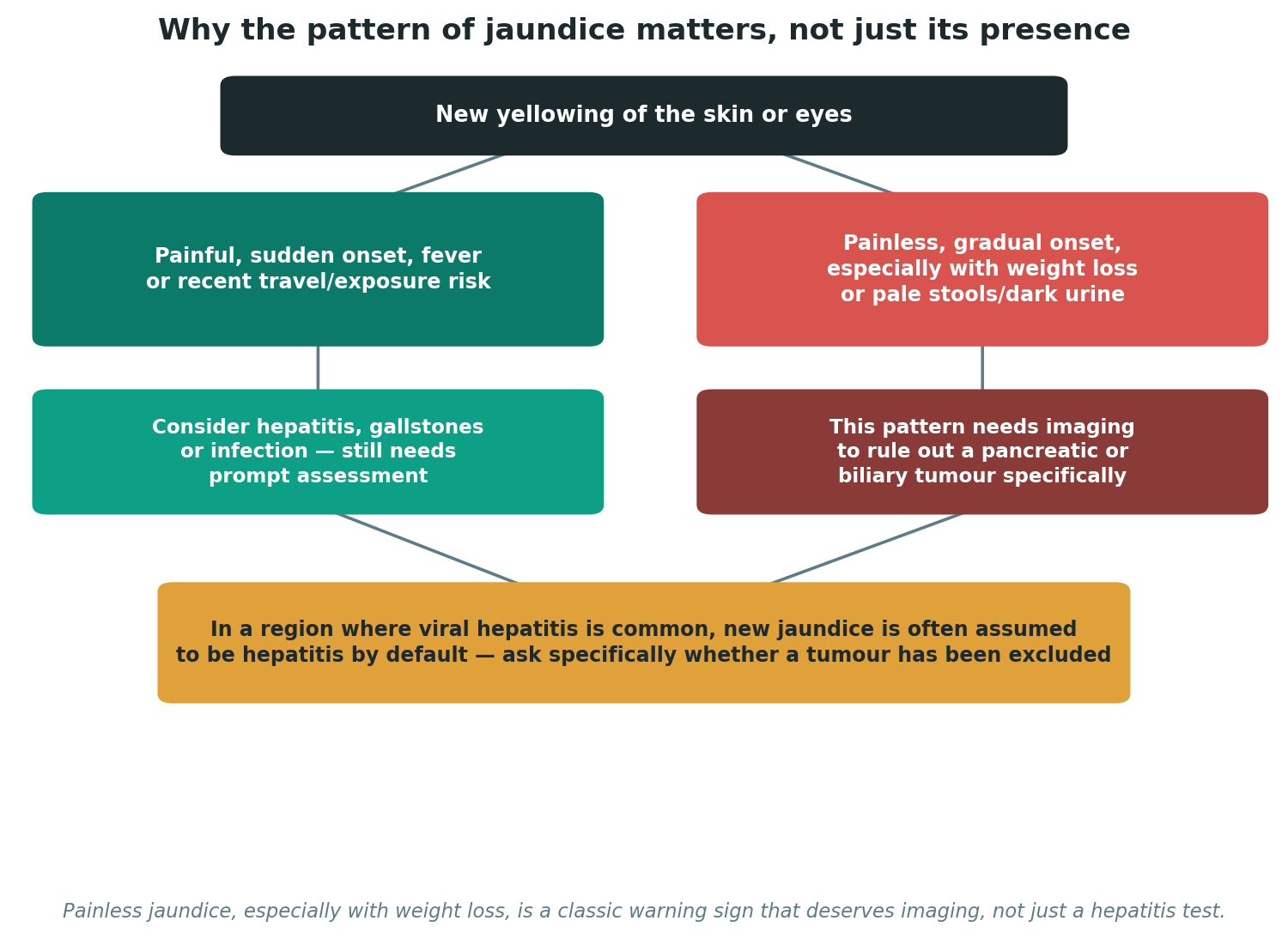
This pattern is a classic warning sign that deserves imaging specifically, not only a hepatitis test.
This distinction matters because painless jaundice is one of the few genuinely early warning signs pancreatic cancer offers — much of the disease produces few symptoms until it has already spread. Recognising the pattern, and asking specifically for imaging to rule out a tumour rather than accepting a hepatitis diagnosis by default, can make a meaningful difference to how early the cancer is found.
| Your situation | Typical approach | What it involves |
|---|---|---|
| Painless, gradual jaundice with weight loss, pale stools or dark urine | Imaging to rule out a pancreatic or biliary tumour | CT or MRI scan specifically looking at the pancreas and bile ducts, not only liver blood tests |
| Tumour confined to the pancreas, no spread, favourable location | Surgery (Whipple procedure or similar) | Removal of the tumour and surrounding structures, at a centre with genuine experience in this specific operation |
| Tumour bordering major blood vessels, initially called "inoperable" | Reassessment for neoadjuvant chemotherapy | Chemotherapy given before surgery to shrink the tumour, sometimes making surgical removal possible afterward |
| Cancer already spread to distant organs | Systemic treatment, surgery not appropriate | Chemotherapy focused on controlling the disease and quality of life, rather than removal |
Why "inoperable" is not always the final answer
When a pancreatic tumour is found close to major blood vessels, it is sometimes classified as borderline resectable or locally advanced — not confined enough for straightforward surgical removal, but not necessarily spread to distant organs either. In this situation, chemotherapy given before surgery, known as neoadjuvant therapy, can sometimes shrink the tumour enough to make removal possible afterward. This is a genuinely important second opinion to seek if you or a family member has been told surgery is not an option, since this assessment depends heavily on the specific expertise of the team reviewing the imaging. This distinction between truly unresectable disease and borderline resectable disease that might respond to neoadjuvant treatment is a genuinely technical judgement, and centres vary considerably in how confidently and accurately they can make it. A specialist pancreatic multidisciplinary team, reviewing detailed cross-sectional imaging, is far better placed to make this call than a general assessment, which is precisely why a second opinion from such a team is worth actively seeking rather than assuming the first verdict is final.
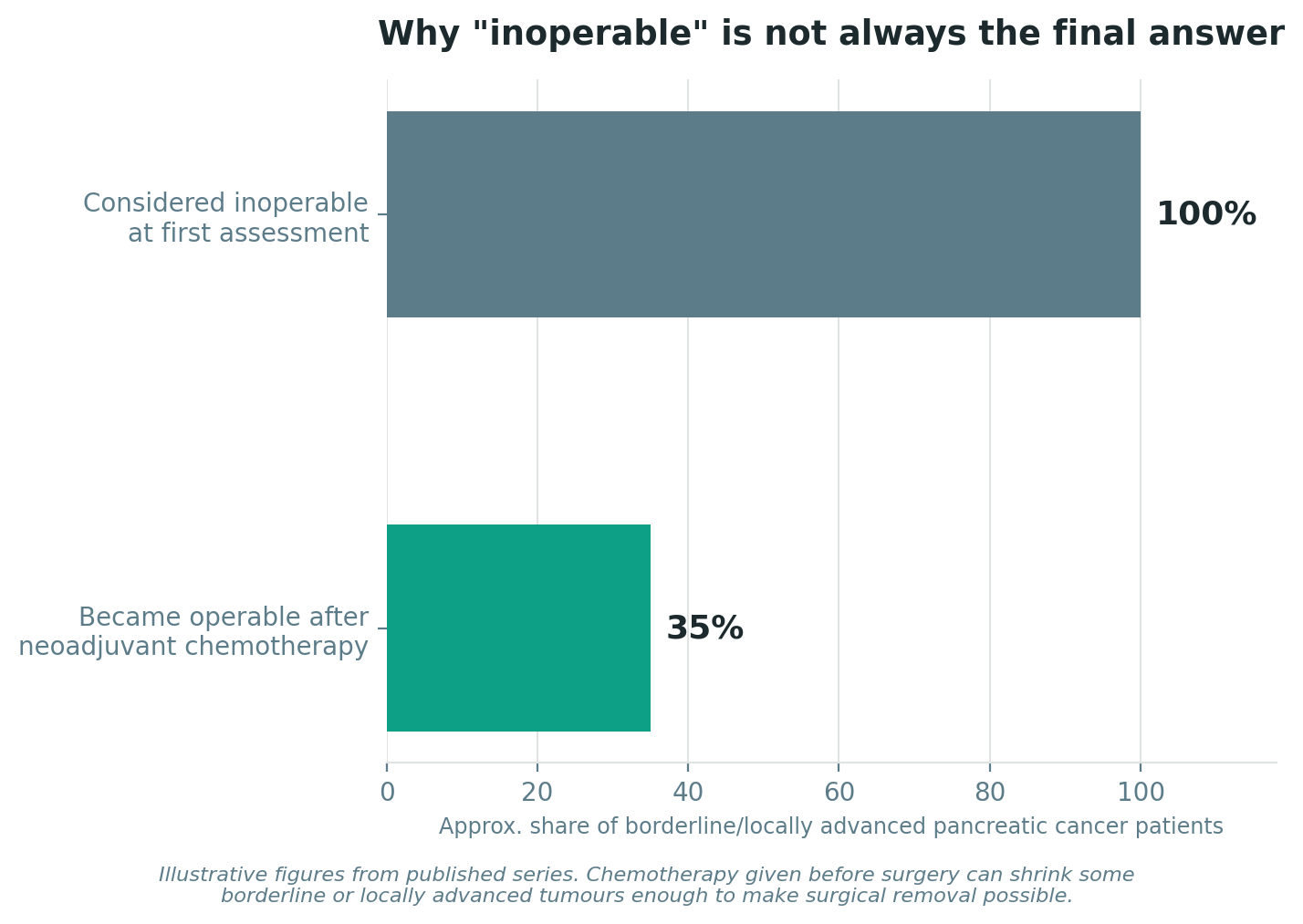
This is a genuine, evidence-based reason to seek a second opinion before accepting "inoperable" as final.
Why the centre performing your surgery matters enormously
The Whipple procedure shows one of the strongest volume-outcome relationships documented for any operation in surgery. Published research following thousands of patients found in-hospital mortality of roughly 16% at low-volume centres, compared with under 4% at high-volume centres performing this operation regularly. This is not a small difference to weigh against convenience or cost — it is one of the most consequential decisions in this entire guide series.
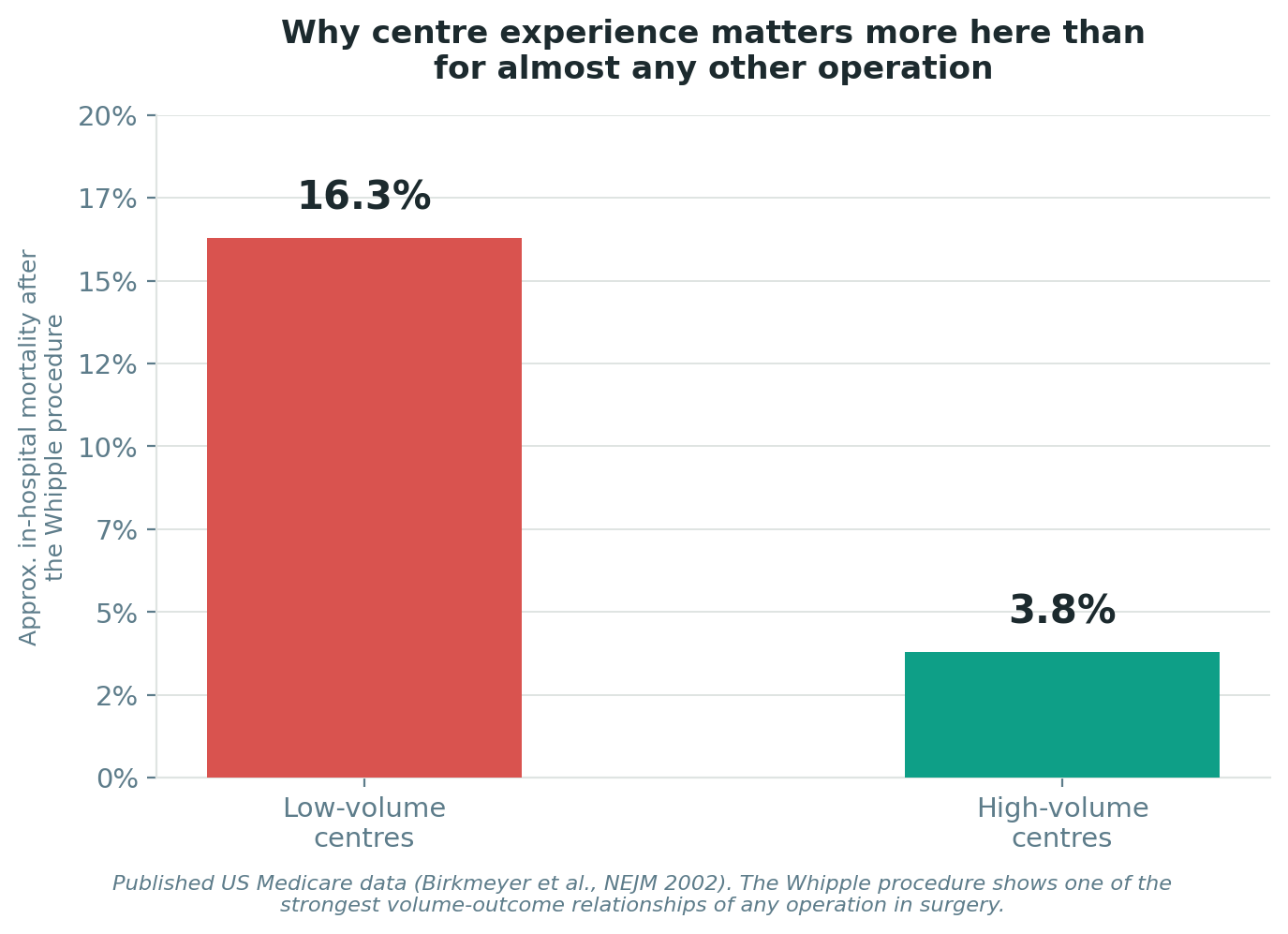
Ask directly how many of these specific operations the centre and surgeon perform each year — this single question matters more than almost any other.
Choosing the surgeon and the hospital
Ask directly how many Whipple procedures the centre and your specific surgeon perform each year, and ask for their personal complication and mortality rates, not just the hospital's general reputation. Confirm that your case is reviewed by a genuine multidisciplinary tumour board, including a discussion of whether neoadjuvant chemotherapy could improve your surgical options, before any final treatment plan is set.
Check accreditation (NABH, ideally JCI), and ask specifically about the centre's intensive care and post-operative support capacity, since this operation carries a genuine risk of complications even at experienced centres, and how well those complications are managed matters as much as the surgery itself.
It is also worth asking specifically about the surgeon's approach to a common complication called delayed gastric emptying, along with pancreatic leak, since these are the two most frequent issues following this operation, and a team's specific plan for recognising and managing them, rather than a vague reassurance, is a genuine marker of real experience.
Cost and value: how to weigh the money honestly
Pancreatic cancer surgery in a good Indian hospital costs a small fraction of the equivalent procedure in the West, and India has centres with genuine, high- volume experience in this specific operation. The saving is real, but for this procedure more than almost any other in this guide series, the cheapest option is not automatically the best value — the volume-outcome relationship is simply too strong to ignore.
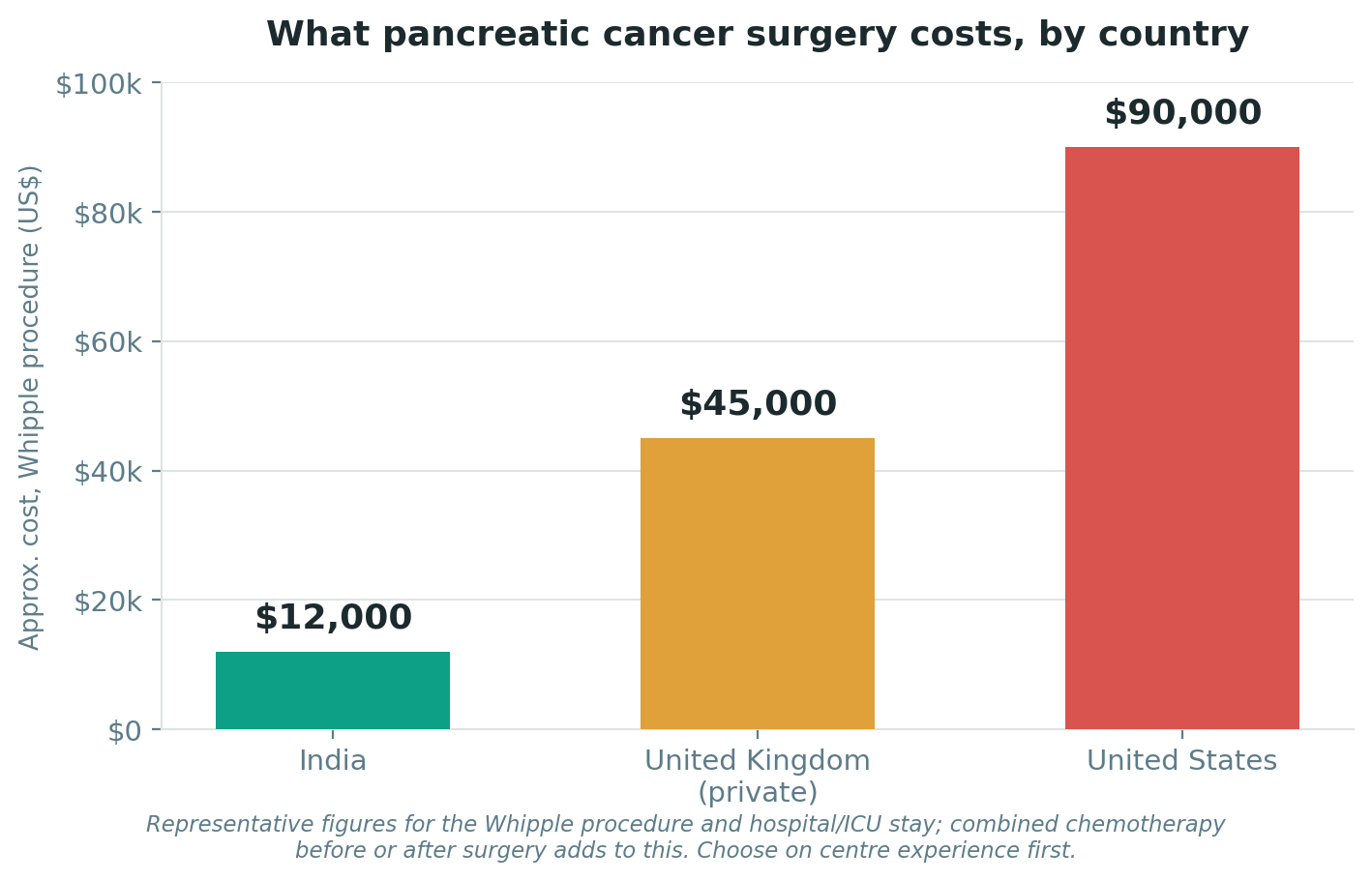
India's affordability is genuine — but centre experience matters more here than for almost any other operation in this series.
In 24 years of arranging these journeys, I have found that patients who insist on knowing a centre's specific case volume before committing tend to have meaningfully better outcomes. Ask for a written, itemised quote covering the complete treatment plan, including any neoadjuvant chemotherapy, surgery, and the extended hospital stay this operation typically requires.
What a Zambian patient should weigh in particular
Beyond the treatment decision itself, several practical matters deserve attention. First, payment: NHIMA funds care at accredited facilities inside Zambia, not treatment abroad, so this comes from your own resources — another reason to be confident in the centre's genuine experience before committing funds. Second, if jaundice is your presenting symptom, ask specifically and directly whether a tumour has been excluded by imaging, rather than accepting a hepatitis diagnosis without this step, particularly if the jaundice is painless and gradual. Third, aftercare: recovery from this surgery is prolonged, so arrange follow-up with a Zambian oncology team before you travel, and insist the Indian team provides a complete written operative report.
Fourth, ask early about the digestive changes that often follow this surgery, since removing part of the pancreas can affect digestion and blood sugar control, sometimes requiring enzyme supplements or adjustments to diet. Understanding this in advance, rather than being surprised by it during recovery, makes the adjustment considerably easier.
The practical journey from Zambia
India requires a yellow fever vaccination certificate from travellers arriving from Zambia, valid only from ten days after the injection. Your medical visa is issued by the High Commission of India on Pandit Nehru Road in Lusaka against the hospital's invitation letter; given the extended hospital stay this surgery requires, plan for an extended-stay medical visa. There is no direct flight from Zambia to India; you will connect through Addis Ababa on Ethiopian Airlines, or through Dubai, Doha or Nairobi. Send your complete imaging, pathology and blood test results, not only a summary, for remote review before you travel, since these determine whether surgery, neoadjuvant therapy, or a different approach is right for you.
Straight answers for Zambian Patients about Pancreatic Cancer Surgery in India
I have jaundice but no pain. Should I assume it's hepatitis?
Not without imaging specifically looking at the pancreas and bile ducts. Painless, gradual jaundice, especially with weight loss, is a classic pattern that deserves investigation for a tumour, not just a hepatitis test.
I was told my pancreatic cancer is inoperable. Is that always final?
Not necessarily. If the tumour is borderline resectable or locally advanced rather than clearly spread to distant organs, chemotherapy given before surgery can sometimes shrink it enough to make removal possible. This is worth a specific second opinion from a specialist pancreatic surgical team.
Why does it matter so much which hospital performs this surgery?
The Whipple procedure has one of the strongest documented relationships between how often a centre performs it and how safely patients come through the operation. Published data shows mortality roughly four times higher at low-volume centres compared with high-volume ones.
What does recovery from this surgery involve?
This is major surgery, and recovery reflects that — typically one to two weeks in hospital, followed by weeks of recovery at home before returning to normal activities. Plan your travel, finances and support around this realistic timeline.
Sources
- 🌐 Medical visa, Lusaka — High Commission of India, requirements & process: hcizambia.gov.in/page/medical-visa
- 🌐 Hospital accreditation (India) — Verify a hospital's NABH accreditation: nabh.co
- 🌐 National Health Insurance (Zambia) — NHIMA cover, treatment abroad is not covered: nhima.co.zm
- 🌐 Ministry of Health Zambia — National health services & guidance: moh.gov.zm
- 🌐 National Medical Commission (verify a surgeon) — Confirm a surgeon's registration in India: nmc.org.in
- 🌐 WHO yellow fever — Vaccination requirements before travel: who.int/health-topics/yellow-fever
A Closing Word
Of everything I help patients weigh, pancreatic cancer is where two questions matter more than almost anything else: was the diagnosis actually confirmed with proper imaging, and does the centre performing your surgery have genuine, specific experience with this exact operation. If you send me your imaging, pathology and blood test results, I will help you understand honestly what your options are, and which centres in India have the deep, specific experience to give you the best possible chance.
Frequently Asked Questions by Zambian Patients about Pancreatic Cancer Surgery in India
Does painless jaundice always mean pancreatic cancer?
No. Hepatitis, gallstones and other conditions can also cause jaundice. However, gradual painless jaundice with weight loss, pale stools or dark urine should prompt imaging to exclude a pancreatic or biliary tumour.
What is the Whipple procedure?
The Whipple procedure is a complex operation used primarily for tumours located in the head of the pancreas. It removes the tumour and surrounding structures and requires significant surgical expertise.
Is “inoperable” always final?
Not necessarily. Some borderline-resectable or locally advanced tumours may respond to neoadjuvant chemotherapy, potentially allowing surgery later. A specialist pancreatic second opinion can therefore be valuable.
Why does hospital volume matter so much?
The guide cites a strong relationship between Whipple volume and outcomes, with approximately 16.3% in-hospital mortality at low-volume centres versus 3.8% at high-volume centres.
How much does Whipple surgery cost in India?
The guide gives an indicative cost of approximately US$12,000, including the Whipple procedure and hospital/ICU stay. The actual quotation depends on the patient's condition and treatment plan.
What should I ask the surgeon before choosing a hospital?
Ask how many Whipple procedures the surgeon personally performs each year, along with personal complication and mortality rates and the centre's overall volume.
What complications should patients discuss?
The guide specifically highlights pancreatic leak and delayed gastric emptying as important postoperative complications and recommends asking how the centre identifies and manages them.
How long is recovery after Whipple surgery?
The guide indicates approximately one to two weeks in hospital, followed by several weeks of recovery at home before returning to normal activities.
What should I send before travelling to India?
Send complete imaging, pathology and blood-test results, not only summaries. These allow the specialist team to determine whether surgery, neoadjuvant chemotherapy or another treatment approach is appropriate.
Can pancreatic surgery affect digestion and blood sugar?
Yes. Removing part of the pancreas can affect digestion and blood-sugar control. Some patients may require pancreatic enzyme supplements or dietary adjustments during recovery.
Page Summary
This five-page Zambia-to-India medical travel guide explains pancreatic cancer surgery, focusing on recognising painless jaundice, assessing tumour resectability, considering neoadjuvant chemotherapy and choosing a high-volume Whipple centre. The page 1 diagram distinguishes painful versus painless jaundice and highlights when pancreatic imaging is appropriate. The page 2 chart shows an illustrative 35% proportion of borderline/locally advanced patients becoming operable after neoadjuvant chemotherapy, while the page 3 chart compares 16.3% mortality at low-volume centres with 3.8% at high-volume centres. The page 4 cost chart gives an indicative Whipple cost of US$12,000 in India, compared with US$45,000 in the UK and US$90,000 in the US.
Citation Block
| Topic | Information |
|---|---|
| Topic | Pancreatic Cancer Surgery in India for Zambian Patients |
| Treatment | Pancreatic Cancer Surgery / Whipple Procedure |
| Patients | Zambian Cancer Patients |
| Specialist | Pancreatic Surgeon / Surgical Oncologist |
| Main Assessment | Imaging, pathology and resectability |
| Key Warning Sign | Painless gradual jaundice with weight loss |
| Key Surgery | Whipple Procedure |
| Borderline Disease | Consider neoadjuvant chemotherapy |
| Second Opinion | Important when initially labelled inoperable |
| Centre Check | Annual Whipple procedure volume |
| Team Requirement | Pancreatic multidisciplinary tumour board |
| Complication Check | Pancreatic leak and delayed gastric emptying management |
| India Cost | Approximately US$12,000 |
| UK Cost | Approximately US$45,000 |
| US Cost | Approximately US$90,000 |
| Hospital Stay | Approximately 1–2 weeks |
| Pre-Travel Records | Imaging, pathology and blood tests |
| Follow-Up | Zambian oncology team |
| Quality Check | NABH, ideally JCI |
| Key Statistic | 16.3% vs 3.8% mortality at low- vs high-volume centres |
| Neoadjuvant Figure | ~35% became operable in the cited illustrative series |
| Quote Check | Chemotherapy, surgery, ICU and hospital stay |
| Warning Sign | Accepting “inoperable” without specialist reassessment |
| Patient Pathway | Symptoms → imaging → staging/resectability → tumour board → chemotherapy/surgery → recovery → Zambia follow-up |
| Decision Principle | Specific Whipple experience and accurate resectability assessment are critical |


Our Mission Statement
Our mission is to place patients at the centre of every healthcare decision by providing trustworthy, evidence-based, and unbiased medical information. We believe that informed patients make better decisions. Backed by personalised guidance from our experienced advisory team, we help patients understand their treatment options, compare them objectively, and confidently choose the path that best suits their medical needs and personal circumstances.
Patient Testimonials from Zambia
Ready to Take the First Step?
Share your Medical Reports with our Healthcare Managers Today and Get a FREE CONSULTATION, a Personalized Treatment Plan, and Complete Support from Arrival to Recovery.
Get Your Free ConsultationAreas We Serve
This resource has been thoughtfully prepared for patients from Zambia who are considering medical treatment in India. We also welcome patients from the wider region in the countries mentioned below-
We assist patients from:
- Zambia
- Angola
- Malawi
- Zimbabwe
- Botswana
- Namibia
- South Africa
- Eswatini
- Lesotho
- Gabon
- Chad
- Equatorial Guinea
- São Tomé and Príncipe
- Republic of the Congo
- Democratic Republic of the Congo
Many of the insights, treatment pathways, hospital recommendations, travel guidance, and patient support services described here are equally relevant and may be used as a reference when planning treatment in India.
From Zambia to India: Your Complete Patient Support Guide
- Best Weight-Loss (Bariatric) Surgeons & Hospitals in India for Zambian Patients
- Best Brain-Tumour Surgeons & Hospitals in India for Zambian Patients
- Best Cancer Doctors & Hospitals in India for Zambian Patients
- Best Cardiac Surgeons & Hospitals in India for Zambian Patients
- Best Cosmetic Surgeons & Facilities in India for Zambian Patients
- Best CyberKnife Treatment Teams & Centres in India for Zambian Patients
- Best Dentists & Dental Clinics in India for Zambian Patients
- Best Heart Valve Replacement Surgeons & Hospitals in India for Zambian Patients
- Best Hip Surgeons & Hospitals in India for Zambian Patients
- Best Knee Surgeons & Hospitals in India for Zambian Patients
- Best Neurosurgeons & Hospitals in India for Zambian Patients
- Best Paediatric Cardiac Surgeons & Hospitals in India for Zambian Patients
- Best Paediatric Neurosurgeons & Hospitals in India for Zambian Patients
- Best Prostate Surgeons & Hospitals in India for Zambian Patients
- Best Scoliosis Surgeons & Hospitals in India for Zambian Patients
- Best Spine Surgeons & Hospitals in India for Zambian Patients
- Best Bone Marrow Transplant Teams & Hospitals in India for Zambian Patients
- Best Kidney Transplant Surgeons & Hospitals in India for Zambian Patients