

Paediatric Heart Surgery in India for Zambian Patients
A heart problem in a child is a parent’s deepest fear — but it is also, more often than any adult heart disease, something that can be completely mended. This guide explains what these conditions are, why timing matters so much, and how Zambian families reach the care their child needs.
Let me begin with hope, because with children’s hearts it is warranted. A baby who tires at the breast, a toddler whose lips turn blue when he cries, a small child who cannot keep up and catches every chest infection — these frighten a parent to the core. Yet unlike the worn-out hearts of old age, a child’s heart problem can very often be fixed , once and for good, giving back a full and ordinary life. For 24 years I have helped African families reach that outcome, and the hardest part is rarely the surgery itself — it is getting the child seen, diagnosed, and to the right hands in time. This guide is written to help you do exactly that.
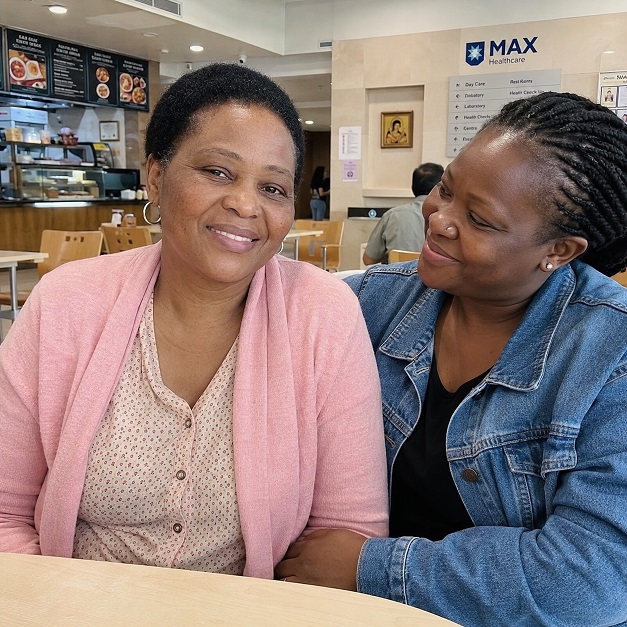
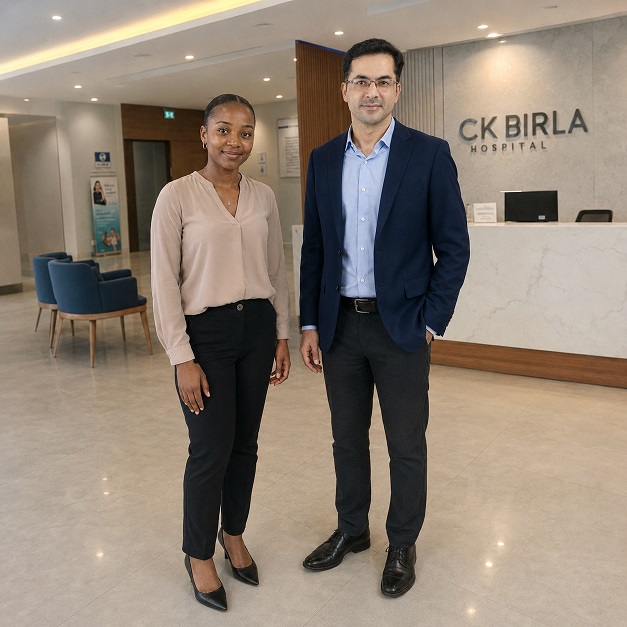
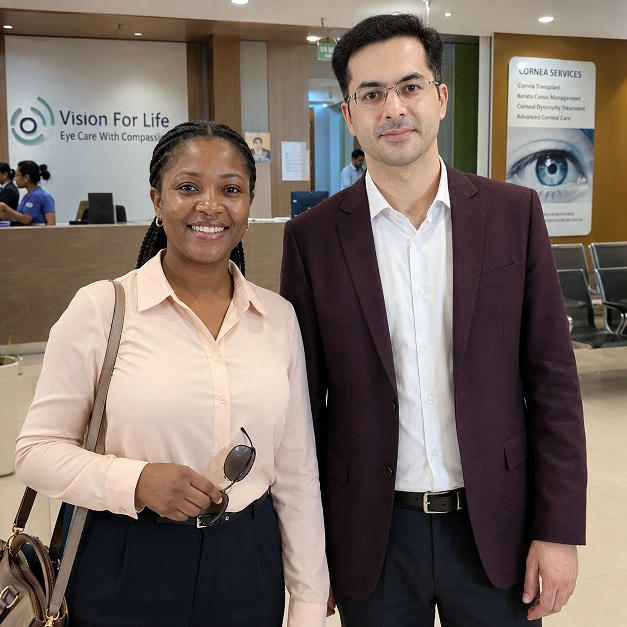
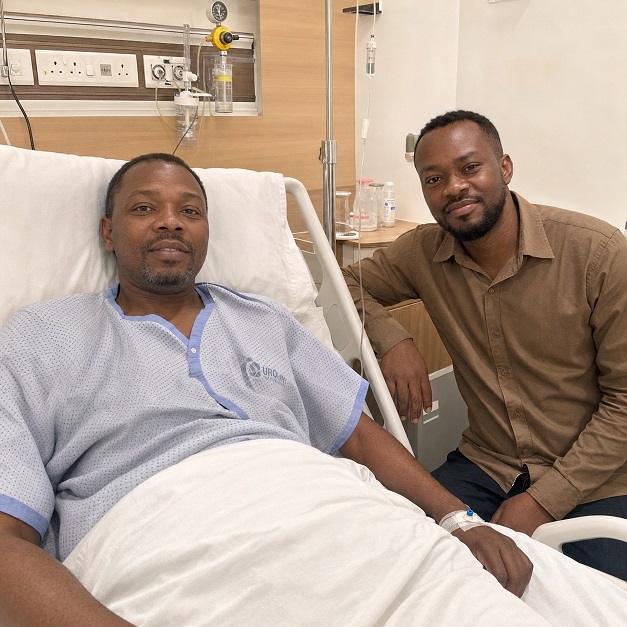
Healing Journeys of Zambian Patients
Key Takeaways
- Paediatric heart surgery is a highly specialised field requiring not simply a cardiac surgeon, but a paediatric cardiac surgeon, children's cardiac anaesthetist, heart-lung-machine specialist experienced with small hearts and a dedicated paediatric cardiac intensive-care unit.
- The guide describes two major types of heart disease affecting children: congenital heart disease, which is present from birth, and rheumatic heart disease, which develops later after rheumatic fever damages the heart valves.
- Congenital heart disease affects approximately 8 in every 1,000 babies, according to the guide. Many congenital defects can be completely corrected, sometimes with a single operation.
- Rheumatic heart disease is different because it is largely preventable. The guide highlights prompt treatment of sore throats and regular protective penicillin after rheumatic fever as important preventive measures.
- Access to children's heart surgery remains extremely limited across sub-Saharan Africa. The page 2 infographic states that fewer than 3 in every 100 African children who need heart surgery actually receive it.
- Timing can determine whether a congenital heart defect remains operable. A large unrepaired hole can expose the lungs to excessive blood flow and eventually cause pulmonary hypertension.
Quick Facts
- Treatment
- Paediatric Heart Surgery
- Country
- India
- Intended Audience
- Zambian Children and Families
- Primary Disease Categories
- Congenital Heart Disease and Rheumatic Heart Disease
- Congenital Heart Disease
- Heart Defect Present from Birth
- Congenital Heart Disease Frequency Cited
- Approximately 8 in Every 1,000 Babies
- Rheumatic Heart Disease
- Acquired Valve Damage Following Rheumatic Fever
- Rheumatic Heart Disease Prevention Highlighted
- Treat Sore Throats and Use Protective Penicillin After Rheumatic Fever
- African Paediatric Heart Surgery Access
- Fewer Than 3 in Every 100 Children Who Need Surgery Receive It
- Follow-Up
- Handover to a Zambian Doctor
- Medical Visa
- Through the High Commission of India in Lusaka
- Medical Attendant Visa
- Parent Should Apply Alongside the Child's Medical Visa
- Travel Routes Mentioned
- Addis Ababa, Dubai, Doha or Nairobi
- Approximate Door-to-Door Journey
- 14–20 Hours
In Brief
Paediatric heart surgery in India for Zambian patients may treat congenital heart defects and acquired conditions such as rheumatic heart disease. Early diagnosis is particularly important because delaying repair of a significant congenital defect may lead to irreversible pulmonary hypertension. The page 4 chart gives a representative cost of approximately US$6,000 for open congenital heart repair in India. Families should obtain an echocardiogram, choose a dedicated paediatric cardiac team and plan approximately three to four weeks in India for treatment and early recovery.
First, should you travel at all?
Here the honest picture matters. Children’s heart surgery is one of the most specialised fields in all of medicine, requiring a paediatric cardiac surgeon, a children’s heart anaesthetist, a dedicated intensive-care unit and equipment sized for tiny bodies. Across sub-Saharan Africa this capacity is desperately scarce — the region has roughly one heart surgeon for every four million people, and only a fraction can operate on children. Zambia’s services, centred on the University Teaching Hospital in Lusaka, are growing and helped by visiting surgical teams, but the reality is that many Zambian children needing heart surgery are referred abroad. This is not a failure of care at home; it is a shortage the whole region shares. When your child needs an operation that simply is not available, or available only after a long wait, reaching a high-volume centre can be the difference between a life saved and a chance lost.
Knowledge first: children’s heart disease is two different stories
Understanding which of two very different problems your child has changes everything.
The first and most common is congenital heart disease — a defect the child is born with, such as a hole between the heart’s chambers, a narrowed valve, or a more complex malformation. It is the most common birth defect of all, affecting roughly eight in every thousand babies, and it happens by chance, not through anything a parent did or did not do. The vital thing to know is that a great many of these defects are completely correctable with surgery — often a single operation that lets the child grow up with a normal heart. The second is rheumatic heart disease , which is acquired later, in older children and teenagers, when an untreated throat infection leads to rheumatic fever that scars the heart valves. Unlike congenital disease, this one is largely preventable — by treating sore throats and, after rheumatic fever, by regular protective penicillin.
The hard truth, and the case for reaching care: the access gap
There is no gentle way to say this, but knowing it may save your child. Across sub-Saharan Africa, fewer than three in every hundred children who need heart surgery actually receive it. The shortage of surgeons, of paediatric heart centres, and of the intensive care that children’s surgery demands means that most children with treatable defects never reach an operating table — and many are diagnosed late, after damage has set in. This is precisely why families who are able to do so travel: not out of preference, but because a fixable heart deserves the chance to be fixed. India has become a leading destination for African children’s heart surgery for exactly this reason — it has the volume, the paediatric expertise and, importantly, the affordability that put that chance within reach.
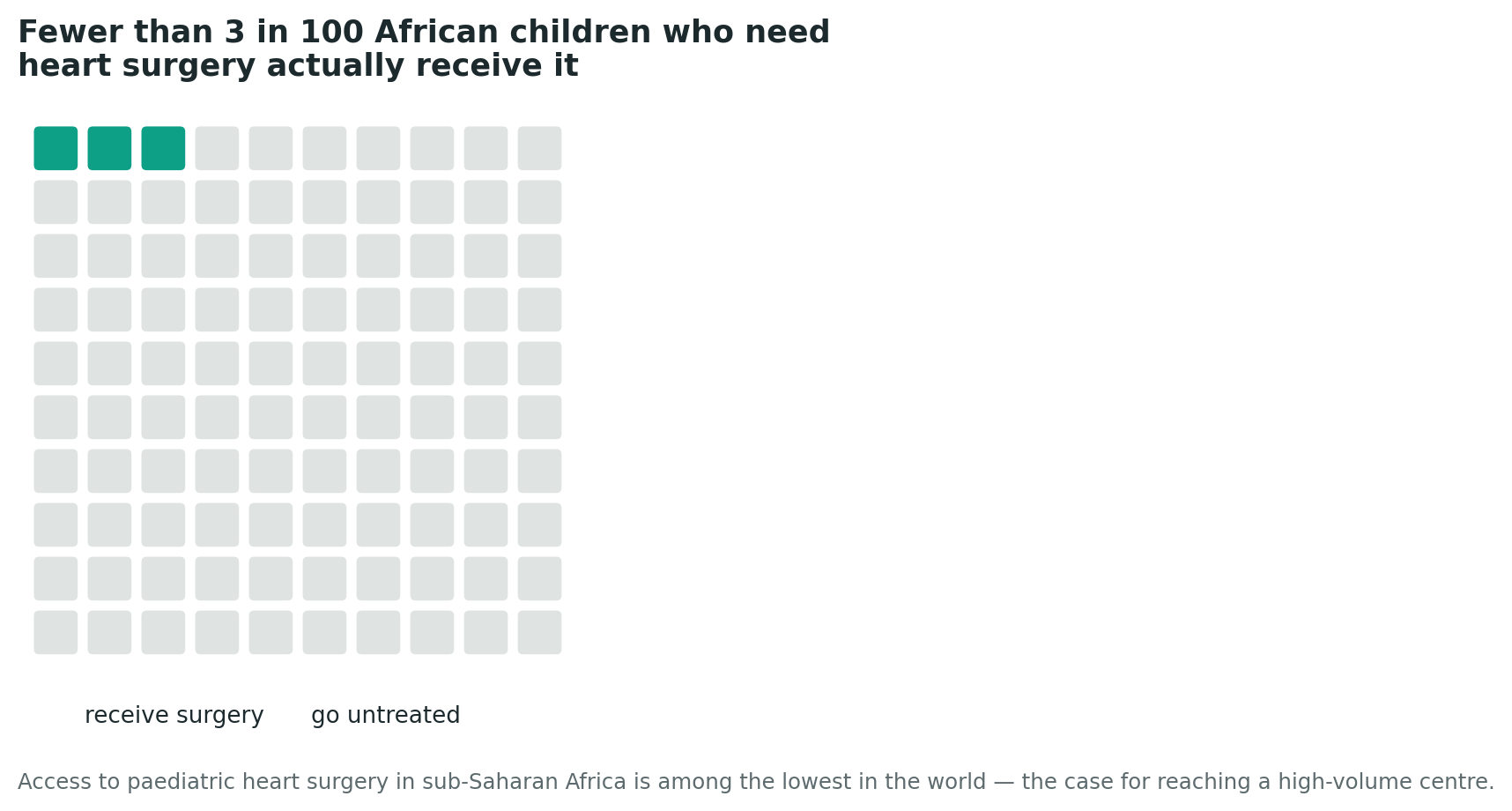
The gap that drives families to travel: most African children who need heart surgery never receive it, though many of their conditions are fully curable.
Why timing is everything: the window can close
If there is one message to take from this guide, it is that a child’s heart defect is usually best repaired young , and that waiting too long can turn a fixable problem into an unfixable one. A large hole in the heart, left unrepaired, floods the lungs with too much blood, and over months and years the lungs’ own vessels thicken and stiffen in response — a change called pulmonary hypertension that, once fully established, cannot be undone and can make the very operation that would once have cured the child too dangerous to perform. The heart defect did not change; the delay did. This is why a blue or breathless baby should never be dismissed as “weak” or “small,” and why early diagnosis and swift referral matter more here than almost anywhere in medicine.
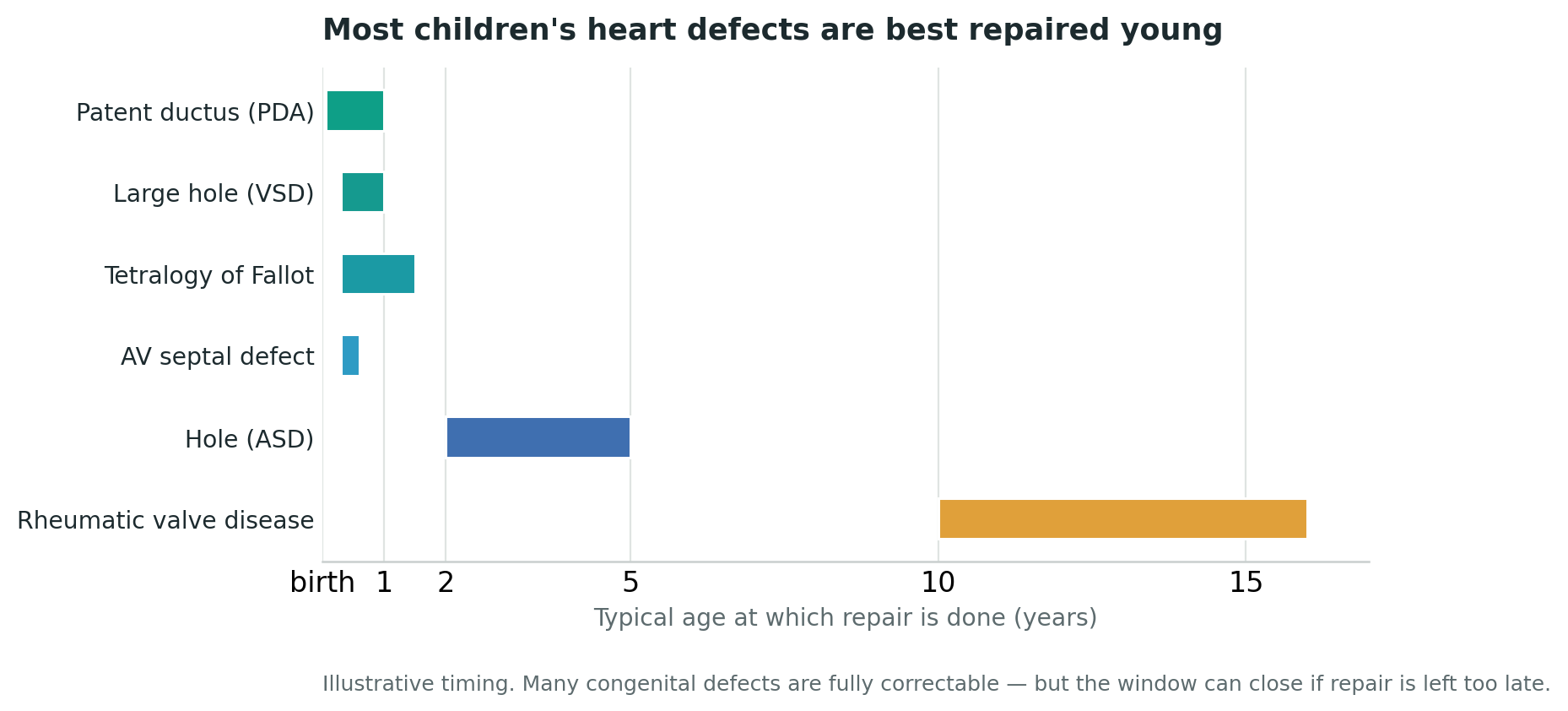
Most congenital defects are repaired in the early years. Many are fully correctable — but the chance is greatest when the repair is not left too late.
The signs every parent should know
Because early detection is so powerful, learn the signs that a child’s heart may need checking. In a baby, watch for blue or dusky lips and tongue , fast or laboured breathing , sweating or breathlessness during feeds , poor feeding and poor weight gain , and unusual tiredness. In an older child, watch for breathlessness on exertion, fainting, or repeated chest infections. A doctor may also hear a heart murmur . None of these proves heart disease — but any of them deserves a proper listen and, if there is doubt, an echocardiogram , the simple ultrasound scan that shows a paediatric cardiologist exactly what the heart is doing. Where newborn pulse-oximetry screening is available, a simple sensor on the skin can catch dangerous defects before a baby even leaves hospital.
Children are not small adults: insist on a paediatric team
This point is not negotiable. A child’s heart is the size of a fist, then smaller, and operating on it safely requires a team trained specifically in children: a paediatric cardiac surgeon , a paediatric cardiac anaesthetist , a heart-lung-machine specialist experienced with small hearts, and a children’s cardiac intensive-care unit with nurses who care for such children every day. An excellent adult heart surgeon is not the right person for a newborn. When you choose where your child is treated, confirm directly that a dedicated paediatric cardiac team and intensive care exist — it is the single most important thing you can verify.
The cost, and help that exists
A child’s heart operation in a good Indian hospital costs a fraction of Western private pricing. At roughly ZK19 to the US dollar in mid-2026, the difference is large in kwacha; confirm the rate before travel, as it moves. Just as importantly, several charitable organisations exist specifically to help fund heart surgery for children from lower-income countries, and many Zambian children have reached care in India through them. Ask your paediatric cardiologist about these programmes early — they can transform what a family thought was impossible into something within reach.
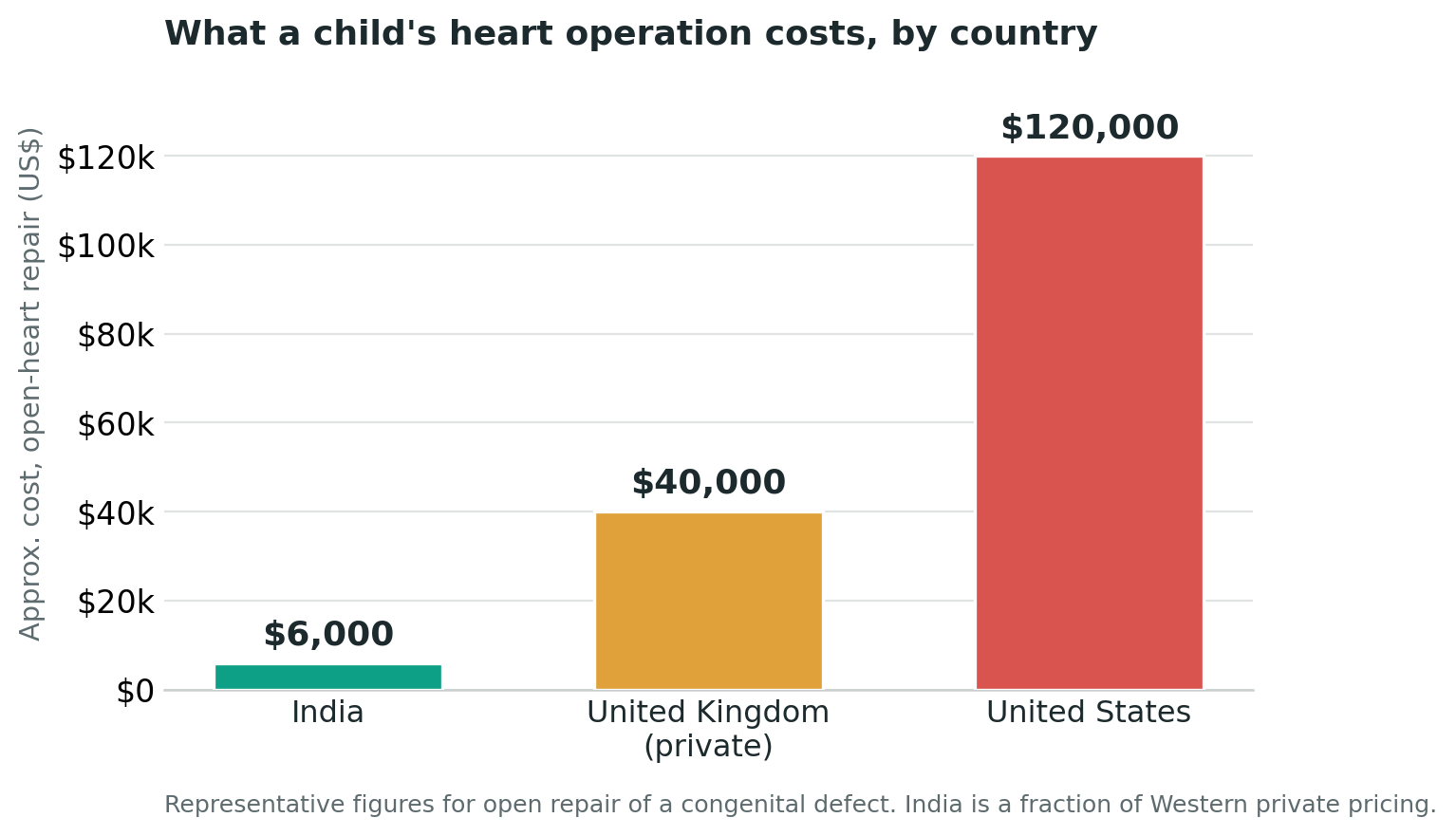
Representative figures. India’s affordability, combined with charitable support for children, is why so many African families reach care there.
In 24 years of arranging these journeys, I have learned that disputes almost never concern the headline price — they concern what it left out: the intensive-care days, which for a child can be several, the medicines, the follow-up scans. Insist on an itemised quote, and ask what happens to the cost if your child needs longer in intensive care.
Why India for a child’s heart
India performs an enormous volume of children’s heart surgery, and its leading centres — accredited internationally by JCI and within India by NABH — carry exactly what a child needs: experienced paediatric cardiac surgeons, dedicated children’s cardiac intensive care, both open surgery and keyhole catheter techniques that can close some holes without opening the chest, and long familiarity with the late-presenting and complex cases common in African children. There are no waiting lists, and English, Zambia’s official language, is the working language of care, which eases an already anxious journey for a family.
Recovery, and when you can fly home
Children are remarkably resilient, and most recover from heart surgery faster than adults do. Expect several days in hospital including intensive care, and a total of around three to four weeks in India before your child is cleared to fly, so the breastbone begins to heal and the team is sure recovery is steady. A parent must travel with the child, and it helps enormously to have that same parent stay throughout. Let the surgeon’s clearance, not a fixed ticket, decide when you fly home.
Life after the operation
Parents often ask what kind of life awaits a child once the heart is mended, and the answer is usually a heartening one. After a successful repair, most children grow, play, attend school and take part in sport like any other — the weight that would not come, the breathlessness, the endless infections often fade as the heart works properly at last. A small scar on the chest is a modest price for that. What matters afterwards is faithful follow-up: regular checks with a cardiologist to be sure the repair is holding as the child grows, and, for a child with a valve or rheumatic disease, protective medication and dental care. With that ongoing attention, a well-timed operation in childhood becomes simply a chapter, not a life sentence.
What the journey looks like
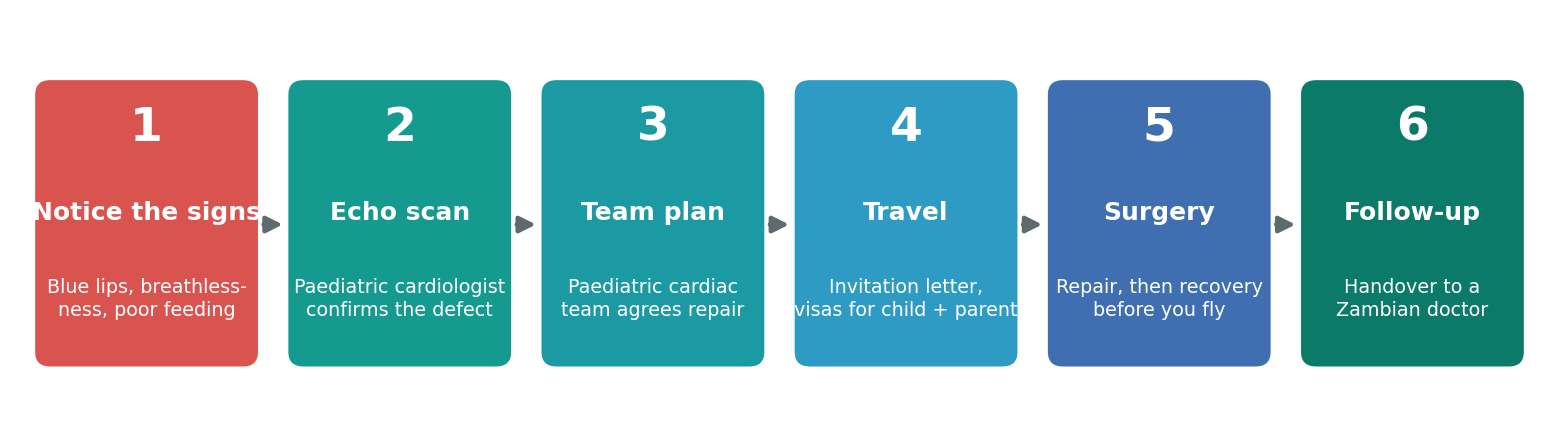
It begins not with surgery but with noticing the signs and getting an echocardiogram. Send that scan and your child’s reports for review from Lusaka, and a good centre will tell you honestly what the defect is, whether and when it should be repaired, and what it will cost — before you commit a single kwacha.
Practicalities for travelling from Zambia
India requires a yellow fever vaccination certificate for travellers arriving from Zambia, valid only ten days after the injection — do not leave it late, and check your child’s routine vaccinations are up to date. Medical visas are issued by the High Commission of India on Pandit Nehru Road in Lusaka against the hospital’s invitation letter; apply for the child’s medical visa and a parent’s medical-attendant visa together. There is no direct flight — you will connect through Addis Ababa on Ethiopian Airlines, or through Dubai, Doha or Nairobi, a door-to-door journey of roughly fourteen to twenty hours; discuss with the team whether your child is fit to fly before booking. Carry the actual echocardiogram and all records, and settle the hospital by traceable bank transfer rather than cash.
On paying for it. Zambia’s National Health Insurance scheme funds care at accredited facilities inside the country, not elective surgery abroad, so a child’s heart surgery in India will usually come from family resources or from charitable support. I would rather you knew that from the first line than discovered it later. Ask your paediatric cardiologist about children’s heart-surgery charities early, and if you hold any private or employer policy, ask the insurer in writing whether an overseas benefit exists.
Four signals that should make you pause
- No dedicated paediatric cardiac team — a hospital offering to operate without children’s intensive care.
- Reassurance without an echocardiogram — that a blue or breathless baby is merely “small” or “weak.”
- A fixed price before proper diagnosis — quoted before your child’s defect has been diagnosed by a paediatric cardiologist.
- Advice to wait and see with a large defect — where delay risks irreversible lung damage, and no follow-up plan for Zambia.
Straight answers for Zambian Patients about Paediatric Heart Surgery in India
Can my child’s heart defect really be cured?
Very often, yes. Many congenital defects are completely correctable with a single operation, after which the child grows up with a normal heart and a normal life. Whether and when depends on the exact defect, which is why an echocardiogram by a paediatric cardiologist is the essential first step.
My baby seems fine now. How urgent is it?
Some defects allow time; others must be repaired early, because waiting can cause permanent lung damage that makes the operation too risky later. Only a paediatric cardiologist, after an echocardiogram, can tell you which your child has — so seek that assessment promptly rather than waiting for symptoms to worsen.
My child is living with HIV. Can they still have heart surgery?
Yes. With well-controlled HIV, children undergo heart surgery and recover well. Keep to their treatment, bring their latest results, and share them openly so the team can plan safely.
We cannot afford it. Is there any help?
Possibly. Several charities fund heart surgery for children from lower-income countries, and many African children have reached care in India through them. Ask your paediatric cardiologist about these programmes as early as you can — do not assume cost makes it impossible before you have asked.
Sources & Useful Links
- 🌐 Medical visa (India), Lusaka — High Commission of India, requirements & process: hcizambia.gov.in/page/medical-visa
- 🌐 National Health Insurance (Zambia) — NHIMA cover and accredited facilities: nhima.co.zm
- 🌐 Ministry of Health, Zambia — referrals and national health services: moh.gov.zm
- 🌐 University Teaching Hospitals, Lusaka — including the Children’s Hospital: uth.gov.zm
- 🌐 Hospital accreditation (India) — verify a hospital’s NABH accreditation: nabh.co
- 🌐 Yellow fever & travel health — WHO vaccination guidance: who.int/health-topics/yellow-fever
A closing word
If you send me your child’s echocardiogram and a note on their history, I will help you understand what the defect is, whether and when it should be repaired, and how a Zambian family can reach the right paediatric cardiac team — including which charitable programmes might help. A child’s heart is one of the few places in medicine where a single, well-timed operation can hand back a whole ordinary life — the running, the school days, the growing up. The greatest danger is not the surgery; it is waiting too long to seek it. Look early, act in time, and give your child the chance the disease was trying to take. That, for all these years, has been my work.
Frequently Asked Questions by Zambian Patients about Paediatric Heart Surgery in India
Why do Zambian families take children to India for heart surgery?
The guide highlights limited paediatric cardiac surgery capacity across sub-Saharan Africa. India offers high-volume children's heart centres with paediatric cardiac surgeons, specialised anaesthesia and dedicated children's cardiac intensive care.
How much does paediatric heart surgery in India cost for Zambian patients?
The page 4 chart gives a representative figure of approximately US$6,000 for open repair of a congenital heart defect in India. Actual costs depend on the defect, procedure and intensive-care requirements.
Which heart conditions in Zambian children can be treated in India?
The guide discusses congenital conditions including PDA, VSD, Tetralogy of Fallot, AV septal defects and ASD, as well as acquired rheumatic valve disease.
Why is early surgery important for children with congenital heart defects?
Delaying repair of a significant defect may cause pulmonary hypertension and irreversible damage to the lung vessels, potentially making an operation that was once possible too dangerous later.
What symptoms of heart disease should Zambian parents watch for in a baby?
Important signs include blue or dusky lips and tongue, fast or difficult breathing, sweating or breathlessness during feeds, poor feeding, poor weight gain and unusual tiredness.
What test should a Zambian child have before travelling to India?
An echocardiogram is identified as the essential diagnostic test. Families should send the actual echocardiogram and medical reports for specialist review before making travel arrangements.
Can some children's heart defects be treated without open-heart surgery?
Yes. The guide states that Indian centres offer catheter-based techniques that can close some heart defects without opening the chest, depending on the child's diagnosis.
How long should a Zambian family stay in India after a child's heart surgery?
The guide recommends approximately three to four weeks in India before the child flies home, depending on recovery and the treating surgeon's clearance.
Can Zambian families get financial assistance for paediatric heart surgery in India?
Possibly. The guide notes that several charitable organisations support heart surgery for children from lower-income countries and recommends asking the child's paediatric cardiologist about these programmes early.
What are the main red flags when choosing paediatric heart surgery in India?
The guide highlights four concerns: no dedicated paediatric cardiac team or children's ICU, dismissing a blue or breathless child without an echocardiogram, quoting a fixed price before proper diagnosis, and recommending unsafe delay for a large defect or providing no follow-up plan for Zambia.
Page Summary
This guide explains paediatric heart surgery in India for Zambian patients, focusing on congenital heart disease, rheumatic heart disease, early diagnosis, appropriate surgical timing, specialist paediatric care, treatment costs and recovery. Congenital heart disease is present from birth and affects approximately 8 in every 1,000 babies, according to the document. Many defects can be fully corrected with surgery. Rheumatic heart disease develops later after rheumatic fever damages the valves and is described as largely preventable.
Citation Block
| Topic | Information |
|---|---|
| Topic Information | Details |
| Procedure | Paediatric Heart Surgery |
| Country | India |
| Intended Audience | Zambian Children and Families |
| Conditions Covered | Congenital Heart Disease and Rheumatic Heart Disease |
| Specific Conditions Highlighted | PDA, VSD, Tetralogy of Fallot, AV Septal Defect, ASD and Rheumatic Valve Disease |
| Procedures | Open Heart Repair and Catheter-Based Heart Procedures |
| Primary Diagnostic Test | Echocardiogram |
| Major Risk of Delayed Repair | Irreversible Pulmonary Hypertension |
| Specialist Requirement | Dedicated Paediatric Cardiac Team |
| ICU Requirement | Children's Cardiac Intensive-Care Unit |
| Pre-Travel Requirement | Actual Echocardiogram and Medical Reports |
| Hospital Stay | Several Days Including Intensive Care |
| Typical Stay in India | Approximately 3–4 Weeks |


Our Mission Statement
Our mission is to place patients at the centre of every healthcare decision by providing trustworthy, evidence-based, and unbiased medical information. We believe that informed patients make better decisions. Backed by personalised guidance from our experienced advisory team, we help patients understand their treatment options, compare them objectively, and confidently choose the path that best suits their medical needs and personal circumstances.
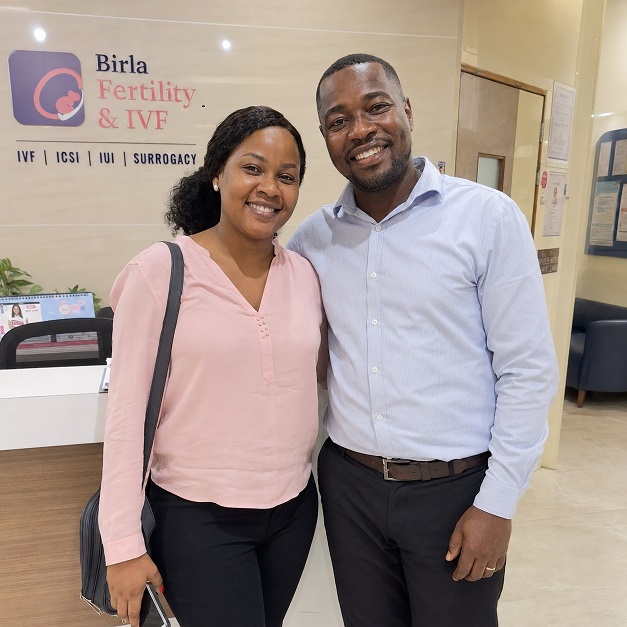
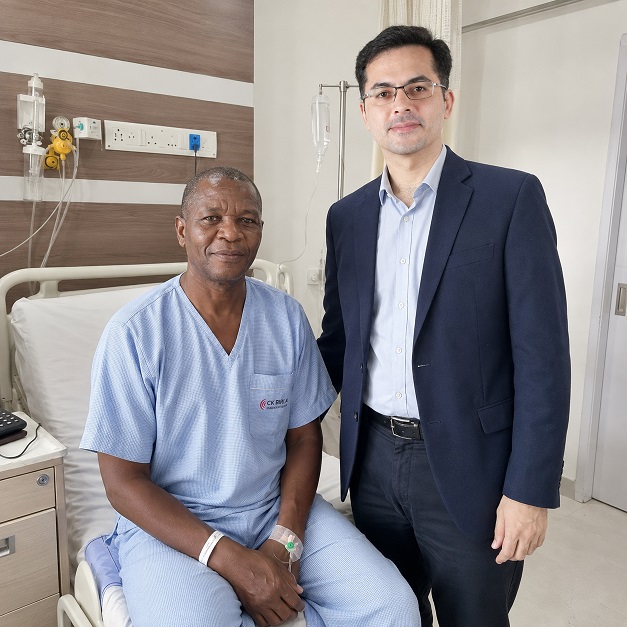
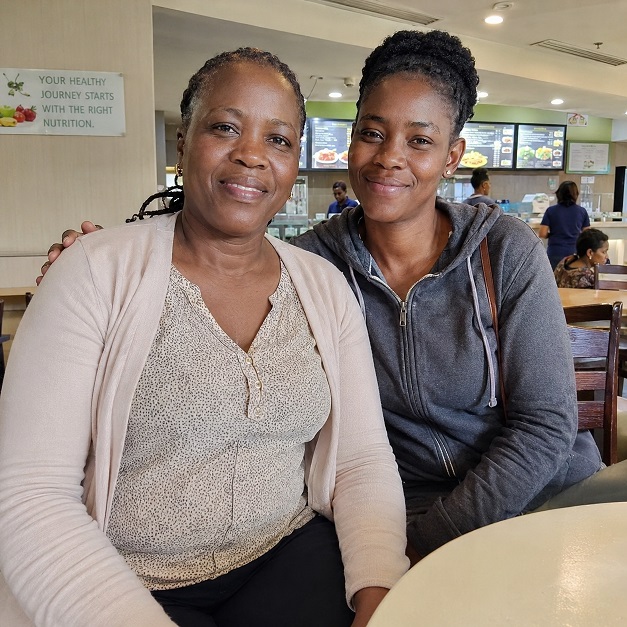
Patient Testimonials from Zambia
Ready to Take the First Step?
Share your Medical Reports with our Healthcare Managers Today and Get a FREE CONSULTATION, a Personalized Treatment Plan, and Complete Support from Arrival to Recovery.
Get Your Free ConsultationAreas We Serve
This resource has been thoughtfully prepared for patients from Zambia who are considering medical treatment in India. We also welcome patients from the wider region in the countries mentioned below-
We assist patients from:
- Zambia
- Angola
- Malawi
- Zimbabwe
- Botswana
- Namibia
- South Africa
- Eswatini
- Lesotho
- Gabon
- Chad
- Equatorial Guinea
- São Tomé and Príncipe
- Republic of the Congo
- Democratic Republic of the Congo
Many of the insights, treatment pathways, hospital recommendations, travel guidance, and patient support services described here are equally relevant and may be used as a reference when planning treatment in India.
From Zambia to India: Your Complete Patient Support Guide
- Best Weight-Loss (Bariatric) Surgeons & Hospitals in India for Zambian Patients
- Best Brain-Tumour Surgeons & Hospitals in India for Zambian Patients
- Best Cancer Doctors & Hospitals in India for Zambian Patients
- Best Cardiac Surgeons & Hospitals in India for Zambian Patients
- Best Cosmetic Surgeons & Facilities in India for Zambian Patients
- Best CyberKnife Treatment Teams & Centres in India for Zambian Patients
- Best Dentists & Dental Clinics in India for Zambian Patients
- Best Heart Valve Replacement Surgeons & Hospitals in India for Zambian Patients
- Best Hip Surgeons & Hospitals in India for Zambian Patients
- Best Knee Surgeons & Hospitals in India for Zambian Patients
- Best Neurosurgeons & Hospitals in India for Zambian Patients
- Best Paediatric Cardiac Surgeons & Hospitals in India for Zambian Patients
- Best Paediatric Neurosurgeons & Hospitals in India for Zambian Patients
- Best Prostate Surgeons & Hospitals in India for Zambian Patients
- Best Scoliosis Surgeons & Hospitals in India for Zambian Patients
- Best Spine Surgeons & Hospitals in India for Zambian Patients
- Best Bone Marrow Transplant Teams & Hospitals in India for Zambian Patients
- Best Kidney Transplant Surgeons & Hospitals in India for Zambian Patients