

Oral and Maxillofacial Surgery in India for Zambian Patients
A neglected tooth infection and a case of noma sit at opposite ends of severity, yet both share a single truth: recognised and treated early, the outcome is good; missed, the same condition can threaten a life or permanently disfigure a face.
Oral and maxillofacial surgery treats conditions of the mouth, jaw, face and neck — a broader specialty than routine dentistry, spanning trauma, infection, tumours and reconstruction. Two conditions in this field deserve particular attention here: severe, spreading dental infections that can become a genuine airway emergency, and noma, a devastating disease of extreme poverty that the world only formally recognised in 2023. In 24 years of guiding patients through surgical care abroad, I have found both conditions are treatable, and in noma's case preventable, when caught early — and both can become catastrophic when they are not.
Healing Journeys of Zambian Patients
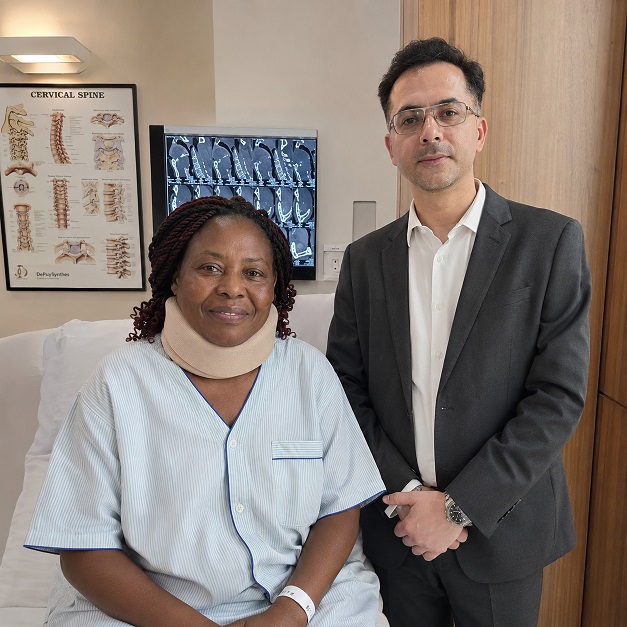
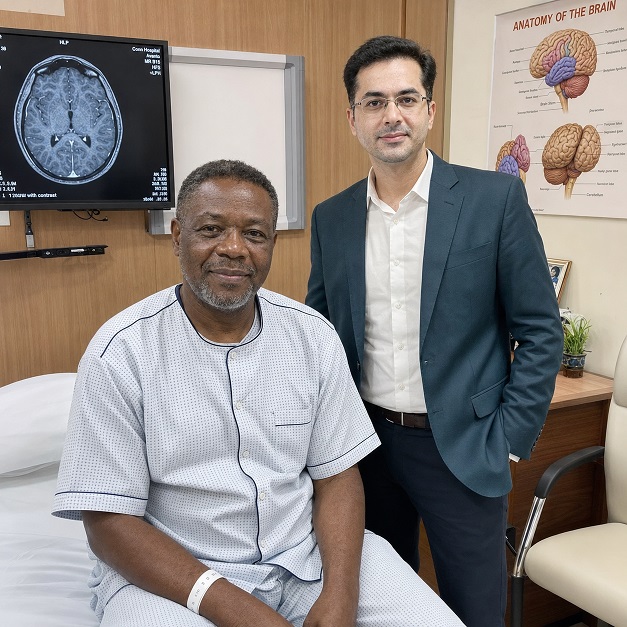
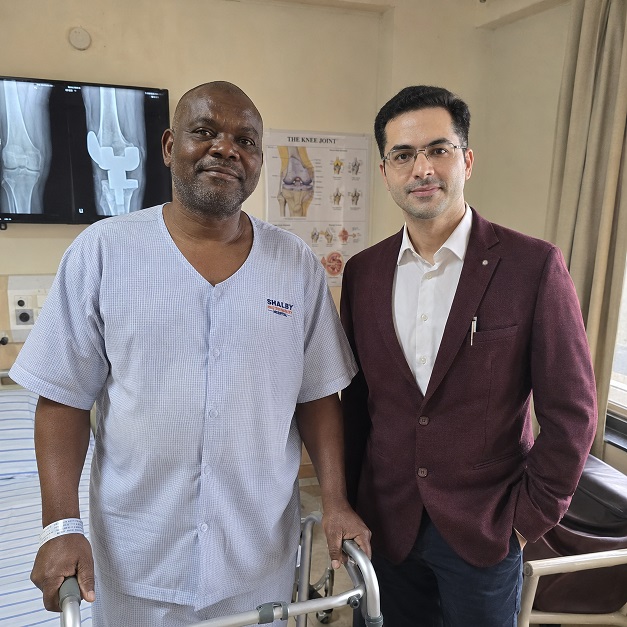
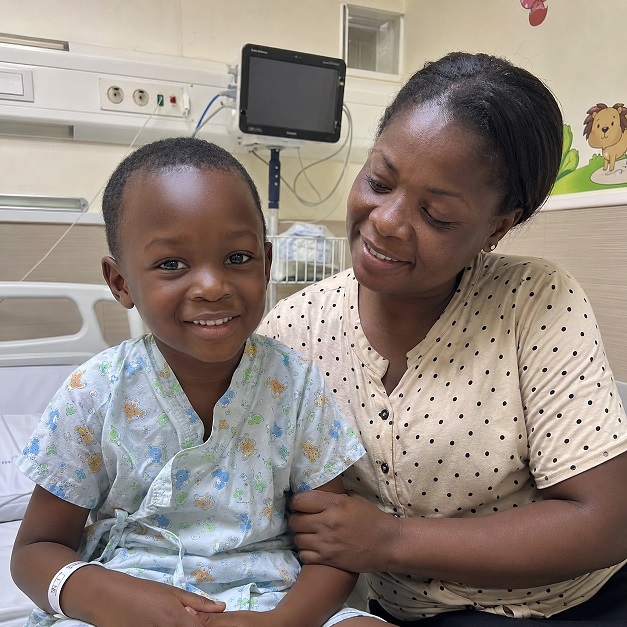
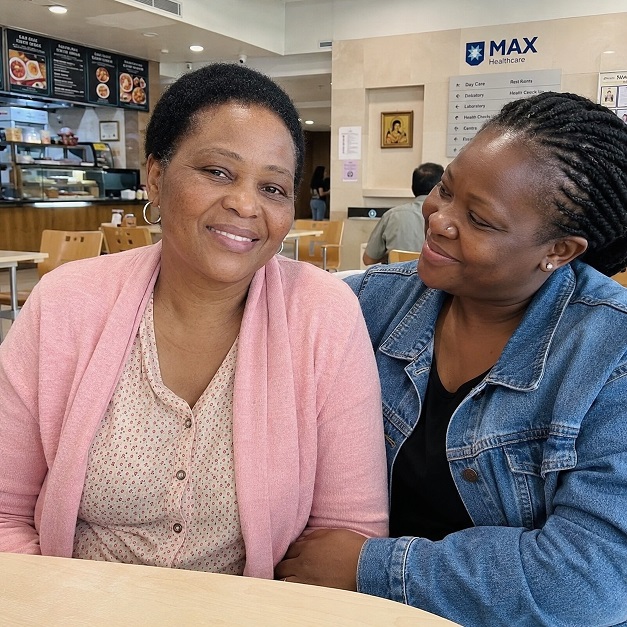
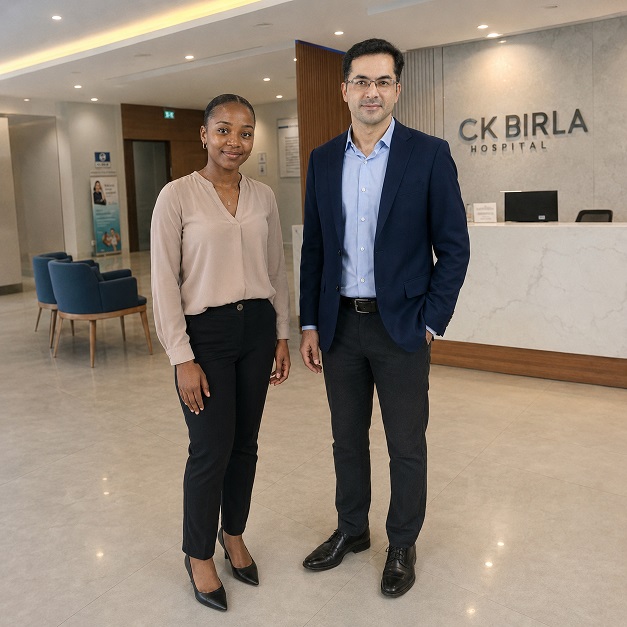
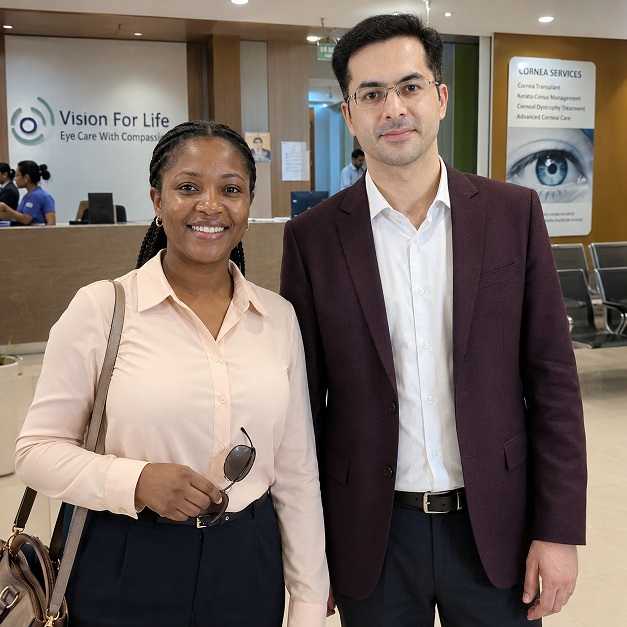
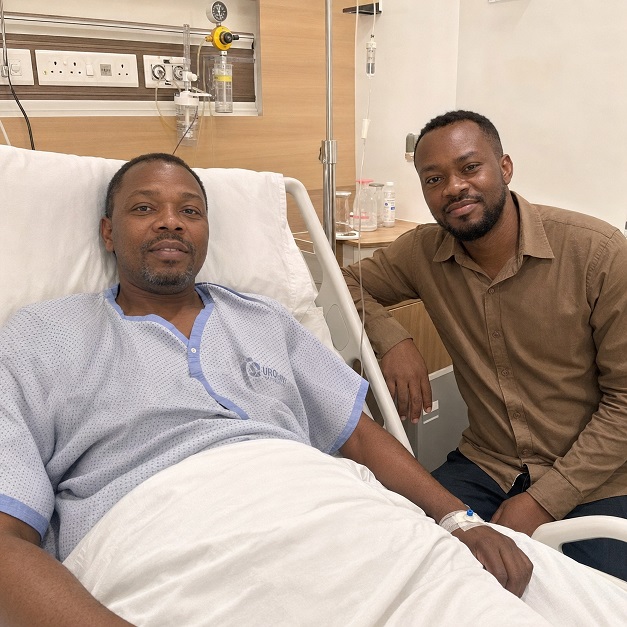
This guide sits alongside the general Dental guide elsewhere in this series, which covers routine dental implants and tooth-level procedures. What follows here goes further, into conditions where the jaw, face and airway itself are at risk, and where the surgical team required is a specialised oral and maxillofacial team, not a general dentist.
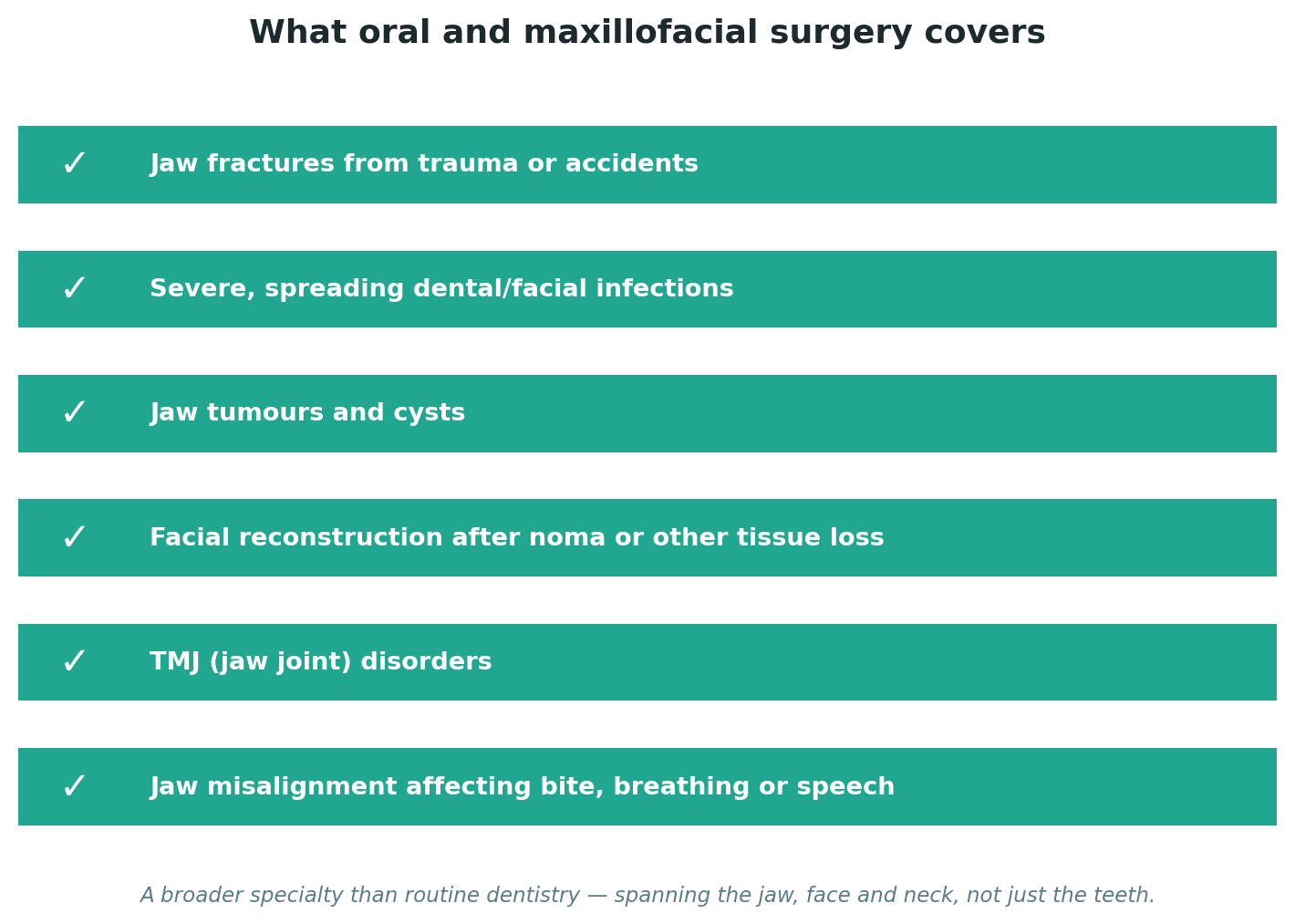
This specialty extends well beyond routine tooth care into trauma, infection, tumours and facial reconstruction.
Key Takeaways
- The guide explains that oral and maxillofacial surgery extends beyond routine dentistry, covering jaw fractures, severe infections, tumours, noma, TMJ disorders, jaw misalignment and facial reconstruction. These conditions require specialised oral and maxillofacial expertise rather than routine dental care.
- The page 2 chart shows why a spreading dental infection can become a medical emergency, with illustrative mortality of approximately 50% before prompt antibiotics and surgery compared with about 8% with prompt recognition and treatment. Spreading swelling, difficulty swallowing or breathing, and fever with facial swelling require same-day hospital assessment.
- The guide gives particular attention to noma, a rapidly progressive infection affecting severely malnourished young children. The page 3 graphic shows approximately 90% survival with early treatment versus about 90% mortality when treatment is delayed, while survivors with facial tissue loss may require complex staged reconstruction.
- For planned reconstruction, patients should choose surgeons with specific experience in complex facial reconstruction using tissue flaps and grafts, rather than relying on general oral surgery experience. The guide also recommends checking NABH accreditation, ideally JCI, and obtaining a complete treatment plan and realistic timeline for multi-stage reconstruction.
- The guide notes that for planned reconstruction, India can offer significant cost advantages. The page 4 chart gives illustrative costs of approximately US$4,000 in India, US$18,000 in the UK and US$35,000 in the US, while stressing that complex cases require a diagnosis-specific, itemised quotation covering the complete treatment plan.
- For Zambian families, NHIMA does not cover treatment abroad, so planned care in India is generally self-funded. The guide recommends arranging follow-up with a Zambian team, maintaining organised treatment records and sending photographs, imaging and medical history for remote review before planned travel.
Quick Facts
- Author
- Dr. Dheeraj Bojwani
- Experience
- 24+ Years
- Treatment
- Oral & Maxillofacial Surgery
- Patients
- Zambian Patients
- Key Specialist
- Oral & Maxillofacial Surgeon
- Key Conditions
- Jaw trauma, infections, tumours, noma and facial reconstruction
- Key Procedures
- Jaw surgery, tissue grafts and flap reconstruction
- Emergency Check
- Spreading facial or neck infection
- Noma Check
- Gum inflammation, ulceration and poor nutrition in children
- Reconstruction
- Often staged over months or years
- Specialist Check
- Complex facial reconstruction experience
- Hospital Check
- NABH, ideally JCI
- Cost Check
- Complete staged treatment quotation
- Follow-Up
- Zambian medical team
- Records
- Organised records of every procedure and outcome
- Pre-Travel Check
- Photographs, imaging and complete medical history
- Key Warning
- Never delay emergency infection or suspected noma treatment for travel
- Decision Principle
- Choose specialist maxillofacial expertise for planned reconstruction and seek immediate local care for emergencies.
In Brief
For Zambian patients considering oral and maxillofacial surgery in India, the guide recommends distinguishing emergency conditions from planned reconstruction. Spreading dental infections and suspected early noma require immediate local medical assessment and should never be delayed for international travel planning, while planned facial reconstruction should be evaluated according to specialist flap and graft experience, accreditation, staged treatment planning and long-term follow-up.
When a toothache becomes an airway emergency
Most dental infections are painful but not dangerous, resolving with a filling, root canal, or extraction. But an infection at the root of a lower back tooth can, if untreated, spread into the deep spaces of the neck and floor of the mouth — a condition called Ludwig's angina. As the infection progresses, swelling can push the tongue backward and upward, gradually closing off the airway. Before antibiotics and modern surgical drainage, this condition killed roughly half of those affected. Today, with prompt recognition and treatment, that figure has fallen dramatically — but the difference between those two outcomes is entirely a matter of how quickly it is identified and treated.
Certain conditions make this spread more likely and more dangerous, including diabetes, malnutrition, and any state of weakened immunity, all of which are worth mentioning to a treating doctor if relevant to your situation. The infection typically begins with ordinary dental pain, which is precisely why the transition from a routine problem to a genuine emergency can be easy to miss until swelling and breathing difficulty make it unmistakable.
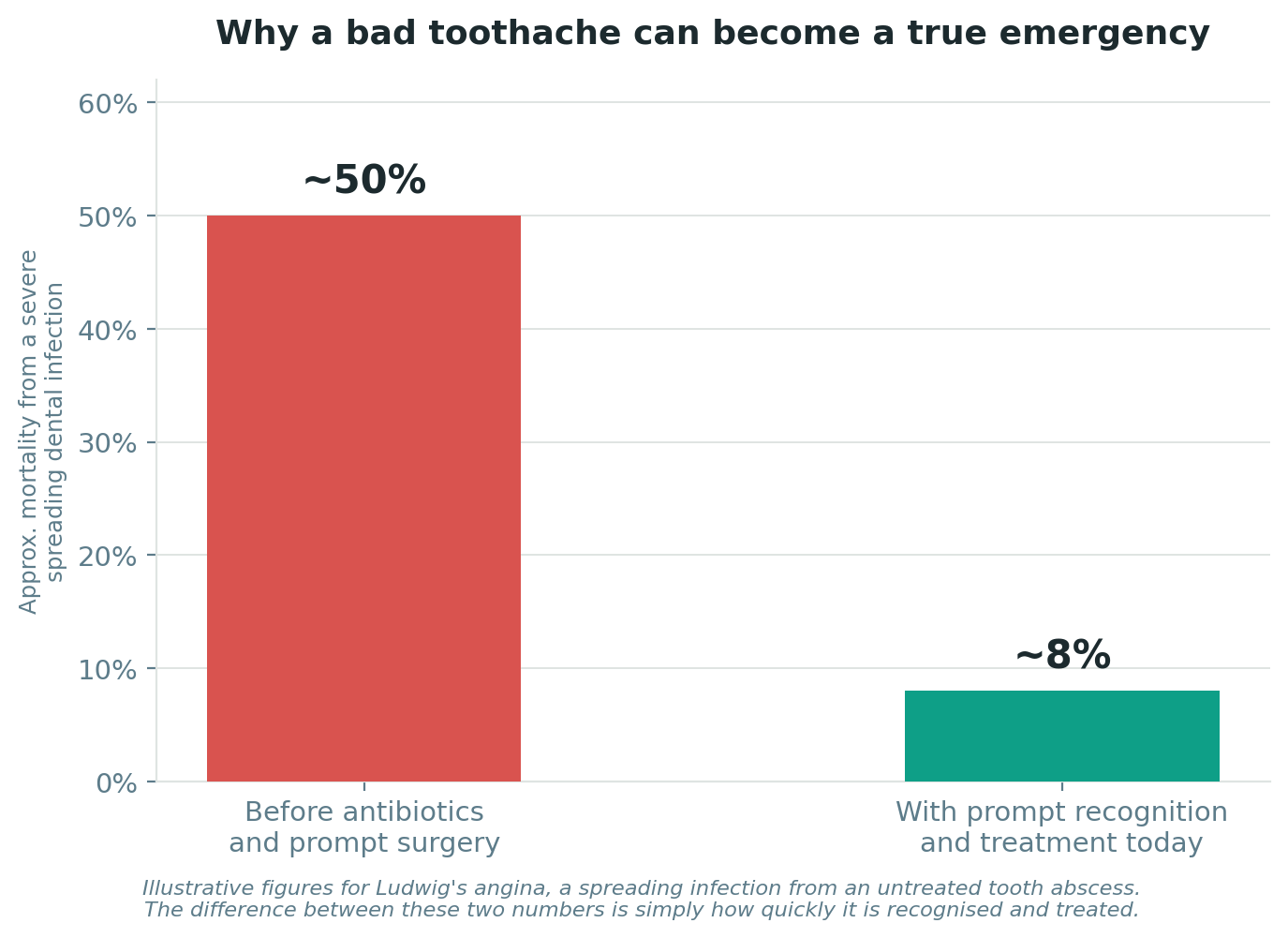
This is one of the clearest examples in medicine of a genuine emergency masquerading as an everyday complaint.
| Your situation | Typical approach | What it involves |
|---|---|---|
| Ordinary toothache or dental abscess, localised swelling | Standard dental treatment | Root canal, extraction, or drainage by a dentist; antibiotics if needed |
| Swelling of the floor of the mouth or under the jaw, spreading, with difficulty swallowing or breathing | Emergency hospital assessment, same day | Urgent evaluation of the airway, IV antibiotics, and surgical drainage if needed |
| Child with gum inflammation and ulceration, poor nutrition, rapidly worsening | Emergency medical assessment for possible noma | Immediate antibiotics and nutritional support; this is time-critical, discussed below |
| Facial disfigurement from healed noma, old trauma, or a tumour requiring removal | Staged reconstructive surgery | Multiple procedures over time to restore function and appearance, using tissue grafts or flaps |
Noma: a preventable, treatable disease that still kills nine in ten untreated children
Noma is a rapidly progressive gangrenous infection of the mouth and face, affecting young children, almost always those who are severely malnourished and living in extreme poverty. It begins as simple gum inflammation, and if not treated with antibiotics at this earliest stage, can destroy facial tissue and bone within days. The World Health Organization only added noma to its official list of neglected tropical diseases in December 2023, despite the disease affecting an estimated 140,000 people every year — a formal recognition that came only after decades of the condition being overlooked.
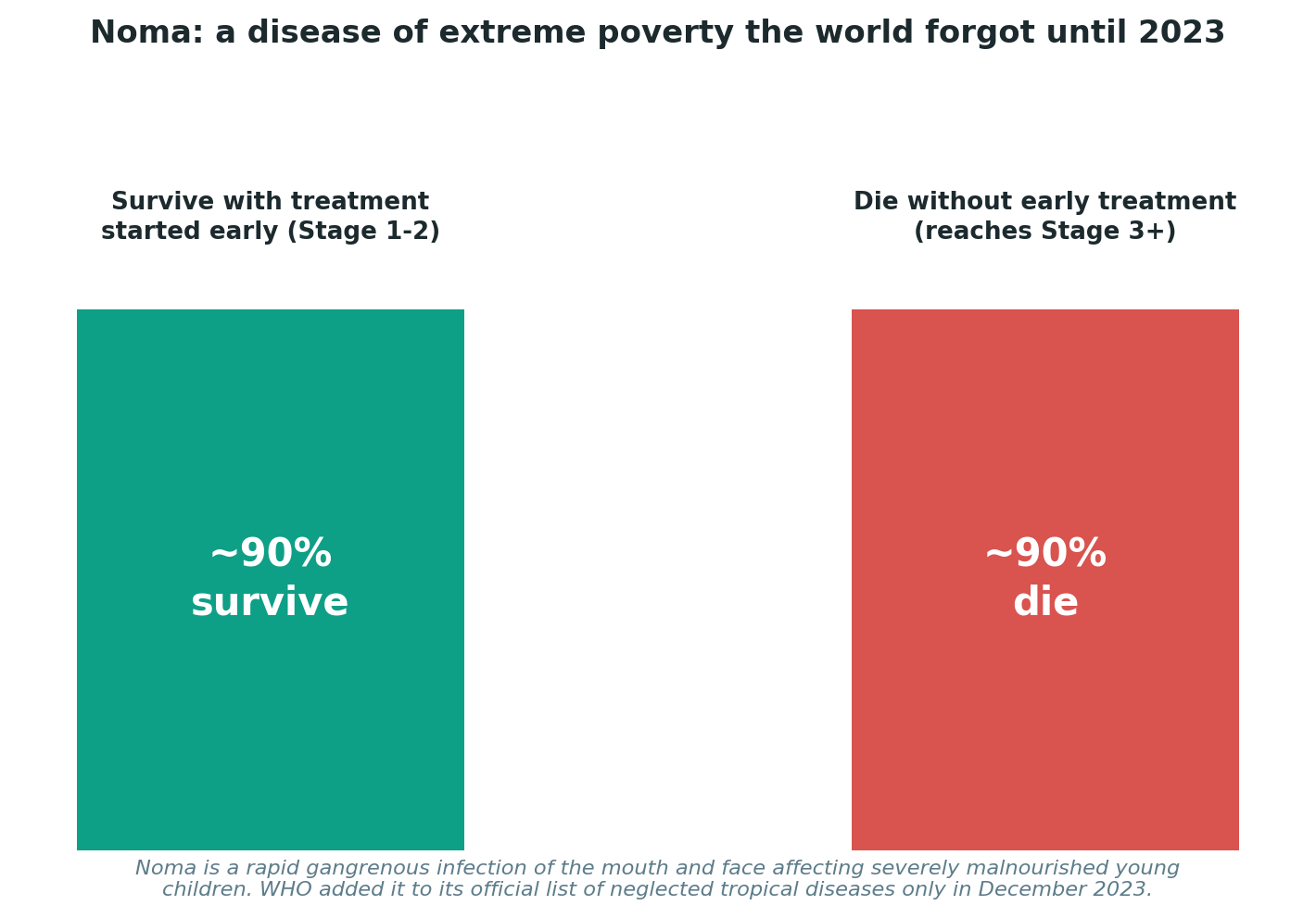
The single biggest determinant of survival is how early the disease is recognised and treated — not any complex medical intervention.
For children who survive, often after emergency treatment came too late to prevent tissue loss, the result is severe facial disfigurement that can make eating, speaking, seeing or breathing difficult, alongside profound social stigma. This is where reconstructive maxillofacial surgery matters most — not as a cosmetic afterthought, but as a way to restore basic function and give a child or young adult a chance to rejoin their community without being defined by their disfigurement.
Reconstructive surgery for noma survivors is genuinely complex, often requiring several staged operations over months or years as a child grows, using tissue grafted or moved from elsewhere in the body to rebuild what has been lost. This is highly specialised surgery, and centres with genuine, specific experience in noma reconstruction, rather than general facial surgery alone, tend to achieve meaningfully better results for this particular condition.
Choosing the surgeon and the hospital
For any spreading infection, the most important question is not which hospital to choose but how quickly you seek care — this is not a condition to research extensively before acting. For reconstructive surgery, whether after noma, trauma, or tumour removal, ask specifically about the surgeon's experience with complex facial reconstruction using tissue flaps and grafts, since this is a distinct subspecialty from routine oral surgery.
Check accreditation (NABH, ideally JCI), and for multi-stage reconstruction, ask for a complete overview of the whole treatment plan and realistic timeline from the outset, since these cases often require several separate procedures over months or years, not a single operation.
It is also worth asking whether the centre has specific experience treating patients from similar backgrounds and with similar conditions to yours, since reconstructive techniques and priorities can differ meaningfully depending on the cause and extent of tissue loss, and a team with directly relevant experience is better placed to plan a realistic, staged approach.
Cost and value: how to weigh the money honestly
Maxillofacial surgery in a good Indian hospital costs a small fraction of the equivalent treatment in the West, and India has genuine experience in complex facial reconstruction. The saving is real, but for emergency spreading infections, the only cost that matters is the cost of delay — seek care immediately rather than researching options.
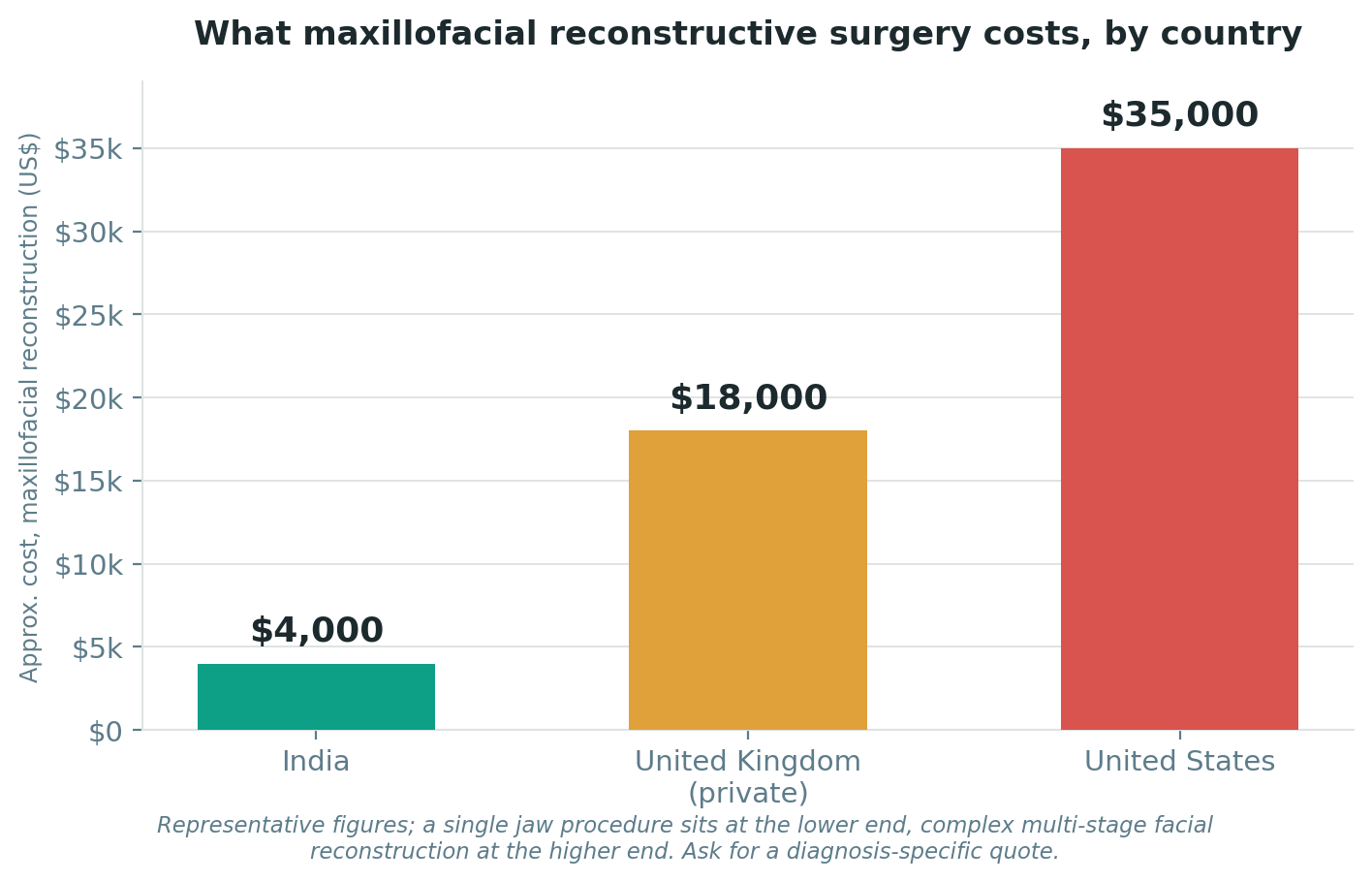
India's affordability is genuine — and for reconstructive cases, ask about the complete staged treatment plan, not just the first procedure.
In 24 years of arranging these journeys, I have found that families facing complex facial reconstruction do best when they understand from the outset that this is often a journey of several procedures over time, not a single fix. Ask for a written, itemised quote covering the complete treatment plan for your specific diagnosis.
What a Zambian family should weigh in particular
Beyond the treatment decision itself, several practical matters deserve attention. First, payment: NHIMA funds care at accredited facilities inside Zambia, not treatment abroad, so this comes from your own resources — another reason any genuine emergency should be treated at the nearest capable facility immediately, not delayed for travel planning. Second, if a child in your care shows early gum inflammation alongside poor nutrition, seek medical assessment promptly rather than waiting to see if it resolves. Third, aftercare: complex reconstruction often needs ongoing follow-up, so arrange this with a Zambian team before you travel for any planned procedure.
Fourth, for a child undergoing staged reconstructive surgery over several years, keep organised records of each procedure performed and its outcome, since this history matters for planning each subsequent stage, whether the surgery continues abroad or transitions to care available locally as the child grows.
The practical journey from Zambia
India requires a yellow fever vaccination certificate from travellers arriving from Zambia, valid only from ten days after the injection — for a genuine emergency, this should never delay seeking the nearest available care. Your medical visa is issued by the High Commission of India on Pandit Nehru Road in Lusaka against the hospital's invitation letter. There is no direct flight from Zambia to India; you will connect through Addis Ababa on Ethiopian Airlines, or through Dubai, Doha or Nairobi. For planned reconstructive surgery, send photographs, imaging and a complete history for remote review before you travel.
Signals that need same-day emergency care
1. Swelling under the jaw or floor of the mouth that is spreading, firm, or accompanied by difficulty swallowing or breathing.
2. Fever with facial or neck swelling following a dental problem.
3. In a young child: gum inflammation or ulceration alongside poor nutrition, worsening over days.
4. Any facial swelling causing difficulty opening the mouth, speaking, or breathing normally.
Straight answers for Zambian Patients about Oral and Maxillofacial Surgery in India
How do I know if a dental infection has become dangerous?
Spreading swelling under the jaw or in the neck, difficulty swallowing or breathing, or fever alongside facial swelling are signals of a genuine emergency. Seek hospital assessment the same day rather than waiting for a routine dental appointment.
What is noma, and why haven't I heard of it?
Noma is a rapidly progressive gangrenous infection affecting the mouth and face of severely malnourished young children. It was only formally recognised by the World Health Organization as a neglected tropical disease in December 2023, despite affecting an estimated 140,000 people a year, which explains why awareness remains limited.
Can facial disfigurement from noma or old trauma really be fixed?
Meaningful improvement in both function and appearance is often possible through staged reconstructive surgery, though this typically requires multiple procedures over an extended period, not a single operation. A specialist consultation can give an honest, specific assessment of what is achievable for your situation.
Is oral and maxillofacial surgery the same as regular dentistry?
No. It is a broader surgical specialty covering the jaw, face and neck, including trauma, tumours, severe infections and reconstruction, in addition to procedures that overlap with dental care such as wisdom tooth removal and jaw realignment.
Sources
- 🌐 Medical visa, Lusaka — High Commission of India, requirements & process: hcizambia.gov.in/page/medical-visa
- 🌐 Hospital accreditation (India) — Verify a hospital's NABH accreditation: nabh.co
- 🌐 National Health Insurance (Zambia) — NHIMA cover, treatment abroad is not covered: nhima.co.zm
- 🌐 Ministry of Health Zambia — National health services & guidance: moh.gov.zm
- 🌐 National Medical Commission (verify a surgeon) — Confirm a surgeon's registration in India: nmc.org.in
- 🌐 WHO yellow fever — Vaccination requirements before travel: who.int/health-topics/yellow-fever
A Closing Word
Of everything I help patients and families with, this is where fast, decisive action can matter more than any other decision in this entire guide series — a spreading infection or a case of early noma needs care today, not next week. If you send me a description of the situation, including any photographs, I will help you understand honestly how urgent it is, and, for planned reconstructive care, which centres in India have the genuine expertise to help.
Frequently Asked Questions by Zambian Patients about Oral and Maxillofacial Surgery in India
What does oral and maxillofacial surgery cover?
It covers conditions involving the mouth, jaw, face and neck, including trauma, severe infections, tumours, reconstruction, TMJ disorders and jaw misalignment.
Is oral and maxillofacial surgery the same as routine dentistry?
No. It is a broader surgical specialty involving the jaw, face and neck, including complex trauma, tumours, severe infections and facial reconstruction.
When can a dental infection become an emergency?
Spreading swelling under the jaw or floor of the mouth, difficulty swallowing or breathing, or fever with facial swelling can indicate a serious infection requiring same-day hospital assessment.
What is noma?
Noma is a rapidly progressive gangrenous infection affecting the mouth and face, particularly in severely malnourished young children. Early recognition and treatment are critical.
Can facial damage caused by noma be reconstructed?
Meaningful improvement in function and appearance may be possible, but reconstruction is usually complex and may require multiple procedures over an extended period.
What should I check when choosing a reconstructive surgeon?
Ask about specific experience with complex facial reconstruction using tissue flaps and grafts, particularly experience with the same cause and extent of tissue loss as the patient's case.
What hospital accreditation should I check?
The guide recommends checking NABH accreditation and, ideally, JCI accreditation when evaluating a hospital for planned reconstructive surgery.
Is facial reconstruction usually completed in one operation?
Not necessarily. Complex reconstruction, particularly after noma or major tissue loss, can require several staged procedures over months or years.
What should I arrange before travelling for planned reconstruction?
Send photographs, imaging and a complete medical history for remote review, obtain a written treatment plan and arrange ongoing follow-up with a Zambian medical team before travelling.
What are the main warning signs?
Do not delay care if there is spreading facial or neck swelling, breathing or swallowing difficulty, fever with facial swelling, or suspected early noma. For planned surgery, be cautious if the centre cannot provide relevant reconstruction experience or a complete staged treatment plan.
Page Summary
This guide explains oral and maxillofacial surgery options in India for Zambian patients, covering jaw trauma, severe infections, tumours, TMJ disorders, jaw misalignment and complex facial reconstruction. It highlights that emergency infections and suspected noma require immediate medical assessment rather than travel planning, while planned reconstruction should be assessed according to specialist flap and graft experience, accreditation, staged treatment planning and long-term follow-up.

Our Mission Statement
Our mission is to place patients at the centre of every healthcare decision by providing trustworthy, evidence-based, and unbiased medical information. We believe that informed patients make better decisions. Backed by personalised guidance from our experienced advisory team, we help patients understand their treatment options, compare them objectively, and confidently choose the path that best suits their medical needs and personal circumstances.
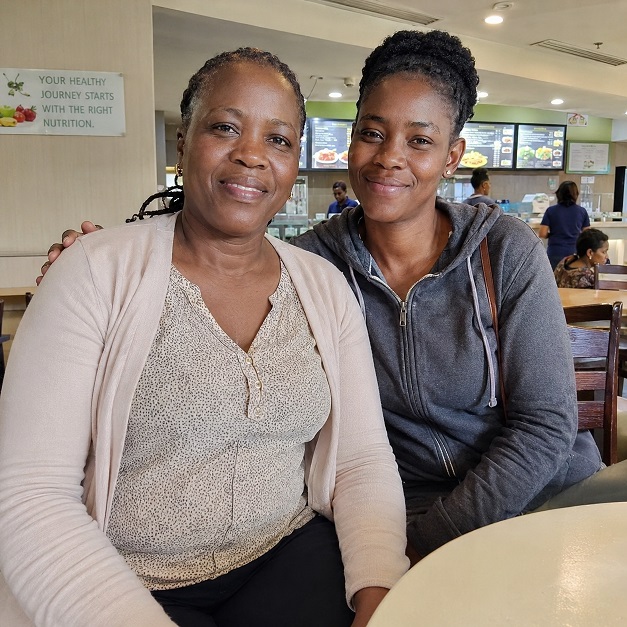
Patient Testimonials from Zambia
Ready to Take the First Step?
Share your Medical Reports with our Healthcare Managers Today and Get a FREE CONSULTATION, a Personalized Treatment Plan, and Complete Support from Arrival to Recovery.
Get Your Free ConsultationAreas We Serve
This resource has been thoughtfully prepared for patients from Zambia who are considering medical treatment in India. We also welcome patients from the wider region in the countries mentioned below-
We assist patients from:
- Zambia
- Angola
- Malawi
- Zimbabwe
- Botswana
- Namibia
- South Africa
- Eswatini
- Lesotho
- Gabon
- Chad
- Equatorial Guinea
- São Tomé and Príncipe
- Republic of the Congo
- Democratic Republic of the Congo
Many of the insights, treatment pathways, hospital recommendations, travel guidance, and patient support services described here are equally relevant and may be used as a reference when planning treatment in India.
From Zambia to India: Your Complete Patient Support Guide
- Best Weight-Loss (Bariatric) Surgeons & Hospitals in India for Zambian Patients
- Best Brain-Tumour Surgeons & Hospitals in India for Zambian Patients
- Best Cancer Doctors & Hospitals in India for Zambian Patients
- Best Cardiac Surgeons & Hospitals in India for Zambian Patients
- Best Cosmetic Surgeons & Facilities in India for Zambian Patients
- Best CyberKnife Treatment Teams & Centres in India for Zambian Patients
- Best Dentists & Dental Clinics in India for Zambian Patients
- Best Heart Valve Replacement Surgeons & Hospitals in India for Zambian Patients
- Best Hip Surgeons & Hospitals in India for Zambian Patients
- Best Knee Surgeons & Hospitals in India for Zambian Patients
- Best Neurosurgeons & Hospitals in India for Zambian Patients
- Best Paediatric Cardiac Surgeons & Hospitals in India for Zambian Patients
- Best Paediatric Neurosurgeons & Hospitals in India for Zambian Patients
- Best Prostate Surgeons & Hospitals in India for Zambian Patients
- Best Scoliosis Surgeons & Hospitals in India for Zambian Patients
- Best Spine Surgeons & Hospitals in India for Zambian Patients
- Best Bone Marrow Transplant Teams & Hospitals in India for Zambian Patients
- Best Kidney Transplant Surgeons & Hospitals in India for Zambian Patients