

Knee Surgery in India for Zambian Patients
A clear, honest guide to what a knee replacement in India really involves, what it costs in kwacha, and how to choose so the result lasts for the next twenty years — not just the next two weeks.
A knee that has stopped working shrinks a life to the size of a single room. The walk to the market, the stairs at church, the simple dignity of standing to greet a visitor — arthritis takes them one by one until they are gone. If you are reading this in Lusaka, Kitwe or Ndola, you already know that the pain is only half the problem. The other half is knowing what to do about it, and where. For 24 years I have helped patients across Africa answer that question, and for Zambians the answer has, more and more, been India — not out of desperation, but because the arithmetic and the outcomes point the same way.
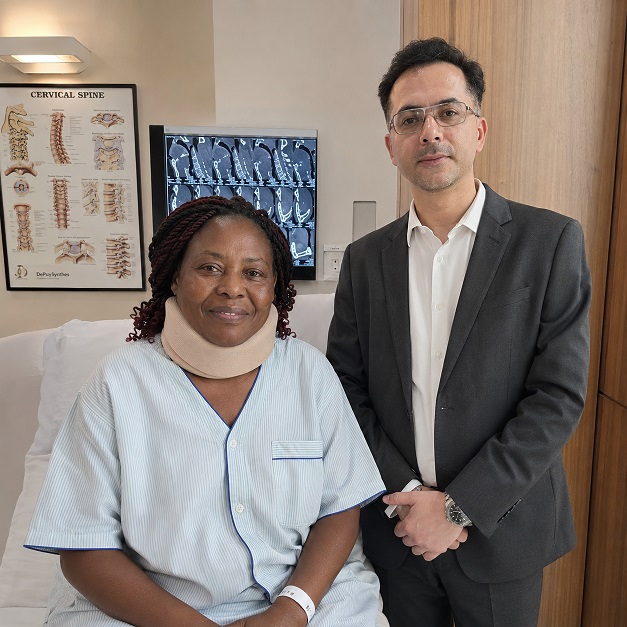
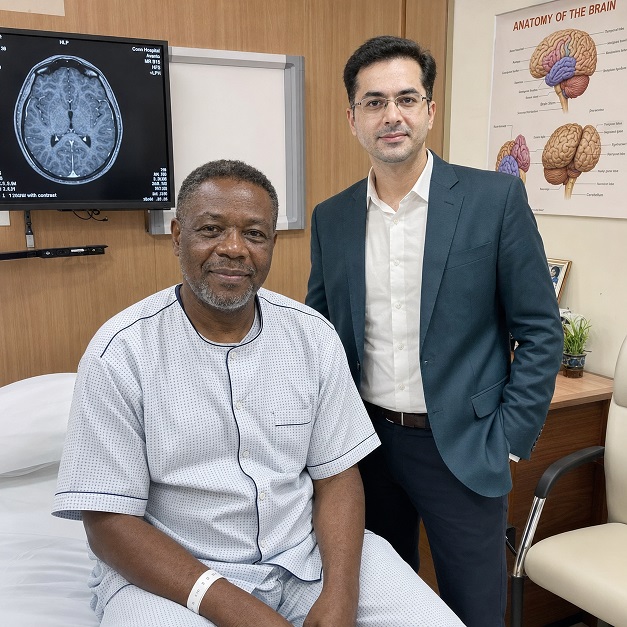
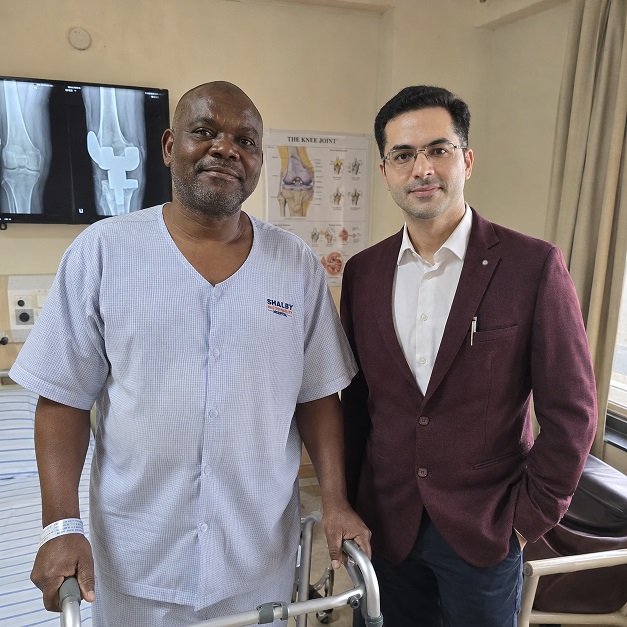
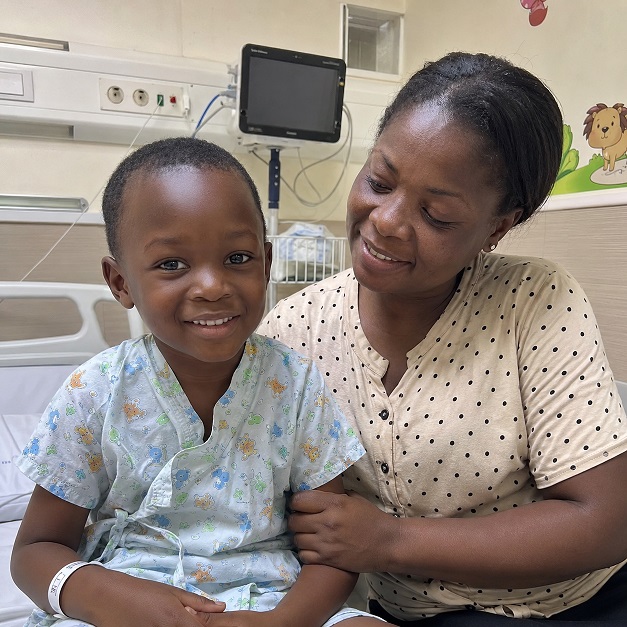
Healing Journeys of Zambian Patients




Key Takeaways
- Knee surgery in India may be considered by Zambian patients when arthritis has severely limited walking and daily activities, particularly when the case involves both knees, severe deformity, previous infection or revision of an existing knee replacement.
- The guide also makes clear that travelling abroad is not necessary for every patient. Zambia has existing orthopaedic capacity, and a straightforward single-knee case in an otherwise fit patient may reasonably be treated locally.
- A total knee replacement in India is estimated at approximately US$4,500–US$6,000 all-in, covering the surgeon, implant, operating theatre, hospital stay and physiotherapy.
- At the approximate exchange rate cited in the document, the Indian package is around ZK95,000–ZK115,000, although the guide stresses that exchange rates should be reconfirmed before travel.
- The page 2 cost chart compares representative single-knee replacement costs of approximately US$5,000 in India, US$20,000 in the private United Kingdom and US$40,000 in the United States.
- Patients should insist on a written, itemised quotation because apparently low prices may exclude important expenses such as the implant brand, intensive-care requirements, physiotherapy or medicines needed after discharge.
Quick Facts
- Treatment
- Knee Surgery & Knee Replacement
- Country
- India
- Intended Audience
- Zambian Patients
- Primary Condition Highlighted
- Advanced Knee Arthritis
- Main Surgical Option
- Total Knee Replacement
- Alternative for One-Compartment Arthritis
- Partial / Unicompartmental Knee Replacement
- Partial Knee Benefit Highlighted
- Preserves More Natural Ligaments and May Allow Quicker Recovery
- Representative India Cost in Page 2 Chart
- US$5,000
- Representative UK Private Cost
- US$20,000
- Representative United States Cost
- US$40,000
- One Knee / Single Trip in Page 3 Chart
- Approximately US$6,400
- Both Knees / Two Separate Trips
- Approximately US$12,800
- Both Knees / Same Admission
- Approximately US$9,900
- Cost Includes
- Surgeon, Implant, Theatre, Hospital Stay and Physiotherapy
In Brief
Knee surgery in India for Zambian patients may involve partial, total or bilateral knee replacement, depending on how much of the joint is damaged and the patient's overall health. A total knee replacement is estimated at approximately US$4,500–US$6,000 all-in, while the page 2 chart uses a representative Indian figure of US$5,000. Patients should send their actual X-rays or MRI files before travelling, obtain an itemised quotation and ensure that the implant and long-term follow-up arrangements are clearly documented.
First, should you travel at all?
Let me be fair to Zambia, because you should not board an aircraft for a problem that can be solved at home. Zambia has real orthopaedic capability. The University Teaching Hospital in Lusaka, the country’s largest referral centre, trains the nation’s surgeons. Levy Mwanawasa University Teaching Hospital has widened specialist care considerably. The Zambian– Italian Orthopaedic Hospital has replaced hips and knees for years and has kept its own joint register since the late 1990s — a discipline many far larger hospitals never manage. Private units such as Medcross in Lusaka, and the teaching hospital in Ndola, add further capacity. For a straightforward single knee in an otherwise fit patient, being treated in Zambia is entirely reasonable, and I will tell you so plainly if that is your situation.
The real limits are volume and waiting. Knee replacement is a procedure where a surgeon’s hundredth operation is measurably safer than their tenth, and the centres doing them in large numbers, week after week, are simply not yet here at scale. Lists for the units that do exist can run long, and a knee that is deteriorating does not pause politely while you wait. When the case is complex — both knees, a past infection, a severe deformity that has bowed the leg, or a worn-out replacement that must be revised — the argument for going where such cases are routine becomes hard to ignore.
The cost, in plain terms
Here the gap is not marginal. A total knee replacement in a good Indian hospital, all in — surgeon, implant, theatre, hospital stay and physiotherapy — typically lands around US$4,500 to US$6,000. The same operation privately in the United Kingdom runs about four times that; in the United States, closer to eight. Converted at roughly ZK19 to the dollar in mid-
2026, an Indian package sits near ZK95,000 to ZK115,000 — and you should treat that exchange rate as a moving number to confirm before you travel, because the kwacha has swung a good deal against the dollar over the past year.
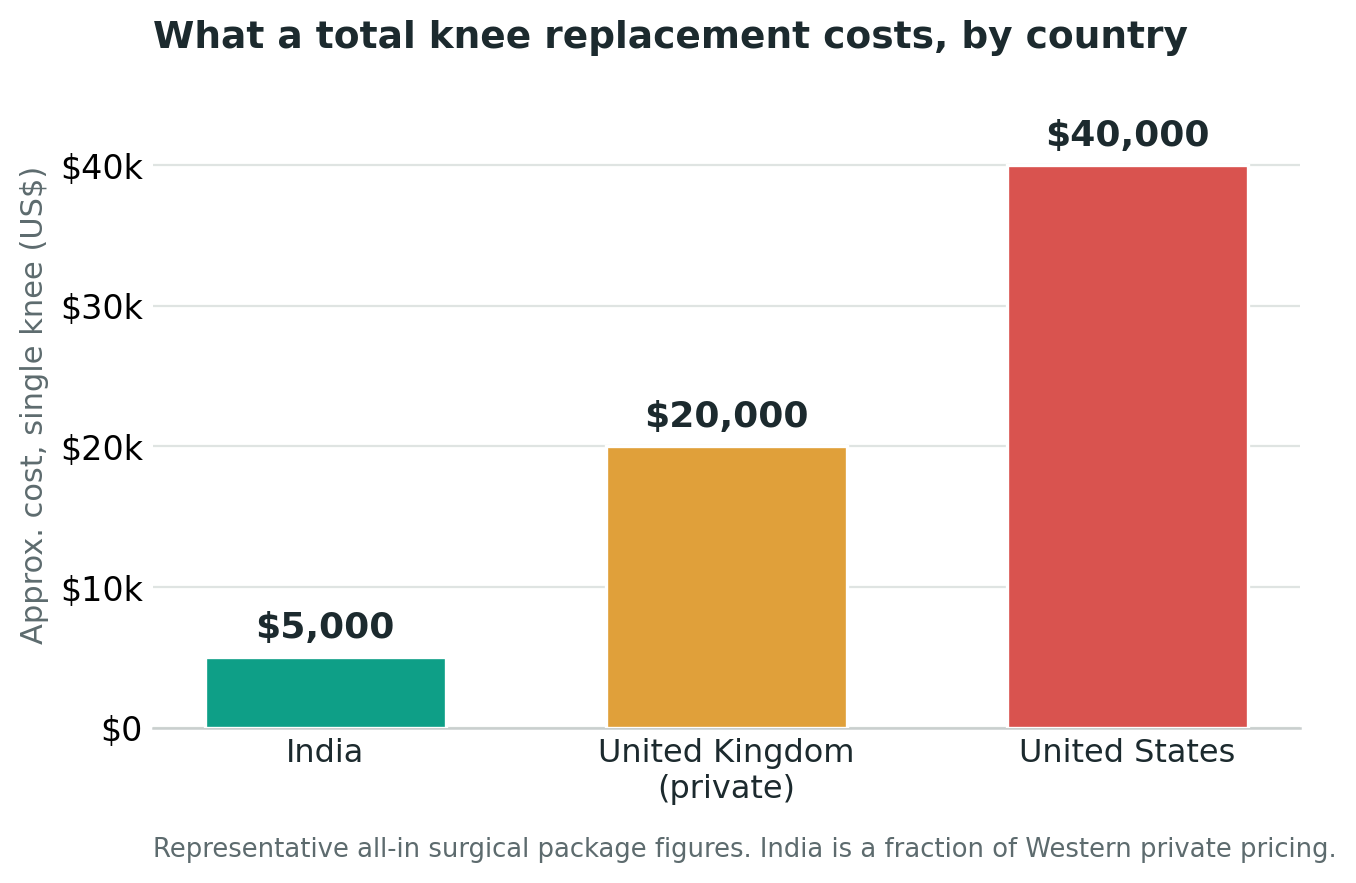
India’s all-in surgical pricing is a fraction of Western private cost. Figures are representative and vary by hospital and implant.
In 24 years of arranging these journeys, I have learned that disputes almost never concern the quoted price. They concern what the quote quietly left out — the implant brand, the intensive-care days if they are needed, the physiotherapy, the medicines to carry home. Insist on one written, itemised figure before you commit to anything, and be wary of any quote that looks too clean to be true. A number that seems impossibly low is usually a number that is hiding something.
Why it costs less — and why that is not a warning sign
A fair question follows any figure this low: what is being given up to reach it? The honest answer is very little that matters to you. India’s prices reflect lower salaries and lower hospital overheads, not lower standards; the sheer volume of surgery spreads the fixed cost of theatres and equipment across far more patients; and many implants and medicines are manufactured domestically rather than imported at a markup. The implant going into your knee is very often the same global brand, from the same manufacturer, that a London or Johannesburg surgeon would use — bought and fitted for a fraction of the Western price. What you are paying less for is the economy around the operation, not the operation itself. That is exactly why the country has become a destination for patients from wealthier nations too, who arrive not to save their lives but to save their savings.
Get the right operation, not just a cheaper one
Cost is the reason most people start looking abroad, but it should never be the reason you choose an operation. Not every worn knee needs the same procedure. Where arthritis has damaged only one side of the joint, a partial — or unicompartmental — knee replacement can resurface just that compartment, preserving your own ligaments, giving a more natural feel and a quicker recovery. Where the whole joint is worn, a total knee replacement is the tried-and-tested workhorse that reliably ends the pain. The wrong choice in either direction is costly: a partial knee fitted into a joint that was too far gone will fail early, and a total knee used where a partial would have served sacrifices function you did not need to lose. A good surgeon decides this from your X-rays and your examination, not from a price list — and that is precisely the kind of judgement a high-volume centre is built to provide.
If both knees have gone, do them in one trip
There is a pattern I see often in Zambian patients, and it is worth naming. Because reaching surgery at home can take time, many people arrive not with one worn knee but two, having walked on both for years past the point of repair. If that is you, the costliest mistake is to fix one, fly home, and return a year later for the other. That doubles the airfare, the visa, the weeks away from work and the recovery. A high-volume Indian centre can replace both knees in a single admission — one anaesthetic, one hospital stay, one course of rehabilitation, one journey. It asks more of the body in the first days and is not right for everyone, but for a fit patient with two failed knees it is very often the wiser path.
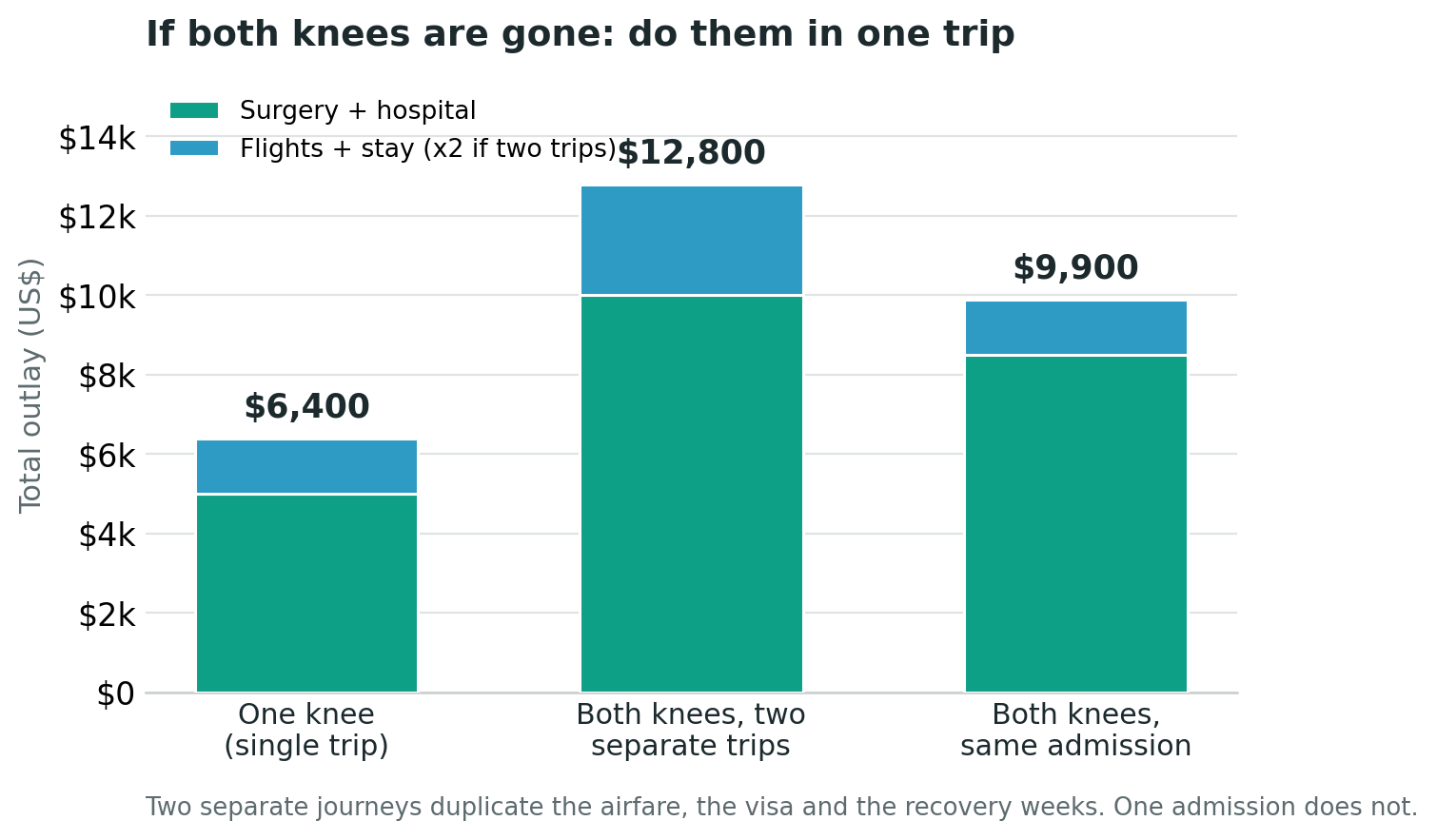
Two separate journeys duplicate the airfare, the visa and the recovery. One admission does not.
Why India — and the twenty-year question
The case for India rests on more than price. The hospitals Zambian patients are sent to are accredited to international standards — JCI internationally, NABH within India — and staffed by surgeons who perform knee replacements in the hundreds each year. Robotic and computer-navigated techniques that seat the implant to within a degree are ordinary there, not exceptional. There are no waiting lists; a date is offered for the week you are ready. And English, Zambia’s official language, is the working language of these hospitals, which strips away the friction patients meet in the Gulf or in Europe.
But the point I press hardest is this: a knee replacement is not a two-week trip, it is a twenty-year relationship. A good implant should serve you for fifteen to twenty years. What matters, then, is not only who fits it but whether it can be followed up — and, if it ever loosens or wears out, revised — without a crisis. So the choice of implant matters as much as the choice of surgeon. Ask for a widely used, well-documented implant whose components a Lusaka surgeon can recognise and, if the day comes, obtain. A brilliant operation using an obscure implant that no one at home can service is no bargain. Insist that your Indian surgeon writes a full operative note and implant record, and that a plan exists to hand your care back to a Zambian orthopaedic surgeon for the years that follow.
Recovery, and when you can fly home
People underestimate the recovery and overestimate the surgery. The operation itself is a couple of hours; the part that earns the result is the physiotherapy that follows. In a good programme you will be helped to stand and take your first supported steps within a day or two, and most patients are walking with a frame or sticks well before they leave the ward. Plan for two to three weeks in India in total — enough for the wound to settle, the swelling to ease, and your surgical team to be confident the risk of a blood clot has passed before you sit through a long flight. Do not book a return ticket that forces you onto a plane too early; a knee that is rushed home stiff and swollen is a knee that heals badly.
What the journey looks like
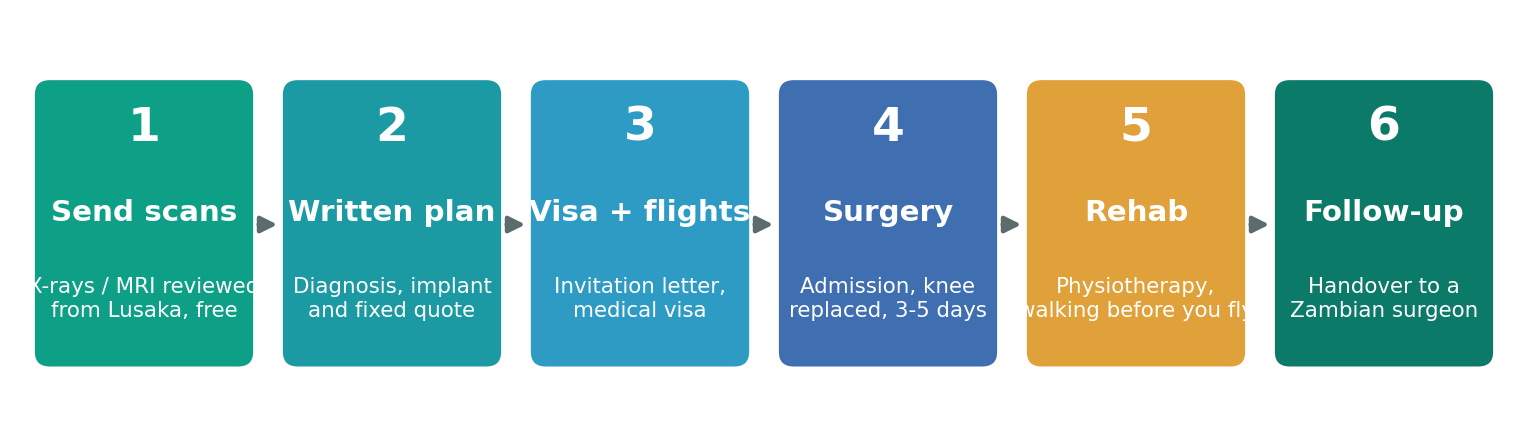
It begins before you leave home. Send your actual imaging — the X-ray and MRI files themselves, not only the typed report — and a good hospital will study them and return a written plan and a fixed quote at no charge. Only then do you commit a single kwacha.
Practicalities for travelling from Zambia
A few things specific to the journey. India requires a yellow fever vaccination certificate from travellers arriving from Zambia, and it becomes valid only ten days after the injection — so do not leave it to the final week. Your medical visa is issued by the High Commission of India on Pandit Nehru Road in Lusaka against the hospital’s invitation letter; apply for a medical-attendant visa in the same batch so a family member can travel with you. There is no direct flight: you will connect through Addis Ababa on Ethiopian Airlines, or through Dubai, Doha or Nairobi — a door-to-door journey of roughly fourteen to twenty hours. Book a changeable return ticket, because recovery does not always keep to the calendar.
Bring someone with you if you possibly can. A knee replacement leaves you dependent on another pair of hands for the first week or two, and the family member who travels on the attendant visa is not a luxury but part of the treatment. Most hospitals that receive international patients arrange airport pick-up, nearby guest accommodation at negotiated rates, and a coordinator who speaks with you daily — ask for all three in writing before you travel. Carry your original scans, your medication list and a summary of your other conditions, such as diabetes or high blood pressure, because these shape both the anaesthetic and the recovery. And move your money sensibly: settle the hospital directly through a traceable bank transfer rather than carrying large sums of cash across borders.
On paying for it. Zambia’s National Health Insurance scheme funds care at accredited facilities inside the country, not elective surgery abroad — so a planned knee replacement in India will come from your own resources. I would rather you knew that from the first line than discovered it later. If you hold a private or employer policy, ask the insurer in writing whether any overseas benefit exists before you assume it does.
Four signals that should make you pause
- A quote with no itemised breakdown — of surgeon, implant, hospital and physiotherapy.
- A refusal or reluctance to name the implant — the specific implant that will be used.
- Pressure to decide and pay today — without time to consider it properly.
- No arrangement for follow-up — once you are back in Zambia.
Straight answers for Zambian Patients about Knee Surgery in India
How long will I need to be in India?
Plan for about two to three weeks. The surgery is one thing; the physiotherapy that gets you walking safely and clears you to fly is what takes the time. You should not board a long-haul flight until your team is satisfied the risk of a clot has passed.
Is knee replacement in India actually safe?
In an accredited, high-volume centre, yes — outcomes match any good Western hospital. Safety comes from choosing the hospital and surgeon carefully, not from the country on the signboard.
Can both knees be done at the same time?
Often, for a fit patient — it saves a second journey and a second recovery, though it asks more of you in the first days. Your surgeon will assess your heart, lungs and general fitness before recommending it.
What if something goes wrong after I return home?
This is exactly why the follow-up plan and the implant record matter. With a common implant and a proper operative note, a Zambian orthopaedic surgeon can handle your routine follow-up and address problems without you flying back.
Sources & Useful Links
- 🌐 Medical visa (India), Lusaka — High Commission of India, requirements & process: hcizambia.gov.in/page/medical-visa
- 🌐 National Health Insurance (Zambia) — NHIMA cover and accredited facilities: nhima.co.zm
- 🌐 Ministry of Health, Zambia — referrals and national health services: moh.gov.zm
- 🌐 University Teaching Hospitals, Lusaka — Zambia’s largest public referral centre: uth.gov.zm
- 🌐 Hospital accreditation (India) — verify a hospital’s NABH accreditation: nabh.co
- 🌐 Yellow fever & travel health — WHO vaccination guidance: who.int/health-topics/yellow-fever
A closing word
If you send me your scans and a note on your history, I will review them and tell you honestly what I think — including whether I believe you should stay in Zambia rather than travel. A knee replacement done well can give you back the stairs, the market and the years of walking you thought were behind you. Done in the wrong place, for the wrong reasons, it can cost far more than money. My work has always been to make sure it is the first.
Frequently Asked Questions by Zambian Patients about Knee Surgery in India
Why do Zambian patients travel to India for knee surgery?
The guide explains that straightforward knee replacement may reasonably be performed in Zambia. Treatment in India may become more relevant for bilateral knee replacement, severe deformity, previous infection, revision surgery or patients seeking a high-volume centre.
How much does knee replacement in India cost for Zambian patients?
A total knee replacement is estimated at approximately US$4,500–US$6,000 all-in, or roughly ZK95,000–ZK115,000 at the exchange rate used in the guide.
What does the knee replacement cost in India usually include?
The document describes the typical package as covering the surgeon, implant, operating theatre, hospital stay and physiotherapy. Patients should obtain a written itemised quotation to identify anything excluded.
Should Zambian patients choose partial or total knee replacement?
It depends on the pattern of arthritis. Partial knee replacement may be suitable when only one compartment is damaged, while total knee replacement is generally used when the whole joint is worn.
Can both knees be replaced during one trip to India?
Yes, for some medically fit patients. The surgeon should assess the patient's heart, lungs and general fitness before recommending bilateral knee replacement during the same admission.
How much could bilateral knee replacement cost compared with two separate trips?
The page 3 chart shows an illustrative total outlay of approximately US$9,900 for both knees during the same admission compared with US$12,800 for two separate trips.
Are robotic knee replacement techniques available for Zambian patients in India?
The guide discusses robotic and computer-navigated techniques as technologies used at Indian centres to assist with accurate implant positioning.
How long can a knee implant last?
The guide states that a good knee implant should serve for approximately 15–20 years. It also recommends choosing a widely used, well-documented implant that can be recognised during future follow-up in Zambia.
How long should Zambian patients stay in India after knee replacement?
Patients should plan approximately two to three weeks in India. Supported walking commonly begins within one or two days, while the page 4 pathway shows approximately 3–5 days in hospital.
What are the main red flags when arranging knee replacement in India?
The guide identifies four warning signs: no itemised quotation, refusal or reluctance to name the implant, pressure to decide and pay immediately, and no arrangement for follow-up after returning to Zambia.
Page Summary
This guide explains knee surgery in India for Zambian patients, covering treatment selection, costs, bilateral surgery, implant choice, recovery and practical travel planning. The document recognises that straightforward knee replacement can be performed in Zambia, while more complex situations—such as both knees requiring replacement, severe deformity, previous infection or revision surgery—may strengthen the case for treatment at a high-volume centre.
Citation Block
| Topic | Information |
|---|---|
| Topic Information | Details |
| Procedure | Knee Surgery & Knee Replacement |
| Country | India |
| Intended Audience | Zambian Patients |
| Primary Condition | Advanced Knee Arthritis |
| Procedures | Partial Knee Replacement, Total Knee Replacement and Bilateral Knee Replacement |
| Partial Knee Indication | Arthritis Limited to One Compartment |
| Total Knee Indication | Whole Joint Significantly Affected |
| Bilateral Treatment | Both Knees May Be Replaced During One Admission in Suitable Patients |
| Technology Mentioned | Robotic and Computer-Navigated Knee Replacement |
| Implant Service Mentioned | Approximately 15–20 Years |
| Pre-Travel Requirement | Actual X-Ray and MRI Files |
| Hospital Stay | Approximately 3–5 Days Shown in Page 4 Pathway |
| Typical Stay in India | Approximately 2–3 Weeks |


Our Mission Statement
Our mission is to place patients at the centre of every healthcare decision by providing trustworthy, evidence-based, and unbiased medical information. We believe that informed patients make better decisions. Backed by personalised guidance from our experienced advisory team, we help patients understand their treatment options, compare them objectively, and confidently choose the path that best suits their medical needs and personal circumstances.
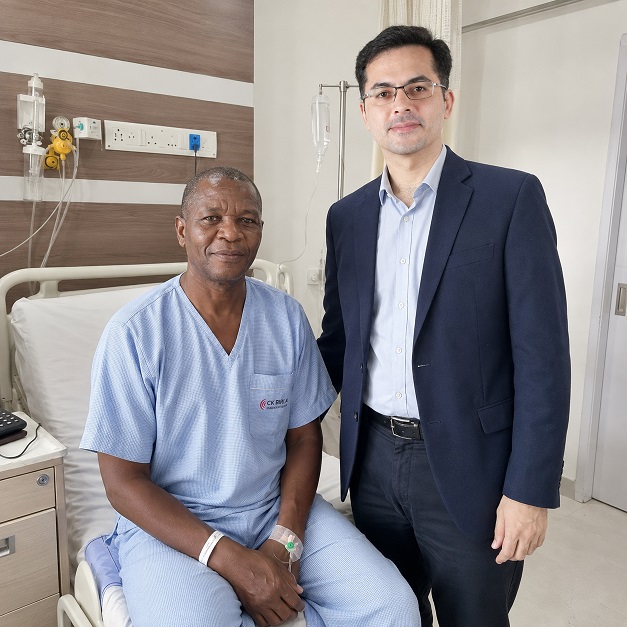
Patient Testimonials from Zambia


Ready to Take the First Step?
Share your Medical Reports with our Healthcare Managers Today and Get a FREE CONSULTATION, a Personalized Treatment Plan, and Complete Support from Arrival to Recovery.
Get Your Free ConsultationAreas We Serve
This resource has been thoughtfully prepared for patients from Zambia who are considering medical treatment in India. We also welcome patients from the wider region in the countries mentioned below-
We assist patients from:
- Zambia
- Angola
- Malawi
- Zimbabwe
- Botswana
- Namibia
- South Africa
- Eswatini
- Lesotho
- Gabon
- Chad
- Equatorial Guinea
- São Tomé and Príncipe
- Republic of the Congo
- Democratic Republic of the Congo
Many of the insights, treatment pathways, hospital recommendations, travel guidance, and patient support services described here are equally relevant and may be used as a reference when planning treatment in India.
From Zambia to India: Your Complete Patient Support Guide
- Best Weight-Loss (Bariatric) Surgeons & Hospitals in India for Zambian Patients
- Best Brain-Tumour Surgeons & Hospitals in India for Zambian Patients
- Best Cancer Doctors & Hospitals in India for Zambian Patients
- Best Cardiac Surgeons & Hospitals in India for Zambian Patients
- Best Cosmetic Surgeons & Facilities in India for Zambian Patients
- Best CyberKnife Treatment Teams & Centres in India for Zambian Patients
- Best Dentists & Dental Clinics in India for Zambian Patients
- Best Heart Valve Replacement Surgeons & Hospitals in India for Zambian Patients
- Best Hip Surgeons & Hospitals in India for Zambian Patients
- Best Knee Surgeons & Hospitals in India for Zambian Patients
- Best Neurosurgeons & Hospitals in India for Zambian Patients
- Best Paediatric Cardiac Surgeons & Hospitals in India for Zambian Patients
- Best Paediatric Neurosurgeons & Hospitals in India for Zambian Patients
- Best Prostate Surgeons & Hospitals in India for Zambian Patients
- Best Scoliosis Surgeons & Hospitals in India for Zambian Patients
- Best Spine Surgeons & Hospitals in India for Zambian Patients
- Best Bone Marrow Transplant Teams & Hospitals in India for Zambian Patients
- Best Kidney Transplant Surgeons & Hospitals in India for Zambian Patients