

15 Frequently Asked Questions : Gamma Knife Treatment in India for Zambian Patients
Gamma Knife Treatment is a form of stereotactic radiosurgery (SRS) used to deliver highly focused radiation to selected abnormalities in the brain and head. Despite its name, Gamma Knife does not involve a surgical knife or conventional incision. Multiple precisely directed radiation beams converge on the treatment target while limiting radiation exposure to surrounding healthy tissue. Gamma Knife is primarily used for selected small-to-medium brain tumours, vascular abnormalities and certain other neurological conditions. Gamma Knife may be used as a single treatment or, for selected larger or more complex lesions, as a fractionated stereotactic treatment depending on the technology and clinical plan.
Healing Journeys of Zambian Patients
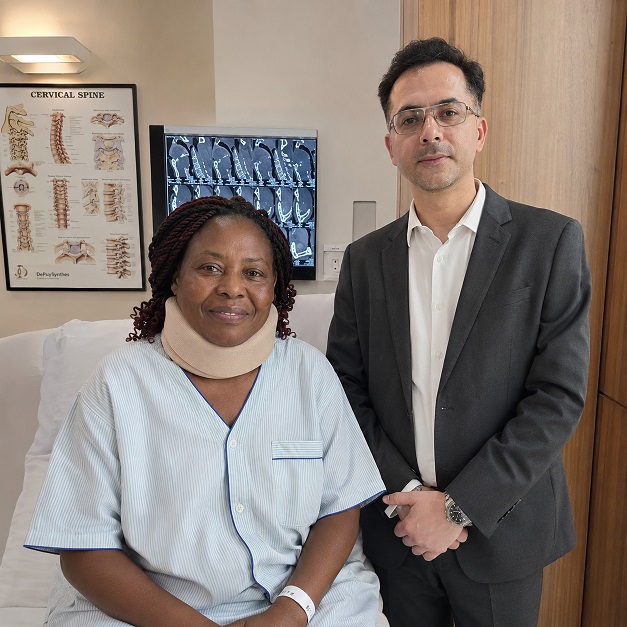
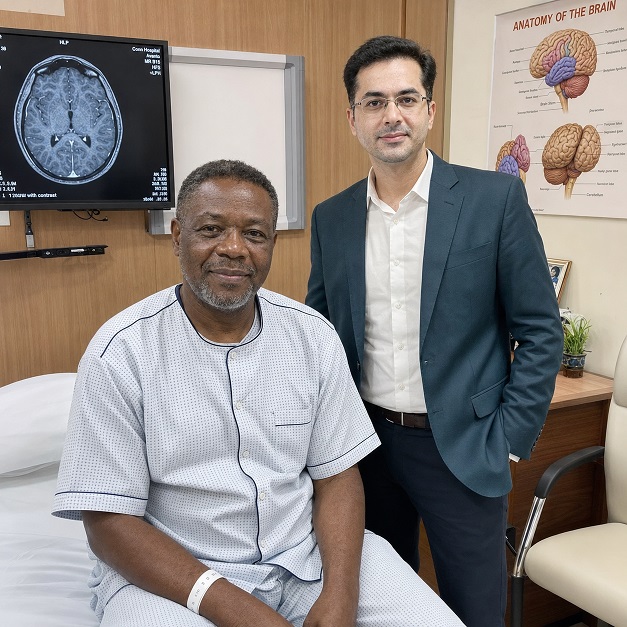
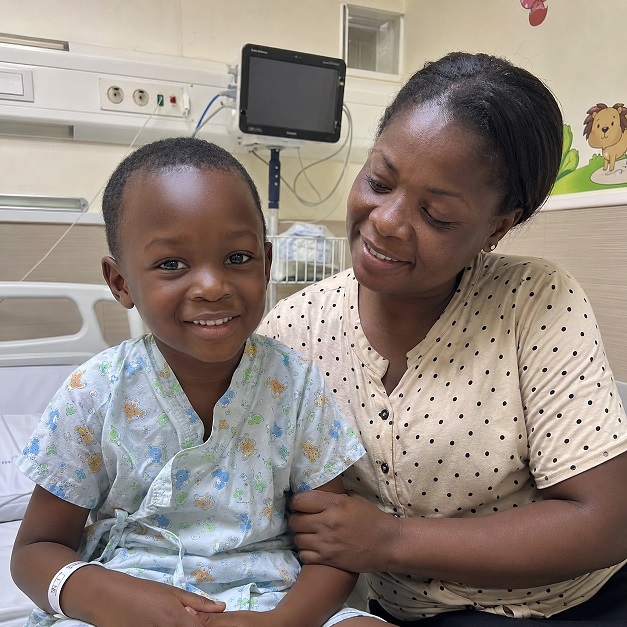

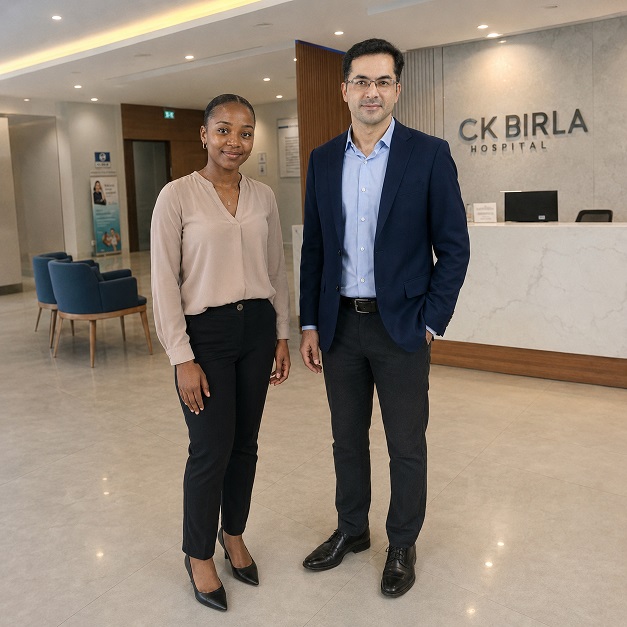
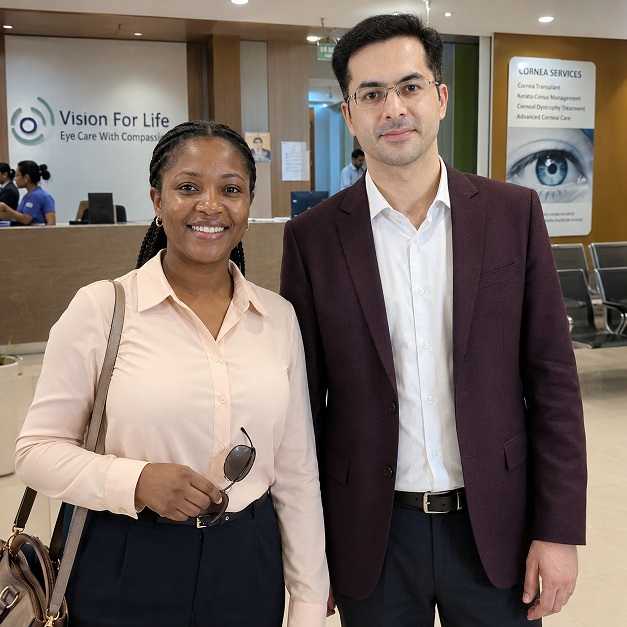
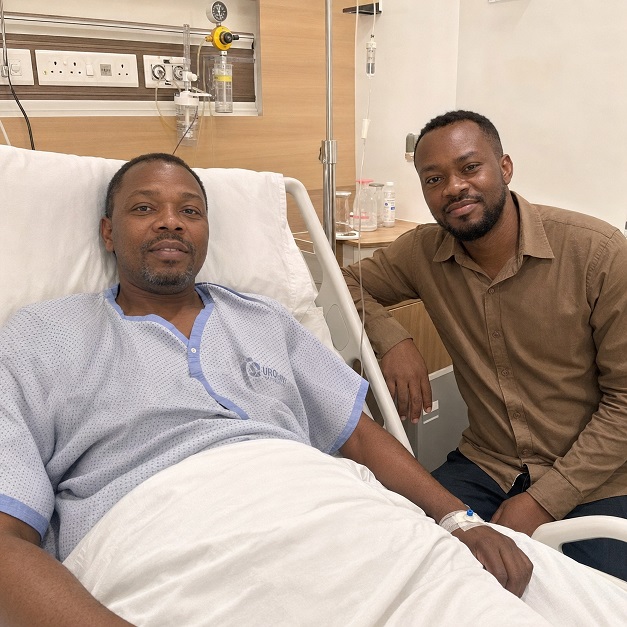
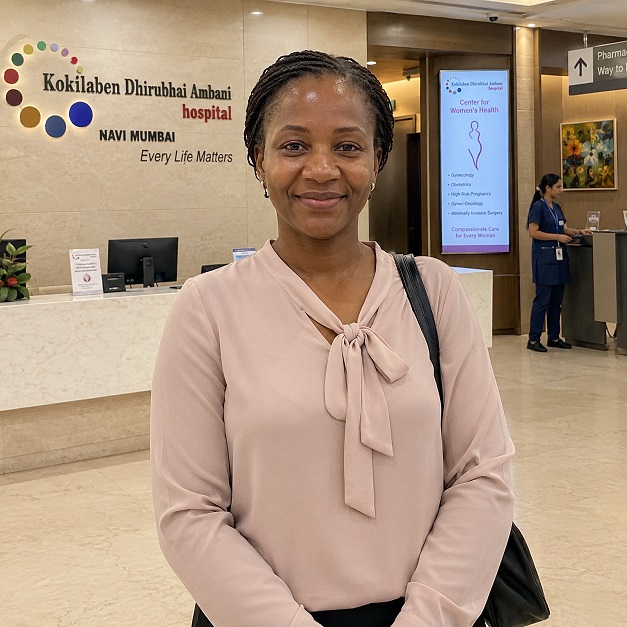
Important: Gamma Knife is not suitable for every brain tumour or neurological condition. Treatment selection depends on the diagnosis, size and location of the lesion, number of lesions, proximity to important structures, previous treatment and the patient's overall condition. The costs mentioned in this guide are indicative planning estimates only, not fixed hospital quotations. A final treatment plan and quotation should be obtained after evaluation by an experienced neurosurgeon and radiation oncology team. Patients with acute neurological emergencies such as sudden loss of consciousness, severe deterioration, major seizures or rapidly increasing neurological symptoms should seek urgent medical care rather than delaying treatment for international travel.
Q1 · Why do Zambian patients consider Gamma Knife Treatment in India?
Zambian patients may consider India when a specialist determines that stereotactic radiosurgery could be appropriate for a brain or other intracranial lesion.
Potential reasons include:
- Non-invasive treatment
- No conventional surgical incision
- Highly focused radiation delivery
- Treatment of selected difficult-to-access brain lesions
- Treatment of selected brain metastases
- Treatment of selected benign brain tumours
- Treatment of selected vascular malformations
- Treatment of selected recurrent lesions
- Short treatment courses in appropriately selected cases
- Outpatient or short-stay treatment in many cases
Gamma Knife uses multiple small radiation beams that converge on the target, allowing a high dose to be delivered to the lesion while limiting radiation to surrounding tissue.
Q2 · How much does Gamma Knife Treatment cost in India for Zambian patients?
The cost depends on the diagnosis, number and size of lesions, treatment planning, imaging, number of sessions, hospital and whether additional procedures are required.
Planning exchange rates: US$1 ≈ ZMW 19.5 US$1 ≈ INR 96
Published Indian estimates vary according to the hospital, treatment technology and complexity. One current Indian hospital estimate places Gamma Knife/SRS around INR 150,000–300,000, while costs can be higher for complex cases.
| Gamma Knife Treatment | Zambia Indicative Cost | India Indicative Cost | Potential Savings |
|---|---|---|---|
| Single small brain lesion | ZMW 300,000–500,000 / US$15,385–25,640 | INR 200,000–350,000 / US$2,085–3,645 | 30–55% |
| Brain tumour radiosurgery | ZMW 350,000–600,000 / US$17,950–30,770 | INR 250,000–400,000 / US$2,605–4,165 | 25–50% |
| Brain metastasis / selected multiple lesions | ZMW 400,000–650,000 / US$20,515–33,335 | INR 300,000–500,000 / US$3,125–5,210 | 25–50% |
| Meningioma | ZMW 350,000–600,000 / US$17,950–30,770 | INR 250,000–450,000 / US$2,605–4,690 | 25–50% |
| Vestibular schwannoma | ZMW 400,000–650,000 / US$20,515–33,335 | INR 300,000–500,000 / US$3,125–5,210 | 25–50% |
| AVM radiosurgery | ZMW 450,000–750,000 / US$23,075–38,460 | INR 350,000–550,000 / US$3,645–5,730 | 20–45% |
| Trigeminal neuralgia | ZMW 250,000–450,000 / US$12,820–23,075 | INR 150,000–300,000 / US$1,565–3,125 | 25–50% |
| Pituitary adenoma | ZMW 350,000–600,000 / US$17,950–30,770 | INR 250,000–450,000 / US$2,605–4,690 | 25–50% |
| Recurrent brain tumour | ZMW 450,000–750,000 / US$23,075–38,460 | INR 350,000–600,000 / US$3,645–6,250 | 20–45% |
| Complex/multiple intracranial lesions | ZMW 500,000–850,000 / US$25,640–43,590 | INR 400,000–700,000 / US$4,165–7,290 | 20–45% |
Important: These are planning estimates. The final quotation can change according to the number and size of lesions, imaging requirements, frame or mask immobilisation, treatment planning, number of fractions, specialist fees, hospital charges and follow-up.
Travel, accommodation, visa, food and local transportation are generally additional expenses.
Q3 · Which Indian cities can Zambian patients consider?
| Indian City | Gamma Knife / Stereotactic Radiosurgery Areas |
|---|---|
| Delhi NCR | Brain tumours, metastases, AVM and other selected intracranial lesions |
| Mumbai | Stereotactic radiosurgery and selected brain lesions |
| Chennai | Brain tumours, vascular lesions and stereotactic radiation |
| Bengaluru | Brain tumours, AVM, vestibular schwannoma and other selected lesions |
| Hyderabad | Gamma Knife/SRS and advanced radiation oncology |
| Gurugram | Neurosurgery, radiation oncology and stereotactic treatment |
| Noida | Neurosurgical and radiation oncology evaluation |
| Kolkata | Radiation oncology and stereotactic treatment |
| Pune | Stereotactic radiation and neuro-oncology |
| Ahmedabad | Radiation oncology and selected stereotactic procedures |
| Kochi | Advanced radiation oncology and neurological care |
| Thiruvananthapuram | Radiation oncology and neurosurgical services |
| Goa | Selected radiation oncology services |
| Nagpur | Radiation oncology and stereotactic treatment services |
Gamma Knife availability is technology-specific, so patients should confirm that the selected hospital provides Gamma Knife rather than another form of stereotactic radiation before travelling. India has several established Gamma Knife centres, although the technology is less common than LINAC-based stereotactic systems.
Q4 · Which hospitals in India can Zambian patients consider?
The following hospitals can be considered for specialist evaluation.
Important: Not every hospital listed necessarily has a Gamma Knife unit. Patients should confirm the exact Gamma Knife/SRS technology and the relevant specialist team before travel.
Delhi Hospitals
- Fortis Escorts Heart Institute, New Delhi
- BLK-Max Super Speciality Hospital, New Delhi
- Max Super Speciality Hospital, Saket
- Indraprastha Apollo Hospitals, New Delhi
- Sir Ganga Ram Hospital
- Max Super Speciality Hospital, Patparganj
- Manipal Hospital, Dwarka
- Fortis Hospital, Vasant Kunj
- Institute of Brain and Spine Hospital (IBS Hospital)
- Dharamshila Narayana Hospital
- Indian Spinal Injuries Centre
- AIIMS New Delhi
Chennai Hospitals
- MGM Healthcare
- MIOT International
- Apollo Hospitals, Greams Road
- Sri Ramachandra Medical Centre
- SIMS Hospital
- Kauvery Hospital
- Gleneagles HealthCity Chennai
- Vijaya Hospital
- Apollo Speciality Hospitals
- Rela Hospital
Mumbai Hospitals
- Bombay Hospital & Medical Research Centre
- Lilavati Hospital & Research Centre
- Jaslok Hospital & Research Centre
- Gleneagles Hospital, Mumbai
- Nanavati Max Super Speciality Hospital
- Kokilaben Dhirubhai Ambani Hospital
- P. D. Hinduja Hospital & Medical Research Centre
- Sir H. N. Reliance Foundation Hospital
- Wockhardt Hospitals, Mumbai
- Apollo Hospitals, Mumbai
Bengaluru Hospitals
- Manipal Hospital, Old Airport Road
- Manipal Hospital, Whitefield
- Manipal Hospital, Yeshwanthpur
- Apollo Hospitals, Bengaluru
- Fortis Hospital, Bannerghatta Road
- Aster CMI Hospital
- Sakra World Hospital
- Narayana Health City
- Sagar Hospitals
- Kauvery Hospital, Bengaluru
Hyderabad Hospitals
- KIMS Hospitals
- Yashoda Hospitals
- Apollo Health City
- CARE Hospitals
- Continental Hospitals
- Gleneagles Hospitals, Hyderabad
- Sunshine Hospitals
- Star Hospitals
Gurugram Hospitals
- Fortis Memorial Research Institute (FMRI)
- Medanta – The Medicity
- Artemis Hospital
- Max Hospital, Gurugram
- CK Birla Hospital, Gurugram
- Manipal Hospital, Gurugram
- Paras Health
- Narayana Superspeciality Hospital
Noida Hospitals
- Fortis Hospital, Noida
- Jaypee Hospital
- Max Super Speciality Hospital, Noida
- Yatharth Hospital
- Kailash Hospital
- Metro Hospital & Heart Institute
- Metro Center for Neurosciences
Kolkata Hospitals
- Apollo Multispeciality Hospitals
- AMRI Hospitals
- Fortis Hospital, Anandapur
- Manipal Hospitals, Salt Lake
- Medica Superspecialty Hospital
- Narayana Superspeciality Hospital
- Ruby General Hospital
Pune Hospitals
- Ruby Hall Clinic
- Jehangir Hospital
- Deenanath Mangeshkar Hospital
- Sahyadri Super Speciality Hospital
- Aditya Birla Memorial Hospital
- Manipal Hospital, Kharadi
- Medicover Hospital, Pune
Ahmedabad Hospitals
- Apollo Hospitals, Ahmedabad
- Zydus Hospitals
- Sterling Hospitals
- Shalby Hospitals
- HCG Hospitals
- SAL Hospital
- CIMS Hospital
Kochi Hospitals
- Aster Medcity
- Amrita Hospital
- VPS Lakeshore Hospital
- Rajagiri Hospital
- Aster MIMS
- Lisie Hospital
- Renai Medicity
Thiruvananthapuram Hospitals
- KIMSHEALTH Hospital
- Ananthapuri Hospitals and Research Institute
- SUT Hospital
- SP Medifort Hospital
- PRS Hospital
- GG Hospital
Goa Hospitals
- Manipal Hospital, Goa
- Healthway Hospital
- Manipal Hospitals, Dona Paula
- Goa Medical College and Hospital
- Apollo Victor Hospital
Nagpur Hospitals
- Wockhardt Hospitals, Nagpur
- MAX Multispeciality Hospital
- CARE Hospitals, Nagpur
- Kingsway Hospitals
- Lata Mangeshkar Hospital
Q5 · What is Gamma Knife Treatment and what conditions can it treat?
Gamma Knife is a form of stereotactic radiosurgery that uses multiple focused radiation beams to target a defined intracranial lesion.
Despite the word "knife", there is no conventional surgical cutting.
Brain Tumours
Selected patients with:
- Meningioma
- Vestibular schwannoma/acoustic neuroma
- Selected gliomas
- Pituitary adenoma
- Brain metastases
- Other selected benign or malignant brain tumours
may be evaluated for Gamma Knife.
Arteriovenous Malformation
Gamma Knife can be considered for selected brain AVMs. Radiation gradually affects the abnormal blood vessels rather than removing them surgically.
Trigeminal Neuralgia
Stereotactic radiosurgery can be used for selected patients with difficult-to-control trigeminal neuralgia.
Vestibular Schwannoma
Selected small or appropriately located vestibular schwannomas may be treated with stereotactic radiosurgery.
Other Conditions
Depending on the centre and diagnosis, Gamma Knife may also be considered for selected:
- Pituitary lesions
- Recurrent intracranial tumours
- Multiple brain metastases
- Other selected vascular or functional neurological disorders
Not every lesion is appropriate for Gamma Knife.
Q6 · What are the potential benefits of Gamma Knife Treatment?
For appropriately selected patients, potential benefits include:
- Non-invasive treatment
- No conventional surgical incision
- Highly focused radiation
- Reduced exposure of surrounding tissue compared with less targeted radiation approaches
- Treatment of selected lesions in difficult surgical locations
- Short treatment duration for many patients
- Outpatient or short-stay treatment in many cases
- No conventional open-brain surgery
- Option for selected patients who may not be ideal candidates for open surgery
Gamma Knife uses multiple focused beams that converge on the treatment target, while each individual beam has relatively little effect on the tissue through which it passes.
However, Gamma Knife does not immediately remove a tumour. The treatment effect develops over time, and follow-up imaging is important.
Q7 · Who may be suitable for Gamma Knife Treatment?
A patient may be considered for Gamma Knife when there is:
- A relatively small or well-defined lesion
- A lesion in a difficult surgical location
- A selected benign brain tumour
- Selected brain metastases
- Selected AVM
- Selected vestibular schwannoma
- Selected pituitary tumour
- Selected recurrent tumour
- A condition where focused radiation is considered appropriate
The specialist assessment considers:
- Lesion size
- Lesion location
- Number of lesions
- Growth pattern
- Previous treatment
- Distance from critical structures
- Patient's age and general health
- Previous radiation exposure
Large lesions causing significant pressure may require surgery or another treatment approach rather than Gamma Knife alone.
Q8 · What medical documents should Zambian patients send before travelling?
Patients should ideally provide:
- Recent MRI brain
- MRI with contrast where applicable
- CT scans
- PET-CT where relevant
- Previous radiology reports
- Biopsy reports
- Histopathology
- Molecular pathology where available
- Previous surgery reports
- Previous radiation-treatment records
- Oncology reports
- Neurology/neurosurgery reports
- Current medication list
- Blood-test reports
- Previous angiography reports for AVM patients
- Audiometry for relevant vestibular schwannoma cases
- Hormonal investigations for selected pituitary conditions
The actual MRI/CT images should be provided whenever possible rather than only the written report.
Q9 · How does Gamma Knife Treatment work in India?
Step 1 — Specialist Evaluation
A neurosurgeon and radiation oncology team review the diagnosis and imaging.
Step 2 — Suitability Assessment
The team determines whether Gamma Knife is appropriate or whether surgery, conventional radiation, another stereotactic technique or observation may be more suitable.
Step 3 — Treatment Planning Imaging
MRI, CT, angiography or other imaging may be used depending on the diagnosis.
Step 4 — Immobilisation
Depending on the Gamma Knife system and treatment plan, the patient's head may be stabilised using a frame or a frameless/mask-based approach.
Step 5 — Treatment Planning
The radiation oncologist, neurosurgeon, medical physicist and planning team define:
- Treatment target
- Radiation dose
- Treatment volume
- Nearby critical structures
- Number of sessions
Step 6 — Gamma Knife Treatment
Multiple focused gamma-ray beams converge on the treatment target.
Each individual beam has relatively little effect along its path, while the combined radiation dose is concentrated at the target.
Step 7 — Observation
The patient is monitored after treatment and may usually return to accommodation or home according to the treating team's instructions.
Step 8 — Follow-up
Follow-up MRI or other imaging is scheduled to assess treatment response.
Q10 · Are there alternatives to Gamma Knife Treatment?
Yes. Gamma Knife is one of several possible treatment approaches.
Depending on the diagnosis, alternatives may include:
- Open neurosurgery
- Microsurgical tumour removal
- CyberKnife
- LINAC-based stereotactic radiosurgery
- Fractionated stereotactic radiotherapy
- Conventional radiotherapy
- Proton therapy in selected cases
- Chemotherapy
- Targeted therapy
- Immunotherapy
- Embolisation for selected AVMs
- Active surveillance
Stereotactic radiosurgery can be delivered using different technologies, including Gamma Knife and LINAC-based systems. The choice depends on the lesion, treatment objectives and specialist assessment.
The appropriate choice should be based on the individual diagnosis rather than the technology name alone.
Q11 · What should Zambian patients ask before accepting a Gamma Knife quotation?
Before travelling to India, patients should ask:
- Is Gamma Knife appropriate for my exact diagnosis?
- What is the treatment objective?
- How large is the lesion?
- How many lesions need treatment?
- How many sessions are required?
- Is MRI/CT planning included?
- Is angiography included if required?
- Is the neurosurgical consultation included?
- Is the radiation oncology consultation included?
- Are medical physics and treatment-planning charges included?
- Are frame/mask charges included?
- Are medicines or observation charges included?
- What follow-up imaging will be required?
- What costs are excluded?
- How long should I remain in India?
Patients should request a written, itemised quotation before confirming travel.
Q12 · How long should Zambian patients stay in India?
Gamma Knife itself may require considerably less hospital time than conventional brain surgery.
| Treatment | Approximate Hospital Requirement | Possible Total India Stay |
|---|---|---|
| Single-session Gamma Knife | Usually day-care/short stay | 5–10 days |
| Multiple brain metastases | Short stay/day-care in many cases | 5–14 days |
| AVM radiosurgery | Usually short stay | 7–14 days |
| Vestibular schwannoma | Short stay | 5–14 days |
| Pituitary lesion | Short stay | 5–14 days |
| Complex/recurrent lesion | Depends on case | 1–3 weeks |
| Gamma Knife combined with other treatment | Depends on treatment plan | 2–4+ weeks |
These are planning estimates only.
International patients should allow additional time for specialist consultation, imaging, treatment planning, treatment and final medical review.
Q13 · What is recovery like after Gamma Knife Treatment?
Gamma Knife is non-invasive, so recovery is generally shorter than after open neurosurgery.
Patients may experience:
- Mild fatigue
- Headache
- Nausea
- Temporary scalp discomfort if a frame is used
- Mild swelling
- Temporary neurological symptoms depending on the treatment site
Radiation effects can also develop later, which is why follow-up imaging is important.
The response of a treated tumour or vascular lesion may take months rather than occurring immediately.
Some patients may require medication such as steroids around treatment depending on the lesion and the treating team's assessment.
Patients should follow the specific discharge and medication instructions provided by the treating centre.
Q14 · How can Zambian patients manage follow-up after returning home?
Before returning to Zambia, patients should obtain:
- Final diagnosis
- Gamma Knife treatment summary
- Radiation dose
- Treatment target
- Number of sessions/fractions
- Treatment date
- Pre-treatment MRI/CT
- Treatment-planning information where available
- Follow-up imaging schedule
- Medication list
- Steroid instructions where applicable
- Warning signs requiring medical attention
- Follow-up specialist recommendations
Follow-up may involve:
- Neurosurgeon
- Radiation oncologist
- Neurologist
- Neuro-oncologist
- Interventional neuroradiologist for selected vascular conditions
For brain tumours, follow-up MRI is commonly used to assess treatment response.
For AVM, longer-term imaging follow-up may be required because the treatment effect develops gradually.
Patients should arrange appropriate specialist follow-up in Zambia before returning home.
Q15 · Should a Zambian patient travel to India for Gamma Knife Treatment?
India can be considered by Zambian patients seeking specialist evaluation and stereotactic radiosurgery for selected brain tumours, vascular abnormalities and neurological conditions.
Gamma Knife may be relevant when a lesion is small, well-defined and located where focused radiation is considered appropriate.
However, Gamma Knife is not automatically suitable for every brain tumour or neurological condition.
Before travelling, patients should compare:
- Exact diagnosis
- Lesion size
- Lesion location
- Number of lesions
- Previous surgery
- Previous radiation
- Recommended treatment
- Gamma Knife versus open surgery
- Gamma Knife versus CyberKnife or LINAC-based SRS
- Number of sessions
- Expected treatment response
- Total treatment cost
- Follow-up imaging requirements
- Long-term follow-up in Zambia
For an international patient, obtaining a specialist review of complete imaging, pathology and previous treatment records before travel can help determine whether Gamma Knife is appropriate.
Final Zambian Patient Pre-Travel Checklist
Before travelling to India for gamma knife treatment, confirm the following:
Medical Preparation
- Recent MRI brain
- MRI with contrast where required
- CT scans
- PET-CT where applicable
- Actual imaging files
- Biopsy/histopathology reports
- Molecular pathology where available
- Previous operation reports
- Previous radiation records
- Oncology reports
- Neurosurgery/neurology reports
- Angiography reports for AVM patients where applicable
- Audiometry for relevant vestibular schwannoma cases
- Hormonal tests for selected pituitary cases
- Current medication list
Treatment Planning
- Gamma Knife suitability confirmed
- Exact diagnosis confirmed
- Lesion size and location confirmed
- Number of lesions confirmed
- Treatment objective explained
- Number of sessions confirmed
- MRI/CT planning requirements confirmed
- Frame/mask method confirmed
- Radiation dose discussed
- Written cost estimate received
- Included and excluded costs clarified
- Expected India stay confirmed
- Follow-up imaging schedule discussed
Travel Planning
- Passport and travel documents
- Medical visa arrangements where applicable
- Flights arranged
- Accommodation arranged
- Hospital transportation arranged
- Regular medicines packed
- Medical records available digitally and in print
- Financial arrangements completed
- Attendant/companion arrangements made if required
Before Returning to Zambia
- Final diagnosis received
- Gamma Knife treatment summary collected
- Radiation dose recorded
- Treatment date recorded
- Number of sessions recorded
- Treatment target documented
- Latest imaging collected
- Follow-up MRI/CT schedule confirmed
- Medication instructions understood
- Warning signs explained
- Follow-up specialist identified in Zambia
- Indian treatment documentation collected
Final Note
Gamma Knife Treatment in India for Zambian Patients provides a non-invasive stereotactic radiosurgery option for appropriately selected brain tumours, vascular abnormalities and other intracranial conditions. Gamma Knife uses multiple precisely focused radiation beams rather than conventional surgical cutting. It is primarily used for selected small-to-medium brain lesions and can be considered for conditions including certain brain tumours, metastases, AVMs, vestibular schwannomas and other selected neurological disorders. The most important step for a Zambian patient is to have the complete medical records, imaging and pathology reviewed by an experienced neurosurgery and radiation oncology team. This allows the team to determine whether Gamma Knife, conventional surgery, another stereotactic radiation technique or another treatment approach is appropriate.
Sources
- Government of India, Indian e-Visa — indianvisaonline.gov.in
- High Commission of India, Lusaka – Medical Visa — hcizambia.gov.in
- National Accreditation Board for Hospitals & Healthcare Providers — nabh.co
- National Medical Commission — nmc.org.in
- Ministry of Health, Zambia — moh.gov.zm
Page Summary
This guide answers 15 frequently asked questions about Gamma Knife Treatment in India for Zambian patients: Why do Zambian patients consider Gamma Knife Treatment in India; How much does Gamma Knife Treatment cost in India for Zambian patients; Which Indian cities can Zambian patients consider; Which hospitals in India can Zambian patients consider; What is Gamma Knife Treatment and what conditions can it treat; What are the potential benefits of Gamma Knife Treatment; Who may be suitable for Gamma Knife Treatment; What medical documents should Zambian patients send before travelling; How does Gamma Knife Treatment work in India; Are there alternatives to Gamma Knife Treatment; What should Zambian patients ask before accepting a Gamma Knife quotation; How long should Zambian patients stay in India; What is recovery like after Gamma Knife Treatment; How can Zambian patients manage follow-up after returning home; Should a Zambian patient travel to India for Gamma Knife Treatment. A pre-travel checklist and final note close the guide.


Our Mission Statement
Our mission is to place patients at the centre of every healthcare decision by providing trustworthy, evidence-based, and unbiased medical information. We believe that informed patients make better decisions. Backed by personalised guidance from our experienced advisory team, we help patients understand their treatment options, compare them objectively, and confidently choose the path that best suits their medical needs and personal circumstances.
Patient Testimonials from Zambia

Ready to Take the First Step?
Share your Medical Reports with our Healthcare Managers Today and Get a FREE CONSULTATION, a Personalized Treatment Plan, and Complete Support from Arrival to Recovery.
Get Your Free ConsultationAreas We Serve
This resource has been thoughtfully prepared for patients from Zambia who are considering medical treatment in India. We also welcome patients from the wider region in the countries mentioned below-
We assist patients from:
- Zambia
- Angola
- Malawi
- Zimbabwe
- Botswana
- Namibia
- South Africa
- Eswatini
- Lesotho
- Gabon
- Chad
- Equatorial Guinea
- São Tomé and Príncipe
- Republic of the Congo
- Democratic Republic of the Congo
Many of the insights, treatment pathways, hospital recommendations, travel guidance, and patient support services described here are equally relevant and may be used as a reference when planning treatment in India.
From Zambia to India: Your Complete Patient Support Guide
- Best Weight-Loss (Bariatric) Surgeons & Hospitals in India for Zambian Patients
- Best Brain-Tumour Surgeons & Hospitals in India for Zambian Patients
- Best Cancer Doctors & Hospitals in India for Zambian Patients
- Best Cardiac Surgeons & Hospitals in India for Zambian Patients
- Best Cosmetic Surgeons & Facilities in India for Zambian Patients
- Best CyberKnife Treatment Teams & Centres in India for Zambian Patients
- Best Dentists & Dental Clinics in India for Zambian Patients
- Best Heart Valve Replacement Surgeons & Hospitals in India for Zambian Patients
- Best Hip Surgeons & Hospitals in India for Zambian Patients
- Best Knee Surgeons & Hospitals in India for Zambian Patients
- Best Neurosurgeons & Hospitals in India for Zambian Patients
- Best Paediatric Cardiac Surgeons & Hospitals in India for Zambian Patients
- Best Paediatric Neurosurgeons & Hospitals in India for Zambian Patients
- Best Prostate Surgeons & Hospitals in India for Zambian Patients
- Best Scoliosis Surgeons & Hospitals in India for Zambian Patients
- Best Spine Surgeons & Hospitals in India for Zambian Patients
- Best Bone Marrow Transplant Teams & Hospitals in India for Zambian Patients
- Best Kidney Transplant Surgeons & Hospitals in India for Zambian Patients