

Gamma Knife Radiosurgery in India for Zambian Patients
Gamma Knife is neither a knife nor, in the usual sense, surgery — it is a single, extraordinarily precise day of treatment for the brain and skull base alone, and understanding what it can and cannot reach is the first step to knowing whether it is right for you.
Despite its name, Gamma Knife involves no blade and no incision. A rigid frame is fixed to the skull, hundreds of finely focused beams of gamma radiation are aimed at a target from different angles, and where they cross, they deliver a dose strong enough to control a tumour or malformation while sparing the surrounding brain almost entirely. It is usually finished within a single day. In 24 years of guiding patients through brain treatment abroad, I have found that the most common misunderstanding about Gamma Knife is not what it does, but what it is limited to — and getting that clear early saves families real time and worry.
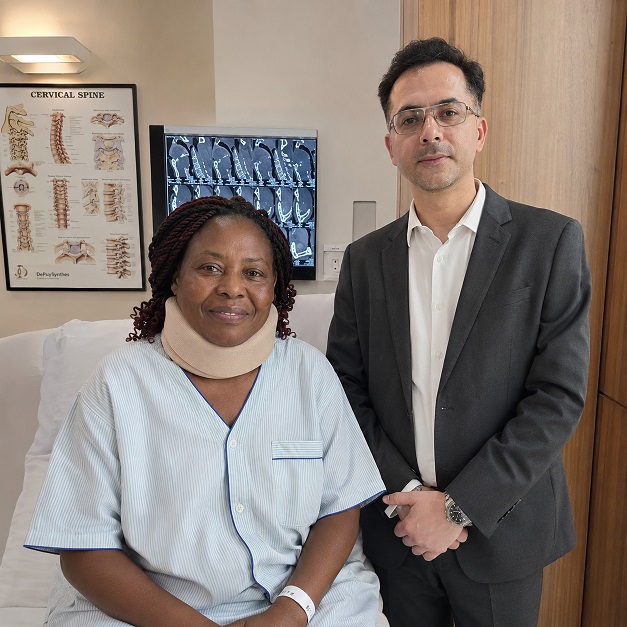
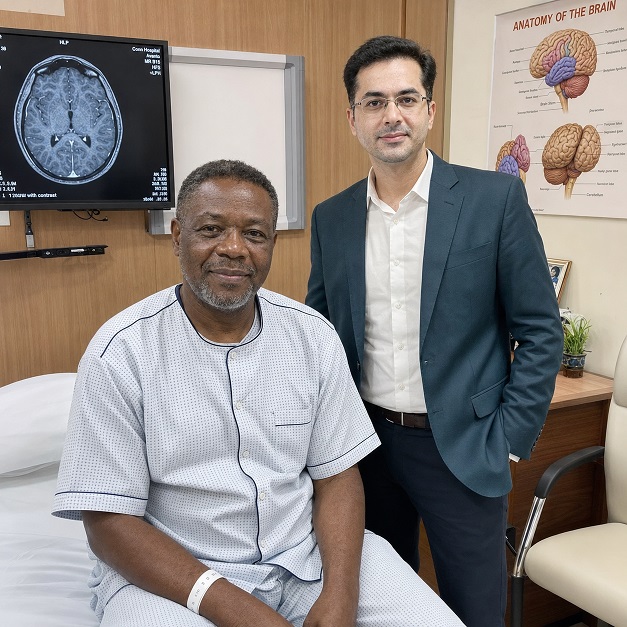
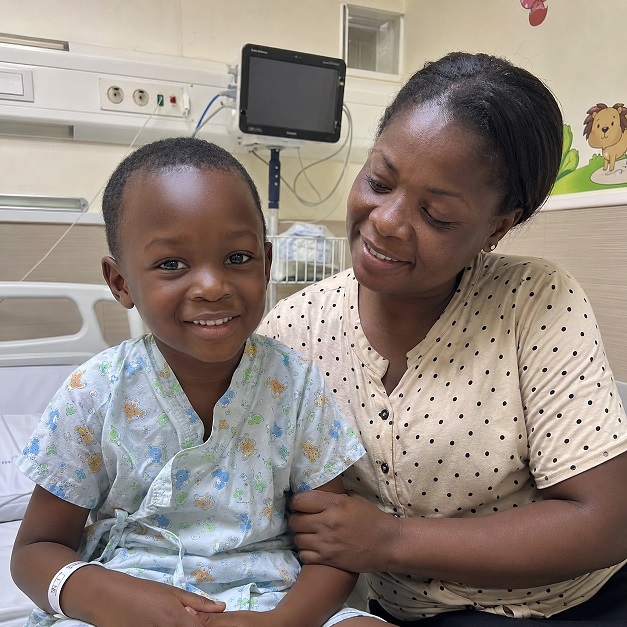
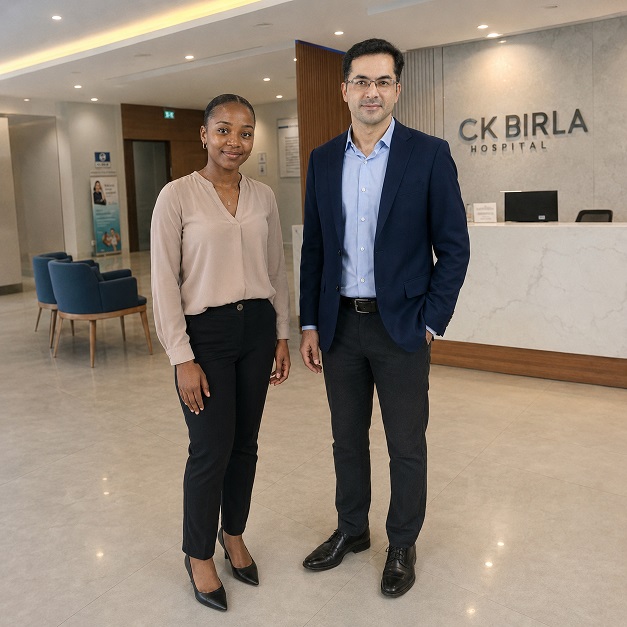
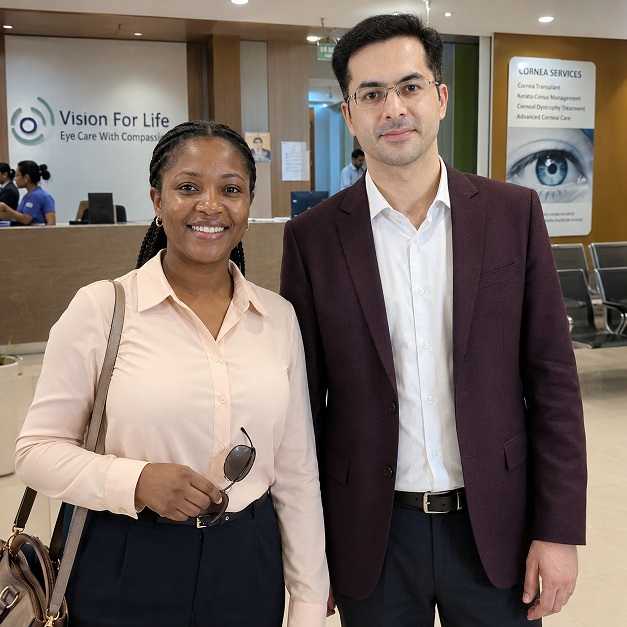
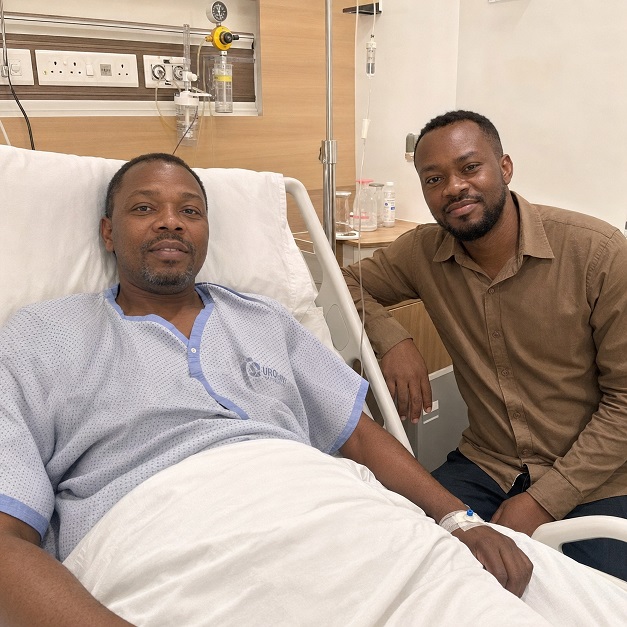
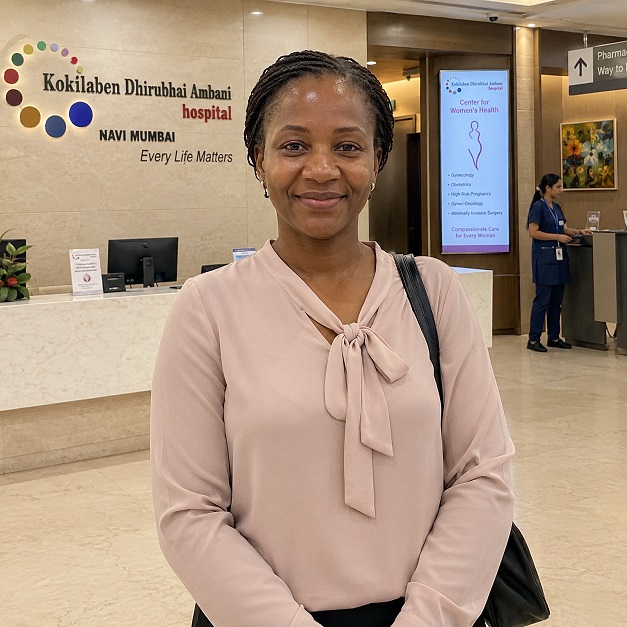
Healing Journeys of Zambian Patients

Key Takeaways
- The guide explains that Gamma Knife is not conventional surgery: there is no incision, and treatment is generally completed in a single day using hundreds of precisely focused gamma-ray beams. It is specifically designed for conditions involving the brain and skull base, rather than tumours elsewhere in the body.
- Gamma Knife may be considered for selected small-to-medium brain metastases, arteriovenous malformations (AVMs), acoustic neuroma, skull-base meningiomas, medication-resistant trigeminal neuralgia and selected essential tremor. Its suitability depends on the exact size, number and location of the target, so imaging review before travel is essential.
- For patients with a small number of brain metastases, the guide highlights the value of targeted radiosurgery in avoiding unnecessary irradiation of healthy brain tissue. The page 2 chart shows 63.5% cognitive decline at three months with radiosurgery alone versus 91.7% when whole-brain radiotherapy was added in the cited trial, without a survival improvement from adding whole-brain radiation.
- The guide also compares Gamma Knife thalamotomy with deep brain stimulation (DBS) for severe medication-resistant tremor. Gamma Knife avoids implanted hardware, programming and future battery replacement, which may be a practical advantage for a Zambian patient who cannot realistically maintain long-term follow-up abroad. However, its effects take time to develop, are permanent and generally treatment is performed on one side at a time.
- When choosing an Indian centre, the guide recommends checking how long the Gamma Knife programme has operated and how many procedures are performed annually for the patient's specific condition. Treatment planning should involve a multidisciplinary team including a neurosurgeon, radiation oncologist and medical physicist, because accurate dose planning depends on detailed physics calculations.
- The page 4 cost chart gives an indicative cost of approximately US$7,000 in India for a single Gamma Knife treatment session, compared with US$30,000 in the UK and US$55,000 in the US. Patients should request an itemised quotation covering pre-treatment imaging, the procedure and recommended follow-up scans, while remembering that Gamma Knife may be only one component of a wider cancer treatment plan.
Quick Facts
- Author
- Dr. Dheeraj Bojwani
- Experience
- 24+ Years of Experience
- Treatment
- Gamma Knife Radiosurgery
- Patients
- Zambian Brain & Neurological Patients
- Key Specialist
- Neurosurgeon / Radiation Oncologist
- Main Assessment
- Size, number and location of the brain lesion
- Key Priority
- Confirm Gamma Knife suitability before travel
- Key Conditions
- Brain metastases, AVMs, acoustic neuroma, meningioma, trigeminal neuralgia and selected tremor
- Key Selection Factor
- Annual experience with the specific condition
- Treatment Duration
- Usually a single day
- India Cost
- Approximately US$7,000
- UK Cost
- Approximately US$30,000
- US Cost
- Approximately US$55,000
- Pre-Travel Records
- Actual MRI/CT images and complete diagnosis
- Follow-Up
- Imaging arranged with the Indian and/or Zambian medical team
- Key Warning Signs
- Gamma Knife recommended without detailed imaging review or a clear follow-up plan
- Decision Principle
- Choose Gamma Knife only when it is the right tool for the specific condition
In Brief
For Zambian patients considering Gamma Knife in India, the most important step is confirming that the condition, target size, number and location make Gamma Knife appropriate. It can treat selected brain tumours, AVMs, acoustic neuromas, meningiomas, trigeminal neuralgia and essential tremor, but it cannot treat cancer throughout the body. The guide gives an indicative cost of US$7,000 in India for a single treatment session.
First, should you travel at all?
Zambia's neurosurgical and radiotherapy capacity remains limited, and Gamma Knife specifically is not available anywhere in the country. For the conditions it treats — certain brain tumours, vascular malformations, and a handful of functional and pain conditions — India has built substantial experience and offers this technology at a fraction of Western cost. Before travelling, though, the essential first step is confirming that Gamma Knife is genuinely suited to your specific condition, since it has real, well-defined limits.
This is a different starting point from the local capacity gaps described elsewhere in this guide series, since for most patients the question is not whether a comparable local option exists, but whether Gamma Knife itself is the right technology for what they have — a distinction worth understanding clearly before any conversation about which hospital or country to choose.
This distinction matters because Gamma Knife is often confused with other advanced radiotherapy technologies that sound similar but work differently and treat a wider range of targets. Gamma Knife's defining feature — a rigid frame fixed to the skull for sub-millimetre accuracy in a single session — is precisely what makes it so effective for its intended targets, and precisely why it is confined to the brain and skull base rather than the whole body.
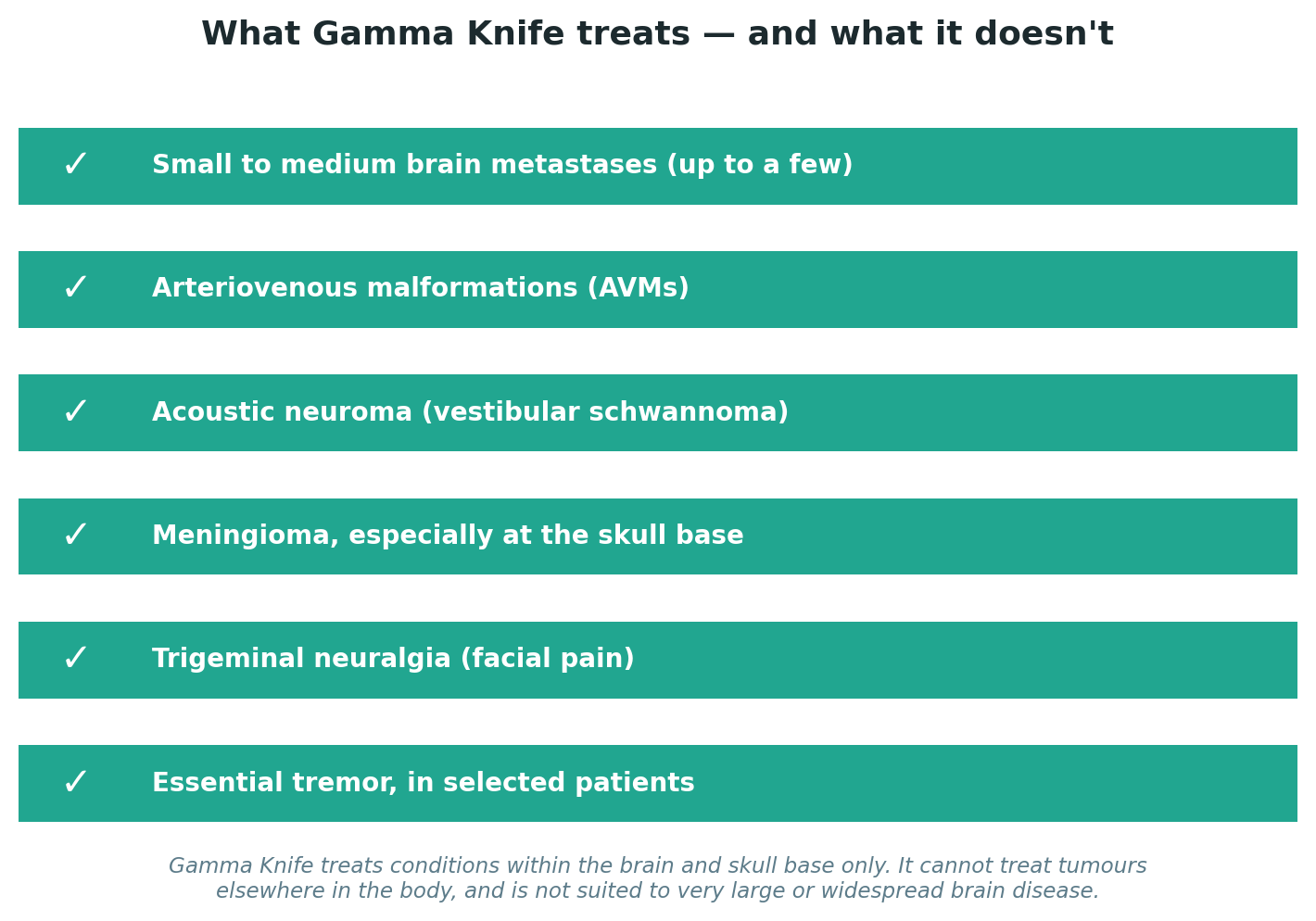
Gamma Knife's precision comes from its narrow focus — it is a brain-and-skull-base tool, not a whole-body one.
Why targeted treatment matters for brain metastases
One of the more common reasons Zambian patients consider Gamma Knife is the spread of cancer to the brain — brain metastases — often from breast, lung or cervical cancer. Historically, the default treatment for this was whole-brain radiotherapy, which irradiates the entire brain rather than just the affected areas. This works, but it comes at a cost: a landmark randomised trial found that patients treated with whole-brain radiotherapy in addition to targeted radiosurgery experienced substantially more cognitive decline within three months than those treated with targeted radiosurgery alone — without any improvement in how long they lived.
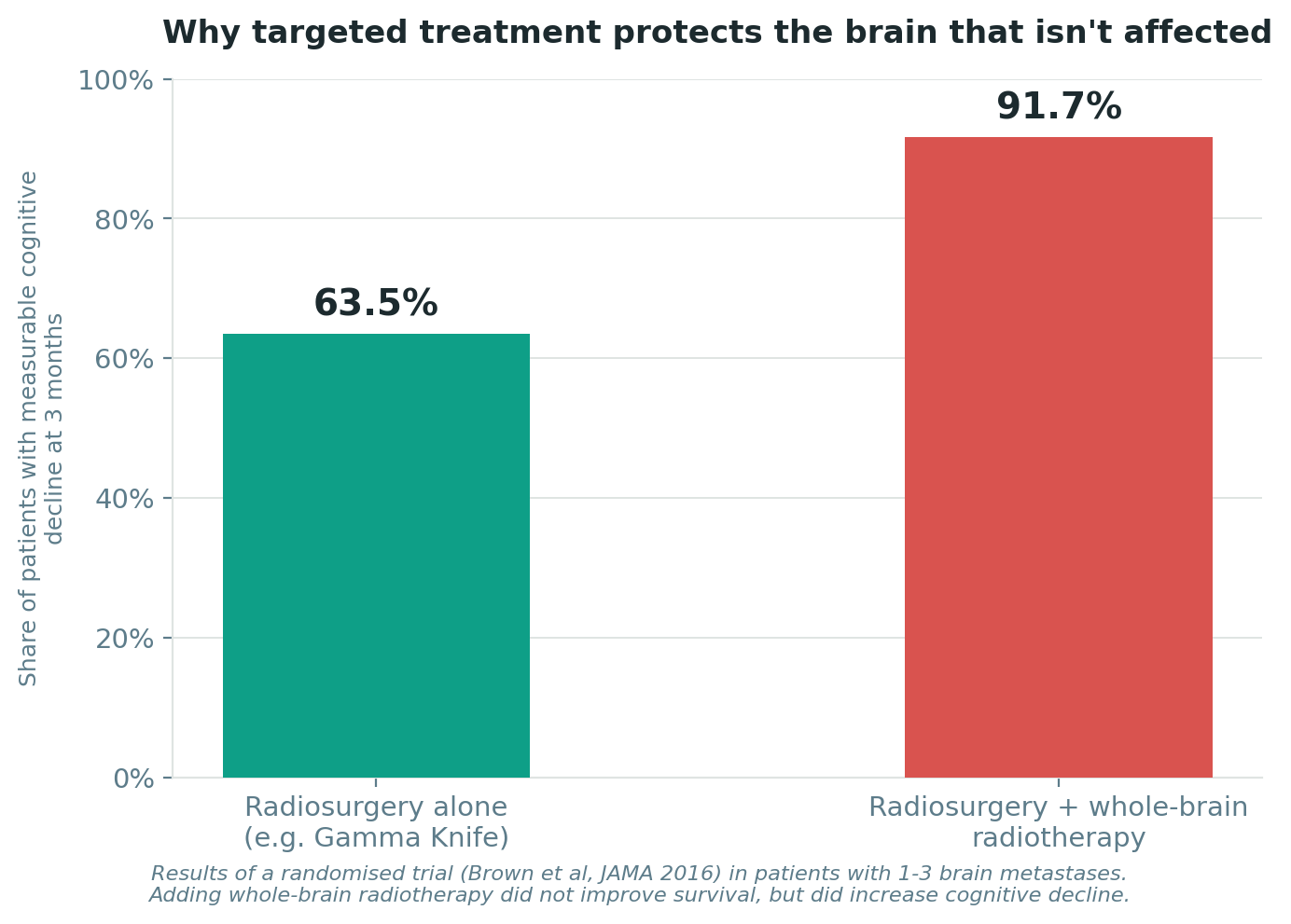
Adding whole-brain radiation did not extend survival in this trial, but it did come at a real cost to thinking and memory.
For patients with a small number of brain metastases, this evidence has shifted practice internationally toward treating each visible spot precisely with Gamma Knife, sparing the rest of the brain, rather than irradiating everything. This is not the right approach for every patient — those with very numerous or widespread metastases may still need whole-brain treatment — but for the right candidate, it offers genuinely better quality of life without giving up effective cancer control.
This distinction matters especially in a setting where cancers are sometimes diagnosed later than ideal, since brain metastases are more likely to be found when there is already a meaningful history of the original cancer. Discussing brain imaging with your oncology team as part of ongoing cancer surveillance, rather than only once symptoms like headaches or seizures appear, gives the best chance of finding metastases while they are still few enough for Gamma Knife to be the right tool.
| Your situation | Typical approach | What it involves |
|---|---|---|
| A small number of brain metastases, each well-defined | Gamma Knife to each lesion individually | Precise treatment sparing the surrounding brain, avoiding whole-brain radiotherapy's cognitive cost |
| Numerous or very widespread brain metastases | Whole-brain radiotherapy still often appropriate | Gamma Knife alone is not well suited to very high numbers of lesions |
| Small to medium acoustic neuroma or meningioma, especially at the skull base | Gamma Knife as an alternative to open surgery | Growth is controlled without the risks of a craniotomy; hearing preservation is often better for acoustic neuroma |
| Arteriovenous malformation (AVM) | Gamma Knife, with results over 2-3 years | The abnormal blood vessels gradually close off; this is a slow process, not an immediate fix |
| Trigeminal neuralgia, medication-resistant | Gamma Knife as a non-invasive option | Targets the nerve at the base of the brain to reduce facial pain, without an incision |
| Severe essential tremor, medication-refractory | Gamma Knife thalamotomy considered case by case | Discussed in detail below — a genuine alternative to implanted stimulation devices |
Why "no new hardware" matters for a patient going home to Zambia
For severe, medication-resistant tremor, the best-established surgical treatment worldwide is deep brain stimulation — implanted electrodes connected to a battery pack under the skin, adjustable and reversible, but requiring periodic programming visits and, eventually, surgery to replace the battery. Gamma Knife thalamotomy offers a genuine alternative: a single outpatient session that creates a precise, permanent lesion in the part of the brain driving the tremor, without implanting anything at all. It is not simply a lesser option — it avoids the risks of an implanted device entirely — but its effects take months to appear, are not reversible if something is imprecise, and it is generally only done on one side at a time. For a patient whose only realistic long-term follow-up is in Zambia, avoiding a device that needs periodic reprogramming and battery changes abroad is a genuine, practical consideration, not a minor detail.
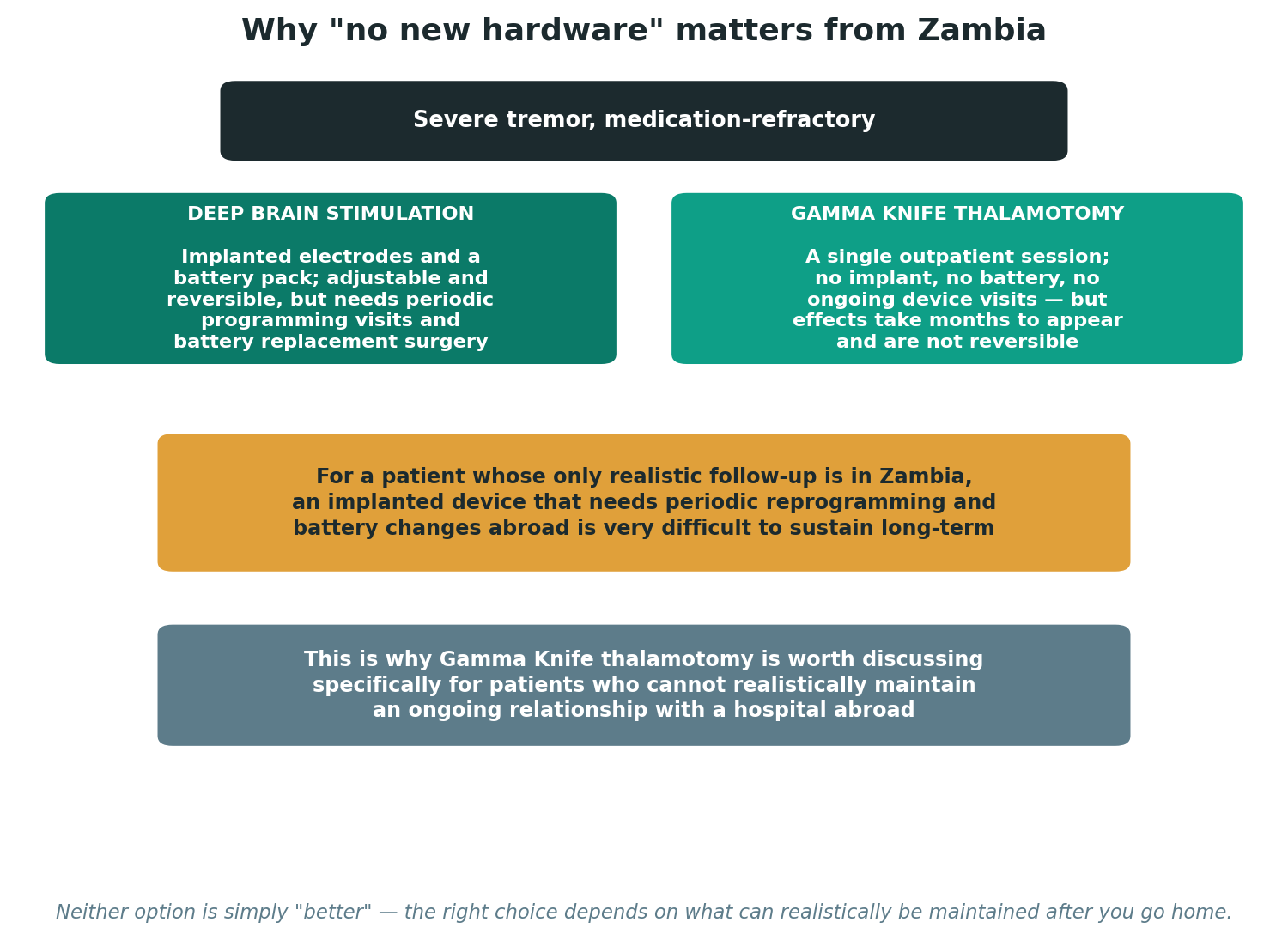
Neither option is simply better — the right choice depends on what can realistically be maintained after you go home.
Choosing the centre
Ask how many years the centre has operated its Gamma Knife programme and how many procedures they perform annually for your specific condition, since experience varies meaningfully between a well-established programme and a newer one. Confirm that your case is reviewed by a genuine multidisciplinary team — a neurosurgeon, radiation oncologist and medical physicist together — rather than a single specialist working alone, since precise dose planning is a team effort involving detailed physics calculations specific to your anatomy.
Check accreditation (NABH, ideally JCI), and ask how follow-up imaging will be arranged once you are home, since Gamma Knife's effects unfold over months, not days, and someone needs to track your progress on scans over that time, whether that is the Indian centre remotely, a Zambian radiologist, or both working together.
It is also worth asking which specific model of Gamma Knife system the centre uses, since the technology has been refined considerably over recent years, with newer systems offering faster treatment times and, in some cases, a more comfortable fixation system than the traditional rigid frame. This is a reasonable, specific question to ask, not an unnecessary technical detail.
Cost and value: how to weigh the money honestly
Gamma Knife treatment in a good Indian hospital costs a small fraction of the equivalent treatment in the West, and because it is typically a single-day outpatient procedure, the total cost including travel is often manageable even after accounting for flights and accommodation. The saving is real, but it depends entirely on Gamma Knife being the right tool for your specific condition — a discounted price on treatment that was never going to help is not a saving at all.
It is also worth remembering that Gamma Knife is sometimes one part of a larger treatment plan rather than the whole of it, particularly for cancer that has spread to the brain, where systemic treatment such as chemotherapy or targeted therapy for the original cancer continues alongside it. Ask for the complete treatment plan and its full cost, not just the radiosurgery component, so you understand the true scope of what is being recommended.
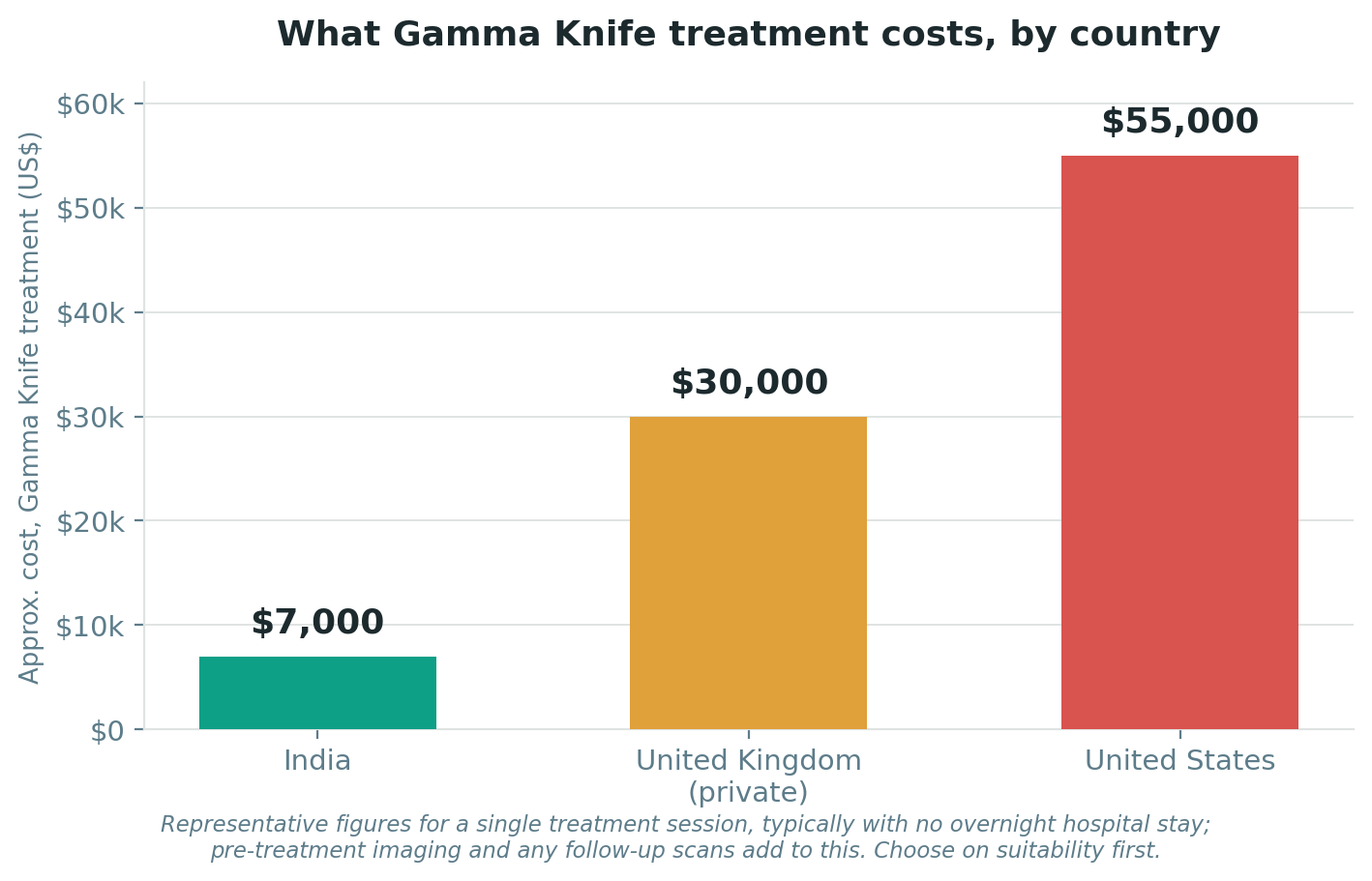
India's affordability is genuine — but confirm your condition is one Gamma Knife is suited to treat first.
In 24 years of arranging these journeys, I have found that the patients who do best are the ones who arrive with a clear, specific answer to why Gamma Knife, rather than surgery or another form of radiotherapy, was recommended for their particular condition. Ask for a written, itemised quote covering pre- treatment imaging, the procedure itself, and any recommended follow-up scans, before you commit.
What a Zambian patient should weigh in particular
Beyond the clinical decision, several practical matters deserve attention. First, payment: NHIMA funds care at accredited facilities inside Zambia, not treatment abroad, so Gamma Knife treatment in India comes from your own resources — another reason to confirm suitability clearly before committing funds. Second, because results unfold over months, arrange with a Zambian doctor to obtain and interpret follow-up scans at the intervals your Indian team recommends, and insist on a complete written treatment summary before you leave, including the exact radiation dose delivered, since this matters for any future treatment decisions. Third, if your reason for considering Gamma Knife is a functional condition like tremor rather than a tumour, have an honest conversation about which treatment — Gamma Knife or an implanted device — fits your realistic ability to access follow-up care over the years ahead.
Fourth, if your condition is brain metastases from a cancer diagnosed and partly treated in Zambia, bring your complete oncology records, including pathology results and any prior treatment given, since the Indian team will need this full picture to plan Gamma Knife as part of your overall cancer care, not as an isolated procedure disconnected from what has already been done.
The practical journey from Zambia
India requires a yellow fever vaccination certificate from travellers arriving from Zambia, valid only from ten days after the injection. Your medical visa is issued by the High Commission of India on Pandit Nehru Road in Lusaka against the hospital's invitation letter. There is no direct flight from Zambia to India; you will connect through Addis Ababa on Ethiopian Airlines, or through Dubai, Doha or Nairobi. Send your actual MRI or CT images, not only written reports, for remote review before you travel, since the precise size, number and location of your lesion or condition is what determines whether Gamma Knife is genuinely suitable.
Straight answers for Zambian Patients about Gamma Knife Radiosurgery in India
Can Gamma Knife treat cancer anywhere in my body?
No. Gamma Knife treats conditions within the brain and skull base only. Cancer or tumours elsewhere in the body need a different form of treatment entirely.
How quickly will I know if it worked?
Not immediately. Depending on the condition, effects can take weeks for some conditions to years for others, such as AVMs, to fully develop. Follow-up scans over that time are essential to track progress.
My relative has severe tremor. Is Gamma Knife or a stimulation implant the better choice?
It depends partly on your relative's condition and partly on practical realities — an implanted device needs ongoing programming and eventual battery replacement, which is harder to sustain if long-term follow-up abroad is not realistic. This is worth discussing openly with a specialist familiar with both options.
Will I need to stay in India for weeks after treatment?
Usually not. Gamma Knife is typically a single-day procedure, and most patients are able to travel home within a few days, once any swelling from the frame has settled and the treating team is satisfied there are no immediate complications. Follow-up scans, however, will need to be arranged over the following months.
Sources
- 🌐 Medical visa, Lusaka — High Commission of India, requirements & process: hcizambia.gov.in/page/medical-visa
- 🌐 Hospital accreditation (India) — Verify a hospital's NABH accreditation: nabh.co
- 🌐 National Health Insurance (Zambia) — NHIMA cover, treatment abroad is not covered: nhima.co.zm
- 🌐 Ministry of Health Zambia — National health services & guidance: moh.gov.zm
- 🌐 National Medical Commission (verify a doctor) — Confirm a doctor's registration in India: nmc.org.in
- 🌐 WHO yellow fever — Vaccination requirements before travel: who.int/health-topics/yellow-fever
A Closing Word
Of everything I help families understand, Gamma Knife is one of the clearest examples of a treatment that is extraordinary for the right condition and simply not applicable for others. If you send me your scans and a note on your diagnosis, I will help you understand honestly whether Gamma Knife is a genuine option for your specific condition, how it compares with the alternatives available to you, and which centres in India have the experience and multidisciplinary team to treat you well.
Frequently Asked Questions by Zambian Patients about Gamma Knife Radiosurgery in India
Is Gamma Knife actually surgery?
Not in the traditional sense. There is no incision and typically no overnight hospital stay, though a rigid frame is fixed to the skull, usually under local anaesthetic, to keep the head perfectly still during treatment. Most patients describe it as more like an intensive outpatient procedure than an operation.
What conditions can Gamma Knife treat?
The guide lists selected brain metastases, AVMs, acoustic neuroma, meningioma, trigeminal neuralgia and essential tremor among conditions that may be considered.
Can Gamma Knife treat cancer anywhere in the body?
No. Gamma Knife is designed for brain and skull-base conditions only. Tumours elsewhere require other treatment technologies.
Is Gamma Knife suitable for all brain metastases?
No. It is most suitable when there are a small number of well-defined lesions. Patients with numerous or widespread metastases may require whole-brain radiotherapy or another treatment approach.
What does Gamma Knife cost in India?
The guide gives an indicative cost of approximately US$7,000 for a single treatment session in India. Pre-treatment imaging and follow-up may affect the total cost.
How long does Gamma Knife treatment take?
It is generally a single-day outpatient procedure, and most patients can return home within a few days after the treating team confirms there are no immediate complications.
Is Gamma Knife or DBS better for severe tremor?
Neither is automatically better. DBS is adjustable and reversible but requires ongoing programming and eventual battery replacement. Gamma Knife avoids implanted hardware but creates a permanent lesion and its effects develop gradually.
What should I send before travelling?
Send the actual MRI or CT images, not only written reports. The precise size, number and location of the lesion are central to determining whether Gamma Knife is appropriate.
Why is multidisciplinary planning important?
Gamma Knife treatment requires highly precise dose planning. The guide recommends a team involving a neurosurgeon, radiation oncologist and medical physicist rather than relying on a single specialist.
How quickly will I know whether Gamma Knife worked?
Not necessarily immediately. Effects vary by condition: some may become apparent over weeks or months, while AVM treatment can take 2–3 years to achieve its full effect. Follow-up imaging is therefore essential.
Page Summary
This five-page Zambia-to-India medical travel guide explains Gamma Knife radiosurgery, emphasising that it is a single-day, incision-free treatment specifically for brain and skull-base conditions. It covers brain metastases, AVMs, acoustic neuroma, meningioma, trigeminal neuralgia and selected essential tremor, while explaining the practical difference between Gamma Knife and implanted DBS for patients returning to Zambia. The page 2 chart compares cognitive decline with radiosurgery alone versus radiosurgery plus whole-brain radiotherapy, while the page 3 diagram compares DBS with Gamma Knife thalamotomy. The page 4 cost chart gives an indicative cost of US$7,000 in India, compared with US$30,000 in the UK and US$55,000 in the US.
Citation Block
| Topic | Information |
|---|---|
| Topic | Gamma Knife Radiosurgery in India for Zambian Patients |
| Treatment | Gamma Knife Radiosurgery |
| Patients | Zambian Brain & Neurological Patients |
| Specialist | Neurosurgeon / Radiation Oncologist |
| Main Assessment | Target size, number and location |
| Key Priority | Confirm Gamma Knife suitability |
| Conditions | Brain metastases, AVM, acoustic neuroma, meningioma, trigeminal neuralgia, selected tremor |
| Brain Metastases | Gamma Knife for selected small numbers of well-defined lesions |
| AVM | Effects develop gradually over 2–3 years |
| Tremor Option | Gamma Knife thalamotomy vs DBS |
| Hospital Check | Established Gamma Knife programme |
| Team Requirement | Neurosurgeon + radiation oncologist + medical physicist |
| India Cost | Approximately US$7,000 |
| UK Cost | Approximately US$30,000 |
| US Cost | Approximately US$55,000 |
| Treatment Duration | Usually one day |
| Pre-Travel Records | Actual MRI/CT images |
| Follow-Up | Imaging over subsequent months |
| Quality Check | NABH, ideally JCI |
| Technology Check | Specific Gamma Knife system/model |
| Quote Check | Imaging, procedure and follow-up scans |
| Key Statistic | 63.5% vs 91.7% cognitive decline in cited treatment comparison |
| Kenya/Zambia Access | Gamma Knife unavailable in Zambia according to the guide |
| Patient Pathway | Imaging → multidisciplinary review → Gamma Knife planning → treatment → follow-up imaging |
| Decision Principle | Confirm the technology is appropriate before choosing the centre or travelling |


Our Mission Statement
Our mission is to place patients at the centre of every healthcare decision by providing trustworthy, evidence-based, and unbiased medical information. We believe that informed patients make better decisions. Backed by personalised guidance from our experienced advisory team, we help patients understand their treatment options, compare them objectively, and confidently choose the path that best suits their medical needs and personal circumstances.
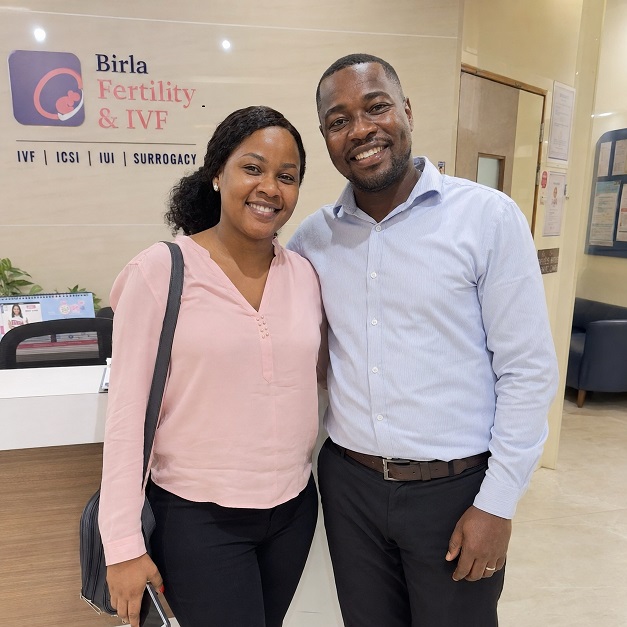
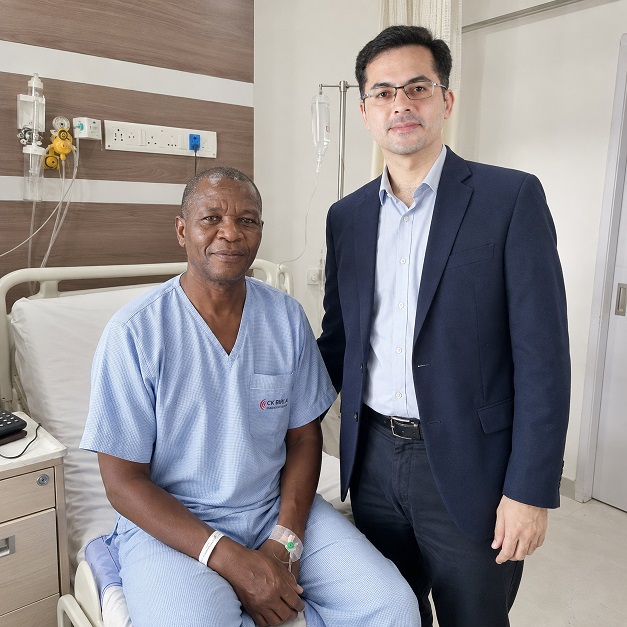
Patient Testimonials from Zambia

Ready to Take the First Step?
Share your Medical Reports with our Healthcare Managers Today and Get a FREE CONSULTATION, a Personalized Treatment Plan, and Complete Support from Arrival to Recovery.
Get Your Free ConsultationAreas We Serve
This resource has been thoughtfully prepared for patients from Zambia who are considering medical treatment in India. We also welcome patients from the wider region in the countries mentioned below-
We assist patients from:
- Zambia
- Angola
- Malawi
- Zimbabwe
- Botswana
- Namibia
- South Africa
- Eswatini
- Lesotho
- Gabon
- Chad
- Equatorial Guinea
- São Tomé and Príncipe
- Republic of the Congo
- Democratic Republic of the Congo
Many of the insights, treatment pathways, hospital recommendations, travel guidance, and patient support services described here are equally relevant and may be used as a reference when planning treatment in India.
From Zambia to India: Your Complete Patient Support Guide
- Best Weight-Loss (Bariatric) Surgeons & Hospitals in India for Zambian Patients
- Best Brain-Tumour Surgeons & Hospitals in India for Zambian Patients
- Best Cancer Doctors & Hospitals in India for Zambian Patients
- Best Cardiac Surgeons & Hospitals in India for Zambian Patients
- Best Cosmetic Surgeons & Facilities in India for Zambian Patients
- Best CyberKnife Treatment Teams & Centres in India for Zambian Patients
- Best Dentists & Dental Clinics in India for Zambian Patients
- Best Heart Valve Replacement Surgeons & Hospitals in India for Zambian Patients
- Best Hip Surgeons & Hospitals in India for Zambian Patients
- Best Knee Surgeons & Hospitals in India for Zambian Patients
- Best Neurosurgeons & Hospitals in India for Zambian Patients
- Best Paediatric Cardiac Surgeons & Hospitals in India for Zambian Patients
- Best Paediatric Neurosurgeons & Hospitals in India for Zambian Patients
- Best Prostate Surgeons & Hospitals in India for Zambian Patients
- Best Scoliosis Surgeons & Hospitals in India for Zambian Patients
- Best Spine Surgeons & Hospitals in India for Zambian Patients
- Best Bone Marrow Transplant Teams & Hospitals in India for Zambian Patients
- Best Kidney Transplant Surgeons & Hospitals in India for Zambian Patients