

Dental Surgery in India for Zambian Patients
India offers world-class dental work at a fraction of Western prices — but the treatment that catches travellers out is not the drill, it is the calendar. This guide explains how to plan the trip, avoid over- treatment, and choose safely.
A troublesome tooth has a way of taking over a life — the ache that spoils sleep, the gap that makes you cover your mouth, the missing teeth that make eating a chore. India has become one of the world’s great destinations for putting these things right, with skilled dentists, modern clinics and prices a fraction of those in the West, which is why so many people travel for their dental work. For 24 years I have helped African patients make that journey well, and I have found that dentistry rewards planning more than almost any other kind of treatment. The single most useful thing I can teach you is not about the surgery at all — it is about time, and how to arrange your trip around it.
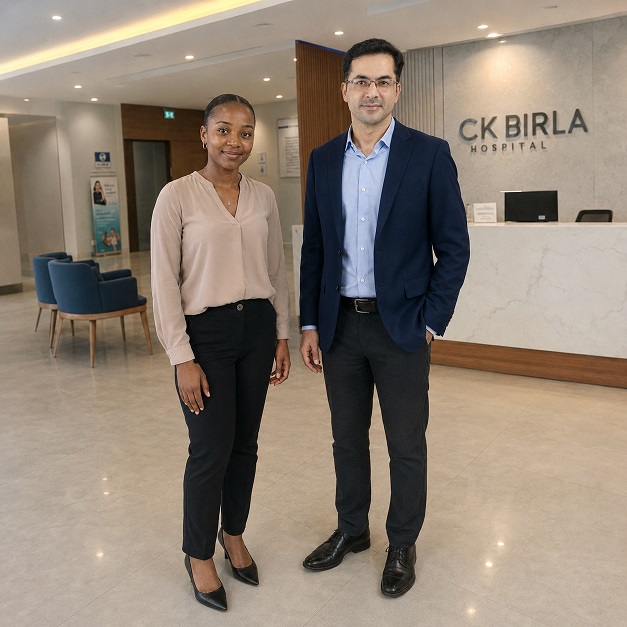
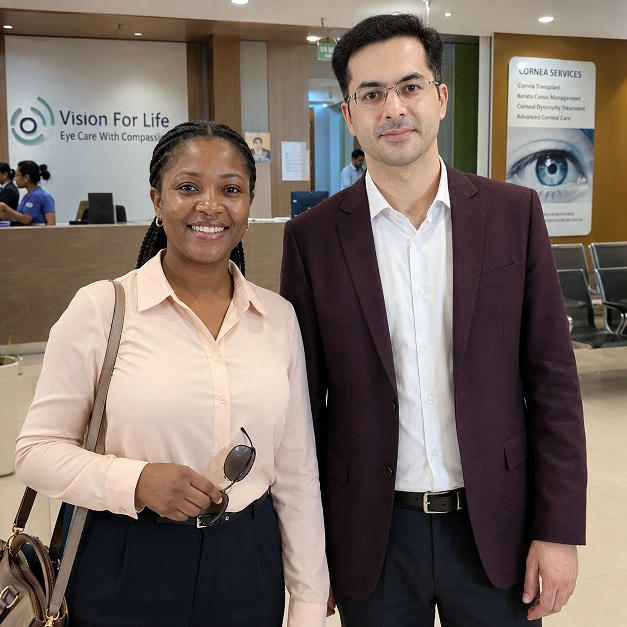
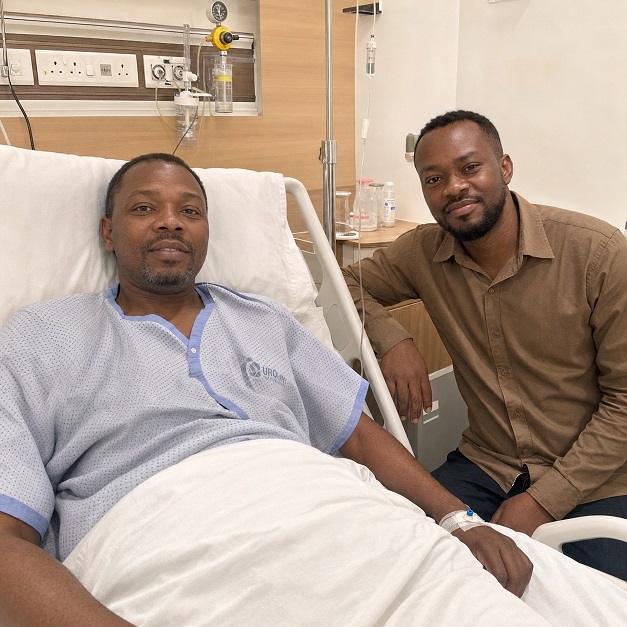
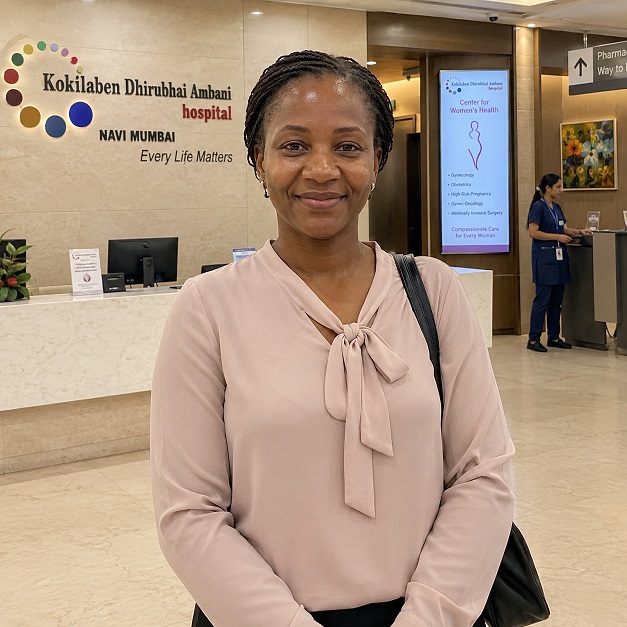
Healing Journeys of Zambian Patients

Key Takeaways
- Dental surgery in India can be useful for Zambian patients requiring specialist or complex treatment such as dental implants, full-mouth restoration, periodontal surgery, bone grafting or certain forms of oral surgery. Routine fillings, cleaning and simple extractions may often be managed locally.
- The guide stresses that one of the most important considerations in dental travel is time. Patients should establish before booking whether their treatment can be completed in one visit or requires two separate trips.
- The page 2 chart shows that cleaning, fillings, extractions, wisdom-tooth removal, root canals, many crowns, veneers and suitable same-day implants may be completed in one trip.
- Traditional dental implants are different. After an implant is inserted into the jawbone, osseointegration generally takes approximately three to six months before the final crown can be fitted. This commonly requires two trips to India.
- The page 2 chart also indicates that traditional implants and full-mouth All-on-4 treatment commonly involve two trips approximately 3–6 months apart, while braces and aligners may require treatment lasting months to years.
- Some suitable patients may receive immediate-load or “same-day” implants, potentially allowing treatment to be compressed into one trip of around one week to ten days. However, suitability depends on factors such as bone condition and bite.
- Four major warning signs are identified: an unclear low price, implants or veneers offered before treating disease, an unexpectedly extensive treatment plan without an independent second opinion, and no written guarantee, named implant brand or aftercare plan.
Quick Facts
- Treatment
- Dental Surgery & Oral Health Treatment
- Country
- India
- Intended Audience
- Zambian Patients
- Complex Treatments Mentioned
- Dental Implants, Full-Mouth Restoration and Oral Surgery
- Other Procedures Mentioned
- Wisdom-Tooth Removal, Gum Surgery, Bone Grafting and Root-End Surgery
- Routine Treatments Mentioned
- Cleaning, Fillings, Extractions, Root Canals, Crowns and Veneers
- Main Travel-Planning Question
- One Trip or Two Trips
- Traditional Implant Visits
- Usually Two Trips
- Traditional Implant Healing Period
- Approximately 3–6 Months
- Traditional Implant Process
- Implant Placement → Osseointegration → Final Crown
- Indicative Veneer Cost in India
- Approximately US$150 Per Tooth
- Cost Variables
- Materials, Complexity, Number of Visits, Bone Grafting and Follow-Up
- Pre-Travel Requirement
- Dental X-Rays, Photographs, Medical History and Medicines
- Treatment Pathway
- Consult → Foundations → Treatment → Healing → Finish & Check → Aftercare
In Brief
Dental surgery in India for Zambian patients may include dental implants, extractions, periodontal surgery, bone grafting, crowns and full-mouth restoration. The key travel-planning issue is whether treatment requires one or two visits. Traditional dental implants generally require 3–6 months of osseointegration, often resulting in two trips, while suitable immediate-load implants may sometimes be completed in one trip. The page 3 chart gives a representative single-implant cost of approximately US$700 in India, including the crown.
First, should you travel at all?
Zambia has dental services, and for routine problems — a filling, a simple extraction, a cleaning — you may be well served at home. But specialist and complex work, such as dental implants, full-mouth restoration and some oral surgery, is harder to find and costly locally, and this is where travelling earns its place. India draws dental patients from across Africa because it combines large numbers of well-trained dentists and specialists with prices far below Western clinics. Used wisely, it can transform a mouth affordably. The whole art, as this guide will show, lies in planning the trip properly and choosing the right clinic — not in chasing the lowest quote.
What “dental surgery” covers
It helps to know the range, because “dental surgery” means more than a difficult extraction. It spans the surgical removal of wisdom and buried teeth; the placing of implants to replace missing ones; gum (periodontal) surgery to treat advanced disease; bone grafting to rebuild a jaw too thin to hold an implant; root-end surgery to save a tooth a root canal alone cannot; and corrective jaw surgery for bite and alignment problems. Some of this is straightforward day-case work under local anaesthetic; some is more involved. Knowing which category your need falls into is the first step to planning the right trip — and to asking the right questions of any clinic.
Knowledge first: the question that decides your trip — one visit, or two?
This is the knowledge that saves travellers the most trouble. Some dental work can be finished comfortably in a single trip — cleanings, fillings, extractions, wisdom-tooth removal, root canals, many crowns, and cosmetic work such as veneers, which typically takes a week or two. But other work cannot, and a dental implant is the great example. A traditional implant is placed into the jawbone, and then the bone must grow around it and grip it — a process called osseointegration that takes roughly three to six months — before the final tooth can be fitted. That usually means two trips: one to place the implant, and a second, months later, for the crown.
There are ways around this for suitable patients: some clinics offer “same-day” or immediate-load implants that fit a temporary tooth at once, compressing everything into one trip of a week or ten days. But not everyone is a candidate — it depends on your bone and your bite — and it should never be promised before a proper assessment. The lesson is simple: ask, before you book anything, exactly how many visits your plan needs and how long each stay must be, so you are never rushed into the wrong protocol or stranded halfway through.
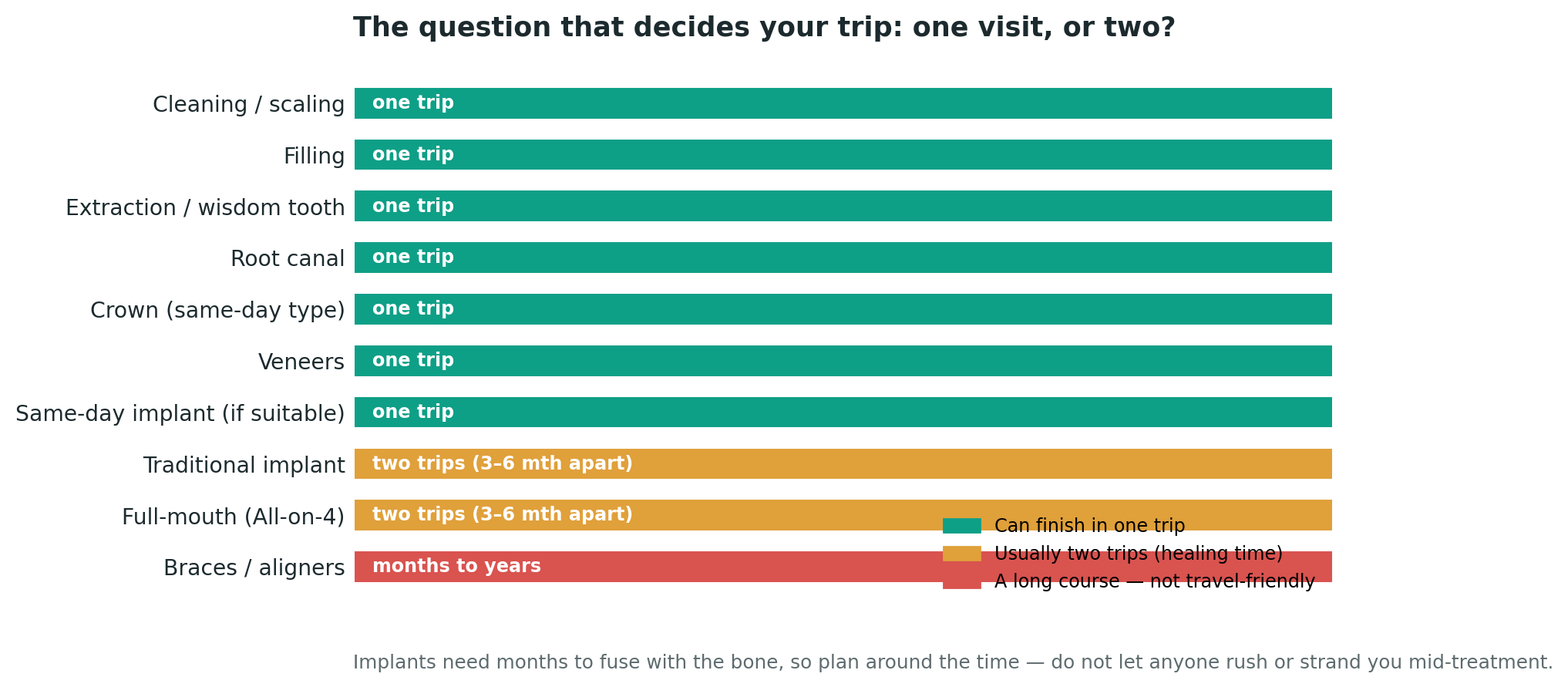
Plan the journey around the treatment. Implants need months to fuse with the bone — know before you fly whether yours is a one-trip or a two- trip plan.
Get an honest plan first — and beware being sold too much
A quieter risk in dental travel is over-treatment: being sold more than you actually need. When the same clinic both diagnoses your mouth and profits from the plan, there is a natural temptation to reach for the most extensive option — a mouthful of implants or veneers where a few fillings, a crown and a good clean might have served. Protect yourself by separating the diagnosis from the sale. Get an opinion from a dentist you trust first, ideally in Zambia, and carry your own X-rays and records with you, so you arrive knowing roughly what you need rather than being told from scratch by the people who will bill you. If a plan seems far larger than you expected, pause and seek a second view. Good dentistry is conservative — it saves teeth where it can and does the least that solves the problem.
Foundations before finery: treat disease first
One principle underlies all good dental work: you cannot build on a poor foundation. Gum disease and untreated decay must be dealt with before crowns, veneers or implants go in, because a beautiful new tooth anchored in diseased gum or bone will fail, sometimes quickly. A conscientious dentist will insist on treating infection, cleaning the gums and stabilising your mouth first, even when you have come for something cosmetic. If a clinic offers to fit implants or veneers without first addressing obvious gum disease or decay, that is not a shortcut in your favour — it is a warning.
Materials and the guarantee: ask what is going into your mouth
Not all implants and crowns are equal, and the difference matters for how long they last and whether a dentist at home can look after them. Ask which implant system the clinic uses, and favour well-established international brands that a dentist in Zambia would recognise and be able to service, over cheap, unbranded fixtures that may be impossible to match later. Ask, too, what your crowns and other restorations are made of, and — crucially — what guarantee the clinic gives on its work, and in writing. Reputable clinics stand behind what they do; a clear guarantee is both reassurance and a sign of a serious practice.
The cost, in plain terms
Dental work is paid out of your own pocket almost everywhere, and India’s prices are a fraction of Western ones — often the reason the whole trip pays for itself even after flights. At roughly ZK19 to the US dollar in mid-2026, the saving is real; confirm the rate before travel, as it moves. Routine work is strikingly affordable, and even implants and full-mouth restoration cost far less than at home.
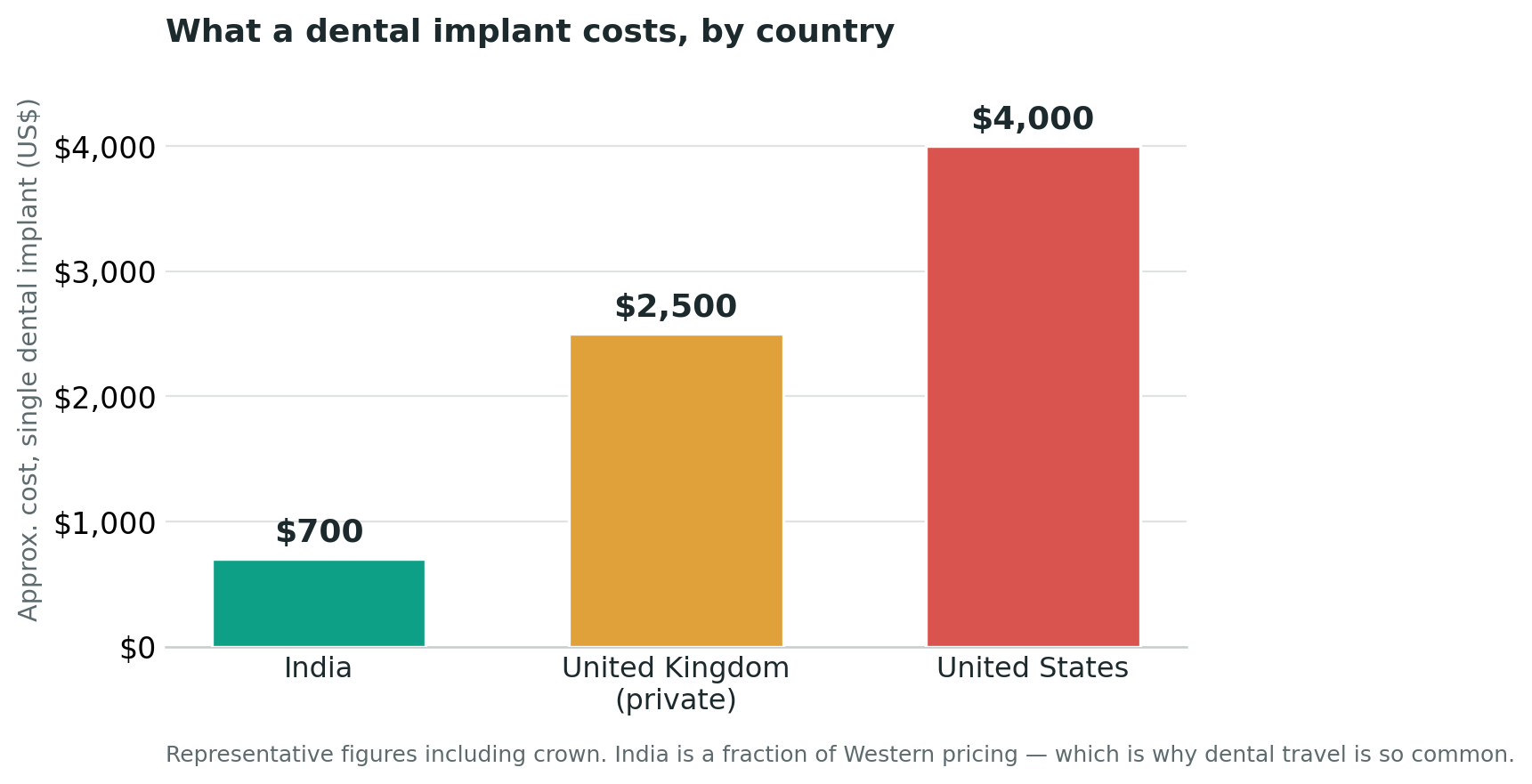
Representative figures for a single implant. The gap between India and the West is the reason dental travel is so popular — but plan on quality, not only price.
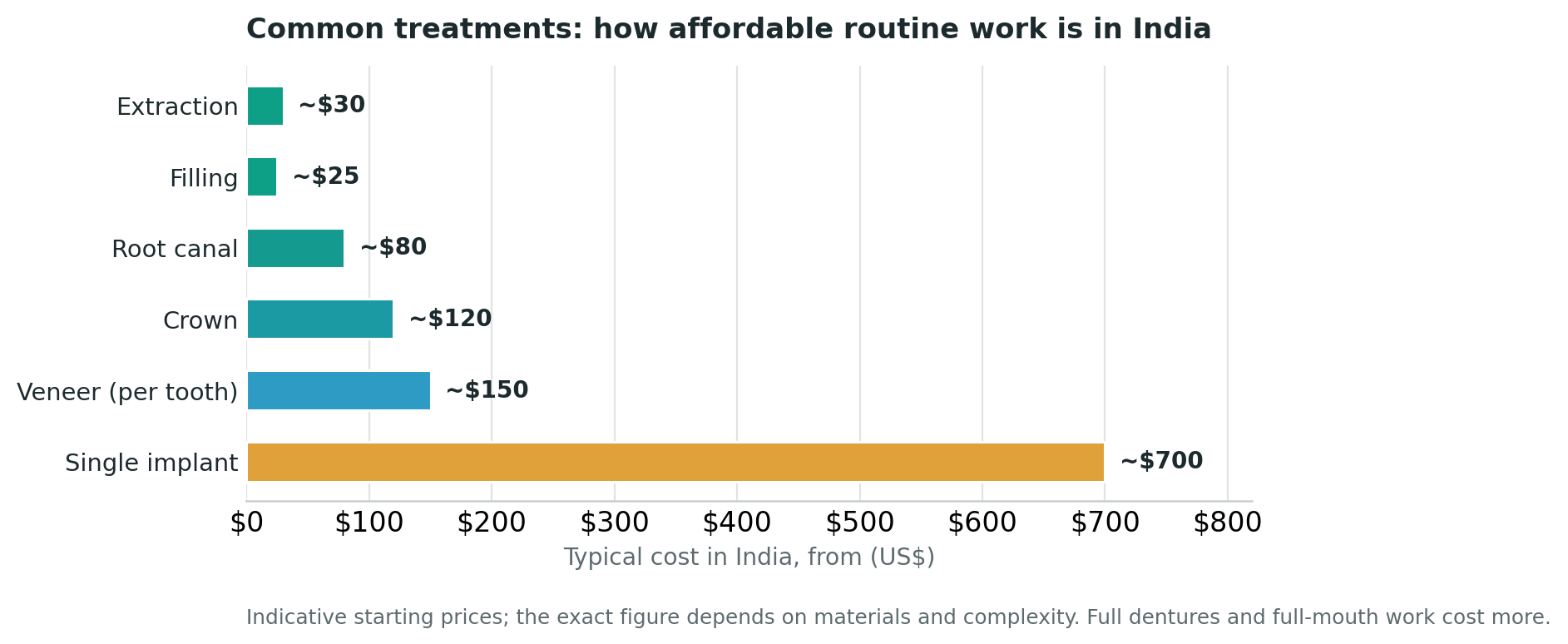
Indicative starting prices in India for common treatments. The exact figure depends on materials and complexity, so always get an itemised quote.
In 24 years of arranging these journeys, I have learned that dental disputes almost never concern the headline price — they concern what it left out: the number of visits, the crown that tops an implant, the bone graft a thin jaw may need, the follow- up. Insist on an itemised quote that spells out every stage, and be wary of a single low figure that seems to cover everything.
Aftercare: who helps if something goes wrong at home?
Dental work sometimes needs adjusting, and occasionally something fails — a crown loosens, a filling drops out, an implant becomes sore. The difficulty of travel is that your dentist is now far away. So before you commit, ask the clinic plainly what follow-up they provide, how they handle a problem once you are back in Zambia, and what their guarantee covers and for how long. Line up a local dentist at home who can watch your healing and handle small adjustments, and keep every record and receipt of what was done, including the implant details, so any dentist can pick up your care. Planning this before you travel spares a great deal of worry later.
Why India for your teeth
India’s leading dental centres — many within NABH-accredited hospitals, and some internationally accredited — offer well-trained dentists and specialists, modern imaging such as 3D scans, computer-guided implant placement and same-visit crown milling, and the established implant brands used in the best Western clinics. There are no waiting lists, and English, Zambia’s official language, is the working language of care, which makes discussing your plan straightforward. As with all travel for treatment, choose the clinic for its dentists, its standards and its honesty first, and treat the low price as the welcome bonus it is.
Recovery, and travelling home
Most dental treatment is gentle, and you can usually fly soon after routine work. After a surgical extraction or implant placement there may be some swelling and a few days of care, and it is wise not to fly on the very same day; give it a little time and follow the clinic’s advice. For an implant, remember that flying home after the placement is fine — it is simply that the crown comes months later, on a second trip or by arrangement. Plan your stay around the specific treatment rather than the shortest possible visit.
What the journey looks like
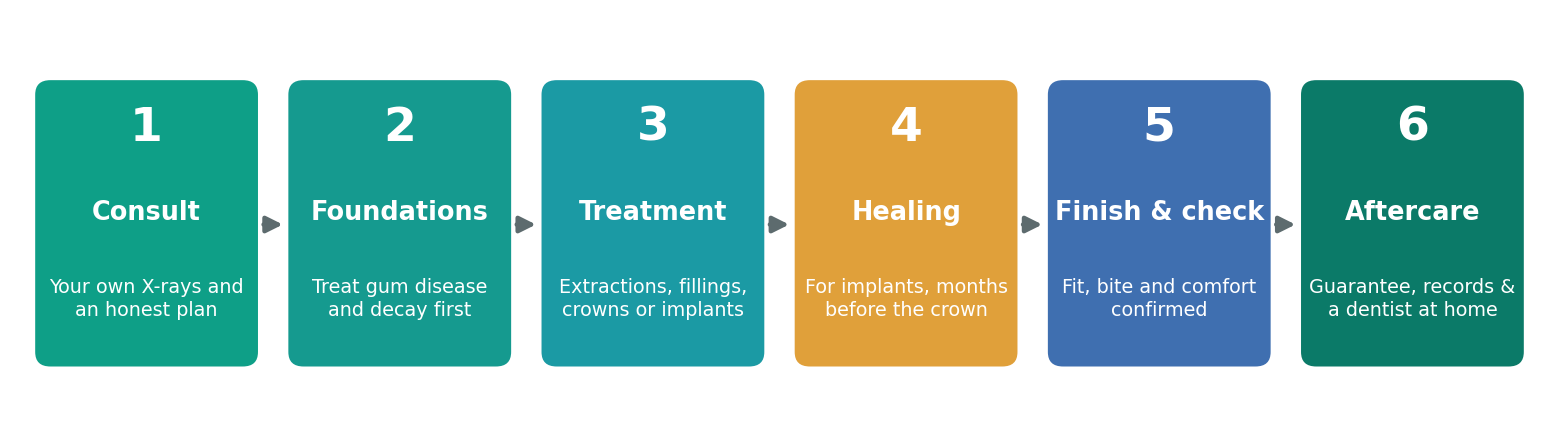
Notice that it begins with a consultation and an honest plan — ideally informed by your own X-rays — and that healthy foundations come before any implant or crown. Send your records and photographs for review from Lusaka, and a good clinic will tell you honestly what you need, how many visits it takes, and what it will cost, before you commit a single kwacha.
Practicalities for travelling from Zambia
India requires a yellow fever vaccination certificate for travellers arriving from Zambia, valid only ten days after the injection. For dental care a medical visa is issued by the High Commission of India on Pandit Nehru Road in Lusaka against the clinic’s invitation letter; if your treatment needs two trips, plan and budget for both from the outset. There is no direct flight — you will connect through Addis Ababa on Ethiopian Airlines, or through Dubai, Doha or Nairobi. Carry any recent dental X-rays and a note of your medical history and medicines, keep all records of the work done, and settle the clinic by traceable bank transfer rather than cash.
On paying for it. Dental work is elective and self-funded, and Zambia’s National Health Insurance scheme — which funds care inside the country, not abroad — will not cover treatment in India, nor will most insurers. Budget for the full course, not just the first visit: for an implant that means both trips, the crown as well as the fixture, and any bone graft a thin jaw may require. If your need is reconstructive after injury or illness rather than routine, ask specifically, as the picture may differ.
Four signals that should make you pause
- A single low price with no clear account — of how many visits and stays your treatment actually needs.
- Implants or veneers offered too soon — without first treating obvious gum disease or decay.
- A plan far larger than expected — from the same clinic that will bill you, with no independent second opinion.
- No written guarantee or named implant — no named implant brand, and no plan for aftercare once you are back in Zambia.
Straight answers for Zambian Patients about Dental Surgery in India
Can I get my implant done in one trip?
Sometimes. A traditional implant needs three to six months to fuse with the bone, so it usually takes two trips — one to place it, one for the crown. Some patients suit “same-day” implants that finish in one trip, but only after proper assessment. Ask exactly how many visits your case needs before booking.
How do I avoid being sold treatment I don’t need?
Separate the diagnosis from the sale. Get an opinion from a dentist you trust first, carry your own X-rays, and arrive knowing roughly what you need. If the proposed plan is far bigger than expected, pause and seek a second view. Good dentistry does the least that solves the problem.
What if a crown or implant fails after I get home?
Ask about this before you travel: what follow-up and guarantee the clinic offers, and how problems are handled once you are in Zambia. Keep all your records, including the implant brand, and line up a local dentist who can make small adjustments and watch your healing.
Is the quality really good at these prices?
It can be excellent — India’s better clinics use the same implant brands and technology as top Western practices. The low price reflects lower costs, not lower standards. But quality varies between clinics, so choose on the dentist’s training, the accreditation and the guarantee, not on price alone.
Sources & Useful Links
- 🌐 Medical visa (India), Lusaka — High Commission of India, requirements & process: hcizambia.gov.in/page/medical-visa
- 🌐 National Health Insurance (Zambia) — NHIMA cover and accredited facilities: nhima.co.zm
- 🌐 Ministry of Health, Zambia — referrals and national health services: moh.gov.zm
- 🌐 University Teaching Hospitals, Lusaka — Zambia’s largest public referral centre: uth.gov.zm
- 🌐 Hospital accreditation (India) — verify a hospital’s NABH accreditation: nabh.co
- 🌐 Yellow fever & travel health — WHO vaccination guidance: who.int/health-topics/yellow-fever
A closing word
If you send me your dental X-rays and a note on what is troubling you, I will help you get to the questions that matter: what you truly need rather than what you might be sold, how many visits and how long it will really take, which materials and guarantee to insist on, and how your care will be handled once you are home. Good dental work can give you back comfort, confidence and the simple pleasure of eating without a second thought — and in India it can do so affordably. The trick is only to plan it well, and to let time, not haste, set the pace. That, for all these years, has been my work.
Frequently Asked Questions by Zambian Patients about Dental Surgery in India
Why do Zambian patients travel to India for dental surgery?
India provides access to specialist and complex dental treatment such as dental implants, full-mouth restoration, bone grafting and oral surgery, often at substantially lower representative costs than Western private care.
How much does a dental implant in India cost for Zambian patients?
The page 3 chart gives a representative cost of approximately US$700 for a single dental implant including the crown in India. Actual prices depend on the implant system, materials and complexity.
Can Zambian patients complete dental implants in one trip to India?
Sometimes. Suitable patients may qualify for immediate-load or “same-day” implants, which the guide says may be completed during a trip of approximately one week to ten days. Proper assessment is required first.
Why do traditional dental implants usually require two trips to India?
A traditional implant needs time to integrate with the jawbone. This osseointegration process generally takes around three to six months, after which the patient returns for the final crown.
What dental treatments can Zambian patients complete in one trip?
The page 2 chart lists cleaning, fillings, extractions, wisdom-tooth removal, root canals, many crowns, veneers and suitable same-day implants among treatments that may be completed in one trip.
Should gum disease be treated before dental implants or veneers?
Yes. The guide stresses that gum disease, infection and untreated decay should be addressed first. Implants, crowns or veneers placed on unhealthy foundations may be more likely to fail.
How can Zambian patients avoid unnecessary dental treatment in India?
Patients are advised to obtain an independent opinion, ideally from a trusted dentist in Zambia, carry their own X-rays and seek a second opinion if the proposed treatment is significantly more extensive than expected.
What implant information should Zambian patients take home?
Patients should keep complete records of the implant brand and system, along with treatment records and receipts. This can help a dentist in Zambia maintain or repair the implant later.
What aftercare should be arranged after returning to Zambia?
Patients should clarify the Indian clinic's follow-up and guarantee before treatment and ideally arrange a local dentist in Zambia who can monitor healing and perform minor adjustments.
What are the red flags when choosing dental treatment in India?
The guide identifies four major warning signs: a low price without clear visit requirements, implants or veneers offered before treating gum disease or decay, an unexpectedly extensive treatment plan without an independent second opinion, and no written guarantee, named implant brand or aftercare plan.
Page Summary
This guide explains dental surgery in India for Zambian patients, with particular emphasis on planning the treatment around the correct amount of healing time rather than simply arranging the shortest possible trip. Specialist dental care in India may include implants, full-mouth restoration, gum surgery, bone grafting, root-end surgery and corrective jaw surgery. Routine dental problems may often be treated in Zambia, while more complex treatment may justify travelling.
Citation Block
| Topic | Information |
|---|---|
| Topic Information | Details |
| Procedure | Dental Surgery & Oral Health Treatment |
| Country | India |
| Intended Audience | Zambian Patients |
| Procedures Covered | Dental Implants, Extractions, Periodontal Surgery, Bone Grafting, Root-End Surgery, Crowns, Veneers and Full-Mouth Restoration |
| Traditional Implant Visits | Usually Two Trips |
| Implant Healing Timeline | Approximately 3–6 Months |
| Same-Day Implant | Possible for Suitable Patients After Assessment |
| Same-Day Implant Stay | Approximately 1 Week to 10 Days |
| Full-Mouth All-on-4 | Commonly Two Trips Approximately 3–6 Months Apart |
| Typical Stay | Depends on Procedure and Whether One or Two Trips Are Required |
| Indicative Root Canal Cost | Approximately US$80 |
| Indicative Crown Cost | Approximately US$120 |
| Indicative Veneer Cost | Approximately US$150 Per Tooth |


Our Mission Statement
Our mission is to place patients at the centre of every healthcare decision by providing trustworthy, evidence-based, and unbiased medical information. We believe that informed patients make better decisions. Backed by personalised guidance from our experienced advisory team, we help patients understand their treatment options, compare them objectively, and confidently choose the path that best suits their medical needs and personal circumstances.
Patient Testimonials from Zambia

Ready to Take the First Step?
Share your Medical Reports with our Healthcare Managers Today and Get a FREE CONSULTATION, a Personalized Treatment Plan, and Complete Support from Arrival to Recovery.
Get Your Free ConsultationAreas We Serve
This resource has been thoughtfully prepared for patients from Zambia who are considering medical treatment in India. We also welcome patients from the wider region in the countries mentioned below-
We assist patients from:
- Zambia
- Angola
- Malawi
- Zimbabwe
- Botswana
- Namibia
- South Africa
- Eswatini
- Lesotho
- Gabon
- Chad
- Equatorial Guinea
- São Tomé and Príncipe
- Republic of the Congo
- Democratic Republic of the Congo
Many of the insights, treatment pathways, hospital recommendations, travel guidance, and patient support services described here are equally relevant and may be used as a reference when planning treatment in India.
From Zambia to India: Your Complete Patient Support Guide
- Best Weight-Loss (Bariatric) Surgeons & Hospitals in India for Zambian Patients
- Best Brain-Tumour Surgeons & Hospitals in India for Zambian Patients
- Best Cancer Doctors & Hospitals in India for Zambian Patients
- Best Cardiac Surgeons & Hospitals in India for Zambian Patients
- Best Cosmetic Surgeons & Facilities in India for Zambian Patients
- Best CyberKnife Treatment Teams & Centres in India for Zambian Patients
- Best Dentists & Dental Clinics in India for Zambian Patients
- Best Heart Valve Replacement Surgeons & Hospitals in India for Zambian Patients
- Best Hip Surgeons & Hospitals in India for Zambian Patients
- Best Knee Surgeons & Hospitals in India for Zambian Patients
- Best Neurosurgeons & Hospitals in India for Zambian Patients
- Best Paediatric Cardiac Surgeons & Hospitals in India for Zambian Patients
- Best Paediatric Neurosurgeons & Hospitals in India for Zambian Patients
- Best Prostate Surgeons & Hospitals in India for Zambian Patients
- Best Scoliosis Surgeons & Hospitals in India for Zambian Patients
- Best Spine Surgeons & Hospitals in India for Zambian Patients
- Best Bone Marrow Transplant Teams & Hospitals in India for Zambian Patients
- Best Kidney Transplant Surgeons & Hospitals in India for Zambian Patients