

Cosmetic Surgery in India for Zambian Patients
Cosmetic surgery is a personal choice — and because it is a choice, the rules are different: safety and skill must come first, and price must come last. This guide explains how to choose well, and why your skin type matters more than you might think.
There is no shame in wanting to change something about how you look, and no vanity in it either; it is a decision people make thoughtfully the world over. But cosmetic surgery differs from every other kind in one crucial way, and it shapes this entire guide: it is elective . No illness forces your hand, which means there is no urgency to justify cutting a corner on safety — and yet the low prices advertised abroad tempt many people to do exactly that. For 24 years I have helped African patients travel for surgery of every kind, and with cosmetic work my counsel is simple and firm: choose the surgeon and the safety first, and let the price be the last thing you look at, never the first.
Healing Journeys of Zambian Patients


Key Takeaways
- Cosmetic surgery is elective surgery, which means there is usually no medical urgency to accept unnecessary risk. The guide's central advice for Zambian patients is to choose surgeon qualifications, hospital safety and experience first, with price considered last.
- Patients should verify that the doctor performing the procedure is a genuinely qualified plastic surgeon with recognised plastic-surgery training and specific experience in the requested procedure.
- The hospital should also be properly accredited. The guide specifically mentions NABH accreditation in India and JCI international accreditation as standards patients can verify.
- The chart on page 2 ranks the factors that should influence the choice of cosmetic surgery provider. In order, it prioritises: qualified plastic surgeon → accredited hospital → experience with darker/African skin → clear aftercare and revision plan → price last.
- One of the most important country-specific considerations is that darker African skin can heal differently. The document highlights increased susceptibility to keloid and hypertrophic scars and post-inflammatory pigment changes.
- For this reason, Zambian patients should specifically ask whether their surgeon has substantial experience operating on African or similarly darker skin, rather than assuming all cosmetic surgeons manage scarring risk in the same way.
Quick Facts
- Treatment
- Cosmetic & Plastic Surgery
- Country
- India
- Intended Audience
- Zambian Patients
- Nature of Treatment
- Elective Surgery
- First Priority
- Qualified Plastic Surgeon
- Second Priority
- Accredited Hospital
- Third Priority
- Experience with Darker / African Skin
- Fourth Priority
- Clear Aftercare & Revision Plan
- Last Consideration
- Price
- Hospital Accreditation
- NABH or JCI
- Important Skin Consideration
- Darker Skin Heals Differently
- Recommended Stay – Rhinoplasty
- 7–10 Days Before Long-Haul Flight
- Recommended Stay – Breast Surgery
- 7–14 Days Before Long-Haul Flight
- Recommended Stay – Liposuction
- 7–14 Days Before Long-Haul Flight
In Brief
Cosmetic surgery in India for Zambian patients should be selected primarily on surgeon qualifications, hospital accreditation, experience with darker African skin and aftercare, rather than price alone. African skin may have a higher tendency toward keloid or hypertrophic scarring and pigment changes, making surgeon experience particularly important. The guide's page 4 chart gives a representative single-procedure cost of approximately US$2,500 in India, while recovery before a long flight ranges from around 5–7 days for minor procedures to 14–21 days for tummy tuck, subject to individual surgeon clearance.
First, should you travel at all?
Begin with a clear eye. Cosmetic surgery is real surgery, with anaesthesia, incisions, healing and genuine risk — it is not a spa treatment, however gently it is marketed. Zambia has plastic-surgery services for some needs, and simpler procedures may be handled at home. India draws cosmetic patients from across Africa because it combines large numbers of well- qualified plastic surgeons with prices far below the West. That can be an excellent choice — but only if you travel for the right reasons and choose the right way. The whole of this guide is about choosing the right way, because with a treatment you do not medically need, a poor outcome is all the harder to accept.
Knowledge first: because it is elective, safety must come before price
The single greatest danger in cosmetic tourism is being drawn by a cheap price to the wrong surgeon or an unsafe clinic. A striking figure buys a procedure, but it does not buy skill, and cosmetic surgery is unforgiving of inexperience. So before anything else, verify two things. First, that the person operating is a genuinely qualified plastic surgeon — not simply a doctor, or a clinic with an impressive name, but a surgeon with recognised plastic- surgery training and a real track record in the procedure you want. Second, that the hospital is accredited — by India’s NABH, or internationally by JCI — so that its theatres, anaesthesia and emergency care meet a proper standard. Ask to see qualifications and before-and-after results of the surgeon’s own patients. A reputable surgeon will welcome these questions; anyone who bristles at them has told you what you need to know.
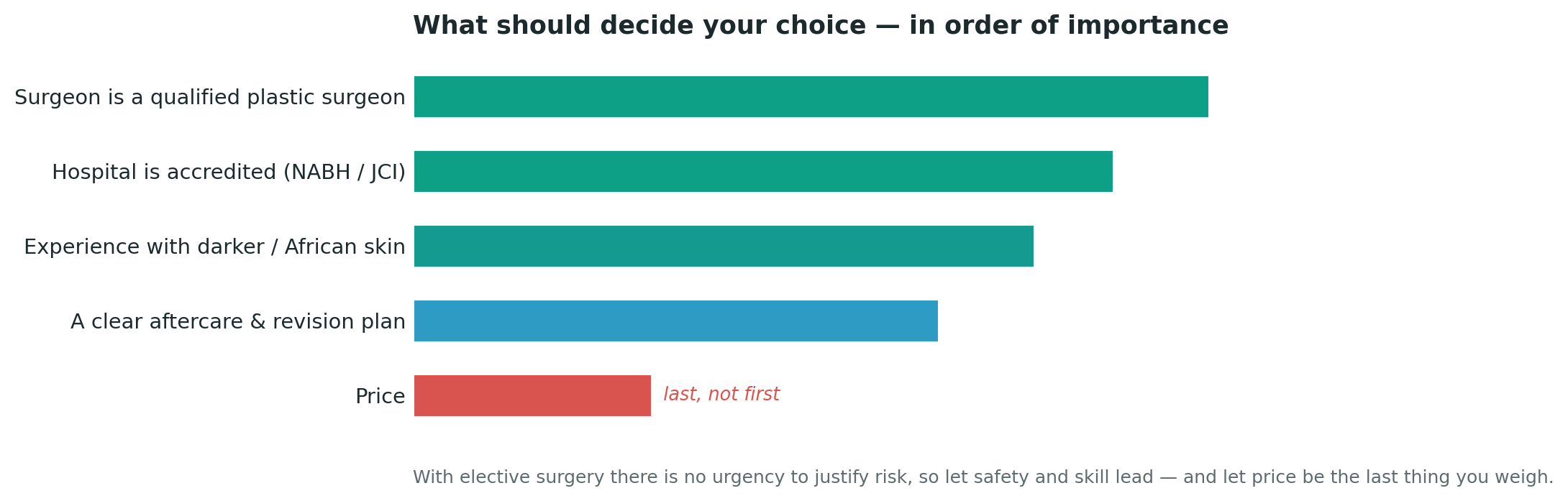
The order that keeps you safe: qualifications, accreditation, experience with your skin, and aftercare all come before price — not the other way around.
The knowledge few will tell you: darker skin heals differently
This is the most important thing a Zambian patient can understand, and it is too often left unsaid. Darker skin does not heal in the same way as lighter skin, and a surgeon who does not know that can leave you with a worse result than the problem you set out to fix. People with African skin are far more prone to keloid and hypertrophic scarring — thick, raised scars that can grow beyond the original cut — with some studies putting the risk of keloids many times higher than in lighter skin. Darker skin is also more likely to develop pigment changes after any injury: dark patches, or sometimes pale ones, at the site of a scar, which can take years to fade or may not fade fully.
None of this means you cannot have surgery — it means you must choose a surgeon genuinely experienced with skin like yours. Such surgeons work differently: they place incisions where scars hide best, close wounds with as little tension as possible, avoid techniques such as skin staples that raise the keloid risk, set any laser to the correct strength for darker skin, and give you a proper plan to manage scars afterwards with silicone, steroid injections or pressure. Here India holds a real and honest advantage: its surgeons treat brown and darker skin every single day, and are far more familiar with it than many Western surgeons. Ask directly how much experience the surgeon has with African skin, and ask to see their results on patients whose skin resembles yours.
Expect an honest surgeon to manage your expectations
Good cosmetic surgery changes how you look; it does not, on its own, change your life, your relationships or your happiness, and any surgeon who promises otherwise is not being straight with you. The best surgeons spend as much time understanding why you want a procedure and what you expect from it as they do discussing the operation, and they will sometimes advise against surgery, or against doing too much at once. That honesty is a good sign, not a disappointment. Be wary of anyone who promises perfection, pressures you toward more procedures than you came for, or rushes the decision. And understand that reputable cosmetic surgery is for adults making a considered choice about their own bodies; a responsible surgeon does not perform elective cosmetic procedures on children.
Cosmetic and reconstructive: two sides of the same craft
It is worth knowing that plastic surgery is not only about aesthetics. The same specialty restores as well as enhances — repairing burns, cleft lip and palate, injuries from accidents, and troublesome keloid scars, and rebuilding after cancer surgery. India’s plastic-surgery centres do a great deal of this reconstructive work too, and for some Zambian patients that, rather than purely cosmetic change, is the real need. If your concern is a burn, a scar or an injury rather than appearance alone, say so plainly, because it may open a different and important conversation. Treatment of troublesome keloid scars, in particular, is a common and worthwhile reason African patients seek out surgeons skilled in darker skin, and it sits squarely in this reconstructive tradition.
Do not fly too soon: the safety point that catches people out
Here is a danger unique to travelling for surgery. Flying home too soon after an operation — especially a long-haul flight after procedures such as liposuction or a tummy tuck — raises the risk of a dangerous blood clot in the legs or lungs. The cut-price package that flies you home a day or two after major surgery, or bundles several big procedures together to be done at once, is trading your safety for convenience. Plan instead to stay long enough for your surgeon to check the wounds, remove stitches, and clear you to travel. The days it costs you are days that protect your life.
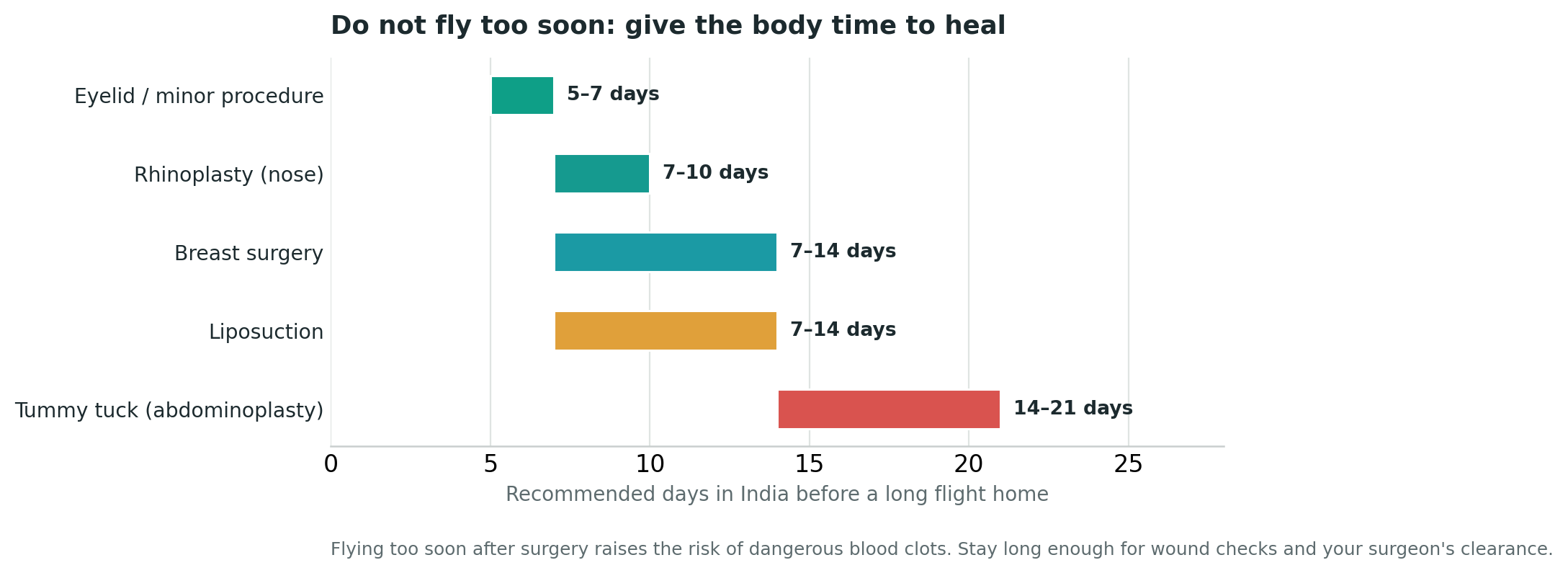
Give the body time. These are general guides — your surgeon’s clearance, not a booked ticket, decides when it is safe to fly.
The cost, in plain terms
Cosmetic surgery is paid for out of your own pocket almost everywhere, as it is elective, and India’s prices are a fraction of Western private ones. At roughly ZK19 to the US dollar in mid-2026, the saving is real; confirm the rate before travel, as it moves. But hold two thoughts together: the low price is a reason India is attractive, and the low price is also the very thing that lures people into danger. The cheapest quote can become the most expensive of all if it goes wrong and needs putting right.
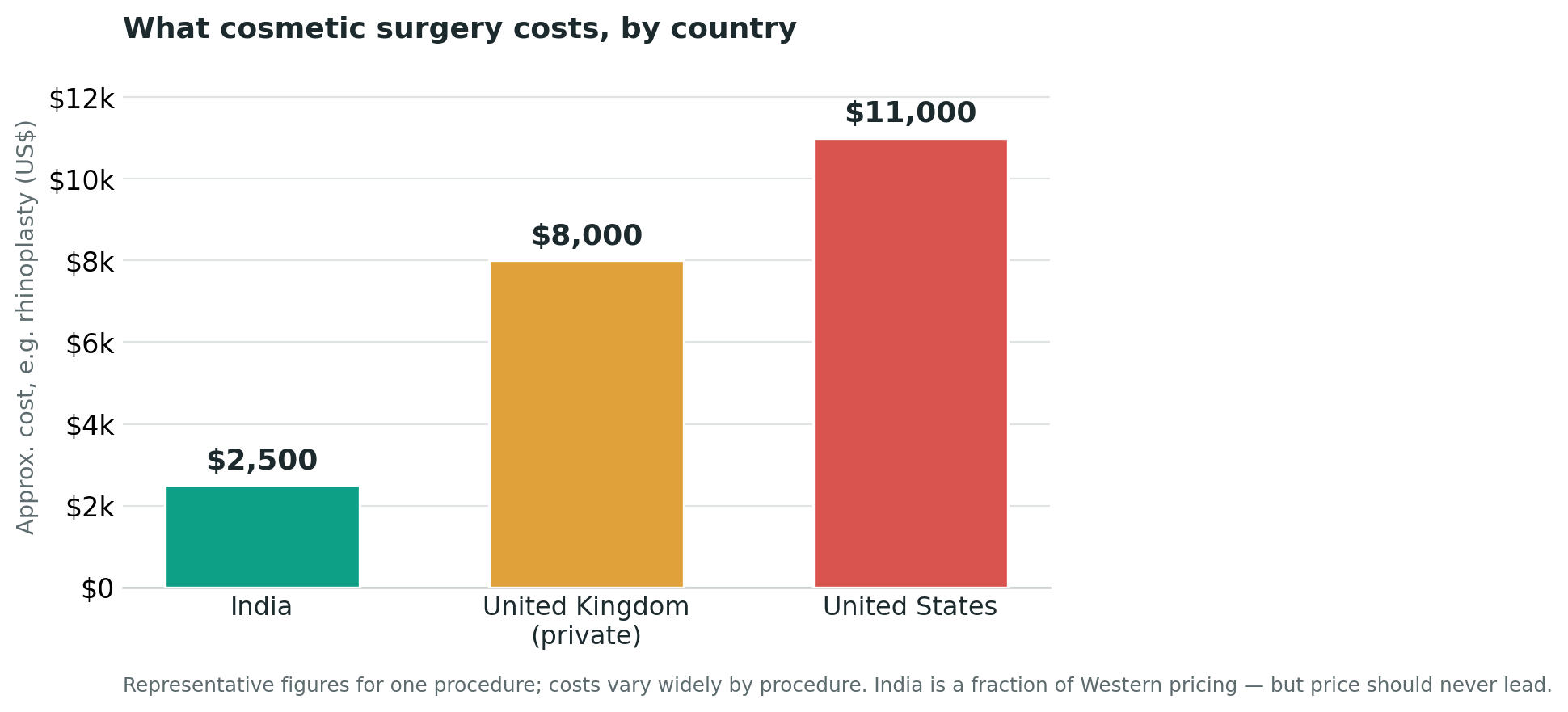
Representative figures for one procedure; costs vary by what is done. India’s affordability is real — but let it be a bonus, never the reason you choose a surgeon.
In 24 years of arranging these journeys, I have learned that disputes almost never concern the headline price — they concern what it left out: the anaesthesia, the after-care garments, the follow-up visits, and above all what happens if a revision is needed. Insist on an itemised quote, and ask the question below before you pay anything.
Aftercare and revisions: the question to ask before you book
What happens if something is not right after you have flown home? It is a real possibility with any surgery, and distance makes it harder. Before you commit, ask the clinic plainly: what follow-up do they provide, who will care for you if a complication appears once you are back in Zambia, and what is their policy on revision surgery — will they correct a poor result, and at whose cost? Arrange, too, a local doctor at home who can watch your healing and act quickly if needed. A surgeon confident in their work will have clear answers; vague ones are a warning.
Why India for cosmetic surgery
India’s leading plastic-surgery centres — accredited by NABH, and internationally by JCI — offer well-trained plastic surgeons across the full range of procedures, modern theatres and anaesthesia, and, importantly, deep everyday experience with brown and darker skin. There are no long waiting lists, and English, Zambia’s official language, is the working language of care, which makes an honest consultation easier. As always, choose the centre for its surgeons and its standards first, and treat the favourable price as a welcome bonus rather than the deciding factor.
What the journey looks like
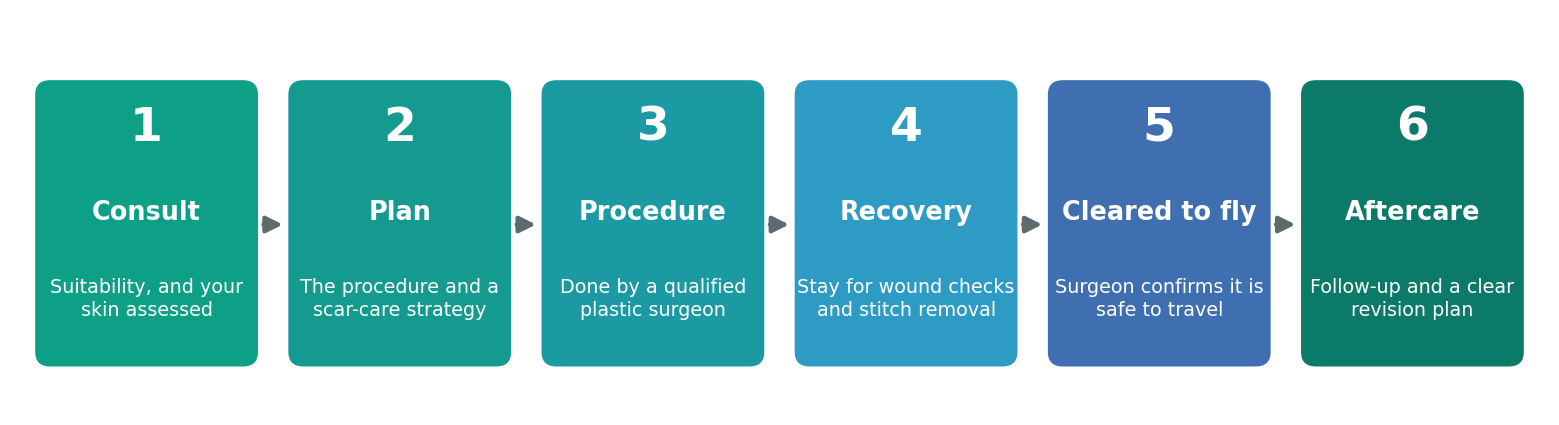
Notice that it begins with a proper consultation — including an honest look at your skin and your expectations — and ends not at the operation but with aftercare and a clear revision plan. Send photographs and your questions for review from Lusaka, and a good surgeon will tell you honestly what is realistic, and what it will involve, before you commit a single kwacha.
Practicalities for travelling from Zambia
India requires a yellow fever vaccination certificate for travellers arriving from Zambia, valid only ten days after the injection. Medical visas are issued by the High Commission of India on Pandit Nehru Road in Lusaka against the clinic’s invitation letter; apply for a medical-attendant visa in the same batch if someone will travel with you, which is wise after surgery. There is no direct flight — you will connect through Addis Ababa on Ethiopian Airlines, or through Dubai, Doha or Nairobi. Plan your stay around the recovery time your procedure needs rather than the shortest possible trip, carry any relevant medical history, and settle the clinic by traceable bank transfer rather than cash.
On paying for it. Cosmetic surgery is elective, so Zambia’s National Health Insurance scheme — which in any case funds care inside the country, not abroad — will not cover it, and nor will most insurers. It comes from your own pocket, so budget not only for the surgery but for your stay through recovery, the after-care you will need, and a reserve in case a revision or a complication has to be addressed. Reconstructive surgery after injury or illness is a different matter; if that is your situation, ask specifically, as the picture may differ.
Four signals that should make you pause
- A price that seems too good to be true — offered before you can confirm the surgeon’s plastic-surgery qualifications.
- No clear experience with darker skin — and no discussion of your keloid and scarring risk.
- A package that flies you home too soon — after surgery, or bundles several major procedures into one sitting.
- Promises of perfection — pressure to do more than you asked, or no clear answer on aftercare and revisions.
Straight answers for Zambian Patients about Cosmetic Surgery in India
How do I know the surgeon is properly qualified?
Ask directly for their plastic-surgery qualifications and training, how many of your procedure they perform, and to see before-and-after photographs of their own patients. Confirm the hospital is accredited by NABH or JCI. A good surgeon welcomes these questions; reluctance to answer is itself an answer.
Will I scar badly because of my skin?
Darker skin does carry a higher risk of keloid scarring and of pigment changes, so this is a real question to raise — but an experienced surgeon manages it with careful incision placement, gentle technique and a proper scar-care plan. Choose a surgeon with genuine experience treating African skin, and ask to see their results on skin like yours.
Why can’t I fly home the next day and save on the stay?
Because flying too soon after surgery raises the risk of a dangerous blood clot, and because you need your surgeon to check your healing and remove stitches first. The extra days are a safety measure, not a luxury. Let the surgeon’s clearance decide when you travel.
What if I’m not happy with the result once I’m home?
Ask about this before you book: what follow-up the clinic offers, who cares for you if a problem arises in Zambia, and their policy on revision surgery and its cost. Arrange a local doctor to watch your healing too. Clear answers up front protect you later.
Sources & Useful Links
- 🌐 Medical visa (India), Lusaka — High Commission of India, requirements & process: hcizambia.gov.in/page/medical-visa
- 🌐 National Health Insurance (Zambia) — NHIMA cover and accredited facilities: nhima.co.zm
- 🌐 Ministry of Health, Zambia — referrals and national health services: moh.gov.zm
- 🌐 University Teaching Hospitals, Lusaka — Zambia’s largest public referral centre: uth.gov.zm
- 🌐 Hospital accreditation (India) — verify a hospital’s NABH accreditation: nabh.co
- 🌐 Yellow fever & travel health — WHO vaccination guidance: who.int/health-topics/yellow-fever
A closing word
If you tell me what you are hoping to change, and share your questions, I will help you focus on what truly matters: finding a properly qualified plastic surgeon at an accredited hospital, one with real experience of skin like yours, an honest view of what is realistic, and a clear plan for your aftercare and any revision. Cosmetic surgery can be a good and confidence-giving choice when it is made carefully — and a painful one when it is chosen on price alone. Because nothing about this is forced upon you, you have the luxury of choosing slowly and well. Use it. That, for all these years, has been my work.
Frequently Asked Questions by Zambian Patients about Cosmetic Surgery in India
Why do Zambian patients choose India for cosmetic surgery?
India offers qualified plastic surgeons, accredited hospitals, modern operating facilities and substantial experience treating patients with brown and darker skin. The guide advises choosing India for these factors rather than price alone.
How much does cosmetic surgery in India cost for Zambian patients?
The page 4 chart gives a representative cost of approximately US$2,500 for one cosmetic procedure in India. Actual costs depend on the procedure, anaesthesia, aftercare and whether additional treatment or revision is required.
Is cosmetic surgery safe for Zambian patients with darker African skin?
It can be performed, but the guide emphasises that darker skin has specific considerations, including a higher tendency toward keloid or hypertrophic scars and pigment changes. Choosing a surgeon experienced with African skin is important.
How can Zambian patients verify a cosmetic surgeon in India?
Patients should ask for the surgeon's recognised plastic-surgery qualifications, training, experience with the specific procedure and before-and-after photographs of their own patients. Hospital NABH or JCI accreditation should also be checked.
Can Zambian patients get keloid treatment in India?
Yes. The guide discusses troublesome keloid scars as a reconstructive plastic-surgery concern and highlights the importance of surgeons experienced in darker skin and scar management.
How long should Zambian patients stay in India after rhinoplasty?
The page 3 chart gives a general guideline of approximately 7–10 days before a long-haul flight following rhinoplasty. The surgeon's individual clearance determines the actual travel date.
How long should Zambian patients stay after liposuction or tummy tuck in India?
The guide gives approximately 7–14 days after liposuction and 14–21 days after tummy tuck before a long flight, subject to individual recovery and surgeon clearance.
Why should Zambian patients avoid flying home immediately after cosmetic surgery?
Flying too soon after surgery—particularly after larger procedures—may increase the risk of blood clots in the legs or lungs. Patients also need time for wound checks, stitch removal where necessary and medical clearance.
What should Zambian patients ask about aftercare before cosmetic surgery in India?
They should clarify what follow-up is provided after returning home, who will manage complications in Zambia and the clinic's revision-surgery policy, including who pays if correction is required.
What are the red flags when choosing cosmetic surgery in India?
The guide identifies four major warning signs: a suspiciously cheap price before qualifications are verified, no experience with darker African skin, packages encouraging very early flying or several major procedures at once, and promises of perfection or vague answers about aftercare and revision surgery.
Page Summary
This guide explains cosmetic surgery in India for Zambian patients with a clear principle: because cosmetic surgery is elective, safety and surgical skill should come before price. Patients are advised to verify that their doctor is a properly trained plastic surgeon with experience in the specific procedure and that the hospital is accredited by NABH or JCI.
Citation Block
| Topic | Information |
|---|---|
| Topic Information | Details |
| Procedure | Cosmetic & Plastic Surgery |
| Country | India |
| Intended Audience | Zambian Patients |
| Procedures Covered | Rhinoplasty, Liposuction, Tummy Tuck, Breast Surgery and Eyelid / Minor Procedures |
| Reconstructive Procedures | Burns, Cleft Lip and Palate, Accident Injuries, Keloid Treatment and Post-Cancer Reconstruction |
| Primary Selection Priority | Qualified Plastic Surgeon |
| Hospital Accreditation | NABH or JCI |
| Pigmentation Risk | Post-Surgical Dark or Pale Pigment Changes |
| Typical Stay | Approximately 5–21 Days Before Long-Haul Flight Depending on Procedure |
| Rhinoplasty Stay | Approximately 7–10 Days |
| Liposuction Stay | Approximately 7–14 Days |
| Tummy Tuck Stay | Approximately 14–21 Days |
| Recovery | Procedure-Specific; Surgeon Clearance Required Before Flying |


Our Mission Statement
Our mission is to place patients at the centre of every healthcare decision by providing trustworthy, evidence-based, and unbiased medical information. We believe that informed patients make better decisions. Backed by personalised guidance from our experienced advisory team, we help patients understand their treatment options, compare them objectively, and confidently choose the path that best suits their medical needs and personal circumstances.
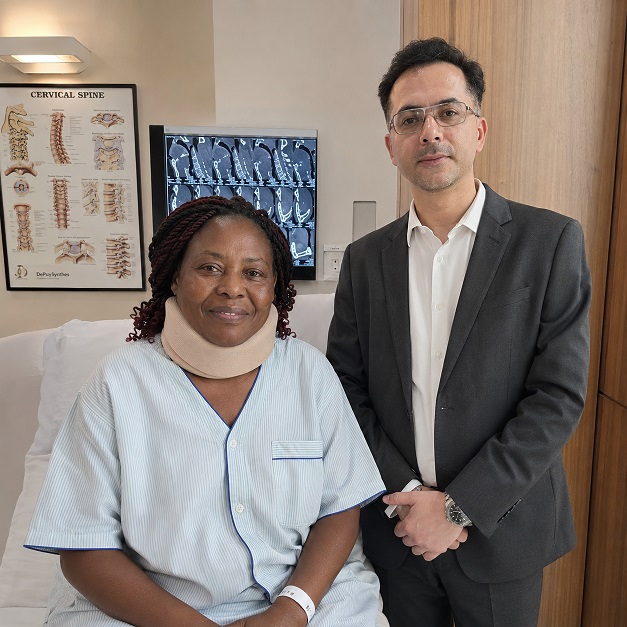
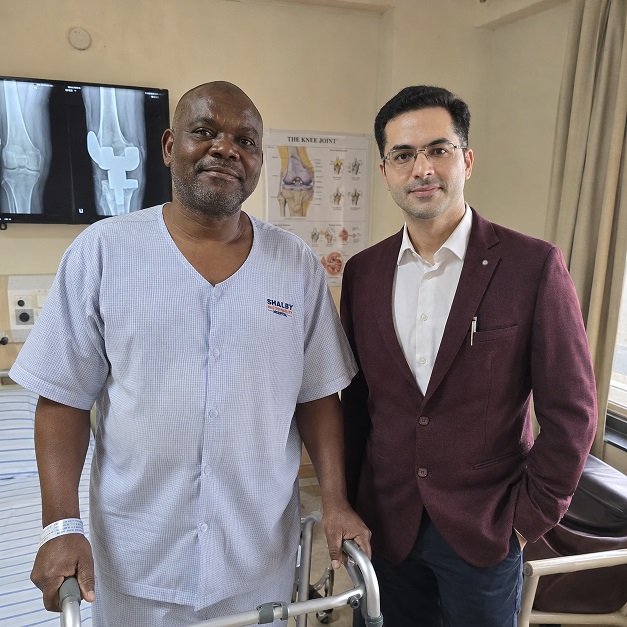
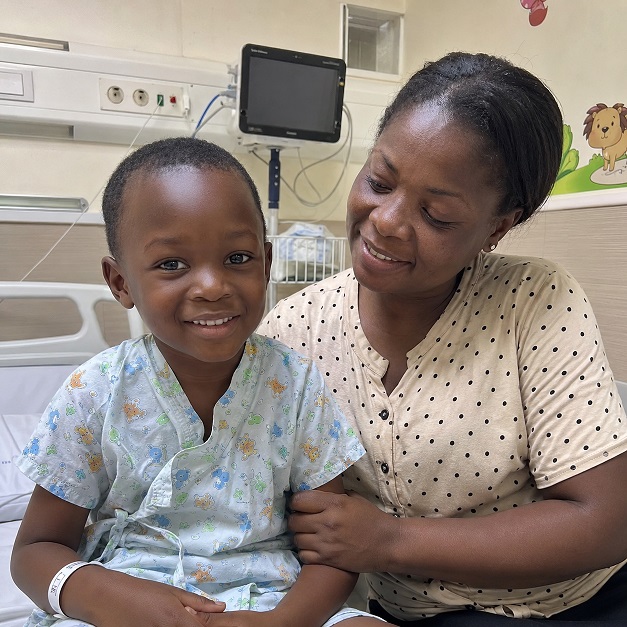
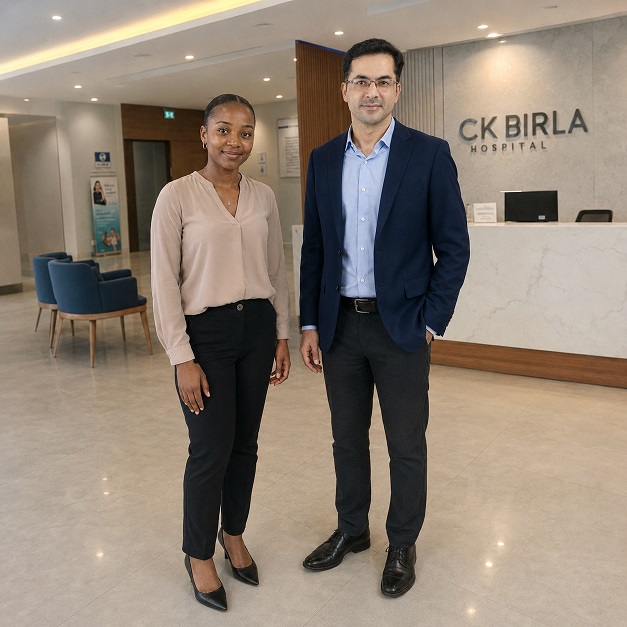
Patient Testimonials from Zambia

Ready to Take the First Step?
Share your Medical Reports with our Healthcare Managers Today and Get a FREE CONSULTATION, a Personalized Treatment Plan, and Complete Support from Arrival to Recovery.
Get Your Free ConsultationAreas We Serve
This resource has been thoughtfully prepared for patients from Zambia who are considering medical treatment in India. We also welcome patients from the wider region in the countries mentioned below-
We assist patients from:
- Zambia
- Angola
- Malawi
- Zimbabwe
- Botswana
- Namibia
- South Africa
- Eswatini
- Lesotho
- Gabon
- Chad
- Equatorial Guinea
- São Tomé and Príncipe
- Republic of the Congo
- Democratic Republic of the Congo
Many of the insights, treatment pathways, hospital recommendations, travel guidance, and patient support services described here are equally relevant and may be used as a reference when planning treatment in India.
From Zambia to India: Your Complete Patient Support Guide
- Best Weight-Loss (Bariatric) Surgeons & Hospitals in India for Zambian Patients
- Best Brain-Tumour Surgeons & Hospitals in India for Zambian Patients
- Best Cancer Doctors & Hospitals in India for Zambian Patients
- Best Cardiac Surgeons & Hospitals in India for Zambian Patients
- Best Cosmetic Surgeons & Facilities in India for Zambian Patients
- Best CyberKnife Treatment Teams & Centres in India for Zambian Patients
- Best Dentists & Dental Clinics in India for Zambian Patients
- Best Heart Valve Replacement Surgeons & Hospitals in India for Zambian Patients
- Best Hip Surgeons & Hospitals in India for Zambian Patients
- Best Knee Surgeons & Hospitals in India for Zambian Patients
- Best Neurosurgeons & Hospitals in India for Zambian Patients
- Best Paediatric Cardiac Surgeons & Hospitals in India for Zambian Patients
- Best Paediatric Neurosurgeons & Hospitals in India for Zambian Patients
- Best Prostate Surgeons & Hospitals in India for Zambian Patients
- Best Scoliosis Surgeons & Hospitals in India for Zambian Patients
- Best Spine Surgeons & Hospitals in India for Zambian Patients
- Best Bone Marrow Transplant Teams & Hospitals in India for Zambian Patients
- Best Kidney Transplant Surgeons & Hospitals in India for Zambian Patients