

Breast Cancer Treatment & Surgery in India for Zambian Patients
Breast cancer in African women often behaves differently — appearing earlier in life and, more often than elsewhere, in a form that needs a different treatment approach. Understanding this is where good decisions begin.
A breast cancer diagnosis carries a particular weight, touching not only health but identity and family, and the instinct is often to want the fastest possible treatment. That instinct is understandable, but the more valuable first step is a different one: understanding your specific cancer, because breast cancer is not one disease but several, and the right treatment depends entirely on which kind you have. For 24 years I have guided Zambian and wider African women through this diagnosis, and the single most important lesson I share is that a small laboratory test on the tumour tissue — not the size of the lump, not how it feels, not any assumption at all — is what genuinely decides the treatment that follows.
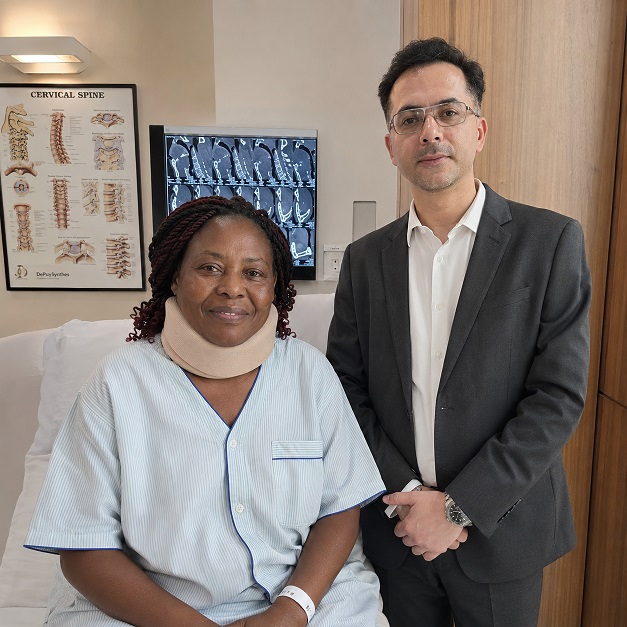
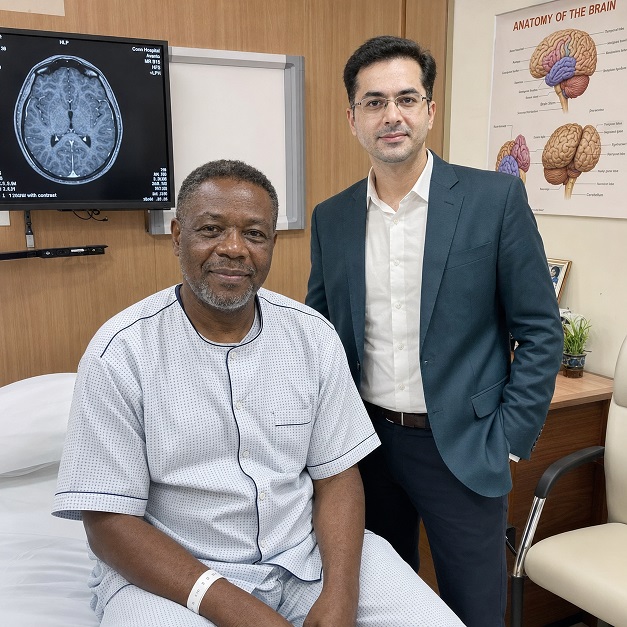
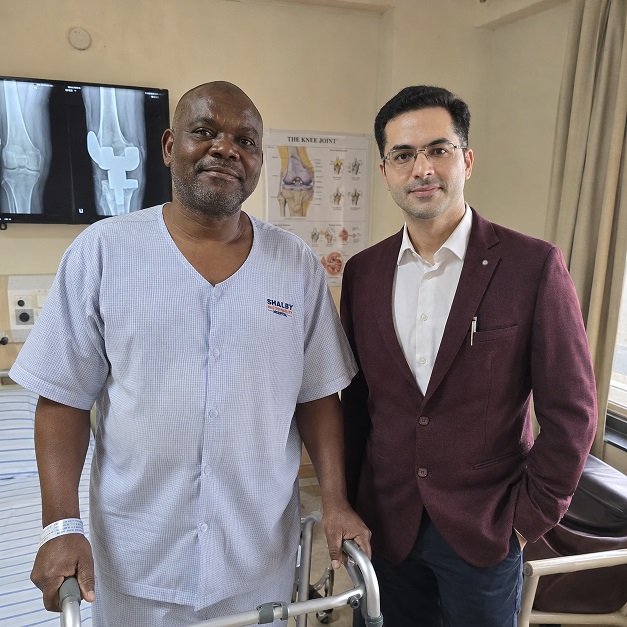
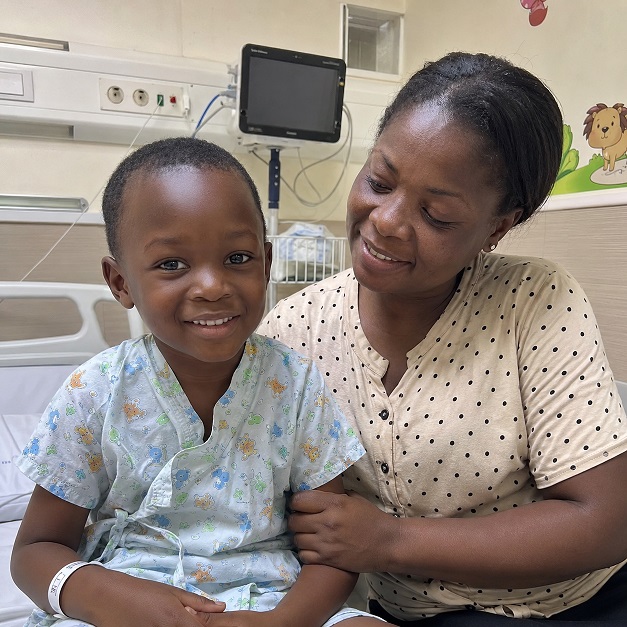
Healing Journeys of Zambian Patients
Key Takeaways
- Zambian patients should confirm an accurate breast cancer diagnosis before planning treatment or international travel. A proper tissue biopsy is essential, as imaging alone cannot confirm cancer.
- Biomarker testing is important for treatment planning. ER, PR and HER2 results help determine whether hormone therapy, targeted treatment or chemotherapy may be needed.
- Staging is also important because treatment depends on tumour size, lymph-node involvement and whether the cancer has spread. Earlier-stage disease may proceed to surgery, while advanced disease may require treatment before surgery.
- Surgery may involve breast-conserving surgery or mastectomy. Smaller suitable tumours may be treated with breast-conserving surgery followed by radiotherapy, while larger or multiple tumours may require mastectomy. Reconstruction can also be planned.
- Good breast cancer care involves a multidisciplinary team. A surgeon, medical oncologist, radiation oncologist and pathologist can work together to determine the most appropriate treatment sequence.
- Zambian patients should also consider the practical aspects of treatment in India. Earlier-stage breast cancer may be treated in Zambia, while India may be considered when biomarker testing, targeted therapies or reconstruction options are needed. Patients should carry their biopsy reports and, where possible, tissue blocks or slides.
- Long-term follow-up should be planned before leaving Zambia. Surgery may require weeks of recovery, while chemotherapy, radiotherapy or hormone therapy can continue for months or years. A written follow-up plan can help coordinate continued care in Zambia.
Quick Facts
- Treatment
- Breast Cancer Treatment and Surgery
- Country
- India
- Patients
- Zambian Patients
- Primary Condition
- Breast Cancer
- First Diagnostic Step
- Tissue Biopsy
- Key Biomarkers
- ER, PR and HER2
- Staging
- Stage 0 to Stage IV
- Main Surgical Options
- Breast-Conserving Surgery and Mastectomy
- Lymph-Node Assessment
- Sentinel Lymph Node Biopsy Where Appropriate
- Breast Reconstruction
- May Be Immediate or Delayed
- Hormone-Receptor Positive
- Hormone Therapy and Surgery
- HER2-Positive
- Targeted Therapy, Chemotherapy and Surgery
- Triple-Negative
- Chemotherapy and Surgery
- Key Selection Factor
- Multidisciplinary Breast Cancer Team
In Brief
Zambian patients considering breast cancer treatment in India should look beyond surgery alone and first establish the exact diagnosis, biomarker status and stage of the cancer. ER, PR and HER2 testing can significantly change the treatment plan, while multidisciplinary review helps determine whether surgery, chemotherapy, targeted therapy or radiotherapy should come first. Patients should also discuss breast-conserving surgery and reconstruction where medically appropriate. Before travelling, they should obtain their biopsy and imaging records, understand the complete treatment plan and arrange long-term follow-up in Zambia.
Why this matters in a particular way for Zambian women
Breast cancer research conducted across sub-Saharan Africa has found a consistent and important pattern: women of African ancestry tend to be diagnosed at a younger age than women in Western countries, often in their forties rather than their fifties or sixties, and are more likely to have a form of the disease called triple-negative breast cancer . This is not a reason for alarm on its own, but it is a reason to take any breast change seriously at any age, and to insist on the specific laboratory testing described below rather than a generic treatment plan.
Screening and early detection
Because breast cancer in this region often presents younger and more aggressively, early detection carries particular weight. Mammography, the X-ray screening used to detect breast cancer before it can be felt, is not yet widely or routinely available across Zambia in the way it is in some higher-income countries, which makes clinical awareness and self-examination all the more important in the meantime. Women should become familiar with the normal look and feel of their own breasts, so that any change — a lump, a thickening, a change in shape, a skin or nipple change — stands out and prompts a prompt visit to a doctor, rather than being noticed but set aside. A clinical breast examination by a trained health worker, even without mammography, can identify many cancers that would otherwise go unnoticed until a more advanced stage. Given the younger age of onset frequently seen in this region, this awareness matters from a woman’s twenties and thirties onward, not only after fifty as is sometimes assumed from Western screening guidance. A family history of breast or ovarian cancer, particularly in a mother, sister or daughter, or particularly at a young age, is worth mentioning specifically to a doctor, since it may point toward an inherited genetic risk and can affect both screening recommendations and, occasionally, treatment choices.
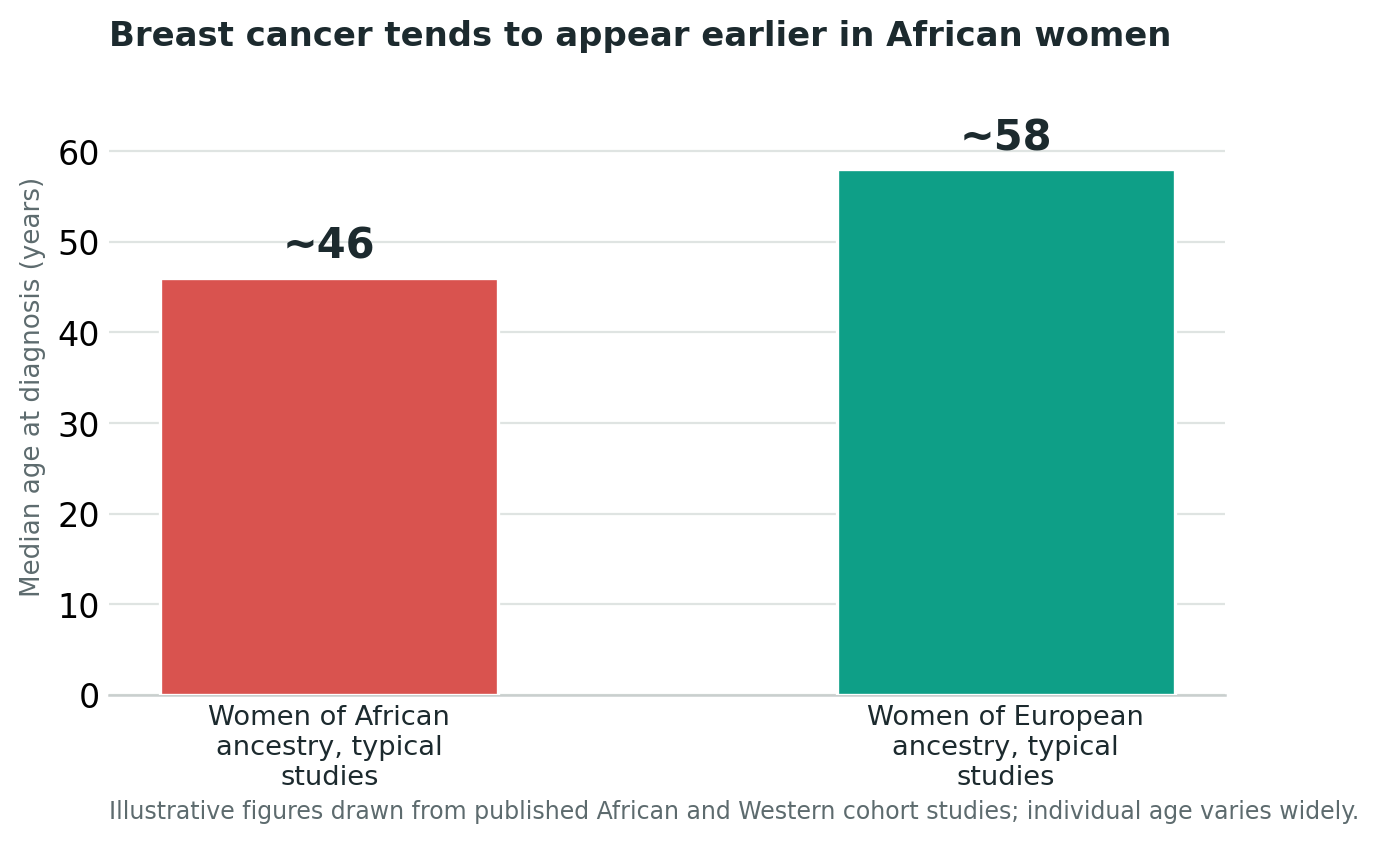
Illustrative figures from published African and Western cohort studies. Individual age varies widely, but the pattern is consistent enough to matter for screening decisions.
The knowledge that matters most: not all breast cancer is the same disease
Every breast cancer is tested for three things: whether it responds to the hormones oestrogen and progesterone (called hormone-receptor status ), and whether it overproduces a protein called HER2 . A cancer that is hormone- receptor positive can often be treated with hormone-blocking medicines, which are generally well tolerated and taken for years. A cancer that is HER2-positive can be treated with modern targeted therapies that specifically attack that protein. But a cancer with none of these three features — called triple-negative breast cancer — has no such target, and chemotherapy becomes the essential backbone of treatment rather than one option among several. This single test transforms a generic diagnosis into a specific, actionable plan, and it is precisely the test that research shows is under-used across much of Africa, where laboratory capacity for it is not always readily available.
Staging: why the number matters as much as the biomarker
Alongside biomarker status, every breast cancer is given a stage, from stage 0 (very early, confined disease) through stage IV (cancer that has spread to other organs), based on the tumour’s size, whether it has reached the lymph nodes, and whether it has spread elsewhere in the body. Staging is established through a combination of imaging — typically a mammogram or ultrasound of the breast, and scans of the chest, abdomen and bones where indicated — and it shapes the entire treatment plan alongside the biomarker result. Earlier-stage cancers are generally treated with surgery first, followed by any additional therapy the biomarker result calls for; more advanced cancers are often treated with chemotherapy or targeted therapy first, to shrink the tumour before surgery is attempted. Research from across the region has repeatedly found that a substantial share of women present with stage III or IV disease at diagnosis, often because of delays in seeking care, limited screening access, or symptoms initially attributed to other causes — which is precisely why prompt assessment of any breast change, discussed above, matters as much as the treatment itself.
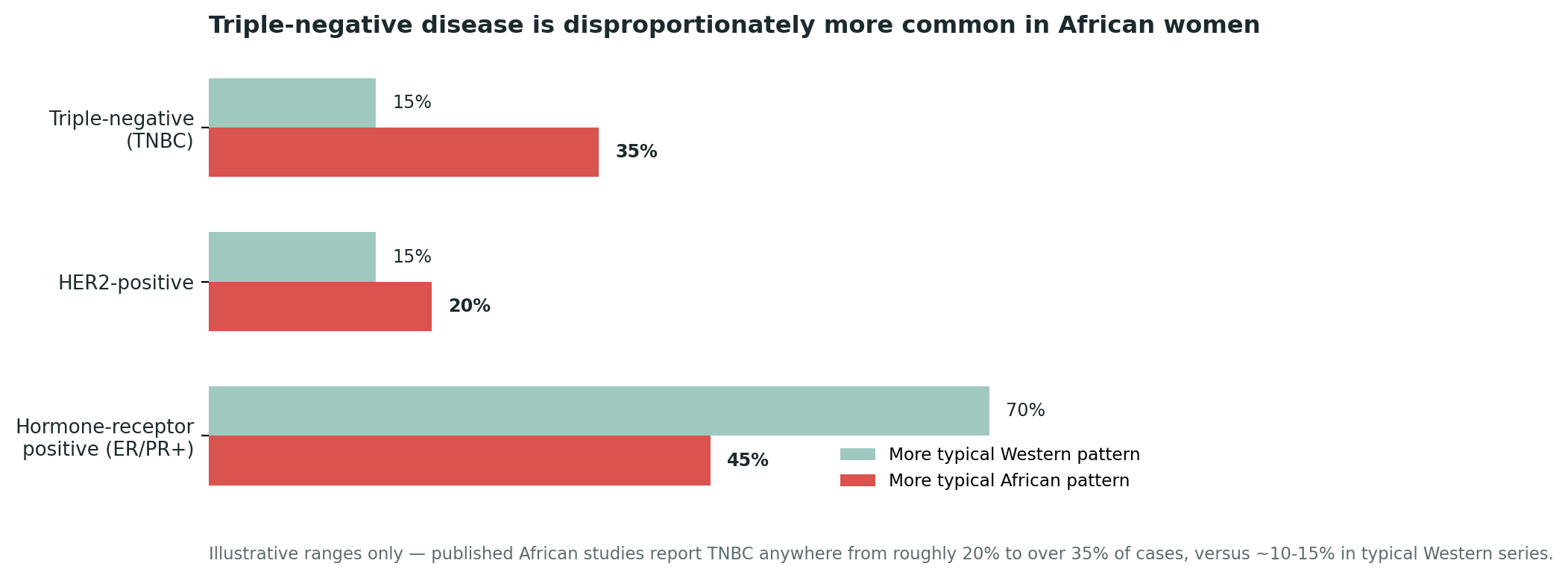
Illustrative ranges only, drawn from published African studies (which vary considerably by country and study). The pattern of a higher triple- negative share is consistent across the region.
What treatment actually involves
Surgery remains a central part of treating almost every breast cancer, but it is only one part of a wider plan that biomarker testing helps to shape. There are two main surgical approaches. Breast-conserving surgery , removing only the tumour and a margin of surrounding tissue, is followed by radiotherapy to the remaining breast tissue, and for suitable cancers achieves survival outcomes equivalent to removing the whole breast, with the obvious benefit of preserving it. Mastectomy , removing the whole breast, is necessary for larger tumours, multiple tumours in different parts of the breast, or where radiotherapy cannot safely follow, and can be combined with breast reconstruction, either immediately during the same operation or at a later date, using an implant or the patient’s own tissue. Alongside the breast itself, the lymph nodes under the arm are usually assessed — often today through a technique called sentinel lymph node biopsy, which samples only the first, most likely node rather than removing all of them, sparing many women the arm swelling that a full clearance can cause when it is not necessary.
Treatment options at a glance
| Situation | Typical approach | What it involves |
|---|---|---|
| Smaller, single tumour, suitable for the breast to be preserved | Breast-conserving surgery + radiotherapy | Removal of the tumour with a margin, followed by radiotherapy to the remaining breast. |
| Larger or multiple tumours, or radiotherapy not possible | Mastectomy, ± reconstruction | Removal of the whole breast; reconstruction can often be planned into the same operation. |
| Hormone-receptor positive | Hormone therapy + surgery | Medicines such as tamoxifen, usually continued for several years, alongside surgery. |
| HER2-positive | Targeted therapy + chemotherapy + surgery | Anti-HER2 targeted drugs combined with chemotherapy, before or after surgery. |
| Triple-negative | Chemotherapy + surgery | Chemotherapy is the essential backbone, often given before surgery to shrink the tumour first. |
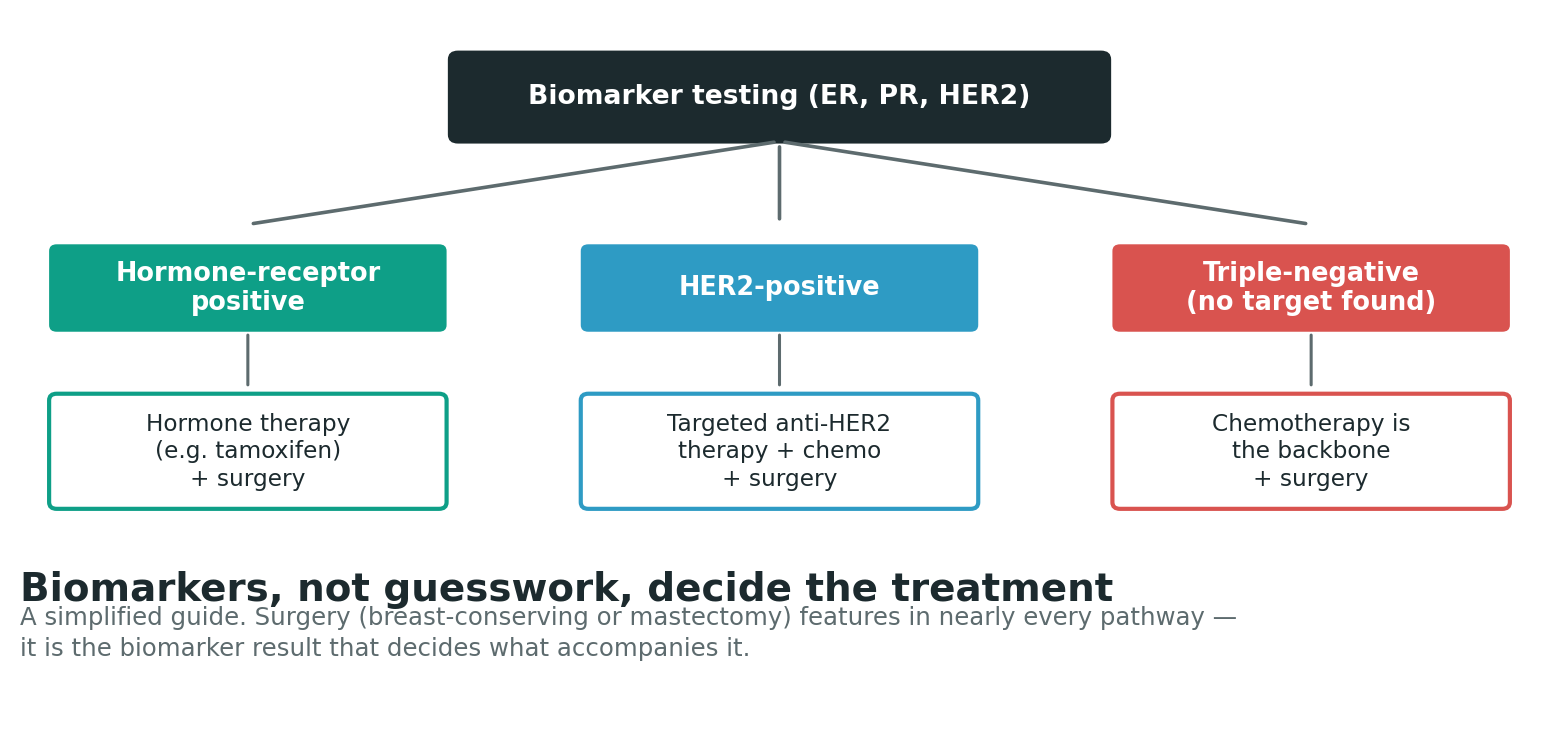
A simplified guide. Surgery features in nearly every pathway — it is the biomarker result that decides what accompanies it, and in what order.
What good care looks like
Whichever form of breast cancer is involved, several things distinguish genuinely good care. The diagnosis should rest on a proper tissue biopsy, not imaging alone, and that biopsy should be tested for hormone-receptor and HER2 status before any treatment plan is finalised. Your case should be discussed by a multidisciplinary tumour board — a surgeon, a medical oncologist, a radiation oncologist and a pathologist together — rather than decided by one specialist alone, since the right order and combination of surgery, chemotherapy, targeted therapy and radiotherapy depends on weighing all of this together. Where breast-conserving surgery is a genuine medical option, it should be offered and discussed, not skipped in favour of a more extensive operation by default. And reconstruction, where wanted, should be discussed as part of the original surgical plan, since some techniques are only possible if planned in advance.
Recovery, and the years that follow
Recovery from breast cancer surgery itself is generally measured in weeks, with most women resuming normal activities within four to six weeks of a straightforward operation, longer if reconstruction was involved. But breast cancer treatment as a whole is rarely finished when the surgical wound has healed. Chemotherapy, where needed, typically runs over several months in cycles; radiotherapy, where indicated, usually follows daily over several weeks; and hormone therapy, for hormone-receptor-positive cancers, is commonly continued for five to ten years afterward. Regular follow-up — clinical examination, and periodic imaging — continues for years to watch for any return of the disease, and this long tail of care is exactly why arranging a clear plan with a doctor in Zambia before you travel matters so much: the operation is often the shortest part of the whole journey.
Cost and value
Breast cancer treatment in a good Indian hospital costs a fraction of Western private pricing. At roughly ZK19 to the US dollar in mid-2026, the saving is substantial in kwacha; confirm the rate before travel, as it moves. Costs vary considerably with the treatment required — surgery alone is one figure, but chemotherapy, targeted therapy and radiotherapy each add to the total, and the full course can run over many months.
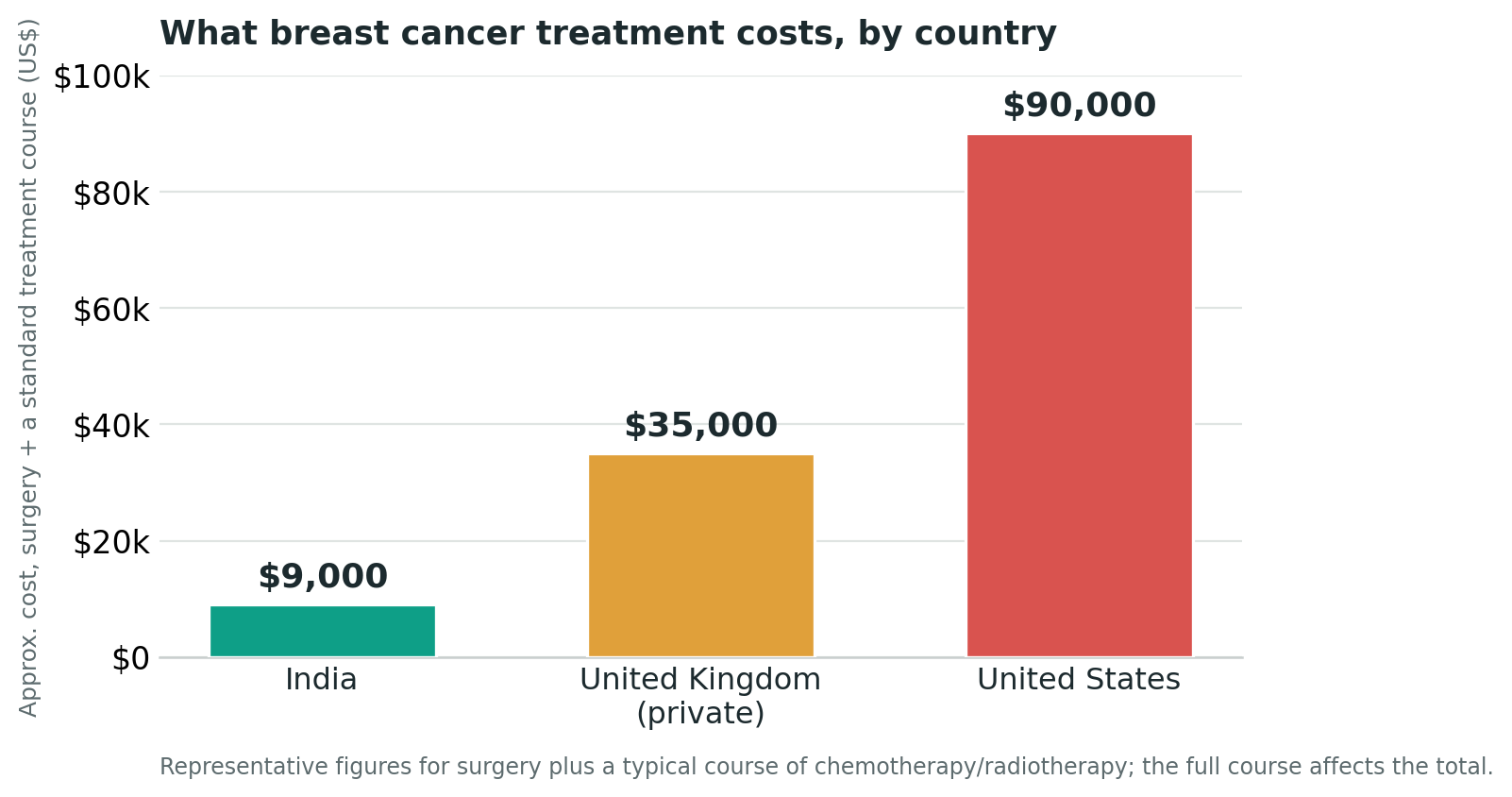
Representative figures for surgery plus a typical treatment course; the specific biomarker-guided plan affects the total considerably.
In 24 years of arranging these journeys, I have found that the disputes that arise almost never concern the headline price — they concern a treatment plan built without proper biomarker testing, discovered only partway through. Insist on the tissue diagnosis and the full ER/PR/HER2 result, and a plan agreed by a genuine multidisciplinary team, before any figure is settled.
Zambian practicalities
Zambia has cancer services, centred on the Cancer Diseases Hospital in Lusaka, and some breast cancer surgery and chemotherapy can be accessed at home; earlier-stage cases in particular are worth discussing locally first. Comprehensive biomarker testing, a full range of targeted therapies, and reconstruction options are less consistently available, which is where travel to a well-equipped centre becomes valuable. India requires a yellow fever certificate from Zambian travellers, valid from ten days after vaccination; the medical visa is issued by the High Commission of India in Lusaka against the hospital’s invitation letter, with an attendant visa in the same batch. There is no direct flight, so plan to connect via Addis Ababa, Dubai, Doha or Nairobi. Send your original biopsy report and, where possible, the tissue block or slides, not only a summary, for review before you travel. If your cancer has already been tested for hormone-receptor and HER2 status in Zambia, bring that report too — it can save valuable time, though a good centre may still wish to confirm the result independently before finalising your plan.
Signs that deserve prompt assessment, not delay
- A new lump or thickening — in the breast or underarm, at any age, do not wait to see if it disappears.
- Any change in breast size, shape, or skin texture — including dimpling or puckering.
- Nipple changes — including new inversion, discharge, or a persistent rash.
- A family history of breast or ovarian cancer — worth mentioning to a doctor even without symptoms, since it may affect screening advice.
Straight answers for Zambian Patients about Breast Cancer Treatment & Surgery in India
Why does my cancer need a biomarker test before treatment is decided?
Because the result — whether it responds to hormones, overproduces HER2, or is triple-negative — determines which medicines will actually work against it. Without this test, treatment is a guess rather than a targeted plan, and a triple-negative cancer treated as if it were hormone-sensitive will not respond.
Will I definitely need my whole breast removed?
Not necessarily. Many tumours can be treated with breast-conserving surgery followed by radiotherapy, with outcomes equivalent to mastectomy. Whether this is suitable depends on the tumour's size and number, not a fixed rule, so ask specifically whether it applies to your case.
Is triple-negative breast cancer more dangerous?
It tends to be more aggressive and lacks a specific hormonal or HER2 target, making chemotherapy central to treatment. But it can and does respond well to treatment, particularly when caught at an earlier stage — which is exactly why prompt assessment of any new breast change matters so much.
Can breast reconstruction be done at the same time as a mastectomy?
Often, yes, particularly if it is discussed and planned before the original surgery rather than afterward. Some reconstruction techniques depend on decisions made at the time of the first operation, so raise it early with your surgical team.
Sources & useful links
- 🌐 Medical visa (India), Lusaka — High Commission of India, requirements & process: hcizambia.gov.in/page/medical-visa
- 🌐 National Health Insurance (Zambia) — NHIMA cover (treatment abroad is not covered): nhima.co.zm
- 🌐 Cancer services, Zambia — Ministry of Health; Cancer Diseases Hospital & referrals: moh.gov.zm
- 🌐 Verify a doctor (India) — National Medical Commission register of doctors: nmc.org.in
- 🌐 Hospital accreditation (India) — verify a hospital’s NABH accreditation: nabh.co
- 🌐 Yellow fever & travel health — WHO vaccination guidance: who.int/health-topics/yellow-fever
A closing word
If you send me your biopsy report and any imaging, I will help you understand exactly what your specific cancer is, what the biomarker results mean for your treatment options, and which hospitals in India can offer the full combination of surgery, medical oncology, radiotherapy and reconstruction your particular case needs — genuinely coordinated by a team, not delivered piecemeal. Breast cancer treated with the right knowledge, from the very first test, gives a woman the best possible chance — and that knowledge, more than any single hospital or surgeon, is what I hope this guide has given you first. That, for all these years, has been my work.
Frequently Asked Questions by Zambian Patients about Breast Cancer Treatment & Surgery in India
Why should Zambian patients consider breast cancer treatment in India?
Zambian patients may consider India when they need comprehensive biomarker testing, targeted therapies, reconstruction or coordinated multidisciplinary cancer care. Earlier-stage cases may also be worth discussing with suitable cancer services in Zambia before travelling.
What tests should Zambian breast cancer patients complete before travelling to India?
Patients should have a proper tissue biopsy and obtain their ER, PR and HER2 results. Imaging and staging information should also be collected. Where possible, patients should carry the original biopsy report and tissue blocks or slides for review.
What breast cancer surgery options are available in India for Zambian patients?
The main surgical options are breast-conserving surgery and mastectomy. Breast-conserving surgery may be suitable for certain smaller tumours and is generally followed by radiotherapy, while mastectomy may be required for larger or multiple tumours or when radiotherapy cannot safely follow.
Do Zambian patients with breast cancer always need a mastectomy in India?
No. Many suitable tumours can be treated with breast-conserving surgery followed by radiotherapy. Whether this is appropriate depends on the tumour's size, number, location and other clinical factors.
Why are ER, PR and HER2 tests important for Zambian breast cancer patients?
These biomarkers help determine which treatments are likely to work. Hormone-receptor-positive cancers may benefit from hormone therapy, HER2-positive cancers may receive HER2-targeted treatment, while triple-negative cancers rely more heavily on chemotherapy.
Can breast reconstruction be performed during breast cancer surgery in India?
Often, yes. Reconstruction can sometimes be performed during the same operation as a mastectomy or planned for a later date. Patients who are interested in reconstruction should discuss it before the original surgery because some options depend on early planning.
Can Zambian patients receive breast cancer treatment in Zambia instead of travelling to India?
Yes. Zambia has cancer services, including the Cancer Diseases Hospital in Lusaka, and some breast cancer surgery and chemotherapy can be accessed locally. India may become more relevant when comprehensive biomarker testing, targeted therapies or reconstruction options are needed.
How should Zambian patients prepare for travel to India for breast cancer treatment?
Patients should obtain their biopsy and imaging records and, where possible, carry tissue blocks or slides. India requires a medical visa and a yellow fever certificate for Zambian travellers, and there is no direct flight, so connecting travel should be planned.
Can Zambian patients continue breast cancer treatment and follow-up in Zambia after treatment in India?
Yes. Long-term follow-up is important because treatment may continue after surgery. Chemotherapy can run for several months, radiotherapy may require several weeks, and hormone therapy for hormone-receptor-positive cancer can continue for five to ten years. A written treatment and follow-up plan should be arranged for the doctor in Zambia.
How should Zambian patients compare the cost of breast cancer treatment in India?
Patients should not compare hospitals using surgery price alone. The total cost can change substantially depending on the need for chemotherapy, targeted therapy, radiotherapy and reconstruction. Patients should obtain a written, itemised quotation after the biopsy, biomarkers and treatment plan have been reviewed.
Page Summary
This guide helps Zambian patients understand breast cancer treatment and surgery in India, beginning with accurate diagnosis, tissue biopsy, biomarker testing and staging. It explains the differences between breast-conserving surgery and mastectomy and outlines how hormone-receptor status, HER2 status and triple-negative disease can influence treatment. The guide also highlights chemotherapy, targeted therapy, radiotherapy, lymph-node assessment and reconstruction. Patients should consider multidisciplinary care and obtain their medical records before travelling. Long-term follow-up in Zambia should also be planned because breast cancer treatment can continue for months or years after surgery.
Citation Block
| Topic | Information |
|---|---|
| Topic Information | Breast Cancer Treatment and Surgery in India for Zambian Patients |
| Treatment | Breast Cancer Treatment and Long-Term Cancer Care |
| Country | India |
| Intended Audience | Zambian Patients and Families |
| Primary Condition | Breast Cancer |
| Diagnostic Requirement | Tissue Biopsy Before Final Treatment Planning |
| Key Biomarkers | ER, PR and HER2 |
| Staging | Stage 0 to Stage IV Based on Tumour, Nodes and Spread |
| Main Surgical Options | Breast-Conserving Surgery and Mastectomy |
| Lymph-Node Assessment | Sentinel Lymph Node Biopsy Where Appropriate |
| Breast Reconstruction | May Be Immediate or Delayed |
| Hormone-Receptor Positive | Hormone Therapy Plus Surgery |
| HER2-Positive | Targeted Therapy, Chemotherapy and Surgery |
| Triple-Negative | Chemotherapy Plus Surgery |


Our Mission Statement
Our mission is to place patients at the centre of every healthcare decision by providing trustworthy, evidence-based, and unbiased medical information. We believe that informed patients make better decisions. Backed by personalised guidance from our experienced advisory team, we help patients understand their treatment options, compare them objectively, and confidently choose the path that best suits their medical needs and personal circumstances.
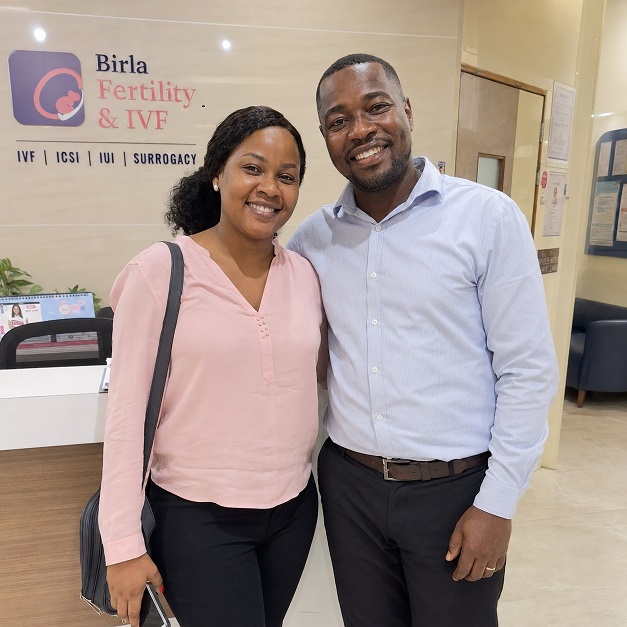
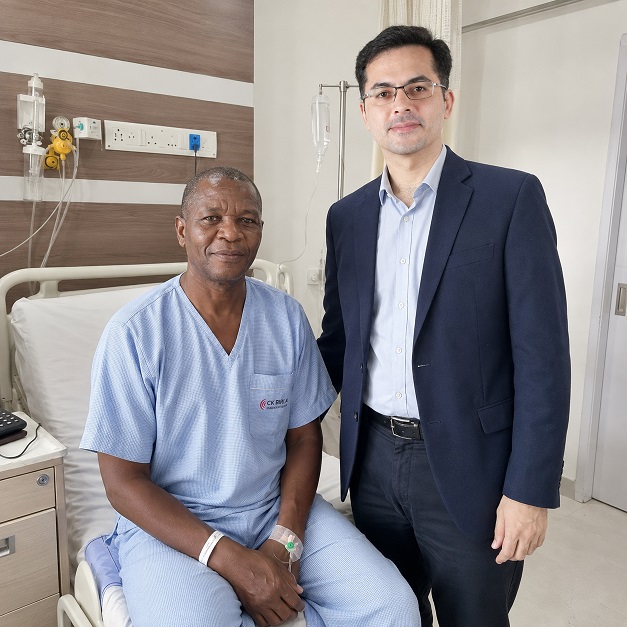
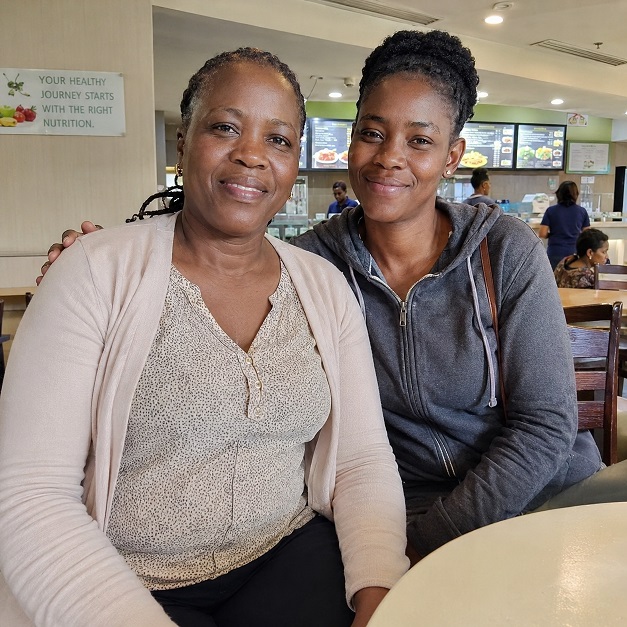
Patient Testimonials from Zambia
Ready to Take the First Step?
Share your Medical Reports with our Healthcare Managers Today and Get a FREE CONSULTATION, a Personalized Treatment Plan, and Complete Support from Arrival to Recovery.
Get Your Free ConsultationAreas We Serve
This resource has been thoughtfully prepared for patients from Zambia who are considering medical treatment in India. We also welcome patients from the wider region in the countries mentioned below-
We assist patients from:
- Zambia
- Angola
- Malawi
- Zimbabwe
- Botswana
- Namibia
- South Africa
- Eswatini
- Lesotho
- Gabon
- Chad
- Equatorial Guinea
- São Tomé and Príncipe
- Republic of the Congo
- Democratic Republic of the Congo
Many of the insights, treatment pathways, hospital recommendations, travel guidance, and patient support services described here are equally relevant and may be used as a reference when planning treatment in India.
From Zambia to India: Your Complete Patient Support Guide
- Best Weight-Loss (Bariatric) Surgeons & Hospitals in India for Zambian Patients
- Best Brain-Tumour Surgeons & Hospitals in India for Zambian Patients
- Best Cancer Doctors & Hospitals in India for Zambian Patients
- Best Cardiac Surgeons & Hospitals in India for Zambian Patients
- Best Cosmetic Surgeons & Facilities in India for Zambian Patients
- Best CyberKnife Treatment Teams & Centres in India for Zambian Patients
- Best Dentists & Dental Clinics in India for Zambian Patients
- Best Heart Valve Replacement Surgeons & Hospitals in India for Zambian Patients
- Best Hip Surgeons & Hospitals in India for Zambian Patients
- Best Knee Surgeons & Hospitals in India for Zambian Patients
- Best Neurosurgeons & Hospitals in India for Zambian Patients
- Best Paediatric Cardiac Surgeons & Hospitals in India for Zambian Patients
- Best Paediatric Neurosurgeons & Hospitals in India for Zambian Patients
- Best Prostate Surgeons & Hospitals in India for Zambian Patients
- Best Scoliosis Surgeons & Hospitals in India for Zambian Patients
- Best Spine Surgeons & Hospitals in India for Zambian Patients
- Best Bone Marrow Transplant Teams & Hospitals in India for Zambian Patients
- Best Kidney Transplant Surgeons & Hospitals in India for Zambian Patients