

Selecting the Best Sports Medicine and Arthroscopy Surgeons and Hospitals in India — a Zambian Patient's Guide
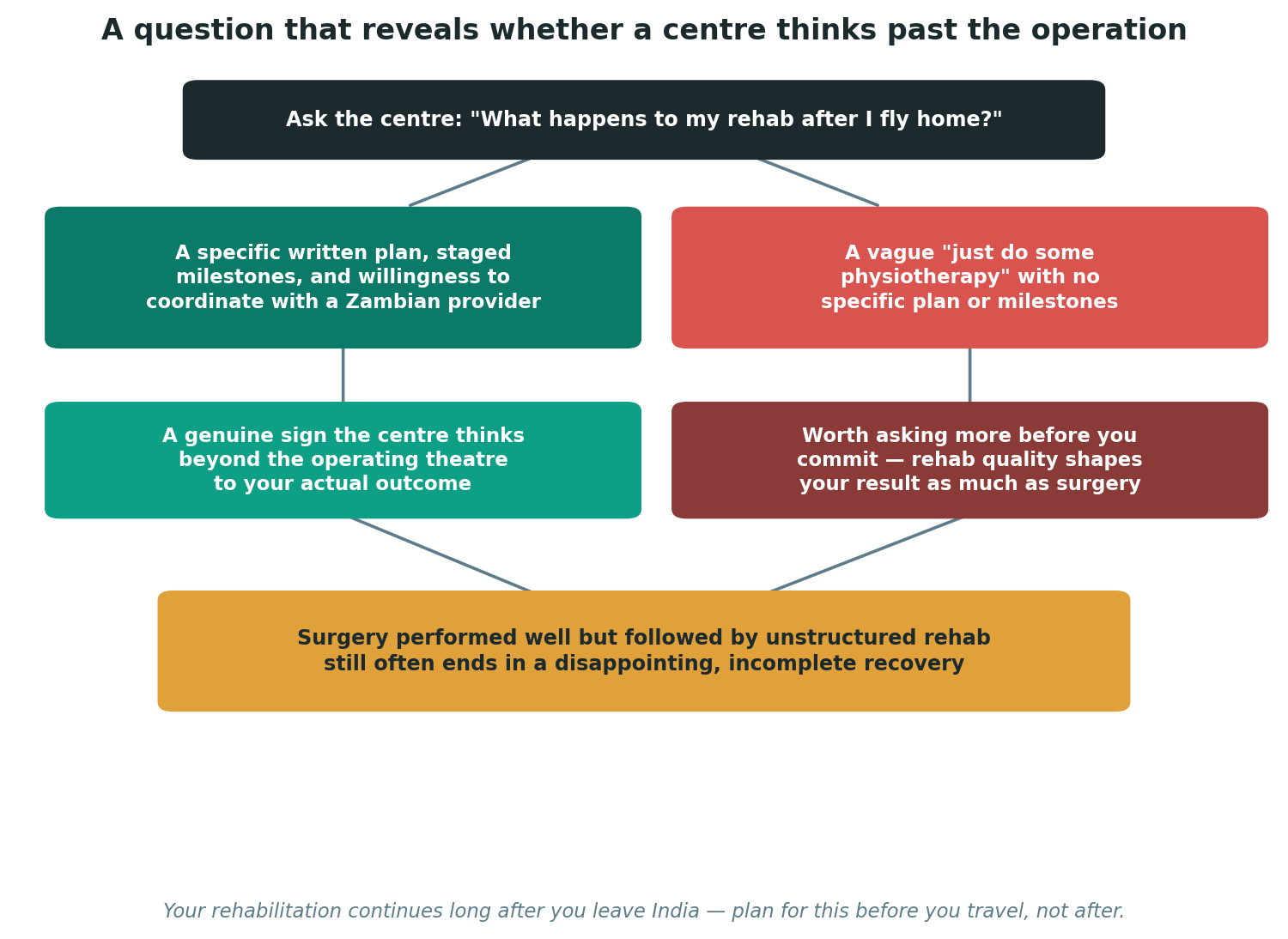
Ask any centre directly what happens to your rehabilitation once you fly home — a vague "just do some physiotherapy" tells you the surgery may be excellent, but the plan for your actual recovery is not.
Choosing a surgeon and hospital for ACL reconstruction, meniscus repair, or other sports medicine surgery is unusual among the specialties covered in this series, because the operation itself is genuinely only half of what determines your outcome. A technically excellent surgery followed by an unstructured, poorly supervised recovery often still ends in a disappointing result — persistent instability, a failed return to sport, or a second injury. In 24 years of guiding patients through orthopaedic care abroad, I have found that families who plan for the rehabilitation as carefully as the surgery itself get meaningfully better outcomes.
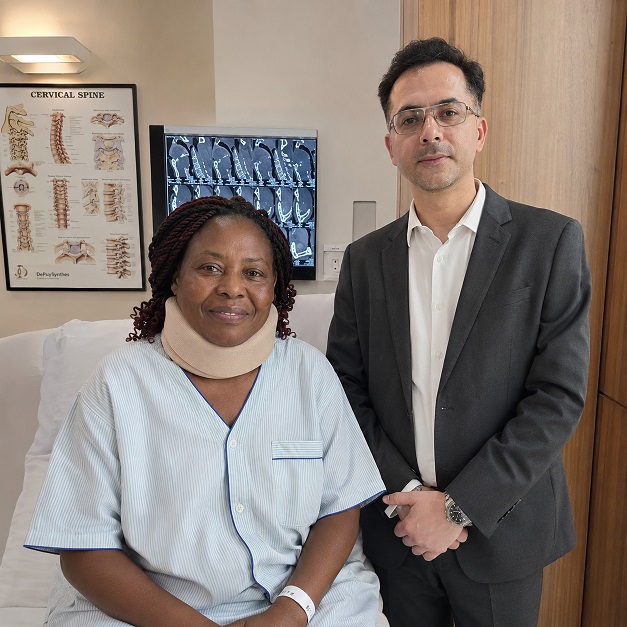
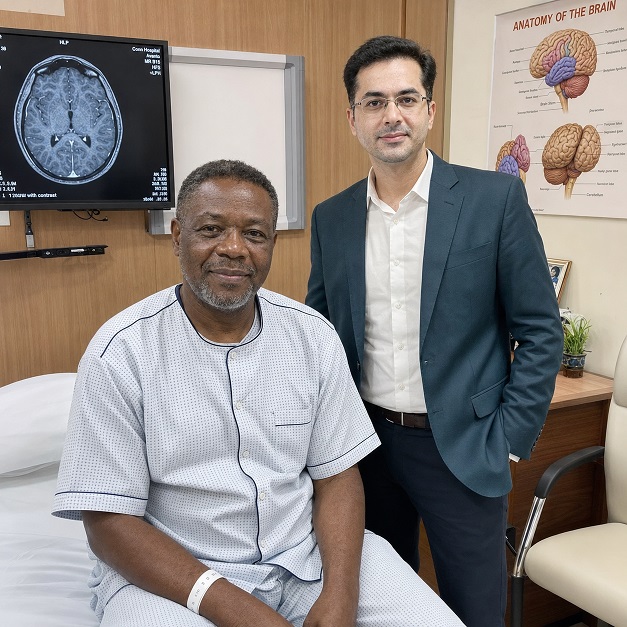
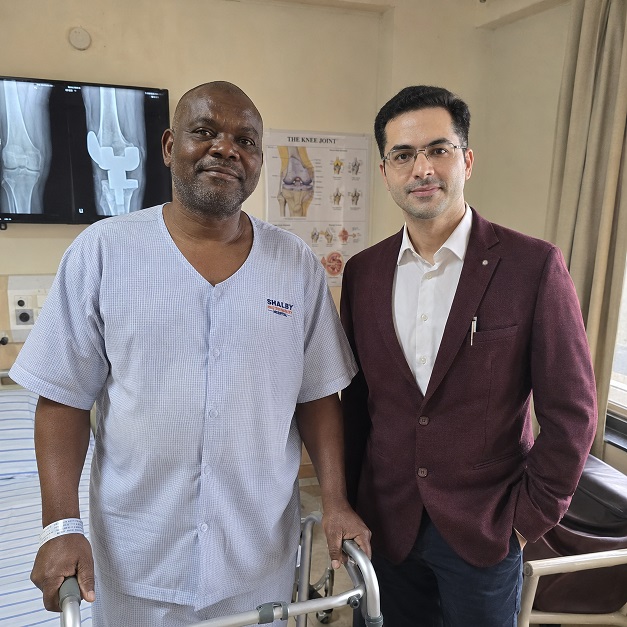
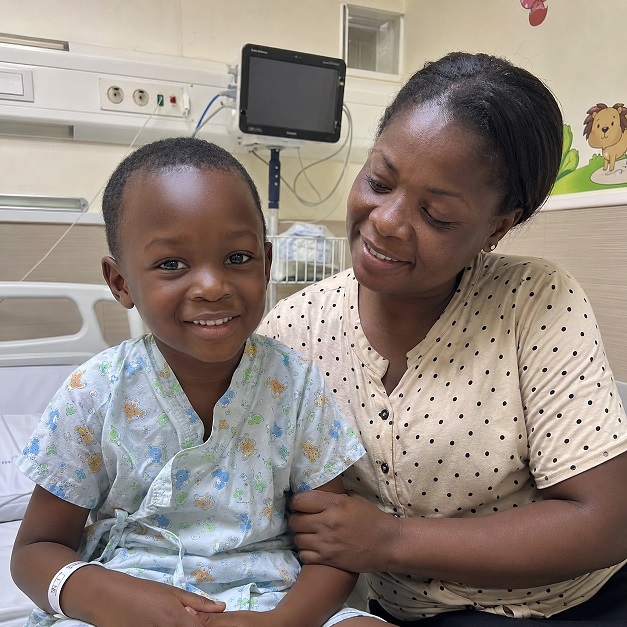
Healing Journeys of Zambian Patients
Key Takeaways
- The guide explains that Zambia already has local arthroscopic surgery capacity, including at the Zambian-Italian Orthopaedic Hospital in Lusaka, so straightforward injuries may reasonably be treated locally. Travel to India may be more worthwhile for complex ligament or combined meniscus injuries, specific graft techniques or cases where a structured sports-specific rehabilitation programme could improve the chances of returning to competitive activity.
- The guide emphasises that surgery is only half of the outcome. A well-performed ACL or other arthroscopic procedure can still result in disappointing recovery if rehabilitation is poorly supervised or discontinued early. The page 1 chart illustrates this contrast, showing approximately 45% discontinuing supervised rehabilitation early versus about 81% completing a full supervised programme and returning to some form of sport.
- The page 2 framework gives equal 50% weighting to the surgeon and the rehabilitation programme/hospital. Surgeon assessment focuses on sports medicine or arthroscopy fellowship training, experience with the exact injury, graft selection, meniscus repair versus removal, personal re-injury and revision rates and management of combined injuries.
- Hospital and rehabilitation assessment focuses on a structured on-site sports-specific rehabilitation programme, physiotherapists experienced with athletes, a staged return-to-sport protocol, remote or telehealth follow-up after returning to Zambia and a written rehabilitation plan that a Zambian physiotherapist can continue.
- The qualification table on page 2 identifies MBBS as the basic medical degree, MS/DNB Orthopaedics as general postgraduate orthopaedic training, a Fellowship in Sports Medicine/Arthroscopy as focused training in arthroscopic and sports-related injuries, and an ongoing sports-specific caseload as evidence of current experience with athletes and active patients.
- The guide advises Zambian patients to look carefully at what is included in the quoted price. A surgical quotation may appear attractive while excluding the structured rehabilitation that is essential to recovery. Patients should specifically ask whether the price includes a defined period of on-site rehabilitation and arrange a Zambian physiotherapist to continue the programme after returning home.
- The page 4 diagram highlights the key question: “What happens to my rehab after I fly home?” A specific written plan with staged milestones and coordination with a Zambian provider is presented as a positive sign, while a vague instruction to “just do some physiotherapy” should prompt further questions.
Quick Facts
- Author
- Dr. Dheeraj Bojwani
- Experience
- 24+ Years
- Treatment
- Sports Medicine & Arthroscopy
- Patients
- Zambian Patients
- Key Specialist
- Sports Medicine / Arthroscopy Surgeon
- Selection Weighting
- 50% surgeon / 50% rehabilitation & hospital
- Key Procedures
- ACL reconstruction and meniscus repair
- Key Training
- Fellowship in Sports Medicine/Arthroscopy
- Experience Check
- Exact injury and procedure
- Graft Check
- Specific graft choice and rationale
- Meniscus Check
- Repair versus removal
- Outcome Check
- Personal re-injury and revision rates
- Rehabilitation
- Structured sports-specific programme
- Return-to-Sport
- Staged milestones and criteria
- Home Support
- Written plan for Zambian physiotherapist
- Follow-Up
- Remote/telehealth support where available
- Pre-Travel Check
- Injury details and imaging
- Key Warning
- No structured rehabilitation or vague post-return plan
- Decision Principle
- Choose the surgeon and rehabilitation programme together.
In Brief
For Zambian patients considering sports medicine or arthroscopy in India, the guide recommends evaluating the rehabilitation programme as carefully as the surgery itself. Patients should confirm the surgeon's experience with their exact injury, understand graft and meniscus treatment choices, and obtain a staged return-to-sport plan that can continue with a physiotherapist in Zambia after they return home.
First, should you travel at all?
The Zambian-Italian Orthopaedic Hospital in Lusaka and other Zambian orthopaedic centres perform some arthroscopic procedures locally, and for straightforward cases, local treatment combined with committed physiotherapy may be entirely reasonable. Where travel becomes more clearly worthwhile is for complex ligament or combined meniscus injuries, cases requiring specific graft techniques not widely available locally, or where a structured, sports-specific rehabilitation programme genuinely improves the likelihood of returning to competitive activity.
Discuss this honestly with your Zambian orthopaedic team or physiotherapist, who can help you understand whether your specific injury is one that local capacity handles well, or one where the added surgical and rehabilitation infrastructure available abroad would genuinely change your outcome.
Why the rehabilitation team matters as much as the surgeon
Published research following ACL reconstruction patients consistently shows that completing a full, supervised rehabilitation programme substantially improves the chances of a genuine return to sport, while a significant share of patients discontinue structured rehabilitation early, often before three months, well short of what recovery typically requires. This means the physiotherapy team and the structure of the programme you commit to are not an afterthought to the surgery — they are a core part of the treatment itself.
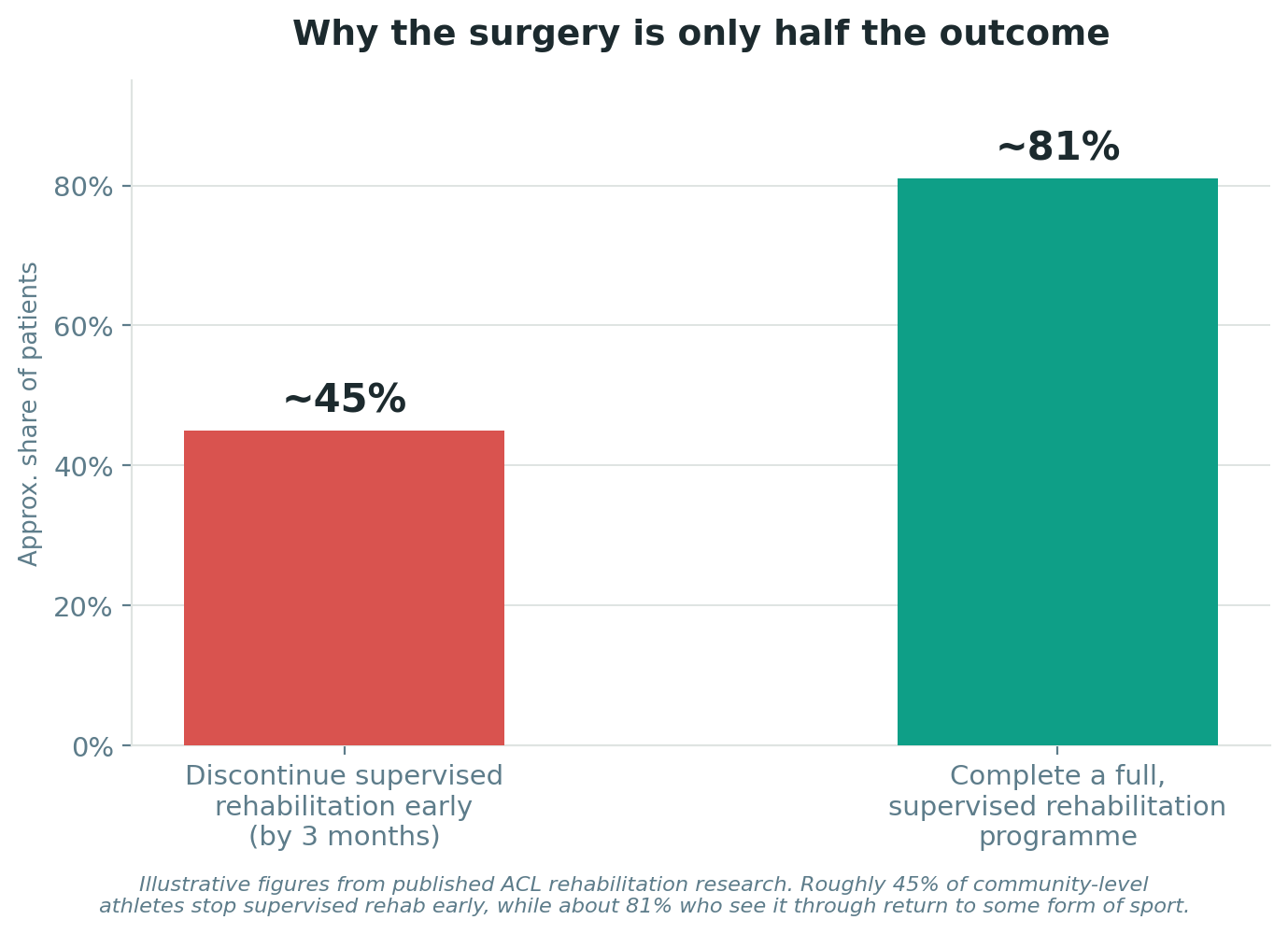
This is precisely why a centre's rehabilitation programme deserves as much scrutiny as the surgeon's operating skill.
Two decisions, weighted equally
Unlike many specialties in this series where the surgeon's individual skill carries the greater weight, sports medicine surgery genuinely depends on both halves of this decision in roughly equal measure.
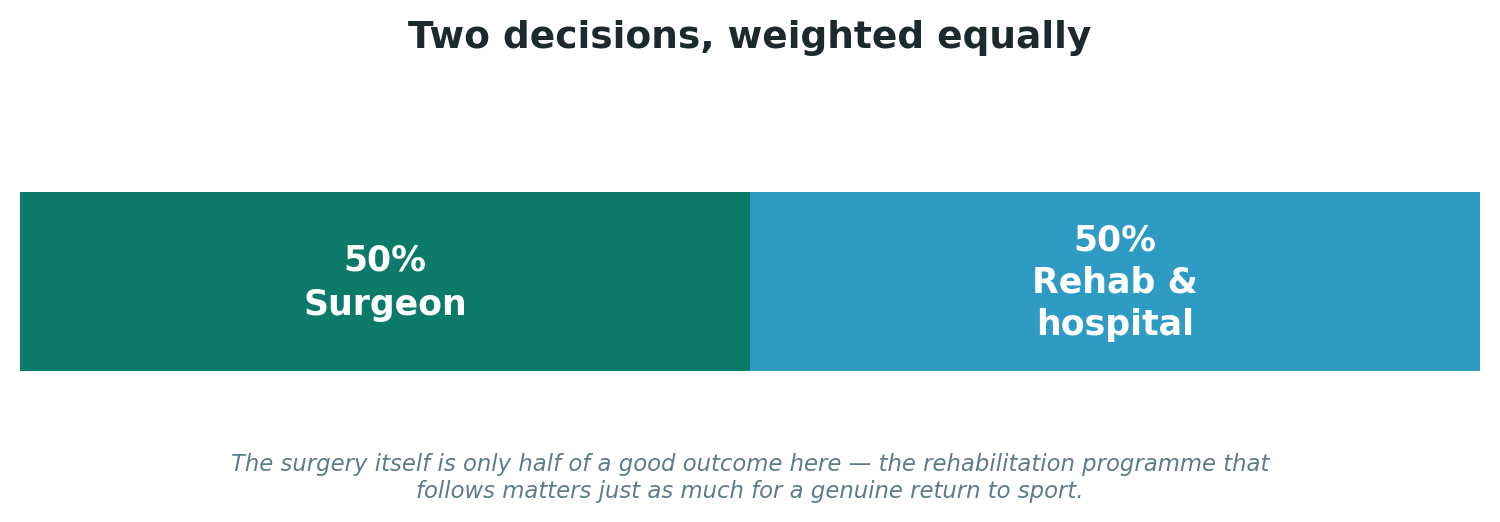
The surgery and the rehabilitation programme that follows both genuinely shape your final outcome.
Part One: choosing the surgeon
Ask directly about fellowship training specifically in sports medicine or arthroscopy, distinct from general orthopaedic training, and their specific experience with your exact injury, since ACL reconstruction, meniscus repair, and other arthroscopic procedures each demand distinct technical skill. Ask them to explain their recommended graft choice and why it suits your specific situation, and if a meniscus tear is involved, ask honestly whether repair is being considered, not simply removal. Ask about their personal re-injury and revision rates, shared openly.
It is also worth asking about the surgeon's approach to combined injuries, since ACL tears frequently occur alongside meniscus or cartilage damage, and a surgeon with genuine sports medicine depth will have a clear, considered plan for addressing everything found during surgery, not simply the single injury initially diagnosed on imaging.
Part Two: choosing the hospital and rehabilitation programme
Ask whether the centre has a structured, on-site rehabilitation programme staffed by physiotherapists with genuine sports-specific experience, not a generic physiotherapy department. Ask for a clear, staged return-to-sport protocol with specific milestones, rather than only a rough time estimate, and ask directly what support is available once you return to Zambia, including whether a written plan will be provided that a local physiotherapist can follow.
It is also worth asking whether the centre offers any form of remote or telehealth follow-up once you are home, since being able to check in with the surgical or rehabilitation team during your recovery, even briefly, can help catch problems early and keep your programme on track during the months of recovery that continue long after you leave India.
| Qualification level | What it means |
|---|---|
| MBBS | Basic medical degree, the starting point for any doctor in India. |
| MS/DNB Orthopaedics | General postgraduate orthopaedic training, a prerequisite for further subspecialisation. |
| Fellowship in Sports Medicine/Arthroscopy | Focused training specifically in arthroscopic techniques and sports-related injuries. |
| Ongoing sports-specific caseload | Regular, current experience with athletes and active patients, not just occasional arthroscopic cases. |
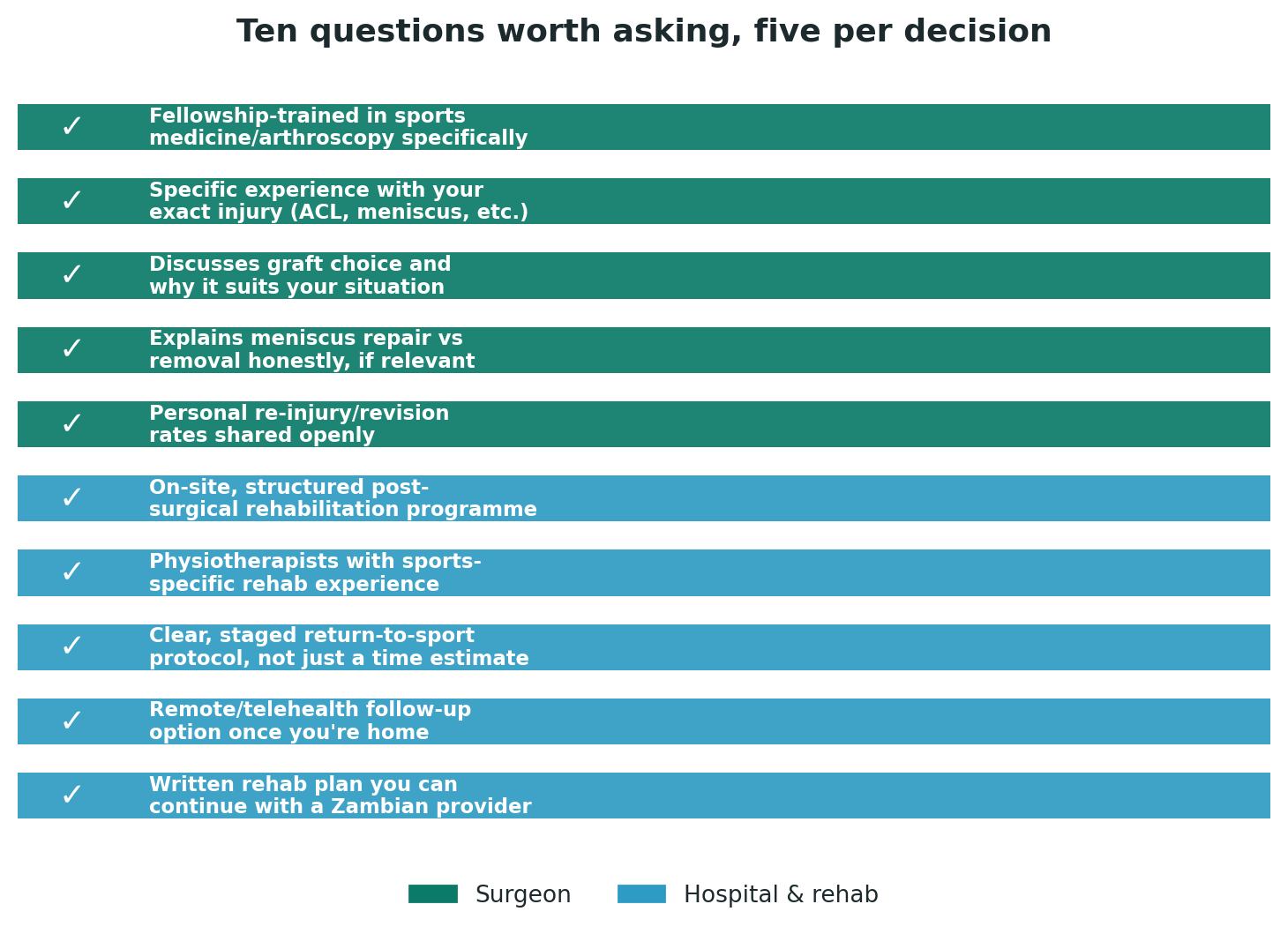
Ten specific, answerable questions, five for each half of this decision.
Cost and value: how to weigh the money honestly
Sports medicine surgery in a good Indian hospital costs a fraction of the equivalent procedure in the West, and India has centres with genuine arthroscopic experience. In 24 years of arranging these journeys, I have found that disputes almost never concern the quoted price — they concern what it silently omitted, and for this specialty specifically, that most often means the rehabilitation programme, which is easy to overlook when comparing quotes focused only on the surgical fee.
Ask specifically whether the quoted price includes a defined period of on-site rehabilitation, or only the surgery and a standard hospital stay, since these two quotes can look similar on paper but represent very different levels of support for your actual recovery.
What a Zambian patient should weigh in particular
Payment comes from your own resources, since NHIMA funds care at accredited facilities inside Zambia, not treatment abroad. Given how much your rehabilitation shapes the outcome, budget and plan for this phase as seriously as the surgery itself, and identify a Zambian physiotherapist willing to continue your programme before you travel, so this continuity is already arranged when you return.
The practical journey from Zambia
India requires a yellow fever vaccination certificate from travellers arriving from Zambia, valid only from ten days after the injection. Your medical visa is issued by the High Commission of India on Pandit Nehru Road in Lusaka against the hospital's invitation letter. There is no direct flight from Zambia to India; you will connect through Addis Ababa on Ethiopian Airlines, or through Dubai, Doha or Nairobi. Plan to stay long enough for the early, most closely supervised phase of rehabilitation before travelling home to continue the programme locally.
Four signals that should make you pause
1. A surgeon who cannot describe a specific graft choice or rationale for your particular injury.
2. No dedicated, sports-specific physiotherapy team, only a general hospital physiotherapy department.
3. A return-to-sport estimate given only as a rough number of months, with no staged milestones or criteria.
4. No written rehabilitation plan offered for you to continue with a provider back in Zambia.
Your rehabilitation continues long after you leave India — plan for this before you travel, not after.
Straight Answers for Zambians about Sports Medicine and Arthroscopy Surgeons and Hospitals in India
Does it matter if my surgeon is a general orthopaedic surgeon rather than a sports medicine specialist?
It can matter meaningfully, particularly for complex ligament or combined injuries. Ask specifically about fellowship training in sports medicine or arthroscopy and their experience with your exact injury type.
Why should I care about the rehabilitation programme when choosing where to have surgery?
Published research shows a strong link between completing structured, supervised rehabilitation and successfully returning to sport. A centre with a genuine, structured programme gives you a real advantage beyond the surgery itself.
Can I do my rehabilitation entirely in Zambia after surgery in India?
Often yes, for the later stages, provided you have a clear written plan and a Zambian physiotherapist willing to follow it. Arrange this continuity before you travel, and ask the Indian centre to support it with clear documentation.
How do I know if my meniscus tear will be repaired or removed?
This depends on the specific location and pattern of the tear, and a good surgeon will explain this honestly based on your imaging, rather than defaulting to removal as the simpler option. Ask directly which approach is planned and why.
Sources
- 🌐 Medical visa, Lusaka — High Commission of India, requirements & process: hcizambia.gov.in/page/medical-visa
- 🌐 Hospital accreditation (India) — Verify a hospital's NABH accreditation: nabh.co
- 🌐 National Health Insurance (Zambia) — NHIMA cover, treatment abroad is not covered: nhima.co.zm
- 🌐 Ministry of Health Zambia — National health services & guidance: moh.gov.zm
- 🌐 National Medical Commission (verify a surgeon) — Confirm a surgeon's registration in India: nmc.org.in
- 🌐 WHO yellow fever — Vaccination requirements before travel: who.int/health-topics/yellow-fever
A Closing Word
Of everything I help patients plan for, this is where thinking beyond the operating theatre matters most — a well-performed surgery deserves an equally well-planned recovery. If you send me your injury details and imaging, I will help you understand honestly what your realistic options are, and which centres in India have both the genuine surgical skill and the structured rehabilitation programme to give you the best possible return to activity.
This guide is general information to help Zambian patients select sports medicine and arthroscopy surgeons and hospitals in India and is not a substitute for individual medical advice. The appropriate treatment for any injury must be determined by qualified orthopaedic specialists after direct examination and imaging. Cost figures here are general and vary by individual, hospital and case complexity. Costs, exchange rates, visa rules and vaccination requirements change; confirm all details before you travel, verify qualifications and accreditation independently, and always obtain a written, itemised quotation before proceeding.
Frequently Asked Questions by Zambians about Sports Medicine and Arthroscopy Surgeons and Hospitals in India
Should every Zambian sports injury patient travel to India?
No. Zambia has local arthroscopic capacity, and straightforward cases may be reasonably managed locally. India may be more relevant for complex ligament or combined injuries requiring specific techniques or structured rehabilitation.
Why is rehabilitation as important as the surgery?
The guide explains that surgery is only half of the outcome. Structured, supervised rehabilitation strongly influences recovery and return to sport, making the rehabilitation programme an important part of choosing the centre.
What should I ask about the surgeon?
Ask about their sports medicine/arthroscopy fellowship training and personal experience with your exact injury, rather than relying on general arthroscopy numbers.
What should I ask about ACL graft selection?
Ask the surgeon which graft is recommended and why it suits your specific injury and activity requirements. The guide considers a clear, case-specific explanation important.
Should a meniscus tear always be removed?
Not necessarily. The guide recommends asking whether meniscus repair is possible rather than automatically choosing removal, depending on the location and pattern of the tear.
What qualifications should I check?
The guide identifies MS/DNB Orthopaedics as general postgraduate training and a Fellowship in Sports Medicine/Arthroscopy as focused training relevant to arthroscopic and sports-related procedures.
What should a good rehabilitation programme include?
It should include sports-specific physiotherapy, staged milestones and a clear return-to-sport protocol, rather than simply giving an estimated number of months for recovery.
Can I complete later rehabilitation in Zambia?
Often, yes. The guide recommends arranging this before travelling, with a written rehabilitation plan that a Zambian physiotherapist can follow.
Should I ask whether rehabilitation is included in the surgical quotation?
Yes. The guide specifically warns that rehabilitation may be omitted from apparently attractive surgical quotes. Ask whether the price includes a defined period of on-site rehabilitation.
What are the main warning signs?
Be cautious if the surgeon cannot explain the graft choice, the centre has only generic physiotherapy, return to sport is given only as a rough timeline or there is no written rehabilitation plan for continuing care in Zambia.
Page Summary
This guide helps Zambian patients compare sports medicine and arthroscopy surgeons and hospitals in India, focusing on injury-specific surgical expertise, graft selection, meniscus treatment, sports-specific rehabilitation and return-to-sport planning. The page 2 framework gives 50% weight to the surgeon and 50% to rehabilitation and hospital support, while the page 4 diagram highlights one key question: what will happen to rehabilitation after the patient returns to Zambia.
Citation Block
| Topic | Information |
|---|---|
| Topic | Selecting the Best Sports Medicine & Arthroscopy Surgeons and Hospitals in India for Zambian Patients |
| Treatment | Sports Medicine & Arthroscopy |
| Patients | Zambian Patients |
| Key Specialist | Sports Medicine / Arthroscopy Surgeon |
| Selection Weighting | 50% surgeon / 50% rehabilitation & hospital |
| Key Procedures | ACL reconstruction, meniscus repair and arthroscopic procedures |
| Key Training | Fellowship in Sports Medicine/Arthroscopy |
| Experience Check | Exact injury and procedure |
| Graft Assessment | Choice and rationale for the patient's injury |
| Meniscus Assessment | Repair versus removal |
| Outcome Check | Personal re-injury and revision rates |
| Combined Injuries | Plan for associated meniscus or cartilage damage |
| Rehabilitation | On-site structured sports-specific programme |
| Physiotherapy | Sports-specific rehabilitation experience |
| Return-to-Sport | Staged protocol with milestones and criteria |
| Home Rehabilitation | Written plan for Zambian physiotherapist |
| Remote Follow-Up | Telehealth/remote support where available |
| Cost Check | Confirm whether rehabilitation is included |
| Pre-Travel Review | Injury details and imaging |
| Warning Signs | No specific graft rationale, no sports-specific physiotherapy, vague return-to-sport timeline or no written home rehabilitation plan |
| Key Decision | Choose a complete surgery-and-rehabilitation pathway rather than surgery alone |
Our Mission Statement
Our mission is to place patients at the centre of every healthcare decision by providing trustworthy, evidence-based, and unbiased medical information. We believe that informed patients make better decisions. Backed by personalised guidance from our experienced advisory team, we help patients understand their treatment options, compare them objectively, and confidently choose the path that best suits their medical needs and personal circumstances.
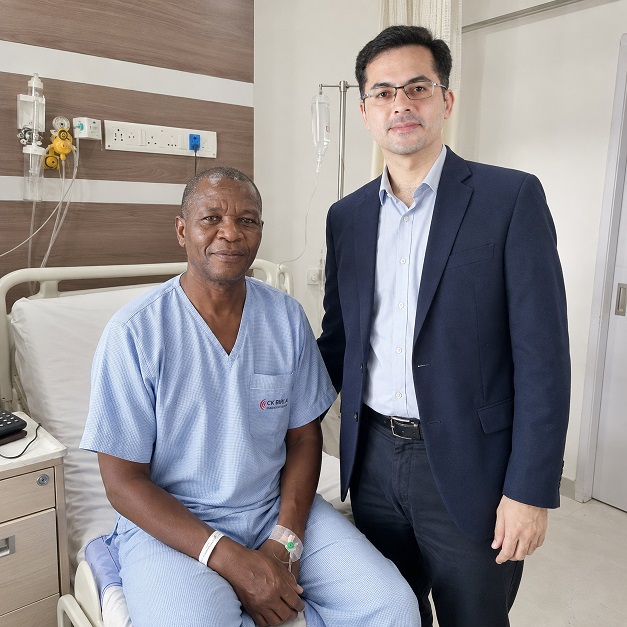
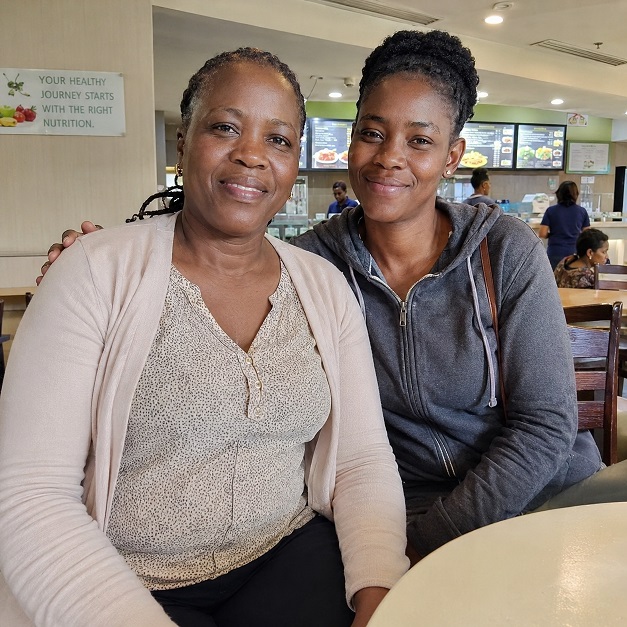
Patient Testimonials from Zambia
Ready to Take the First Step?
Share your Medical Reports with our Healthcare Managers Today and Get a FREE CONSULTATION, a Personalized Treatment Plan, and Complete Support from Arrival to Recovery.
Get Your Free ConsultationAreas We Serve
This resource has been thoughtfully prepared for patients from Zambia who are considering medical treatment in India. We also welcome patients from the wider region in the countries mentioned below-
We assist patients from:
- Zambia
- Angola
- Malawi
- Zimbabwe
- Botswana
- Namibia
- South Africa
- Eswatini
- Lesotho
- Gabon
- Chad
- Equatorial Guinea
- São Tomé and Príncipe
- Republic of the Congo
- Democratic Republic of the Congo
Many of the insights, treatment pathways, hospital recommendations, travel guidance, and patient support services described here are equally relevant and may be used as a reference when planning treatment in India.
From Zambia to India: Your Complete Patient Support Guide
- Best Weight-Loss (Bariatric) Surgeons & Hospitals in India for Zambian Patients
- Best Brain-Tumour Surgeons & Hospitals in India for Zambian Patients
- Best Cancer Doctors & Hospitals in India for Zambian Patients
- Best Cardiac Surgeons & Hospitals in India for Zambian Patients
- Best Cosmetic Surgeons & Facilities in India for Zambian Patients
- Best CyberKnife Treatment Teams & Centres in India for Zambian Patients
- Best Dentists & Dental Clinics in India for Zambian Patients
- Best Heart Valve Replacement Surgeons & Hospitals in India for Zambian Patients
- Best Hip Surgeons & Hospitals in India for Zambian Patients
- Best Knee Surgeons & Hospitals in India for Zambian Patients
- Best Neurosurgeons & Hospitals in India for Zambian Patients
- Best Paediatric Cardiac Surgeons & Hospitals in India for Zambian Patients
- Best Paediatric Neurosurgeons & Hospitals in India for Zambian Patients
- Best Prostate Surgeons & Hospitals in India for Zambian Patients
- Best Scoliosis Surgeons & Hospitals in India for Zambian Patients
- Best Spine Surgeons & Hospitals in India for Zambian Patients
- Best Bone Marrow Transplant Teams & Hospitals in India for Zambian Patients
- Best Kidney Transplant Surgeons & Hospitals in India for Zambian Patients