

Urosurgery and Reconstructive Urology in India for Nigerian Patients
For the stricture that keeps coming back after treatment, and an honest word first about who this guide is, and is not, written for.
Nigeria carries the world's heaviest documented burden of obstetric fistula, a devastating injury from prolonged obstructed labour without timely access to emergency delivery care, made more likely by the fact that only 43 percent of births in the country are attended by a skilled medical professional. It is also home to a genuine, well-documented pattern of urethral stricture disease, historically driven by untreated infection and increasingly by trauma, treated by Nigerian urologists every week using real reconstructive skill. These two conditions sit at very different points on the question this guide has to answer honestly: who should actually be travelling abroad for care, and who is far better served by what already exists, often for free, at home. This guide sets out what urethral stricture surgery and complex fistula repair cost in India once travel is counted, why straightforward fistula repair usually belongs with Nigeria's own charitable fistula network rather than international travel, and what a realistic recovery and monitoring timeline looks like for the reconstructive procedures where travelling genuinely does make sense.
| Highest | 43% | 1,400→2,500 | 70–85% |
|---|---|---|---|
| DOCUMENTED BURDEN OF OBSTETRIC FISTULA OF ANY COUNTRY IN THE WORLD | OF NIGERIAN BIRTHS ATTENDED BY A SKILLED MEDICAL PROFESSIONAL | ANNUAL FISTULA SURGERIES NIGERIA'S CHARITABLE NETWORK AIMS TO REACH BY 2027 | TYPICAL SAVING ON AN EQUIVALENT INDIA PATHWAY VS. THE US |
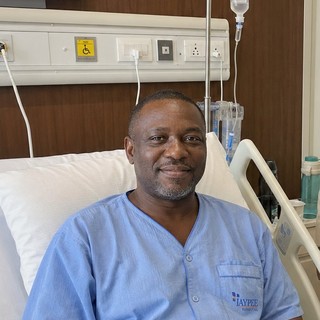
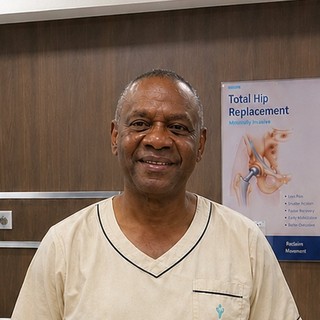
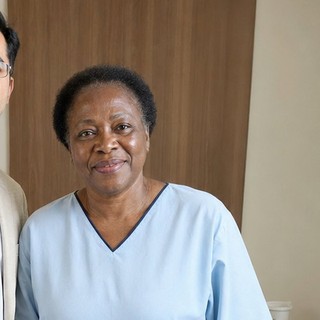
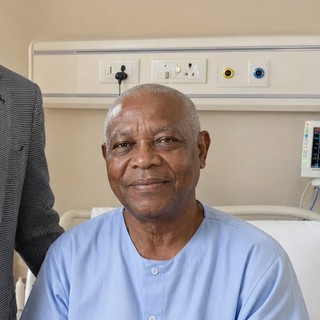
Healing Journeys of Nigerian Patients




Key Takeaways
- The document is built around two very different reconstructive-urology problems: obstetric fistula and urethral stricture disease. It stresses that these conditions should not automatically lead Nigerian patients toward international treatment.
- Nigeria carries the highest documented burden of obstetric fistula of any country in the world. Obstetric fistula can develop after prolonged obstructed labour without timely access to Caesarean delivery, causing tissue damage and an abnormal opening between the birth canal and bladder or rectum.
- Only 43% of births in Nigeria are attended by a skilled medical professional, a figure the guide connects with the country's fistula burden.
- Nigeria contributes roughly 40,000 maternal deaths annually, representing around 14% of the global total according to the document. Morbidity resulting from obstructed labour is estimated at more than twenty times the mortality figure.
- The women affected by obstetric fistula are disproportionately young, poor and from rural communities, and may experience social abandonment in addition to the physical consequences.
- For a woman with a first-time, straightforward obstetric fistula, the guide explicitly states that international travel is very rarely the right first option.
- Nigeria has a charitable fistula-treatment network that provides surgery free or at very low cost. An expanded collaborative programme launched in 2025 aims to increase annual fistula surgeries from approximately 1,400 to 2,500 by 2027.
- International treatment becomes more relevant for the narrower group of patients with complex fistulas that have already failed one or more previous repairs, especially high fistulas or cases involving substantial tissue loss.
Quick Facts
- Treatment
- Urosurgery and Reconstructive Urology
- Country
- India
- Intended Audience
- Nigerian Patients and Families
- Primary Specialty
- Reconstructive Urology
- Major Conditions Covered
- Urethral Stricture and Complex/Recurrent Fistula
- Nigeria Obstetric Fistula Burden
- Highest Documented Burden Worldwide
- Nigerian Births Attended by Skilled Medical Professional
- 43%
- Maternal Deaths Mentioned
- Approximately 40,000 Annually
- Nigeria Share of Global Maternal Mortality Mentioned
- Approximately 14%
- Current Charitable Fistula Surgeries
- Approximately 1,400 Annually
- Target Annual Fistula Surgeries by 2027
- 2,500
- First-Time Straightforward Obstetric Fistula
- Usually Treat in Nigeria
- Domestic Fistula Treatment Cost
- Free or Very Low Cost Through Charitable Network
- Travel More Relevant for Fistula
- Complex or Multiply Recurrent Failed Repairs
- Historical Urethral Stricture Cause
- Untreated Sexually Transmitted Infection
- Increasing Stricture Causes
- Pelvic Trauma and Catheterisation Complications
- Nigerian Reconstructive Urology Experience
- Documented
- Techniques Performed in Nigeria
- Anastomotic and Substitution Urethroplasty
- Author
- Dr. Dheeraj Bojwani
- Experience
- 24 Years
In Brief
Reconstructive urology in India for Nigerian patients primarily becomes relevant for long, complex or recurrent urethral strictures and fistulas that have failed previous repair. The guide strongly advises women with a first-time straightforward obstetric fistula to use Nigeria's charitable fistula-treatment network, where surgery is available free or at very low cost. For urethral strictures, procedure choice depends on exact length and location: DVIU costs approximately US$1,500–3,000, anastomotic urethroplasty US$3,500–6,000 and buccal mucosal graft substitution urethroplasty US$5,000–8,500 in India. A complete substitution urethroplasty journey is estimated at US$9,800–15,300, with uroflowmetry follow-up recommended for one to two years because recurrence remains a genuine long-term risk.
01 · the Real Problem
Two conditions, and two very different answers about travel
Obstetric fistula develops when labour is obstructed for days without access to a timely caesarean section, causing tissue death that leaves a permanent opening between the birth canal and the bladder or rectum. Nigeria's contribution to global maternal mortality, roughly 40,000 deaths a year and around 14 percent of the world's total, is matched by an even larger burden of survivors living with fistula, since researchers estimate morbidity from obstructed labour runs at more than twenty times the mortality figure. The women affected are disproportionately young, poor, and from rural communities exactly where skilled birth attendance is least available, and the condition frequently brings social abandonment on top of a devastating physical injury.
Urethral stricture disease is a genuinely different story. Historically driven across West Africa by untreated sexually transmitted infection, and increasingly by pelvic trauma and complications of catheterisation, it is a condition Nigerian urologists treat with real, documented surgical skill. A survey of board-certified Nigerian urologists found a substantial share with five to nine years of specific reconstructive urology experience, using the same anastomotic and substitution urethroplasty techniques, including buccal mucosal graft, used internationally. What published West African outcome data also shows, honestly, is meaningful variability: reported complication rates across different centres and studies have ranged from under five percent to well over half of cases, depending on the series, with stricture recurrence and secondary fistula as the most common problems.
Those two patterns point toward two different pieces of practical advice, which this guide treats as seriously as any cost figure that follows.
02 · A Note on Fistula, Specifically
For most women, the right first option is already in Nigeria
This needs to be said plainly and first: for a woman with a first-time, straightforward obstetric fistula, international travel is very rarely the right answer, and this guide does not encourage it. Nigeria's charitable fistula treatment network, including centres working with international partners such as the Fistula Foundation, provides surgical repair free or at very low cost, specifically because the population affected is overwhelmingly unable to pay for care of any kind, let alone international travel. In 2025, this network launched an expanded collaborative effort aiming to more than double annual fistula surgeries nationally, from around 1,400 to 2,500 by 2027, alongside training more surgeons and deploying community health workers specifically to find and refer women who have not yet reached treatment.
Where a pathway like the one described in the rest of this guide becomes genuinely relevant is a narrower, harder category: fistulas that have already failed one or more prior surgical repairs, particularly complex or high fistulas involving significant tissue loss, where a family does have the means to seek specialised international reconstructive expertise. That is a real and legitimate use of medical travel. It is not, and should not be presented as, the primary route to fistula care for the population Nigeria's own domestic network exists specifically to serve.
03 · THE TREATMENT MAP
Which reconstruction, and what it costs
For urethral stricture disease and for the complex fistula cases described above, the right procedure depends on length, location, and prior treatment history, and cost scales accordingly.
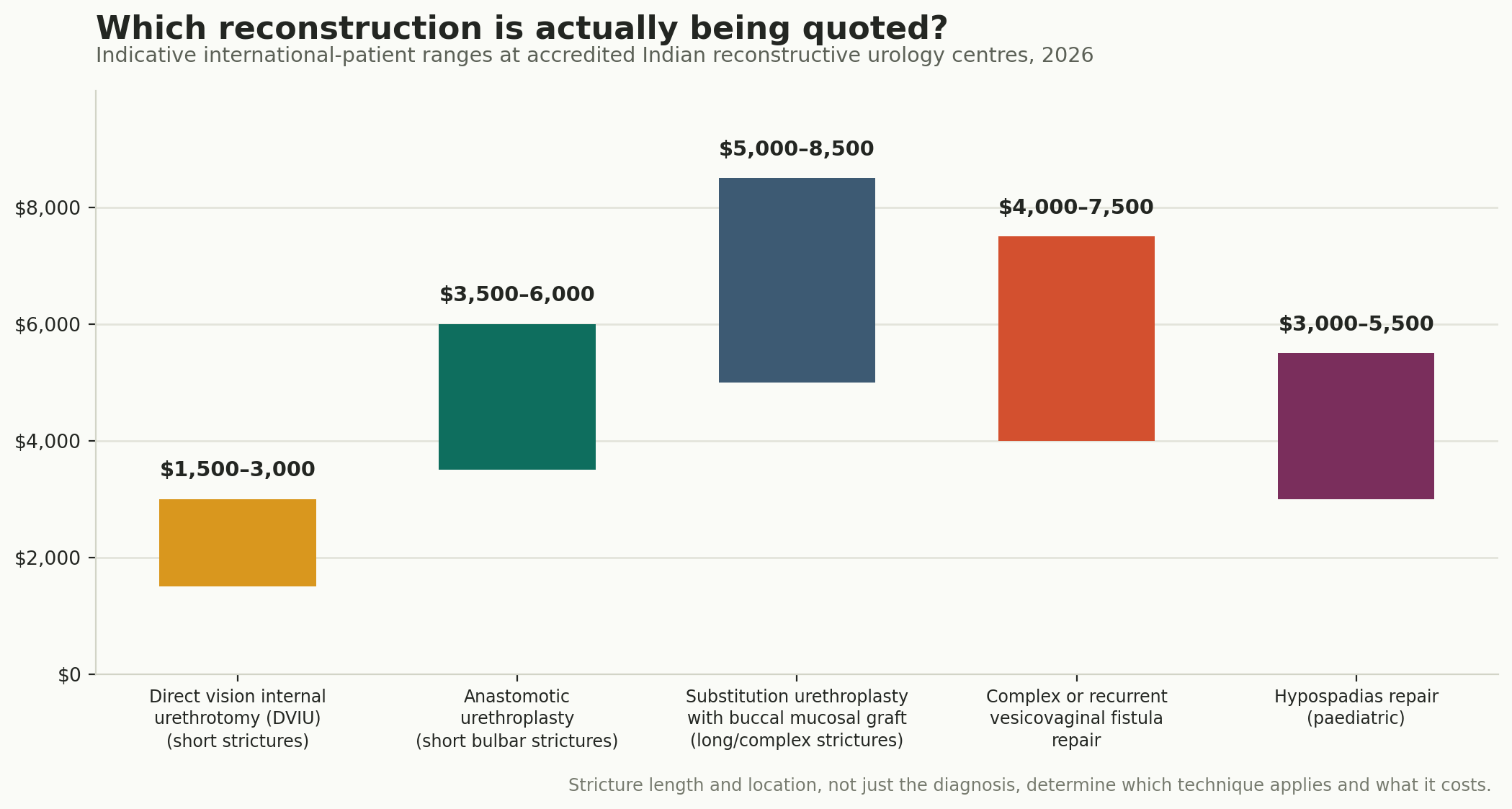
Figure 1. Stricture length and location, not simply the diagnosis, determine which technique applies; a short bulbar stricture and a long, complex one are genuinely different operations.
| Procedure | Typically suits | Indicative cost | Hospital stay |
|---|---|---|---|
| Direct vision internal urethrotomy (DVIU) | Short, first-time strictures, a minimally invasive first option | $1,500–3,000 | Day case–1 night |
| Anastomotic urethroplasty | Short bulbar strictures, generally the most durable single-stage repair | $3,500–6,000 | 3–5 nights |
| Substitution urethroplasty (buccal mucosal graft) | Longer or more complex strictures needing tissue replacement | $5,000–8,500 | 4–6 nights |
| Complex or recurrent vesicovaginal fistula repair | Fistula that has failed one or more prior surgical repairs | $4,000–7,500 | 7–12 nights |
| Hypospadias repair (paediatric) | A congenital urethral opening in an abnormal position | $3,000–5,500 | 2–4 nights |
Table 1. Indicative international-patient pricing at accredited Indian reconstructive urology centres, mid-2026. Figures are planning ranges, not offers, and vary by stricture length, prior surgical history, and case complexity.
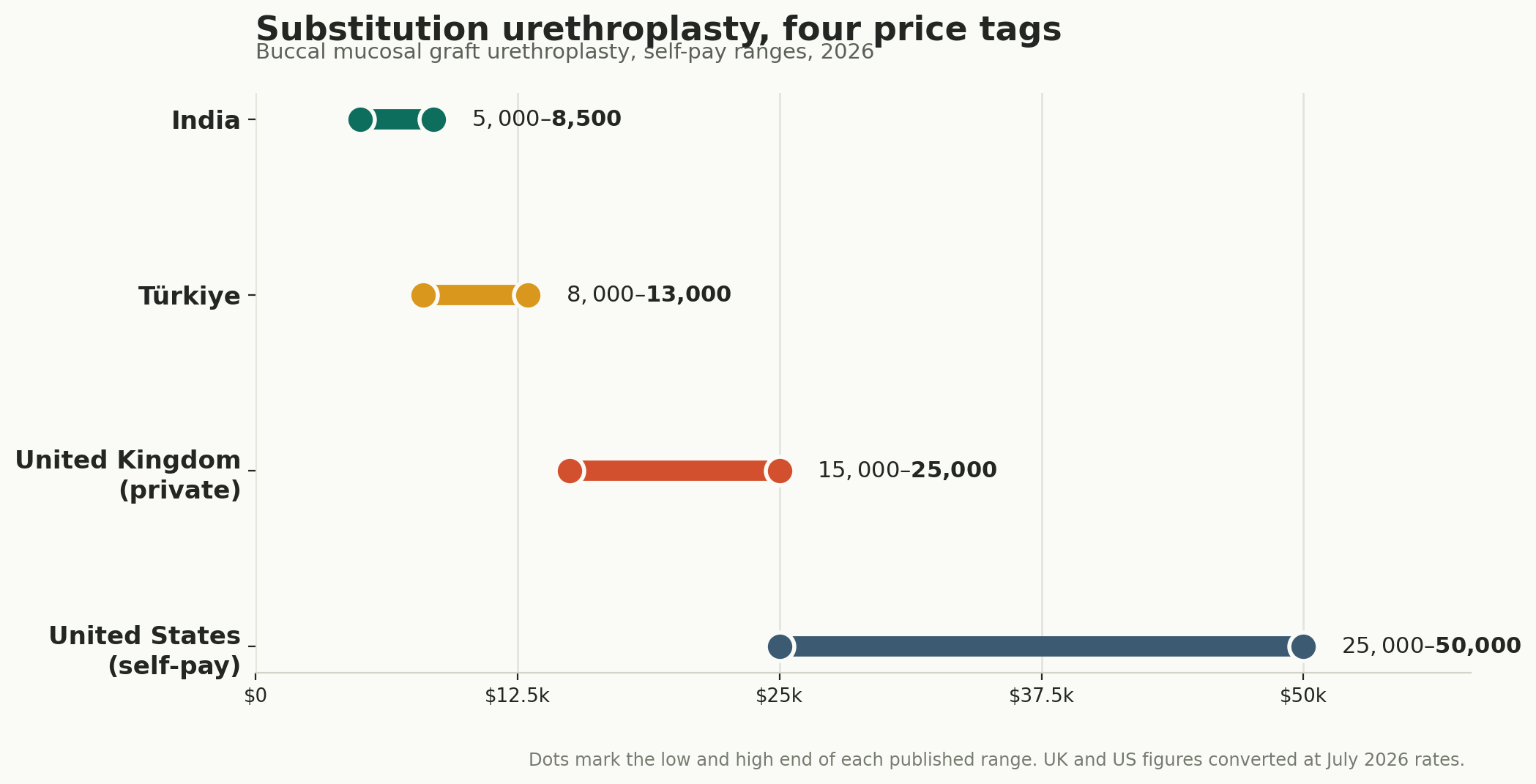
Figure 2. Substitution urethroplasty with buccal mucosal graft, priced across four common destinations for Nigerian medical travellers.
What a proper written quote must itemise
- The exact stricture length and location, confirmed by retrograde urethrogram, not assumed from symptoms
- The specific technique planned, and why it was chosen over simpler alternatives
- For fistula cases, full details of prior surgical history and why previous repairs may have failed
- The planned catheter duration and the imaging that confirms healing before removal
- A written long-term monitoring schedule, given the genuine recurrence risk in this category of surgery
04 · the Full Budget
What the whole journey costs, beyond the operation
The surgical fee is the number families anchor on, and the least complete one. A representative pathway — substitution urethroplasty, one patient and one attendant, roughly three weeks in India — adds up like this:
- Surgical package (surgery, graft, surgeon, hospital stay): $5,500–9,000
- Return flights, two travellers (Lagos/Abuja – Delhi/Mumbai/Chennai): $2,200–3,000
- Pre-surgical workup (retrograde urethrogram, uroflowmetry, bloodwork): $450–800
- Accommodation, about three weeks, two people : $1,300–2,000
- Medical and attendant visas (two applications): $400–500
- Contingency for extended catheter time or a longer stricture than expected: 15–20% All-in, most families should plan for US$9,800–15,300 for substitution urethroplasty — roughly ₦13.5–21.1 million at the official mid-July 2026 rate of about ₦1,380 to the dollar, somewhat higher at parallel-market rates near ₦1,410. Complex fistula repair should be budgeted similarly, given its comparable hospital stay and follow-up needs.
05 · Getting There
Visa, travel, and why the follow-up matters as much as the operation
India issues a Medical Visa (M) to the patient and a Medical Attendant Visa (MX) to up to two close relatives. Applications go through the High Commission in Abuja or the Consulate General in Lagos by prior appointment, and an e-Medical route turns around in days for straightforward files. The hospital's invitation letter, three months of certified bank statements, and a passport valid six months with two blank pages move the process fastest.
Lagos and Abuja both reach Delhi, Mumbai and Chennai with a single stop, usually via Addis Ababa, Doha, Dubai, Nairobi or Istanbul, a total journey of 13 to 18 hours.
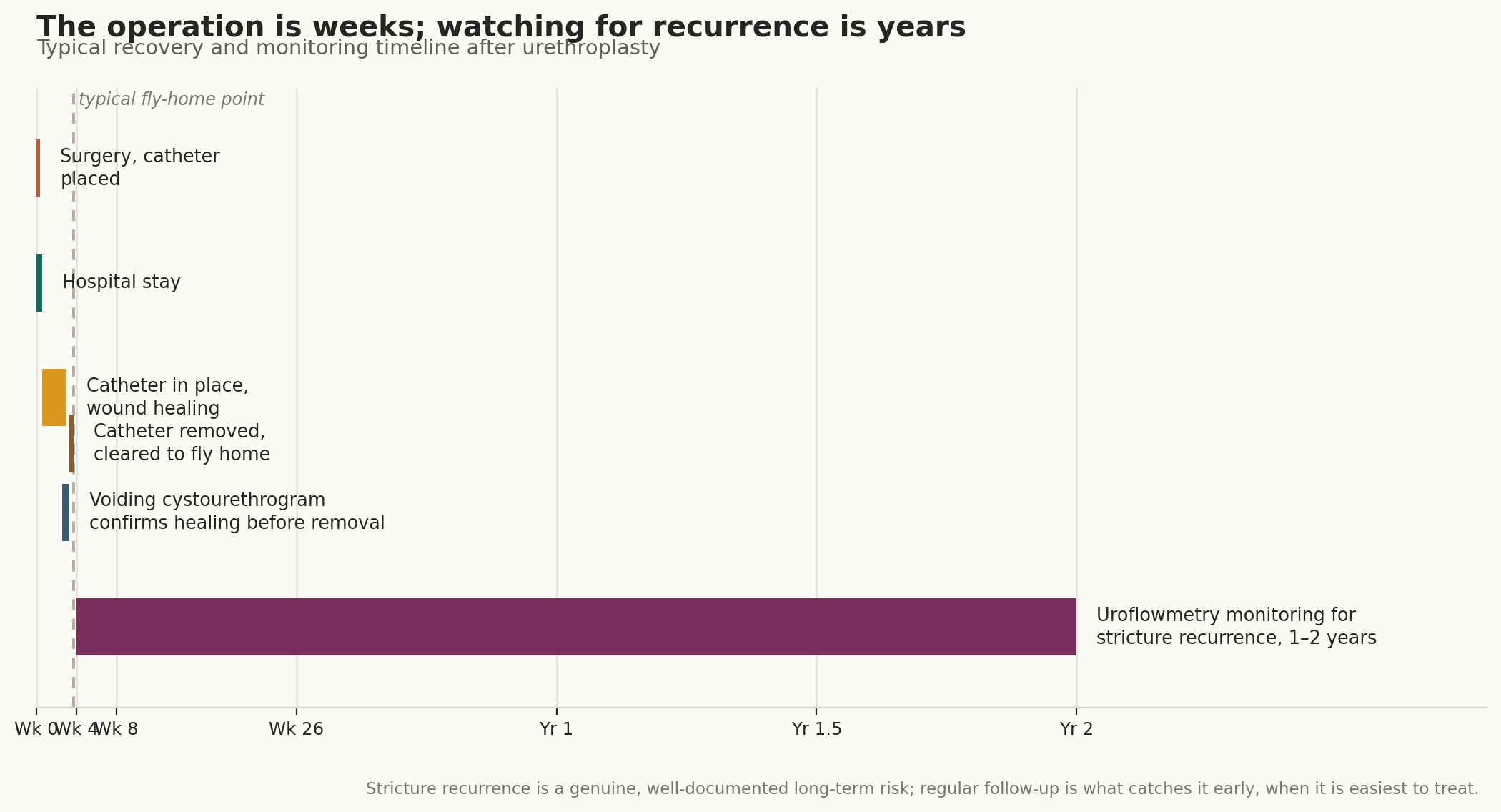
Figure 3. The operation itself is measured in weeks; catching a recurrence early, before it causes serious symptoms, depends on monitoring that continues for years.
On recurrence, honestly. Stricture recurrence and, in fistula repair, breakdown of the surgical closure are genuine, well-documented risks, not signs that something was necessarily done wrong. Regular uroflowmetry and follow-up over the first one to two years is what allows a recurrence to be caught and treated early and simply, rather than discovered late as a much harder problem.
What has to travel home with the patient
- Full operative note, technique used, and graft details if a substitution procedure was performed
- Post-operative imaging confirming the repair before catheter removal
- A written follow-up schedule for uroflowmetry and clinical review over the following one to two years
- Discharge medication using generic names available in Nigerian pharmacies
- A named clinician contact for teleconsultation if urinary symptoms recur
06 · THE HONEST COMPARISON
What stays in Nigeria, and what travels
A first, straightforward urethral stricture, and a first, straightforward obstetric fistula, are both genuinely treatable in Nigeria, by competent Nigerian urologists and, for fistula specifically, through a charitable network built exactly for this purpose. There is no reason to travel for either of these starting points.
What tips the calculation toward travelling is precisely the harder end of both categories: long or multiply- recurrent strictures, and fistulas that have already failed prior repair, where documented outcome variability in the region and the value of a very high-volume reconstructive team become genuinely significant factors, for families who have the means to pursue that option.
Before you commit to reconstructive surgery abroad
- For a first fistula diagnosis, contact Nigeria's charitable fistula network before considering international travel.
- Get a retrograde urethrogram to confirm exact stricture length and location before any treatment plan is made.
- Ask explicitly why a particular technique is being recommended over a simpler alternative.
- For recurrent cases, bring full records of prior surgeries, including what was done and how it failed.
- Establish the planned catheter duration and the imaging that will confirm healing before it is removed.
- Get the long-term follow-up and uroflowmetry monitoring schedule in writing before you leave.
- Identify a Nigerian urologist to continue monitoring before you travel, not after you return.
- Pay into the hospital's own institutional account only, never an individual's personal account.
Straight Answers for Nigerian Patients about Urosurgery and Reconstructive Urology in India
Is urethroplasty in India cheaper than the UK or US?
Yes, substantially. Substitution urethroplasty with a buccal mucosal graft is indicatively $5,000 to $8,500 in India, against roughly $15,000 to $25,000 privately in the UK and $25,000 to $50,000 self-pay in the United States.
Should a woman with obstetric fistula travel abroad for treatment?
For most women with a first-time, straightforward fistula, no. Nigeria's charitable fistula repair network provides surgery free or at very low cost and is specifically built for this population. International travel is more relevant for complex, multiply-recurrent fistulas that have failed prior domestic repair.
What causes urethral stricture disease in Nigeria?
Historically, untreated sexually transmitted infections were the leading cause in West Africa. Trauma, including pelvic fracture and complications from catheterisation, is an increasingly significant cause. The specific cause affects both the stricture's location and the best surgical approach.
Do Nigerians need a visa for reconstructive urology treatment in India?
Yes. You need an Indian Medical Visa from the High Commission in Abuja, the Consulate in Lagos, or the e- Medical route, plus a Medical Attendant Visa for up to two close relatives, with a hospital invitation letter and financial proof.
Can a urethral stricture come back after surgery?
Yes. Stricture recurrence is a well-documented risk after both dilation-based and surgical treatments, which is why regular follow-up with uroflowmetry over one to two years after surgery matters as much as the operation itself.
Is urethral stricture surgery available in Nigeria?
Yes, Nigerian urologists perform urethroplasty regularly, including techniques using buccal mucosal grafts. Published outcomes from Nigerian and West African centres show meaningful, and sometimes high, complication rates, a genuine factor to weigh for complex or recurrent cases.
Is India better than Nigeria for reconstructive urology?
For complex, long, or recurrent strictures, and for fistulas that have failed prior repair, often yes, given documented outcome variability in the region. For a first, straightforward case, a competent Nigerian urologist or an established charitable fistula programme is often the right first option.
A closing word
Reconstructive urology in a Nigerian context is really two stories at once. One is about a devastating, largely preventable injury of poverty and inadequate access to emergency obstetric care, where the right answer is almost always Nigeria's own charitable fistula network, not international travel. The other is about a genuine, technically demanding surgical specialty where Nigerian urologists have real skill, but where documented outcome variability means complex and recurrent cases can benefit from a very high-volume international team.
In twenty-four years of this work, the right first question has never simply been where to go. It has been what, specifically, is being treated, who is actually affected by it, and what they can realistically access. For fistula, that answer usually points home, to a system built for exactly this need. For a long, complex, or repeatedly failed stricture, it sometimes points further afield. Getting that distinction right, honestly, matters more than any single figure in this guide.
Sources
- 🌐 World Health Organization — Obstetric fistula, key facts
- 🌐 NHS (UK) — Urethral stricture: overview and treatment
- 🌐 Nigeria, a high burden state of obstetric fistula: a contextual analysis of key drivers. Pan African Medical Journal
- 🌐 A Review of the Epidemiology and Management of Urethral Stricture Disease in Sub-Saharan Africa. Current Medical Issues
- 🌐 Fistula Foundation — Nigeria country programme overview, 2025–2026 update
- 🌐 High Commission of India, Abuja — Medical and Medical Attendant Visa requirements
Frequently Asked Questions by Nigerians about Urosurgery and Reconstructive Urology in India
Is urethroplasty in India cheaper than the UK or US?
Yes. The document lists substitution urethroplasty at US$5,000–8,500 in India, compared with approximately US$15,000–25,000 privately in the UK and US$25,000–50,000 self-pay in the United States.
Should a Nigerian woman with obstetric fistula travel to India for treatment?
Usually not for a first-time straightforward fistula. Nigeria's charitable fistula network provides surgery free or at very low cost and is specifically designed for this patient population.
When does international treatment become more relevant for obstetric fistula?
It becomes more relevant for complex or multiply recurrent fistulas that have already failed one or more domestic surgical repairs, particularly when substantial tissue loss makes reconstruction difficult.
What causes urethral stricture disease in Nigeria?
Historically, untreated sexually transmitted infections were a leading cause across West Africa. Pelvic trauma and complications from catheterisation are increasingly important causes.
How much does buccal mucosal graft urethroplasty cost in India?
Substitution urethroplasty using a buccal mucosal graft is approximately US$5,000–8,500. The complete representative medical-travel pathway is approximately US$9,800–15,300.
Can a urethral stricture return after surgery?
Yes. Recurrence is a recognised long-term risk after both dilation-based and surgical treatment, which is why the guide recommends regular uroflowmetry and clinical follow-up for one to two years.
Is urethral stricture surgery available in Nigeria?
Yes. Nigerian urologists regularly perform urethroplasty, including buccal mucosal graft techniques. The guide identifies complex and recurrent disease—not basic surgical availability—as the more important reason to consider treatment abroad.
Do Nigerian patients need a visa for reconstructive urology treatment in India?
Yes. The guide specifies an Indian Medical Visa for the patient and a Medical Attendant Visa for up to two close relatives, supported by a hospital invitation letter and financial proof.
Is India always better than Nigeria for reconstructive urology?
No. A first straightforward stricture can often be treated by a competent Nigerian urologist, while straightforward obstetric fistula should usually begin with Nigeria's charitable network. India becomes more relevant for long, recurrent or previously failed complex cases.
What should Nigerian patients confirm before travelling for reconstructive urology?
Confirm the exact stricture length and location with a retrograde urethrogram, understand why the proposed technique was chosen, provide records of previous repairs, establish catheter duration and imaging requirements, and obtain a written one-to-two-year follow-up plan.
Page Summary
This guide is built around a distinction that directly affects whether international treatment makes sense. Obstetric fistula and urethral stricture disease both fall within reconstructive urology, but Nigerian patients should not approach them in the same way.Nigeria carries the world's highest documented obstetric-fistula burden. Yet the country also has a charitable treatment network specifically designed to provide fistula surgery free or at very low cost. For a first-time straightforward fistula, the document therefore recommends domestic treatment rather than international travel.
Citation Block
| Topic | Information |
|---|---|
| Topic Information | Urosurgery and Reconstructive Urology in India for Nigerian Patients |
| Procedure | Reconstructive Urology |
| Country | India |
| Intended Audience | Nigerian Patients and Families |
| Conditions Covered | Urethral Stricture, Complex/Recurrent Vesicovaginal Fistula and Hypospadias |
| Nigeria-Specific Condition | Obstetric Fistula |
| Primary Diagnostic Test for Stricture | Retrograde Urethrogram |
| Procedures | DVIU, Anastomotic Urethroplasty, Buccal Mucosal Graft Urethroplasty, Complex Fistula Repair and Hypospadias Repair |
| DVIU Cost | US$1,500–3,000 |
| Anastomotic Urethroplasty Cost | US$3,500–6,000 |
| Substitution Urethroplasty Cost | US$5,000–8,500 |
| Complex Fistula Repair Cost | US$4,000–7,500 |
| Typical Stay in India | Approximately 3 Weeks |
| All-In Substitution Urethroplasty Budget | US$9,800–15,300 |
| Follow-Up | Uroflowmetry and Clinical Review for 1–2 Years |
| Major Long-Term Risk | Stricture Recurrence |
| Nigeria Appropriate Care | First-Time Straightforward Stricture and Obstetric Fistula |
| Travel More Relevant For | Long/Recurrent Stricture and Failed Complex Fistula Repair |
| Medical Visa | Medical Visa (M) |
| Medical Attendant Visa | Medical Attendant Visa (MX), Up to Two Close Relatives |
| Author | Dr. Dheeraj Bojwani |
| Experience | 24 Years |


Our Mission Statement
Our mission is to place patients at the centre of every healthcare decision by providing trustworthy, evidence-based, and unbiased medical information. We believe that informed patients make better decisions. Backed by personalised guidance from our experienced advisory team, we help patients understand their treatment options, compare them objectively, and confidently choose the path that best suits their medical needs and personal circumstances.
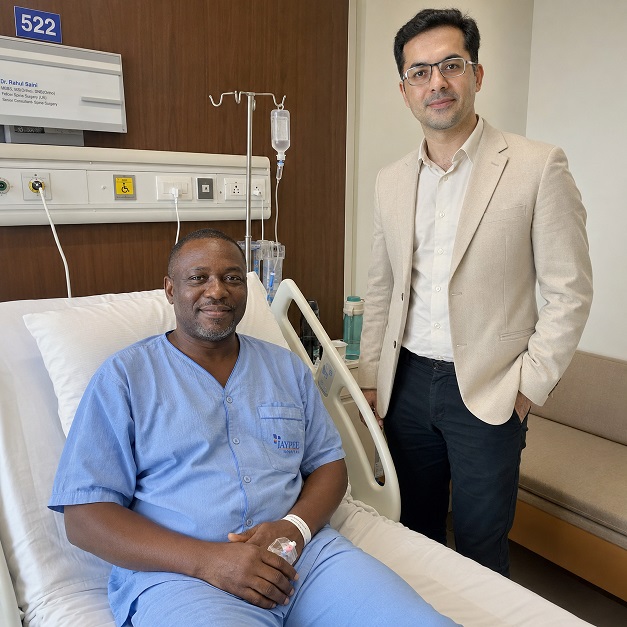
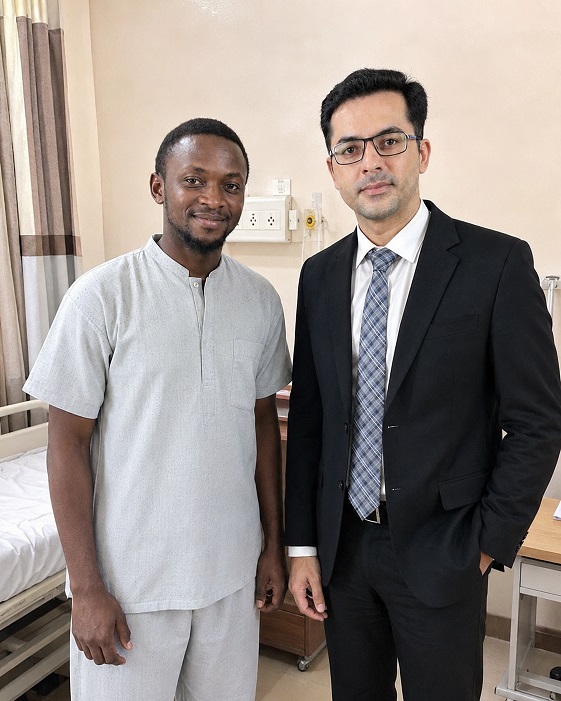
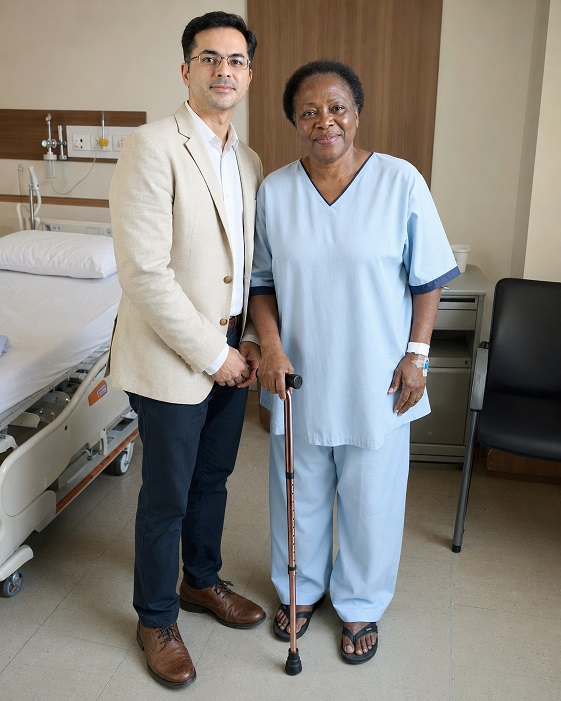
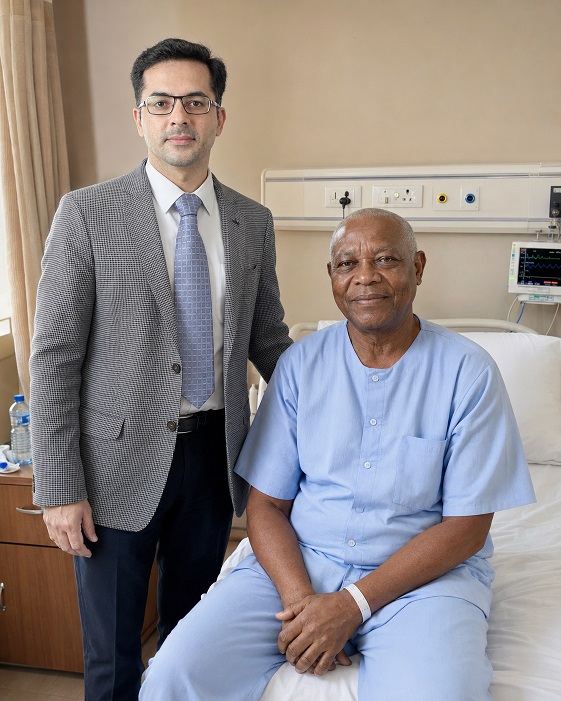
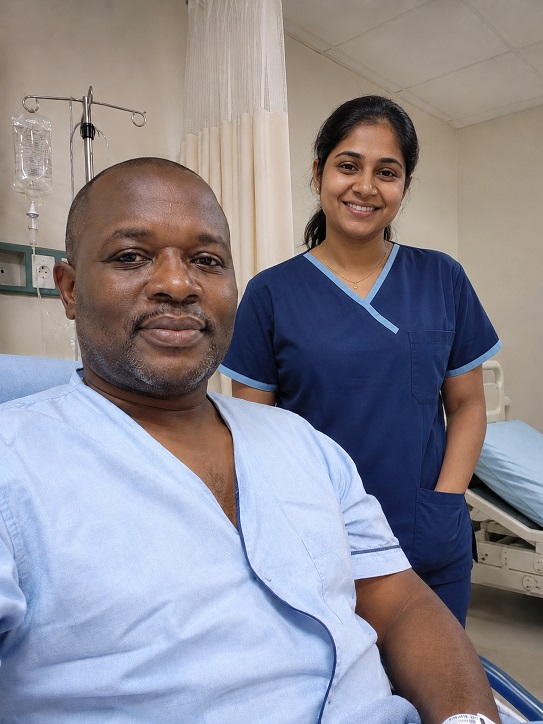
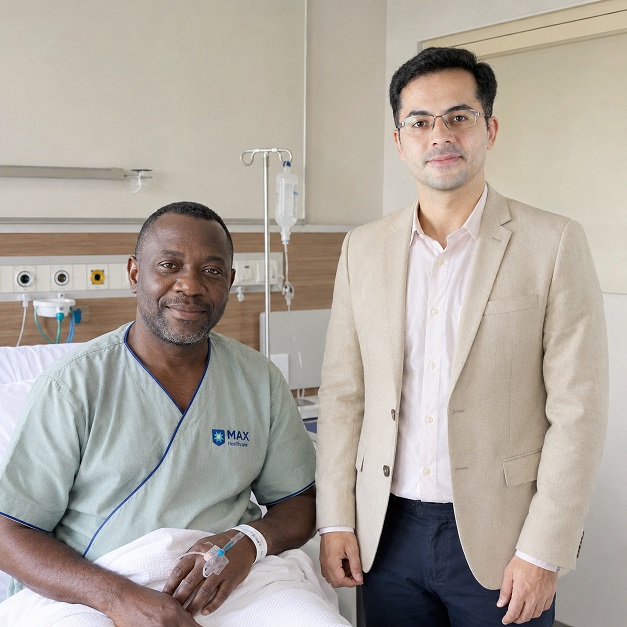
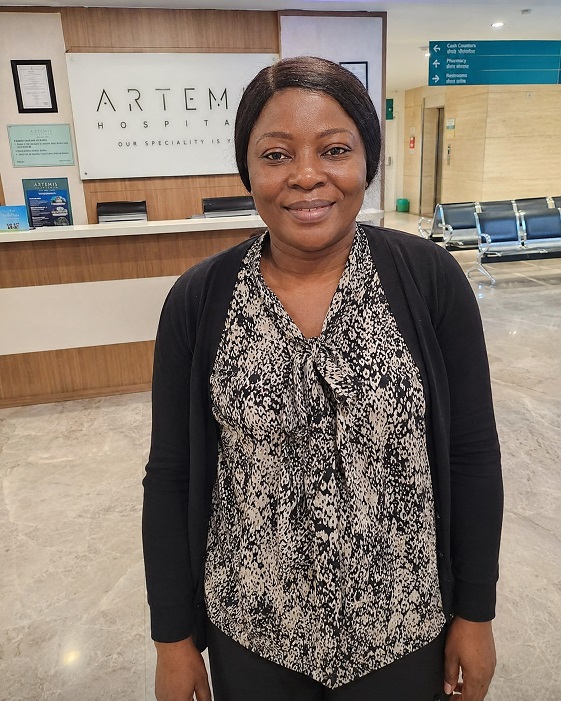
Patient Testimonials from Nigeria

Ready to Take the First Step?
Share your Medical Reports with our Healthcare Managers Today and Get a FREE CONSULTATION, a Personalized Treatment Plan, and Complete Support from Arrival to Recovery.
Get Your Free ConsultationAreas We Serve
This resource has been thoughtfully prepared for patients from Nigeria who are considering medical treatment in India. We also welcome patients from the wider region in the countries mentioned below-
We assist patients from:
- Benin
- Niger
- Chad
- Cameroon
- Algeria
- Egypt
- Libya
- Morocco
- Sudan
- Tunisia
- Gambia
- Ghana
- Burkina Faso
- Cabo Verde
- Côte d'Ivoire
- Equatorial Guinea
- São Tomé and Príncipe
Many of the insights, treatment pathways, hospital recommendations, travel guidance, and patient support services described here are equally relevant and may be used as a reference when planning treatment in India.
From Nigeria to India: Your Complete Patient Support Guide
- Artificial Disc Replacement in India for Nigerian Patients
- Weight Loss and Bariatric Surgery in India for Nigerian Patients
- Bone Marrow Transplant in India for Nigerian Patients
- Brain Tumour Surgery in India for Nigerian Patients
- Breast Cancer Treatment and Surgery in India for Nigerian Patients
- Cancer Treatment and Surgery in India for Nigerian Patients
- Cardiac Arrhythmia and Heart Pacemaker Treatment in India for Nigerian Patients
- Cardiac Surgery in India for Nigerian Patients
- Colorectal Cancer Treatment and Surgery in India for Nigerian Patients
- Complex Orthopaedic and Joint Revision Surgery in India for Nigerian Patients
- Cornea Transplant and Advanced Eye Surgery in India for Nigerian Patients
- CyberKnife Treatment in India for Nigerian Patients
- Gamma Knife Treatment in India for Nigerian Patients
- Heart Failure Treatment and Surgery in India for Nigerian Patients
- Hip Surgery in India for Nigerian Patients
- HIPEC Cancer Surgery in India for Nigerian Patients
- IVF and Fertility Treatment in India for Nigerian Patients
- Joint Arthroscopy and Sports Medicine in India for Nigerian Patients