

Colorectal Cancer Treatment and Surgery in India for Nigerian Patients
For the bleeding dismissed as piles, the bowel habit change nobody investigated, and a cancer that is turning up in Nigerians far younger than the textbooks describe.
Colorectal cancer has long been thought of as a disease of older age, and much of the world's screening guidance is still built around that assumption. Research comparing colorectal cancer patterns among Nigerians has found a strikingly young-onset picture, and clinicians studying the disease in West Africa point to a specific, honest reason many cases are found late: persistent rectal bleeding and changed bowel habits are frequently treated first as ordinary haemorrhoids, sometimes by traditional healers, before a proper diagnostic workup is ever pursued. This guide sets out what colorectal cancer treatment actually costs in India once travel is counted, what Nigeria's own diagnostic and surgical capacity can and cannot offer today, and what a realistic recovery looks like — including the practical, often unspoken realities of a stoma, for the patients who need one.
| Rising | 96.9% | Late | 70–85% |
|---|---|---|---|
| YOUNG-ONSET COLORECTAL CANCER INCREASINGLY DOCUMENTED IN NIGERIAN PATIENTS | AWARENESS REACHED AFTER A NIGERIAN COMMUNITY SCREENING CAMPAIGN, UP FROM 16.8% | STAGE AT DIAGNOSIS REMAINS THE MOST COMMON PATTERN NATIONALLY | TYPICAL SAVING ON AN EQUIVALENT INDIA PATHWAY VS. THE US |
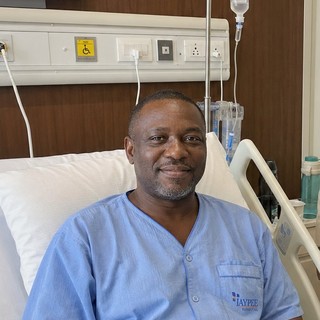
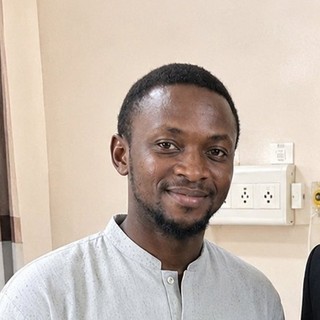
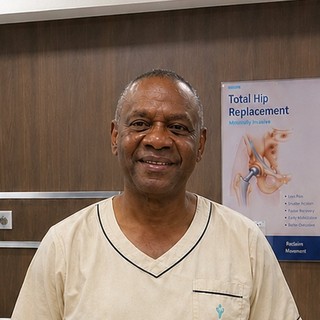
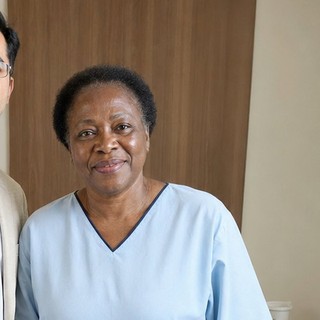
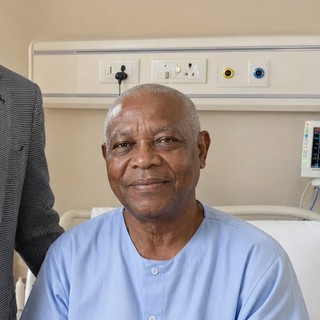
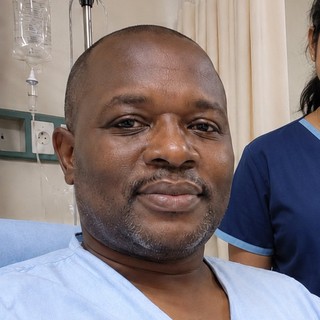
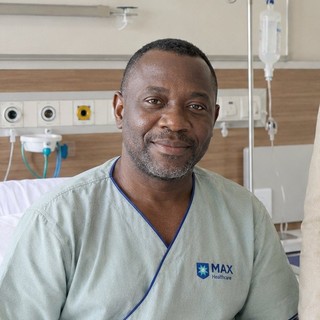
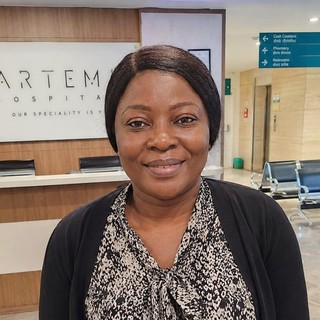
Healing Journeys of Nigerian Patients

Key Takeaways
- The guide highlights a growing pattern of young-onset colorectal cancer among Nigerian patients, challenging the traditional assumption that colorectal cancer is primarily a disease of older adults. Persistent bowel symptoms should therefore be investigated regardless of age.
- A major contributor to delayed diagnosis is that rectal bleeding and changes in bowel habits are frequently assumed to be haemorrhoids or piles. In some cases, symptoms are treated as a minor problem or through traditional healers before a proper diagnostic investigation is undertaken.
- The document identifies this delay as especially important because colorectal cancer is considerably more treatable when diagnosed at an earlier stage.
- A Nigerian community-based early-detection programme through Obafemi Awolowo University Teaching Hospital increased colorectal cancer awareness in the population it reached from 16.8% to 96.9% and identified both early-stage cancers and precancerous polyps.
- Early diagnosis depends heavily on access to colonoscopy, trained endoscopists and functioning equipment. These resources remain concentrated in a relatively small number of Nigerian teaching hospitals.
- A dedicated colonoscopy training programme at Obafemi Awolowo University Teaching Hospital is running through the end of 2026 specifically to increase national diagnostic capacity.
- The guide reports fewer than 70 clinical oncologists nationally and approximately 10 consistently functioning radiotherapy machines in Nigeria. This is particularly relevant for locally advanced rectal cancer, where surgery and radiotherapy may need to be carefully coordinated.
- Straightforward, reasonably early-stage colon cancer can be treated successfully by competent Nigerian surgical teams. The guide therefore does not suggest that every colorectal cancer patient needs to travel.
- The largest treatment gap is described in locally advanced rectal cancer requiring combined surgery and radiotherapy, cases requiring a high-volume colorectal surgical team, and situations where delayed colonoscopy or staging could allow a treatable cancer to progress.
- Tumour location is a major determinant of treatment. Colon cancer higher in the bowel is generally more straightforward surgically, whereas rectal tumours close to the sphincter muscles are technically more demanding and more likely to require a temporary or permanent stoma.
- Open colectomy for right, left or sigmoid colon cancer is listed at approximately US$4,000–7,000, with a hospital stay of 6–9 nights.
Quick Facts
- Treatment
- Colorectal Cancer Treatment and Surgery
- Country
- India
- Intended Audience
- Nigerian Patients and Families
- Primary Conditions
- Colon Cancer and Rectal Cancer
- Nigeria-Specific Pattern
- Increasingly Documented Young-Onset Colorectal Cancer
- Important Age Group
- Adults Under 50
- Commonly Dismissed Symptom
- Persistent Rectal Bleeding
- Other Warning Symptom
- Persistent Change in Bowel Habit
- Additional Warning Sign
- Unexplained Weight Loss
- Common Misdiagnosis / Assumption
- Haemorrhoids or Piles
- Nigeria Diagnosis Pattern
- Late-Stage Diagnosis Remains Common
- Community Awareness Before Programme
- 16.8%
- Community Awareness After Programme
- 96.9%
- Primary Diagnostic Procedure
- Colonoscopy With Biopsy
- Nigeria Diagnostic Constraint
- Limited Endoscopy Capacity
- Nigeria Clinical Oncologists Mentioned
- Fewer Than 70
- Author
- Dr. Dheeraj Bojwani
- Experience
- 24 Years' Experience
In Brief
Colorectal cancer treatment in India for Nigerian patients depends heavily on whether the tumour is located in the colon or rectum and how advanced it is at diagnosis. The guide highlights an increasing pattern of colorectal cancer among Nigerians under 50 and warns that persistent rectal bleeding or altered bowel habits should not automatically be dismissed as piles. Indicative Indian costs range from US$4,000–7,000 for open colectomy to US$9,000–16,000 for a combined surgery and chemoradiotherapy pathway for locally advanced rectal cancer. A permanent colostomy is not required for every patient; the need for a temporary or permanent stoma depends mainly on tumour location and the ability to preserve the sphincter.
01 · the Real Problem
A cancer arriving younger, and found later than it should be
Global data has documented a genuine rise in colorectal cancer among adults under fifty, a shift significant enough that international bodies like the American Cancer Society have lowered their recommended screening age. Research specifically examining early-onset colorectal cancer patterns among Nigerians has found this trend reflected locally, with a comparatively young age distribution among diagnosed patients — meaning the old assumption that colorectal cancer is something to worry about only in later life increasingly does not hold.
Compounding the age issue is timing. Clinicians studying colorectal cancer across West Africa have pointed to a specific, well-documented barrier: rectal bleeding and altered bowel habits, the two symptoms that should prompt investigation earliest, are commonly attributed to haemorrhoids and treated as a minor, embarrassing nuisance rather than a possible warning sign, sometimes through traditional healers before any hospital is involved. By the time a proper diagnosis is reached, the disease has frequently advanced well beyond where it was first treatable.
There is genuine, current progress on this front. A community-based early detection programme run through Obafemi Awolowo University Teaching Hospital lifted colorectal cancer awareness in the population it reached from under seventeen percent to nearly ninety-seven percent, and directly identified both early- stage cancers and pre-cancerous polyps that would otherwise have been missed. It is a real, working model — just not yet a national one.
02 · Nigeria's Capacity
What Nigeria can do, and where it is genuinely stretched
Diagnosing colorectal cancer early depends on colonoscopy, and colonoscopy depends on trained endoscopists and functioning equipment, both of which remain concentrated in a small number of Nigerian teaching hospitals. A dedicated colonoscopy training programme, running at Obafemi Awolowo University Teaching Hospital through the end of 2026, exists specifically to build this capacity nationally — itself a clear signal of how much capacity-building is still needed.
Beyond diagnosis, Nigeria's broader oncology infrastructure shapes what happens after a colorectal cancer diagnosis is made: the country has fewer than seventy clinical oncologists nationally and only around ten consistently functioning radiotherapy machines for the whole country, both figures relevant to rectal cancer specifically, where combined surgery and radiotherapy is often the standard of care for locally advanced disease. National Health Insurance Authority coverage for complex oncological surgery remains limited, adding a financing barrier on top of an access one.
Straightforward colon cancer, diagnosed reasonably early and without complex spread, is treated successfully by competent Nigerian surgical teams at several centres, and there is little reason to travel for a case that can be managed promptly at home. It is locally advanced rectal cancer needing combined surgery and radiotherapy, and cases requiring a high-volume colorectal surgical team, where the gap is widest.
03 · THE TREATMENT MAP
Which operation, and what it costs
Colorectal cancer surgery depends heavily on where the tumour sits. Colon cancer, higher up, is generally more straightforward. Rectal cancer, lower down and closer to the sphincter muscles that control continence, is more technically demanding and more likely to involve a stoma, temporary or permanent.
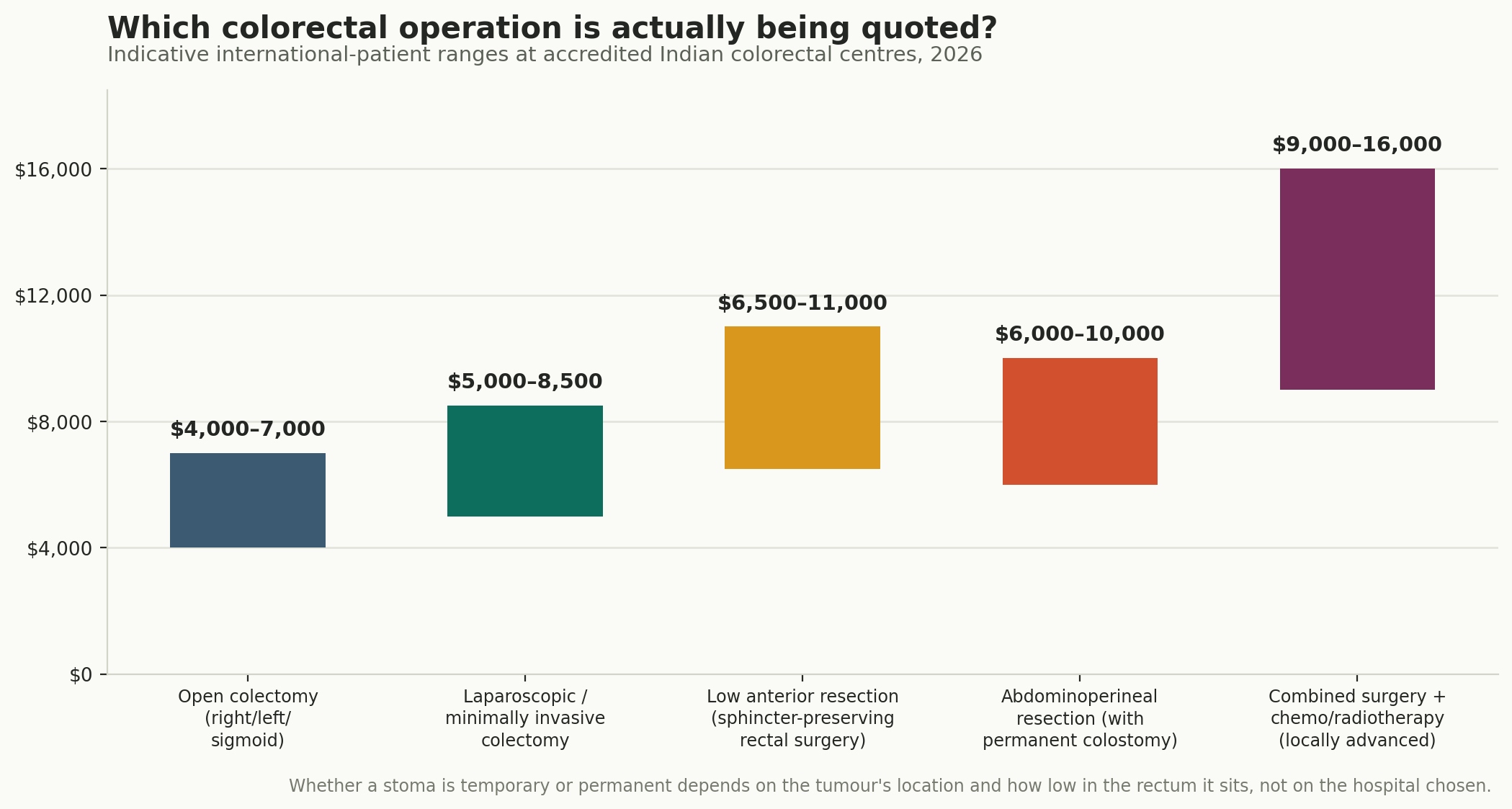
Figure 1. Combined surgery and chemoradiotherapy, used for locally advanced rectal cancer, costs roughly double a straightforward colon resection, reflecting the additional treatment phase involved.
| Procedure | Typically suits | Indicative cost | Hospital stay |
|---|---|---|---|
| Open colectomy (right/left/sigmoid) | Colon cancer requiring removal of the affected segment | $4,000–7,000 | 6–9 nights |
| Laparoscopic / minimally invasive colectomy | Selected colon cancers suitable for a smaller-incision approach | $5,000–8,500 | 4–6 nights |
| Low anterior resection | Rectal cancer situated high enough to preserve the sphincter | $6,500–11,000 | 7–10 nights |
| Abdominoperineal resection | Rectal cancer too low to spare the sphincter, needing a permanent stoma | $6,000–10,000 | 7–10 nights |
| Combined surgery + chemo/radiotherapy | Locally advanced rectal cancer needing treatment before or after surgery | $9,000–16,000 | Varies by sequence |
Table 1. Indicative international-patient pricing at accredited Indian colorectal and oncology centres, mid-2026. Figures are planning ranges, not offers, and vary by hospital tier, surgical approach, and stage.
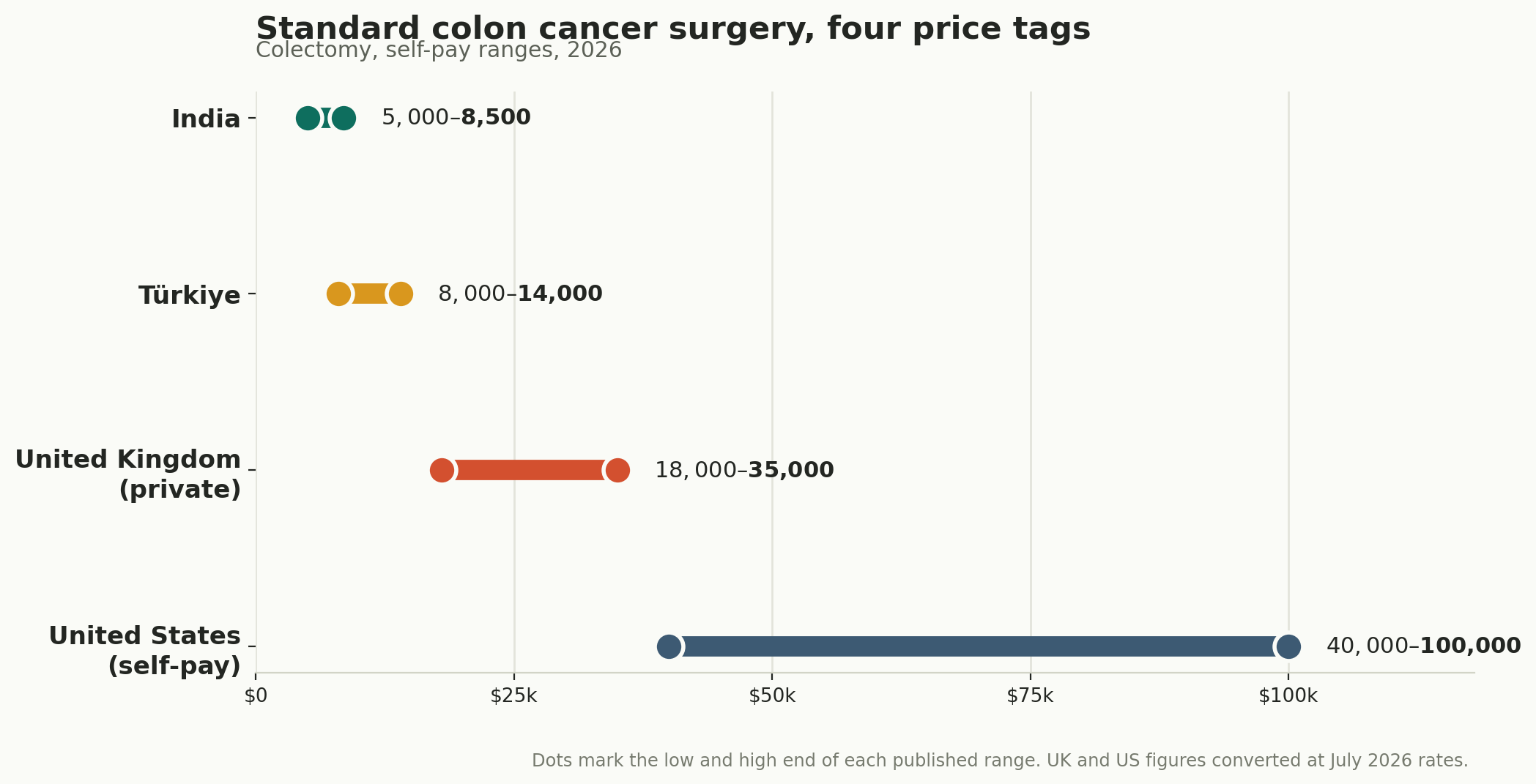
Figure 2. Standard colon cancer surgery, priced across four common destinations for Nigerian medical travellers.
What a proper written quote must itemise
- The exact segment of bowel being removed, and whether the approach is open or laparoscopic
- Whether a stoma is anticipated, and whether it is expected to be temporary or permanent
- Pathology and staging costs, priced separately from the surgical package
- Whether chemotherapy or radiotherapy is included, or billed as a separate phase of treatment
- What happens, and what it costs, if the tumour is found more advanced than imaging suggested
04 · the Full Budget
What the whole journey costs, beyond the operation
The surgical fee is the number families anchor on, and the least complete one. A representative pathway — standard colon resection, one patient and one attendant, roughly three weeks in India — adds up like this:
- Surgical package (surgery, hospital stay, standard post-op care): $6,000–9,500
- Return flights, two travellers (Lagos/Abuja – Delhi/Mumbai/Chennai): $2,200–3,000
- Pre-surgical workup (colonoscopy review, CT staging, bloodwork): $600–1,100
- Accommodation, three weeks, two people : $1,300–2,000
- Medical and attendant visas (two applications): $400–500
- Contingency for extended stay or unplanned stoma care needs: 15–20% All-in, most families should plan for US$11,000–16,500 for standard colorectal surgery — roughly ₦15.2– 22.8 million at the official mid-July 2026 rate of about ₦1,380 to the dollar, somewhat higher at parallel- market rates near ₦1,410. Locally advanced rectal cancer needing combined chemoradiotherapy should be budgeted considerably higher, closer to $16,000–24,000 all-in.
05 · GETTING THERE
Visa, travel, and living with a stoma
India issues a Medical Visa (M) to the patient and a Medical Attendant Visa (MX) to up to two close relatives. Applications go through the High Commission in Abuja or the Consulate General in Lagos by prior appointment, and an e-Medical route turns around in days for straightforward files. The hospital's invitation letter, three months of certified bank statements, and a passport valid six months with two blank pages move the process fastest.
Lagos and Abuja both reach Delhi, Mumbai and Chennai with a single stop, usually via Addis Ababa, Doha, Dubai, Nairobi or Istanbul, a total journey of 13 to 18 hours.
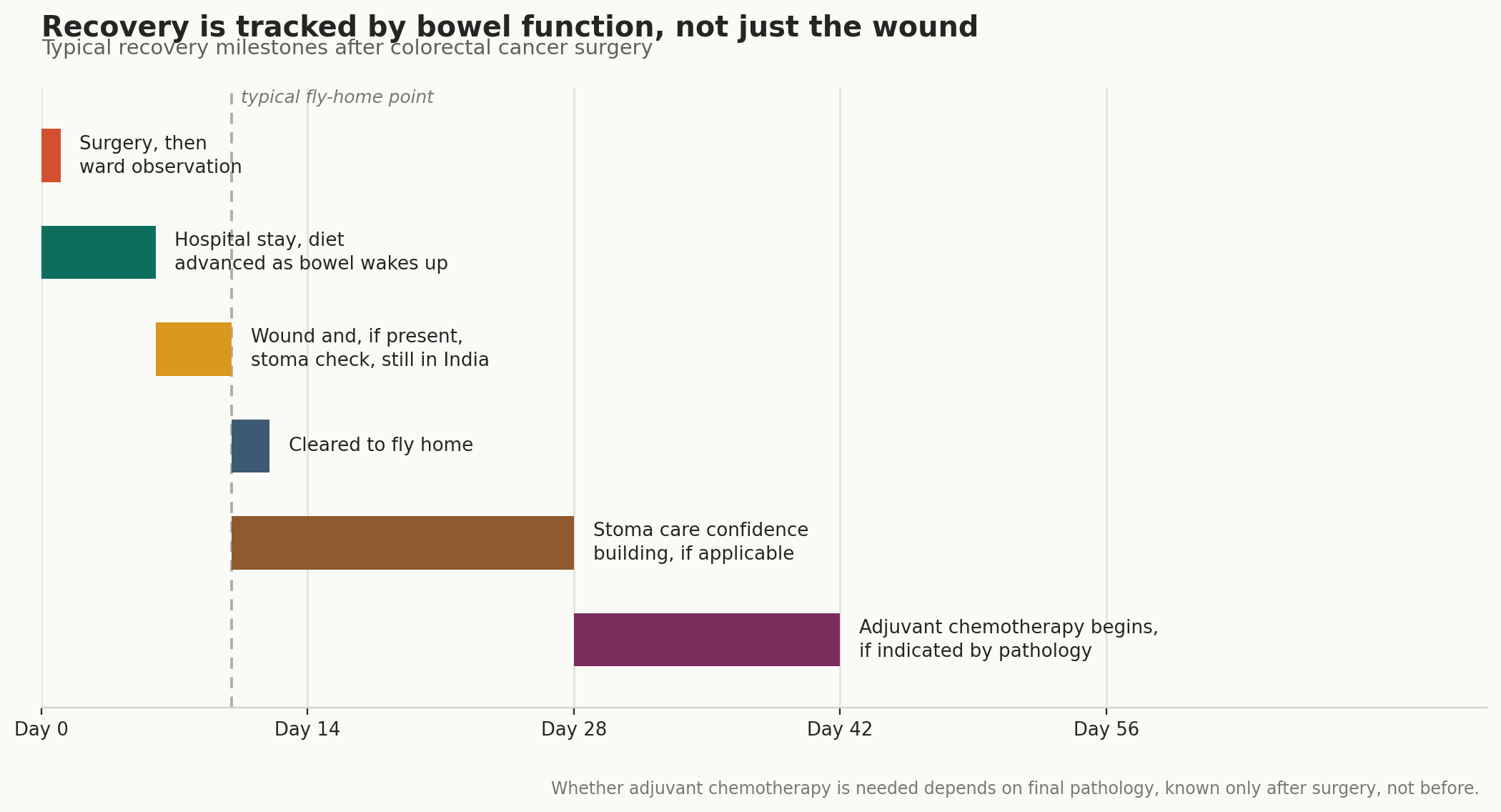
Figure 3. Recovery after colorectal surgery is tracked by bowel function returning, not simply the wound healing, and for patients with a stoma, by the practical confidence to manage it independently.
On stoma care, honestly. A stoma is a genuine adjustment, both practically and psychologically, and stigma around it remains real in many communities. Before leaving India, insist on hands-on stoma care training, not just a leaflet, and ask specifically which appliance brands are stocked by pharmacies in Lagos, Abuja, or your home city — running out of supplies unexpectedly is a solvable problem only if it is planned for in advance.
What has to travel home with the patient
- Full operative note and final pathology report, including staging
- A written stoma care plan, if relevant, including appliance sizing and supplier information
- Discharge medication using generic names available in Nigerian pharmacies
- A follow-up surveillance schedule, since colorectal cancer follow-up continues for years
- A named clinician contact for teleconsultation if wound, bowel, or stoma concerns arise
06 · THE HONEST COMPARISON
What stays in Nigeria, and what travels
Straightforward, early-stage colon cancer is treated successfully at several Nigerian centres, and organisations like the colonoscopy training programme at Obafemi Awolowo University Teaching Hospital are actively building the diagnostic capacity that early detection depends on. There is little reason to travel for a case caught early and treated by a competent local team.
What tips the calculation toward travelling is locally advanced rectal cancer needing combined surgery and radiotherapy delivered without interruption, cases needing a high-volume colorectal surgical team, and situations where a long local wait for colonoscopy or staging imaging risks a treatable cancer becoming a harder one. Those are precisely the categories where India's diagnostic speed and integrated cancer centres offer a genuine, measurable advantage.
Before you commit to a treatment plan abroad
- Do not accept a diagnosis of “piles” for persistent rectal bleeding or a bowel habit change without proper investigation, regardless of age.
- Get a colonoscopy with biopsy and full staging imaging before contacting any hospital.
- Ask explicitly whether a stoma is expected, and whether it is likely to be temporary or permanent.
- Confirm whether chemotherapy or radiotherapy is part of the plan, and its sequence relative to surgery.
- Ask what happens, and what it costs, if surgical findings differ from what staging suggested.
- Insist on hands-on stoma care training before discharge, if a stoma is created.
- Establish the long-term surveillance schedule before you leave India.
- Pay into the hospital's own institutional account only, never an individual's personal account.
Straight Answers for Nigerian Patients about Colorectal Cancer Treatment and Surgery in India
Is colorectal cancer surgery in India cheaper than the UK or US?
Yes, substantially. Standard colon cancer surgery is indicatively $5,000 to $8,500 in India, against roughly $18,000 to $35,000 privately in the UK and $40,000 to $100,000 self-pay in the United States.
Why is colorectal cancer increasingly affecting younger people?
Globally and in Nigeria specifically, colorectal cancer is being diagnosed more often in adults under 50, a trend linked to diet, obesity, and other still-being-studied factors. Age alone should not rule out investigating persistent bowel symptoms.
Will I need a permanent colostomy?
Not necessarily. Whether a stoma is needed, and whether it is temporary or permanent, depends mainly on how low in the rectum the tumour sits. Many colon cancers and higher rectal cancers can be treated without any stoma, or with one that is later reversed.
Do Nigerians need a visa for colorectal cancer treatment in India?
Yes. You need an Indian Medical Visa from the High Commission in Abuja, the Consulate in Lagos, or the e- Medical route, plus a Medical Attendant Visa for up to two close relatives, with a hospital invitation letter and financial proof.
How long does recovery take after colorectal surgery?
Hospital stay is typically five to eight days, with diet advanced gradually as bowel function returns. Most patients can travel within ten to fourteen days, and full recovery, including building confidence with a stoma if present, generally takes six to eight weeks.
Will I need chemotherapy after surgery?
It depends on what the final pathology report shows once the tumour is examined after surgery, which cannot be known with certainty beforehand. Adjuvant chemotherapy is common for higher-stage disease and, if needed, typically begins four to six weeks after surgery.
Is India better than Nigeria for colorectal cancer treatment?
For complex rectal cancer needing combined surgery and radiotherapy, or cases needing a high-volume colorectal surgical team, often yes, given Nigeria's limited diagnostic and oncology capacity. Straightforward, early-stage colon cancer is treated successfully at several Nigerian centres.
A closing word
Colorectal cancer is one of the more curable cancers when caught early, and one of the more forgiving ones about proving that a symptom deserves investigation, since a colonoscopy either finds something or it does not. The single biggest determinant of outcome is not which hospital eventually treats it, but how quickly a persistent symptom — bleeding, a change in bowel habit, unexplained weight loss — gets past the assumption that it is nothing.
In twenty-four years of this work, the patients who do best are the ones who refuse to let embarrassment delay an investigation, get a clear diagnosis and stage before committing to any treatment plan, and take stoma care seriously as a practical skill to learn properly rather than a topic to avoid discussing. The surgery removes the cancer. Everything that follows — surveillance, adaptation, and for some, chemotherapy — is what makes that removal count for the long term.
Sources
- 🌐 American Cancer Society — Colorectal cancer treatment options
- 🌐 NHS (UK) — Bowel cancer: symptoms, diagnosis and treatment
- 🌐 Alatise OI et al. — Customized early detection of colorectal cancer in Nigeria identifies advanced adenomas and early-stage disease
- 🌐 Patterns of Early-Onset Colorectal Cancer Among Nigerians and African Americans. JCO Global Oncology
- 🌐 Building Capacity for Screening and Early Diagnosis of Colorectal Cancer Through a Comprehensive Colonoscopy Training Program in Nigeria
- 🌐 High Commission of India, Abuja — Medical and Medical Attendant Visa requirements
Frequently Asked Questions by Nigerians about Colorectal Cancer Treatment and Surgery in India
Is colorectal cancer surgery in India cheaper than the UK or US?
Yes, according to the guide. Standard colon cancer surgery is approximately US$5,000–8,500 in India, compared with US$18,000–35,000 privately in the UK and US$40,000–100,000 self-pay in the US.
Why is colorectal cancer increasingly affecting younger Nigerians?
The guide notes a genuine rise in diagnoses among adults under 50. Diet, obesity and other still-being-studied factors may contribute, but age alone should never exclude investigation of persistent bowel symptoms.
Should persistent rectal bleeding simply be treated as piles?
No. The document specifically warns against assuming persistent bleeding or altered bowel habits are haemorrhoids without proper investigation. Colonoscopy with biopsy should be considered when clinically indicated.
Will I need a permanent colostomy after colorectal cancer surgery?
Not necessarily. The need for a stoma depends mainly on tumour location. Many colon and higher rectal cancers require no stoma or only a temporary one that can later be reversed.
How long does recovery take after colorectal surgery?
Hospital stay is typically 5–8 days. Many patients can travel after 10–14 days, while fuller recovery generally takes around 6–8 weeks.
Will I need chemotherapy after colorectal cancer surgery?
It depends on the final pathology. Adjuvant chemotherapy is common for higher-stage disease and, where needed, typically begins around 4–6 weeks after surgery.
Is India always better than Nigeria for colorectal cancer treatment?
No. Straightforward early-stage colon cancer can be treated successfully at several Nigerian centres. India becomes more relevant for complex rectal cancer requiring coordinated surgery and radiotherapy or a high-volume colorectal surgical team.
What should Nigerian patients complete before travelling to India?
The guide recommends colonoscopy with biopsy and full staging imaging before contacting or committing to an overseas hospital. This establishes the exact diagnosis and treatment requirements.
Do Nigerian patients need a visa for colorectal cancer treatment in India?
Yes. The guide specifies an Indian Medical Visa and a Medical Attendant Visa for up to two close relatives, supported by the hospital invitation and financial documentation.
What should patients receive before returning to Nigeria?
Patients should have complete treatment records, generic-name medications, a long-term surveillance schedule and, where relevant, a written stoma-care plan with appliance sizing, supplier information and access to clinical advice for bowel, wound or stoma concerns.
Page Summary
This guide focuses on a particularly important colorectal cancer problem for Nigerian patients: the disease is increasingly being diagnosed at younger ages, while persistent warning symptoms are still frequently dismissed as ordinary piles. The document explains that rectal bleeding and altered bowel habits should prompt proper investigation regardless of age. Delayed diagnosis matters because colorectal cancer is substantially more treatable when identified early.
Citation Block
| Topic | Information |
|---|---|
| Topic Information | Colorectal Cancer Treatment and Surgery in India for Nigerian Patients |
| Treatment | Colorectal Cancer Surgery and Multidisciplinary Oncology |
| Country | India |
| Intended Audience | Nigerian Patients and Families |
| Conditions Covered | Colon Cancer and Rectal Cancer |
| Nigeria-Specific Pattern | Increasing Young-Onset Colorectal Cancer |
| Important Symptoms | Rectal Bleeding, Altered Bowel Habit and Unexplained Weight Loss |
| Primary Diagnostic Procedure | Colonoscopy With Biopsy |
| Staging | Full Staging Imaging Before Treatment Planning |
| Combined Surgery + Chemo/Radiotherapy | US$9,000–16,000 |
| Hospital Stay | Approximately 4–10 Nights Depending on Procedure |
| Post-Surgery Travel | Often Around 10–14 Days |
| Full Recovery | Approximately 6–8 Weeks |
| Stoma | Temporary or Permanent Depending on Tumour Location |
| Adjuvant Chemotherapy | Determined by Final Pathology |
| Typical Chemotherapy Start | Approximately 4–6 Weeks After Surgery When Required |
| Nigeria Strength | Straightforward Early-Stage Colon Cancer Can Be Managed at Several Centres |
| Nigeria Constraints | Colonoscopy Capacity, Oncology Workforce and Radiotherapy Access |
| Long-Term Follow-Up | Surveillance Continues for Years |
| Discharge Requirement if Stoma Created | Written Care Plan, Appliance Sizing and Supplier Information |
| Medical Visa | Indian Medical Visa |
| Attendant Visa | Medical Attendant Visa for Up to Two Close Relatives |
| Author | Dr. Dheeraj Bojwani |
| Experience | 24 Years' Experience |


Our Mission Statement
Our mission is to place patients at the centre of every healthcare decision by providing trustworthy, evidence-based, and unbiased medical information. We believe that informed patients make better decisions. Backed by personalised guidance from our experienced advisory team, we help patients understand their treatment options, compare them objectively, and confidently choose the path that best suits their medical needs and personal circumstances.
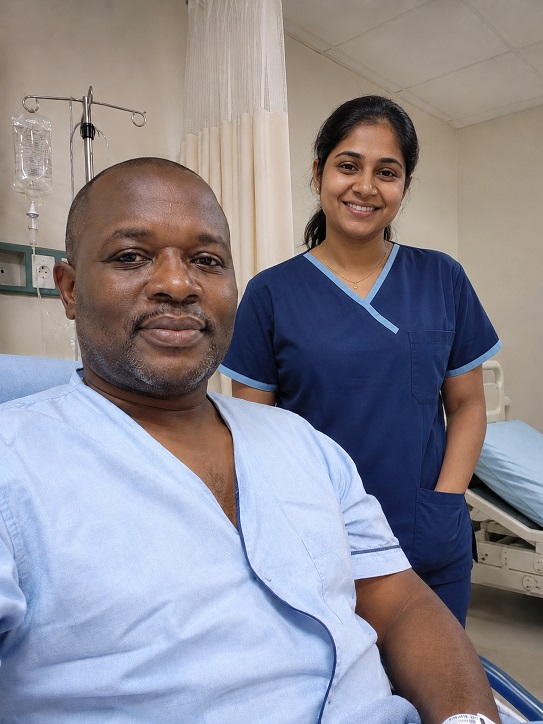
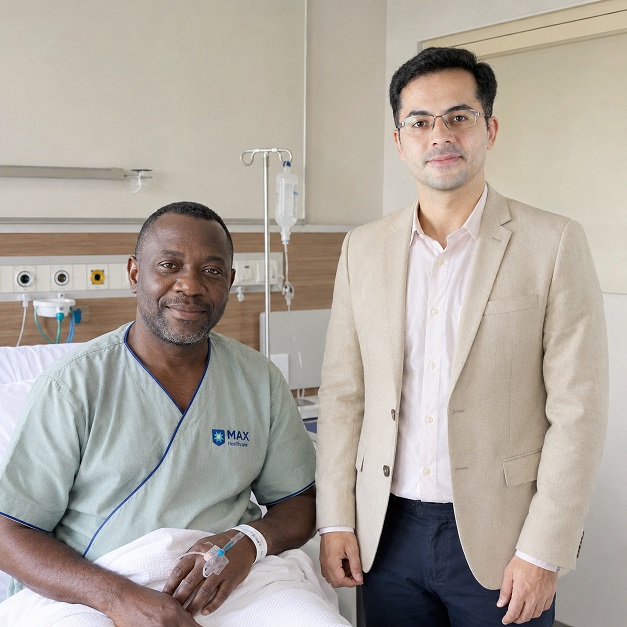
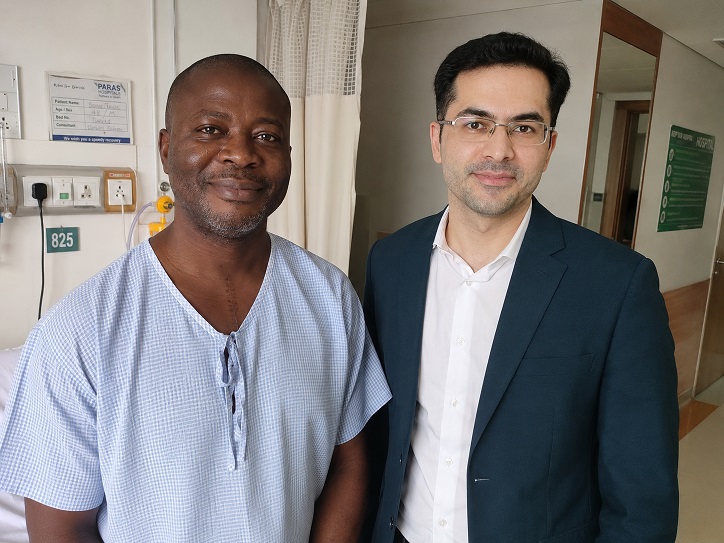
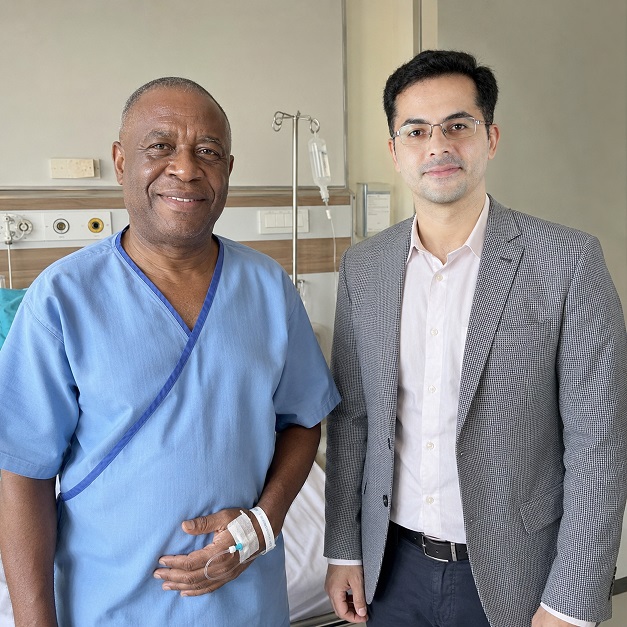
Patient Testimonials from Nigeria
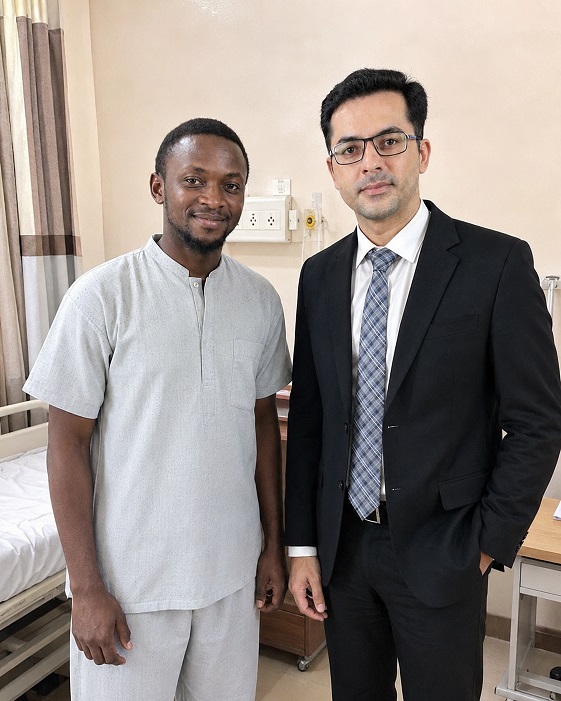
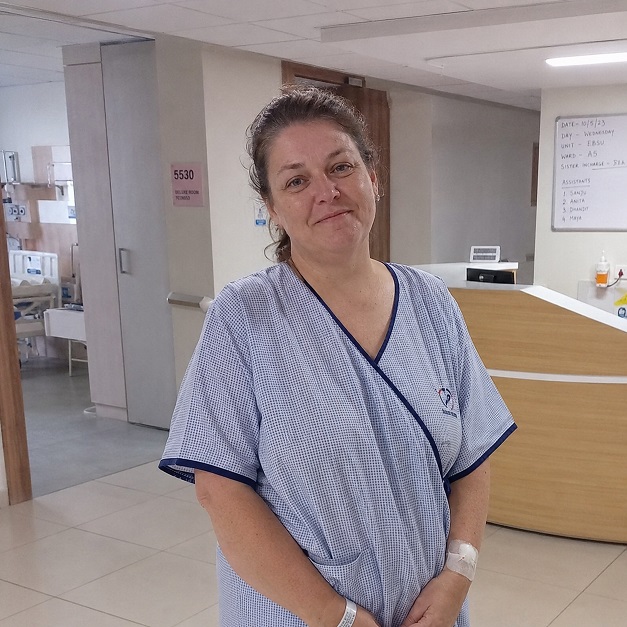
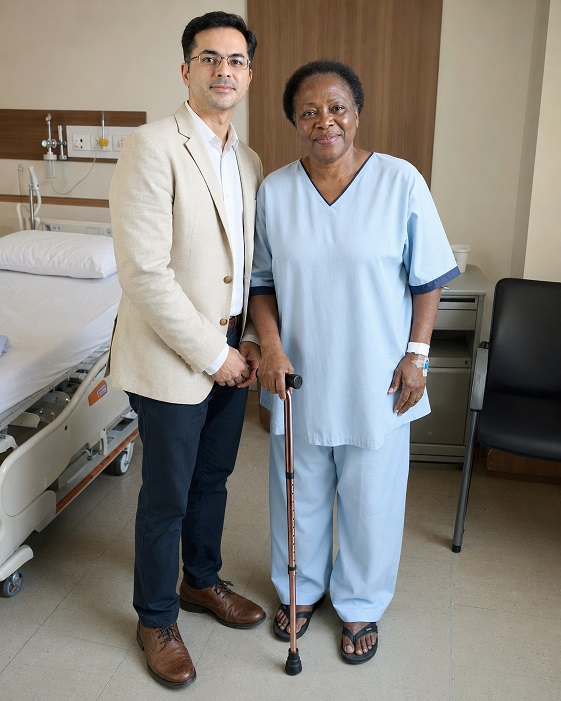
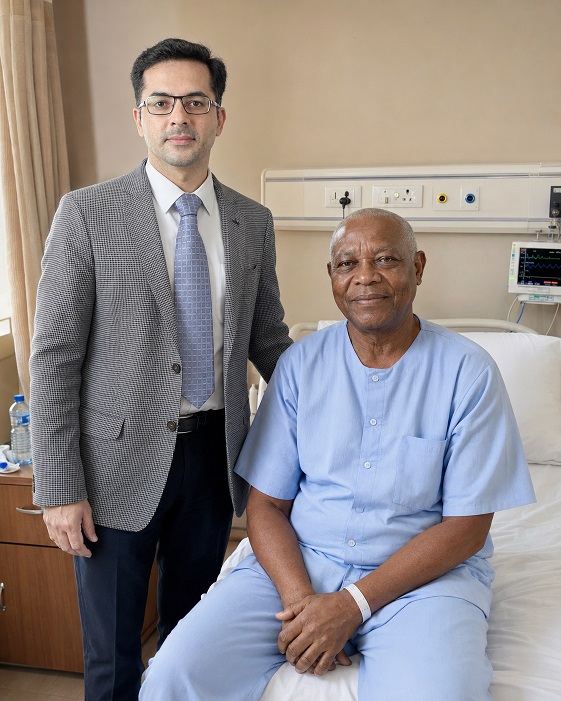
Ready to Take the First Step?
Share your Medical Reports with our Healthcare Managers Today and Get a FREE CONSULTATION, a Personalized Treatment Plan, and Complete Support from Arrival to Recovery.
Get Your Free ConsultationAreas We Serve
This resource has been thoughtfully prepared for patients from Nigeria who are considering medical treatment in India. We also welcome patients from the wider region in the countries mentioned below-
We assist patients from:
- Benin
- Niger
- Chad
- Cameroon
- Algeria
- Egypt
- Libya
- Morocco
- Sudan
- Tunisia
- Gambia
- Ghana
- Burkina Faso
- Cabo Verde
- Côte d'Ivoire
- Equatorial Guinea
- São Tomé and Príncipe
Many of the insights, treatment pathways, hospital recommendations, travel guidance, and patient support services described here are equally relevant and may be used as a reference when planning treatment in India.
From Nigeria to India: Your Complete Patient Support Guide
- Artificial Disc Replacement in India for Nigerian Patients
- Weight Loss and Bariatric Surgery in India for Nigerian Patients
- Bone Marrow Transplant in India for Nigerian Patients
- Brain Tumour Surgery in India for Nigerian Patients
- Breast Cancer Treatment and Surgery in India for Nigerian Patients
- Cancer Treatment and Surgery in India for Nigerian Patients
- Cardiac Arrhythmia and Heart Pacemaker Treatment in India for Nigerian Patients
- Cardiac Surgery in India for Nigerian Patients
- Colorectal Cancer Treatment and Surgery in India for Nigerian Patients
- Complex Orthopaedic and Joint Revision Surgery in India for Nigerian Patients
- Cornea Transplant and Advanced Eye Surgery in India for Nigerian Patients
- CyberKnife Treatment in India for Nigerian Patients
- Gamma Knife Treatment in India for Nigerian Patients
- Heart Failure Treatment and Surgery in India for Nigerian Patients
- Hip Surgery in India for Nigerian Patients
- HIPEC Cancer Surgery in India for Nigerian Patients
- IVF and Fertility Treatment in India for Nigerian Patients
- Joint Arthroscopy and Sports Medicine in India for Nigerian Patients