

Cardiac Surgery in India for Nigerian Patients
For the childhood throat infection nobody thought twice about, the valve it quietly damaged, and the surgery gap Nigeria's own cardiac surgeons are the first to name.
Nigeria carries one of the highest rates of rheumatic heart disease anywhere in the world, affecting an estimated 15 to 20 people in every 1,000 — a disease that begins, almost always, as an ordinary childhood throat infection left untreated. Left to progress, it damages heart valves permanently, and it is now one of the leading reasons Nigerian adults and children alike end up needing open-heart surgery. The tragedy is not that the disease exists. It is that it is entirely preventable with something as simple and cheap as penicillin. This guide sets out what cardiac surgery actually costs in India once travel is counted, what Nigeria's own cardiac surgical capacity can and cannot offer today, and what a realistic recovery looks like once the operation is behind you.
| 15–20/1,000 NIGERIANS AFFECTED BY RHEUMATIC HEART | ~0.5 OPEN-HEART SURGERIES PER MILLION PEOPLE | 200–250 PER MILLION IS THE ESTIMATED REGIONAL | 70–90% TYPICAL SAVING ON AN EQUIVALENT INDIA |
|---|---|---|---|
| DISEASE | PERFORMED IN NIGERIA YEARLY | SURGICAL NEED | PATHWAY VS. THE US |
Healing Journeys of Nigerian Patients



Key Takeaways
- Nigeria carries a substantial burden of rheumatic heart disease, estimated in the document at approximately 15–20 people per 1,000. The disease often begins with an untreated streptococcal throat infection in childhood, which can trigger rheumatic fever and progressively damage the heart valves.
- The guide describes rheumatic heart disease as a largely preventable condition. Once permanent valve damage is established, however, surgery may become necessary.
- African rheumatic heart disease incidence is described as roughly 60 times that of high-income countries, largely because of unequal access to basic antibiotics and screening rather than a biological difference in susceptibility.
- The document also identifies hypertension as another important contributor to Nigeria's cardiac disease burden, noting that roughly one-third of Nigerian adults live with high blood pressure.
- Nigeria's main cardiac-surgery challenge is presented as capacity rather than surgeon competence. Regional need is estimated at approximately 200–250 cardiac operations per million people annually, while Nigeria's actual open-heart surgery volume is described as closer to 0.5 operations per million people per year.
- A small number of Nigerian centres perform bypass and valve surgery successfully. The larger limitation is surgical volume, scheduling capacity and consistent access to complex procedures.
- The document identifies combined valve disease and paediatric congenital cardiac surgery as areas where India's higher case volume may provide a particularly meaningful advantage.
- Coronary artery bypass grafting (CABG) for blocked coronary arteries is listed at approximately US$4,500–9,000, with a hospital stay of 7–9 nights.
Quick Facts
- Treatment
- Cardiac and Cardiothoracic Surgery
- Country
- India
- Intended Audience
- Nigerian Patients and Families
- Primary Focus
- CABG, Heart Valve Surgery and Congenital Heart Surgery
- Major Nigeria-Specific Condition
- Rheumatic Heart Disease
- Estimated Rheumatic Heart Disease Burden
- 15–20 per 1,000
- Underlying Cause Discussed
- Untreated or Repeated Streptococcal Throat Infection in Childhood
- Preventive Treatment Mentioned
- Penicillin
- African RHD Incidence Comparison
- Approximately 60 Times High-Income Countries
- Other Major Cardiac Risk Mentioned
- Hypertension
- Nigerian Adults With Hypertension
- Approximately One-Third
- Estimated Regional Cardiac Surgical Need
- 200–250 Operations per Million People Annually
- Nigeria Open-Heart Surgery Volume
- Approximately 0.5 Operations per Million Annually
- Nigeria's Main Limitation
- Surgical Capacity and Case Volume
- First Diagnostic Requirement
- Echocardiogram
- Author
- Dr. Dheeraj Bojwani
- Experience
- 24 Years' Experience
In Brief
Cardiac surgery in India for Nigerian patients may include coronary artery bypass grafting, single or multiple heart-valve surgery, congenital defect repair and selected minimally invasive procedures. The guide highlights rheumatic heart disease as an especially important Nigerian issue, with an estimated prevalence of 15–20 per 1,000 and a national open-heart surgery volume far below estimated regional need. Indicative Indian costs range from US$4,500–9,000 for CABG to US$8,000–15,000 for combined valve surgery. Open-heart surgery generally requires around 7–10 days in hospital, 4–6 weeks of sternal precautions and approximately 2–3 months for gradual return to normal activity.
01 · the Real Problem
A preventable disease outrunning the capacity to fix it
Rheumatic heart disease is, in a real sense, the story of a system that has not yet closed a simple gap. It starts with strep throat — common, usually harmless, and easily treated with penicillin. Left untreated, especially with repeated infections in childhood, the body's immune response can turn on the heart valves themselves, causing rheumatic fever and, over years, permanent scarring and narrowing of the valves. Africa's incidence of the disease is estimated at roughly sixty times that of high-income countries, driven almost entirely by unequal access to basic antibiotics and screening rather than any biological difference in who gets sick.
The consequences of that gap are stark. Research on rheumatic heart disease across Africa has found that, without access to surgical care, twenty percent of affected people die by age fifteen, and seventy percent die by age twenty-five. Surgery is the only cure once the valve damage is established, which is precisely why cardiac surgical capacity matters as much as prevention.
Beyond rheumatic disease, Nigeria's broader cardiovascular picture adds further pressure: roughly a third of Nigerian adults live with high blood pressure, rising to around forty percent in some regions, and a third of those diagnosed receive no treatment at all. Hypertension, left unmanaged for years, is itself a major driver of the heart failure and coronary disease that eventually need surgical treatment.
02 · Nigeria's Capacity
What Nigeria can do, and where the gap actually sits
Nigerian cardiac surgeons are not the constraint. Capacity is. Published estimates put the overall need for cardiac surgery across sub-Saharan Africa at roughly 200 to 250 operations per million people each year. Nigeria's own literature on the state of open-heart surgery describes a national reality closer to 0.5 operations per million — a gap of several hundredfold between what the disease burden requires and what the country's centres currently deliver, despite decades having passed since Nigeria's first open-heart operation.
A 2026 review of open-heart surgery in Nigeria points to a familiar combination of causes: most cardiac centres operate well below their built capacity, health insurance coverage through the National Health Insurance Authority remains in the single digits nationally, and complex tertiary cardiac care is poorly covered even where insurance exists. The practical result is that patients needing valve surgery, bypass grafting, or congenital defect repair frequently face long waits, limited scheduling capacity, or costs that are difficult to plan for through a fragmented payment system.
None of this means cardiac surgery is unavailable in Nigeria. A small number of centres, mostly private, perform bypass and valve surgery with real skill. What is genuinely scarce is volume — the throughput that keeps waiting times short and lets a surgical team see enough complex or combined-valve cases to keep their skills consistently sharp.
03 · THE TREATMENT MAP
Which operation, and what it costs
Cardiac surgery is not one operation. The right procedure depends on which structure of the heart is affected and how extensively, and the cost difference between options is wide enough that a vague quote gives a family almost nothing to plan around.
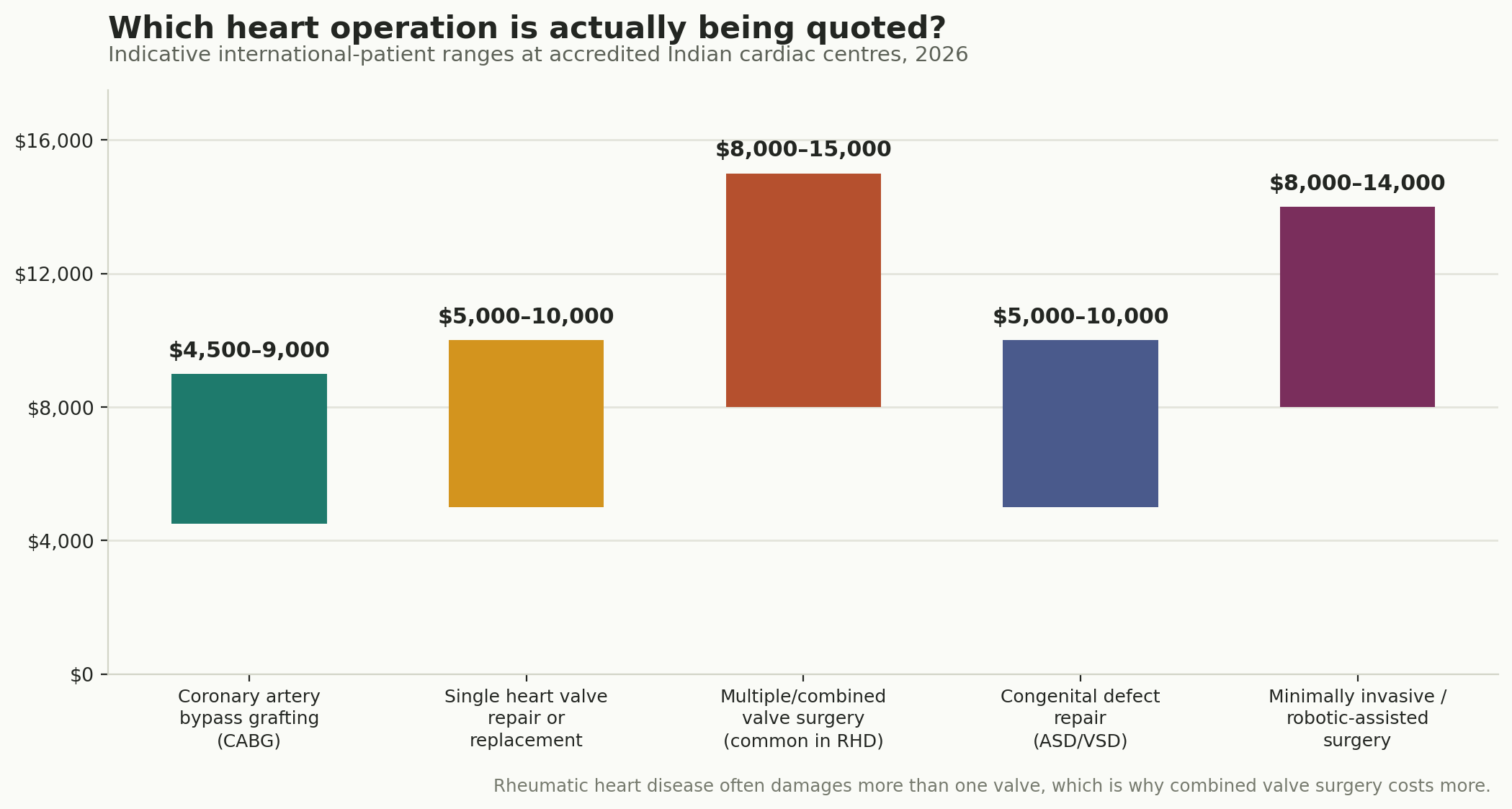
Figure 1. Rheumatic heart disease frequently damages more than one valve at once, which is why combined procedures cost meaningfully more than a single-valve repair.
| Procedure | Typically suits | Indicative cost | Hospital stay |
|---|---|---|---|
| Coronary artery bypass grafting (CABG) | Blocked coronary arteries restricting blood flow to the heart muscle | $4,500–9,000 | 7–9 nights |
| Single valve repair or replacement | One damaged valve, often mitral or aortic, from rheumatic or degenerative disease | $5,000–10,000 | 7–9 nights |
| Multiple/combined valve surgery | Two or more valves damaged, common in advanced rheumatic heart disease | $8,000–15,000 | 8–12 nights |
| Congenital defect repair (ASD/VSD) | Holes in the heart's walls present since birth, in children or adults | $5,000–10,000 | 6–9 nights |
| Minimally invasive / robotic-assisted surgery | Selected valve or bypass cases suitable for smaller incisions | $8,000–14,000 | 5–7 nights |
Table 1. Indicative international-patient pricing at accredited Indian cardiac centres, mid-2026. Figures are planning ranges, not offers, and vary by hospital tier, surgeon experience, and case complexity.
Set against the alternatives, the case for travelling is strongest precisely where Nigeria's own capacity is thinnest: combined valve disease and paediatric congenital repair.
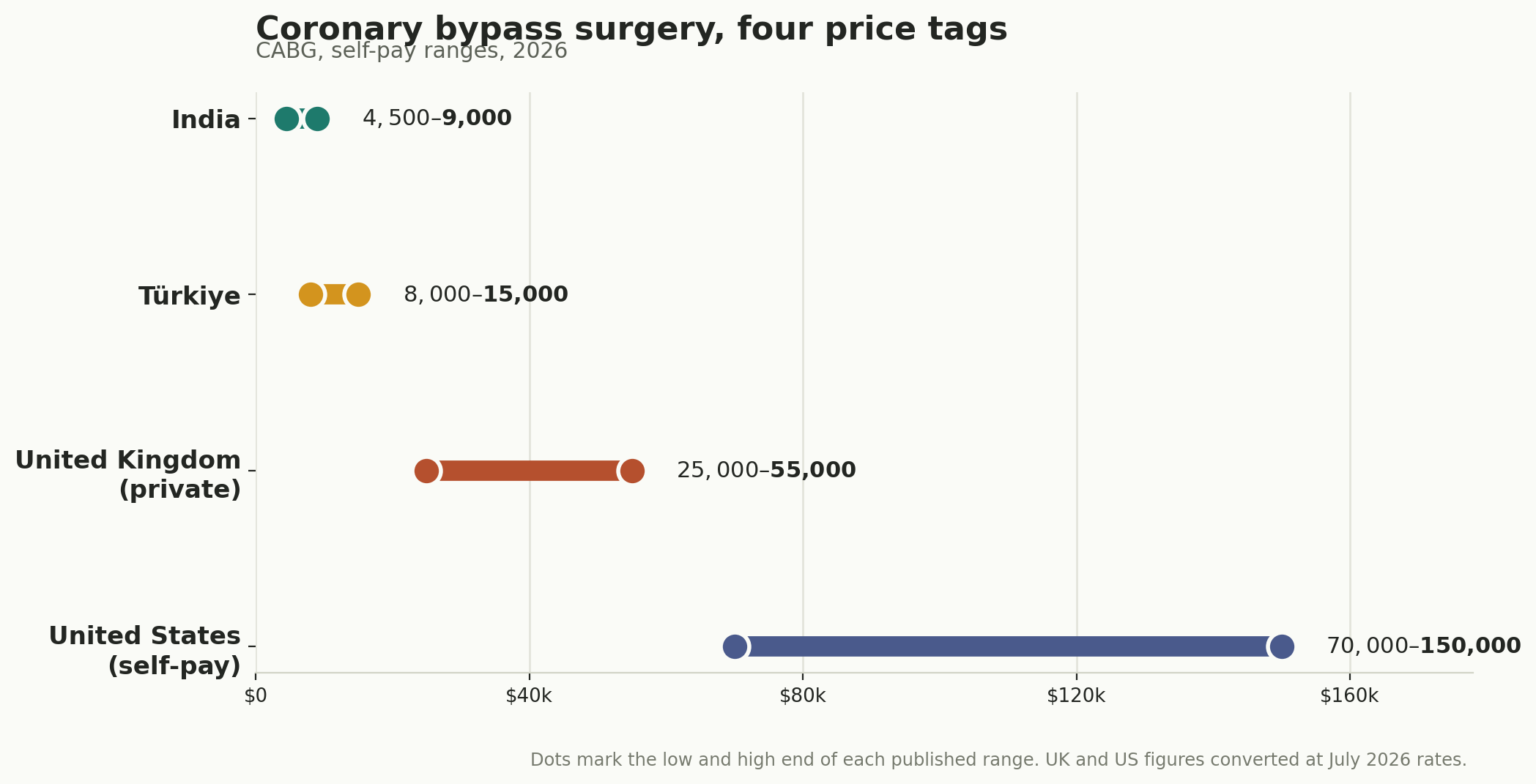
Figure 2. Coronary bypass surgery, priced across four common destinations for Nigerian medical travellers.
What a proper written quote must itemise
- Surgeon, anaesthesia and perfusionist fees, separated from ward and ICU charges
- Valve type if replacement is needed — mechanical versus biological, and the lifelong implications of each
- Whether the case involves single or multiple valves, since this changes both time and cost substantially
- ICU nights included in the package, and the per-night rate beyond that
- What happens, and what it costs, if intra-operative findings differ from the pre-operative plan
04 · the Full Budget
What the whole journey costs, beyond the operation
The surgical package is the number families anchor on, and the least complete one. A representative pathway — single valve surgery, one patient and one attendant, roughly three weeks in India — adds up like this:
- Surgical package (surgery, valve or graft, ICU, ward stay): $6,000–11,000
- Return flights, two travellers (Lagos/Abuja – Delhi/Mumbai/Chennai): $2,200–3,000
- Pre-surgical workup (echocardiogram, angiogram, bloodwork, anaesthetic clearance): $600–1,000
- Accommodation, three weeks, two people : $1,300–2,000
- Medical and attendant visas (two applications): $400–500
- Contingency for extended ICU stay or a combined procedure: 15–20% All-in, most families should plan for US$11,000–17,000 for single valve surgery — roughly ₦15.2–23.5 million at the official mid-July 2026 rate of about ₦1,380 to the dollar, somewhat higher at parallel-market rates near ₦1,410. Combined valve surgery or paediatric congenital repair should be budgeted higher, closer to $16,000–22,000 all-in.
05 · Getting There
Visa, travel, and what recovery actually involves
India issues a Medical Visa (M) to the patient and a Medical Attendant Visa (MX) to up to two close relatives. Applications go through the High Commission in Abuja or the Consulate General in Lagos by prior appointment, and an e-Medical route turns around in days for straightforward files. The hospital's invitation letter, three months of certified bank statements, and a passport valid six months with two blank pages move the process fastest.
Lagos and Abuja both reach Delhi, Mumbai and Chennai with a single stop, usually via Addis Ababa, Doha, Dubai, Nairobi or Istanbul, a total journey of 13 to 18 hours. A cardiac patient flying home after sternotomy should carry a written fitness-to-fly clearance and avoid carrying heavy luggage; airlines increasingly ask for this documentation regardless.
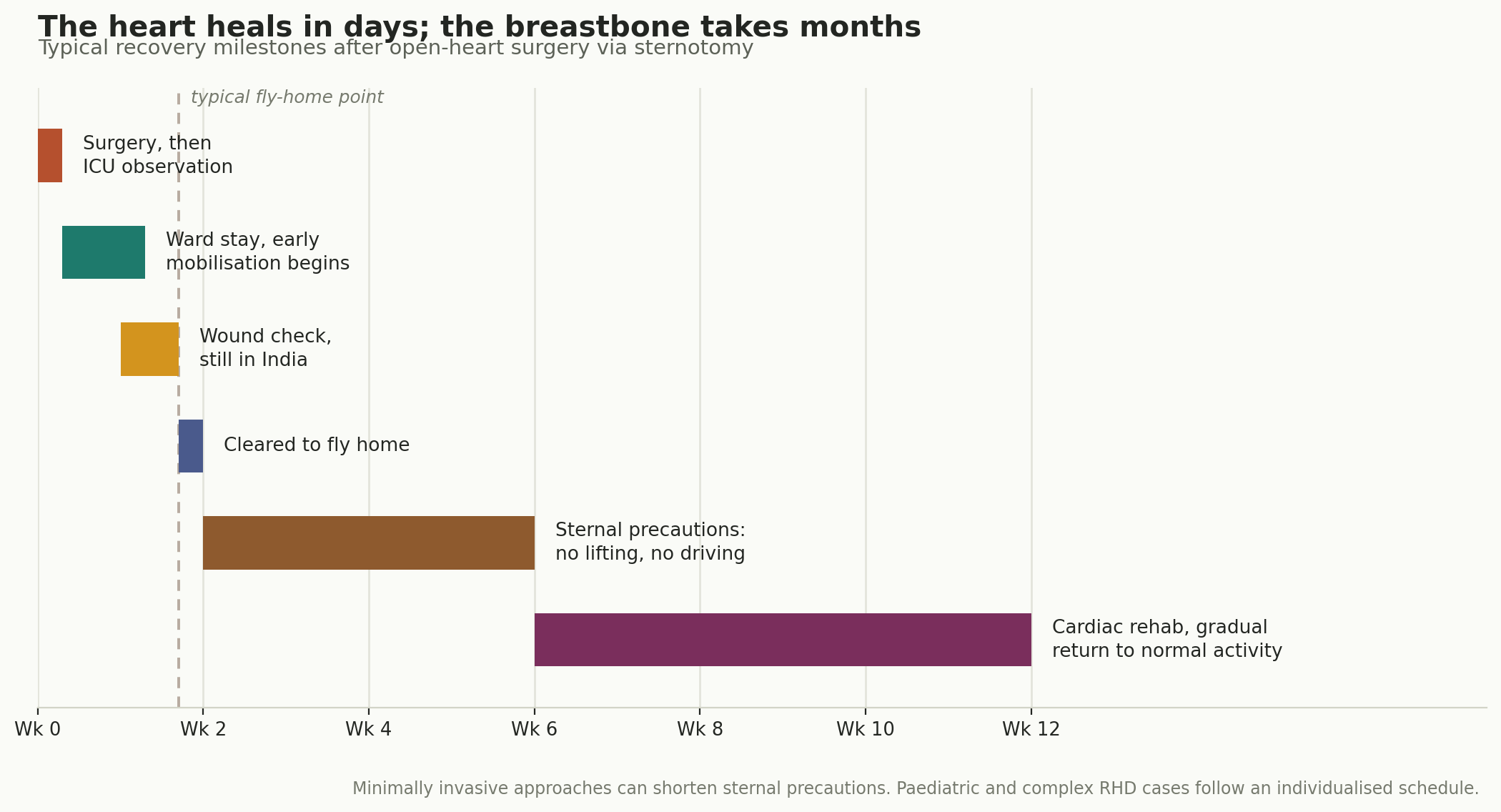
Figure 3. The heart itself often functions well within days. The breastbone, cut open to reach it, needs months to fully knit back together, which is what really paces recovery.
What has to travel home with the patient
- Full operative note and discharge summary, including valve type and size if one was replaced
- A written sternal precaution and activity restriction schedule
- Medication list using generic names available in Nigerian pharmacies, including anticoagulation details if relevant
- A cardiac rehabilitation plan for the weeks following discharge
- A named clinician contact for teleconsultation if chest pain, fever, or wound concerns arise
06 · THE HONEST COMPARISON
What stays in Nigeria, and what travels
Nigeria's cardiac centres, though few, do good work within their capacity, and straightforward, single- procedure cases with a clear diagnosis are genuinely treatable at home when scheduling allows. There is no reason to travel for a case a local team is well placed to manage promptly.
What tips the calculation toward travel is exactly what the surgical-capacity numbers suggest is hardest to access locally: combined or complex valve disease, paediatric congenital repair requiring a dedicated paediatric cardiac team, and any case where a long local waiting list turns a manageable condition into an urgent one. Those are the situations where India's case volume and integrated cardiac centres offer a genuine, measurable advantage.
Before you commit to a treatment plan abroad
- Get a confirmed diagnosis by echocardiogram, and where relevant an angiogram, before contacting any hospital.
- Ask explicitly whether one valve or multiple valves are affected, since this changes the entire cost and recovery picture.
- For valve replacement, discuss mechanical versus biological valve choice and its lifelong implications before travelling.
- Confirm what happens, and what it costs, if findings during surgery differ from the pre-operative plan.
- For children, confirm the surgical and ICU team has specific paediatric cardiac experience, not just general cardiac experience.
- Establish the cardiac rehabilitation and long-term follow-up plan before you leave India.
- Verify the invitation letter has reached the mission by email, with both attendants named.
- Pay into the hospital's own institutional account only, never an individual's personal account.
Straight Answers for Nigerian Patients about Cardiac Surgery in India
Is cardiac surgery in India cheaper than the UK or US?
Yes, substantially. Coronary bypass surgery is indicatively $4,500 to $9,000 in India, against roughly $25,000 to $55,000 privately in the UK and $70,000 to $150,000 self-pay in the United States.
How long does recovery take after open-heart surgery?
Hospital stay is typically seven to ten days, including a short ICU stay. Sternal precautions against lifting and driving generally apply for four to six weeks, with a gradual return to normal activity over two to three months.
Do Nigerians need a visa for cardiac surgery in India?
Yes. You need an Indian Medical Visa from the High Commission in Abuja, the Consulate in Lagos, or the e- Medical route, plus a Medical Attendant Visa for up to two close relatives, with a hospital invitation letter and financial proof.
Why is rheumatic heart disease so common in Nigeria?
It develops after repeated, poorly treated streptococcal throat infections in childhood trigger rheumatic fever, which can permanently damage heart valves. Limited access to penicillin and throat-infection treatment in childhood is the main driver of its high prevalence.
Is valve repair better than valve replacement?
Where anatomically possible, repair is generally preferred, since it avoids the lifelong bleeding-risk medication needed with a mechanical valve. Not every damaged valve can be repaired, particularly after extensive rheumatic damage.
Can children get heart surgery in India?
Yes. Congenital heart defects such as atrial and ventricular septal defects are routinely repaired at Indian paediatric cardiac centres, indicatively $5,000 to $10,000, with surgeons experienced specifically in operating on infants and small children.
Is India better than Nigeria for cardiac surgery?
For complex, combined, or paediatric cases specifically, yes, given how far Nigeria's surgical capacity currently sits below regional need. Nigeria's own centres do perform surgery, but case volume nationally remains a fraction of what the disease burden requires.
A closing word
Rheumatic heart disease is, at its root, a story about a treatable childhood infection that went untreated. By the time it reaches the point of needing surgery, the only remaining lever a family has is finding the right operation, in the right hands, before the disease progresses further. Nigeria's surgical capacity gap is real and well documented by the country's own cardiac surgeons, not a claim made from outside.
In twenty-four years of this work, the families who do best are the ones who get a precise echocardiographic diagnosis early, understand clearly whether one valve or several are affected, and treat the timeline seriously — because unlike a knee or a hip, a damaged heart valve rarely improves by waiting. The operation restores function in hours. Trusting the process of healing afterward takes months, and that patience is worth investing in properly.
Sources
- 🌐 American Heart Association — Heart valve surgery and bypass surgery overview
- 🌐 NHS (UK) — Coronary artery bypass graft: overview and recovery
- 🌐 Leith J et al. — Cardiac Surgery to Manage Rheumatic Heart Disease in Africa Is Complex: A Geographic Perspective. Global Heart, 2025
- 🌐 Ikegwuonu et al. — The State of Open-Heart Surgery in Nigeria: Challenges, Opportunities, and the Way Forward. 2026
- 🌐 Pan-African Society for Cardiothoracic Surgery — 2025 Accra Declaration on Upskilling and Cost-Effective Cardiac Surgery in Africa
- 🌐 High Commission of India, Abuja — Medical and Medical Attendant Visa requirements
Frequently Asked Questions by Nigerians about Cardiac Surgery in India
How much does cardiac surgery cost in India for Nigerian patients?
Costs depend on the operation. The guide lists CABG at US$4,500–9,000, single valve surgery at US$5,000–10,000 and combined valve surgery at US$8,000–15,000.
Is cardiac surgery in India cheaper than the UK or US?
Yes, according to the document. CABG is listed at US$4,500–9,000 in India compared with approximately US$25,000–55,000 privately in the UK and US$70,000–150,000 self-pay in the US.
Why is rheumatic heart disease common in Nigeria?
The guide links it primarily to repeated or inadequately treated streptococcal throat infections in childhood. Rheumatic fever can subsequently cause permanent damage to the heart valves.
Is valve repair better than valve replacement?
Where anatomically possible, the guide generally favours repair because it can avoid some lifelong implications associated with mechanical replacement valves. Extensive rheumatic damage, however, may make repair impossible.
Can Nigerian children have congenital heart surgery in India?
Yes. ASD and VSD repairs are listed at approximately US$5,000–10,000. Families should specifically confirm that the surgeon and ICU team have paediatric cardiac experience.
How long does recovery take after open-heart surgery?
The guide gives a typical hospital stay of 7–10 days. Lifting and driving restrictions generally apply for 4–6 weeks, with gradual return to normal activity over 2–3 months.
Do Nigerian patients need a visa for cardiac surgery in India?
Yes. The document specifies an Indian Medical Visa and Medical Attendant Visa for up to two close relatives, supported by a hospital invitation letter and financial documentation.
Is India always better than Nigeria for cardiac surgery?
No. The guide states that straightforward cases can be treated successfully at Nigerian cardiac centres when timely capacity is available. Travel becomes more relevant for complex, combined-valve and paediatric cases.
What should Nigerian patients confirm before travelling for valve surgery?
Confirm the diagnosis by echocardiogram, establish whether one or multiple valves are affected, and discuss mechanical versus biological valve options and their long-term implications before travel.
What should patients bring back to Nigeria after heart surgery?
Patients should have their treatment records, medication plan using generic names, anticoagulation instructions where relevant, cardiac rehabilitation plan and a clinician contact for post-operative concerns.
Page Summary
This guide examines cardiac surgery in India for Nigerian patients through one of Nigeria's most important cardiac problems: rheumatic heart disease resulting from preventable childhood streptococcal infections. The document estimates rheumatic heart disease prevalence at approximately 15–20 per 1,000 Nigerians and explains how untreated or repeated childhood throat infections can lead to rheumatic fever, permanent valve scarring and eventually the need for open-heart surgery.
Citation Block
| Topic | Information |
|---|---|
| Topic Information | Cardiac Surgery in India for Nigerian Patients |
| Treatment | Cardiothoracic and Open-Heart Surgery |
| Country | India |
| Intended Audience | Nigerian Patients and Families |
| Conditions Covered | Rheumatic Valve Disease, Coronary Artery Disease and Congenital Heart Defects |
| Procedures | CABG, Valve Repair/Replacement, Combined Valve Surgery, ASD/VSD Repair and Selected Minimally Invasive Surgery |
| RHD Burden Mentioned | 15–20 per 1,000 Nigerians |
| Regional Surgical Need | 200–250 Operations per Million Annually |
| Nigeria Surgical Volume Mentioned | Approximately 0.5 Operations per Million Annually |
| First Investigation | Echocardiogram |
| Additional Investigation | Angiogram Where Relevant |
| Hospital Stay | Approximately 5–12 Nights Depending on Procedure |
| Representative India Stay | Approximately 3 Weeks |
| Open-Heart Recovery | Approximately 2–3 Months for Gradual Return to Normal Activity |
| Sternal Precautions | Approximately 4–6 Weeks |
| Valve Options | Mechanical or Biological |
| Paediatric Requirement | Dedicated Paediatric Cardiac Surgical and ICU Experience |
| Long-Term Follow-Up | Cardiac Rehabilitation and Ongoing Cardiology Review |
| Medical Visa | Indian Medical Visa |
| Attendant Visa | Medical Attendant Visa for Up to Two Close Relatives |
| Author | Dr. Dheeraj Bojwani |
| Experience | 24 Years' Experience |


Our Mission Statement
Our mission is to place patients at the centre of every healthcare decision by providing trustworthy, evidence-based, and unbiased medical information. We believe that informed patients make better decisions. Backed by personalised guidance from our experienced advisory team, we help patients understand their treatment options, compare them objectively, and confidently choose the path that best suits their medical needs and personal circumstances.
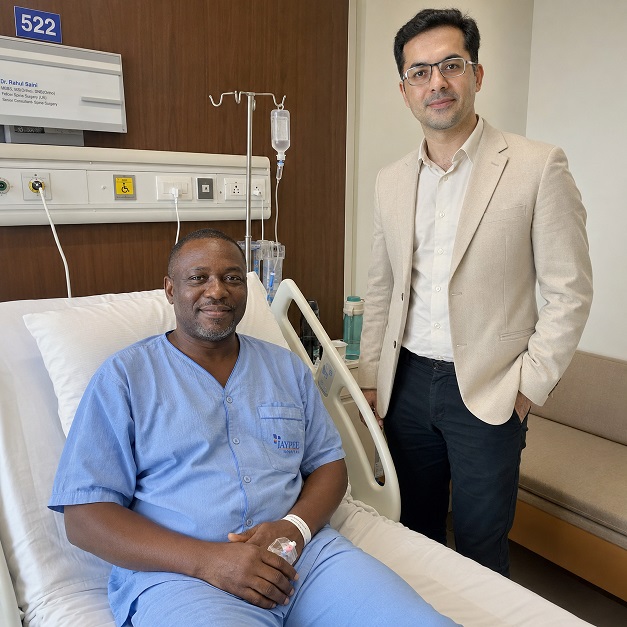
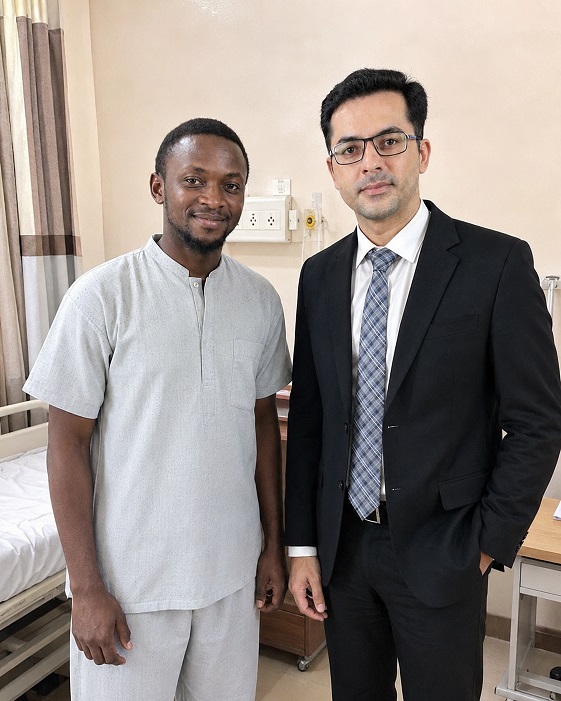
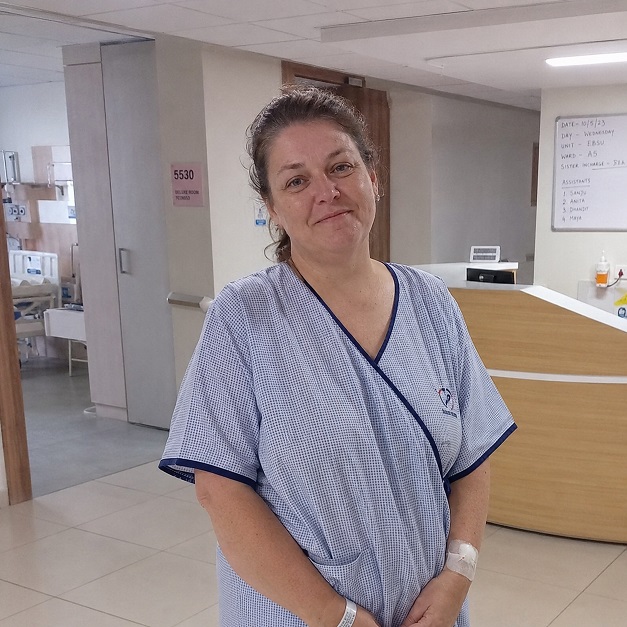
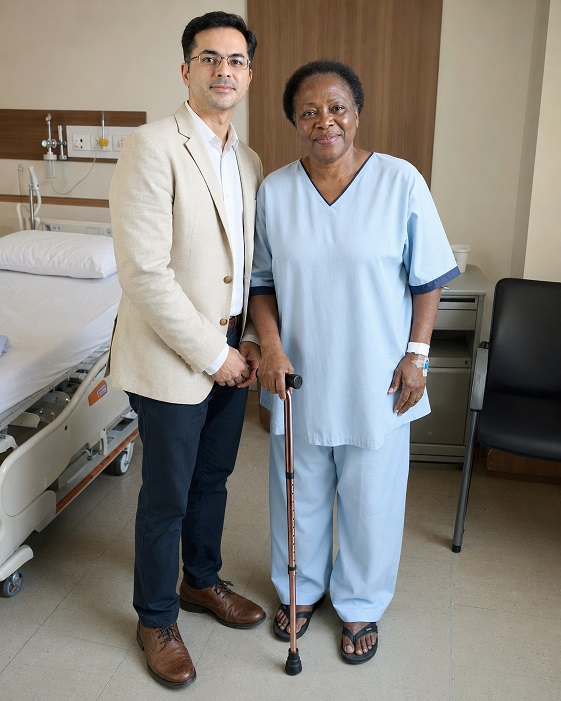
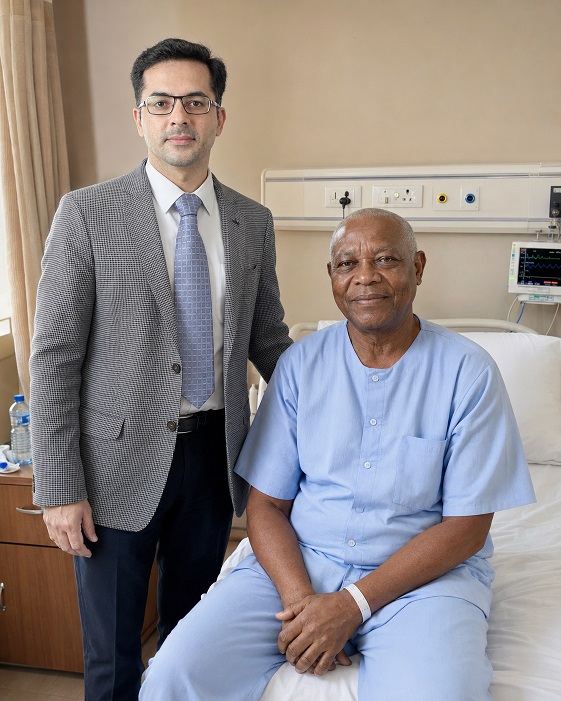
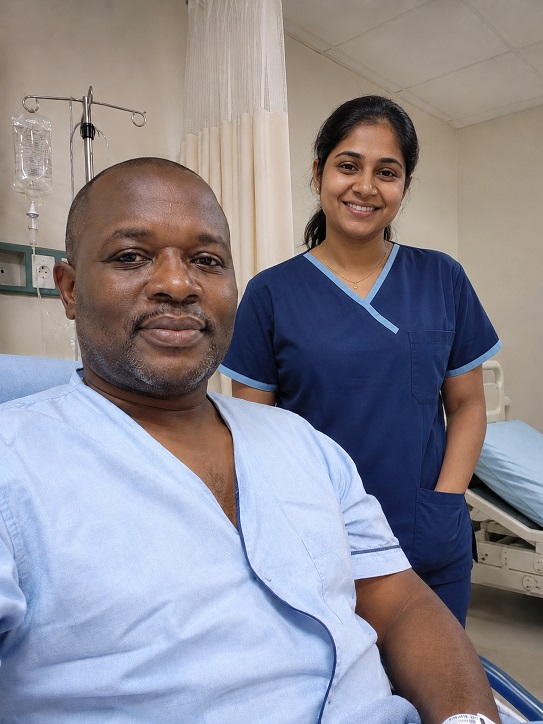
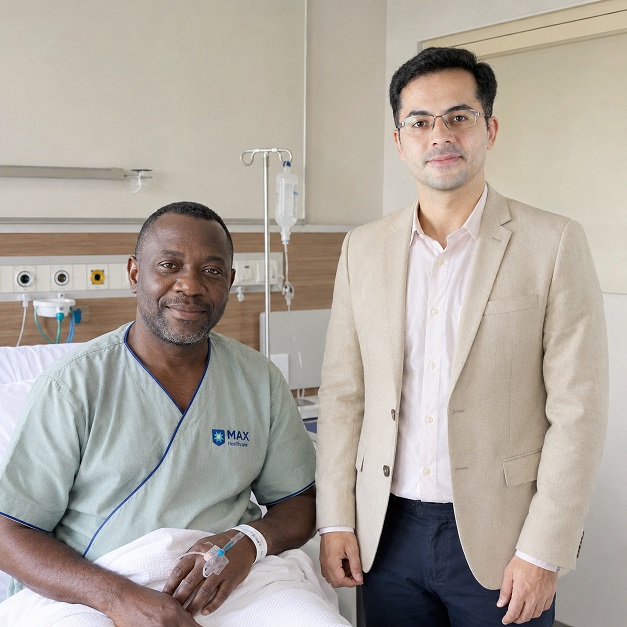
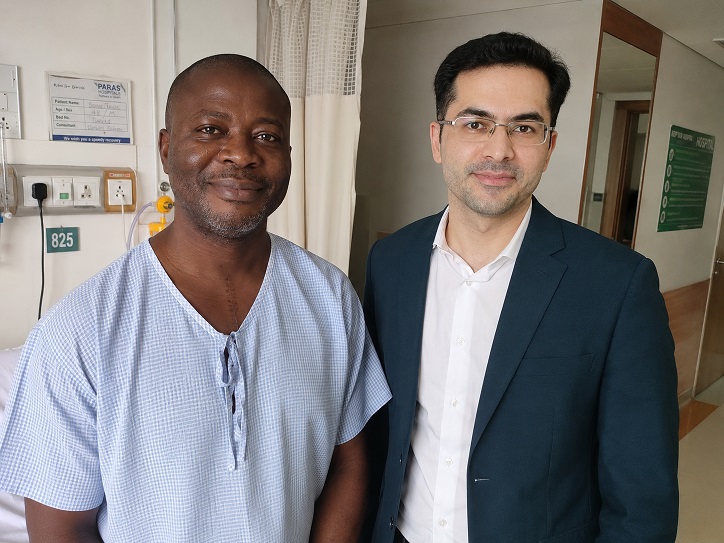
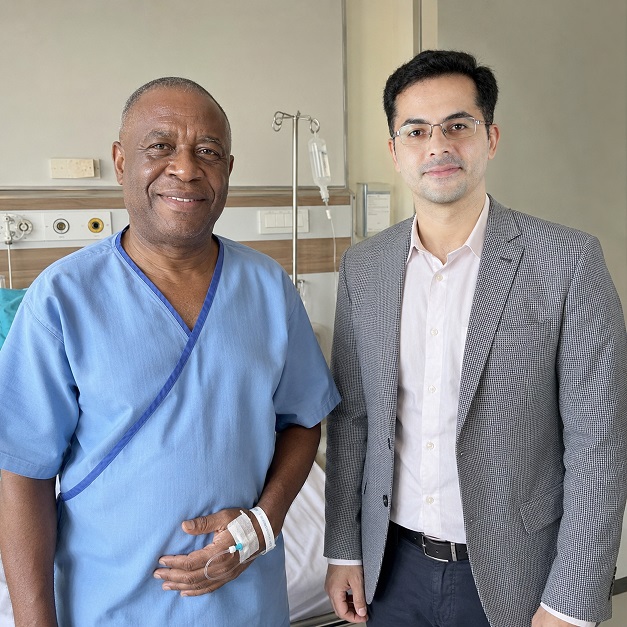
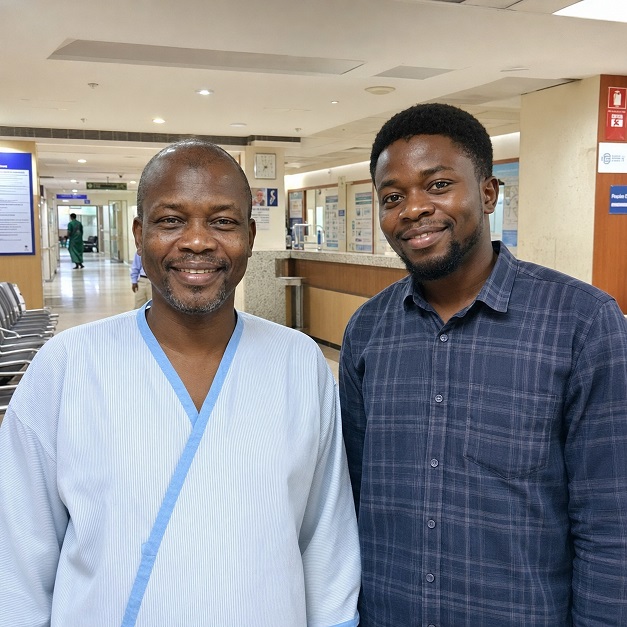
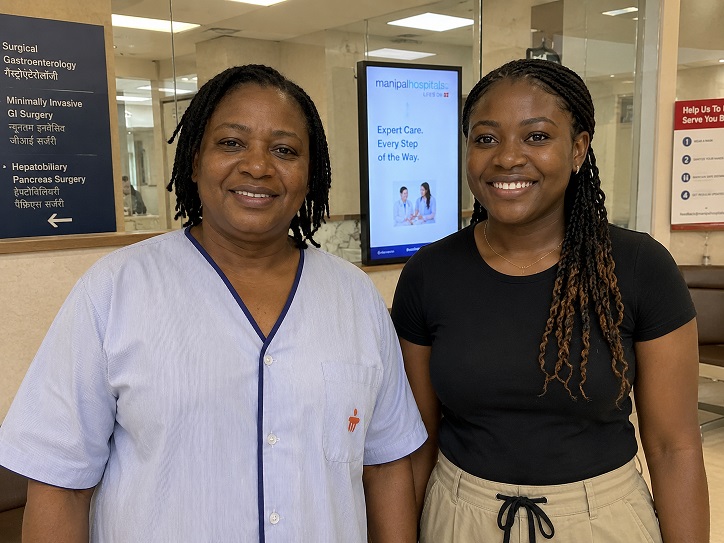
Patient Testimonials from Nigeria


Ready to Take the First Step?
Share your Medical Reports with our Healthcare Managers Today and Get a FREE CONSULTATION, a Personalized Treatment Plan, and Complete Support from Arrival to Recovery.
Get Your Free ConsultationAreas We Serve
This resource has been thoughtfully prepared for patients from Nigeria who are considering medical treatment in India. We also welcome patients from the wider region in the countries mentioned below-
We assist patients from:
- Benin
- Niger
- Chad
- Cameroon
- Algeria
- Egypt
- Libya
- Morocco
- Sudan
- Tunisia
- Gambia
- Ghana
- Burkina Faso
- Cabo Verde
- Côte d'Ivoire
- Equatorial Guinea
- São Tomé and Príncipe
Many of the insights, treatment pathways, hospital recommendations, travel guidance, and patient support services described here are equally relevant and may be used as a reference when planning treatment in India.
From Nigeria to India: Your Complete Patient Support Guide
- Artificial Disc Replacement in India for Nigerian Patients
- Weight Loss and Bariatric Surgery in India for Nigerian Patients
- Bone Marrow Transplant in India for Nigerian Patients
- Brain Tumour Surgery in India for Nigerian Patients
- Breast Cancer Treatment and Surgery in India for Nigerian Patients
- Cancer Treatment and Surgery in India for Nigerian Patients
- Cardiac Arrhythmia and Heart Pacemaker Treatment in India for Nigerian Patients
- Cardiac Surgery in India for Nigerian Patients
- Colorectal Cancer Treatment and Surgery in India for Nigerian Patients
- Complex Orthopaedic and Joint Revision Surgery in India for Nigerian Patients
- Cornea Transplant and Advanced Eye Surgery in India for Nigerian Patients
- CyberKnife Treatment in India for Nigerian Patients
- Gamma Knife Treatment in India for Nigerian Patients
- Heart Failure Treatment and Surgery in India for Nigerian Patients
- Hip Surgery in India for Nigerian Patients
- HIPEC Cancer Surgery in India for Nigerian Patients
- IVF and Fertility Treatment in India for Nigerian Patients
- Joint Arthroscopy and Sports Medicine in India for Nigerian Patients