

Cancer Treatment and Surgery in India for Nigerian Patients
What actually happens between a biopsy result and a treatment plan — and an honest look at when India is worth the flight.
A cancer diagnosis in Nigeria sets off two clocks at once. One is biological — how fast the disease moves. The other is logistical: can a scan be booked this month, is a linear accelerator actually working, will the drug the plan calls for be in stock. Most of what makes a cancer diagnosis frightening in Nigeria is the second clock, not the first. This guide maps a full oncology pathway — diagnosis, surgery, chemotherapy, radiotherapy, and what comes after — for families weighing India. It does not assume you should go. It gives you the numbers, the workforce reality on both ends, and the questions that separate a sound decision from a rushed one.
| 269,109 NEW CANCER CASES REGISTERED IN | <70 CLINICAL ONCOLOGISTS | ~10 FUNCTIONAL RADIOTHERAPY | 70–90% TYPICAL SAVING ON AN EQUIVALENT INDIA |
|---|---|---|---|
| NIGERIA, 2022 | NATIONWIDE FOR 220M+ PEOPLE | MACHINES IN THE WHOLE COUNTRY | PATHWAY VS. THE US |
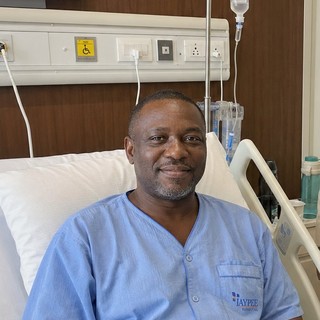
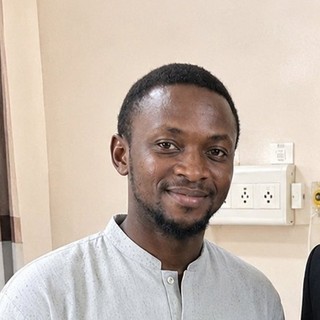
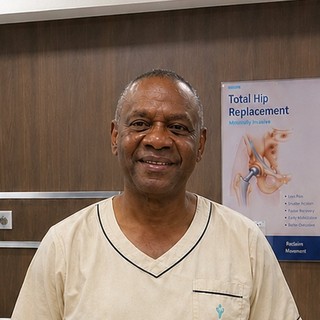
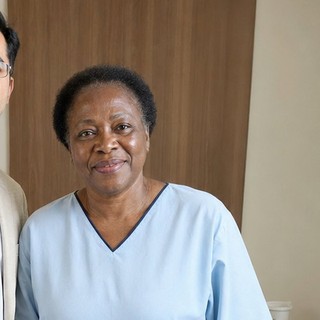
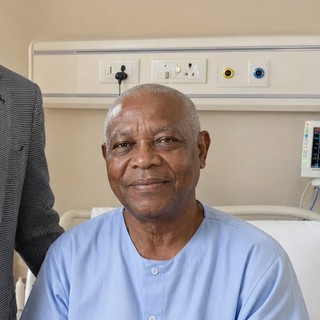
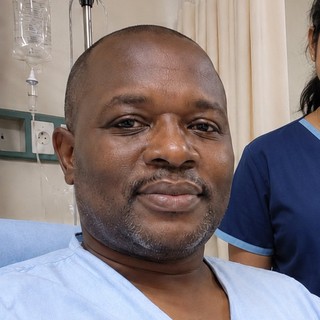
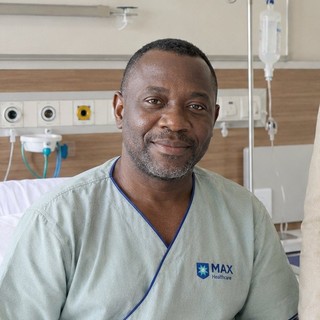
Healing Journeys of Nigerian Patients


Key Takeaways
- India offers Nigerian patients access to coordinated cancer care covering diagnosis, surgery, chemotherapy, radiotherapy, brachytherapy, immunotherapy, targeted therapy and bone marrow or stem cell transplant.
- Cancer treatment should be planned only after the diagnosis, stage and tumour biology are confirmed through histopathology, imaging and relevant biomarker testing.
- Nigerian patients should send the pathology report, tissue slides or blocks, immunohistochemistry results and actual CT, MRI or PET-CT images before travelling.
- Cancer surgery in India generally costs between USD 4,500 and USD 9,500, depending on the cancer type, stage, hospital and complexity of the procedure.
- A complete chemotherapy course may cost approximately USD 2,000–7,000, while IMRT or VMAT radiotherapy may cost around USD 3,500–6,500.
- Bone marrow or stem cell transplantation is a separate and more expensive treatment pathway, with indicative costs of USD 16,000–32,000.
- A surgery-only medical journey may cost approximately USD 9,000–14,000, while a combined surgery, chemotherapy and radiotherapy pathway may require a total budget of around USD 18,000–26,000.
- Surgery alone may require two to three weeks, while combined treatment can extend to eight to twelve weeks.
- Patients should request an itemised quotation explaining the treatment modalities, number of chemotherapy cycles, radiotherapy technique, pathology charges, ward stay, ICU charges and additional treatment costs.
- Follow-up care can often continue in Nigeria when the patient returns with complete pathology, operative, chemotherapy, radiotherapy and imaging records.
Quick Facts
- Conditions Covered
- Breast Cancer, Prostate Cancer, Cervical Cancer, Colorectal Cancer, Gastric Cancer, Hepatobiliary Cancer, Gynaecological Cancers, Lung Cancer, Melanoma, Renal Cancer, Leukaemia and Lymphoma
- Procedures Mentioned
- Cancer Surgery, Chemotherapy, IMRT, VMAT, Brachytherapy, Immunotherapy, Targeted Therapy, Autologous Stem Cell Transplant and Allogeneic Stem Cell Transplant
- Target Audience
- Nigerian patients considering cancer treatment and surgery in India
- Cancer Surgery
- USD 4,500–9,500
- Chemotherapy Course
- USD 2,000–7,000
- Radiotherapy
- USD 3,500–6,500
- Brachytherapy
- USD 1,500–3,000
- Immunotherapy
- USD 2,500–5,000 per cycle
- Targeted Therapy
- USD 1,400–3,000 per month
- Bone Marrow or Stem Cell Transplant
- USD 16,000–32,000
- Estimated Surgery-Only Budget
- Approximately USD 9,000–14,000
- Estimated Full Treatment Budget
- Approximately USD 18,000–26,000
- Author/Advisor
- Dr. Dheeraj Bojwani
- Experience
- 24+ Years in Medical Travel
In Brief
India is a major destination for Nigerian patients seeking cancer treatment because it offers multidisciplinary tumour boards, experienced oncologists, advanced cancer surgery, reliable radiotherapy, brachytherapy, immunotherapy, targeted treatment and stem cell transplantation. Treatment planning begins with confirmation of the diagnosis, stage and tumour biomarkers rather than relying on imaging alone. Nigerian patients should obtain a detailed treatment plan and itemised quotation before travelling, including the expected duration, hospital stay, drug regimen, radiotherapy technique and follow-up requirements. Many patients can complete selected chemotherapy cycles or long-term monitoring in Nigeria after the main treatment plan has been established in India.
01 · THE GAP
Why this decision even arises
Start with what Nigeria is actually working with. Breast, prostate, cervical and colorectal cancers together account for more than half of the country's 269,109 annual new cases. Diagnosis has genuinely improved — more pathology labs, more awareness campaigns, earlier presentation than a decade ago. Treatment capacity has not kept pace.
Radiotherapy is the clearest example. Of eight government-funded centres covering the six geopolitical zones, only two consistently run functional linear accelerators; most still work with outdated 2D planning and no CT or MRI simulation. A national audit found that 91.3% of patients on radiotherapy experienced delays or cancellations from strikes, power failures or breakdowns. Fewer than ten brachytherapy units exist for cervical cancer nationwide, against an estimated need of 200 centres for a population this size.
The specialist count tells the same story. Nigeria has fewer than 70 clinical oncologists and fewer than 200 pathologists nationwide. Over half that workforce sits in Lagos; several northern states have essentially no resident oncology expertise. This is not a comment on individual clinicians — Nigerian oncologists are frequently excellent and chronically overstretched. It is a comment on infrastructure.
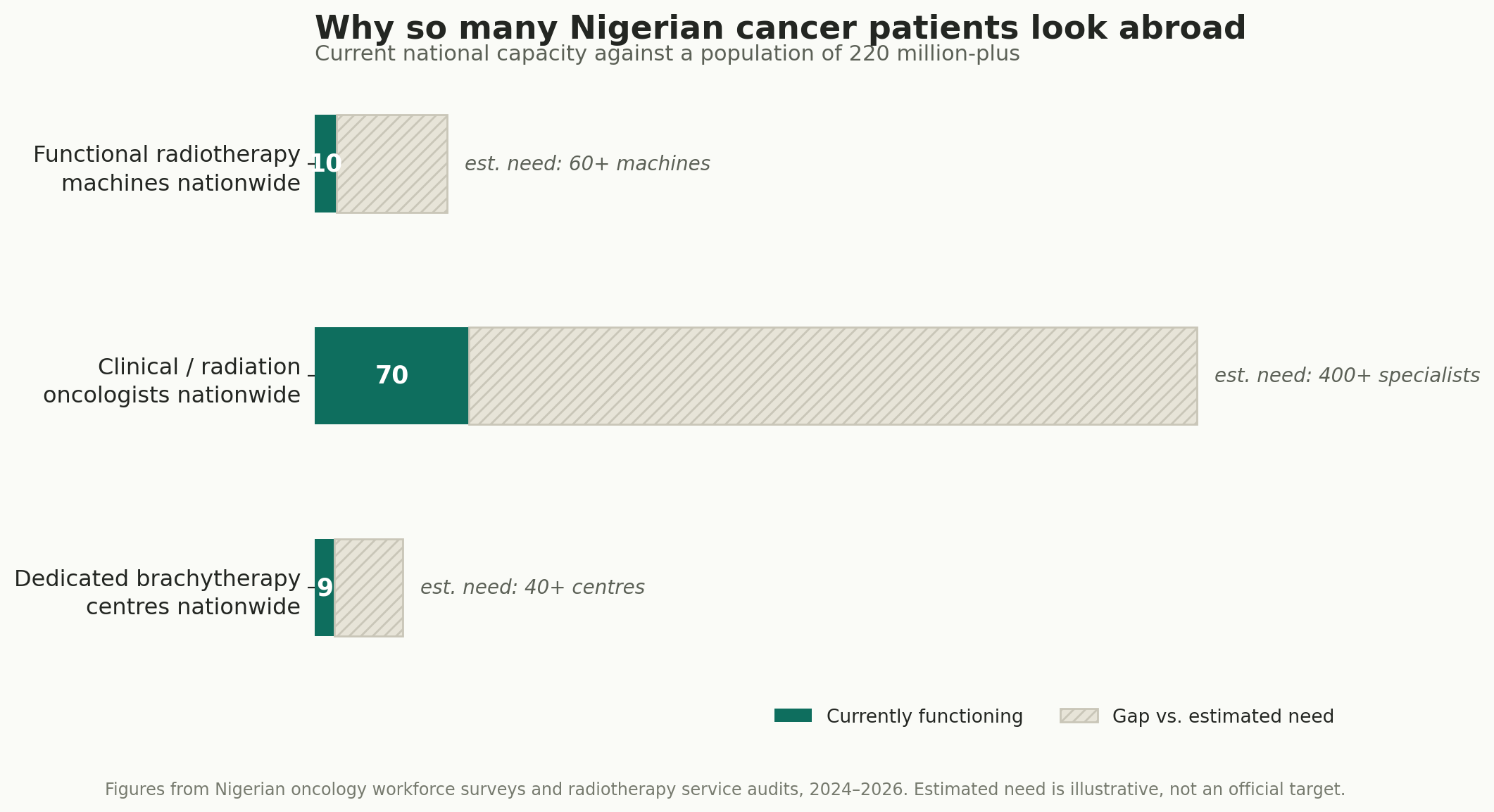
Figure 1. Capacity against need, nationally. The gap is not a failure of individual doctors; it is a shortage of machines, maintenance budgets, and specialist training slots relative to a population above 220 million.
Set against that, hospitals in Delhi, Mumbai, Chennai and Bengaluru run tumour boards weekly, hold JCI and NABH accreditation, and treat oncology patients from across Africa and the Gulf in volume. The imbalance is not about talent. It is about whether the machine you need is running the week you need it.
02 · DIAGNOSIS
Getting the diagnosis right before you travel
The single most common mistake in medical travel is booking a flight before the diagnosis is settled. Cancer treatment plans are built on tissue and stage, not a scan alone. Assembling a defined package of information in Nigeria first saves weeks once you land.
What to have before you contact a hospital
- Histopathology report and, where possible, the physical tissue block or slides for re-review
- Immunohistochemistry results relevant to your cancer type — ER/PR/HER2 for breast, PSA and Gleason score for prostate, and so on
- Cross-sectional imaging: CT, MRI or PET-CT, with the actual images on disc, not only the typed report
- A clear statement of stage, if one has already been given, and any treatment received so far
- A summary of other health conditions — diabetes, hypertension, cardiac history — which shape anaesthetic and chemotherapy planning Indian tumour boards frequently request a slide re-review even when a Nigerian report exists, because grading and receptor status materially change the plan. Budget one to two weeks for this step, and treat it as protective rather than a delay.
A note on staging. A cancer described simply as “stage 2” or “stage 3” on a Nigerian report is not enough for an Indian oncologist to plan around. Ask your treating doctor at home for the full TNM classification before you travel — it is one sentence for them to write and it can save an entire diagnostic cycle in India.
03 · THE TREATMENT MAP
Which modality, and what it costs
Cancer treatment is rarely one procedure. Most patients move through a sequence — surgery, then chemotherapy, sometimes radiotherapy, occasionally targeted therapy or immunotherapy on top. Each has its own cost band, and a hospital quoting a single number without naming the modality is not giving a usable estimate.
Figure 2. Bone marrow and stem cell transplant sit apart from the other four modalities by an order of magnitude — plan for it as a distinct decision, not a line item.
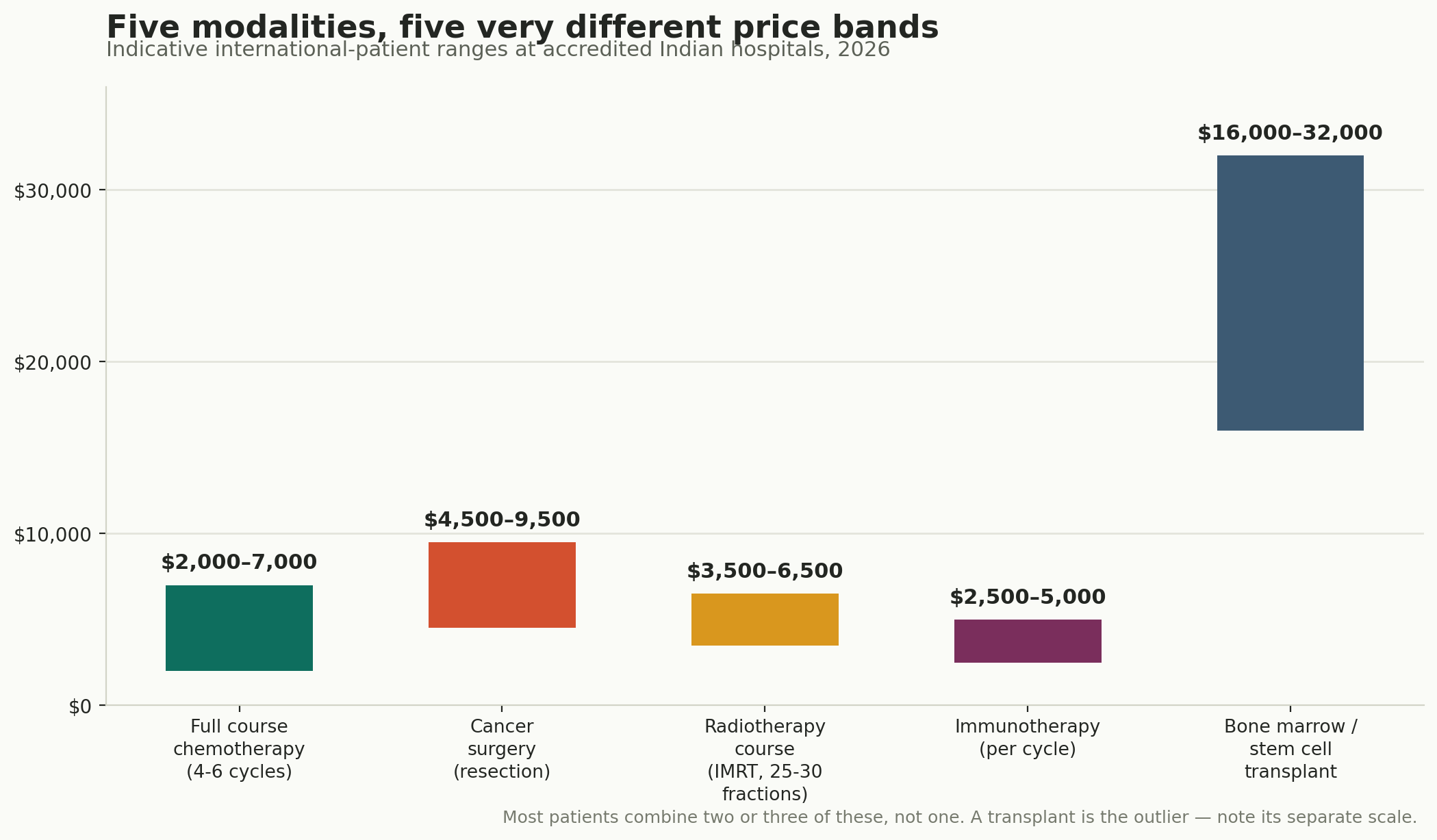
| Modality | Typical use | Indicative cost | Typical duration |
|---|---|---|---|
| Cancer surgery (resection) | Breast, colorectal, gastric, hepatobiliary, gynaecological and other solid-tumour resections | $4,500–9,500 | 7–10 days incl. recovery |
| Chemotherapy, full course | Neoadjuvant or adjuvant cycles for solid tumours; 4–8 cycles typical | $2,000–7,000 | 3–6 months, some cycles remote |
| Radiotherapy (IMRT / VMAT) | Post-surgical control or primary treatment, 25– 30 fractions | $3,500–6,500 | 5–6 weeks, daily outpatient |
| Brachytherapy | Cervical and some gynaecological cancers, delivered with external radiotherapy | $1,500–3,000 | 2–3 sessions over 2 weeks |
| Immunotherapy (per cycle) | Checkpoint inhibitors for eligible lung, melanoma, renal and other cancers | $2,500–5,000 | Ongoing, every 3–4 weeks |
| Targeted therapy (monthly) | HER2, EGFR and other biomarker-driven oral or infused agents | $1,400–3,000 | Ongoing, often months to years |
| Bone marrow / stem cell transplant | Leukaemias, lymphomas and selected solid tumours; autologous or allogeneic | $16,000–32,000 | 10–12 weeks, mostly inpatient |
Table 1. Indicative international-patient pricing at accredited Indian oncology centres, mid-2026. Figures are planning ranges, not offers, and vary by cancer type, stage and hospital tier.
Set against home-country alternatives, the arithmetic is starkest for anything requiring radiotherapy or transplant — precisely the modalities Nigeria's infrastructure struggles to deliver reliably.
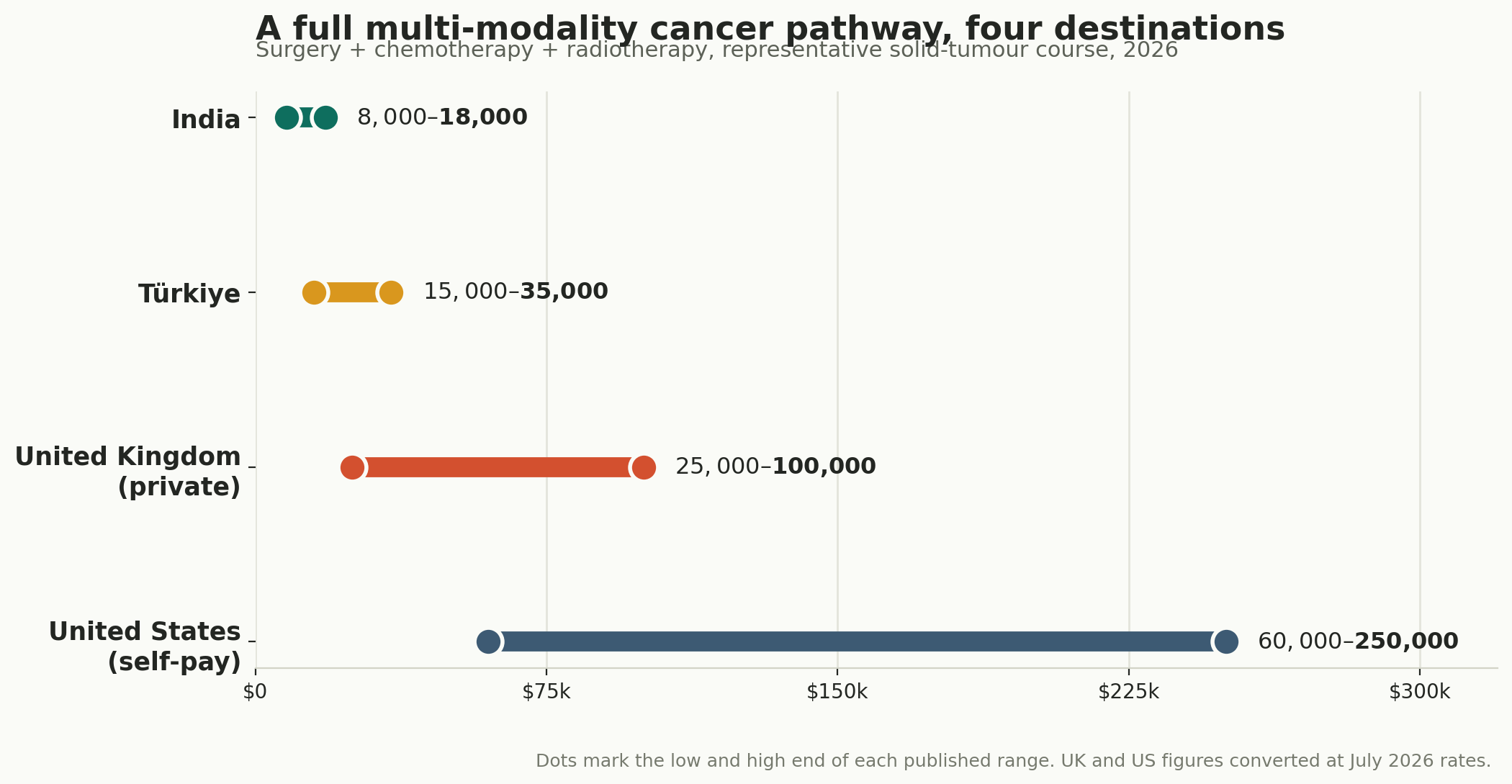
Figure 3. A representative combined pathway — surgery, chemotherapy and radiotherapy for a solid tumour — priced across four common destinations for Nigerian medical travellers.
04 · the Full Budget
What the whole journey costs, beyond treatment
Treatment cost is the headline figure and the least complete one. A representative pathway — surgery, chemotherapy and radiotherapy for a mid-stage solid tumour, one patient plus attendant, roughly ten weeks split between an initial six-week stay and remote follow-up — adds up like this:
- Treatment package (surgery, chemo, radiotherapy): $10,000–16,000
- Return flights, two travellers (Lagos/Abuja – Delhi/Mumbai/Chennai): $2,200–3,000
- Diagnostics and pathology re-review (PET-CT, biomarkers, slide review): $1,200–2,200
- Accommodation and living, six weeks, two people : $2,500–3,800
- Medical and attendant visas (two applications): $400–500
- Contingency for extended chemotherapy cycles, complications, or an additional attendant rotation: 15– 20% All-in, plan for US$18,000–26,000 across the full pathway — roughly ₦24.8–35.9 million at the official mid- July 2026 rate of about ₦1,380 to the dollar, somewhat higher at parallel-market rates near ₦1,410. A surgery-only journey, without chemotherapy or radiotherapy, lands closer to $9,000–14,000.
What a proper written quote must itemise
- Surgeon, anaesthesia and theatre fees, separated from ward and ICU charges
- Number of chemotherapy cycles included, the specific drug regimen, and cost per additional cycle
- Radiotherapy fraction count and the technique used — 3D-CRT, IMRT or VMAT command different prices
- Pathology, biomarker testing and imaging, priced separately from the treatment package
- What happens, and what it costs, if staging changes once surgery or biopsy results come back
05 · GETTING THERE
Visa, travel, and the practical mechanics
India issues a Medical Visa (M) to the patient and a Medical Attendant Visa (MX) to up to two close relatives — spouse, parent, sibling, adult child. Applications go through the High Commission in Abuja or the Consulate General in Lagos by prior appointment, and an e-Medical route turns around in days for straightforward files. Three documents move it fastest: the hospital's invitation letter naming your attendants with passport numbers, three months of certified bank statements, and a passport valid six months with two blank pages. A visa commonly runs six months; treatment that overruns is extended through the FRRO inside India, not by a fresh application.
Lagos and Abuja both reach Delhi, Mumbai, Chennai and Bengaluru with a single stop, usually via Addis Ababa, Doha, Dubai, Nairobi or Istanbul — 13 to 18 hours total. Chemotherapy patients travelling mid-cycle should carry a written regimen summary, since infusion reactions and blood counts sometimes need checking in transit.
The part that decides how well this goes: coming home
A cancer pathway rarely ends when you board the flight back. Surveillance imaging, maintenance hormone therapy and remaining chemotherapy cycles frequently continue in Nigeria under your own oncologist — but only with a complete file in hand.
- Final histopathology, including all biomarker and molecular results
- Complete operative note and discharge summary
- Full chemotherapy record: drugs, doses, cycles given, and any dose reductions
- Radiotherapy plan and cumulative dose, if given
- A written follow-up schedule and a named clinician contact for teleconsultation
06 · the Honest Comparison
What stays in Nigeria, and what travels
Nigerian oncology is not uniformly behind. Early-stage breast cancer surgery, standard chemotherapy regimens, and prostate cancer management are handled competently at centres such as LUTH, National Hospital Abuja, UCH Ibadan, and private units in Lagos. If your cancer is early-stage, your regimen is standard, and your oncologist has a reliable pharmacy relationship, travelling may add cost and disruption without adding much benefit.
What genuinely tips the calculation is anything depending on radiotherapy delivered on schedule, cervical cancer needing brachytherapy, a bone marrow transplant, or a diagnosis complex enough to need a weekly tumour board. Those are precisely the categories where Nigeria's ten functioning machines and sub-70 specialist workforce are stretched thinnest, and where a missed radiotherapy fraction has a real cost to outcome.
Before you commit to a treatment plan abroad
- Get histopathology and imaging formally reviewed by the Indian tumour board before travelling, not after arrival.
- Ask explicitly which modalities are included in the quoted price, and which are billed separately as treatment progresses.
- Confirm the hospital's case volume for your specific cancer type, not just its general reputation.
- Establish in writing what happens if chemotherapy or radiotherapy cycles change mid-treatment.
- Ask whether any chemotherapy cycles can be safely completed in Nigeria under shared care, agreed before you leave India.
- Verify the invitation letter reached the mission by email, with both attendants named.
- Budget for the full pathway, not just the first hospital stay, with a genuine contingency.
- Pay into the hospital's institutional account only, never an individual's personal account.
Straight Answers for Nigerian Patients about Cancer Treatment and Surgery in India
Is cancer treatment in India cheaper than the UK or US?
Yes, substantially. A full surgery-chemo-radiotherapy pathway is indicatively $8,000 to $18,000 in India, against roughly $25,000 to $100,000 privately in the UK and $60,000 to $250,000 self-pay in the US.
How long does cancer treatment in India take?
Surgery alone runs two to three weeks including recovery. A full course combining surgery, chemotherapy and radiotherapy typically runs eight to twelve weeks, though many complete later cycles at home once the plan is set.
Do Nigerians need a visa for cancer treatment in India?
Yes. You need an Indian Medical Visa from the High Commission in Abuja, the Consulate in Lagos, or the e- Medical route, plus a Medical Attendant Visa for up to two close relatives, with a hospital invitation letter and financial proof.
Is immunotherapy available in India, and is it affordable?
Yes. Checkpoint inhibitors such as pembrolizumab and nivolumab are available at major Indian cancer centres, indicatively $2,500 to $5,000 per cycle, well below the $10,000 to $20,000 typical in the US.
Can bone marrow transplant be done in India for Nigerian patients?
Yes. Indian centres perform autologous and allogeneic stem cell transplants, indicatively $16,000 to $32,000 all-in, against $150,000 or more in the US or UK, over a longer stay of ten to twelve weeks.
Can I continue cancer treatment after returning to Nigeria?
Yes, if you return with the full pathology, staging and treatment file. Maintenance chemotherapy, hormone therapy and surveillance scans can continue with a Nigerian oncologist, though radiotherapy remains limited in most states.
Is India better than Nigeria for cancer treatment?
Not for every case. Nigeria diagnoses and treats many cancers competently, especially early breast and prostate disease. India's advantage is depth of radiotherapy and specialist capacity, which matters most for radiation, transplant or complex cases.
The question underneath all of this
It is not really “Nigeria or India.” It is whether the specific treatment your cancer needs is reliably available, on schedule, close to home. For diagnoses needing radiotherapy without interruption, brachytherapy, or transplant, the honest answer today is often not yet. In twenty-four years of this work, the families who navigate it best get the diagnosis nailed down before booking anything, ask hospitals to itemise every modality in writing, and plan for the whole pathway rather than the first flight. Cancer treatment is rarely a single trip; plan it as the months-long process it is, and the decision about where becomes much clearer.
Sources
- 🌐 National Cancer Institute — Cancer treatment types and costs overview
- 🌐 NHS (UK) — Cancer treatment options – nhs.uk/conditions/cancer/treatment/
- 🌐 American Cancer Society — Understanding cancer treatment
- 🌐 Ogunniyi TJ et al. — Current Status of Cancer Diagnosis and Treatment in Nigeria. Health Science Reports, 2025
- 🌐 Adeleke OD et al. — Radiotherapy in Nigeria: a silent emergency in cancer care. Annals of Medicine and Surgery, 2025
- 🌐 GLOBOCAN 2022 — Nigeria cancer fact sheet. Global Cancer Observatory, IARC
Frequently Asked Questions by Nigerians about Cancer Treatment and Surgery in India
Why do many Nigerian patients choose India for cancer treatment?
Many Nigerian patients choose India because it offers multidisciplinary cancer care, experienced oncologists, internationally accredited hospitals, advanced surgery, reliable radiotherapy, chemotherapy, immunotherapy, targeted therapy, and stem cell transplantation with significantly lower treatment costs than many Western countries.
What cancer treatments are available in India for Nigerian patients?
Depending on the cancer type and stage, treatment may include cancer surgery, chemotherapy, IMRT or VMAT radiotherapy, brachytherapy, immunotherapy, targeted therapy, hormone therapy, and bone marrow or stem cell transplantation. The treatment plan is individualised after reviewing pathology and staging.
How much does cancer treatment in India cost for Nigerian patients?
Indicative treatment costs include: Cancer surgery: USD 4,500–9,500 Chemotherapy: USD 2,000–7,000 Radiotherapy: USD 3,500–6,500 Bone marrow transplant: USD 16,000–32,000 A surgery-only medical journey generally costs around USD 9,000–14,000, while a complete treatment pathway may require USD 18,000–26,000.
What medical reports should Nigerian patients send before travelling to India?
Patients should send their histopathology report, tissue slides or blocks (if available), immunohistochemistry or biomarker reports, CT, MRI or PET-CT images, TNM staging information, previous treatment records, and details of other medical conditions before a treatment plan is prepared.
How long should Nigerian patients stay in India for cancer treatment?
Patients undergoing surgery alone generally stay for two to three weeks. Those receiving surgery combined with chemotherapy and radiotherapy may need to remain in India for approximately eight to twelve weeks, depending on the treatment schedule.
Can chemotherapy or follow-up treatment continue after returning to Nigeria?
Yes. Many patients can continue selected chemotherapy cycles, hormone therapy, surveillance imaging and long-term follow-up with their oncologist in Nigeria, provided they return with complete pathology reports, treatment summaries, chemotherapy records and radiotherapy plans from India.
Do Nigerian patients need a medical visa for cancer treatment in India?
Yes. Nigerian patients require an Indian Medical Visa, while accompanying family members can apply for a Medical Attendant Visa. Hospitals usually provide an invitation letter to support the visa application before travel.
Is bone marrow or stem cell transplantation available in India?
Yes. Leading Indian cancer centres perform both autologous and allogeneic stem cell transplants for conditions such as leukaemia, lymphoma and selected cancers. The treatment generally requires a hospital stay and an overall treatment period of approximately 10–12 weeks.
What should Nigerian patients check before accepting a cancer treatment quotation?
Patients should request a detailed written quotation showing surgeon fees, hospital charges, ICU costs, chemotherapy drugs and cycles, radiotherapy technique, pathology and biomarker testing, accommodation requirements, and any additional costs if the treatment plan changes after surgery or biopsy.
Is India always a better choice than Nigeria for cancer treatment?
Not necessarily. Many early-stage cancers can be treated successfully in Nigeria. India is generally considered when patients require advanced radiotherapy, brachytherapy, stem cell transplantation, multidisciplinary tumour board review, specialised surgery, or treatments that may not be consistently available locally.
Page Summary
This guide explains cancer treatment and surgery in India for Nigerian patients. It covers the complete oncology pathway from diagnosis and staging to surgery, chemotherapy, radiotherapy, brachytherapy, immunotherapy, targeted therapy and stem cell transplantation. It also provides indicative treatment costs, total medical travel budgets, expected treatment duration, medical visa requirements, hospital quotation guidance and the records patients need for continued care after returning to Nigeria.
Citation Block
| Topic | Information |
|---|---|
| Topic Information | Details |
| Procedure | Cancer Treatment and Surgery |
| Country | India |
| Intended Audience | Nigerian Patients |
| Conditions Covered | Breast, Prostate, Cervical, Colorectal, Gastric, Hepatobiliary, Gynaecological, Lung and Blood Cancers |
| Procedures | Surgery, Chemotherapy, Radiotherapy, Brachytherapy, Immunotherapy, Targeted Therapy and Stem Cell Transplant |
| Typical Stay | 2–3 Weeks for Surgery; 8–12 Weeks for Combined Treatment |
| Hospital Stay | Approximately 7–10 Days for Cancer Surgery |
| Recovery | Depends on Cancer Type, Stage, Treatment Combination and Patient Health |
| Average Cancer Surgery Cost | USD 4,500–9,500 |
| Estimated Full Treatment Budget | USD 18,000–26,000 |


Our Mission Statement
Our mission is to place patients at the centre of every healthcare decision by providing trustworthy, evidence-based, and unbiased medical information. We believe that informed patients make better decisions. Backed by personalised guidance from our experienced advisory team, we help patients understand their treatment options, compare them objectively, and confidently choose the path that best suits their medical needs and personal circumstances.
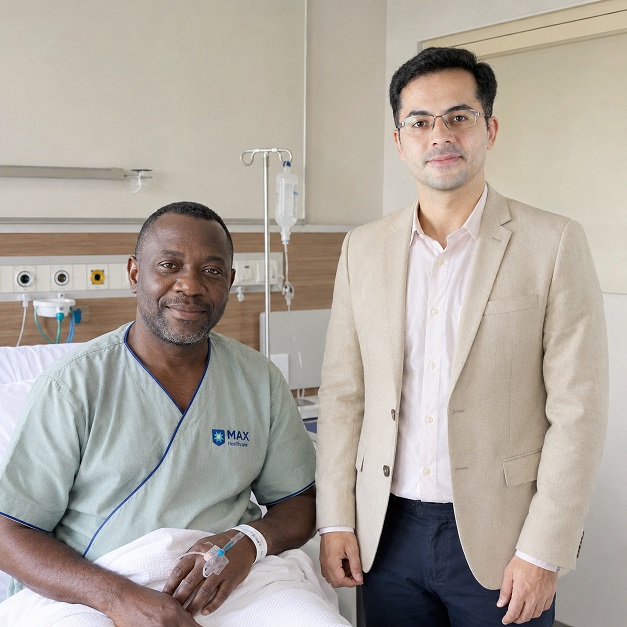
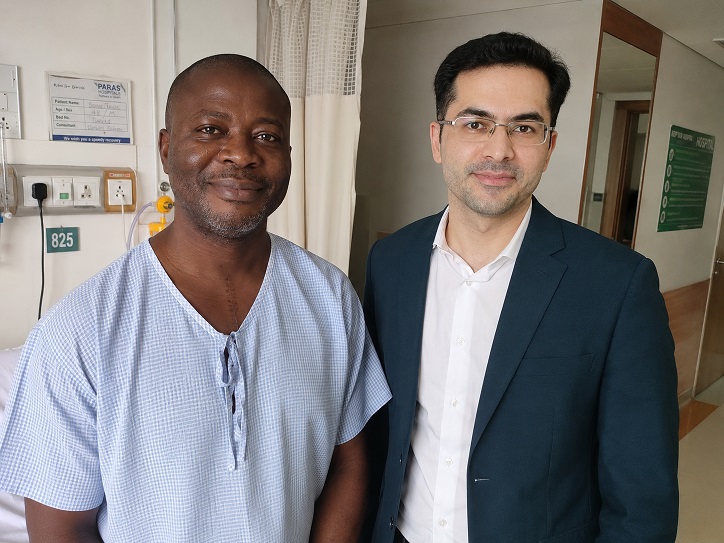
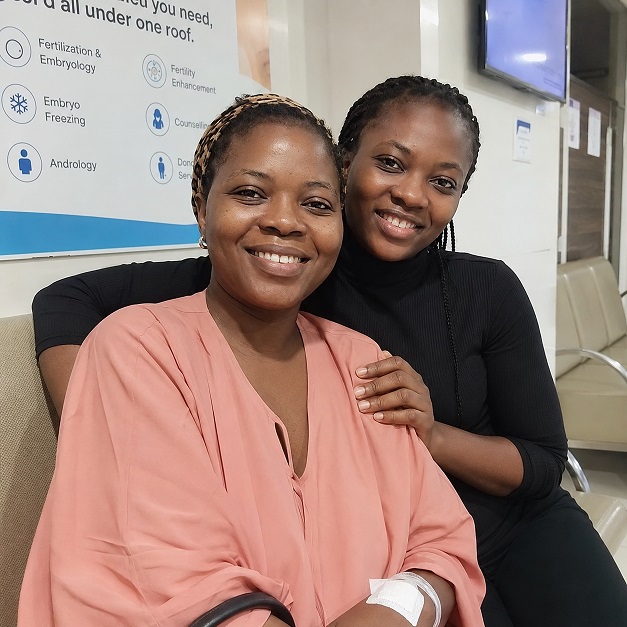
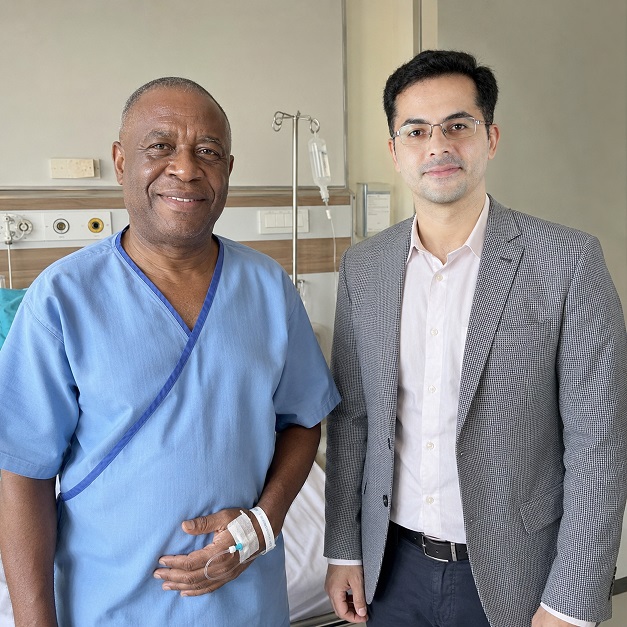
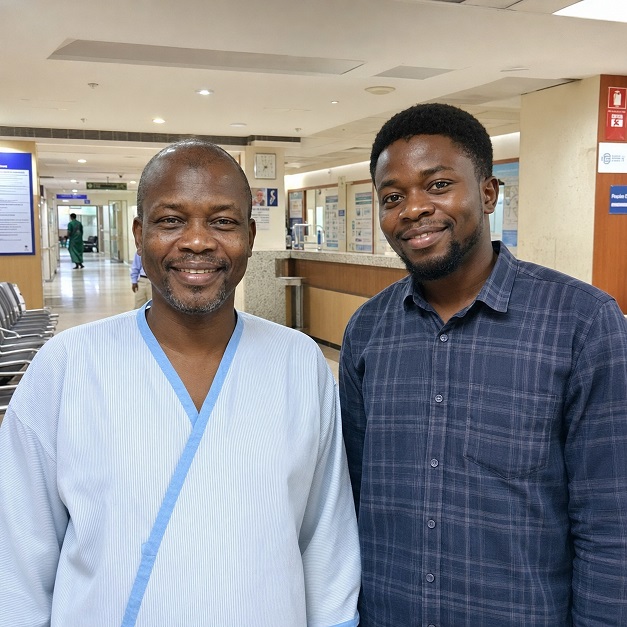
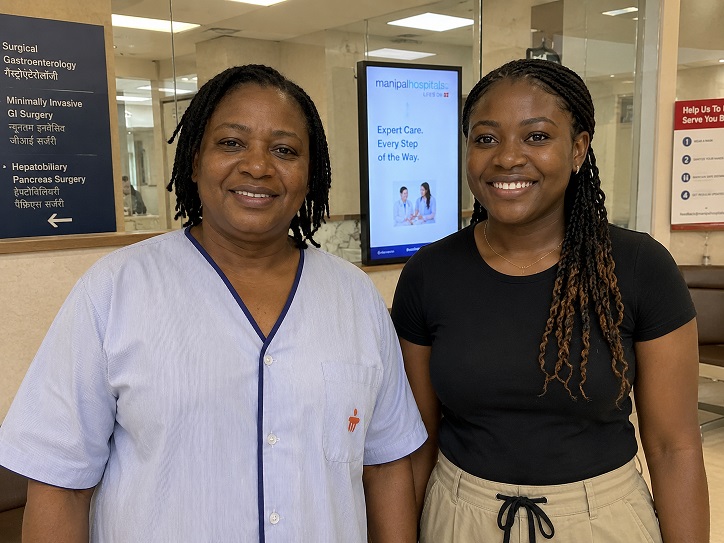
Patient Testimonials from Nigeria

Ready to Take the First Step?
Share your Medical Reports with our Healthcare Managers Today and Get a FREE CONSULTATION, a Personalized Treatment Plan, and Complete Support from Arrival to Recovery.
Get Your Free ConsultationAreas We Serve
This resource has been thoughtfully prepared for patients from Nigeria who are considering medical treatment in India. We also welcome patients from the wider region in the countries mentioned below-
We assist patients from:
- Benin
- Niger
- Chad
- Cameroon
- Algeria
- Egypt
- Libya
- Morocco
- Sudan
- Tunisia
- Gambia
- Ghana
- Burkina Faso
- Cabo Verde
- Côte d'Ivoire
- Equatorial Guinea
- São Tomé and Príncipe
Many of the insights, treatment pathways, hospital recommendations, travel guidance, and patient support services described here are equally relevant and may be used as a reference when planning treatment in India.
From Nigeria to India: Your Complete Patient Support Guide
- Artificial Disc Replacement in India for Nigerian Patients
- Weight Loss and Bariatric Surgery in India for Nigerian Patients
- Bone Marrow Transplant in India for Nigerian Patients
- Brain Tumour Surgery in India for Nigerian Patients
- Breast Cancer Treatment and Surgery in India for Nigerian Patients
- Cancer Treatment and Surgery in India for Nigerian Patients
- Cardiac Arrhythmia and Heart Pacemaker Treatment in India for Nigerian Patients
- Cardiac Surgery in India for Nigerian Patients
- Colorectal Cancer Treatment and Surgery in India for Nigerian Patients
- Complex Orthopaedic and Joint Revision Surgery in India for Nigerian Patients
- Cornea Transplant and Advanced Eye Surgery in India for Nigerian Patients
- CyberKnife Treatment in India for Nigerian Patients
- Gamma Knife Treatment in India for Nigerian Patients
- Heart Failure Treatment and Surgery in India for Nigerian Patients
- Hip Surgery in India for Nigerian Patients
- HIPEC Cancer Surgery in India for Nigerian Patients
- IVF and Fertility Treatment in India for Nigerian Patients
- Joint Arthroscopy and Sports Medicine in India for Nigerian Patients