

Cornea Transplant and Advanced Eye Surgery in India for Nigerian Patients
For sight lost to a scarred, cloudy window at the front of the eye — a problem with a well- established surgical answer, held back almost entirely by one specific, solvable shortage.
Corneal blindness is the fourth leading cause of blindness worldwide, and most of the global burden sits in India and Africa. Corneal transplantation, the established treatment, does not depend on complex machinery or rare surgical skill nearly as much as it depends on one specific, ethically sourced resource: donor human corneal tissue, supplied through a system called eye banking. A global assessment of corneal transplant capacity found developing regions poorly equipped for this, describing Africa specifically as the least prepared region in the world, while India has built one of the largest functioning eye banking systems anywhere, supporting tens of thousands of transplants every year. This guide sets out what corneal transplant and related advanced eye surgery actually cost in India once travel is counted, why the donor tissue shortage, not surgical skill, is the real barrier at home, and what a realistic, sometimes surprisingly long recovery actually involves.
| 4th | 12.7M | 53.3% | 27,000+ |
|---|---|---|---|
| LEADING CAUSE OF BLINDNESS WORLDWIDE IS CORNEAL DISEASE | PEOPLE ESTIMATED WAITING FOR A CORNEAL TRANSPLANT GLOBALLY | OF COUNTRIES WORLDWIDE HAVE NO PRACTICAL ACCESS TO DONOR CORNEAL TISSUE | CORNEAL TRANSPLANTS PERFORMED IN INDIA IN A SINGLE RECENT YEAR |
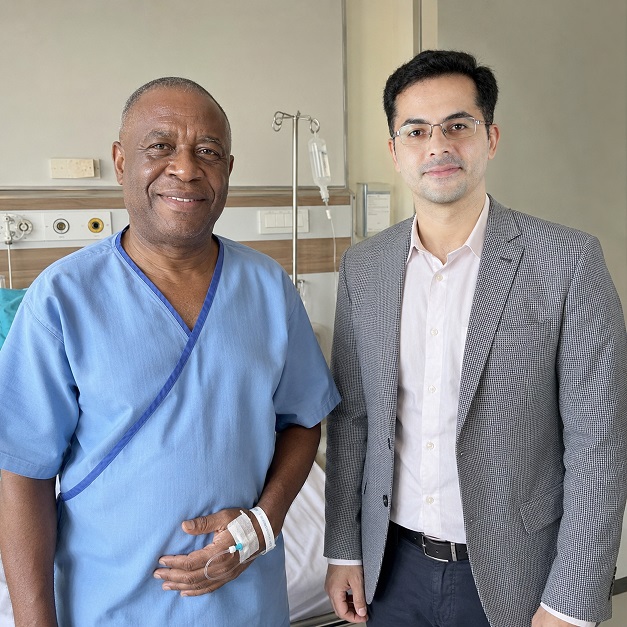
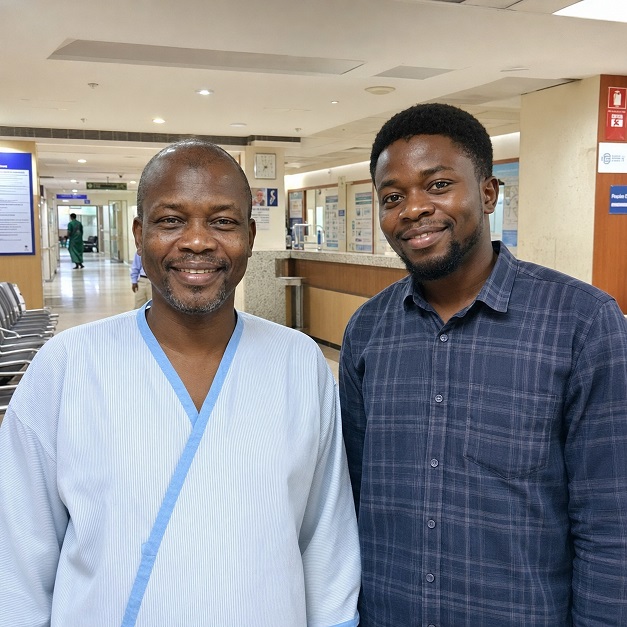
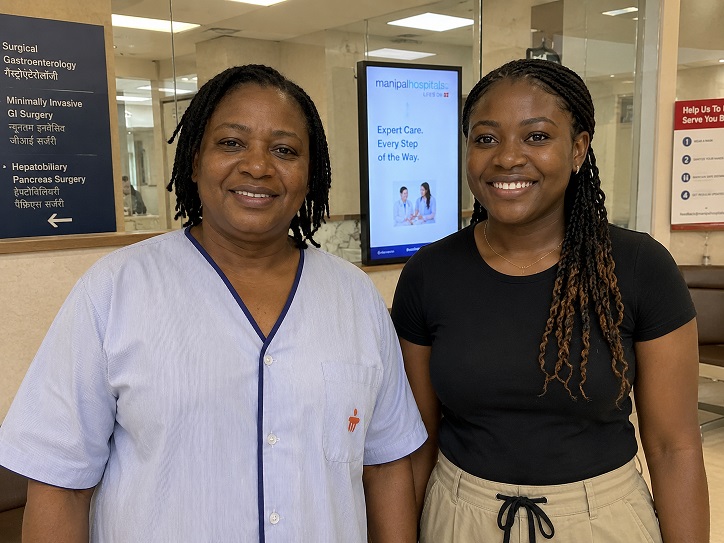
Healing Journeys of Nigerian Patients



Key Takeaways
- Corneal disease is described in the guide as the fourth leading cause of blindness worldwide, with much of the burden concentrated in India and Africa. Globally, approximately 12.7 million people are estimated to be waiting for a corneal transplant.
- The central problem in corneal transplantation is not simply surgical expertise. The document identifies the main constraint as access to ethically donated human corneal tissue through functioning eye-bank systems.
- The guide states that approximately 53.3% of countries worldwide have no practical access to donor corneal tissue, while Africa has been identified as one of the least prepared regions for sustainable eye banking.
- India, by contrast, has developed a large eye-banking system and performs more than 27,000 corneal transplants in a single recent year, giving patients access to donor tissue at a scale not consistently available across much of Africa.
- Nigerian ophthalmologists are described as having appropriate corneal surgical training. The country's main limitation is therefore donor-tissue supply rather than an absence of ophthalmic expertise.
- This access problem can have particularly serious consequences in children, where corneal scarring caused by infection, trauma or nutritional deficiency may represent reversible blindness if transplantation is performed early enough.
- The guide also stresses that not every corneal condition requires transplantation. Keratoconus, especially when detected early, can often be managed with corneal collagen cross-linking before progression reaches transplant-level severity.
- Corneal collagen cross-linking for early progressive keratoconus is listed at approximately US$1,200–2,200 and is generally a day-case procedure.
Quick Facts
- Treatment
- Cornea Transplant and Advanced Corneal Surgery
- Country
- India
- Intended Audience
- Nigerian Patients and Families
- Primary Specialty
- Corneal and Anterior Segment Surgery
- Global Corneal Disease Ranking
- Fourth Leading Cause of Blindness
- Estimated Global Corneal Transplant Waiting Population
- 12.7 Million
- Countries Without Practical Donor-Tissue Access
- 53.3%
- India Corneal Transplants Mentioned
- 27,000+ in a Single Recent Year
- Main Nigeria-Specific Barrier
- Donor Corneal Tissue and Eye-Banking Capacity
- Nigeria Clinical Strength
- Trained Ophthalmologists and Corneal Surgical Expertise
- Primary Transplant Resource
- Ethically Donated Human Corneal Tissue
- Early Keratoconus Treatment
- Corneal Collagen Cross-Linking
- Cross-Linking Donor Tissue Requirement
- None
- Corneal Cross-Linking Cost
- US$1,200–2,200
- Author
- Dr. Dheeraj Bojwani
- Experience
- 24 Years' Experience
In Brief
Corneal transplant in India may provide Nigerian patients with access to reliable donor corneal tissue through India's established eye-banking system. The guide identifies donor-tissue availability, rather than surgical expertise, as the main limitation affecting transplant access across much of Africa. Treatment depends on the depth and cause of corneal disease: early keratoconus may be treated with cross-linking for approximately US$1,200–2,200, while penetrating keratoplasty for full-thickness corneal disease is approximately US$2,500–4,500. Recovery after transplantation is gradual, with sutures removed selectively over many months and vision potentially continuing to improve for a year or more.
01 · the Real Problem
A solved surgical problem, undone by a supply chain
When the cornea, the clear window at the front of the eye, becomes scarred or clouded by injury, infection, or disease, light can no longer reach the retina properly, and vision is lost even though the rest of the eye may be entirely healthy. Corneal transplantation, replacing the damaged tissue with healthy donor cornea, has restored sight to an estimated 2.5 million people worldwide since it was first performed in 1961, and remains, by far, the primary treatment for corneal blindness. In children specifically, corneal scarring is recognised as a leading cause of blindness that is genuinely reversible, provided treatment actually reaches them.
What makes corneal transplant unusual among the procedures in this series is that the binding constraint is rarely surgical expertise. It is tissue supply. A published assessment of corneal transplantation across the developing world found that many countries lack a sustainable eye bank at all, and identified Africa specifically as the region least prepared globally to address this, even as India has built programmes robust enough to perform over 27,000 corneal transplants in a single recent year. Global estimates suggest just over half of all countries have no practical access to donor corneal tissue whatsoever.
This context matters enormously for any Nigerian family facing a corneal blindness diagnosis. The question is rarely whether a surgeon capable of the operation exists. It is whether the tissue the operation depends on can actually be found, and that is a fundamentally different problem to solve than training more surgeons or buying more equipment, since it depends on donor programmes, public willingness to donate, and the cold- chain logistics needed to preserve tissue between donation and transplant.
02 · Nigeria's Capacity
Skill without supply, and a treatable window that closes for children
Nigerian ophthalmologists are trained in corneal surgical technique, and the country's medical schools and teaching hospitals include ophthalmology among their core specialties. What Nigeria shares with much of the wider African region, according to international assessments, is the absence of a mature, self-sufficient eye banking system capable of consistently supplying donor tissue at the scale local need requires. Without that supply, surgical skill alone cannot deliver the operation.
The consequence falls hardest on children, for whom corneal scarring from infection, trauma, or nutritional deficiency is a recognised cause of blindness that would be genuinely reversible with timely transplant, but becomes a permanent, lifelong disability the longer access is delayed, both because donor tissue is scarce and because a young, developing visual system depends on restored clarity arriving while it can still make full use of it.
Earlier intervention, where possible, changes this calculation considerably. Keratoconus, a progressive thinning and bulging of the cornea and one of the more common reasons for transplant globally, can often be halted before it reaches transplant-requiring severity through corneal collagen cross-linking, a far simpler, lower-cost procedure that does not depend on donor tissue at all. Catching this specific condition early, in a teenager or young adult whose vision has started blurring and changing shape, is one of the clearest ways to avoid the donor-tissue bottleneck altogether.
03 · THE TREATMENT MAP
Which procedure, and what it costs
Corneal disease is treated differently depending on cause, depth, and severity, and cost scales accordingly, from a same-day, non-transplant procedure through to full-thickness graft surgery.
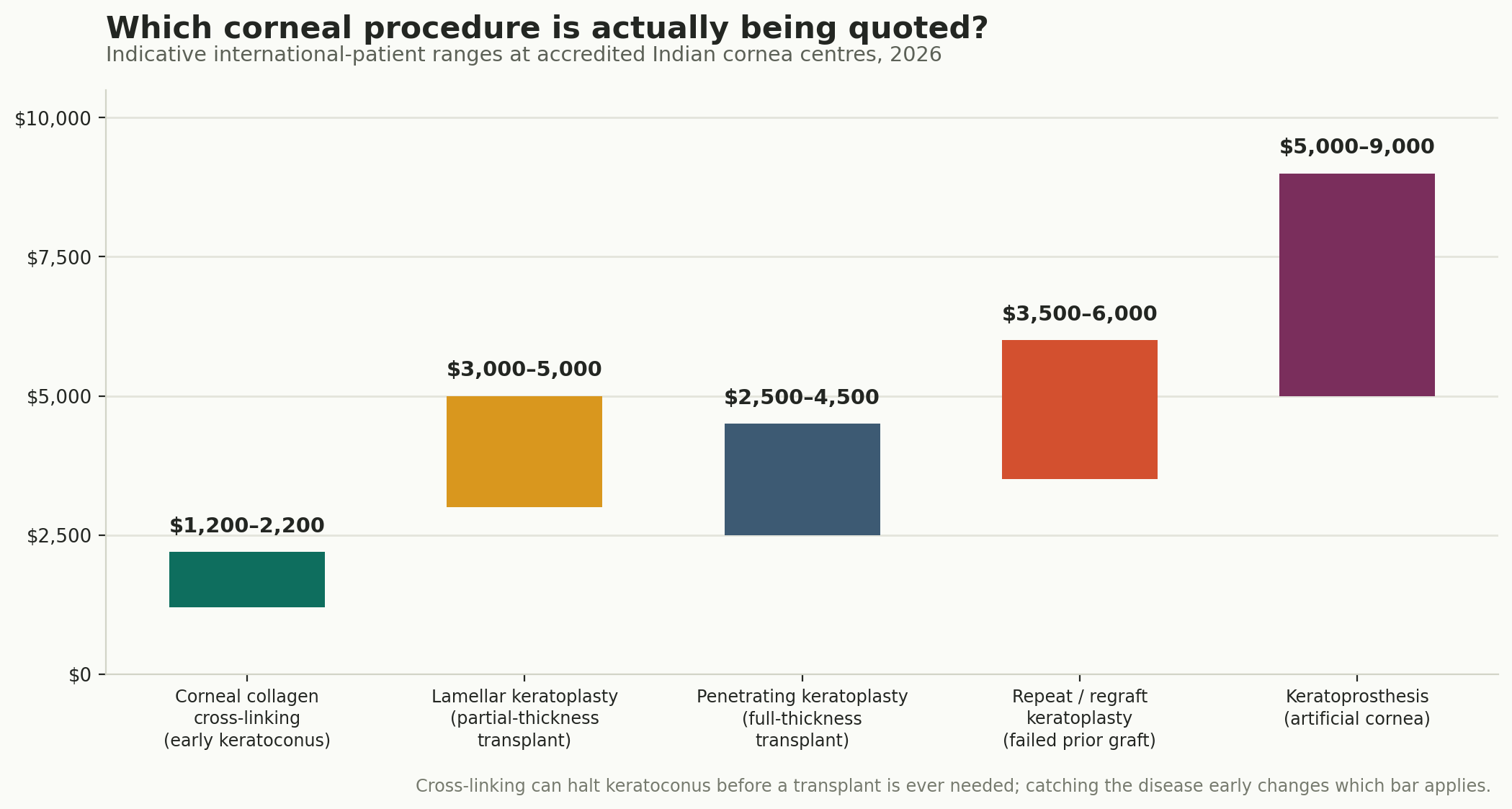
Figure 1. Cross-linking, used for early keratoconus, does not require donor tissue at all; catching disease at this stage is often what keeps a patient off the transplant waiting list entirely.
| Procedure | Typically suits | Indicative cost | Hospital stay |
|---|---|---|---|
| Corneal collagen cross-linking | Early, progressive keratoconus, before significant thinning has occurred | $1,200–2,200 | Day case |
| Lamellar keratoplasty | Disease limited to specific corneal layers, sparing healthy tissue | $3,000–5,000 | 1–2 nights |
| Penetrating keratoplasty | Full-thickness corneal scarring or disease | $2,500–4,500 | 1–2 nights |
| Repeat / regraft keratoplasty | A prior transplant that has failed or been rejected | $3,500–6,000 | 1–2 nights |
| Keratoprosthesis | Repeated graft failure, where an artificial cornea is the remaining option | $5,000–9,000 | 2–3 nights |
Table 1. Indicative international-patient pricing at accredited Indian cornea centres, mid-2026. Figures are planning ranges, not offers, and vary by hospital tier and case complexity.
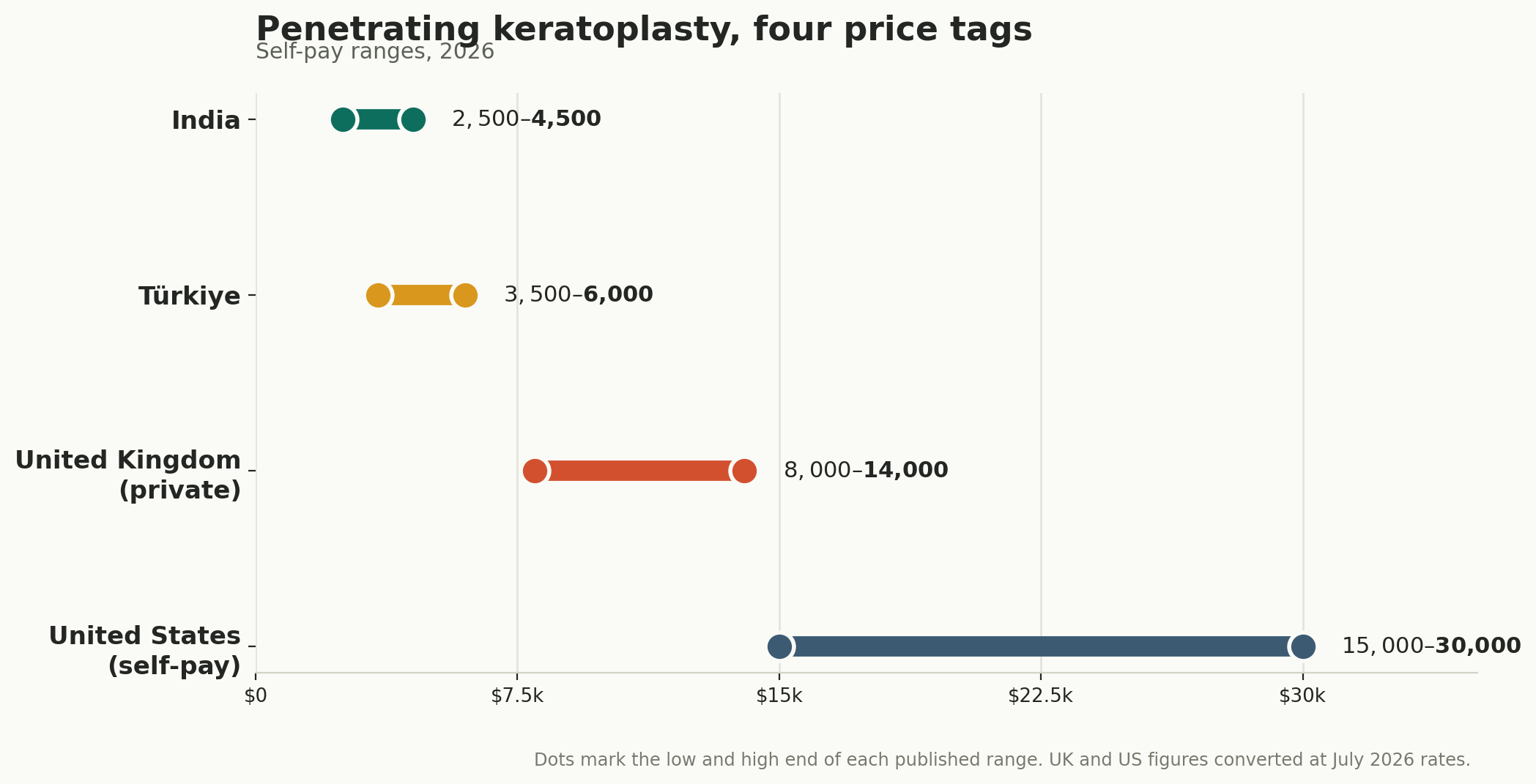
Figure 2. Penetrating keratoplasty, priced across four common destinations for Nigerian medical travellers.
What a proper written quote must itemise
- The exact procedure planned, and which corneal layers are affected
- Confirmation of donor tissue availability and its screening standards, for transplant procedures
- Whether cross-linking alone might be appropriate before a transplant is considered
- The expected suture removal schedule and how many follow-up visits it typically requires
- Written policy on cost and options if graft rejection occurs
04 · the Full Budget
What the whole journey costs, beyond the operation
The surgical fee is the number families anchor on, and the least complete one. A representative pathway — penetrating keratoplasty, one patient and one attendant, roughly two to three weeks in India — adds up like this:
- Surgical package (surgery, donor tissue, hospital stay): $3,000–5,000
- Return flights, two travellers (Lagos/Abuja – Delhi/Mumbai/Chennai): $2,200–3,000
- Pre-surgical workup (corneal topography, biometry, bloodwork): $300–600
- Accommodation, two to three weeks, two people : $1,000–1,600
- Medical and attendant visas (two applications): $400–500
- Contingency for extended monitoring: 15–20% All-in, most families should plan for US$7,500–11,500 for penetrating keratoplasty — roughly ₦10.4–15.9 million at the official mid-July 2026 rate of about ₦1,380 to the dollar, somewhat higher at parallel-market rates near ₦1,410. Cross-linking, where appropriate, runs considerably lower and needs only a short trip.
05 · GETTING THERE
Visa, travel, and a recovery measured in months
India issues a Medical Visa (M) to the patient and a Medical Attendant Visa (MX) to up to two close relatives. Applications go through the High Commission in Abuja or the Consulate General in Lagos by prior appointment, and an e-Medical route turns around in days for straightforward files. The hospital's invitation letter, three months of certified bank statements, and a passport valid six months with two blank pages move the process fastest.
Lagos and Abuja both reach Delhi, Mumbai and Chennai with a single stop, usually via Addis Ababa, Doha, Dubai, Nairobi or Istanbul, a total journey of 13 to 18 hours.
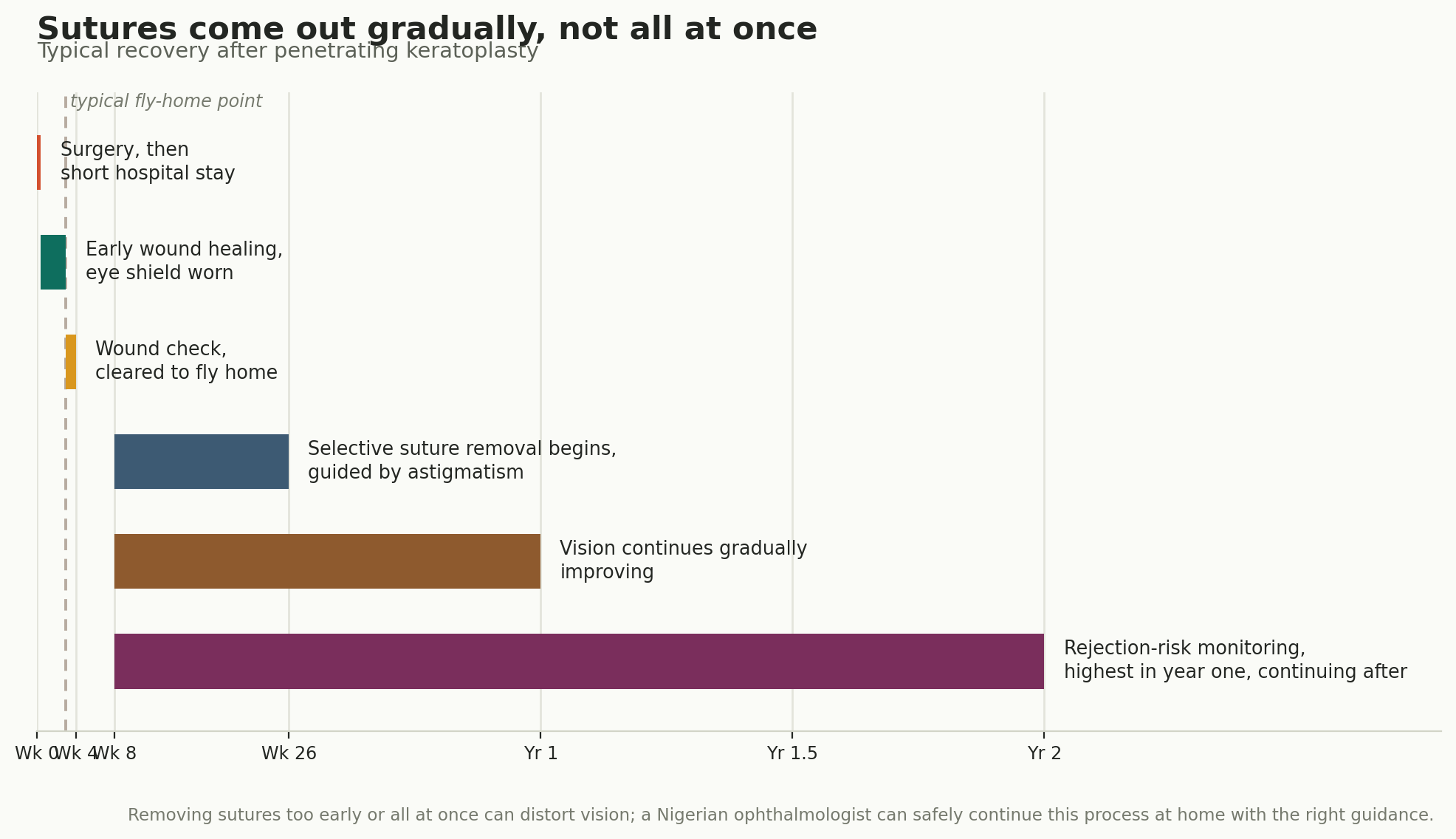
Figure 3. Vision often keeps improving for a year or more after surgery, as sutures are progressively adjusted; this is a genuinely long recovery arc even though the operation itself is brief.
On graft rejection, honestly. The eye can recognise donor corneal tissue as foreign and mount a rejection response, most commonly within the first year but possible later too. Warning signs include redness, pain, light sensitivity, and blurred vision, and any of these after a corneal transplant deserve urgent assessment. Early treatment of rejection can often reverse it before permanent damage occurs.
What has to travel home with the patient
- Full operative note and donor tissue documentation
- A written suture removal schedule that a Nigerian ophthalmologist can safely continue
- Clear, written warning signs of graft rejection, in plain language
- A follow-up visual acuity and topography schedule over the following year
- A named clinician contact for urgent teleconsultation if rejection symptoms appear
06 · THE HONEST COMPARISON
What stays in Nigeria, and what travels
Diagnosis, keratoconus monitoring, and cross-linking where the disease is caught early are all genuinely appropriate to pursue with a Nigerian ophthalmologist, and there is no need to travel for cross-linking specifically, since it does not depend on donor tissue at all.
What has to travel is transplant surgery itself, given the documented scarcity of donor corneal tissue and eye banking infrastructure across the wider African region. For a patient with corneal blindness who is a transplant candidate, India's large, functioning donor tissue system offers access to an operation that, at home, may simply not be reachable regardless of surgical skill.
Before you commit to eye surgery abroad
- Get a confirmed diagnosis, including corneal topography, before contacting any hospital.
- Ask explicitly whether cross-linking could be appropriate instead of, or before, a transplant is considered.
- Confirm the donor tissue source and screening standards for transplant procedures.
- Ask which type of keratoplasty is planned, and why it suits your specific corneal pathology.
- Get the suture removal and follow-up schedule in writing before you leave.
- Establish clear, written graft rejection warning signs before you fly home.
- Identify a Nigerian ophthalmologist to continue monitoring before you travel, not after you return.
- Pay into the hospital's own institutional account only, never an individual's personal account.
Straight Answers for Nigerian Patients about Cornea Transplant and Advanced Eye Surgery in India
Is corneal transplant surgery in India cheaper than the UK or US?
Yes, substantially. Penetrating keratoplasty is indicatively $2,500 to $4,500 in India, against roughly $8,000 to $14,000 privately in the UK and $15,000 to $30,000 self-pay in the United States.
Why is donor cornea tissue such a barrier in Nigeria specifically?
Corneal transplant depends entirely on ethically donated human corneal tissue, managed through eye banking. A global assessment found Africa among the least prepared regions worldwide for sustainable eye banking, while India has built a large, functioning donor tissue system supporting tens of thousands of transplants a year.
Can keratoconus be treated without a transplant?
Often, if caught early. Corneal collagen cross-linking can halt keratoconus progression before it advances to needing a transplant, making early diagnosis genuinely valuable rather than simply preferable.
Do Nigerians need a visa for eye surgery in India?
Yes. You need an Indian Medical Visa from the High Commission in Abuja, the Consulate in Lagos, or the e- Medical route, plus a Medical Attendant Visa for up to two close relatives, with a hospital invitation letter and financial proof.
Why are corneal stitches removed gradually?
Sutures are removed selectively over many months, guided by healing and astigmatism. Removing them too early, or all together, can distort vision; this gradual process is deliberate, not delayed care.
How long does vision take to stabilise after a corneal transplant?
Vision often continues improving gradually for a year or more, as the graft heals and sutures are progressively adjusted or removed. Final visual results are usually not assessed until healing is essentially complete.
Is India better than Nigeria for corneal transplant?
For transplant specifically, yes, given the scarcity of donor corneal tissue and eye banking infrastructure documented across the wider African region. For diagnosis, early keratoconus management, and long-term follow-up, a Nigerian ophthalmologist remains appropriate and important.
A closing word
Corneal blindness sits in an unusual place among the conditions in this series: the surgery that treats it is well established, widely practised, and not especially difficult by the standards of modern ophthalmology. What stands between a patient and their sight is, overwhelmingly, a supply chain problem, not a knowledge problem, and understanding that distinction changes how a family should think about where to seek care.
In twenty-four years of this work, the patients who do best are the ones who pursue cross-linking early if keratoconus is the diagnosis, ask directly about donor tissue sourcing before committing to a transplant centre, and treat the year of gradual suture removal and rejection monitoring that follows as seriously as the surgery itself. The graft restores the window. Watching over it carefully, for the months that follow, is what keeps it clear.
Sources
- 🌐 American Academy of Ophthalmology — Corneal transplant, patient information
- 🌐 NHS (UK) — Corneal transplant: overview – nhs.uk
- 🌐 Corneal Transplantation in the Developing World. Cornea, journal of the Cornea Society
- 🌐 International Agency for the Prevention of Blindness — Corneal Surgery, Transplant Tissue, and Eye Banking
- 🌐 Cornea Transplantation. StatPearls, NCBI Bookshelf, 2024
- 🌐 High Commission of India, Abuja — Medical and Medical Attendant Visa requirements
Frequently Asked Questions by Nigerians about Cornea Transplant and Advanced Eye Surgery in India
Is corneal transplant surgery in India cheaper than the UK or US?
Yes, according to the guide. Penetrating keratoplasty is approximately US$2,500–4,500 in India, compared with roughly US$8,000–14,000 privately in the UK and US$15,000–30,000 self-pay in the US.
Why is donor corneal tissue difficult to access in Nigeria?
Corneal transplantation depends on ethically donated tissue collected, screened and distributed through eye banks. The guide identifies the lack of a mature, self-sufficient eye-banking system as the main access limitation.
Can keratoconus be treated without a corneal transplant?
Often, yes, when diagnosed early. Corneal collagen cross-linking can halt progression before the cornea deteriorates enough to require transplantation.
How much does corneal cross-linking cost in India?
The guide lists approximately US$1,200–2,200. It is generally performed as a day-case procedure and does not require donor corneal tissue.
How much does a full corneal transplant cost in India?
Penetrating keratoplasty is listed at approximately US$2,500–4,500. The guide estimates an all-in medical-travel budget of about US$7,500–11,500 for one patient and one attendant.
Why are stitches removed gradually after a corneal transplant?
Sutures are removed selectively according to healing and astigmatism. Removing them too early or all at once may distort vision, so gradual removal is part of planned care.
How long does vision take to stabilise after corneal transplant?
Vision may continue improving for a year or longer as the graft heals and sutures are progressively adjusted or removed. Final results are usually assessed only after healing is largely complete.
What are the warning signs of corneal graft rejection?
The guide lists redness, eye pain, light sensitivity and blurred vision. Any of these symptoms after a transplant require urgent ophthalmic assessment.
Do Nigerian patients need a visa for corneal transplant in India?
Yes. The document specifies an Indian Medical Visa and a Medical Attendant Visa for up to two close relatives, supported by a hospital invitation letter and financial documentation.
Is India always better than Nigeria for corneal treatment?
No. Diagnosis, early keratoconus treatment, cross-linking and long-term monitoring can appropriately remain in Nigeria. India becomes particularly relevant when a patient genuinely requires donor-tissue transplantation because of the documented tissue-supply gap.
Page Summary
This guide presents corneal transplantation as an unusual medical-access problem because the treatment itself is well established, but the donor tissue needed to perform it remains scarce across much of Africa. The document explains that corneal disease is the fourth leading cause of blindness globally and that approximately 12.7 million people are waiting for transplantation. More than half of countries have no practical access to donor corneal tissue.
Citation Block
| Topic | Information |
|---|---|
| Topic Information | Cornea Transplant and Advanced Eye Surgery in India for Nigerian Patients |
| Treatment | Corneal Transplantation and Advanced Corneal Surgery |
| Country | India |
| Intended Audience | Nigerian Patients and Families |
| Conditions Covered | Corneal Scarring, Keratoconus, Graft Failure and Other Corneal Disease |
| Primary Barrier in Nigeria | Donor Corneal Tissue Availability |
| Primary Supply System | Eye Banking |
| Global Waiting Population Mentioned | 12.7 Million |
| India Transplants Mentioned | 27,000+ in a Recent Year |
| Primary Diagnostic Test | Corneal Topography |
| Hospital Stay | Day Case to Approximately 3 Nights |
| Representative India Stay | Approximately 2–3 Weeks |
| All-In Penetrating Keratoplasty Budget | US$7,500–11,500 |
| Recovery | Vision May Improve for a Year or More |
| Suture Removal | Gradual Over Many Months |
| Major Complication | Graft Rejection |
| Rejection Warning Signs | Redness, Pain, Light Sensitivity and Blurred Vision |
| Nigeria Appropriate Care | Diagnosis, Cross-Linking, Monitoring and Long-Term Follow-Up |
| Travel More Relevant For | Donor-Tissue Corneal Transplantation |
| Medical Visa | Indian Medical Visa |
| Attendant Visa | Medical Attendant Visa for Up to Two Close Relatives |
| Author | Dr. Dheeraj Bojwani |
| Experience | 24 Years' Experience |


Our Mission Statement
Our mission is to place patients at the centre of every healthcare decision by providing trustworthy, evidence-based, and unbiased medical information. We believe that informed patients make better decisions. Backed by personalised guidance from our experienced advisory team, we help patients understand their treatment options, compare them objectively, and confidently choose the path that best suits their medical needs and personal circumstances.
Patient Testimonials from Nigeria
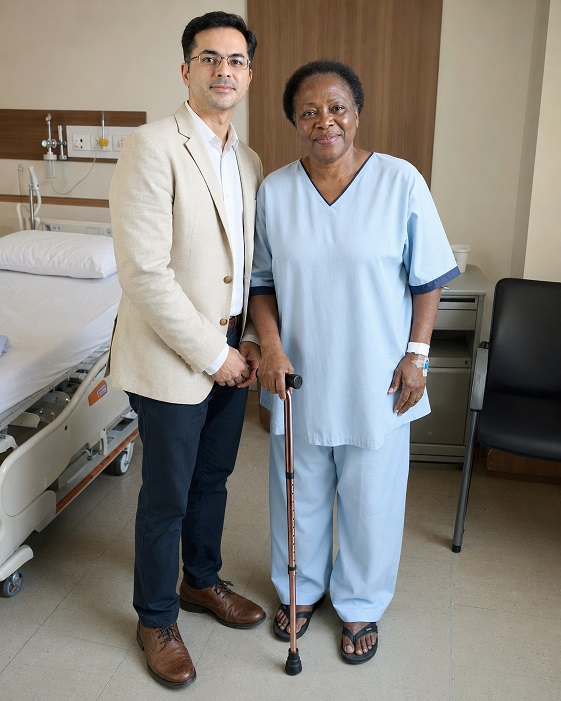
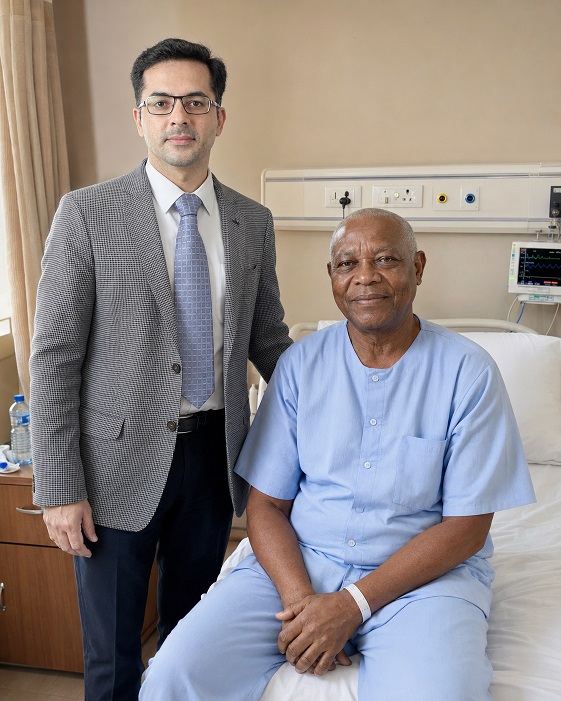
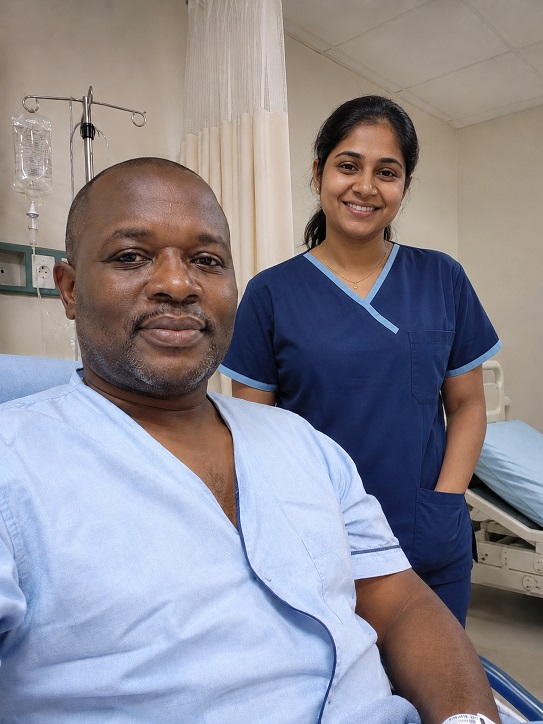

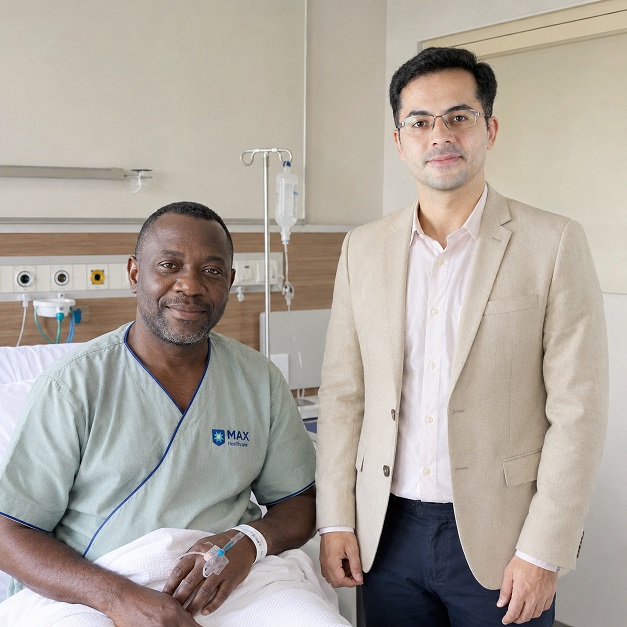
Ready to Take the First Step?
Share your Medical Reports with our Healthcare Managers Today and Get a FREE CONSULTATION, a Personalized Treatment Plan, and Complete Support from Arrival to Recovery.
Get Your Free ConsultationAreas We Serve
This resource has been thoughtfully prepared for patients from Nigeria who are considering medical treatment in India. We also welcome patients from the wider region in the countries mentioned below-
We assist patients from:
- Benin
- Niger
- Chad
- Cameroon
- Algeria
- Egypt
- Libya
- Morocco
- Sudan
- Tunisia
- Gambia
- Ghana
- Burkina Faso
- Cabo Verde
- Côte d'Ivoire
- Equatorial Guinea
- São Tomé and Príncipe
Many of the insights, treatment pathways, hospital recommendations, travel guidance, and patient support services described here are equally relevant and may be used as a reference when planning treatment in India.
From Nigeria to India: Your Complete Patient Support Guide
- Artificial Disc Replacement in India for Nigerian Patients
- Weight Loss and Bariatric Surgery in India for Nigerian Patients
- Bone Marrow Transplant in India for Nigerian Patients
- Brain Tumour Surgery in India for Nigerian Patients
- Breast Cancer Treatment and Surgery in India for Nigerian Patients
- Cancer Treatment and Surgery in India for Nigerian Patients
- Cardiac Arrhythmia and Heart Pacemaker Treatment in India for Nigerian Patients
- Cardiac Surgery in India for Nigerian Patients
- Colorectal Cancer Treatment and Surgery in India for Nigerian Patients
- Complex Orthopaedic and Joint Revision Surgery in India for Nigerian Patients
- Cornea Transplant and Advanced Eye Surgery in India for Nigerian Patients
- CyberKnife Treatment in India for Nigerian Patients
- Gamma Knife Treatment in India for Nigerian Patients
- Heart Failure Treatment and Surgery in India for Nigerian Patients
- Hip Surgery in India for Nigerian Patients
- HIPEC Cancer Surgery in India for Nigerian Patients
- IVF and Fertility Treatment in India for Nigerian Patients
- Joint Arthroscopy and Sports Medicine in India for Nigerian Patients