

Complex Orthopaedic and Joint Revision Surgery in India for Nigerian Patients
For the hip or knee replacement that worked well for years, and then quietly stopped — and why fixing it the second time is a different, harder operation than the first.
A February 2026 study across two of Nigeria's major orthopaedic hospitals, in Lagos and Enugu, found infection rates after knee replacement running from 2.6 up to 4.2 percent, notably higher than the 1 to 2 percent typically reported in high-income countries, and the study's own authors framed this plainly: periprosthetic joint infection has a higher incidence rate in developing countries. As Nigeria's own volume of primary hip and knee replacements has grown in recent years, that elevated infection rate points to something easy to miss: a proportionally larger wave of revision surgery, the harder, more expensive operation that follows when a joint replacement fails, either from infection or from years of ordinary wear. This guide sets out what revision surgery actually involves, what it costs in India once travel is counted, why an infected joint replacement is treated as two separate operations rather than one, and what Nigeria's own capacity for this specific, more demanding category of surgery looks like today.
| 2.6–4.2% KNEE REPLACEMENT INFECTION RATE FOUND IN | 1–2% TYPICAL INFECTION RATE AFTER KNEE | #1 INFECTION IS NOW THE LEADING REASON FOR | 70–85% TYPICAL SAVING ON AN EQUIVALENT INDIA |
|---|---|---|---|
| A 2026 SOUTHERN NIGERIA STUDY | REPLACEMENT IN HIGH-INCOME COUNTRIES | REVISION SURGERY WORLDWIDE | PATHWAY VS. THE US |
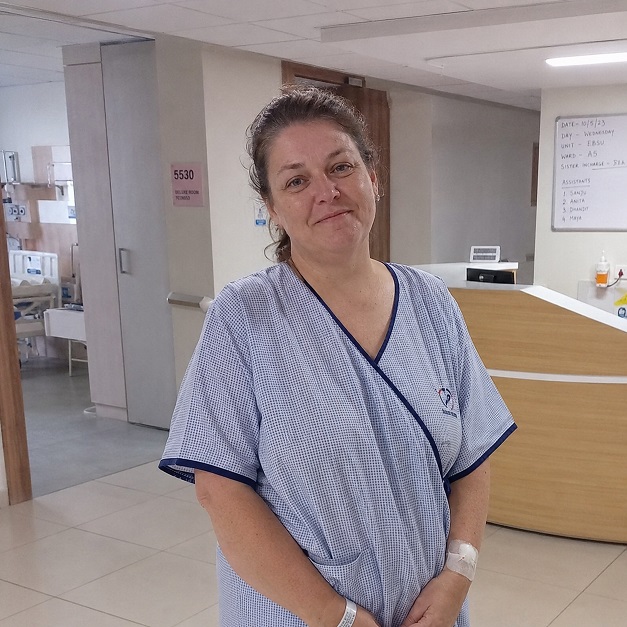
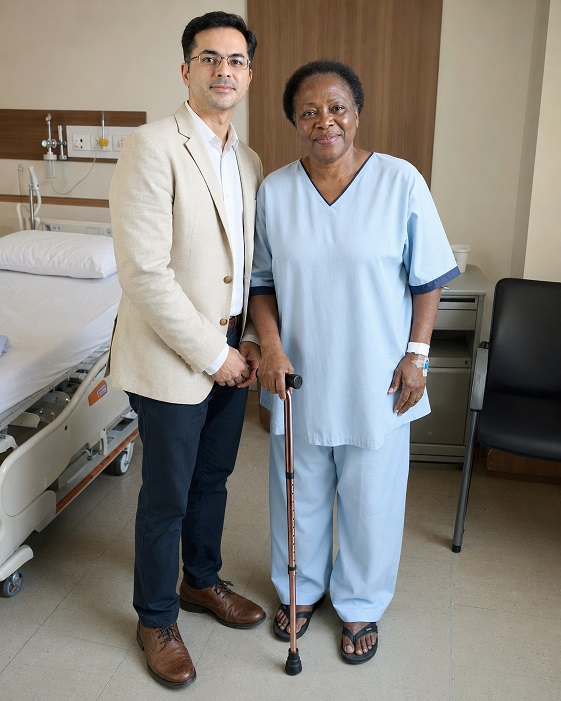
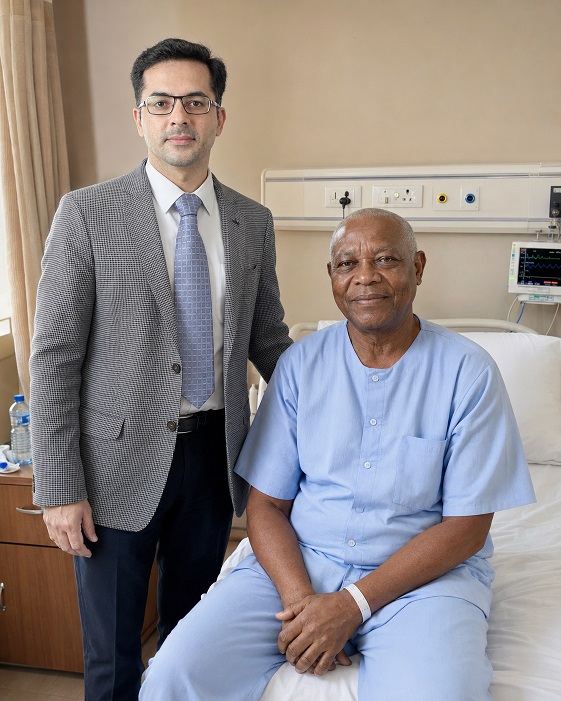
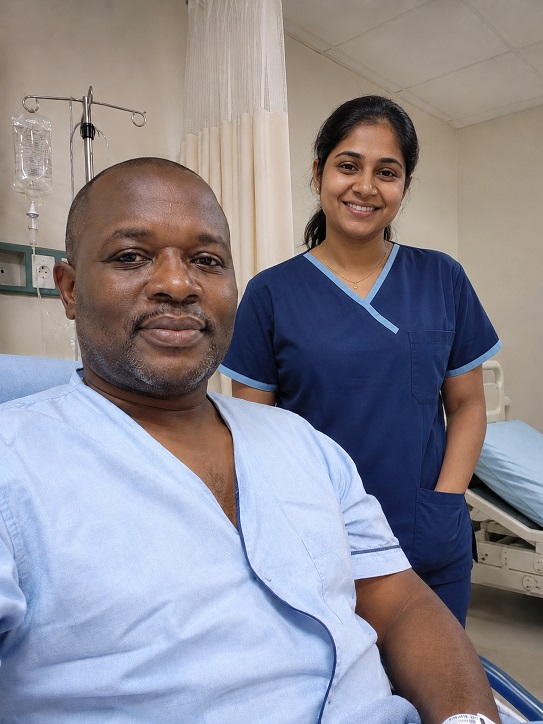
Healing Journeys of Nigerian Patients
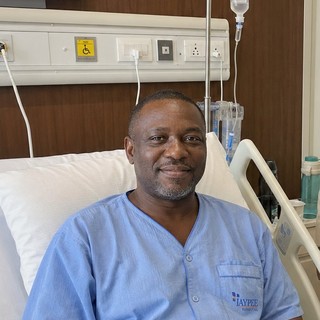
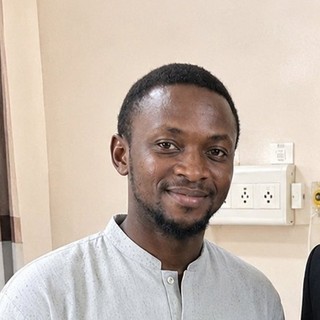
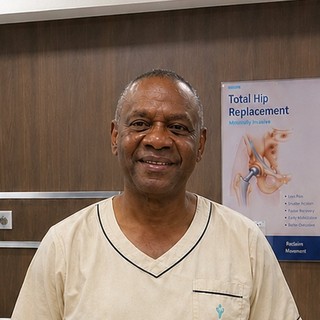
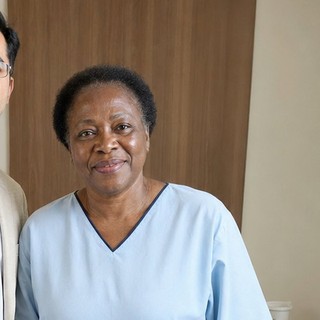


Key Takeaways
- Revision joint surgery is fundamentally different from a first hip or knee replacement. The guide explains that it generally takes longer in theatre, requires specialised revision implants and may need bone grafts or metal augments to compensate for bone lost around the original prosthesis.
- A February 2026 study across two major orthopaedic hospitals in Lagos and Enugu found infection rates after knee replacement of 2.6–4.2%, compared with approximately 1–2% typically reported in high-income countries.
- The guide identifies periprosthetic joint infection as the leading reason for revision surgery worldwide.
- A joint replacement is not permanent. Even a well-performed hip or knee replacement typically has a lifespan of approximately 15–20 years, although failure can occur earlier.
- Two major reasons for revision are aseptic loosening and periprosthetic joint infection. Aseptic loosening occurs when the implant gradually loses its fixation to the bone without infection, while periprosthetic infection occurs when bacteria colonise the implant.
- The Nigerian study cited in the document was drawn from a growing registry of almost 400 primary joint replacements across two hospitals since 2022.
- Nigeria has approximately 350 orthopaedic surgeons for a population exceeding 223 million, but the subset with high-volume revision arthroplasty experience is considerably smaller.
- Complex infected revision surgery additionally requires infectious-disease support, reliable microbiology culture and sensitivity testing, intravenous antibiotic management and access to specialised implants.
- The guide does not state that revision surgery cannot be performed in Nigeria. Straightforward aseptic revisions can be performed successfully at experienced Nigerian centres. The largest gap involves complex infected revisions requiring a genuine two-stage approach.
- An aseptic single-component revision, where one part of the original implant has loosened but the remainder is intact, is listed at approximately US$6,000–10,000, with a hospital stay of 3–5 nights.
Quick Facts
- Treatment
- Complex Joint Revision / Revision Arthroplasty
- Country
- India
- Intended Audience
- Nigerian Patients and Families
- Primary Joints Covered
- Hip and Knee
- Primary Reasons for Revision
- Aseptic Loosening and Periprosthetic Joint Infection
- Other Causes Mentioned
- Mechanical Wear, Dislocation and Fracture Around the Implant
- Typical Primary Joint Replacement Lifespan
- Approximately 15–20 Years
- Leading Global Reason for Revision
- Infection
- Nigeria Knee Replacement Infection Rate Mentioned
- 2.6–4.2%
- High-Income Country Infection Comparison
- Approximately 1–2%
- Nigerian Registry Size Mentioned
- Nearly 400 Primary Procedures
- Nigeria Orthopaedic Surgeons Mentioned
- Approximately 350
- First Critical Assessment
- Determine Whether Failure Is Aseptic or Infected
- Infection Assessment
- Joint-Fluid Analysis, Cultures and Infection Markers
- Aseptic Single-Component Revision Cost
- US$6,000–10,000
- Hospital Stay
- 3–5 Nights
- Aseptic Full-Component Revision Cost
- US$9,000–15,000
- Hospital Stay
- 5–7 Nights
- Two-Stage Infection Revision – Stage 1
- US$6,500–11,000
- Stage 1 Hospital Stay
- 5–8 Nights
- Stage 1 Procedure
- Implant Removal and Antibiotic Spacer
- Two-Stage Infection Revision – Stage 2
- US$9,000–15,000
- Stage 2 Hospital Stay
- 5–7 Nights
- Stage 2 Procedure
- Permanent Reimplantation After Infection Clearance
- Complex Revision With Bone Grafting
- US$14,000–24,000
- Author
- Dr. Dheeraj Bojwani
- Experience
- 24 Years' Experience
In Brief
Complex hip or knee revision surgery in India for Nigerian patients is considerably more demanding than a first joint replacement because the surgeon must address the reason the original implant failed, possible bone loss and, in some cases, infection. Aseptic full-component revision is listed at approximately US$9,000–15,000, while an infected joint generally requires two separate operations: implant removal and antibiotic-spacer placement followed weeks later by permanent reimplantation after infection clearance. A complete two-stage infected revision pathway is estimated at approximately US$24,000–35,000 including major travel-related costs. The guide emphasises that infection should be confirmed through joint-fluid analysis and microbiological testing rather than assumed.
01 · the Real Problem
A second wave that follows the first, years later
A joint replacement is not permanent. Even a well-performed hip or knee replacement has a finite lifespan, typically fifteen to twenty years, and can fail earlier for two main reasons. Aseptic loosening happens when the bond between implant and bone gradually weakens over years of normal use, without any infection involved. Periprosthetic joint infection happens when bacteria colonise the implant itself, sometimes within weeks of the original surgery and sometimes years later, and has become, globally, the single leading reason patients need revision surgery at all.
The February 2026 study from Lagos and Enugu is the clearest recent data point on how this plays out in Nigeria specifically: knee replacement infection rates of 2.6 to 4.2 percent, against a typical 1 to 2 percent in wealthier countries, drawn from a growing registry of nearly four hundred primary procedures across just two hospitals since 2022. That gap matters because it is not a one-off statistic; it is a leading indicator. As more Nigerians undergo primary joint replacement, a meaningfully larger share of them, relative to patients elsewhere, are likely to eventually need the harder operation that follows an infected or failed implant.
None of this is a reason to avoid a first joint replacement when one is genuinely needed. It is a reason to know, going in, what the warning signs of a failing implant look like, and where a genuinely complex revision, if one becomes necessary, can be performed well.
02 · Nigeria's Capacity
A harder operation, sitting on top of an already thin base
Nigeria's primary joint replacement capacity has grown in recent years, and hospitals in Lagos and Enugu are now running structured arthroplasty registries tracking outcomes prospectively, a genuine sign of maturing practice. Revision surgery, however, is not simply a repeat of the original operation. It typically takes considerably longer in theatre, requires specialised implant systems built to bridge bone loss around the original prosthesis, and often needs bone grafting or metal augments not stocked as routine inventory everywhere primary replacements are performed.
Against roughly 350 orthopaedic surgeons for a population above 223 million, the subset with specific, high- volume experience in revision arthroplasty, and particularly in the two-stage management of an infected joint, is thinner still. Managing an infected revision well also depends on infectious disease support, reliable microbiology culture and sensitivity testing, and the ability to source and monitor prolonged intravenous antibiotic therapy safely, capabilities that are not uniformly available outside a small number of centres.
None of this means revision surgery cannot be done in Nigeria. Straightforward aseptic revisions are performed successfully at experienced centres. It means the complex end of this category, particularly infected revisions needing a genuine two-stage approach, is where the gap between what is needed and what is consistently available becomes most significant.
03 · THE TREATMENT MAP
Which revision, and what it costs
Revision surgery is priced and planned very differently depending on whether infection is involved. An aseptic revision, treating loosening or wear without infection, is generally a single, longer operation. An infected revision is planned from the outset as two separate procedures, weeks apart.
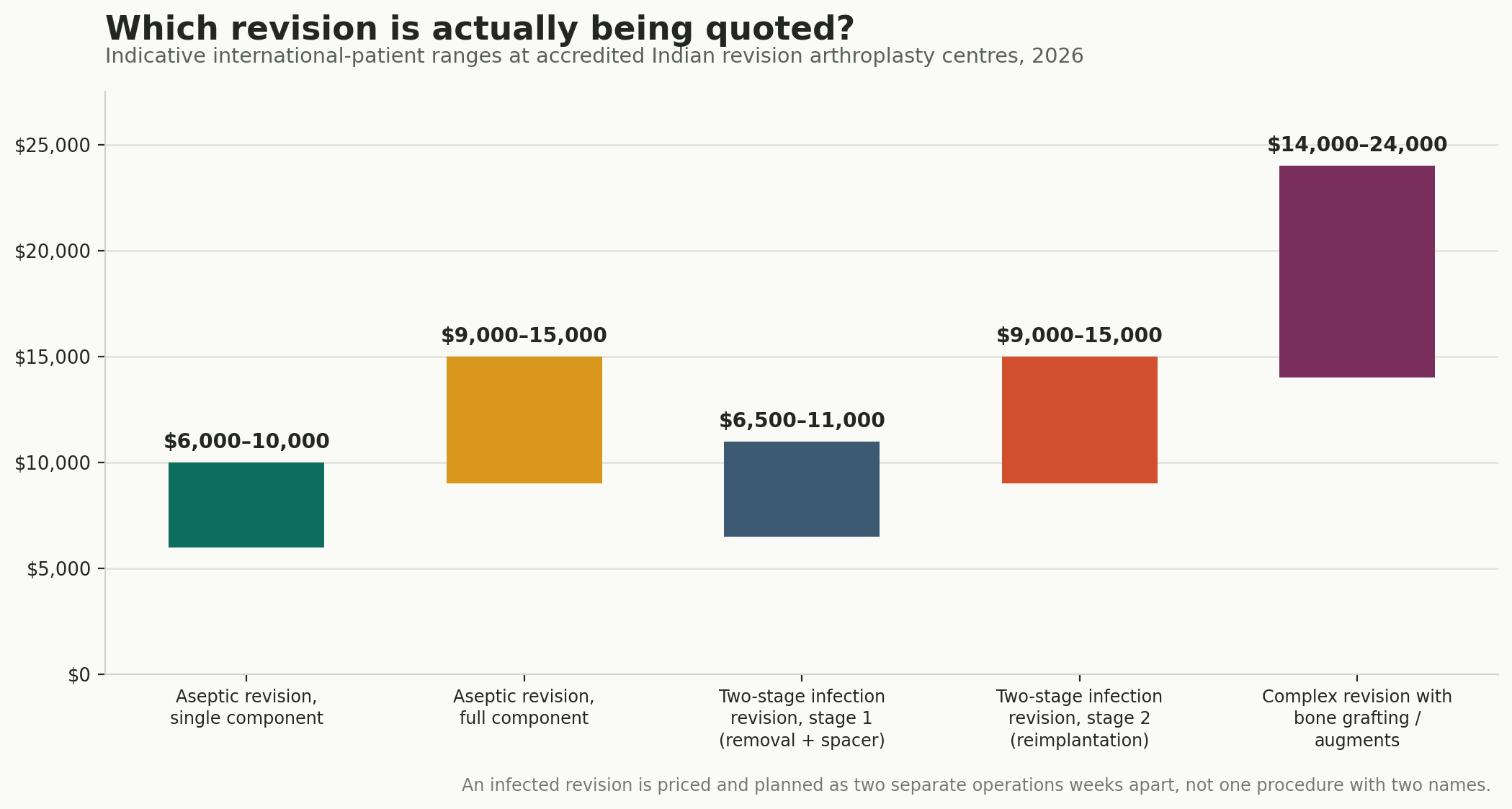
Figure 1. An infected revision's two stages are quoted and billed as genuinely separate procedures, not one operation split into two visits; budget for both explicitly.
| Procedure | Typically suits | Indicative cost | Hospital stay |
|---|---|---|---|
| Aseptic revision, single component | One part of the original implant loosened, the rest intact | $6,000–10,000 | 3–5 nights |
| Aseptic revision, full component | Both major components loosened or worn, no infection present | $9,000–15,000 | 5–7 nights |
| Two-stage infection revision, stage 1 | Confirmed periprosthetic infection; implant removal and antibiotic spacer | $6,500–11,000 | 5–8 nights |
| Two-stage infection revision, stage 2 | Reimplantation once infection markers confirm clearance | $9,000–15,000 | 5–7 nights |
| Complex revision with bone grafting | Significant bone loss around the original implant | $14,000–24,000 | 7–10 nights |
Table 1. Indicative international-patient pricing at accredited Indian revision arthroplasty centres, mid-2026. Figures are planning ranges, not offers, and vary by joint, implant system, and degree of bone loss.
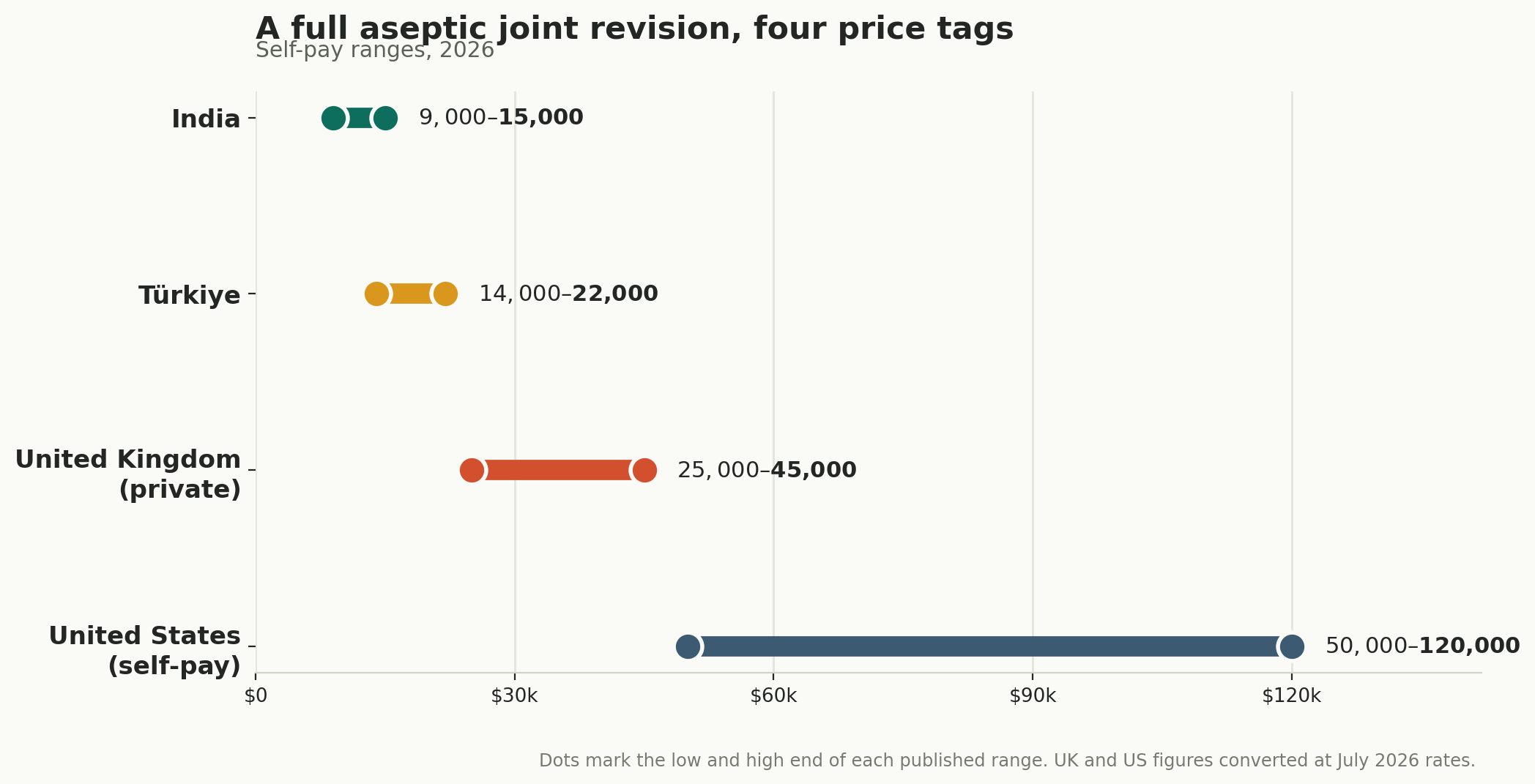
Figure 2. A full aseptic joint revision, priced across four common destinations for Nigerian medical travellers.
What a proper written quote must itemise
- Whether the case is aseptic or infected, confirmed by joint fluid analysis, not assumed
- Implant system planned, including whether specialised augments or a custom implant may be needed
- For infected cases, the full cost of both stages, not just the first operation
- Who manages the intravenous antibiotic course between stages, and where
- Written policy on cost if bone loss is more extensive than imaging suggested
04 · the Full Budget
What the whole journey costs, beyond the surgical fee
The surgical fee is the number families anchor on, and the least complete one. A representative pathway — two-stage infection revision, one patient and one attendant, roughly ten to twelve weeks in India covering both stages — adds up like this:
- Surgical package, both stages (removal, spacer, reimplantation, hospital stays): $16,000–25,000
- Return flights, two travellers (Lagos/Abuja – Delhi/Mumbai/Chennai): $2,200–3,000
- Pre-surgical workup (joint fluid analysis, imaging, cultures): $600–1,100
- Extended accommodation, ten to twelve weeks, two people : $2,500–4,000
- Medical and attendant visas (extended validity, two applications): $450–600
- Contingency for extended antibiotic therapy or delayed clearance: 15–20% All-in, most families should plan for US$24,000–35,000 for a full two-stage infection revision — roughly ₦33.1–48.3 million at the official mid-July 2026 rate of about ₦1,380 to the dollar, somewhat higher at parallel-market rates near ₦1,410. A straightforward aseptic revision, without infection, runs considerably lower and needs a shorter stay, closer to the figures in Table 1 plus travel and accommodation for two to three weeks.
05 · Getting There
Visa, travel, and why two trips are sometimes one long one
India issues a Medical Visa (M) to the patient and a Medical Attendant Visa (MX) to up to two close relatives. Applications go through the High Commission in Abuja or the Consulate General in Lagos by prior appointment. For a two-stage infection revision specifically, request extended visa validity from the outset, since the safest and most practical approach is usually to remain near the treating centre for the full antibiotic course between stages rather than flying home and returning.
Lagos and Abuja both reach Delhi, Mumbai and Chennai with a single stop, usually via Addis Ababa, Doha, Dubai, Nairobi or Istanbul, a total journey of 13 to 18 hours.
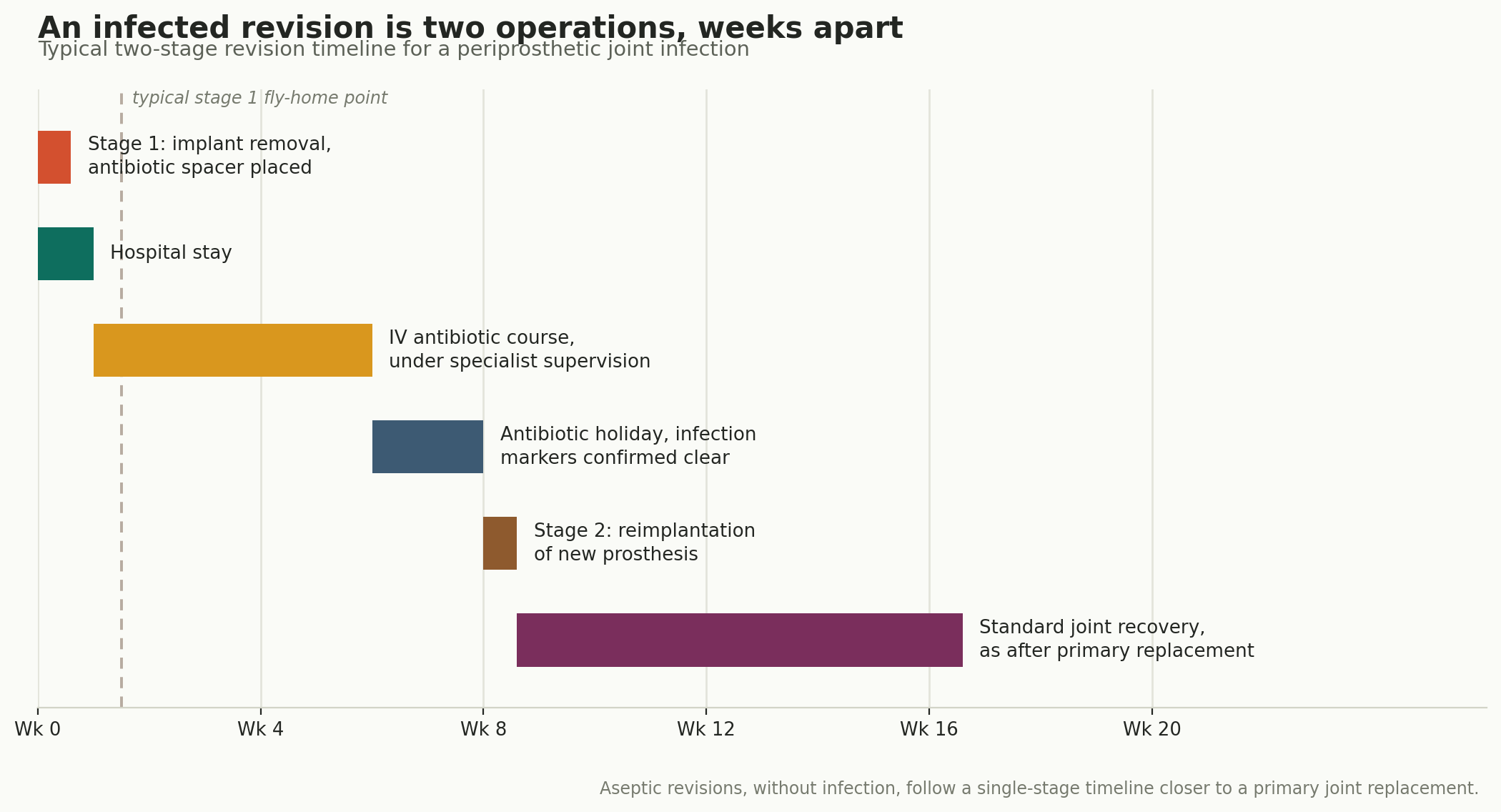
Figure 3. The gap between the two stages is not downtime; it is the period doing the actual work of clearing the infection before a new, permanent implant can safely be placed.
On why patience here matters so much. Proceeding to reimplantation before infection markers have genuinely normalised is one of the most common, avoidable causes of a revision failing a second time. If a centre proposes skipping the antibiotic holiday and confirmatory testing to shorten the timeline, treat that as a serious warning sign, not a convenience.
What has to travel home with the patient
- Full operative notes for both stages, including implant details and culture results
- A written rehabilitation plan, since revision recovery is generally slower than after a primary replacement
- Discharge medication using generic names available in Nigerian pharmacies
- A long-term monitoring schedule, given the higher re-revision risk this category of surgery carries
- A named clinician contact for teleconsultation if pain, swelling, or fever recur
06 · THE HONEST COMPARISON
What stays in Nigeria, and what travels
Straightforward aseptic revisions, without infection, are performed successfully at Nigeria's more experienced arthroplasty centres, and a patient with a clear, uncomplicated case has a genuine local option worth exploring first.
What tips the calculation toward travelling is exactly the complex end of this category: confirmed periprosthetic infection needing a genuine two-stage approach with reliable microbiology and infectious disease support, and cases with significant bone loss needing specialised implant systems. Given how strongly revision outcomes depend on a centre's specific case volume in this narrower subspecialty, that concentration of experience is a real, legitimate factor for these more complex cases.
Before you commit to revision surgery abroad
- Get joint fluid analysis to confirm whether the failure is infected or aseptic before assuming either.
- Ask explicitly whether a one-stage or two-stage approach is planned for an infected case, and why.
- Confirm the centre's specific case volume in revision arthroplasty, not just primary joint replacement.
- For two-stage cases, get the full cost of both stages in writing before committing to the first.
- Ask who manages intravenous antibiotics between stages, and whether that can happen locally or must be at the treating centre.
- Confirm infection markers will be checked and confirmed clear before reimplantation, not skipped to save time.
- Establish the long-term monitoring schedule before you leave, given the higher re-revision risk.
- Pay into the hospital's own institutional account only, never an individual's personal account.
Straight Answers for Nigerian Patients about Complex Orthopaedic and Joint Revision Surgery in India
Is joint revision surgery in India cheaper than the UK or US?
Yes, substantially. A full aseptic joint revision is indicatively $9,000 to $15,000 in India, against roughly $25,000 to $45,000 privately in the UK and $50,000 to $120,000 self-pay in the United States.
Why would a joint replacement need revision at all?
The two leading reasons are aseptic loosening, where the implant gradually separates from the bone, and periprosthetic joint infection, where bacteria colonise the implant. Less commonly, dislocation, mechanical wear, or a fracture around the implant is the cause.
Why does an infected joint replacement need two separate operations?
Bacteria can form a protective layer on an implant's surface that antibiotics alone cannot penetrate. The infected implant is generally removed first and replaced with a temporary antibiotic spacer, followed by weeks of intravenous antibiotics, before a new permanent prosthesis is implanted once infection markers confirm clearance.
Do Nigerians need a visa for revision surgery in India?
Yes. You need an Indian Medical Visa from the High Commission in Abuja, the Consulate in Lagos, or the e- Medical route, plus a Medical Attendant Visa for up to two close relatives, with a hospital invitation letter and financial proof.
Is revision surgery more complicated than the original replacement?
Yes, considerably. Revision surgery generally takes longer, often needs specialised implants and bone grafting to address bone loss around the original prosthesis, and carries a higher complication rate than a first-time joint replacement.
How would I know if my joint replacement is failing?
New or worsening pain, swelling, warmth, instability, or a change in how the joint feels compared to shortly after the original surgery are reasons to seek assessment. Fever with joint pain, at any point after the original surgery, needs urgent evaluation for possible infection.
Is India better than Nigeria for joint revision surgery?
For complex or infected revisions specifically, often yes, given how much more demanding this surgery is than a primary joint replacement and how concentrated Nigeria's revision-specific capacity remains. Straightforward cases may still be manageable at an experienced Nigerian centre.
A closing word
A joint replacement is not a single decision made once. It is the start of a relationship with that joint that can, for a meaningful minority of patients, eventually need a second, harder chapter. Nigeria's rising primary joint replacement volume is genuinely good news; its somewhat higher infection rate is a real, documented signal that the second chapter deserves planning for, not denial.
In twenty-four years of this work, the patients who navigate revision surgery best get a precise diagnosis of why the original implant failed, ask directly about a centre's specific revision case volume, and respect the antibiotic holiday and confirmatory testing between stages of an infected revision even when the wait feels unbearable. The first operation gave someone back their mobility once. The second, done properly, is what makes that gift last.
Sources
- 🌐 American Academy of Orthopaedic Surgeons — Revision joint replacement, patient information
- 🌐 NHS (UK) — Hip and knee replacement revision: overview
- 🌐 Periprosthetic knee joint infection has a higher incidence rate in developing countries
- 🌐 Periprosthetic Joint Infection. StatPearls, NCBI Bookshelf, 2023 update
- 🌐 Risk factors associated with revision for prosthetic joint infection after hip and knee replacement. Lancet Infectious Diseases
- 🌐 High Commission of India, Abuja — Medical and Medical Attendant Visa requirements
Frequently Asked Questions by Nigerians about Complex Orthopaedic and Joint Revision Surgery in India
Why would a hip or knee replacement need revision surgery?
The two leading reasons are aseptic loosening and periprosthetic joint infection. Less commonly, mechanical wear, dislocation or a fracture around the implant can cause failure.
Is revision joint surgery more complicated than the original replacement?
Yes. Revision surgery generally takes longer and may require specialised implants, bone grafts or metal augments to address bone loss around the original prosthesis.
Why does an infected joint replacement require two operations?
Bacteria can form a protective layer on the implant that antibiotics alone may not eradicate. The implant is therefore removed, an antibiotic spacer inserted and antibiotics administered before a permanent prosthesis is reimplanted.
How much does full aseptic revision surgery cost in India?
The guide lists a full-component aseptic revision at approximately US$9,000–15,000, with a typical hospital stay of 5–7 nights.
How much should Nigerian families budget for an infected two-stage revision?
The guide advises an all-in budget of approximately US$24,000–35,000, including both operations and major travel-related expenses for a stay of roughly 10–12 weeks.
How do I know if my existing joint replacement may be failing?
New or worsening pain, swelling, warmth, instability or a noticeable change in how the joint feels should prompt assessment. Fever with joint pain requires urgent evaluation for possible infection.
Can Nigerian patients return home between the two stages?
The guide states that remaining near the treating centre throughout the antibiotic course is generally the safest and most practical approach, which is why extended visa validity should be requested from the outset.
Do Nigerian patients need a visa for revision surgery in India?
Yes. The document specifies an Indian Medical Visa and a Medical Attendant Visa for up to two close relatives, supported by the required hospital invitation and financial proof.
Is India always better than Nigeria for joint revision surgery?
No. Straightforward aseptic revisions may be manageable at experienced Nigerian centres. India becomes more relevant for complex or infected revisions requiring high-volume revision expertise and specialised implants.
What should patients confirm before committing to revision surgery?
Confirm why the original implant failed, whether infection is present, the degree of bone loss, the planned implant system and, for infected cases, the full cost and clinical plan for both surgical stages.
Page Summary
This guide explains why revision hip or knee replacement should not be approached as simply performing the original operation again. Revision surgery is longer, technically more demanding and dependent on specialised implants, particularly when the original prosthesis has become infected or substantial bone loss has occurred.
Citation Block
| Topic | Information |
|---|---|
| Topic Information | Complex Orthopaedic and Joint Revision Surgery in India for Nigerian Patients |
| Treatment | Revision Arthroplasty |
| Country | India |
| Intended Audience | Nigerian Patients and Families |
| Joints Covered | Hip and Knee |
| Main Causes of Failure | Aseptic Loosening and Periprosthetic Joint Infection |
| Other Causes | Wear, Dislocation and Periprosthetic Fracture |
| Typical Implant Lifespan | Approximately 15–20 Years |
| Nigeria Infection Rate Mentioned | 2.6–4.2% |
| High-Income Comparison | Approximately 1–2% |
| Primary Infection Test | Joint-Fluid Analysis and Cultures |
| Hospital Stay | Approximately 3–10 Nights per Procedure |
| Two-Stage Surgical Package | US$16,000–25,000 |
| All-In Two-Stage Budget | US$24,000–35,000 |
| Representative India Stay | Approximately 10–12 Weeks |
| Stage 1 | Implant Removal + Antibiotic Spacer |
| Between Stages | Antibiotic Treatment and Infection Monitoring |
| Stage 2 | Permanent Reimplantation After Confirmed Clearance |
| Nigeria Strength | Straightforward Aseptic Revision |
| Nigeria Capacity Gap | Complex and Infected Revision Arthroplasty |
| Medical Visa | Indian Medical Visa |
| Attendant Visa | Medical Attendant Visa for Up to Two Close Relatives |
| Author | Dr. Dheeraj Bojwani |
| Experience | 24 Years' Experience |


Our Mission Statement
Our mission is to place patients at the centre of every healthcare decision by providing trustworthy, evidence-based, and unbiased medical information. We believe that informed patients make better decisions. Backed by personalised guidance from our experienced advisory team, we help patients understand their treatment options, compare them objectively, and confidently choose the path that best suits their medical needs and personal circumstances.
Patient Testimonials from Nigeria

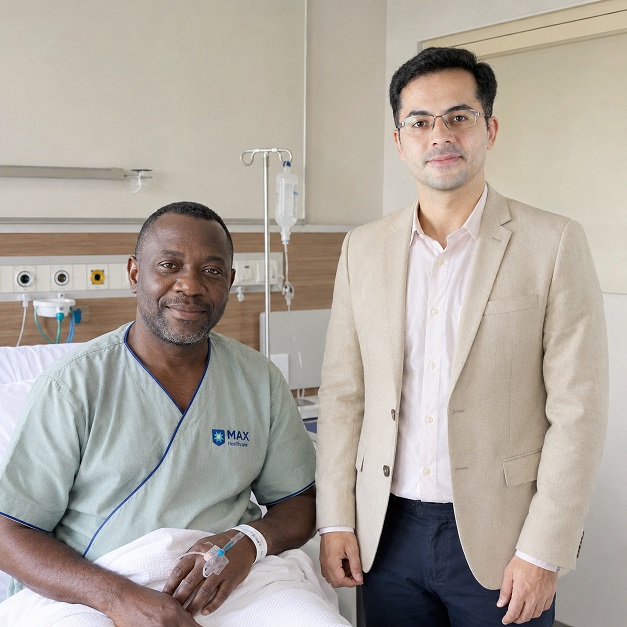

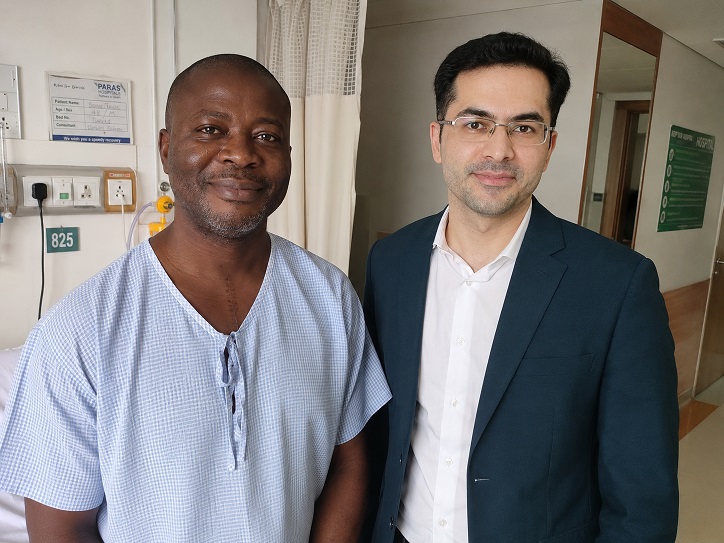
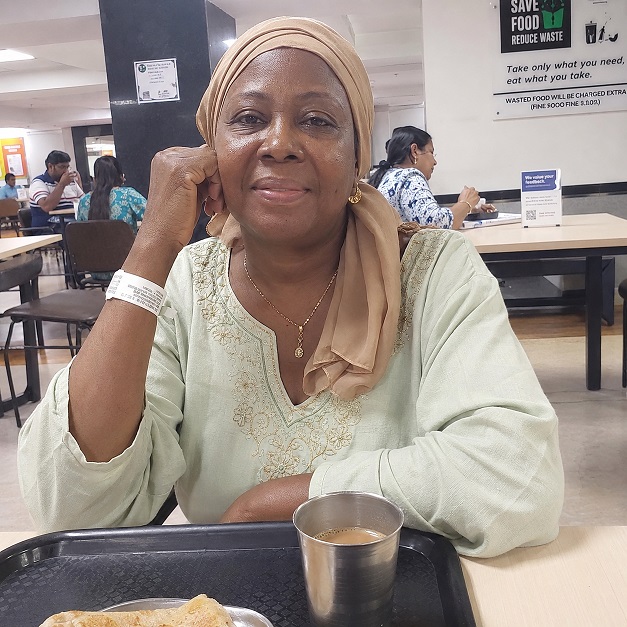
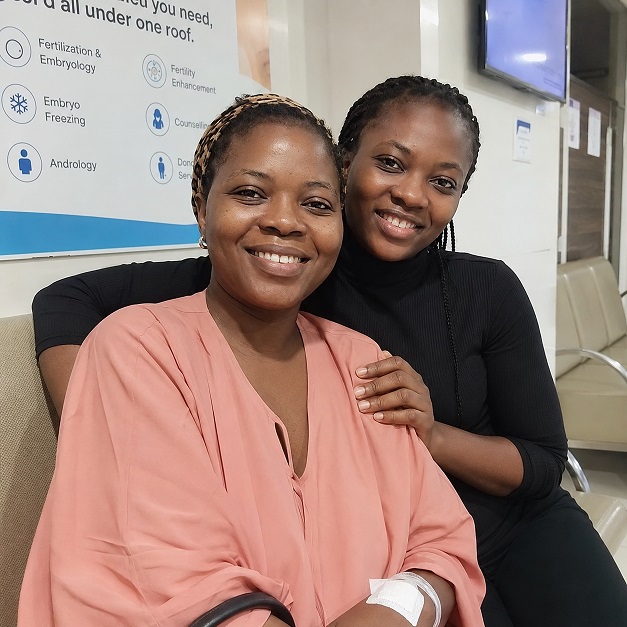
Ready to Take the First Step?
Share your Medical Reports with our Healthcare Managers Today and Get a FREE CONSULTATION, a Personalized Treatment Plan, and Complete Support from Arrival to Recovery.
Get Your Free ConsultationAreas We Serve
This resource has been thoughtfully prepared for patients from Nigeria who are considering medical treatment in India. We also welcome patients from the wider region in the countries mentioned below-
We assist patients from:
- Benin
- Niger
- Chad
- Cameroon
- Algeria
- Egypt
- Libya
- Morocco
- Sudan
- Tunisia
- Gambia
- Ghana
- Burkina Faso
- Cabo Verde
- Côte d'Ivoire
- Equatorial Guinea
- São Tomé and Príncipe
Many of the insights, treatment pathways, hospital recommendations, travel guidance, and patient support services described here are equally relevant and may be used as a reference when planning treatment in India.
From Nigeria to India: Your Complete Patient Support Guide
- Artificial Disc Replacement in India for Nigerian Patients
- Weight Loss and Bariatric Surgery in India for Nigerian Patients
- Bone Marrow Transplant in India for Nigerian Patients
- Brain Tumour Surgery in India for Nigerian Patients
- Breast Cancer Treatment and Surgery in India for Nigerian Patients
- Cancer Treatment and Surgery in India for Nigerian Patients
- Cardiac Arrhythmia and Heart Pacemaker Treatment in India for Nigerian Patients
- Cardiac Surgery in India for Nigerian Patients
- Colorectal Cancer Treatment and Surgery in India for Nigerian Patients
- Complex Orthopaedic and Joint Revision Surgery in India for Nigerian Patients
- Cornea Transplant and Advanced Eye Surgery in India for Nigerian Patients
- CyberKnife Treatment in India for Nigerian Patients
- Gamma Knife Treatment in India for Nigerian Patients
- Heart Failure Treatment and Surgery in India for Nigerian Patients
- Hip Surgery in India for Nigerian Patients
- HIPEC Cancer Surgery in India for Nigerian Patients
- IVF and Fertility Treatment in India for Nigerian Patients
- Joint Arthroscopy and Sports Medicine in India for Nigerian Patients