

Breast Cancer Treatment and Surgery in India for Nigerian Patients
For the lump found a decade earlier than the textbooks expect, and the specific, harder-to- treat form of the disease that Nigerian research keeps finding underneath it.
Breast cancer in Nigerian women does not follow the pattern most global guidance is built around. Multiple Nigerian studies, including a six-centre analysis of over 800 tumours, have found a mean age at diagnosis in the late forties, roughly a decade younger than typical Western populations, and a predominance of triple-negative disease — the most aggressive, hardest-to-treat molecular subtype — in close to half of all cases studied. Younger age, more aggressive biology, and later-stage presentation are compounding each other, and the gap in outcomes shows it: West Africa's ratio of new cases to deaths is markedly worse than in North America or Western Europe. This guide sets out what breast cancer treatment actually costs in India once travel is counted, what Nigeria's own capacity for diagnosis and treatment can and cannot offer today, and what a realistic path through surgery, and often chemotherapy, actually looks like.
| ~48 MEAN AGE AT DIAGNOSIS IN NIGERIAN STUDIES, YEARS | ~48% OF NIGERIAN BREAST CANCERS FOUND TRIPLE- | 15–20% TYPICAL TRIPLE-NEGATIVE SHARE IN WESTERN | 70–85% TYPICAL SAVING ON AN EQUIVALENT INDIA |
|---|---|---|---|
| NEGATIVE IN A MULTI-CENTRE STUDY | POPULATIONS, FOR COMPARISON | PATHWAY VS. THE US |
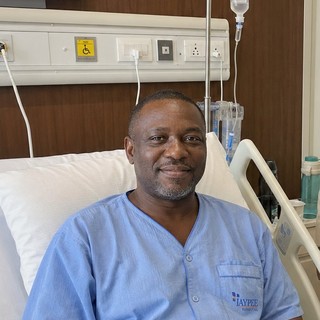
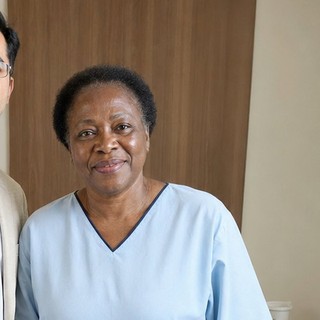
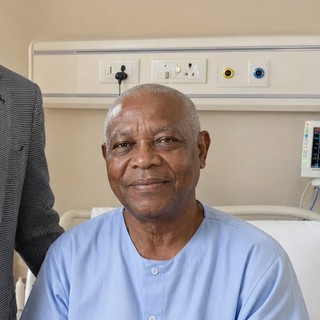
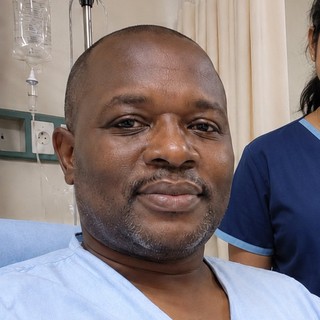
Healing Journeys of Nigerian Patients





Key Takeaways
- Breast cancer in Nigerian women is presented in the guide as having a notably different pattern from that seen in many Western populations. Nigerian studies cited in the document show a mean diagnosis age in the late 40s, approximately a decade younger than typical Western populations.
- A six-centre Nigerian study analysing 835 breast tumours reported a mean diagnosis age of 48.6 years and found triple-negative breast cancer in 47.65% of cases.
- This is considerably higher than the approximately 15–20% triple-negative share described for Western populations.
- Triple-negative breast cancer lacks oestrogen, progesterone and HER2 receptors. Because therapies directed at these receptors cannot be used in the usual way, chemotherapy remains a central part of treatment.
- The guide identifies three compounding issues affecting Nigerian patients: younger age at diagnosis, a high prevalence of aggressive triple-negative disease and later-stage presentation.
- Nigeria has breast surgeons and oncologists capable of performing mastectomy and standard chemotherapy. The guide specifically states that straightforward early-stage, hormone-receptor-positive breast cancer can be successfully managed at several Nigerian centres.
- The larger treatment gap is described in patients needing advanced molecular subtyping, newer targeted treatments, consistent radiotherapy access or immediate breast reconstruction.
- The document mentions fewer than 70 clinical oncologists nationally and approximately 10 consistently functioning radiotherapy machines as part of Nigeria's wider oncology infrastructure limitations.
Quick Facts
- Treatment
- Breast Cancer Treatment, Surgery and Multidisciplinary Oncology Care
- Country
- India
- Intended Audience
- Nigerian Patients and Families
- Primary Focus
- Diagnosis-Specific Breast Cancer Treatment and Surgery
- Mean Diagnosis Age Mentioned
- Approximately 48 Years
- Six-Centre Study Mean Age
- 48.6 Years
- Tumours Analysed in Six-Centre Study
- 835
- Triple-Negative Breast Cancer in Nigerian Study
- 47.65%
- Typical Triple-Negative Share in Western Populations
- Approximately 15–20%
- Important Nigerian Pattern
- Younger Age, More Triple-Negative Disease and Later Presentation
- Triple-Negative Receptors Absent
- Oestrogen, Progesterone and HER2
- Triple-Negative Treatment Backbone
- Chemotherapy
- Nigeria Clinical Oncologists Mentioned
- Fewer Than 70
- Consistently Functioning Radiotherapy Machines Mentioned
- Approximately 10
- First Diagnostic Requirement
- Confirmed Biopsy
- Essential Testing
- Receptor Status
- Additional Testing
- Molecular and Genetic Subtyping Where Appropriate
- Breast-Conserving Surgery + Sentinel Node Biopsy Cost
- US$2,500–4,500
- Author
- Dr. Dheeraj Bojwani
- Experience
- 24 Years' Experience
01 · the Real Problem
Younger, more aggressive, and found later — three problems compounding
A study analysing 835 breast tumours across six Nigerian centres of similar tribal origin found a mean age at diagnosis of 48.6 years, and identified the predominant molecular subtype as triple-negative in 47.65 percent of cases — a proportion far higher than the roughly 15 to 20 percent typical in Western populations, where hormone-receptor-positive disease, which responds to widely available hormone therapy, dominates instead. A separate Southern Nigerian study found early-onset disease, in women aged 20 to 49, more common than late-onset disease, reinforcing that this is not a statistical outlier but a consistent regional pattern.
Triple-negative breast cancer lacks the three receptors — oestrogen, progesterone, and HER2 — that most targeted and hormone therapies are built around, which means chemotherapy remains the backbone of treatment regardless of how early the cancer is caught. Research specifically on young Nigerian women with breast cancer found they were more likely to have this aggressive subtype and also more likely to present at an advanced stage, a genuinely compounding problem: the biology is harder to treat, and it is often being met later than it should be.
The population-level consequence is visible in the numbers: the ratio of new breast cancer cases to deaths is markedly worse in West Africa than in North America or Northwestern Europe, reflecting exactly this combination of aggressive disease biology, late presentation, and constrained treatment access working against Nigerian patients simultaneously.
02 · Nigeria's Capacity
What Nigeria can do, and where the gap actually bites
Nigerian breast surgeons and oncologists perform mastectomies and standard chemotherapy regimens competently at numerous centres, and a 2025 study from Lagos State University Teaching Hospital specifically profiling triple-negative breast cancer found current chemotherapy-only approaches leaving a majority of patients with disease progression at initial assessment, improving only gradually by three months. The study's own authors called for wider incorporation of molecular subtyping and targeted therapies — PARP inhibitors for BRCA-mutant tumours, immune checkpoint inhibitors, and androgen receptor antagonists for a specific triple-negative subtype — treatment options that depend on genomic testing infrastructure still concentrated in a small number of Nigerian centres.
This same infrastructure gap runs through the country's broader oncology picture: fewer than seventy clinical oncologists nationally, and only around ten consistently functioning radiotherapy machines, both relevant where radiotherapy follows breast-conserving surgery or advanced disease needs it. Reconstructive options at the time of mastectomy, while available at some private centres, are not yet routine nationwide.
Early-stage, hormone-receptor-positive disease, caught reasonably promptly, is genuinely well managed by Nigerian teams. It is triple-negative disease specifically — needing precise molecular subtyping to guide chemotherapy choice and access to newer targeted agents — where the treatment gap is widest, and where it matters most given how common that subtype is in Nigerian patients.
03 · THE TREATMENT MAP
Which treatment, and what it costs
Breast cancer treatment is not one operation. The right combination depends on tumour size and location, receptor status, and whether cancer has spread to lymph nodes, and cost scales accordingly.
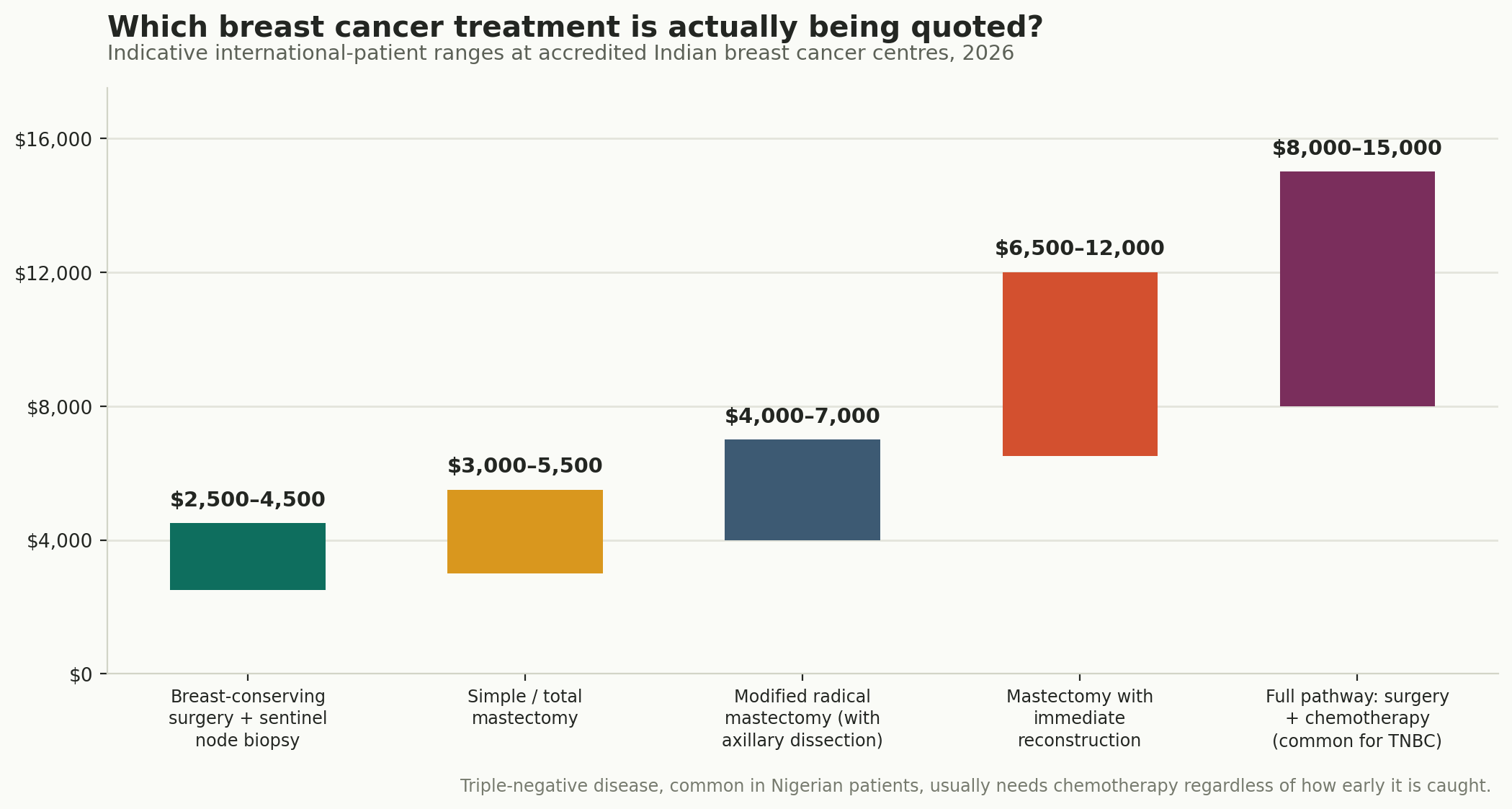
Figure 1. A full pathway combining surgery with chemotherapy, common where triple-negative disease is confirmed, costs roughly triple a standalone breast-conserving procedure.
| Treatment | Typically suits | Indicative cost | Hospital stay |
|---|---|---|---|
| Breast-conserving surgery + sentinel node biopsy | Smaller tumours suitable for lump removal rather than full mastectomy | $2,500–4,500 | 1–2 nights |
| Simple / total mastectomy | Removal of the whole breast without extensive lymph node involvement | $3,000–5,500 | 2–3 nights |
| Modified radical mastectomy | Mastectomy with axillary lymph node dissection for confirmed spread | $4,000–7,000 | 3–4 nights |
| Mastectomy with immediate reconstruction | Suitable candidates wanting reconstruction at the same operation | $6,500–12,000 | 4–6 nights |
| Full pathway: surgery + chemotherapy | Triple-negative or higher-stage disease needing systemic treatment | $8,000–15,000 | Varies by sequence |
Table 1. Indicative international-patient pricing at accredited Indian breast cancer centres, mid-2026. Figures are planning ranges, not offers, and vary by hospital tier, receptor status, and whether reconstruction is included.
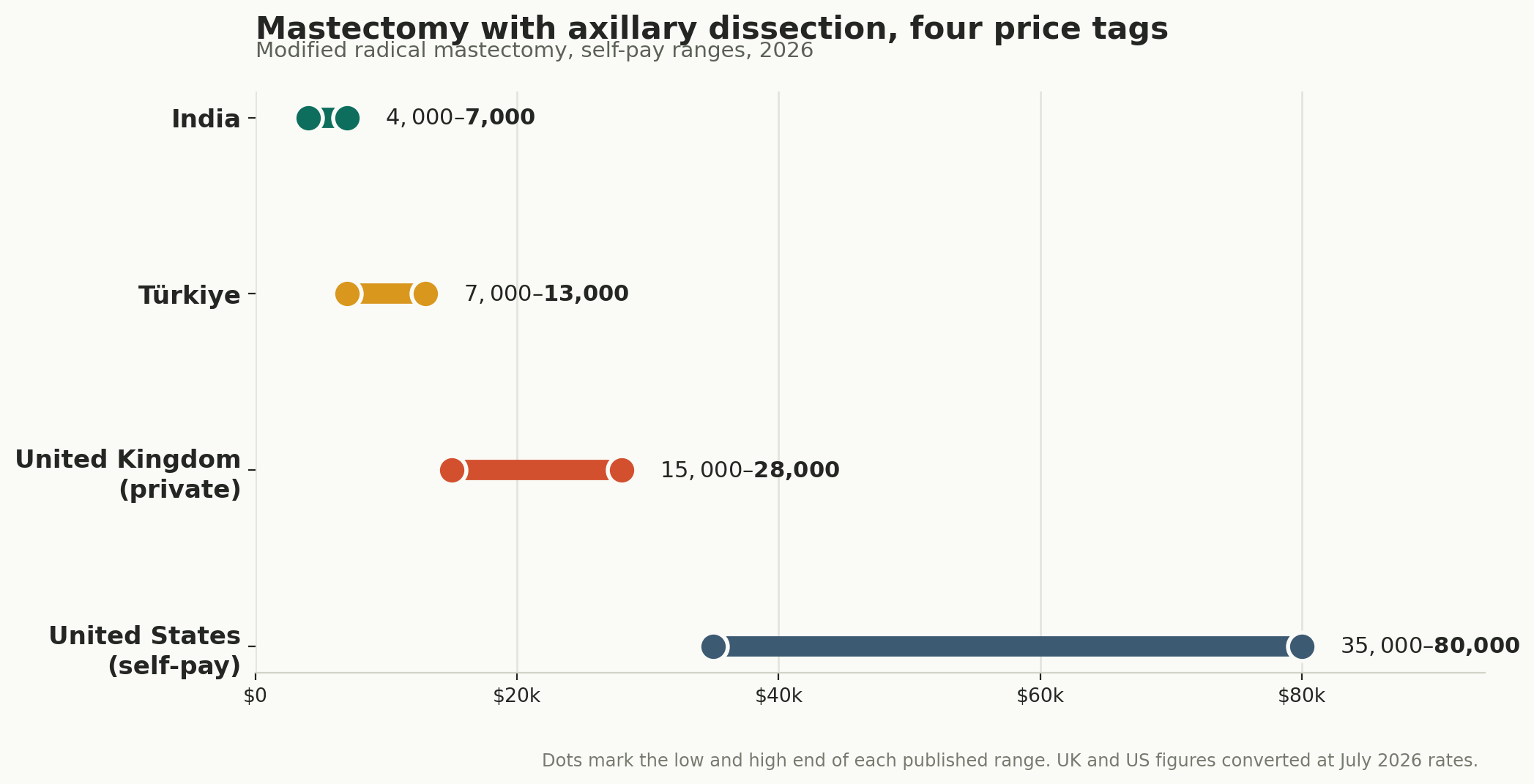
Figure 2. Mastectomy with axillary dissection, priced across four common destinations for Nigerian medical travellers.
What a proper written quote must itemise
- Full receptor and molecular subtyping results, and how they inform the treatment plan
- Whether reconstruction is included, or a separately priced later procedure
- Whether chemotherapy is planned before or after surgery, and the specific regimen
- Pathology and genomic testing costs, itemised separately from the surgical package
- What happens, and what it costs, if lymph node involvement is more extensive than imaging suggested
04 · the Full Budget
What the whole journey costs, beyond the operation
The surgical fee is the number families anchor on, and the least complete one. A representative pathway — modified radical mastectomy, one patient and one attendant, roughly two to three weeks in India for surgery — adds up like this:
- Surgical package (surgery, hospital stay, standard post-op care): $5,000–8,500
- Return flights, two travellers (Lagos/Abuja – Delhi/Mumbai/Chennai): $2,200–3,000
- Pre-surgical workup (biopsy review, receptor and molecular testing, staging scans): $700–1,300
- Accommodation, two to three weeks, two people : $1,000–1,800
- Medical and attendant visas (two applications): $400–500
- Contingency for extended stay or additional testing: 15–20% All-in, most families should plan for US$10,000–15,500 for surgery and staging — roughly ₦13.8–21.4 million at the official mid-July 2026 rate of about ₦1,380 to the dollar, somewhat higher at parallel-market rates near ₦1,410. Where chemotherapy is confirmed necessary, budget considerably higher, closer to $16,000–24,000 for the full pathway.
05 · GETTING THERE
Visa, travel, and what recovery actually involves
India issues a Medical Visa (M) to the patient and a Medical Attendant Visa (MX) to up to two close relatives. Applications go through the High Commission in Abuja or the Consulate General in Lagos by prior appointment, and an e-Medical route turns around in days for straightforward files. The hospital's invitation letter, three months of certified bank statements, and a passport valid six months with two blank pages move the process fastest.
Lagos and Abuja both reach Delhi, Mumbai and Chennai with a single stop, usually via Addis Ababa, Doha,
Dubai, Nairobi or Istanbul, a total journey of 13 to 18 hours.
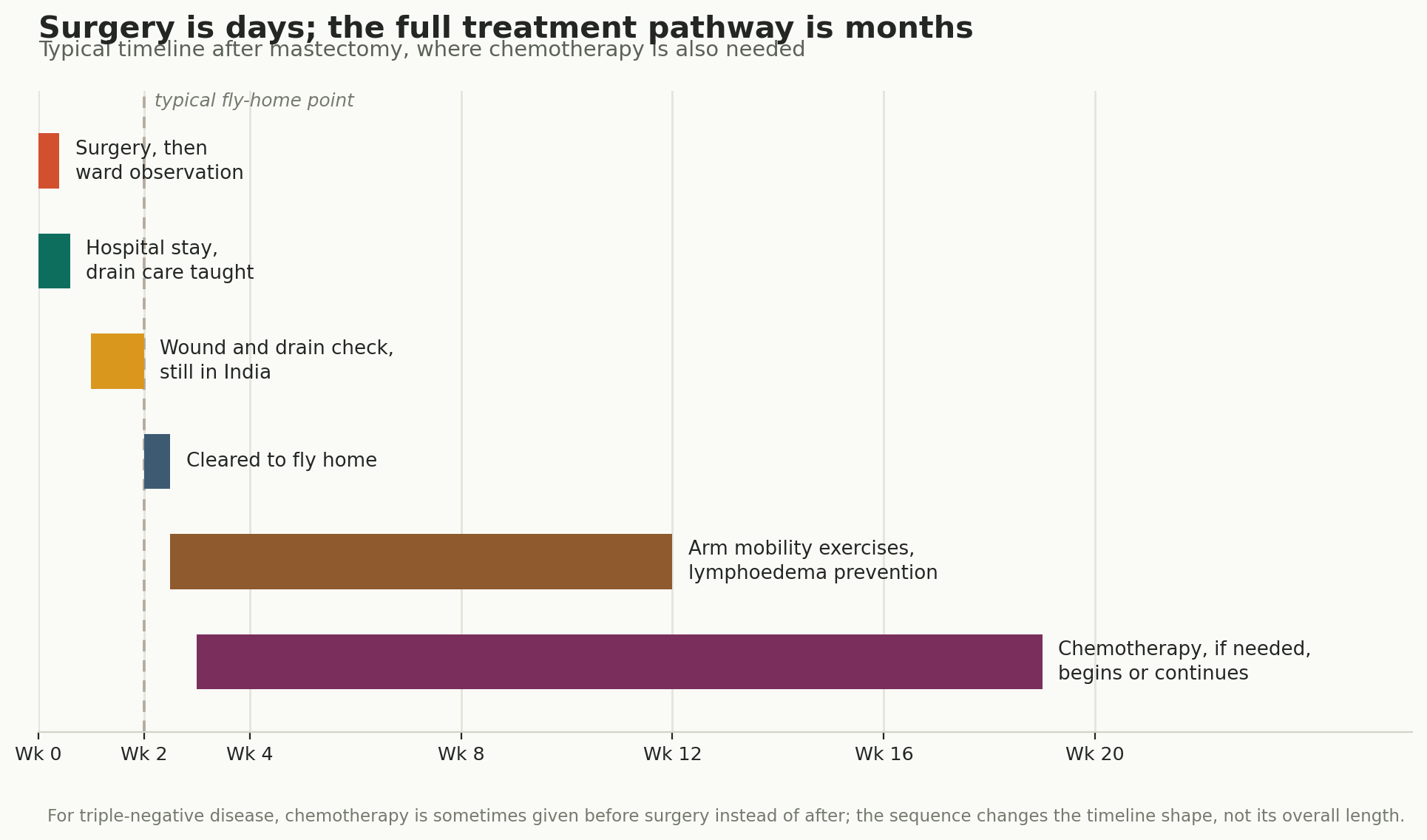
Figure 3. Surgery itself is measured in days. For patients needing chemotherapy, whether before or after surgery, the full treatment pathway runs for months, and that sequencing is a clinical decision, not a scheduling one.
On arm mobility and lymphoedema. Where lymph nodes have been removed, swelling of the arm on the treated side, known as lymphoedema, is a lifelong risk that early, guided arm exercises meaningfully reduce. Insist on a written physiotherapy plan before discharge, not just a verbal instruction, and ask specifically how to recognise early signs of lymphoedema so it can be caught and managed promptly if it develops.
What has to travel home with the patient
- Full operative note and final pathology, including receptor status and molecular subtype
- A written arm mobility and lymphoedema prevention plan
- Discharge medication using generic names available in Nigerian pharmacies
- A chemotherapy and follow-up surveillance schedule, since breast cancer follow-up continues for years
- A named clinician contact for teleconsultation if wound, arm swelling, or new symptoms arise
06 · THE HONEST COMPARISON
What stays in Nigeria, and what travels
Straightforward, hormone-receptor-positive breast cancer, caught at an early stage, is treated successfully by competent Nigerian surgical and oncology teams at several centres, and there is little reason to travel for a case that fits this pattern and can be managed promptly at home.
What tips the calculation toward travelling is precisely the pattern Nigerian research keeps documenting: triple-negative disease needing full molecular subtyping and access to newer targeted therapies, cases needing immediate reconstruction options not yet routine nationally, and any case where a long local wait for radiotherapy or systemic treatment risks a treatable cancer becoming a harder one.
Before you commit to a treatment plan abroad
- Do not dismiss a breast lump because of your age; Nigerian patients are diagnosed notably younger than global averages.
- Get a confirmed biopsy with full receptor and, where possible, molecular subtyping before contacting any hospital.
- Ask explicitly whether the tumour is triple-negative, and what that specifically means for your treatment plan.
- Confirm whether chemotherapy is planned before or after surgery, and why that sequence was chosen.
- If reconstruction is wanted, confirm candidacy and timing — immediate versus delayed — before travelling.
- Get the arm mobility and lymphoedema prevention plan in writing before discharge.
- Establish the long-term surveillance schedule before you leave India.
- Pay into the hospital's own institutional account only, never an individual's personal account.
Straight Answers for Nigerian Patients about Breast Cancer Treatment and Surgery in India
Is breast cancer surgery in India cheaper than the UK or US?
Yes, substantially. A modified radical mastectomy with axillary dissection is indicatively $4,000 to $7,000 in India, against roughly $15,000 to $28,000 privately in the UK and $35,000 to $80,000 self-pay in the United States.
Why does breast cancer affect Nigerian women at a younger age?
Multiple Nigerian studies have found a mean age at diagnosis in the late 40s, roughly a decade younger than typical Western populations. The reasons are still being studied, but the pattern is well documented, so age alone should never be used to dismiss a breast symptom.
What is triple-negative breast cancer, and why does it matter so much in Nigeria?
It lacks the three receptors that hormone and some targeted therapies rely on, making it harder to treat and more reliant on chemotherapy. Nigerian studies have found it in close to half of cases analysed, far higher than the roughly 15 to 20 percent typical in Western populations.
Do Nigerians need a visa for breast cancer treatment in India?
Yes. You need an Indian Medical Visa from the High Commission in Abuja, the Consulate in Lagos, or the e- Medical route, plus a Medical Attendant Visa for up to two close relatives, with a hospital invitation letter and financial proof.
Will I need chemotherapy even if the cancer is caught early?
Often yes, if the tumour is triple-negative, since this subtype does not respond to hormone therapy and tends to be treated with chemotherapy regardless of stage. Chemotherapy may be given before surgery or after, depending on the case.
Is breast reconstruction available at the same time as mastectomy?
Yes, immediate reconstruction is routinely offered at accredited Indian breast cancer centres for suitable candidates, though not every patient qualifies depending on cancer stage, planned radiotherapy, and individual anatomy.
Is India better than Nigeria for breast cancer treatment?
For access to molecular subtyping, targeted therapy, and reconstructive options specifically, often yes, given Nigeria's limited oncology and pathology capacity. Straightforward, early-stage cases are treated successfully at several Nigerian centres.
A closing word
Breast cancer in Nigerian women is genuinely a different disease, statistically, than the one most global patient education is written for — younger at diagnosis, more often triple-negative, and still too often found late. None of those three facts are the patient's fault, and none of them make the disease untreatable. They make precision matter more: the right biopsy, the right molecular subtyping, the right sequencing of surgery and chemotherapy.
In twenty-four years of this work, the patients who do best are the ones who get a full receptor and subtype workup before accepting any treatment plan, ask directly whether their disease is triple-negative and what that changes, and take arm mobility and long-term surveillance as seriously as the surgery itself. The operation removes the tumour. Everything that follows is what determines whether it stays gone.
Sources
- 🌐 American Cancer Society — Breast cancer treatment options
- 🌐 NHS (UK) — Breast cancer: symptoms, diagnosis and treatment
- 🌐 Histological Features and Tissue Microarray Taxonomy of Nigerian Breast Cancer Reveal Predominance of the High-Grade Triple-Negative Phenotype
- 🌐 Ntekim A et al. — Pathway to care among adolescents and young adults with breast cancer in Nigeria: a mixed methods study. BMC Cancer, 2025
- 🌐 Olatunji TA et al. — Profile of Triple Negative Breast Cancer: A Retrospective Review. Nigerian Medical Journal, 2025
- 🌐 High Commission of India, Abuja — Medical and Medical Attendant Visa requirements
Frequently Asked Questions by Nigerians about Breast Cancer Treatment and Surgery in India
Is breast cancer surgery in India cheaper than the UK or US?
Yes, according to the guide. Modified radical mastectomy is listed at US$4,000–7,000 in India, compared with approximately US$15,000–28,000 privately in the UK and US$35,000–80,000 self-pay in the US.
Why does breast cancer affect Nigerian women at a younger age?
Nigerian studies cited in the guide show a mean diagnosis age in the late 40s. The reasons are still being studied, but the pattern is sufficiently established that breast symptoms should not be dismissed because a woman seems young.
What is triple-negative breast cancer and why is it important for Nigerian patients?
Triple-negative cancer lacks oestrogen, progesterone and HER2 receptors. Nigerian research cited in the guide found it in close to half of analysed cases, making appropriate chemotherapy and molecular evaluation particularly important.
Do Nigerian patients need a visa for breast cancer treatment in India?
Yes. The guide specifies an Indian Medical Visa through the appropriate route and a Medical Attendant Visa for up to two close relatives, supported by the required hospital invitation and financial documentation.
Will chemotherapy be necessary even if breast cancer is caught early?
It may be, particularly for triple-negative breast cancer. Chemotherapy can be given before or after surgery depending on tumour characteristics, stage and the overall treatment plan.
Can breast reconstruction be performed at the same time as mastectomy in India?
Yes, immediate reconstruction is available for suitable patients. Eligibility depends on factors including cancer stage, anatomy and whether radiotherapy is expected after surgery.
Is India always better than Nigeria for breast cancer treatment?
No. The guide states that straightforward early-stage disease can be treated successfully at several Nigerian centres. Travel becomes more relevant where molecular testing, targeted therapy, reconstruction or timely radiotherapy is required.
What tests should Nigerian patients complete before travelling to India?
A confirmed biopsy, full receptor testing and, where appropriate, molecular subtyping should be completed or arranged. These findings determine the appropriate surgery and systemic treatment.
What should patients ask before accepting a breast cancer treatment plan?
Ask whether the tumour is triple-negative, whether chemotherapy is planned before or after surgery and why, whether reconstruction is appropriate, and how pathology and molecular results affect the treatment sequence.
What records should patients bring back to Nigeria after treatment?
The guide recommends a complete operative note, final pathology with receptor and molecular results, an arm-mobility and lymphoedema-prevention plan, medication details and a long-term chemotherapy or surveillance schedule.
Page Summary
This guide examines breast cancer treatment in India specifically through the clinical patterns documented among Nigerian women. Its central argument is that breast cancer in Nigerian patients often presents younger, with more aggressive biology and at a later stage than the pattern on which much international patient education is based. The document highlights a six-centre Nigerian study of 835 breast tumours that found a mean diagnosis age of 48.6 years and triple-negative disease in 47.65% of cases. This compares with a typical triple-negative share of approximately 15–20% in Western populations.
Citation Block
| Topic | Information |
|---|---|
| Topic Information | Breast Cancer Treatment and Surgery in India for Nigerian Patients |
| Treatment | Breast Cancer Surgery and Multidisciplinary Oncology |
| Country | India |
| Intended Audience | Nigerian Patients and Families |
| Conditions Covered | Breast Cancer Including Triple-Negative Disease |
| Mean Diagnosis Age Mentioned | Approximately 48 Years |
| Six-Centre Study Mean Age | 48.6 Years |
| Triple-Negative Share Mentioned | 47.65% |
| Western Triple-Negative Comparison | Approximately 15–20% |
| First Requirement | Confirmed Biopsy |
| Essential Testing | Receptor Status and Appropriate Molecular Subtyping |
| Procedures | Breast-Conserving Surgery, Mastectomy, Modified Radical Mastectomy and Reconstruction |
| Breast-Conserving Surgery Cost | US$2,500–4,500 |
| Hospital Stay | Approximately 1–6 Nights Depending on Procedure |
| Chemotherapy | May Be Given Before or After Surgery |
| Reconstruction | Immediate or Delayed Depending on Candidacy |
| Nigeria Strength | Straightforward Early-Stage Disease Can Be Treated at Several Centres |
| Nigeria Gaps Mentioned | Molecular Testing, Targeted Therapy, Radiotherapy Capacity and Routine Reconstruction |
| Postoperative Care | Arm Mobility and Lymphoedema Prevention |
| Long-Term Follow-Up | Surveillance Continues for Years |
| Records for Return to Nigeria | Operative Note, Final Pathology, Receptor/Molecular Results and Treatment Schedule |
| Author | Dr. Dheeraj Bojwani |
| Experience | 24 Years' Experience |


Our Mission Statement
Our mission is to place patients at the centre of every healthcare decision by providing trustworthy, evidence-based, and unbiased medical information. We believe that informed patients make better decisions. Backed by personalised guidance from our experienced advisory team, we help patients understand their treatment options, compare them objectively, and confidently choose the path that best suits their medical needs and personal circumstances.
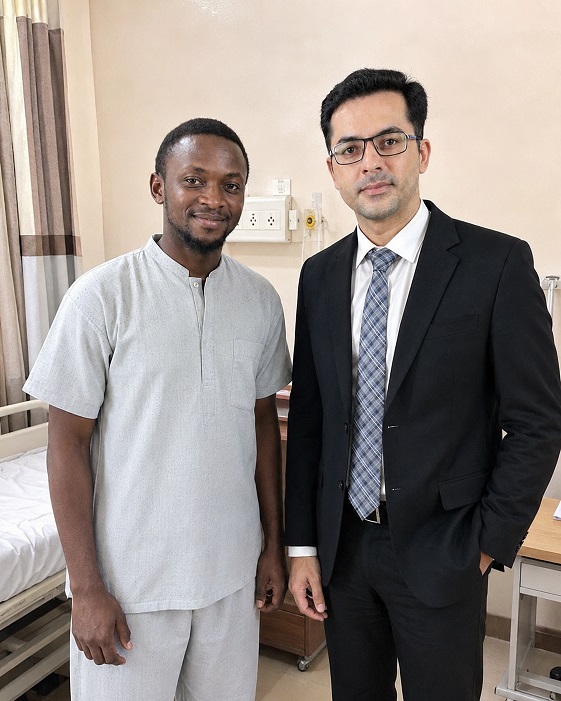
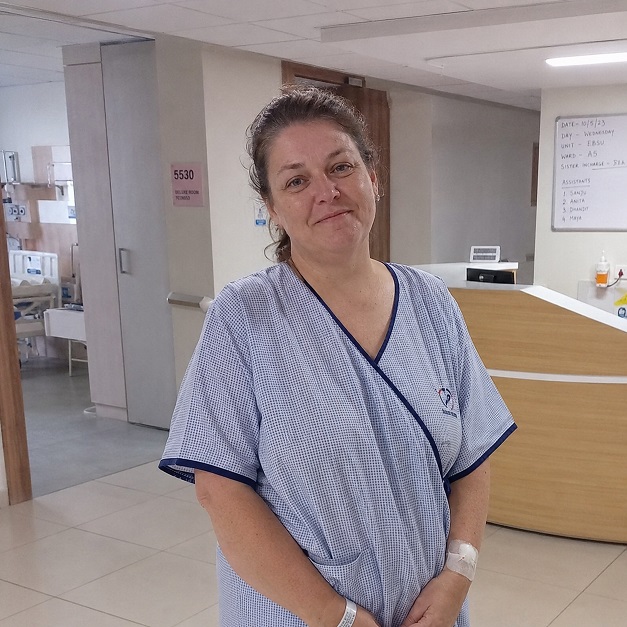
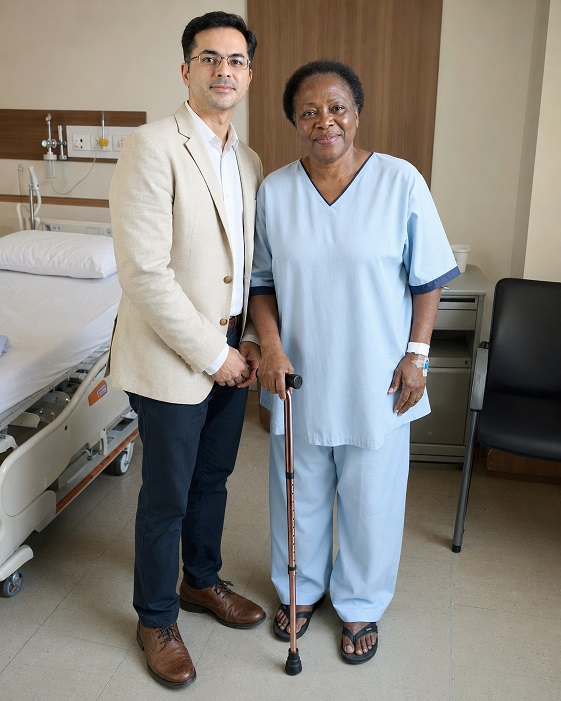
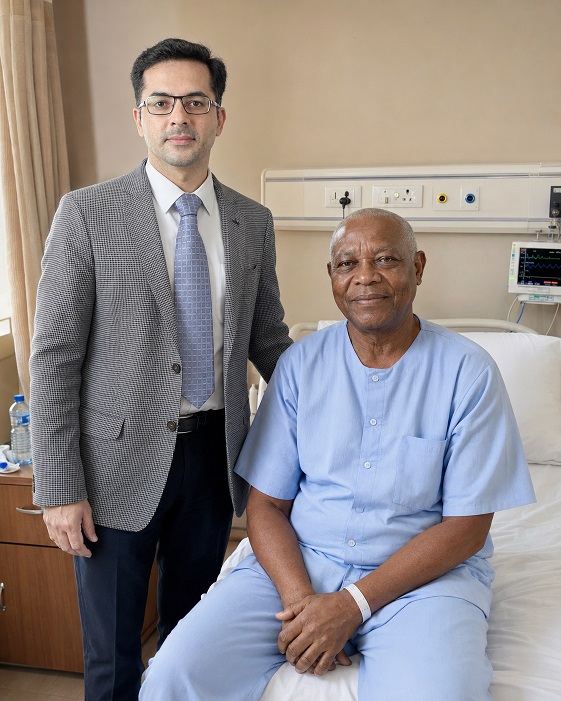
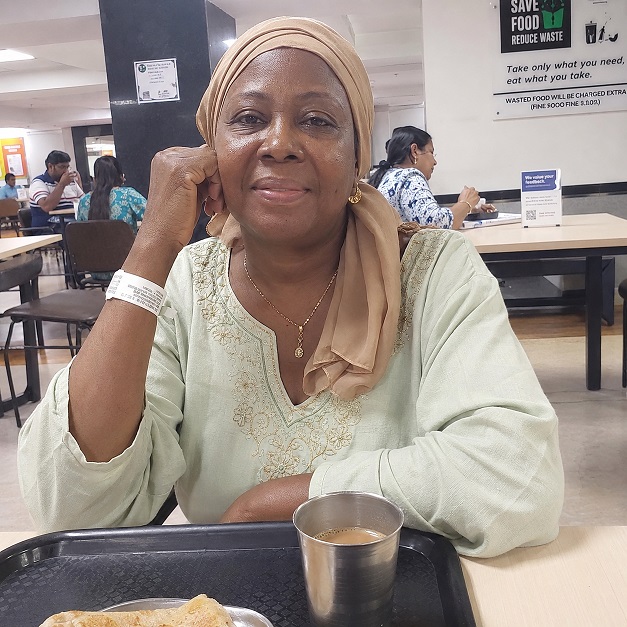
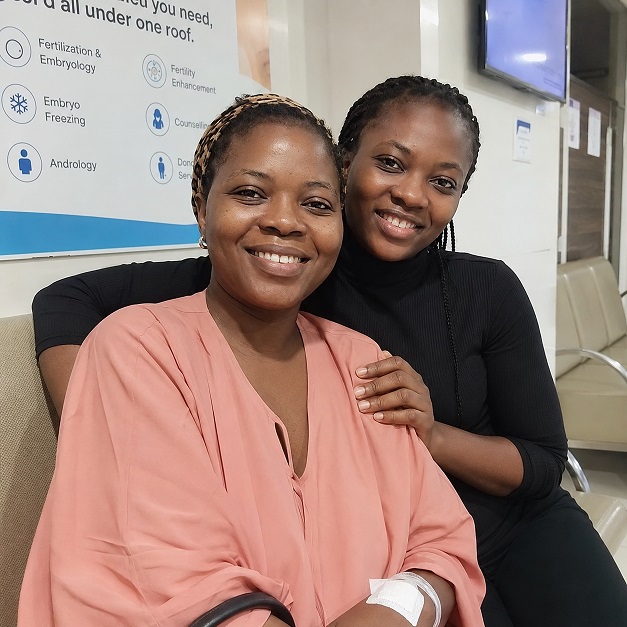
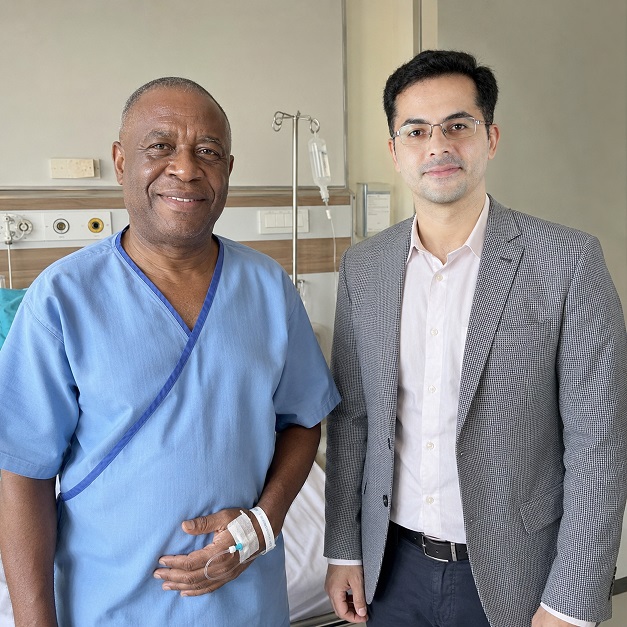
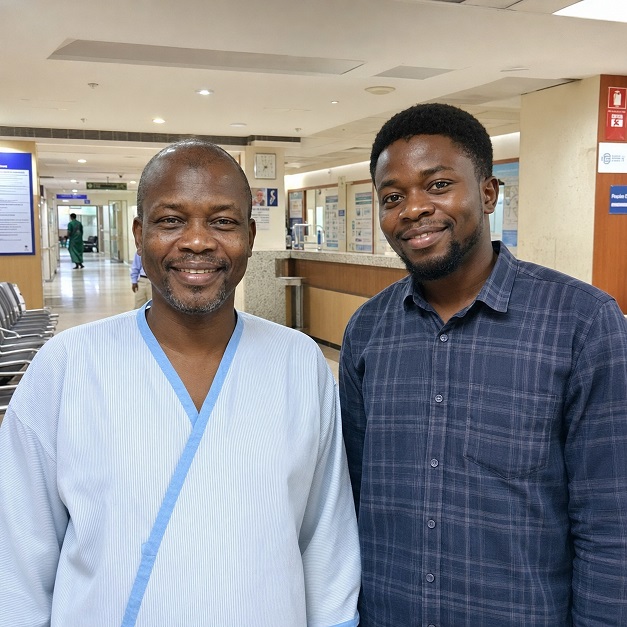
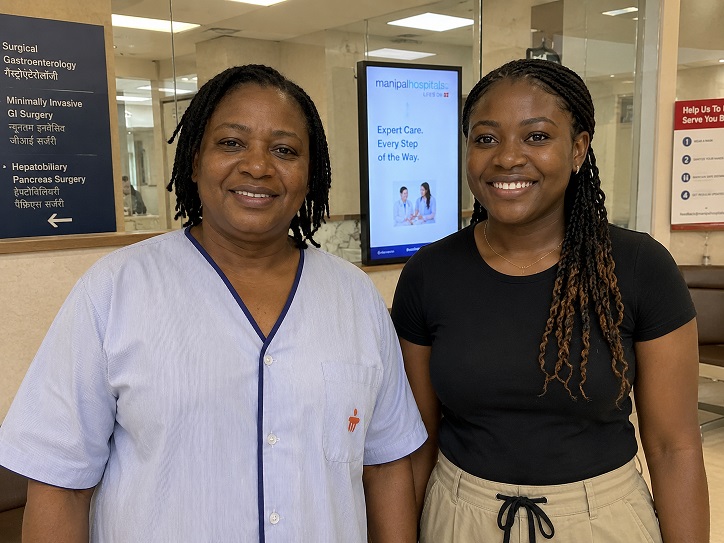
Patient Testimonials from Nigeria

Ready to Take the First Step?
Share your Medical Reports with our Healthcare Managers Today and Get a FREE CONSULTATION, a Personalized Treatment Plan, and Complete Support from Arrival to Recovery.
Get Your Free ConsultationAreas We Serve
This resource has been thoughtfully prepared for patients from Nigeria who are considering medical treatment in India. We also welcome patients from the wider region in the countries mentioned below-
We assist patients from:
- Benin
- Niger
- Chad
- Cameroon
- Algeria
- Egypt
- Libya
- Morocco
- Sudan
- Tunisia
- Gambia
- Ghana
- Burkina Faso
- Cabo Verde
- Côte d'Ivoire
- Equatorial Guinea
- São Tomé and Príncipe
Many of the insights, treatment pathways, hospital recommendations, travel guidance, and patient support services described here are equally relevant and may be used as a reference when planning treatment in India.
From Nigeria to India: Your Complete Patient Support Guide
- Artificial Disc Replacement in India for Nigerian Patients
- Weight Loss and Bariatric Surgery in India for Nigerian Patients
- Bone Marrow Transplant in India for Nigerian Patients
- Brain Tumour Surgery in India for Nigerian Patients
- Breast Cancer Treatment and Surgery in India for Nigerian Patients
- Cancer Treatment and Surgery in India for Nigerian Patients
- Cardiac Arrhythmia and Heart Pacemaker Treatment in India for Nigerian Patients
- Cardiac Surgery in India for Nigerian Patients
- Colorectal Cancer Treatment and Surgery in India for Nigerian Patients
- Complex Orthopaedic and Joint Revision Surgery in India for Nigerian Patients
- Cornea Transplant and Advanced Eye Surgery in India for Nigerian Patients
- CyberKnife Treatment in India for Nigerian Patients
- Gamma Knife Treatment in India for Nigerian Patients
- Heart Failure Treatment and Surgery in India for Nigerian Patients
- Hip Surgery in India for Nigerian Patients
- HIPEC Cancer Surgery in India for Nigerian Patients
- IVF and Fertility Treatment in India for Nigerian Patients
- Joint Arthroscopy and Sports Medicine in India for Nigerian Patients