

IVF and Fertility Treatment in India for Nigerian Patients
For the couple whose kitchen-table conversation has turned to fertility treatment, and an honest first fact: the technology already exists in Nigeria. The real barrier, for most families, is what it costs.
A single IVF cycle at Nigeria's leading fertility centres in Lagos, Abuja, and Port Harcourt costs roughly ₦4 million to ₦5 million, according to 2025 data from those clinics. Against a national minimum wage of ₦70,000 a month, that single cycle costs more than four years of minimum- wage earnings, and Nigerian health insurance generally does not cover it at all. This guide is unusual among those in this series in one respect worth stating plainly: it is not describing a technology Nigeria lacks. One Lagos clinic alone reports more than three thousand babies born through its programme. It is describing a cost that puts a working treatment permanently out of reach for most of the people who need it. This guide sets out what IVF actually costs in India once travel is counted, how that compares honestly with Nigeria's own leading domestic clinics, what genuinely causes infertility in a Nigerian context, and what a realistic treatment cycle actually involves, week by week.
| ₦4–5M | 4+ yrs | 15–27% | 30–40% |
|---|---|---|---|
| COST OF ONE IVF CYCLE AT LEADING NIGERIAN FERTILITY CENTRES, 2025 | OF MINIMUM-WAGE EARNINGS THAT SINGLE CYCLE REPRESENTS | INFERTILITY PREVALENCE RANGE FOUND ACROSS DIFFERENT NIGERIAN REGIONS | SHARE OF INFERTILITY CASES ATTRIBUTABLE TO MALE FACTOR, ROUGHLY EQUAL TO FEMALE FACTOR |
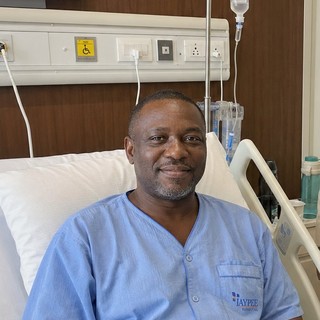
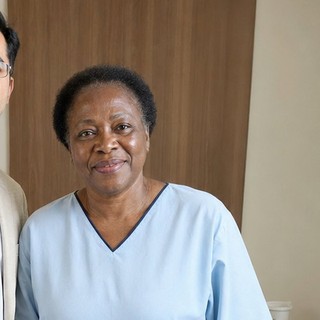
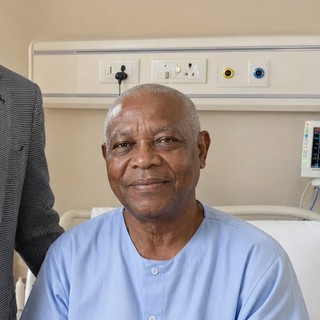
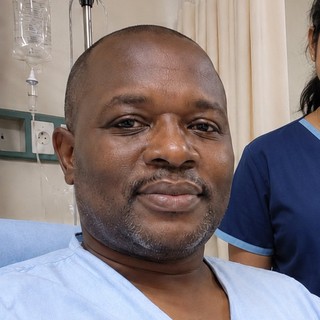
Healing Journeys of Nigerian Patients





Key Takeaways
- This guide makes an important distinction from many other medical-travel topics: IVF technology already exists in Nigeria. The primary problem identified in the document is affordability rather than lack of clinical capability.
- A single IVF cycle at leading fertility centres in Lagos, Abuja and Port Harcourt is described as costing approximately ₦4–5 million, based on 2025 clinic data.
- Against Nigeria's stated national minimum wage of ₦70,000 per month, one IVF cycle represents more than four years of minimum-wage earnings. The document also states that Nigerian health insurance generally does not cover IVF.
- Infertility is described as genuinely common in Nigeria. Facility-based studies cited in the guide report prevalence ranging from approximately 15% to nearly 27%, depending on the region.
- The document also challenges the assumption that infertility is primarily a female problem. Male-factor and female-factor infertility each account for roughly 30–40% of cases, with the remainder involving combined or unexplained causes.
- Tubal-factor infertility is particularly relevant in Nigeria and may be associated with previous sexually transmitted, post-abortal or postpartum infections.
- Despite the relatively balanced biological contribution of men and women, the guide notes that infertility-related stigma continues to fall disproportionately on women in many Nigerian communities.
- Nigeria has established fertility centres in Lagos, Abuja, Port Harcourt, Ibadan, Enugu and Owerri. Leading centres report meaningful clinical success, particularly among younger women.
- The document therefore does not present India as automatically superior for a standard first IVF cycle. Instead, couples are encouraged to compare the full cost of a realistic multi-cycle pathway.
Quick Facts
- Treatment
- IVF and Fertility Treatment
- Country
- India
- Intended Audience
- Nigerian Couples and Patients
- Primary Specialty
- Reproductive Medicine
- Main Nigeria-Specific Barrier
- Affordability Rather Than Technology
- Leading Nigerian IVF Cycle Cost Mentioned
- Approximately ₦4–5 Million
- Nigeria Minimum Wage Mentioned
- ₦70,000 Per Month
- Equivalent Minimum-Wage Earnings
- More Than 4 Years for One Cycle
- Nigeria Infertility Prevalence Mentioned
- Approximately 15–27%
- Male-Factor Infertility
- Approximately 30–40%
- Female-Factor Infertility
- Approximately 30–40%
- Important Nigerian Cause
- Tubal-Factor Infertility
- Nigeria IVF Availability
- Established Clinics Already Provide Treatment
- Frozen Embryo Transfer Cost
- US$1,500–2,800
- FET Duration
- Approximately 2 Weeks
- Author
- Dr. Dheeraj Bojwani
- Experience
- 24 Years' Experience
In Brief
IVF and fertility treatment in India for Nigerian patients should be compared primarily on total value rather than on the assumption that IVF technology is unavailable in Nigeria. The guide states that leading Nigerian clinics already provide successful IVF, while the major domestic barrier is cost. A standard IVF cycle is approximately US$2,500–4,000 in India versus US$2,900–3,600 at leading Nigerian clinics. Indian treatment becomes more relevant for advanced techniques, donor programmes, genetic testing and second opinions. Because per-cycle success is not guaranteed, couples are advised to compare realistic two-cycle costs and complete a fertility evaluation of both partners before choosing IVF, ICSI or another technique.
01 · the Real Problem
Common, often misunderstood, and priced out of reach for most
Infertility is genuinely common in Nigeria, with facility-based studies reporting prevalence ranging from roughly 15 percent in some regions to nearly 27 percent in Lagos, placing the country within what researchers describe as an African infertility belt, where high fertility rates coexist, paradoxically, with a substantial population unable to conceive. The causes are more evenly shared between partners than social attitudes generally acknowledge: research indicates male factor and female factor each account for roughly 30 to 40 percent of cases, with the remainder combined or unexplained, and tubal factor infertility, often linked to prior sexually transmitted, postabortal, or postpartum infection, is particularly common in the
Nigerian context. Despite this balance, stigma in many communities still falls disproportionately on women, who report social isolation, marital discord, and depression as a direct result.
What makes this specific guide different from most others in this series is that the treatment, IVF, is not scarce or absent in Nigeria. Real clinics with real, documented success operate in Lagos, Abuja, Port Harcourt, Ibadan, Enugu, and Owerri, and success rates at leading centres run from roughly 40 to 75 percent per cycle for women under 35. The barrier is overwhelmingly financial: a single cycle costing more than four years of minimum wage, with no insurance coverage, and most couples needing more than one attempt to succeed, meaning the realistic total cost is often close to double the headline per-cycle figure quoted.
This changes the honest question a Nigerian couple should be asking. It is rarely “where can I access this treatment at all.” It is “where does the full cost of a realistic, multi-cycle treatment plan actually work out lowest, all in.”
02 · the Honest Cost Picture
Nigeria's own clinics are not the problem; the price is
It would be dishonest to present this guide as though Nigerian IVF simply does not work. It works, at real, established clinics, for real patients, at rates comparable to good international programmes for younger women specifically. What genuinely varies across Nigerian clinics is consistency: industry sources note that smaller or newer clinics may offer lower advertised prices but with less predictable success rates, meaning the “leading centre” pricing tier, and its associated four-to-five-million-naira cost, is often what genuinely comparable quality requires domestically.
Where international treatment becomes a genuinely useful option is not primarily about escaping a capacity gap, since none exists here in the way it does for several other conditions in this series. It is about access to techniques not uniformly available domestically at predictable pricing, such as extensive donor egg or sperm programmes and certain genetic testing protocols, and, for some couples, the value of a second clinical opinion or additional distance from a social environment where infertility carries real stigma.
03 · THE TREATMENT MAP
Which cycle, and what it costs
Fertility treatment is rarely a single, uniform procedure, and cost depends on the specific technique and whether donor material or genetic testing is involved.
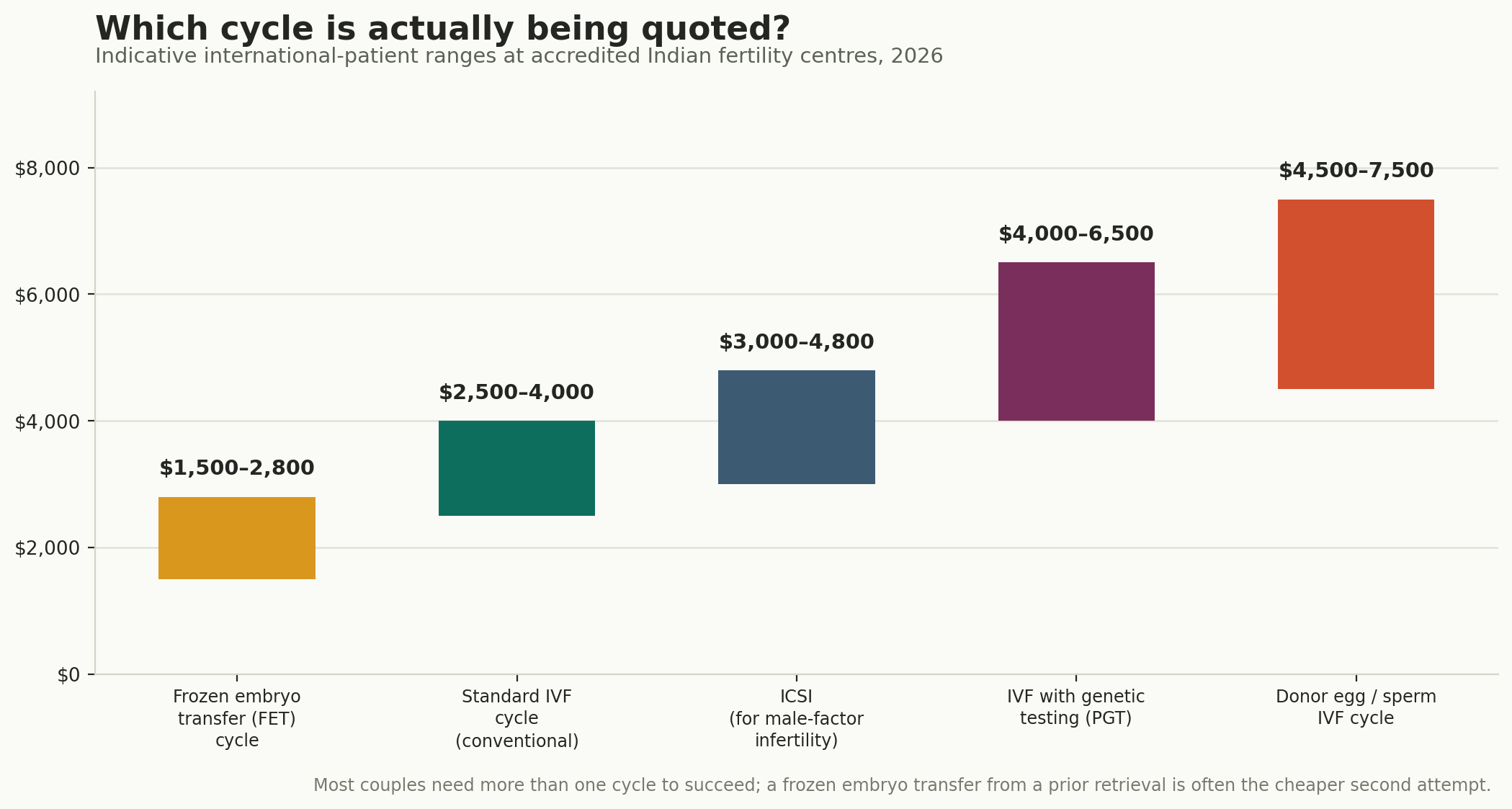
Figure 1. A frozen embryo transfer, often the cheaper second attempt using embryos frozen from an earlier retrieval, is worth budgeting for separately from a full fresh cycle.
| Cycle type | Typically suits | Indicative cost | Duration |
|---|---|---|---|
| Frozen embryo transfer (FET) | A repeat attempt using embryos frozen from an earlier cycle | $1,500–2,800 | ~2 weeks |
| Standard IVF cycle | Conventional fertilisation, no specific male-factor concern | $2,500–4,000 | ~5 weeks |
| ICSI | Male-factor infertility affecting sperm count, movement, or shape | $3,000–4,800 | ~5 weeks |
| IVF with genetic testing (PGT) | Recurrent pregnancy loss, advanced maternal age, or known genetic risk | $4,000–6,500 | ~6 weeks |
| Donor egg / sperm IVF cycle | Where a couple's own eggs or sperm are not viable | $4,500–7,500 | ~5–6 weeks |
Table 1. Indicative international-patient pricing at accredited Indian fertility centres, mid-2026. Figures are planning ranges, not offers, and vary by technique, medication protocol, and hospital tier.
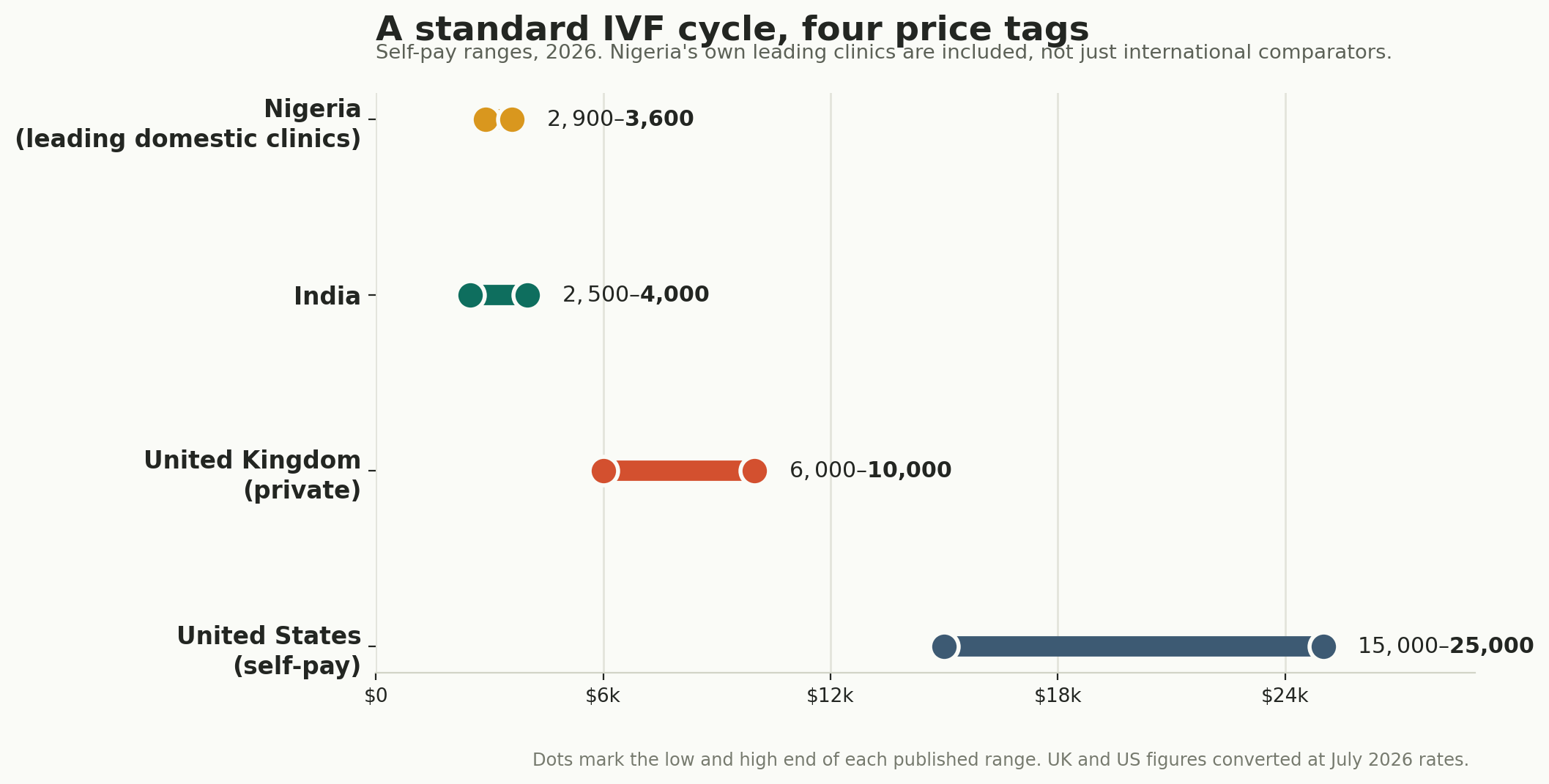
Figure 2. A standard IVF cycle, including Nigeria's own leading domestic pricing alongside three international destinations.
What a proper written quote must itemise
- Whether medication costs are included or billed separately, a common source of confusion in fertility pricing
- The specific technique planned, and whether it genuinely suits the diagnosed cause of infertility
- The clinic's own success rate by age group, not a general headline figure
- Embryo freezing and storage costs, if applicable, itemised separately
- The realistic total cost across two cycles, not just the first attempt
04 · the Full Budget
What the whole journey costs, beyond a single cycle
The per-cycle fee is the number couples anchor on, and the least complete one, given how commonly a second cycle is needed. A representative pathway — standard IVF cycle, one couple, roughly five weeks in India — adds up like this:
- Treatment package (stimulation, retrieval, fertilisation, transfer): $2,800–4,300
- Return flights, two travellers (Lagos/Abuja – Delhi/Mumbai/Chennai): $2,200–3,000
- Fertility medications (often billed separately from the base package): $800–1,600
- Accommodation, about five weeks, two people : $2,200–3,500
- Medical and attendant visas (two applications): $400–500
- Contingency for a second cycle or frozen embryo transfer: budget separately, 80–100% of the first cycle All-in, most couples should plan for US$8,400–12,900 for one complete IVF cycle including travel — roughly ₦11.6–17.8 million at the official mid-July 2026 rate of about ₦1,380 to the dollar, somewhat higher at parallel-market rates near ₦1,410. Given how often a second attempt is needed, realistic total budgeting for a full treatment journey should assume at least two cycles.
05 · GETTING THERE
Visa, travel, and what a cycle actually involves
India issues a Medical Visa (M) to the patient and a Medical Attendant Visa (MX) to a partner. Applications go through the High Commission in Abuja or the Consulate General in Lagos by prior appointment, and an e- Medical route turns around in days for straightforward files. The hospital's invitation letter, three months of certified bank statements, and a passport valid six months with two blank pages move the process fastest.
Lagos and Abuja both reach Delhi, Mumbai and Chennai with a single stop, usually via Addis Ababa, Doha, Dubai, Nairobi or Istanbul, a total journey of 13 to 18 hours.
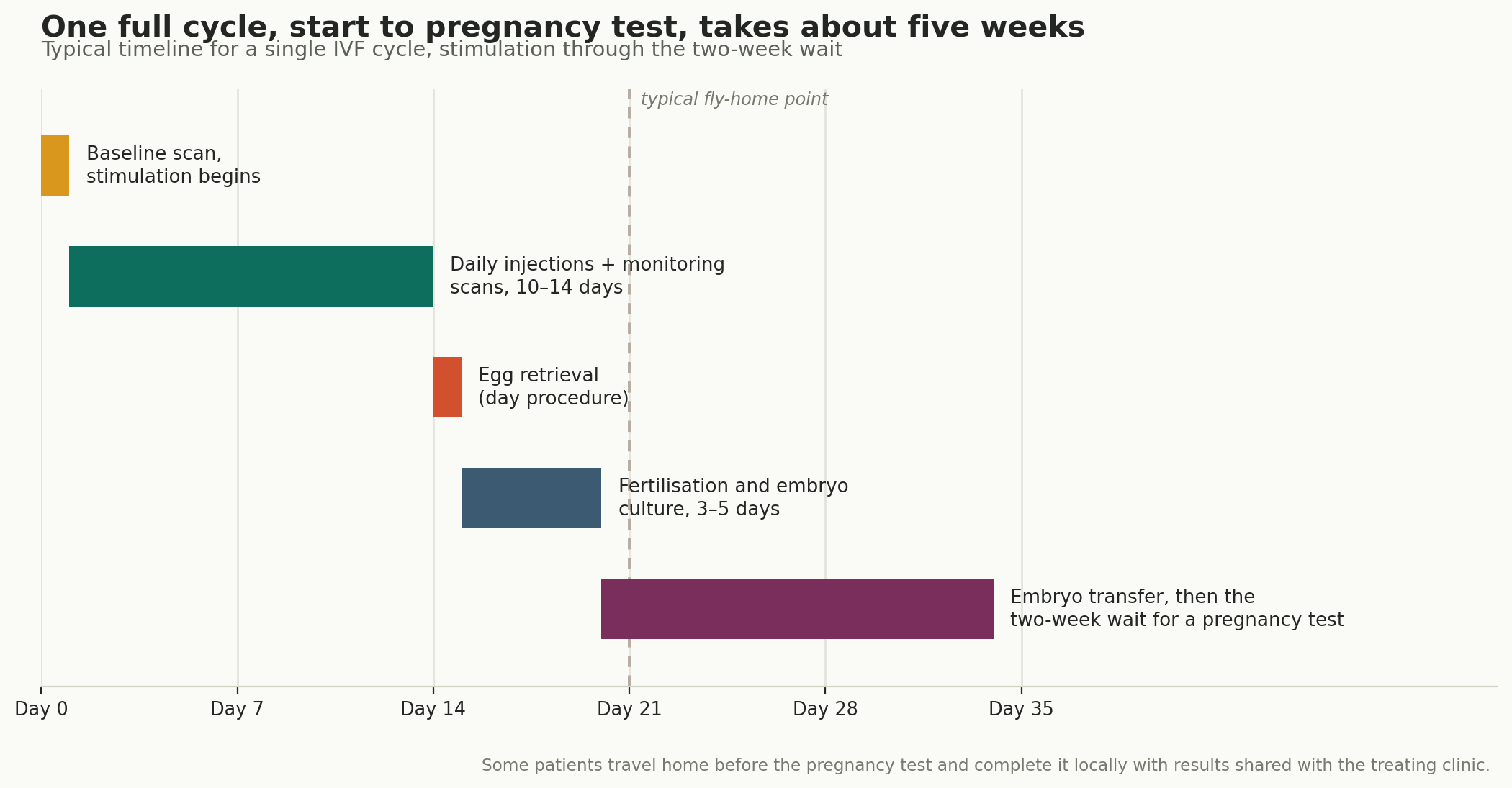
Figure 3. Some couples choose to fly home before the pregnancy test itself and complete it locally, sharing results with the treating clinic; this is a personal choice worth discussing with the fertility team in advance.
On the emotional weight of this, honestly. The two-week wait between embryo transfer and a pregnancy test is, by wide clinical consensus, one of the most emotionally difficult periods in fertility treatment, regardless of where it happens. Arranging support, whether from a partner, family, or a counsellor, for this specific window is worth planning for as deliberately as any medical step in the process.
What has to travel home with the couple
- Full treatment record, including protocol used and embryo grading
- Details of any frozen embryos remaining, and storage arrangements if applicable
- Early pregnancy monitoring guidance, if the cycle was successful
- A written plan for a subsequent cycle, including what would change if the first attempt does not succeed
- A named clinician contact for teleconsultation during early pregnancy or before a next attempt
06 · the Honest Comparison
What stays in Nigeria, and what genuinely travels
Diagnosis, initial fertility workup, and, for many couples, treatment itself at one of Nigeria's leading clinics is a genuinely reasonable path, particularly for a standard first cycle where domestic success rates are comparable to international ones for younger patients.
What tips the calculation toward travelling is less about capability and more about total value across a realistic, multi-cycle journey: access to donor programmes and genetic testing not uniformly available at predictable pricing domestically, the value of a second opinion, and for some couples, the privacy that distance from a stigmatising social environment can offer. This is a more evenly balanced decision than most in this series, and deserves to be treated that way rather than assumed.
Before you commit to a fertility treatment plan, at home or abroad
- Get a full fertility workup for both partners before assuming which partner's factor is responsible.
- Ask any clinic, in Nigeria or abroad, for their success rate specifically by age group, not a general figure.
- Confirm whether medication costs are included in a quoted price or billed separately.
- Budget realistically for at least two cycles, not just the first attempt.
- Ask explicitly whether ICSI, donor material, or genetic testing is medically indicated for your specific diagnosis.
- Discuss support arrangements for the two-week wait before treatment begins, not after.
- Establish what happens to any frozen embryos if a first cycle does not succeed.
- Pay into the clinic's own institutional account only, never an individual's personal account.
Straight Answers for Nigerian Patients about IVF and Fertility Treatment in India
Is IVF cheaper in India than in Nigeria?
Headline pricing is broadly comparable. A standard cycle at Nigeria's leading domestic clinics runs roughly $2,900 to $3,600, against $2,500 to $4,000 in India. India's advantage is less about being dramatically cheaper and more about advanced techniques, donor programmes, and second-opinion options at predictable pricing.
Is infertility really as common in Nigeria as this guide suggests?
Yes. Nigerian facility-based studies report infertility prevalence ranging from around 15 percent to nearly 27 percent depending on the region, with Lagos among the higher figures. Nigeria sits within what researchers describe as an African infertility belt.
Is infertility usually the woman's fault?
No. Research indicates male factor and female factor each contribute to roughly 30 to 40 percent of cases, with the remainder combined or unexplained, yet stigma in many Nigerian communities still falls disproportionately on women.
Do Nigerians need a visa for IVF treatment in India?
Yes. You need an Indian Medical Visa from the High Commission in Abuja, the Consulate in Lagos, or the e- Medical route, plus a Medical Attendant Visa for a partner, with a hospital invitation letter and financial proof.
How many IVF cycles does it typically take to succeed?
Per-cycle success rates at leading clinics generally range from 40 to 50 percent, sometimes higher for younger women, meaning most couples should realistically budget for at least two attempts.
What is ICSI, and when is it needed?
Intracytoplasmic sperm injection involves directly injecting a single sperm into an egg, commonly used for male-factor infertility where sperm count, movement, or shape may make standard fertilisation less likely to succeed.
Is India better than Nigeria for IVF treatment?
Not dramatically, for a standard cycle at Nigeria's leading clinics, which have real, documented success. India becomes more clearly advantageous for advanced techniques, donor programmes, and couples specifically seeking a second opinion or additional privacy.
A closing word
Fertility treatment in Nigeria is not a story about missing technology. It is a story about a genuinely working treatment sitting just out of financial reach for most of the people who need it, and about a stigma that continues to fall unevenly on women despite the evidence showing infertility is, roughly as often as not, a shared or male factor. Neither of those problems is solved simply by choosing a country to travel to.
In twenty-four years of this work, the couples who navigate this best get both partners properly evaluated before assuming where the problem lies, compare real total costs across a realistic multi-cycle plan rather than a single headline price, and build genuine emotional support into the process, especially for the two- week wait, wherever treatment happens. The cycle itself takes about five weeks. Getting to the point of trying it, honestly informed and properly supported, is often the harder part.
Sources
- 🌐 American Society for Reproductive Medicine — Patient resources on IVF and fertility treatment
- 🌐 NHS (UK) — IVF: overview and what to expect – nhs.uk
- 🌐 Factors associated with oocyte recovery rates during in-vitro fertilization among Nigerian women. 2024
- 🌐 The Quiet Desperation: IVF in West Africa, the Need, the Cost, and the Search for Satisfaction. 2026
- 🌐 How Much Is IVF in Nigeria? Domestic clinic pricing surveys, 2025–2026
- 🌐 High Commission of India, Abuja — Medical and Medical Attendant Visa requirements
Frequently Asked Questions by Nigerians about IVF and Fertility Treatment in India
Is IVF cheaper in India than in Nigeria?
Not dramatically on headline cycle pricing. A standard cycle at leading Nigerian clinics is approximately US$2,900–3,600, compared with US$2,500–4,000 in India. India's advantage is more about advanced options and predictable access.
How common is infertility in Nigeria?
The guide cites Nigerian facility-based studies reporting prevalence from around 15% to nearly 27%, depending on the region, with Lagos among the higher reported figures.
Is infertility usually caused by a problem with the woman?
No. Male-factor and female-factor infertility each contribute to approximately 30–40% of cases. Both partners should therefore undergo a proper fertility assessment.
What is ICSI and when may it be required?
ICSI involves injecting a single sperm directly into an egg. The guide describes it as particularly relevant when sperm count, movement or morphology makes conventional fertilisation less likely to succeed.
How much does one IVF cycle in India cost?
A standard IVF cycle is approximately US$2,500–4,000. Once flights, medications, accommodation and visas are included, the guide estimates US$8,400–12,900 for the complete journey.
How many IVF cycles should Nigerian couples budget for?
The guide recommends planning financially for at least two attempts because a single IVF cycle does not guarantee pregnancy.
How long does a standard IVF cycle take?
Approximately five weeks. This includes ovarian stimulation and monitoring, egg retrieval, fertilisation, embryo culture, embryo transfer and the subsequent two-week wait for pregnancy testing.
Do Nigerian patients need a visa for IVF treatment in India?
Yes. The guide specifies an Indian Medical Visa for the patient and a Medical Attendant Visa for the partner, supported by the required hospital invitation and financial documentation.
What should couples ask an IVF clinic before paying?
Ask for age-specific success rates, whether medications are included, why the proposed technique is appropriate, embryo freezing and storage charges, and the realistic cost of two cycles rather than one.
Is India always better than Nigeria for IVF?
No. The document explicitly states that leading Nigerian clinics provide genuine IVF treatment with documented success. India becomes more relevant for advanced techniques, donor programmes, genetic testing, second opinions or additional privacy.
Page Summary
This guide differs from many of the other Nigerian medical-travel documents because it does not describe a missing technology. IVF is already established in Nigeria, with functioning fertility centres and documented success. The central problem is financial accessibility. A cycle at leading Nigerian fertility centres is described as costing approximately ₦4–5 million, equivalent to more than four years of earnings at the stated national minimum wage.
Citation Block
| Topic | Information |
|---|---|
| Topic Information | IVF and Fertility Treatment in India for Nigerian Patients |
| Treatment | Assisted Reproductive Treatment / IVF |
| Country | India |
| Intended Audience | Nigerian Couples and Patients |
| Conditions Covered | Male-Factor, Female-Factor, Tubal-Factor, Combined and Unexplained Infertility |
| Procedures | FET, Standard IVF, ICSI, IVF With PGT and Donor Egg/Sperm IVF |
| Nigeria Infertility Prevalence | Approximately 15–27% |
| Male-Factor Contribution | Approximately 30–40% |
| Female-Factor Contribution | Approximately 30–40% |
| Nigeria IVF Availability | Established Domestic Treatment |
| Standard IVF Duration | Approximately 5 Weeks |
| Representative India Stay | Approximately 5 Weeks |
| All-In One-Cycle Budget | US$8,400–12,900 |
| Realistic Planning | At Least Two Cycles |
| First Requirement | Fertility Workup for Both Partners |
| Success Rate Assessment | Compare by Age Group |
| Nigeria Appropriate Care | Workup and Standard IVF |
| India Potential Advantage | Advanced Techniques, Donor Programmes, PGT and Second Opinions |
| Follow-Up | Early Pregnancy Monitoring or Planning of Subsequent Cycle |
| Medical Visa | Indian Medical Visa |
| Attendant Visa | Medical Attendant Visa for Partner |
| Author | Dr. Dheeraj Bojwani |
| Experience | 24 Years' Experience |


Our Mission Statement
Our mission is to place patients at the centre of every healthcare decision by providing trustworthy, evidence-based, and unbiased medical information. We believe that informed patients make better decisions. Backed by personalised guidance from our experienced advisory team, we help patients understand their treatment options, compare them objectively, and confidently choose the path that best suits their medical needs and personal circumstances.
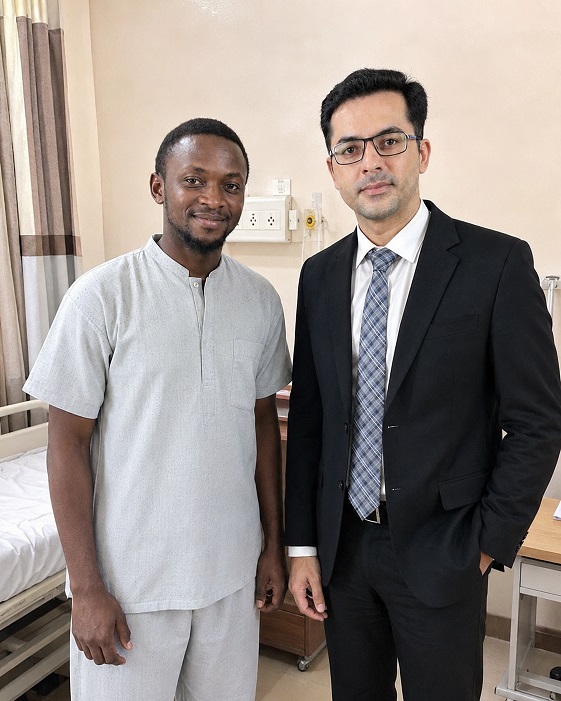
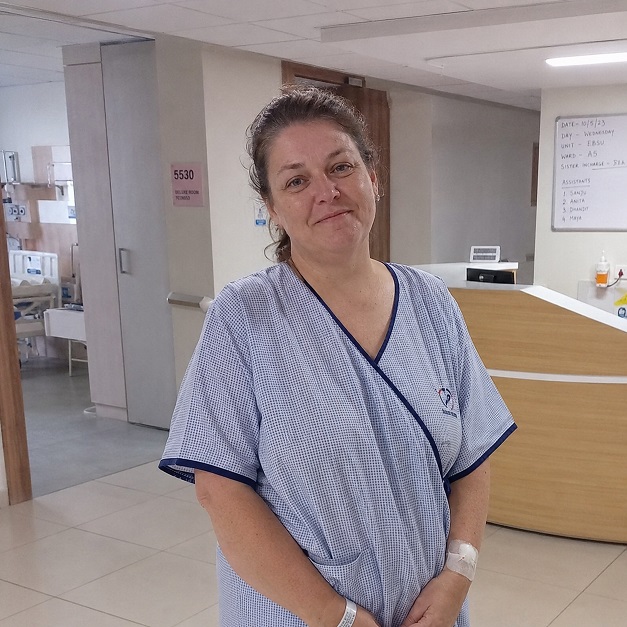
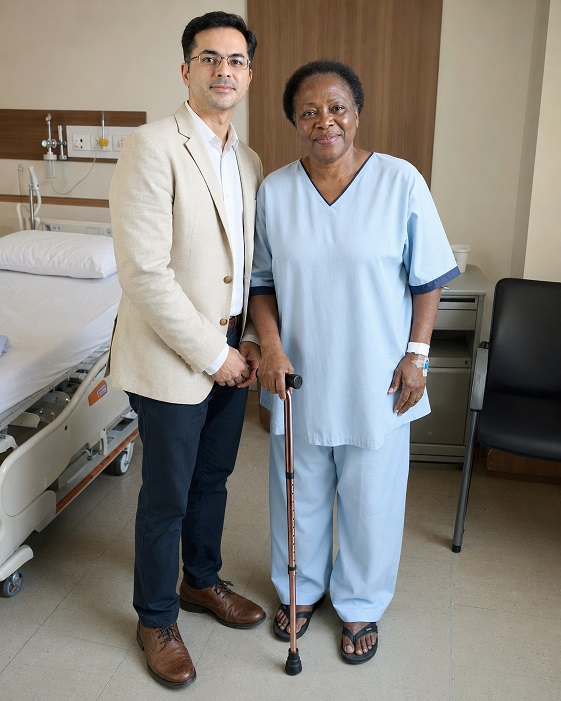
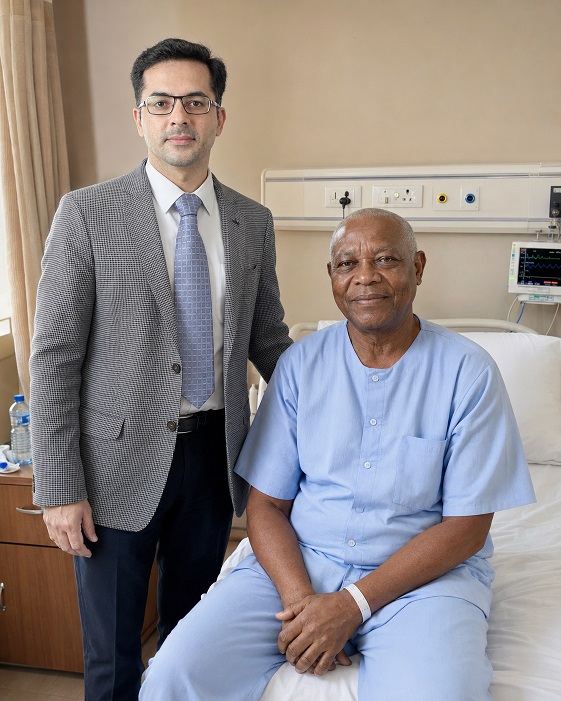
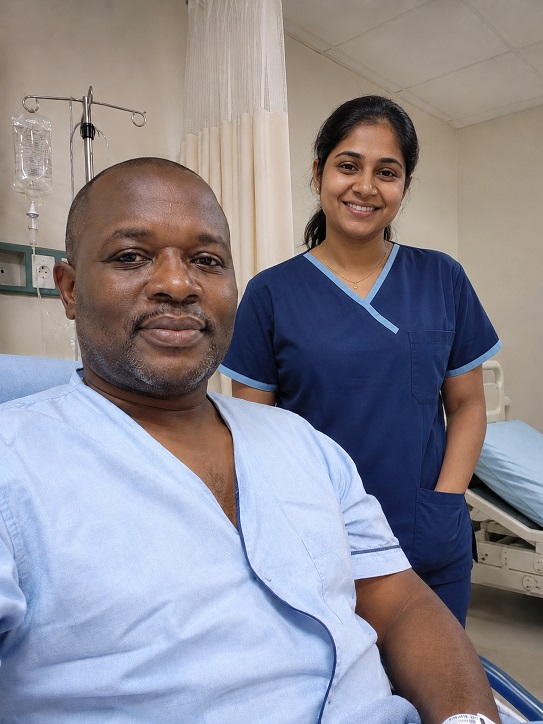
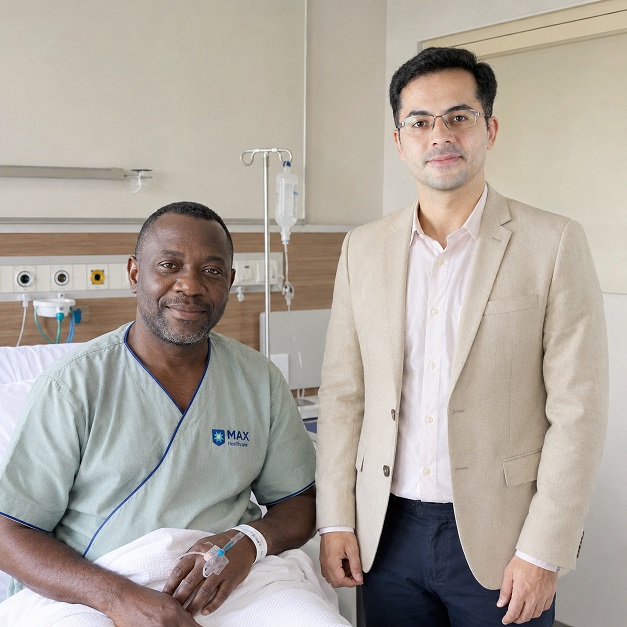
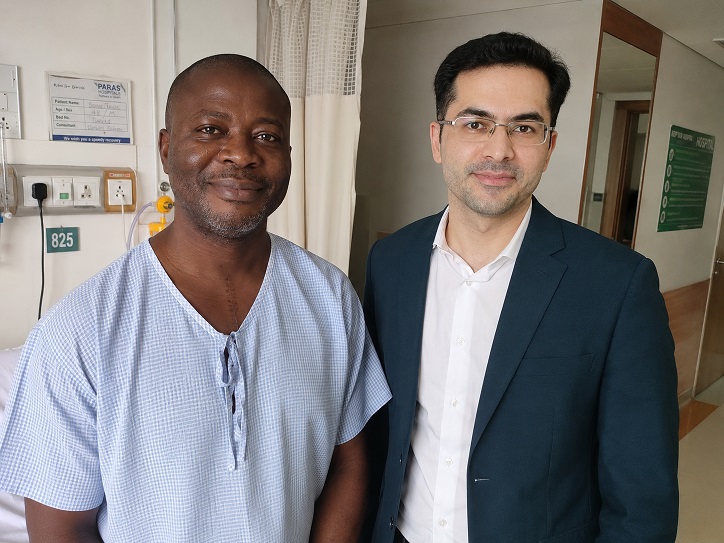
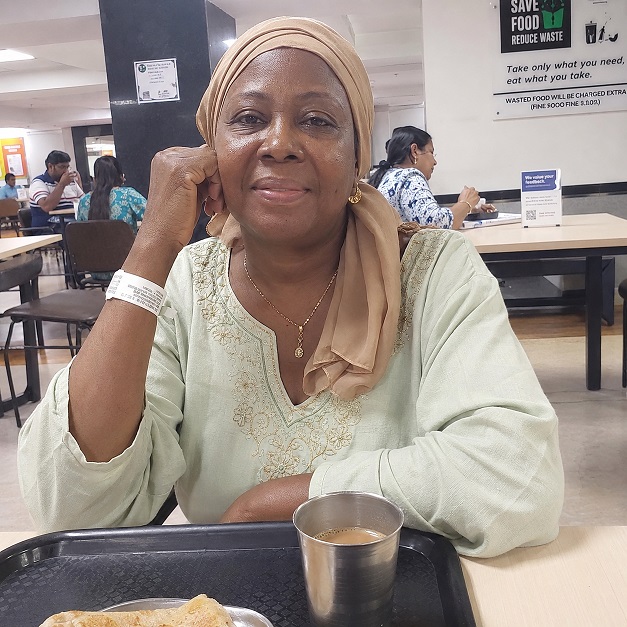
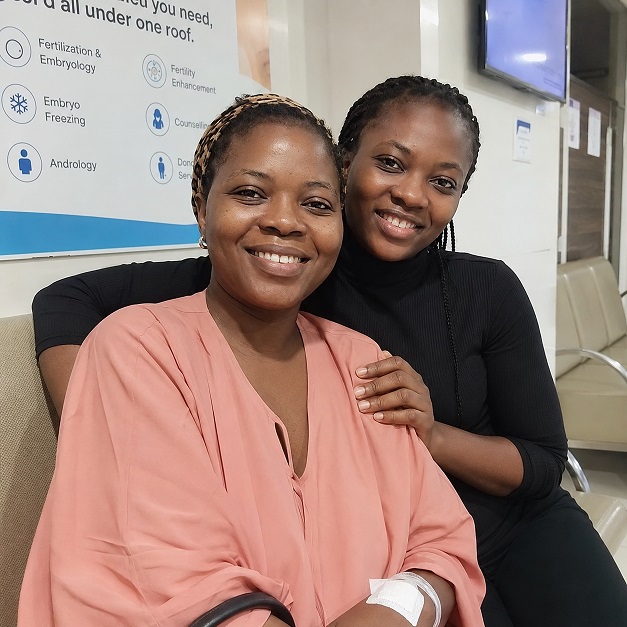
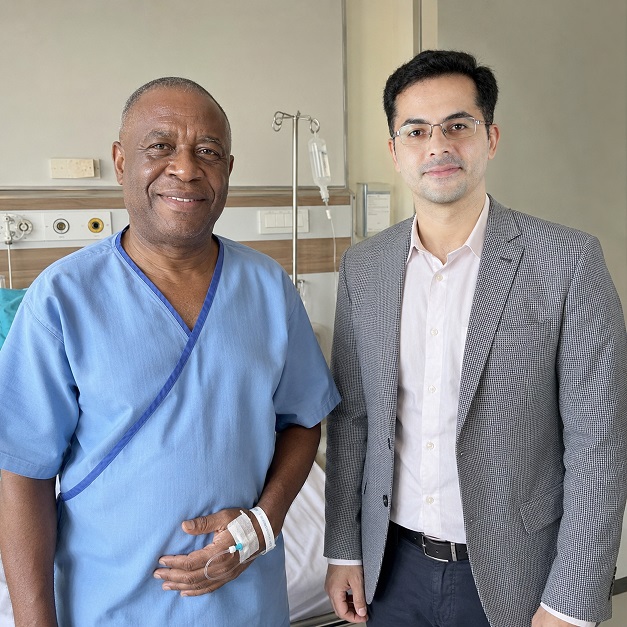
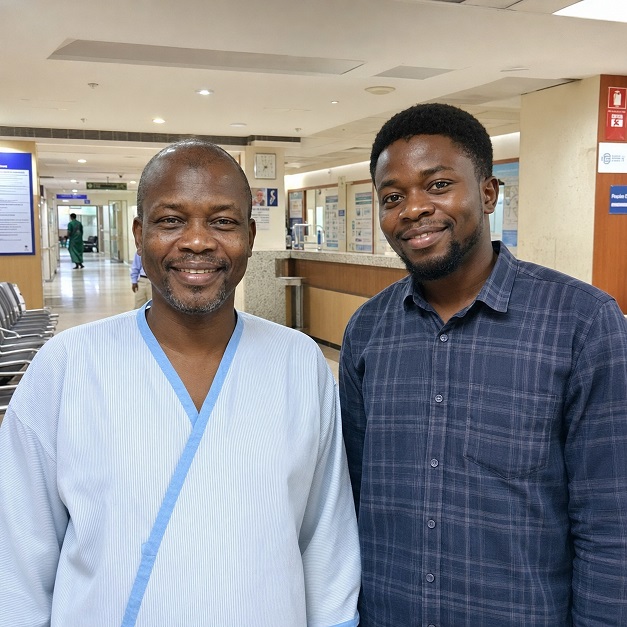
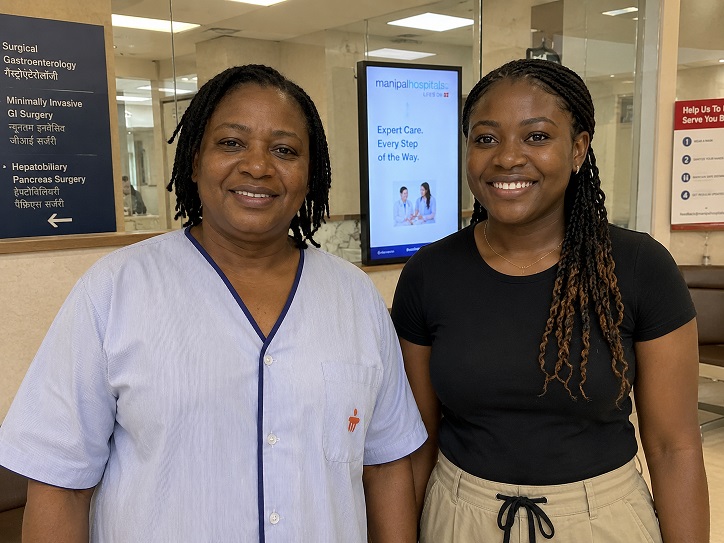
Patient Testimonials from Nigeria


Ready to Take the First Step?
Share your Medical Reports with our Healthcare Managers Today and Get a FREE CONSULTATION, a Personalized Treatment Plan, and Complete Support from Arrival to Recovery.
Get Your Free ConsultationAreas We Serve
This resource has been thoughtfully prepared for patients from Nigeria who are considering medical treatment in India. We also welcome patients from the wider region in the countries mentioned below-
We assist patients from:
- Benin
- Niger
- Chad
- Cameroon
- Algeria
- Egypt
- Libya
- Morocco
- Sudan
- Tunisia
- Gambia
- Ghana
- Burkina Faso
- Cabo Verde
- Côte d'Ivoire
- Equatorial Guinea
- São Tomé and Príncipe
Many of the insights, treatment pathways, hospital recommendations, travel guidance, and patient support services described here are equally relevant and may be used as a reference when planning treatment in India.
From Nigeria to India: Your Complete Patient Support Guide
- Artificial Disc Replacement in India for Nigerian Patients
- Weight Loss and Bariatric Surgery in India for Nigerian Patients
- Bone Marrow Transplant in India for Nigerian Patients
- Brain Tumour Surgery in India for Nigerian Patients
- Breast Cancer Treatment and Surgery in India for Nigerian Patients
- Cancer Treatment and Surgery in India for Nigerian Patients
- Cardiac Arrhythmia and Heart Pacemaker Treatment in India for Nigerian Patients
- Cardiac Surgery in India for Nigerian Patients
- Colorectal Cancer Treatment and Surgery in India for Nigerian Patients
- Complex Orthopaedic and Joint Revision Surgery in India for Nigerian Patients
- Cornea Transplant and Advanced Eye Surgery in India for Nigerian Patients
- CyberKnife Treatment in India for Nigerian Patients
- Gamma Knife Treatment in India for Nigerian Patients
- Heart Failure Treatment and Surgery in India for Nigerian Patients
- Hip Surgery in India for Nigerian Patients
- HIPEC Cancer Surgery in India for Nigerian Patients
- IVF and Fertility Treatment in India for Nigerian Patients
- Joint Arthroscopy and Sports Medicine in India for Nigerian Patients