

Bone Marrow Transplant in India for Nigerian Patients
For the one treatment that does not just manage sickle cell disease, but actually cures it — and the long, careful process that cure genuinely requires.
Nigeria carries the world's highest burden of sickle cell disease, and until very recently, curing it rather than simply managing it was not an option available inside the country at all. That changed in 2024, when Lagos University Teaching Hospital reported Nigeria's first successful bone marrow transplant for sickle cell disease, and again in early 2026 with the opening of a dedicated transplant centre. It is a genuine, hard-won milestone. It is also, honestly, still a very young programme working through the exact structural challenges that make an established international centre worth considering for many families. This guide sets out what bone marrow transplant actually costs, in Nigeria and in India, once travel is counted where relevant, what donor matching genuinely requires, and why recovery from this specific procedure runs for months rather than weeks.
| Only | 2024 | 7 of 54 | ~100 days |
|---|---|---|---|
| CURE CURRENTLY ESTABLISHED FOR SICKLE CELL DISEASE | YEAR OF NIGERIA'S FIRST REPORTED SUCCESSFUL TRANSPLANT FOR SCD | AFRICAN COUNTRIES CURRENTLY PERFORM STEM CELL TRANSPLANTATION | TYPICAL MONITORING WINDOW BEFORE TRAVEL HOME IS CONSIDERED |
Healing Journeys of Nigerian Patients
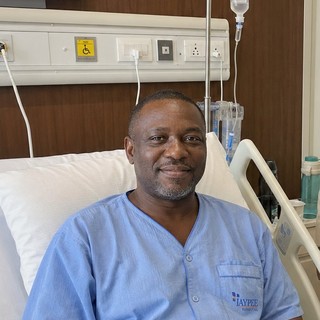
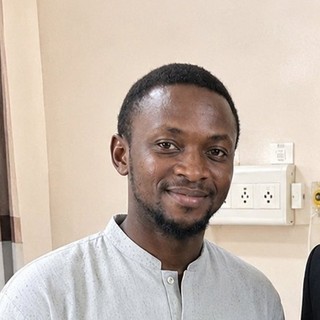
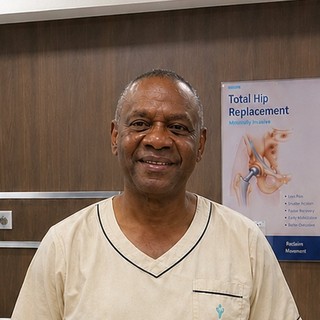
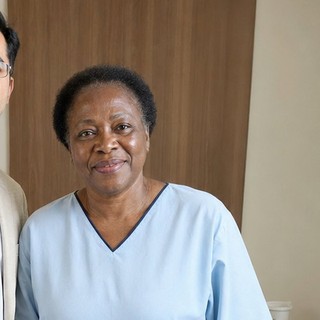
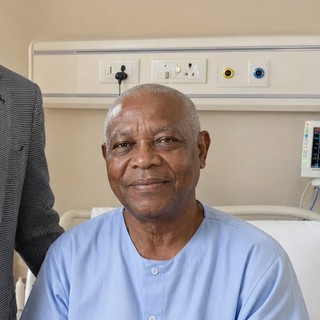
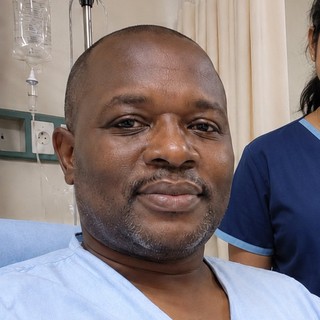

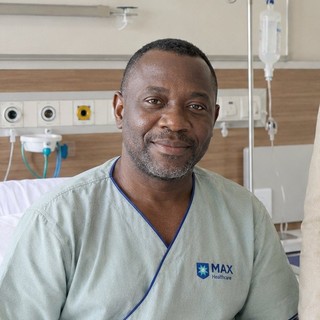
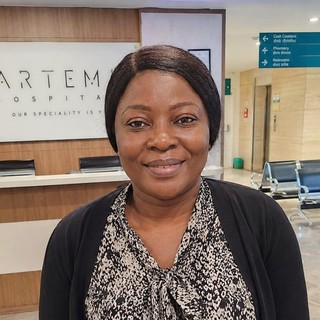
Key Takeaways
- Allogeneic haematopoietic stem cell transplantation, commonly known as bone marrow transplant, is presented in the guide as the only widely established cure for sickle cell disease, rather than a treatment that merely controls symptoms. It replaces the patient's diseased blood-forming system with healthy stem cells from a donor.
- Nigeria carries what the guide describes as the world's highest burden of sickle cell disease, with an estimated 150,000 babies born with sickle cell disease every year.
- The guide notes that only 7 of 54 African countries currently perform stem cell transplantation, demonstrating the specialised infrastructure, trained personnel and supportive care required for the procedure.
- Nigeria reported its first successful bone marrow transplant for sickle cell disease at Lagos University Teaching Hospital in September 2024.
- In early 2026, Lagos University Teaching Hospital opened a dedicated bone marrow transplant centre, described in the guide as West Africa's first dedicated transplant centre for sickle cell disease.
- The guide recognises this as a genuine development in Nigerian transplant medicine, while also highlighting continuing structural limitations including infrastructure reliability, specialised infection diagnostics, blood-product support and donor availability.
- Reported Nigerian domestic transplant pricing is approximately US$15,000–23,000.
- One of the most important limitations identified in Nigeria is the absence of a large-scale national registry for unrelated stem-cell donors. This makes transplant more difficult for patients who do not have a suitably matched family donor.
- The guide states that HLA typing should be performed early for the patient and all potential sibling donors because donor type is one of the biggest determinants of transplant complexity, risk and cost.
- A fully matched sibling donor is described as the most straightforward donor option.
Quick Facts
- Treatment
- Bone Marrow Transplant / Haematopoietic Stem Cell Transplantation
- Country
- India
- Intended Audience
- Nigerian Patients and Families
- Primary Focus
- Sickle Cell Disease and Other Haematological Disorders
- Sickle Cell Treatment Role
- Only Widely Established Cure
- Nigeria Sickle Cell Burden Mentioned
- Approximately 150,000 Babies Born With Sickle Cell Disease Annually
- African Countries Performing Stem Cell Transplantation
- 7 of 54
- Nigeria First Reported Successful SCD Transplant
- 2024
- Dedicated Nigerian Transplant Centre Mentioned
- Lagos University Teaching Hospital
- Dedicated Centre Opening
- Early 2026
- Reported Nigeria Transplant Cost
- Approximately US$15,000–23,000
- Major Nigeria Donor Limitation
- No Large-Scale National Unrelated-Donor Registry
- First Donor Assessment
- HLA Typing
- Preferred Straightforward Donor
- Fully Matched Sibling
- Author
- Dr. Dheeraj Bojwani
- Experience
- 24 Years' Experience
In Brief
Bone marrow transplant in India may provide Nigerian patients with access to established high-volume transplant programmes for sickle cell disease and other haematological disorders. Allogeneic stem cell transplantation remains the only widely established cure for sickle cell disease, with a fully matched sibling generally representing the most straightforward donor option. When no full family match exists, haploidentical or unrelated-donor transplantation may be possible but increases complexity and cost. Indicative Indian pricing ranges from US$14,000–20,000 for matched-sibling sickle cell transplantation to US$20,000–30,000 for a matched unrelated-donor transplant. The first 100 days after transplant are especially important because of the risk of serious infection and acute graft-versus-host disease.
01 · the Real Problem
The only cure, arriving in Nigeria only very recently
Allogeneic haematopoietic stem cell transplant, commonly known as bone marrow transplant, remains the only widely established cure for sickle cell disease — not a treatment that manages symptoms, but one that replaces the diseased blood-forming system with a healthy one from a donor. For a country with an estimated 150,000 babies born with sickle cell disease every year, the largest such burden anywhere in the world, that distinction matters enormously.
Across the whole African continent, only seven of fifty-four countries currently perform stem cell transplantation at all, reflecting how demanding this procedure is in terms of infrastructure, trained personnel, and reliable supportive care. Nigeria became one of that small group only recently. Lagos University Teaching Hospital announced the country's first successful bone marrow transplant for sickle cell disease in September 2024, a case the treating team themselves described as achieved despite real operational strain — unreliable power supply requiring backup generators, limited blood product support, and gaps in fungal and viral diagnostic testing.
Those specific, honestly reported challenges are worth sitting with, because they describe exactly the kind of infrastructure fragility that matters enormously for a procedure where a patient's immune system is deliberately, temporarily destroyed as part of treatment.
02 · Nigeria's Capacity
A genuine milestone, with real structural limits still ahead of it
In early 2026, Lagos University Teaching Hospital opened what has been described as West Africa's first dedicated bone marrow transplant centre, with a domestically built stem cell processing laboratory and Nigerian specialists trained across the full pathway from donor screening to cell harvesting and transplantation. Reported domestic pricing for the procedure runs around $15,000 to $23,000, a figure worth knowing regardless of where a family ultimately decides to go.
The programme's own stated biggest challenge is donor availability: Nigeria does not yet have a large-scale national registry for unrelated donors, meaning patients without a matching family member currently have a meaningfully narrower path to transplant than in countries with established registries. A separate published case series from a Nigerian public-private partnership reported twenty-two total transplants, sixteen from matched sibling donors and six haploidentical, over the period studied — a genuinely real and growing body of experience, but still a small one in absolute terms.
Given how strongly transplant outcomes are tied to a centre's cumulative case volume and the depth of its supportive care infrastructure, particularly for managing infection and graft-versus-host disease, this is precisely the kind of procedure where a much larger, longer-established international programme offers a genuine, measurable advantage, especially for patients without a straightforward matched sibling donor.
03 · THE TREATMENT MAP
Which transplant, and what it costs
The type of donor, more than the underlying disease itself, is usually what drives both the complexity and the cost of a transplant. A fully matched sibling is the most straightforward and lowest-risk option; where none exists, haploidentical or unrelated-donor transplants remain possible, with more involved conditioning and immunosuppression protocols.
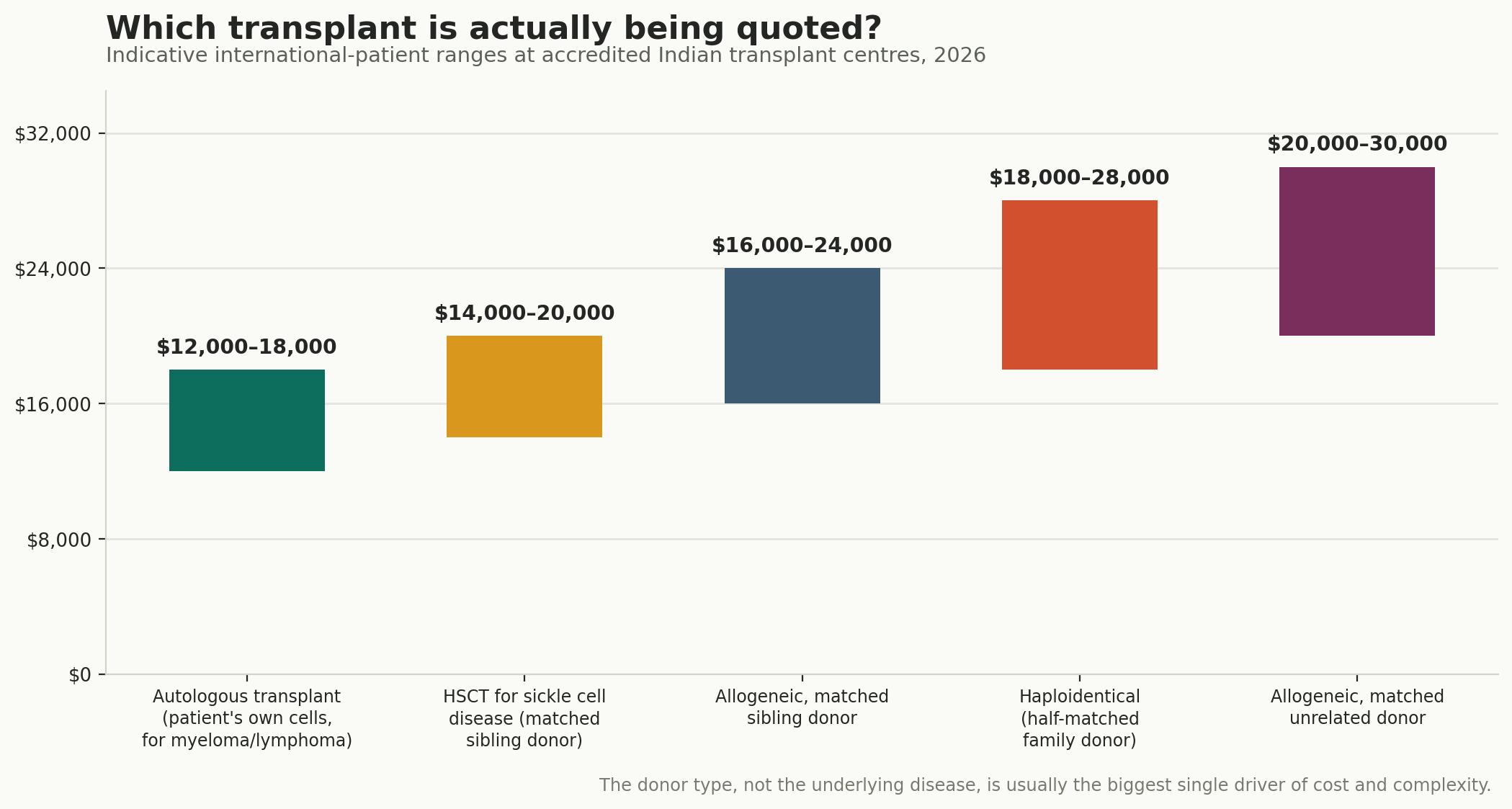
Figure 1. Donor type is usually the single biggest cost driver. A matched sibling is the most straightforward option; unrelated and haploidentical donors add complexity and cost.
| Transplant type | Typically suits | Indicative cost | Hospital stay |
|---|---|---|---|
| Autologous transplant | Patient's own cells, common for multiple myeloma or certain lymphomas | $12,000–18,000 | 3–4 weeks |
| HSCT for sickle cell disease, matched sibling | Sickle cell disease with a fully matched sibling donor available | $14,000–20,000 | 4–5 weeks |
| Allogeneic, matched sibling donor | Leukaemia, lymphoma, or other blood disorders with a matched sibling | $16,000–24,000 | 4–6 weeks |
| Haploidentical (half-matched family donor) | No fully matched donor available; a parent, child, or sibling half-matches | $18,000–28,000 | 5–6 weeks |
| Allogeneic, matched unrelated donor | No matched family donor; a registry match is identified instead | $20,000–30,000 | 5–6 weeks |
Table 1. Indicative international-patient pricing at accredited Indian transplant centres, mid-2026. Figures are planning ranges, not offers, and vary by conditioning protocol, donor type, and case complexity.
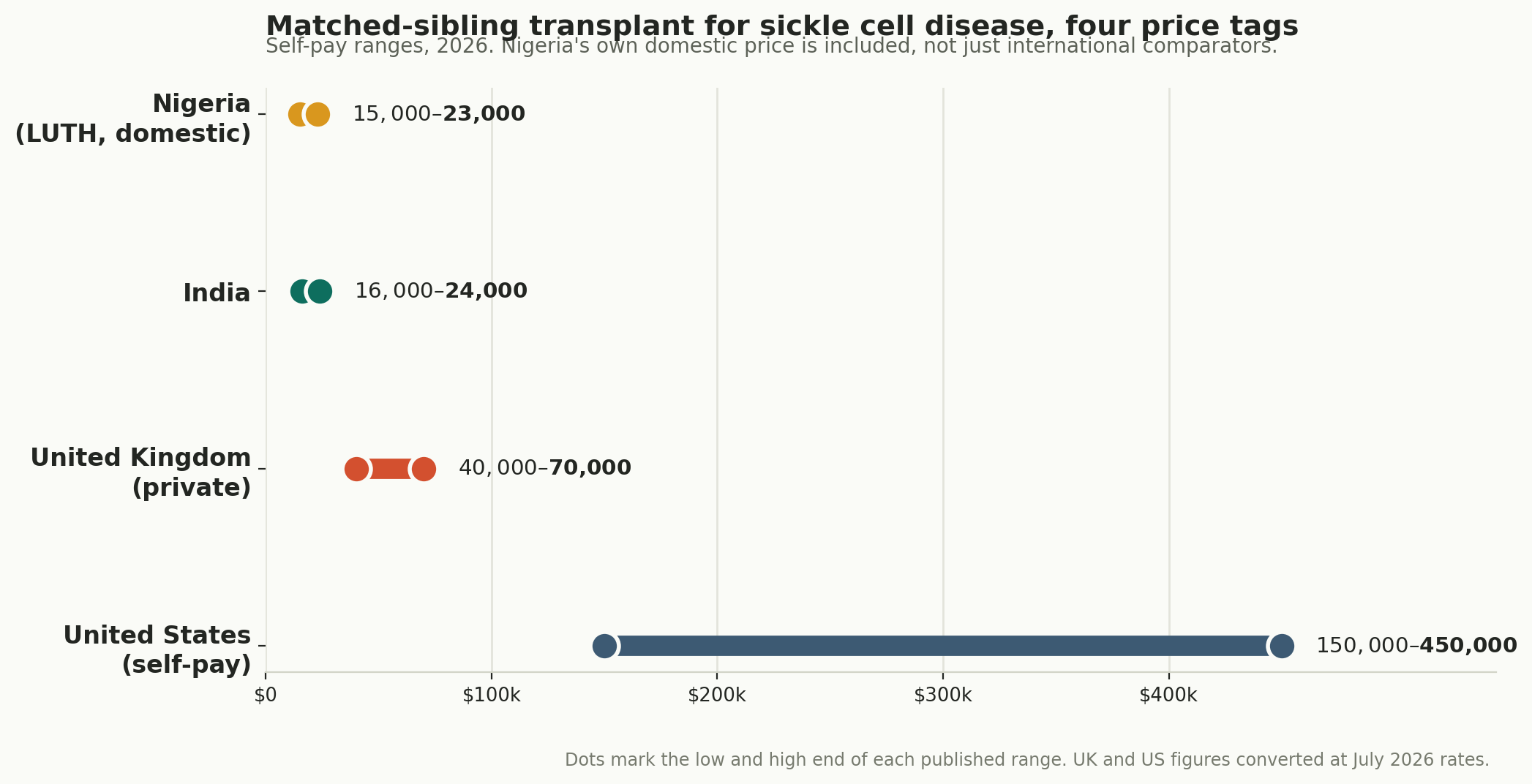
Figure 2. Matched-sibling transplant for sickle cell disease, including Nigeria's own reported domestic pricing alongside three international destinations.
What a proper written quote must itemise
- The exact conditioning protocol planned, and whether it is myeloablative or reduced-intensity
- Donor type and, if relevant, the process and cost of unrelated donor search through a registry
- The minimum length of stay assumed in the quote, given the extended monitoring this procedure requires
- What ongoing immunosuppressive medication is expected to cost after discharge
- Written policy on cost if a second stem cell infusion or extended isolation becomes necessary
04 · the Full Budget
What the whole journey costs, beyond the transplant itself
The transplant fee is the number families anchor on, and the least complete one, because this procedure requires a genuinely extended stay. A representative pathway — matched-sibling allogeneic transplant, one patient and one attendant, roughly ten to twelve weeks in India — adds up like this:
- Transplant package (conditioning, infusion, isolation ward, initial monitoring): $16,000–24,000
- Return flights, two travellers (Lagos/Abuja – Delhi/Mumbai/Chennai): $2,200–3,000
- Pre-transplant workup (HLA typing for patient and potential donors, staging tests): $1,000–1,800
- Extended accommodation, ten to twelve weeks, two people : $3,500–5,500
- Medical and attendant visas (two applications, extended validity): $450–600
- Contingency for extended isolation or early complication management: 15–20% All-in, most families should plan for US$25,000–36,000 for a matched-sibling transplant — roughly ₦34.5– 49.7 million at the official mid-July 2026 rate of about ₦1,380 to the dollar, somewhat higher at parallel- market rates near ₦1,410. Haploidentical or unrelated-donor transplants should be budgeted considerably higher, given both the higher procedure cost and the extended monitoring these protocols often require.
05 · Getting There
Visa, travel, and why this recovery is measured in months
India issues a Medical Visa (M) to the patient and a Medical Attendant Visa (MX) to up to two close relatives, and for this specific procedure, extended visa validity should be requested from the outset given the length of stay involved. Applications go through the High Commission in Abuja or the Consulate General in Lagos by prior appointment. The hospital's invitation letter, three months of certified bank statements, and passports valid well beyond six months move the process fastest.
Lagos and Abuja both reach Delhi, Mumbai and Chennai with a single stop, usually via Addis Ababa, Doha, Dubai, Nairobi or Istanbul, a total journey of 13 to 18 hours. Given how compromised a patient's immune system is in the early weeks after transplant, that journey happens once, at the very start; there is no realistic scenario for travelling home and returning partway through treatment.
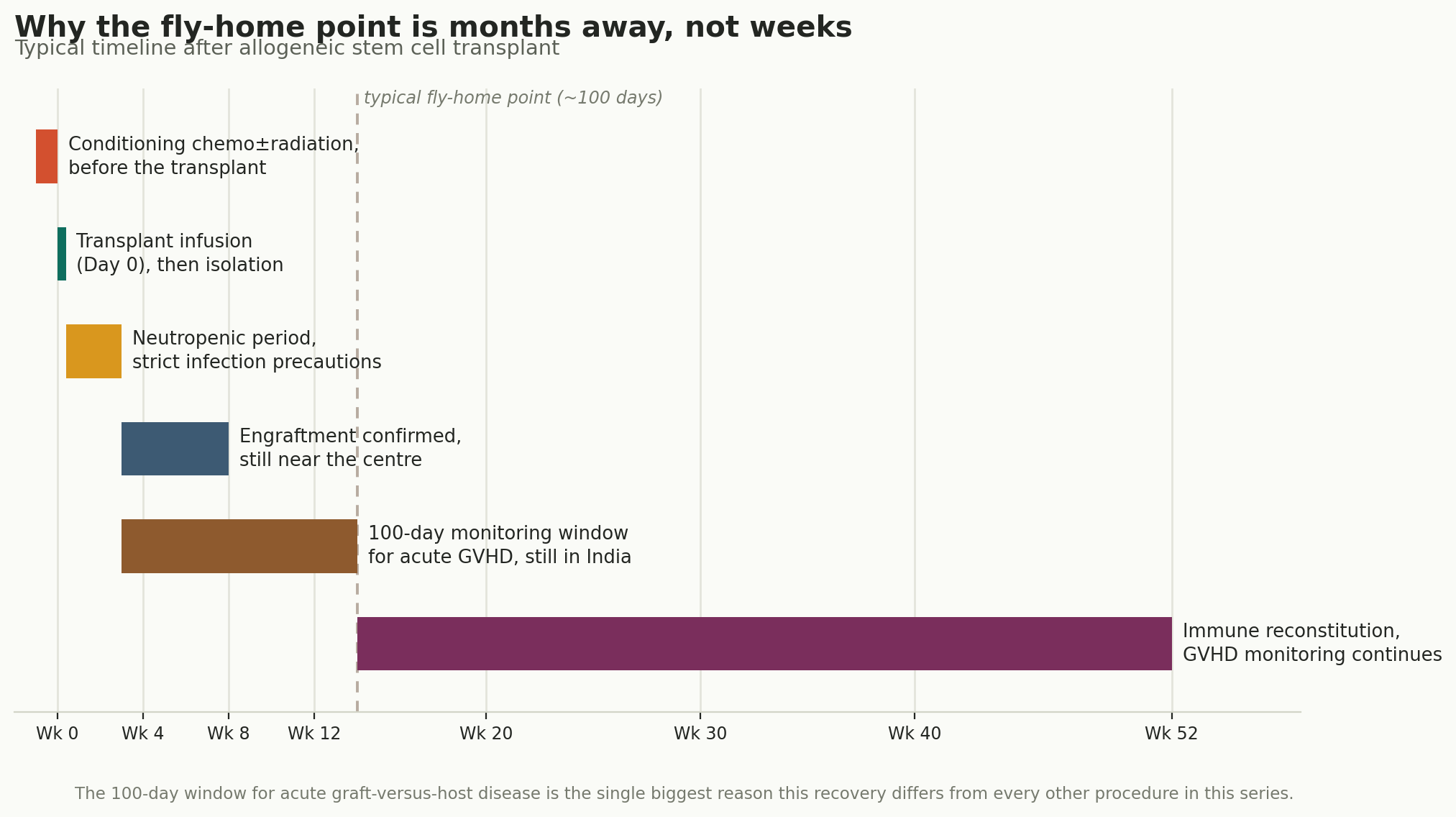
Figure 3. The 100-day window for acute graft-versus-host disease is the single biggest reason this recovery differs from every other procedure in this series; patients are not cleared to travel until well past it.
On graft-versus-host disease. In an allogeneic transplant, the donor's immune cells can sometimes recognise the recipient's body as foreign and attack it, a complication called graft-versus-host disease. It can appear acutely within the first 100 days or emerge chronically much later, and managing it is a central part of why follow-up continues for a year or more, not just until discharge.
What has to travel home with the patient
- Full transplant record, including donor HLA type and conditioning protocol used
- A written immunosuppressive medication schedule and tapering plan
- Infection precaution guidance appropriate to the ongoing recovery period
- A long-term surveillance and vaccination-restart schedule, since immunity has to be rebuilt from scratch
- A named clinician contact for urgent teleconsultation if fever or new symptoms arise
06 · the Honest Comparison
What Nigeria offers now, and what still tips the balance abroad
Nigeria's new transplant programme is a real achievement, not a token gesture, and for a family with a confirmed matched sibling donor and the ability to work closely with the LUTH team, it genuinely deserves serious consideration, not least because it keeps a patient closer to home during an intensely difficult period.
What still tips the balance toward an established international centre is precisely what the programme's own team has been open about: the absence of a national unrelated-donor registry, a still-small cumulative case volume, and infrastructure reliability — particularly power supply and specialised diagnostic testing — that matters enormously when a patient's immune system is deliberately suppressed for weeks. For any case without a straightforward matched sibling donor, or any family wanting the reassurance of a very high-volume transplant programme, that difference is a serious, legitimate factor.
Before you commit to a transplant plan, at home or abroad
- Get HLA typing done for the patient and all potential sibling donors as the very first step.
- Ask explicitly what the plan is if no full match exists among family members.
- Confirm the centre's cumulative transplant case volume, not just its general hospital reputation.
- Ask specifically about the centre's track record managing graft-versus-host disease and serious infection.
- Establish the full expected length of stay in writing before booking any flights.
- Confirm what ongoing medication costs look like after discharge, not just the transplant fee itself.
- Verify visa validity covers the full expected stay, with margin for extension if needed.
- Pay into the hospital's own institutional account only, never an individual's personal account.
Straight Answers for Nigerian Patients about Bone Marrow Transplant in India
Is bone marrow transplant in India cheaper than the UK or US?
Yes, substantially. A matched-sibling allogeneic transplant is indicatively $16,000 to $24,000 in India, against roughly $40,000 to $70,000 privately in the UK and $150,000 to $450,000 self-pay in the United States.
Is bone marrow transplant available in Nigeria now?
Yes, on a very new and limited basis. Lagos University Teaching Hospital opened West Africa's first dedicated transplant centre for sickle cell disease, with domestic pricing reported around $15,000 to $23,000. Case volume remains small, and there is not yet a national registry for unrelated donors.
Can bone marrow transplant cure sickle cell disease?
Yes. Allogeneic stem cell transplant remains the only widely established cure for sickle cell disease, most successful with a fully matched sibling donor, though haploidentical transplants from half-matched family members are increasingly used where no full match exists.
Do Nigerians need a visa for bone marrow transplant in India?
Yes. You need an Indian Medical Visa from the High Commission in Abuja, the Consulate in Lagos, or the e- Medical route, plus a Medical Attendant Visa for up to two close relatives, with a hospital invitation letter and financial proof.
Why does the family need to stay so long after the transplant?
The first 100 days carry the highest risk of acute graft-versus-host disease and serious infection, so patients are generally kept near the transplant centre for close monitoring throughout this window before travel home is considered safe.
What if no family member is a full match?
A haploidentical transplant, using a half-matched parent, child, or sibling, is a well-established alternative when no fully matched donor is available, using a modified conditioning and immunosuppression protocol to manage the greater mismatch.
Is India better than Nigeria for bone marrow transplant?
For case volume, donor-matching options, and infrastructure reliability specifically, often yes, even with Nigeria's new domestic programme. India's transplant centres perform far higher volumes and offer broader donor and conditioning protocol options.
A closing word
Bone marrow transplant is not a bigger version of the other procedures in this series; it is a different kind of medicine entirely, deliberately taking a patient's immune system apart before carefully rebuilding it with someone else's. That is precisely why case volume, donor registry depth, and infrastructure reliability matter more here than almost anywhere else in this guide, and why Nigeria's genuine, hard-won new programme and an established international centre are not yet fully equivalent choices for every patient.
In twenty-four years of this work, the families who navigate this best get HLA typing done early, ask directly about a centre's cumulative case volume and infection-management track record, and prepare, financially and logistically, for a stay measured in months rather than weeks. The transplant itself takes a single day. Everything that follows, patiently and carefully, is what actually delivers the cure.
Sources
- 🌐 National Marrow Donor Program / NMDP — Understanding bone marrow transplant
- 🌐 NHS (UK) — Stem cell and bone marrow transplants: overview
- 🌐 Pulse Nigeria — Nigeria Opens West Africa's First Bone Marrow Transplant Centre for Sickle Cell Cure, 2026
- 🌐 Haematopoietic Stem Cell Transplantation for Sickle Cell Disease in a Low Resource Country Nigeria
- 🌐 Ogunniyi A et al. — Advancing Hematopoietic Stem Cell Transplantation (HSCT) in Africa: A Pathway to Curing Hematological Disorders
- 🌐 High Commission of India, Abuja — Medical and Medical Attendant Visa requirements
Frequently Asked Questions by Nigerians about Bone Marrow Transplant in India
Can bone marrow transplant cure sickle cell disease in Nigerian patients?
Yes. The guide states that allogeneic stem cell transplant remains the only widely established cure for sickle cell disease, with the strongest pathway generally involving a suitably matched donor.
Is bone marrow transplant currently available in Nigeria?
Yes, but on a relatively new and limited basis. The guide notes Nigeria's first reported successful sickle cell transplant in 2024 and the opening of a dedicated transplant centre at LUTH in early 2026.
How much does bone marrow transplant cost in India for Nigerian patients?
Indicative costs vary by donor type, from US$12,000–18,000 for autologous transplantation to US$20,000–30,000 for matched unrelated-donor transplantation. A full matched-sibling pathway may require an overall budget of approximately US$25,000–36,000.
Why is HLA matching important before bone marrow transplant?
HLA typing identifies how closely the donor and recipient are matched. The guide recommends testing the patient and potential sibling donors early because donor type strongly influences complexity, risk and cost.
What happens if no sibling is a full donor match?
A haploidentical transplant using a half-matched parent, child or sibling may be possible. The guide describes it as an established alternative using modified conditioning and immunosuppression to manage the greater mismatch.
Why must Nigerian patients stay in India for so long after transplant?
The first 100 days carry the highest risk of serious infection and acute graft-versus-host disease. Patients are generally expected to remain close to the transplant centre during this critical monitoring period.
What is graft-versus-host disease after bone marrow transplant?
GVHD occurs when donor immune cells recognise the recipient's tissues as foreign and attack them. It can occur during the first 100 days or develop later as chronic GVHD, which is one reason follow-up continues long after discharge.
Do Nigerian patients need an Indian visa for bone marrow transplant?
Yes. The guide states that patients require an Indian Medical Visa and that up to two close relatives may obtain Medical Attendant Visas. Extended validity should be considered because transplant recovery requires a prolonged stay.
What should Nigerian families check before choosing a transplant centre in India?
The guide recommends checking cumulative transplant case volume, donor options, infection-management experience, GVHD outcomes, expected length of stay and the centre's plan if no fully matched family donor is available.
What records should a patient take back to Nigeria after transplant?
Patients should carry the full transplant record, donor HLA information, conditioning protocol, immunosuppressive medication and tapering plan, infection precautions, vaccination-restart schedule and an urgent clinician contact.
Page Summary
This guide focuses on bone marrow transplant for Nigerian patients, with particular emphasis on sickle cell disease and the unusually demanding recovery and monitoring requirements associated with transplantation. It begins by explaining that allogeneic haematopoietic stem cell transplantation remains the only widely established cure for sickle cell disease. This is especially relevant to Nigeria because the guide reports an estimated 150,000 babies born with the disease each year.
Citation Block
| Topic | Information |
|---|---|
| Topic Information | Bone Marrow Transplant in India for Nigerian Patients |
| Treatment | Bone Marrow / Haematopoietic Stem Cell Transplantation |
| Country | India |
| Intended Audience | Nigerian Patients and Families |
| Conditions Covered | Sickle Cell Disease, Leukaemia, Lymphoma, Multiple Myeloma and Other Blood Disorders |
| Sickle Cell Role | Only Widely Established Curative Treatment |
| Transplant Types | Autologous, Allogeneic Matched Sibling, Haploidentical and Matched Unrelated Donor |
| First Donor Test | HLA Typing |
| Preferred Straightforward Donor | Fully Matched Sibling |
| Alternative Family Donor | Haploidentical Parent, Child or Sibling |
| Nigeria First Successful SCD Transplant Mentioned | September 2024 |
| Nigeria Dedicated Transplant Centre Mentioned | Lagos University Teaching Hospital |
| Nigeria Domestic Cost Mentioned | Approximately US$15,000–23,000 |
| Nigeria Donor Limitation | No Large-Scale National Unrelated-Donor Registry |
| Hospital Stay | Approximately 3–6 Weeks Depending on Transplant Type |
| Representative India Stay | Approximately 10–12 Weeks |
| All-In Matched-Sibling Budget | US$25,000–36,000 |
| Critical Recovery Window | First 100 Days |
| Major Complications Discussed | Infection and Graft-Versus-Host Disease |
| Long-Term Follow-Up | One Year or More May Be Required |
| Discharge Records | Donor HLA Type, Conditioning Protocol, Medication Plan and Full Transplant Record |
| Long-Term Planning | Infection Precautions, Vaccination Restart and Surveillance |
| Medical Visa | Indian Medical Visa |
| Attendant Visa | Medical Attendant Visa for Up to Two Close Relatives |
| Author | Dr. Dheeraj Bojwani |
| Experience | 24 Years' Experience |


Our Mission Statement
Our mission is to place patients at the centre of every healthcare decision by providing trustworthy, evidence-based, and unbiased medical information. We believe that informed patients make better decisions. Backed by personalised guidance from our experienced advisory team, we help patients understand their treatment options, compare them objectively, and confidently choose the path that best suits their medical needs and personal circumstances.
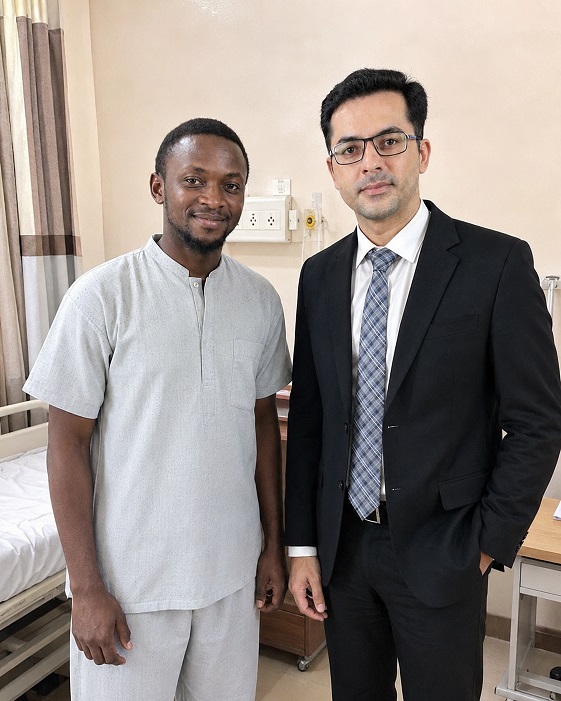
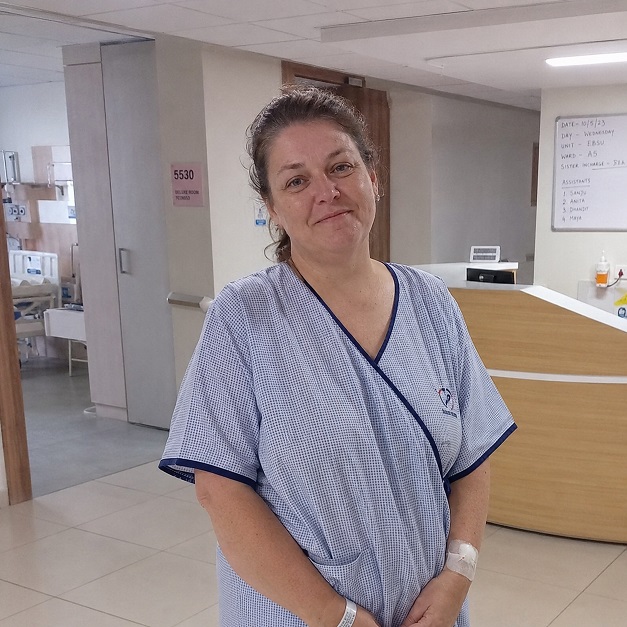
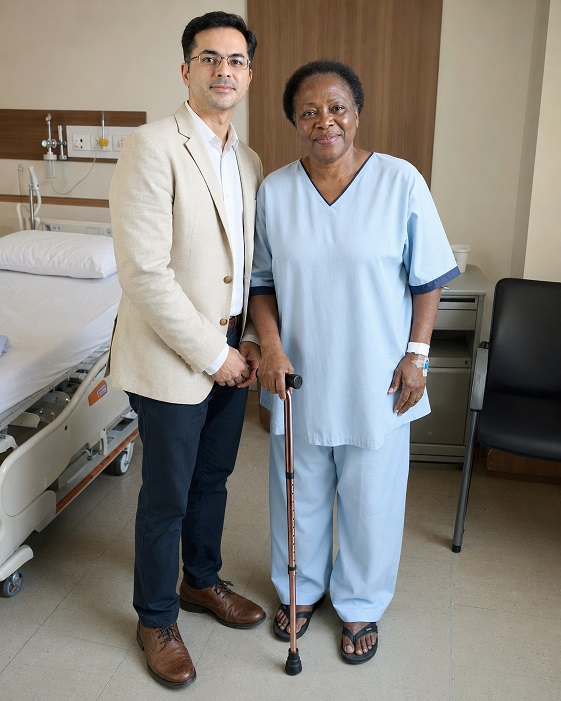
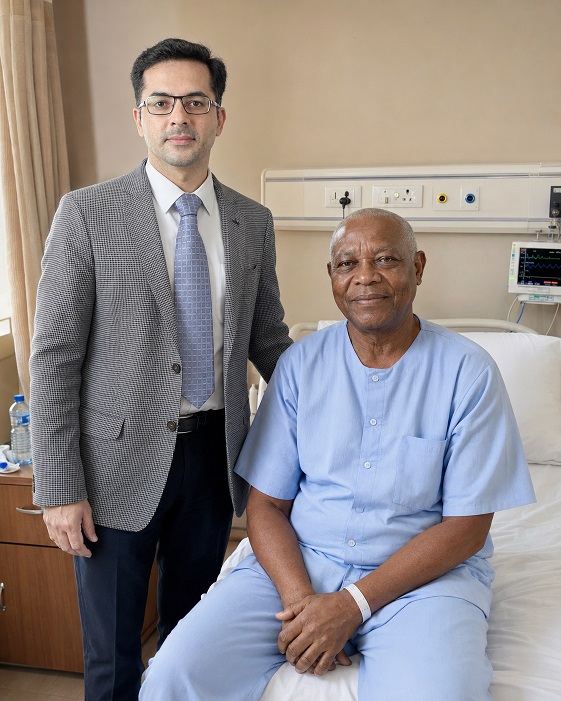
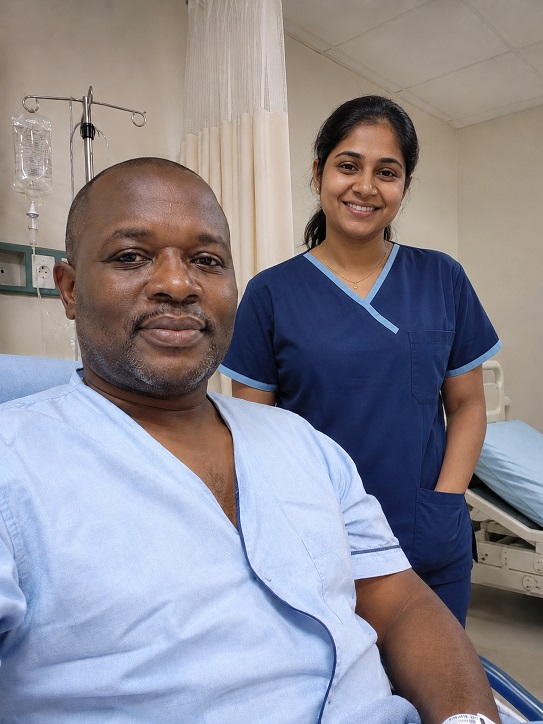
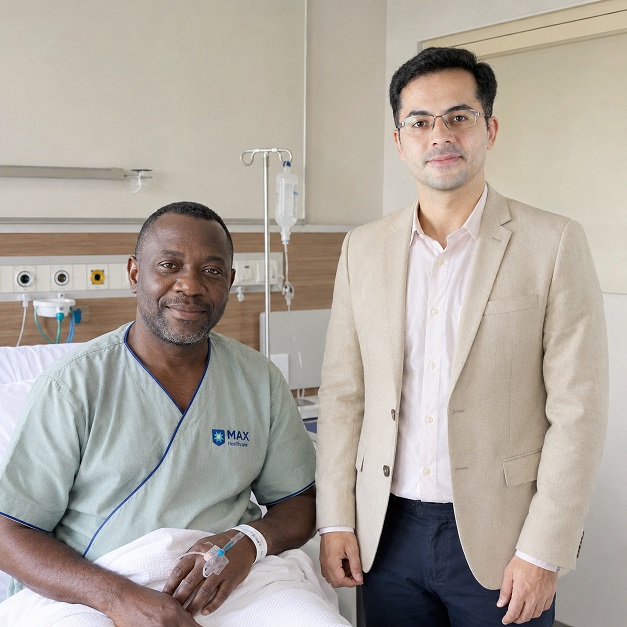
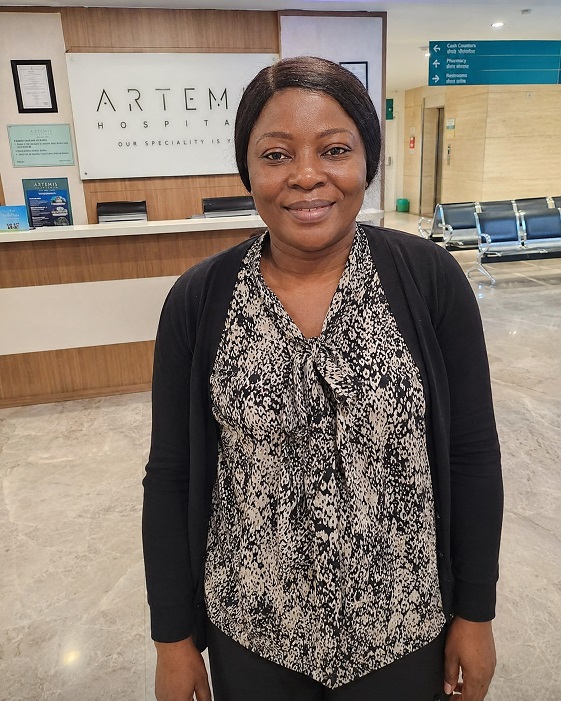
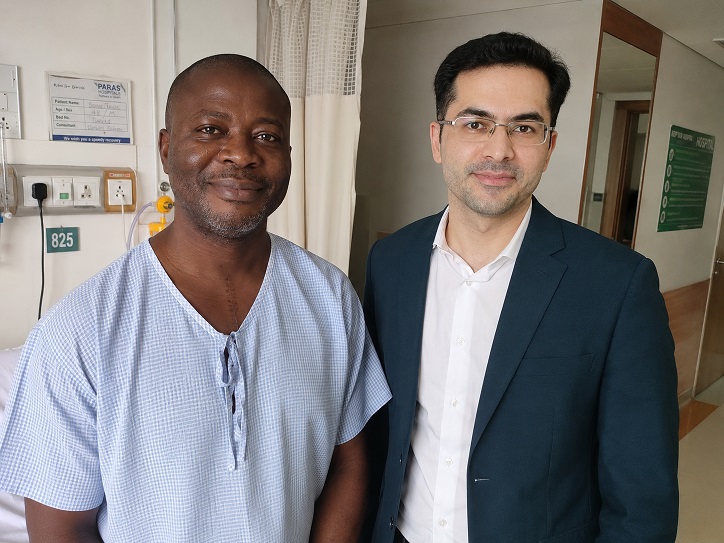
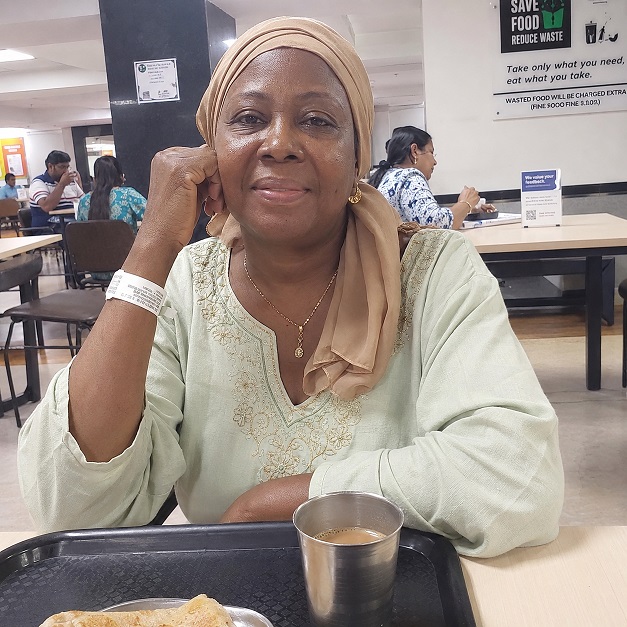
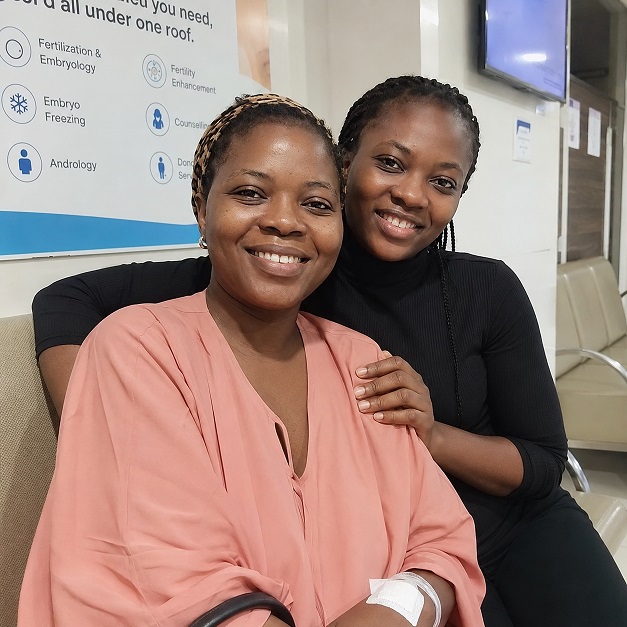
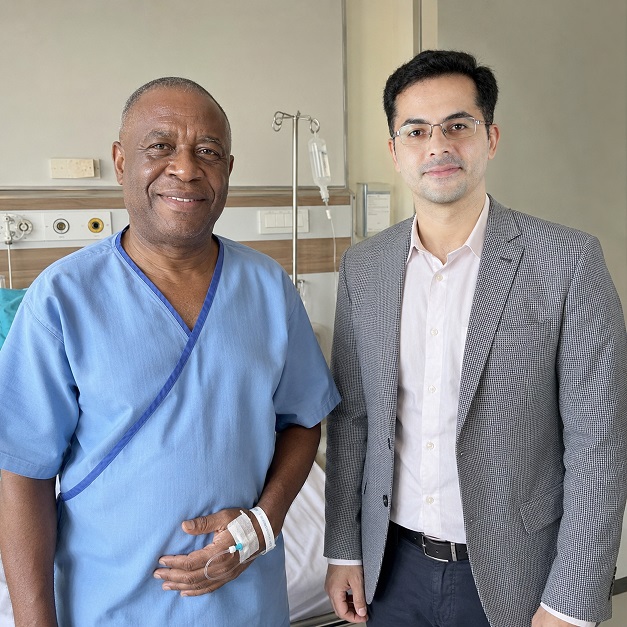
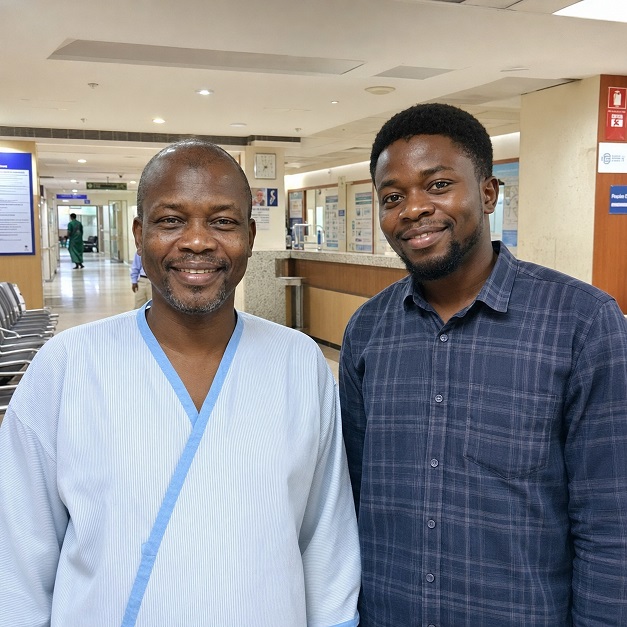
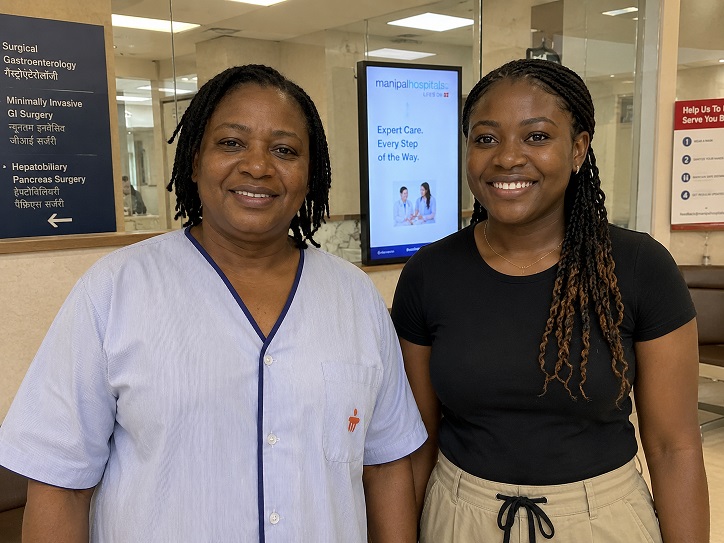
Patient Testimonials from Nigeria

Ready to Take the First Step?
Share your Medical Reports with our Healthcare Managers Today and Get a FREE CONSULTATION, a Personalized Treatment Plan, and Complete Support from Arrival to Recovery.
Get Your Free ConsultationAreas We Serve
This resource has been thoughtfully prepared for patients from Nigeria who are considering medical treatment in India. We also welcome patients from the wider region in the countries mentioned below-
We assist patients from:
- Benin
- Niger
- Chad
- Cameroon
- Algeria
- Egypt
- Libya
- Morocco
- Sudan
- Tunisia
- Gambia
- Ghana
- Burkina Faso
- Cabo Verde
- Côte d'Ivoire
- Equatorial Guinea
- São Tomé and Príncipe
Many of the insights, treatment pathways, hospital recommendations, travel guidance, and patient support services described here are equally relevant and may be used as a reference when planning treatment in India.
From Nigeria to India: Your Complete Patient Support Guide
- Artificial Disc Replacement in India for Nigerian Patients
- Weight Loss and Bariatric Surgery in India for Nigerian Patients
- Bone Marrow Transplant in India for Nigerian Patients
- Brain Tumour Surgery in India for Nigerian Patients
- Breast Cancer Treatment and Surgery in India for Nigerian Patients
- Cancer Treatment and Surgery in India for Nigerian Patients
- Cardiac Arrhythmia and Heart Pacemaker Treatment in India for Nigerian Patients
- Cardiac Surgery in India for Nigerian Patients
- Colorectal Cancer Treatment and Surgery in India for Nigerian Patients
- Complex Orthopaedic and Joint Revision Surgery in India for Nigerian Patients
- Cornea Transplant and Advanced Eye Surgery in India for Nigerian Patients
- CyberKnife Treatment in India for Nigerian Patients
- Gamma Knife Treatment in India for Nigerian Patients
- Heart Failure Treatment and Surgery in India for Nigerian Patients
- Hip Surgery in India for Nigerian Patients
- HIPEC Cancer Surgery in India for Nigerian Patients
- IVF and Fertility Treatment in India for Nigerian Patients
- Joint Arthroscopy and Sports Medicine in India for Nigerian Patients