

Weight Loss and Bariatric Surgery in India for Nigerian Patients
For the diabetes that medication alone hasn't controlled, the joints carrying more than they were built for, and a surgical field Nigeria's own specialists describe as falling further behind exactly when the need is growing fastest.
Roughly fifteen percent of Nigerian adults are now living with obesity, part of a broader shift that has followed rapid urbanisation and changing diets across the country over the past two decades. Fifteen years after Nigeria's first recorded bariatric surgery, national data from 2023 recorded just 214 bariatric procedures across the entire country, and the majority of those, 63 percent, were gastric balloons, a temporary, non-surgical option, rather than actual weight-loss surgery. Only 75 primary surgical procedures were performed nationally that year, and only five revisional operations. Nigerian bariatric surgeons themselves, speaking at a 2026 conference in Lagos, described the resulting gap in access as worsening, not improving, even as the milestone anniversary was being marked. This guide sets out what bariatric and metabolic surgery actually costs in India once travel is counted, what genuinely determines candidacy, and why the operation itself is only the beginning of a lifelong nutritional relationship, not the end of the story.
| ~15% | 214 | 75 | 70–85% |
|---|---|---|---|
| OF NIGERIAN ADULTS ARE ESTIMATED TO BE LIVING WITH OBESITY | TOTAL BARIATRIC PROCEDURES RECORDED NATIONALLY IN NIGERIA IN 2023 | OF THOSE WERE ACTUAL SURGICAL WEIGHT-LOSS PROCEDURES, NOT BALLOONS | TYPICAL SAVING ON AN EQUIVALENT INDIA PATHWAY VS. THE US |
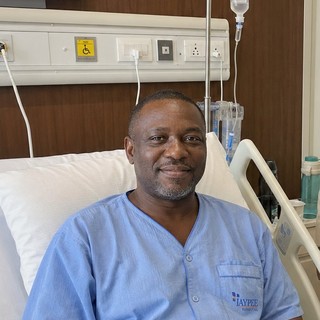
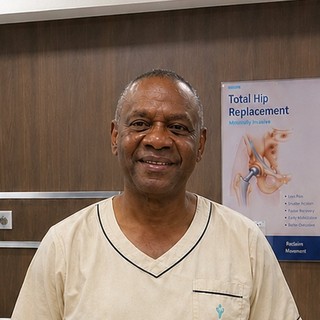
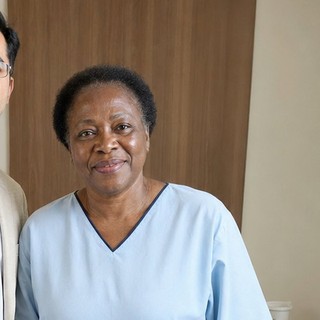
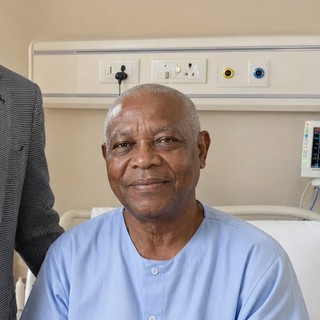
Healing Journeys of Nigerian Patients




Key Takeaways
- The guide reports that roughly 15% of Nigerian adults are estimated to be living with obesity, while only 214 bariatric procedures were recorded nationally in Nigeria in 2023. Of those procedures, 63% were gastric balloons, while only 75 were primary surgical weight-loss procedures and five were revisional operations.
- Bariatric and metabolic surgery is presented as a treatment for severe obesity and associated conditions rather than simply a cosmetic weight-loss procedure. The guide notes that surgery can produce substantial and sustained weight loss while improving or potentially leading to remission of obesity-related conditions such as type 2 diabetes, hypertension and obstructive sleep apnoea.
- The document emphasises that Nigeria has genuine bariatric surgical expertise, but national procedure volumes remain very low relative to the potential number of patients who may meet accepted surgical criteria.
- Standard candidacy criteria described in the guide generally include a BMI of 40 or above, or BMI of 35 or above with an obesity-related condition such as type 2 diabetes, hypertension or sleep apnoea, together with documented attempts at non-surgical weight loss.
- A gastric balloon is specifically distinguished from bariatric surgery. It is a temporary, non-surgical intervention that is removed after several months and generally produces less durable weight loss than surgical procedures.
- The guide lists laparoscopic sleeve gastrectomy as the most commonly performed bariatric surgical procedure internationally, with indicative Indian pricing of US$4,500–7,500 and a hospital stay of approximately 2–4 nights.
- One-anastomosis gastric bypass is listed at US$5,500–9,000, generally requiring 3–5 nights in hospital.
Quick Facts
- Treatment
- Bariatric and Metabolic Surgery
- Country
- India
- Intended Audience
- Nigerian Patients and Families
- Primary Focus
- Surgical Treatment of Severe Obesity and Related Metabolic Conditions
- Estimated Nigerian Adult Obesity Rate Mentioned
- Approximately 15%
- Bariatric Procedures Recorded in Nigeria in 2023
- 214
- Primary Surgical Procedures Recorded
- 75
- Revisional Procedures Recorded
- 5
- Most Common Intervention Recorded in Nigeria
- Gastric Balloon
- Share of Nigerian Procedures That Were Gastric Balloons
- 63%
- Standard BMI Criterion
- BMI 40 or Above
- BMI With Comorbidities
- BMI 35 or Above With an Obesity-Related Condition
- Comorbidities Mentioned
- Type 2 Diabetes, Hypertension and Obstructive Sleep Apnoea
- Pre-Surgery Requirement
- Documented Attempts at Non-Surgical Weight Loss
- Gastric Balloon
- Temporary, Non-Surgical Intervention
- Author
- Dr. Dheeraj Bojwani
- Experience
- 24 Years' Experience
In Brief
Bariatric surgery in India can provide Nigerian patients with surgical treatment for severe obesity and associated metabolic conditions, but eligibility should be established before comparing procedures or hospitals. The guide generally describes candidates as having a BMI of 40 or above, or 35 or above with an obesity-related condition such as type 2 diabetes, hypertension or sleep apnoea. Treatment options range from laparoscopic sleeve gastrectomy at approximately US$4,500–7,500 to revisional bariatric surgery at US$7,500–13,000. A gastric balloon is a temporary, non-surgical intervention and should not be confused with definitive bariatric surgery. Long-term success requires lifelong nutritional monitoring and supplementation.
01 · the Real Problem
A rising need, and a surgical field still barely established
Bariatric surgery traces its modern origins to the 1950s and 1960s, when surgeons first observed significant, sustained weight loss following operations performed for other reasons, and it has since become, by strong scientific consensus, the most effective and durable treatment available for severe obesity, producing improvement or complete remission of related conditions including type 2 diabetes, hypertension, and obstructive sleep apnoea far more reliably than diet and exercise alone can achieve. Global diabetes prevalence, closely linked to rising obesity, has climbed to an estimated 589 million adults as of 2024, with obesity identified as a major driving factor.
Nigeria's own numbers show precisely how far surgical access still trails behind that need. The 214 total bariatric procedures recorded nationally in 2023 works out to a vanishingly small fraction of the population that would meet standard surgical criteria, given an adult obesity rate estimated around fifteen percent in a country of over two hundred million people. That the majority of even those 214 cases were gastric balloons, a temporary device rather than definitive surgery, and that only five revisional procedures were recorded anywhere in the country that year, underlines just how early-stage the field remains, fifteen years after its introduction.
This is not a story about the treatment being unknown to Nigerian medicine. Nigerian bariatric surgeons publish real clinical case series and speak with real technical fluency about the field's evolution, tracing it back through the 1950s jejunoileal bypass and Edward Mason's 1960s discovery that partial stomach removal produced reliable weight loss as a side effect of treating other conditions. It is a story about volume, training pipeline, and cost infrastructure not yet having caught up to demand, described candidly by the country's own specialists as a gap that is currently widening rather than closing.
02 · Candidacy, Honestly
Not everyone who wants surgery is a candidate, and that matters
Standard international criteria generally require a body mass index of 40 or above, or 35 or above alongside an obesity-related condition such as type 2 diabetes, hypertension, or sleep apnoea, together with a documented history of attempting non-surgical weight loss first. These criteria exist because surgery carries real risks and permanent physiological changes, and is appropriate only when the potential benefit clearly outweighs that.
A gastric balloon, the option most commonly offered in Nigeria today according to the 2023 national figures, is a genuinely different category of intervention: temporary, removed after several months, generally producing more modest and less durable weight loss than surgery, and it is not a substitute for surgical treatment in a patient who meets surgical criteria and has significant obesity-related disease. Understanding which category is actually being offered, and why, is a more important first question than where to have it done, and a patient who genuinely qualifies for surgery should not be steered toward a balloon simply because it is more readily available locally.
03 · THE TREATMENT MAP
Which procedure, and what it costs
Weight loss options range from temporary, non-surgical devices through several distinct surgical approaches, and cost scales with both invasiveness and complexity.
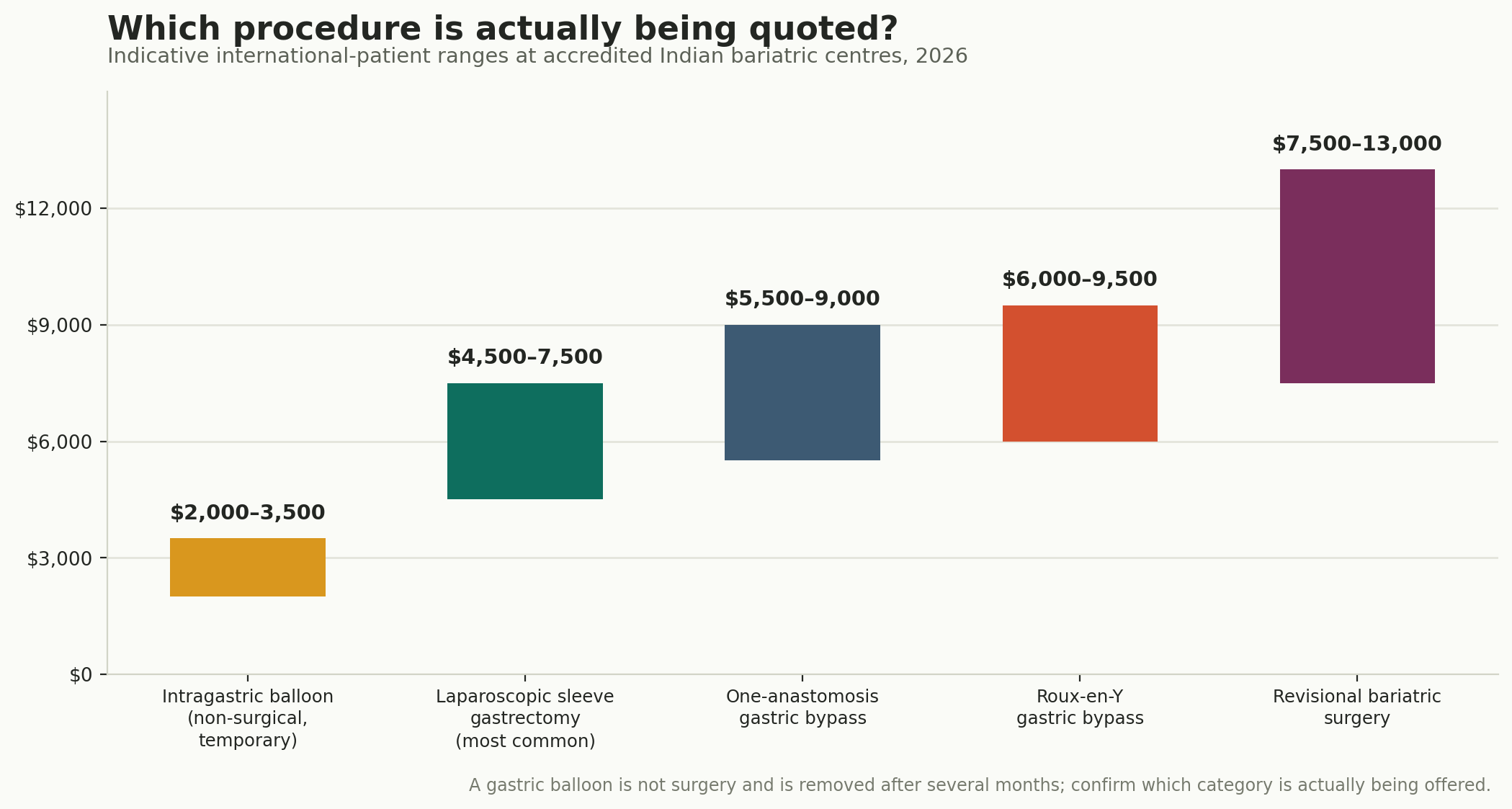
Figure 1. A gastric balloon sits at a different cost, and a genuinely different category of treatment, than the surgical options beside it.
| Procedure | Typically suits | Indicative cost | Hospital stay |
|---|---|---|---|
| Intragastric balloon | Lower BMI patients, or as a temporary bridge before more definitive treatment | $2,000–3,500 | Day case |
| Laparoscopic sleeve gastrectomy | The most commonly performed bariatric procedure internationally | $4,500–7,500 | 2–4 nights |
| One-anastomosis gastric bypass | An increasingly used alternative with a shorter operative time | $5,500–9,000 | 3–5 nights |
| Roux-en-Y gastric bypass | Higher BMI or significant reflux disease alongside obesity | $6,000–9,500 | 3–5 nights |
| Revisional bariatric surgery | A prior procedure that failed or caused complications | $7,500–13,000 | 4–7 nights |
Table 1. Indicative international-patient pricing at accredited Indian bariatric centres, mid-2026. Figures are planning ranges, not offers, and vary by hospital tier and case complexity.
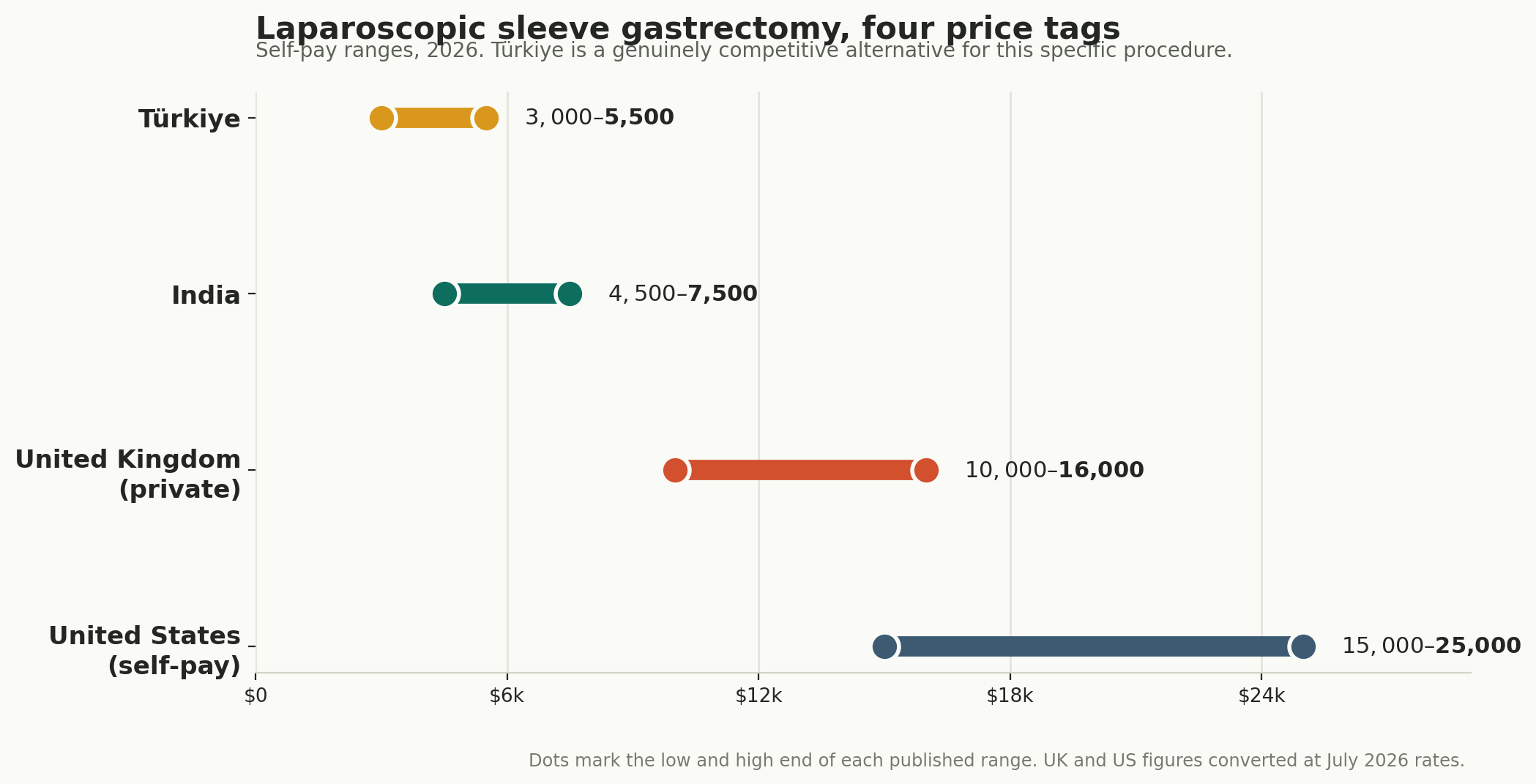
Figure 2. Laparoscopic sleeve gastrectomy, priced across four common destinations for Nigerian medical travellers; Türkiye is worth comparing directly for this specific procedure.
What a proper written quote must itemise
- Whether the offer is a balloon or a surgical procedure, stated explicitly, not implied
- Confirmation that BMI and comorbidity criteria have been properly assessed, not assumed
- Which surgical technique is planned, and why it suits your specific case
- Lifelong vitamin and mineral supplementation requirements, and their ongoing cost
- The follow-up bloodwork schedule and who will manage it once you return home
04 · the Full Budget
What the whole journey costs, beyond the operation
The surgical fee is the number families anchor on, and the least complete one. A representative pathway — laparoscopic sleeve gastrectomy, one patient and one attendant, roughly two weeks in India — adds up like this:
- Surgical package (surgery, hospital stay, dietitian consultation): $5,000–8,000
- Return flights, two travellers (Lagos/Abuja – Delhi/Mumbai/Chennai): $2,200–3,000
- Pre-surgical workup (endoscopy, bloodwork, anaesthetic clearance): $500–900
- Accommodation, about two weeks, two people : $900–1,400
- Medical and attendant visas (two applications): $400–500
- Contingency for extended monitoring or dietary complications: 15–20% All-in, most families should plan for US$9,000–13,800 for laparoscopic sleeve gastrectomy — roughly ₦12.4–19.0 million at the official mid-July 2026 rate of about ₦1,380 to the dollar, somewhat higher at parallel-market rates near ₦1,410. Gastric bypass procedures should be budgeted slightly higher, and ongoing supplement costs continue indefinitely afterward.
05 · GETTING THERE
Visa, travel, and a habit that outlasts the trip
India issues a Medical Visa (M) to the patient and a Medical Attendant Visa (MX) to up to two close relatives. Applications go through the High Commission in Abuja or the Consulate General in Lagos by prior appointment, and an e-Medical route turns around in days for straightforward files. The hospital's invitation letter, three months of certified bank statements, and a passport valid six months with two blank pages move the process fastest.
Lagos and Abuja both reach Delhi, Mumbai and Chennai with a single stop, usually via Addis Ababa, Doha, Dubai, Nairobi or Istanbul, a total journey of 13 to 18 hours.
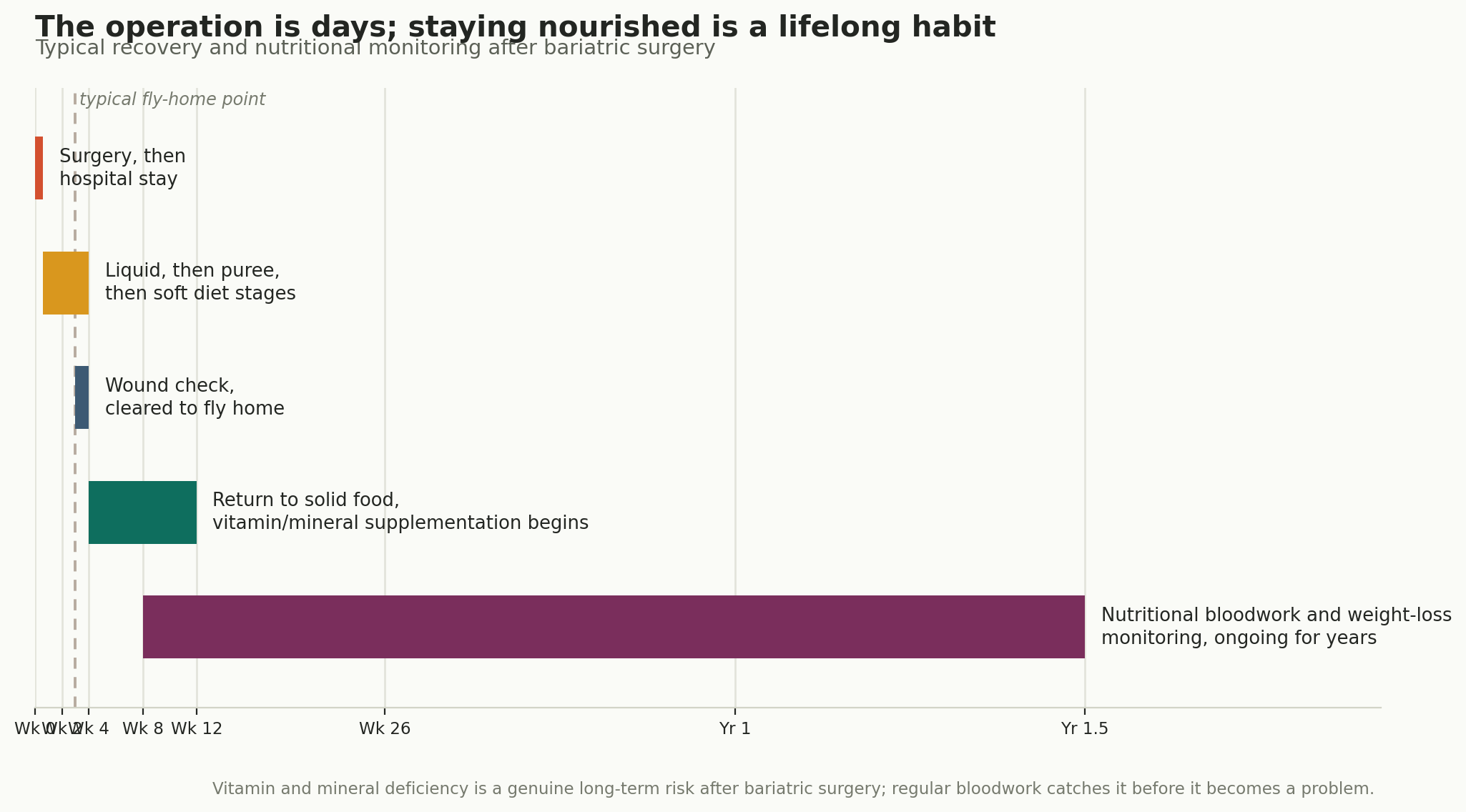
Figure 3. The physical recovery from surgery is measured in weeks; staying properly nourished afterward is a habit that continues for the rest of a patient's life.
On nutrition, honestly. Bariatric surgery changes how the body absorbs nutrients, and vitamin and mineral deficiencies, particularly B12, iron, calcium, and vitamin D, are a genuine, well-documented long-term risk if supplementation and monitoring lapse. This is not a side detail; it is central to whether the surgery's benefits are sustained safely over years, not just months.
What has to travel home with the patient
- Full operative note and the specific procedure performed
- A written dietary progression plan and long-term eating guidance
- A lifelong vitamin and mineral supplementation schedule
- A follow-up bloodwork schedule, and who will manage it once you are home
- A named clinician contact for teleconsultation if nutritional or surgical concerns arise
06 · THE HONEST COMPARISON
What stays in Nigeria, and what travels
Medical weight management, diabetes and hypertension care alongside obesity, and long-term nutritional monitoring after surgery are all genuinely appropriate to continue with a Nigerian physician, and building that relationship before travelling makes the whole pathway safer.
What tips the calculation toward travelling is the surgery itself, given how small Nigeria's actual surgical bariatric volume remains nationally, particularly for revisional cases where domestic capacity is smallest of all. For a patient who genuinely meets surgical criteria, a high-volume international bariatric programme offers both surgical experience and postoperative infrastructure that Nigeria's still-emerging field cannot yet match at scale.
Before you commit to bariatric surgery abroad
- Confirm you genuinely meet BMI and comorbidity criteria before assuming any specific procedure is right.
- Ask explicitly whether a balloon or actual surgery is being offered, and why that specific option was chosen.
- Ask about the surgical team's case volume for your specific procedure, not general bariatric experience.
- Get the lifelong vitamin and mineral supplementation plan in writing before you leave.
- Establish who will manage your follow-up bloodwork and nutritional monitoring once you are home.
- Ask what happens, and what it costs, if a revision becomes necessary in the future.
- Budget realistically for ongoing supplement costs, not just the surgical fee.
- Pay into the hospital's own institutional account only, never an individual's personal account.
Straight Answers for Nigerian Patients about Weight Loss and Bariatric Surgery in India
Is bariatric surgery in India cheaper than the UK or US?
Yes, substantially. Laparoscopic sleeve gastrectomy is indicatively $4,500 to $7,500 in India, against roughly $10,000 to $16,000 privately in the UK and $15,000 to $25,000 self-pay in the United States. Türkiye is often even more competitively priced for this specific procedure.
Is a gastric balloon the same as bariatric surgery?
No. A gastric balloon is a temporary, non-surgical device removed after several months, generally producing more modest weight loss than surgical procedures. It is one option among several, not a substitute for surgery in patients who meet surgical criteria.
Am I automatically a candidate for bariatric surgery?
Not automatically. Standard criteria generally require a BMI of 40 or above, or 35 or above with an obesity- related condition such as type 2 diabetes, hypertension, or sleep apnoea, alongside a documented history of trying non-surgical weight loss approaches first.
Do Nigerians need a visa for bariatric surgery in India?
Yes. You need an Indian Medical Visa from the High Commission in Abuja, the Consulate in Lagos, or the e- Medical route, plus a Medical Attendant Visa for up to two close relatives, with a hospital invitation letter and financial proof.
Is bariatric surgery available in Nigeria?
Yes, but at very small scale. 2023 data recorded only 214 bariatric procedures nationally, and the majority were non-surgical gastric balloons rather than actual weight-loss surgery. Nigerian specialists have described the resulting access gap as worsening despite fifteen years of the field's existence.
What nutritional risks does bariatric surgery carry long-term?
Vitamin and mineral deficiencies, particularly B12, iron, calcium, and vitamin D, are a genuine long-term risk, since the procedure changes how the body absorbs nutrients. Regular bloodwork and lifelong supplementation are standard parts of proper long-term care.
Is India better than Nigeria for bariatric surgery?
For the specific surgical procedure itself, often yes, given how small Nigeria's actual surgical bariatric volume remains nationally. Ongoing nutritional monitoring and long-term follow-up can and should continue with a Nigerian physician once a patient returns home.
A closing word
Bariatric surgery is, by strong scientific consensus, one of the most effective interventions in modern medicine for a specific, serious problem, and Nigeria's rising obesity and diabetes burden means the need for it is only growing. The country's own surgeons have been candid that domestic capacity has not kept pace, and that honesty is worth taking seriously as a planning fact, not a discouragement.
In twenty-four years of this work, the patients who do best are the ones who confirm they genuinely meet surgical criteria before committing to anything, understand clearly which specific procedure they are having and why, and treat lifelong nutritional monitoring as seriously as the operation itself. The surgery changes the anatomy in a single day. What a patient does with that change, patiently, for the rest of their life, is what determines whether it was worth doing.
Sources
- 🌐 American Society for Metabolic and Bariatric Surgery — Who is a candidate for bariatric surgery
- 🌐 NHS (UK) — Weight loss surgery: overview and eligibility
- 🌐 Obesity and the Need for Bariatric Surgery in Nigeria: A Review. Nigerian Postgraduate Medical Journal, 2024
- 🌐 Okaro A et al. — Metabolic/bariatric clinical practice in Lagos, Nigeria: a retrospective review. Pan African Medical Journal, 2025
- 🌐 Independent Nigeria — Nigeria's Bariatric Surgery Gap Worsens Despite 15-Year Milestones, 2026
- 🌐 High Commission of India, Abuja — Medical and Medical Attendant Visa requirements
Frequently Asked Questions by Nigerians about Weight Loss and Bariatric Surgery in India
Who qualifies for bariatric surgery in India from Nigeria?
The guide generally describes candidates as having a BMI of 40 or above, or BMI of 35 or above with an obesity-related condition such as diabetes, hypertension or sleep apnoea, after attempts at non-surgical weight loss.
Is a gastric balloon the same as bariatric surgery?
No. A gastric balloon is a temporary, non-surgical device removed after several months. Sleeve gastrectomy and gastric bypass are surgical procedures designed for more durable weight-loss treatment.
How much does sleeve gastrectomy cost in India for Nigerian patients?
The guide gives an indicative range of US$4,500–7,500, with a typical hospital stay of approximately 2–4 nights. Final costs depend on the hospital and individual clinical needs.
How much does gastric bypass surgery cost in India?
One-anastomosis gastric bypass is listed at US$5,500–9,000, while Roux-en-Y gastric bypass is approximately US$6,000–9,500.
Which bariatric procedure is most commonly performed?
The guide identifies laparoscopic sleeve gastrectomy as the most commonly performed bariatric surgical procedure internationally.
When may Roux-en-Y gastric bypass be considered?
According to the treatment map, it may be appropriate for patients with higher BMI or significant reflux disease alongside obesity. Procedure selection must still be individualised.
What is revisional bariatric surgery?
Revisional surgery is performed when a previous bariatric procedure has failed or caused complications. The guide lists indicative Indian pricing of US$7,500–13,000.
How long do Nigerian patients usually stay in India after bariatric surgery?
For the representative sleeve gastrectomy pathway, the guide budgets for approximately two weeks in India, although the required duration depends on recovery and the specific procedure.
Will Nigerian patients need vitamins after bariatric surgery?
Yes. The guide stresses lifelong vitamin and mineral supplementation, nutritional monitoring and scheduled blood testing as important parts of long-term bariatric care.
What should Nigerian patients check before accepting a bariatric surgery quote in India?
Confirm whether the proposed treatment is a balloon or surgery, the exact surgical technique, whether BMI and comorbidities were properly assessed, supplementation requirements and who will manage follow-up bloodwork after returning to Nigeria.
Page Summary
This guide provides Nigerian patients and families with a detailed framework for understanding bariatric and metabolic surgery in India. It begins with Nigeria's rising obesity burden and contrasts that need with the country's relatively low number of bariatric procedures. The document reports 214 bariatric procedures nationally in 2023, but importantly explains that 63% were gastric balloons rather than surgical weight-loss procedures. Only 75 primary surgical procedures and five revisional operations were recorded.
Citation Block
| Topic | Information |
|---|---|
| Topic Information | Bariatric Surgery and Weight Loss in India for Nigerian Patients |
| Treatment | Bariatric and Metabolic Surgery |
| Country | India |
| Intended Audience | Nigerian Patients and Families |
| Primary Conditions | Severe Obesity and Obesity-Related Metabolic Disease |
| Procedures | Intragastric Balloon, Sleeve Gastrectomy, One-Anastomosis Gastric Bypass, Roux-en-Y Gastric Bypass and Revisional Surgery |
| Standard BMI Criterion | BMI 40 or Above |
| BMI With Comorbidity Criterion | BMI 35 or Above |
| Related Conditions Mentioned | Type 2 Diabetes, Hypertension and Sleep Apnoea |
| Nigeria Adult Obesity Estimate | Approximately 15% |
| Nigeria Procedures Mentioned | 214 Bariatric Procedures in 2023 |
| Primary Surgical Procedures | 75 |
| Revisional Procedures | 5 |
| Gastric Balloon Share | 63% |
| Hospital Stay | Day Case to Approximately 7 Nights Depending on Procedure |
| Pre-Surgical Workup | Endoscopy, Bloodwork and Anaesthetic Clearance |
| Representative India Stay | Approximately 2 Weeks for Sleeve Gastrectomy |
| Long-Term Care | Lifelong Nutritional Monitoring and Supplementation |
| Follow-Up | Bloodwork, Dietary Monitoring and Ongoing Clinical Review |
| Author | Dr. Dheeraj Bojwani |
| Experience | 24 Years' Experience |


Our Mission Statement
Our mission is to place patients at the centre of every healthcare decision by providing trustworthy, evidence-based, and unbiased medical information. We believe that informed patients make better decisions. Backed by personalised guidance from our experienced advisory team, we help patients understand their treatment options, compare them objectively, and confidently choose the path that best suits their medical needs and personal circumstances.
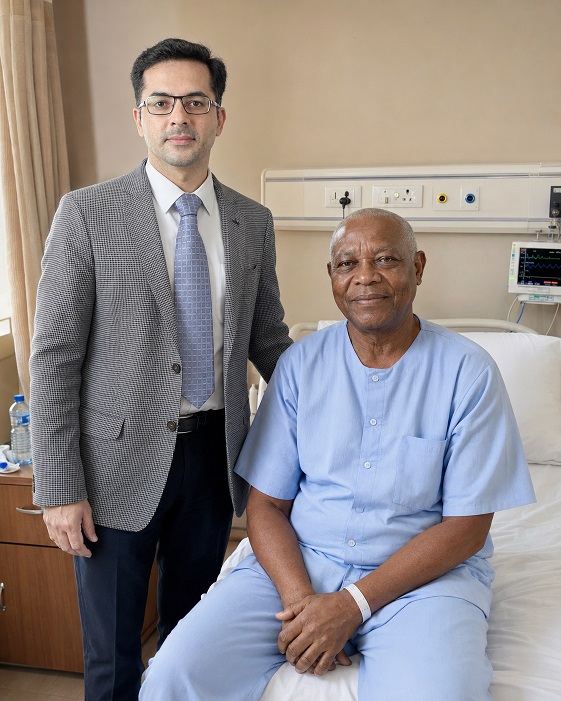
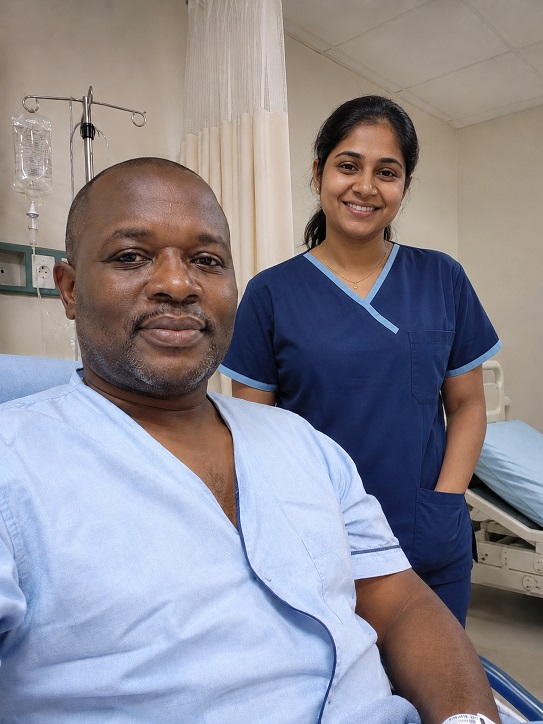
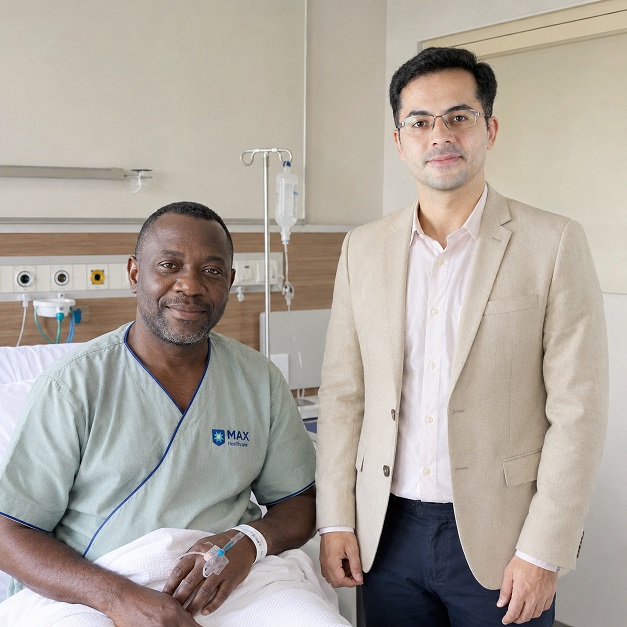
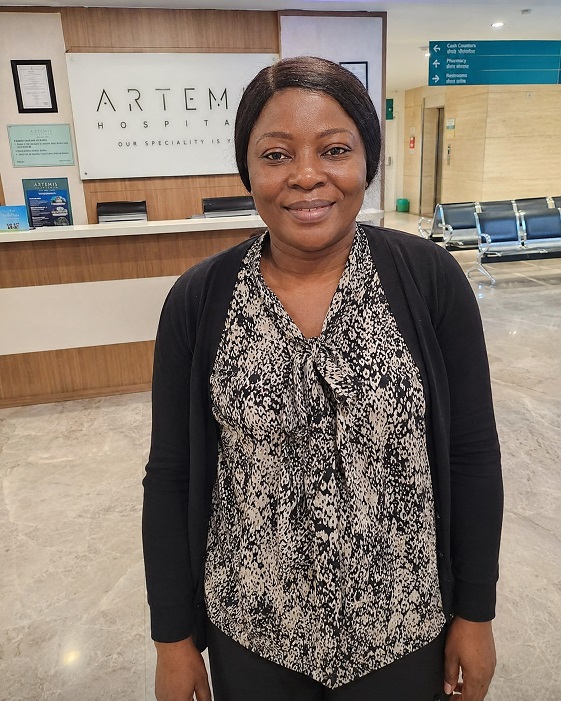
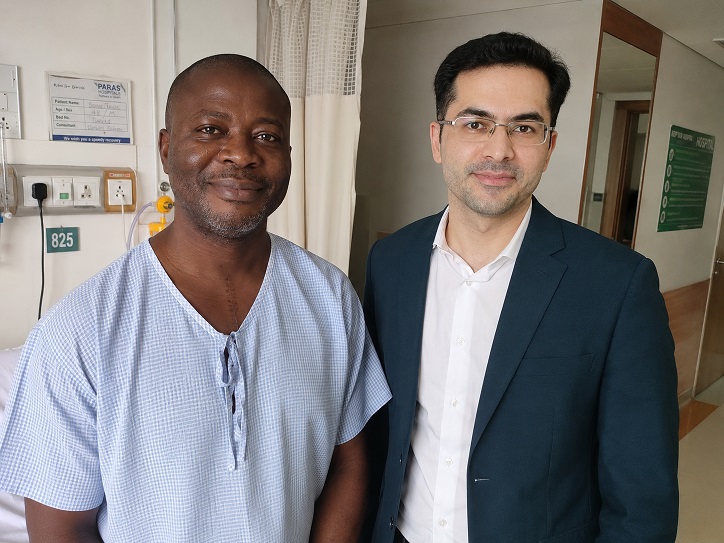
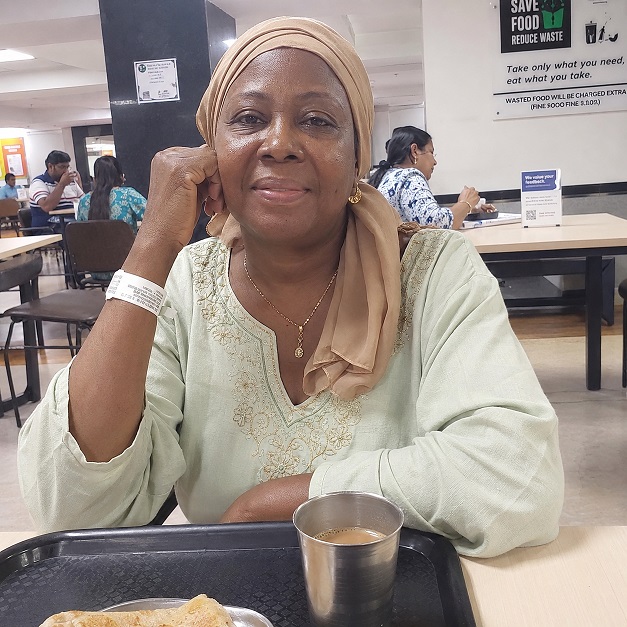
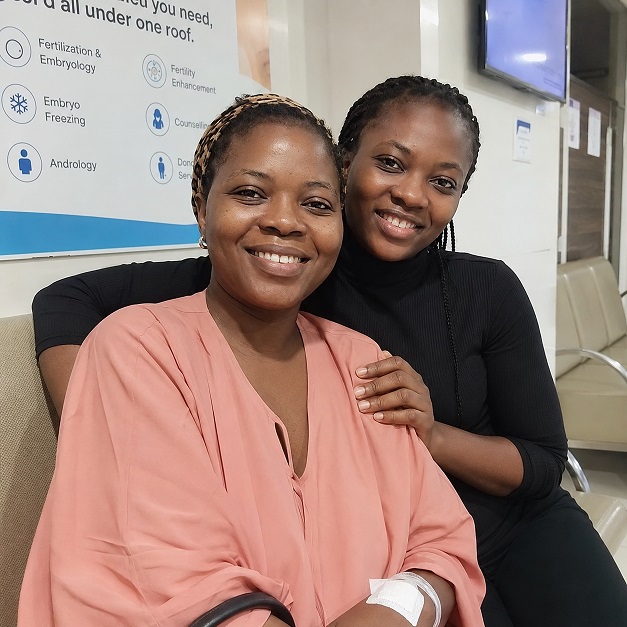
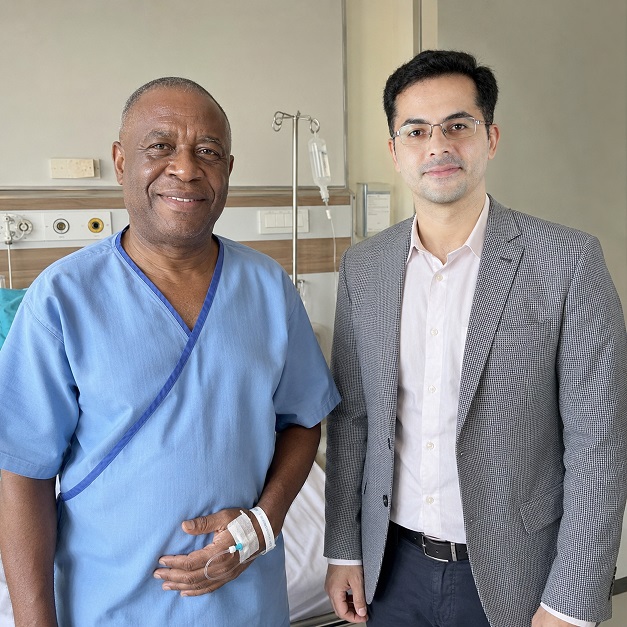
Patient Testimonials from Nigeria

Ready to Take the First Step?
Share your Medical Reports with our Healthcare Managers Today and Get a FREE CONSULTATION, a Personalized Treatment Plan, and Complete Support from Arrival to Recovery.
Get Your Free ConsultationAreas We Serve
This resource has been thoughtfully prepared for patients from Nigeria who are considering medical treatment in India. We also welcome patients from the wider region in the countries mentioned below-
We assist patients from:
- Benin
- Niger
- Chad
- Cameroon
- Algeria
- Egypt
- Libya
- Morocco
- Sudan
- Tunisia
- Gambia
- Ghana
- Burkina Faso
- Cabo Verde
- Côte d'Ivoire
- Equatorial Guinea
- São Tomé and Príncipe
Many of the insights, treatment pathways, hospital recommendations, travel guidance, and patient support services described here are equally relevant and may be used as a reference when planning treatment in India.
From Nigeria to India: Your Complete Patient Support Guide
- Artificial Disc Replacement in India for Nigerian Patients
- Weight Loss and Bariatric Surgery in India for Nigerian Patients
- Bone Marrow Transplant in India for Nigerian Patients
- Brain Tumour Surgery in India for Nigerian Patients
- Breast Cancer Treatment and Surgery in India for Nigerian Patients
- Cancer Treatment and Surgery in India for Nigerian Patients
- Cardiac Arrhythmia and Heart Pacemaker Treatment in India for Nigerian Patients
- Cardiac Surgery in India for Nigerian Patients
- Colorectal Cancer Treatment and Surgery in India for Nigerian Patients
- Complex Orthopaedic and Joint Revision Surgery in India for Nigerian Patients
- Cornea Transplant and Advanced Eye Surgery in India for Nigerian Patients
- CyberKnife Treatment in India for Nigerian Patients
- Gamma Knife Treatment in India for Nigerian Patients
- Heart Failure Treatment and Surgery in India for Nigerian Patients
- Hip Surgery in India for Nigerian Patients
- HIPEC Cancer Surgery in India for Nigerian Patients
- IVF and Fertility Treatment in India for Nigerian Patients
- Joint Arthroscopy and Sports Medicine in India for Nigerian Patients