

Brain Tumour Surgery in India for Nigerian Patients
Five decisions every Nigerian family faces after a brain scan comes back wrong — and what each one costs, in time and in money.
Nobody arrives at this calmly. A headache that would not lift. A seizure at the office. An MRI at a radiology centre in Ikeja or Wuse, and a sentence on the report that rearranges everything. Within a week you are making decisions about a part of the body you never had to think about, with money you had not planned to spend. This brief is written for that week. It is not an argument for travelling — it is an ordered account of the five decisions, in the sequence they arrive, with the numbers attached.
Healing Journeys of Nigerian Patients
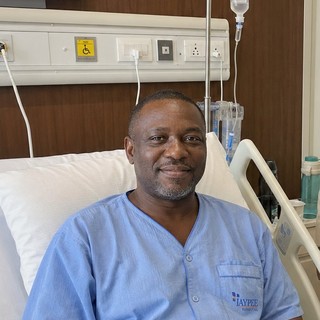
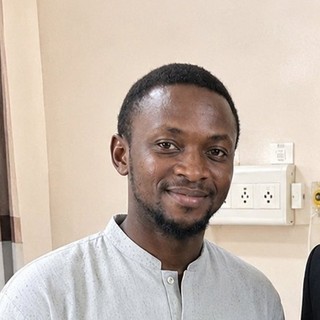
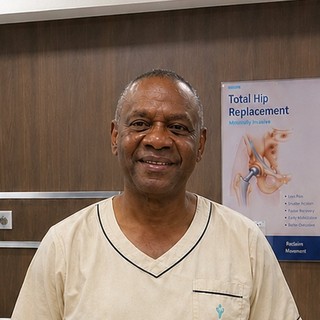
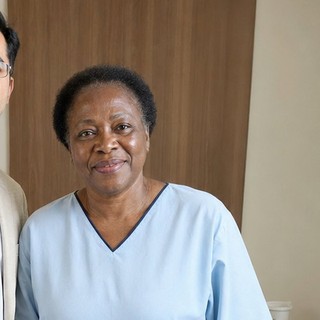
Key Takeaways
- Brain tumour surgery in India gives Nigerian patients access to advanced technologies such as neuronavigation, awake brain mapping, molecular pathology, Gamma Knife, CyberKnife and multidisciplinary neuro-oncology teams.
- Not every brain tumour requires emergency surgery. The urgency depends mainly on increased intracranial pressure and neurological deterioration rather than the MRI report alone.
- Nigeria has experienced neurosurgeons, but India offers greater availability of specialised equipment and higher-volume neuro-oncology centres for complex tumours.
- Brain tumour treatment is highly individualised and may include stereotactic biopsy, craniotomy, awake craniotomy, endoscopic surgery, radiosurgery, radiotherapy or a combination of treatments.
- A standard navigated craniotomy generally costs between USD 6,000 and USD 9,500, while the complete medical travel budget is approximately USD 14,000 for one patient and one attendant.
- Most Nigerian patients stay in India for around three weeks for surgery alone, while patients requiring radiotherapy may need six to eight weeks.
- Before accepting any quotation, patients should request a detailed written estimate covering surgeon fees, ICU charges, navigation technology, pathology, molecular testing and possible additional costs.
- Successful long-term recovery depends on complete documentation, histopathology reports, MRI images, medication plans and coordinated follow-up after returning to Nigeria.
Quick Facts
- Conditions Covered
- Brain Tumours, Gliomas, Meningiomas, Pituitary Tumours, Acoustic Neuromas, Brain Metastases, Skull Base Tumours, Hydrocephalus
- Procedures Mentioned
- Stereotactic Brain Biopsy, Craniotomy with Neuronavigation, Awake Craniotomy, Endoscopic Transsphenoidal Surgery, Neuroendoscopy, Gamma Knife, CyberKnife, Radiotherapy, Histopathology and Molecular Testing
- Target Audience
- Nigerian patients seeking advanced brain tumour treatment in India
- Treatment Highlights
- Experienced neurosurgeons, multidisciplinary tumour boards, neuronavigation, awake brain mapping, molecular pathology, Gamma Knife, CyberKnife, advanced neuro-intensive care, comprehensive rehabilitation and structured follow-up
- Stereotactic Biopsy
- USD 2,500–3,500
- Craniotomy
- USD 6,000–9,500
- Awake Craniotomy
- USD 8,500–12,000
- Endoscopic Pituitary Surgery
- USD 6,500–9,000
- Gamma Knife/CyberKnife
- USD 6,000–9,000
- Radiotherapy
- USD 4,500–7,000
- Typical Stay in India
- Approximately 3 weeks for surgery alone
- Hospital Stay
- Approximately 5–7 days after standard craniotomy
- Recovery Period
- Several weeks, depending on tumour type, neurological recovery and additional treatments
- Author/Advisor
- Dr. Dheeraj Bojwani, Independent Medical Travel Advisor
In Brief
India is one of the leading destinations for Nigerian patients seeking advanced brain tumour surgery because it combines experienced neurosurgeons with specialised neuro-oncology centres, internationally accredited hospitals and advanced surgical technologies. Patients benefit from comprehensive diagnosis, neuronavigation, awake craniotomy when appropriate, molecular pathology, Gamma Knife and CyberKnife radiosurgery, multidisciplinary tumour board discussions and coordinated rehabilitation. Treatment planning also includes detailed cost estimates, medical visa assistance, post-operative follow-up and continuity of care after patients return to Nigeria.
The Short Version
- Urgency is set by pressure inside the skull, not by the word on the report. Some tumours give you weeks to plan. A few give you days.
- Nigeria performs competent cranial surgery. What is thin at home is technology density — navigation, awake mapping, molecular pathology, radiosurgery — not skill.
- A navigated craniotomy in an accredited Indian hospital runs indicatively US$6,000–9,500; all-in with flights, visas and three weeks of living for two, budget around US$14,000.
- Plan three weeks in India for surgery alone, six to eight if radiotherapy follows — and treat every figure here as indicative until you hold a written, itemised quote.
DECISION ONE
How much time do you actually have?
Families treat every brain tumour as a same-week emergency. Some are. Many are not, and rushing a non- emergency into the first available theatre is how people end up with an incomplete resection and no molecular testing. What decides urgency is not malignancy but pressure: when a mass or the swelling around it obstructs cerebrospinal fluid, intracranial pressure climbs, and that becomes a matter of days.
Signs that shorten the clock
- Headache worst on waking that eases through the day, particularly with vomiting
- Progressive drowsiness or confusion, or a relative saying the patient is “not himself”
- New weakness down one side, a drooping face, or slurring speech
- Blurred or double vision, or a first-ever seizure in an adult
Absent those signs, you usually have two to four weeks. Use them. A slow-growing meningioma, a pituitary adenoma pressing on the optic chiasm, an acoustic neuroma — these reward planning over speed. And remember what an MRI can and cannot do: it suggests a diagnosis, it does not confirm one. Only tissue tells you what you are treating.
DECISION TWO
Nigeria, or abroad?
Let me be plain here, because the medical travel industry usually is not. Nigeria has real neurosurgery, and a longer tradition of it than most African countries: the first training programme south of the Sahara opened in Ibadan in 1962 under Latunde Odeku. Cranial tumours are removed competently every week at LUTH, UCH Ibadan, National Hospital Abuja, Memfys and UNTH in Enugu, and at private units in Lagos.
The constraint is arithmetic and equipment, not talent. Nigeria has roughly 138 neurosurgeons for over 200 million people — about one per 1.4 million, against a WHO reference of one per 100,000. A 2024 survey of 44 Nigerian neurosurgical facilities found operative microscopy in 58.5% and transsphenoidal capability in 51.2%, but neuroendoscopy, neuronavigation and endovascular coiling in only a small minority.
That tells you which cases stay home and which travel. Convexity meningiomas and microscope-assisted resections sit well within Nigerian capability. Tumours on the speech or motor cortex, in the brainstem or skull base, or malignancies whose therapy depends on molecular subtyping, need kit and case volume that is scarce here.
What travelling to India actually buys
- JCI and NABH accredited units running weekly neuro-oncology tumour boards, where a neurosurgeon, radiation oncologist, medical oncologist, neuroradiologist and pathologist argue over your scans together
- Intraoperative MRI, neuronavigation and 5-ALA fluorescence, which raise the odds of a complete rather than partial resection — plus Gamma Knife and CyberKnife for lesions better not opened at all
- Awake craniotomy with cortical mapping, so a tumour near the speech area is removed while you are talking to the anaesthetist
- In-house molecular pathology — IDH, MGMT, 1p/19q — which decides your chemotherapy, not merely your prognosis
- Surgical dates measured in days, and coordinators who have walked hundreds of Nigerian families through the same corridors
DECISION THREE
Which operation are you actually buying?
“Brain tumour surgery” is not a procedure. It is a category holding operations that differ fourfold in price and entirely in purpose. A quote that does not name which one you are offered is not a quote.
| Procedure | What it is for | Indicative cost | Hospital stay |
|---|---|---|---|
| Stereotactic or navigated biopsy | Tissue diagnosis when the lesion is deep or multifocal | $2,500–3,500 | 1–2 nights |
| Craniotomy with neuronavigation | The standard resection: gliomas, meningiomas, accessible metastases | $6,000–9,500 | 5–7 nights |
| Awake craniotomy with cortical mapping | Tumours abutting speech or motor areas, where function is tested live | $8,500–12,000 | 6–8 nights |
| Endoscopic transsphenoidal surgery | Pituitary adenomas and some skull-base lesions, reached through the nose | $6,500–9,000 | 3–5 nights |
| Neuroendoscopy, including ETV | Intraventricular tumours and obstructive hydrocephalus | $5,000–7,500 | 3–5 nights |
| Gamma Knife / CyberKnife radiosurgery | Small meningiomas, acoustic neuromas, limited metastases, AVMs | $6,000–9,000 | Day case |
| Fractionated radiotherapy (IMRT/VMAT) | Post-operative control of malignant tumours, 25–33 sessions | $4,500–7,000 | Outpatient, 5–7 weeks |
| Histopathology with molecular panel | IDH, MGMT, 1p/19q markers that determine adjuvant therapy | $600–1,500 | Report in 7–12 days |
Table 1. Indicative international-patient pricing at accredited Indian hospitals, mid-2026. Ranges reflect city, hospital tier, surgeon seniority and case complexity. They are planning figures, not offers. If a quote bundles “surgery” into one line with no mention of navigation, ICU nights or pathology, send it back. The ambiguity is never in your favour.
DECISION FOUR
What will it really cost?
The surgical fee is the number families fixate on, and the one that misleads most. Here is the full shape of a representative journey: one patient, one attendant, a navigated craniotomy, three weeks in India.
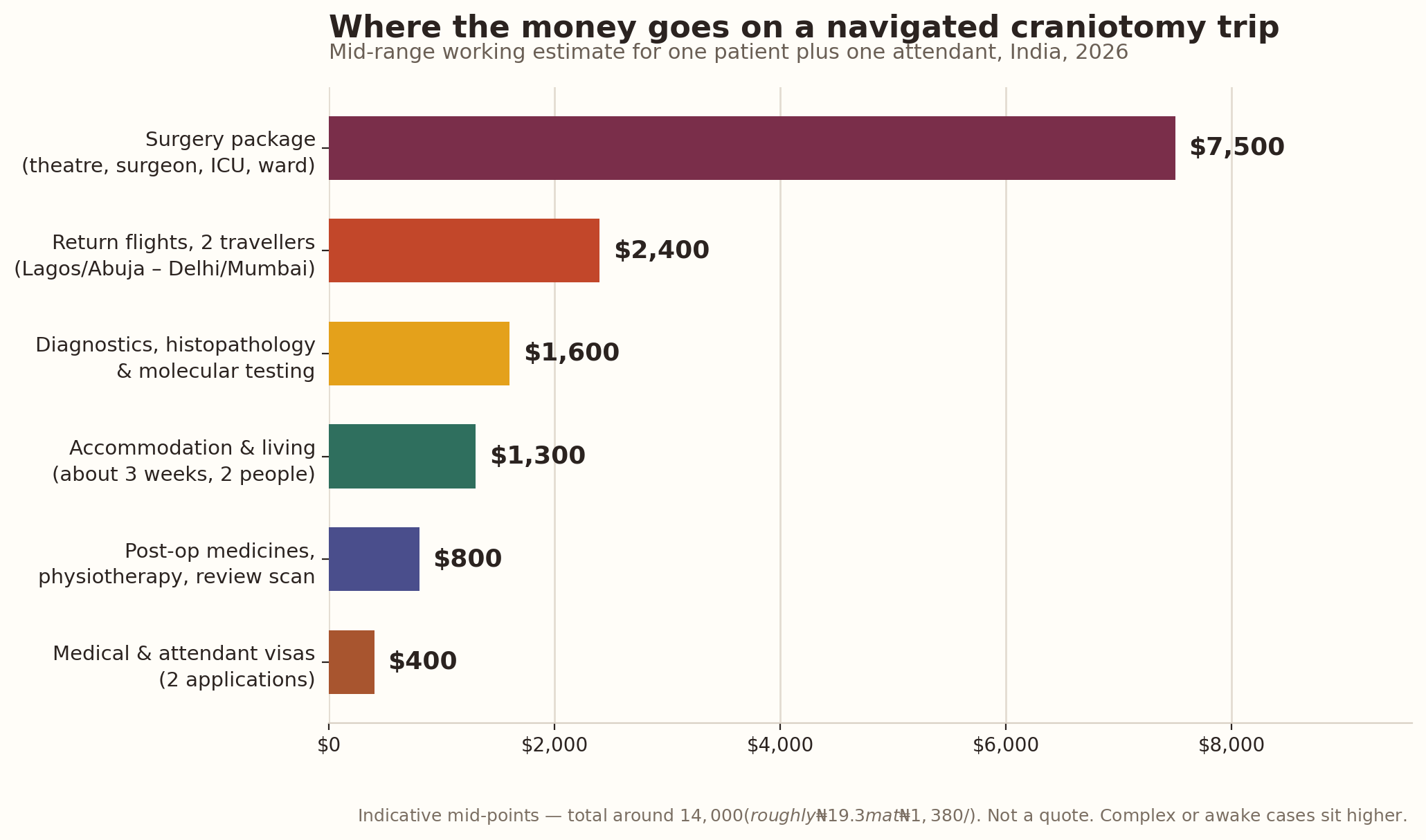
Figure 1. The surgery package is about half the true outlay. Flights and living costs for a second traveller are the line families most often forget to budget.
That lands near US$14,000 — roughly ₦19.3 million at the official rate of about ₦1,380 to the dollar in mid-July 2026, nearer ₦19.7 million at parallel-market rates around ₦1,410. Budget at the rate you can actually obtain and add 15 to 20 per cent contingency; the biggest swing factor is unplanned ICU nights. Set against the same operation elsewhere, the case for travelling becomes arithmetic rather than argument.
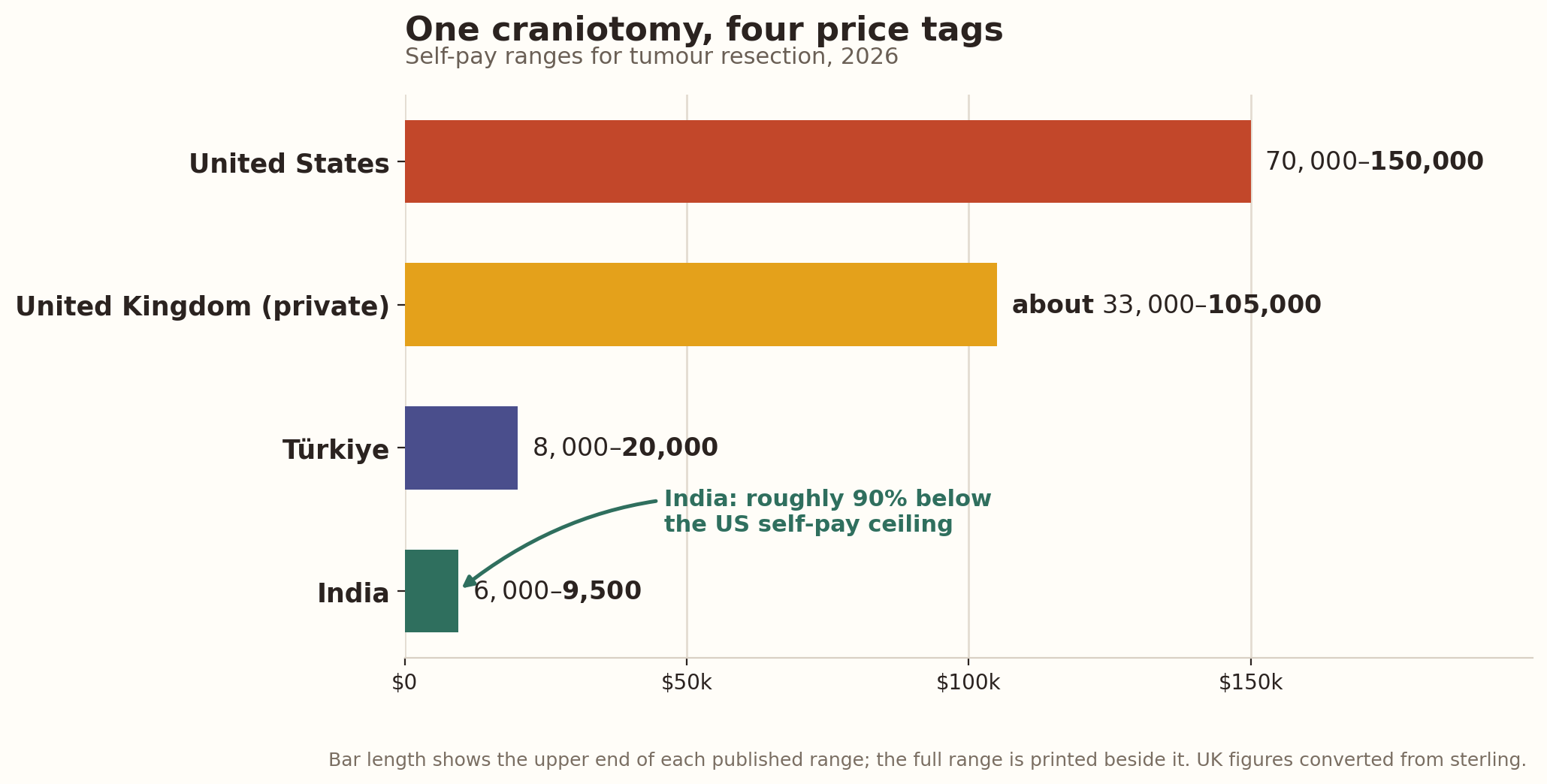
Figure 2. Self-pay ranges for tumour resection. Indian pricing sits roughly 90 per cent below the American ceiling, and the accredited Indian units offering it perform high annual cranial volumes.
What a proper written quote must itemise
- Surgeon, assistant and anaesthesia fees, stated separately
- Theatre time, navigation and intraoperative imaging charges
- ICU nights included — and the per-night rate once those are exhausted
- Ward nights, plus the daily rate for an attendant staying in the room
- Implants and consumables: duraplasty graft, titanium plates, haemostatic agents
- Histopathology, immunohistochemistry, the molecular panel, and the post-operative MRI
- Written policy on cost if a second procedure becomes necessary
DECISION FIVE
Who travels, for how long, and what happens after?
The visa, in practical terms
India issues a Medical Visa (M) to the patient and a Medical Attendant Visa (MX) to up to two close relatives — spouse, parent, sibling, adult child. Applications go through the High Commission in Abuja or the Consulate General in Lagos by prior appointment; an e-Medical route turns around in days for straightforward files.
Three documents cause almost all delays: the hospital invitation letter, emailed by the Indian hospital directly to the mission and naming your attendants with passport numbers; three months of certified bank statements or a bank guarantee; and a passport valid six months with two blank pages. Move those on day one.
A medical visa is commonly issued for six months. If radiotherapy or complications push you beyond it, extension is handled inside India through the FRRO, not by flying home and reapplying.
Getting there
Lagos and Abuja both reach Delhi and Mumbai with one stop — usually via Addis Ababa, Doha, Dubai, Nairobi or Istanbul — a total of 13 to 18 hours. For a post-craniotomy patient flying home, ask the surgeon for written fitness-to-fly clearance; airlines increasingly request it.
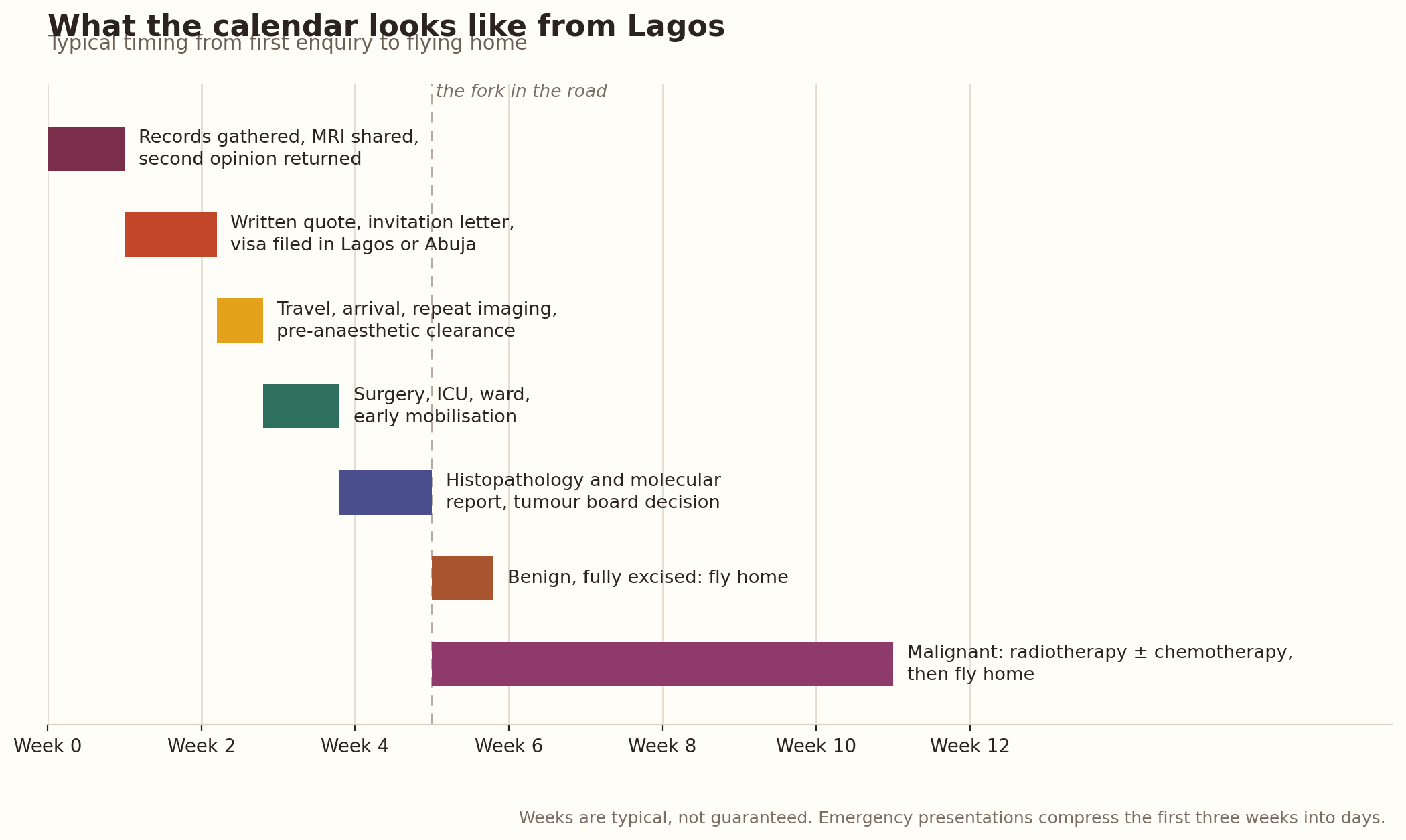
Figure 3. From first enquiry to boarding home. The fork at week five is the moment the pathology report either sends you to the airport or into radiotherapy.
The part everyone under-plans: coming home
Surgery is one week of a story that usually runs a year. Surveillance scanning, seizure control, hormone replacement, temozolomide cycles — almost all of it continues in Nigeria, at NSIA-LUTH, National Hospital Abuja, or with your own oncologist, but only if they receive a complete file.
- Discharge summary and the full operative note
- Histopathology including immunohistochemistry and molecular markers
- Post-operative MRI on disc, not only as a printed report
- Radiotherapy plan and cumulative dose record, if given
- Medication list using generic names stocked in Nigerian pharmacies
- A named clinician contact for teleconsultation
Before you transfer a single naira
- Get a second opinion on the MRI from a neurosurgeon who is not the one operating.
- Confirm the hospital's accreditation, and ask the named surgeon — not the marketing desk — how many of your exact tumour type he operates each year.
- Insist on a written, itemised quote covering every line in Decision Four, including ICU escalation.
- Verify the invitation letter reached the mission by email, not just your inbox.
- Budget three weeks of living costs, then add a fourth.
- Pay into the hospital's institutional account — never an individual's, whatever the explanation.
Straight Answers for Nigerian Patients about Brain Tumour Surgery in India
Is brain tumour surgery in India cheaper than the UK?
Yes, dramatically. A navigated craniotomy is indicatively US$6,000 to $9,500 in an accredited Indian hospital, against roughly $33,000 to $105,000 privately in Britain, with far shorter waiting times.
How long do I need to stay in India for brain tumour surgery?
About three weeks for surgery alone: five to seven days in hospital, then a fortnight for wound review, pathology and a post-operative scan. If radiotherapy follows, plan six to eight weeks in total.
Do Nigerians need a visa, and can family travel with me?
Yes to both. You need an Indian Medical Visa from the High Commission in Abuja, the Consulate in Lagos, or the e- Medical route, plus a Medical Attendant Visa for up to two close relatives. A hospital invitation letter and three months of bank statements are mandatory.
Is Gamma Knife radiosurgery available in India?
Yes. Gamma Knife and CyberKnife units run in several Indian cities at an indicative US$6,000 to $9,000. It suits small meningiomas, acoustic neuromas, pituitary lesions and limited metastases, with no incision.
Can I continue treatment after returning to Nigeria?
Yes, provided you leave India with the complete file. Radiotherapy, oral chemotherapy and surveillance MRI are all available at Nigerian centres — but your oncologist needs the operative note, molecular pathology and dose record.
Is India better than Nigeria for brain tumour surgery?
Not universally, and anyone who says so is selling something. Straightforward tumours are operated well at home. India's advantage is depth: navigation, awake mapping, molecular pathology and radiosurgery are routine there, which matters most for deep or malignant tumours.
How to read all of this
Nothing above says Nigerian medicine has failed you. What crossing an ocean buys is not better hands. It buys density — a hospital where your tumour type comes through theatre weekly rather than occasionally, where the molecular panel runs in-house, where the machine you need is in the building rather than in a business plan. In twenty-four years of this work, the families who come out best are rarely those who moved fastest or spent most. They are the ones who asked unglamorous questions early: how many of these do you do, what exactly is in this price, who reads my scan in six months.
Sources
- 🌐 NHS (UK) — Brain tumours: symptoms, diagnosis and treatment
- 🌐 American Association of Neurological Surgeons — Brain Tumors
- 🌐 National Cancer Institute — Adult CNS Tumors Treatment (PDQ)
- 🌐 Ukachukwu A-EK et al. — Neurosurgical capacity and facility ratings in Nigeria. Nigerian Medical Journal / World Neurosurgery, 2024–2026
- 🌐 Egyptian Journal of Neurosurgery — Neurosurgical education in Nigeria, 2025
- 🌐 High Commission of India, Abuja — Medical and Medical Attendant Visa requirements
Frequently Asked Questions by Nigerians about Brain Tumour Surgery in India
Why do many Nigerian patients travel to India for brain tumour surgery?
India offers experienced neurosurgeons, advanced surgical technologies, multidisciplinary neuro-oncology teams and internationally accredited hospitals, making it a preferred destination for complex brain tumour treatment.
How much does brain tumour surgery in India cost for Nigerian patients?
A standard craniotomy generally costs between USD 6,000 and USD 9,500, while the total medical travel budget for one patient and one attendant is approximately USD 14,000, depending on treatment complexity.
How long should Nigerian patients stay in India for brain tumour treatment?
Most patients remain in India for approximately three weeks for surgery and recovery. Patients requiring radiotherapy should plan for six to eight weeks.
Can Nigerian patients undergo Gamma Knife or CyberKnife treatment in India?
Yes. Many leading Indian neuro-oncology centres provide Gamma Knife and CyberKnife radiosurgery for selected brain tumours, acoustic neuromas and certain metastatic brain lesions.
Is every brain tumour an emergency requiring immediate surgery?
No. Surgery depends on symptoms, tumour location, intracranial pressure and neurological condition. Some tumours require urgent intervention, while others allow time for careful planning.
What documents should Nigerian patients send before travelling to India?
Patients should share MRI scans with contrast, previous CT or MRI reports, pathology reports (if available), medical history, current medications and recent blood investigations for specialist review.
How do I choose the best neurosurgeon in India?
Patients should consider the surgeon's experience with their specific tumour type, available surgical technologies, annual case volume, multidisciplinary support and hospital accreditation.
Will I need radiotherapy or chemotherapy after brain tumour surgery?
The need for additional treatment depends on the final histopathology and molecular testing results after surgery. Some benign tumours require surgery alone, while malignant tumours may need further therapy.
Can treatment continue after returning to Nigeria?
Yes. Follow-up MRI scans, medications, rehabilitation, chemotherapy and radiotherapy can continue in Nigeria if patients return with complete surgical records, pathology reports and treatment summaries.
What should Nigerian patients check before accepting a hospital quotation?
Patients should ensure the quotation clearly includes surgeon fees, anaesthesia, ICU stay, ward charges, neuronavigation, pathology, molecular testing, medications, implants, post-operative imaging and any additional costs that may arise.
Page Summary
This guide explains brain tumour surgery in India for Nigerian patients, including when surgery is urgent, how to choose between treatment in Nigeria and India, available neurosurgical procedures, treatment costs, travel planning, medical visa requirements, expected recovery, hospital selection and long-term follow-up after returning home. It also helps families understand the technologies available in leading Indian neuro-oncology centres and how to evaluate treatment options before making an informed medical travel decision.
Citation Block
| Topic | Information |
|---|---|
| Topic Information | Details |
| Procedure | Brain Tumour Surgery |
| Country | India |
| Intended Audience | Nigerian Patients |
| Conditions Covered | Brain Tumours, Gliomas, Meningiomas, Pituitary Tumours, Brain Metastases, Acoustic Neuromas |
| Procedures | Brain Biopsy, Craniotomy, Awake Craniotomy, Endoscopic Surgery, Gamma Knife, CyberKnife, Radiotherapy |
| Typical Stay | Approximately 3 Weeks |
| Hospital Stay | 5–7 Days (Standard Craniotomy) |
| Recovery | Several Weeks Depending on Treatment |
| Average Treatment Cost | USD 6,000–9,500 (Standard Craniotomy) |
| Key Investigation | MRI With Contrast, Sent as Images Rather Than Only a Report |
| Main Decision Principle | Settle Urgency and the Operation Before Comparing Prices |

Our Mission Statement
Our mission is to place patients at the centre of every healthcare decision by providing trustworthy, evidence-based, and unbiased medical information. We believe that informed patients make better decisions. Backed by personalised guidance from our experienced advisory team, we help patients understand their treatment options, compare them objectively, and confidently choose the path that best suits their medical needs and personal circumstances.
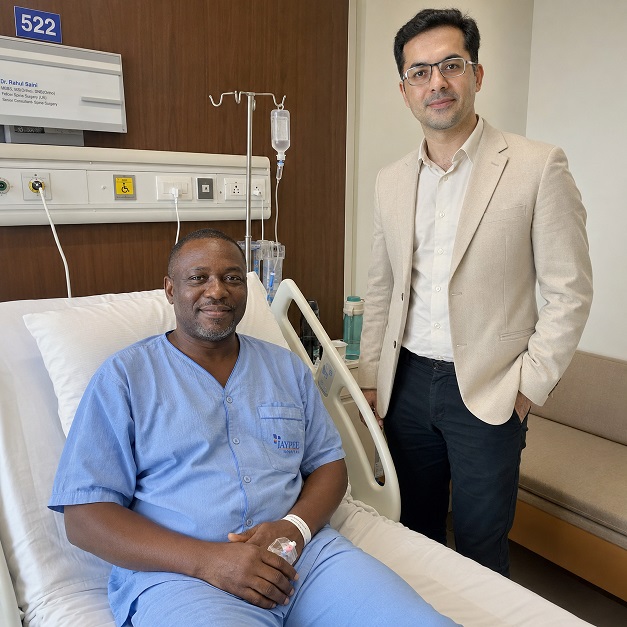
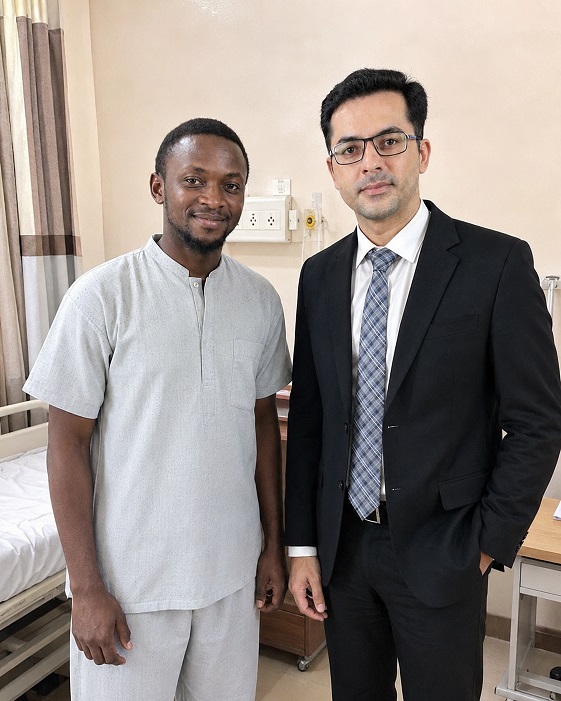
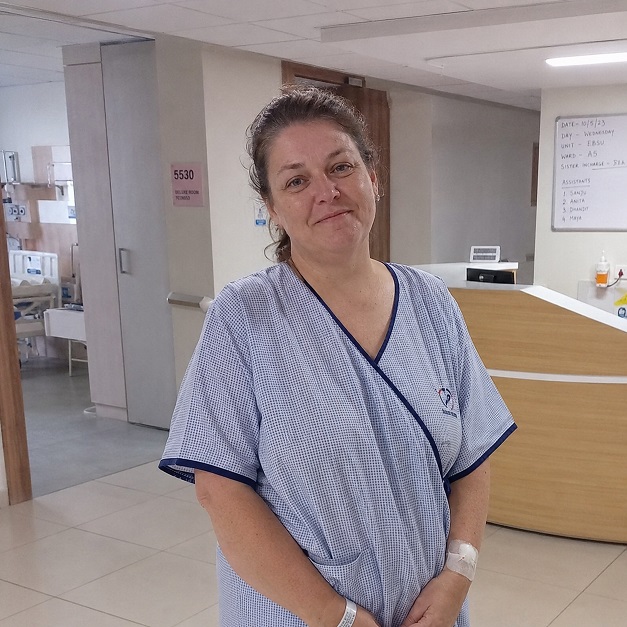
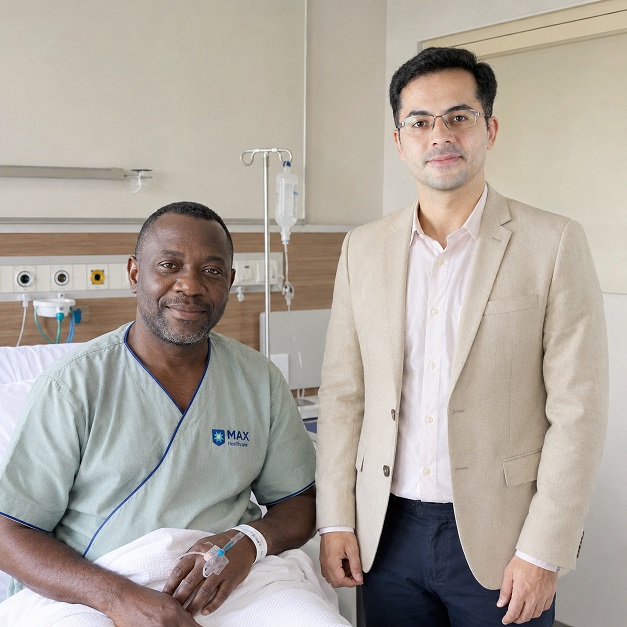
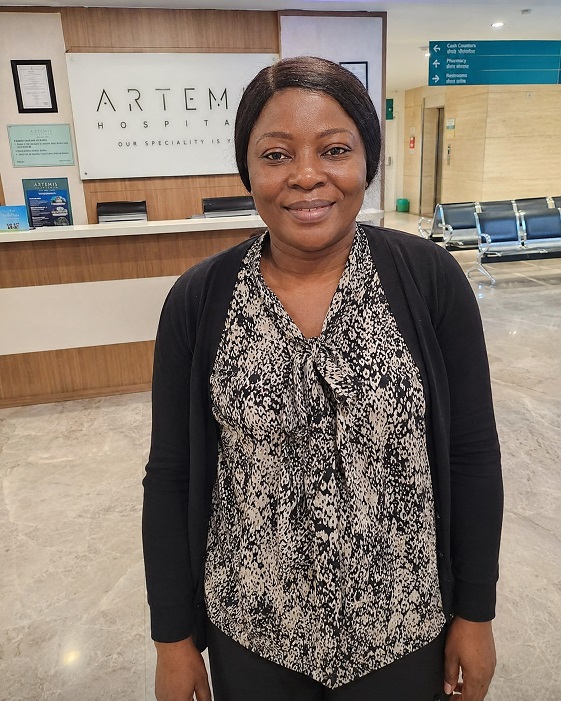
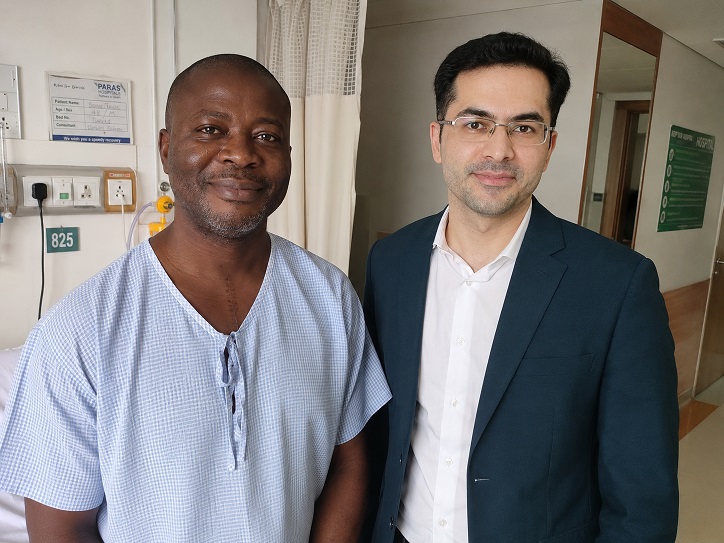
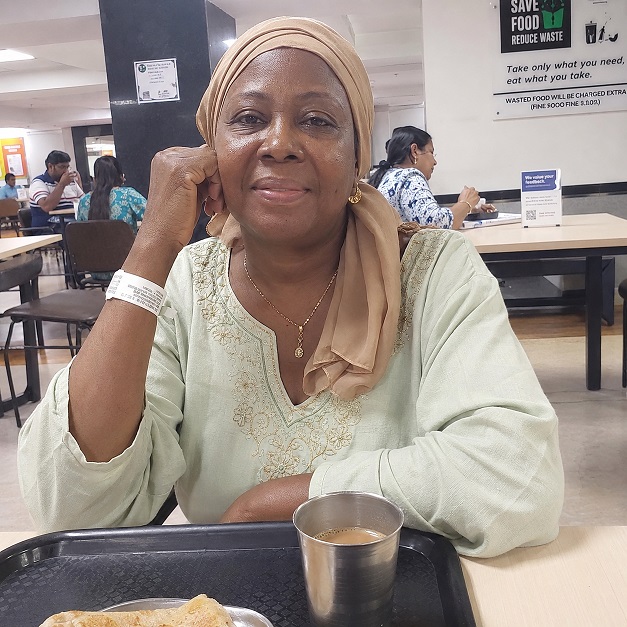
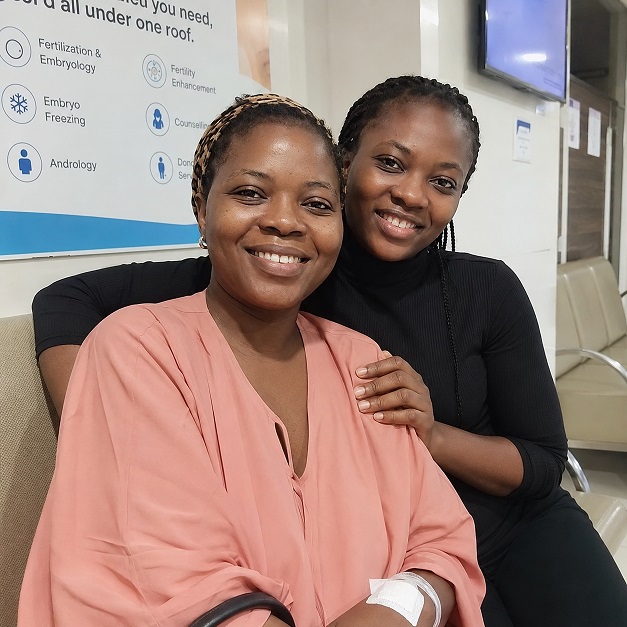
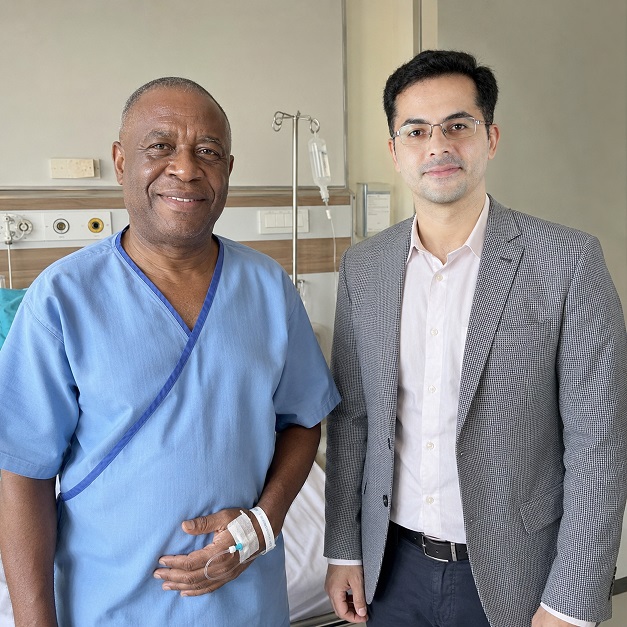
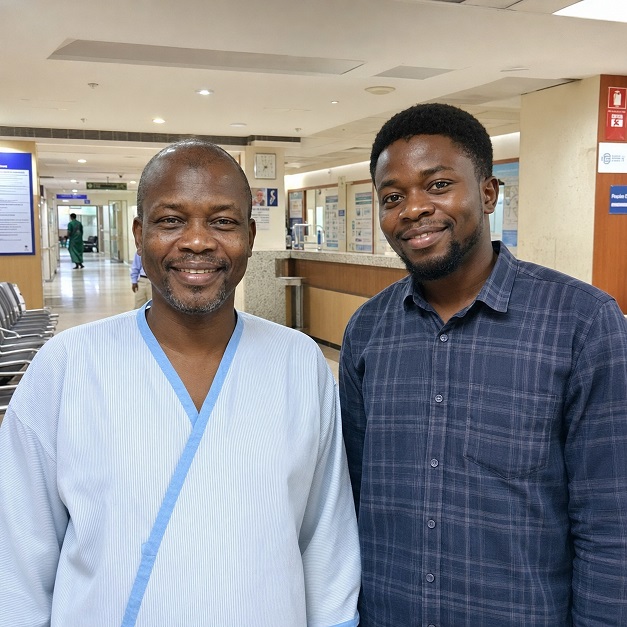
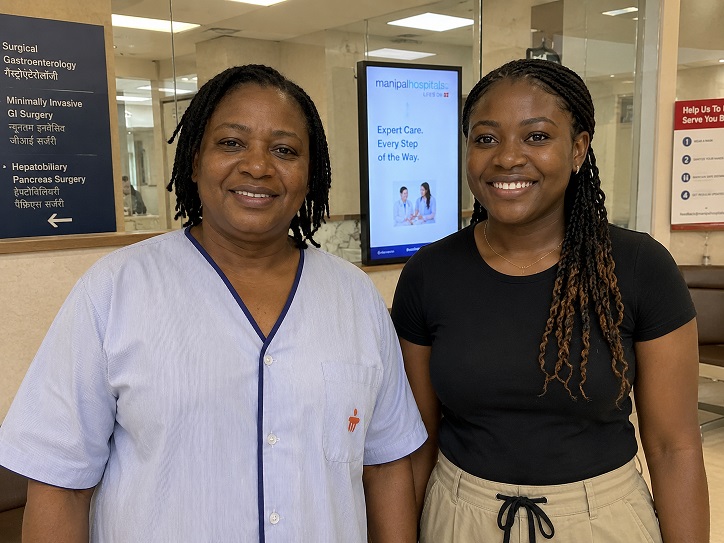
Patient Testimonials from Nigeria
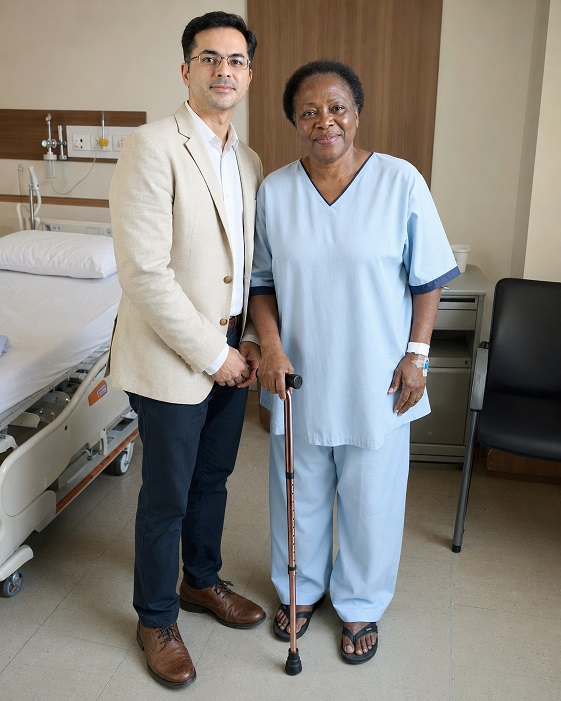
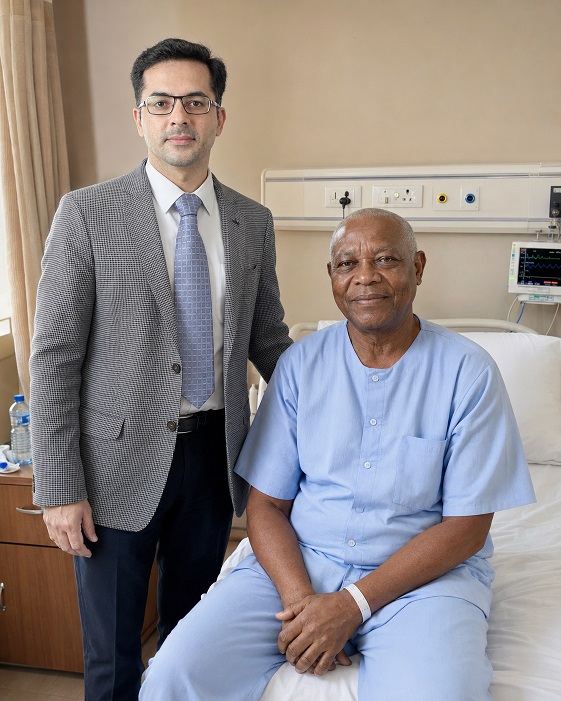
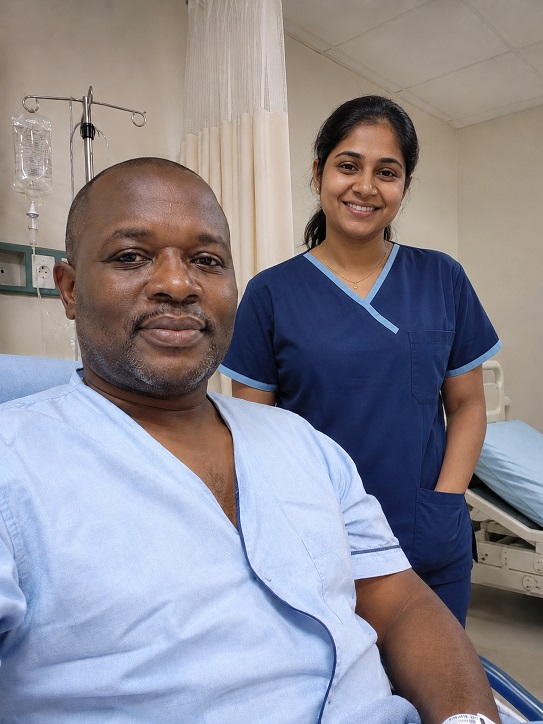
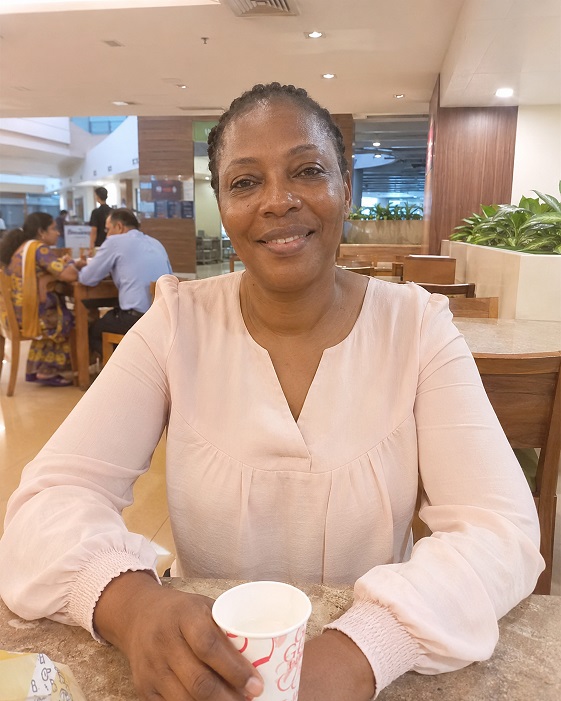
Ready to Take the First Step?
Share your Medical Reports with our Healthcare Managers Today and Get a FREE CONSULTATION, a Personalized Treatment Plan, and Complete Support from Arrival to Recovery.
Get Your Free ConsultationAreas We Serve
This resource has been thoughtfully prepared for patients from Nigeria who are considering medical treatment in India. We also welcome patients from the wider region in the countries mentioned below-
We assist patients from:
- Benin
- Niger
- Chad
- Cameroon
- Algeria
- Egypt
- Libya
- Morocco
- Sudan
- Tunisia
- Gambia
- Ghana
- Burkina Faso
- Cabo Verde
- Côte d'Ivoire
- Equatorial Guinea
- São Tomé and Príncipe
Many of the insights, treatment pathways, hospital recommendations, travel guidance, and patient support services described here are equally relevant and may be used as a reference when planning treatment in India.
From Nigeria to India: Your Complete Patient Support Guide
- Artificial Disc Replacement in India for Nigerian Patients
- Weight Loss and Bariatric Surgery in India for Nigerian Patients
- Bone Marrow Transplant in India for Nigerian Patients
- Brain Tumour Surgery in India for Nigerian Patients
- Breast Cancer Treatment and Surgery in India for Nigerian Patients
- Cancer Treatment and Surgery in India for Nigerian Patients
- Cardiac Arrhythmia and Heart Pacemaker Treatment in India for Nigerian Patients
- Cardiac Surgery in India for Nigerian Patients
- Colorectal Cancer Treatment and Surgery in India for Nigerian Patients
- Complex Orthopaedic and Joint Revision Surgery in India for Nigerian Patients
- Cornea Transplant and Advanced Eye Surgery in India for Nigerian Patients
- CyberKnife Treatment in India for Nigerian Patients
- Gamma Knife Treatment in India for Nigerian Patients
- Heart Failure Treatment and Surgery in India for Nigerian Patients
- Hip Surgery in India for Nigerian Patients
- HIPEC Cancer Surgery in India for Nigerian Patients
- IVF and Fertility Treatment in India for Nigerian Patients
- Joint Arthroscopy and Sports Medicine in India for Nigerian Patients