

Cardiac Arrhythmia and Heart Pacemaker Treatment in India for Nigerian Patients
For the heart that has slowed to a dangerous rhythm, and an honest fact worth knowing before any decision is made: not every pacemaker implanted in Africa today is a new one.
A 2026 continent-wide scoping review mapping published pacemaker research across Africa found that where device condition was actually reported, reused, previously implanted devices made up anywhere from under 5 percent to the entire cohort in individual studies, a genuine reflection of how expensive new devices remain relative to what patients and health systems across the region can afford. In Nigeria specifically, complete heart block, a serious disruption of the heart's own electrical timing system, accounted for 86.4 percent of pacemaker implants in one tertiary hospital's published series, and a separate Nigerian study stated plainly that this lifesaving procedure remains unaffordable for most patients who need it without government or charitable subsidy. This guide sets out what pacemaker and related device implantation actually costs in India once travel is counted, what genuinely determines which device is right for a specific arrhythmia, and what Nigeria's own documented, real experience with this procedure looks like today.
| 3.9–100% RANGE OF REUSED-DEVICE PROPORTIONS REPORTED | 86.4% OF PACEMAKER IMPLANTS AT ONE NIGERIAN TERTIARY | 0 DEATHS REPORTED IN THE SAME NIGERIAN SERIES, | 70–85% TYPICAL SAVING ON AN EQUIVALENT INDIA PATHWAY |
|---|---|---|---|
| ACROSS AFRICAN PACEMAKER STUDIES, 2026 REVIEW | HOSPITAL WERE FOR COMPLETE HEART BLOCK | CONFIRMING PROCEDURAL SAFETY | VS. THE US |
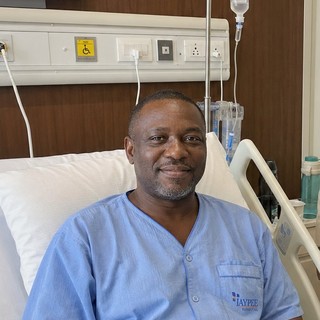
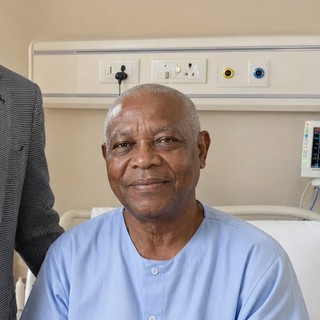
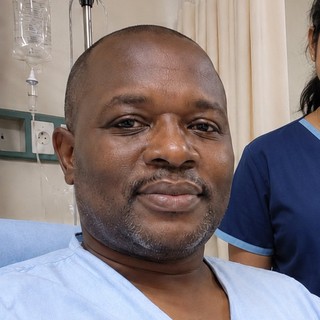
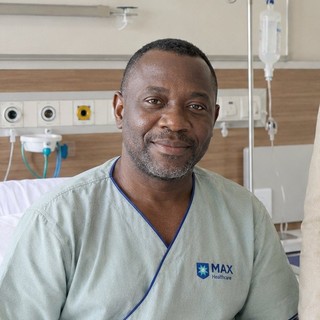
Healing Journeys of Nigerian Patients
Key Takeaways
- A pacemaker is used primarily to treat bradyarrhythmia, where the heart rate becomes dangerously slow, often because the heart's electrical conduction system has failed. Untreated complete heart block can lead to fainting, heart failure and sudden death.
- A major Nigeria-specific issue highlighted by the guide is access to new versus reused pacemakers. A 2026 review of published pacemaker research across Africa found reused-device proportions ranging from 3.9% to 100% among studies where device condition was reported.
- In one Nigerian tertiary-hospital series, complete heart block accounted for 86.4% of pacemaker implants. The same series reported no deaths and a low complication rate, demonstrating that genuine pacemaker implantation expertise exists within Nigeria.
- The guide therefore does not describe Nigeria as lacking the clinical skill to implant pacemakers. Instead, the major limitations are affordability, consistent availability of new devices and access to more advanced cardiac devices.
- Reused pacemakers are not described as inherently unsafe when appropriately processed and transparently disclosed. However, they generally have shorter remaining battery life and less predictable long-term performance than genuinely new devices.
- The document strongly recommends that Nigerian patients ask explicitly whether the device being offered is new or reused before agreeing to implantation.
- The right cardiac device depends on the patient's specific arrhythmia. A standard pacemaker, implantable cardioverter-defibrillator and cardiac resynchronisation therapy device are not interchangeable treatments.
- The guide lists a diagnostic arrhythmia workup at approximately US$1,000–2,000, generally requiring 1–2 days.
Quick Facts
- Treatment
- Cardiac Arrhythmia and Heart Pacemaker Treatment
- Country
- India
- Intended Audience
- Nigerian Patients and Families
- Primary Specialty
- Cardiac Electrophysiology
- Primary Pacemaker Indication
- Bradyarrhythmia / Dangerously Slow Heart Rhythm
- Common Nigerian Indication Mentioned
- Complete Heart Block
- Complete Heart Block Share in Nigerian Series
- 86.4%
- Deaths Reported in Same Nigerian Series
- 0
- Reused Pacemaker Range Reported Across African Studies
- 3.9–100%
- Nigeria Clinical Strength
- Demonstrated Safe Pacemaker Implantation
- Primary Nigeria Constraint
- Cost and Consistent Access to New Devices
- Other Nigeria Constraint
- Limited Predictable Access to ICD and CRT Systems
- First Requirement
- Confirmed Arrhythmia Diagnosis
- Author
- Dr. Dheeraj Bojwani
- Experience
- 24 Years' Experience
In Brief
Cardiac arrhythmia and pacemaker treatment in India for Nigerian patients should begin with an accurate rhythm diagnosis rather than an assumption that every electrical heart problem requires the same device. A standard pacemaker primarily treats dangerously slow rhythms, while an ICD treats patients at risk of life-threatening fast ventricular rhythms and CRT is used for selected heart-failure patients. The guide lists a new dual-chamber pacemaker at approximately US$4,000–6,500, an ICD at US$8,000–14,000 and CRT at US$10,000–16,000. Because reused pacemakers have been documented in African practice, Nigerian patients are specifically advised to obtain written confirmation that the device offered is new and to establish long-term device monitoring after returning home.
01 · the Real Problem
A lifesaving device, rationed by cost across the continent
A pacemaker treats bradyarrhythmia, a heart rate that has become dangerously slow, most often because the heart's own electrical conduction system has failed, a condition called complete heart block. Left untreated, this can cause fainting, heart failure, and sudden death; treated with a pacemaker, it is one of the most reliably effective interventions in all of cardiology. The device itself is not experimental or difficult to source globally, which makes the specific pattern documented across Africa genuinely striking: a 2026 scoping review of published pacemaker research found that in the studies reporting device condition, reused units, previously implanted in another patient and reprocessed, made up a meaningful share of cases, with individual study cohorts ranging from under 5 percent to entirely reused devices.
Nigeria's own published experience confirms both halves of this picture. A tertiary hospital study from Ile-Ife found complete heart block responsible for 86.4 percent of pacemaker implants, with no deaths recorded and a low complication rate, genuine evidence that the procedure itself is performed safely and skillfully. A separate study from a government-funded programme in Akwa Ibom State stated the cost barrier directly: the procedure remains unaffordable for the majority of Nigerian patients who need it without state or charitable sponsorship, and the authors called explicitly for wider health insurance or subsidy to make it sustainable.
This context matters directly for any Nigerian patient or family weighing where to seek treatment. The clinical skill to implant a pacemaker safely clearly exists in Nigeria. What varies, sometimes considerably, is whether the device being offered is new, and whether cost alone is determining that choice rather than what is clinically best for the specific patient, a distinction worth understanding before agreeing to any specific device.
02 · Nigeria's Capacity
Genuine skill, real cost constraints, and reused devices
The Nigerian and wider African evidence base on pacemaker implantation is honest about both its strengths and its limits. Procedures have been performed safely even at a district-level hospital in Akwa Ibom State, fully equipped with modern fluoroscopy and supported entirely by state government funding specifically because patients could not otherwise afford it. This shows real, transferable surgical and procedural skill exists well beyond Nigeria's largest teaching hospitals.
What remains constrained is consistent access to new devices, and to the fuller range of device types, including implantable cardioverter-defibrillators for life-threatening fast rhythms and cardiac resynchronisation therapy systems for certain heart failure patients, which are more specialised and considerably more expensive than a standard pacemaker. Reused devices, where used appropriately and disclosed honestly, are not inherently unsafe, but they typically carry a shorter remaining battery life than a new device and less predictable long-term performance, and deserve to be a clearly informed choice, not an unstated default.
03 · THE TREATMENT MAP
Which device, and what it costs
The right device depends entirely on the specific arrhythmia diagnosed, not a general assumption that any pacemaker will do.
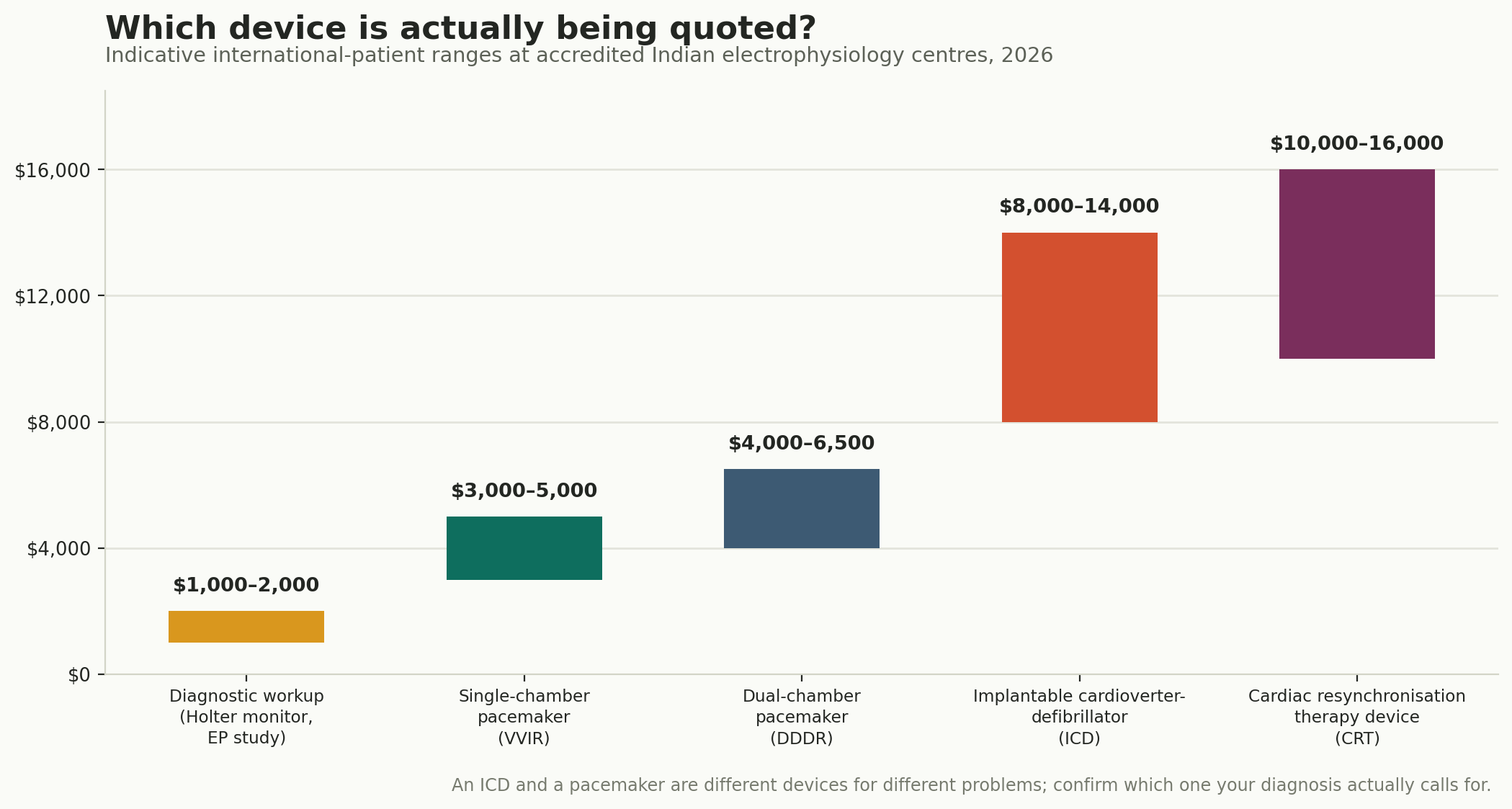
Figure 1. A pacemaker and an ICD treat different problems; confirm which specific diagnosis and device your case actually calls for before comparing prices.
| Procedure | Typically suits | Indicative cost | Hospital stay |
|---|---|---|---|
| Diagnostic workup | Confirming the exact arrhythmia before deciding on device type | $1,000–2,000 | 1–2 days |
| Single-chamber pacemaker (VVIR) | Simpler bradyarrhythmia, often in older patients | $3,000–5,000 | 1–2 nights |
| Dual-chamber pacemaker (DDDR) | More coordinated pacing, the more commonly used modern standard | $4,000–6,500 | 1–2 nights |
| Implantable cardioverter-defibrillator (ICD) | Risk of life-threatening fast ventricular rhythms | $8,000–14,000 | 2–3 nights |
| Cardiac resynchronisation therapy (CRT) | Certain heart failure patients with a specific conduction delay | $10,000–16,000 | 2–3 nights |
Table 1. Indicative international-patient pricing for genuinely new devices at accredited Indian electrophysiology centres, mid-2026. Figures are planning ranges, not offers, and vary by device brand and case complexity.
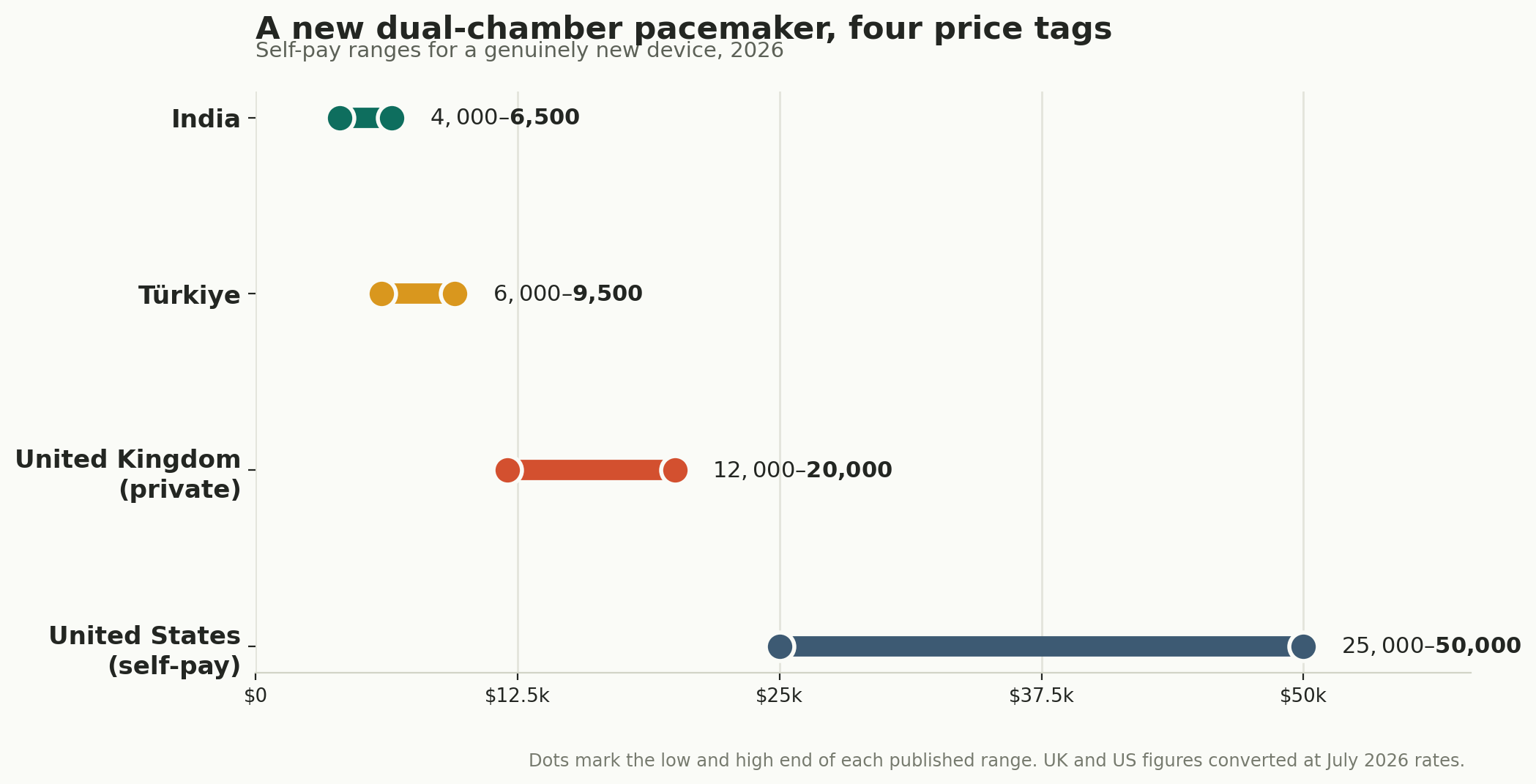
Figure 2. A genuinely new dual-chamber pacemaker, priced across four common destinations for Nigerian patients.
What a proper written quote must itemise
- Explicit confirmation that the device is new, not reused, with its brand and model stated
- The specific arrhythmia diagnosed, confirmed by ECG and, where needed, further testing
- Why this specific device type, rather than a simpler or more advanced alternative, is recommended
- Expected battery life for the specific device model
- A written schedule for routine device checks and who will perform them once you are home
04 · THE FULL BUDGET
What the whole journey costs, beyond the device
The device and procedure fee is the number families anchor on, and the least complete one. A representative pathway — new dual-chamber pacemaker, one patient and one attendant, roughly ten days in India — adds up like this:
- Procedure package (implantation, device, hospital stay): $4,500–7,000
- Return flights, two travellers (Lagos/Abuja – Delhi/Mumbai/Chennai): $2,200–3,000
- Pre-procedure workup (ECG, echocardiogram, bloodwork): $300–600
- Accommodation, about ten days, two people : $700–1,100
- Medical and attendant visas (two applications): $400–500
- Contingency for extended monitoring or an alternative device type: 15–20% All-in, most families should plan for US$8,100–12,200 for a new dual-chamber pacemaker — roughly ₦11.2– 16.8 million at the official mid-July 2026 rate of about ₦1,380 to the dollar, somewhat higher at parallel- market rates near ₦1,410. ICD and CRT devices should be budgeted considerably higher, reflecting their added cost and complexity.
05 · GETTING THERE
Visa, travel, and a device that outlasts the trip
India issues a Medical Visa (M) to the patient and a Medical Attendant Visa (MX) to a close relative. Applications go through the High Commission in Abuja or the Consulate General in Lagos by prior appointment, and an e-Medical route turns around in days for straightforward files. The hospital's invitation letter, three months of certified bank statements, and a passport valid six months with two blank pages move the process fastest.
Lagos and Abuja both reach Delhi, Mumbai and Chennai with a single stop, usually via Addis Ababa, Doha, Dubai, Nairobi or Istanbul, a total journey of 13 to 18 hours.
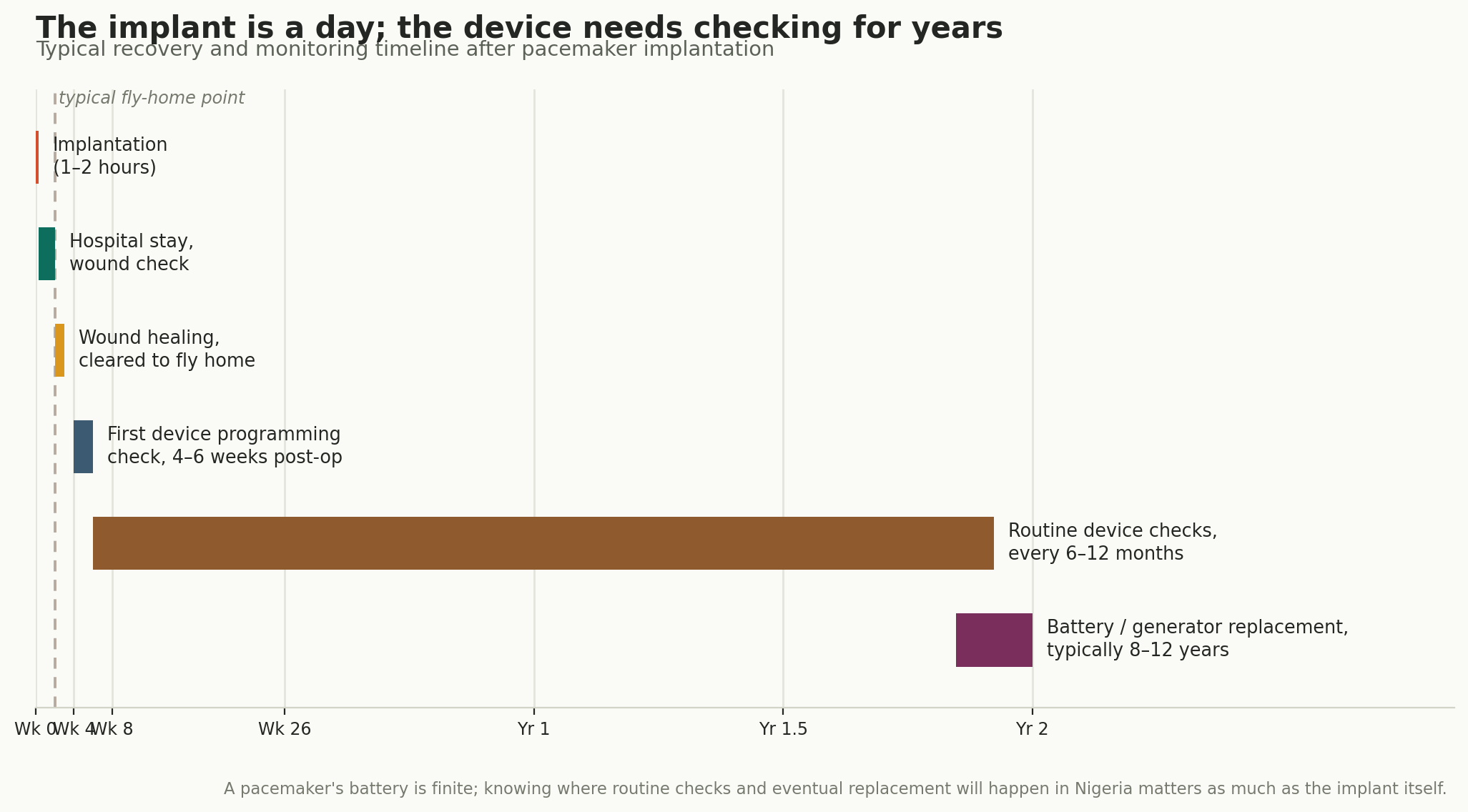
Figure 3. A pacemaker's battery is finite; knowing where routine checks and eventual replacement will happen in Nigeria matters as much as the implant itself.
On device reuse, honestly. If a reused device is offered anywhere, ask directly for its remaining battery life, its full service history, and how it was sterilised and tested before implantation. This is not a question to feel awkward asking; it is standard, reasonable information any legitimate programme should be able to provide clearly and without hesitation.
What has to travel home with the patient
- Full procedure note, device brand, model, and serial number
- A device identification card for airport security and future medical care
- The programmed settings and expected battery life
- A routine device-check schedule, and who will perform it once you are home
- A named clinician contact for teleconsultation if symptoms of device malfunction arise
06 · THE HONEST COMPARISON
What stays in Nigeria, and what travels
Diagnosis, initial cardiology assessment, and routine device checks after implantation are all genuinely appropriate to pursue with a Nigerian cardiologist, and Nigerian centres have demonstrated real, safe pacemaker implantation skill, including outside major teaching hospitals.
What tips the calculation toward travelling is reliable access to a genuinely new device of the right type for the specific arrhythmia diagnosed, and to more advanced device categories, ICDs and CRT systems, not consistently available domestically at predictable pricing. For a patient who wants certainty about receiving a new, appropriately matched device, rather than whatever unit happens to be available at the time, that reliability is a legitimate, often decisive factor.
Before you commit to pacemaker treatment abroad
- Get a confirmed arrhythmia diagnosis by ECG and further testing before assuming any specific device.
- Ask explicitly and directly whether the device offered is new or reused.
- Confirm which specific device type, pacemaker, ICD, or CRT, is genuinely indicated for your diagnosis.
- Ask for the device's expected battery life and the manufacturer's warranty terms.
- Establish who will perform routine device checks in Nigeria after you return.
- Confirm what generator replacement will cost when the current battery eventually runs low.
- Get a device identification card and full procedure documentation before you leave.
- Pay into the hospital's own institutional account only, never an individual's personal account.
Straight Answers for Nigerian Patients about Cardiac Arrhythmia and Heart Pacemaker Treatment in India
Is pacemaker implantation in India cheaper than the UK or US?
Yes, substantially. A new dual-chamber pacemaker is indicatively $4,000 to $6,500 in India, against roughly $12,000 to $20,000 privately in the UK and $25,000 to $50,000 self-pay in the United States.
Is it true that some pacemakers implanted in Africa are reused devices?
Yes. A 2026 continent-wide review found several African patient cohorts using reused devices, with proportions ranging from under 5 percent to 100 percent of cases in individual studies, reflecting genuine cost and access constraints.
What is the most common reason Nigerians need a pacemaker?
Complete heart block, a serious disruption of the heart's electrical conduction system, accounted for 86.4 percent of pacemaker implants in one Nigerian tertiary hospital's published series.
Do Nigerians need a visa for pacemaker treatment in India?
Yes. You need an Indian Medical Visa from the High Commission in Abuja, the Consulate in Lagos, or the e- Medical route, plus a Medical Attendant Visa for a close relative, with a hospital invitation letter and financial proof.
How is a pacemaker different from an ICD?
A pacemaker treats a heart rate that is too slow. An ICD monitors for life-threatening fast rhythms and delivers a shock to correct them; some patients need a device combining both functions.
Does a pacemaker battery last forever?
No. Batteries typically last eight to twelve years depending on settings and usage, after which the generator, not usually the leads, needs replacement in a shorter follow-up procedure.
Is India better than Nigeria for pacemaker implantation?
Nigerian centres have demonstrated genuinely safe implantation with good outcomes, but often at small scale with device availability sometimes limited to reused units. India offers reliable access to new devices and a broader range of device types.
A closing word
Pacemaker treatment is, medically, one of cardiology's genuine success stories: safe, well understood, and reliably effective when the right device reaches the right patient. What the published record from Nigeria and across Africa shows honestly is that reaching patients with a new, appropriately matched device remains a real, ongoing challenge, one addressed in different places through state funding, charitable programmes, and, sometimes, reused equipment.
In twenty-four years of this work, the patients who do best are the ones who ask directly whether a device is new, confirm it genuinely matches their specific arrhythmia, and establish a reliable local relationship for the routine checks a pacemaker needs for as long as it keeps a heart beating properly. The implant itself takes an hour or two. The device it leaves behind needs watching over for years.
Sources
- 🌐 American Heart Association — Pacemakers, patient information
- 🌐 NHS (UK) — Pacemaker implantation: overview – nhs.uk
- 🌐 Continental Cartography of Permanent Pacemaker Use in Africa: A Scoping Review. Annals of Clinical Cardiology, 2026
- 🌐 Early experience with permanent pacemaker implantation at a tertiary hospital in Nigeria. Pan African Medical Journal
- 🌐 Permanent pacemaker insertion for bradyarrhythmias in a secondary health facility in sub-Saharan Africa. Heart Rhythm O2, 2025
- 🌐 High Commission of India, Abuja — Medical and Medical Attendant Visa requirements
Frequently Asked Questions by Nigerians about Cardiac Arrhythmia and Heart Pacemaker Treatment in India
Is pacemaker implantation in India cheaper than the UK or US?
Yes, according to the guide. A new dual-chamber pacemaker is approximately US$4,000–6,500 in India, compared with roughly US$12,000–20,000 privately in the UK and US$25,000–50,000 self-pay in the US.
Is it true that some pacemakers implanted in Africa are reused devices?
Yes. The guide cites a 2026 African review reporting reused devices in several patient cohorts, ranging from under 5% to 100% in individual studies where device condition was reported.
What is the most common reason Nigerians need a pacemaker?
Complete heart block accounted for 86.4% of pacemaker implants in one Nigerian tertiary hospital's published series. It occurs when the heart's normal electrical conduction is seriously disrupted.
Do Nigerian patients need a visa for pacemaker treatment in India?
Yes. The guide specifies an Indian Medical Visa and a Medical Attendant Visa for an eligible accompanying relative, supported by the appropriate hospital invitation and financial documentation.
How is a pacemaker different from an ICD?
A pacemaker primarily treats a heart rate that is too slow. An ICD monitors for life-threatening fast ventricular rhythms and can deliver a shock to correct them.
Does a pacemaker battery last forever?
No. The guide gives a typical battery lifespan of approximately 8–12 years. When the battery runs low, the generator is generally replaced while functioning leads may remain in place.
Is India always better than Nigeria for pacemaker implantation?
No. Nigerian centres have demonstrated safe implantation. India becomes particularly relevant where reliable access to a genuinely new device, ICD or CRT system is required.
What should Nigerian patients ask before accepting a pacemaker?
Ask whether the device is new or reused, its exact brand and model, why that device type matches the diagnosed arrhythmia, its expected battery life and warranty terms.
Can pacemaker follow-up continue in Nigeria after treatment in India?
Yes. Routine device checks can appropriately continue with a Nigerian cardiologist. The guide recommends establishing this relationship before travelling for implantation.
What documents should patients take home after pacemaker implantation?
Patients should obtain a device identification card, full procedure documentation, programmed device settings, expected battery life, a routine device-check schedule and contact details for clinical advice if problems develop.
Page Summary
This guide examines cardiac arrhythmia and pacemaker treatment for Nigerian patients through a specific access issue: the distinction between clinical ability to implant a pacemaker and reliable access to a genuinely new, appropriately selected device. Nigeria's published experience demonstrates genuine procedural capability. One tertiary-hospital series cited in the guide found complete heart block responsible for 86.4% of pacemaker implants, with no deaths and a low complication rate.
Citation Block
| Topic | Information |
|---|---|
| Topic Information | Cardiac Arrhythmia and Heart Pacemaker Treatment in India for Nigerian Patients |
| Treatment | Cardiac Rhythm Device Implantation |
| Country | India |
| Intended Audience | Nigerian Patients and Families |
| Primary Condition | Bradyarrhythmia / Complete Heart Block |
| Other Conditions Covered | Life-Threatening Ventricular Arrhythmias and Selected Heart Failure |
| Procedures | Single-Chamber Pacemaker, Dual-Chamber Pacemaker, ICD and CRT |
| First Requirement | Confirmed Arrhythmia Diagnosis |
| Complete Heart Block in Nigerian Series | 86.4% of Pacemaker Implants |
| Deaths in Same Nigerian Series | 0 |
| Reused Device Range Mentioned | 3.9–100% Across Reported African Studies |
| Hospital Stay | Approximately 1–3 Nights Depending on Device |
| Representative India Stay | Approximately 10 Days |
| All-In Dual-Chamber Pacemaker Budget | US$8,100–12,200 |
| Pacemaker Battery Life | Approximately 8–12 Years |
| Nigeria Strength | Demonstrated Safe Pacemaker Implantation |
| Nigeria Constraint | Cost and Reliable Access to New and Advanced Devices |
| Critical Device Question | Whether the Device Is New or Reused |
| Long-Term Follow-Up | Routine Device Checks |
| Records for Return to Nigeria | Device Card, Procedure Documentation, Programmed Settings and Battery Information |
| Author | Dr. Dheeraj Bojwani |
| Experience | 24 Years' Experience |


Our Mission Statement
Our mission is to place patients at the centre of every healthcare decision by providing trustworthy, evidence-based, and unbiased medical information. We believe that informed patients make better decisions. Backed by personalised guidance from our experienced advisory team, we help patients understand their treatment options, compare them objectively, and confidently choose the path that best suits their medical needs and personal circumstances.
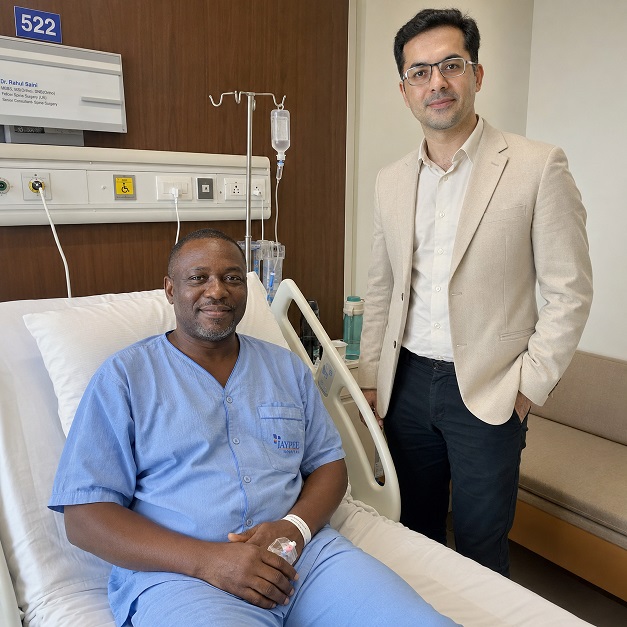
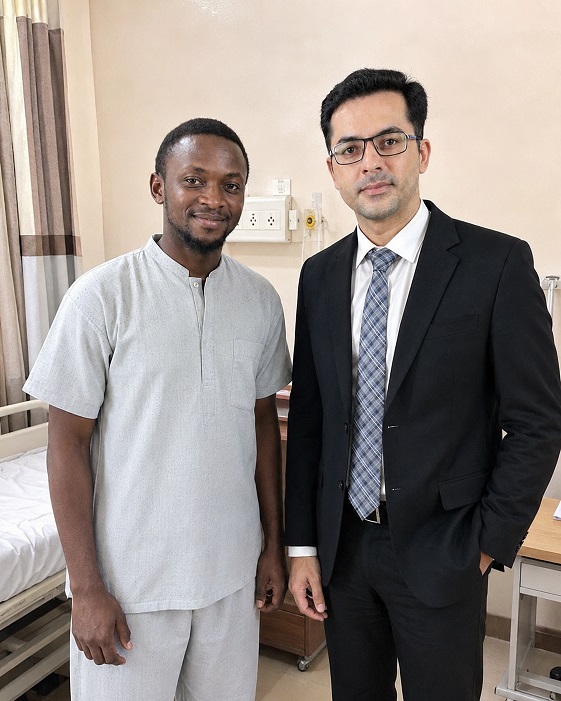
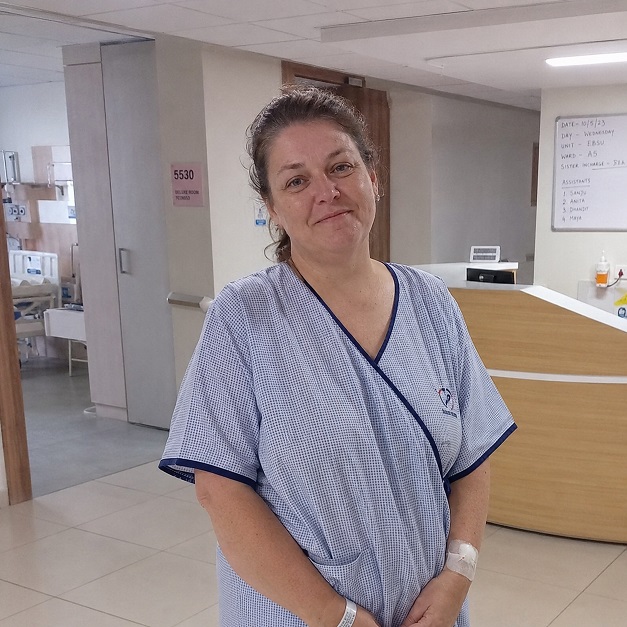
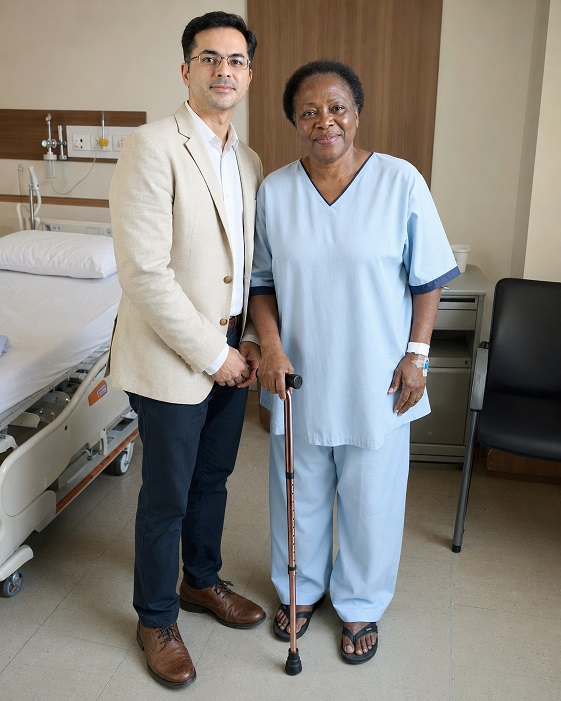
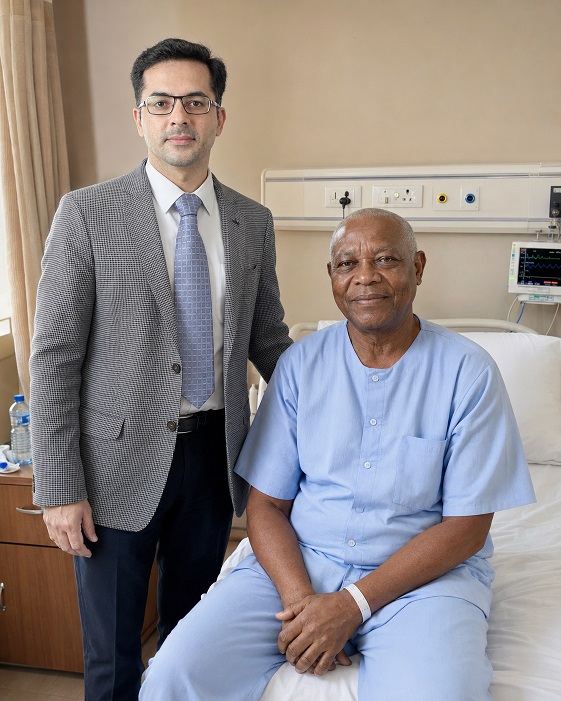
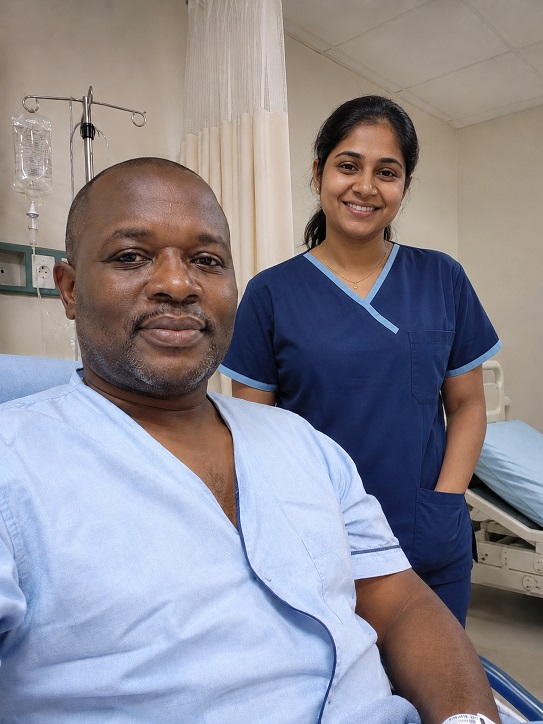
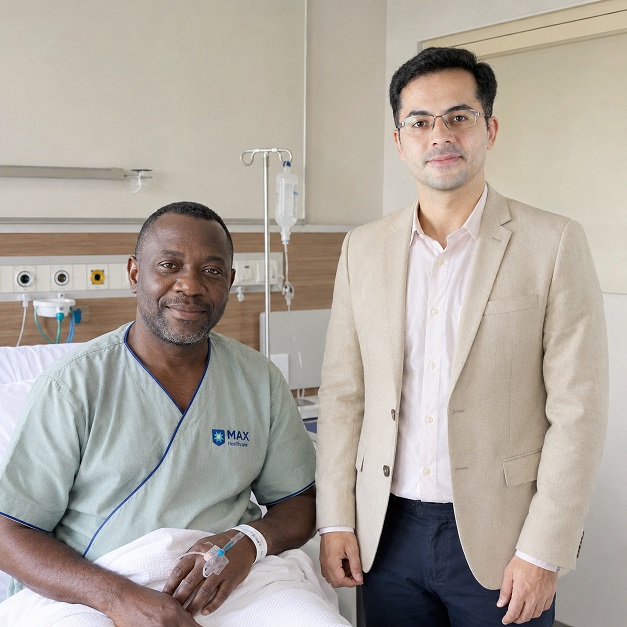
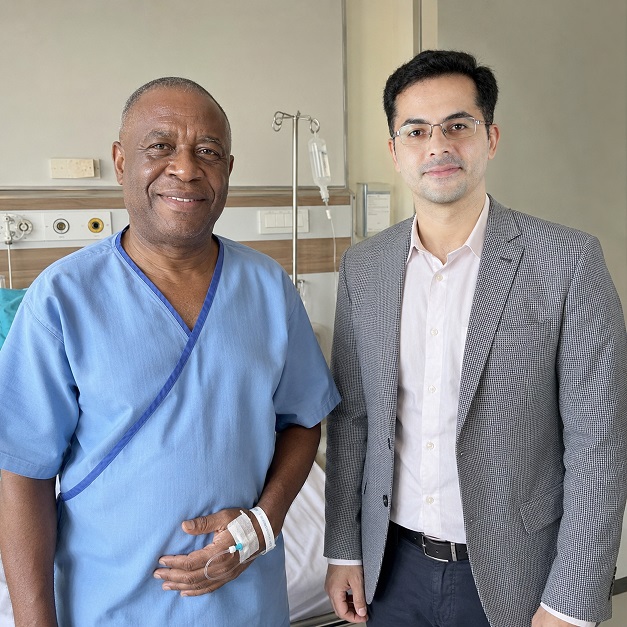
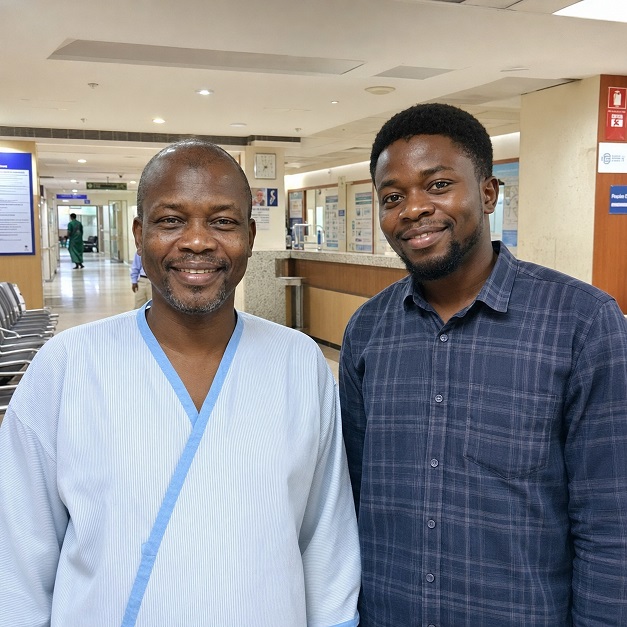
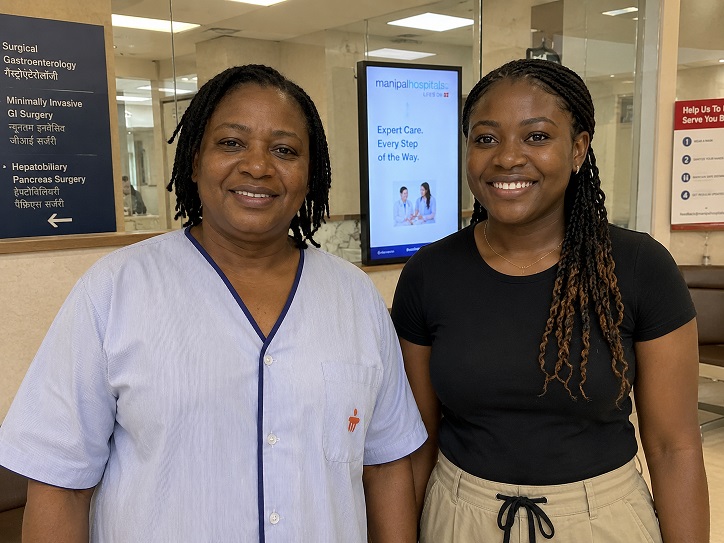
Patient Testimonials from Nigeria
Ready to Take the First Step?
Share your Medical Reports with our Healthcare Managers Today and Get a FREE CONSULTATION, a Personalized Treatment Plan, and Complete Support from Arrival to Recovery.
Get Your Free ConsultationAreas We Serve
This resource has been thoughtfully prepared for patients from Nigeria who are considering medical treatment in India. We also welcome patients from the wider region in the countries mentioned below-
We assist patients from:
- Benin
- Niger
- Chad
- Cameroon
- Algeria
- Egypt
- Libya
- Morocco
- Sudan
- Tunisia
- Gambia
- Ghana
- Burkina Faso
- Cabo Verde
- Côte d'Ivoire
- Equatorial Guinea
- São Tomé and Príncipe
Many of the insights, treatment pathways, hospital recommendations, travel guidance, and patient support services described here are equally relevant and may be used as a reference when planning treatment in India.
From Nigeria to India: Your Complete Patient Support Guide
- Artificial Disc Replacement in India for Nigerian Patients
- Weight Loss and Bariatric Surgery in India for Nigerian Patients
- Bone Marrow Transplant in India for Nigerian Patients
- Brain Tumour Surgery in India for Nigerian Patients
- Breast Cancer Treatment and Surgery in India for Nigerian Patients
- Cancer Treatment and Surgery in India for Nigerian Patients
- Cardiac Arrhythmia and Heart Pacemaker Treatment in India for Nigerian Patients
- Cardiac Surgery in India for Nigerian Patients
- Colorectal Cancer Treatment and Surgery in India for Nigerian Patients
- Complex Orthopaedic and Joint Revision Surgery in India for Nigerian Patients
- Cornea Transplant and Advanced Eye Surgery in India for Nigerian Patients
- CyberKnife Treatment in India for Nigerian Patients
- Gamma Knife Treatment in India for Nigerian Patients
- Heart Failure Treatment and Surgery in India for Nigerian Patients
- Hip Surgery in India for Nigerian Patients
- HIPEC Cancer Surgery in India for Nigerian Patients
- IVF and Fertility Treatment in India for Nigerian Patients
- Joint Arthroscopy and Sports Medicine in India for Nigerian Patients