

Spine Surgery in India for Nigerian Patients
For the back pain that has become the market trader's constant companion, the driver's daily ache, and the small minority of cases where physiotherapy alone was never going to be enough.
Studies across Nigeria put the working-population prevalence of occupational low back pain at over fifty-seven percent, among the highest rates recorded anywhere in sub-Saharan Africa, and hospital-based surveys have found twelve-month prevalence ranging as high as seventy percent in some settings. Back pain is now one of the top ten contributors to disability-adjusted life years lost in the country. And yet the great majority of that enormous burden will never need an operation. This guide is about the much smaller group for whom it genuinely will. It sets out what spine surgery actually costs in India once travel is counted, what Nigeria's own spine surgical capacity can and cannot offer today, and why a straightforward decompression and a spinal fusion belong to two completely different recovery timelines.
| 57% | Top 10 | Small | 70–85% |
|---|---|---|---|
| POOLED PREVALENCE OF OCCUPATIONAL LOW BACK PAIN AMONG NIGERIAN WORKERS | BACK PAIN'S RANK AMONG CAUSES OF DISABILITY IN NIGERIA, 2019 GBD STUDY | MINORITY OF BACK PAIN CASES ARE EVER SURGICAL CANDIDATES | TYPICAL SAVING ON AN EQUIVALENT INDIA PATHWAY VS. THE US |
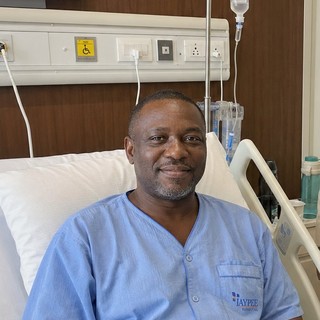
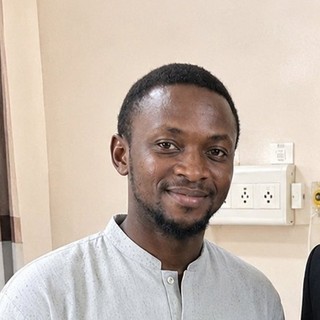
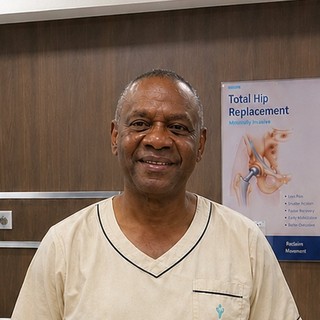
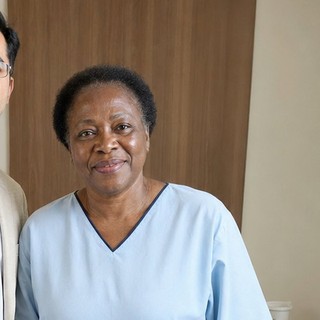
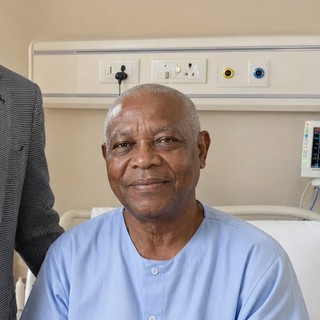
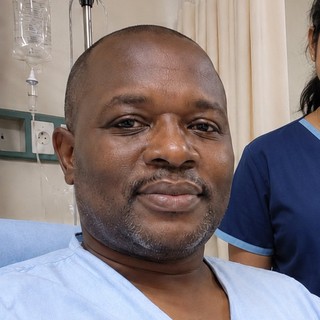
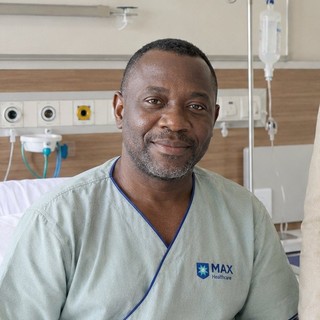
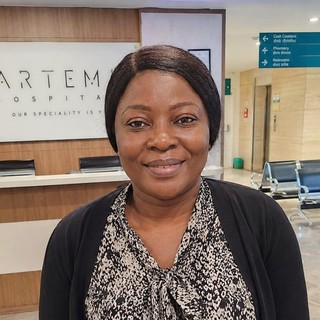
Healing Journeys of Nigerian Patients

Key Takeaways
- Low back pain is extremely common among Nigerian workers, but the document emphasises that only a small minority of patients with back pain ever need surgery. A pooled analysis cited in the guide found occupational low-back-pain prevalence above 57% among Nigerian working populations.
- Hospital-based studies in Nigeria have reported 12-month prevalence reaching approximately 70% in some occupational groups, while back pain ranks among the country's top ten contributors to disability-adjusted life years.
- The high burden is linked to everyday occupational patterns including prolonged standing among market traders, long hours of driving, repetitive lifting and bending, and manual or agricultural work.
- Despite this high prevalence, the guide states that most low back pain improves with physiotherapy, activity modification, weight management and time rather than surgery.
- Surgery becomes more relevant when there is a clear structural condition that matches the patient's symptoms, such as a herniated disc compressing a nerve root, spinal stenosis significantly limiting walking, or spondylolisthesis with genuine instability.
- Red-flag symptoms such as progressive weakness or loss of bladder or bowel control require urgent assessment and should not be treated as routine back pain.
- The guide is specifically written for patients who have already tried appropriate conservative management, have imaging demonstrating a structural cause matching their symptoms, and have received a genuine surgical recommendation.
- Spine surgery in Nigeria is provided by both orthopaedic surgeons and neurosurgeons. The document cites approximately 350 orthopaedic surgeons and 169 neurosurgeons serving a population above 230 million.
Quick Facts
- Treatment
- Spine Surgery
- Country
- India
- Intended Audience
- Nigerian Patients and Families
- Primary Specialty
- Orthopaedic Spine Surgery and Neurosurgical Spine Surgery
- Nigeria Occupational Low Back Pain Prevalence
- More Than 57%
- Hospital-Based 12-Month Prevalence Mentioned
- Up to Approximately 70%
- Back Pain Disability Ranking in Nigeria
- Top 10 Contributor
- Most Back Pain Requires Surgery
- No
- Primary Non-Surgical Treatments
- Physiotherapy, Activity Modification, Weight Management and Time
- Typical Surgical Candidates
- Clear Structural Disease Matching Symptoms
- Important Surgical Conditions
- Herniated Disc, Spinal Stenosis and Spondylolisthesis
- Urgent Red Flags
- Progressive Weakness and Loss of Bladder or Bowel Control
- Nigeria Orthopaedic Surgeons Mentioned
- Approximately 350
- Author
- Dr. Dheeraj Bojwani
- Experience
- 24 Years
In Brief
Spine surgery in India for Nigerian patients should be considered only when a clear structural problem on imaging matches the patient's symptoms and appropriate conservative treatment has failed. Although occupational low back pain affects more than 57% of Nigerian workers in pooled studies, only a small minority require surgery. Indicative Indian costs range from US$2,200–4,000 for single-level microdiscectomy to US$8,500–15,000 for multi-level fusion or complex reconstruction. A representative single-level fusion pathway costs approximately US$10,500–16,000 all-in, while a straightforward microdiscectomy journey is around US$5,000–7,500. Recovery differs substantially: light activity may resume within two to four weeks after decompression, but fusion healing can take three to twelve months.
01 · the Real Problem
An enormous burden, and a much smaller surgical question inside it
A systematic review across sub-Saharan Africa found Nigeria among the region's highest-burden countries for work-related low back pain, with a pooled prevalence over fifty-seven percent among working populations — driven by exactly the occupational patterns that define much of Nigeria's labour force: prolonged standing among market traders, hours behind the wheel for commercial drivers, repetitive lifting and bending in manual and agricultural work. A hospital-based study in southern Nigeria found twelve-month prevalence estimates ranging as high as seventy percent depending on the occupational group studied, and the condition now ranks among the country's top ten causes of disability-adjusted life years.
Here is the part that matters most for a family weighing surgery: the global evidence is unambiguous that the overwhelming majority of low back pain, in Nigeria as everywhere else, improves with physiotherapy, activity modification, weight management, and time, without ever needing an operation. Surgery has a real and important role, but only for a specific, much smaller subset — a herniated disc pressing on a nerve root and causing radiating leg pain that has not settled, spinal stenosis significantly limiting walking distance, spondylolisthesis with genuine instability, or red-flag symptoms like progressive weakness or loss of bladder control.
This guide is written for that smaller group: people who have already tried appropriate conservative treatment, who have imaging showing a clear structural cause matching their symptoms, and for whom a surgeon has genuinely recommended an operation rather than simply offered one.
02 · Nigeria's Capacity
What Nigeria can do, and where it is genuinely stretched
Spine surgery in Nigeria is delivered by both orthopaedic surgeons and neurosurgeons, drawn from workforces that are each, independently, in short supply: roughly 350 orthopaedic surgeons and around 169 neurosurgeons for a population above 230 million. Within those already thin fields, spine-specific subspecialisation — surgeons who focus predominantly on the spine rather than treating it alongside a broader general practice — remains concentrated in a small number of teaching hospitals and private centres, mostly in Lagos, Ibadan, and Abuja.
A recent hospital-based study from Ado-Ekiti found spinal cord compression was the second most common reason for neurosurgical intervention nationally, behind only traumatic brain injury, underlining that spine cases already compete for the same limited theatre time and imaging access described throughout Nigeria's neurosurgical literature. For straightforward, single-level disc herniations, competent local teams treat these successfully and promptly at several centres, and there is little reason to travel for an uncomplicated case a Nigerian surgeon can schedule within a reasonable window.
What remains genuinely scarce is capacity for multi-level fusion, complex reconstruction, and revision surgery after a previous operation has not resolved the problem — the categories where implant choice, surgical volume, and access to intraoperative imaging matter most, and where waiting lists tend to be longest.
03 · THE TREATMENT MAP
Which procedure, and what it costs
“Spine surgery” is not one operation, and the cost difference between options is wide enough that a vague quote is close to useless for planning. Deformity correction in children and adolescents, and spinal infection such as tuberculosis of the spine, are covered in separate dedicated guides; this one focuses on degenerative and mechanical adult spine conditions.
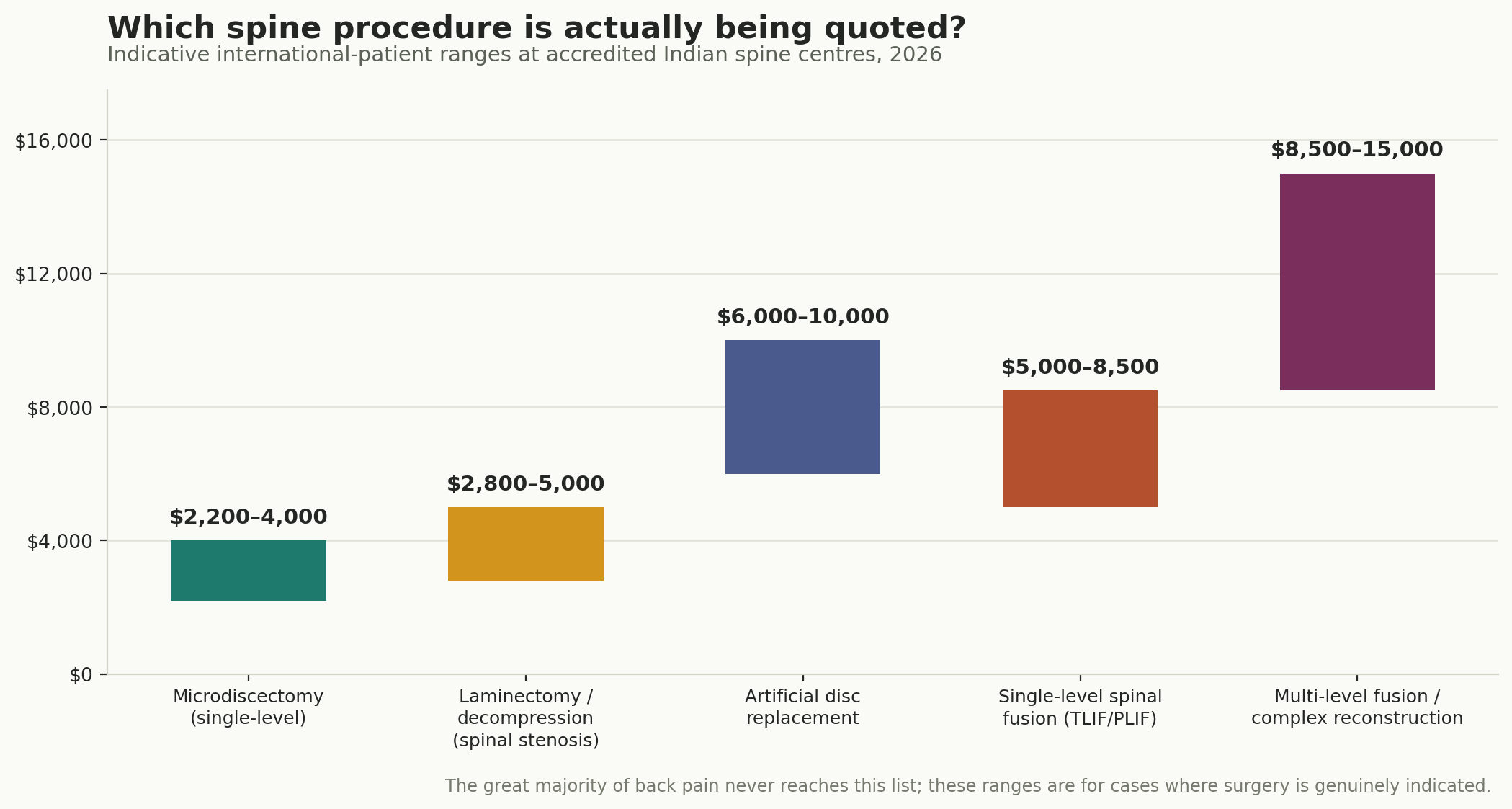
Figure 1. Five categories under one broad term. Multi-level fusion costs several times more than a single-level microdiscectomy, and the two have almost nothing in common beyond both being “spine surgery.”
| Procedure | Typically suits | Indicative cost | Hospital stay |
|---|---|---|---|
| Microdiscectomy (single-level) | A herniated disc compressing a nerve root, causing radiating leg pain | $2,200–4,000 | 1–2 nights |
| Laminectomy / decompression | Spinal stenosis limiting walking distance in older patients | $2,800–5,000 | 2–3 nights |
| Artificial disc replacement | Selected single-level disc disease in younger patients wanting motion preserved | $6,000–10,000 | 2–4 nights |
| Single-level spinal fusion (TLIF/PLIF) | Instability or spondylolisthesis not suited to decompression alone | $5,000–8,500 | 4–6 nights |
| Multi-level fusion / complex reconstruction | Multiple degenerated levels, revision surgery, significant deformity | $8,500–15,000 | 6–10 nights |
Table 1. Indicative international-patient pricing at accredited Indian spine centres, mid-2026. Figures are planning ranges, not offers, and vary by the number of levels involved, implant choice, and technique.
A quote that says simply “spine surgery” without naming the procedure and the number of levels involved is not a usable quote. Ask specifically which of the categories above your case falls into before comparing prices between hospitals.
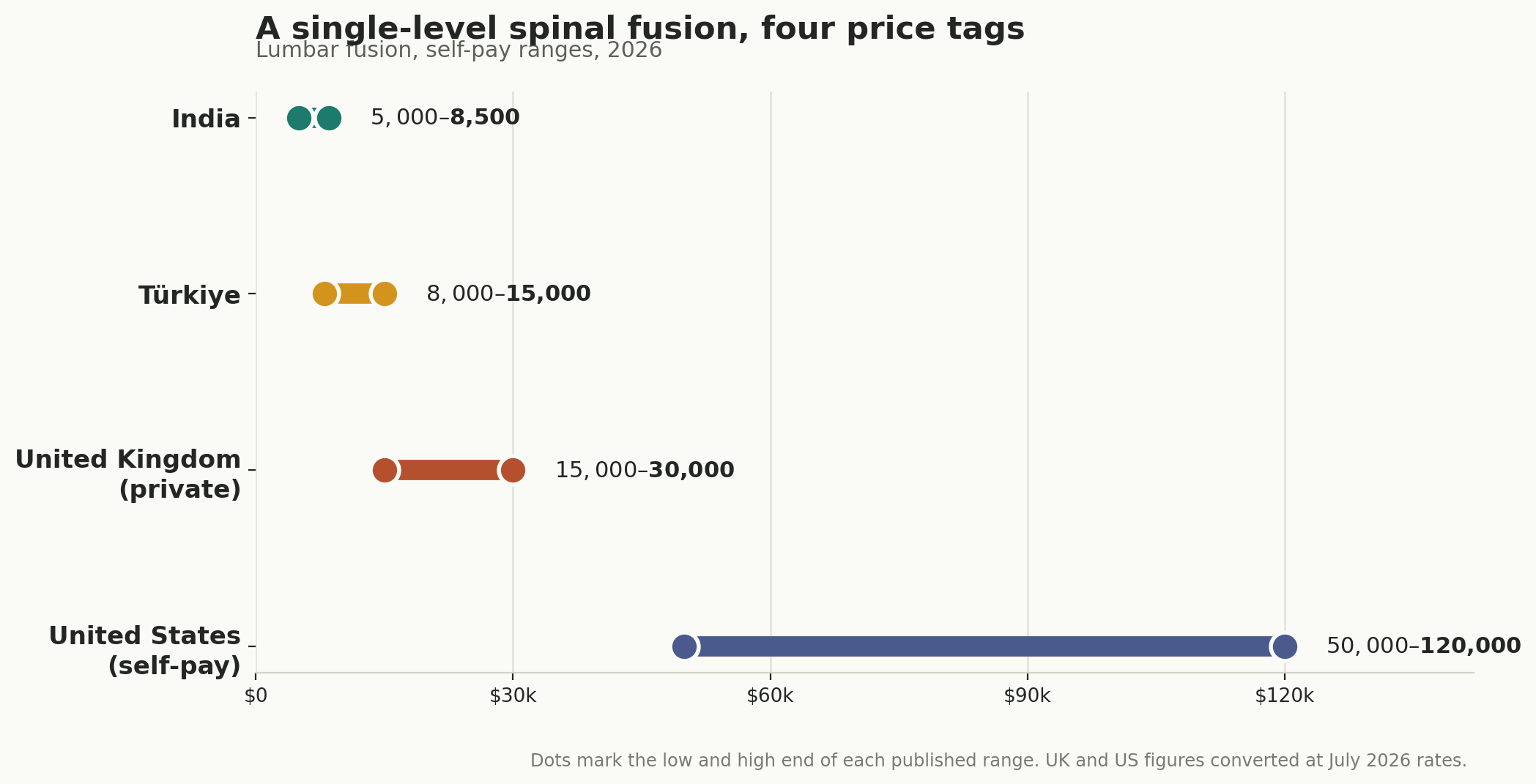
Figure 2. A single-level spinal fusion, priced across four common destinations for Nigerian medical travellers.
04 · the Full Budget
What the whole journey costs, beyond the operation
The surgical fee is the number families anchor on, and the least complete one. A representative pathway — single-level fusion, one patient and one attendant, roughly three weeks in India — adds up like this:
- Surgical package (surgery, implants, surgeon, ward stay): $6,000–9,500
- Return flights, two travellers (Lagos/Abuja – Delhi/Mumbai/Chennai): $2,200–3,000
- Pre-surgical workup (MRI, X-rays, bloodwork, anaesthetic clearance): $500–900
- Accommodation, three weeks, two people : $1,300–2,000
- Medical and attendant visas (two applications): $400–500
- Contingency for an extended stay or additional imaging: 15–20% All-in, most families should plan for US$10,500–16,000 for single-level fusion — roughly ₦14.5–22.1 million at the official mid-July 2026 rate of about ₦1,380 to the dollar, somewhat higher at parallel-market rates near ₦1,410. A straightforward microdiscectomy runs considerably lower, closer to $5,000–7,500 all-in, reflecting its shorter stay and simpler recovery.
What a proper written quote must itemise
- The exact procedure and the specific vertebral levels involved
- Implant brand and whether it is imported or Indian-manufactured
- Whether the approach is open or minimally invasive, and how that affects hospital stay Ward nights included, and the rate beyond that
- Written policy on cost if a second level or a revision becomes necessary
05 · GETTING THERE
Visa, travel, and what recovery actually involves
India issues a Medical Visa (M) to the patient and a Medical Attendant Visa (MX) to up to two close relatives. Applications go through the High Commission in Abuja or the Consulate General in Lagos by prior appointment, and an e-Medical route turns around in days for straightforward files. The hospital's invitation letter, three months of certified bank statements, and a passport valid six months with two blank pages move the process fastest.
Lagos and Abuja both reach Delhi, Mumbai and Chennai with a single stop, usually via Addis Ababa, Doha, Dubai, Nairobi or Istanbul, a total journey of 13 to 18 hours. A patient flying home after fusion surgery should request an aisle seat with room to stand and stretch periodically, and carry a written fitness-to-fly clearance
from the surgeon.
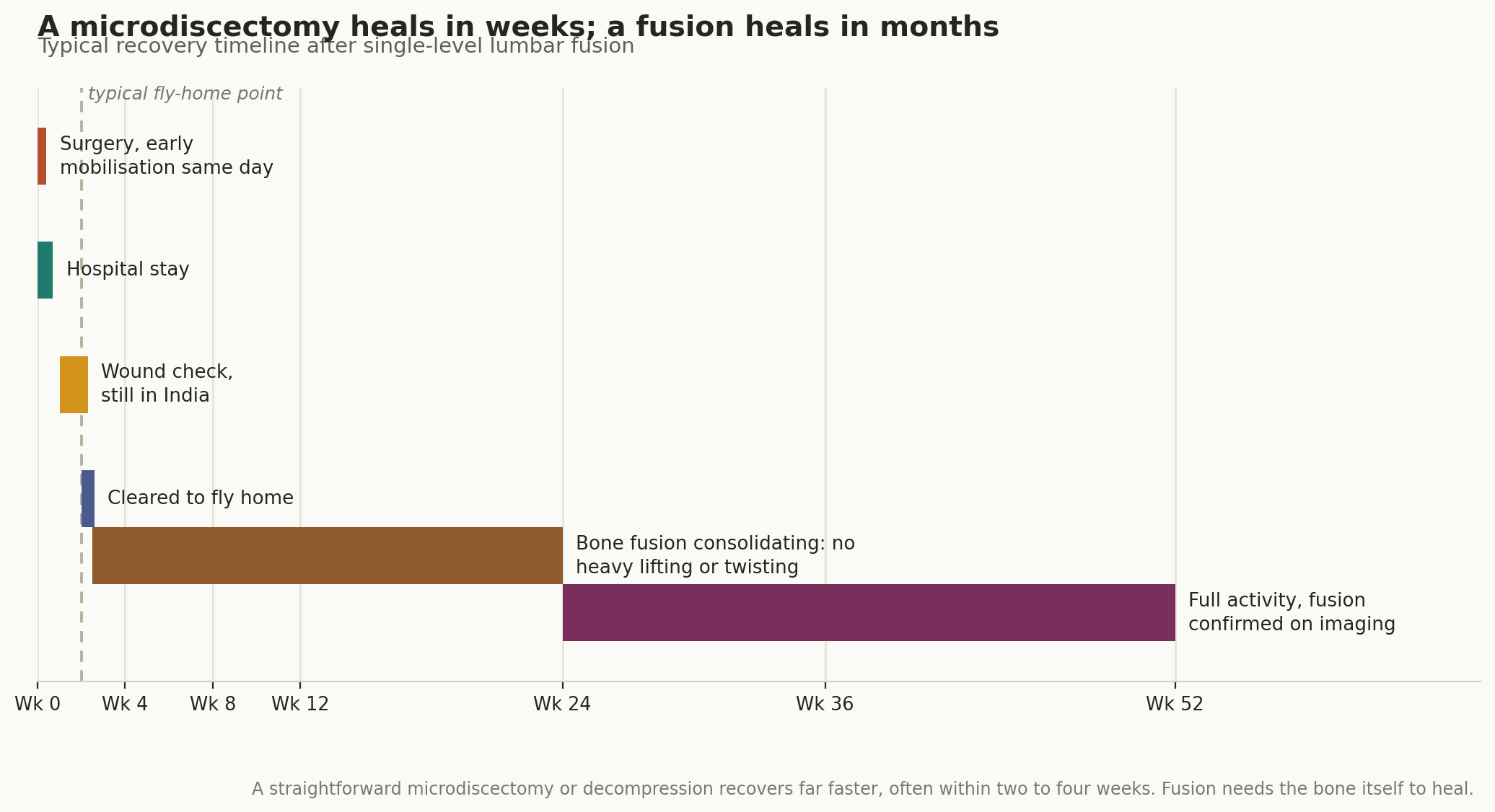
Figure 3. The single most important thing to understand about fusion recovery: the patient often feels well long before the bone has actually finished healing, and resuming heavy activity too early is the leading cause of a failed fusion.
What has to travel home with the patient
- Full operative note, implant details, and the exact levels treated
- A written activity restriction schedule, specific to fusion versus decompression
- Discharge medication using generic names available in Nigerian pharmacies
- A follow-up imaging schedule to confirm fusion progress over the following months
- A named clinician contact for teleconsultation if new weakness, fever, or worsening pain arise
06 · THE HONEST COMPARISON
What stays in Nigeria, and what travels
Nigerian spine teams treat single-level disc herniations and straightforward decompressions competently and regularly, and there is little reason to travel for a case a local surgeon can schedule promptly and manage well, which describes a large share of surgical spine cases.
What tips the calculation toward travelling is multi-level disease, revision surgery after a prior operation, and cases needing implant options or intraoperative imaging that remain concentrated in only a handful of Nigerian centres. Those are exactly the situations where India's surgical volume and equipment access offer a genuine, measurable advantage — and, just as importantly, where getting a firm second opinion before committing to any surgery, anywhere, is worth the extra week it takes.
Before you commit to surgery abroad
- Confirm you have genuinely tried appropriate conservative treatment before accepting a surgical recommendation.
- Get an MRI showing a structural cause that clearly matches your symptoms, not just a report describing age-related changes.
- Ask explicitly which procedure and how many levels are being recommended, and why fusion rather than decompression alone.
- Seek a second opinion, ideally from a surgeon with no financial interest in whether you proceed.
- Establish in writing the cost if a second level or a revision becomes necessary.
- Get the written activity restriction schedule before you leave India, not after you land.
- Verify the invitation letter has reached the mission by email, with both attendants named.
- Pay into the hospital's own institutional account only, never an individual's personal account.
Straight Answers for Nigerian Patients about Spine Surgery in India
Is spine surgery in India cheaper than the UK or US?
Yes, substantially. A single-level spinal fusion is indicatively $5,000 to $8,500 in India, against roughly $15,000 to $30,000 privately in the UK and $50,000 to $120,000 self-pay in the United States.
Does back pain always need surgery?
No, and for most people it does not. The large majority of low back pain improves with physiotherapy, activity modification, and time. Surgery is generally reserved for cases with a clear structural cause, red-flag symptoms, or pain that has genuinely failed several months of conservative treatment.
How long does recovery take after spine surgery?
It depends heavily on the procedure. A microdiscectomy or decompression often allows return to light activity within two to four weeks. A spinal fusion needs the bone itself to heal, generally three to twelve months depending on how many levels were fused.
Do Nigerians need a visa for spine surgery in India?
Yes. You need an Indian Medical Visa from the High Commission in Abuja, the Consulate in Lagos, or the e- Medical route, plus a Medical Attendant Visa for up to two close relatives, with a hospital invitation letter and financial proof.
What is the difference between fusion and artificial disc replacement?
Fusion permanently joins two vertebrae to eliminate motion at a painful segment. An artificial disc replacement preserves motion instead. Not every patient is a candidate; the choice depends on age, the specific level involved, and the underlying condition.
What are the warning signs that back pain needs urgent attention?
New weakness or numbness in the legs, loss of bladder or bowel control, fever with severe back pain, or pain following significant trauma are red flags requiring urgent same-day assessment, not a routine appointment.
Is India better than Nigeria for spine surgery?
For complex, multi-level, or revision cases specifically, often yes, given how thinly Nigeria's neurosurgical and orthopaedic spine capacity is spread. For a straightforward single-level microdiscectomy, a competent Nigerian surgical team frequently delivers a good outcome locally.
A closing word
Back pain is close to universal in Nigeria's working population, and surgery is genuinely rare within that enormous group — which is exactly why the decision to operate deserves real scrutiny rather than quick acceptance. The right question is never simply “where should I have this done,” but “does this specific pain, with this specific imaging, actually meet the bar for an operation at all.”
In twenty-four years of this work, the patients who do best are the ones who get a genuine second opinion, understand precisely which procedure and how many levels are being proposed, and respect the difference between feeling better and being structurally healed — especially after a fusion, where those two things arrive months apart. The surgery corrects the structure. The healing afterward, given the time it needs, is what makes the correction last.
currency, hospital tariffs and case complexity, so obtain a written quote against your own reports before committing money. New leg weakness, loss of bladder or bowel control, fever with severe back pain, or pain after significant trauma are medical emergencies and should never wait for a scheduled review; seek emergency care immediately.
Sources
- 🌐 North American Spine Society — Patient information on lumbar fusion and disc surgery
- 🌐 NHS (UK) — Slipped disc and spinal stenosis: overview and treatment
- 🌐 Prevalence of occupational-related low back pain among working populations in sub-Saharan Africa: a systematic review and meta-analysis
- 🌐 Epidemiology of low back pain: frequency, risk factors, and patterns in South-South Nigeria. 2023
- 🌐 Global Burden of Disease Study 2021 — Low back pain prevalence and disability estimates
- 🌐 High Commission of India, Abuja — Medical and Medical Attendant Visa requirements
Frequently Asked Questions by Nigerians about Spine Surgery in India
Is spine surgery in India cheaper than the UK or US?
Yes. The guide lists a single-level spinal fusion at approximately US$5,000–8,500 in India, compared with US$15,000–30,000 privately in the UK and US$50,000–120,000 self-pay in the United States.
Does back pain always need surgery?
No. Most low back pain improves with physiotherapy, activity modification and time. Surgery is generally reserved for a structural problem that clearly matches the symptoms or for red-flag neurological signs.
How much does microdiscectomy cost in India?
The guide lists approximately US$2,200–4,000, with a hospital stay of one to two nights. The complete travel pathway is usually around US$5,000–7,500.
How much does single-level spinal fusion cost in India?
The procedure itself costs approximately US$5,000–8,500. Once travel, investigations, accommodation, visas and contingency are included, the guide recommends around US$10,500–16,000 overall.
What is the difference between spinal fusion and artificial disc replacement?
Fusion permanently joins two vertebrae to eliminate movement at an unstable or painful segment. Artificial disc replacement preserves motion and is suitable only for selected patients based on age, level and underlying disease.
How long does recovery take after spine surgery?
A microdiscectomy or decompression often permits light activity within two to four weeks. Fusion is different because the bone itself needs to heal, generally over three to twelve months.
What warning signs mean back pain needs urgent assessment?
New leg weakness or numbness, loss of bladder or bowel control, fever with severe back pain or pain following significant trauma require urgent same-day assessment rather than routine review.
Do Nigerian patients need a visa for spine surgery in India?
Yes. The guide specifies an Indian Medical Visa for the patient and a Medical Attendant Visa for up to two close relatives, supported by a hospital invitation and financial proof.
Is India always better than Nigeria for spine surgery?
No. Straightforward single-level disc surgery can often be performed successfully by competent Nigerian teams. India's stronger advantage is in complex multi-level, revision and equipment-dependent cases.
What should Nigerian patients confirm before committing to spine surgery?
Confirm that conservative treatment has genuinely been tried, ensure the MRI abnormality matches the symptoms, obtain the exact procedure and number of levels in writing, seek a second opinion and understand the implant choice and activity restrictions before surgery.
Page Summary
This guide starts from an important reality: back pain is extremely common in Nigeria, but spine surgery is genuinely uncommon within that enormous patient population.Occupational low back pain affects more than 57% of Nigerian workers in pooled research, with some local studies finding 12-month prevalence as high as 70%. Yet most cases improve through conservative treatment rather than surgery.The guide therefore sets a high threshold for operating. A patient should have a structural abnormality on MRI that clearly matches the symptoms, should have appropriately tried non-surgical treatment and should have a meaningful reason surgery is expected to improve the problem.
Citation Block
| Topic | Information |
|---|---|
| Topic Information | Spine Surgery in India for Nigerian Patients |
| Procedure | Degenerative and Mechanical Spine Surgery |
| Country | India |
| Intended Audience | Nigerian Patients and Families |
| Conditions Covered | Herniated Disc, Spinal Stenosis, Spondylolisthesis, Degenerative Instability and Multi-Level Disease |
| Nigeria Low Back Pain Prevalence | More Than 57% Among Working Populations |
| Primary Principle | Most Low Back Pain Does Not Require Surgery |
| First Requirement | MRI Showing a Structural Cause Matching Symptoms |
| Non-Surgical Treatment | Physiotherapy, Activity Modification and Weight Management |
| Procedures | Microdiscectomy, Decompression, Artificial Disc Replacement, Single-Level Fusion and Multi-Level Fusion |
| Microdiscectomy Cost | US$2,200–4,000 |
| Decompression Cost | US$2,800–5,000 |
| Artificial Disc Replacement Cost | US$6,000–10,000 |
| Single-Level Fusion Cost | US$5,000–8,500 |
| Multi-Level / Complex Fusion Cost | US$8,500–15,000 |
| Hospital Stay | Approximately 1–10 Nights Depending on Procedure |
| Representative Surgical Package | US$6,000–9,500 |
| Average Cost / All-In Fusion Budget | US$10,500–16,000 |
| All-In Microdiscectomy Budget | US$5,000–7,500 |
| Nigeria Appropriate Care | Straightforward Single-Level Disc and Decompression Surgery |
| Travel More Relevant For | Multi-Level Disease, Revision Surgery and Complex Reconstruction |
| Medical Visa | Medical Visa (M) |
| Medical Attendant Visa | Medical Attendant Visa (MX), Up to Two Close Relatives |
| Records for Follow-Up | Operative Note, Implant Details, Levels Treated, Activity Restrictions and Imaging Schedule |
| Author | Dr. Dheeraj Bojwani |
| Experience | 24 Years |


Our Mission Statement
Our mission is to place patients at the centre of every healthcare decision by providing trustworthy, evidence-based, and unbiased medical information. We believe that informed patients make better decisions. Backed by personalised guidance from our experienced advisory team, we help patients understand their treatment options, compare them objectively, and confidently choose the path that best suits their medical needs and personal circumstances.
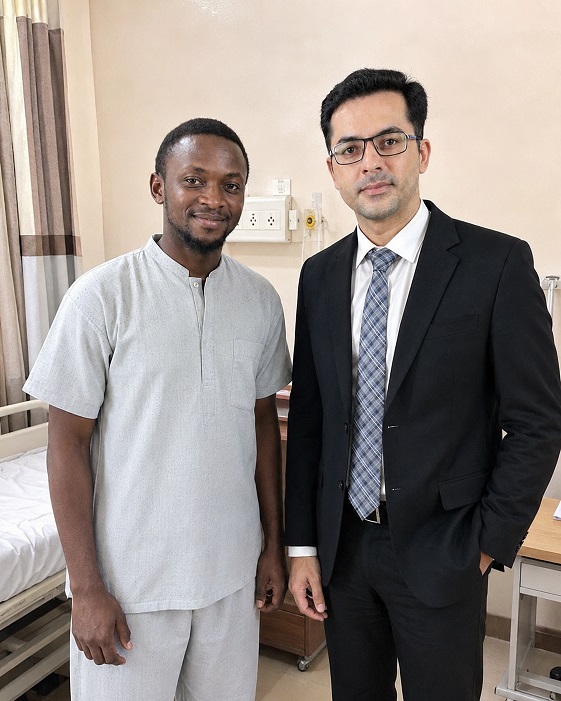
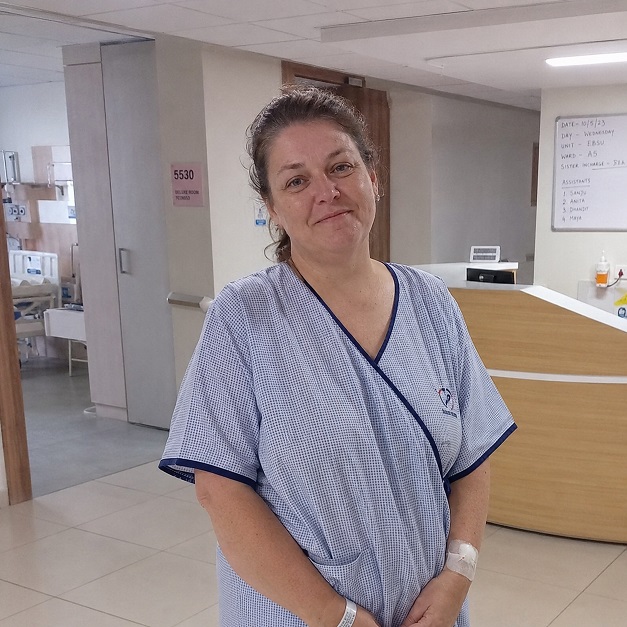
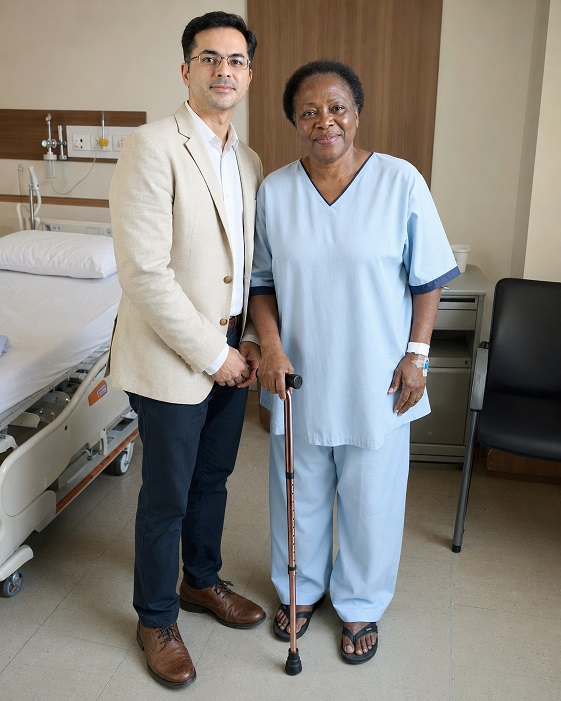
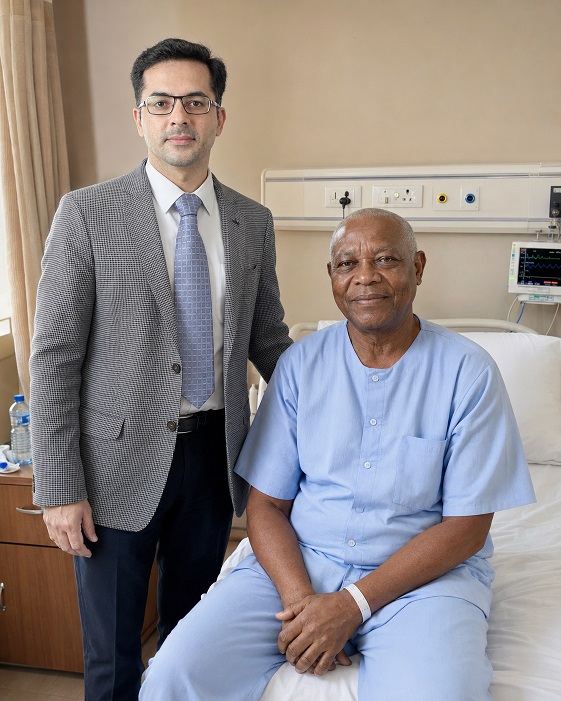
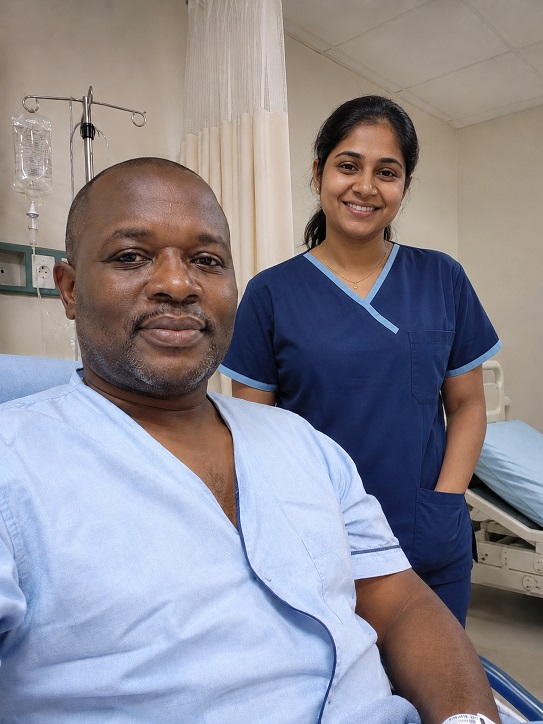
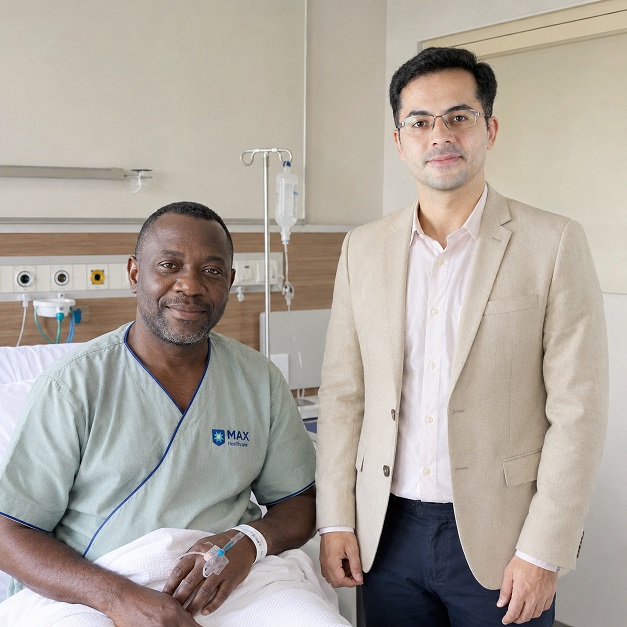
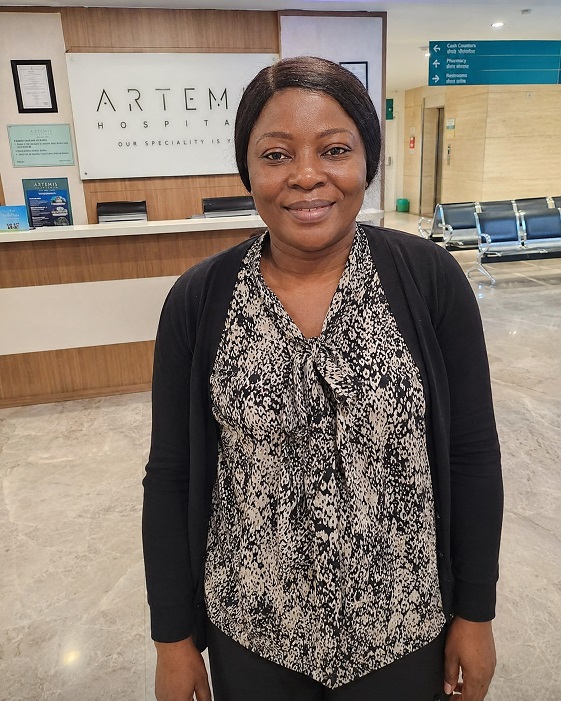
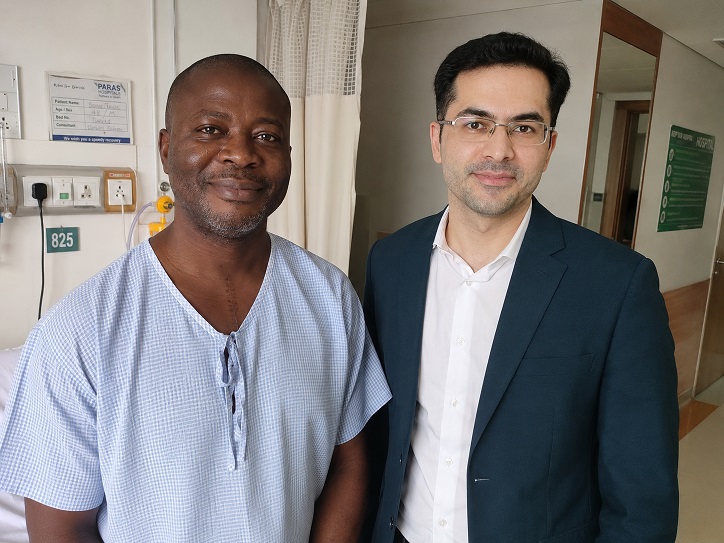
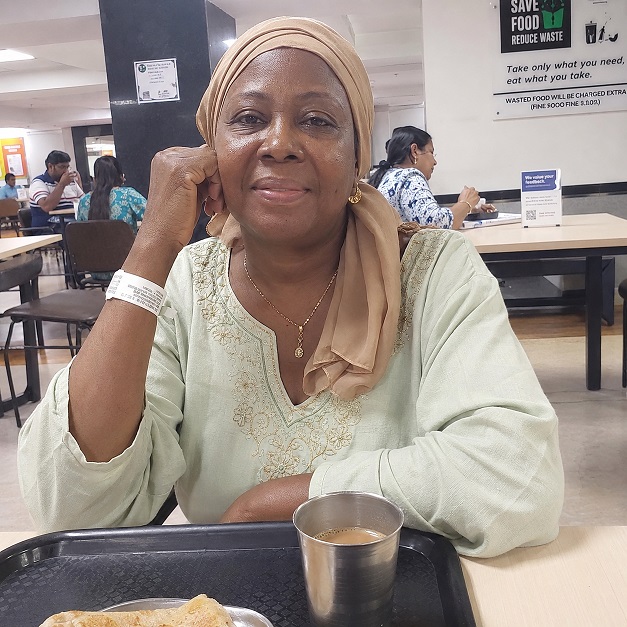
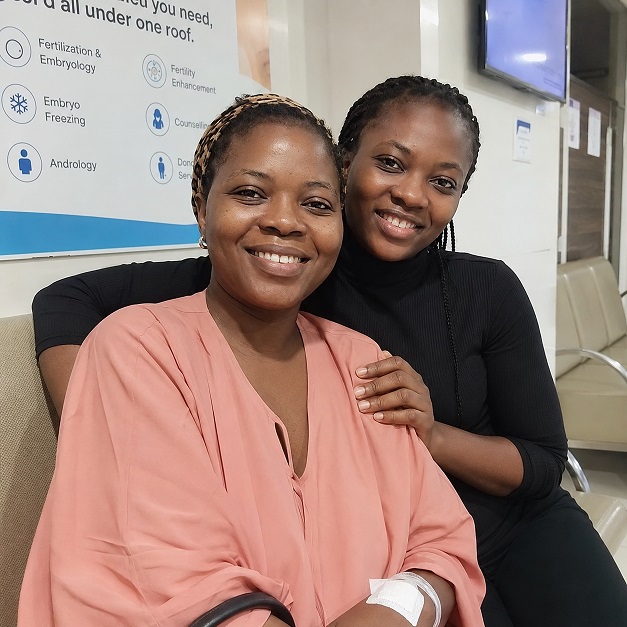
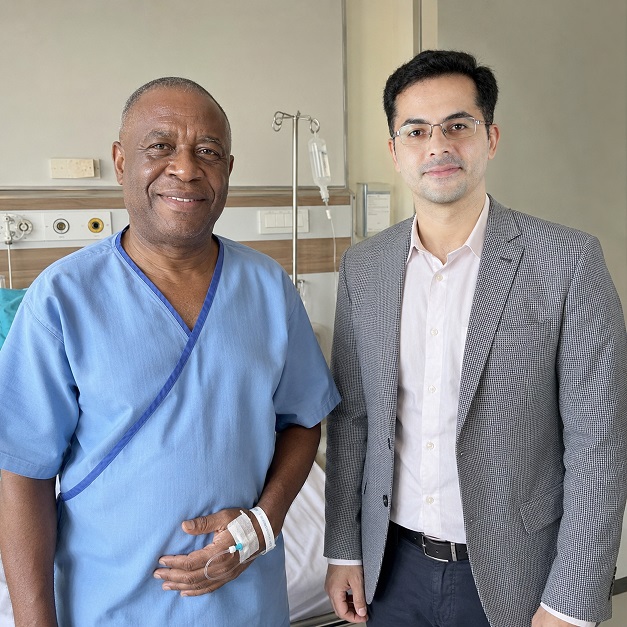
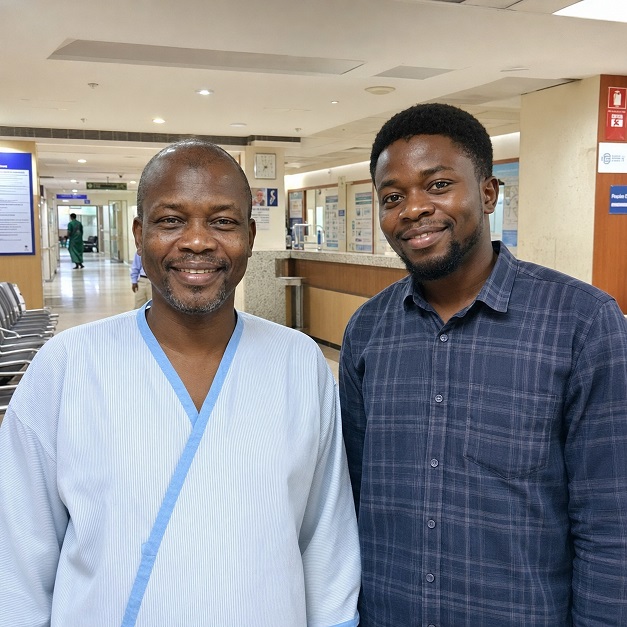
Patient Testimonials from Nigeria

Ready to Take the First Step?
Share your Medical Reports with our Healthcare Managers Today and Get a FREE CONSULTATION, a Personalized Treatment Plan, and Complete Support from Arrival to Recovery.
Get Your Free ConsultationAreas We Serve
This resource has been thoughtfully prepared for patients from Nigeria who are considering medical treatment in India. We also welcome patients from the wider region in the countries mentioned below-
We assist patients from:
- Benin
- Niger
- Chad
- Cameroon
- Algeria
- Egypt
- Libya
- Morocco
- Sudan
- Tunisia
- Gambia
- Ghana
- Burkina Faso
- Cabo Verde
- Côte d'Ivoire
- Equatorial Guinea
- São Tomé and Príncipe
Many of the insights, treatment pathways, hospital recommendations, travel guidance, and patient support services described here are equally relevant and may be used as a reference when planning treatment in India.
From Nigeria to India: Your Complete Patient Support Guide
- Artificial Disc Replacement in India for Nigerian Patients
- Weight Loss and Bariatric Surgery in India for Nigerian Patients
- Bone Marrow Transplant in India for Nigerian Patients
- Brain Tumour Surgery in India for Nigerian Patients
- Breast Cancer Treatment and Surgery in India for Nigerian Patients
- Cancer Treatment and Surgery in India for Nigerian Patients
- Cardiac Arrhythmia and Heart Pacemaker Treatment in India for Nigerian Patients
- Cardiac Surgery in India for Nigerian Patients
- Colorectal Cancer Treatment and Surgery in India for Nigerian Patients
- Complex Orthopaedic and Joint Revision Surgery in India for Nigerian Patients
- Cornea Transplant and Advanced Eye Surgery in India for Nigerian Patients
- CyberKnife Treatment in India for Nigerian Patients
- Gamma Knife Treatment in India for Nigerian Patients
- Heart Failure Treatment and Surgery in India for Nigerian Patients
- Hip Surgery in India for Nigerian Patients
- HIPEC Cancer Surgery in India for Nigerian Patients
- IVF and Fertility Treatment in India for Nigerian Patients
- Joint Arthroscopy and Sports Medicine in India for Nigerian Patients