

Selecting the Best Paediatric Neurosurgeons and Hospitals in India for Nigerian Patients
Hydrocephalus surgery is often described to families as a single procedure. For most children, it is the start of a relationship with a healthcare system that lasts well into adulthood.
Hydrocephalus, an abnormal buildup of fluid within the brain, is one of the most common conditions a paediatric neurosurgeon treats, and a shunt, a thin tube diverting excess fluid elsewhere in the body, remains the most widely used treatment. What many families are not told clearly enough at the time of the first operation is how common shunt malfunction genuinely is. Within the first two years after placement, roughly half of shunts have needed at least one revision, and some children need several revisions across childhood. This is not a reason to avoid the surgery; hydrocephalus left untreated is genuinely dangerous. It is a reason to choose a programme built for the years of monitoring that follow, not just the single operation that begins them. This is a genuinely different kind of decision from most others in this series. A family is not simply choosing a surgeon for a single operation; they are, in effect, choosing a long-term partner in a child's ongoing care, whether that partner is the treating hospital abroad, a coordinated relationship with a Nigerian specialist, or, ideally, both working together.
Should you even be reading this guide? If hydrocephalus or another paediatric neurosurgical condition has been diagnosed and surgery discussed, this guide will help you evaluate the surgical team and hospital programme, including whether a shunt is genuinely the right approach. If diagnosis is not yet confirmed, urgent referral to a paediatric neurosurgeon is the appropriate first step.
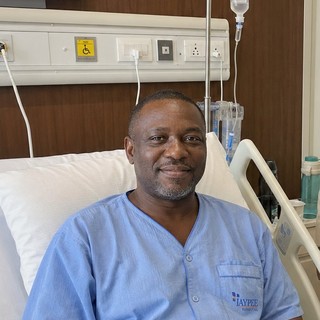
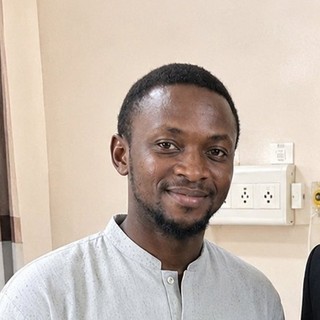
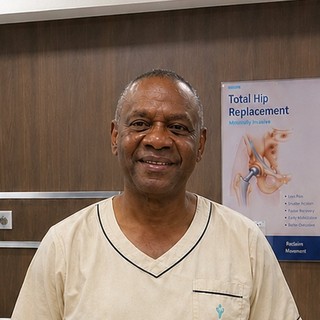
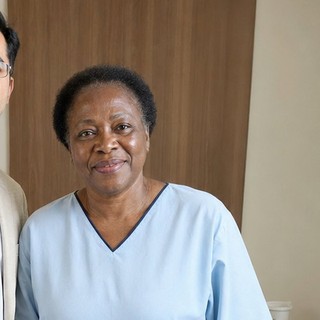
Healing Journeys of Nigerian Patients
Key Takeaways
- Hydrocephalus is one of the most common conditions treated by paediatric neurosurgeons. A shunt, which diverts excess cerebrospinal fluid away from the brain, remains one of the most widely used treatments.
- The guide makes clear that shunt surgery should not be viewed as a one-time procedure that permanently ends the problem. For many children, it marks the beginning of a long-term relationship with neurosurgical care.
- The page 2 graph highlights the scale of this issue: within the first two years after placement, roughly half of shunts have required at least one revision. Some children require several revisions during childhood.
- This is not presented as a reason to avoid shunt surgery. Untreated hydrocephalus can cause serious neurological harm. The point is that families should choose a programme capable of supporting the child over years, not simply performing the initial operation.
- Families also need to understand the warning signs of shunt malfunction. The document identifies headache, vomiting, unusual sleepiness and irritability as important symptoms. In infants, a bulging fontanelle or rapidly increasing head size may also indicate a problem.
- A strong programme should teach these warning signs clearly before the child leaves hospital.
- Not every child with hydrocephalus requires a shunt. The guide specifically advises families to ask whether endoscopic third ventriculostomy (ETV) has been considered.
- ETV creates a new pathway for cerebrospinal fluid to drain and avoids permanent shunt hardware. However, it only works for specific anatomical causes of hydrocephalus.
- Because malfunction can progress from early symptoms to a genuine emergency within hours, the document strongly recommends establishing a relationship with a Nigerian paediatric specialist before travel, rather than waiting until a problem occurs.
- The four major warning signs are: no discussion of ETV, vague or minimising answers about revision risk, no specific long-term monitoring plan, and no clear explanation of shunt malfunction warning signs.
Quick Facts
- Topic
- Selecting Paediatric Neurosurgeons and Hospitals
- Country
- India
- Intended Audience
- Nigerian Children, Parents and Families
- Primary Specialty
- Paediatric Neurosurgery
- Primary Condition
- Hydrocephalus
- Alternative Procedure
- Endoscopic Third Ventriculostomy
- Major Infant Warning Sign
- Bulging Fontanelle
- Major Infant Warning Sign
- Rapidly Increasing Head Size
- Nigeria-Specific Issue
- Limited Paediatric Neurosurgical Capacity
- Major Nigerian Disease Burden
- Hydrocephalus and Neural Tube Defects
- Long-Term Follow-Up
- Nigerian Paediatric Specialist + Treating Indian Centre
- Main Decision Principle
- Choose a Programme for the Years of Monitoring Ahead, Not Only the First Operation
- Author/Advisor
- Dr. Dheeraj Bojwani
- Experience
- 24 Years
In Brief
Selecting a paediatric neurosurgery programme in India requires Nigerian families to think beyond the first operation. Hydrocephalus is commonly treated with a shunt, but the guide notes that roughly half of shunts require at least one revision within the first two years. Families should therefore evaluate not only the surgeon's technical experience but also the hospital's long-term monitoring and emergency response systems. ETV should be considered where the child's specific anatomy makes it appropriate, since it can avoid permanent shunt hardware. For Nigerian families, establishing local paediatric specialist follow-up before travelling is particularly important because shunt malfunction can progress quickly and requires urgent recognition.
Start Here
The surgery most families are not warned is just the beginning
Understanding this pattern honestly, before the first surgery, changes how a family should evaluate any specific programme.
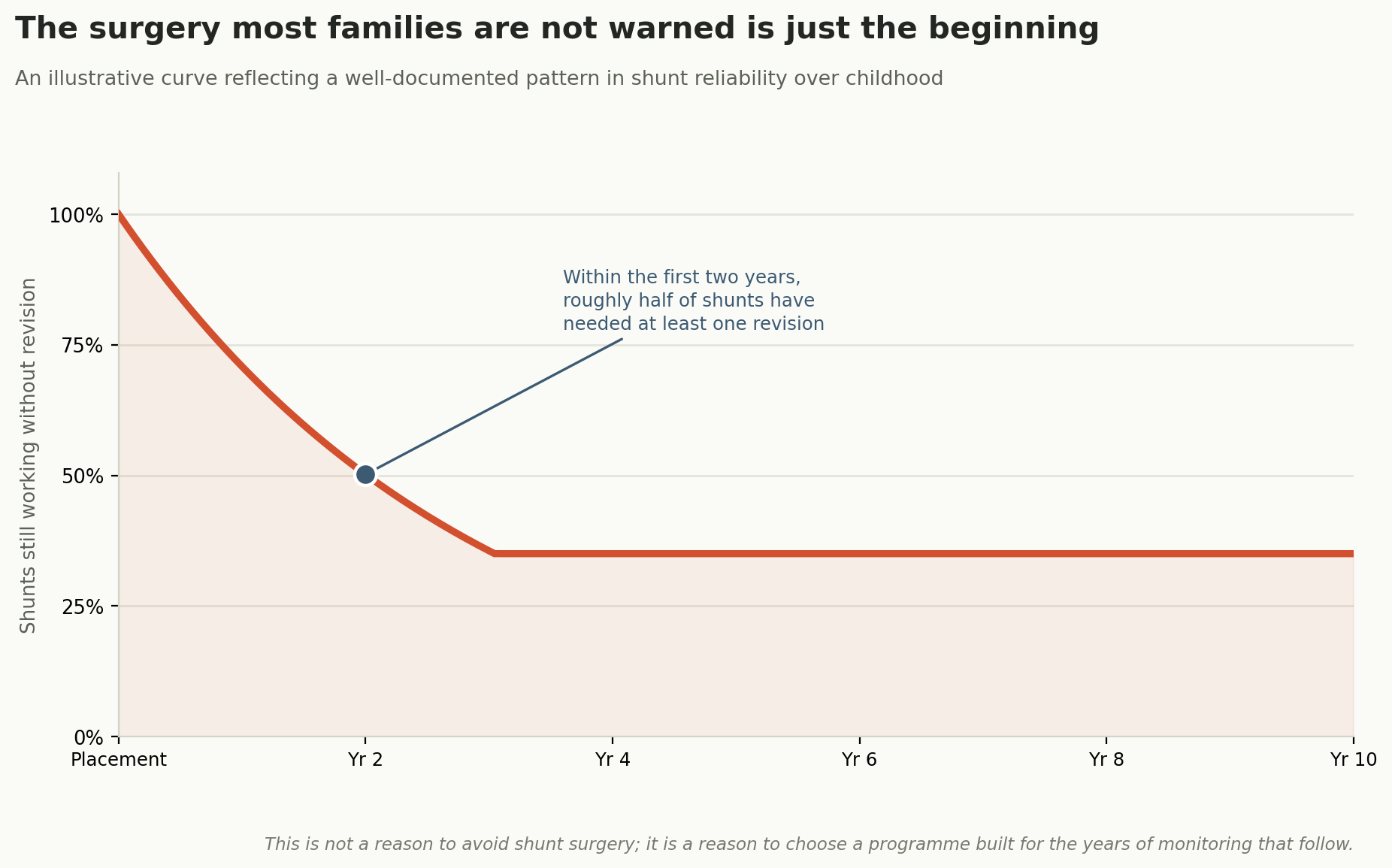
This is not a reason to avoid shunt surgery; it is a reason to choose a programme built for the years of monitoring that follow.
Recognising the signs of shunt malfunction quickly, headache, vomiting, unusual sleepiness, irritability, or in infants a bulging fontanelle or rapidly increasing head size, is a skill every family needs, not just the treating hospital. A programme that teaches families these warning signs clearly at the time of the first surgery is already demonstrating the kind of realistic, prepared care this condition genuinely requires. A family that leaves the first consultation understanding this pattern is meaningfully better prepared than one that leaves believing the surgery has resolved the condition permanently.
BEFORE A SHUNT IS ASSUMED
A question worth asking directly
Not every child with hydrocephalus needs a shunt, and understanding the alternative is worth a genuine conversation before surgery.
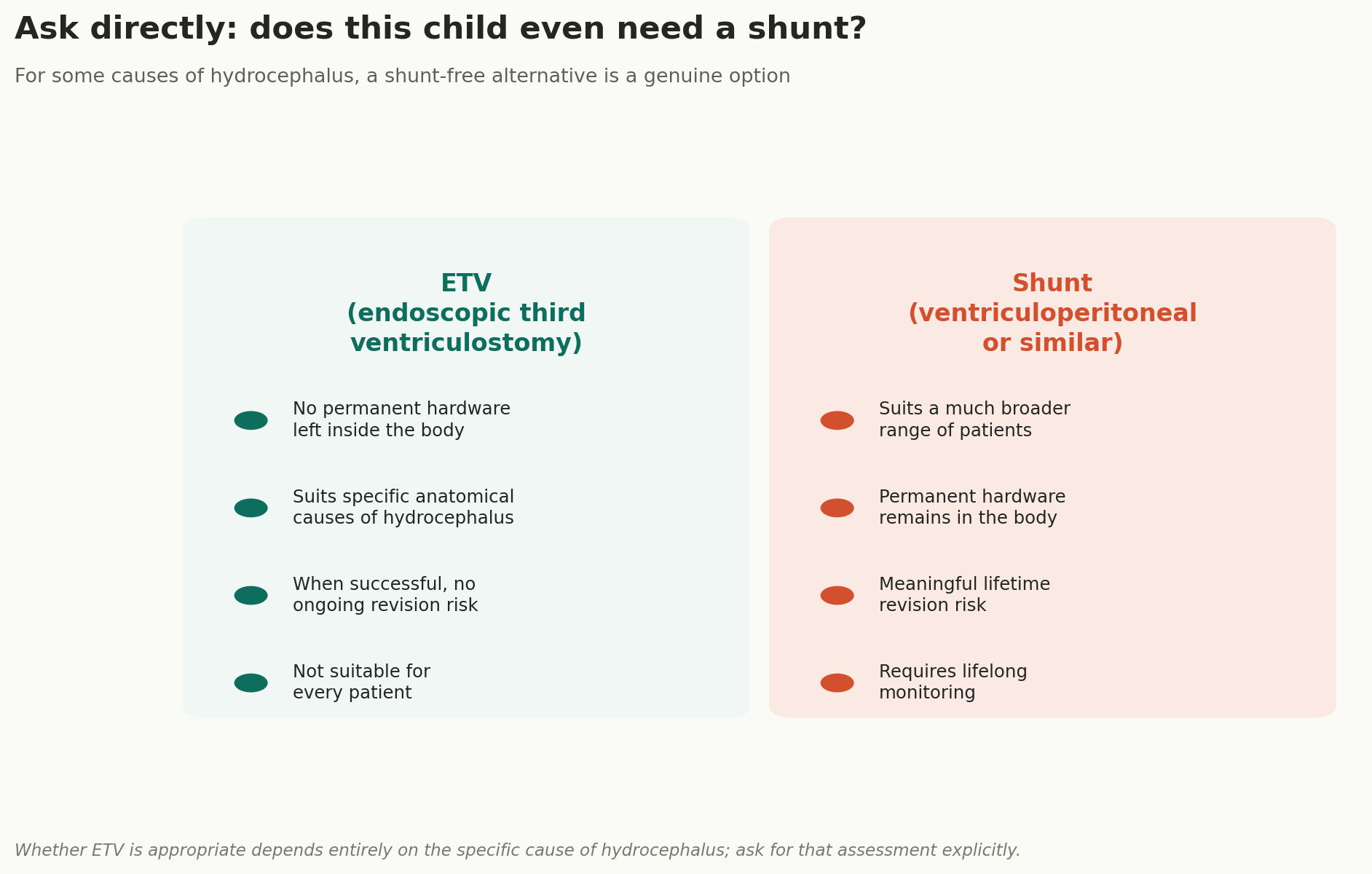
Whether ETV is appropriate depends entirely on the specific cause of hydrocephalus; ask for that assessment explicitly.
Endoscopic third ventriculostomy creates a new pathway for fluid to drain, avoiding the need for permanent hardware, but it only works for specific anatomical causes of hydrocephalus, not all of them. Asking directly whether ETV has been considered, and why a shunt is or is not the better option for this specific child, is a genuinely informed question that any competent paediatric neurosurgeon should welcome. Even where ETV is not appropriate, having asked the question, and received a clear, specific explanation of why, gives a family genuine confidence that the recommended path was actually chosen deliberately rather than defaulted to out of habit.
A note on the growing skull and brain, since it shapes surgical timing. In infants, the skull has not yet fully fused, and the brain is undergoing rapid early development. Surgical timing and approach for many paediatric neurosurgical conditions, not just hydrocephalus, must account for this ongoing growth, which is one of the genuine reasons paediatric neurosurgery is treated as its own distinct subspecialty rather than an extension of adult practice.
THE BALANCE
The monitoring system matters as much as the operation
Given how often shunts require revision over a child's lifetime, the hospital's long-term system for recognising and responding to malfunction carries real, lasting weight in this specific decision.
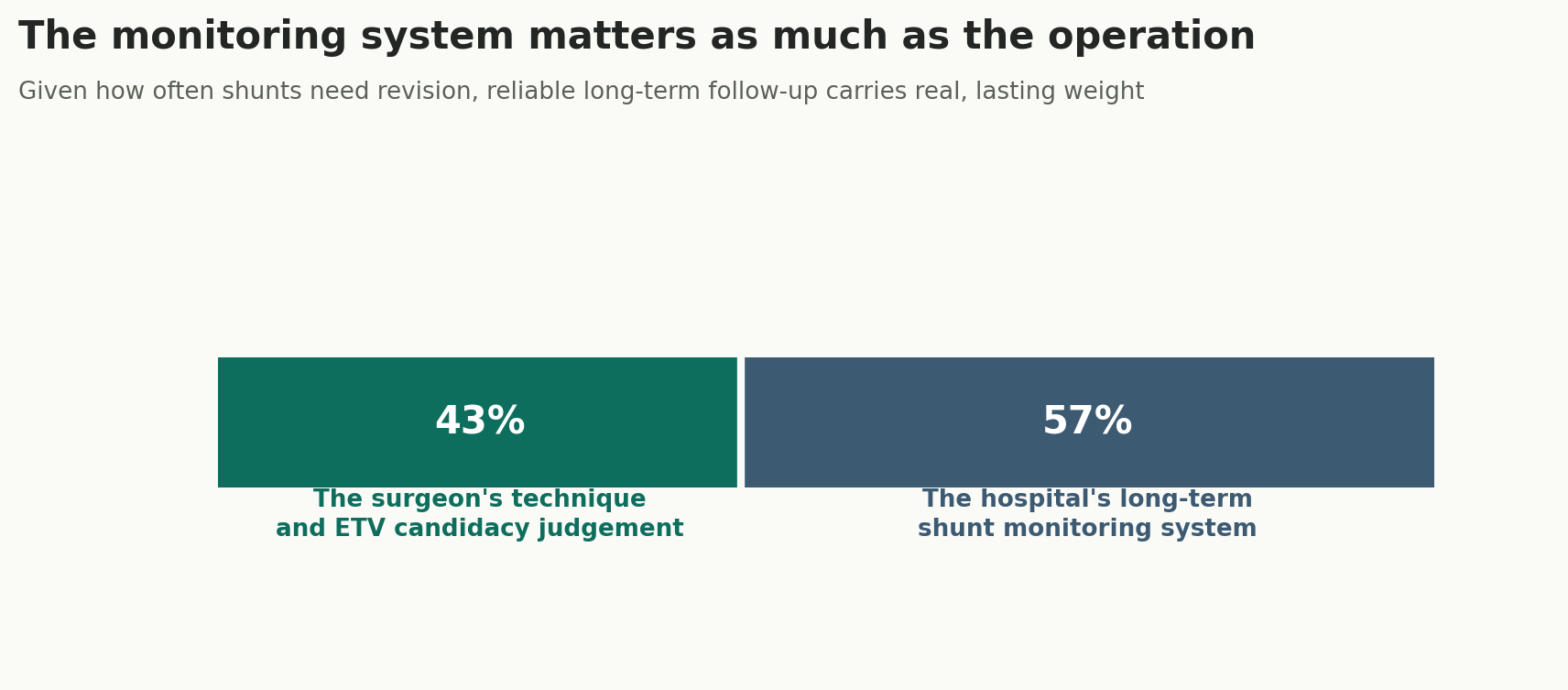
Given how often shunts need revision, reliable long-term follow-up carries real, lasting weight.
The initial surgery, whether ETV or shunt placement, is technically demanding and the surgeon's judgement and skill matter genuinely. But because so much of the real, lifelong outcome depends on catching and responding to shunt malfunction quickly when it happens, a hospital's monitoring infrastructure, and its ability to coordinate with a family's care at home, carries the larger relative share here. This is a genuinely different balance than colorectal cancer or HIPEC surgery elsewhere in this series, where a single surgeon's technical execution during one operation carries the larger share; hydrocephalus care is measured in years, not hours.
THE VETTING CONVERSATION What to actually ask
Questions for the surgeon
- Is ETV a realistic option for this specific child's cause of hydrocephalus? A thoughtful, honest answer engages directly with the specific diagnosis.
- What is your personal shunt revision rate, and how does it compare to published benchmarks? A specific, comfortable answer suggests real, tracked experience.
- What warning signs should our family watch for, and how urgently should we act on them? This should be explained clearly and concretely, not vaguely.
- How is surgical timing and approach adjusted for a still-growing skull and brain? A thoughtful answer reflects genuine paediatric-specific expertise.
Questions for the hospital
- What is the plan for long-term monitoring once we return to Nigeria? This should be a specific, coordinated plan, not a vague reassurance.
- How quickly can a suspected shunt malfunction be assessed, at home or on return visits? This affects how confidently a family can respond to warning signs.
- What imaging follow-up schedule is recommended, and for how long? This should be planned in writing before the family leaves.
- What is the hospital's own shunt revision rate for children treated here? Specific, tracked figures matter more than general reputation.
Nigeria-specific Considerations
Why the follow-up plan deserves as much attention as the surgery
Hydrocephalus and neural tube defects, including spina bifida, represent a genuine, significant share of paediatric neurosurgical need across Nigeria and the wider region, and domestic paediatric neurosurgical capacity remains limited relative to that need. Given how central lifelong monitoring is to this condition specifically, families travelling abroad for the initial surgery face a particular, practical challenge: building a reliable plan for recognising and responding to shunt malfunction once back in Nigeria, potentially far from the treating hospital.
This makes establishing a relationship with a Nigerian paediatric specialist, ideally before travel, not after, a genuinely important part of this process, so that warning signs can be recognised locally and coordinated with the treating hospital abroad rather than discovered only once a problem has become serious. A shunt malfunction can progress from early warning signs to a genuine emergency over a matter of hours, which is precisely why local recognition and rapid escalation matter as much as the quality of the original surgery.
Four warning signs worth taking seriously
- No discussion of ETV as a possible alternative to a shunt. This should be assessed and explained, even if a shunt turns out to be the right choice.
- Vague or minimising answers about shunt revision likelihood. Families deserve the honest, realistic picture, not false reassurance.
- No specific plan for long-term monitoring once the family returns home. This should be addressed in writing before leaving.
- Families not taught the warning signs of shunt malfunction clearly. This knowledge should be shared as standard practice, not left to chance.
A practical order of operations
- Get a confirmed diagnosis and full imaging from a paediatric neurosurgeon.
- Ask directly whether ETV is a realistic option before assuming shunt placement.
- Ask the surgeon-side and hospital-side questions above, particularly around revision rates and monitoring plans.
- Learn the warning signs of shunt malfunction thoroughly before travel, not after.
- Travel, surgery, and a supervised recovery period appropriate to the specific procedure.
- Establish a coordinated monitoring relationship with a Nigerian paediatric specialist before returning home.
A closing word
Paediatric neurosurgery, particularly for hydrocephalus, is rarely a single decision made once. It is the beginning of a relationship between a family and a healthcare system that, for most children, continues for years, sometimes into adulthood. A programme worth choosing understands this from the outset, and builds both the initial surgery and the years of monitoring that follow into a single, coherent plan. In twenty-four years of this work, the families who navigate this best ask directly whether a shunt-free alternative applies, learn the warning signs of malfunction thoroughly before they ever need them, and build a coordinated local relationship for long-term monitoring before returning home. The first operation may take a few hours. The watchfulness that follows it is a job that lasts for years, and a good programme helps a family carry that weight, rather than leaving them to discover its scope alone.
Sources
- 🌐 Hydrocephalus Association — Shunt systems and ETV, patient and family information
- 🌐 American Association of Neurological Surgeons — Hydrocephalus, patient information
- 🌐 NHS (UK) — Hydrocephalus: overview and treatment
- 🌐 Endoscopic Third Ventriculostomy. StatPearls, NCBI Bookshelf, 2026
- 🌐 High Commission of India, Abuja — Medical and Medical Attendant Visa requirements
Frequently Asked Questions by Nigerians about Paediatric Neurosurgery in India
Is shunt surgery a permanent solution for hydrocephalus?
Not always. The guide notes that roughly half of shunts require at least one revision within the first two years, and some children require several revisions over childhood.
Does every child with hydrocephalus need a shunt?
Not necessarily. For certain specific anatomical causes, ETV can resolve the condition without leaving any permanent hardware. Whether ETV is appropriate depends on the specific cause and should be assessed directly.
What is ETV?
ETV creates a new internal pathway for cerebrospinal fluid to drain, potentially avoiding the need for permanent shunt hardware in appropriately selected cases.
What signs can indicate shunt malfunction?
Warning signs include headache, vomiting, unusual sleepiness and irritability. In infants, a bulging fontanelle or rapidly increasing head size may also be important.
Why is paediatric neurosurgery different from adult neurosurgery?
A child's skull and brain are still developing. Surgical timing and technique must account for ongoing growth, making paediatric neurosurgery a distinct subspecialty.
What should parents ask the paediatric neurosurgeon?
Ask whether ETV is suitable, the surgeon's personal shunt revision rate, what warning signs require urgent attention and how the child's growth affects timing and technique.
Why does the hospital matter so much for hydrocephalus care?
Because treatment does not end after surgery. Long-term imaging, rapid assessment of possible malfunction and coordination with local doctors are essential to safe care.
Why should Nigerian families arrange local follow-up before travelling?
Shunt malfunction may progress quickly, and paediatric neurosurgical capacity is limited in Nigeria. A local specialist can recognise early warning signs and coordinate urgent care with the treating hospital.
What should parents ask the hospital before choosing a programme?
Ask about long-term monitoring, imaging schedules, emergency assessment for suspected shunt malfunction and the hospital's own paediatric shunt-revision outcomes.
What are the biggest warning signs when selecting a paediatric neurosurgery programme?
No discussion of ETV, minimising the likelihood of shunt revision, vague answers about monitoring and failure to educate the family about malfunction warning signs are major concerns.
Is a shunt for hydrocephalus a one-time surgery?
Usually not. Shunt hardware carries a well-documented risk of malfunction, and many children need at least one revision, often within the first two years, with some needing several over childhood.
What are the warning signs of shunt malfunction parents should know?
Headache, vomiting, unusual sleepiness, irritability, or in infants a bulging fontanelle or rapidly increasing head size. Any of these deserve prompt medical evaluation.
Why does the hospital carry more weight than the surgeon here?
Given how often shunts require revision over a child's lifetime, a hospital's long-term monitoring and rapid- response system carries substantial, lasting weight alongside surgical technique.
What is a realistic red flag when choosing a programme?
No discussion of ETV as an alternative, minimising realistic revision likelihood, or no clear long-term monitoring plan once home, are genuine warning signs.
Page Summary
This guide explains how Nigerian families should choose a paediatric neurosurgeon and hospital in India, using hydrocephalus to show why this is long-term care rather than a single operation. A shunt relieves the pressure, but roughly half need at least one revision within two years, so parents must leave hospital knowing the warning signs — headache, vomiting, sleepiness, and in infants a bulging fontanelle or rapidly growing head. Ask first whether a shunt is even necessary, since ETV suits selected anatomical causes and leaves no implanted hardware. Because the skull and brain are still developing, timing and technique must follow the child's growth. The hospital and its follow-up system carry slightly more weight than the surgeon, because malfunction can appear years later — which is why a Nigerian follow-up plan should exist before the child travels.
Citation Block
| Topic | Information |
|---|---|
| Topic Information | Details |
| Topic | Selecting the Best Paediatric Neurosurgeons and Hospitals in India for Nigerian Patients |
| Procedure | Paediatric Neurosurgery |
| Country | India |
| Intended Audience | Nigerian Children and Families |
| Primary Condition | Hydrocephalus |
| Other Conditions Mentioned | Neural Tube Defects and Spina Bifida |
| Primary Treatment | CSF Shunt |
| Alternative Treatment | Endoscopic Third Ventriculostomy |
| Shunt Revision Pattern | Roughly Half Require at Least One Revision Within 2 Years |
| Primary Long-Term Risk | Shunt Malfunction |
| Main Decision Principle | Treat Hydrocephalus as a Long-Term Care Relationship |

Our Mission Statement
Our mission is to place patients at the centre of every healthcare decision by providing trustworthy, evidence-based, and unbiased medical information. We believe that informed patients make better decisions. Backed by personalised guidance from our experienced advisory team, we help patients understand their treatment options, compare them objectively, and confidently choose the path that best suits their medical needs and personal circumstances.
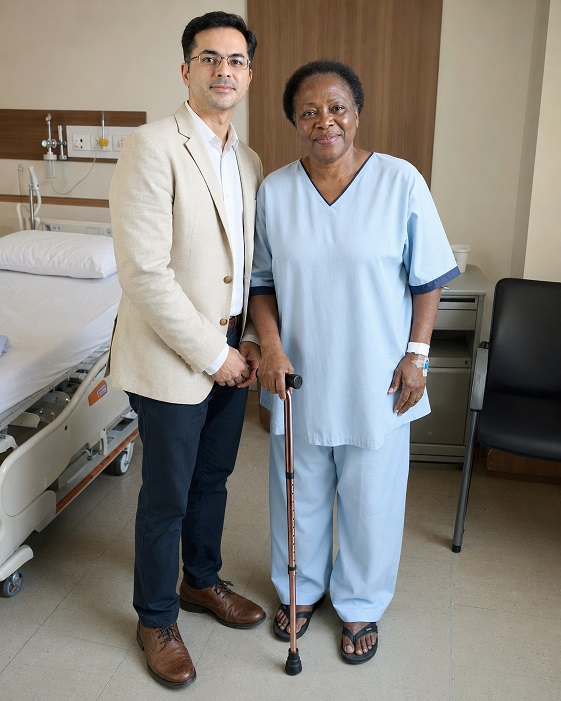
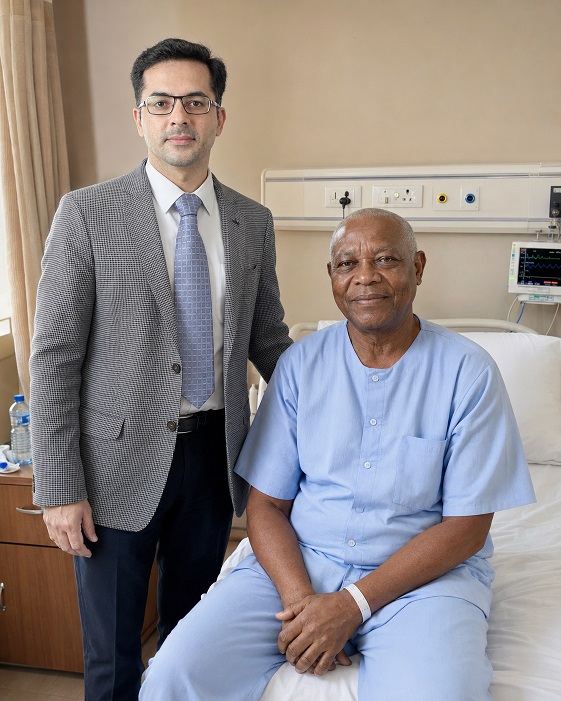
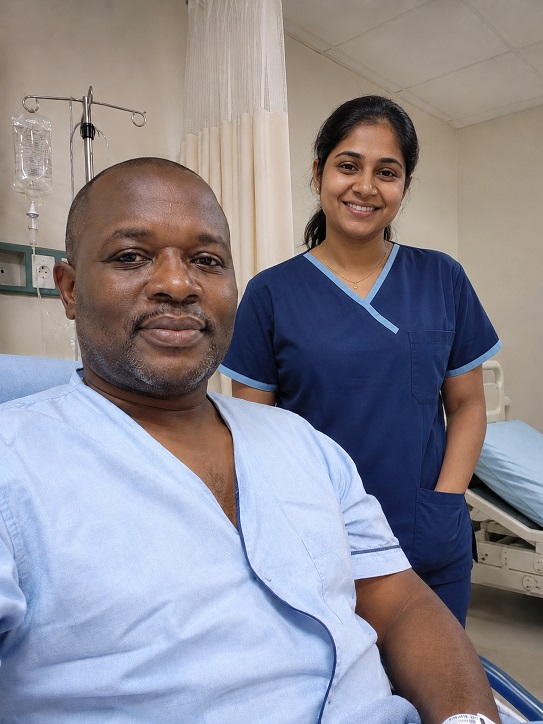
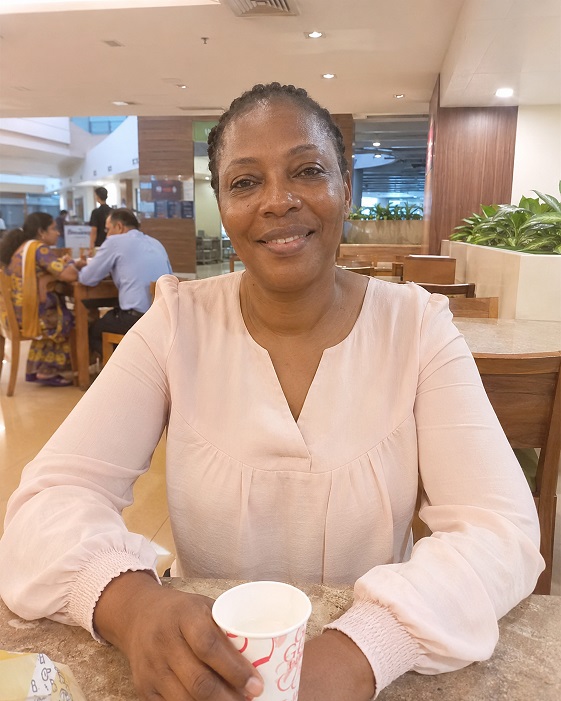
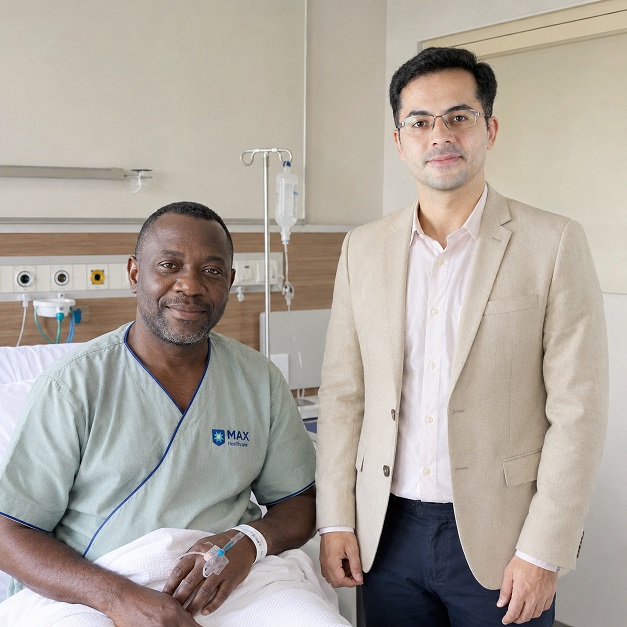
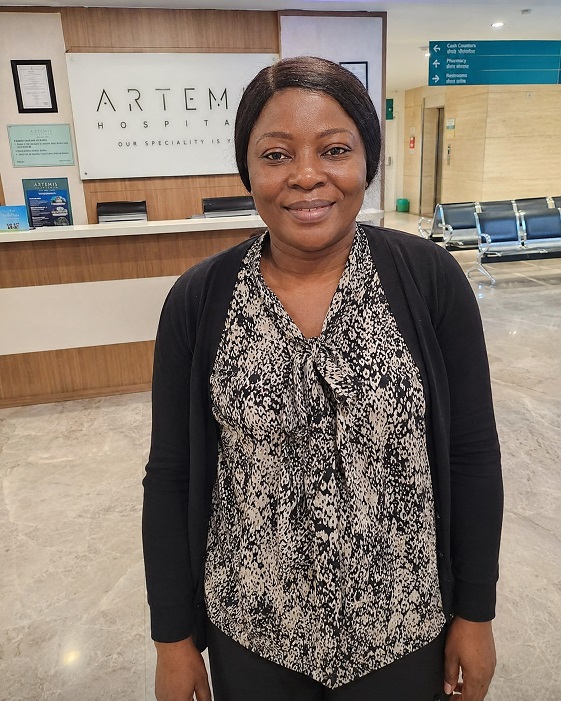
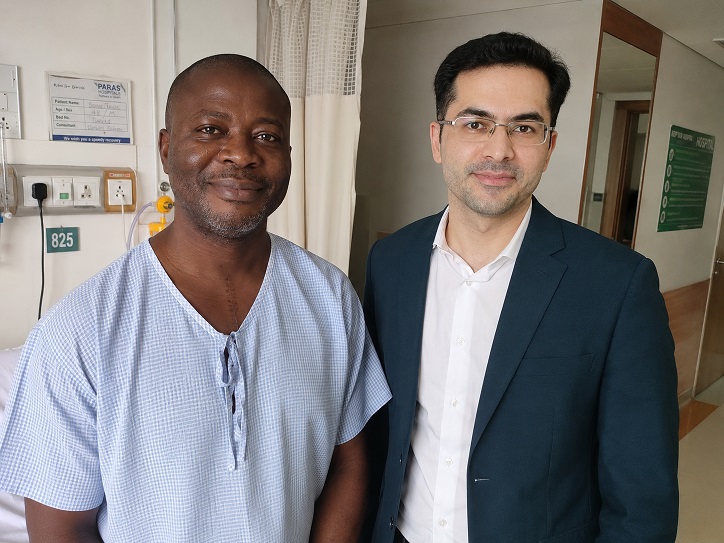
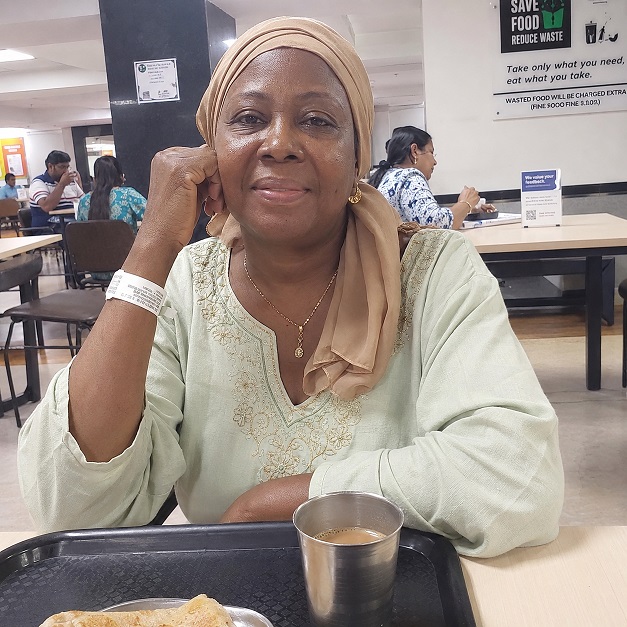
Patient Testimonials from Nigeria
Ready to Take the First Step?
Share your Medical Reports with our Healthcare Managers Today and Get a FREE CONSULTATION, a Personalized Treatment Plan, and Complete Support from Arrival to Recovery.
Get Your Free ConsultationAreas We Serve
This resource has been thoughtfully prepared for patients from Nigeria who are considering medical treatment in India. We also welcome patients from the wider region in the countries mentioned below-
We assist patients from:
- Benin
- Niger
- Chad
- Cameroon
- Algeria
- Egypt
- Libya
- Morocco
- Sudan
- Tunisia
- Burkina Faso
- Cabo Verde
- Côte d'Ivoire
- Gambia
- Ghana
- Equatorial Guinea
- São Tomé and Príncipe
Many of the insights, treatment pathways, hospital recommendations, travel guidance, and patient support services described here are equally relevant and may be used as a reference when planning treatment in India.
From Nigeria to India: Your Complete Patient Support Guide
- Artificial Disc Replacement in India for Nigerian Patients
- Weight Loss and Bariatric Surgery in India for Nigerian Patients
- Bone Marrow Transplant in India for Nigerian Patients
- Brain Tumour Surgery in India for Nigerian Patients
- Breast Cancer Treatment and Surgery in India for Nigerian Patients
- Cancer Treatment and Surgery in India for Nigerian Patients
- Cardiac Arrhythmia and Heart Pacemaker Treatment in India for Nigerian Patients
- Cardiac Surgery in India for Nigerian Patients
- Colorectal Cancer Treatment and Surgery in India for Nigerian Patients
- Complex Orthopaedic and Joint Revision Surgery in India for Nigerian Patients
- Cornea Transplant and Advanced Eye Surgery in India for Nigerian Patients
- CyberKnife Treatment in India for Nigerian Patients
- Gamma Knife Treatment in India for Nigerian Patients
- Heart Failure Treatment and Surgery in India for Nigerian Patients
- Hip Surgery in India for Nigerian Patients
- HIPEC Cancer Surgery in India for Nigerian Patients
- IVF and Fertility Treatment in India for Nigerian Patients
- Joint Arthroscopy and Sports Medicine in India for Nigerian Patients