

Selecting the Best Laparoscopic and Robotic Myomectomy Surgeons and Hospitals in India for Nigerian Patients
A small, well-documented risk reshaped how this surgery is done worldwide. Most patients researching myomectomy have never heard of it.
Myomectomy, the surgical removal of uterine fibroids while preserving the uterus, is one of the most common gynaecological procedures performed for women who wish to avoid hysterectomy or preserve fertility. For larger fibroids removed through minimally invasive approaches, a technique called morcellation, cutting tissue into smaller pieces for removal through small incisions, is often used. An FDA-cited estimate found that approximately 1 in 352 women undergoing surgery for presumed benign fibroids actually had an unsuspected uterine sarcoma, a rare cancer, and morcellating that unrecognised tissue can spread it throughout the abdomen. This finding significantly reshaped surgical practice, and understanding it is essential before evaluating any specific surgeon or hospital for this procedure. Most patients arrive at this decision focused entirely on recovery time and scarring, reasonable priorities for a procedure that can otherwise feel routine. This guide asks for a slightly different focus first: understanding a specific, well-documented risk, and how a genuinely current programme manages it, before any conversation about incision size or hospital stay becomes the deciding factor.
Should you even be reading this guide? If fibroids have been diagnosed and myomectomy genuinely recommended, this guide will help you evaluate the surgical approach, surgeon, and hospital involved, including how sarcoma risk is assessed. If diagnosis or a full discussion of treatment options has not yet happened, that is the appropriate starting point.
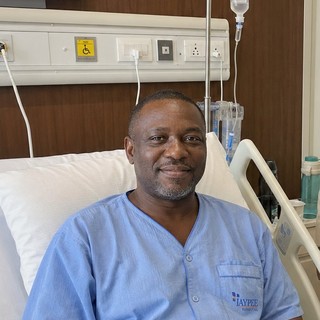
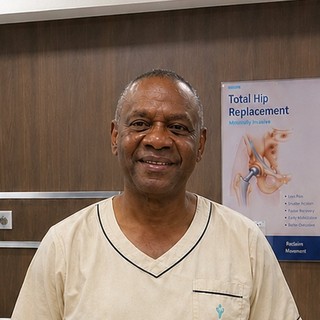
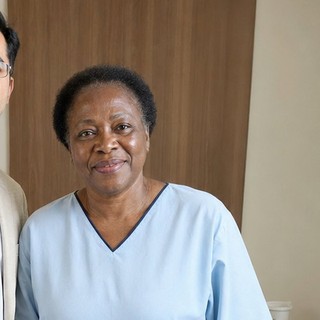
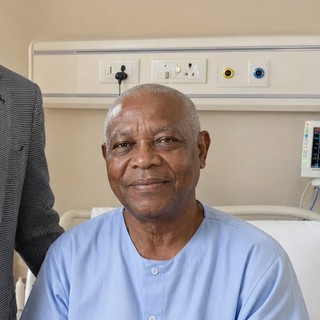
Healing Journeys of Nigerian Patients



Key Takeaways
- Myomectomy removes uterine fibroids while preserving the uterus, making it an important surgical option for women who want to avoid hysterectomy or preserve future fertility.
- The guide begins with a Nigeria-specific consideration: uterine fibroids are particularly relevant among women of African ancestry. It reports a lifetime prevalence above 80% by age 50 among women of African ancestry, compared with approximately 70–80% among white women.
- The difference is not limited to prevalence. Published research cited in the document describes women of African ancestry as tending to develop larger and more numerous fibroids and symptoms at an earlier age, often during their 30s and 40s.
- Nigerian research also documents a pattern of late presentation with symptomatic uterine fibroids. This can mean fibroids are larger and surgically more complex by the time treatment is sought.
- The central safety issue in this guide is morcellation.
- Morcellation involves cutting fibroid tissue into smaller pieces so it can be removed through the small incisions used in minimally invasive surgery.
- The concern arises because a mass believed to be a benign fibroid can, rarely, actually be an unsuspected uterine sarcoma.
- The guide cites an FDA estimate of approximately 1 in 352 women undergoing surgery for presumed benign fibroids having an unsuspected uterine sarcoma.
- The document identifies four major warning signs: no discussion of morcellation risk, uncontained morcellation without clear justification, vague pre-operative imaging or risk assessment, and no discussion of uterine repair when fertility preservation matters.
- The recommended sequence is to obtain a confirmed diagnosis and detailed imaging, discuss sarcoma risk, establish the appropriate surgical approach, confirm contained morcellation if relevant, evaluate the surgeon and hospital separately, and arrange Nigerian gynaecological and fertility follow-up after treatment.
Quick Facts
- Topic
- Selecting Laparoscopic and Robotic Myomectomy Surgeons and Hospitals
- Country
- India
- Intended Audience
- Nigerian Patients
- Primary Specialty
- Gynaecological Surgery
- Primary Procedure
- Myomectomy
- Purpose of Myomectomy
- Remove Fibroids While Preserving the Uterus
- Main Surgical Approaches
- Laparoscopic, Robotic and Open Myomectomy
- Nigeria-Specific Issue
- Late Presentation Can Increase Fibroid Size and Surgical Complexity
- Modern Safeguard
- Contained In-Bag Morcellation
- Hospital Role
- Imaging, Operating-Room Support and Pathology
- Follow-Up
- Nigerian Gynaecologist
- Main Decision Principle
- Assess Sarcoma Risk and Fertility Consequences Before Choosing the Minimally Invasive Technique
- Author/Advisor
- Dr. Dheeraj Bojwani
- Experience
- 24 Years
In Brief
Selecting a laparoscopic or robotic myomectomy surgeon in India requires Nigerian patients to look beyond incision size and recovery time. The guide focuses particularly on morcellation because an FDA-cited estimate found that approximately 1 in 352 women undergoing surgery for presumed benign fibroids had an unsuspected uterine sarcoma, and morcellating unrecognised malignant tissue can spread it within the abdomen. Modern practice therefore emphasises careful pre-operative risk assessment and contained, in-bag morcellation where morcellation is used. The individual surgeon carries greater relative weight than the hospital because sarcoma-risk judgement, selection between laparoscopic, robotic and open surgery, and precise uterine wall reconstruction all depend heavily on surgical experience and judgement.
START HERE
Not a rare condition, and not evenly distributed
Understanding how common, and how variably distributed, this condition genuinely is provides useful context for the decision ahead.
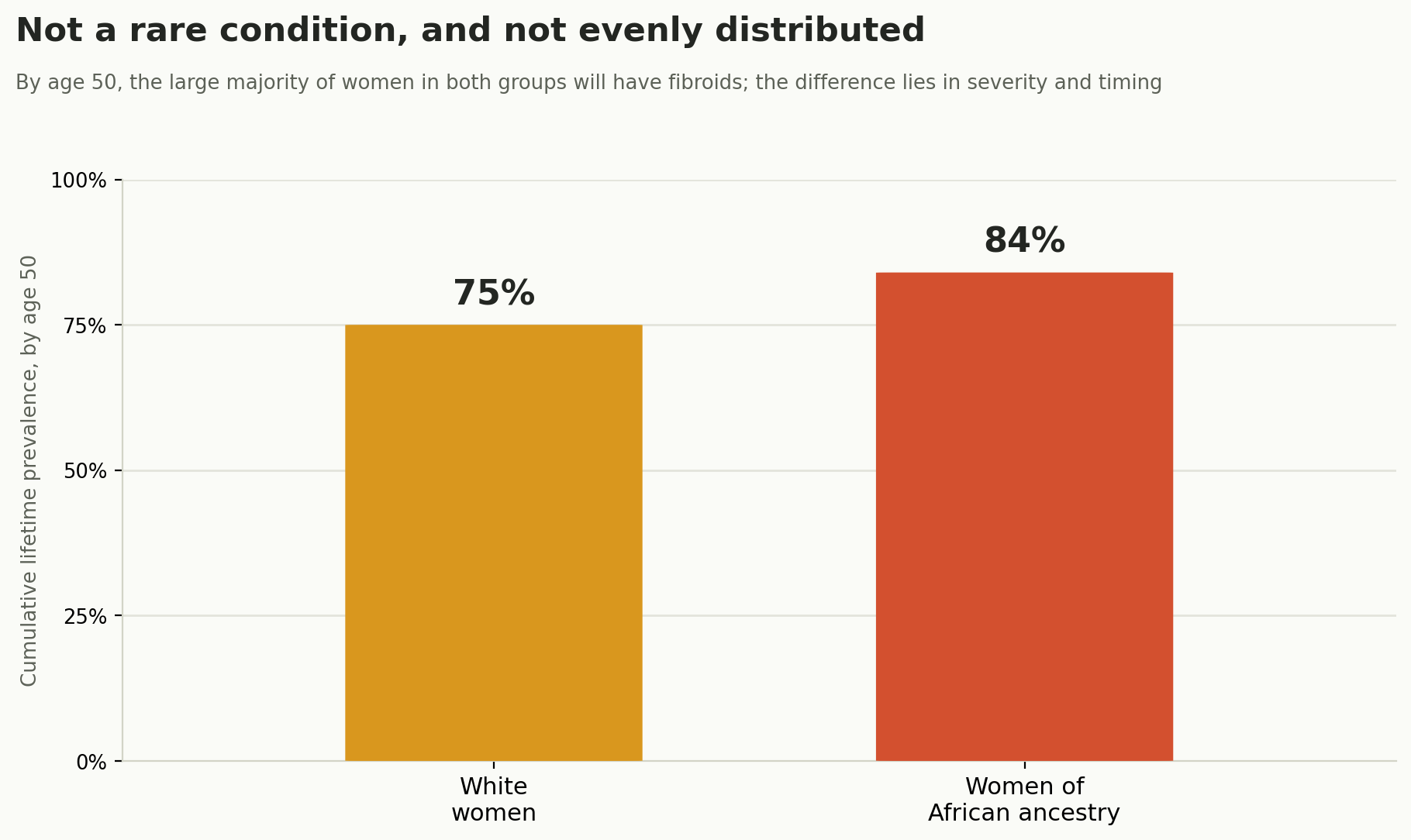
By age 50, the large majority of women in both groups will have fibroids; the difference lies in severity and timing.
Published research documents not only higher overall prevalence among women of African ancestry, but a pattern of larger, more numerous fibroids and earlier symptomatic onset, often in the 30s and 40s, the height of reproductive years. Nigerian-specific research has also documented a pattern of late presentation, meaning fibroids are often larger and more complex by the time surgical treatment is sought, which directly affects which surgical approach, and morcellation decision, is realistically appropriate. This combination, higher prevalence, earlier onset, and later presentation, means the morcellation conversation this guide describes is not a rare edge case for Nigerian patients specifically, but a genuinely central part of the decision.
THE SAFETY ISSUE
The finding most patients never hear about
This specific risk, and how a programme responds to it, is worth understanding in detail before any minimally invasive approach is agreed to.
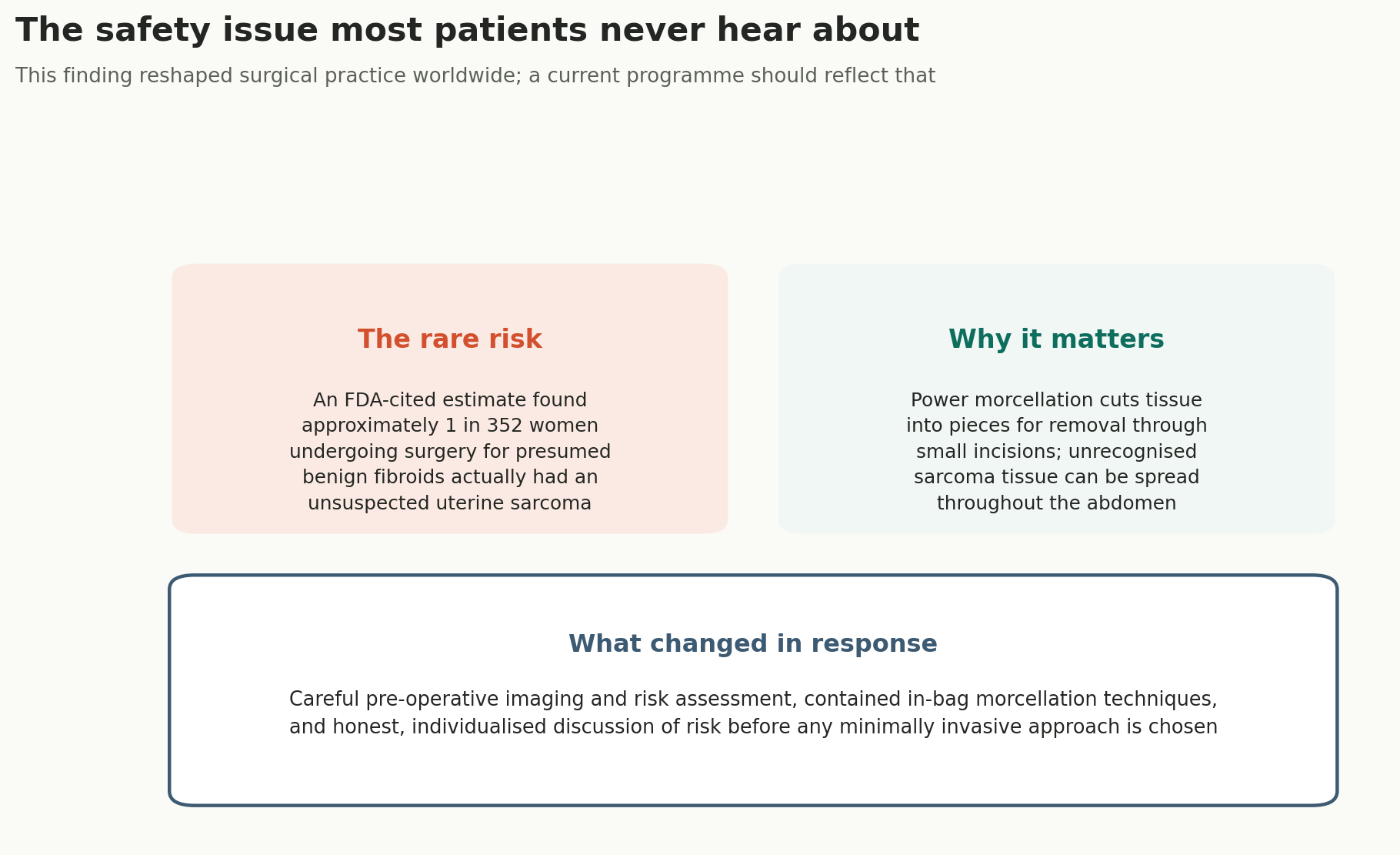
This finding reshaped surgical practice worldwide; a current programme should reflect that.
This is not a reason to avoid minimally invasive myomectomy, which remains an excellent option for most women with appropriately assessed, lower-risk fibroids. It is a reason to expect a specific, honest conversation about this risk, and confirmation that modern safeguards, careful imaging, appropriate patient selection, and contained morcellation techniques where morcellation is used, are genuinely in place. A programme that raises this topic unprompted is demonstrating exactly the kind of current, transparent practice this decision deserves.
A note on fertility preservation, since it is often the whole point. For many women choosing myomectomy over hysterectomy specifically to preserve fertility, how precisely the uterine wall is repaired in layers directly affects future pregnancy safety, including the risk of uterine rupture in labour. This technical detail deserves the same serious attention as the fibroid removal itself.
THE BALANCE
The surgeon's risk judgement tips the balance
Given how directly sarcoma risk assessment and precise uterine repair depend on the individual surgeon's judgement, this procedure weights more heavily toward the surgeon than several others in this series.
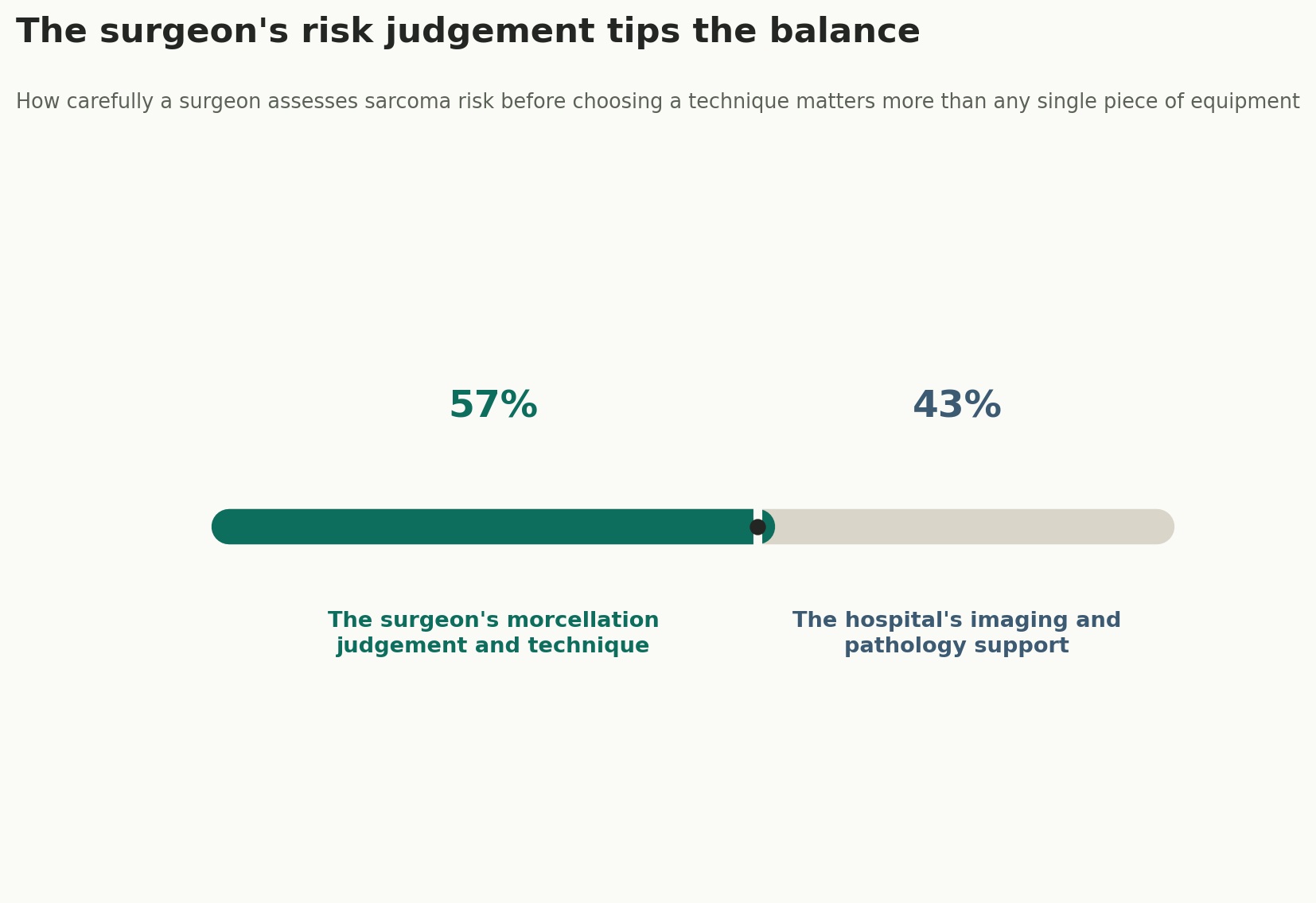
How carefully a surgeon assesses sarcoma risk before choosing a technique matters more than any single piece of equipment.
The hospital's role remains genuinely important: reliable pre-operative imaging and prompt pathology turnaround support good decision-making throughout. But the central judgement, whether this specific patient's fibroid characteristics suggest low or elevated sarcoma risk, and how carefully the uterine wall is reconstructed afterward, rests primarily with the individual surgeon's training, experience, and honesty. This places myomectomy closer to colorectal cancer surgery than to the more hospital-weighted procedures elsewhere in this series, reflecting how much a single surgeon's judgement genuinely shapes both immediate safety and long-term fertility outcomes.
THE VETTING CONVERSATION What to actually ask
Questions for the surgeon
- How do you assess sarcoma risk before recommending a specific technique? A specific, structured answer suggests genuine, current practice.
- Will contained, in-bag morcellation be used if morcellation is part of the plan? This should be a clear, confident yes where morcellation applies.
- Is laparoscopic, robotic, or open surgery most appropriate for my specific fibroids? A thoughtful answer engages with your particular imaging, not a default preference.
- How is the uterine wall repaired, and what does this mean for a future pregnancy? This should be discussed explicitly if fertility preservation is a goal.
Questions for the hospital
- What pre-operative imaging is used to characterise the fibroids and assess risk? This should be thorough, not a brief standard scan.
- What is the pathology turnaround time for any tissue removed? This matters for timely follow-up if findings are unexpected.
- What is the hospital's own outcome data for myomectomy specifically? This should be tracked separately from hysterectomy outcomes.
- What is the plan for fertility counselling and future pregnancy monitoring? This should be part of a coordinated overall plan.
Nigeria-specific Considerations
Why late presentation shapes the whole decision
Nigerian clinical research has documented a consistent pattern of late presentation for symptomatic fibroids, meaning many women arrive for treatment with larger, more numerous fibroids than would be typical at earlier intervention. This directly affects surgical planning: larger fibroids are more likely to require morcellation for a minimally invasive approach, or may necessitate open surgery altogether, making the sarcoma risk conversation this guide describes even more directly relevant, not a hypothetical concern.
Uterine artery embolization, an alternative, less invasive treatment option for some fibroid presentations, remains genuinely limited in domestic availability, which narrows the realistic set of options many Nigerian women are considering before they ever reach an international consultation. Understanding this context helps frame a more informed, specific conversation with any programme under consideration, one grounded in the reality of larger, more established fibroids rather than the more straightforward, earlier-stage cases that much published surgical literature assumes as its default patient.
Four warning signs worth taking seriously
- No discussion of morcellation risk when a minimally invasive approach is proposed. This should be raised proactively, not only if asked.
- Uncontained, open morcellation used without a clear justification. Contained, in-bag techniques reflect current best practice.
- Vague answers about pre-operative imaging or risk assessment. This should be specific and thorough.
- No discussion of uterine repair technique when fertility preservation is a stated goal. This deserves explicit, serious attention.
A practical order of operations
- Get a confirmed diagnosis and thorough imaging of fibroid size, number, and location.
- Ask directly how sarcoma risk is assessed and what technique is recommended, and why.
- Confirm contained morcellation techniques will be used if morcellation is part of the plan.
- Ask the surgeon-side and hospital-side questions above before committing to a specific approach.
- Travel, surgery, and a recovery period appropriate to the specific technique used.
- Establish follow-up care with a Nigerian gynaecologist, including fertility counselling if relevant.
A closing word
Myomectomy is, for most women who need it, a genuinely safe and effective way to treat fibroids while preserving the uterus. The small, serious risk this guide describes does not change that reality; it changes what an informed patient should ask before choosing who performs the surgery and how. A programme confident enough to discuss this risk honestly, rather than avoid it, is demonstrating exactly the kind of current, evidence-based practice worth choosing. In twenty-four years of this work, the patients who navigate this best ask directly how sarcoma risk is assessed, confirm contained morcellation techniques where relevant, and take fertility preservation seriously enough to ask about uterine repair technique specifically, not just fibroid removal. The fibroids themselves may be removed in a matter of hours. What that surgery means for the years, and the pregnancies, that follow is what this decision is actually about.
Sources
- 🌐 U.S. Food and Drug Administration — Updated Laparoscopic Uterine Power Morcellation in Hysterectomy and Myomectomy Safety Communication
- 🌐 Epidemiology of Uterine Fibroid in Black African Women: A Systematic Scoping Review. BMJ Open
- 🌐 Risk Factors for Late Presentation of Symptomatic Uterine Fibroid in Urban Nigeria. Women's Health, 2025
- 🌐 American College of Obstetricians and Gynecologists — Uterine fibroids, patient information
- 🌐 High Commission of India, Abuja — Medical and Medical Attendant Visa requirements
Frequently Asked Questions by Nigerians about Laparoscopic and Robotic Myomectomy Surgery in India
Why are uterine fibroids particularly relevant for Nigerian women?
The guide cites a lifetime prevalence above 80% by age 50 among women of African ancestry, along with earlier symptoms and a tendency toward larger and more numerous fibroids. Nigerian research also documents late presentation.
What is myomectomy?
Myomectomy surgically removes uterine fibroids while preserving the uterus. It is commonly considered when a woman wants to avoid hysterectomy or maintain the possibility of future pregnancy.
What is morcellation and why does it matter?
It cuts fibroid tissue into pieces for removal through small incisions. An FDA-cited estimate found roughly 1 in 352 women had an unsuspected sarcoma, and morcellating that tissue can spread it throughout the abdomen.
How common is unsuspected uterine sarcoma during surgery for presumed fibroids?
The document cites an FDA estimate of approximately 1 in 352 women undergoing surgery for presumed benign fibroids having an unsuspected uterine sarcoma.
Does the morcellation risk mean laparoscopic or robotic myomectomy should be avoided?
No. The guide states that minimally invasive myomectomy remains an excellent option for many appropriately assessed patients. Modern safeguards include careful risk assessment and contained morcellation where appropriate.
Is robotic myomectomy always better than laparoscopic or open surgery?
No. The appropriate approach depends on the size, number, location and characteristics of the fibroids. The surgeon should explain why a particular technique is appropriate for the patient's own imaging.
Why does the surgeon matter more than the hospital for myomectomy?
The guide gives the surgeon greater weight because assessment of sarcoma risk, selection of surgical technique and precise reconstruction of the uterine wall depend heavily on individual surgical judgement and skill.
Why is uterine wall repair important after myomectomy?
For women planning pregnancy, careful layered repair helps restore uterine integrity. The document notes that the quality of reconstruction can influence future pregnancy safety, including uterine rupture risk.
What should Nigerian patients ask the surgeon before myomectomy in India?
Ask how sarcoma risk is assessed, whether contained morcellation will be used if needed, which surgical approach is most appropriate and how the uterine wall will be repaired if future fertility matters.
What are the major warning signs when choosing a myomectomy programme?
No discussion of morcellation risk, uncontained morcellation without justification, vague pre-operative risk assessment and failure to discuss uterine repair when fertility is important are significant warning signs.
Why are fibroids such a significant issue for women of African descent?
Lifetime prevalence by age 50 is documented at over 80 percent among women of African ancestry, compared to roughly 70 to 80 percent among white women, alongside larger, more numerous fibroids and earlier symptomatic onset.
How has practice changed in response to this risk?
Current practice emphasises careful pre-operative risk assessment, contained in-bag morcellation techniques, and honest, individualised discussion of risk before choosing an approach.
Why does the surgeon matter more than the hospital here?
Sarcoma risk assessment and precise uterine wall repair for future fertility are both primarily matters of individual surgical judgement and skill.
What is a realistic red flag when choosing a programme?
No discussion of morcellation risk, uncontained morcellation without justification, or no discussion of uterine repair technique when fertility matters, are genuine warning signs.
Page Summary
This guide explains how Nigerian patients should choose a myomectomy surgeon and hospital in India, and it turns on something most patients never think to ask about: morcellation. Fibroids are common and often larger or more numerous in women of African ancestry, and keyhole removal may require dividing them — which matters because a presumed fibroid is rarely an unsuspected sarcoma, an FDA estimate of about 1 in 352. The answer is not to avoid laparoscopic or robotic surgery but to insist on risk assessment, careful patient selection and contained in-bag morcellation. That judgement sits with the surgeon rather than the hospital. And for anyone hoping to conceive, ask how the uterine wall will be repaired, because that reconstruction shapes the safety of a future pregnancy and delivery.
Citation Block
| Topic | Information |
|---|---|
| Topic Information | Details |
| Topic | Selecting the Best Laparoscopic and Robotic Myomectomy Surgeons and Hospitals in India for Nigerian Patients |
| Procedure | Myomectomy |
| Country | India |
| Intended Audience | Nigerian Patients |
| Primary Specialty | Gynaecological Surgery |
| Conditions Covered | Uterine Fibroids |
| Surgical Approaches | Laparoscopic, Robotic and Open Myomectomy |
| Primary Treatment Goal | Fibroid Removal While Preserving the Uterus |
| Major Safety Issue | Morcellation of Unsuspected Uterine Sarcoma |
| FDA-Cited Sarcoma Estimate | Approximately 1 in 352 |
| Main Decision Principle | Choose the Technique According to Individual Fibroid Characteristics and Risk |


Our Mission Statement
Our mission is to place patients at the centre of every healthcare decision by providing trustworthy, evidence-based, and unbiased medical information. We believe that informed patients make better decisions. Backed by personalised guidance from our experienced advisory team, we help patients understand their treatment options, compare them objectively, and confidently choose the path that best suits their medical needs and personal circumstances.
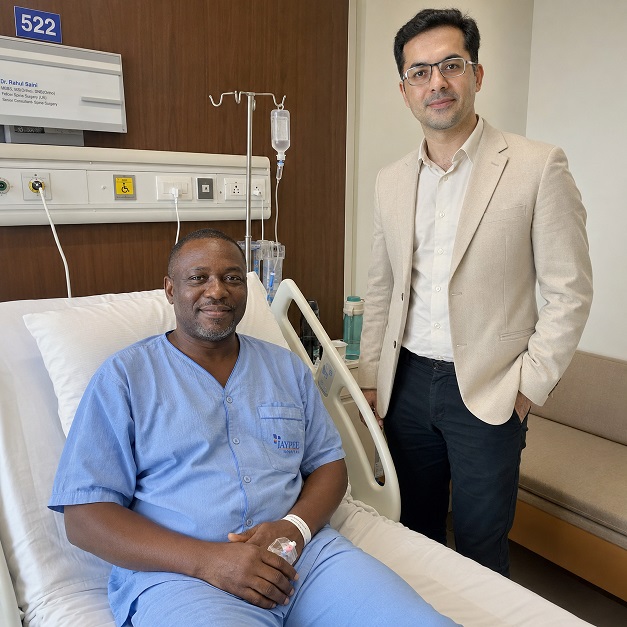
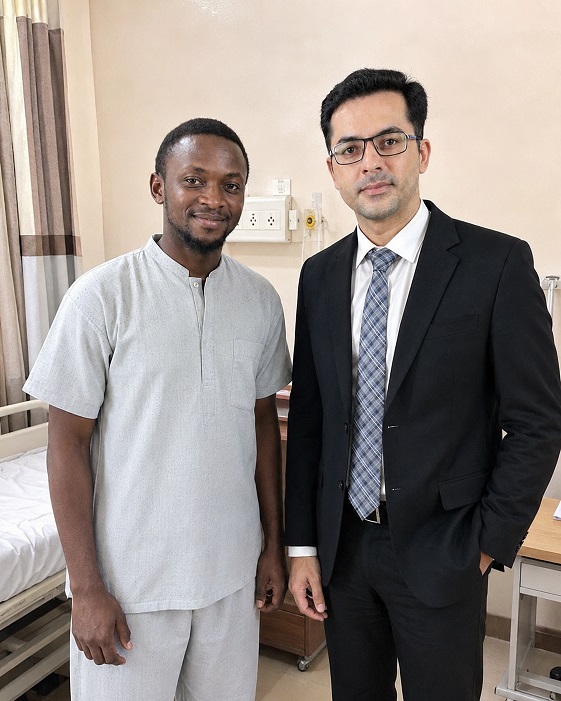
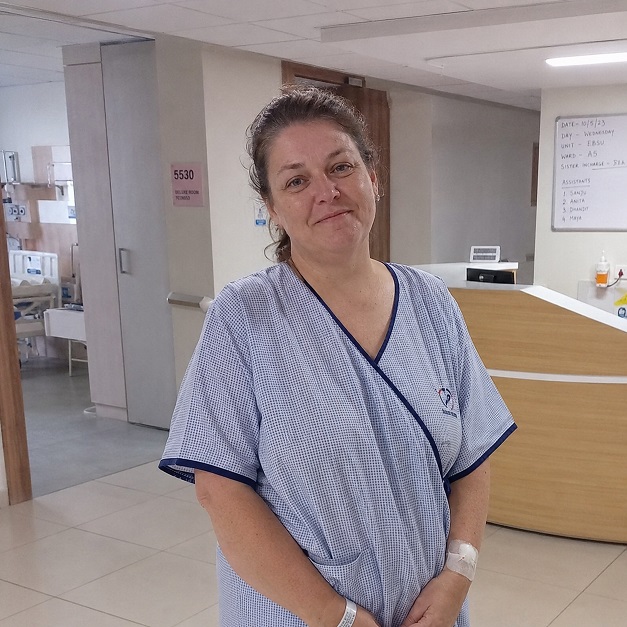
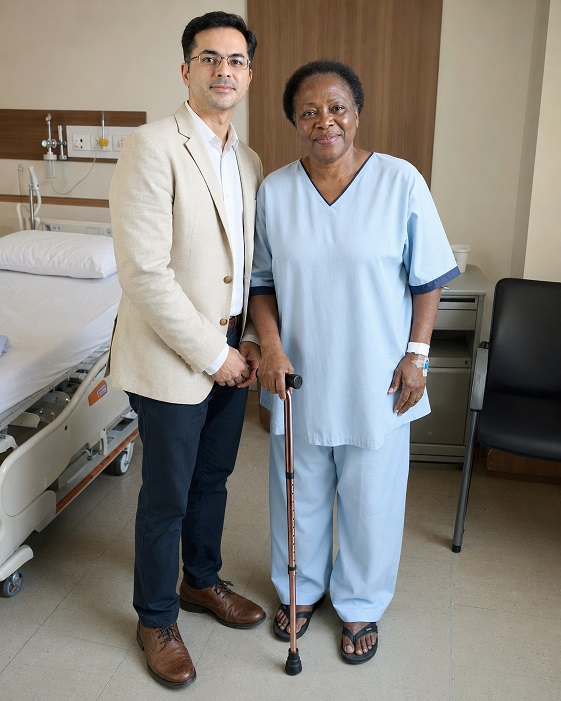
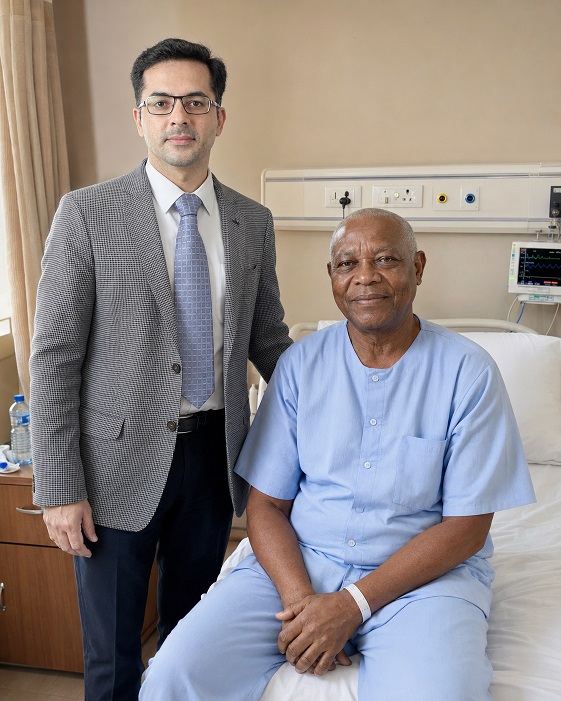
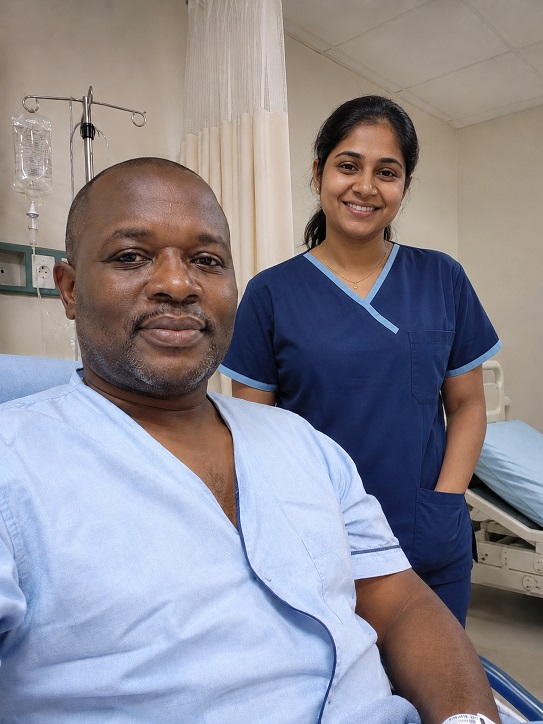
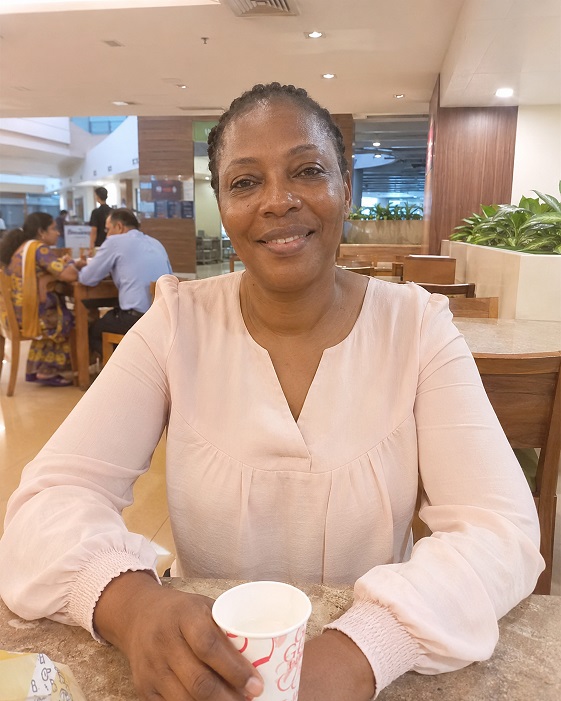
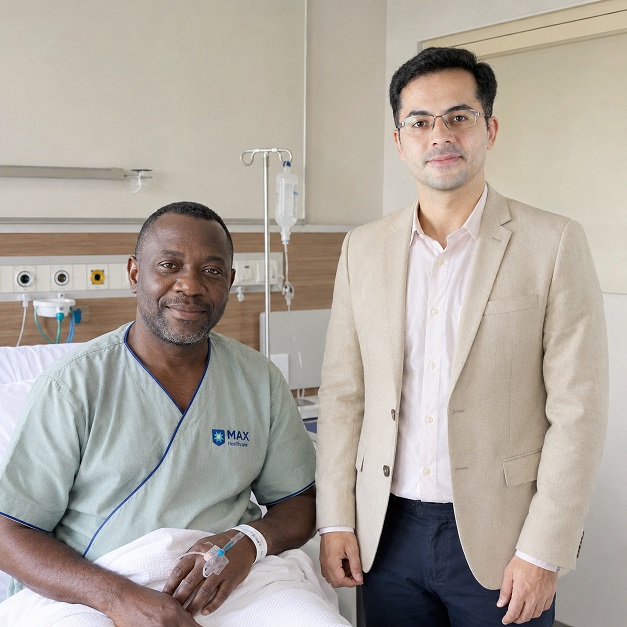
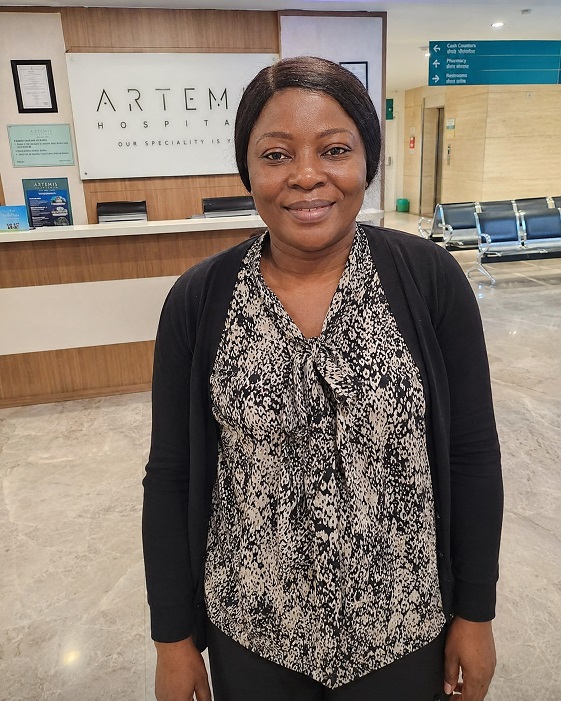
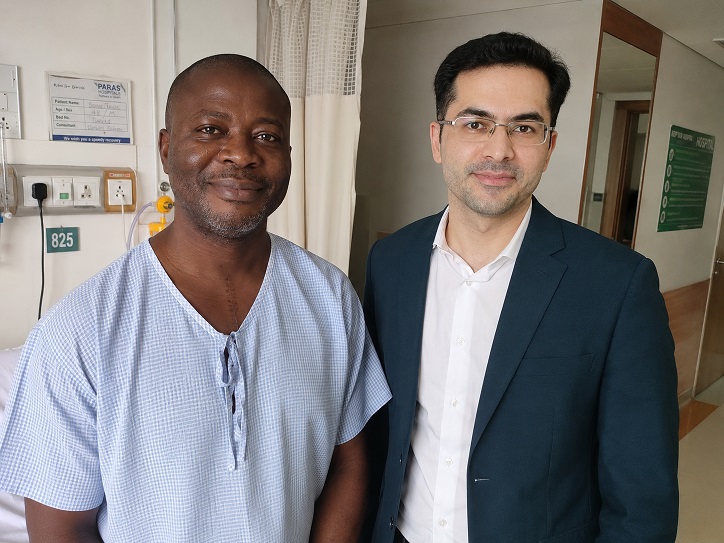
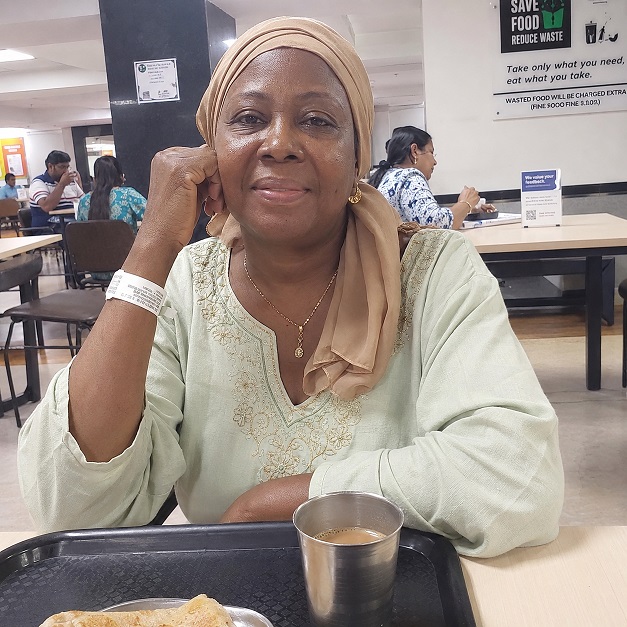
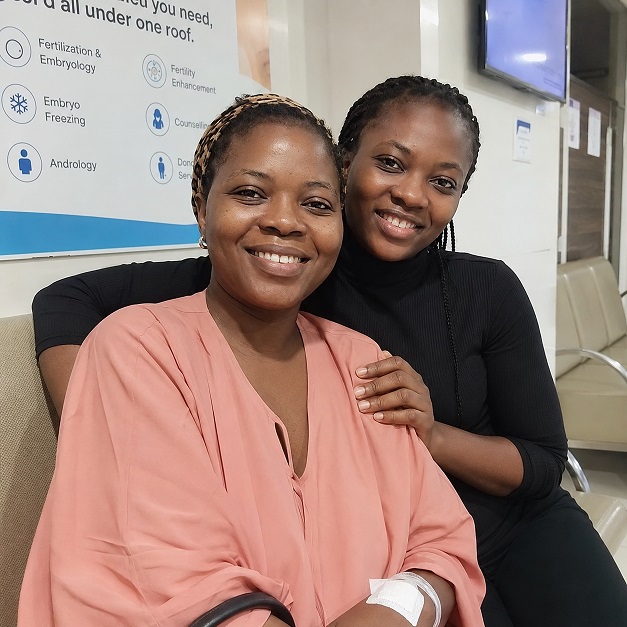
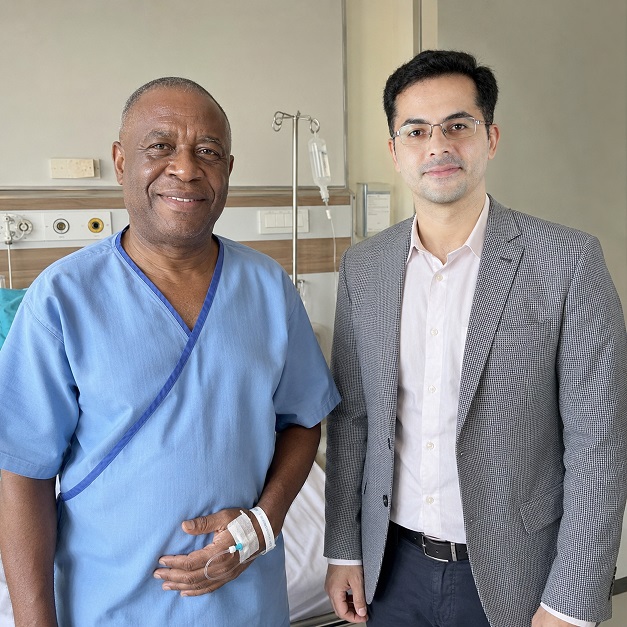
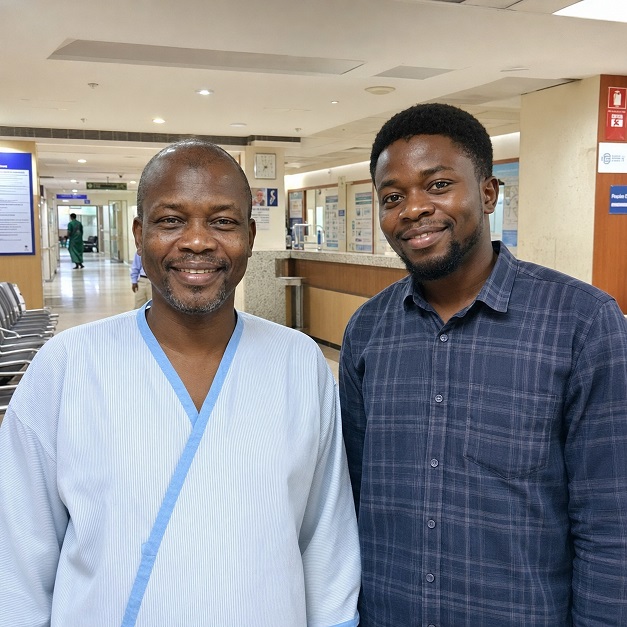
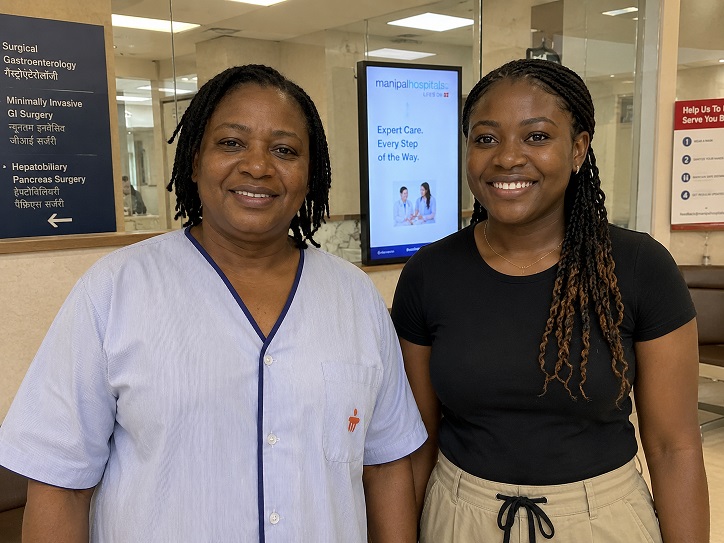
Patient Testimonials from Nigeria
Ready to Take the First Step?
Share your Medical Reports with our Healthcare Managers Today and Get a FREE CONSULTATION, a Personalized Treatment Plan, and Complete Support from Arrival to Recovery.
Get Your Free ConsultationAreas We Serve
This resource has been thoughtfully prepared for patients from Nigeria who are considering medical treatment in India. We also welcome patients from the wider region in the countries mentioned below-
We assist patients from:
- Benin
- Niger
- Chad
- Cameroon
- Algeria
- Egypt
- Libya
- Morocco
- Sudan
- Tunisia
- Burkina Faso
- Cabo Verde
- Côte d'Ivoire
- Gambia
- Ghana
- Equatorial Guinea
- São Tomé and Príncipe
Many of the insights, treatment pathways, hospital recommendations, travel guidance, and patient support services described here are equally relevant and may be used as a reference when planning treatment in India.
From Nigeria to India: Your Complete Patient Support Guide
- Artificial Disc Replacement in India for Nigerian Patients
- Weight Loss and Bariatric Surgery in India for Nigerian Patients
- Bone Marrow Transplant in India for Nigerian Patients
- Brain Tumour Surgery in India for Nigerian Patients
- Breast Cancer Treatment and Surgery in India for Nigerian Patients
- Cancer Treatment and Surgery in India for Nigerian Patients
- Cardiac Arrhythmia and Heart Pacemaker Treatment in India for Nigerian Patients
- Cardiac Surgery in India for Nigerian Patients
- Colorectal Cancer Treatment and Surgery in India for Nigerian Patients
- Complex Orthopaedic and Joint Revision Surgery in India for Nigerian Patients
- Cornea Transplant and Advanced Eye Surgery in India for Nigerian Patients
- CyberKnife Treatment in India for Nigerian Patients
- Gamma Knife Treatment in India for Nigerian Patients
- Heart Failure Treatment and Surgery in India for Nigerian Patients
- Hip Surgery in India for Nigerian Patients
- HIPEC Cancer Surgery in India for Nigerian Patients
- IVF and Fertility Treatment in India for Nigerian Patients
- Joint Arthroscopy and Sports Medicine in India for Nigerian Patients