

Selecting the Best Haematologists and Hospitals for Leukaemia, Lymphoma, and Blood Cancer in India for Nigerian Patients
Every other guide in this series is built around choosing a surgeon. This one is not, and that difference changes almost everything about how to approach it.
Leukaemia, lymphoma, and other blood cancers are, in the overwhelming majority of cases, not treated with surgery at all. Surgery's role is usually limited to obtaining a diagnostic sample, a lymph node biopsy, a bone marrow aspirate, rather than removing the cancer directly. The actual treatment, chemotherapy, targeted drugs, immunotherapy, and sometimes stem cell transplant, is systemic, delivered through the whole body rather than a single operating theatre moment. This means the central question of this guide is genuinely different from every other in this series: not who should hold the scalpel, but whether the diagnostic workup was thorough enough to identify exactly what is being treated, and whether the treating team has access to the full range of modern options once that answer is known. This is worth acknowledging plainly rather than forcing this guide into the same shape as the fourteen that came before it. A family arriving here expecting to evaluate a surgeon's hands is asking, understandably, the wrong question for this specific category of disease; the more useful evaluation looks almost entirely different, and this guide is built accordingly.
Should you even be reading this guide? If a blood cancer has been diagnosed, or is strongly suspected, this guide will help you evaluate the diagnostic workup, the treating team, and the hospital's treatment infrastructure. If a biopsy has not yet been performed, that is the necessary first step, ideally at a centre capable of complete subtyping, not just an initial diagnosis.
Healing Journeys of Nigerian Patients



Key Takeaways
- This guide is fundamentally different from surgeon-selection documents because leukaemia, lymphoma and most other blood cancers are generally not treated by surgery. Surgical procedures are usually limited to obtaining diagnostic tissue, such as a lymph-node biopsy or bone marrow sample.
- For this reason, the central question is not which surgeon performs the operation best. It is whether the patient has received a sufficiently detailed diagnosis and whether the treating haematologist and hospital can offer treatment appropriate to the exact subtype.
- Modern blood-cancer treatment depends heavily on precision diagnosis. Two patients both described as having “leukaemia” can require completely different treatment based on molecular and genetic findings.
- The guide highlights flow cytometry, cytogenetic analysis and molecular testing as key parts of a complete diagnostic workup. A hospital that provides only a broad diagnosis without full subtyping cannot deliver genuinely modern subtype-specific therapy.
- The document also stresses the importance of second pathology review, especially for uncommon or difficult subtypes. Because treatment is so tightly linked to diagnosis, an incorrect or incomplete subtype can lead to inappropriate therapy.
- These therapies may be relevant particularly when a disease has relapsed or has not responded to standard treatment. They are not automatically the correct first-line option for newly diagnosed patients.
- Unlike surgeon-heavy procedures, this guide gives greater relative weight to the hospital's diagnostic and treatment infrastructure.
- Patients should ask the treating haematologist what the exact subtype is and how it was established, rather than accepting a broad label such as “leukaemia” or “lymphoma.”
- Flow cytometry, cytogenetic analysis and molecular testing remain limited across much of Nigeria's healthcare system, meaning the patient may receive a broad diagnosis without the level of subtyping required for modern precision treatment.
- The four main warning signs are: starting treatment before full subtyping, vague answers about the exact diagnosis, premature promotion of CAR-T or other advanced cellular therapies, and no clear escalation pathway if standard treatment fails.
Quick Facts
- Topic
- Selecting Haematologists and Hospitals for Blood Cancer
- Country
- India
- Intended Audience
- Nigerian Patients and Families
- Primary Specialty
- Haematology-Oncology
- Conditions Covered
- Leukaemia, Lymphoma and Other Blood Cancers
- Primary Treatment Type
- Systemic Therapy
- Primary Decision Principle
- Exact Subtype Determines Treatment
- Core Diagnostic Test
- Flow Cytometry
- Second Pathology Review
- Recommended for Selected or Uncommon Subtypes
- CAR-T Role
- Selected Relapsed or Treatment-Resistant Disease
- Surgeon vs Hospital Weighting
- Hospital Infrastructure Carries More Weight
- Main Decision Principle
- Confirm the Exact Disease Biology Before Comparing Treatment Programmes
- Author/Advisor
- Dr. Dheeraj Bojwani
- Experience
- 24 Years
In Brief
Selecting a blood-cancer specialist in India requires a different approach from choosing a surgeon because leukaemia, lymphoma and most haematological cancers are treated systemically rather than surgically. The most important first step is complete diagnostic subtyping using flow cytometry, cytogenetics and molecular testing, since two patients with the same broad diagnosis may require completely different treatment. The treating haematologist should be evaluated for subtype-specific expertise and treatment judgement, while the hospital carries greater overall weight because its diagnostic laboratory, access to targeted drugs, transplant coordination and cellular-therapy capability determine what treatments are actually possible. For Nigerian patients, obtaining a complete diagnostic workup may itself be one of the strongest reasons to seek care at a more advanced centre.
START HERE
The diagnosis is the treatment plan
Modern blood cancer treatment has moved decisively toward precision medicine, where the exact molecular and genetic subtype, not the general diagnosis, determines the treatment path.
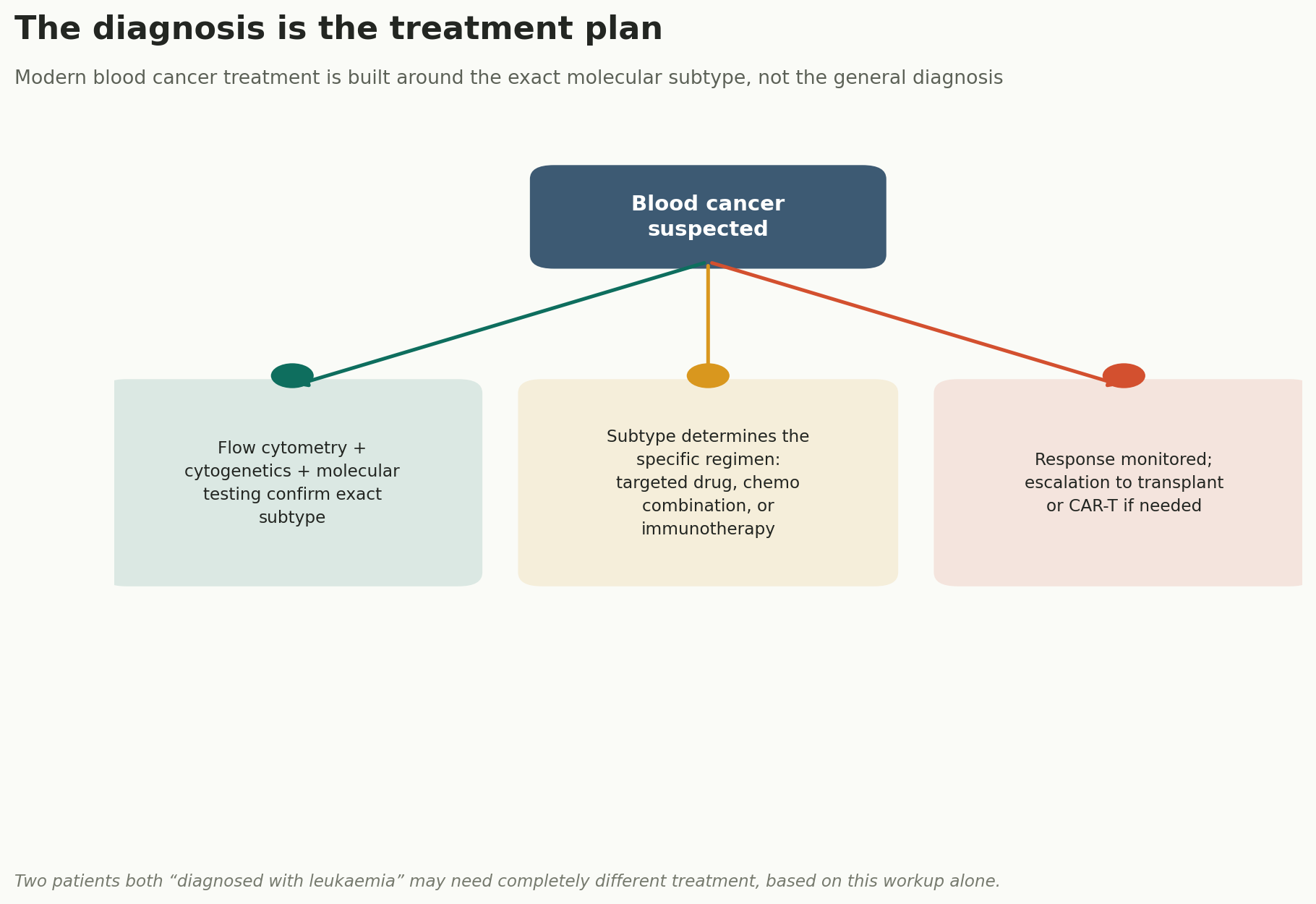
Two patients both "diagnosed with leukaemia" may need completely different treatment, based on this workup alone.
This is precisely why asking "which hospital treats leukaemia well" is a less useful question than asking "what does this hospital's diagnostic workup actually include." A centre offering only a basic diagnosis, without flow cytometry, cytogenetic analysis, and molecular testing, cannot offer genuinely modern, subtype- specific treatment, regardless of how experienced its physicians sound in conversation. A confident-sounding treatment recommendation built on an incomplete diagnostic picture is not actually more reassuring than an honest acknowledgement that more testing is needed first.
THE NEWEST FRONTIER
A powerful tool, for a specific job
Cellular therapy represents one of the most significant recent developments in blood cancer treatment, and understanding what it actually is, and is not, prevents both false hope and missed opportunity.
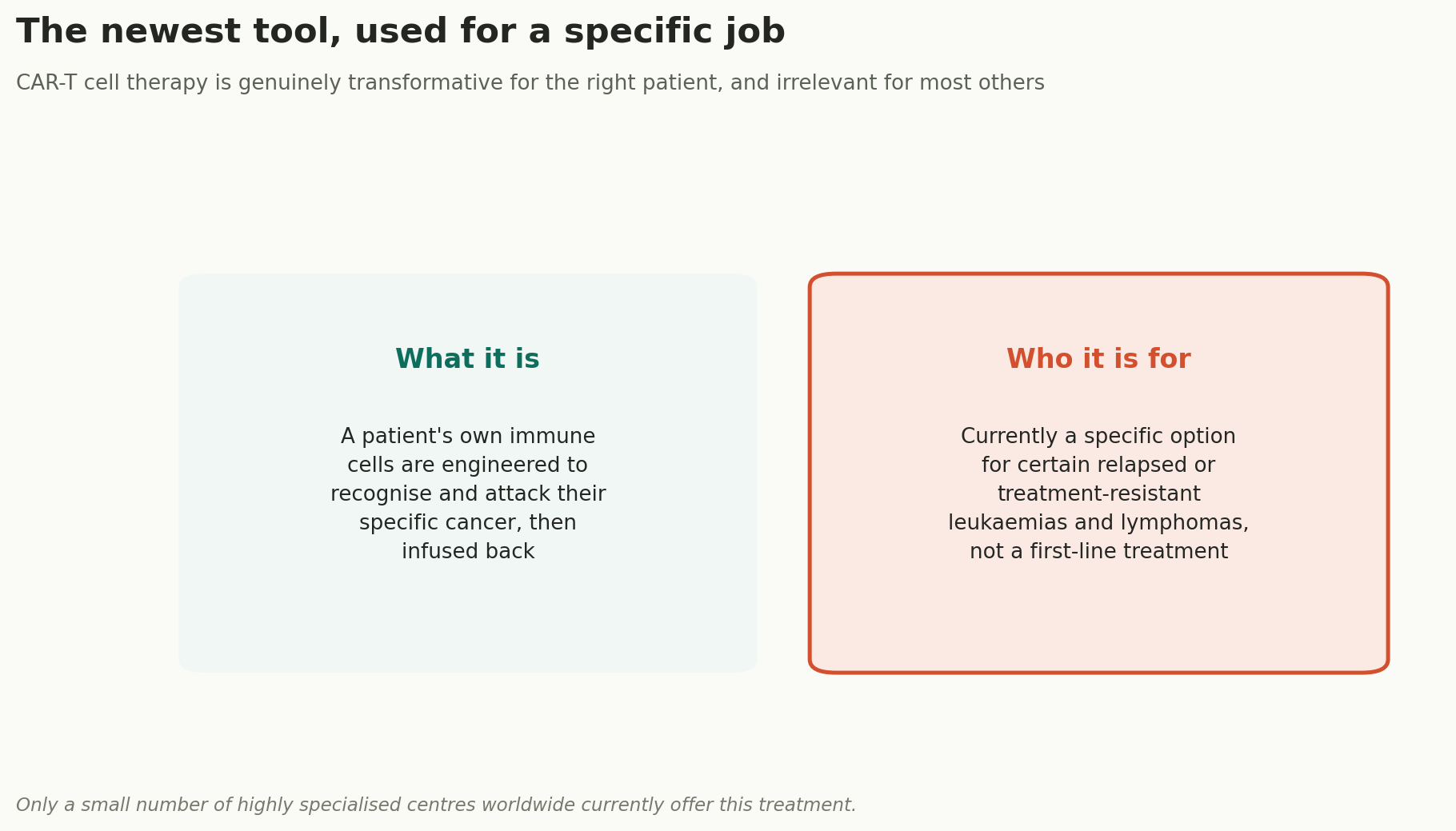
Only a small number of highly specialised centres worldwide currently offer this treatment.
For the right patient, typically someone whose disease has relapsed or resisted standard treatment, this can be genuinely transformative. For most newly diagnosed patients, it is simply not the relevant question yet, and a programme that raises it prematurely, before standard treatment has been given a fair chance, may be selling a service rather than practising evidence-based medicine. A trustworthy programme discusses this option in proportion to its actual relevance to a specific patient's situation, not as a headline feature offered to everyone regardless of fit.
A note on second opinions, since subtyping errors carry real consequences. Because treatment is so tightly linked to the exact subtype identified, an incorrect or incomplete initial diagnosis can lead to genuinely inappropriate treatment. Seeking a second pathology review, particularly for less common subtypes, is a reasonable, evidence-based precaution, not an excessive one.
THE BALANCE, REFRAMED
The most laboratory-dependent guide in this series
Because there is no single defining operation in blood cancer treatment, this guide reframes the surgeon- versus-hospital question this series has asked throughout as a comparison between the treating physician's judgement and the hospital's diagnostic and treatment infrastructure.
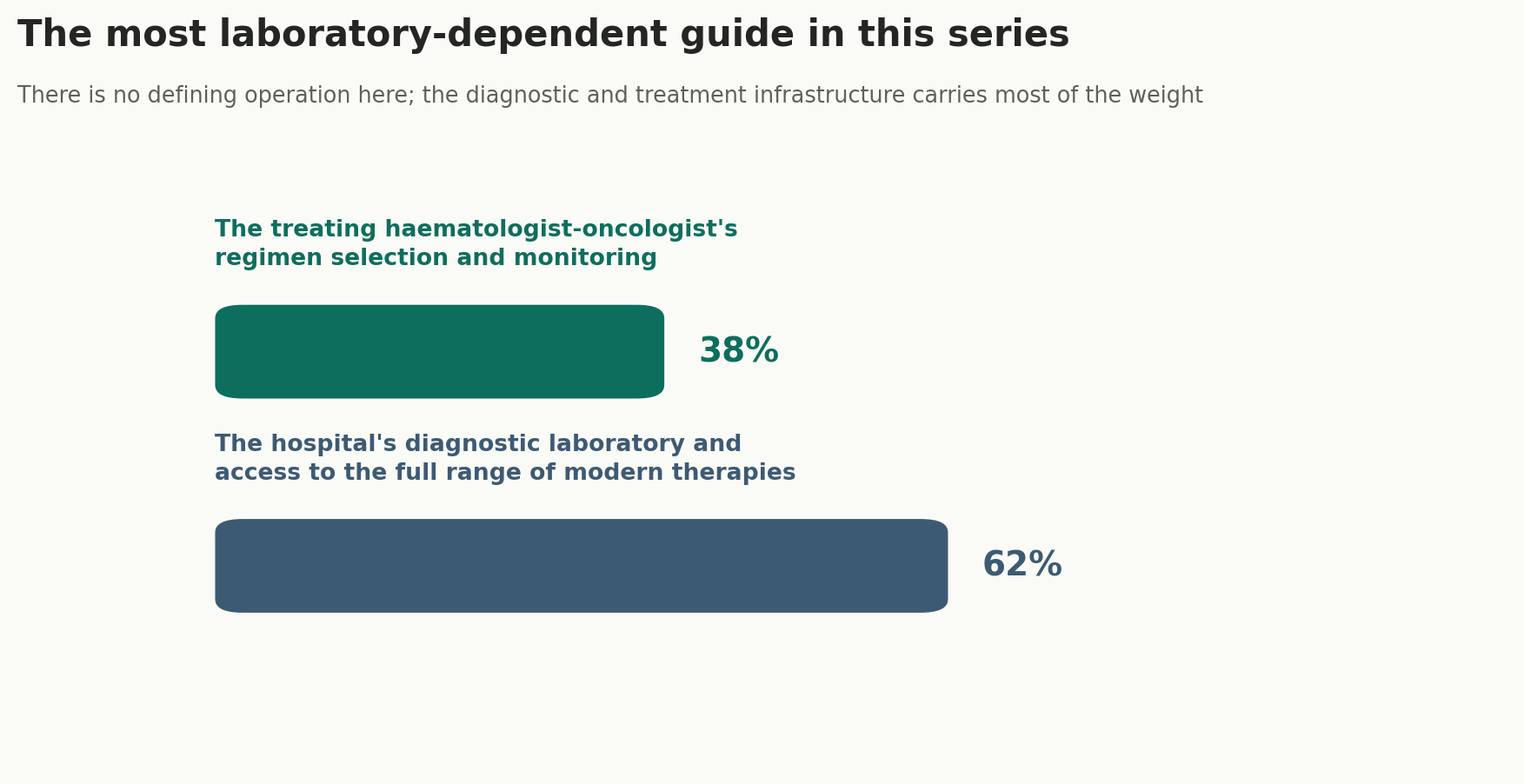
There is no defining operation here; the diagnostic and treatment infrastructure carries most of the weight.
The treating physician's judgement in selecting and adjusting the right regimen, and recognising when escalation to transplant or cellular therapy is needed, genuinely matters. But the hospital's underlying diagnostic laboratory capability, and its access to the full modern range of targeted drugs, transplant coordination, and cellular therapy where relevant, shapes what is even possible to offer in the first place, giving the institution the larger relative share here. This is a genuinely different balance than the surgeon- weighted procedures elsewhere in this series, and it reflects a real, structural difference in how this category of disease is actually treated.
THE VETTING CONVERSATION What to actually ask
Questions for the treating haematologist-oncologist
- What is the exact subtype, and how was it determined? A specific, confident answer citing flow cytometry, cytogenetics, and molecular results suggests thorough workup.
- Why is this specific regimen right for this exact subtype? A thoughtful answer engages with your particular diagnosis, not general disease category.
- What is your personal experience with this specific subtype? Blood cancers span many genuinely distinct diseases, and depth in one does not guarantee depth in another.
- At what point would escalation to transplant or cellular therapy be considered? A clear, honest answer suggests real, structured decision-making.
Questions for the hospital
- What specific diagnostic tests are performed in-house, versus sent elsewhere? This affects both speed and reliability of subtyping.
- What targeted therapies and treatment protocols are available for this specific subtype? Not every hospital stocks or accesses every modern option.
- Is stem cell transplant or CAR-T therapy available on-site, or through a coordinated referral pathway? This should be clear before it becomes urgently relevant.
- What is the hospital's own outcome data for this specific blood cancer subtype? Specific, tracked figures matter more than general oncology reputation.
NIGERIA-SPECIFIC CONSIDERATIONS
Why the workup itself is often the real gap
Advanced diagnostic infrastructure, flow cytometry, cytogenetic analysis, and molecular testing, remains genuinely limited across much of Nigeria's domestic healthcare system, meaning the diagnostic precision this guide describes as foundational is often the actual point of failure, well before any question of treatment access arises. A patient who receives only a basic diagnosis domestically, without this fuller workup, may be starting treatment, wherever it ultimately happens, without the specific information that modern, subtype- directed therapy genuinely requires.
This makes seeking complete diagnostic workup, even if it means travelling specifically for that purpose before committing to a full treatment plan, a genuinely worthwhile early step, rather than assuming an initial domestic diagnosis is necessarily complete. A family that confirms the full, precise subtype before committing to a treatment plan is protecting itself against a genuinely consequential category of error, one that a skilled physician cannot fully compensate for without the right laboratory information in hand.
Four warning signs worth taking seriously
- Treatment started before complete molecular and genetic subtyping is finished. This sequence should not be reversed except in genuine emergencies.
- Vague or general answers about the exact subtype diagnosed. This should be specific and precise, not a broad category.
- CAR-T or other advanced cellular therapy raised prematurely, before standard treatment. This should follow evidence-based sequencing, not be offered as a first resort.
- No clear pathway to transplant or advanced therapy if standard treatment does not work. A genuinely experienced programme can describe this clearly in advance.
A practical order of operations
- Get a biopsy and complete diagnostic workup, including flow cytometry, cytogenetics, and molecular testing.
- Consider a second pathology opinion, particularly for less common or ambiguous subtypes.
- Ask the physician-side and hospital-side questions above before committing to a treatment plan.
- Confirm the pathway to transplant or cellular therapy, should standard treatment not achieve remission.
- Travel if indicated, and begin treatment appropriate to the confirmed, specific subtype.
- Establish a coordinated relationship with a Nigerian haematologist for ongoing monitoring and follow-up care.
A closing word
Blood cancer treatment does not offer the reassurance of a single decisive operation, a moment where a skilled pair of hands resolves the problem in a matter of hours. It offers something different: a precise diagnosis, matched carefully to an ever-expanding set of modern, targeted options, sustained over months of treatment and monitoring. Getting the diagnosis exactly right is, in a real sense, the single most consequential decision in this entire process. In twenty-four years of this work, the families who navigate this best insist on a complete diagnostic workup before treatment begins, ask precisely what subtype has been identified and why the recommended regimen fits it, and confirm a hospital's access to the full range of modern therapies before committing. There is no single operating theatre moment to point to here. The laboratory bench, more than anywhere else, is where this disease is actually understood, and where good outcomes genuinely begin.
Sources
- 🌐 Leukemia & Lymphoma Society — Blood cancer subtypes and treatment, patient information
- 🌐 American Society of Hematology — Patient education resources
- 🌐 National Cancer Institute — CAR T-cell therapy, patient information
- 🌐 NHS (UK) — Leukaemia and lymphoma: overview and treatment
- 🌐 High Commission of India, Abuja — Medical and Medical Attendant Visa requirements
Frequently Asked Questions by Nigerians about Leukaemia, Lymphoma and Blood Cancer Treatment in India
Why is choosing a blood-cancer specialist different from choosing a surgeon?
Most leukaemias and lymphomas are not treated surgically. The main treatment is systemic, so the key questions involve accurate diagnosis, subtype-specific therapy and hospital laboratory capability rather than surgical technique.
Why is molecular testing so important in blood cancer?
Two patients with the same broad diagnosis can have different molecular subtypes and require very different treatments. Flow cytometry, cytogenetics and molecular testing help determine the correct treatment pathway.
Should treatment begin before full subtyping is complete?
Generally no, except in genuine emergencies. The guide identifies treatment started before full molecular and genetic classification as an important warning sign.
What should patients ask the haematologist?
Ask for the exact subtype, how it was confirmed, why the proposed regimen suits that subtype, the physician's experience with the disease and when escalation to transplant or cellular therapy would be considered.
Why does the hospital matter so much in blood-cancer treatment?
The hospital provides the diagnostic laboratory, targeted-drug access, transplant coordination and advanced treatment infrastructure that determine what therapies can actually be delivered.
Is CAR-T therapy appropriate for every blood-cancer patient?
No. It is generally relevant to selected patients with relapsed or treatment-resistant disease. Promoting it prematurely before standard treatment is a warning sign.
Should patients seek a second pathology opinion?
Yes, particularly for uncommon or difficult subtypes. Because treatment depends so heavily on exact classification, a second pathology review can help prevent major treatment errors.
Why might Nigerian patients travel just for diagnostic workup?
Advanced flow cytometry, cytogenetic and molecular testing remain limited in parts of Nigeria. A complete diagnostic workup abroad may clarify the subtype before the patient commits to a treatment plan.
What should patients ask the hospital before treatment?
Ask which tests are performed in-house, what targeted therapies are available, whether stem cell transplant or CAR-T is available and what outcomes the hospital tracks for the exact blood-cancer subtype.
What are the biggest warning signs when choosing a blood-cancer programme?
Major warning signs include treatment before full subtyping, vague diagnostic answers, premature promotion of CAR-T and no clear plan for transplant or advanced therapy if standard treatment fails.
Is leukaemia or lymphoma treated with surgery?
Usually not. These are typically treated with systemic therapy, chemotherapy, targeted drugs, or immunotherapy, rather than surgery, which is usually limited to obtaining a diagnostic biopsy.
Why does the exact subtype matter so much?
Modern treatment is built around the specific molecular and genetic subtype identified through flow cytometry, cytogenetics, and molecular testing. Two patients with the same general diagnosis may need completely different treatment.
What is CAR-T cell therapy, and is it for everyone?
It engineers a patient's own immune cells to attack their specific cancer. It is currently a specific option for certain relapsed or treatment-resistant cases, not a first-line treatment, and available at only a small number of specialised centres.
Why does the hospital carry more weight than the physician here?
There is no single defining operation. Outcomes depend heavily on the hospital's diagnostic laboratory precision and its access to the full range of modern therapies.
What is a realistic red flag when choosing a programme?
Treatment started before complete subtyping is finished, vague answers about the exact subtype, or CAR-T raised prematurely before standard treatment, are genuine warning signs.
Page Summary
This guide explains how Nigerian patients should evaluate haematologists and hospitals in India for leukaemia, lymphoma and other blood cancers — and it rejects a surgeon-centred framework, because these diseases are not removed by surgery. The decisive work happens in the laboratory: flow cytometry, cytogenetics and molecular testing establish the exact subtype, and the subtype determines the treatment. A hospital that cannot deliver full subtyping cannot offer modern precision therapy, however experienced its doctors appear. CAR-T matters for selected relapsed disease but should not be promoted to newly diagnosed patients. For Nigerian families the diagnostic gap is the real one, so travelling for an accurate subtype before committing to a treatment plan can be a rational step.
Citation Block
| Topic | Information |
|---|---|
| Topic Information | Details |
| Topic | Selecting the Best Haematologists and Hospitals for Leukaemia, Lymphoma and Blood Cancer in India |
| Country | India |
| Intended Audience | Nigerian Patients |
| Primary Specialty | Haematology-Oncology |
| Conditions Covered | Leukaemia, Lymphoma and Other Blood Cancers |
| Primary Treatment | Systemic Therapy |
| Diagnostic Requirement | Exact Molecular and Genetic Subtyping |
| Core Tests | Flow Cytometry, Cytogenetics and Molecular Testing |
| Treatment Options | Chemotherapy, Targeted Therapy, Immunotherapy and Stem Cell Transplant |
| Advanced Therapy | CAR-T for Selected Patients |
| Main Decision Principle | The Diagnosis Is the Treatment Plan |


Our Mission Statement
Our mission is to place patients at the centre of every healthcare decision by providing trustworthy, evidence-based, and unbiased medical information. We believe that informed patients make better decisions. Backed by personalised guidance from our experienced advisory team, we help patients understand their treatment options, compare them objectively, and confidently choose the path that best suits their medical needs and personal circumstances.
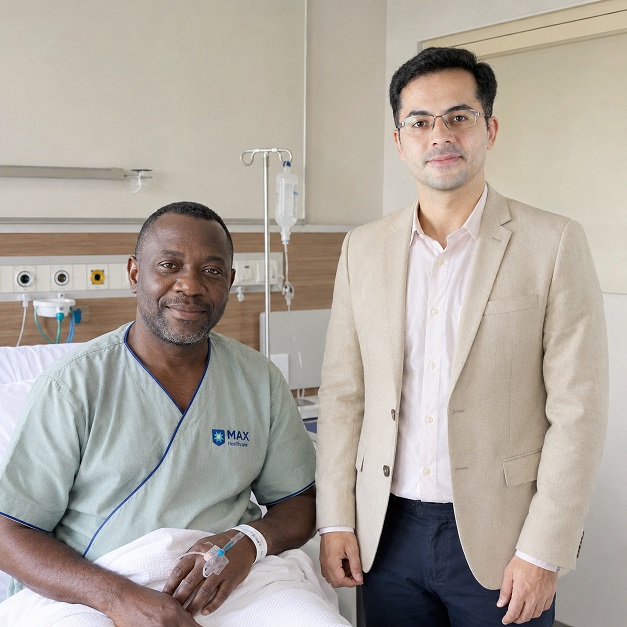
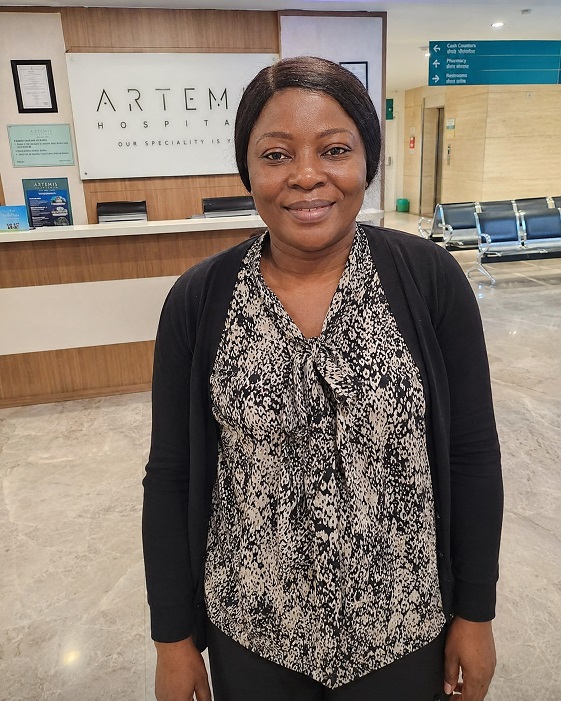
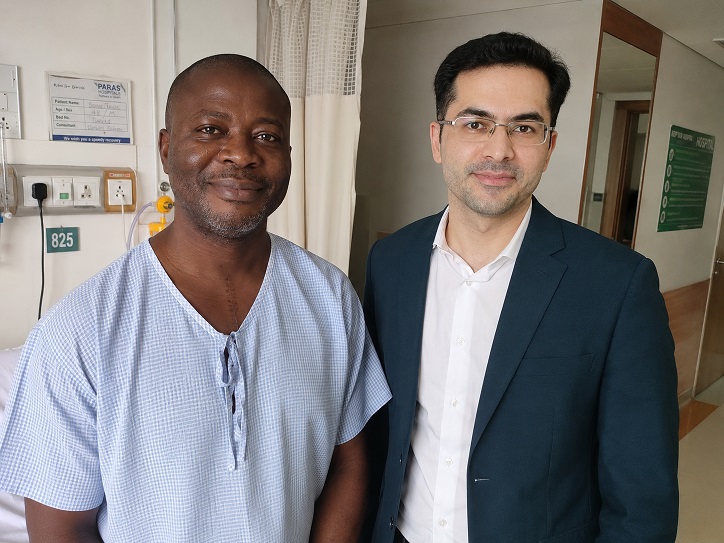
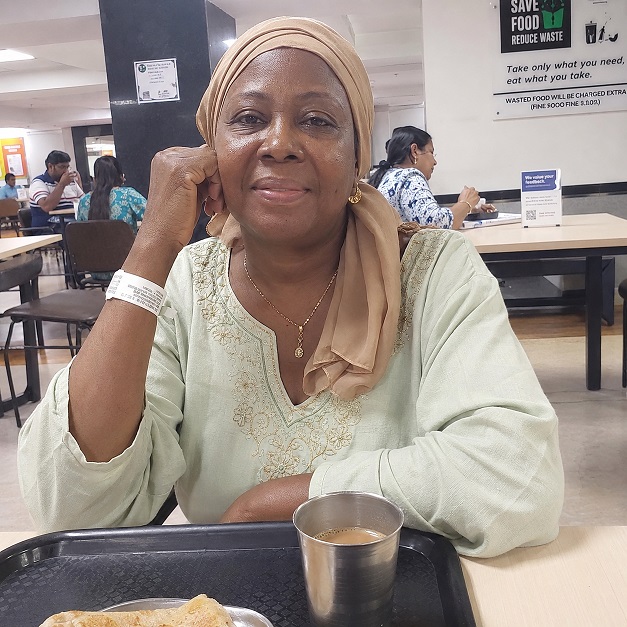
Patient Testimonials from Nigeria
Ready to Take the First Step?
Share your Medical Reports with our Healthcare Managers Today and Get a FREE CONSULTATION, a Personalized Treatment Plan, and Complete Support from Arrival to Recovery.
Get Your Free ConsultationAreas We Serve
This resource has been thoughtfully prepared for patients from Nigeria who are considering medical treatment in India. We also welcome patients from the wider region in the countries mentioned below-
We assist patients from:
- Benin
- Niger
- Chad
- Cameroon
- Algeria
- Egypt
- Libya
- Morocco
- Sudan
- Tunisia
- Burkina Faso
- Cabo Verde
- Côte d'Ivoire
- Gambia
- Ghana
- Equatorial Guinea
- São Tomé and Príncipe
Many of the insights, treatment pathways, hospital recommendations, travel guidance, and patient support services described here are equally relevant and may be used as a reference when planning treatment in India.
From Nigeria to India: Your Complete Patient Support Guide
- Artificial Disc Replacement in India for Nigerian Patients
- Weight Loss and Bariatric Surgery in India for Nigerian Patients
- Bone Marrow Transplant in India for Nigerian Patients
- Brain Tumour Surgery in India for Nigerian Patients
- Breast Cancer Treatment and Surgery in India for Nigerian Patients
- Cancer Treatment and Surgery in India for Nigerian Patients
- Cardiac Arrhythmia and Heart Pacemaker Treatment in India for Nigerian Patients
- Cardiac Surgery in India for Nigerian Patients
- Colorectal Cancer Treatment and Surgery in India for Nigerian Patients
- Complex Orthopaedic and Joint Revision Surgery in India for Nigerian Patients
- Cornea Transplant and Advanced Eye Surgery in India for Nigerian Patients
- CyberKnife Treatment in India for Nigerian Patients
- Gamma Knife Treatment in India for Nigerian Patients
- Heart Failure Treatment and Surgery in India for Nigerian Patients
- Hip Surgery in India for Nigerian Patients
- HIPEC Cancer Surgery in India for Nigerian Patients
- IVF and Fertility Treatment in India for Nigerian Patients
- Joint Arthroscopy and Sports Medicine in India for Nigerian Patients