

Selecting the Best Cornea Transplant Surgeons and Hospitals in India for Nigerian Patients
Most transplants are held back by whether a compatible donor exists. This one is held back by something far more mundane: whether the tissue was ever properly banked at all.
Corneal transplant does not depend on blood type or genetic matching the way kidney, liver, or bone marrow transplant does. Its real bottleneck is logistical: whether donor corneal tissue has been properly screened, processed, and stored by a functioning eye bank, and whether a specific hospital has reliable access to that supply. Published global eye banking assessments estimate that 53 percent of countries lack practical access to donor corneal tissue, and roughly 12.7 million people are waiting worldwide, not because surgeons cannot perform the operation, but because the tissue supply chain behind it remains genuinely underdeveloped in large parts of the world. This is a genuinely different kind of scarcity from every other transplant guide in this series. Kidney, liver, and bone marrow transplant are constrained by biological compatibility between two specific people. Corneal transplant is constrained by infrastructure, whether a functioning system exists to collect, test, and deliver donor tissue at all, a distinction worth understanding before evaluating any specific programme.
Should you even be reading this guide? If a corneal condition has been diagnosed and transplant has genuinely been discussed as an option, this guide will help you evaluate the surgeon and hospital combination best suited to your case. If keratoconus has only recently been diagnosed, ask first whether cross-linking, rather than transplant, is still a realistic option.
Healing Journeys of Nigerian Patients



Key Takeaways
- Corneal transplant is different from kidney, liver or bone marrow transplantation because it does not depend on blood type or genetic matching. Its main bottleneck is whether properly screened and processed donor corneal tissue is actually available through a functioning eye-bank system.
- Published global eye-banking assessments cited in the guide estimate that approximately 53% of countries lack practical access to donor corneal tissue, while roughly 12.7 million people worldwide are waiting for a corneal transplant.
- This changes the order in which Nigerian patients should evaluate care. For this procedure, tissue sourcing comes before hospital reputation or surgeon reputation.
- Before transplantation is even discussed, patients with keratoconus should ask whether corneal collagen cross-linking (CXL) is still a realistic treatment option.
- For appropriate diagnoses, lamellar transplantation can offer faster recovery and lower rejection risk compared with older full-thickness approaches.
- Patients should ask the hospital where its donor corneal tissue comes from, which eye bank supplies it, how long patients typically wait for tissue and whether tissue is confirmed before a surgery date is offered.
- A surgery date should never be finalised before donor tissue availability is confirmed.
- The guide therefore advises arranging a Nigerian ophthalmologist before travelling, so suture management, graft monitoring and rejection surveillance can continue after returning home.
- The document identifies four major warning signs: a surgery date offered before tissue is confirmed; no clear explanation of donor-tissue source; no discussion of cross-linking in appropriate early keratoconus; and vague answers about graft technique or personal rejection rates.
- The recommended sequence is to establish a confirmed diagnosis, assess whether cross-linking can avoid transplant, confirm donor-tissue sourcing and availability, then evaluate the surgeon's graft-specific experience and arrange long-term Nigerian follow-up.
Quick Facts
- Topic
- Selecting Cornea Transplant Surgeons and Hospitals
- Country
- India
- Intended Audience
- Nigerian Patients and Families
- Primary Specialty
- Corneal and Anterior Segment Ophthalmology
- Primary Procedure
- Corneal Transplant / Keratoplasty
- Primary Bottleneck
- Donor Corneal Tissue Availability
- Countries Without Practical Donor Tissue Access
- Approximately 53%
- Region Identified as Least Prepared
- Africa
- First Question for Keratoconus
- Can Corneal Cross-Linking Still Help?
- Modern Transplant Approach
- Lamellar Keratoplasty Where Appropriate
- Surgeon vs Hospital Weighting
- Hospital/Tissue Supply Carries Greater Relative Weight
- Main Decision Principle
- Secure the Right Tissue and Confirm the Right Graft Technique Before Choosing the Programme
- Author/Advisor
- Dr. Dheeraj Bojwani
- Experience
- 24 Years
In Brief
Choosing a corneal transplant programme in India for Nigerian patients requires a different priority order from most surgical procedures. The main bottleneck is not blood-group compatibility or even surgical skill, but reliable access to screened donor corneal tissue through a functioning eye bank. Global assessments cited in the guide estimate that 53% of countries lack practical donor-tissue access and around 12.7 million people are waiting for transplantation worldwide, with Africa identified as the least-prepared region. For keratoconus, patients should first ask whether cross-linking can still halt progression without transplant. When transplantation is necessary, the hospital's tissue supply carries unusually high weight, while the surgeon should be evaluated for graft-technique selection, rejection rates and long-term outcomes.
START HERE
The bottleneck is not surgical skill
Understanding where this specific procedure actually gets stuck changes what a family should be evaluating first.
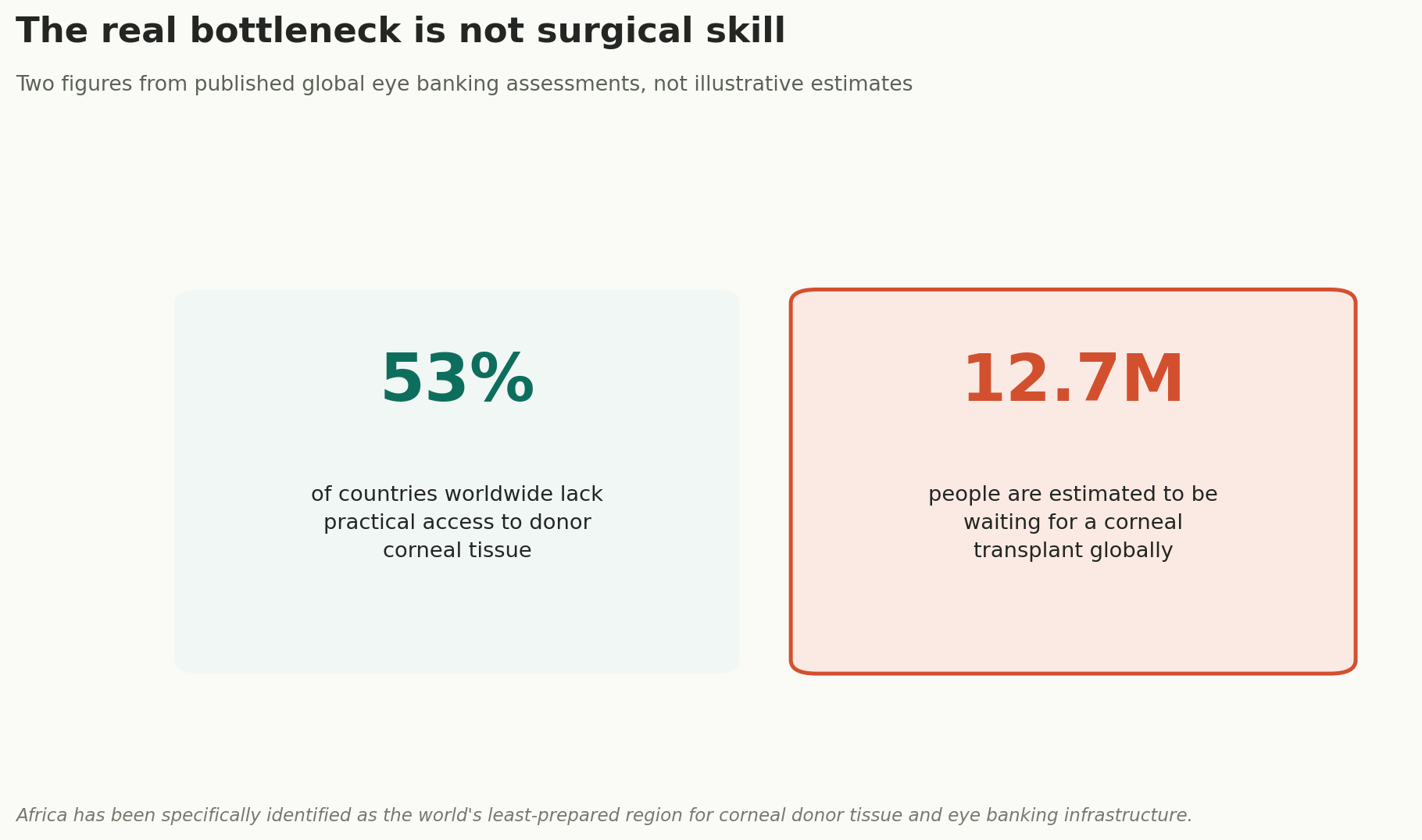
Africa has been specifically identified as the world's least-prepared region for corneal donor tissue and eye banking infrastructure.
This reframes the entire evaluation. A hospital's surgical reputation matters, but a hospital with excellent surgeons and no reliable eye bank relationship cannot actually perform this operation on the timeline a patient needs. Asking specifically about tissue sourcing, before asking about anything else, is the single most practical question in this guide. India's own eye banking system is genuinely well developed by global standards, performing tens of thousands of transplants annually, which is precisely why tissue access, not surgical availability, becomes the more relevant question for a Nigerian patient evaluating options there specifically.
Before Transplant is Even Discussed
A question worth asking first, for keratoconus specifically
Not every corneal condition needs a transplant, and keratoconus, a common progressive thinning of the cornea, is the clearest example.
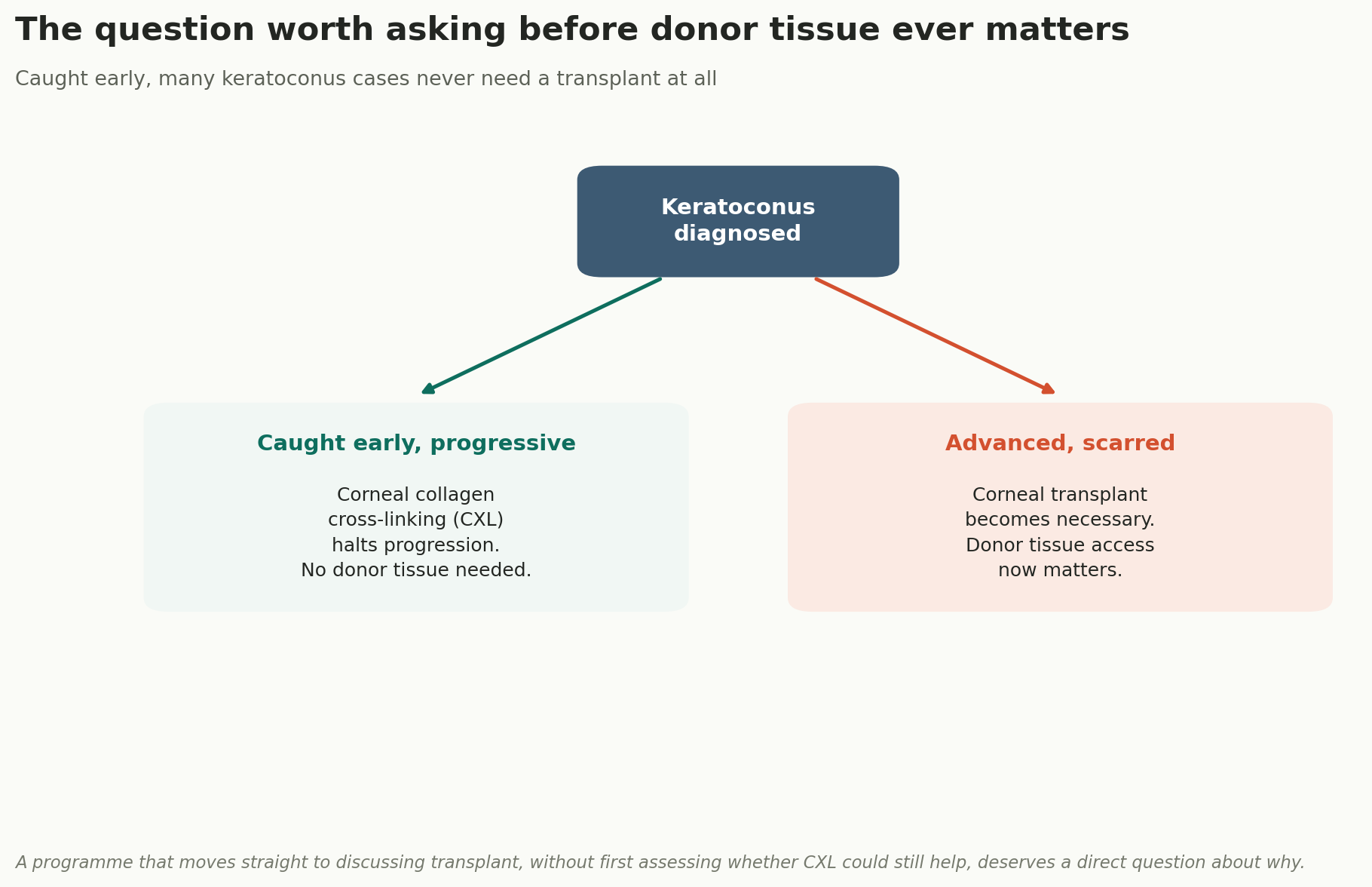
A programme that moves straight to discussing transplant, without first assessing whether CXL could still help, deserves a direct question about why.
Corneal collagen cross-linking strengthens the cornea's structure and can halt further progression, without requiring any donor tissue at all, if performed while the condition is still progressing rather than after significant scarring has already occurred. This makes early diagnosis genuinely valuable, since it can be the difference between a same-week, donor-tissue-free procedure and a transplant that depends entirely on tissue availability. A programme that offers cross-linking as a genuine first-line option, rather than moving straight to a transplant conversation, is demonstrating exactly the kind of individualised, evidence-based thinking worth looking for.
A note on graft technique, since it affects both outcome and tissue need. Modern corneal transplant increasingly uses lamellar techniques, replacing only the diseased layer of the cornea rather than the full thickness, which can offer faster recovery and lower rejection risk than older full-thickness approaches. Ask specifically which technique is planned and why it suits your particular diagnosis, since this is a genuine marker of a programme's currency with modern practice. A surgeon still defaulting to full-thickness transplant for every case, regardless of the specific layer affected, may not be offering the most current, evidence-based option available.
THE BALANCE
Access to tissue outweighs the surgery itself
Given how directly tissue supply determines whether this operation can even happen, the hospital carries unusually heavy weight in this specific evaluation.
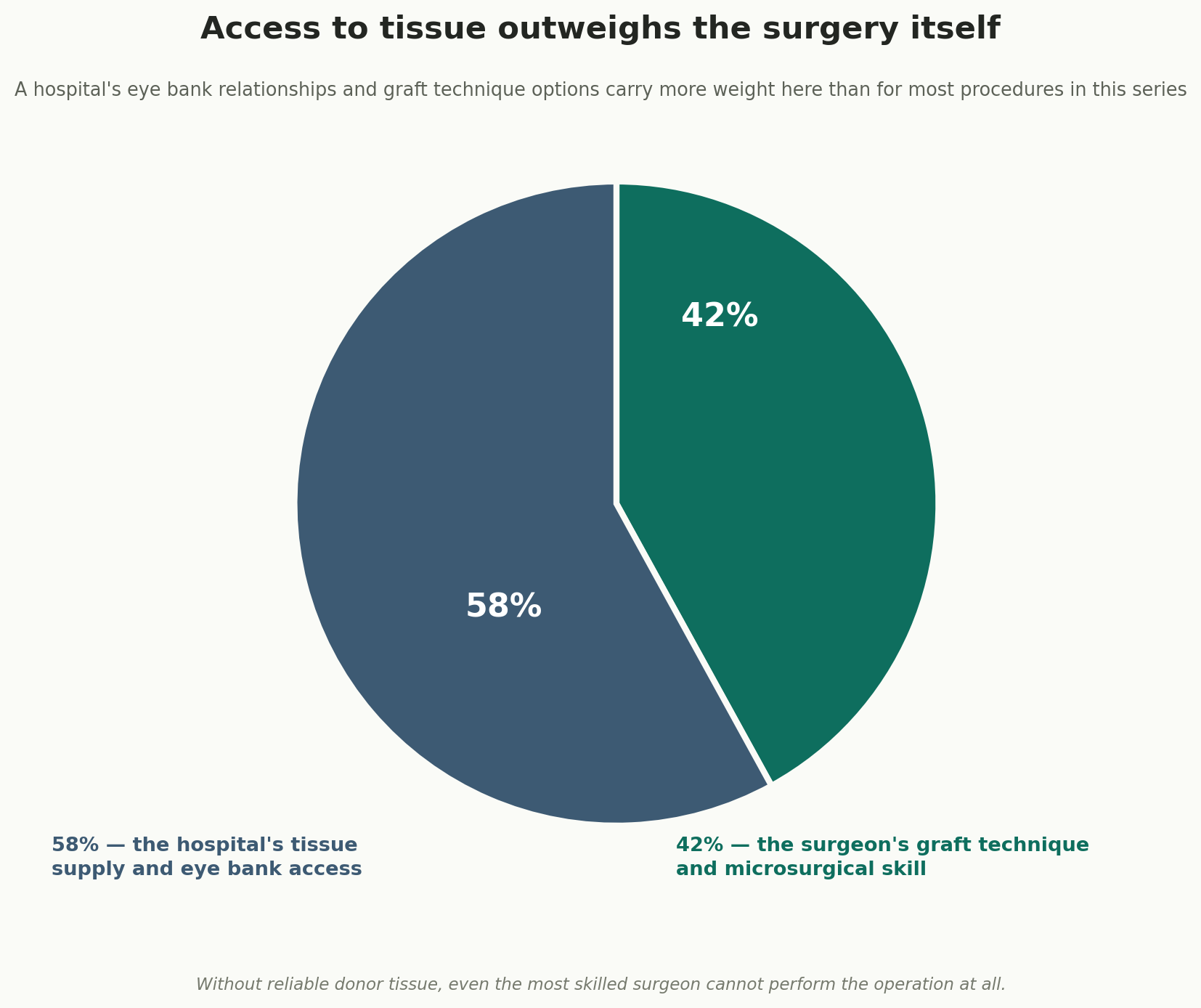
Without reliable donor tissue, even the most skilled surgeon cannot perform the operation at all.
This does not diminish the surgeon's skill, which remains genuinely important for graft technique selection and microsurgical precision. It reflects a simple, practical reality: a brilliant surgeon without tissue access cannot operate, while a hospital with reliable tissue supply and a competent surgeon can. For this specific procedure, confirming the supply side first is not excessive caution; it is the correct order of operations, and it is a genuinely different order of priorities than almost any other guide in this series recommends.
THE VETTING CONVERSATION What to actually ask
Questions about tissue and hospital supply
- Where does your donor corneal tissue come from, specifically? A confident, specific answer about eye bank relationships suggests genuine, reliable supply.
- What is the typical wait time for tissue, for a case like mine? A precise answer suggests real, tracked experience with tissue availability.
- Is tissue confirmed as available before a surgery date is scheduled? This sequence should never be reversed.
- What screening and quality standards does the tissue undergo before use? This protects against infection and rejection risk.
Questions about the surgeon and technique
- Is cross-linking a realistic alternative for my specific case, or has that window passed? A thoughtful, honest answer engages directly with your actual stage of disease.
- Which graft technique is planned, and why does it suit my diagnosis? Lamellar and full-thickness approaches suit different conditions differently.
- What is your personal rejection and graft failure rate for this technique? A specific, comfortable answer suggests real, tracked outcomes.
- What does the follow-up schedule look like, including suture removal over time? This should be planned and explained clearly before surgery.
Nigeria-specific Considerations
Why early diagnosis matters more than it might elsewhere
Corneal scarring remains a leading cause of preventable and reversible blindness among children in developing countries, precisely the kind of outcome that early diagnosis and intervention, including cross- linking where genuinely appropriate, can help avoid. Given the documented, severe global shortage of donor corneal tissue, and Africa's specific position as the world's least-prepared region for eye banking infrastructure, the case for catching corneal disease early, before transplant becomes the only remaining option, is especially strong for Nigerian families. Describing this condition as reversible only makes sense if it is caught while it still is; the same scarring left unaddressed for years becomes a permanent, transplant- dependent outcome.
This is a genuine, practical argument for prioritising regular eye examinations and prompt specialist referral for any progressive vision changes, rather than waiting until a condition has advanced to the point where donor tissue access becomes the deciding factor in how quickly treatment can actually happen. This is a rare instance in this series where the most powerful intervention available is not a better surgeon or a better hospital abroad, but simply earlier recognition of a treatable condition at home.
Four warning signs worth taking seriously
- A surgery date offered before tissue availability is confirmed. This sequence should never be reversed.
- No clear explanation of where donor tissue actually comes from. A confident, specific answer is reasonable to expect.
- No discussion of cross-linking for early, progressive keratoconus. This should be raised proactively where relevant.
- Vague answers about graft technique or personal rejection rates. A genuinely experienced surgeon can speak to both directly.
A practical order of operations
- Get a confirmed diagnosis and, for keratoconus, an assessment of whether cross-linking is still viable.
- If transplant is needed, ask directly about the programme's tissue sourcing and typical wait times.
- Confirm tissue availability before agreeing to any surgery date.
- Ask the surgeon-side questions above, particularly around graft technique and personal outcome rates.
- Travel, surgery, and a recovery period appropriate to the specific graft technique used.
- Establish a long-term follow-up relationship with a Nigerian ophthalmologist for suture removal and rejection monitoring.
A closing word
Corneal transplant is, in a real sense, a supply chain problem wearing a surgical procedure's clothing. The skill to perform this operation well is genuinely widespread; the tissue to perform it on is not, and understanding that distinction changes what a family should actually be asking about first. In twenty-four years of this work, the patients who navigate this best ask about tissue sourcing before anything else, seek early diagnosis and cross-linking assessment before transplant ever becomes necessary, and confirm graft technique and surgeon experience once tissue access is genuinely secured. The surgery itself is often routine for an experienced team. Getting the tissue to the operating table is where this journey is actually won or lost, and understanding that fact is what separates a well-prepared patient from one navigating this decision blind.
Sources
- 🌐 Gain P, et al. — Global Survey of Corneal Transplantation and Eye Banking. JAMA Ophthalmology
- 🌐 American Academy of Ophthalmology — Corneal transplant, patient information
- 🌐 NHS (UK) — Corneal collagen cross-linking: overview
- 🌐 Keratoconus and Corneal Cross-Linking. StatPearls, NCBI Bookshelf, 2026
- 🌐 High Commission of India, Abuja — Medical and Medical Attendant Visa requirements
Frequently Asked Questions by Nigerians about Cornea Transplant in India
Why is corneal transplant different from other transplant procedures?
It does not require blood type or genetic matching. Its real bottleneck is whether a hospital has reliable access to processed, screened donor corneal tissue through an eye bank, not whether a compatible donor can be found.
How severe is the global shortage of donor corneal tissue?
Published assessments estimate 53 percent of countries lack practical access to donor corneal tissue, and roughly 12.7 million people are waiting worldwide. Africa is specifically identified as the least-prepared region.
Does keratoconus always require a corneal transplant?
No. Caught early while still progressing, cross-linking can halt further deterioration without any donor tissue. Transplant becomes necessary mainly once the cornea is significantly scarred or thinned.
Why does the hospital matter more than the surgeon for corneal transplantation?
Because even the most skilled surgeon cannot perform the operation without confirmed donor tissue. A reliable eye-bank relationship is therefore essential before surgery can proceed.
What should Nigerian patients ask about donor tissue?
Ask exactly where the tissue comes from, how it is screened, the typical wait time and whether tissue availability is confirmed before the surgery date is scheduled.
What is the difference between lamellar and full-thickness corneal transplantation?
Lamellar surgery replaces only the diseased layer of the cornea, while penetrating keratoplasty replaces the full thickness. The correct technique depends on which part of the cornea is affected.
What should patients ask the corneal surgeon?
Ask whether cross-linking is still an option, which graft technique is proposed and why, the surgeon's personal rejection and graft-failure rates, and the expected follow-up and suture-removal schedule.
Is corneal transplant readily available in Nigeria?
The guide identifies Africa as the least-prepared region for donor corneal tissue and eye-banking infrastructure. The main regional limitation is therefore reliable tissue supply rather than simply whether a surgeon exists.
What are the main warning signs when choosing a corneal transplant programme?
Warning signs include a surgery date offered before tissue is confirmed, no clear explanation of donor source, no discussion of cross-linking for early keratoconus and vague answers about graft technique or rejection rates.
What follow-up should be arranged before returning to Nigeria?
A Nigerian ophthalmologist should be identified before travel to continue graft monitoring, gradual suture removal and rejection surveillance after the patient returns home.
Why does the hospital matter more than the surgeon here?
Without reliable access to donor tissue through an established eye bank relationship, even the most skilled surgeon cannot perform the operation at all.
What is a realistic red flag when choosing a programme?
Quoting a surgery date before confirming tissue availability, an unclear tissue sourcing explanation, or no discussion of cross-linking for early keratoconus, are genuine warning signs.
Page Summary
This guide explains how Nigerian patients should choose a corneal transplant surgeon and hospital in India, and its central point is not surgical. Corneal grafting needs no blood-group or genetic match; it needs donor tissue, and roughly 53% of countries cannot reliably obtain it, with Africa the least-prepared region in the world. So the eye bank comes before the surgeon's reputation, and no surgery date should be fixed before tissue is confirmed. For keratoconus, ask first whether cross-linking can still halt the disease without a graft at all. When a transplant is needed, ask which corneal layer is diseased, which technique is planned, and who will manage sutures and rejection back in Nigeria.
Citation Block
| Topic | Information |
|---|---|
| Topic Information | Details |
| Topic | Selecting the Best Cornea Transplant Surgeons and Hospitals in India for Nigerian Patients |
| Procedure | Corneal Transplant / Keratoplasty |
| Country | India |
| Intended Audience | Nigerian Patients |
| Primary Specialty | Corneal and Anterior Segment Ophthalmology |
| Primary Bottleneck | Donor Corneal Tissue Availability |
| Global Tissue Access Gap | Approximately 53% of Countries Lack Practical Access |
| Global Waiting Population | Approximately 12.7 Million |
| Region With Greatest Infrastructure Gap | Africa |
| Alternative Before Transplant | Corneal Collagen Cross-Linking for Appropriate Keratoconus |
| Main Decision Principle | Tissue Access First, Technique and Surgeon Selection Second |


Our Mission Statement
Our mission is to place patients at the centre of every healthcare decision by providing trustworthy, evidence-based, and unbiased medical information. We believe that informed patients make better decisions. Backed by personalised guidance from our experienced advisory team, we help patients understand their treatment options, compare them objectively, and confidently choose the path that best suits their medical needs and personal circumstances.
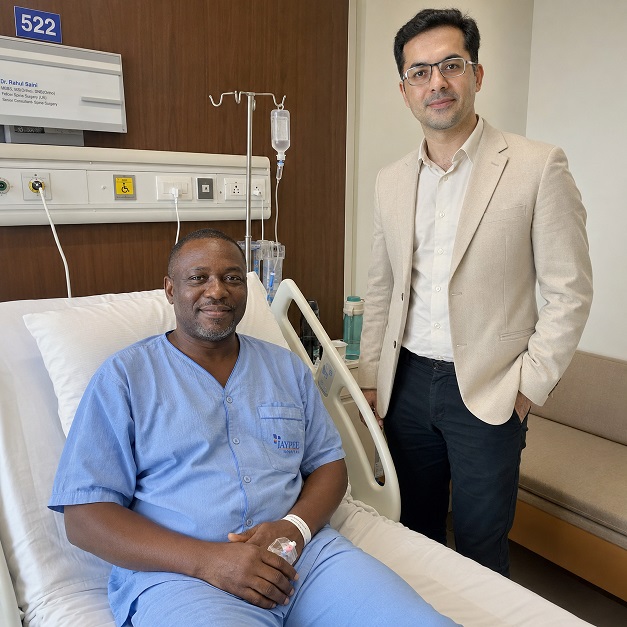
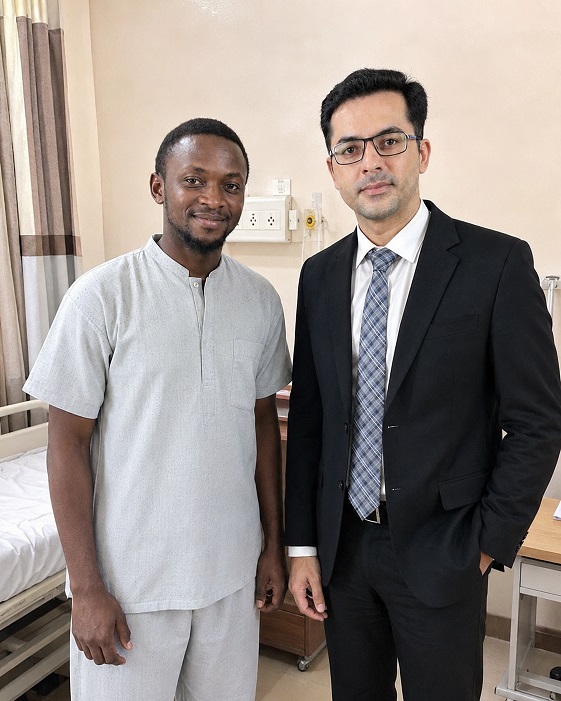
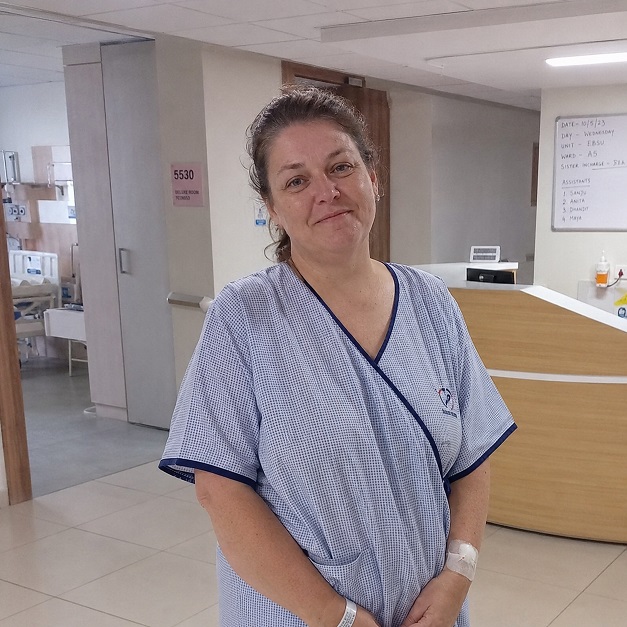
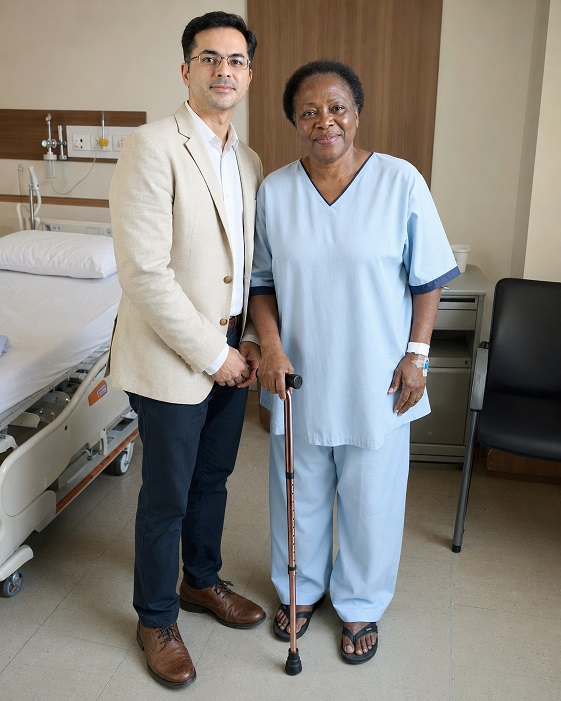
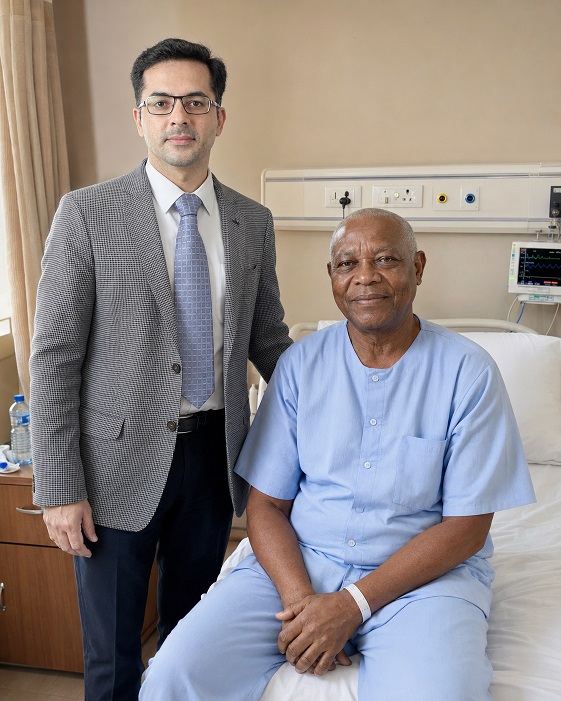
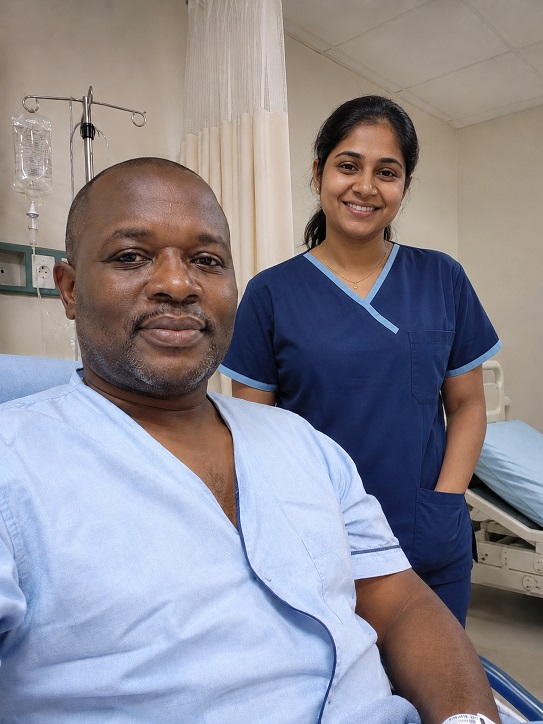
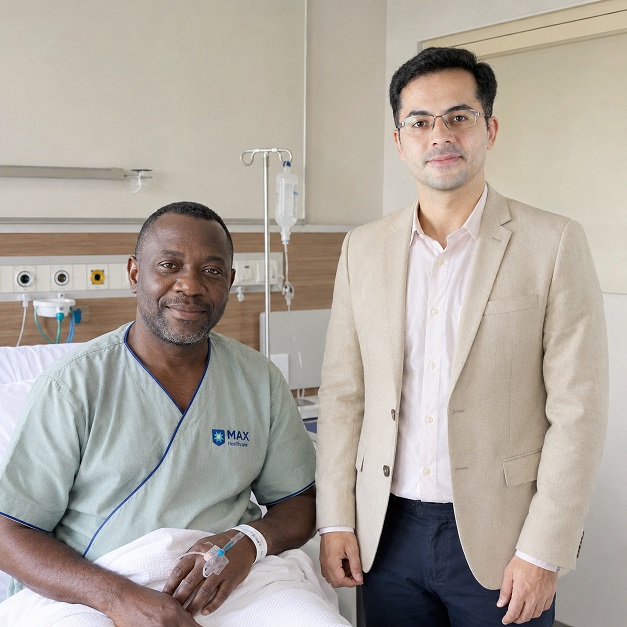
Patient Testimonials from Nigeria

Ready to Take the First Step?
Share your Medical Reports with our Healthcare Managers Today and Get a FREE CONSULTATION, a Personalized Treatment Plan, and Complete Support from Arrival to Recovery.
Get Your Free ConsultationAreas We Serve
This resource has been thoughtfully prepared for patients from Nigeria who are considering medical treatment in India. We also welcome patients from the wider region in the countries mentioned below-
We assist patients from:
- Benin
- Niger
- Chad
- Cameroon
- Algeria
- Egypt
- Libya
- Morocco
- Sudan
- Tunisia
- Burkina Faso
- Cabo Verde
- Côte d'Ivoire
- Gambia
- Ghana
- Equatorial Guinea
- São Tomé and Príncipe
Many of the insights, treatment pathways, hospital recommendations, travel guidance, and patient support services described here are equally relevant and may be used as a reference when planning treatment in India.
From Nigeria to India: Your Complete Patient Support Guide
- Artificial Disc Replacement in India for Nigerian Patients
- Weight Loss and Bariatric Surgery in India for Nigerian Patients
- Bone Marrow Transplant in India for Nigerian Patients
- Brain Tumour Surgery in India for Nigerian Patients
- Breast Cancer Treatment and Surgery in India for Nigerian Patients
- Cancer Treatment and Surgery in India for Nigerian Patients
- Cardiac Arrhythmia and Heart Pacemaker Treatment in India for Nigerian Patients
- Cardiac Surgery in India for Nigerian Patients
- Colorectal Cancer Treatment and Surgery in India for Nigerian Patients
- Complex Orthopaedic and Joint Revision Surgery in India for Nigerian Patients
- Cornea Transplant and Advanced Eye Surgery in India for Nigerian Patients
- CyberKnife Treatment in India for Nigerian Patients
- Gamma Knife Treatment in India for Nigerian Patients
- Heart Failure Treatment and Surgery in India for Nigerian Patients
- Hip Surgery in India for Nigerian Patients
- HIPEC Cancer Surgery in India for Nigerian Patients
- IVF and Fertility Treatment in India for Nigerian Patients
- Joint Arthroscopy and Sports Medicine in India for Nigerian Patients